
MRI Cost in Korea: Why Foreigners Add MRI to Korean Health Checkups
Thinking about getting an MRI in Korea? Learn about MRI cost in Korea, KMI MRI prices, popular MRI areas, targeted MRI options, and how foreigners can book a Korean health checkup with MRI.

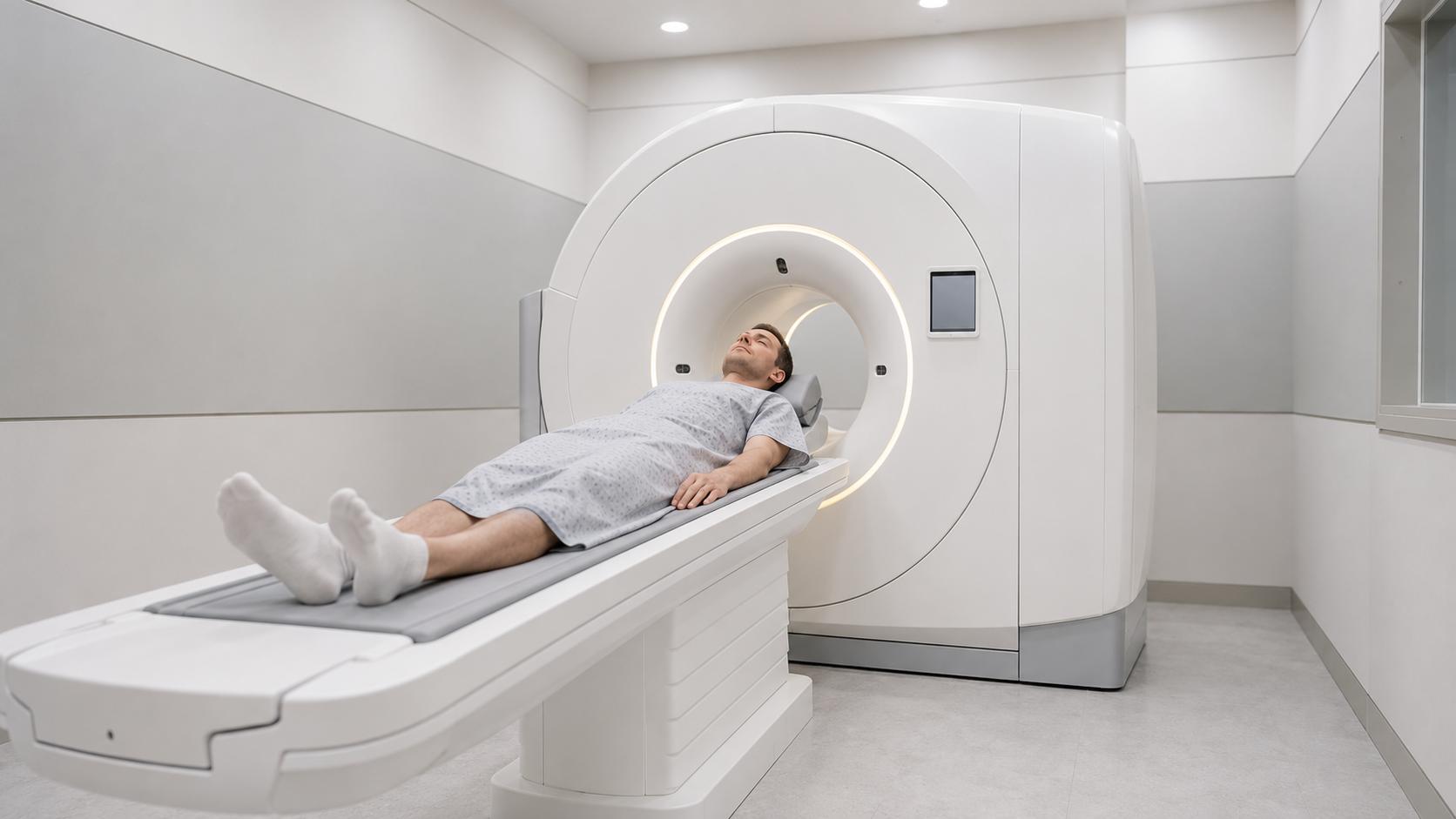
Hi—I'm Millie, a Creatrip editor.
After I shared my own health checkup experience in Korea, I realized many readers were curious about the individual tests inside a Korean full-body checkup.
So I’m starting a short series on three of the most popular health checkup add-ons among foreign visitors: MRI, colonoscopy, and genetic testing.
These three are especially popular because they can be expensive or difficult to access in the U.S., while Korea makes them much more approachable through organized health checkup packages.
Today’s topic is MRI
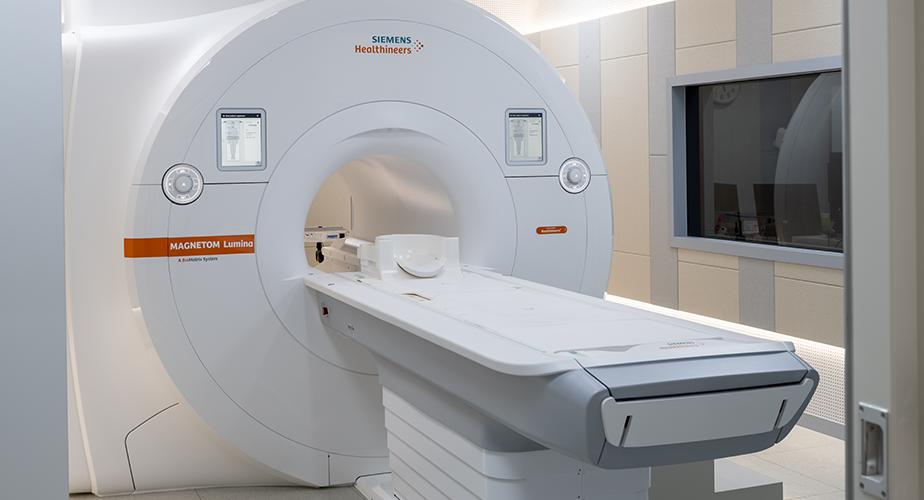
Today’s Topic: MRI in Korea
If you’ve ever thought,
“My family has a history of cancer or stroke,”
“My headaches have been getting worse,”
“I should probably check my spine, but MRI is too expensive back home,” you’re not alone.
In Korea, thanks to more affordable pricing, many foreign visitors are choosing MRI as part of a Korean health checkup to finally check the area they’ve been worried about.
Today, I’ll walk you through everything you need to know about getting an MRI in Korea.
In this post, I’ll cover:
- Why foreigners choose MRI in Korea
- Why targeted MRI is more common than full-body MRI in Korea
- The most popular MRI areas among foreigners
- What happens during an MRI
- How foreigners can book MRI in Korea
- FAQ
If you already know you want to book an MRI in Korea, you can check the current KMI health checkup packages through the link below.
Limited-Time Benefit: Book a Signature or Noble package on Creatrip and get a Brain MRI for free!
Millie’s Tip: Creatrip works with KMI to offer special monthly benefits for foreign visitors. Right now, eligible Signature and Noble customers at KMI Gwanghwamun, Yeouido, Busan, and Jeju can receive one free MRI or CT add-on, depending on the current promotion conditions.
1. Why Do Foreigners Choose MRI in Korea?
MRI feels very different depending on where you are.
In the U.S., MRI often feels like something you do only after symptoms become serious. In Korea, especially at large health checkup centers, MRI can be added more flexibly as part of a preventive screening package.
1) The price gap can be huge
This is the biggest reason many foreigners notice MRI in Korea.
In the U.S., MRI pricing can vary a lot depending on the facility, body part, insurance status, and whether contrast is used. Without insurance, it can easily cost hundreds to several thousand dollars.
In Korea, MRI add-ons at health screening centers are usually much more predictable.
MRI / MRA Option | Korea Price (KMI) | U.S. Self-Pay Price Range |
Brain MRI | approx. $260 | approx. $550–$900+ |
Brain MRA | approx. $182 | approx. $396–$3,254+ |
C-Spine MRI | approx. $260 | approx. $700–$1,100+ |
L-Spine MRI | approx. $260 | approx. $500–$600+ |
Many foreigners are surprised by how flexible Korean health checkup packages can be. Instead of choosing only one fixed package, you can usually add optional tests based on your age, family history, symptoms, or personal concerns.
Some of my friends in the U.S. told me that when they considered MRI back home, their first thought was, “Do I really need to do this right now at this price?”
But after coming to Korea, the question changed to, “Which area should I check while I’m here?”
That’s the biggest difference. More affordable MRI pricing gives foreigners more room to consider preventive screening before symptoms become severe.
Millie’s Tip: Not sure which tests are right for you? This blog can help you decide: https://creatrip.com/en/blog/15041.
2) Booking an MRI is usually much faster
Another reason MRI in Korea is popular among foreigners is the booking process.
In the U.S., getting an MRI often involves several steps: visiting a doctor, receiving a referral, waiting for insurance approval, comparing imaging centers, and scheduling a separate MRI appointment.
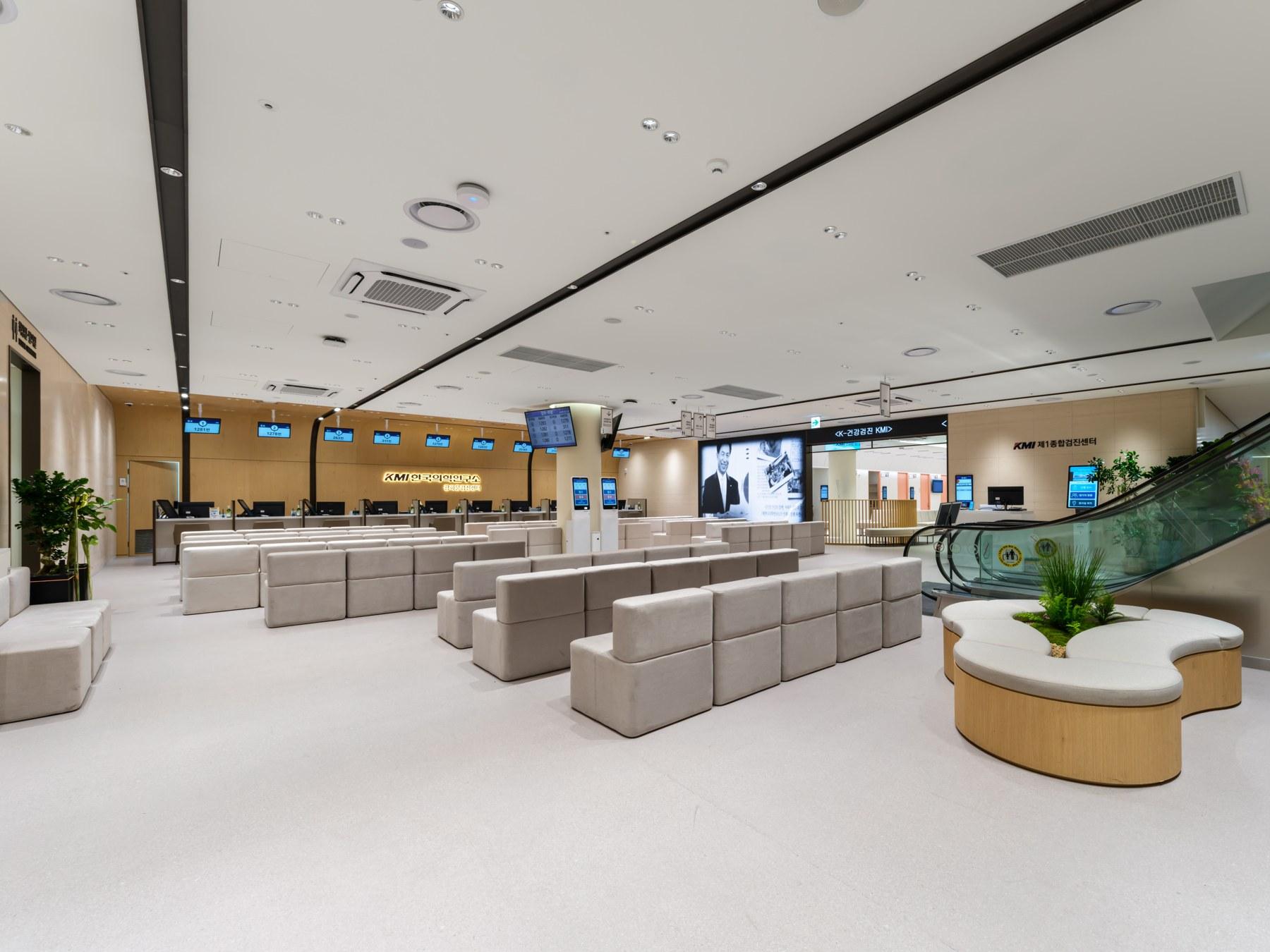
In Korea, MRI can often be added directly to a health checkup package. You select your checkup, add MRI if needed, visit the center, complete your tests in one flow, and receive your results afterward.
This one-stop system is especially helpful if you are visiting Korea for a limited time and don’t want to arrange multiple hospital visits.
Millie’s Tip: Want to see how easy it is to book a health checkup in Korea? You can try it here!
2. Why Is Targeted MRI More Common Than Full-Body MRI in Korea?
Recently, full-body MRI has become more talked about in the U.S., so some readers may wonder:
“If MRI is more affordable in Korea, why don’t most Korean health checkup centers just offer full-body MRI?”
The answer has a lot to do with how Korean health checkups are structured.
Korean health checkup packages are already designed to screen the body from many different angles. A typical package may include blood tests, urine tests, ultrasound, X-ray, ECG, CT options, endoscopy, cancer marker blood tests, and other age- or gender-based exams.


In other words, Korea’s full-body checkup system is not built around one single scan. It is built around combining many different tests that each check different parts of the body.
So unless you have a specific medical reason for full-body MRI, I would start by asking:
“Does my package already cover my main concern, or is there one area I want to check more deeply with MRI?”
That is usually the most practical way to choose MRI in Korea.
3. The Most Popular MRI Areas Among Foreigners
The ranking below is based on the MRI areas most commonly selected by foreign customers booking through us.
1) Brain MRI/MRA
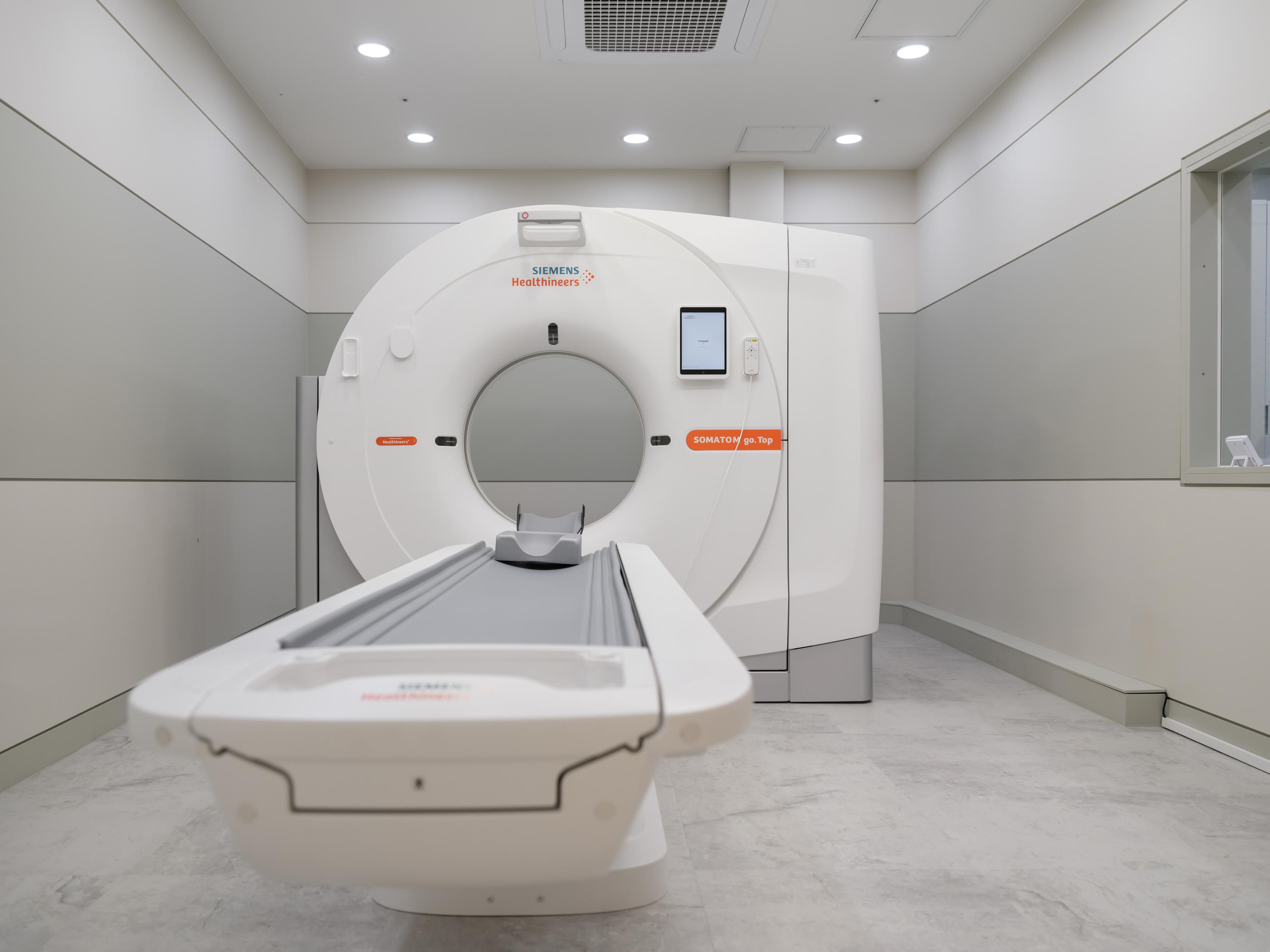
Brain MRI/MRA is the most popular MRI option among foreign visitors.
Brain MRI looks mainly at the brain structure, while Brain MRA focuses more on blood vessels. Many people choose this option when they are concerned about stroke risk, aneurysm-related family history, repeated headaches, or dizziness.
Recommended for:
- Family history of stroke or aneurysm
- Repeated headaches or dizziness
- Brain blood vessel-related concerns
- People looking for a high-value MRI add-on
KMI reference price:
- Brain MRI: 400,000 KRW
- Brain MRA: 280,000 KRW
2) L-Spine MRI
L-Spine means lumbar spine, or the lower back.
This is another popular MRI option because lower back pain is extremely common, especially for people who sit for long hours, travel often, or have had recurring back issues for years.
Recommended for:
- Lower back pain
- Pain or numbness going down the leg
- Suspected lumbar disc issues
- Previous back injury
- Long-term sitting or posture-related back pain
KMI reference price:
- L-Spine MRI: 400,000 KRW
3) C-Spine MRI
C-Spine means cervical spine, or the neck area.
This MRI option is common among people with chronic neck stiffness, shoulder tension, arm numbness, or posture-related pain from long hours at a desk.
Recommended for:
- Chronic neck pain
- Shoulder or arm numbness
- Tingling in the arms or hands
- Suspected cervical disc issues
- Long-term desk posture problems
KMI reference price:
- C-Spine MRI: 400,000 KRW
4. What Happens During an MRI in Korea?
MRI itself is not painful, but it can feel unfamiliar if you’ve never done it before.
Here’s the general flow on the day of your Korean health checkup.
Step 1. Check in at the health checkup center
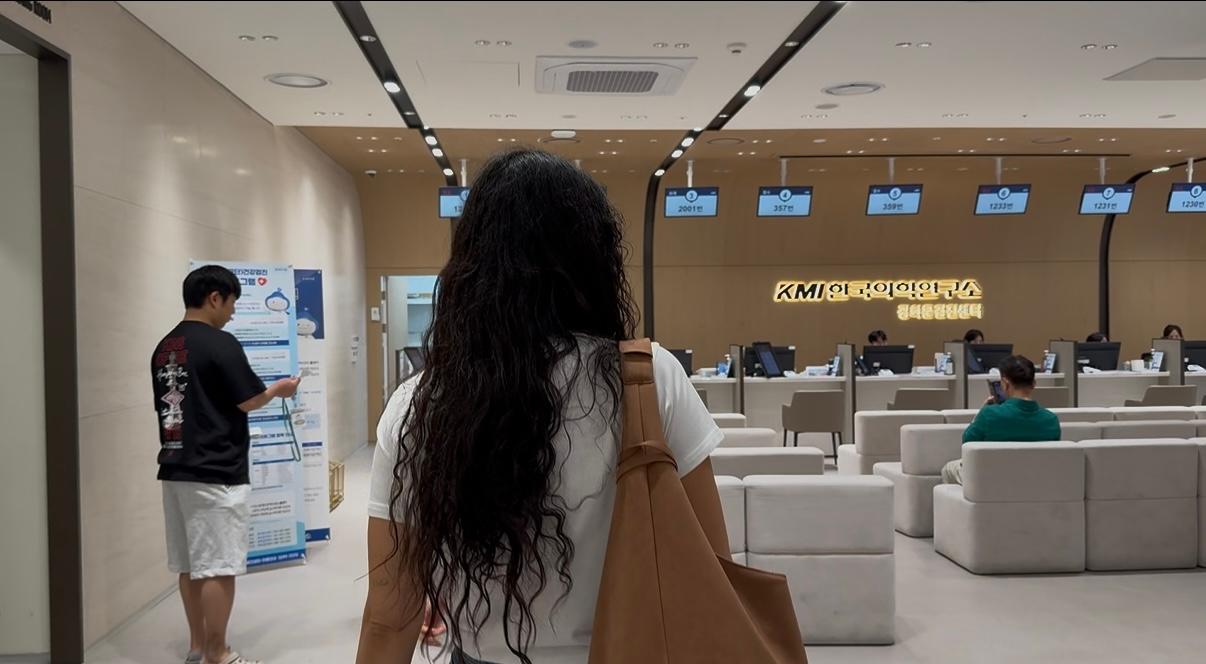
When you arrive at the center, bring your passport and check in at the front desk.
You’ll usually change into exam clothes and move through different test stations depending on your package. If MRI is included or added, staff will guide you when it’s your turn.
Step 2. Confirm MRI safety information
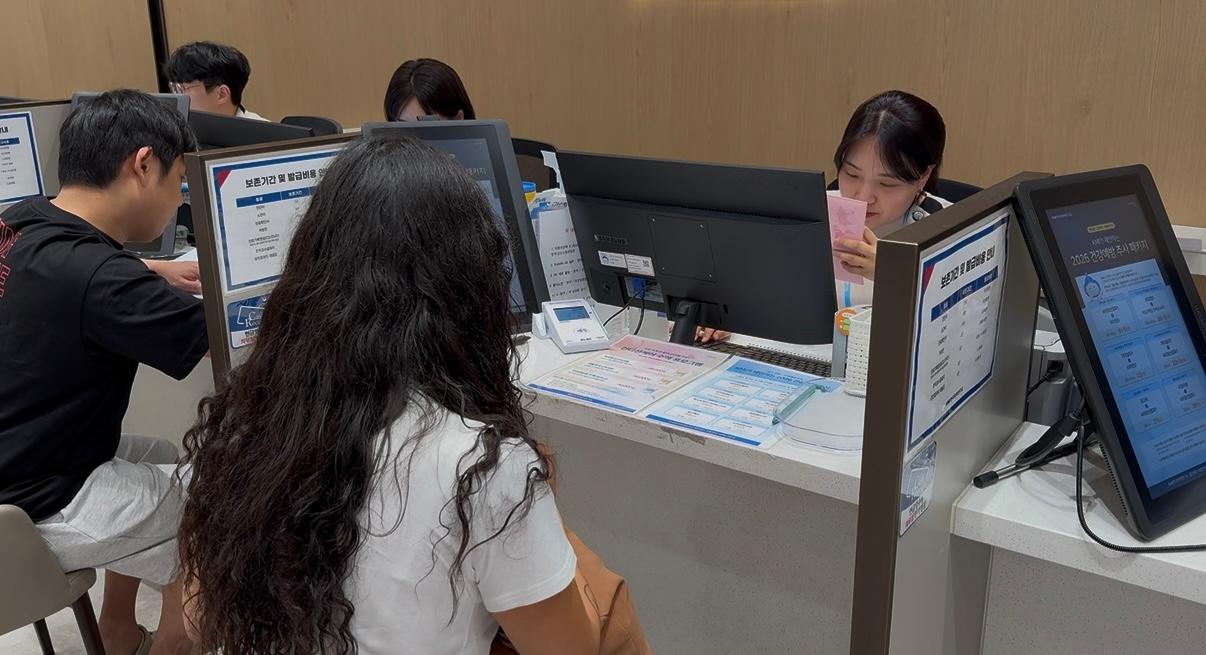
Before MRI, the center may check whether you have a pacemaker, cochlear implant, metal implant, aneurysm clip, previous surgery, pregnancy possibility, or claustrophobia.
MRI uses a strong magnetic field, so this step is important.
If you have any implant or medical device, bring the exact device information if possible.
Step 3. Remove metal items
You’ll need to remove metal items such as jewelry, watches, hair pins, glasses, phones, cards, belts, and coins.
Wearing simple clothes and avoiding too many accessories can make the process easier.
Step 4. Lie still during the scan
During the scan, you lie on the MRI table and stay as still as possible.
The machine can be loud, so ear protection is usually provided. Depending on the scan area, the scan may take around 20–40 minutes, though timing can vary.
Millie’s Note:
KMI uses 3.0T MRI equipment. Compared with 1.5T MRI, 3.0T MRI uses a stronger magnetic field, which can help produce clearer images and check small nerve or blood vessel-related lesions more precisely. KMI’s 3.0T MRI equipment is also designed to reduce noise, which may make the scan more comfortable for people who feel nervous in enclosed spaces.
Step 5. Receive your results later
MRI results are reviewed by medical professionals and included in your final health checkup report.
At foreigner-friendly centers like KMI, English results are available and are usually sent by email after the checkup.
5. How Can Foreigners Book MRI in Korea?
If you are visiting Korea and want to get an MRI, the easiest way is usually to book it as part of a Korean health checkup package.
At KMI, MRI availability depends on the package.
KMI Package | Is MRI Included? | Can You Add MRI? | Current Creatrip MRI/CT Benefit |
Noble | One MRI included | Yes, add-on available | One free MRI or CT add-on at KMI Gwanghwamun, Yeouido, Busan, or Jeju — no extra conditions required. |
Signature | Not automatically included | Yes, add-on available | One free MRI or CT add-on at KMI Gwanghwamun, Yeouido, Busan, or Jeju — no extra conditions required. |
Standard | Not included | Yes, add-on available | Not included |
MRI / MRA Option | Price |
Brain MRI | 400,000 KRW |
Brain MRA | 280,000 KRW |
C-Spine MRI | 400,000 KRW |
L-Spine MRI | 400,000 KRW |
Prices and promotion details may change depending on policy updates, exchange rate updates, branch, package, and booking period, so always check the booking page before finalizing your reservation.
Booking flow
- Choose your preferred KMI branch and date.
- Select Standard, Signature, or Noble.
- Add MRI if it is not already included in your package.
- Fill in your reservation information and pay the deposit.
- Receive confirmation and preparation instructions by email.
- Visit the center on your appointment date and pay the remaining balance or add-on fees on site.
- Receive your health checkup results by email after the exam.
KMI has branches in Seoul, Yeouido, Busan, and Jeju, so you can choose the location that best fits your travel itinerary.
6. FAQ: MRI in Korea
Q1. Do I need to fast before MRI?
MRI alone usually does not require fasting.
However, if MRI is part of a full health checkup, you may still need to fast because of other tests such as blood work, abdominal ultrasound, gastroscopy, or colonoscopy.
Always follow the health checkup guide sent after booking.
Q2. What should I prepare before MRI?
The most important thing is MRI safety.
Tell the center in advance if you have a pacemaker, cochlear implant, metal implant, aneurysm clip, artificial joint, surgical hardware, pregnancy possibility, or claustrophobia.
Before the scan, you’ll also need to remove metal items such as jewelry, watches, phones, cards, glasses, and hair pins.
Q3. Why can Creatrip offer free MRI or CT benefits?
Creatrip sometimes offers exclusive benefits through partnerships with foreigner-friendly health checkup centers.
For the current KMI benefit, Signature and Noble customers at KMI Gwanghwamun, Busan, and Jeju may receive one free MRI or CT add-on.
Promotion details can change, so check the eligible branch, package, booking period, and available MRI/CT options before booking.
Q4. Can I get my MRI results in English?
Yes. At KMI, English health checkup results are available.
This is helpful if you want to review the report later with a doctor in your home country.
Q5. Should I choose MRI or CT?
It depends on what you want to check.
MRI is often used for the brain, spine, joints, soft tissues, and neurological concerns.
CT is often used for areas like the lungs, chest, abdomen, and faster structural imaging.
Q6. Can I book only an MRI in Korea?
Through Creatrip, MRI is usually booked as part of a full health checkup package, not as a standalone MRI appointment.
If you are mainly interested in MRI, we recommend checking the KMI Signature package. In the U.S., the self-pay cost of just one MRI can be close to the price of a full KMI Signature health checkup in Korea.
With Signature, you can complete a broader preventive health checkup and add MRI as part of the same visit, which may be a more practical option than booking only one imaging test.
If you’ve been delaying MRI because it felt too expensive or complicated back home, Korea can be a practical place to finally check the area you’ve been worried about.
For me, the biggest advantage is not just the price.
It’s the combination of predictable pricing, faster booking, targeted test selection, English results, and the ability to complete everything inside one organized health checkup.
In the next part of this series, I’ll cover colonoscopy in Korea—why so many foreigners add it to their checkup, how the prep works, and why the price difference surprises almost everyone.