
How to Choose a Health Checkup in Korea by Age, Needs, and Budget (2026)
A practical guide for foreigners choosing the right screening package by age, symptoms, and budget

Updated for 2026 (April 2026)
Prices and package details may change over time, so always check the latest booking page before booking.
Hi—I'm Millie, a Creatrip editor who regularly reviews foreigner-friendly health checkup programs in Korea and organizes them by age, symptoms, and budget for overseas readers.
After sharing Part 1 of this guide, I got a lot of follow-up questions from readers who were already interested in Korean health checkups—but still weren't sure what to actually book.
That makes sense. Realistically, this is where most people get stuck. Once Korea starts to feel like a practical option, the next question usually isn't "Should I do it?"—it's "Which package actually fits me?"
So for Part 2, I wanted to make this practical.
This guide is for foreigners trying to choose the right health checkup in Korea based on age, symptoms, and budget. Whether you're comparing packages for peace of mind, looking into a symptom that's been bothering you, or trying to figure out what actually makes sense in the Korean system, this should help you narrow it down.
Today, I'll walk you through:
- How to choose a health checkup in Korea by age and gender
- What tests may make sense for common symptoms
- Why some screening tests are more affordable in Korea
- How to book a health checkup in Korea through Creatrip
- FAQ
1. How To Choose A Health Checkup In Korea By Age & Gender
Korea's health screening system is fairly structured, and private screening centers also tend to build their packages around similar age-based preventive logic. That doesn't mean everyone needs the same tests. But it does give you a useful starting point when you're trying to choose a package that fits your stage of life.
The recommendations below are meant as practical guidance for foreigners choosing among private screening packages in Korea.
*They are based broadly on Korea’s National Health Insurance Service (NHIS) screening framework, but the right tests can still vary depending on your personal history, symptoms, and risk factors.
👤 In Your 20s–30s
For many people—and especially for Americans who may not be used to booking broad preventive testing on their own—this is when a health checkup starts to feel genuinely useful rather than optional. The goal at this stage is usually simple: catch quiet issues early and get a solid baseline.
Tests often considered in your 20s–30s:
General health checkup
A standard screening usually covers the basics: blood pressure, glucose, cholesterol, liver and kidney function, anemia screening, chest X-ray, and oral exam.Abdominal ultrasound
Useful for checking major abdominal organs, especially because some findings may not show up clearly on bloodwork alone.Cervical cancer screening (for women)
Often included in women's screening programs, though the starting age and test method can vary by center.Breast imaging (for women in their 30s)
Depending on breast density and personal risk factors, some centers may recommend breast ultrasound as a complementary test.
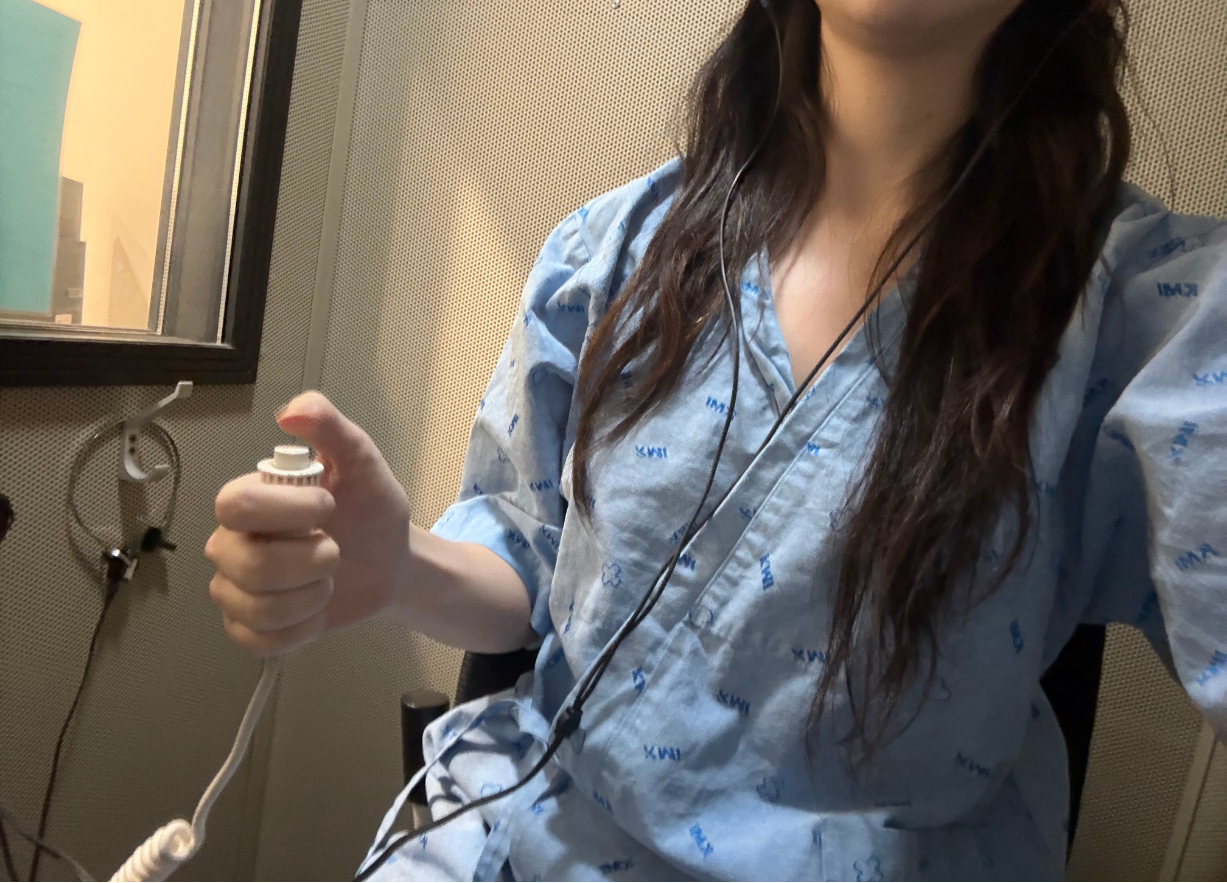 Millie’s Tip: If you’re still young and don’t have any obvious symptoms, it’s easy to feel like you don’t need a checkup yet. But if you’re in your late 20s, I’d still recommend getting screened regularly. I had a basic package myself, and it was the first time I found out that my cholesterol was higher than I expected.
💡 If you're trying to narrow it down:
Package |
|---|
👤 In Your 40s–50s
This is usually the stage when cancer screening and more targeted preventive testing become more relevant.
It's also the age range where many people in the U.S. start hearing more about screenings like endoscopy, colonoscopy, or more advanced imaging—but still run into cost, scheduling, or referral barriers. If you're choosing a package in Korea at this stage, it often makes sense to look beyond basic bloodwork.
Tests often considered in your 40s–50s:
Gastroscopy
Often considered more important from midlife onward, especially in Korea where stomach cancer screening is taken seriously.Breast cancer screening
For women, mammography becomes more relevant in this age group, sometimes with additional imaging depending on risk profile.Colorectal cancer screening
This may begin with stool-based screening, with colonoscopy considered separately or as follow-up depending on the program.Lung cancer screening (for certain high-risk smokers)
Low-dose chest CT may be considered for people who meet specific smoking-related risk criteria.
 Millie’s Tip: One of my friends isn’t even in her 40s yet, but she wanted more detailed cancer screening, so she chose Kwangdong Hospital’s Women’s Premium package. If you feel like you need something more thorough than a basic checkup, it may be worth looking at one of Kwangdong’s premium programs or IMC’s cancer-focused screening options.
💡 If you're looking at packages in your 40s–50s,
Package |
|---|
👤 In Your 60s and Beyond
By this stage, the main question is usually not whether to keep screening—but which areas deserve closer attention.
Along with cancer screening, brain, heart, and bone health often become a bigger part of the conversation. For many people coming from the U.S., this is also when Korea's one-stop screening model can feel especially practical.
Tests often considered in your 60s+:
Continued cancer screening
Age-appropriate cancer screening often continues depending on your health history and provider guidance.Brain MRI + MRA
Sometimes considered for people with family history or concerns related to stroke, vascular disease, or cognitive decline.Cardiac imaging
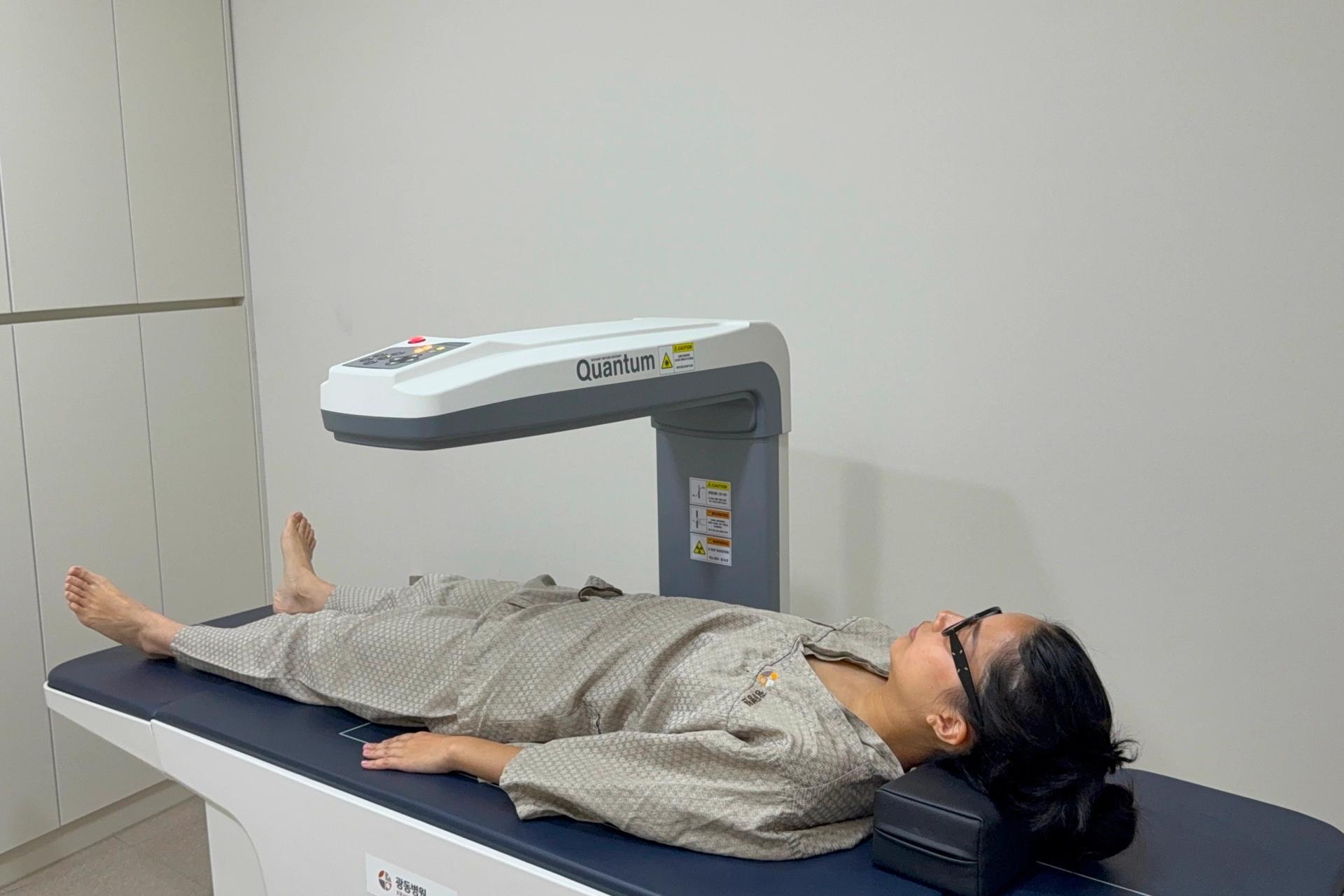
Additional heart testing may be considered depending on symptoms, age, and cardiovascular risk factors.DEXA bone density scan
A useful test for checking bone health, especially for postmenopausal women or older adults with fracture risk factors.
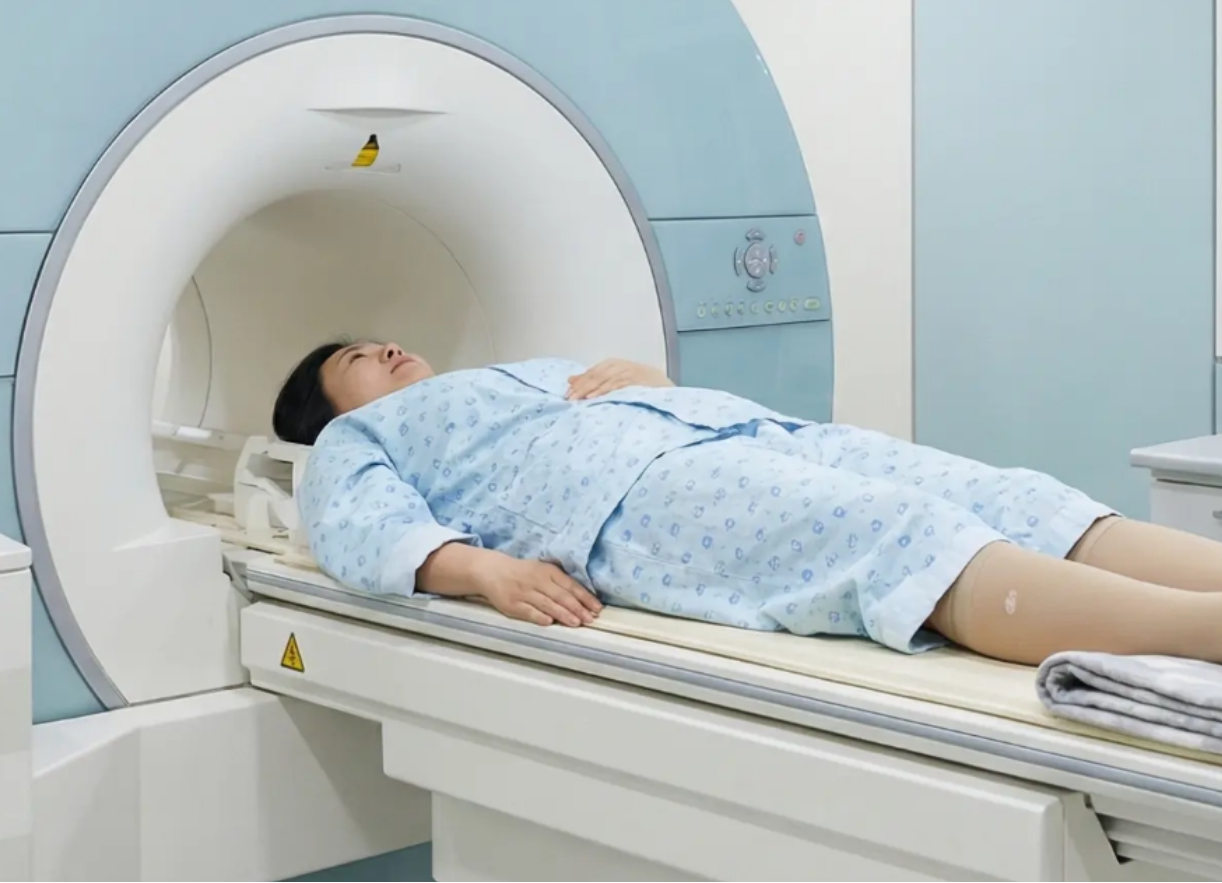 Millie’s Tip: KMI is currently running an April promotion at its Gwanghwamun, Busan, and Jeju branches, where you can add one MRI area for free when you book. That’s worth considering if you were already thinking about more advanced imaging. My mom also added a brain MRI through this promotion at no extra cost.
💡 If you're choosing a package in your 60s+,
Package |
|---|
2. What Tests Make Sense For Common Symptoms?
The age-based recommendations above are a good starting point if you feel generally healthy.
But sometimes the reason people book a health screening in Korea isn't age—it's that something has been bothering them for a while, and they want a clearer picture.
* This section is not a diagnosis guide or medical advice. It's simply a practical overview of which tests people commonly ask about when certain concerns keep coming up.
😴 Persistent fatigue or low energy
If you've been feeling tired all the time—and it doesn't seem to improve with rest—it may be worth checking something more concrete instead of assuming it's just stress.
Some common measurable contributors can include thyroid issues, iron deficiency, vitamin D deficiency, or blood sugar imbalance. These do not always cause dramatic symptoms, but they can often show up in lab testing.
- Relevant tests: Thyroid function, CBC + ferritin, Vitamin D, fasting glucose
Millie’s Tip: A package like Gwangdong Standard Olive may be worth looking at if you want a standard blood panel plus a few add-ons often associated with fatigue-related concerns.
🤢 Bloating, reflux, or recurring stomach issues
If you've been managing stomach discomfort with antacids or just trying to ignore it, routine bloodwork may not tell you very much.
Persistent GI symptoms do not always show up clearly on standard labs, which is why abdominal imaging or endoscopic evaluation is sometimes considered depending on the pattern and duration of symptoms.
- Relevant tests: Abdominal ultrasound, gastroscopy
Millie’s Tip: A package like KMI Signature may be worth considering if you're looking for a program that includes gastroscopy and abdominal imaging options in one visit.
🧠 Recurring headaches, brain fog, or trouble focusing
Sometimes this really is related to stress, screen time, or poor sleep—but not always.
It often makes sense to start by checking common basics such as blood pressure, blood sugar, thyroid function, cholesterol, and iron status. For some people—especially those with vascular risk factors, family history, or persistent concerns discussed with a clinician—brain MRI or MRA may also be considered.
In the U.S., these kinds of evaluations are often split across separate visits. In Korea, some people prefer to look at them as part of a broader one-stop checkup.
- Relevant tests: Blood pressure, glucose, thyroid, cholesterol, CBC + ferritin; in some cases, Brain MRI + MRA or carotid Doppler
Millie's Tip: Gwangdong Premium Brain Health & Stroke Prevention is one example of a package people may look at when they want more extensive brain and vascular imaging.
3. Why Some Screening Tests Are More Affordable In Korea
One reason foreigners seriously consider health checkups in Korea is simple: some preventive tests are easier to access here than in places like the U.S. or the UK.
The price difference matters—but so does the convenience. In many cases, tests in Korea involve fewer referrals, shorter wait times, and less scheduling friction.
The comparisons below are rough self-pay estimates. Actual pricing varies by center, region, sedation, and what is included in the final bill.
#1. Upper Endoscopy (Gastroscopy)
USA | Korea | |
|---|---|---|
Cost | $1,500–$4,800 | $150-$240 |
Referral required | Often yes | Often more flexible |
Wait time | Weeks to months | Often shorter lead times |
The procedure itself is the same, but the experience around it often feels more straightforward in Korea. At many centers, gastroscopy is simply part of a broader screening workflow rather than a separate process.
That makes it easier for people who want a more efficient, one-stop checkup.
#2. Colonoscopy
USA | Korea | |
|---|---|---|
Cost | $1,250–$4,800 | $480-$545 |
Referral required | Often yes | Often more flexible |
Same-day with general checkup | Uncommon | Possible at most centers |
Colonoscopy is often one of the clearest price gaps people notice.
In Korea, it may be available at a more accessible self-pay price, and sometimes as part of a larger checkup visit. For people who've been delaying it because of cost or logistics, that can make the decision much easier.
If a full colonoscopy feels too intensive, some centers may also offer stool-based alternatives.
#3. Brain MRI
USA | Korea | |
|---|---|---|
Cost | $1,600–$8,400 | $384-$590 |
Referral required | Often yes | Often more flexible |
Preventive use without symptoms | Commonly limited | May be available as self-pay |
A preventive brain MRI can be difficult to access in some countries unless there is a clear medical reason.
In Korea, some centers offer it as a self-pay add-on, which can make it feel much more accessible for people who want a broader preventive screening. Since pricing and equipment vary, it's worth confirming the details before booking.
4. How To Book A Health Checkup In Korea Through Creatrip
If all of this still feels a little overwhelming, that's completely normal.
For most people, choosing the right package is harder than deciding to do the checkup in the first place. That's especially true if you're comparing options from abroad and trying to make sense of what actually matters.
Here's how booking works through Creatrip:
How booking works
- Choose your center and program
- Select a date and time
- Fill in your information — including your name, contact details, and any health notes or medications
- Pay the deposit to confirm your slot
- Receive booking confirmation within 1–2 business days
- Get your pre-checkup instructions by email — including fasting rules and any prep you need to follow
In most cases, foreigners can book with just a passport, and detailed prep instructions are sent by email after confirmation.
5. FAQ: Health Checkups In Korea For Foreigners
Q1. How often should I get a comprehensive health checkup?
A common baseline in Korea is every 2 years.
In practice, some people choose to come back more often—especially if something was flagged the first time, or if they have family history they want to monitor more closely.
A simple rule of thumb:
- Under 40, no specific concerns → every 2 years is often a reasonable starting point
- Over 40, or with risk factors → every 1–2 years may make more sense depending on your situation
Q2. What if something comes up in my results?
If you do need additional evaluation in Korea, these hospitals are widely recognized and accept international patients directly:
- Seoul National University Hospital (SNUH) — International Healthcare Center
- Samsung Medical Center — Known for cancer, cardiac, and neurological care
- Severance Hospital (Yonsei University) — Large tertiary hospital with international patient support
Q3. Do I need to fast before my checkup?
Yes—In many cases, you'll need to stop eating from 9 PM the night before.
You'll receive full instructions by email after booking, and it's important to follow the prep guidance from your specific center.
Q4. Can I get my results in English?
English-language results are commonly available at the centers featured on Creatrip, and many patients receive them within 2-4 weeks, though exact timing can vary by program.
Kwangdong Hospital also offer more hands-on interpretation support during the visit or when results are reviewed.
Q5. Can foreigners book a health checkup in Korea without Korean insurance?
Yes. In most private screening settings, foreigners can book without Korean national insurance. These programs are generally paid as self-pay packages, which is one reason pricing tends to be clearer and easier to compare in advance.
That said, what is included can still vary by center, so it’s important to check whether sedation, advanced imaging, or optional add-ons are charged separately.
Q6. Do I need a doctor's referral to book gastroscopy, colonoscopy, or brain MRI in Korea?
In many private screening settings in Korea, foreigners can often access these tests more directly than they would in the U.S. or some other countries. In practice, that is one reason health checkups in Korea feel more flexible and easier to plan.
Still, the exact process depends on the center, the test, and your health status. Some exams may require prep, fasting, consent forms, or additional review before the appointment is finalized.
Q7. What is usually included in a Korean health checkup package, and what usually costs extra?
Most basic or standard packages typically include general bloodwork, urinalysis, blood pressure, chest X-ray, ECG, and some form of ultrasound or general imaging. As the package becomes more advanced, you may see added options such as colonoscopy, CT, MRI, hormone testing, or genetic screening.
Extra costs often come from sedation, advanced imaging, specialty lab tests, or optional add-ons selected during booking. That is why it is worth checking not only the headline price, but also what is included by default and what would be billed separately on-site.
If you have any questions or concerns, Creatrip provides 24/7 real-time support in English, Chinese, and Japanese for international visitors completely free of charge. Reach us anytime on WhatsApp (+82 10-8818-2915) or LINE (@creatrip, @required). You can also follow us on Instagram, TikTok, Threads, and Youtube to stay updated on all things Korea!