
Only One Person Tests Positive For COVID-19 Antibody Among 3,000
Test results indicate a low antibody rate and more need to be tested.
<Source: Yonhap News>
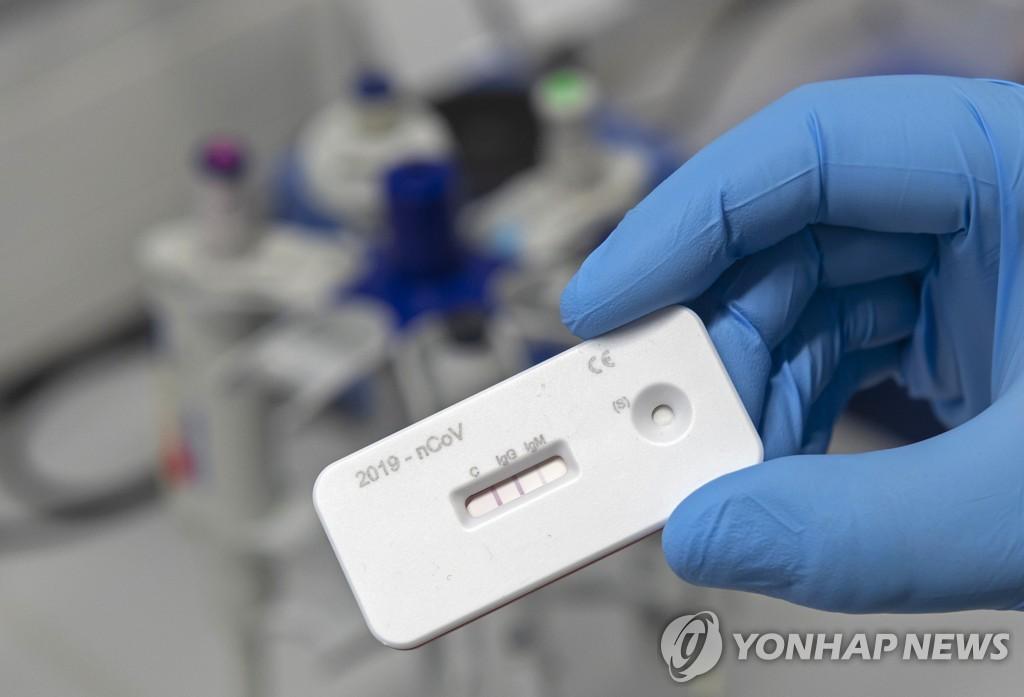
The test result of the COVID-19 antibody on 3,000 Koreans has shown almost none, meaning there could be a rapid spread if an epidemic were to occur.
However, the quarantine authorities concluded the sample test lacked representation, planning to proceed with additional tests within Daegu and Gyeongbuk which had more confirmed cases.
3,055 citizens were tested by the quarantine authorities. 1,500 citizens from the annual ‘National Health and Nutrition Survey’ and 1,500 citizens who visited medical facilities in 5 gu (districts) including Yeongdeungpo-gu and Guro-gu in Seoul were included.
The subjects were tested for an antibody that can beat the COVID-19 virus when exposed, but only one person was confirmed to have an antibody. According to a simple calculation, one in 3,000 indicates only 0.03% of the entire group.
Such a rate is substantially low compared to other nations. It is noticeably low compared to 17% in London, England, 9.7% in Switzerland, 7.3% in Stockholm, Sweden, and 5% in Spain.
However, some pointed out that the test should not be extended nationwide. The 1,500 citizens from the ‘National Health and Nutrition Survey’ were regionally distributed in the order of Seoul (21%), Gyeonggi (18%), and Busan (10%).
Not a single person from Daegu, which recorded the most confirmed cases related to the epidemic spread by Shincheonji was included. The test did not include anyone in Daejeon and Sejong either.
Kwon Joon-wook, the deputy director of Korea Centers for Disease Control and Prevention (KCDC) said “When we discussed with the experts, each one of them was concerned about estimations based on excessive assumptions and simple arithmetics.”
The quarantine authorities decided to conduct additional COVID-19 antibody tests on 3,300 citizens including those from Daegu and Gyeongbuk to supplement the current tests.
Article Translated From : KBS News
Book all things trending in Korea on Creatrip! If you have any questions or concerns, please leave a comment below or send us an email at help@creatrip.com! You can follow us on Instagram, TikTok, Threads, and Youtube to stay updated on all things Korea!