
Cuisine K Project
A six-month limited Korean dining experience presented by CJ CheilJedang's Cuisine.K Project

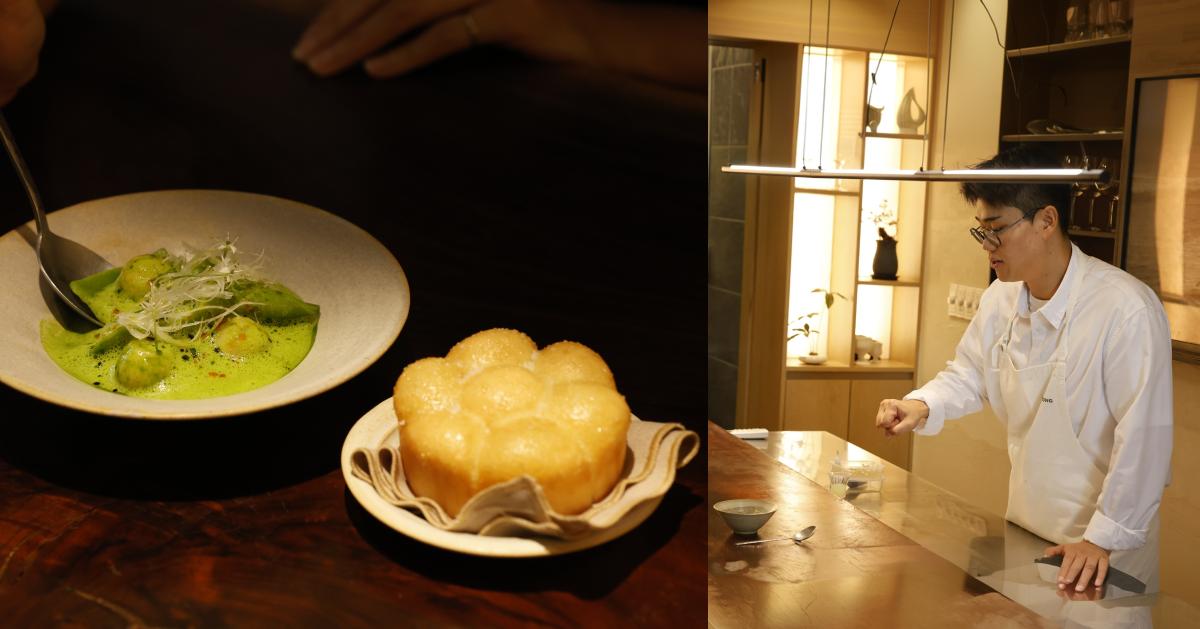
In Korea, the dining table changes with the seasons!
One of the highlights of Korean food culture is enjoying ingredients at their best in each season. If you would like to experience Korea's seasonal character and food culture in a single meal, be sure to check out Cuisine.K Project in Seoul's Gangnam district.
Belong, the 10th pop-up restaurant by Cuisine.K Project, is the centerpiece of this project. It is operated by CJ CheilJedang, one of Korea's leading food companies.
Cuisine.K Project supports the growth of Korean cuisine chefs and the potential of new Korean dining concepts by presenting pop-ups featuring a variety of chefs and themes.
This Cuisine.K Project(Belong) pop-up marks the return of Chef Shin Yong-woo, who received acclaim while running the Cuisine.K Season 3 pop-up and has since gained experience at Michelin restaurants overseas. It will operate for only about six months and welcomes just six guests per day!
Here, you can experience a 10-course menu that explores Korea's seasonal ingredients and food culture through aroma and progression.
Our editor recently visited to taste all 10 courses, and we are excited to introduce them to you in detail.
👇 Click below to see more about operating hours, how to make a reservation, the refund policy, and important information! 👇
Cuisine.K Project(Belong) | Why We Recommend It
- Belong is the 10th pop-up by CJ CheilJedang's Cuisine.K Project, and this exclusive dining experience is available for approximately six months only.
- Chef Shin Yong-woo, who gained experience at Michelin restaurants overseas, presents Korea's seasonal ingredients and food culture across 10 courses.
- You can experience familiar Korean dishes and food culture, including sujebi, agwijjim, banchan, hwachae, and patjuk, reimagined in a fresh new format.
- With a maximum of just six guests per seating, you can enjoy a relaxed meal in a space reminiscent of a small tea room.
- The chef explains the menu and ingredients in English, allowing international guests who are unfamiliar with Korean food to understand and enjoy each course.
- For anniversary visits, services such as lettering may be available upon advance request, subject to what can be accommodated. Corkage service is also available.
- Cuisine.K Project continues to receive high customer satisfaction, with an accumulated rating of 4.9 on Catchtable, one of Korea's leading restaurant reservation platforms. We highly recommend it to anyone looking for a unique Korean dining experience in Korea.
Cuisine.K Project(Belong) | A Dining Space Reminiscent of a Small Tea Room

Cuisine.K Project is a comfortable, understated space that brings to mind a small tea room.
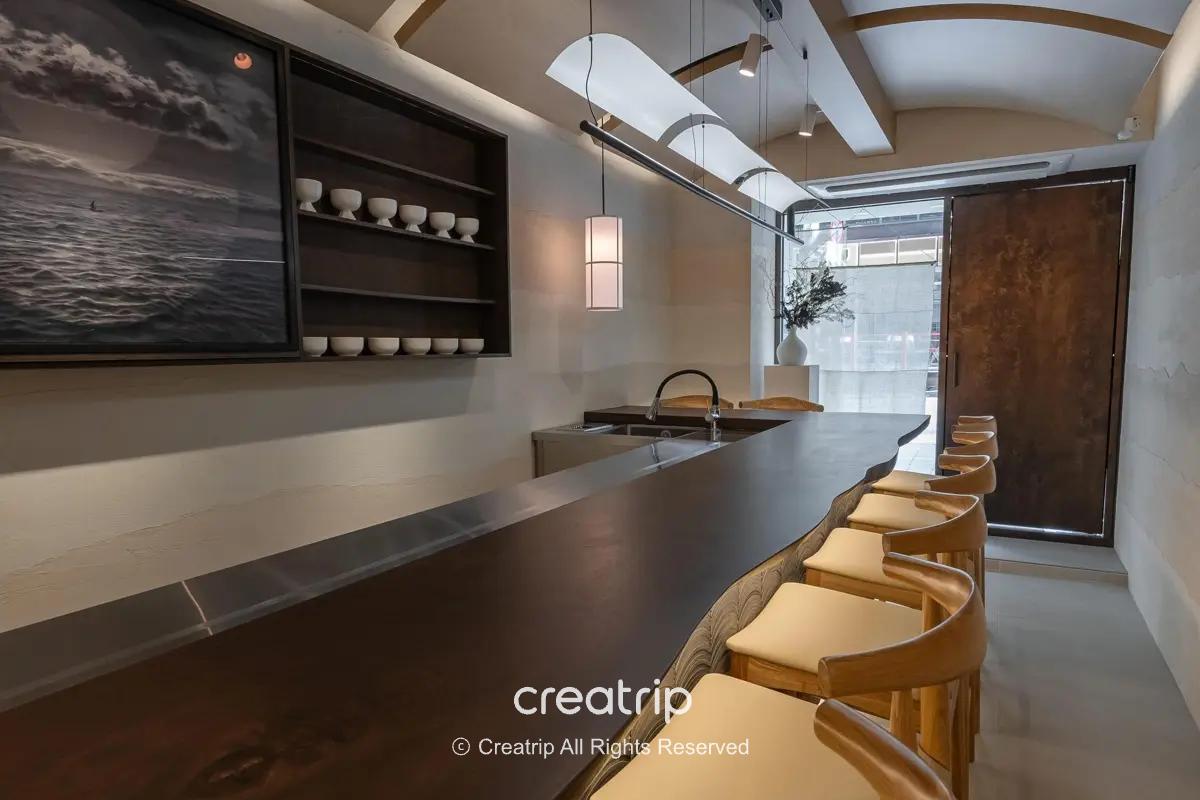
When service begins, the overall lighting is dimmed and focused on the tables, naturally drawing your attention to the food.

Ambient music, carefully placed objects, and lighting throughout the space create a relaxing atmosphere where you can pause and unwind between courses.
The course lasts approximately two to two and a half hours, creating an atmosphere where you can savor each dish slowly rather than rushing on to the next menu.
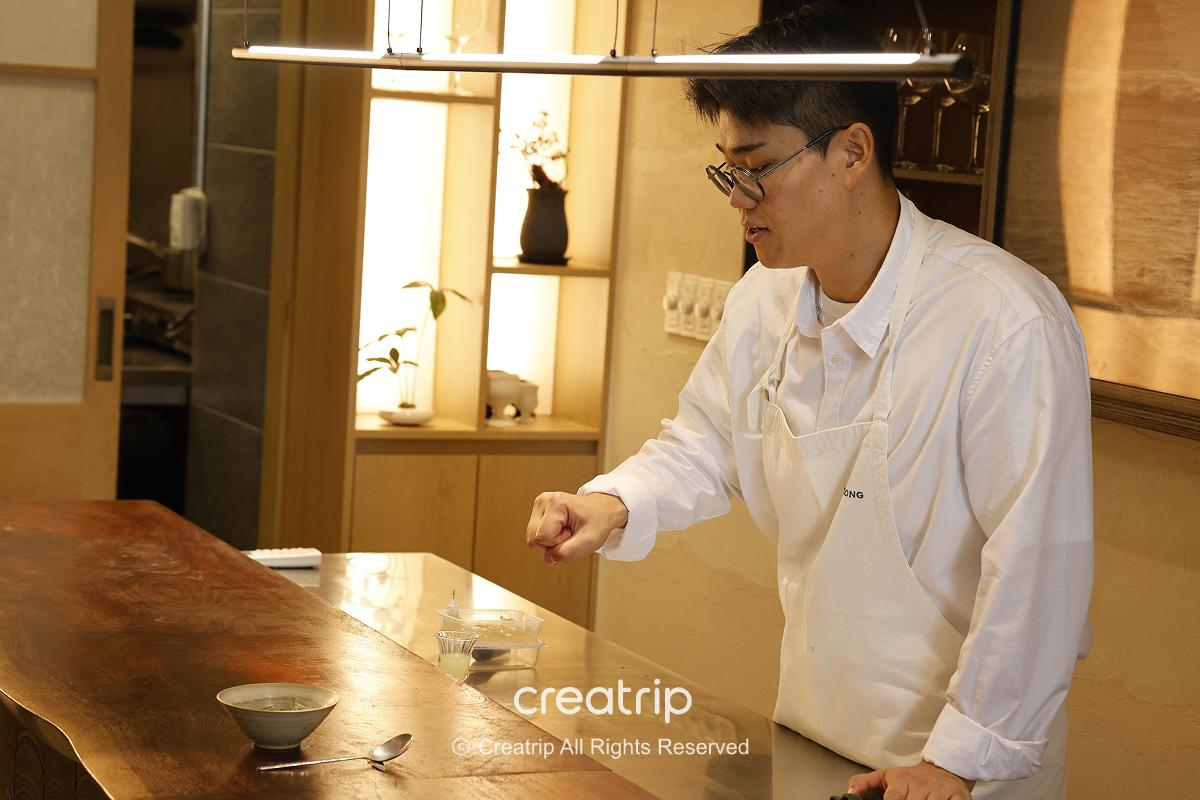
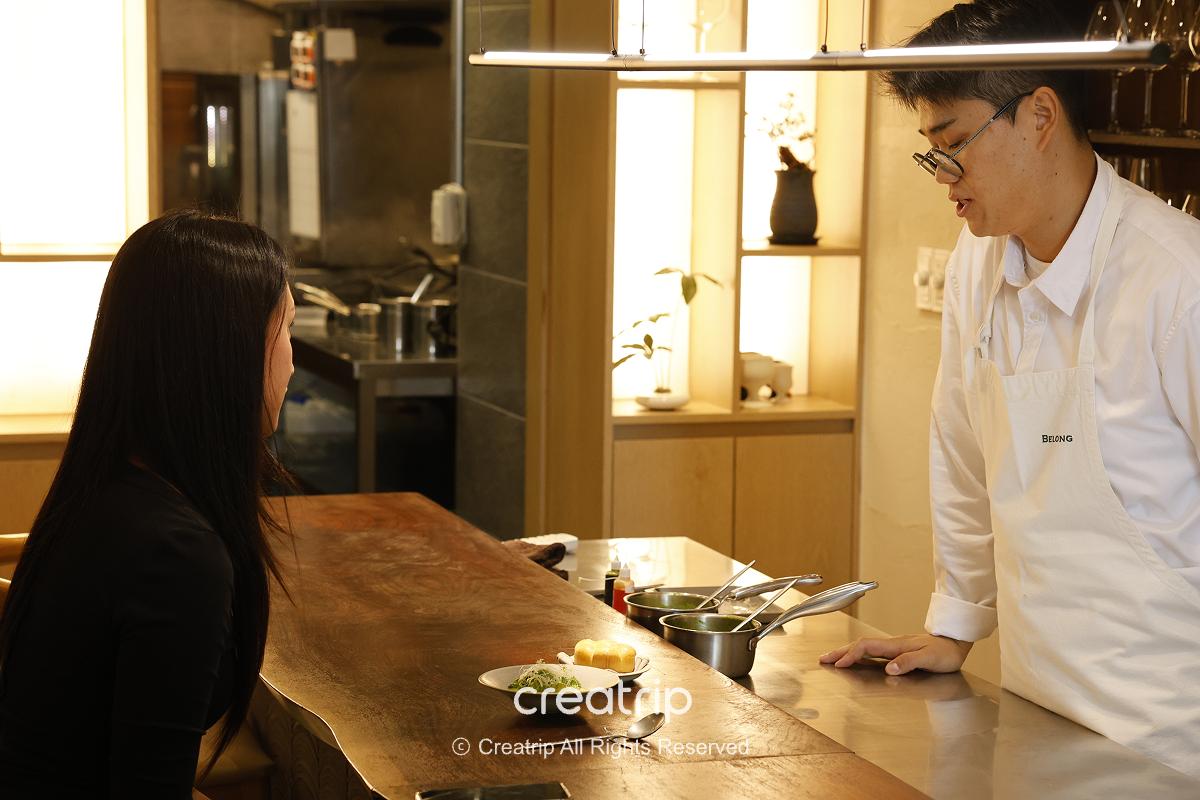
With a maximum of just six guests, the chef and diners are close to one another. You can naturally experience the process of each dish coming together as the chef adds the sauce and finishes the plating right in front of you. Being able to watch the dish come to life right up until the moment it is placed on the table is one of the charms of Cuisine.K Project(Belong).
Cuisine.K Project(Belong) | 'Gaehwa', A 10-Course Journey Through Korea's Seasons
Belong's current dinner course is called 'Gaehwa (Blooming)'.
Meaning "flowers in bloom," Gaehwa draws inspiration from the concept of blooming, with the first dish designed to focus on its aromas.
The 10-course menu features a variety of Korean foods and culinary traditions, from seasonal fish and Korean mushrooms to sujebi, agwijjim, banchan, hwachae, and red bean porridge.
Following the course and discovering how Korea's seasons are connected to its food is one of the unique pleasures of dining at Belong.
01. Yuzu Jar
Scallop · Jeju Island radish · yuzu
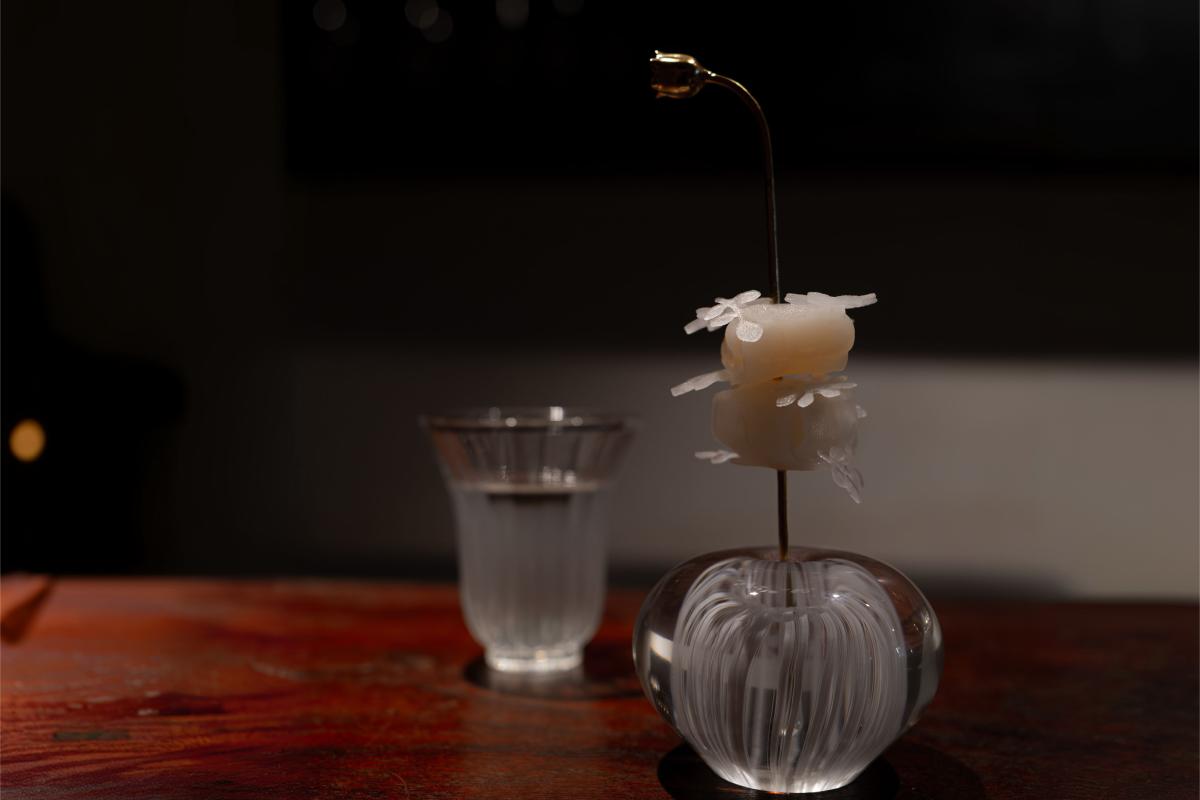
This is the first dish, marking the beginning of "Gaehwa."
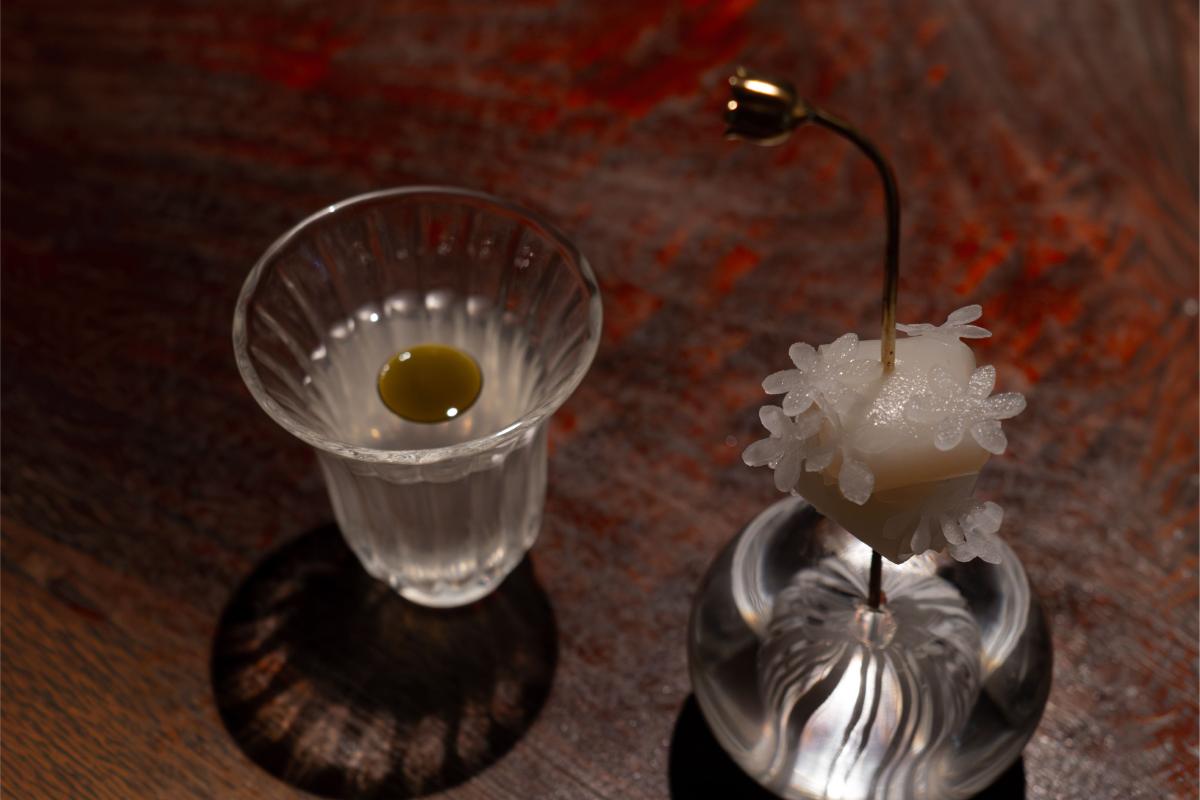
Made with scallop, Jeju Island radish, and yuzu, this dish is designed to immerse you in its aromas from the very first bite. Centered around the fragrance of yuzu, it opens the course with an introduction to the flavors that follow.
02. Mulhoe
Horse mackerel · Cucumber · Ginger
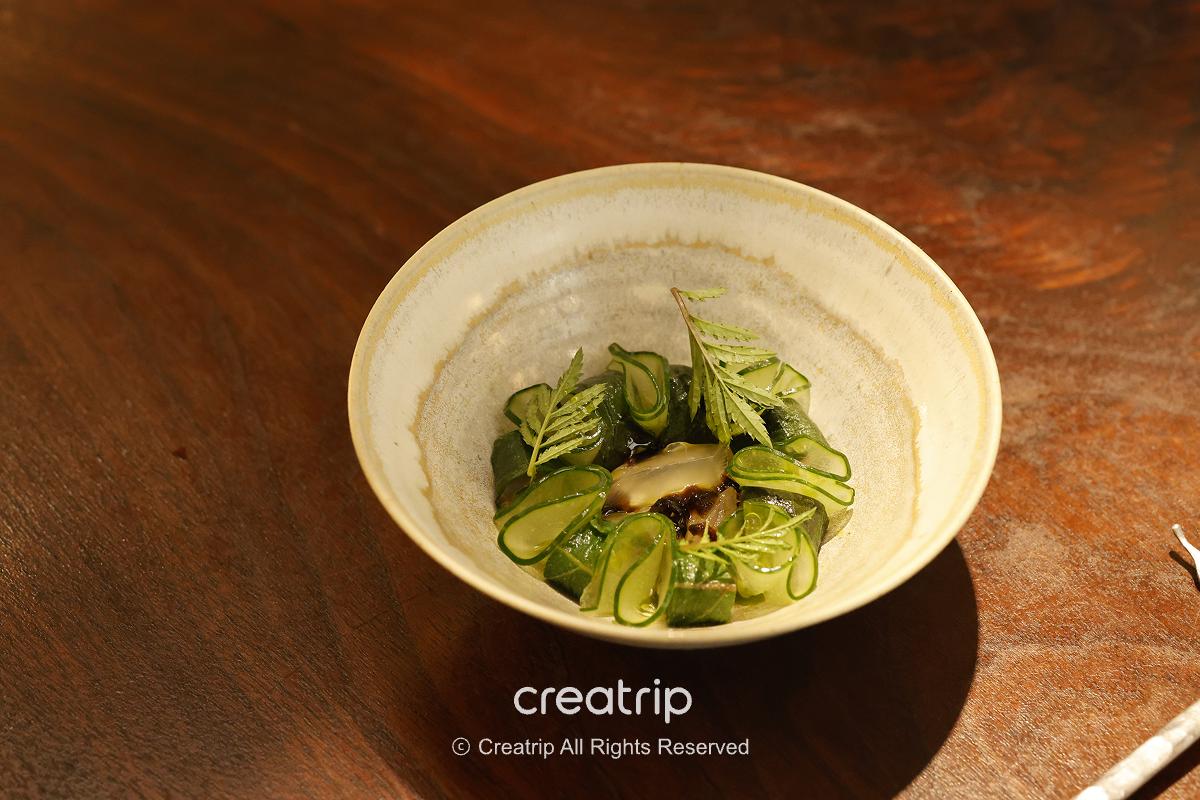
Mulhoe is a Korean dish made with raw fish and vegetables.
At Cuisine.K Project(Belong), winter horse mackerel is paired with cucumber and ginger to create Belong's own take on mulhoe.
In Korea, even when using the same type of fish, the season when it tastes best is considered especially important. By using horse mackerel at its seasonal peak, this course offers a natural way to experience the meaning of "in season."


The chef personally puts the finishing touches on each course in front of you, so you can watch the dish come together up close.
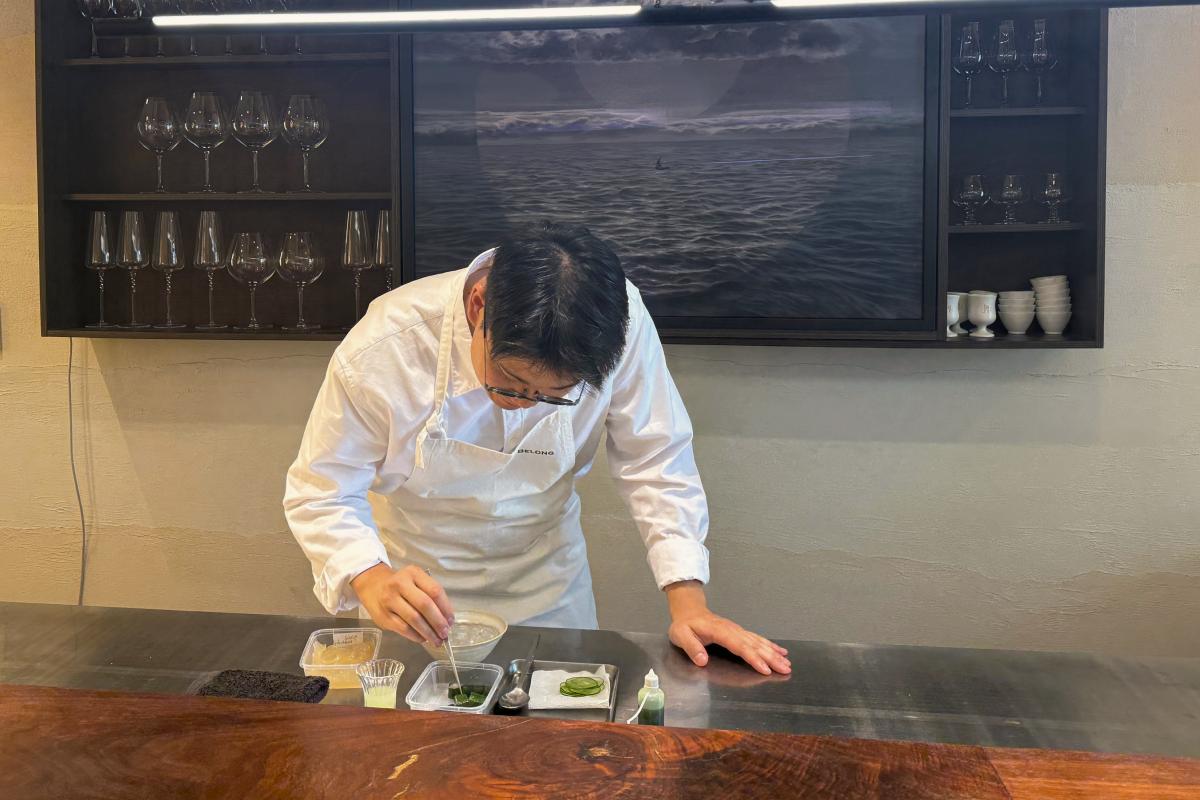
In addition, the chef explains the story behind each dish, as well as its ingredients and flavors, in English with every course. This makes it easy for international travelers to fully understand and enjoy the experience.
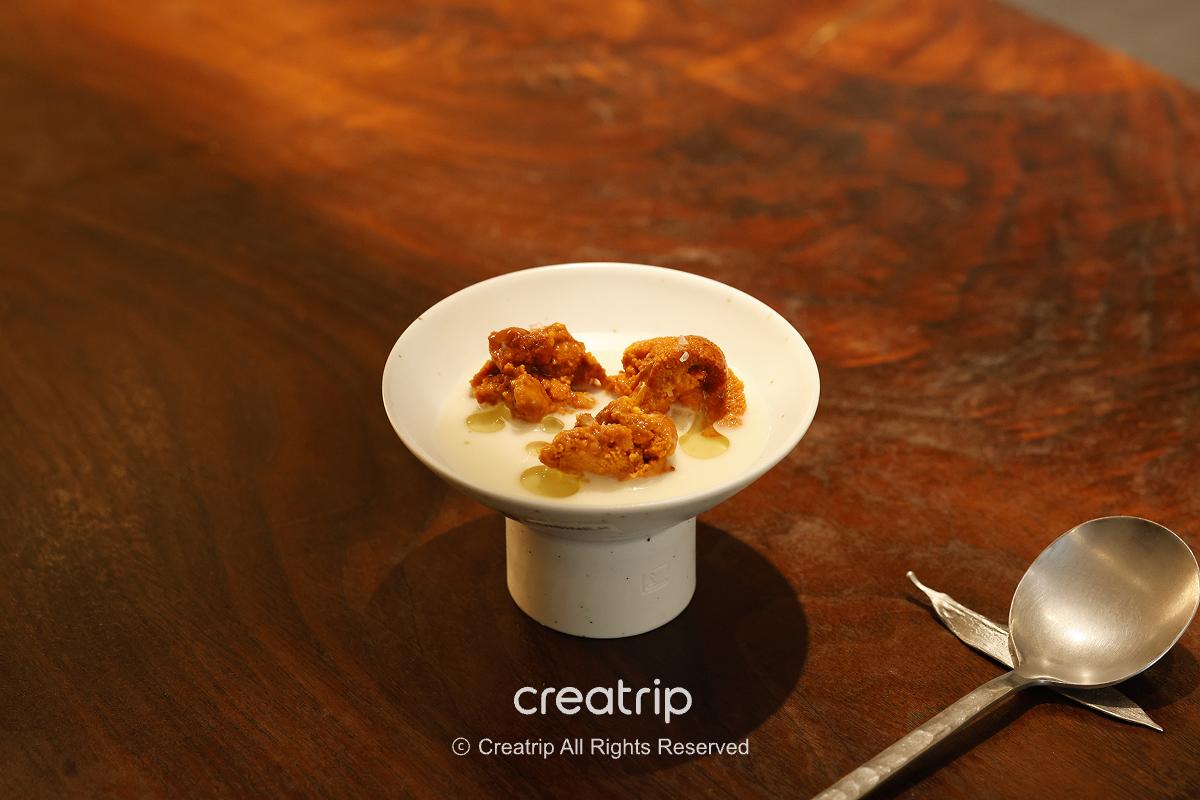
03. Yam Tarak
Sea Urchin · Yam · Walnuts
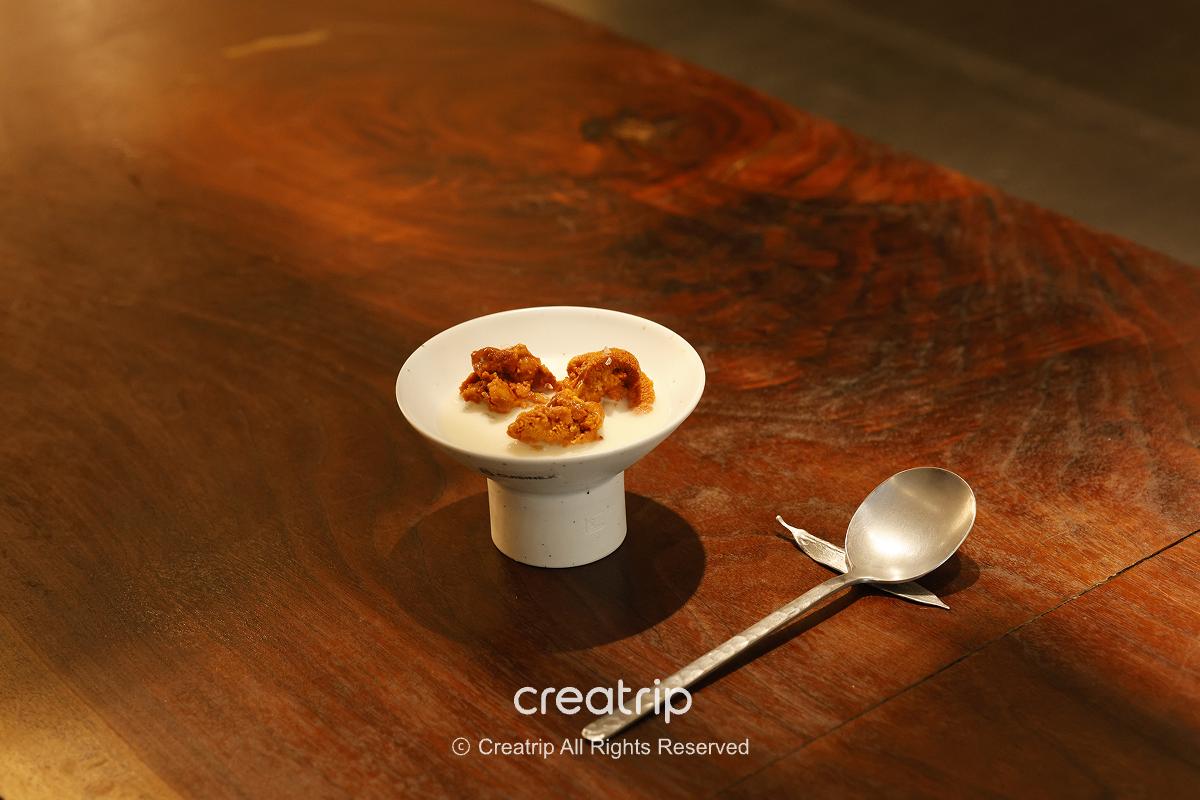
This dish features cold tarak made with yam, served with sea urchin roe and walnut sauce. The yam, a popular ingredient in Korean cuisine, is paired with the contrasting flavors of sea urchin roe and walnuts to create a harmonious course.
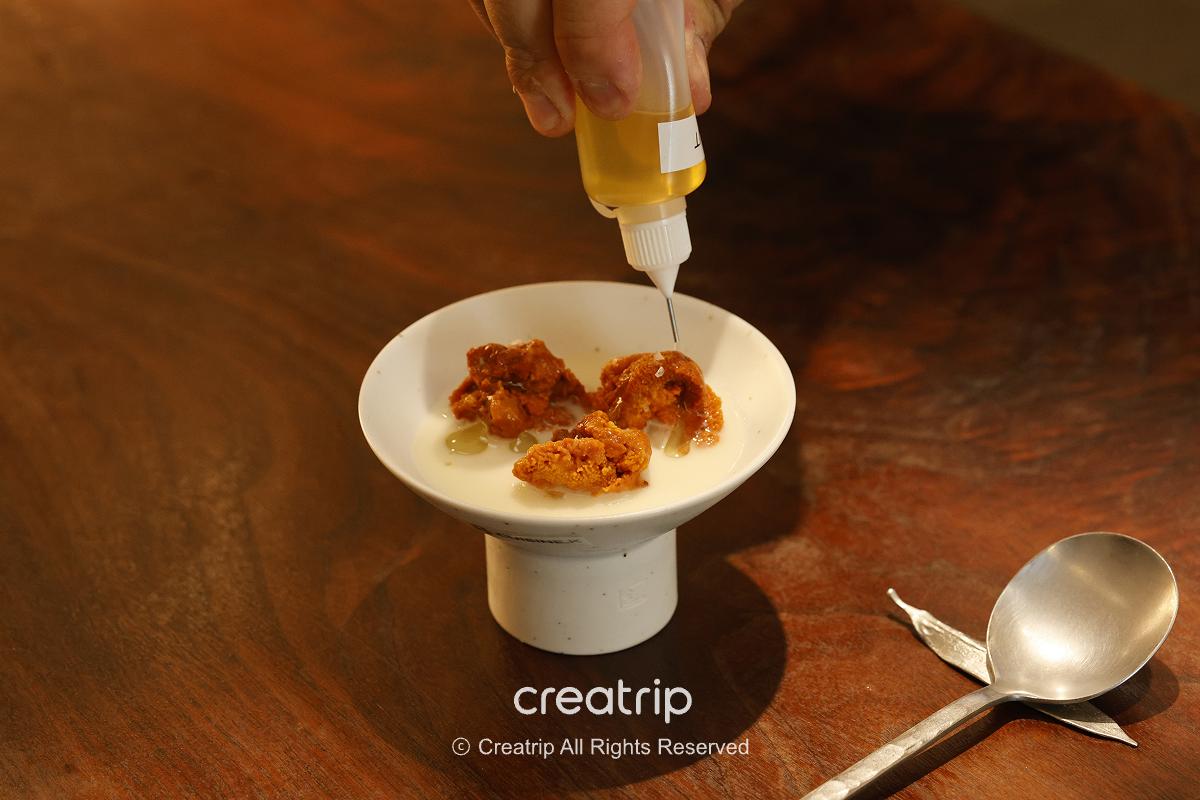
Walnut oil was drizzled over the dish tableside, bringing out its rich flavors even more.


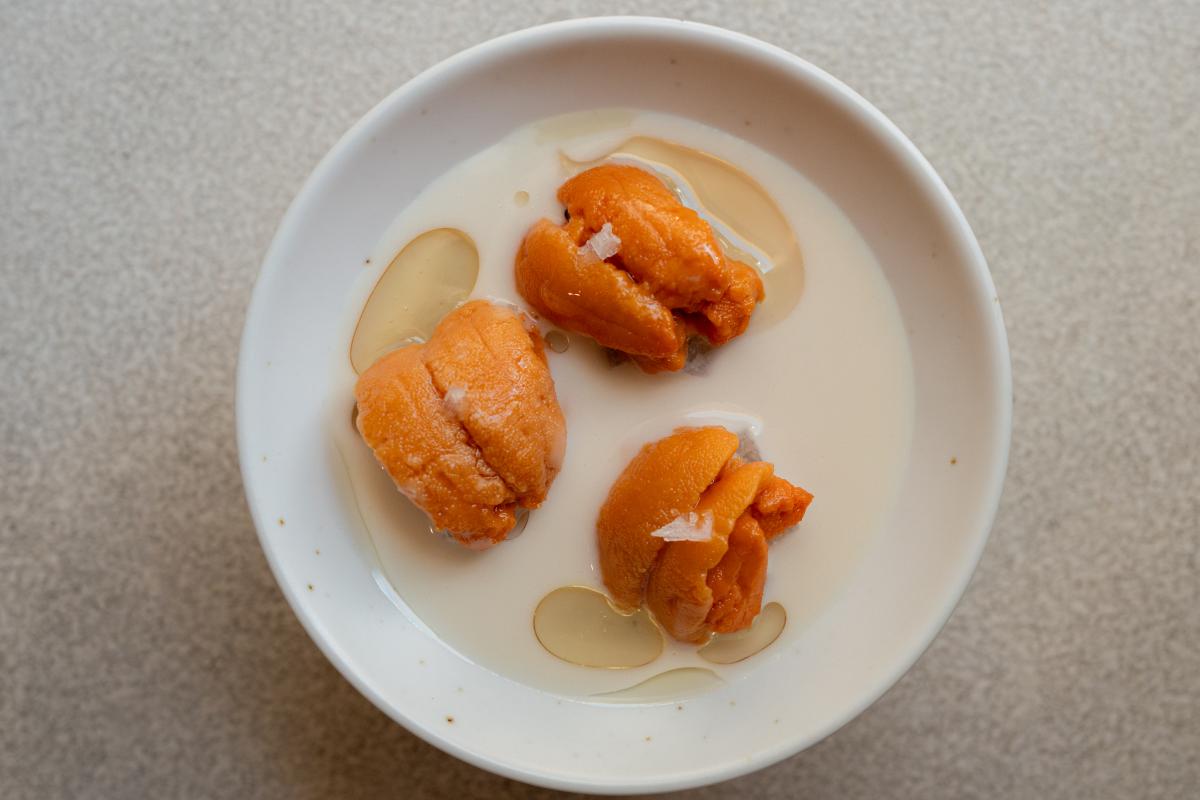
The sea urchin roe was smooth and creamy, with a subtle hint of the sea, and paired wonderfully with the savory walnut sauce.
04. Seasonal Mushrooms
Korean Mushrooms · Ginkgo Nuts
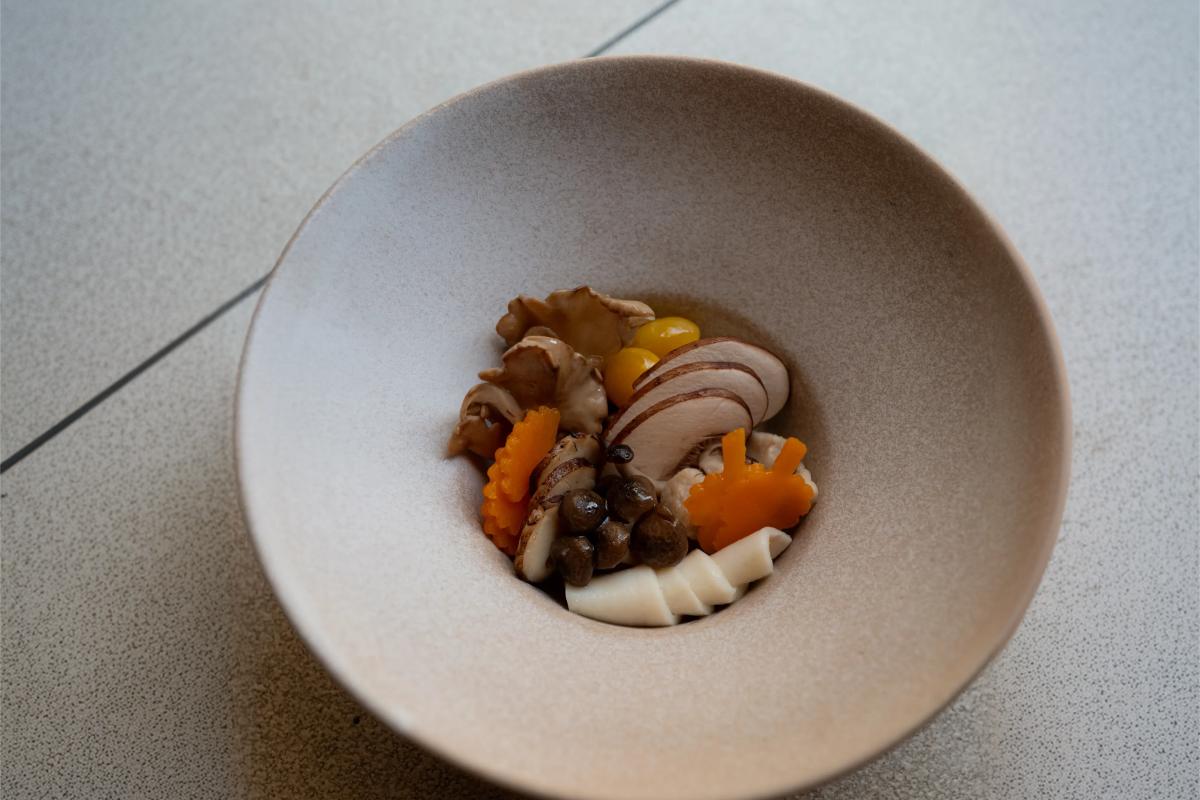
This dish features a variety of seasonal Korean mushrooms and ginkgo nuts.
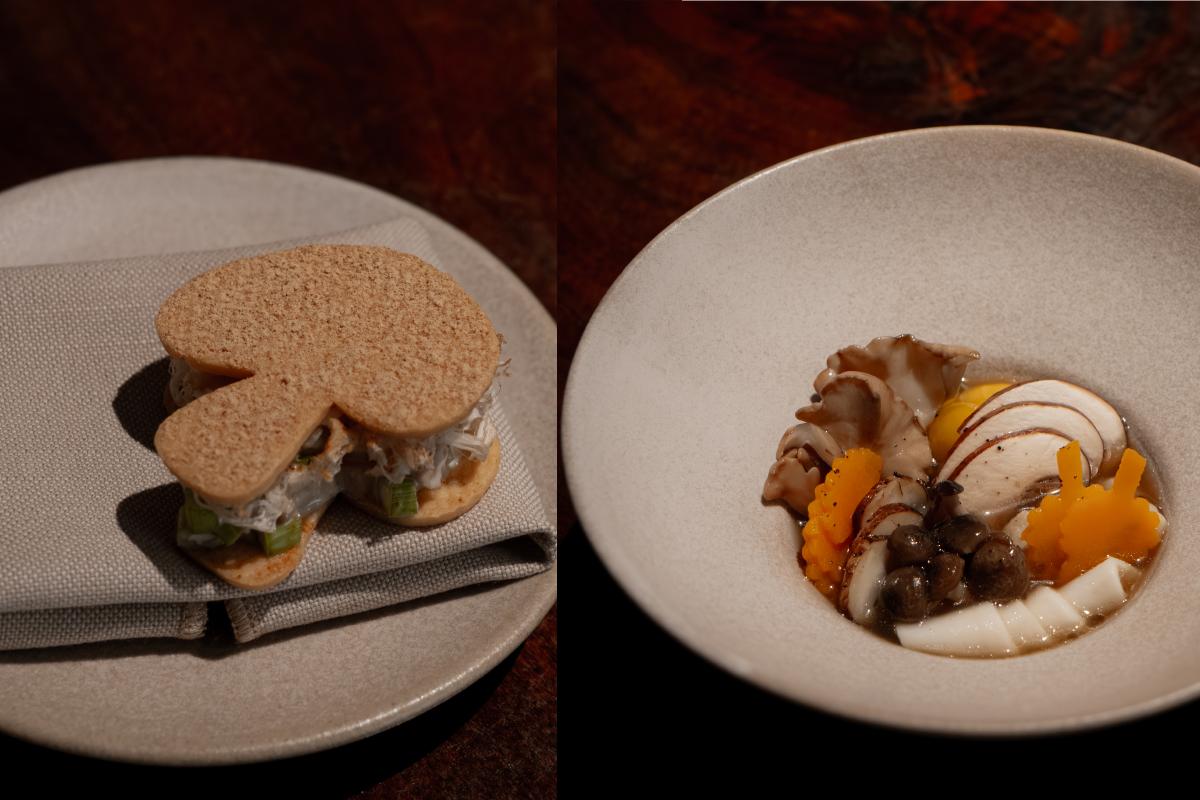
Rather than using just one type of mushroom, several varieties are presented in three distinct layers.
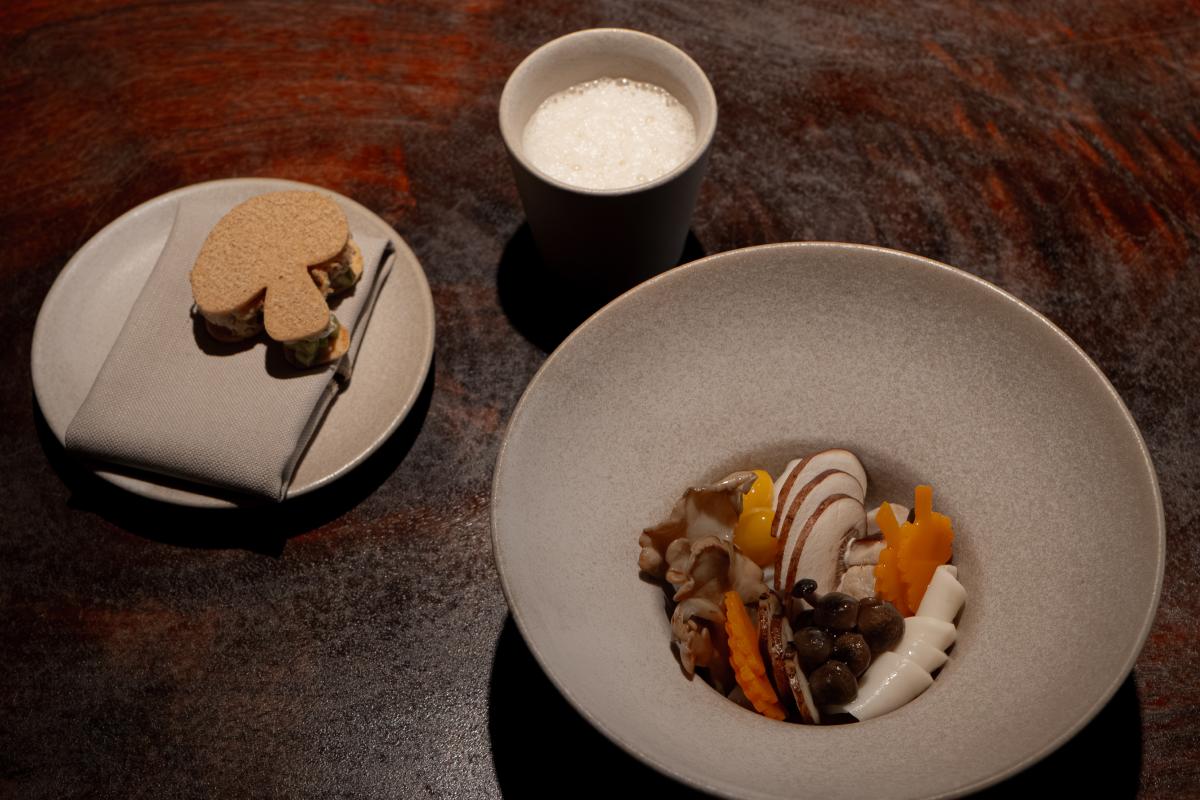
Discover how seasonal mushrooms are brought together as part of a complete course in Korea.
05. Hand-Torn Sujebi
Spinach · Large Shrimp · Green Onion
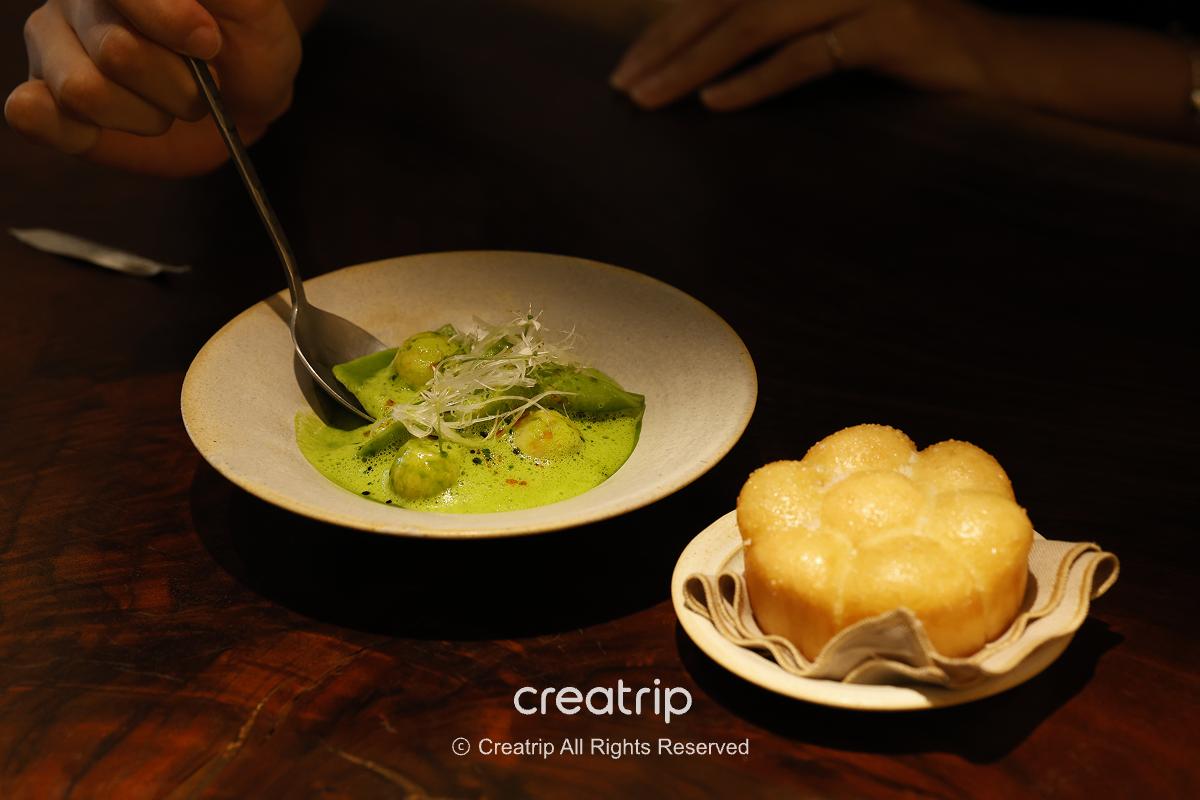
Sujebi is a familiar Korean dish made by tearing pieces of wheat flour dough by hand and adding them to broth.
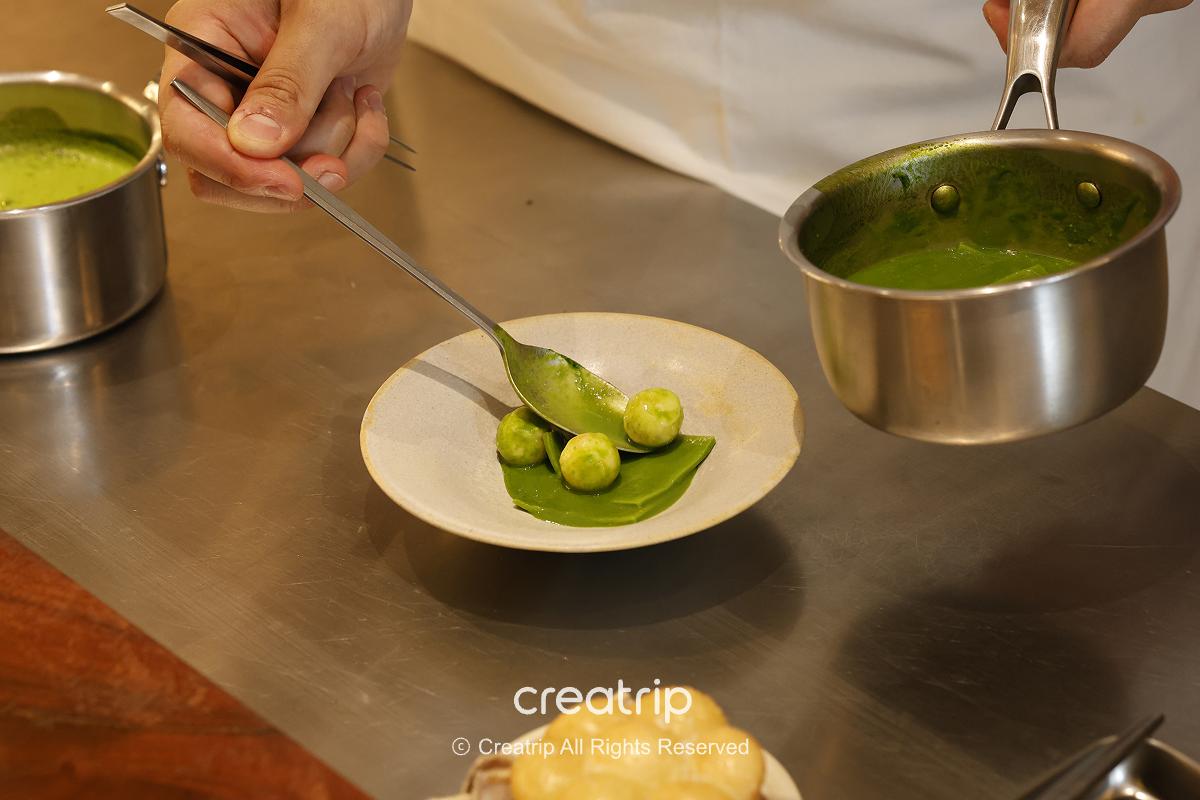
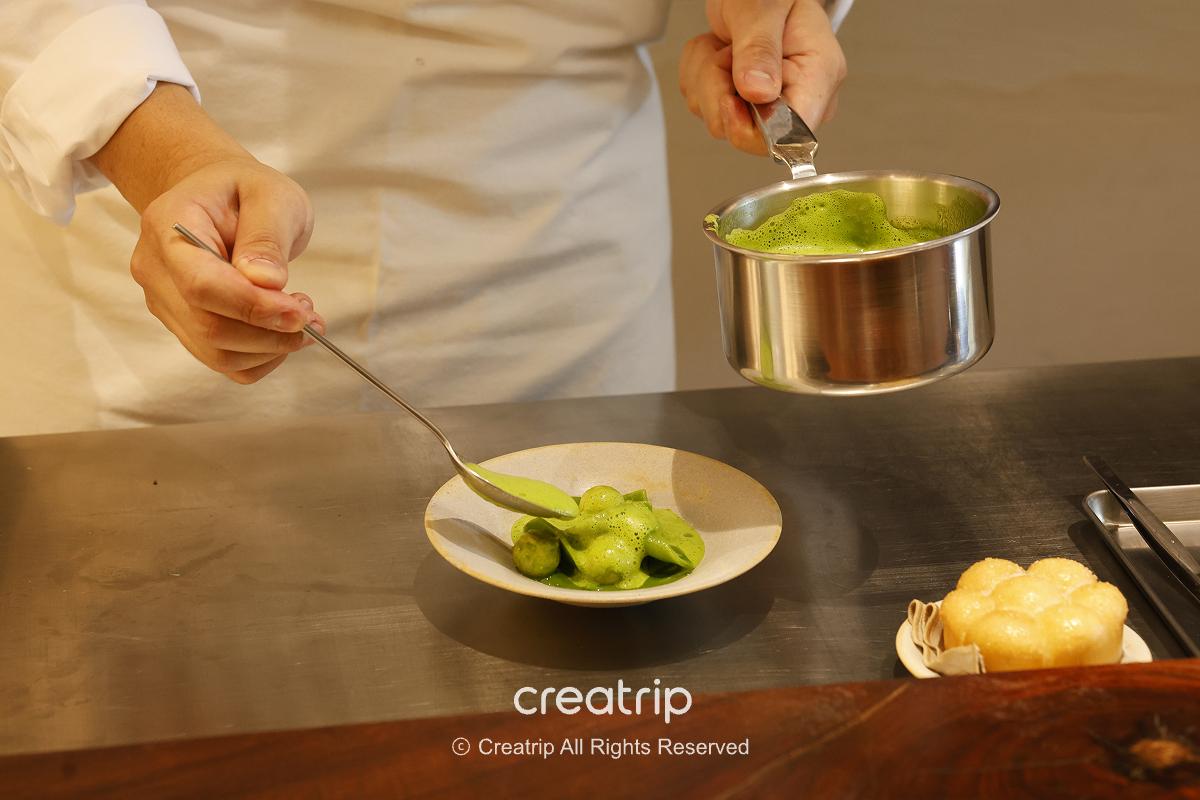
At Cuisine.K Project(Belong), sujebi is served with rolled shrimp dumplings (gullim-mandu), accompanied by a sauce made with spinach grown in the sea breeze.
It was fun to compare how sujebi, a comforting everyday meal enjoyed in Korea, is reimagined as part of a fine-dining course.


Watching the chef carefully complete the plating piece by piece felt like viewing the process of creating a dish as a work of art.
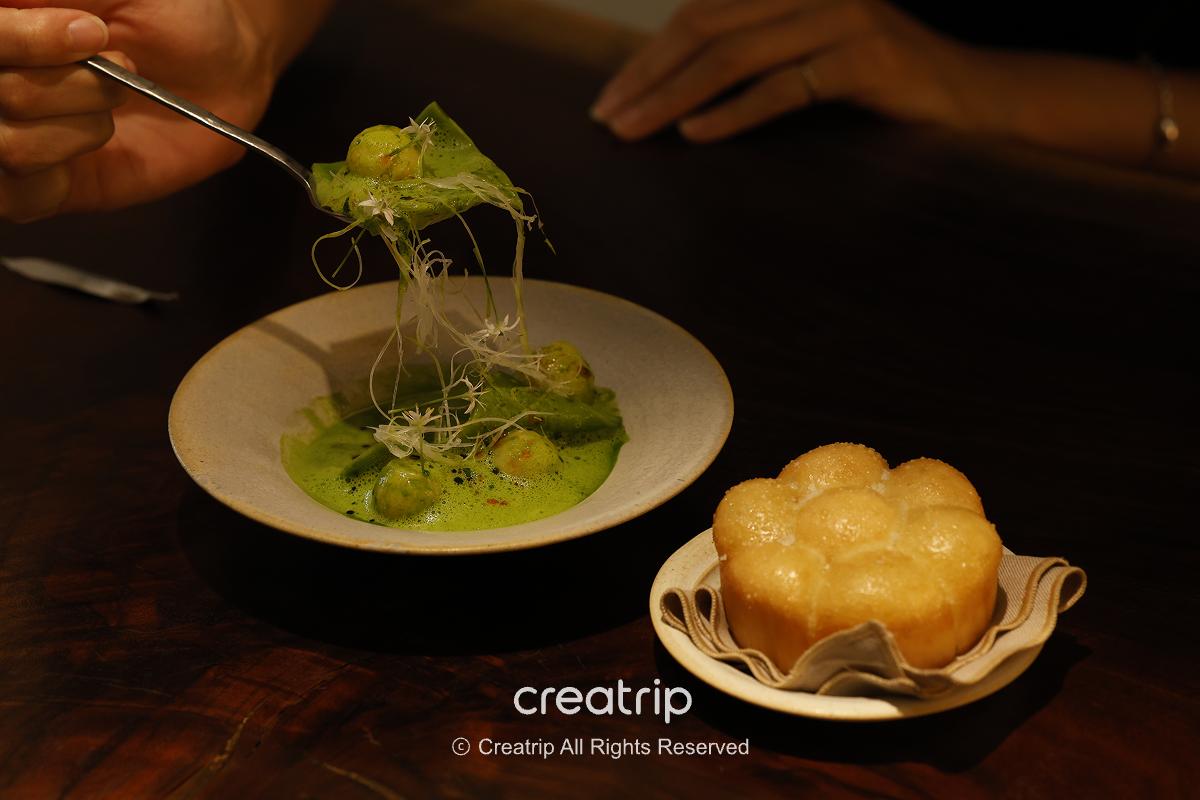
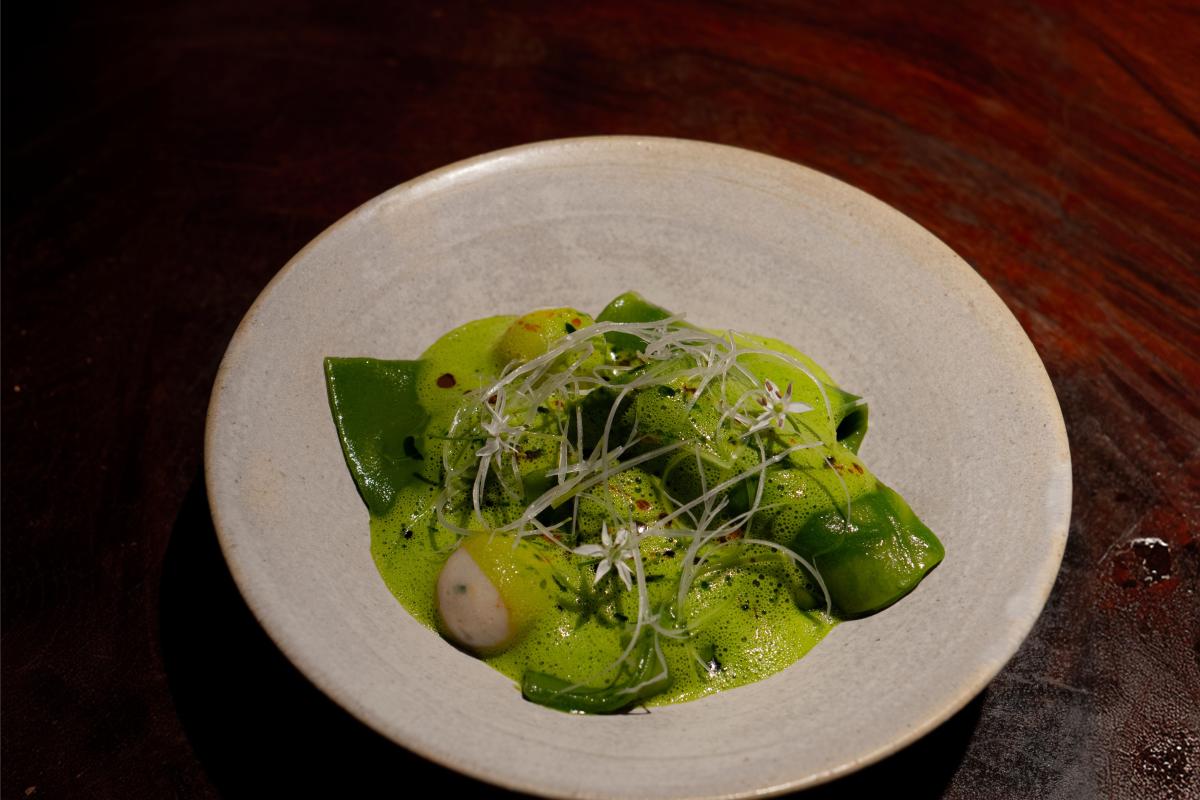
The chewy sujebi and tender rolled shrimp dumplings (gullim-mandu) paired beautifully with the spinach sauce.


We dipped the bread served alongside into the remaining sauce, which allowed us to enjoy its rich flavor even more.
06. Steamed Monkfish
Monkfish · Monkfish Liver · Shishito Peppers
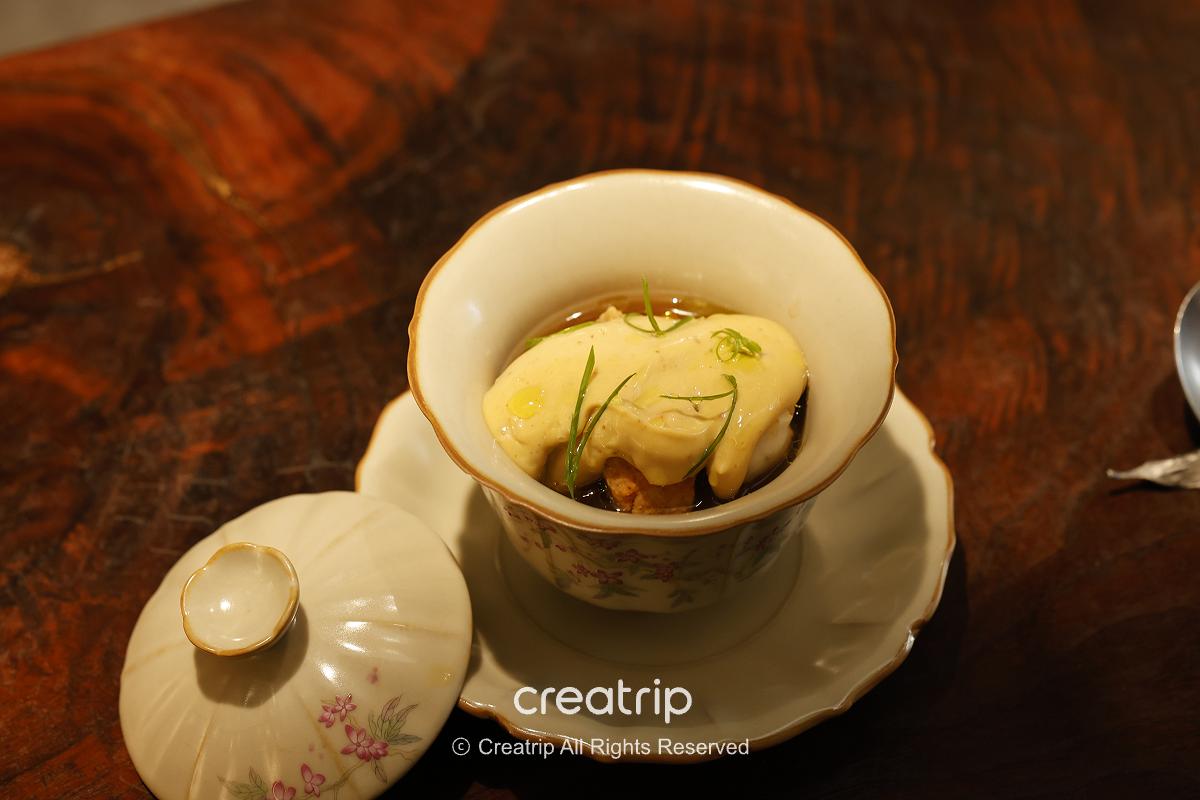
Agwijjim (steamed monkfish) is one of Korea's most iconic dishes made with monkfish.
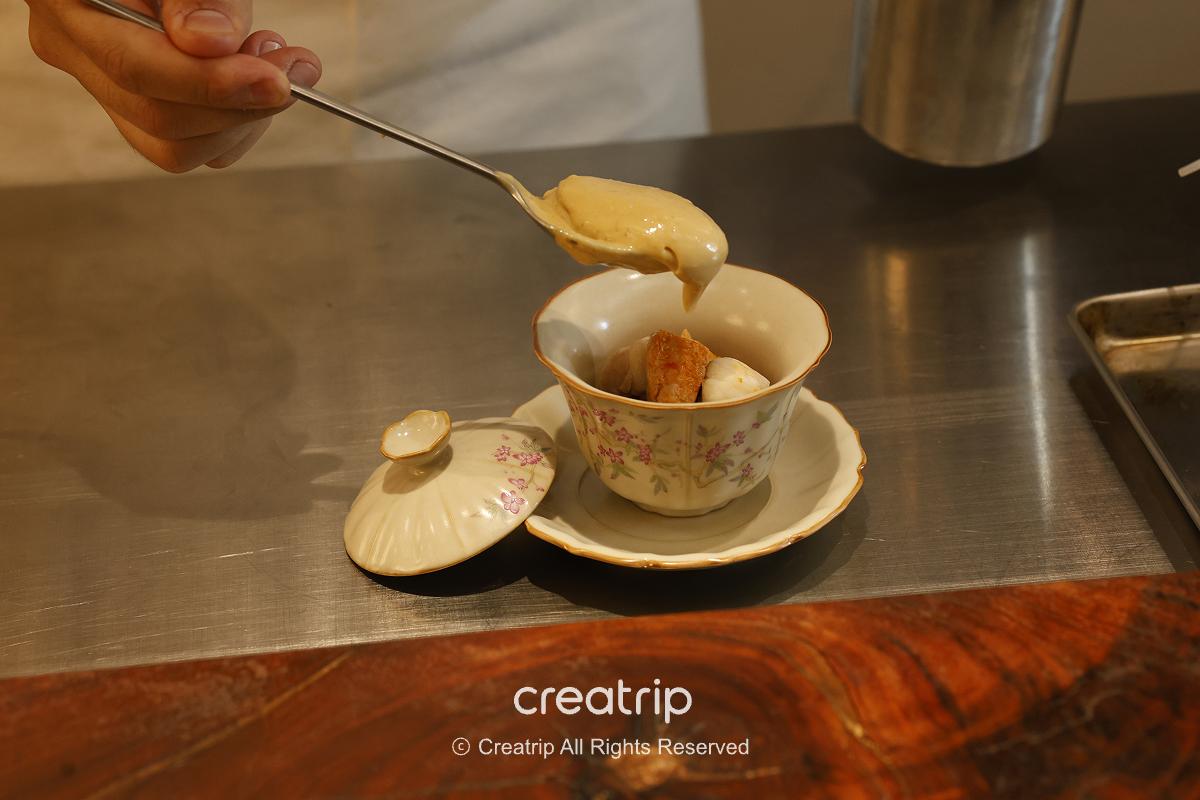
At Cuisine.K Project(Belong), monkfish, monkfish liver, and shishito peppers are steamed and served with doenjang hollandaise and warm monkfish broth.
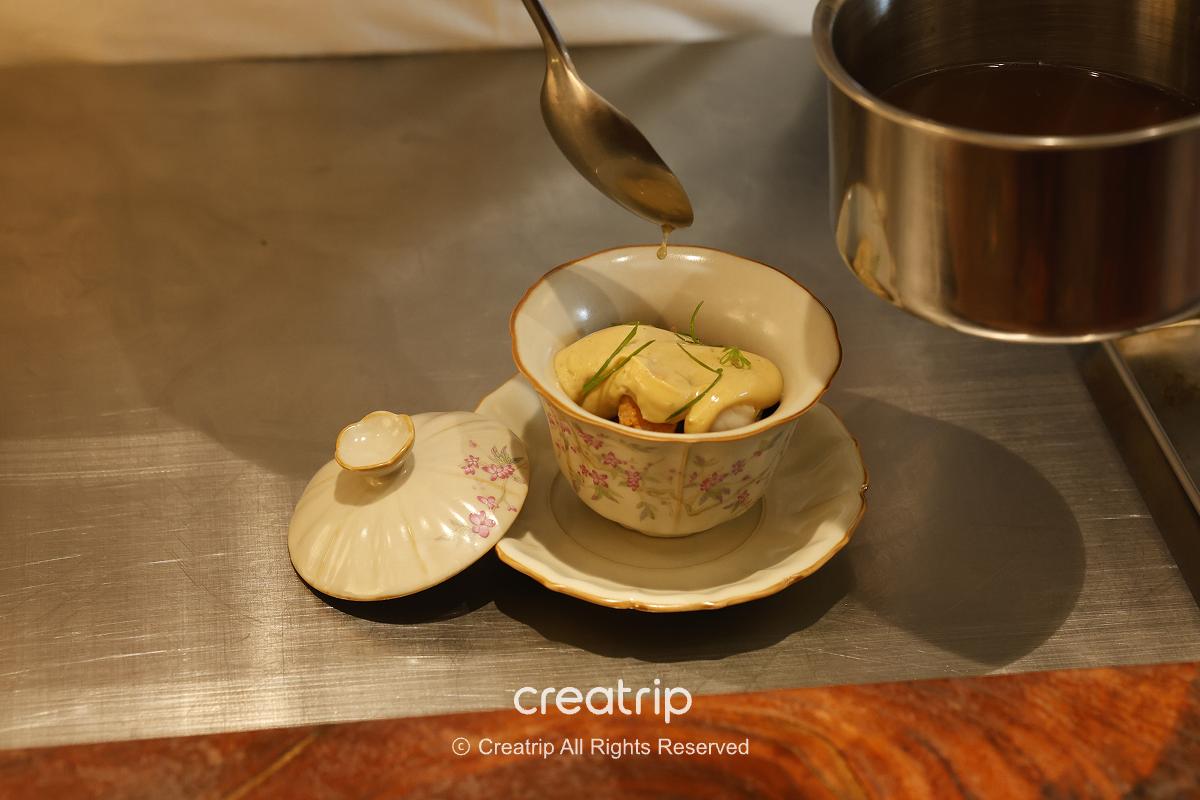
Doenjang, a staple ingredient often used in Korean cuisine, is paired with hollandaise sauce to create a unique take on agwijjim (steamed monkfish) that is quite different from the familiar version.


It was also impressive to see it served in a small bowl resembling a teacup.
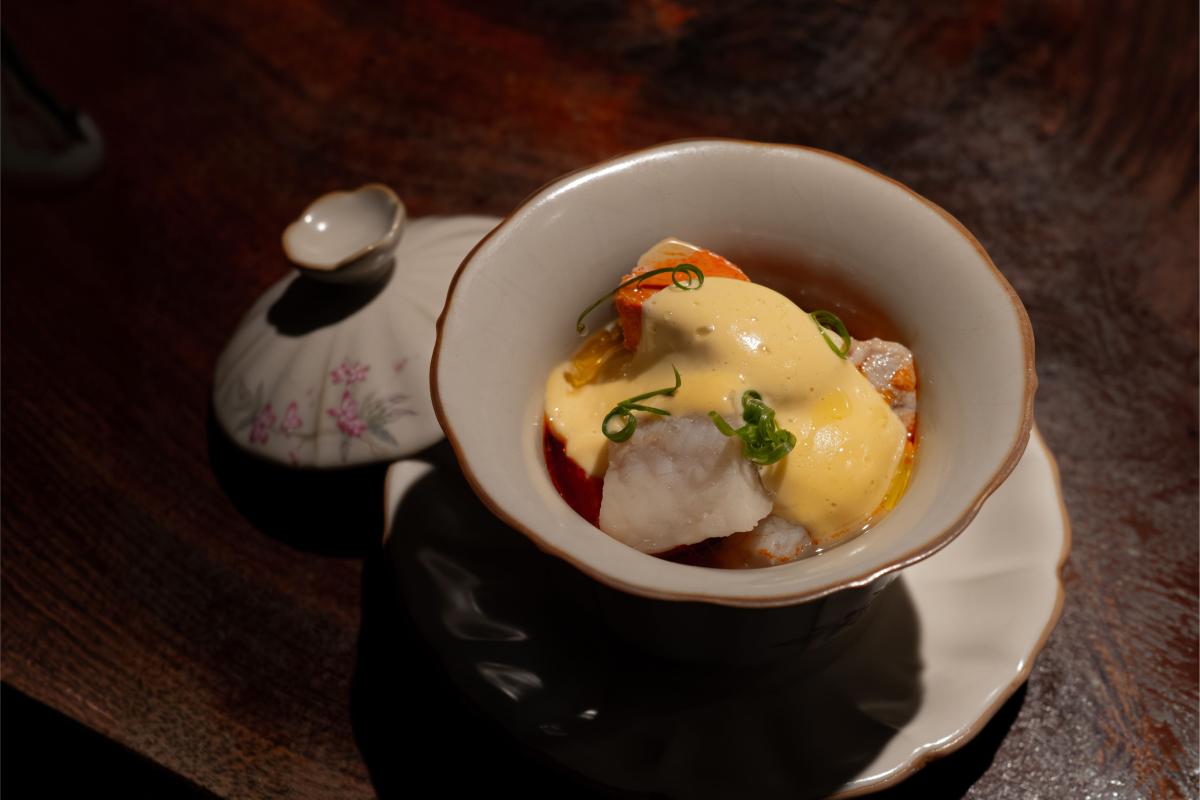
The tender monkfish, savory doenjang hollandaise, and warm broth came together to create a wonderfully deep flavor.
07. Straw-Fire-Grilled Duck
Duck · Gochujang · Side Dishes
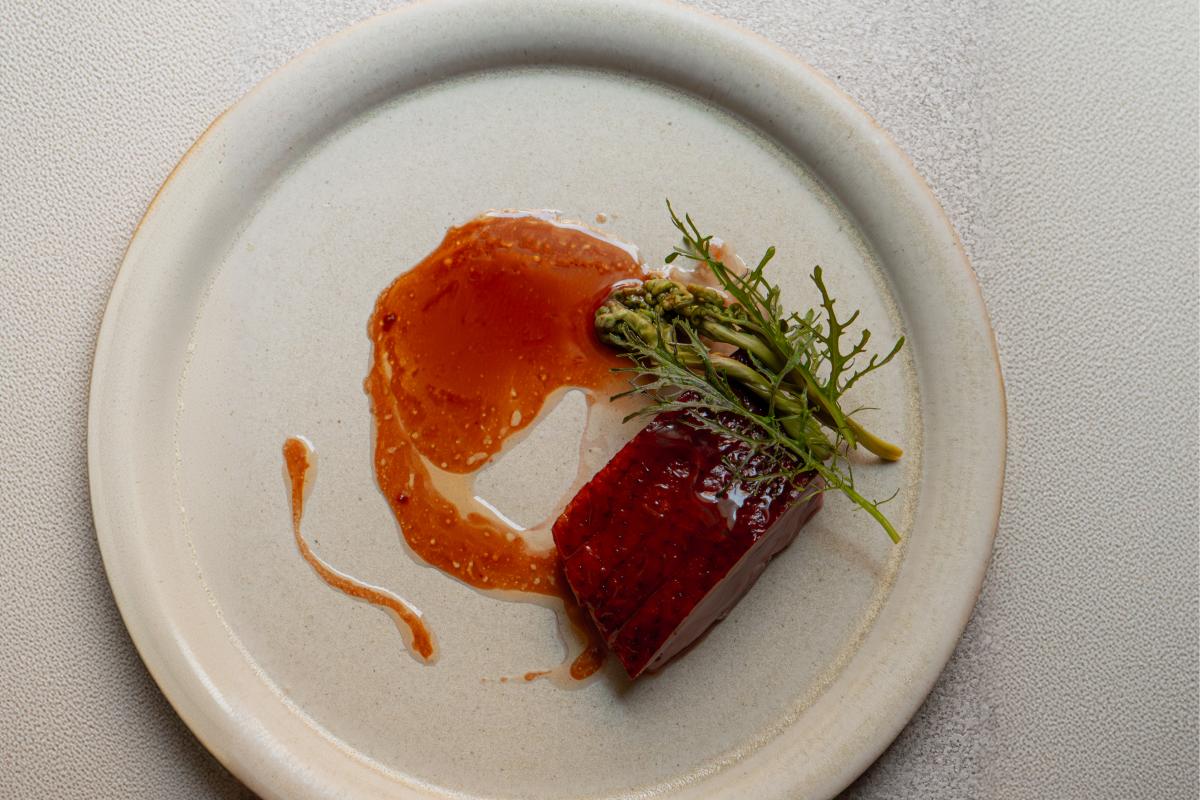
This course also introduces you to Korea's banchan culture, an important part of understanding the Korean dining table.
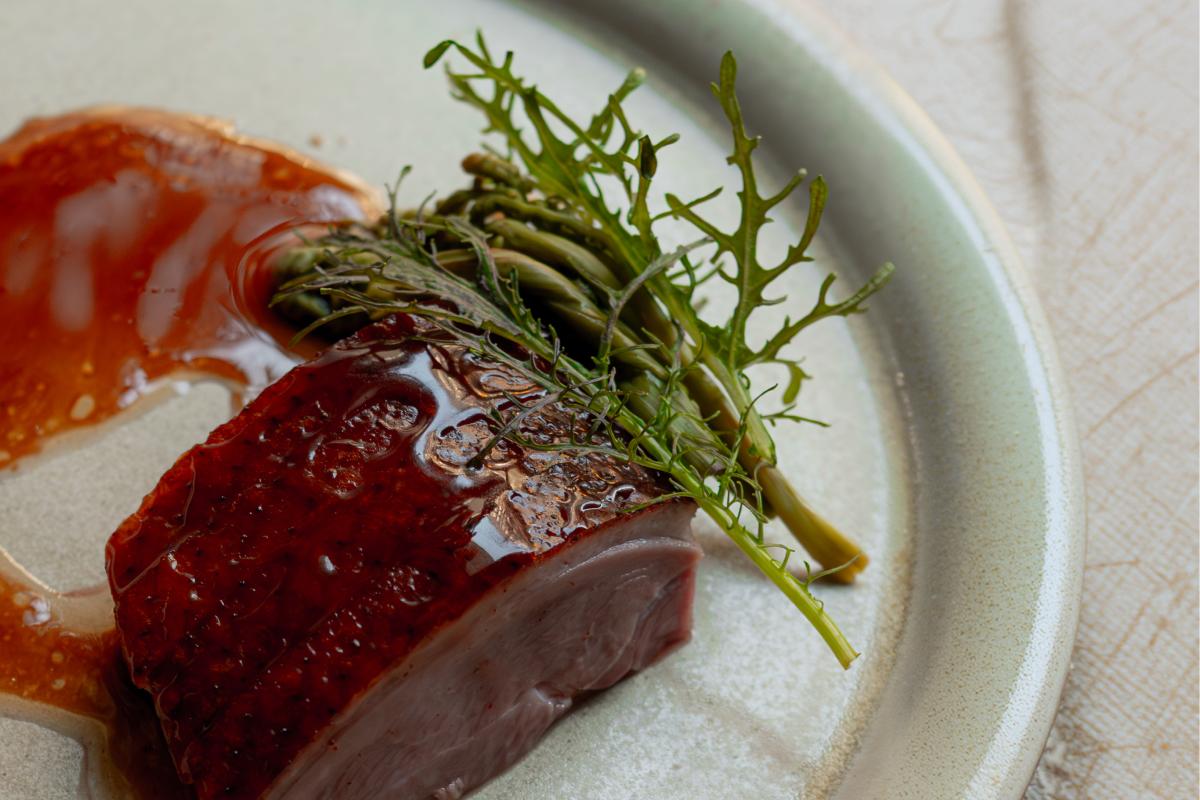
The duck is coated in gochujang and dried for two weeks, then served with three types of side dishes. The restaurant also introduces this dish as a course that showcases Korea's banchan culture.
In Korea, a meal often consists of one main dish accompanied by a variety of side dishes, rather than just a single main dish.
For international travelers, this menu offers the chance not only to taste the food, but also to experience how a typical Korean meal is composed.
08. Hwachae
Jeju Island citrus · Farm herbs · Jasmine tea
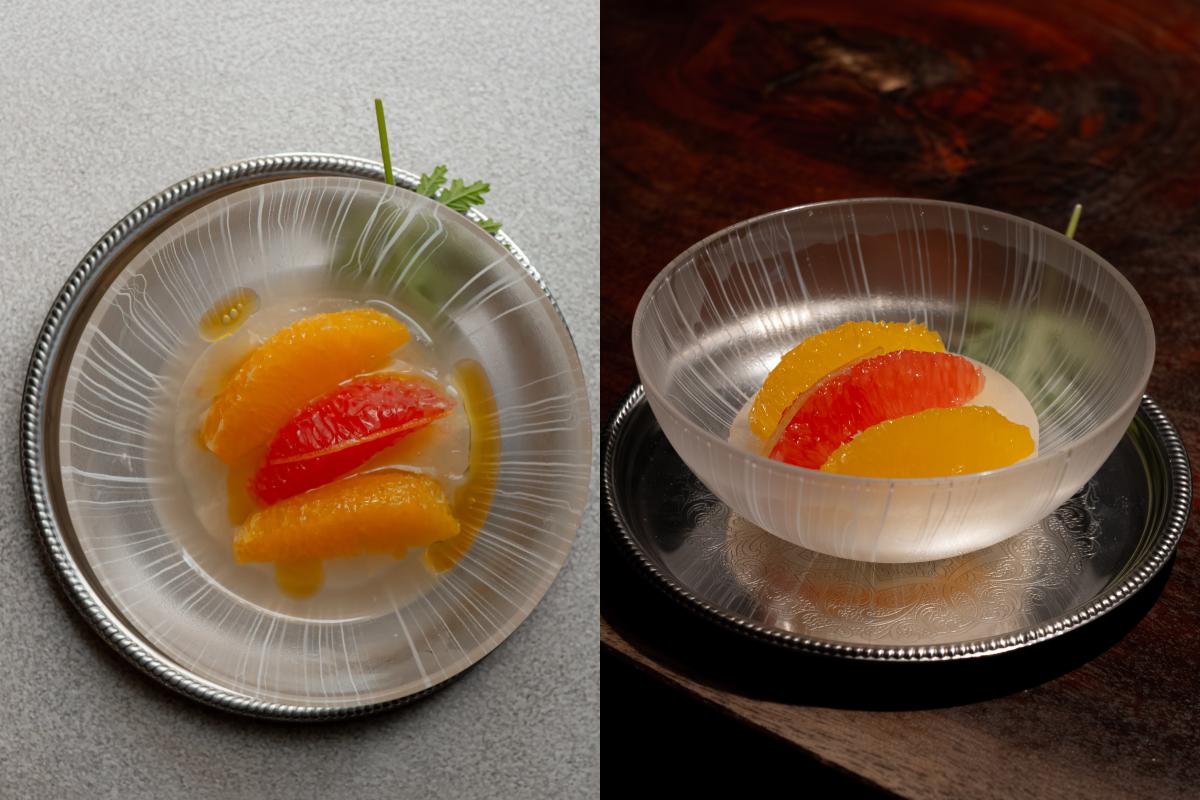
Hwachae follows the main course.
Hwachae is a Korean dessert made with fruit and other ingredients.
This fragrant dessert is made using a variety of Jeju Island citrus fruits, farm herbs, and jasmine tea.
09. White Adzuki Bean Porridge
Huinnarae-pat · Sogokju
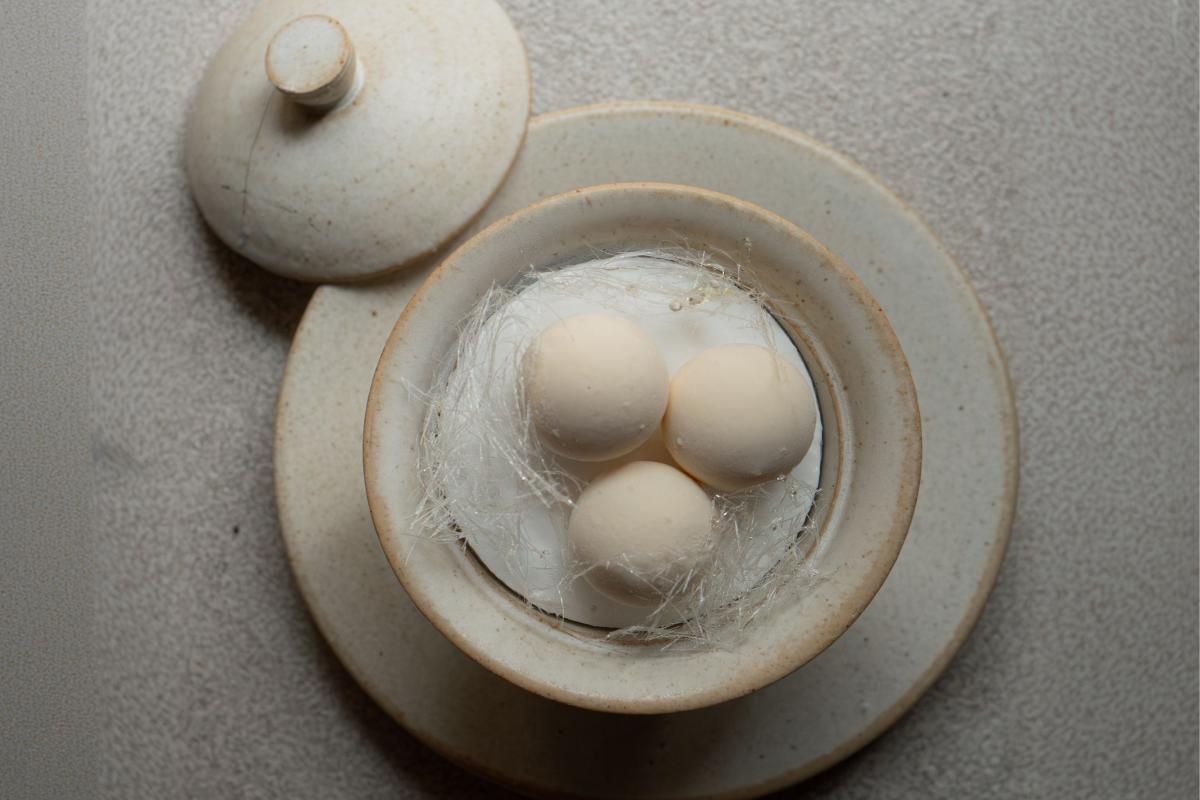
Red bean porridge is a dish especially enjoyed in Korea during the winter.
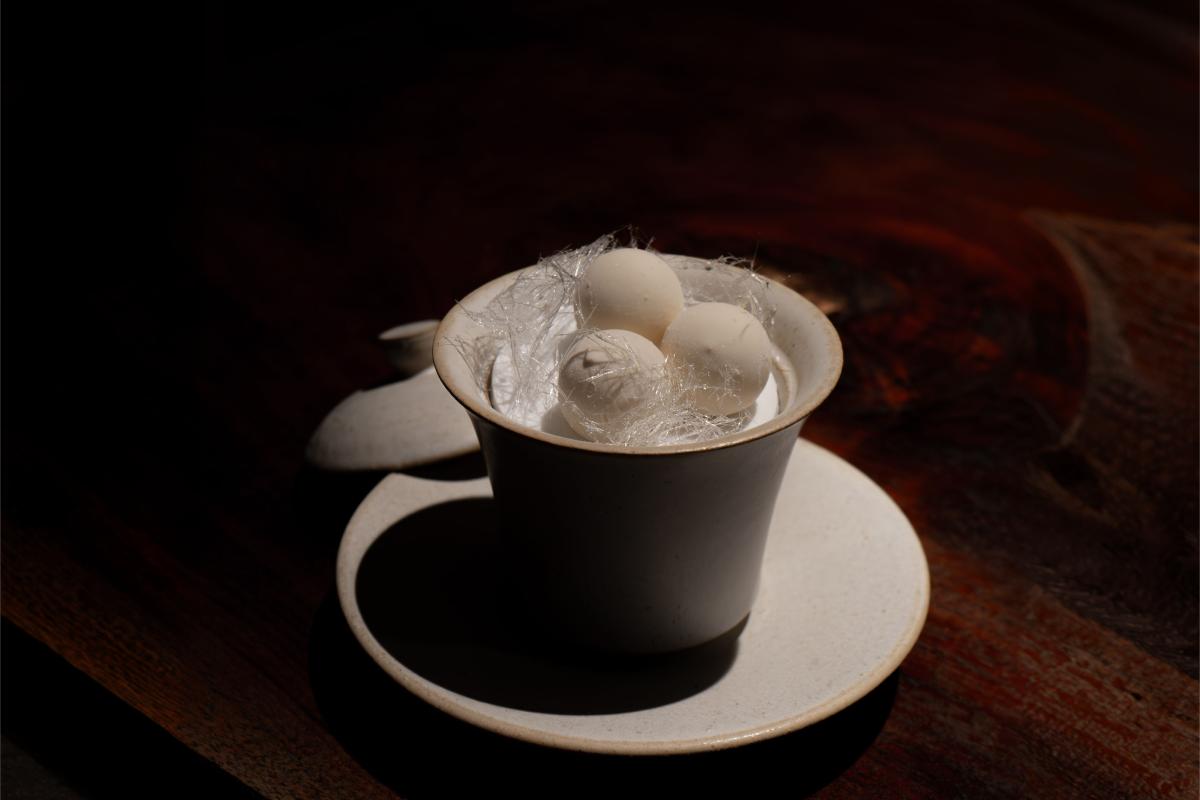
Using Huinnarae-pat, a white variety of adzuki bean, and Sogokju, a traditional Korean liquor, the chefs have reimagined patjuk, a classic Korean winter treat, as a dessert.
10. Fruit Basket
Seasonal Fruit
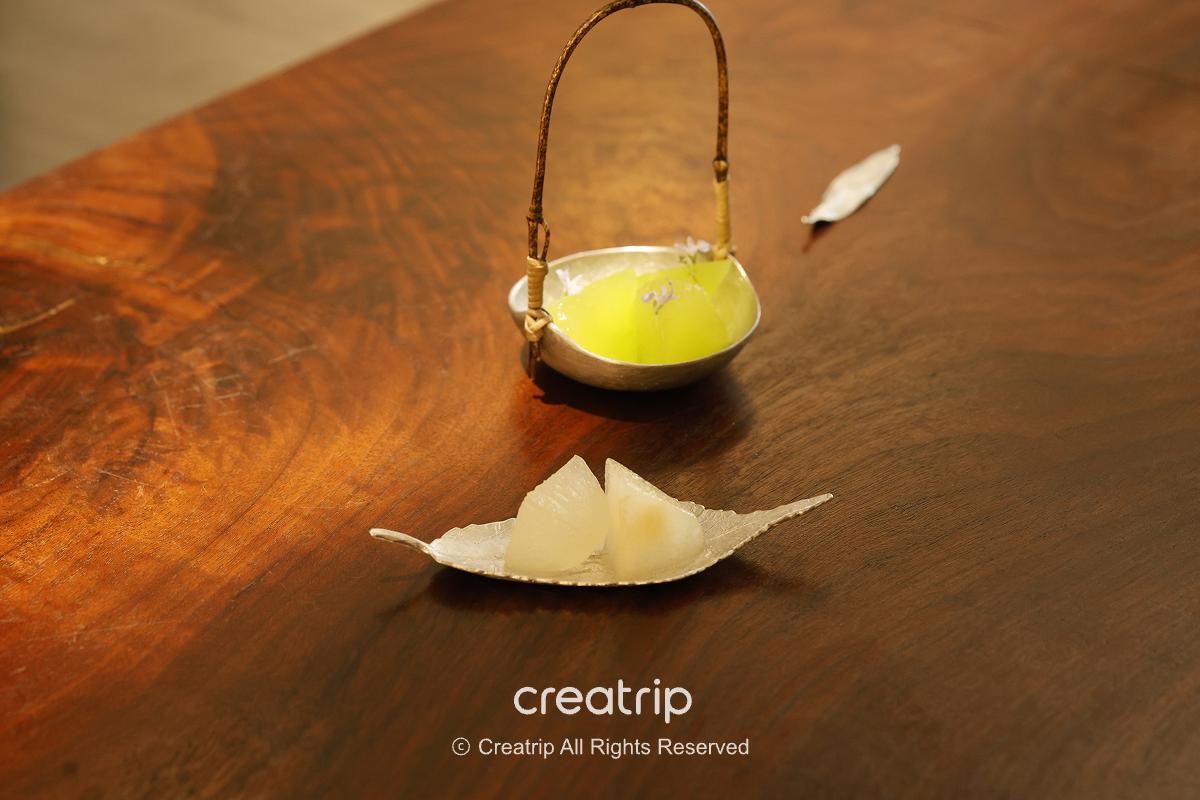
The 10-course meal ends with seasonal fruit.
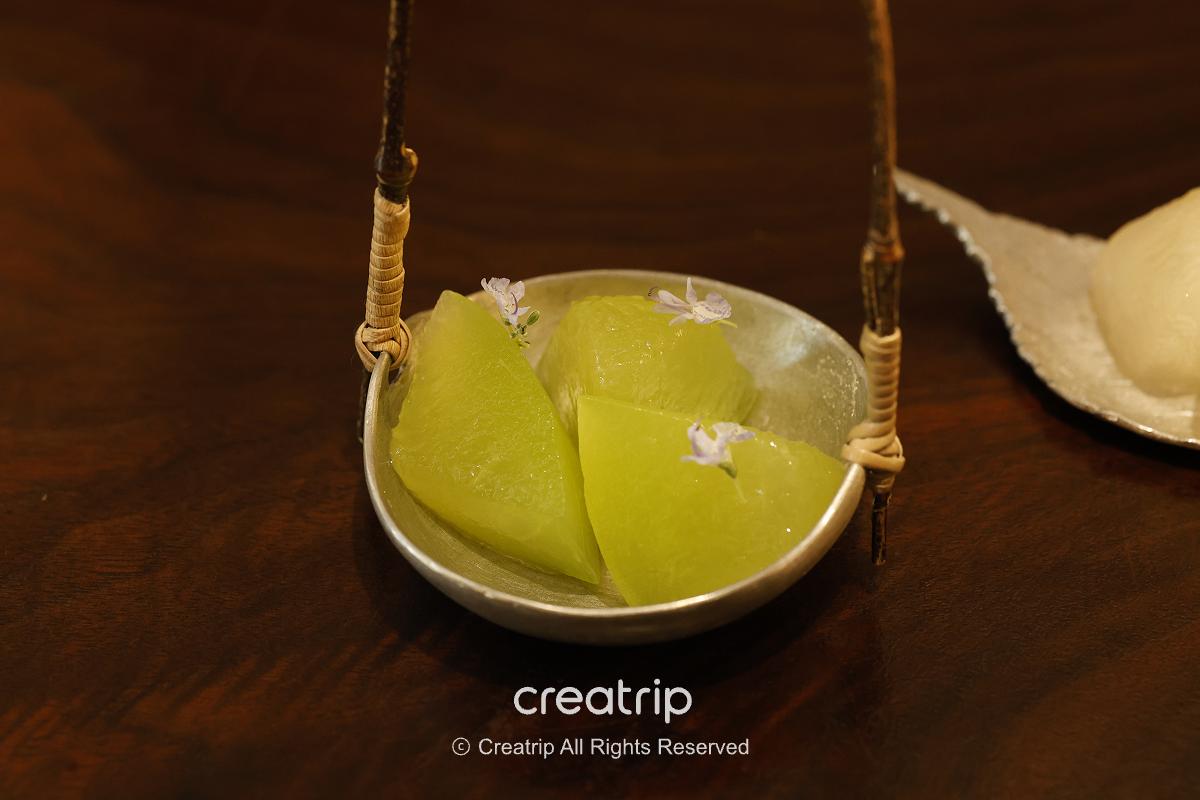
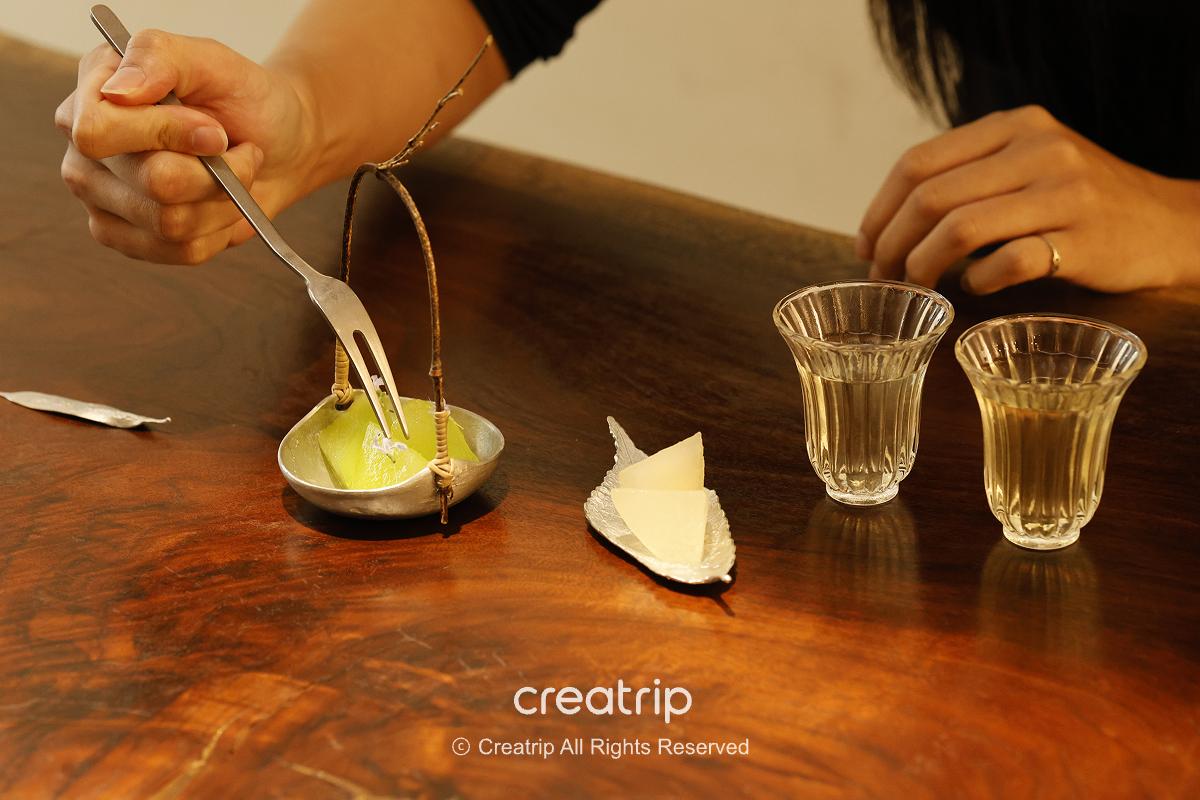
Fruit available that season is soaked in champagne syrup and served to finish the meal.
Cuisine.K Project(Belong) | Pairings That Connect the Flavors and Flow of the Course
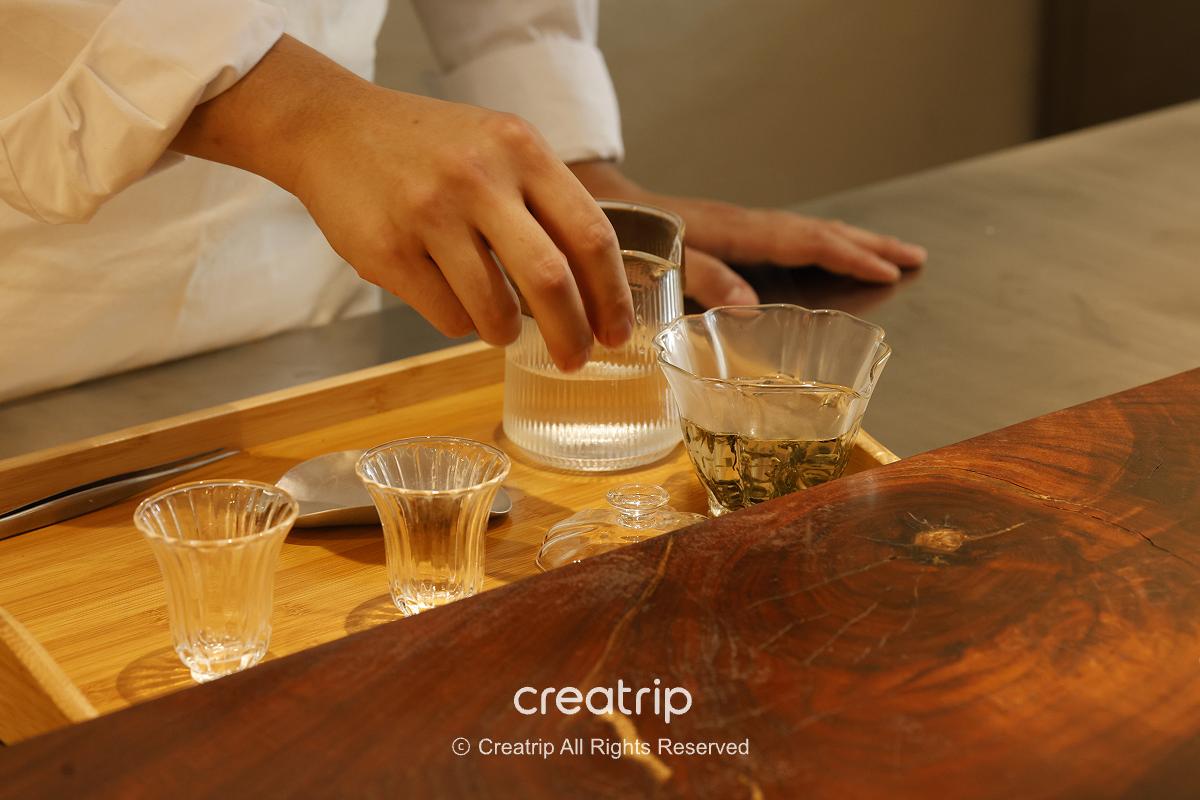
At Cuisine.K Project(Belong), each guest is required to select a beverage pairing option to accompany the dinner course.
You can choose from Tea Pairing, centered around tea, Mixed Pairing, which combines traditional Korean liquor and wine, or Half Pairing, selected to complement the main courses.
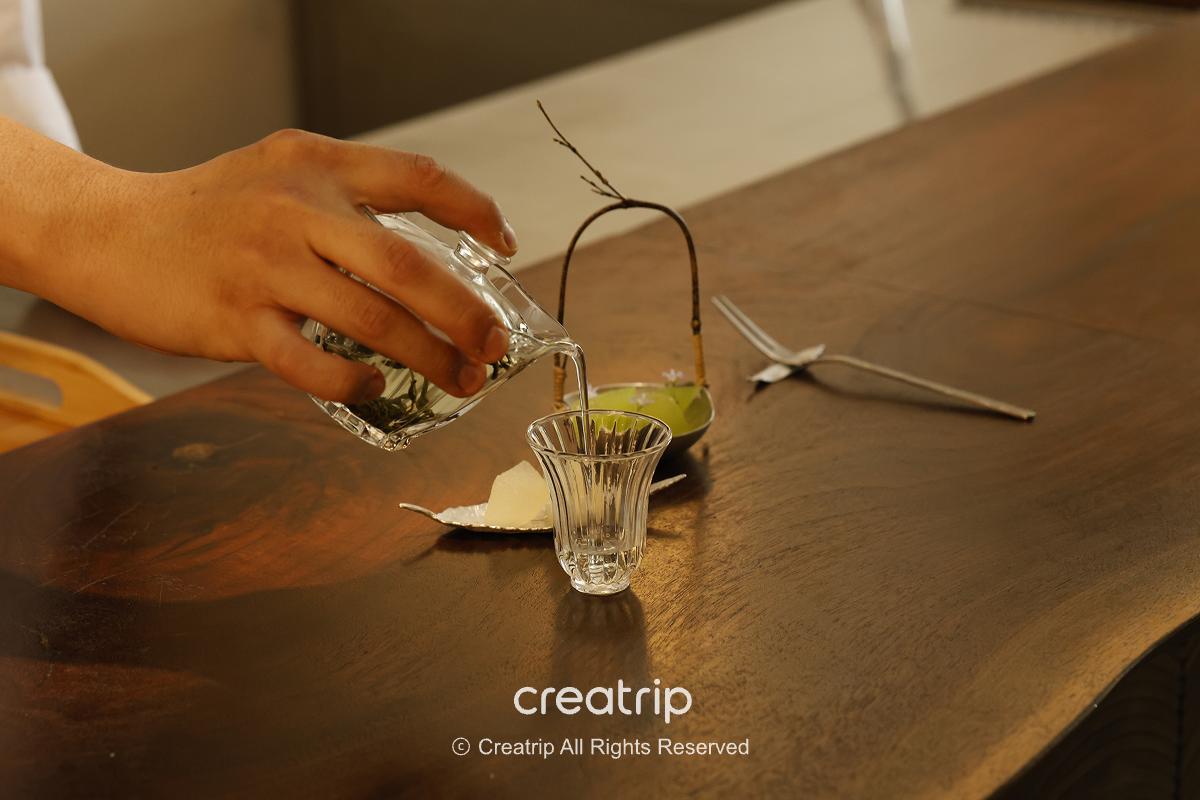
Tea Pairing is offered in collaboration with SANSUWHA Tea House, while Mixed Pairing consists of traditional Korean liquor and wine. Half Pairing is curated by a sommelier from a Michelin-starred restaurant.
Since Cuisine.K Project(Belong) places great importance on the aromas and flow of the course, be sure to notice how each drink complements and carries the flavors of the dishes.
Cuisine.K Project(Belong) | A Comfortable Experience for International Guests
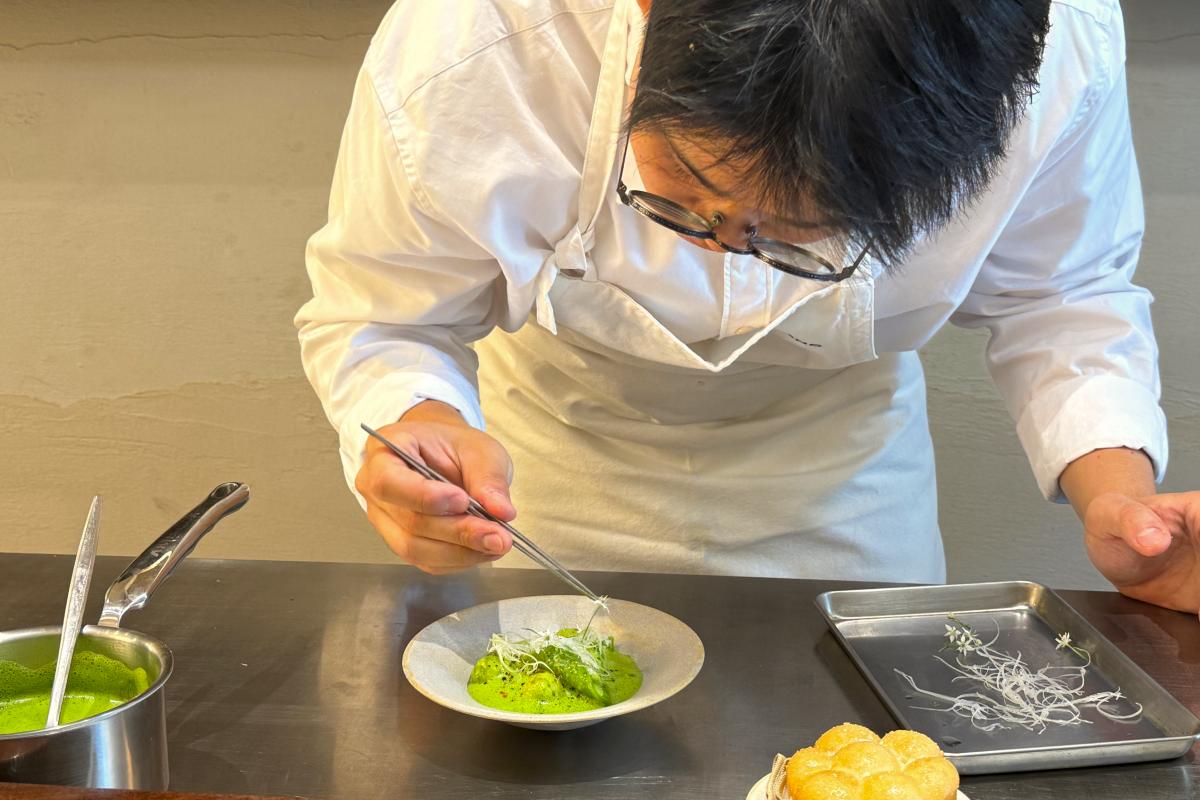
If this is your first Korean fine dining experience, you may come across unfamiliar names such as sujebi (hand-torn noodle soup), sogokju (traditional Korean rice wine), and banchan (side dishes).
At Cuisine.K Project(Belong), the chef explains the menu and ingredients in English, so you can understand each dish and fully enjoy the course.
We especially recommend it for those who want to take their Korean food experience one step further during their trip, learning not only what they are eating, but also why these ingredients were chosen and how the dishes are traditionally enjoyed in Korea.
Cuisine.K Project(Belong) | Recommended for Special Occasions
Cuisine.K Project(Belong) offers a calm, intimate atmosphere with a maximum of six guests per seating, making it a great choice for couples and anniversary dinners.
If you mention it in advance when making your reservation, anniversary services such as custom lettering may be available, subject to what the restaurant can accommodate.
Corkage is also available, so you can enjoy a special bottle you have prepared for the occasion.
If you are looking for a memorable dinner in Seoul, such as a birthday or anniversary meal during your trip, be sure to mention it when making your reservation.
Cuisine.K Project(Belong) | How to Get There
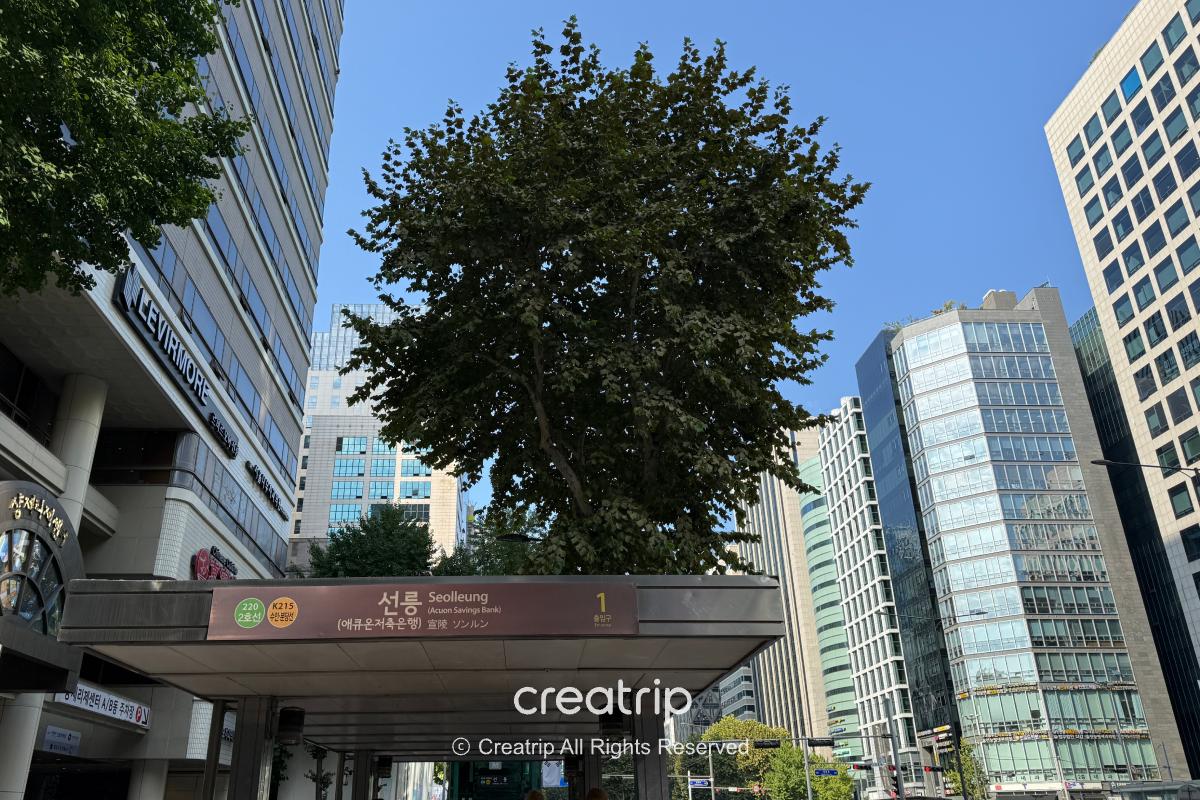 Take Exit 1 of Seolleung Station. It takes about 7 minutes to walk to Cuisine.K Project(Belong).
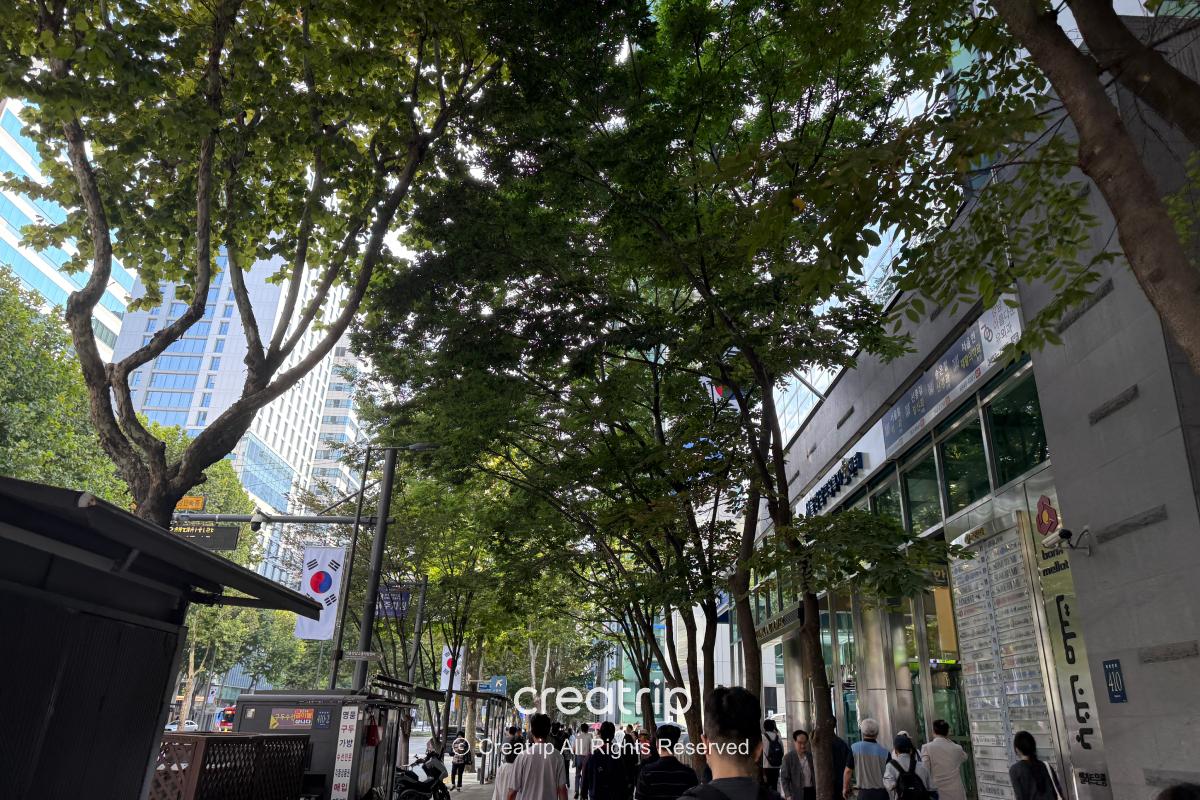
Go straight.

Turn right at the alley.
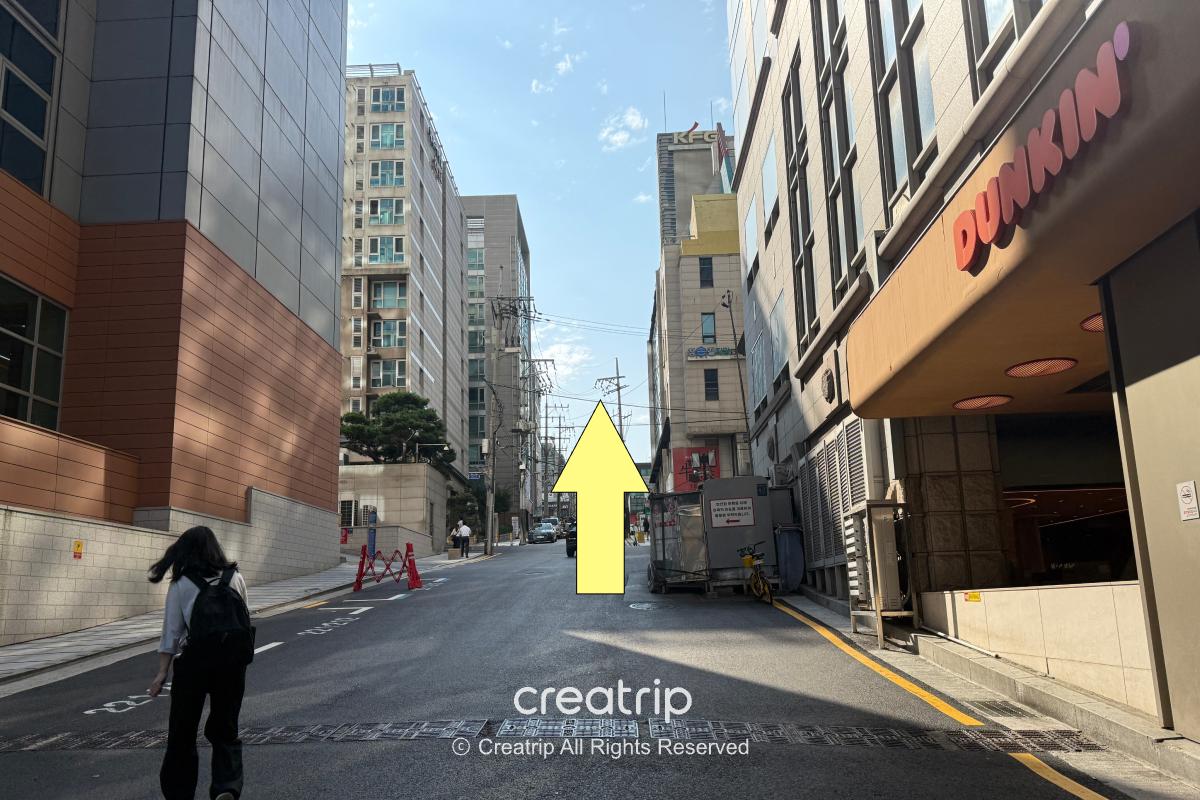
Go straight.
 Turn left.
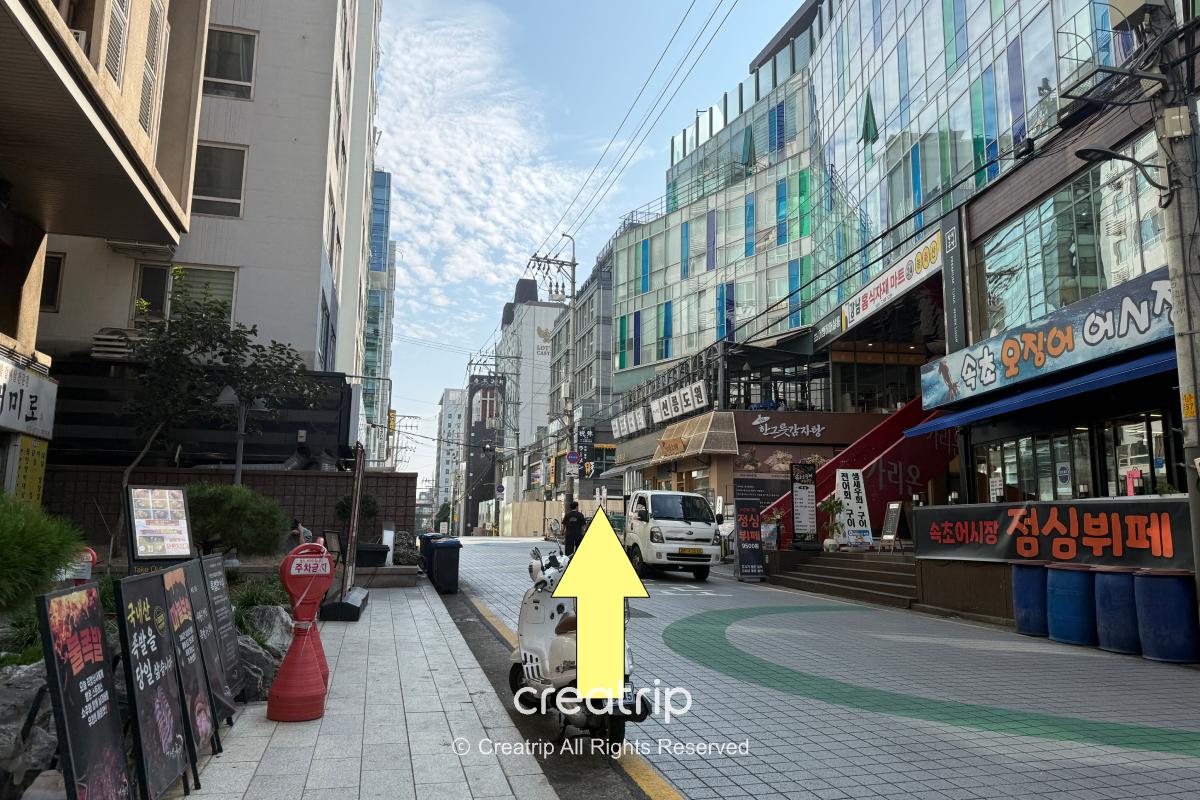
Go straight.
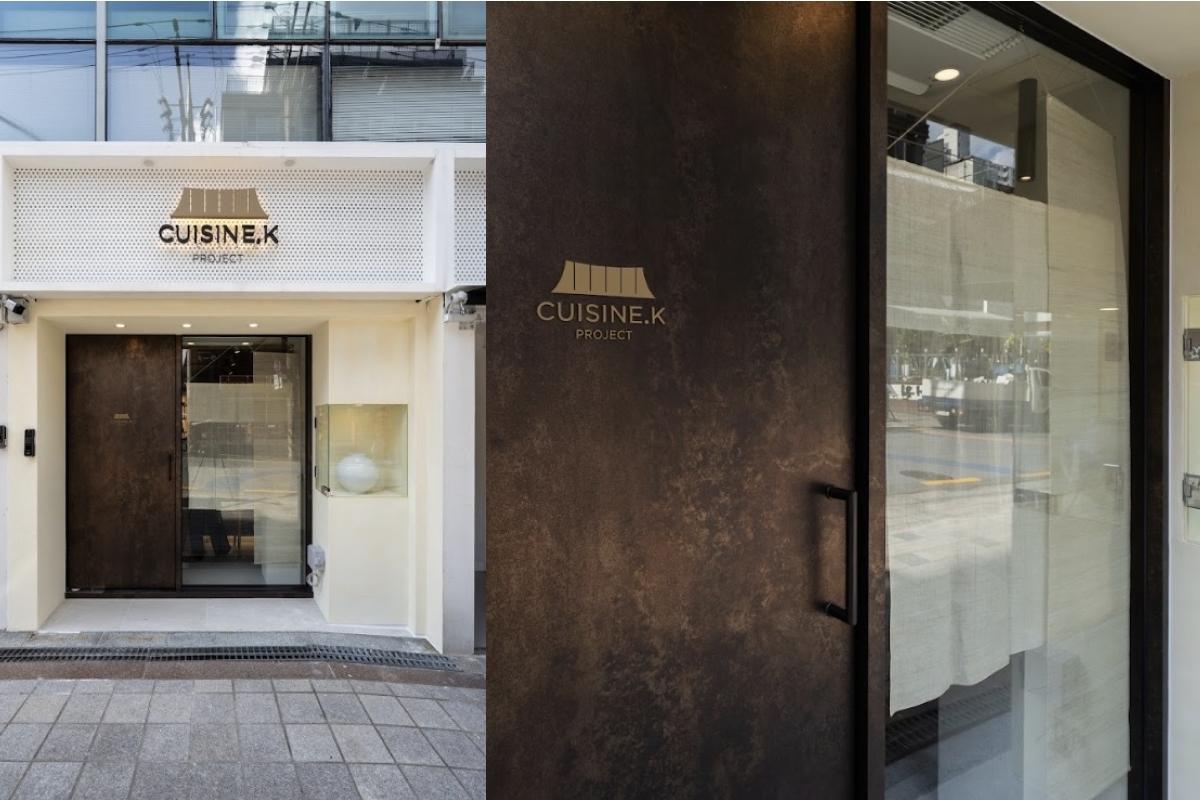
You've arrived at Cuisine.K Project!