Hansik Migwan National Museum of Korea Branch Review
After visiting the National Museum of Korea, enjoy everything from traditional Korean cuisine to street snacks and fried chicken all in one place.

If you enjoyed watching Netflix's KPop Demon Hunters, the Korean imagery that appears throughout the film, such as the tiger and magpie, may feel familiar. The National Museum of Korea is a good place to encounter these traditional motifs through real artifacts and exhibitions. Since you can explore Korea's history and culture all in one place, it is a must-visit destination for travelers curious about the cultural background behind K-pop.


Source: National Museum of Korea
One of the other highlights of visiting the National Museum of Korea these days is shopping for museum merchandise. A wide variety of MU:DS goods are available, featuring modern reinterpretations of traditional artifacts and Korean-inspired designs, so you can enjoy shopping after exploring the exhibitions.
If KPop Demon Hunters has sparked your interest in Korea's traditional culture, we recommend experiencing an exhibition, shopping for merchandise, and enjoying a K-food meal all in one place. Today, we are introducing Hansik Migwan, the food court at the National Museum of Korea, a convenient final stop on your visit.
You do not need to leave the museum to find a restaurant. At Hansik Migwan FOOD COURT, you can enjoy a wide variety of dishes, including bibimbap, kimchi-jjigae, tonkatsu, jajangmyeon, and chicken, all in one place.
I visited Hansik Migwan to try eight dishes. Here is what I ate and how to order.
Why We Recommend 'Hansik Migwan National Museum of Korea Branch'
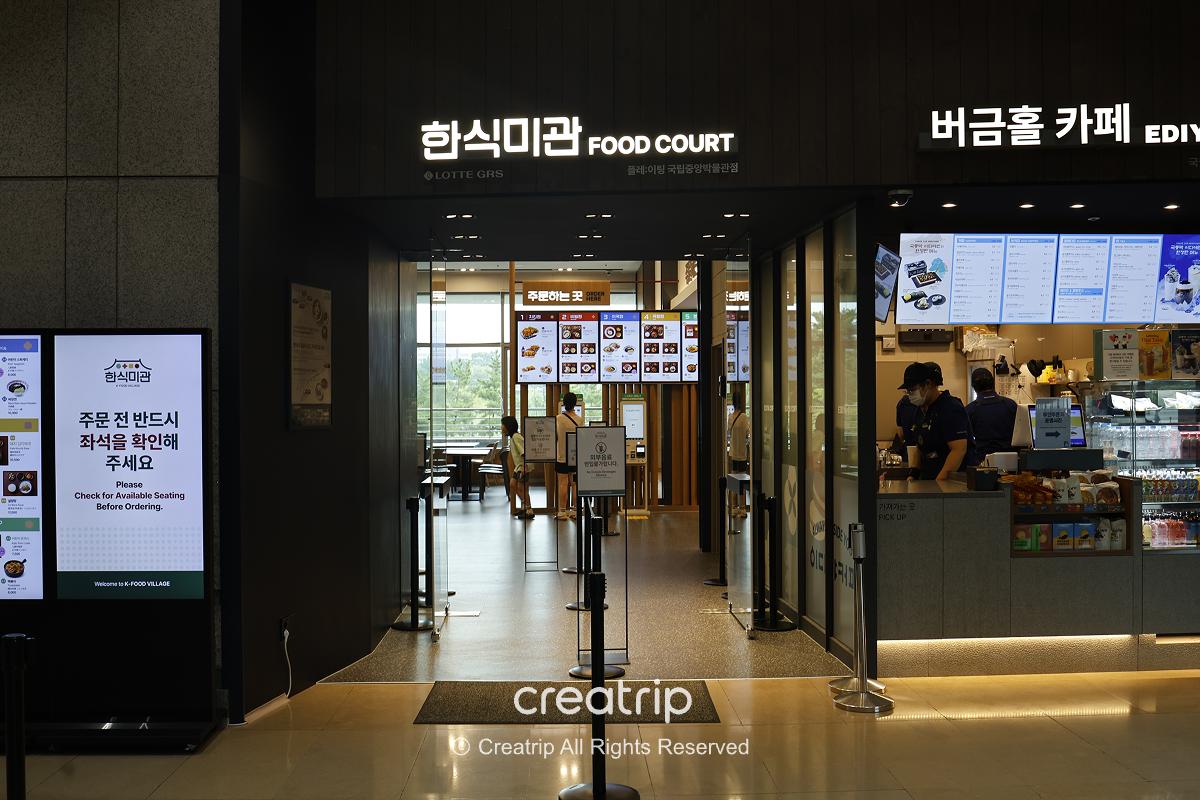
Hansik Migwan is a dining space operated by PLE:EATING, a food court brand run by Lotte GRS, the food service company of Lotte Group, one of Korea's leading conglomerates. PLE:EATING stands for Pleasure + Eating, and is a multi-faceted dining and culture space designed to let visitors experience a variety of culinary styles in one place.
The biggest advantage of the National Museum of Korea Branch is that everyone in your group can eat together, even if you have different food preferences.
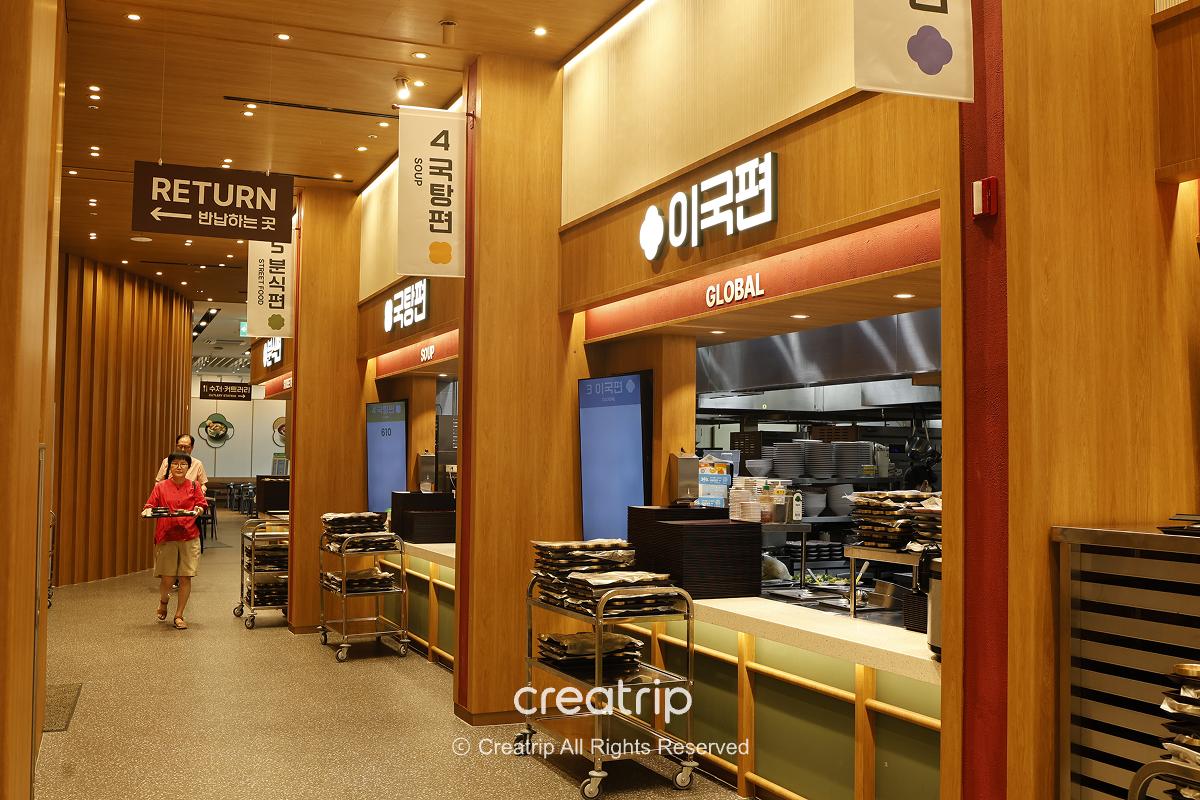
The menu is divided into five themes, featuring everything from Korean-style bibimbap and stews to jajangmyeon, pork cutlets, and chicken. Whether you love spicy food or prefer milder flavors, it is easy to find something you will enjoy, making it especially convenient for international travelers. Officially, the food court operates with five sections: Bibimbap, Soup and Stew, International, Korean Street Food, and Chicken.
Since you can enjoy a meal without leaving the museum, it is also a great place to save travel time after viewing the exhibitions and continue on to your next activity.
Most of all, after taking in Korea's cultural heritage at the National Museum of Korea, you can enjoy a variety of dishes that Koreans regularly eat, all in one place. This makes it a convenient place to enjoy a meal after exploring the museum.
How to Order
If it's your first visit, the ordering process may seem a little different from what you're used to at a regular restaurant, so it can be confusing. Once you know how it works, though, it's easy.
First, please check for available seating before placing your order. There is also a notice at the store entrance asking customers to check for seats before ordering.
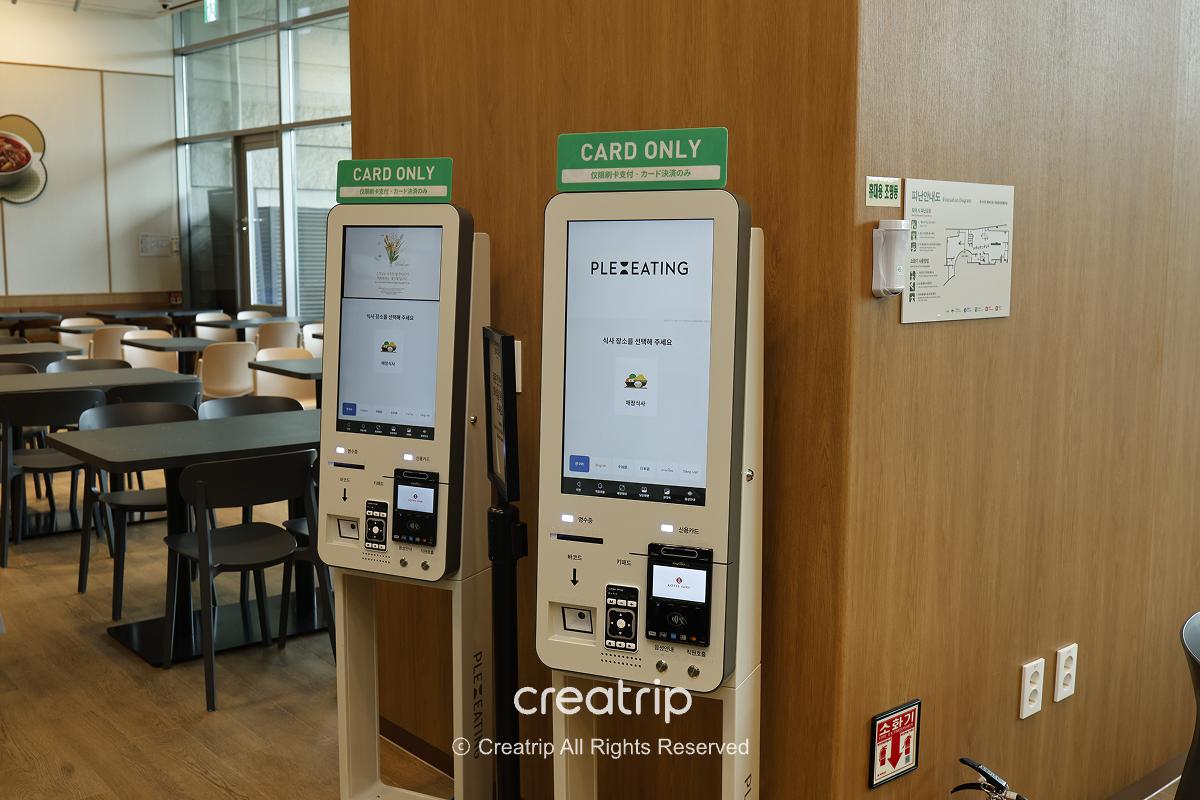
You can place your order using the kiosks installed in the store. Kiosks are located at both entrances.


You can enter through either of the two entrances, as shown here.

The kiosks offer several language options, including Korean, English, Chinese, and Japanese, so you can easily place your order even if you do not speak Korean.
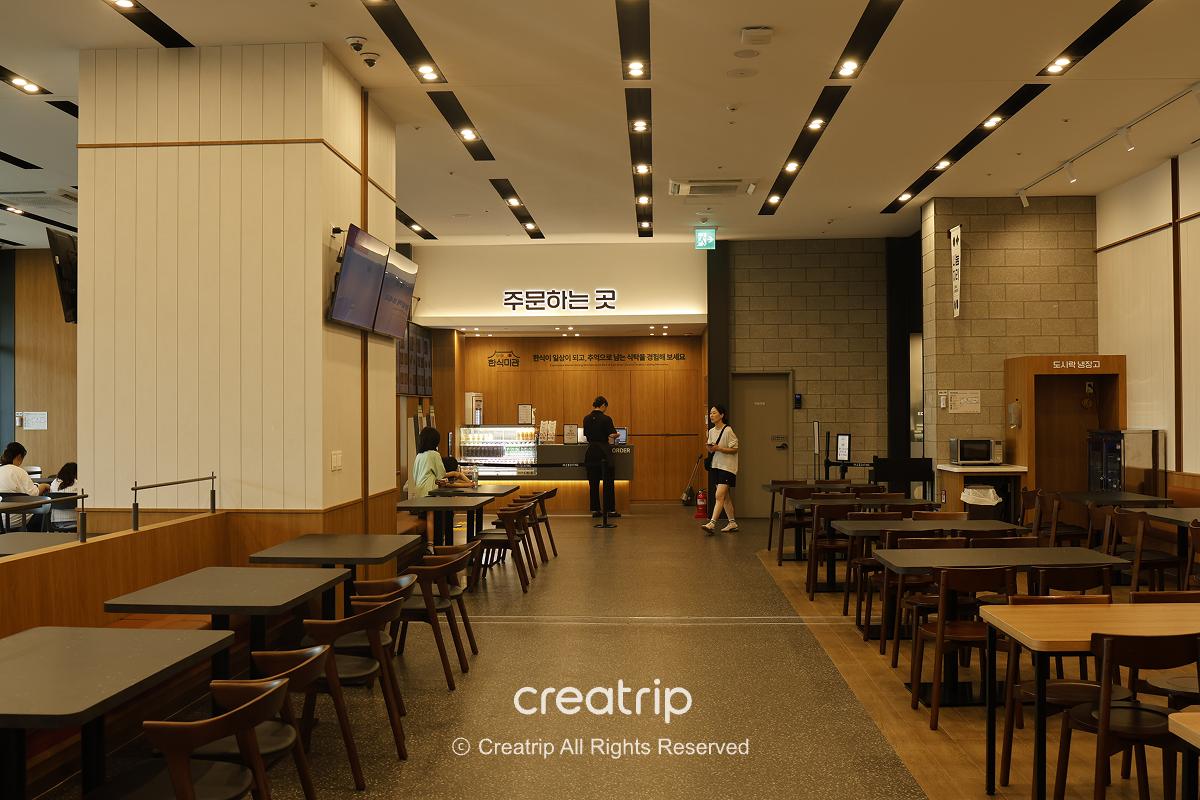
If you find the kiosk difficult to use, there is also a counter where you can place your order directly with a staff member, so there is no need to worry.
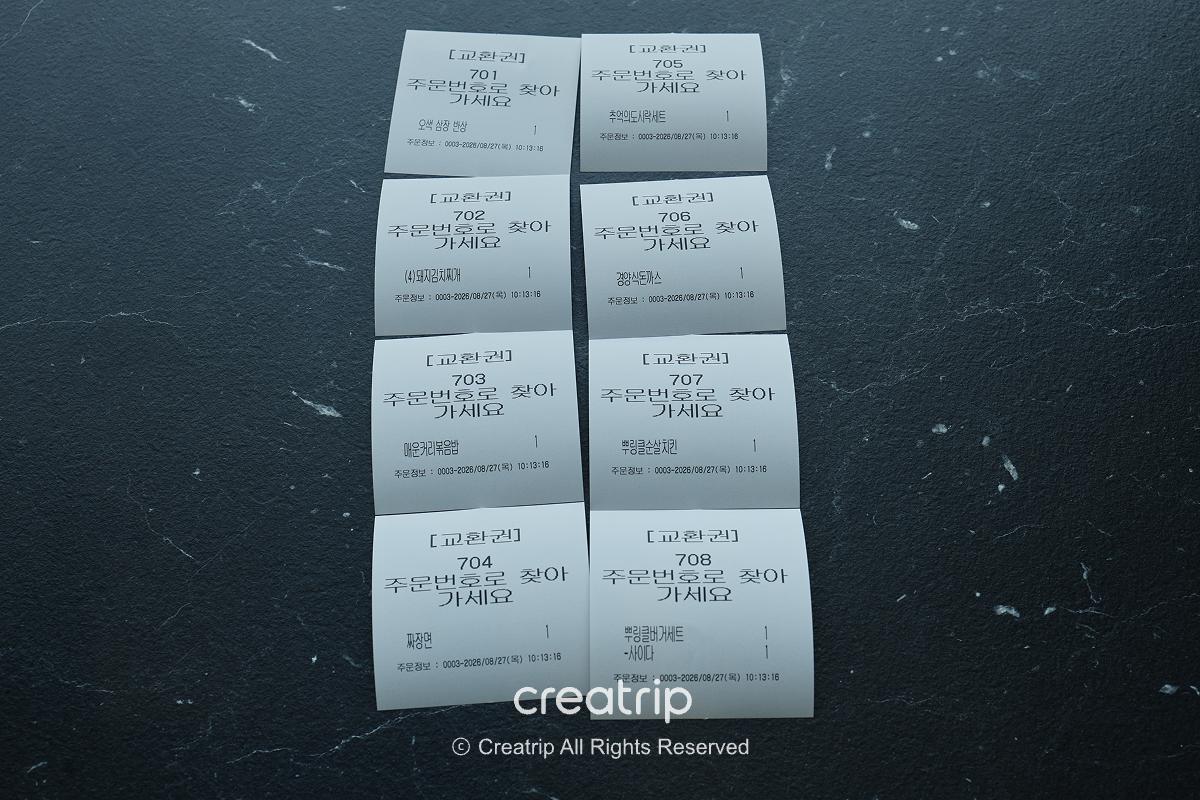
Once you complete your order at the kiosk, a separate pickup ticket is printed for each menu item.
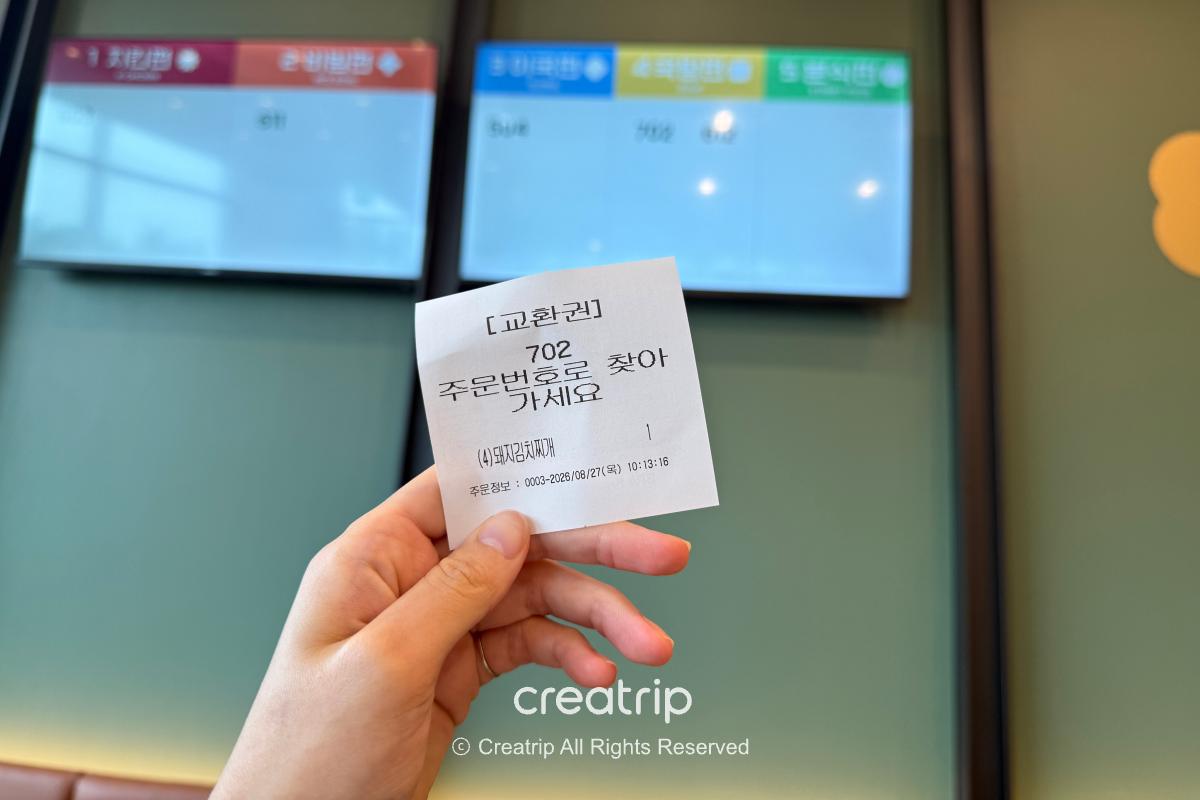 The pickup ticket includes an order number, such as 702. After placing your order, check the electronic display in front of each section.
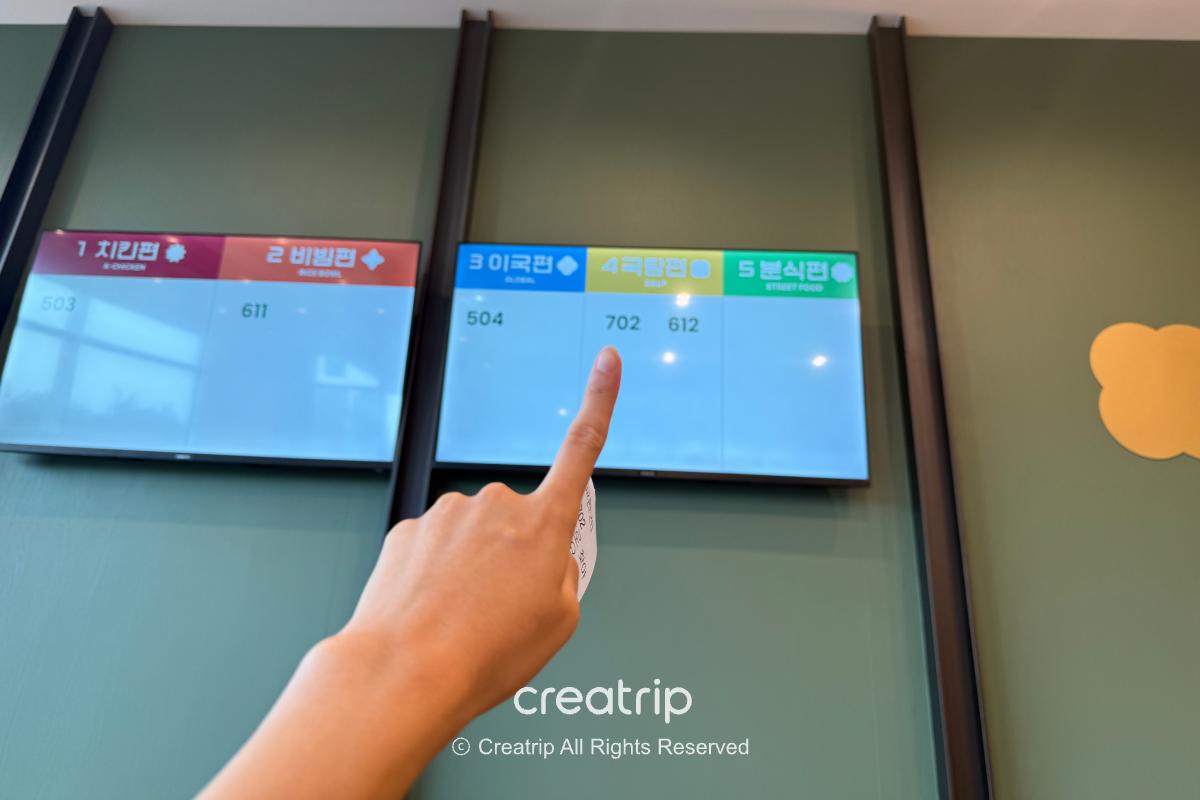
When your food is ready, your order number will appear on the electronic display at the relevant section. For example, if your pickup ticket number is 702, check that 702 has appeared on the display for the 4 Soup and Stew section, as shown in the photo, and then
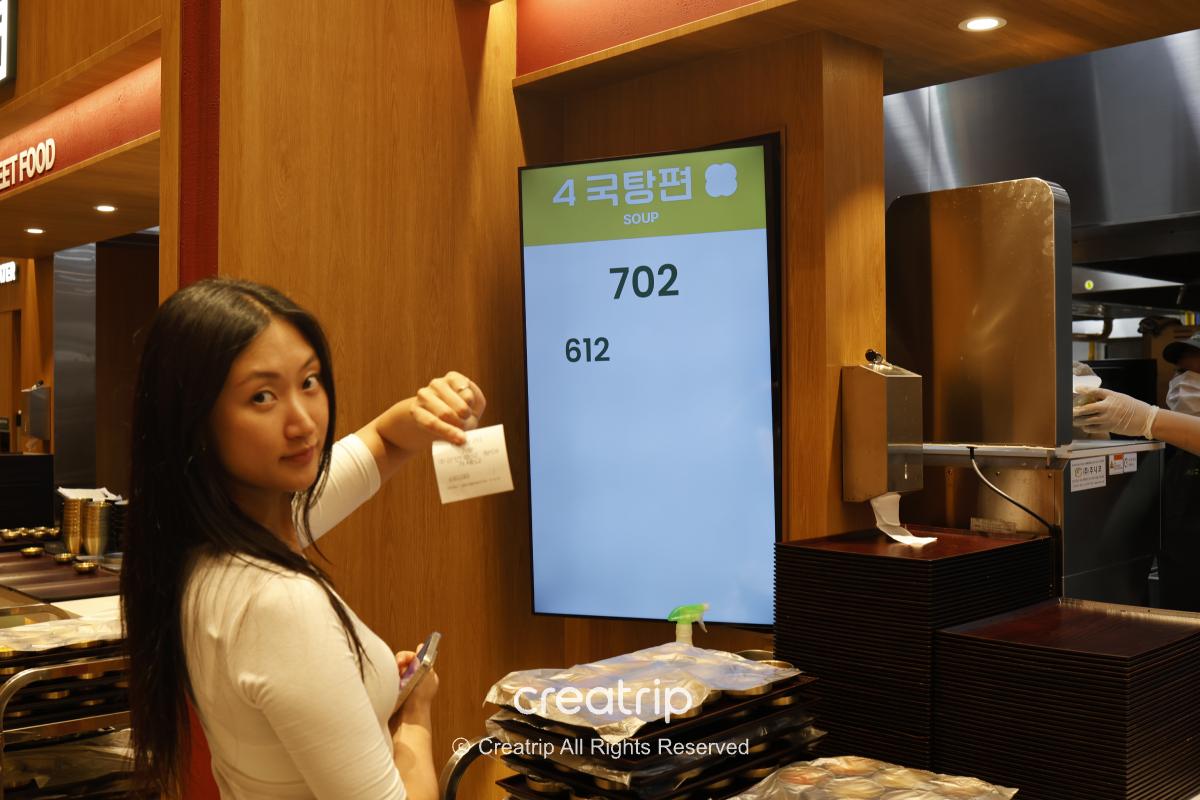
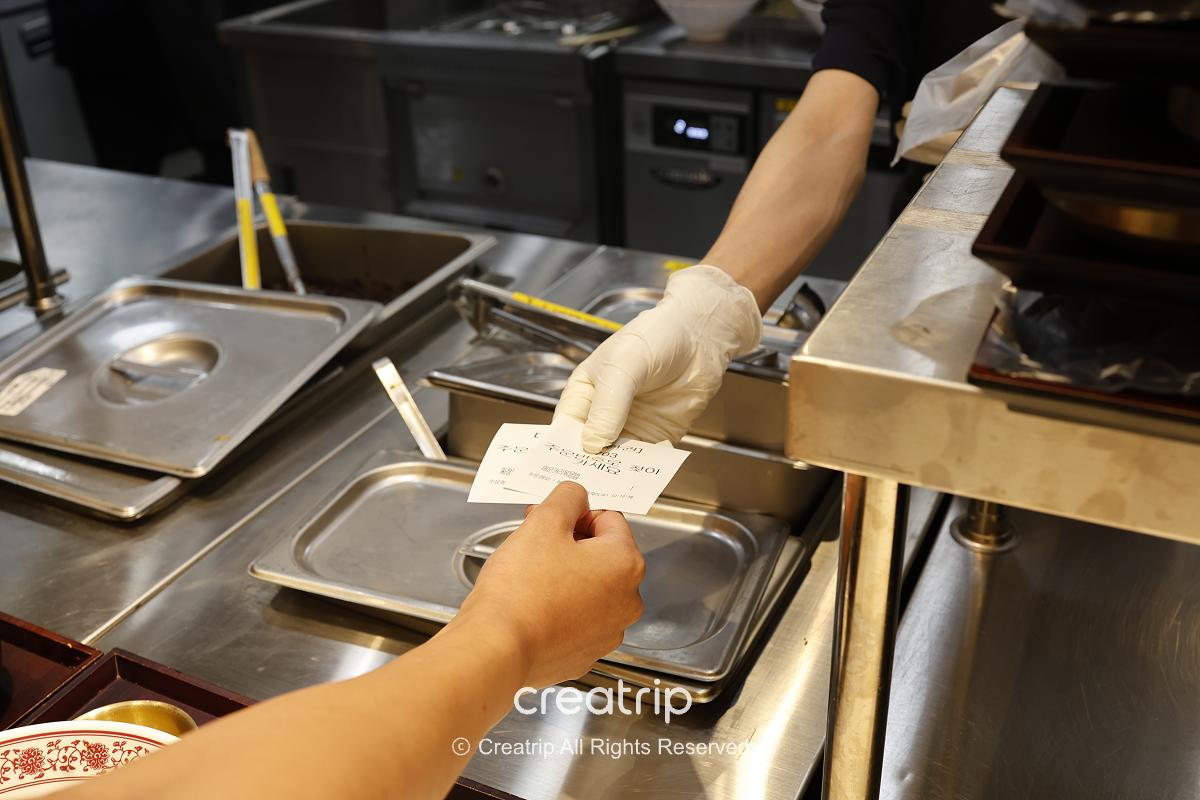
go to the 4 Soup and Stew section, show your pickup ticket, and collect your food.
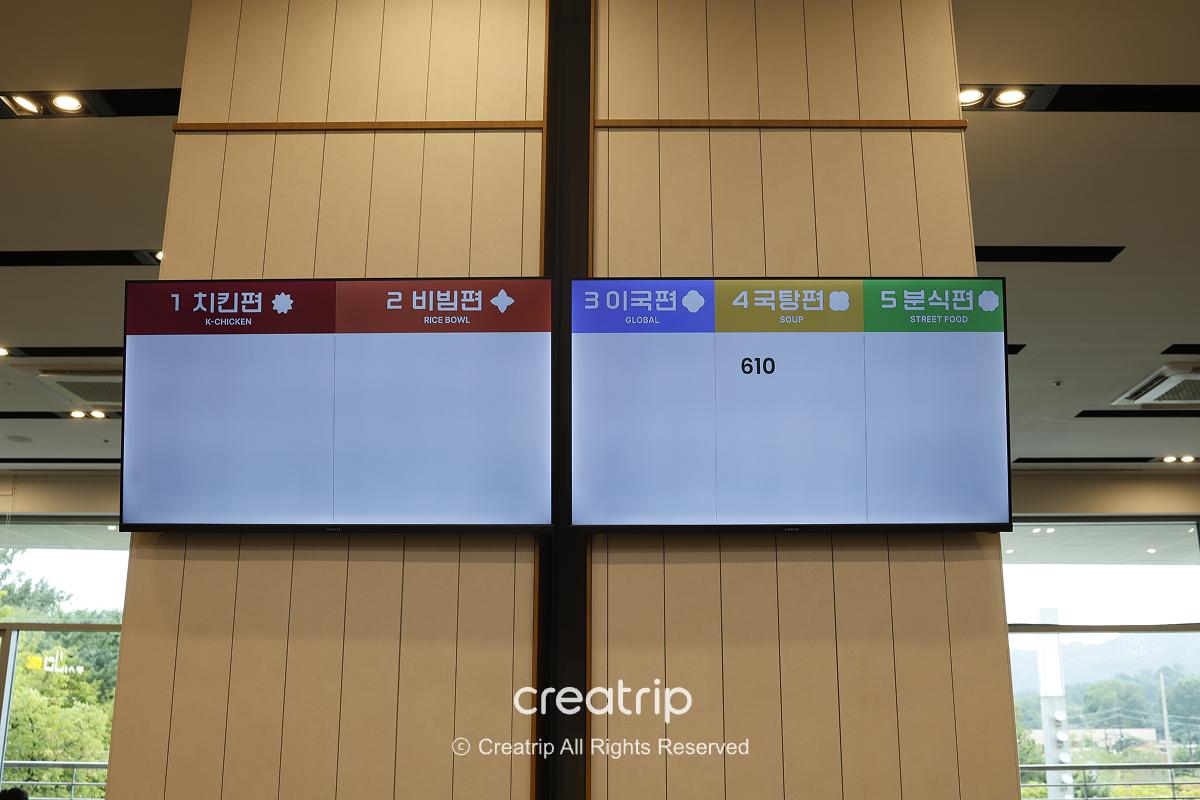
Since your order number is shown on the electronic display above, it is much easier to check the number on your pickup ticket against the display!


After collecting your food, take the utensils you need, such as spoons, chopsticks, forks, and knives, from the area around the serving counter.


Water, napkins, and plates are also freely available.
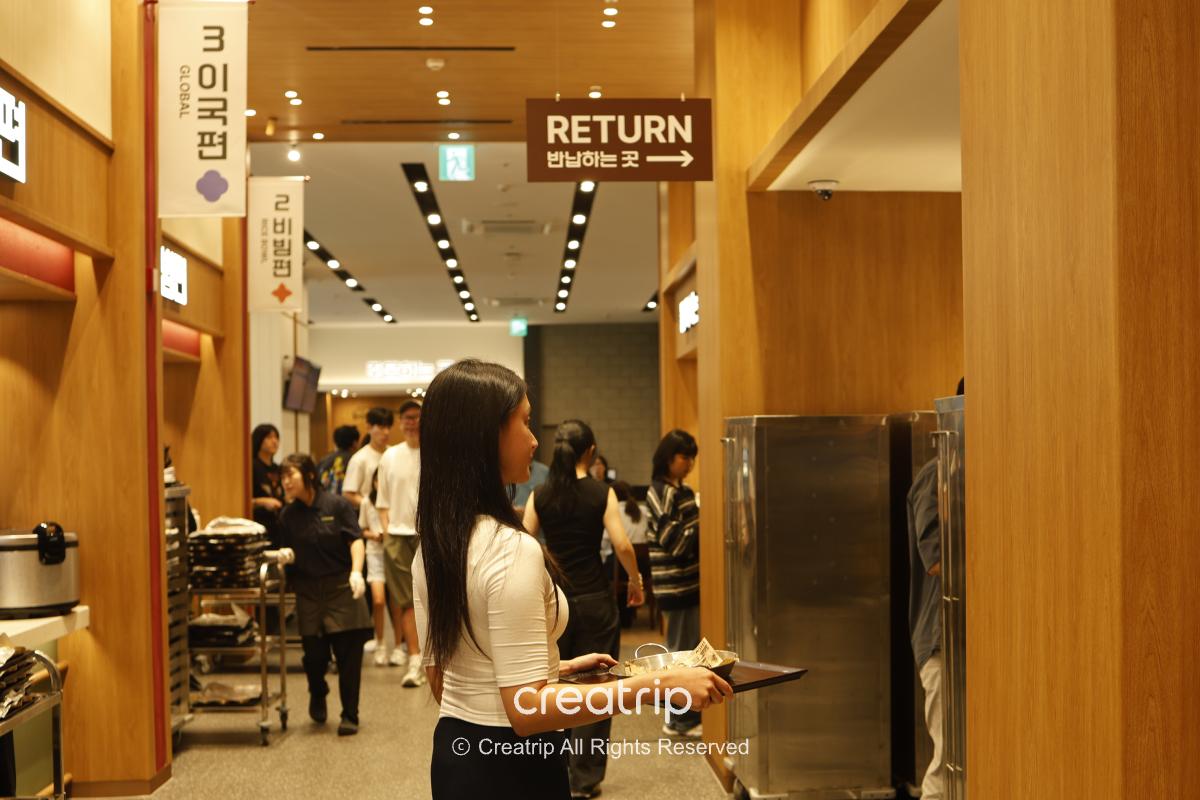
After finishing your meal, do not leave your dishes on the table. Return them directly to the tray return area.
In other words,
Check the order number on your voucher → Find the same number on the electronic display board → Go to the counter showing your number → Show your voucher and collect your food → Enjoy your meal → Return your tray at the return station
Just remember this order, and you'll be all set!
8 Dishes I Tried
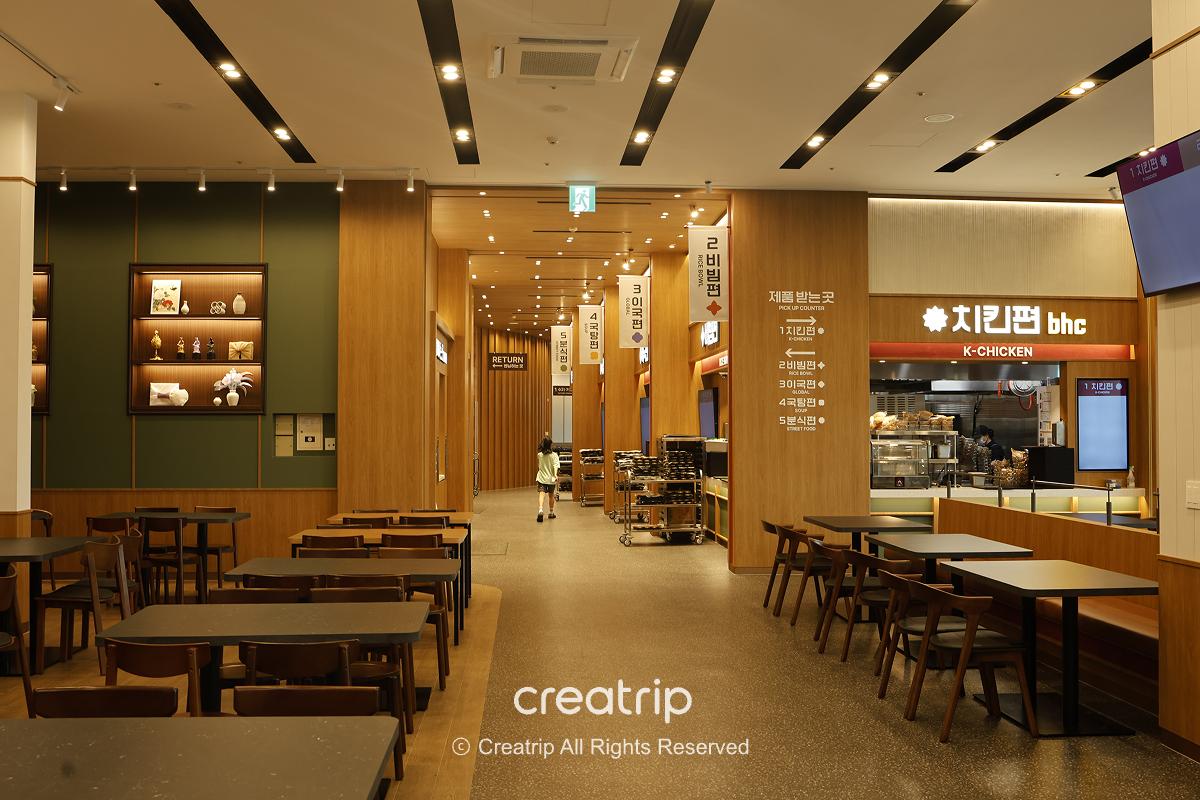
Hansik Migwan organizes its menu into five sections by category. I ordered and tried eight dishes.
1. Chicken Section
In the Chicken Section, you can enjoy popular Korean chicken dishes, burgers, and more. The section featuring bhc is a great choice for travelers who want to try Korean-style fried chicken with ease.
Bburinkle Boneless Chicken
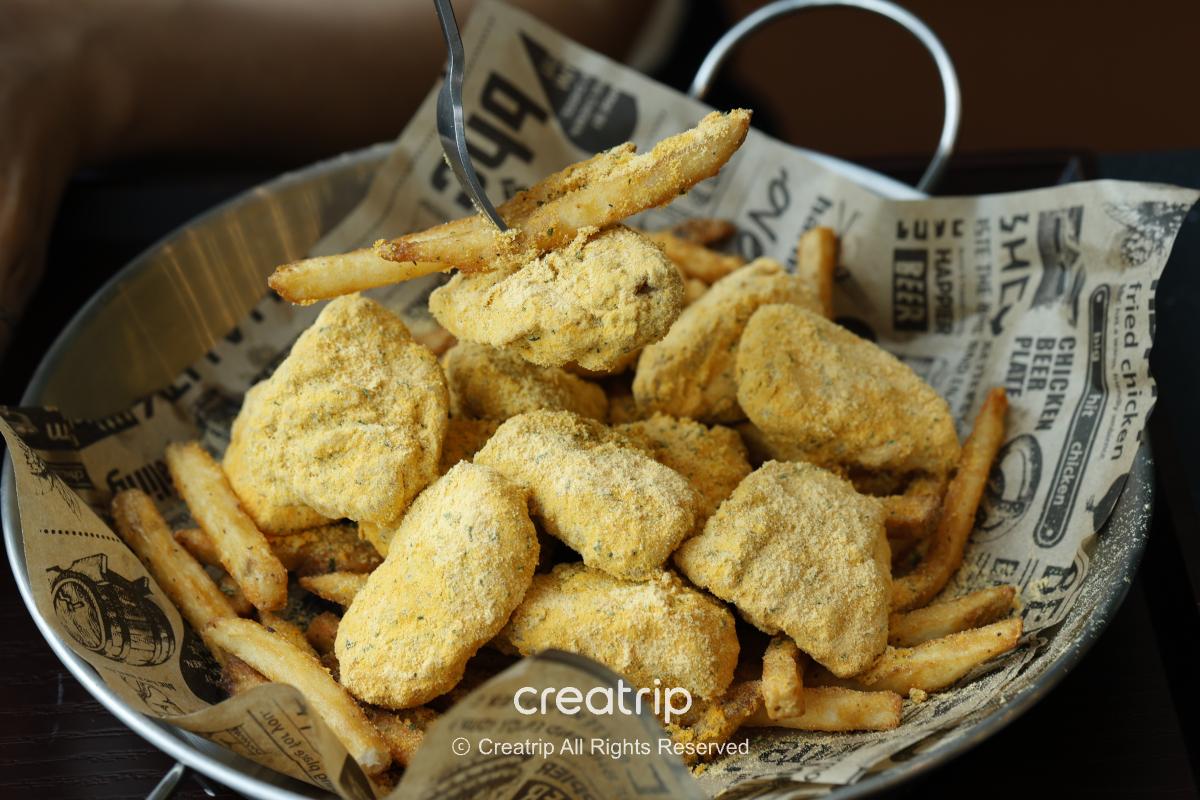
If you want to try Korean fried chicken but find bone-in chicken a little inconvenient, this is a menu item we recommend. It is also frequently featured in Korean mukbang content!
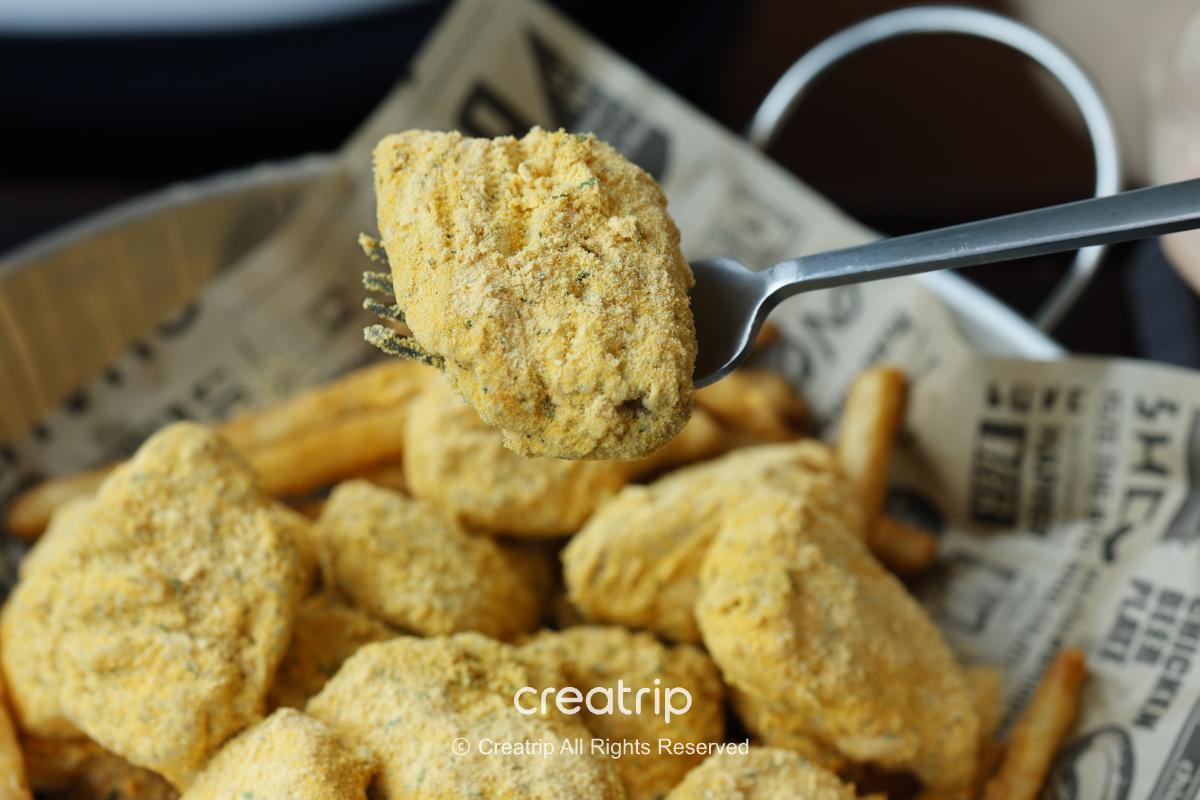
Bite-sized boneless chicken is generously coated with a savory, nutty seasoning, and it comes with French fries underneath.
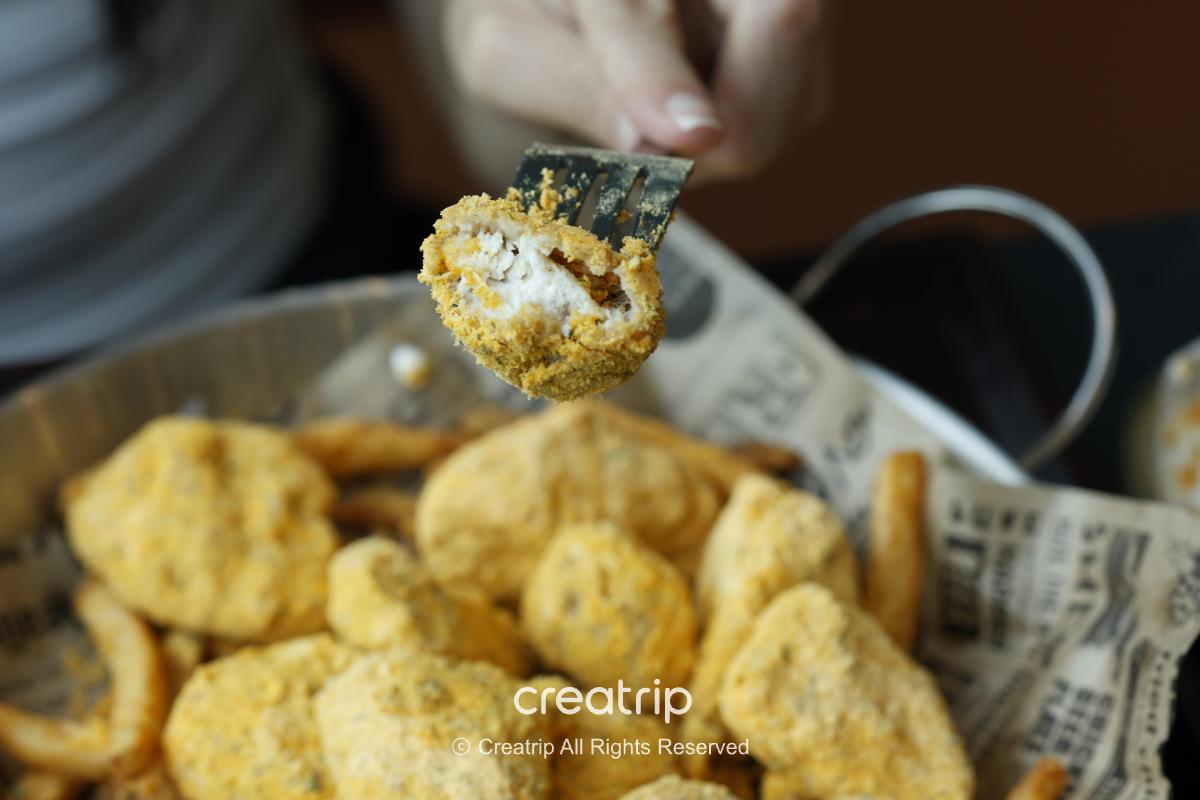
It was crispy on the outside and tender on the inside, making it easy to pick up and enjoy one piece at a time!
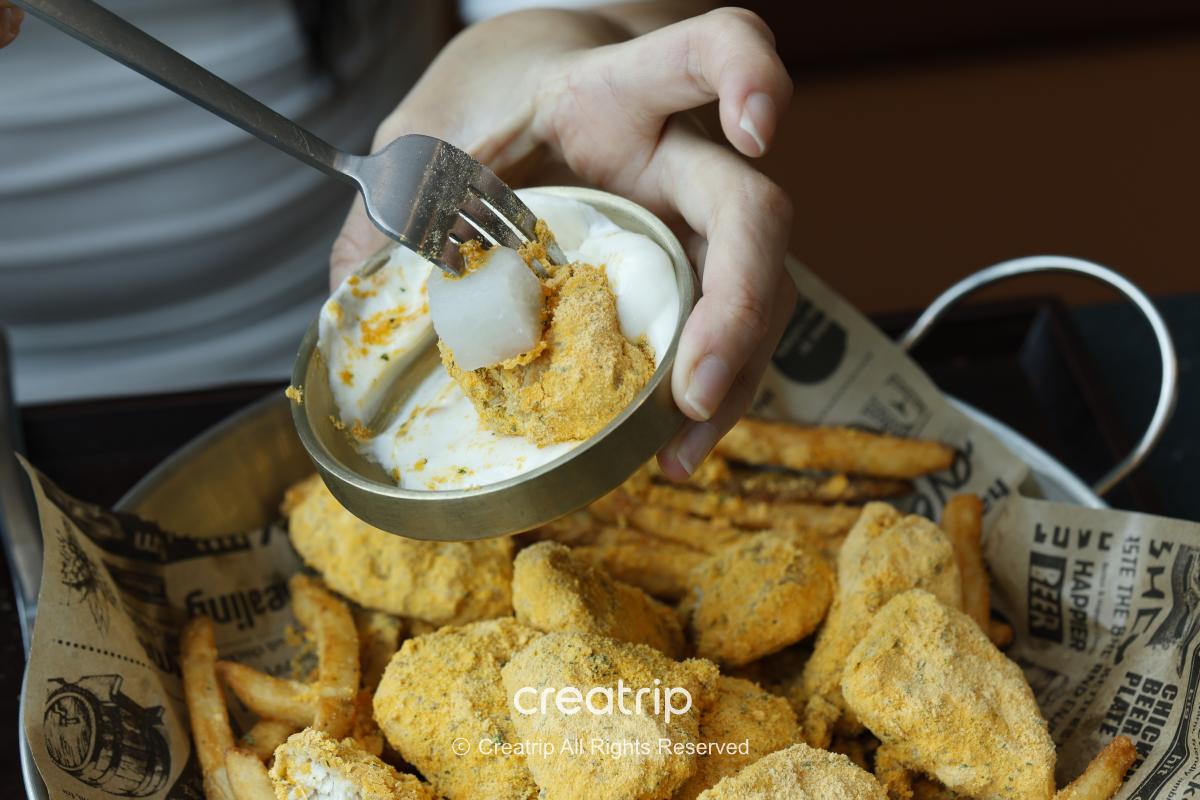
The Bburin Bburin sauce served with Bburinkle chicken is a smooth, tangy and sweet creamy sauce.
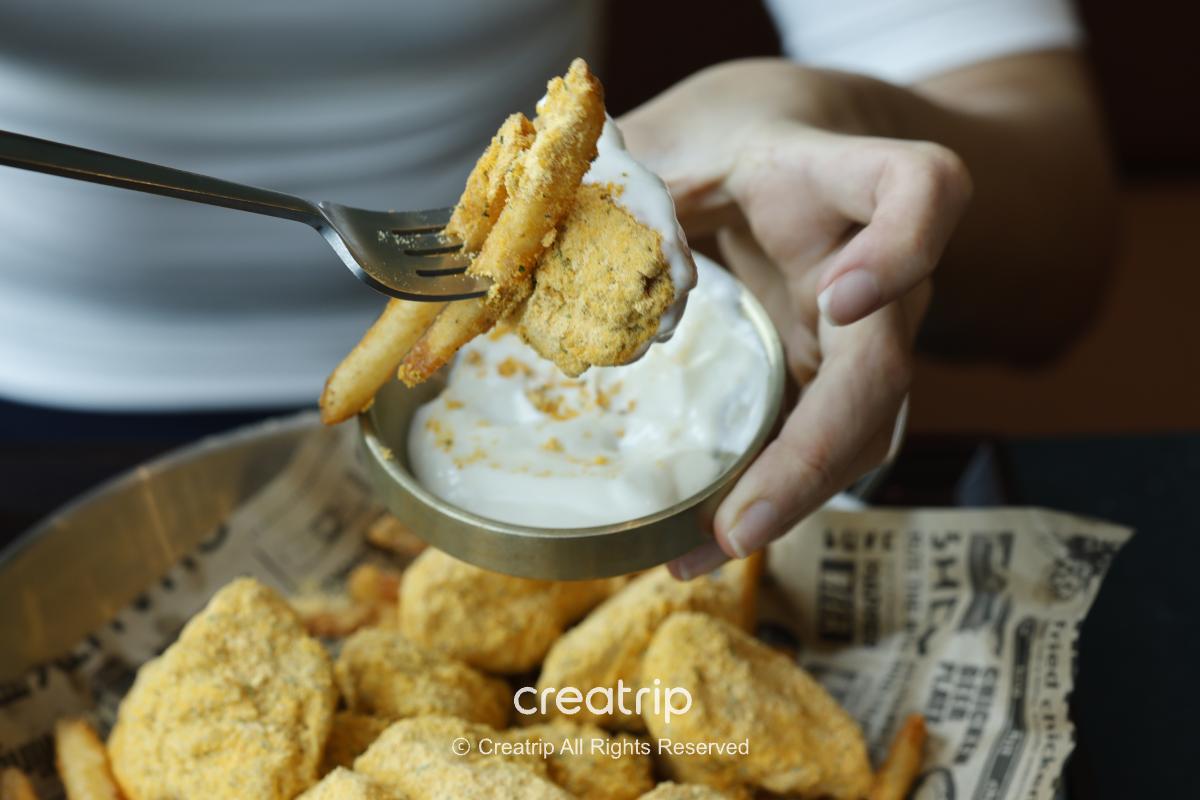
Dipping the chicken, coated in a savory and rich cheese seasoning, into the sauce added a refreshing flavor and made it even smoother to enjoy.
Bburin Burger Set
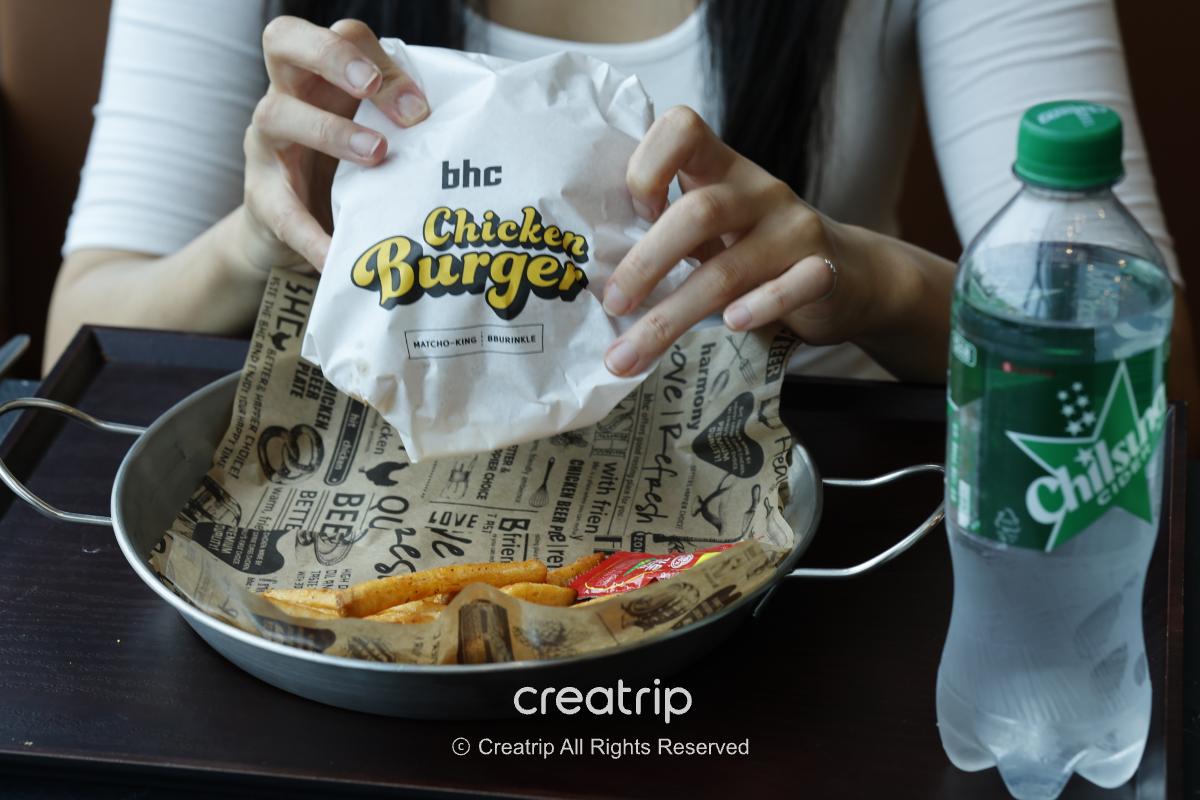
This burger set comes with a chicken patty, french fries, and a drink.
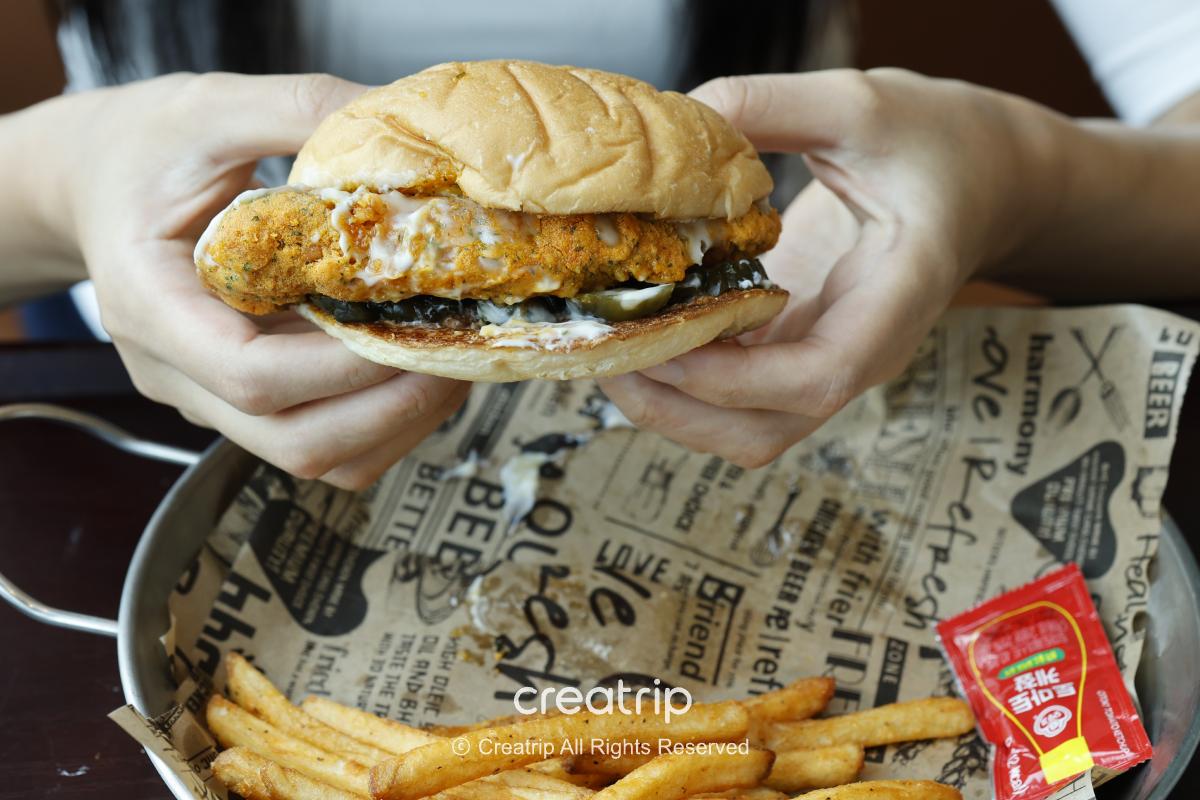
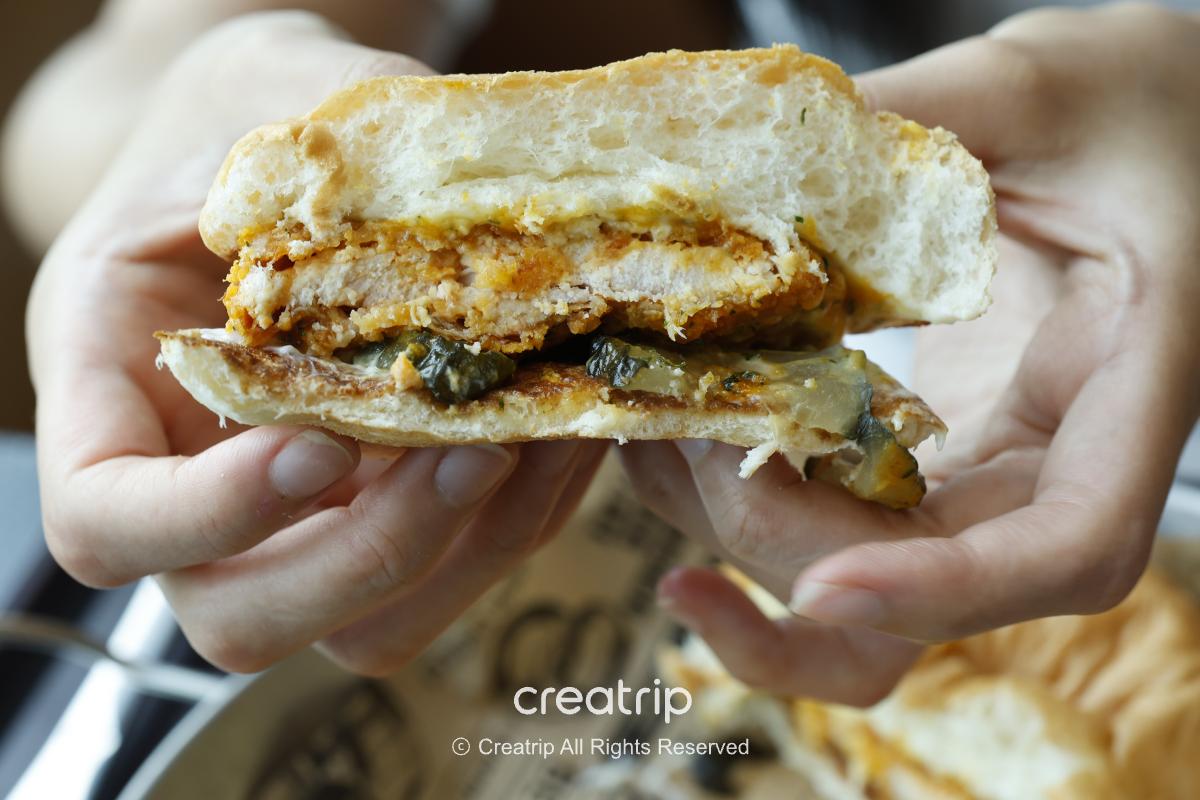
The thick chicken patty comes with sauce and pickles, making it a satisfying meal. Since it is served as a familiar burger, it is also an easy choice for foreign visitors or children trying Korean food for the first time.
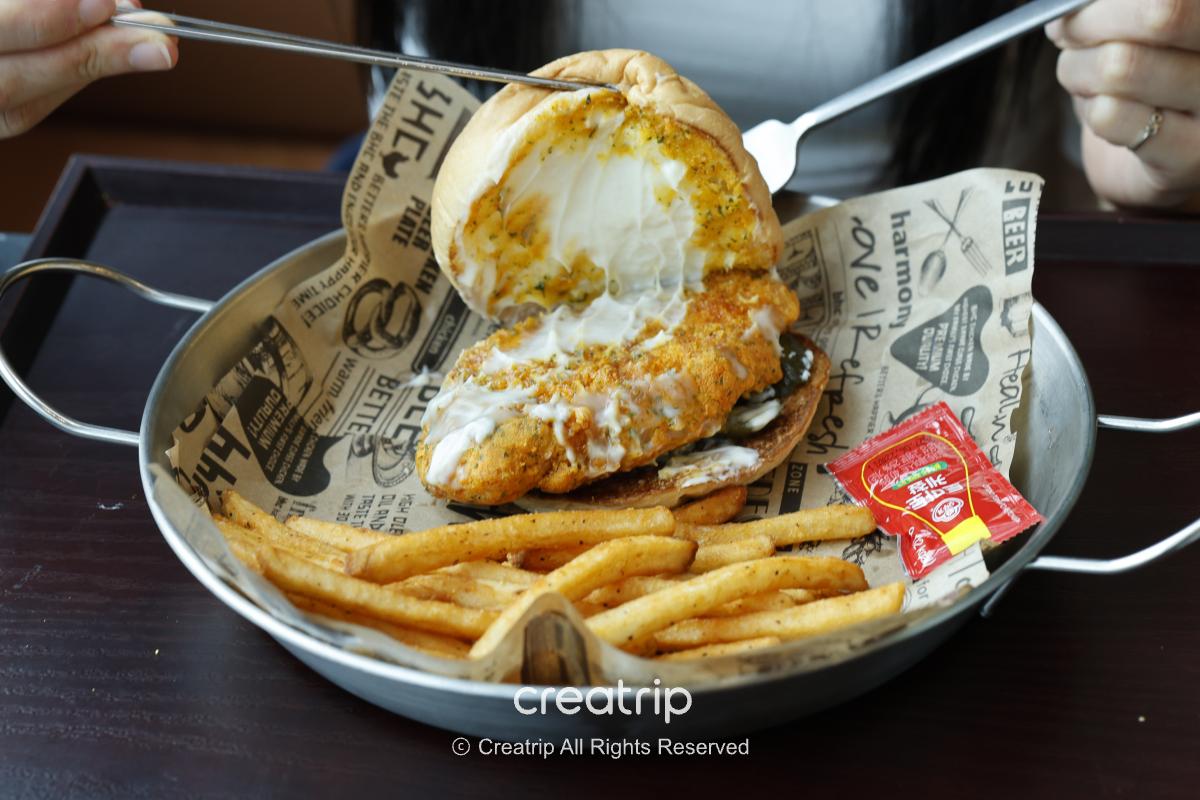
It was filled with a smooth, creamy sauce with a sweet and tangy flavor.
I liked that having a familiar option like this alongside the Korean dishes made it easy for everyone to enjoy a meal, even when dining companions had different tastes.
2. Bibim Dishes
If you'd like to try Korea's iconic dishes that are mixed together before eating, we recommend the Bibim section.
It features a variety of Korean-style dishes, including bibimbap, served in a bowl with different ingredients to mix with gochujang or other sauces.
Five-Color Samjang Set Meal
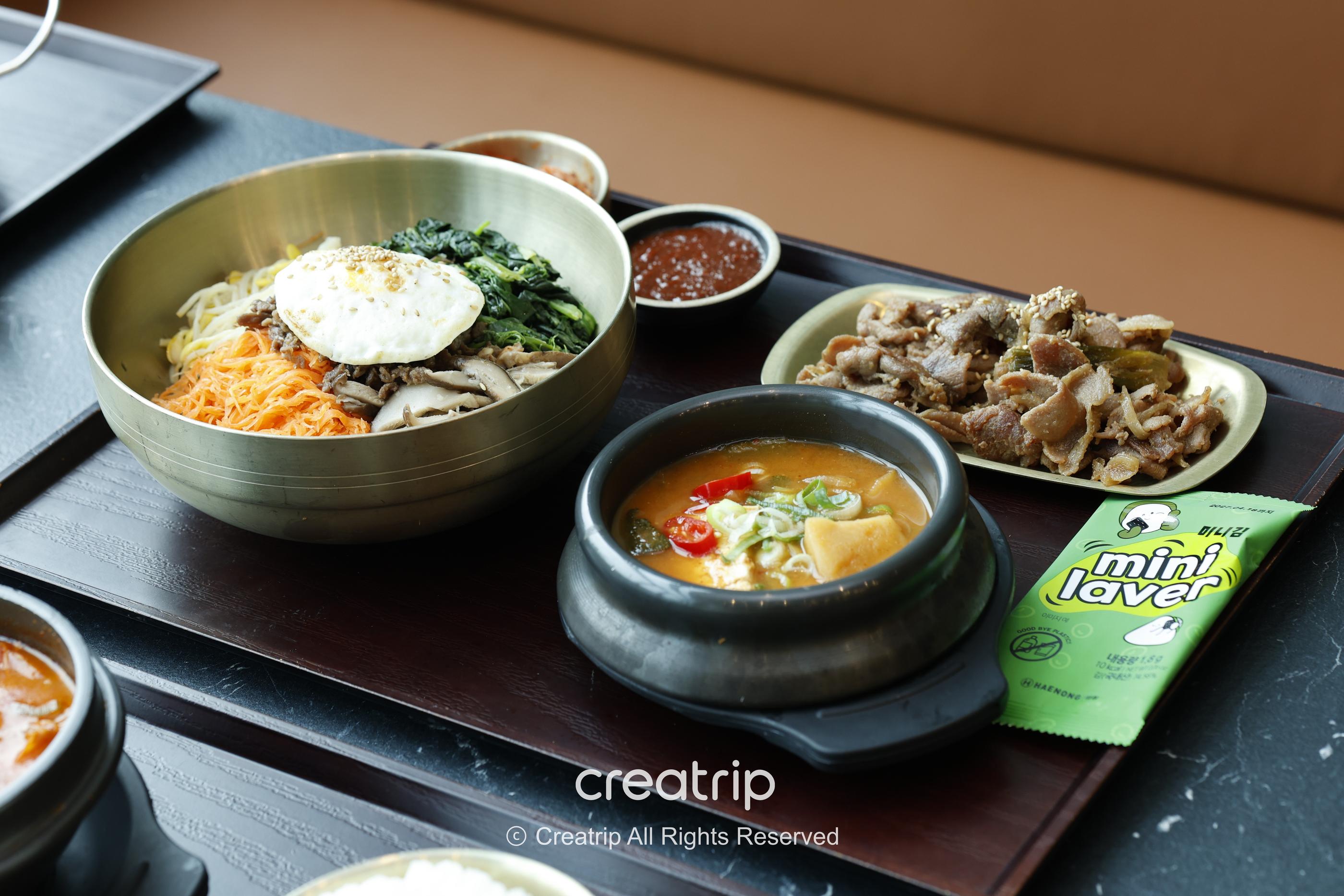
Of all the dishes I tried, this one best captured the generous, traditional Korean table setting.
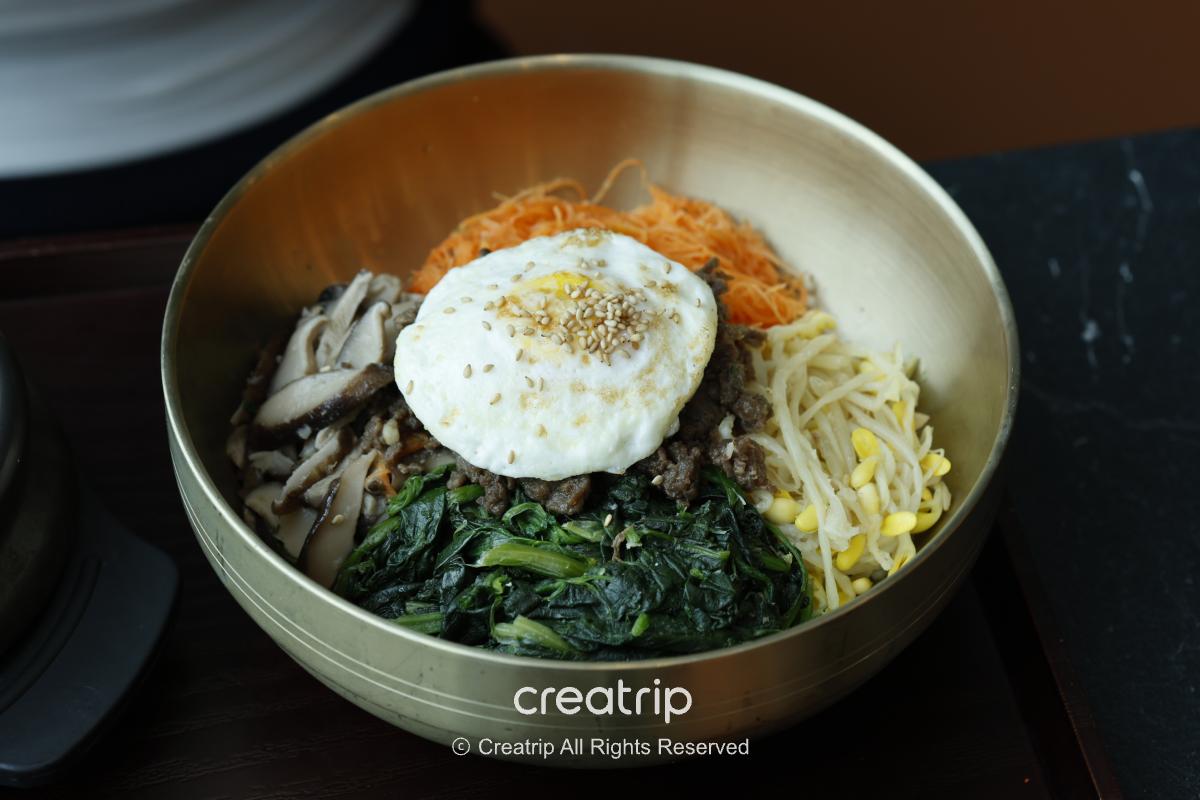
A large brass bowl arrives generously filled with rice, colorful vegetables such as spinach, bean sprouts, carrots, and mushrooms, as well as an egg.


Since you can enjoy a little of many different ingredients at once, we especially recommend it to international travelers who want to try a proper Korean-style meal.


The sauce is samjang, made with three of Korea's most iconic fermented pastes and sauces: soy sauce, doenjang, and gochujang. For the sauce, we recommend adding a little at a time and adjusting the seasoning rather than adding a lot all at once.
Once mixed well with the sauce, the crisp bean sprouts, tender spinach, and chewy mushrooms come together with their distinct textures in every bite, letting you fully experience the appeal of bibimbap.
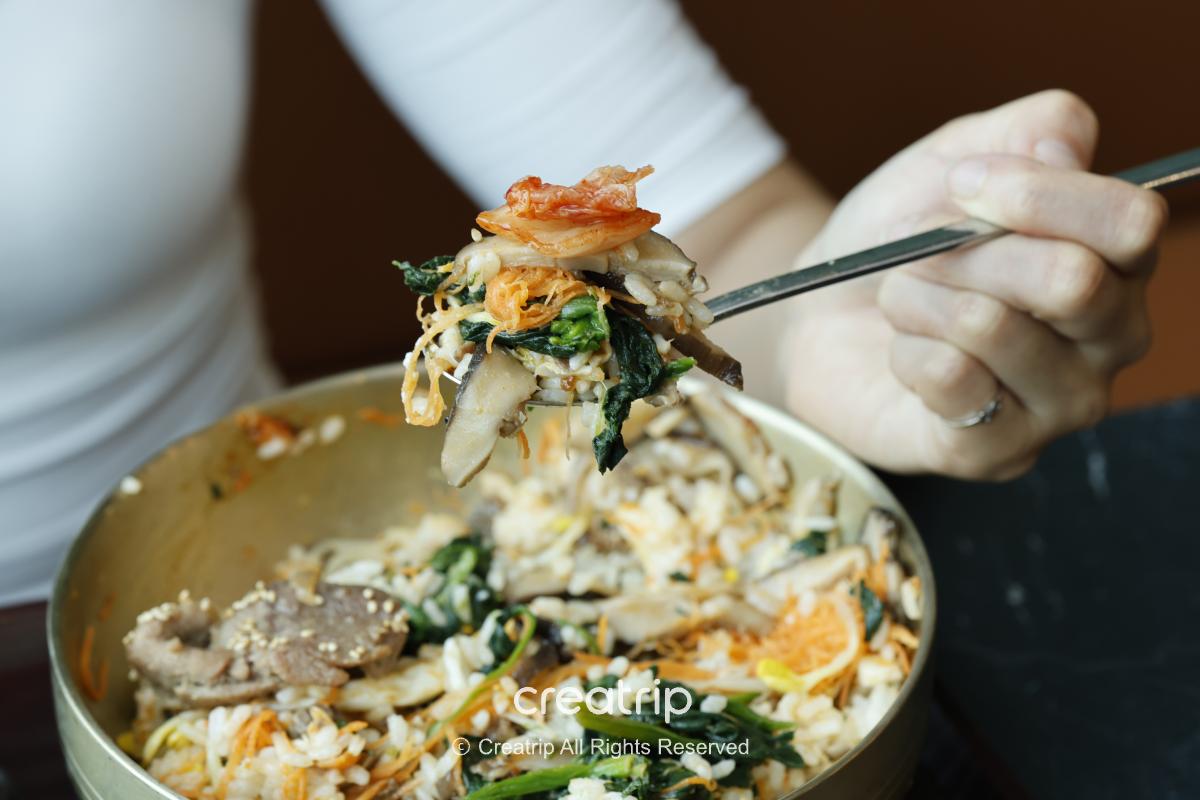
Enjoying the well-mixed rice with kimchi gives it an even richer flavor!
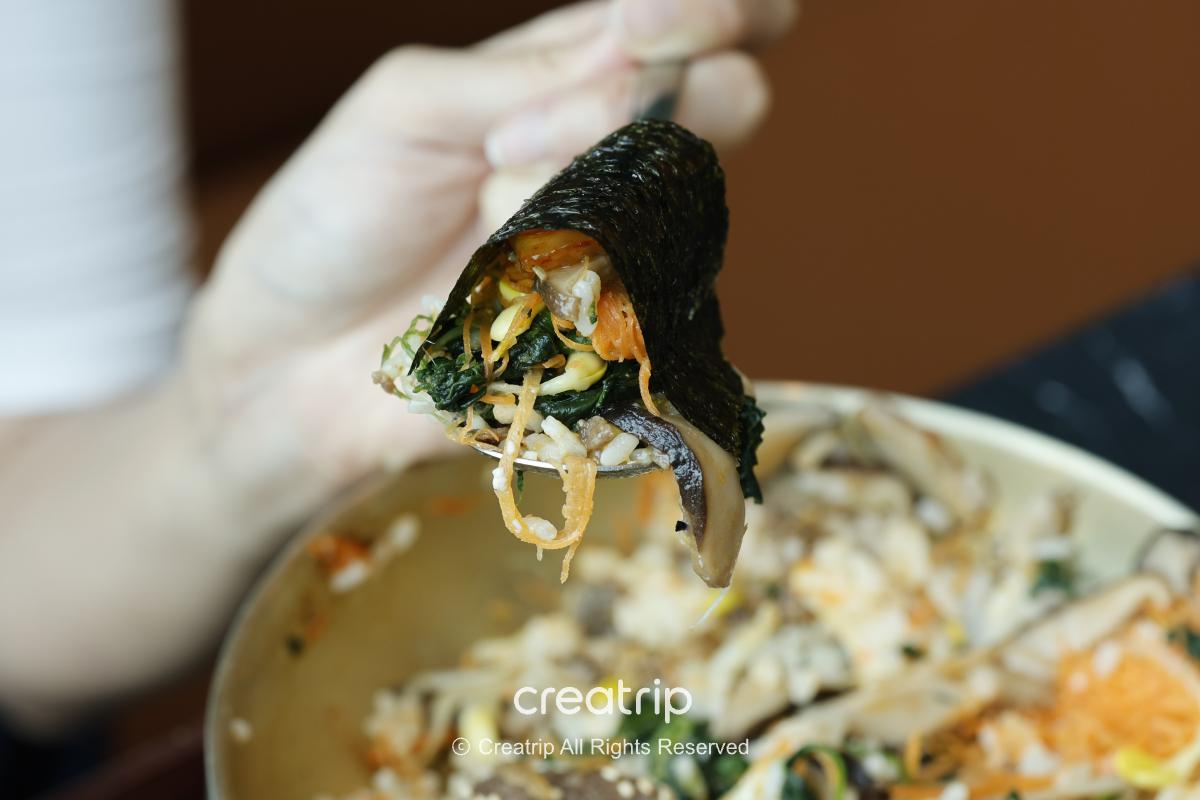
We also recommend placing a bite-sized portion of bibimbap on the accompanying seaweed and wrapping it up. The savory, salty seaweed enhances the flavors of the vegetables and rice, creating a completely different combination from simply mixing everything together.
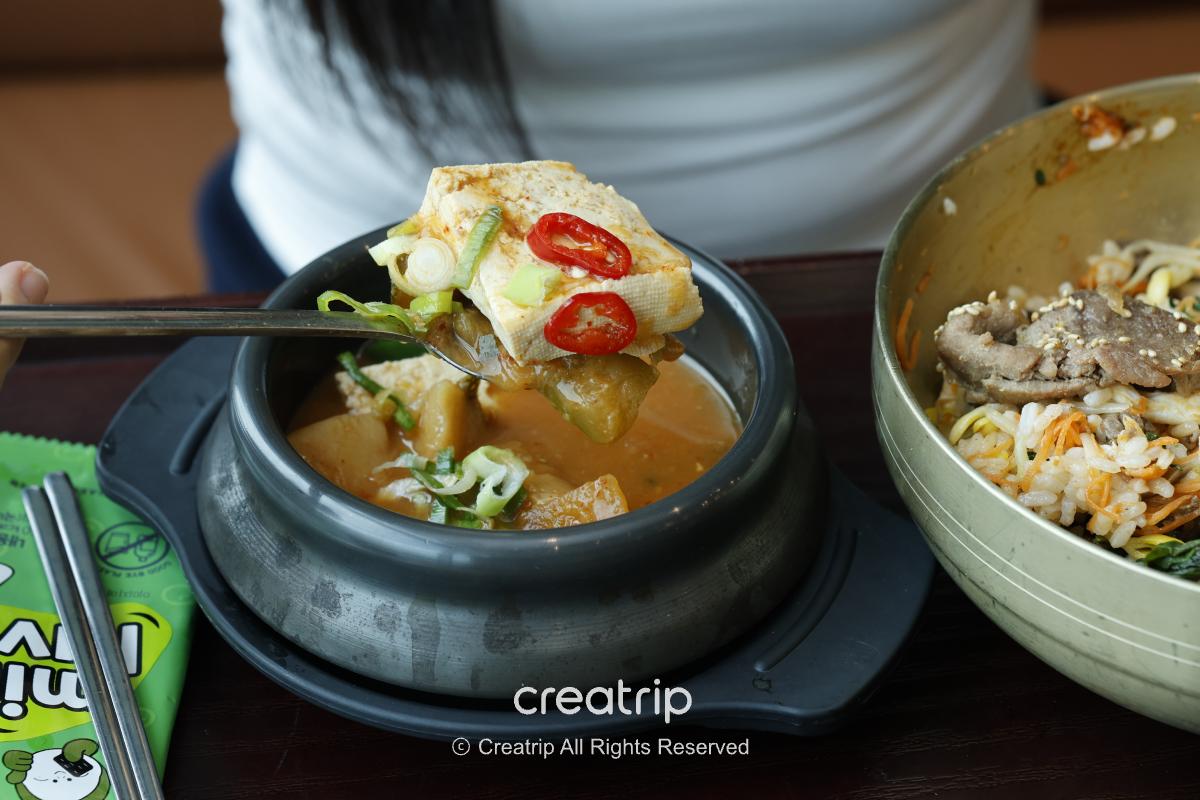
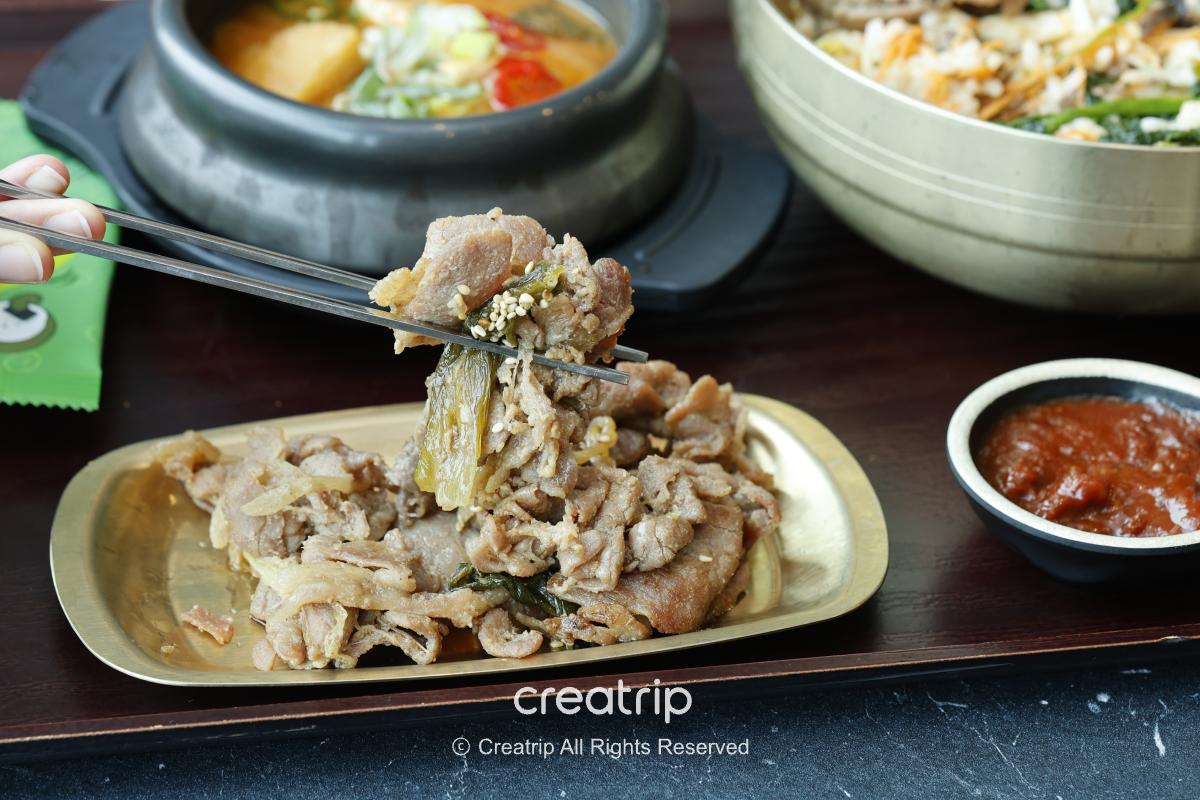
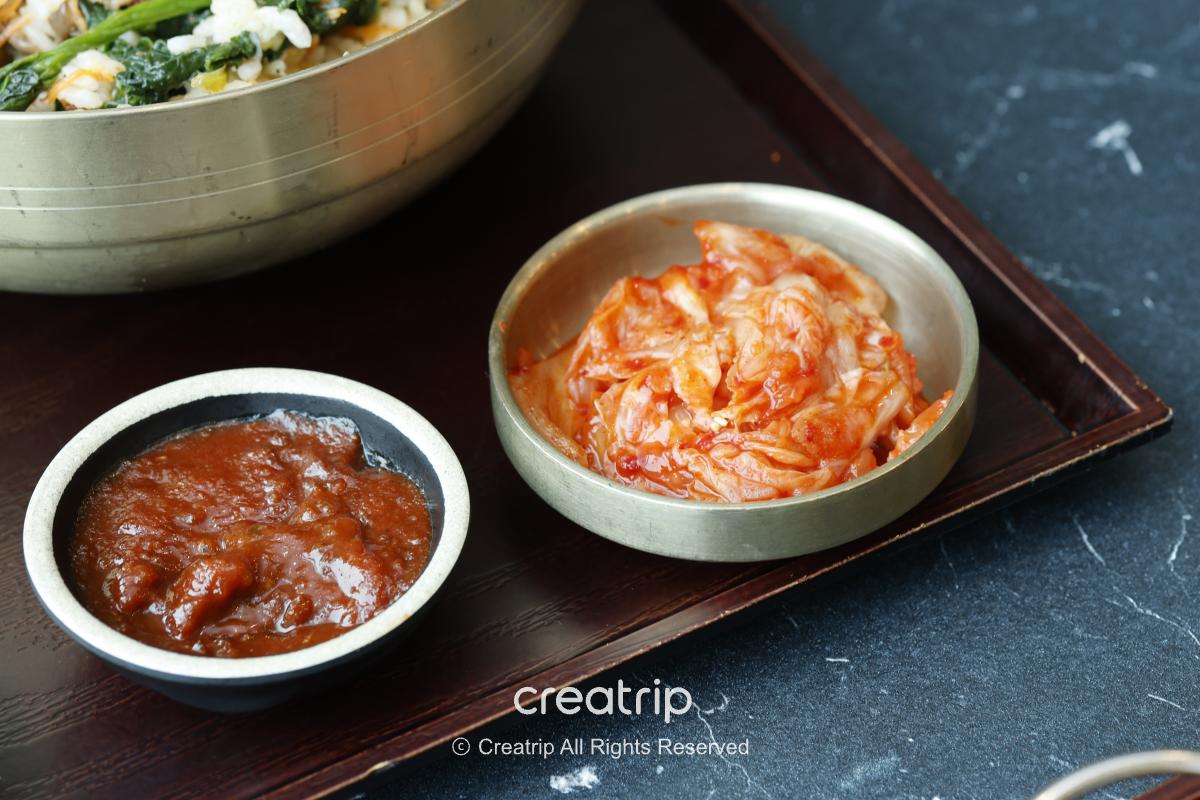
In addition to bibimbap, the meal comes with side dishes including meat, warm doenjang-jjigae, and kimchi, making it a wonderfully satisfying set. The meat was tender and pleasantly salty, pairing well with the rice and making it easy to enjoy between bites of bibimbap.
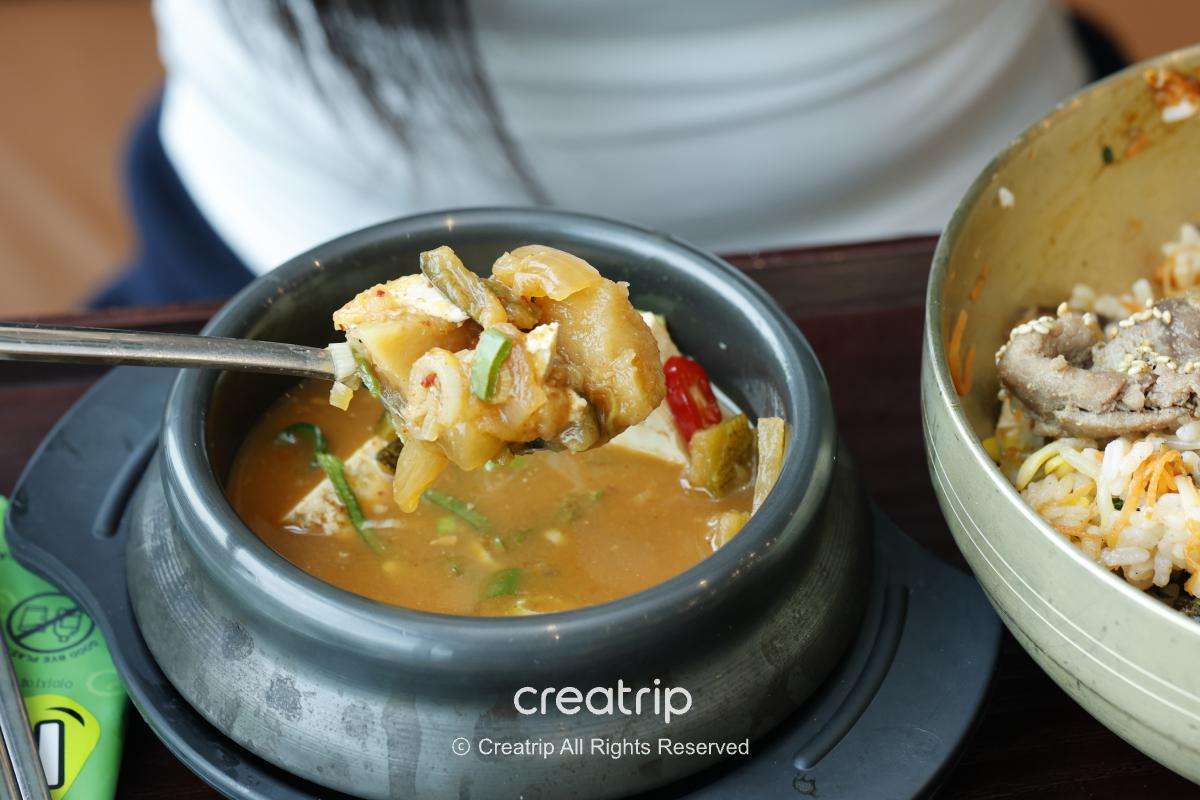
The doenjang-jjigae was generously filled with tofu and vegetables, making it perfect for enjoying a spoonful alongside your bibimbap.
With a variety of vegetables, rice, meat, soup, and kimchi all served together, this is a dish we especially recommend to international visitors experiencing a traditional Korean table setting for the first time.
3. International Dishes
This section features a variety of noodle and rice dishes, including jajangmyeon and pho, which are popular everyday favorites in Korea.
It's fun to experience not only traditional Korean dishes, but also a range of other foods commonly enjoyed in Korea.
Jajangmyeon
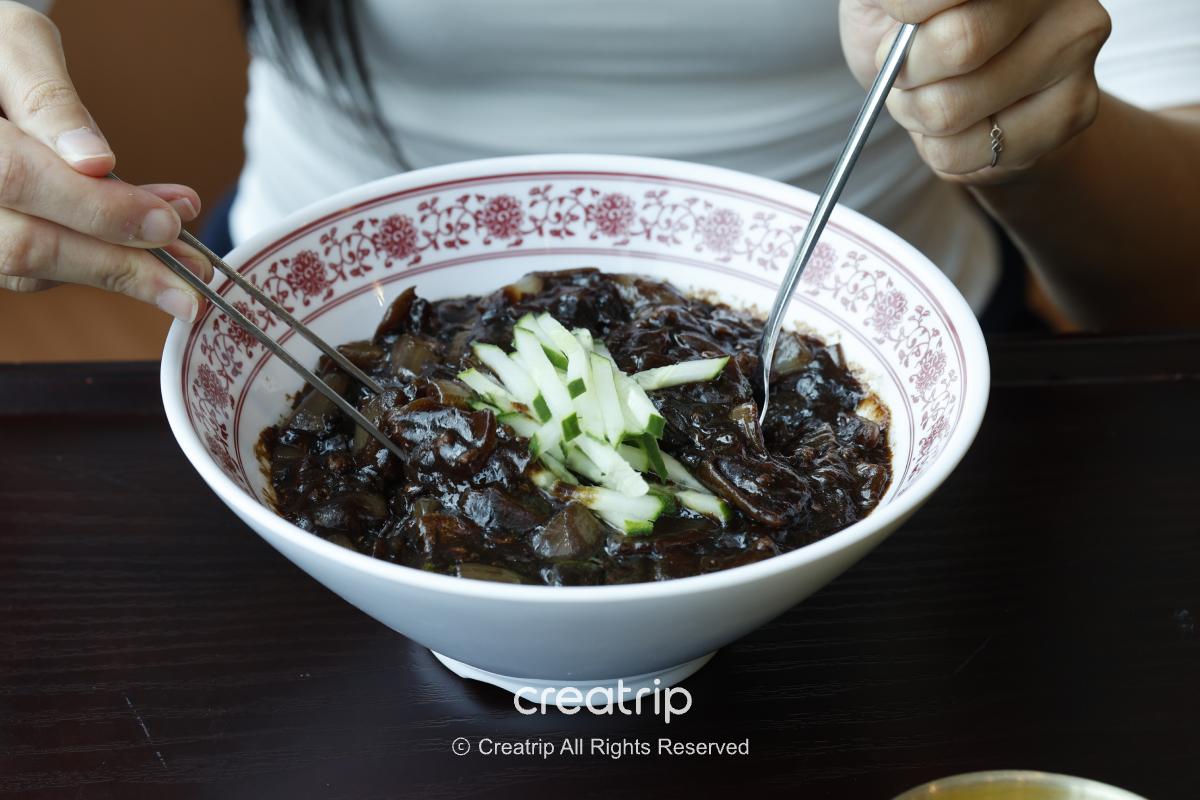
Jajangmyeon is a dish worth trying at least once during your trip to Korea.
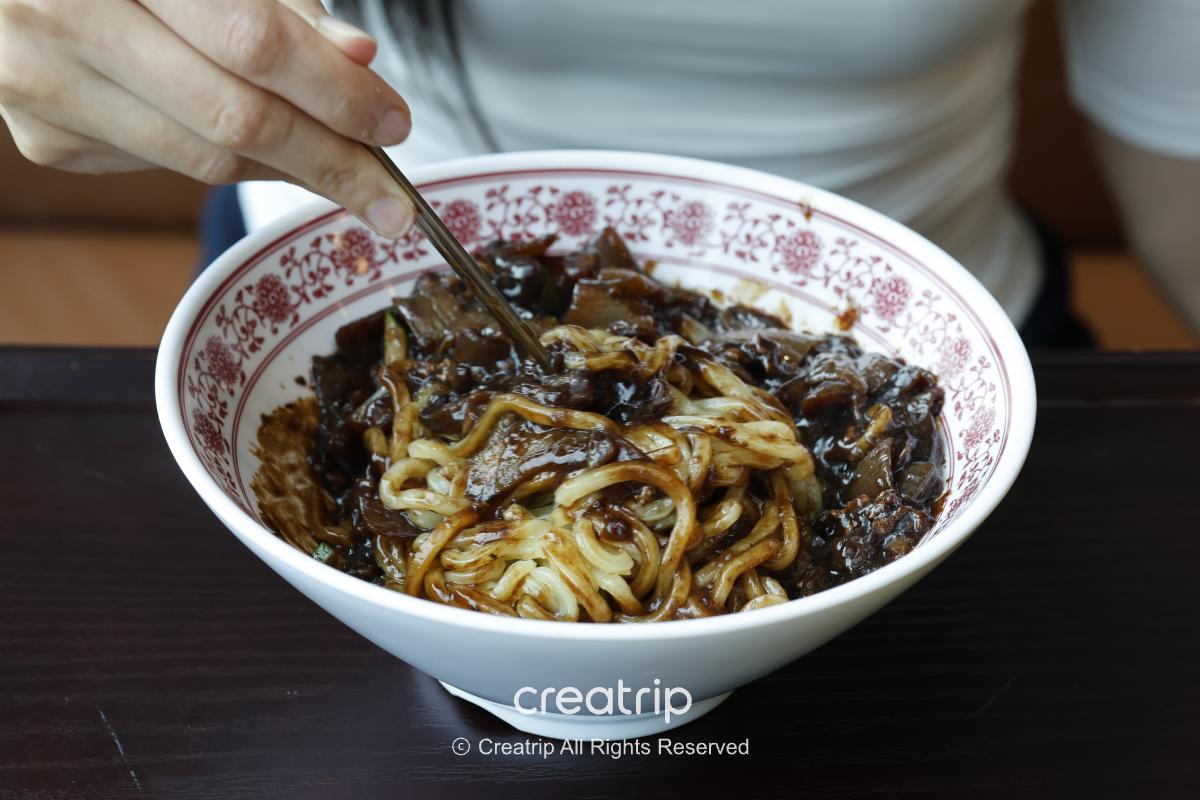
It features a black sauce made with chunjang, along with onions and other ingredients, served over noodles that are mixed thoroughly with the sauce.
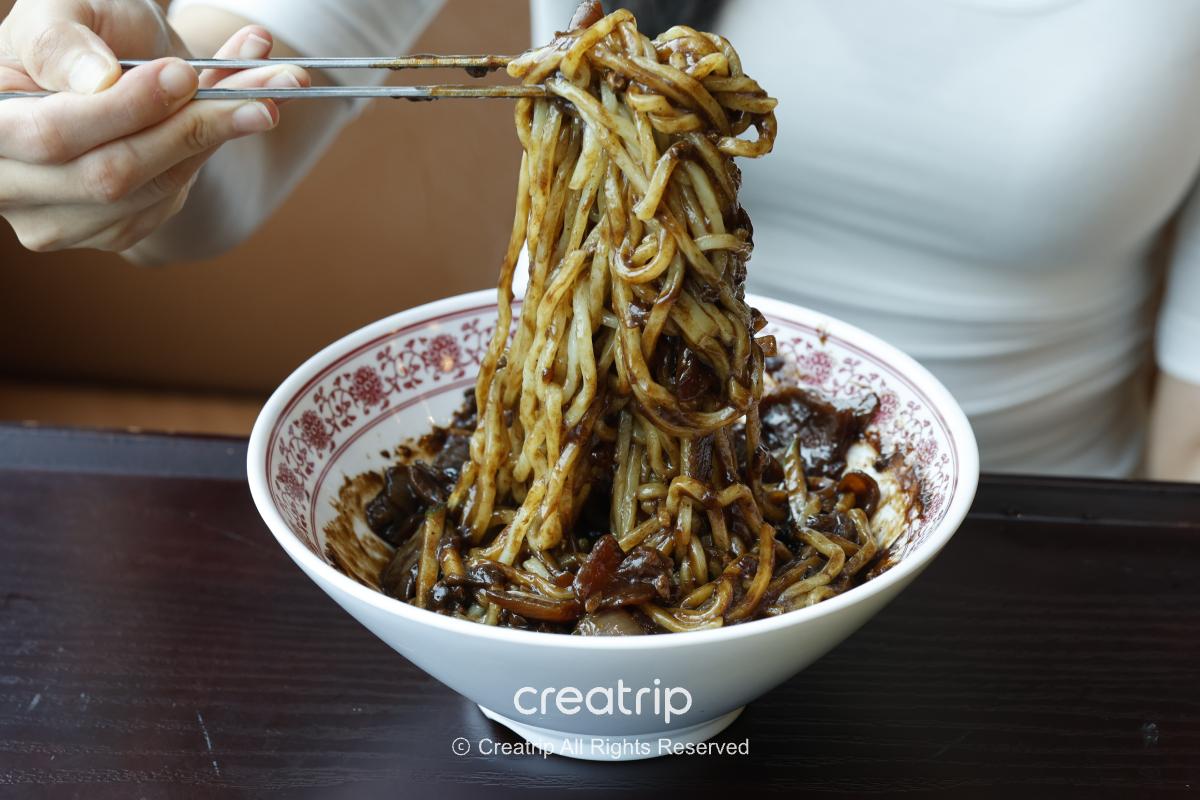
The dark sauce may seem a little unfamiliar at first, but it has a sweet and savory flavor rather than being spicy, making it a great choice for travelers who prefer milder food.
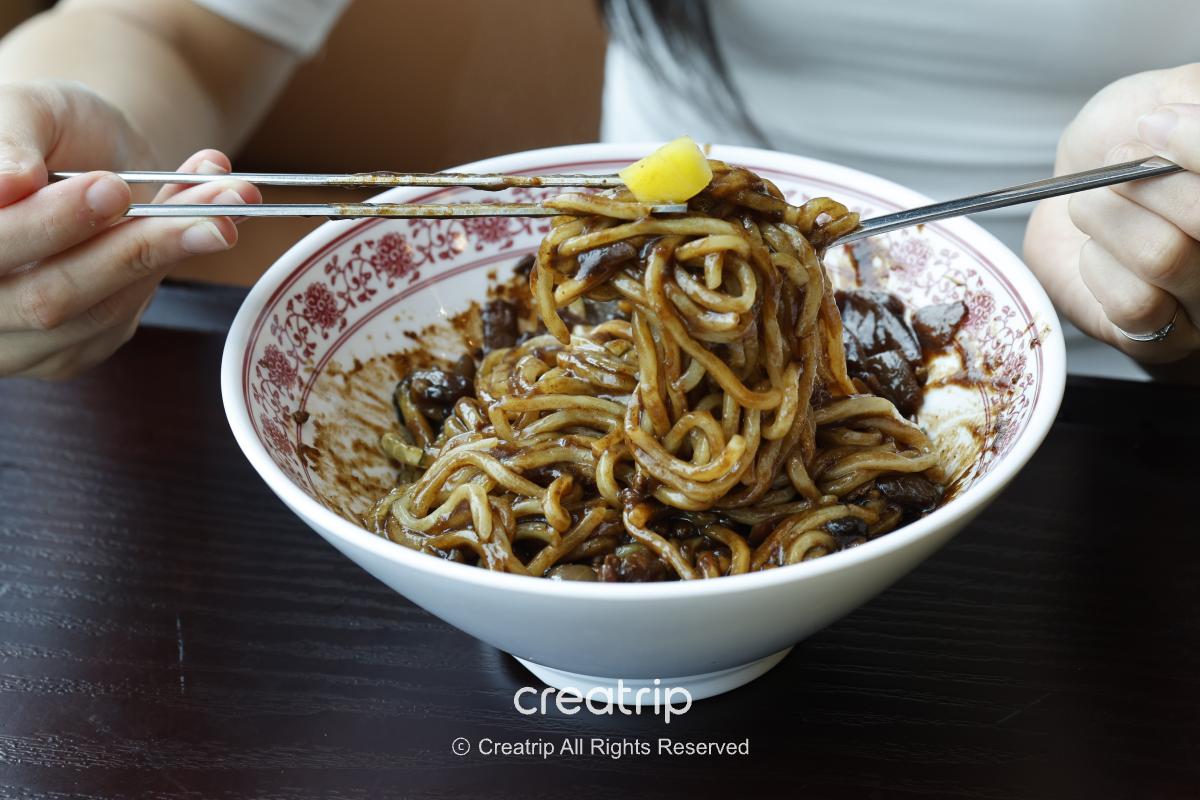
I mixed the sauce thoroughly with the noodles, and the rich jajang sauce coated them beautifully, allowing me to enjoy the distinctive flavor of Korean-style Chinese cuisine.
4. Soup & Stew
If you're craving a warm bowl of soup with rice, we recommend the Soup & Stew section.
Because jjigae and tang are everyday staples in Korea, this is a great way to enjoy a more traditional Korean meal.
Pork Kimchi Stew
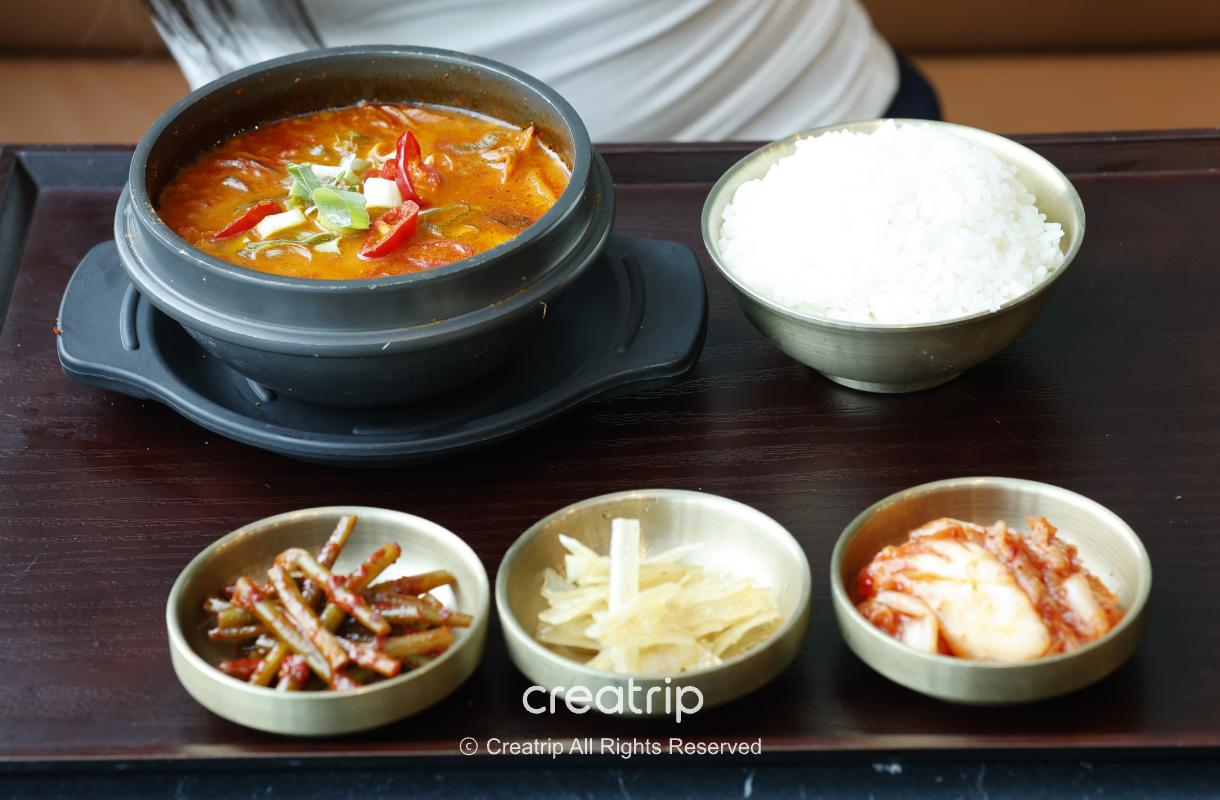
This is a classic Korean stew made by simmering kimchi and pork together.
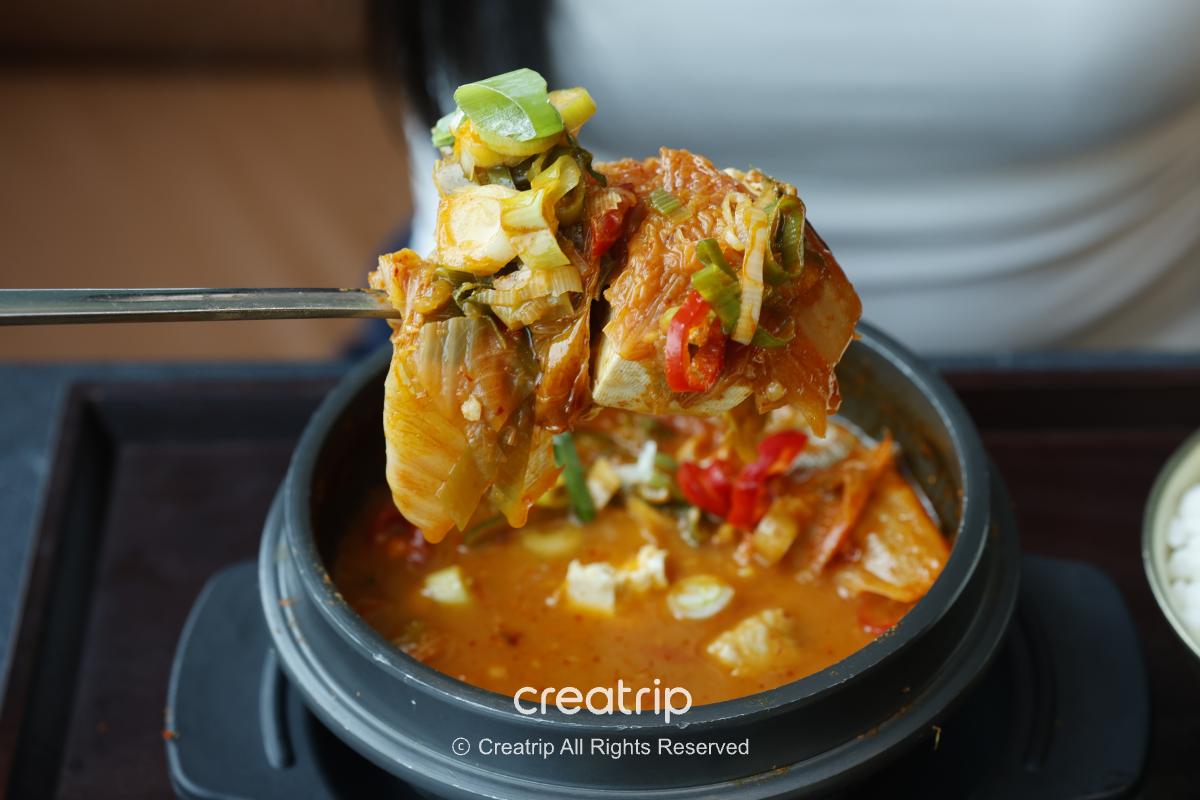
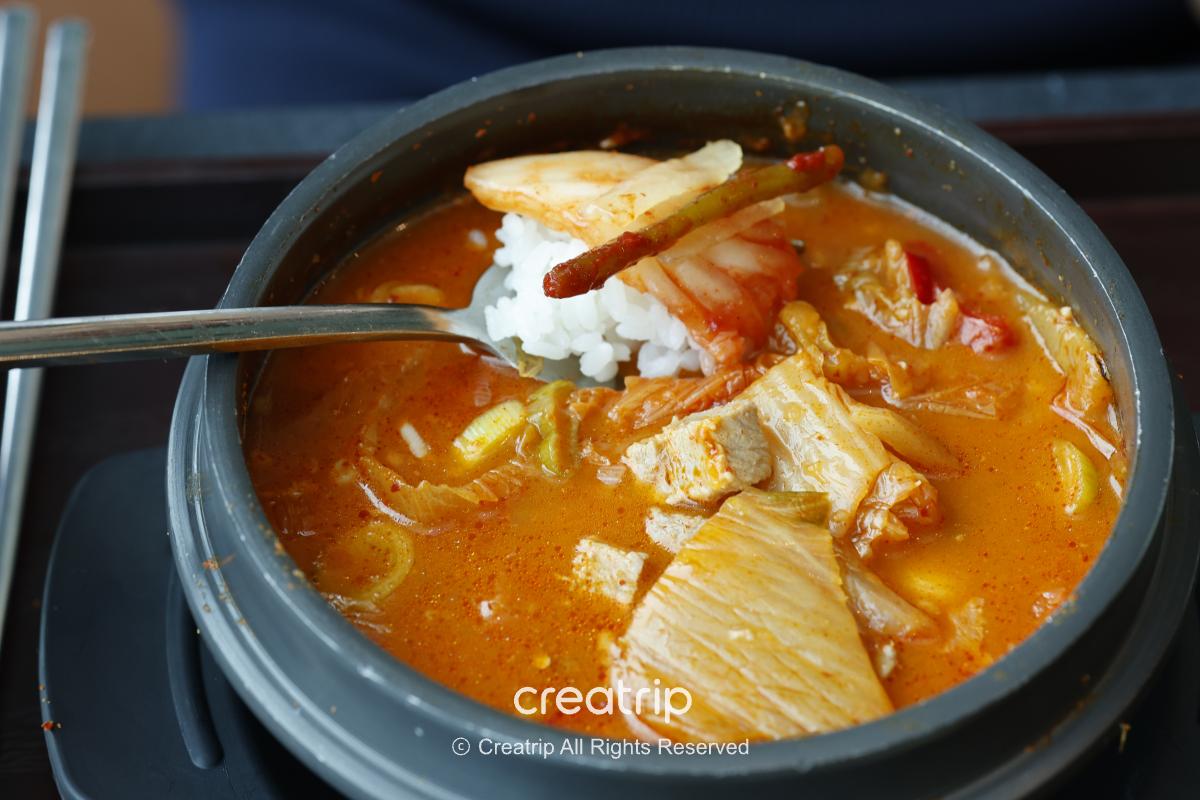
Although the red broth may make it look quite spicy, enjoying it with rice brings together the tangy flavor of the kimchi and the savory taste of the pork, making it a much more satisfying meal.
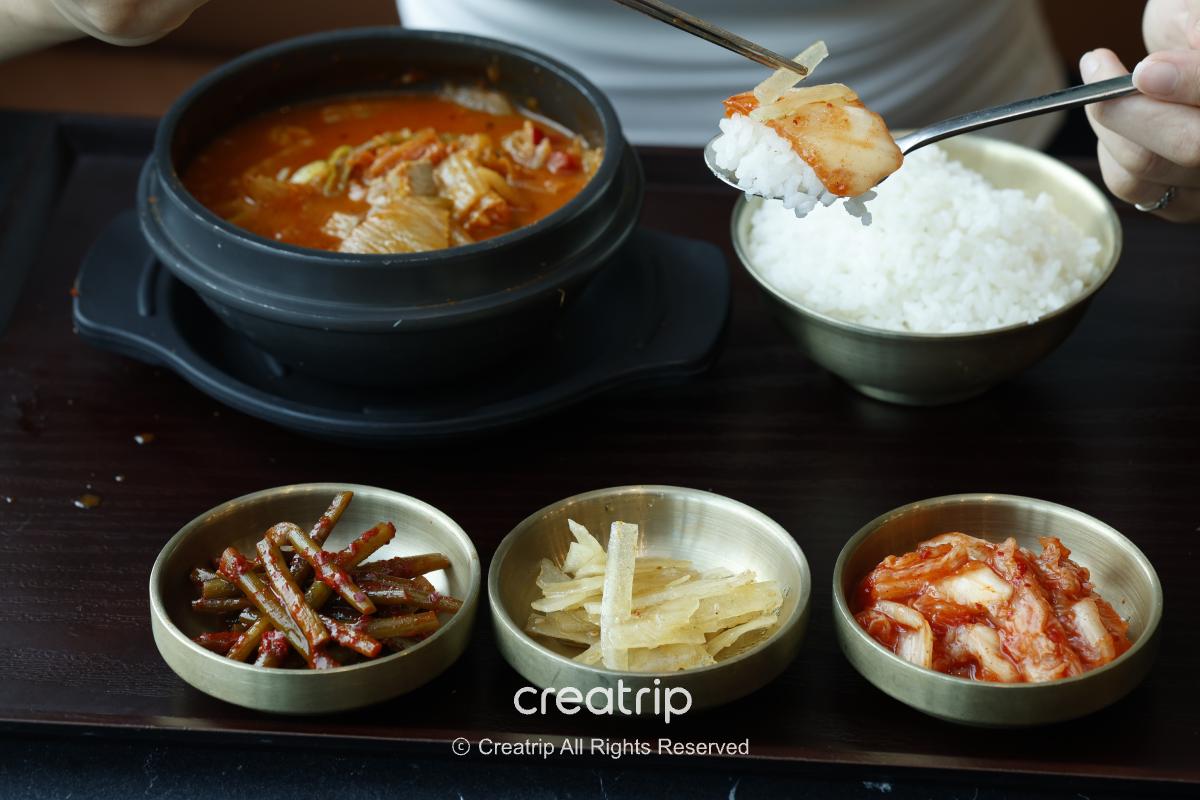
Since it comes with rice and a variety of side dishes, this is a dish I recommend for foreign visitors who want to experience the "rice + soup + side dishes" meal that Koreans commonly enjoy.
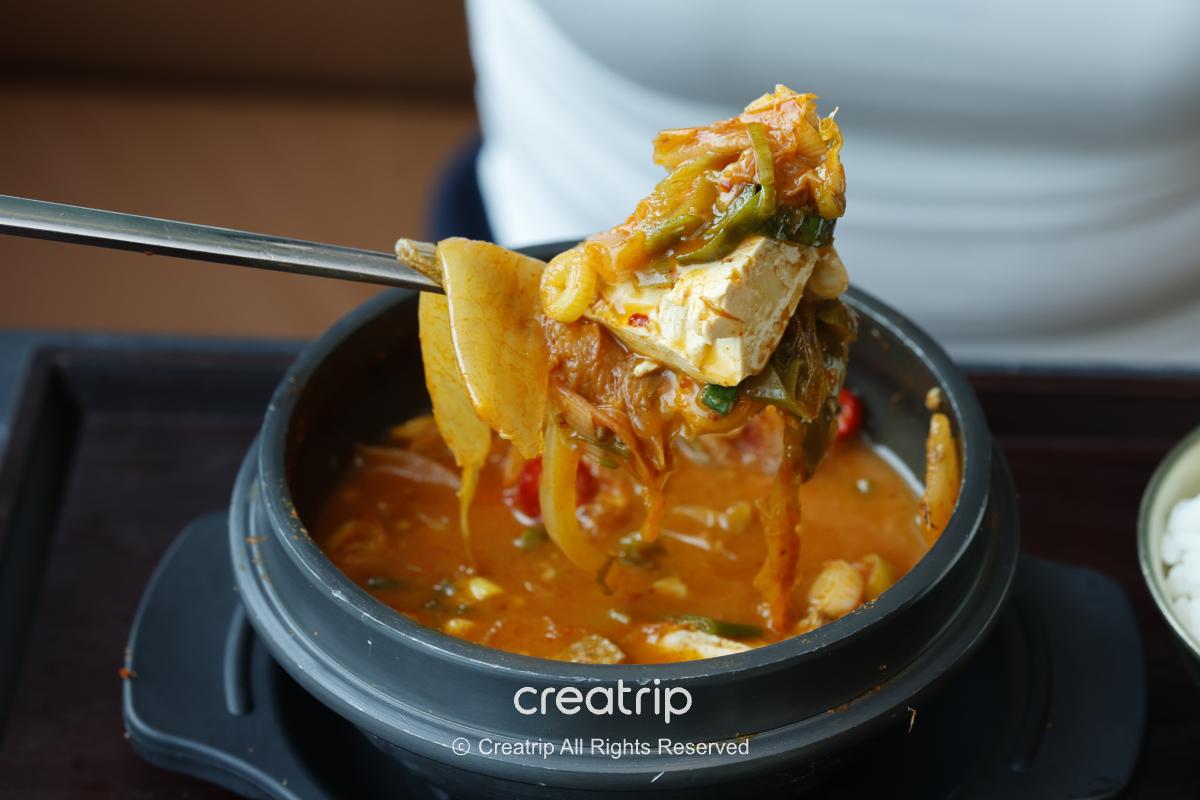
It was served in a hot earthenware pot, so I could enjoy it warm until the very last bite.
5. Korean Street Food
In the Korean street food section, you can enjoy familiar dishes that have been loved in Korea for many years.
If traditional Korean cuisine feels a little unfamiliar, starting with the Korean street food section is a great idea.
Memories Lunchbox Set
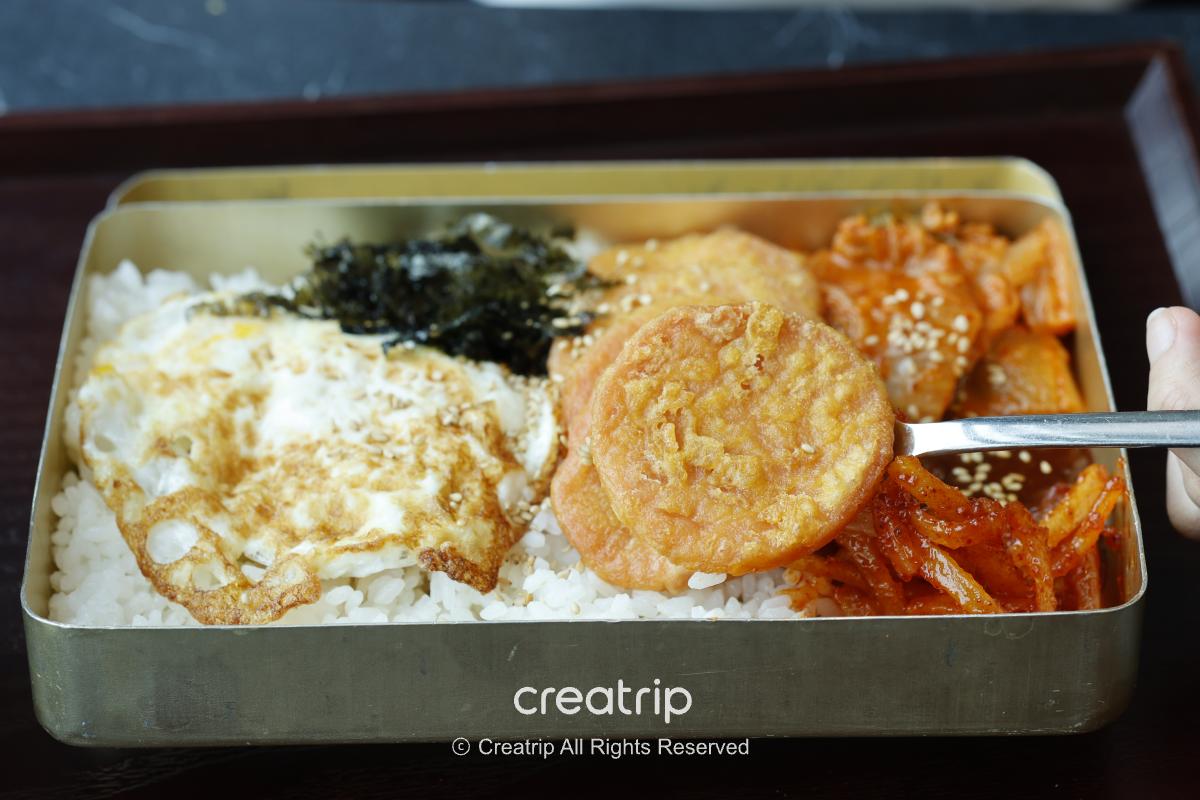
This nostalgic lunchbox is reminiscent of the old-fashioned lunchboxes once enjoyed in Korea. It comes with rice, a fried egg, kimchi, seaweed, and various other ingredients in a metal lunchbox, allowing you to enjoy a variety of flavors in one meal.
The Memories Lunchbox Set is the signature seasonal menu item of the Korean Street Food section and will be available until December 2026. Keep an eye out for the next seasonal dish!


The fun part of this dish is closing the lunchbox and giving it a good shake before eating. Once you have secured the lid tightly, shake the lunchbox to naturally mix the rice and side dishes, just as people used to enjoy it in Korea.
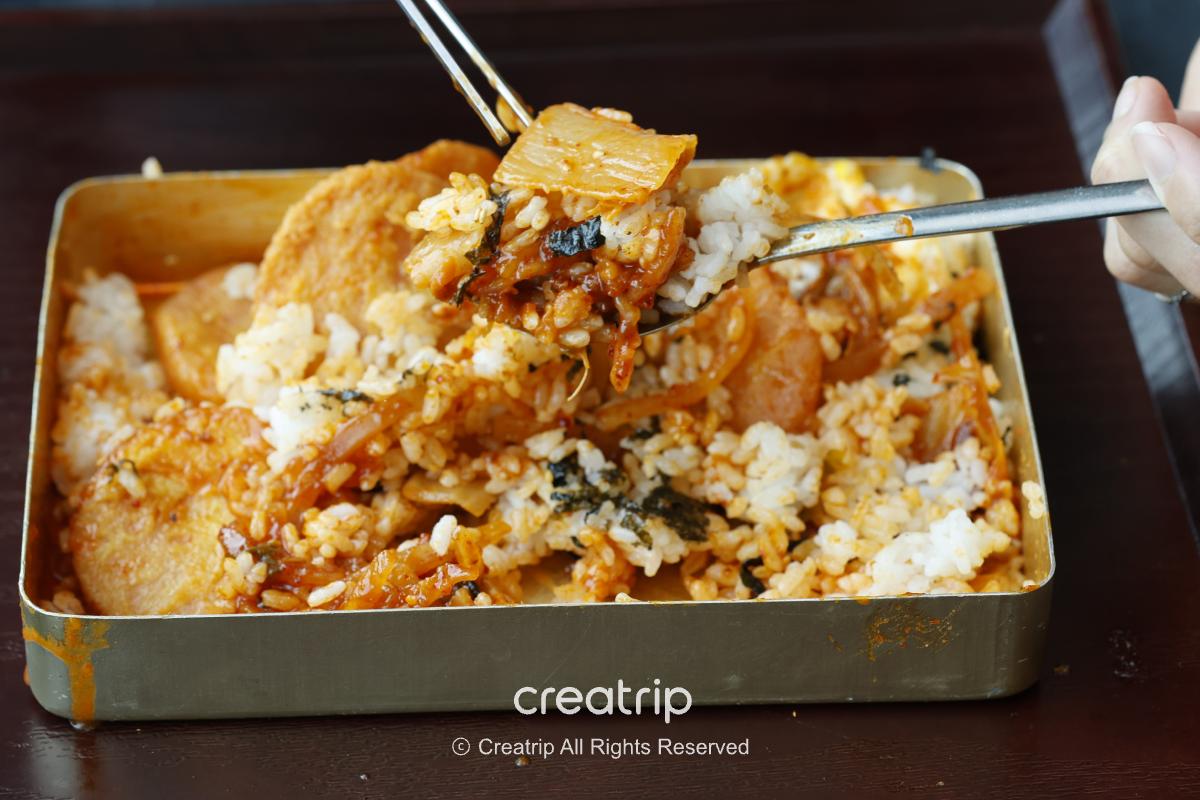
This is what it looks like after shaking. Fun, right? Be sure to hold the lid firmly while shaking so it does not come open!
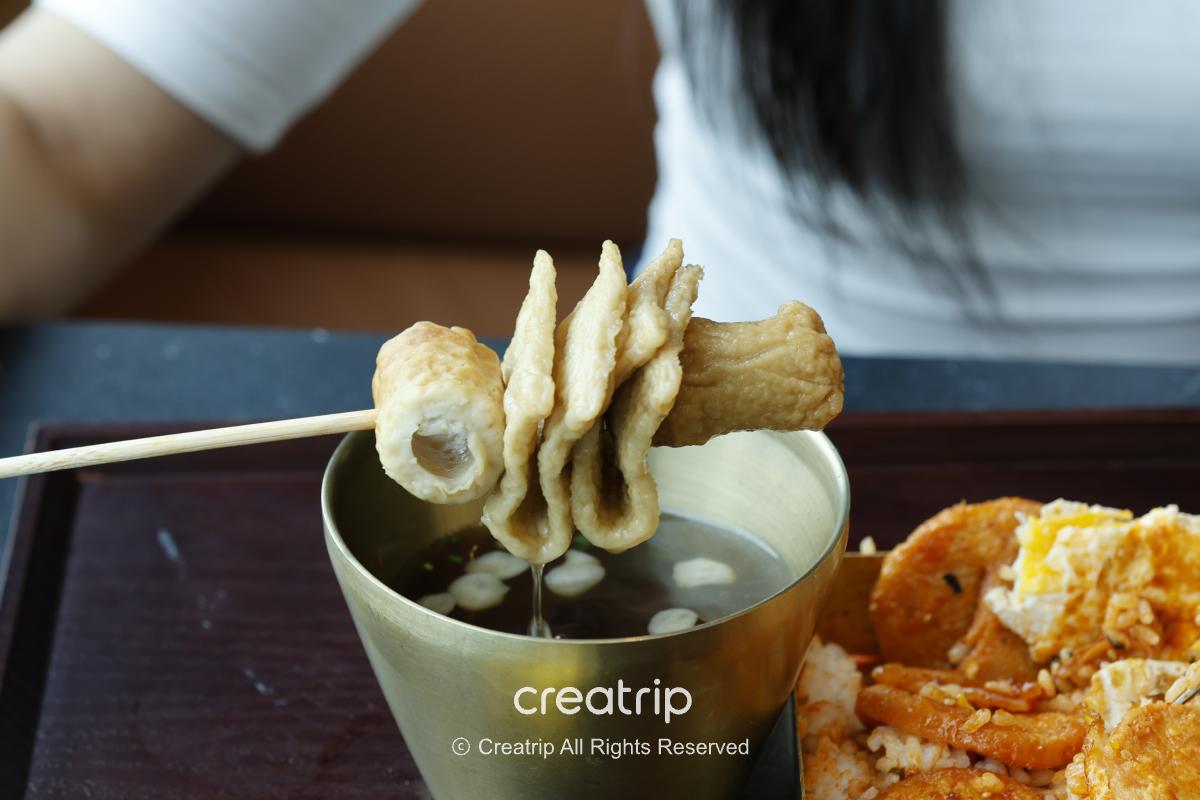
The warm fish cake soup served alongside the lunchbox is a perfect match. Enjoying the skewered fish cake with the broth helps refresh your palate as you eat.
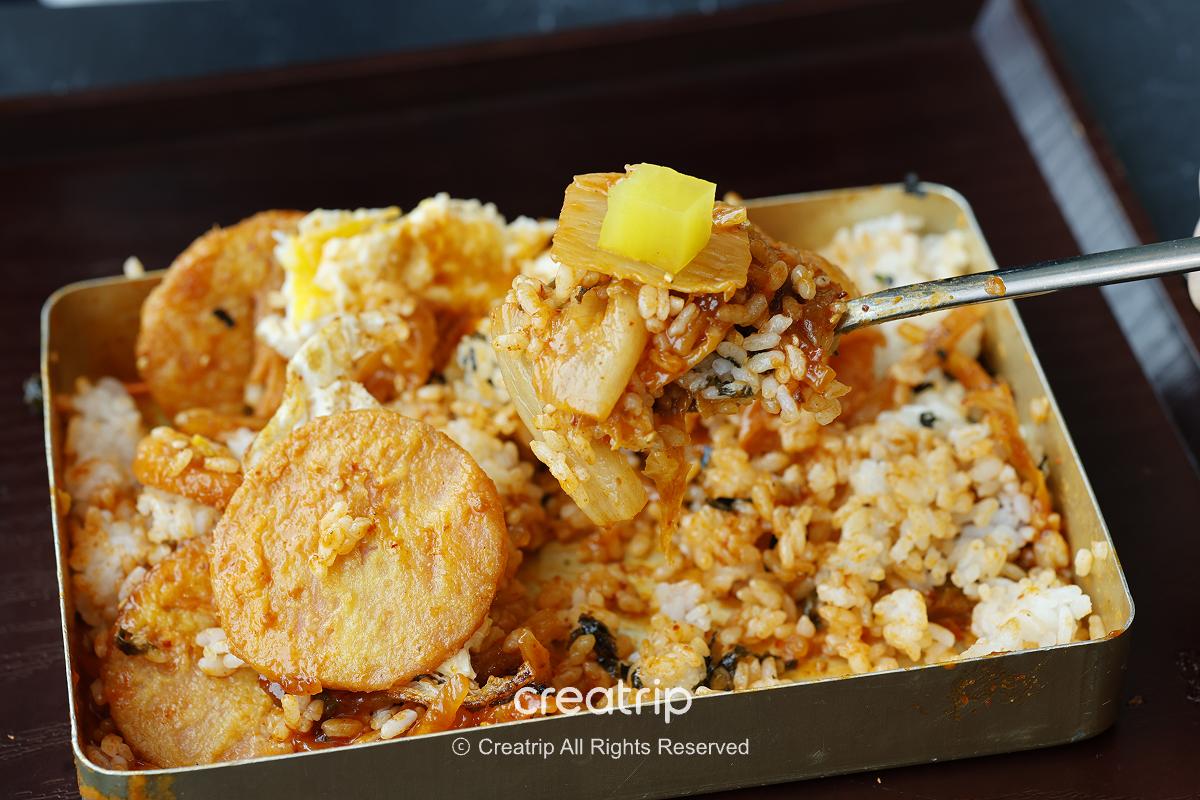
This dish is especially recommended for international travelers because it offers more than just a meal: it lets you experience Korea's retro lunchbox culture firsthand.
Western-Style Pork Cutlet
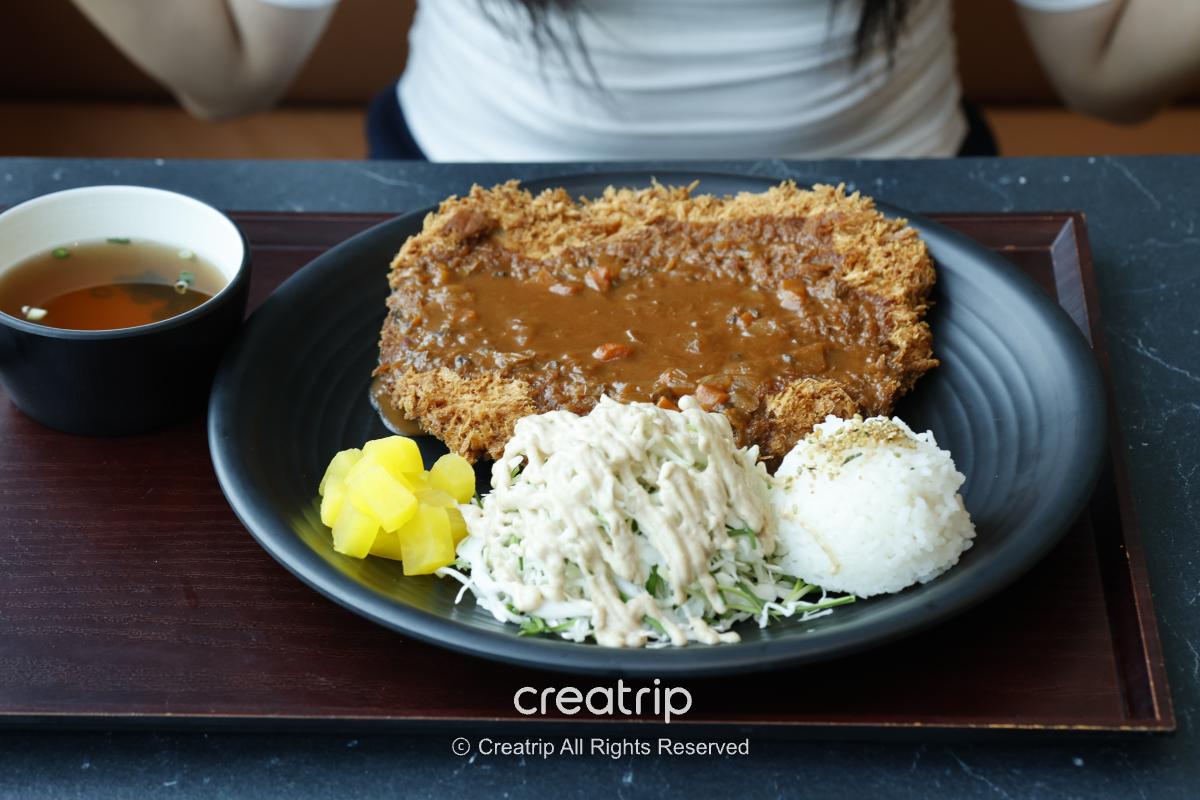
This Western-style pork cutlet has been beloved in Korea for many years. It is a classic dish that often appears as a date-night menu in Korean dramas!
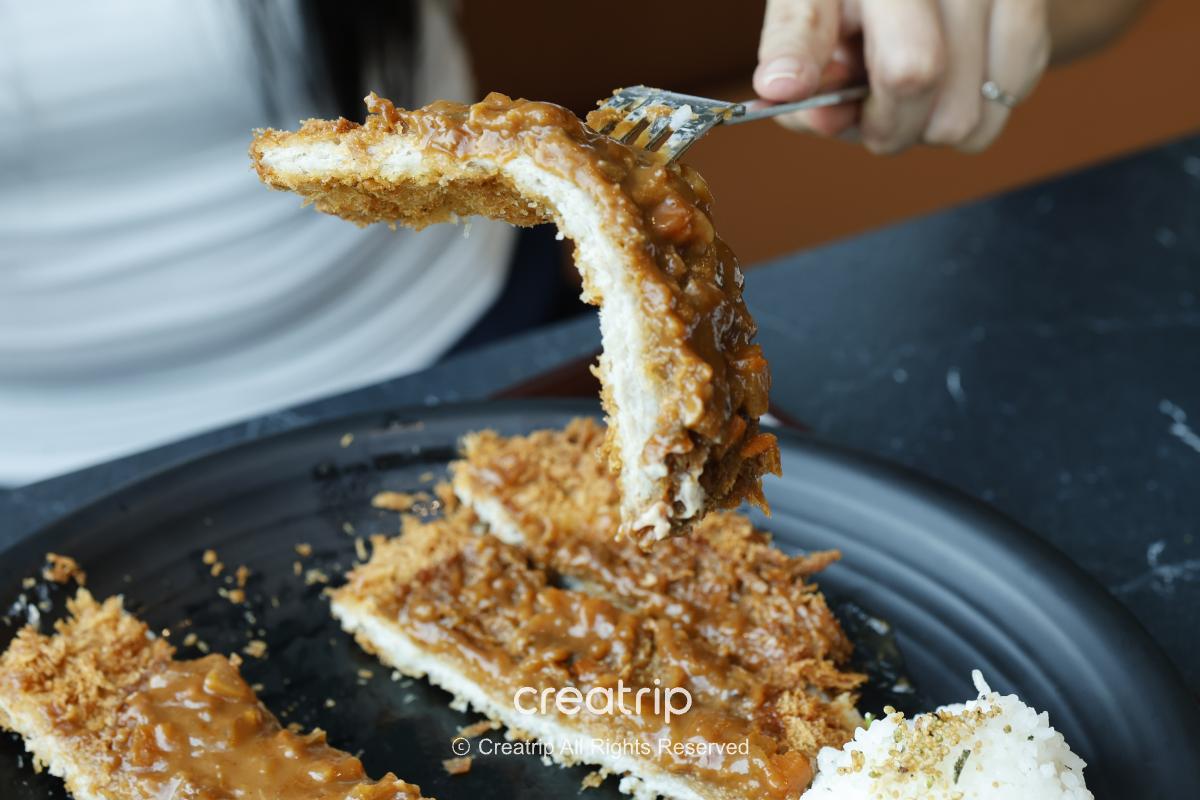
The thin, wide pork cutlet is generously topped with a sweet and smooth brown sauce, and served with rice, cabbage salad, and pickled radish.
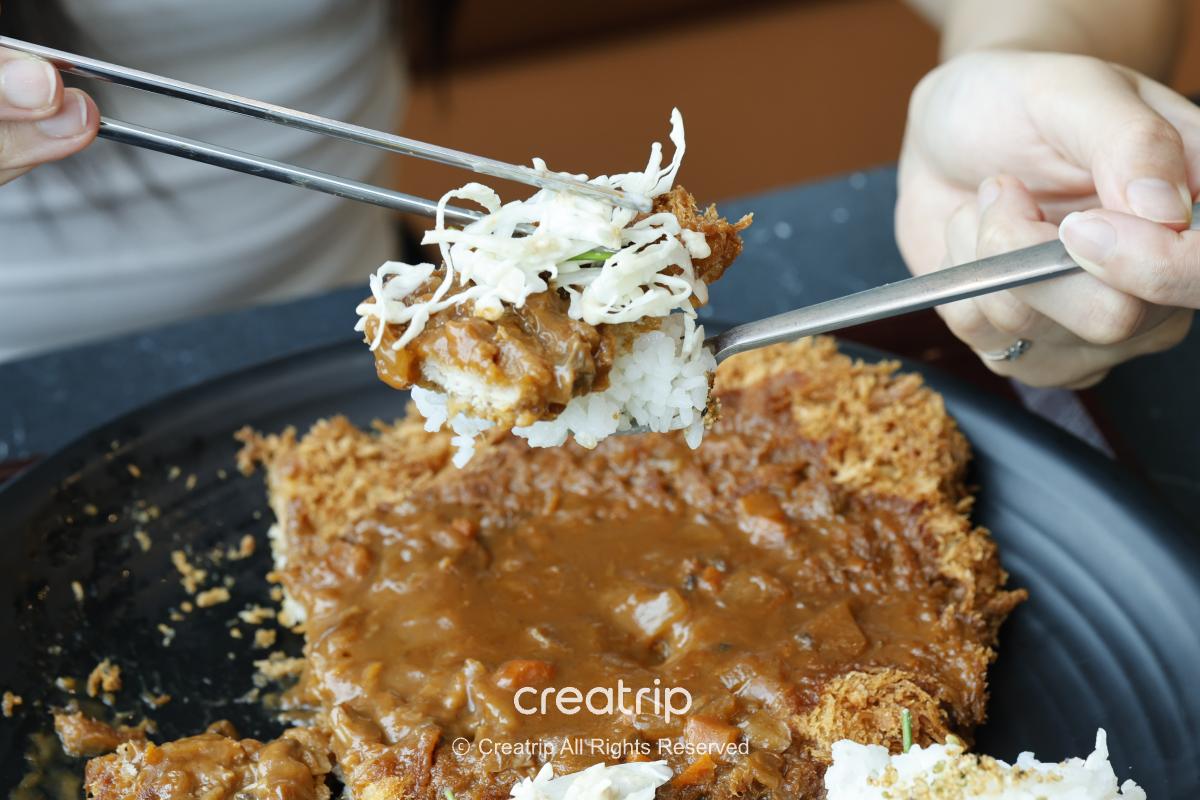
Unlike Japanese-style tonkatsu, which is enjoyed for its crispiness, this Korean-style retro pork cutlet is characterized by being generously covered in sauce.
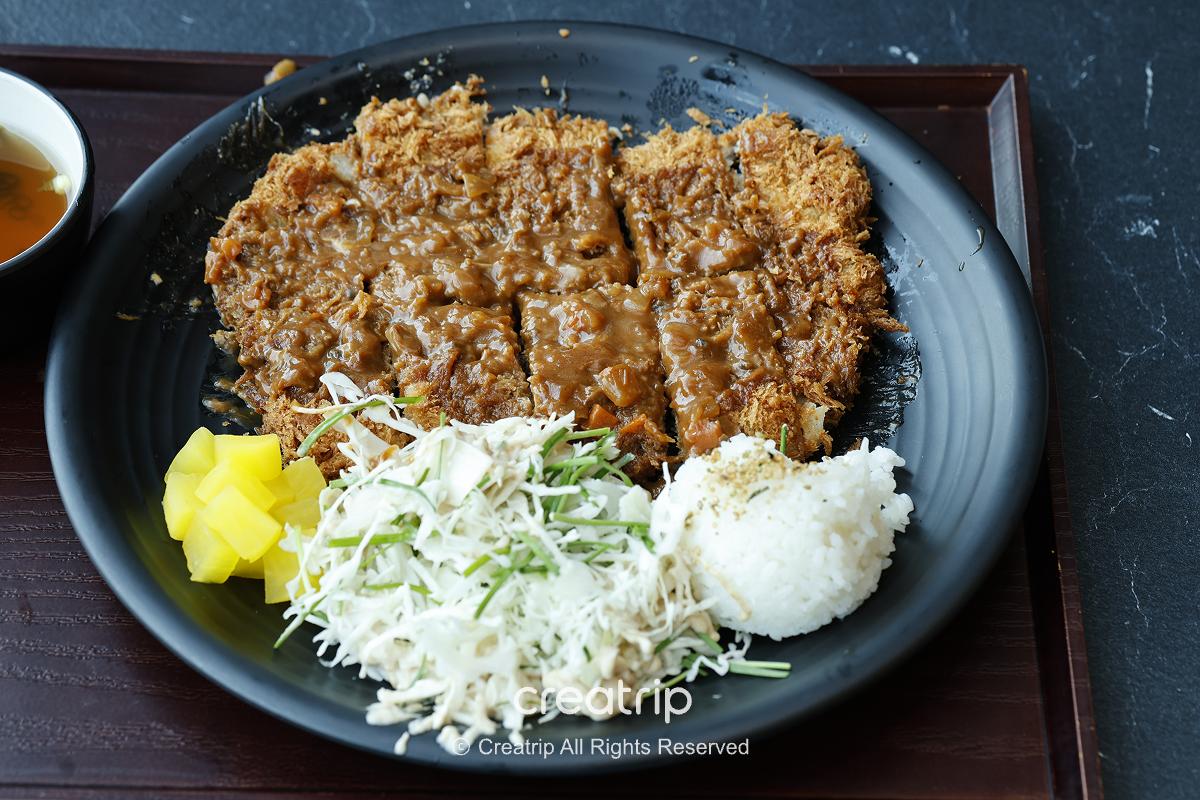
The meat was tender, and the sauce was not particularly spicy, making this a great menu choice for children and travelers who prefer milder food.
Store Atmosphere & Visitor Information


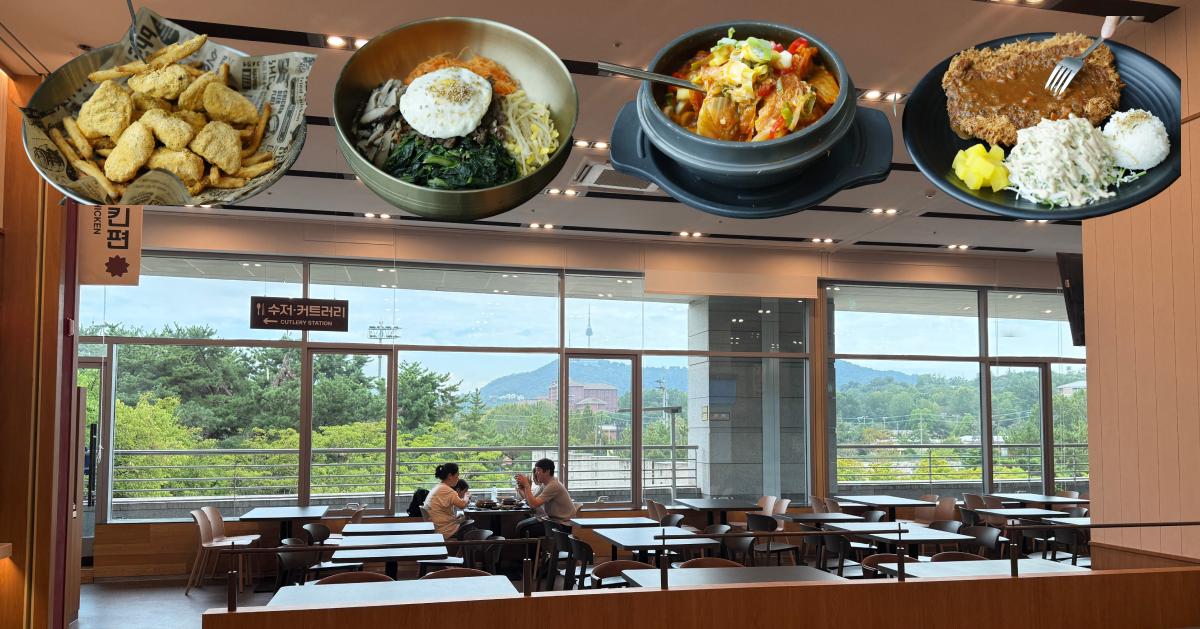
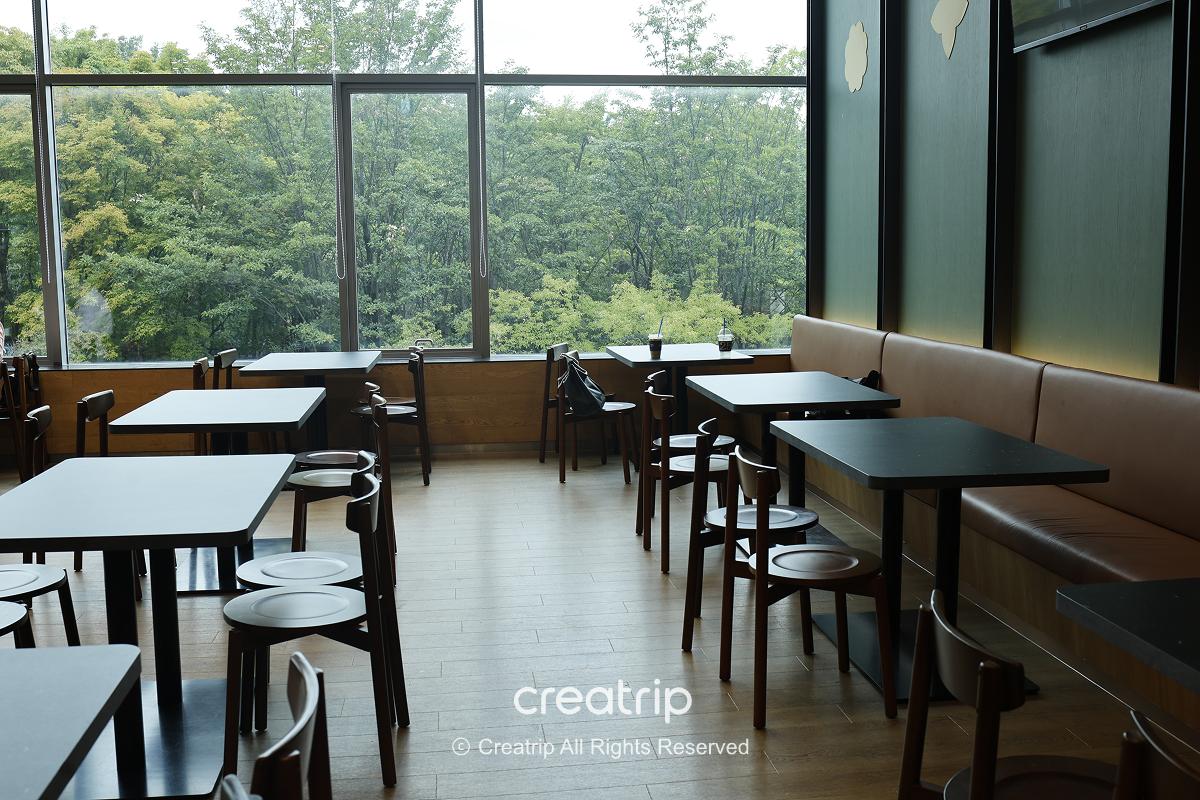
Hansik Migwan is a spacious food court spanning approximately 909 square meters (275 Korean pyeong), with seating for 316 people. When I visited, the food court felt spacious and comfortable.
The large windows offered views of the scenery outside, creating a bright and open atmosphere overall. With plenty of seating, it was also a great place to take a break and enjoy a meal while visiting the museum.
Visitor Information
Address: 137 Seobinggo-ro, Yongsan-gu, Seoul
Opening Hours: Mon, Tue, Thu, Fri & Sun 09:30–17:30 / Wed & Sat 10:30–20:00
Available languages: Korean, English
It is open until the evening on Wednesdays and Saturdays, making it a great place to enjoy a meal after taking your time exploring the museum.
Wrapping Up
The National Museum of Korea is more than a place to look at ancient artifacts. It is a place where you can discover the origins of today's K-culture.
If 〈KPop Demon Hunters〉 has sparked your interest in Korea's tigers and magpies, traditional decorations, and culture, take a tour of the exhibitions, then enjoy Korean food at Hansik Migwan after your visit.
From quintessentially Korean dishes like bibimbap and kimchi-jjigae to jajangmyeon, Western-style pork cutlets, and fried chicken, there is something for everyone in one place, making it a highly recommended spot for travelers trying Korean food for the first time or for groups traveling together.
Why not explore Korea's past and present at the museum, then wrap up your visit with delicious K-Food?
'Hansik Migwan National Museum of Korea Branch' | How to Get There
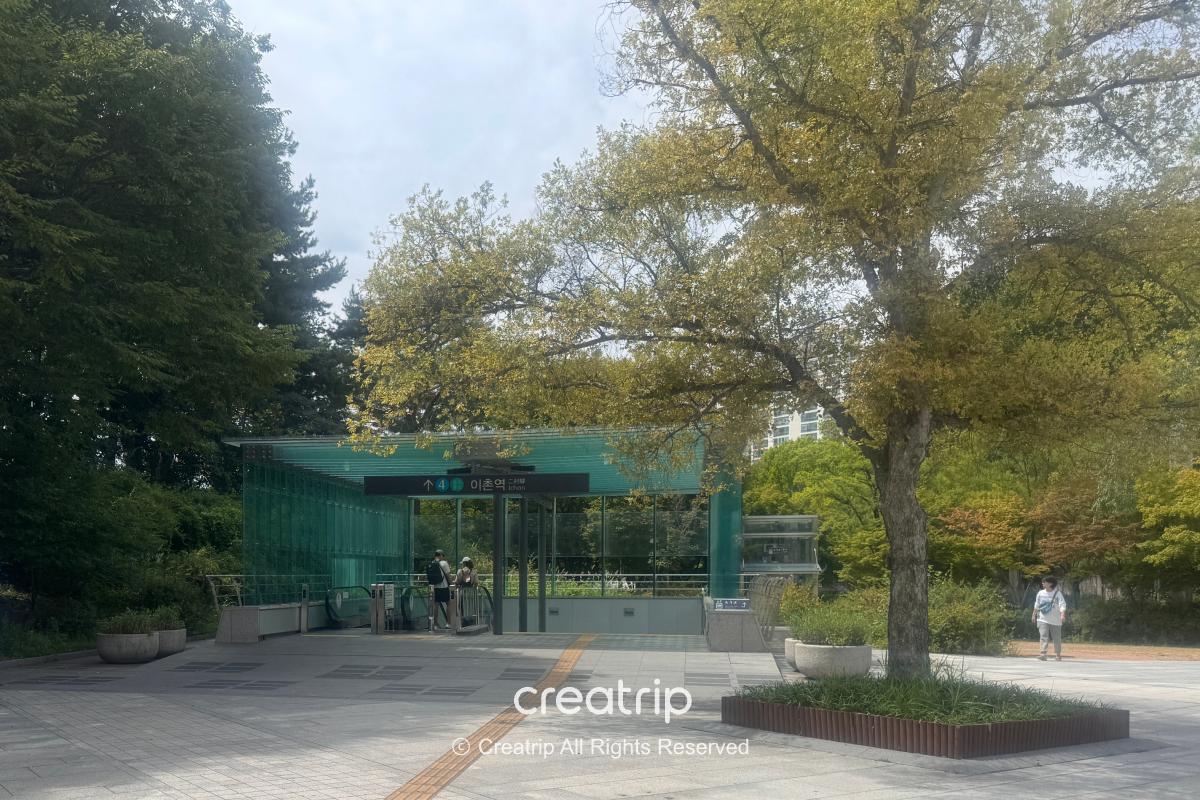
Take Exit 2 of Ichon Station.
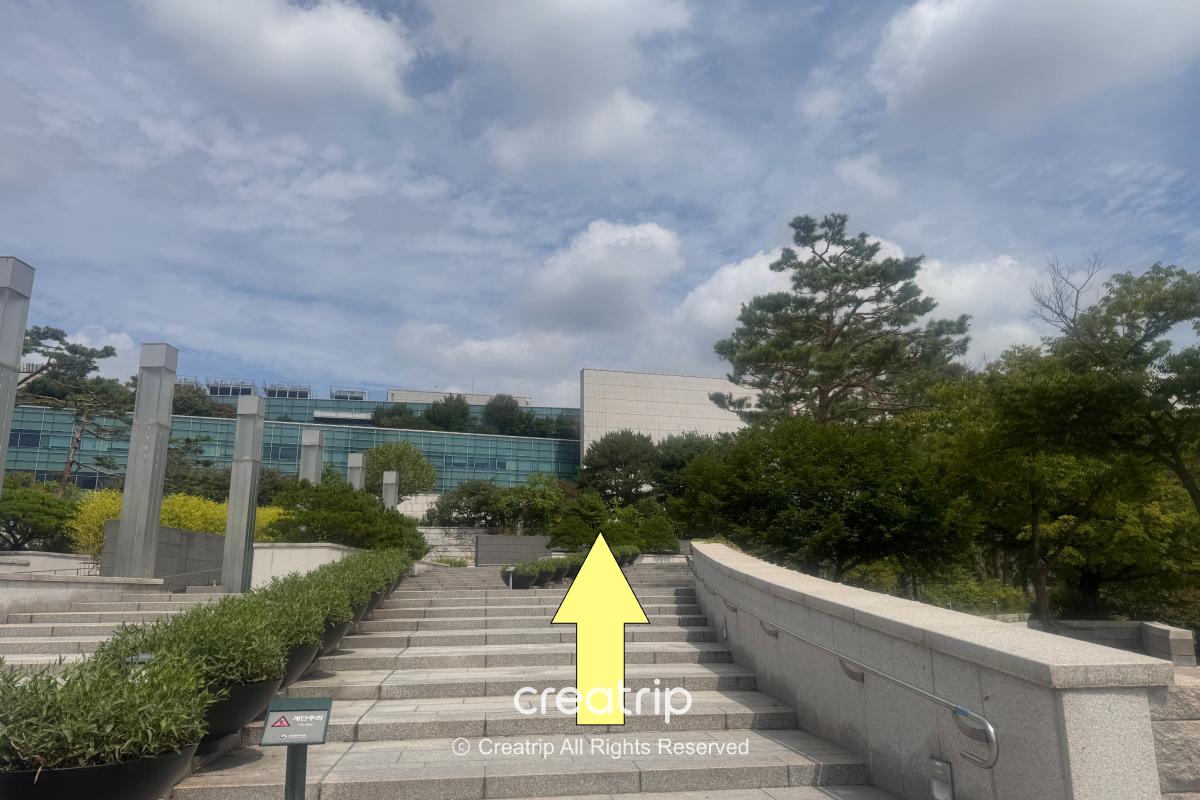
Go up the stairs.
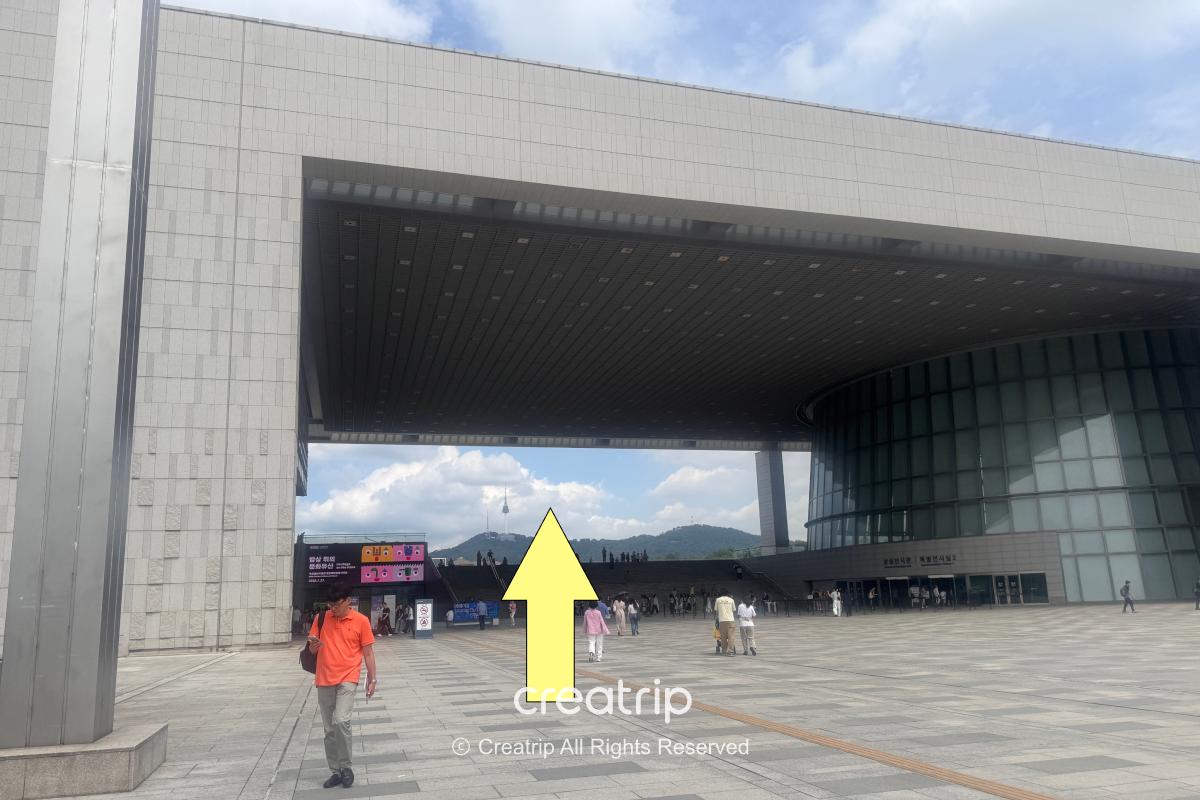
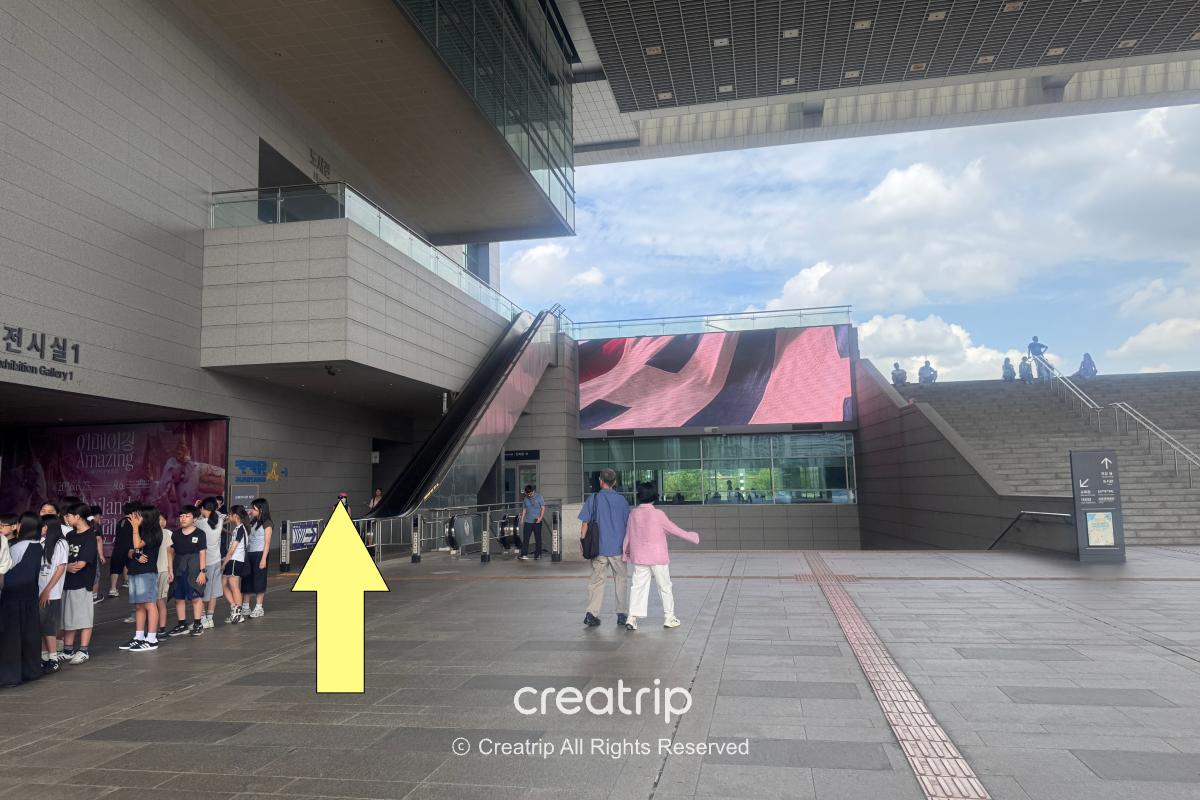
Enter on the left side of the building.
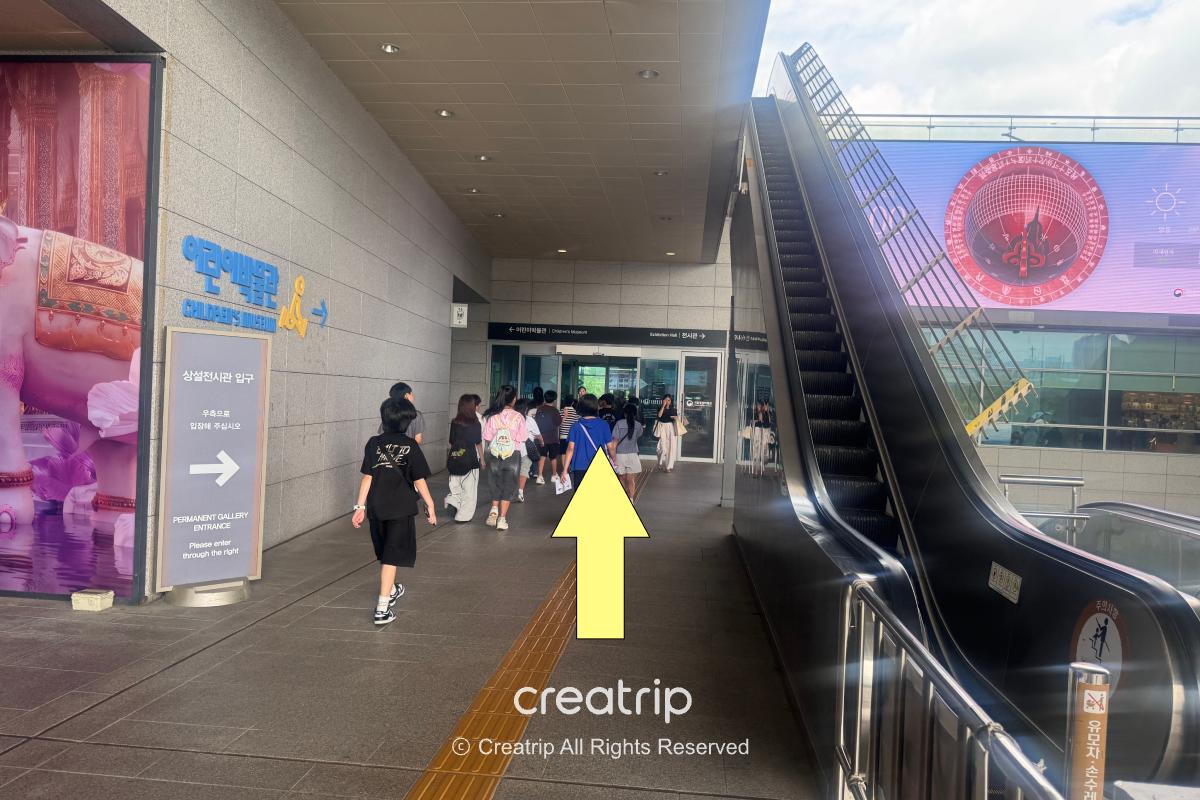
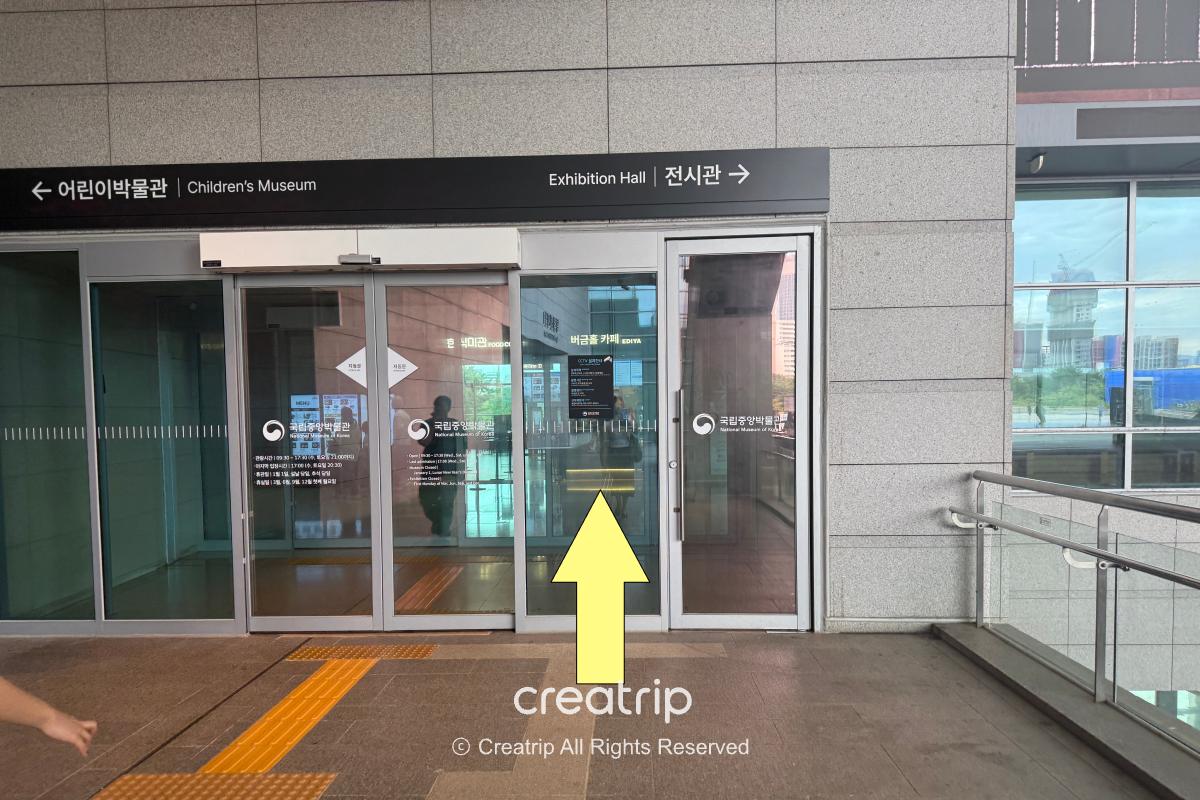
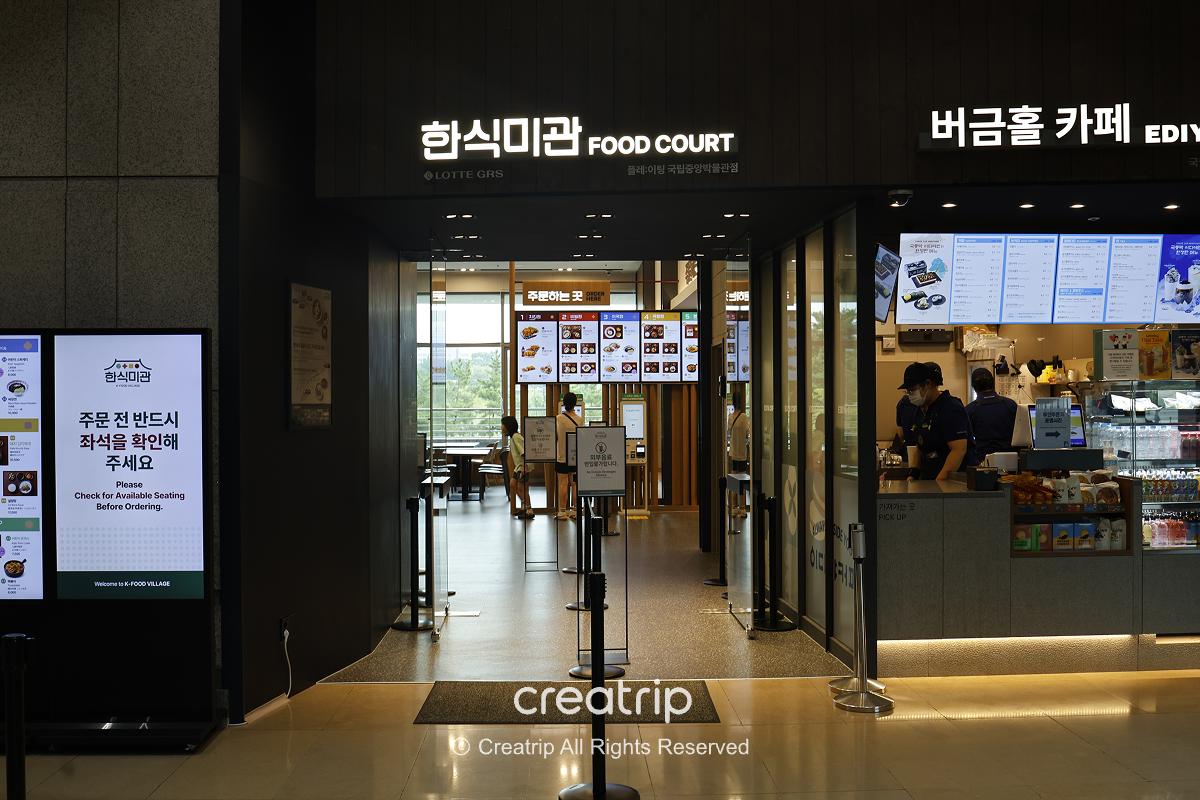 You've arrived at 'Hansik Migwan National Museum of Korea Branch'!