Bokjugeok Lotte Mall Gwangmyeong | Korean Home-Cooked Meals Enjoyed as a Buffet
From rice cooked with a special grain to bibimbap made from scratch, enjoy as much traditional Korean home-style food as you want.

- Bokjugeok Lotte Mall Gwangmyeong | Basic Information
- Bokjugeok Lotte Mall Gwangmyeong | Our Visit
- POINT 1|Start with something special, 'Joseon Hyangjinju' rice
- POINT 2|The Fun of Choosing Your Side Dishes, a Korean Home-Style Meal
- POINT 3|Mix It Up in a Large Bowl, Make Your Own Bibimbap
- POINT 4|Don't Just Eat and Leave! A "Nostalgia Zone" That Changes with the Seasons
- POINT 5|Traveling in Korea with Kids? There's Even a Kids' Zone!
- A Korean Buffet with Something for Everyone
- Enjoy a Clean and Comfortable Meal
When planning a trip to Korea, there are so many foods you will want to try. Some K-FOOD dishes, such as samgyeopsal, Korean fried chicken, tteokbokki, and Dak Galbi, are already famous around the world, but when you spend more time in Korea, you may find yourself wondering about something else.
"So, what do Korean people usually eat at home?"
In Korea, "home-cooked meals" generally refers to a meal of warm rice served with soup or stew, a main dish, and a variety of side dishes, rather than anything particularly elaborate. It is a familiar everyday meal for Koreans, but for international travelers, it is also a special way to experience Korea's everyday food culture up close.
That is why we visited Bokjugeok Lotte Mall Gwangmyeong, where you can enjoy a full Korean home-cooked meal!
Bokjugeok is more than just a place serving various Korean dishes together in one meal. From the rice used in its dishes to bibimbap that you prepare yourself and a space filled with the nostalgic charm of old Korea, we found Korean touches throughout the restaurant. In particular, with spaces and menu options prepared especially for children, it seemed like a great place for everyone, from friends and couples to families traveling in Korea with children.
Shall we go and enjoy a warm Korean home-cooked meal together? 🍚
Bokjugeok Lotte Mall Gwangmyeong | Basic Information
- Address: 17 Iljik-ro, Gwangmyeong-si, Gyeonggi, 5th floor of Lotte Mall Gwangmyeong
- Hours: 10:30–21:00 (Last order at 20:00)
- Prices (as of September 2026)
- Adults, weekdays: KRW 15,900
- Adults, weekends and public holidays: KRW 17,900
- Children aged 36 months to 3rd grade of elementary school: KRW 9,500
- Children under 36 months: Free
Bokjugeok Lotte Mall Gwangmyeong | Our Visit
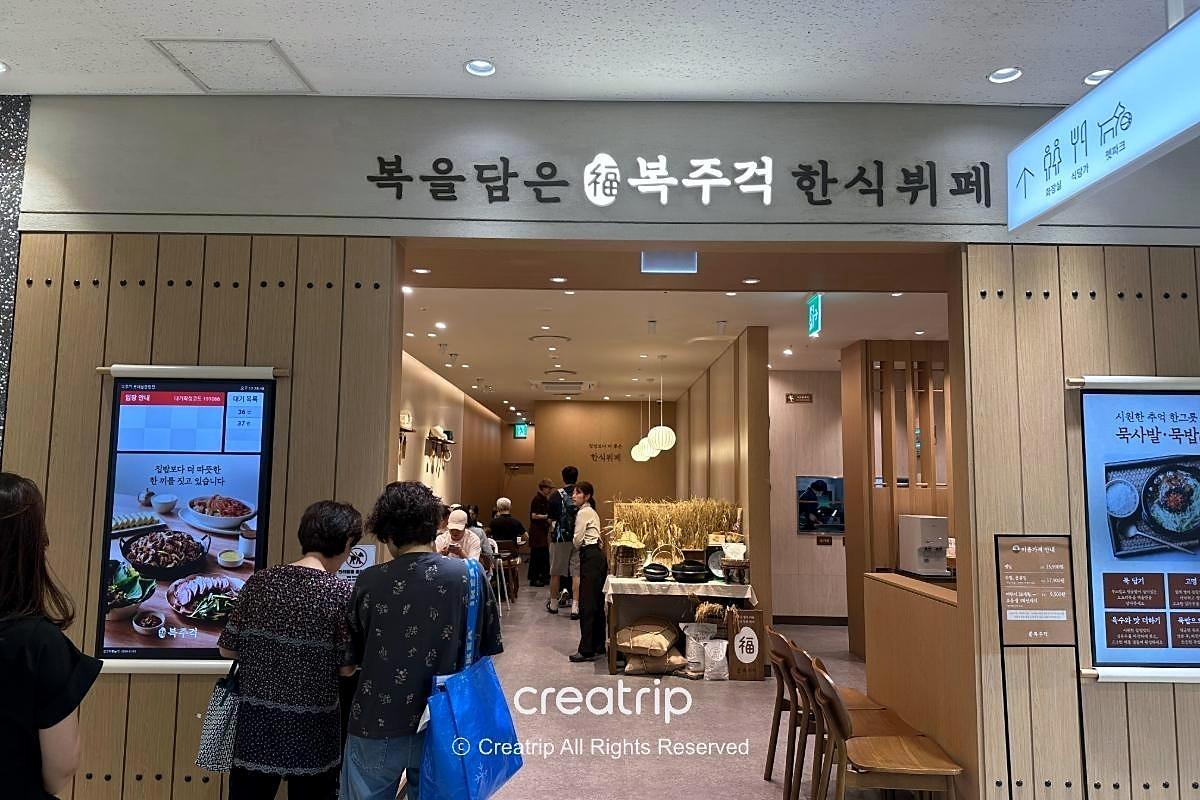
Bokjugeok Lotte Mall Gwangmyeong is located inside Lotte Mall, making it a convenient place to enjoy a meal after shopping or exploring the surrounding area. When traveling in Korea, you often move between several places in a single day, so going somewhere else just to eat can feel like a bit of a hassle. Since you can enjoy shopping and a meal in the same place, it was easy to include in our travel itinerary.
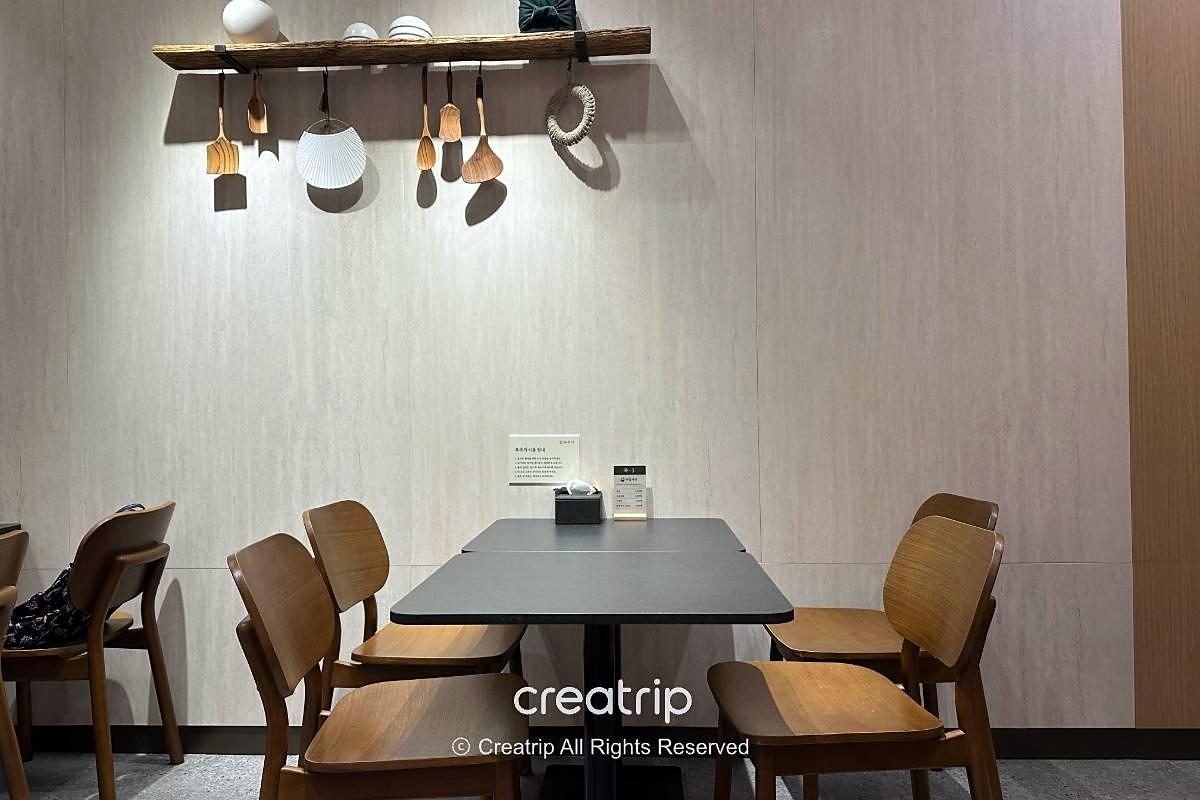
The first thing we noticed upon entering the restaurant was its friendly and comfortable atmosphere. In keeping with the concept of Korean home cooking, it felt warm and welcoming, like a place where you could enjoy a casual meal with your family, rather than a flashy or formal Korean restaurant.
When foreign travelers think of Korean food, well-known dishes such as samgyeopsal, fried chicken, and tteokbokki often come to mind first. What stood out about Bokjugeok was that it offered a closer look at the more everyday food culture of Korea.
With rice, soup, main dishes, and a variety of side dishes that are an essential part of the Korean table all prepared in one place, we were able to try many of the foods Koreans actually enjoy in their everyday lives, all at once.
As we looked around the restaurant more closely, we discovered that it offered more than just a variety of Korean dishes to try. Special features unique to Bokjugeok were tucked away throughout the space.
From rice that makes each meal even more special, to bibimbap that you make yourself, seasonal spaces that change throughout the year, and a kids' zone for children, there were more little highlights to enjoy alongside the meal than we expected.
Before we get started with the meal, shall we take a closer look at the highlights you won't want to miss at Bokjugeok?
POINT 1|Start with something special, 'Joseon Hyangjinju' rice


When talking about Korean home cooking, one thing you simply cannot leave out is rice.
In Korea, rice is so important in everyday life that people even use "Have you eaten?" as a greeting. That is why, even when enjoying a home-cooked meal, the type of rice used and how well it has been cooked are more important than you might expect.
At Bokjugeok, a special rice called 'Joseon Hyangjinju' is used, along with a variety of rice options, including barley rice, white rice, and black rice, so you can enjoy whichever you prefer.
At first, my attention was drawn to the main dishes and side dishes, but once the full meal arrived, the freshly cooked, warm rice naturally caught my eye too. After trying a little of each side dish with the rice, I could really feel that rice is at the heart of Korean home cooking!
If you are a foreign traveler who wants to experience both Korean rice and Korea's home-cooking culture, be sure to pay attention not only to the main dishes, but also to the rice!
POINT 2|The Fun of Choosing Your Side Dishes, a Korean Home-Style Meal


One of the things that makes Korean dining so enjoyable is having a variety of side dishes with a bowl of rice. Unlike meals where everything is served on a single plate, Korean meals are centered around rice and a main dish, with an assortment of side dishes served alongside them. For first-time visitors to Korea, this may feel quite unique.
At Bokjugeok, the table was filled with so many dishes that it really felt like we had come to enjoy an authentic Korean home-cooked meal.


We could enjoy the meal however we liked, placing a side dish on each spoonful of rice or combining the main dish with different side dishes.
With so many flavors to alternate between, the meal never felt boring. It was also a natural way to experience Korean food culture, making us think, "So this is what it feels like when Koreans eat at home."
If you have mostly been eating meat or spicy dishes during your trip to Korea, we recommend taking a break with a comforting and satisfying home-style meal like this one :)
POINT 3|Mix It Up in a Large Bowl, Make Your Own Bibimbap


My personal favorite part of Bokjugeok was making our own bibimbap!
Bibimbap is already a well-known Korean dish around the world, but this time, we got to enjoy it in a more traditional Korean way.
We mixed everything together ourselves in a large bowl.
All we had to do was add warm rice and a variety of ingredients to the bowl, one by one. Finally, we added gochujang and sesame oil, then mixed everything together with a spoon using big, sweeping motions.
At first, all the ingredients were separated, but as we continued mixing, the red gochujang blended with the other ingredients to create a delicious-looking bowl of bibimbap.


Rather than simply eating a finished dish, making it ourselves made the meal feel like a small K-FOOD experience!
If you visit with a group, placing the large bowl in the middle and mixing everything together is another fun way to enjoy a uniquely Korean experience!
POINT 4|Don't Just Eat and Leave! A "Nostalgia Zone" That Changes with the Seasons
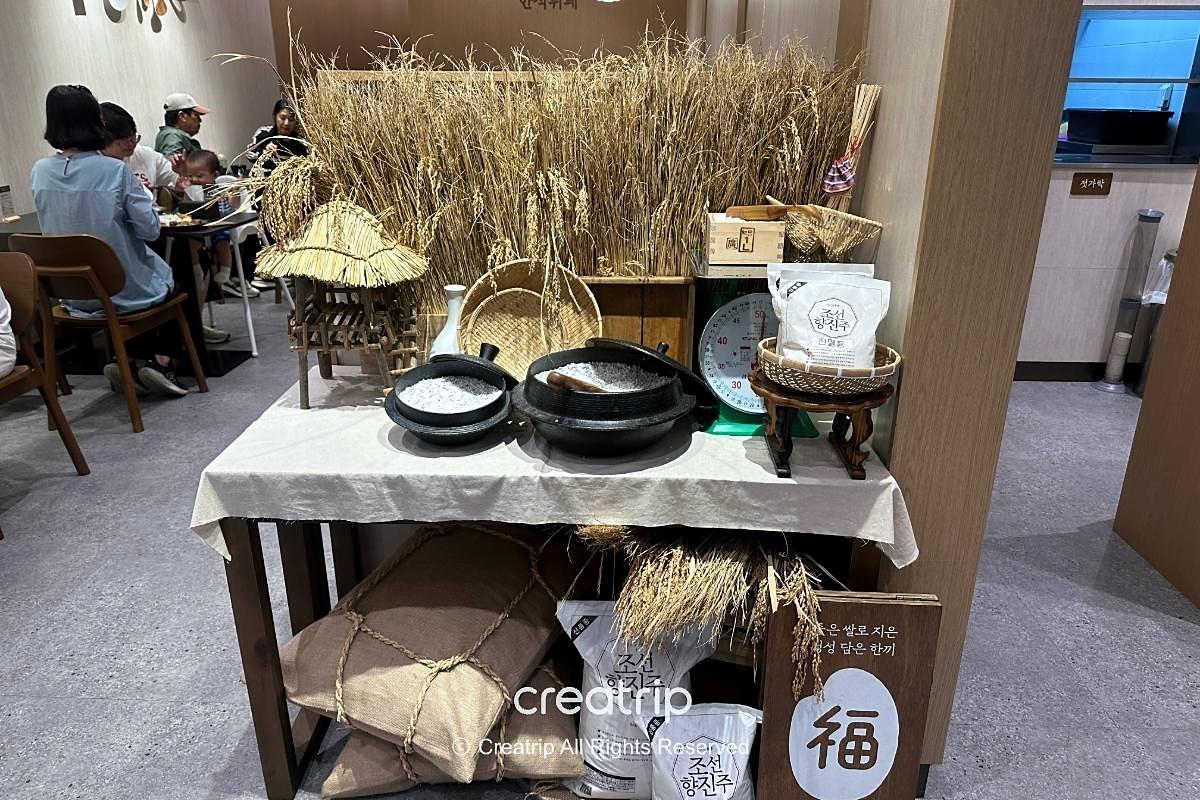
After enjoying your meal, take some time to look around the restaurant!
At Bokjugeok, you'll also find a "Nostalgia Zone" where you can experience the memories and atmosphere of Korea's past.
What makes this space especially interesting is that it doesn't always look the same, as its theme changes with the seasons.
For Koreans, it brings back childhood memories and familiar scenes from the past, while for international travelers, it's a chance to discover Korea's retro culture, which is quite different from the sleek, modern Seoul of today.
One of the special joys of traveling is discovering unexpected aspects of Korean culture in a place you visited simply to enjoy a meal.
Since the space may look different each season, we recommend checking out how it's decorated when you visit. 📸
POINT 5|Traveling in Korea with Kids? There's Even a Kids' Zone!
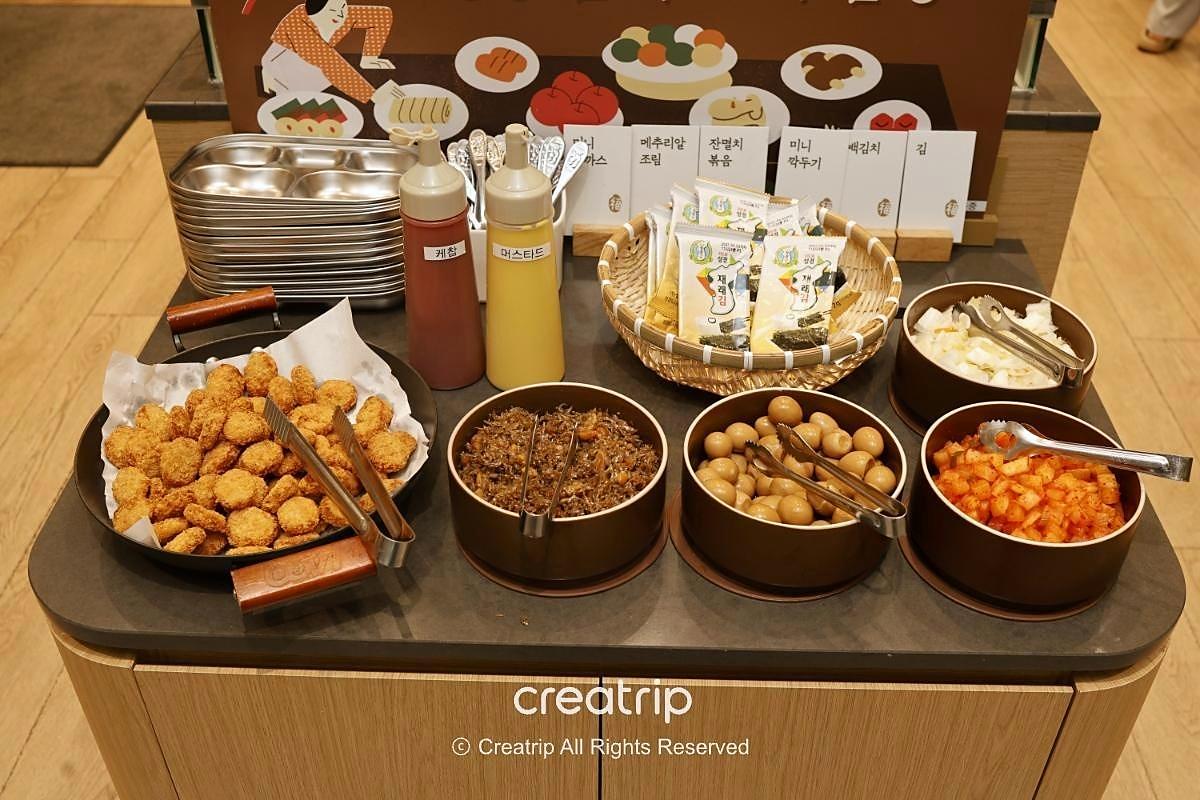
Another thing that stood out to us during our visit to Bokjugeok was how well the restaurant caters to families visiting with children.
The restaurant has a kids' zone, as well as child-friendly menu items and tableware designed especially for children, in addition to the regular adult menu.
When traveling abroad with children, choosing a restaurant is about more than just the menu. It's also important to find a place where children can eat comfortably.
Adults can enjoy a variety of Korean home-style dishes, while children can choose from age-appropriate menu items and use child-sized tableware, making mealtimes more comfortable for the whole family. This was especially appealing for families who want to experience Korea's home-cooked food culture together with their children!
Now that we've explored Bokjugeok's unique highlights one by one, it's time to discover the Korean buffet dishes you've been most curious about!
At Bokjugeok, you can enjoy everything from rice and soup to hearty main dishes and the variety of side dishes that are an essential part of a Korean meal, all in one place. Since you can choose and serve as much of whatever you like, it's a great way to sample different Korean dishes you've been curious about, without any pressure.
There was such a wide variety of dishes available that it was almost difficult to decide what to try first. So, let's take a closer look at the Korean dishes you can enjoy at 'Bokjugeok'! 🍽️
A Korean Buffet with Something for Everyone
- Main Dishes
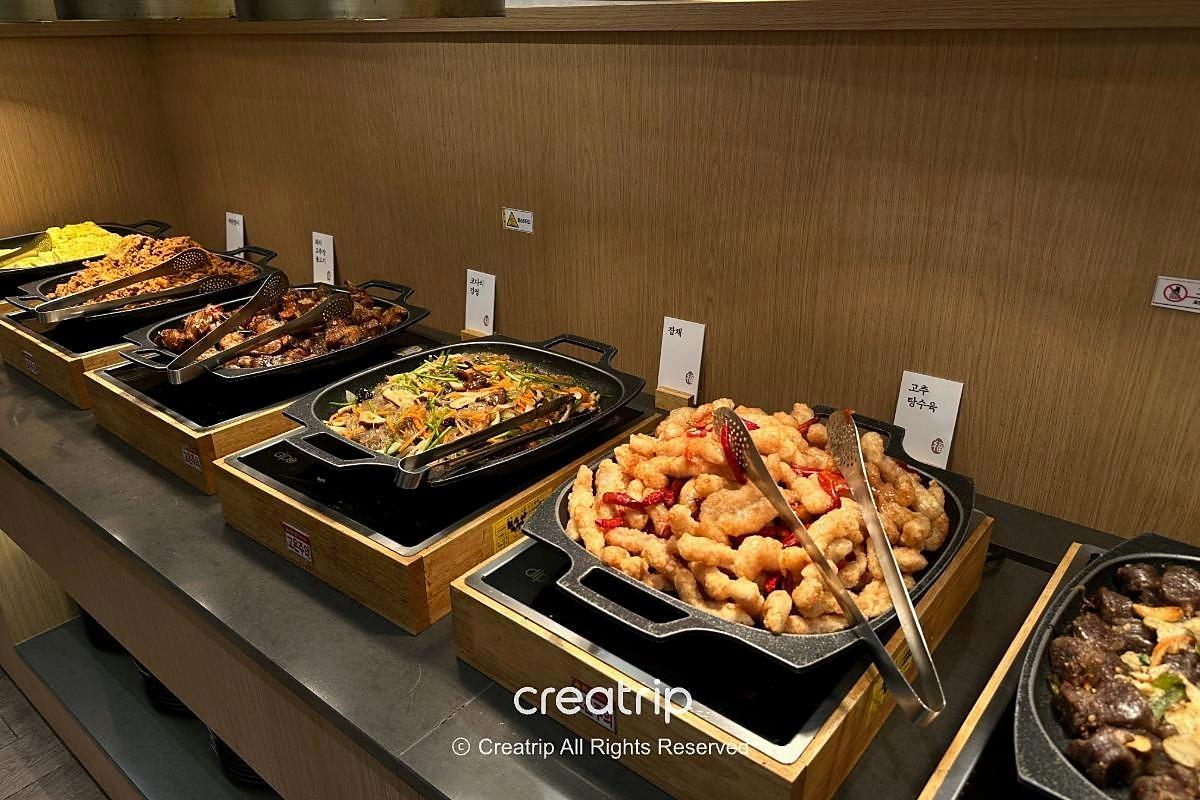
The main dish section features a variety of Korean dishes that pair perfectly with rice, including stir-fried vegetable sundae, japchae, gochujang-marinated pork bulgogi, sweet and spicy fried pollock, sweet-and-sour pork with chili peppers, rolled omelet, and more. The appeal of a Korean buffet is that it offers more than just one main dish, allowing you to choose and enjoy as much as you like.
The selection of main dishes also changes depending on the season and the restaurant's daily situation, so the menu may not be exactly the same every time you visit. It's fun to look around, see what is available, and create your own perfect Korean meal by choosing the dishes you are craving that day!
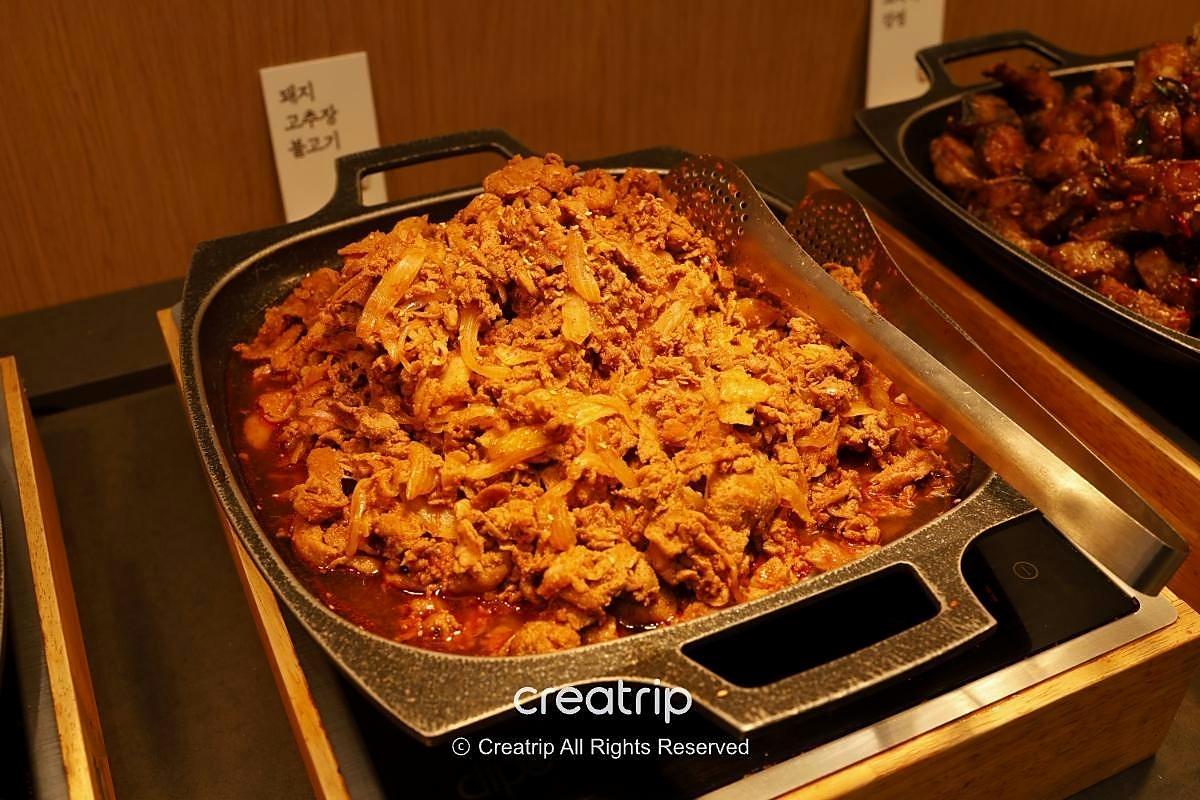
My personal favorite was the gochujang-marinated pork bulgogi. The spicy and sweet sauce was well absorbed into the meat, making it perfect with rice. It was even more delicious when wrapped in the fresh lettuce provided alongside it, together with ssamjang.
This is also a great chance for foreign travelers to naturally experience ssam, a popular Korean dining tradition, so we highly recommend trying the meat this way!


In addition to fresh leafy greens for wrapping, there was also a salad bar and mild Korean chili peppers, so you could enjoy a variety of accompaniments according to your preferences. They were especially refreshing with rich dishes such as meat and fried food, adding a crisp, fresh flavor that helped cut through the greasiness.
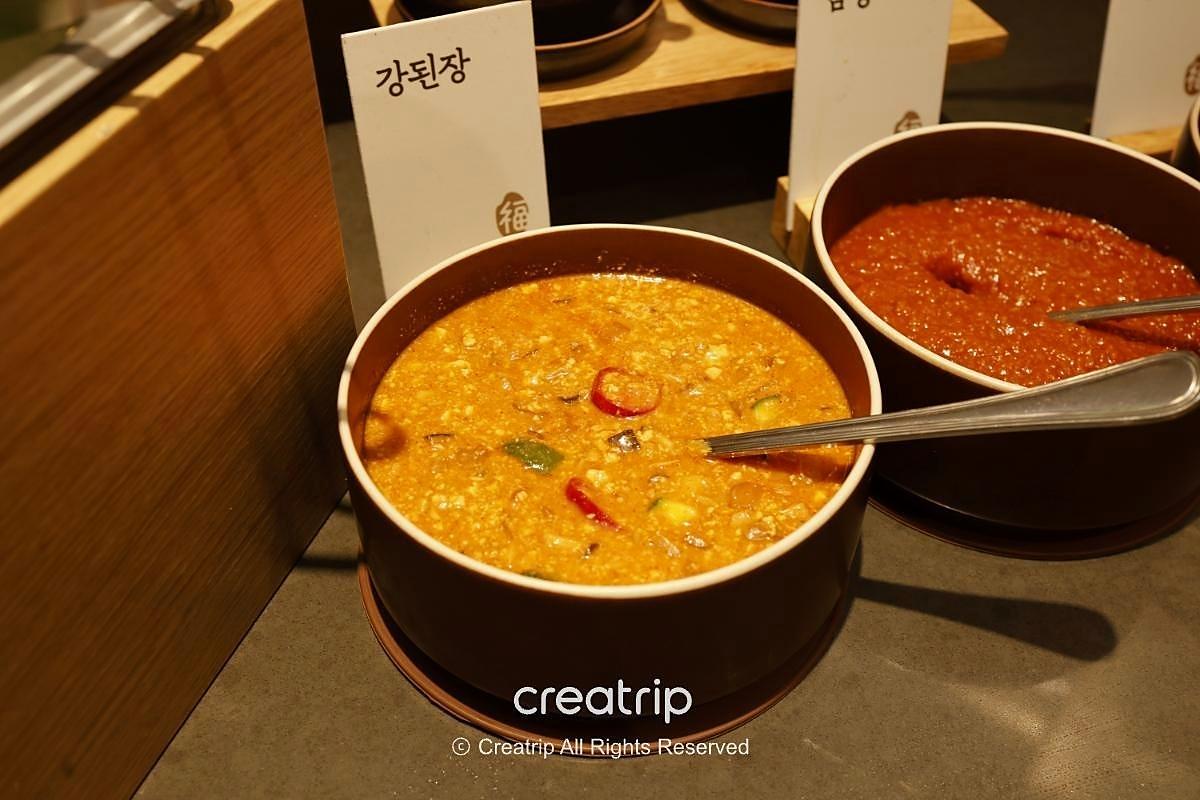
There was also gangdoenjang, a Korean soybean paste sauce cooked down until thicker than regular doenjang. It has a savory, salty flavor and a rich aroma. You can mix a little into your rice, or enjoy it with rice and fresh leafy greens as ssam. Dipping the mild chili peppers into gangdoenjang was especially delicious, as the crisp texture paired perfectly with its savory flavor for an authentic Korean experience!


With families visiting with children in mind, a variety of kid-friendly dishes were also available. Children could choose from easy-to-enjoy side dishes such as chicken nuggets, roasted seaweed, stir-fried anchovies, and quail eggs according to their tastes.
With everything from Korean dishes for adults to side dishes children love, it was a great place for the whole family to enjoy a meal together!
- Korean Side Dishes


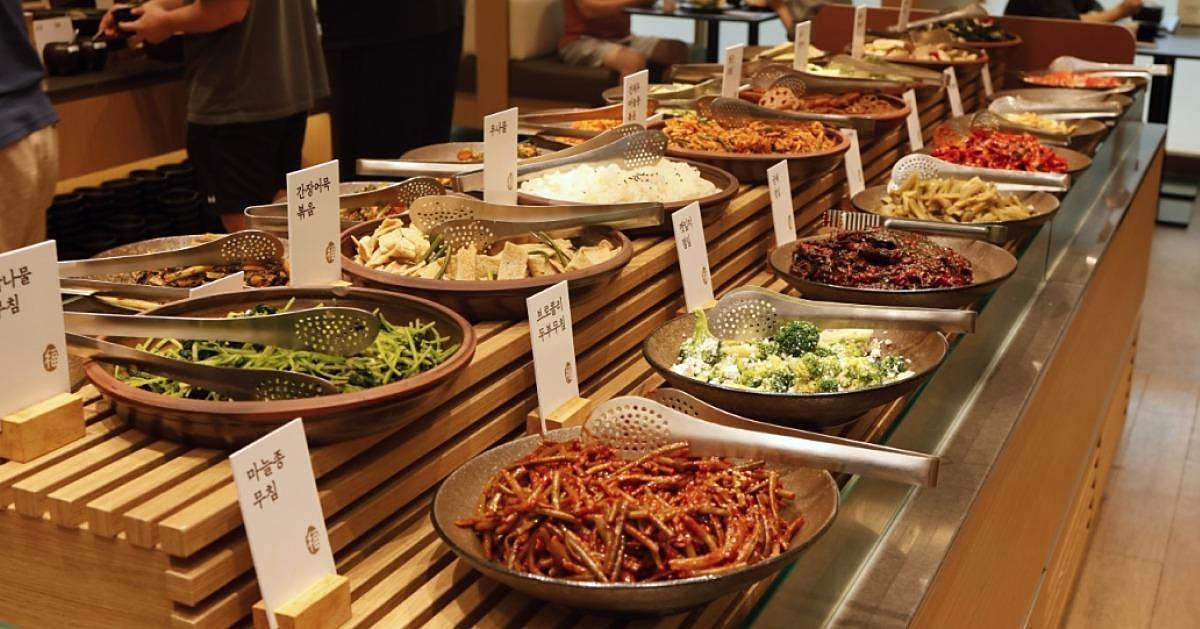
When it comes to Korean food, you can't leave out the wide variety of side dishes! Along with ingredients that are perfect for adding to bibimbap, such as stir-fried mushrooms, stir-fried zucchini, and bean sprouts, there was also a broad selection of familiar side dishes commonly served in Korean homes.
Choosing your favorite ingredients and mixing them with rice is a satisfying and healthy way to enjoy plenty of vegetables as part of your meal. Since you can try several different vegetable dishes at once, this is also a great introduction to Korean home-style cooking.


There was everything from the most classic napa cabbage kimchi to mustard leaf kimchi, known for its sharp aroma and crisp texture; young radish kimchi, made with the leaves and stems of young radishes for a cool, refreshing flavor; and musaengchae, shredded radish seasoned with a sweet, sour, and spicy dressing.
Although they may look similar, each dish has slightly different ingredients, textures, and flavors, making it fun to compare and sample several types of Korean side dishes at once.


In addition to warm Korean dishes and a variety of side dishes, there were also chilled dishes and seasoned salads to refresh your palate between bites.
The first dish that caught my eye was chilled jellyfish salad! The jellyfish had a distinctive crunchy texture, complemented by crisp vegetables, creating a completely different appeal from the other warm dishes. Its tangy, refreshing flavor helped cleanse the palate when enjoyed between different dishes.
The seasoned seaweed and cucumber salad combines tender seaweed with crisp cucumber. Its light, refreshing flavor paired especially well with meat and other hearty main dishes.
Enjoying these cool chilled dishes and seasoned salads between warm, hearty foods made it easy to experience a variety of flavors and textures, even on a single plate!
- Soups & Warm Dishes


Once you've chosen your side dishes and main dishes, don't forget to add a warm soup! Bokjugeok offers a variety of soups and stews commonly enjoyed in Korean homes, so you can choose according to your taste.
The selection included kimchi stew with a spicy, deep flavor; young cabbage doenjang soup, which was savory and comforting; and dried pollock and seaweed soup, combining mild dried pollock with seaweed. Enjoying them with rice made the meal even more satisfying and gave me the feeling of having a proper Korean home-style meal.
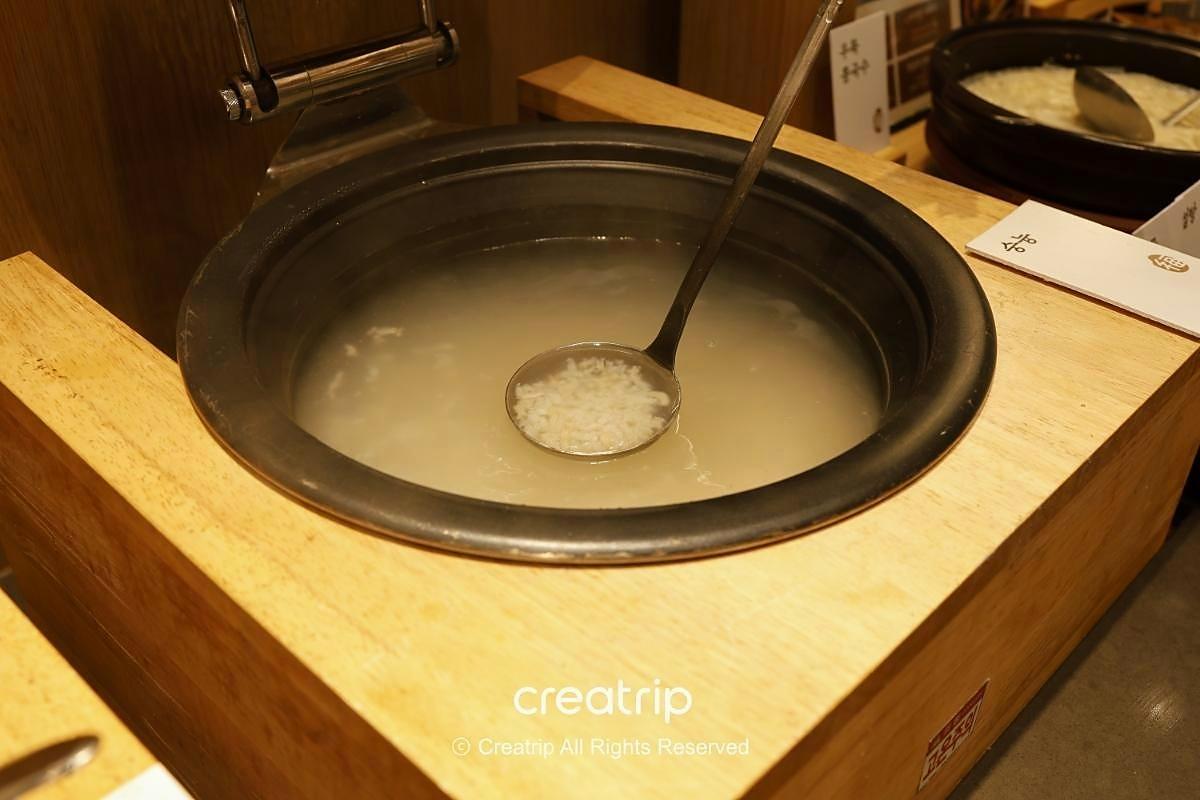
Don't miss the warm sungnyung to finish your meal! Sungnyung is a traditional Korean dish made by adding water to the pot used to cook rice and boiling it. It has a mild, nutty flavor and a smooth texture. Finishing a hearty meal with warm sungnyung felt soothing and comforting.
- Desserts & Other Dishes
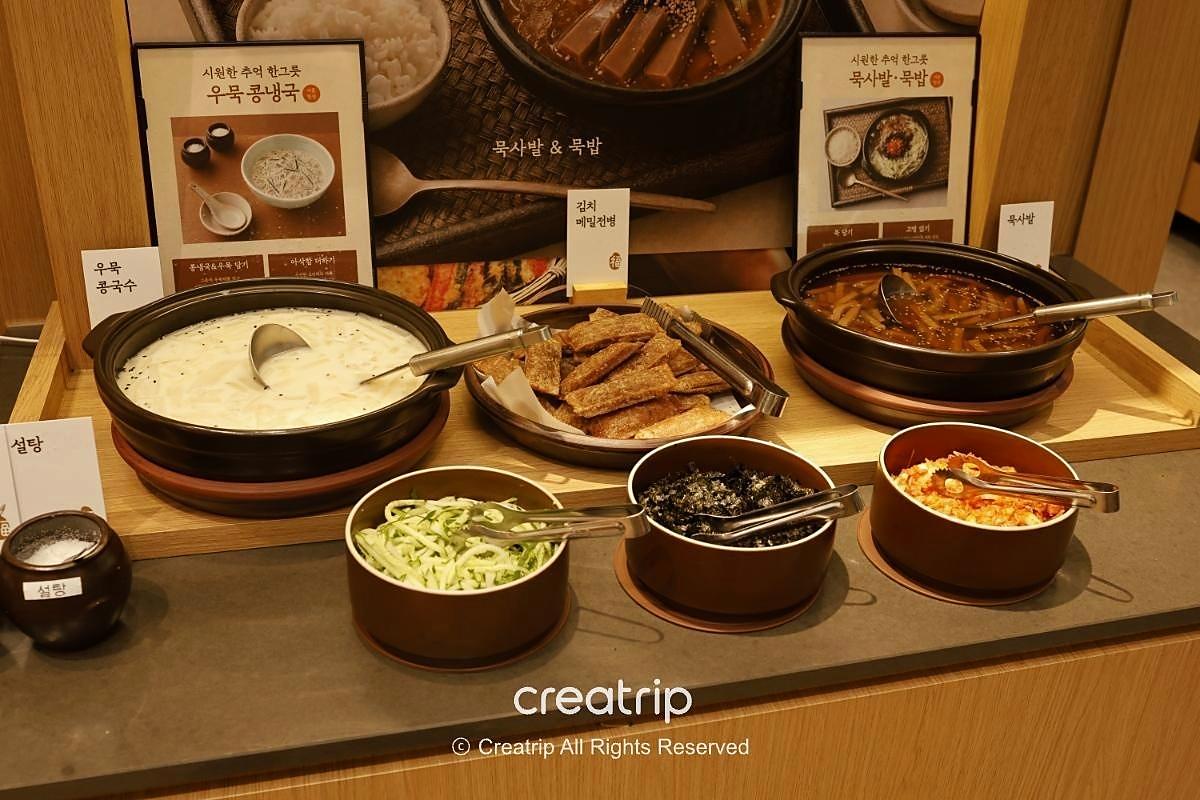
After enjoying a hearty selection of main dishes, side dishes, and warm soups, it's time to explore the final section! Bokjugeok offers not only classic Korean dishes, but also light specialties and various items to enjoy after your meal.


The first dish to catch my eye was chilled umuk kongguksu. Kongguksu is a classic Korean summer dish made with noodles served in a creamy broth of finely ground soybeans. At Bokjugeok, it is served with umuk, a soft, springy jelly, for a slightly different take on the dish.
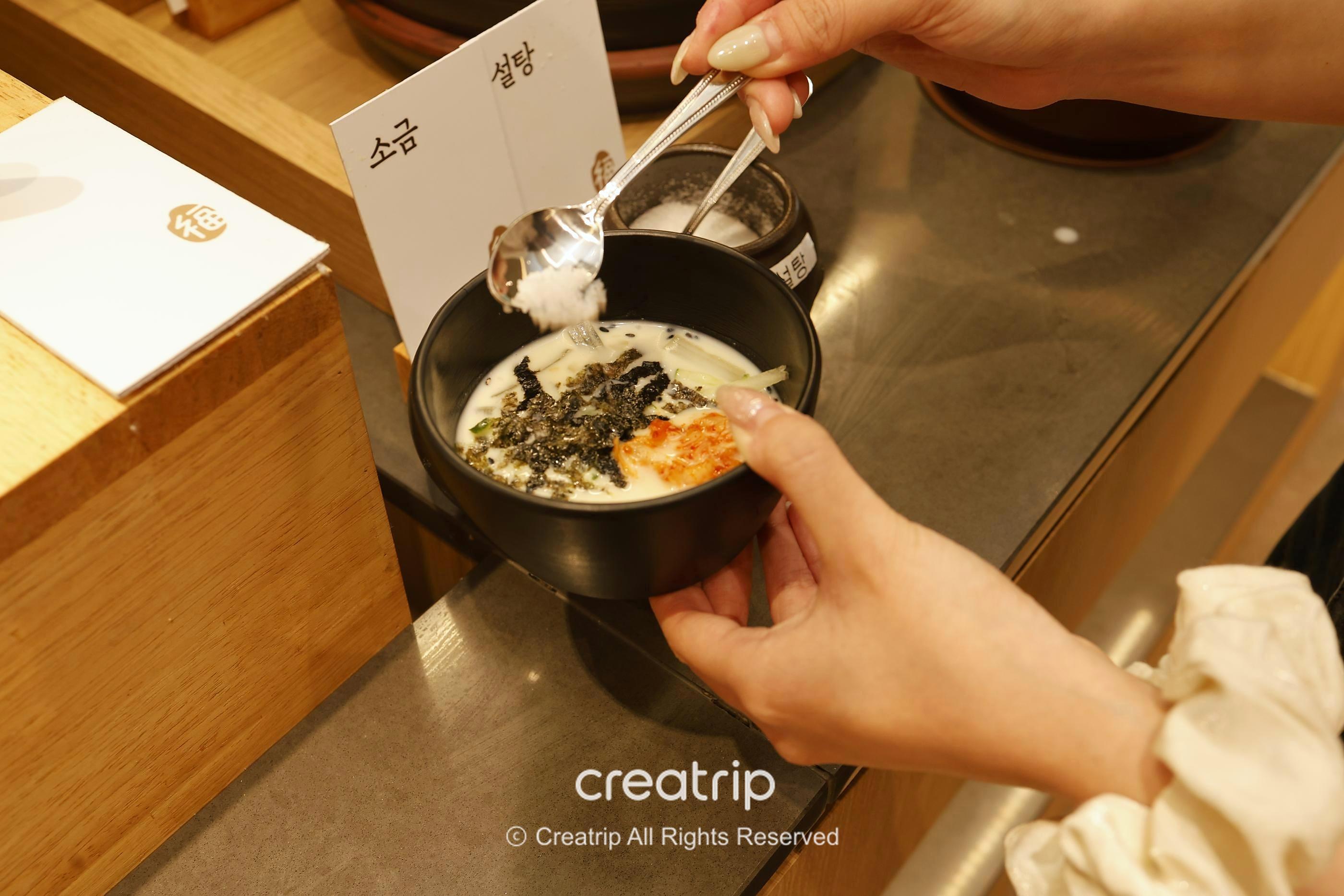
There is also a fun debate that often comes up in Korea when eating kongguksu: "Salt or sugar?"
Depending on the region and personal preference, some people add salt for a savory, nutty flavor, while others add sugar for a sweeter taste. Even in Korea, opinions are strongly divided, so it often becomes a topic of conversation when people eat kongguksu.
If you're trying it for the first time, we recommend tasting the soybean broth on its own first, then adding salt or sugar according to your preference to enjoy it your way!
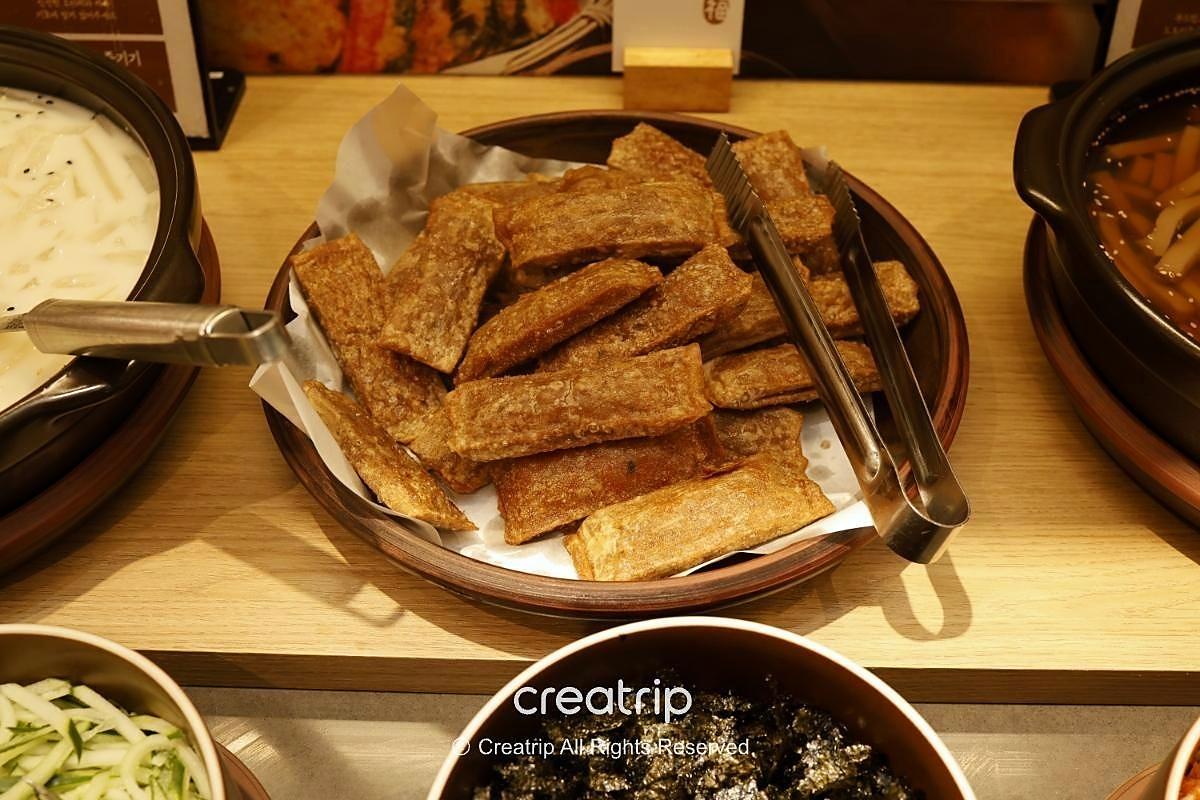
Another specialty is kimchi buckwheat pancake rolls. They are made with kimchi and other fillings wrapped in a thin buckwheat batter. The outside was pleasantly chewy, while the inside had the rich, savory flavor of kimchi. Cut into bite-sized pieces, they were easy to enjoy alongside other dishes and paired perfectly with a buffet where you can sample a little of everything.
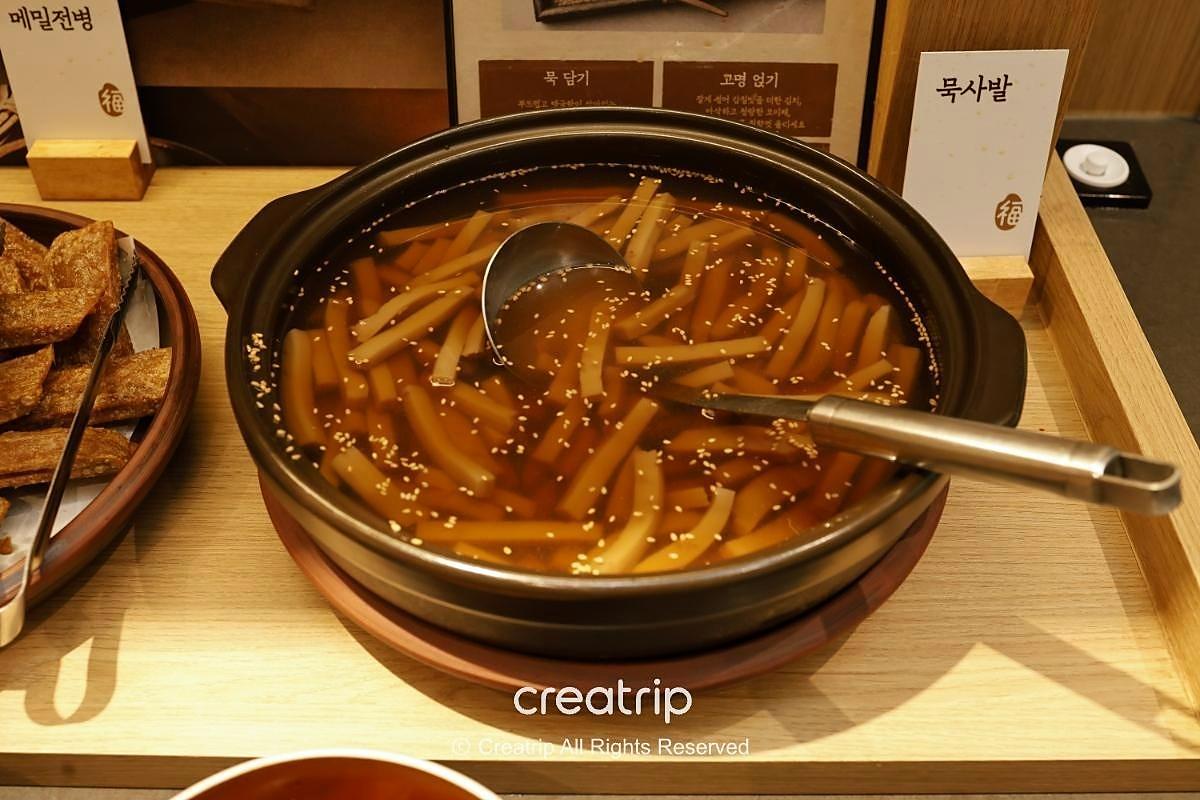
If you enjoy cool and refreshing dishes, don't miss muksabal! Muksabal is a Korean dish made with soft, springy acorn jelly cut into bite-sized pieces and served in chilled broth. The jelly itself has a mild flavor, but when enjoyed with the broth and various toppings, you can experience a refreshing, tangy taste along with a variety of textures.
After eating several warm dishes and hearty main courses, having a bite of muksabal left my palate feeling refreshed, making it a great dish to enjoy between courses. In Korea, it is especially popular as a refreshing dish on hot days.


There is also a fun snack you shouldn't miss at the end of your meal, freshly made puffed rice snacks!
Ppeongtwigi is one of Korea's classic nostalgic snacks, made by puffing up rice or grains using heat and pressure. Light, crispy, and mild in flavor, it was easy to pick up and enjoy even after a filling meal.
For Koreans, it is a familiar snack that brings back childhood memories. For foreign travelers, it is a fun way to experience a traditional Korean snack culture that may not be easy to encounter elsewhere.
After filling up on a variety of Korean dishes, finish your Korean-style meal with a crispy puffed rice snack!
- Seasonal Menus That Change with the Seasons and Holidays
In addition to a variety of Korean dishes available every day, Bokjugeok also offers seasonal menus inspired by Korea's seasons and traditional holidays. Since the menu changes depending on when you visit, one of the restaurant's special appeals is that you can naturally experience Korea's seasonal foods and holiday culture.
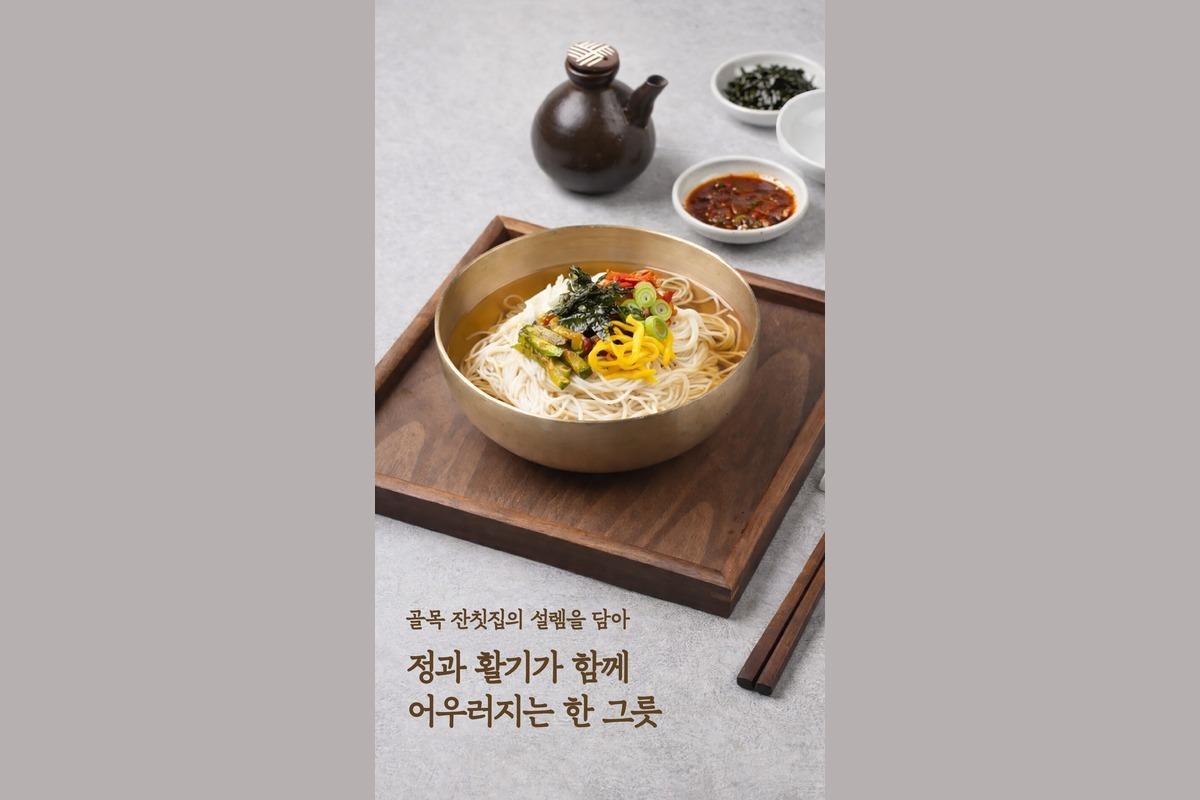
In summer, refreshing noodle dishes are available. Served with thin noodles and various toppings in a cold, clean-tasting broth, they are light and refreshing even on hot days.
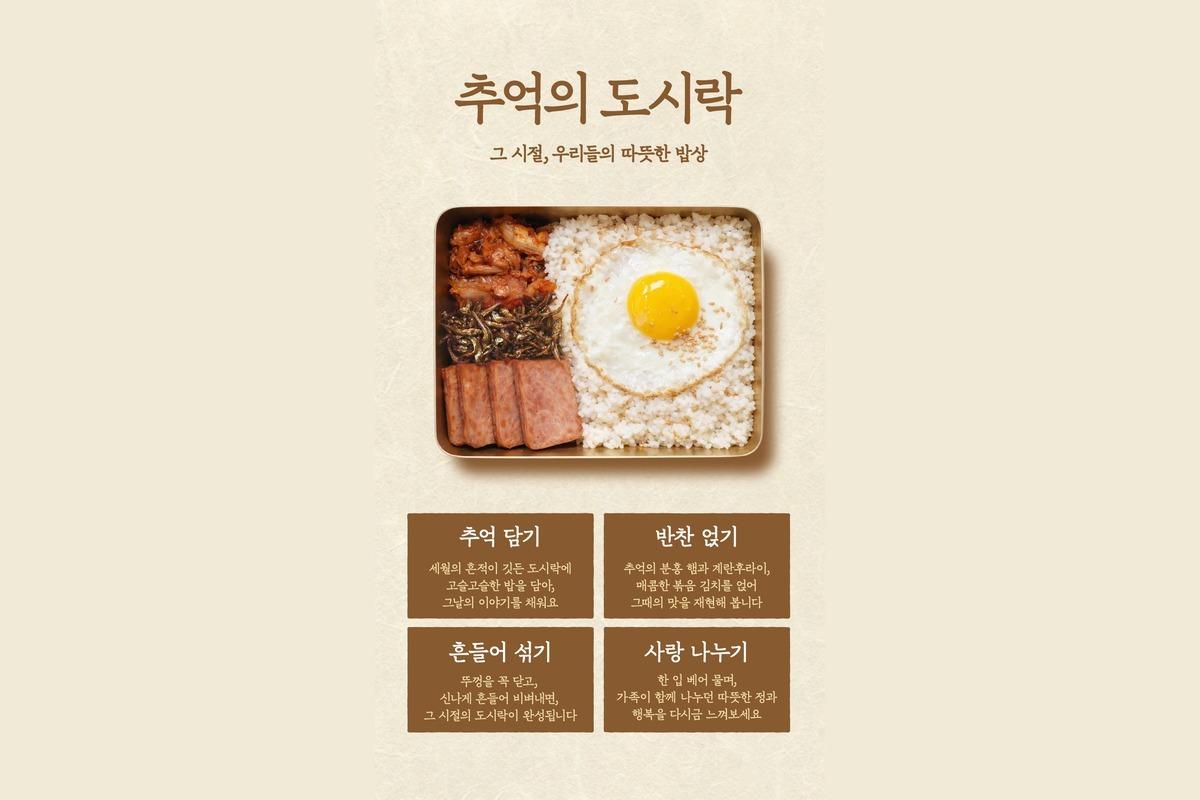
You may also find nostalgic old-fashioned dishes that are familiar to Koreans, such as the nostalgic lunchbox, depending on the season. Rice, a fried egg, ham, stir-fried kimchi, and stir-fried anchovies are placed in a lunchbox, which is then closed and shaken before eating. It's a fun way to experience Korea's old-fashioned lunchbox culture firsthand.
The nostalgic lunchbox set is a signature seasonal menu from the bunsik section and will be available through December 2026. We look forward to sharing the next seasonal menu with you!
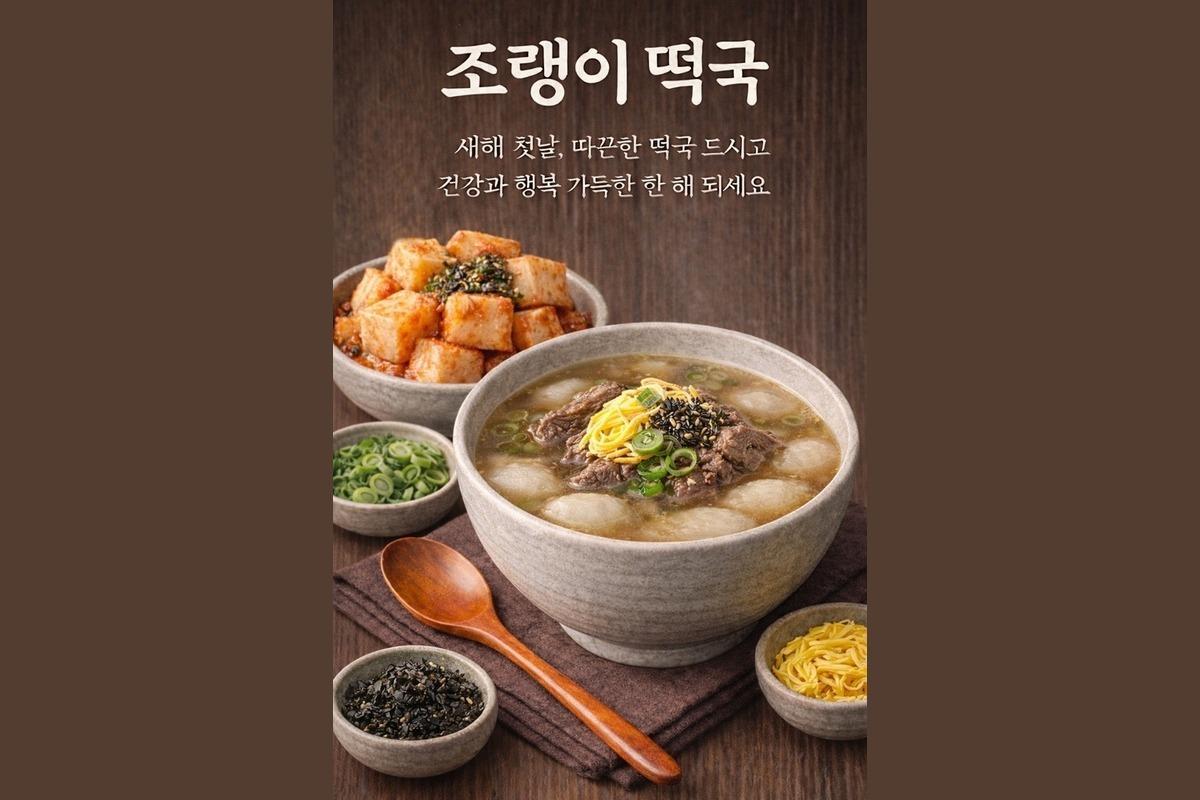
Joraengi-tteokguk is also available for the New Year. This dish is made by boiling small, gourd-shaped rice cakes in warm broth, offering a unique way to experience the Korean tradition of eating tteokguk at New Year.
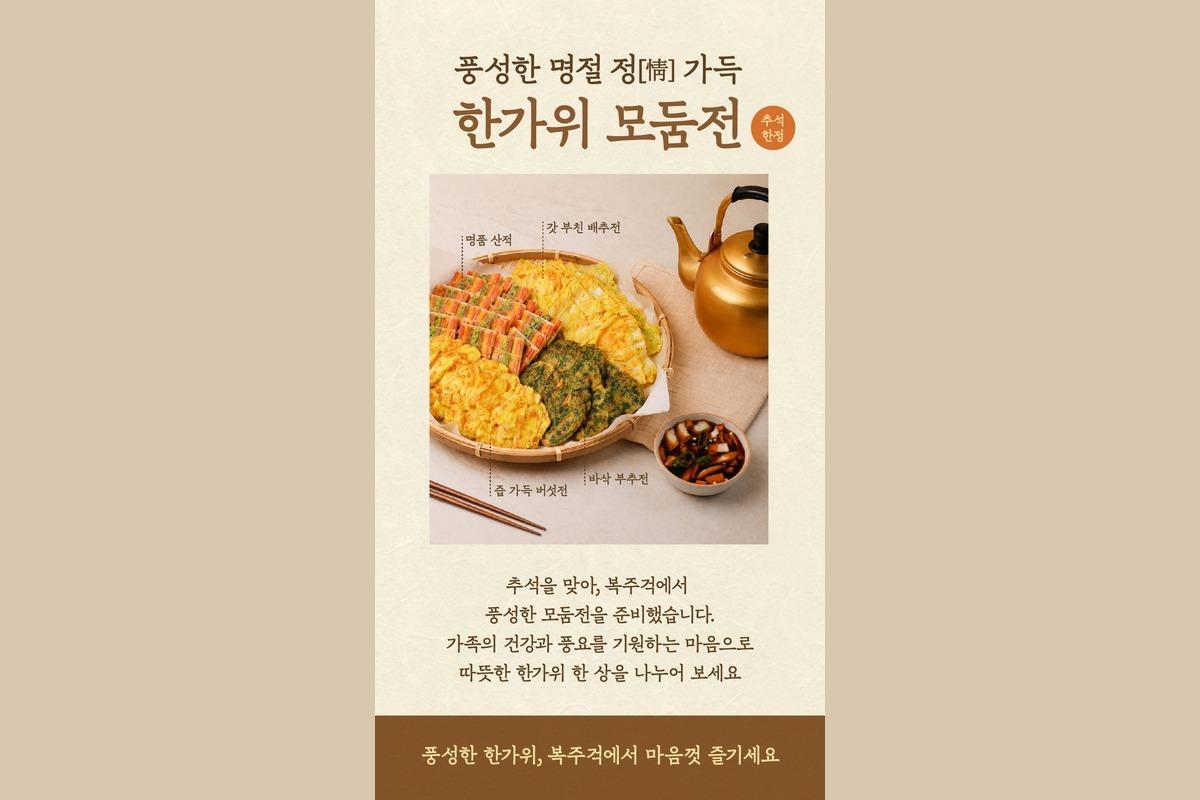 During Chuseok, you can enjoy an assortment of Korean pancakes. A generous selection, including skewered pancakes, napa cabbage pancakes, mushroom pancakes, and chive pancakes, makes it possible to experience a Korean holiday table up close.
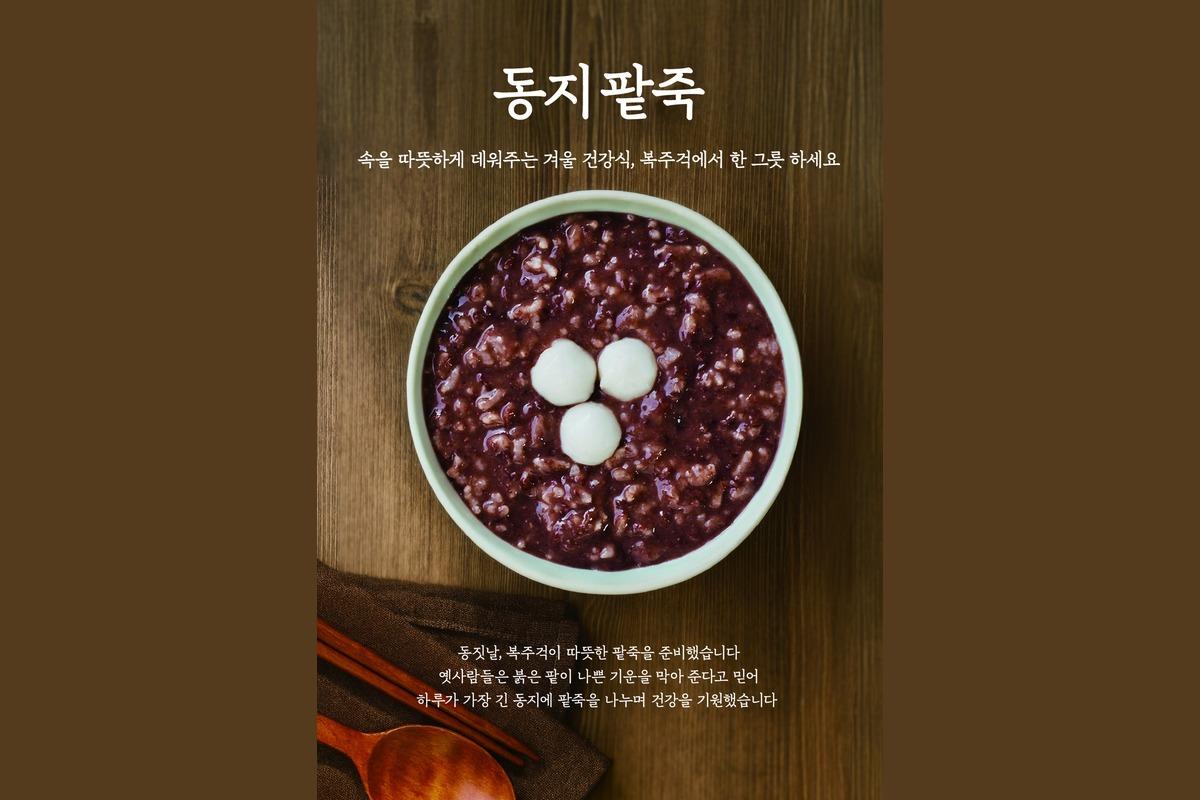
Patjuk is available during the winter solstice. This traditional Korean winter dish is made by simmering red beans into a warm porridge and serving it with sweet rice balls. Since ancient times, red beans have been believed to ward off bad energy, and people have eaten patjuk on the winter solstice while wishing for their family's health.
It was also special that the changing menu allowed visitors to experience new Korean flavors and food traditions depending on when they came!
*Seasonal menus may vary depending on the time of your visit and the restaurant's daily situation.
Enjoy a Clean and Comfortable Meal
After tasting a variety of dishes one by one, we soon felt pleasantly full. We were also impressed by how clean and well maintained the restaurant and dining area were throughout our meal.
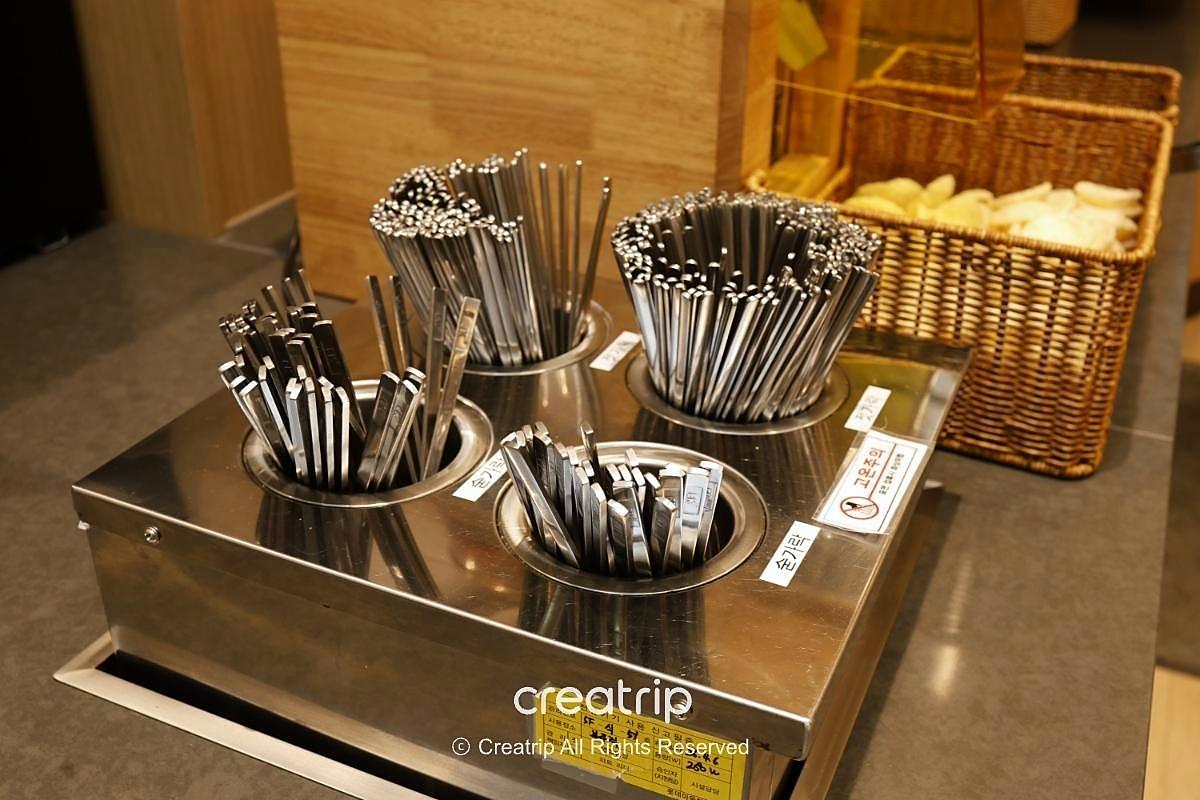 Since buffets are shared spaces used by many people, cleanliness is especially important. From the food stations to the tables, everything was neat and well organized, allowing us to enjoy our meal in comfort.
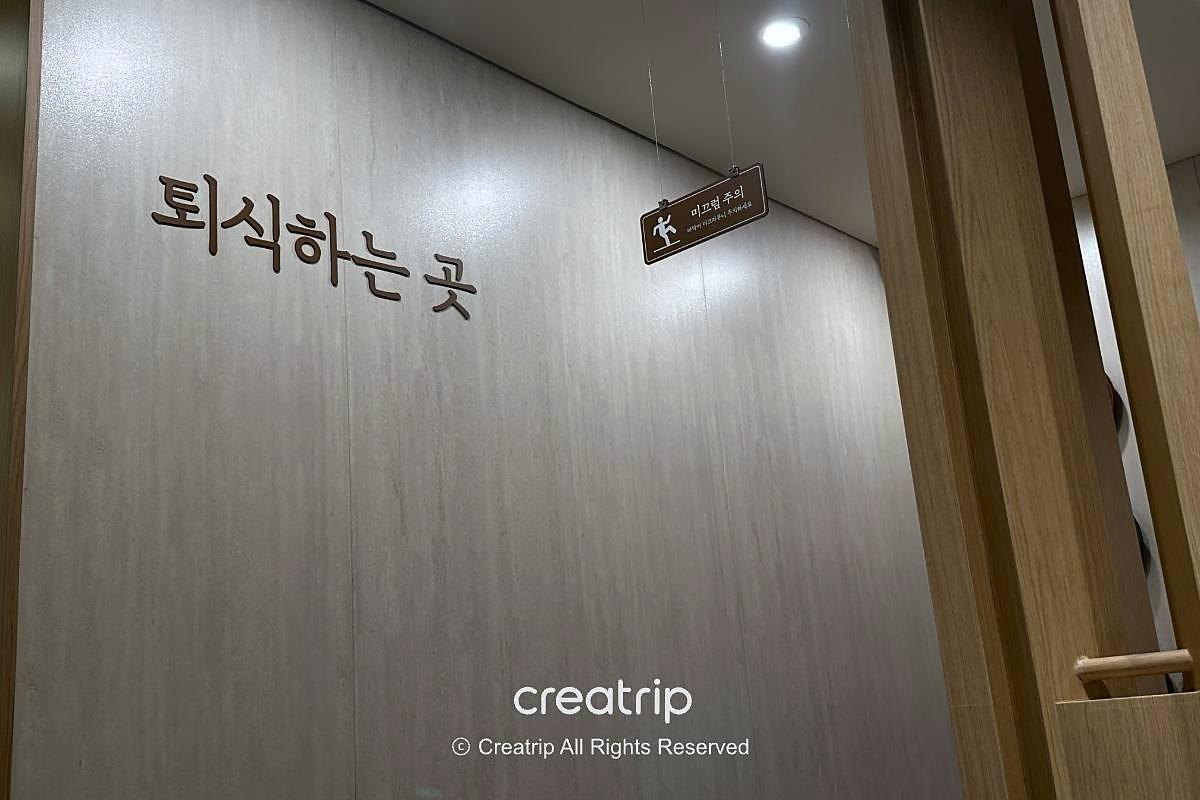
After finishing your meal, simply take your used plates and utensils to the dish return station. The process was easy to follow: help yourself to the dishes you want, then return your used tableware when you are finished.
If you are visiting for the first time, remember that you should return your used dishes to the dish return station instead of leaving them on the table after your meal.
After enjoying as much Korean food as we wanted and finishing our meal in a clean and organized setting, we felt as though we had experienced an everyday Korean meal for ourselves.
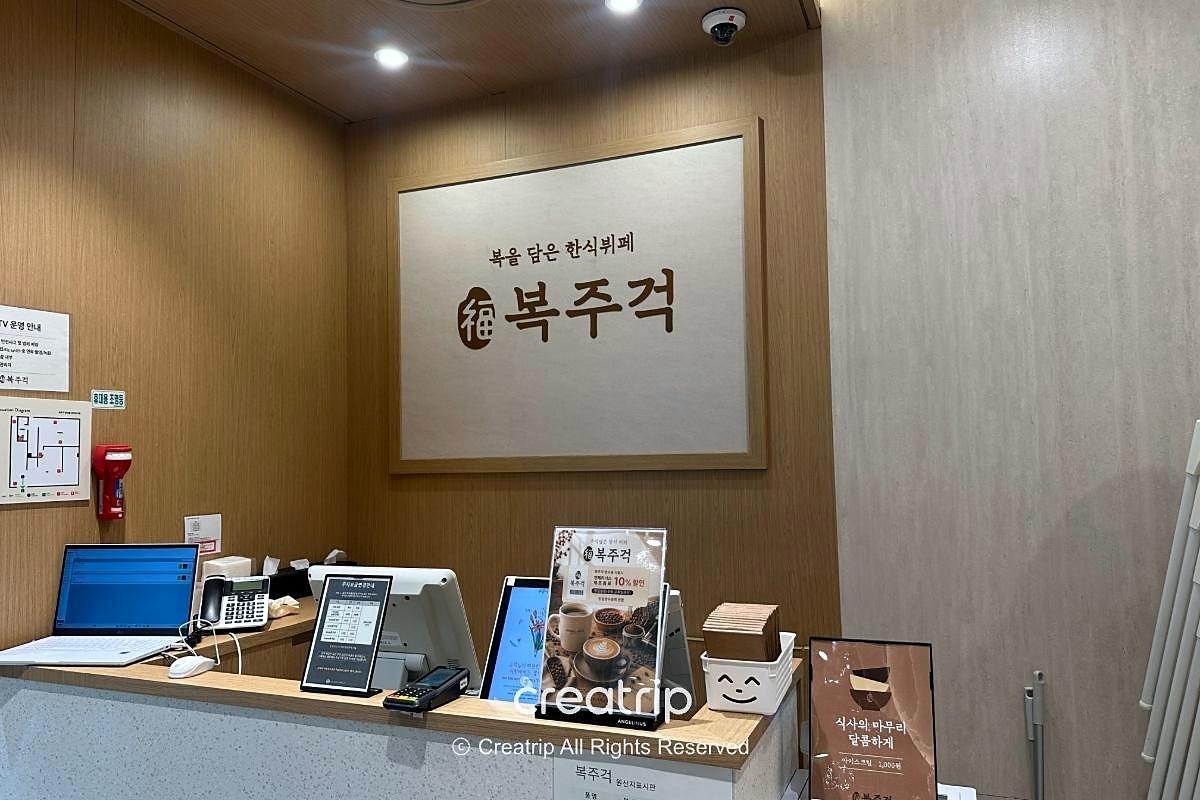
Bokjugeok Lotte Mall Gwangmyeong was a great place to naturally experience Korea's everyday home-style dining culture while enjoying as much Korean food as we wanted.
In addition to warm rice and soup, a variety of main dishes and side dishes, you can also enjoy distinctly Korean offerings such as yangpun bibimbap that you mix yourself in a large bowl, sungnyung (scorched rice tea), muksabal (acorn jelly soup), and puffed rice snacks.
There is also a seasonal Memory Zone and a Kids Zone, making it a great place to visit with friends, a partner, or the whole family.
If you have ever wondered, "What do Korean people usually eat?" during your trip to Korea, visit Bokjugeok, try a variety of home-style dishes, and find your own favorite Korean food! 💛