
Korea Dermatology Aftercare: 8 Pharmacy Picks for 2026
What to buy at Korean pharmacies after laser, IPL, pico laser, or lifting treatments—plus what travelers should ask a pharmacist.

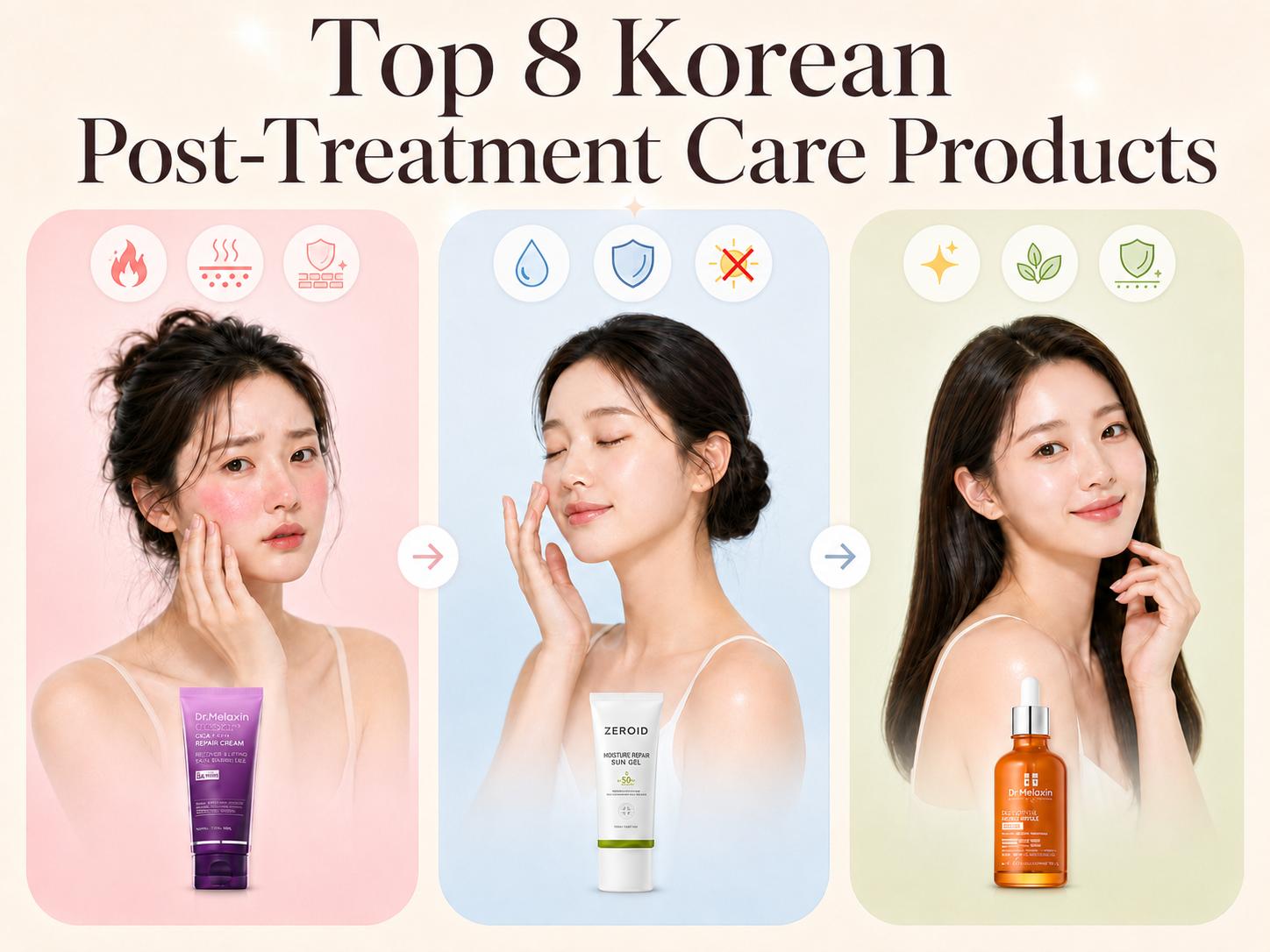
- What should you buy after a dermatology treatment in Korea?
- Post-treatment skincare by recovery stage
- 8 Korean pharmacy aftercare products by skin concern
- Which product is best for your post-treatment skin condition?
- How can foreign travelers buy aftercare products at Korean pharmacies?
- Need Help Finding a Foreigner-Friendly Pharmacy in Korea?
- FAQ: Korea dermatology aftercare for travelers
- Sources and Product Verification
Korea Dermatology Aftercare: 8 Pharmacy Picks for 2026
Getting laser, IPL, pico laser, or lifting treatment in Korea? For most travelers, the essentials after a treatment are simple: gentle moisturizing care, careful sun protection, and avoiding irritating active ingredients until the skin has recovered. In this guide, we will introduce 8 aftercare products you may find in Korean pharmacies, organized by recovery stage and skin concern.
By Jeongeun Shin, Creatrip Editorial Team
Last updated: August 28, 2026
Medical note: This guide is for general travel and shopping information only. Always follow the aftercare instructions provided by your dermatologist or clinic. If you have open wounds, persistent bleeding, severe swelling, blistering, signs of infection, or worsening pain, contact your clinic or seek medical care rather than self-treating. The products in this guide were selected as examples of aftercare options commonly available in Korea, based on their product category, stated ingredients, and relevance to common post-treatment concerns. Their inclusion does not mean that a product is medically recommended, suitable for every procedure, or right for every skin type.
What should you buy after a dermatology treatment in Korea?
As more travelers experience dermatology treatments during their trip to Korea, interest is also growing in how to care for skin properly after a procedure.
After treatments that deliver energy to the skin, such as laser toning, IPL, and pico laser, your skin may temporarily look red, feel dry, or become more sensitive than usual. At times like this, rather than adding multiple functional skincare products, it is important to focus on hydration and moisturizing, supporting the skin barrier, and UV protection based on your current skin condition.
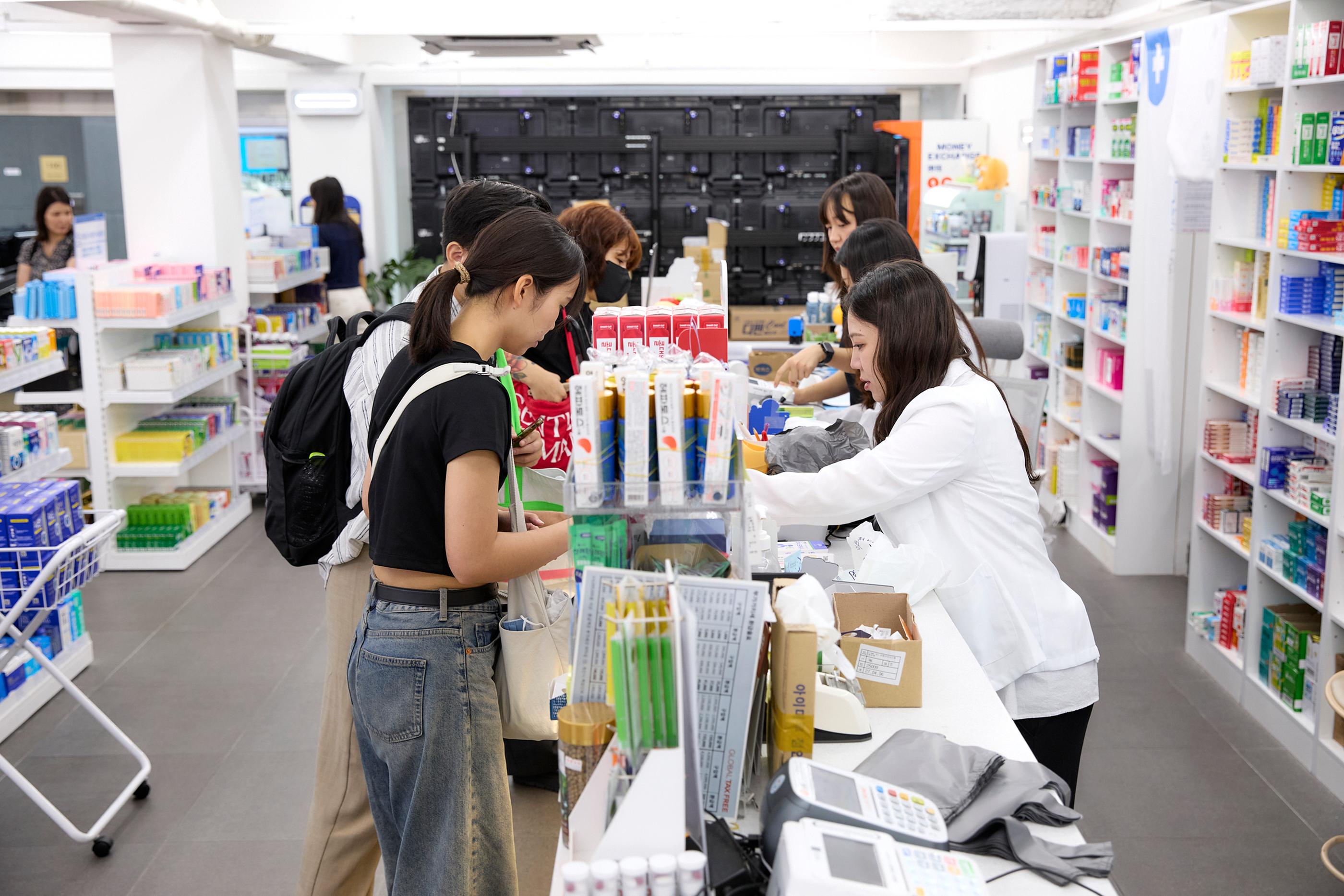
Korean pharmacies have more than just general skincare. You will find dermacosmetics built specifically for skin barrier support, hydration, and sensitive skin, alongside OTC medications for wound care. As interest in post-procedure skincare has grown, many people in Korea look for what is commonly called "regeneration cream."
However, it's not really about finding one magic "regenerating ingredient." It's about matching the product to the actual procedure you had and your skin's current condition.
So in this guide, we are breaking down the top 8 pharmacy aftercare products in Korea, organized by post-treatment skin conditions, step by step.
Post-treatment skincare by recovery stage
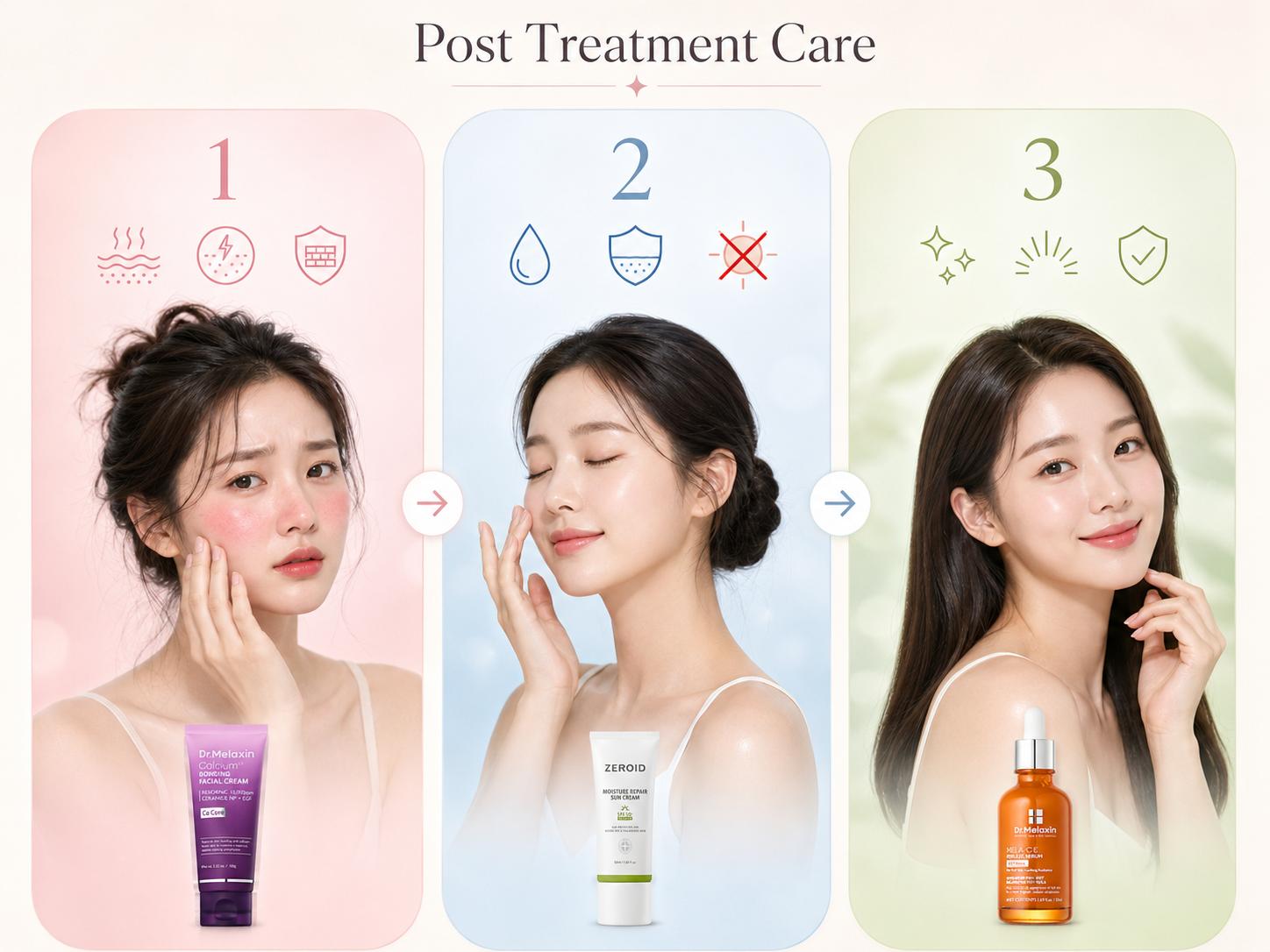
After a dermatology procedure, your skin changes over time, so rather than sticking with the exact same skincare routine, it is best to adjust your care based on each stage of recovery.
Stage 1: Right after treatment — soothe, moisturize, and protect
Right after the procedure, your skin may look redder than usual or feel warm, and you may notice dryness or tightness. Because this is when your skin may be especially sensitive to external irritation, it is important to keep your skincare routine simple rather than adding lots of active products.
During this stage, help your skin stay comfortable with plenty of hydration and moisture, and focus on strengthening the skin barrier.
- Skin condition: redness, heat, tightness, dryness, sensitivity
- Key care points: hydration, moisturizing, soothing
- Avoid: strong exfoliation, scrubs, retinol, and other irritating active care
If you have open wounds, oozing, or scabs on the skin surface, it is better to follow the instructions from the clinic where you had the procedure before general skincare guidance.
Stage 2: When redness begins to settle — daily UV protection
As the initial redness and heat gradually subside, you can return to everyday activities, but your skin condition may not be fully recovered yet.
In particular, after treatments aimed at improving melasma, dark spots, and overall skin tone, such as laser toning, pico laser, and IPL, UV protection is often especially important.
When going out, pay close attention to sun protection, and continue basic moisturizing care so your skin does not dry out easily.
- Skin condition: redness has decreased, but the skin may be drier or more sensitive than usual
- Key care points: UV protection, maintaining hydration, skin protection
- Avoid: long exposure to sunlight, strong heat stimulation such as saunas and jjimjilbang, excessive friction on the skin
Stage 3: After your skin has fully recovered — tone and antioxidant care
If redness and stinging are gone, and you feel no discomfort when cleansing or doing basic skincare, it is a sign your skin is gradually returning to its usual condition.
From this point, depending on the purpose of your treatment, you can refocus on the skin concerns you originally wanted to manage, such as melasma, dark spots, skin tone, or elasticity.
With functional skincare such as brightening or antioxidant products, it is better to reintroduce them slowly one by one and monitor how your skin responds, rather than adding several at once.
- Skin condition: redness, heat, and stinging have subsided, and your skin is closer to its usual condition
- Key care points: manage existing concerns such as skin tone, dark spots, antioxidants, and elasticity
- Avoid: rather than restarting multiple active products at the same time, add them back step by step
Editor's Tip
If you are visiting a pharmacy right after a treatment, show the pharmacist the aftercare sheet from your clinic instead of only asking for a “regeneration cream.” Korean pharmacies carry both cosmetics and OTC medicines, and the right choice depends on whether your skin is simply dry and sensitive or has an actual wound.
8 Korean pharmacy aftercare products by skin concern
1. Dr. Melaxin Aqua Ion Plasma Hydrating Cream
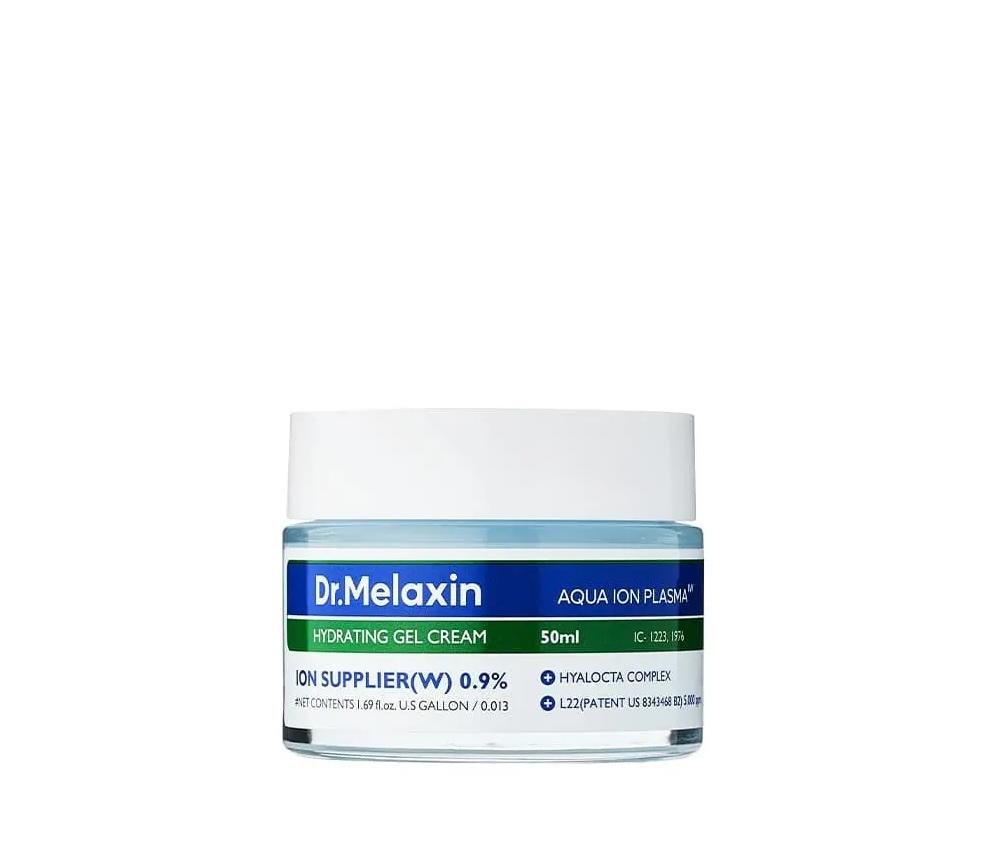
Key care: Hydration, moisturizing
Main ingredients: Hyaluronic acid, moisturizing ingredients
Recommended after: Laser toning, pico toning, IPL, etc.
If your skin feels dry or tight after treatment, a simple moisturizer may be easier to tolerate than a routine with multiple active ingredients. This cream is marketed with hydrating ingredients such as hyaluronic acid. Check the current ingredient list and ask your clinic when it is appropriate to begin using it after your specific procedure.
2. Dr. Melaxin Calcium Bonding Facial Cream
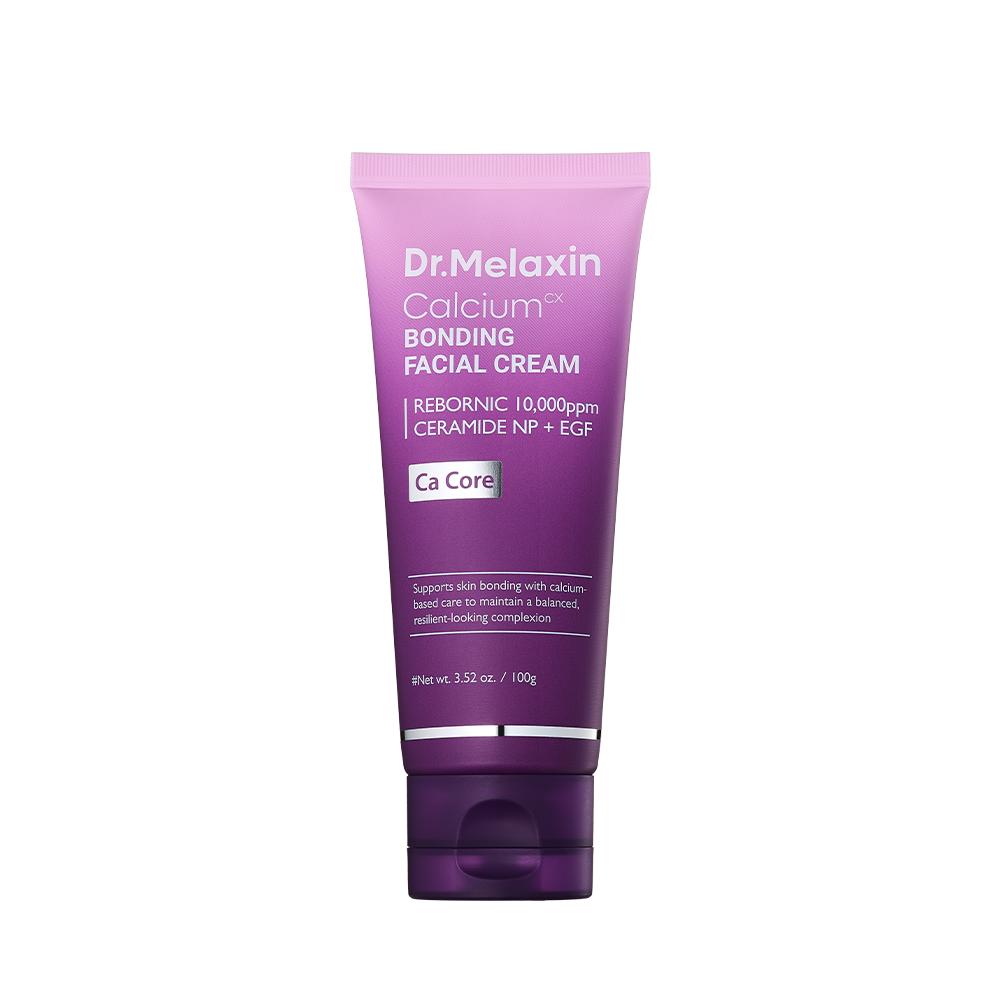
Key care: skin barrier, hydration, elasticity
Main ingredients: calcium, ceramides, panthenol
Recommended after: laser toning, pico laser, radiofrequency, ultrasound lifting, etc.
This cream is marketed with calcium, ceramides, and panthenol, ingredients commonly used in skincare products designed to support hydration and the skin barrier.
If your skin feels dry or sensitive after treatment, this may be an option to ask about once your clinic confirms that moisturizing skincare is appropriate for your recovery stage.
3. Daewoong Pharmaceutical Easyef (EGF) Saesal Ointment
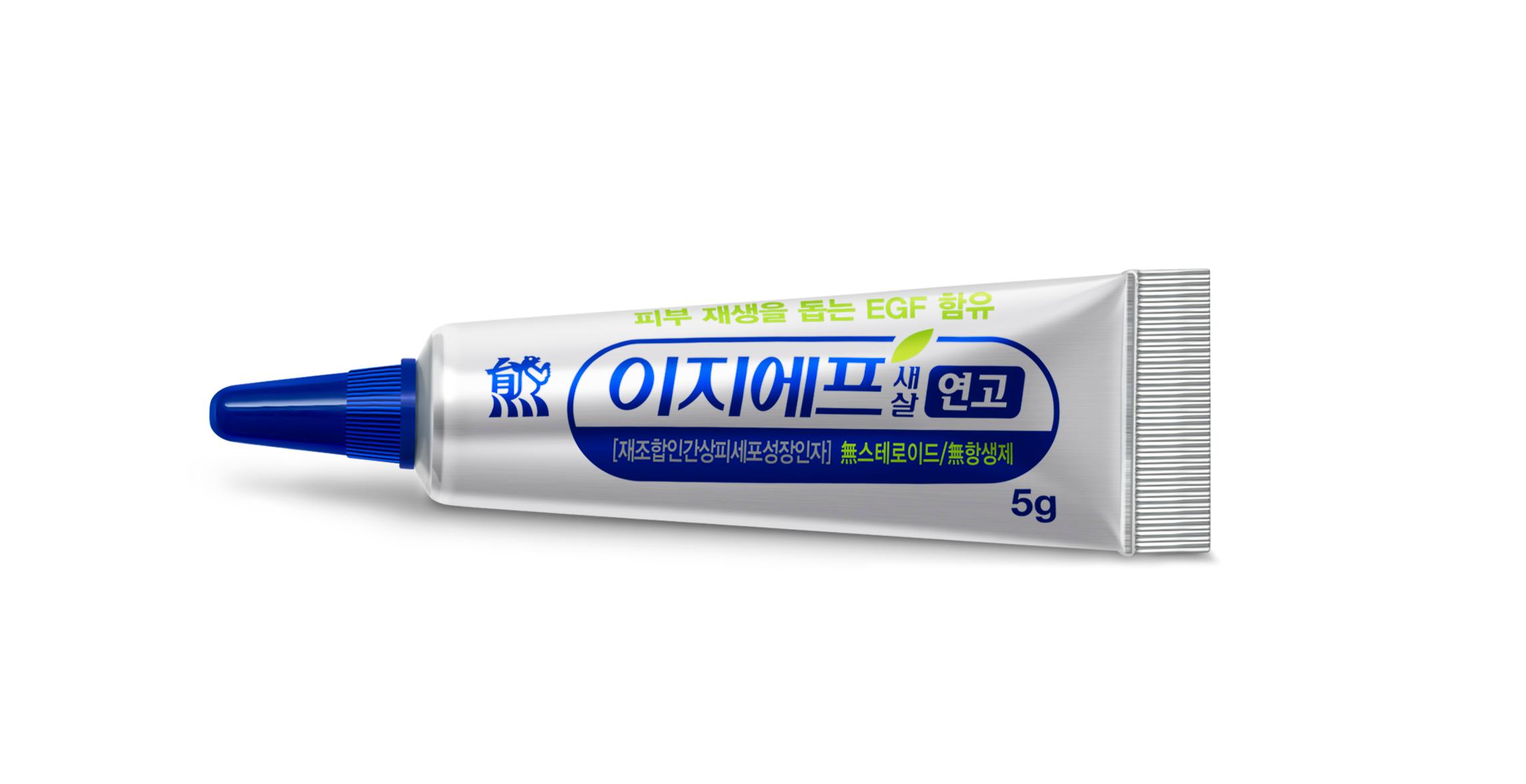
Key care: wound and damaged-skin care
Main ingredient: recombinant human epidermal growth factor (EGF)
Recommended after: laser or skin treatments that may cause surface wounds. Only use after consultation with a pharmacist or clinic.
Easyef Saesal Ointment is an OTC medicine used as an adjunct topical treatment for wounds and skin ulcers. However, it should not be treated as a general “regeneration cream” or used automatically after every laser procedure. If you have broken skin or a visible wound after treatment, ask your clinic or a pharmacist whether this type of medicine is appropriate.
※ Unlike typical moisturizing “regeneration creams,” this is a medication, so it is best to use it after consulting a pharmacist or medical professional. This product must be stored at 2–8°C after use. If you are traveling, ask the pharmacist whether you can transport and store it safely.
4. Zeroid Moisture Repair Sunscreen
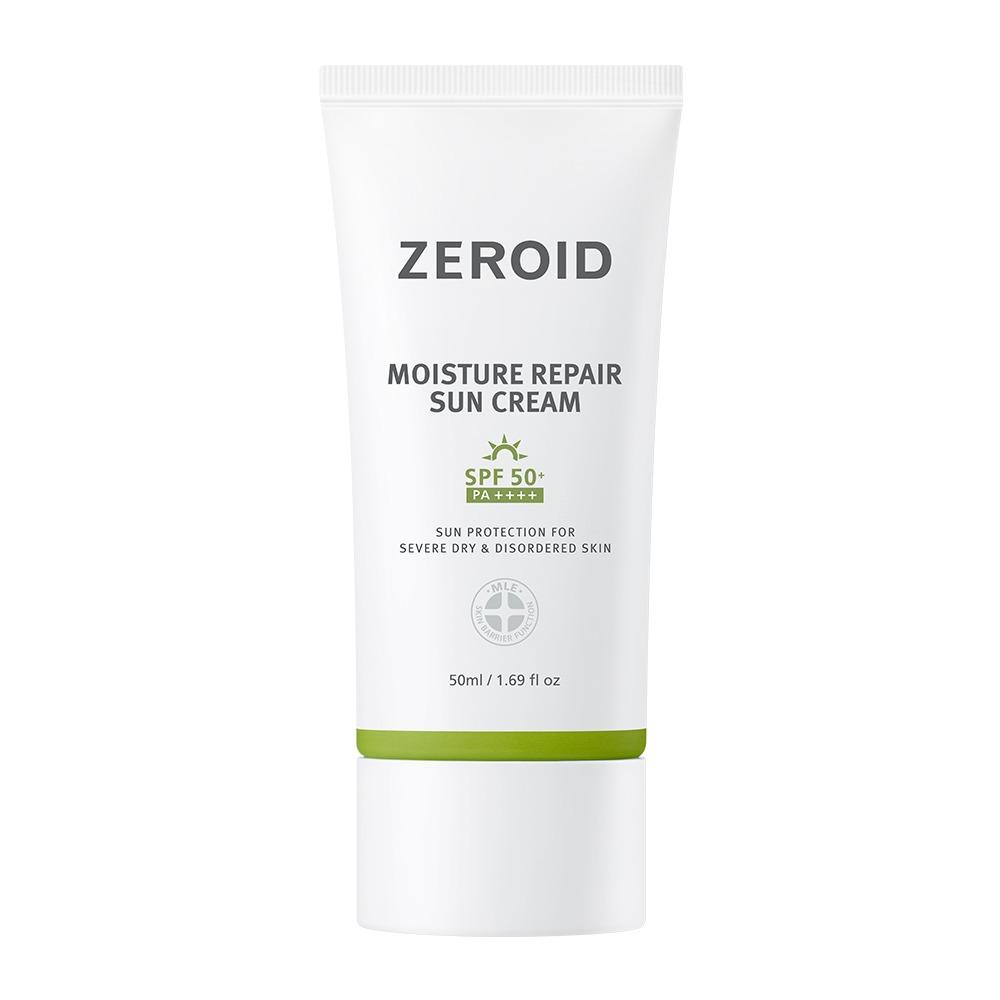
Key care: UV protection, hydration, skin barrier
Recommended after: laser toning, pico toning, IPL, lifting, etc.
This sunscreen is marketed for dry, sensitive skin, and it is designed to provide UV protection while also supporting hydration and the skin barrier. It is a great option when your skin feels drier and more sensitive than usual after a procedure, and you want to take care of both moisturizing and sun protection at the same time.
5. AESTURA DermaUV365 Barrier Hydration Mineral Sunscreen
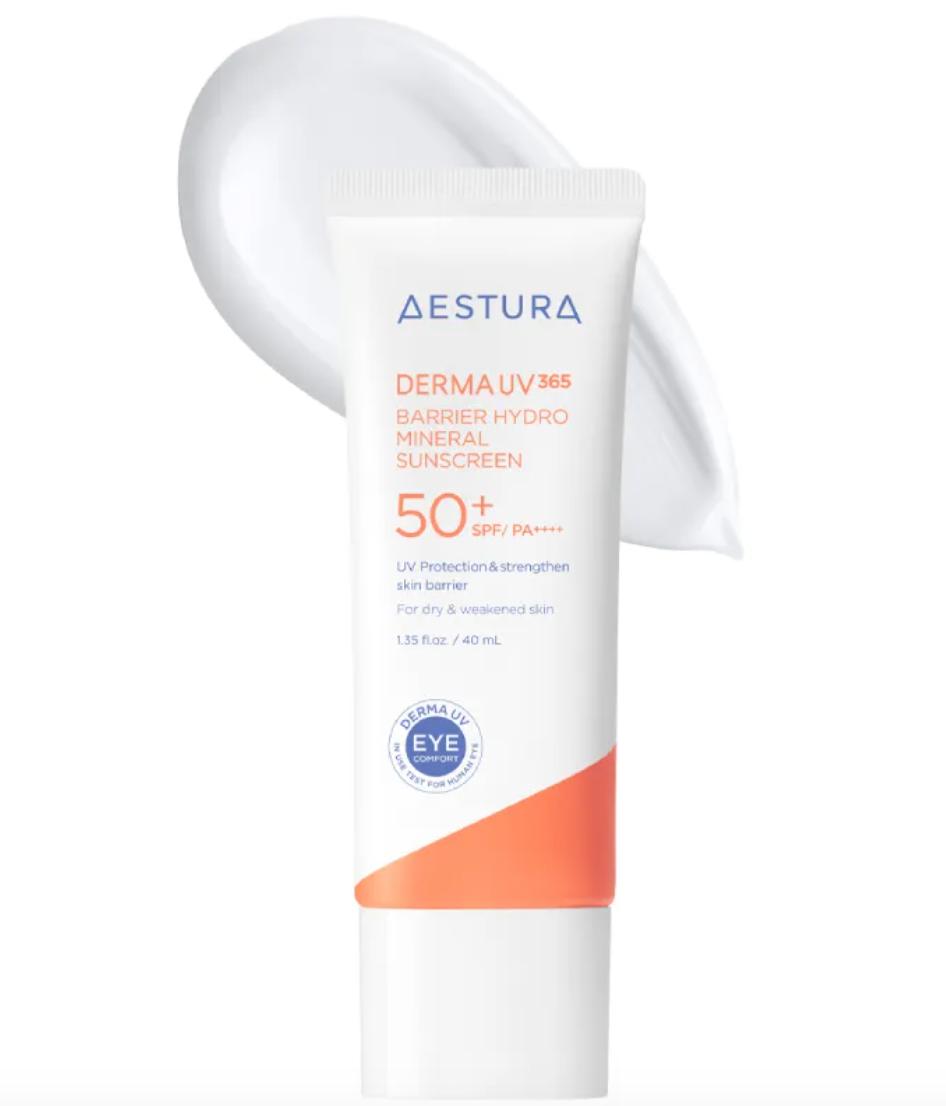
Key care: UV protection, hydration, skin barrier
Recommended after: laser toning, IPL, lifting, etc.
This is a derma-suncare option that works well for people who prioritize skin barrier support and moisturizing.
If your skin gets dry easily after a procedure but you still need UV protection, you can use this sunscreen as an option designed with both barrier care and hydration in mind.
6. Dr.G Green Mild Up Sun Plus
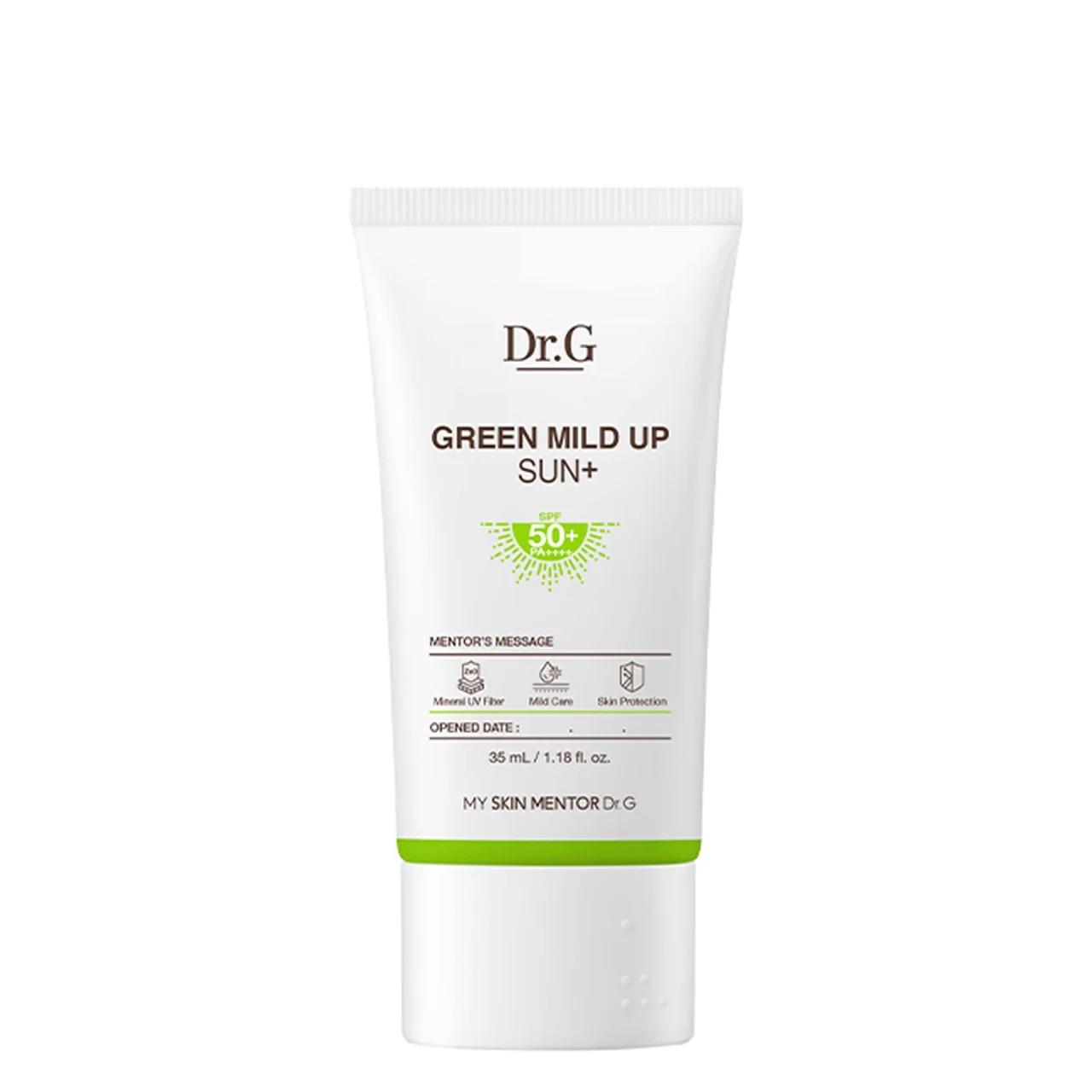
Key care: UV protection, skin protection
Recommended after: laser toning, pico laser, IPL, lifting, etc.
This mineral sunscreen is formulated with zinc oxide, a mineral UV filter commonly chosen by people looking for sunscreen options for sensitive skin. It’s a good option to consider if you want to focus on the essentials after a procedure, namely UV protection, rather than multiple extra functions.
After a procedure, however, the right sunscreen depends on your treatment and current skin condition. Ask your clinic when you can begin sunscreen use and choose a formula that feels comfortable on your recovering skin.
7. Dr. Melaxin TX Cream Professional
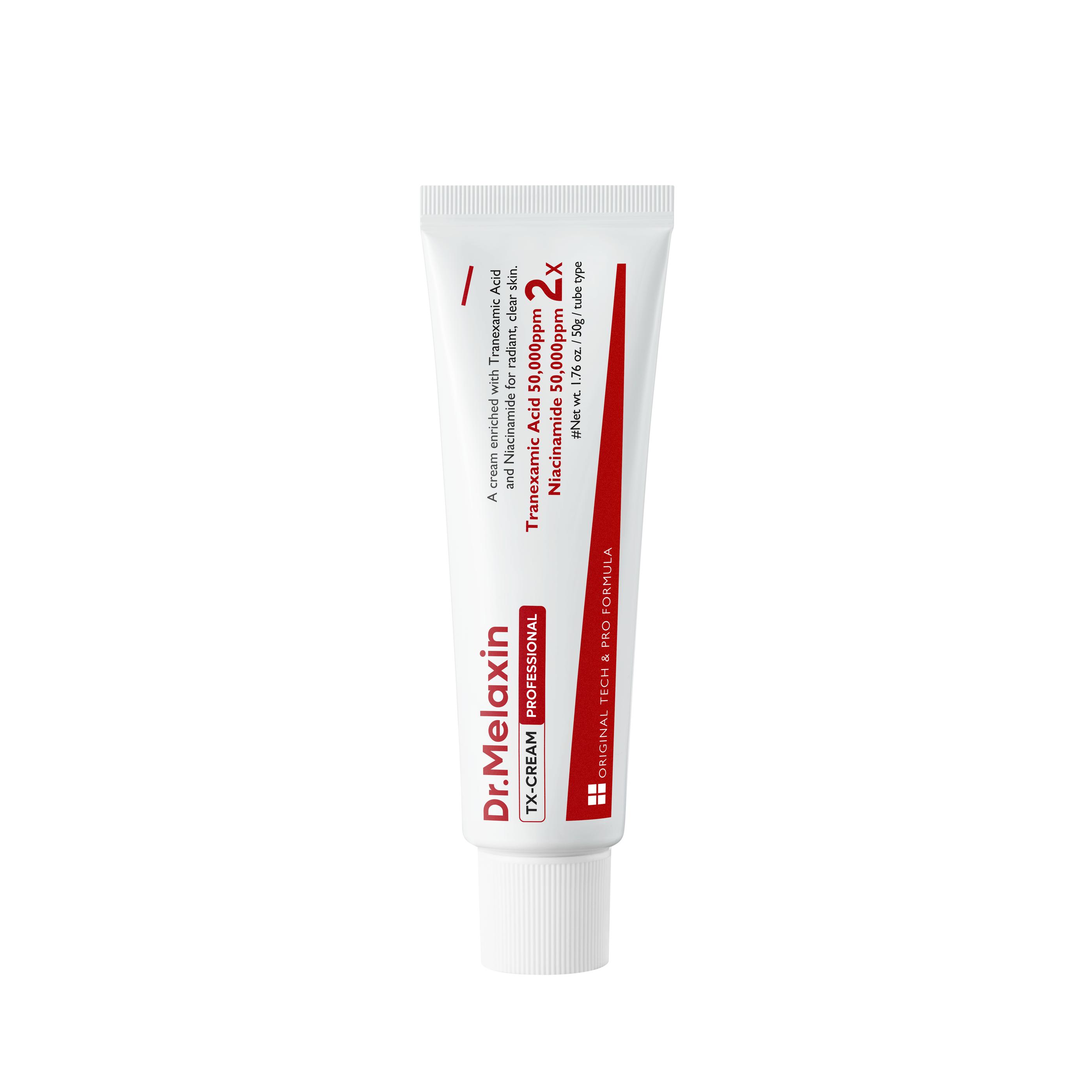 Key care: brightening, melasma, dark spots, skin tone
Main ingredient: Tranexamic Acid
Recommended after: laser toning, pico toning, IPL, etc.
Tranexamic Acid is a well known brightening ingredient commonly used to help manage pigmentation such as melasma and dark spots, as well as uneven skin tone. Dr. Melaxin TX Cream Professional is marketed as an intensive brightening product, helping keep skin hydrated while supporting a clearer, more even looking complexion. Rather than using it right after a procedure, it is best used as a daily brightening product once redness and sensitivity have fully calmed down.
8. Dr. Melaxin Mela CE Ferulic Serum
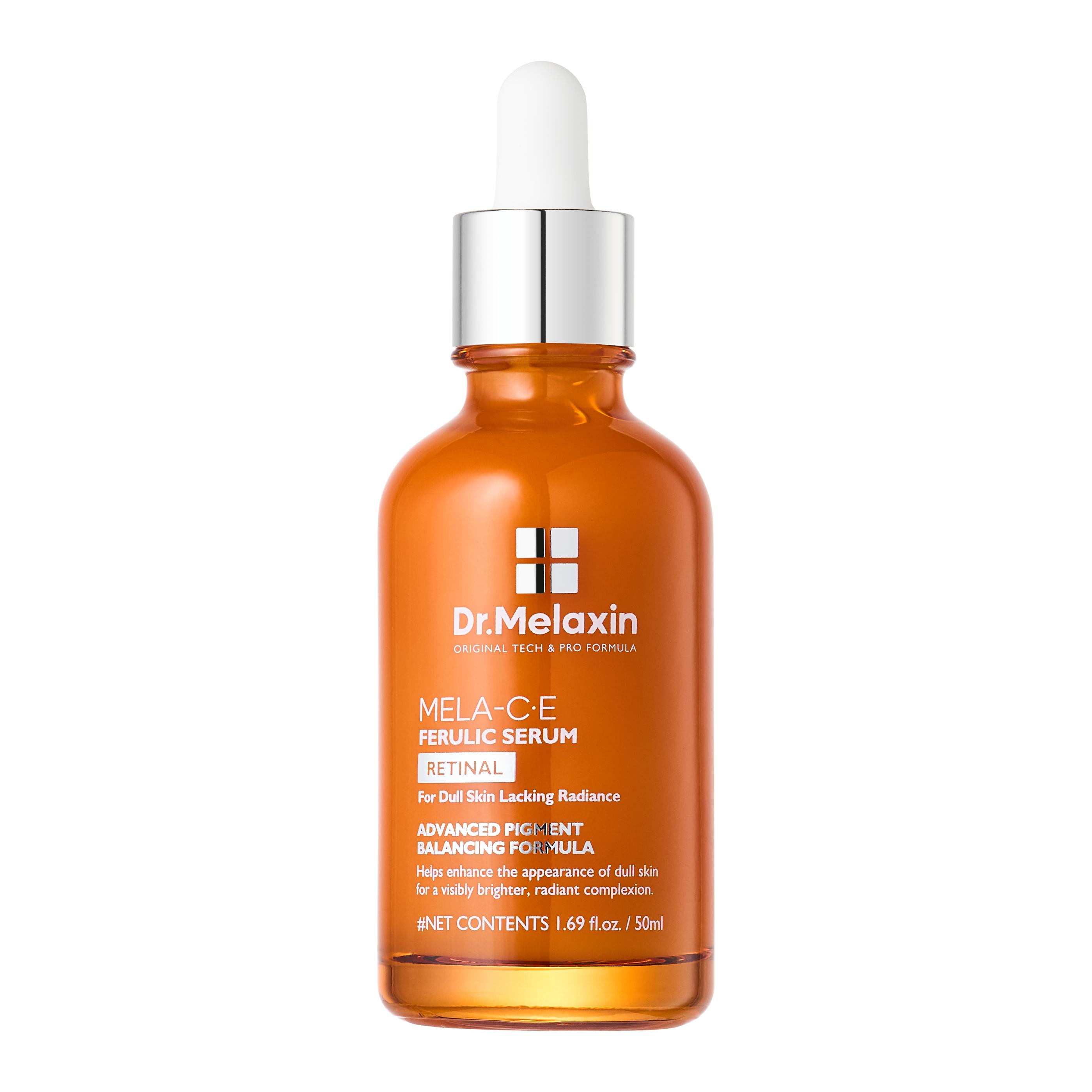
Key benefits: Antioxidant, glow, skin tone
Main ingredients: Vitamins C and E, ferulic acid
Recommended after: treatments intended to address uneven skin tone such as laser toning, IPL, etc.
This serum is designed for skin tone and antioxidant care, with vitamins C and E, ferulic acid, retinol, and retinal derivatives. Ferulic acid is an antioxidant ingredient commonly used in skincare formulations. If you want to improve dullness and boost glow at the same time, you can incorporate it into your skincare routine once your skin has fully calmed down.
This serum is not an early-recovery product. Consider it only after your skin has fully settled and you are ready to reintroduce active skincare gradually.
※ This serum contains retinol and retinal derivatives. Do not use it immediately after a dermatology procedure. Wait until redness, heat, stinging, and sensitivity have fully settled, and reintroduce it gradually only when your clinic confirms that active skincare is appropriate for your recovery stage.
Which product is best for your post-treatment skin condition?
When | Main Concern | What to look for | Products | Important note |
Immediately after treatment | Dryness, warmth, tightness, sensitivity | Simple hydrating and barrier-supporting products | Dr. Melaxin Aqua Ion Plasma Hydrating Cream Dr. Melaxin Calcium Bonding Facial Cream | Follow your clinic’s instructions first. Avoid strong active ingredients unless specifically approved. |
If there is a visible wound | Surface wound or broken skin | Pharmacist-approved wound care | Easyef Saesal Ointment | Do not self-select a wound medicine without asking your clinic or pharmacist. |
When returning outdoors | UV exposure and dryness | Broad-spectrum sunscreen suitable for sensitive skin | Zeroid; AESTURA; Dr.G | Confirm SPF/PA rating and reapplication instructions on the current package. |
After skin has fully settled | Uneven tone, dark spots, dullness | Brightening or antioxidant care introduced slowly | Dr. Melaxin TX Cream Dr. Melaxin Mela CE Ferulic Serum | Do not restart retinol, retinal, exfoliants, or strong vitamin C too early. |
How can foreign travelers buy aftercare products at Korean pharmacies?
When getting a dermatology procedure in Korea, choosing which laser to get is important, but just as important is choosing products that match your skin’s current condition after the treatment.
At Korean pharmacies, you can find a wide range of options, from hydrating products and barrier-supporting dermacosmetics for dry, sensitized post-treatment skin, to over-the-counter skin medications for caring for surface wounds, and even brightening and antioxidant products you can use once your skin has calmed down.
Rather than automatically asking for a famous “regeneration cream,” try asking a professional pharmacist these questions to figure out what your skin needs right now.
- “I had a laser treatment today and my skin feels a bit hot. Could you recommend the product that best suits my skin condition?”
- “I have a small wound on my skin, should I use skincare or an ointment?”
- “It’s been a day since my laser treatment. Is there a gentle sunscreen I can use right away?”
Need Help Finding a Foreigner-Friendly Pharmacy in Korea?
If you are unsure what to buy after your treatment, bring your clinic’s aftercare instructions and explain your symptoms clearly. A pharmacist can help you distinguish between simple moisturizing care, sunscreen, and products that may require additional medical guidance.
Check Creatrip’s foreigner-friendly pharmacy options before you go for location, language support, and the latest visiting information.
Explore Korean Pharmacies on Creatrip
FAQ: Korea dermatology aftercare for travelers
Q. Can I use skincare immediately after laser treatment in Korea?
A. Follow the aftercare instructions from your clinic first. In general, many people are advised to keep their routine simple and focus on gentle moisturizing care, but the right timing depends on the treatment type and your skin condition.
Q. What should I avoid after IPL, pico laser, or laser toning?
A. Avoid scrubs, exfoliating acids, retinol, retinal, strong vitamin C products, and other potentially irritating actives until your clinic confirms that your skin has recovered enough.
Q. Do I need sunscreen after a dermatology procedure?
A. For treatments that can increase sun sensitivity, UV protection is often especially important. Ask your clinic when you can begin sunscreen use, which formula is suitable, and how often you should reapply it.
Q. Can I buy post-treatment skincare at a Korean pharmacy as a foreigner?
A. Many Korean pharmacies carry moisturizing products, sunscreens, and OTC medicines. Availability varies by pharmacy, so show your clinic’s aftercare instructions or use a translation app to explain the procedure you received.
Q. Do I need a passport to buy skincare or OTC aftercare products in Korea?
A. A passport is generally not needed for ordinary skincare purchases. Requirements can differ for tax refunds, prescription medicines, or clinic-related products, so ask the pharmacy directly if you are unsure.
Q. Can I use an ointment on redness after laser treatment?
A. Not always. Redness alone does not necessarily mean that a wound ointment is appropriate. Ask your clinic or a pharmacist whether you need a medicine, a simple moisturizer, or no additional product.
Q. Can I use retinol or retinal after a dermatology procedure?
A. Do not use retinol or retinal immediately after a dermatology procedure unless your clinic specifically tells you to do so. Dr. Melaxin Mela CE Ferulic Serum contains retinol and retinal derivatives, so it should only be considered after redness, heat, stinging, and sensitivity have fully settled. When you restart active skincare, introduce one product at a time and monitor how your skin responds.
Q. Can I use vitamin C after a dermatology procedure?
A. It depends on the product strength, formula, your treatment type, and your skin’s recovery stage. Do not assume that vitamin C is suitable immediately after treatment. Ask your clinic when you can reintroduce active skincare, then add one product at a time.
Q. Is zinc oxide sunscreen a good option after a dermatology procedure?
A. Zinc oxide is a mineral UV filter used in some sunscreens for sensitive skin. However, mineral sunscreen is not automatically the right choice for every treatment or skin condition. Ask your clinic when you can begin sunscreen use and choose a formula that feels comfortable on your recovering skin.
Q. What should I ask a pharmacist in Korea after a skin treatment?
A. You can say: “I had a laser treatment today. My skin feels dry and warm. Could you recommend a gentle product and tell me how to use it?”
Q. Can I bring Korean pharmacy products on a flight?
A. Usually, yes. Skincare products and properly packaged pharmacy purchases can generally travel with you, but airline and airport-security rules vary by route, destination, baggage type, and liquid volume. For carry-on luggage, follow your airline’s and departure airport’s current liquid restrictions. If you buy a refrigerated product, ask the pharmacist how it should be stored during transport. When in doubt, check directly with your airline before you travel.
Q. Do Korean pharmacies offer English, Chinese, or Japanese support?
A. Many pharmacies listed on Creatrip’s pharmacy page offer language support for foreign travelers, including English, Chinese, Japanese, or translation assistance. However, support can vary depending on staff availability at the time of your visit. Check the latest details on the individual Creatrip pharmacy page before visiting, and consider bringing your clinic’s aftercare instructions or using a translation app as a backup.
Q. Do I need to book a Korean pharmacy in advance?
A. In general, you do not need an appointment to visit a pharmacy in Korea. However, if you make an advance booking through Creatrip, you may be eligible to receive a free Dr. Melaxin product-line sample. Check the relevant Creatrip pharmacy page for the latest booking benefit, eligibility requirements, and availability before your visit.
Sources and Product Verification
Product ingredients, availability, prices, and packaging may change. Before purchasing, check the current product label and ask a pharmacist for advice based on your procedure and skin condition.
This guide was prepared using: Official product pages and current ingredient labels and current information on individual Creatrip pharmacy pages.
Last verified: August 28, 2026
If you have any questions or concerns, Creatrip provides 24/7 real-time support in English, Chinese, and Japanese for international visitors completely free of charge. Reach us anytime on WhatsApp (+82 10-8818-2915) or LINE (@creatrip). You can also follow us on Instagram, TikTok, Threads, and YouTube to stay updated on all things Korea!