Seoul City Tour Bus Guide: Red Tiger Bus, Yellow Balloon & Night Routes
How to choose the right hop-on hop-off bus in Seoul, with routes, prices, passes, and practical Creatrip travel notes.

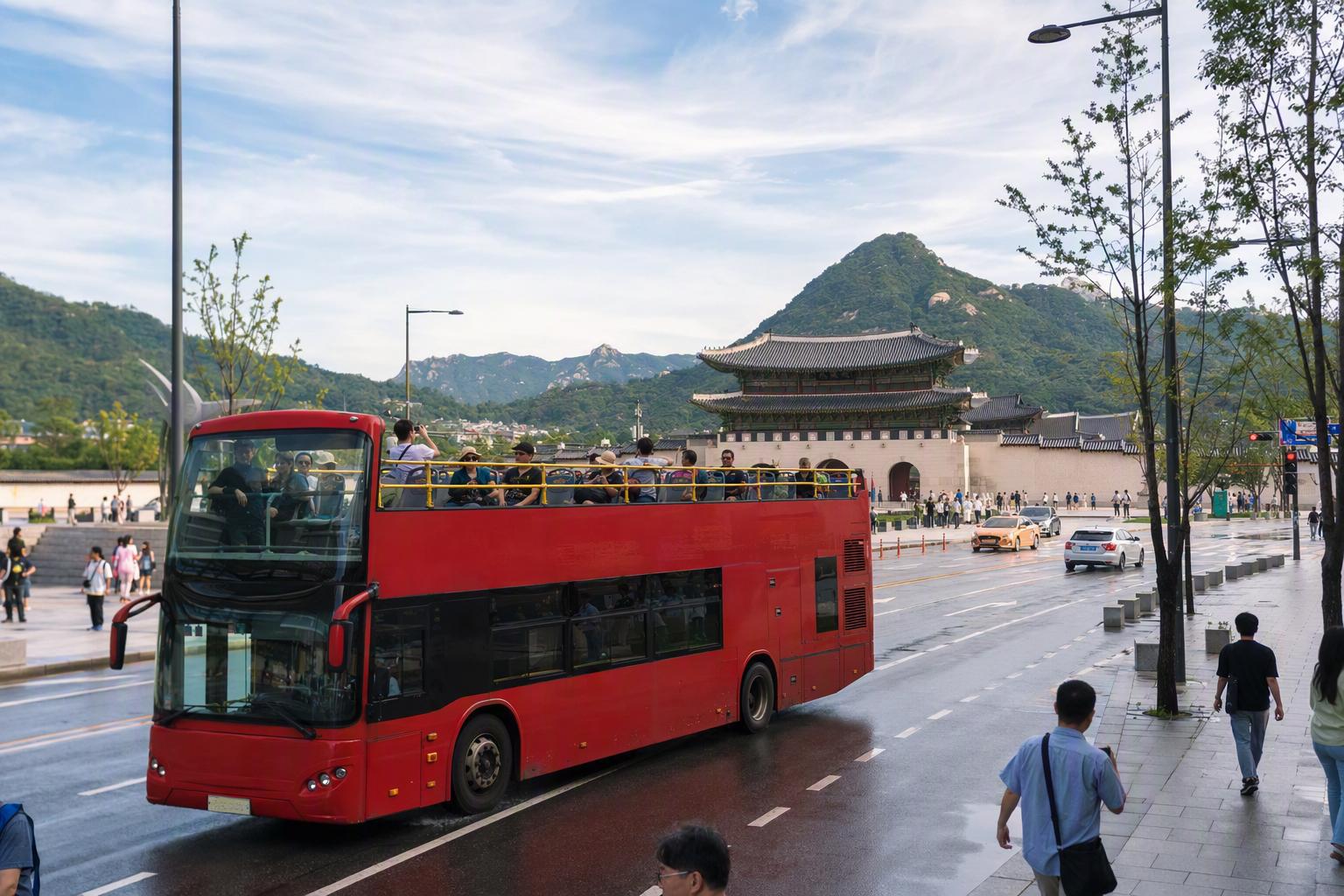
Seoul’s subway is wonderfully efficient, but it does have one tiny flaw: it hides the city underground. A city tour bus gives you the opposite experience — palace walls, Namsan’s green slopes, market streets, glassy office towers, and the Han River sliding past your window.
Used well, the Seoul city tour bus is a lovely first-day orientation ride or an easy sightseeing option for travelers who want to reduce subway transfers. Used badly, it can become an expensive way to wait in traffic between places the subway would reach faster. The trick is choosing the right bus, the right route, and the right kind of day.
The first thing to know: Seoul has two main city tour bus operators
This is the part that causes the most confusion. Seoul has more than one tourist bus using very similar English names online, and they do not share the same ticket counters, routes, prices, or boarding hubs.
| Operator | Main hub | Main daytime route | Night route | Best for |
|---|---|---|---|---|
| Red Seoul City Tour Bus / Tiger Bus | Gwanghwamun Station, Line 5 Exit 6, near Dongwha Duty Free | TOUR01 Downtown, Palaces & Namsan | TOUR04 Han River Namsan Night Tour | Classic first-time Seoul route: palaces, Namsan, Myeongdong, Bukchon, Insa-dong |
| Yellow Balloon City Bus | Dongdaemun Design Plaza, usually linked with DDP Exit 1 | Traditional Culture Course | Night Traditional Culture Course | Travelers staying near Dongdaemun, market lovers, Namsan Cable Car combo users |
Both buses cover central Seoul. Both are useful. But they are separate products, so always match the operator, route name, departure point, and ticket counter before buying or showing up at a stop.
A simple way to remember it: red bus starts from Gwanghwamun; Yellow Balloon starts from DDP.
Red Seoul City Tour Bus / Tiger Bus: the classic Gwanghwamun route
The red Seoul City Tour Bus is the one many travelers picture first: a city sightseeing bus starting in the palace-and-government heart of Seoul. Its main daytime course is TOUR01 Downtown, Palaces & Namsan, a hop-on hop-off loop from Gwanghwamun.
The usual rhythm is easy to understand: first bus around 09:20, last bus around 16:50, departures about every 30 minutes, and a full loop taking roughly 90 minutes if you stay on board the whole time. It is generally closed on Mondays, except when Monday is a public holiday, but official operating notices should always be checked before going.
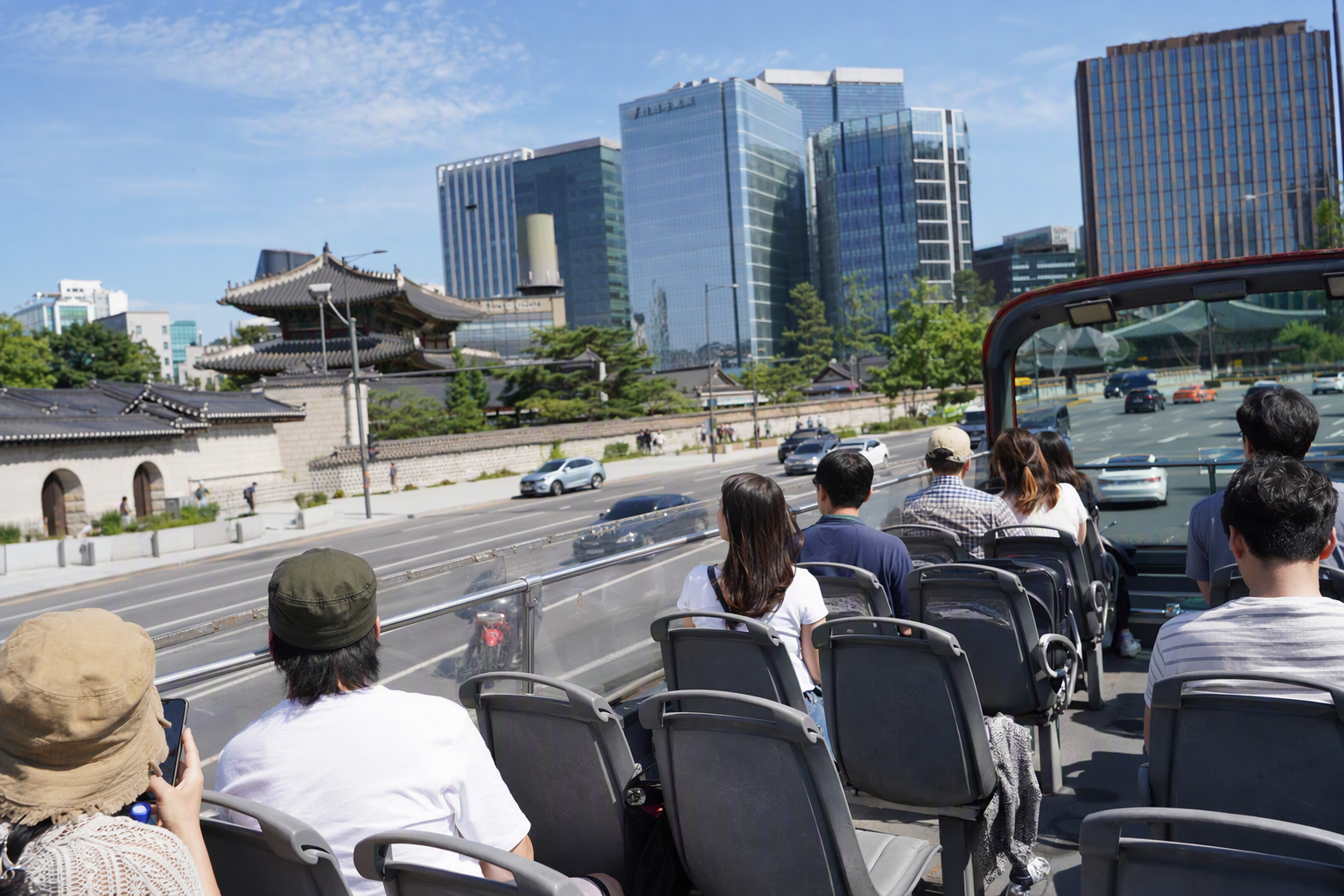
TOUR01 Downtown, Palaces & Namsan
This is the red bus route that fits most first-time Seoul itineraries. Depending on the current official stop list, the course covers central attractions such as:
- Gwanghwamun Square / Sejong Center
- Gyeongbokgung Palace, the National Folk Museum area, and MMCA Seoul area
- Cheongwadae, also known as the Blue House
- Bukchon / Insa-dong
- Changdeokgung and Changgyeonggung
- Daehak-ro
- Dongdaemun Design Plaza
- Namsangol Hanok Village
- Myeongdong
- N Seoul Tower
Some official pages group stops differently, so you may see the same course described as around 15 major stops or a longer 20-plus stop list. The important point is the route’s personality: this is old Seoul, downtown Seoul, and Namsan in one circular ride.
At Creatrip, we would not try to use TOUR01 like a subway replacement all day. The bus works best when you choose two or three real stops and enjoy the ride between them. Hop off too often and the 30-minute interval starts to shape your whole day.
A comfortable version might be Gyeongbokgung or Cheongwadae in the morning, Bukchon or Insa-dong around lunch, then Namsan or Myeongdong later in the afternoon. That already feels full, especially once palace walking, café breaks, photos, and shopping enter the picture.
What the red bus does well
The red route is especially useful if you are staying near Gwanghwamun, Jongno, City Hall, Insa-dong, Bukchon, or Myeongdong. It links many first-trip Seoul spots without making you decode transfers between subway lines.
It is also a nice option for travelers with parents, children, or anyone who prefers fewer stairs and less station walking. Seoul subway stations can be deep, and a day of palace stone paths plus station stairs adds up quickly.
The trade-off is speed. Central Seoul traffic is real, and the bus has a sightseeing rhythm, not a commuter rhythm. If you have timed reservations, a tight café crawl, or a shopping plan across multiple neighborhoods, the subway will usually be calmer.
Red bus night route: TOUR04 Han River Namsan Night Tour
The red bus night course is a separate product, not a hop-on hop-off extension of the day ticket. TOUR04 Han River Namsan Night Tour is a mostly non-stop loop from Gwanghwamun that runs once daily and takes around 90 minutes.
Typical departure is 19:00, or 19:30 from May to August. The route drives along sections including Gangbyeon North Road and major Han River bridges such as Banpo, Seongsu, and Hannam, then includes a scheduled 20 to 30-minute layover at N Seoul Tower before returning toward central Seoul via areas such as Namdaemun Market and Cheonggye Plaza.
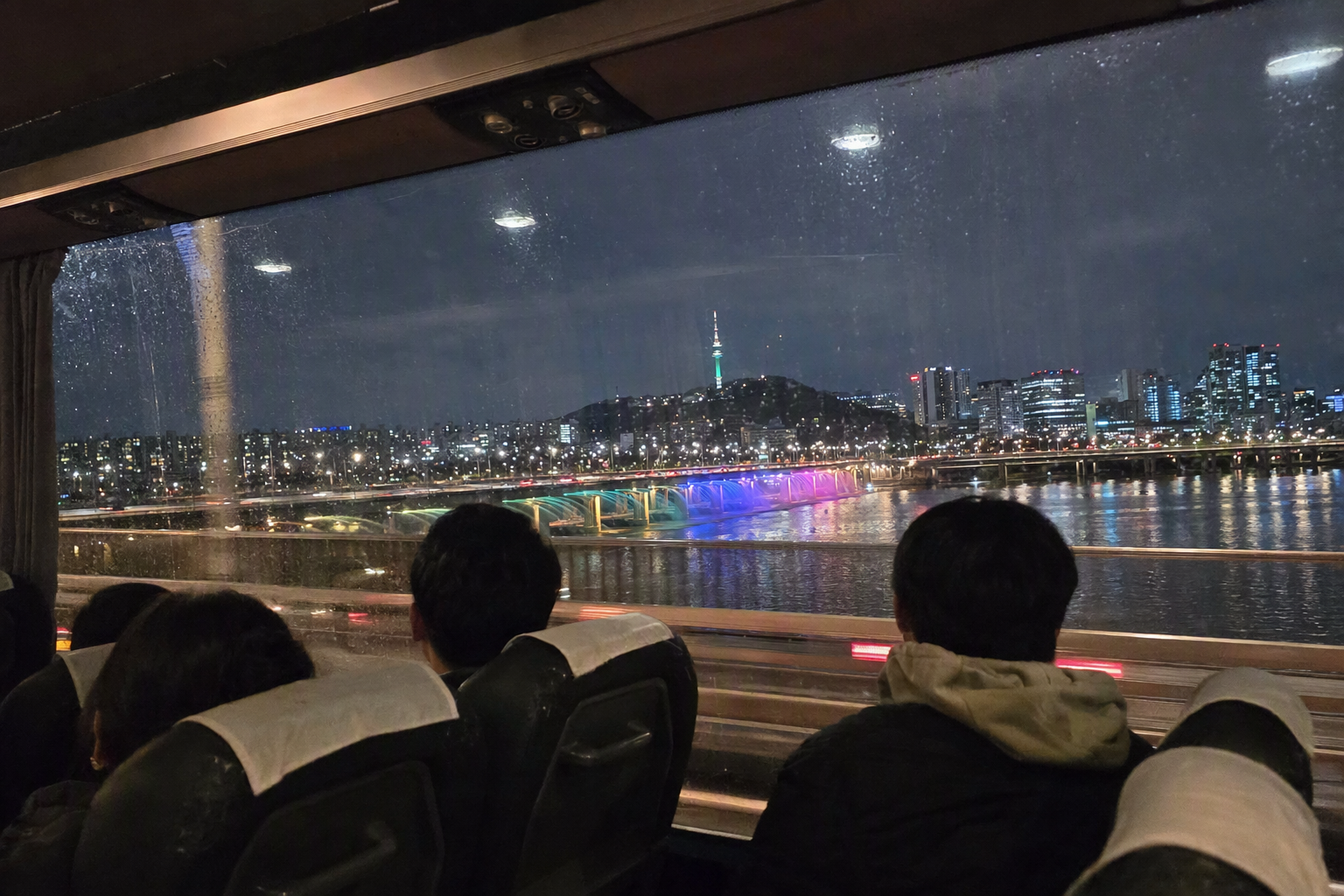
This night course is best for travelers who want city lights without arranging a separate taxi route or late-night Namsan transfer. It gives you the river, bridges, tower, and downtown glow in one compact ride.
It is less ideal if you want a long Han River picnic, a full N Seoul Tower observatory visit, or a flexible evening with dinner stops. The route is mostly non-stop, and it requires a minimum number of passengers to operate — currently listed as 10 passengers for the red night tour. If your schedule depends on it, confirm operation before building your evening around it.
Yellow Balloon City Bus: the DDP-based traditional culture route
Yellow Balloon City Bus is a separate operator based around Dongdaemun Design Plaza, which makes it naturally convenient for travelers staying near Dongdaemun, Euljiro, or the late-night shopping area.
Its main daytime product is the Traditional Culture Course, a hop-on hop-off loop that usually operates from about 09:30 to 17:00. The full loop takes around 90 minutes, with buses generally every 40 minutes on weekdays and around 30 minutes on weekends, according to the operator’s Korean schedule details.

Traditional Culture Course highlights
The Yellow Balloon daytime route starts and ends at DDP and usually covers a central loop including:
- Dongdaemun Design Plaza
- Bangsan / Jungbu Market
- Euljiro 3-ga and Euljiro 1-ga
- Cheongwadae
- Tong-in Market
- Gwanghwamun Square
- Seoul Station
- Namdaemun Market
- Namsan Ormi
- Myeongdong
- Jonggak
- Insa-dong
- Jongmyo
- Gwangjang Market
- Return to DDP
This route has a slightly different flavor from the red bus. It feels market-friendly and very practical for travelers who want to combine DDP, Gwangjang Market, Insa-dong, Namdaemun, Myeongdong, and Namsan access without starting at Gwanghwamun.

Namsan Ormi, Cable Car, and N Seoul Tower combos
Yellow Balloon’s Namsan access is one of its useful features. The route stops at Namsan Ormi, a glass inclined elevator near Myeongdong Station Exit 4 that connects toward the Namsan Cable Car ticket office. Namsan Ormi is listed as a 140-meter glass elevator and usually operates 09:00 to 23:00, with Monday hours starting later at 13:00.
Yellow Balloon also sells combo products that bundle the Traditional Culture Course with Namsan Cable Car and, in some packages, N Seoul Tower admission. Published examples include adult pricing around KRW 40,000 for bus plus cable car and around KRW 58,000 for bus plus cable car plus N Seoul Tower, with separate youth and child prices.
These combos can be convenient if Namsan is definitely part of your day. If you are unsure about weather, timing, or whether you want to go up the tower, a standard bus ticket plus separate decisions may feel less locked in.
Yellow Balloon night route: quick central Seoul lights from DDP
Yellow Balloon’s Night Traditional Culture Course is also different from the daytime hop-on hop-off ticket. It is a non-stop night loop from DDP and takes around one hour.
Seasonal departure times are usually listed as:
- March to April: 19:00
- May to August: 19:30
- September to October: 19:00
- November to February: 18:30
The listed fare is around KRW 22,000 for adults and KRW 18,000 for children, and the tour requires at least 8 passengers to depart. One important detail: this night course is listed as not providing separate tourist commentary, so think of it more as an easy night-view drive than a narrated tour.
If you want a longer night route with Han River bridge scenery and a short N Seoul Tower pause, the red bus night tour may be the better fit. If you are based around DDP and want a shorter, simpler night loop, Yellow Balloon is convenient.
Ticket prices: why the numbers can look different online
City tour bus prices in Seoul can look inconsistent because operators, language pages, booking channels, discounts, and special packages all use different displays.
For the red Seoul City Tour Bus, the English official site has recently shown USD promotional prices such as:
| Red bus product | Published English-site example |
|---|---|
| TOUR01 Downtown, Palaces & Namsan | Adult USD 32 → 22, Child USD 23 → 16 |
| TOUR04 Han River Namsan Night Tour | Adult USD 26 → 20, Child USD 16 → 14 |
Korean pages and tourism partner pages may show KRW prices instead, and special packages such as themed Seoul experiences or limited-time event routes can cost more. Treat the official booking page for your exact date and product as the final word.
For Yellow Balloon City Bus, recent published fares include:
| Yellow Balloon product | Adult | Child |
|---|---|---|
| Traditional Culture Course daytime | KRW 27,000 | KRW 20,000 |
| Night Traditional Culture Course | KRW 22,000 | KRW 18,000 |
| Bus + Namsan Cable Car | Adult examples around KRW 40,000 | Child examples around KRW 31,000 |
| Bus + Namsan Cable Car + N Seoul Tower | Adult examples around KRW 58,000 | Child examples around KRW 45,000 |
Children are generally defined as 48 months through high school age, while children under 48 months may ride free without a seat. Free child policies can apply only to the bus portion of combo tickets, so families should check the exact product notes before purchasing.

Tickets, boarding, and small rules that matter on the day
A few details make a big difference once you are actually in Seoul.
For the red Seoul City Tour Bus, the main ticket box is at Gwanghwamun Station Line 5 Exit 6, near Dongwha Duty Free. The listed address for the ticket box is 68-2 Taepyeong-ro 1-ga, Jung-gu. Online same-day reservations are not allowed for the red bus; daytime tickets can usually be bought on-site, while remaining seats for the night tour require phone inquiry.
For Yellow Balloon, online bookings usually need to be redeemed at the DDP ticket office, not at random stops along the route. On-board ticket sales may be possible at stops only until around 15:30, and seating is unassigned on a first-come-first-served basis.
The red bus rules also state no pets and no food or drinks. This is easy to forget after buying coffee in Myeongdong or snacks at a market, but it can become awkward at boarding. Finish your drink before you line up.
Cancellation policies are also fairly strict. The red bus uses a graded refund system, with higher refunds farther from the travel date; the night-view product becomes non-refundable after noon on the day of use. Yellow Balloon has its own cancellation fees, including free cancellation up to three days before or within one hour of booking, then increasing fees closer to the boarding date. Policies can change, so always read the current cancellation line before paying.
Which Seoul city tour bus should you choose?
There is no single best bus. The better choice depends on where your day begins and what kind of Seoul you want to see.
Choose the red Seoul City Tour Bus if...
You want the most classic first-time Seoul loop: Gwanghwamun, palaces, Bukchon, Insa-dong, Myeongdong, and Namsan. It is also the cleaner choice if your hotel is near Gwanghwamun, City Hall, Jongno, Insa-dong, or Myeongdong.
The red night route is also stronger if your evening goal is Han River bridges plus N Seoul Tower in one ride.
Choose Yellow Balloon if...
You are staying near Dongdaemun, DDP, or Euljiro, or you want a market-heavy day with Gwangjang Market, Namdaemun Market, Insa-dong, Myeongdong, and Namsan access. The Namsan combo tickets are convenient for travelers who already know they want the cable car and tower experience.
Yellow Balloon’s night route is shorter and simpler, which can be a plus after a long day — just remember it is non-stop and does not provide the same guided-tour feeling.
Skip the city tour bus if...
Your day is built around specific restaurants, beauty appointments, pop-ups, or timed attractions scattered across Seoul. In that case, the subway is usually more reliable.
The city tour bus is a sightseeing layer, not Seoul’s best everyday transportation tool. For dense in-city days, a Climate Card tourist pass or regular T-money card may make more sense. Recent tourist Climate Card passes are priced by duration, such as 1, 2, 3, 5, or 7 days, with a separate physical card fee, and they cover many Seoul subway and city bus rides. T-money remains the flexible pay-as-you-go option, especially for airport travel, day trips, or routes outside Seoul coverage.

A realistic way to use the bus without losing half the day
The easiest mistake is treating hop-on hop-off as permission to hop off everywhere. Seoul’s main loops take around 90 minutes without stops, and buses come every 30 to 40 minutes. Add traffic, walking time, palace grounds, lunch, shopping, and photos, and the day fills quickly.
For the red route, a nicely balanced day could center on Gyeongbokgung or Cheongwadae, Bukchon or Insa-dong, and Namsan or Myeongdong. That gives you royal Seoul, neighborhood Seoul, and skyline Seoul without turning the bus into a stopwatch.
For Yellow Balloon, a smooth DDP-based day could pair DDP, Gwangjang Market or Insa-dong, and Namsan Ormi / Myeongdong. If you add Namdaemun Market too, keep the rest of the day light.
On either bus, the last daytime departures are earlier than many travelers expect. Do not leave your farthest stop until late afternoon and assume there will be a convenient return bus waiting. After the city tour bus winds down, switch to the subway, taxi, or regular city buses.
What about Discover Seoul Pass?
Discover Seoul Pass has listed city tour bus benefits, and this can be valuable if you are already using the pass for higher-priced attractions such as observatories, theme parks, cruises, airport transport, or other included experiences. Since bus eligibility can vary by operator and course, check the current Discover Seoul Pass app or official benefit list before counting on a free ride.
The pass is most attractive when the bus is one piece of a busy attraction day. If you only want a single city tour bus ride and no other paid attractions, buying the bus ticket directly may be simpler.
Special themed routes and suspended routes
You may see older blog posts or booking pages mentioning Panorama routes, Gangnam routes, Hangang/Jamsil routes, BTS-themed routes, cherry blossom versions, or other limited-time products. Some routes have been suspended, reshaped, or operated only during special event periods.
As of the latest official route focus, the dependable core choices for most visitors are:
- Red Seoul City Tour Bus TOUR01 Downtown, Palaces & Namsan
- Red Seoul City Tour Bus TOUR04 Han River Namsan Night Tour
- Yellow Balloon Traditional Culture Course
- Yellow Balloon Night Traditional Culture Course
Special routes can be fun, especially around major K-pop or seasonal events, but they should be treated as date-specific products. Confirm the operating period, boarding place, and route before booking.
Creatrip’s take
The Seoul city tour bus is worth considering when you want to see the city above ground, especially on a first Seoul morning or a relaxed central sightseeing day. It is also helpful for families, older travelers, and anyone who would rather spend less time inside subway stations.
For the classic Seoul postcard route, choose the red bus from Gwanghwamun. For a Dongdaemun-based market-and-Namsan day, choose Yellow Balloon from DDP. For night views, pick the red route if you want Han River bridges and a short N Seoul Tower pause; pick Yellow Balloon if convenience from DDP matters more than commentary or a longer route.
The best Seoul days usually mix modes. Let the city tour bus give you the wide, cinematic sweep of Seoul, then let the subway take over when you need speed. That balance feels much more like the real city: palace roofs in the morning, market steam at lunch, Namsan at golden hour, and a quiet subway ride back when your feet finally ask for mercy.