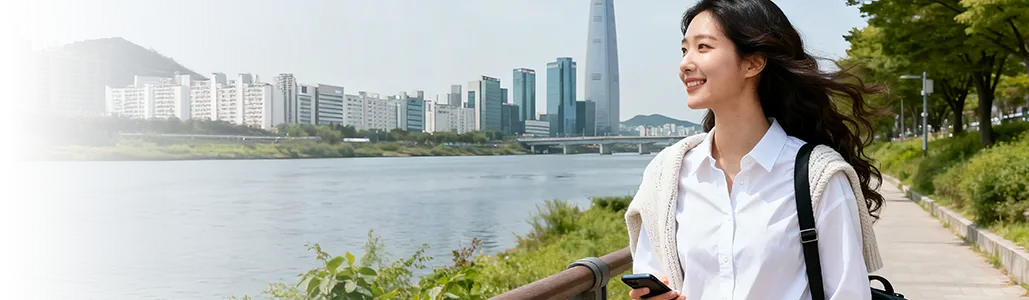
Where to Go in Seoul: A Creatrip City Map for First-Time Visitors
Palaces, hanok alleys, skyline views, cafe neighborhoods, Han River nights, and the little timing choices that make Seoul feel easier.

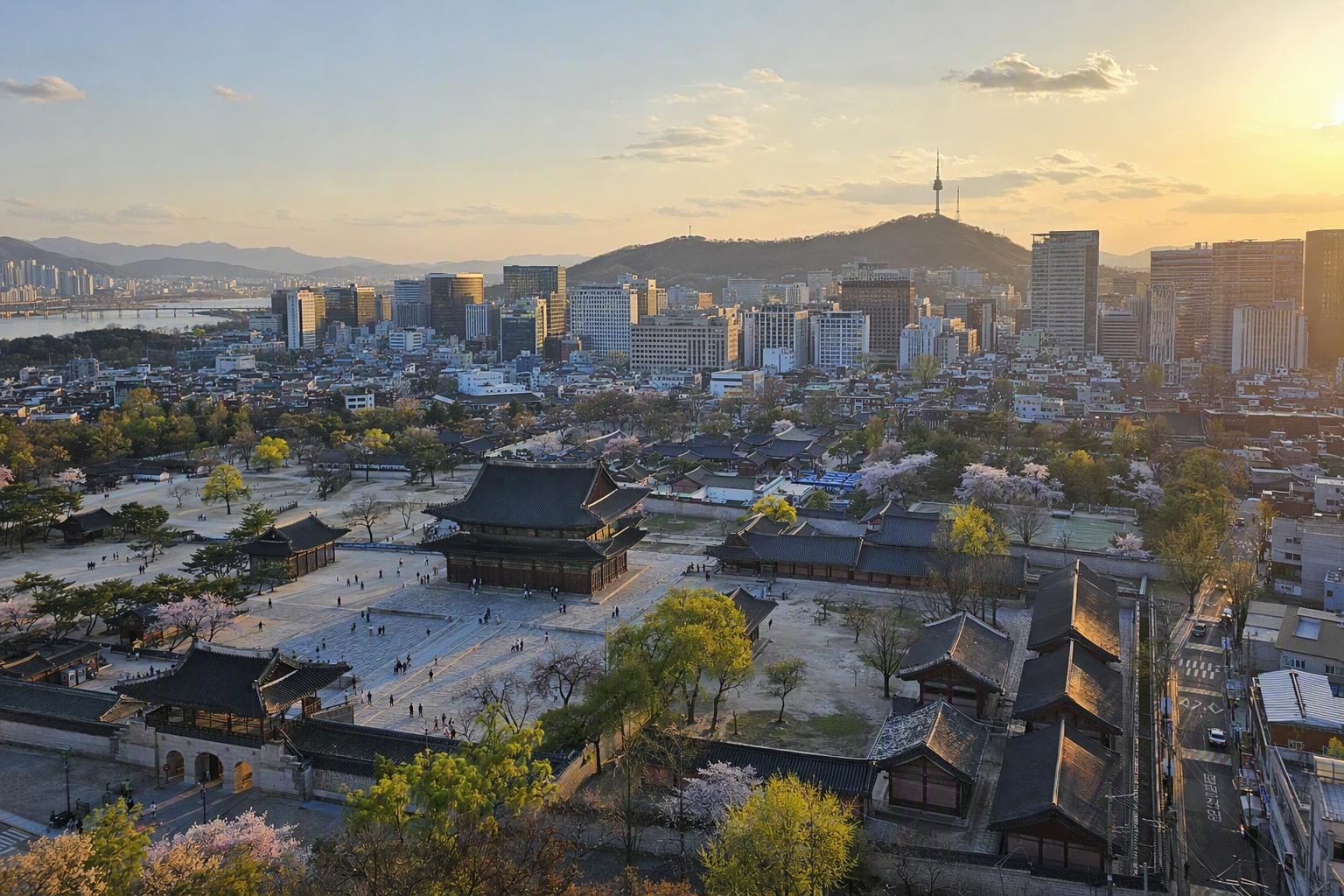
Seoul is easiest to love when you stop treating it like one giant checklist. The city works better in clusters: palace mornings in Jongno, hanok alleys before the crowds thicken, cafe neighborhoods when you have time to wander, and skyline views once the lights turn on.
For a first trip, we would build your Seoul days around a few strong anchors: Gyeongbokgung and Bukchon for old Seoul, Namsan for the view, Seongsu or Yeonnam for present-day local style, and the Han River for breathing room. Add Changdeokgung, Ikseon-dong, Myeongdong, Dongdaemun, or the Seoul City Wall depending on your pace.
Start with the classic Seoul spine
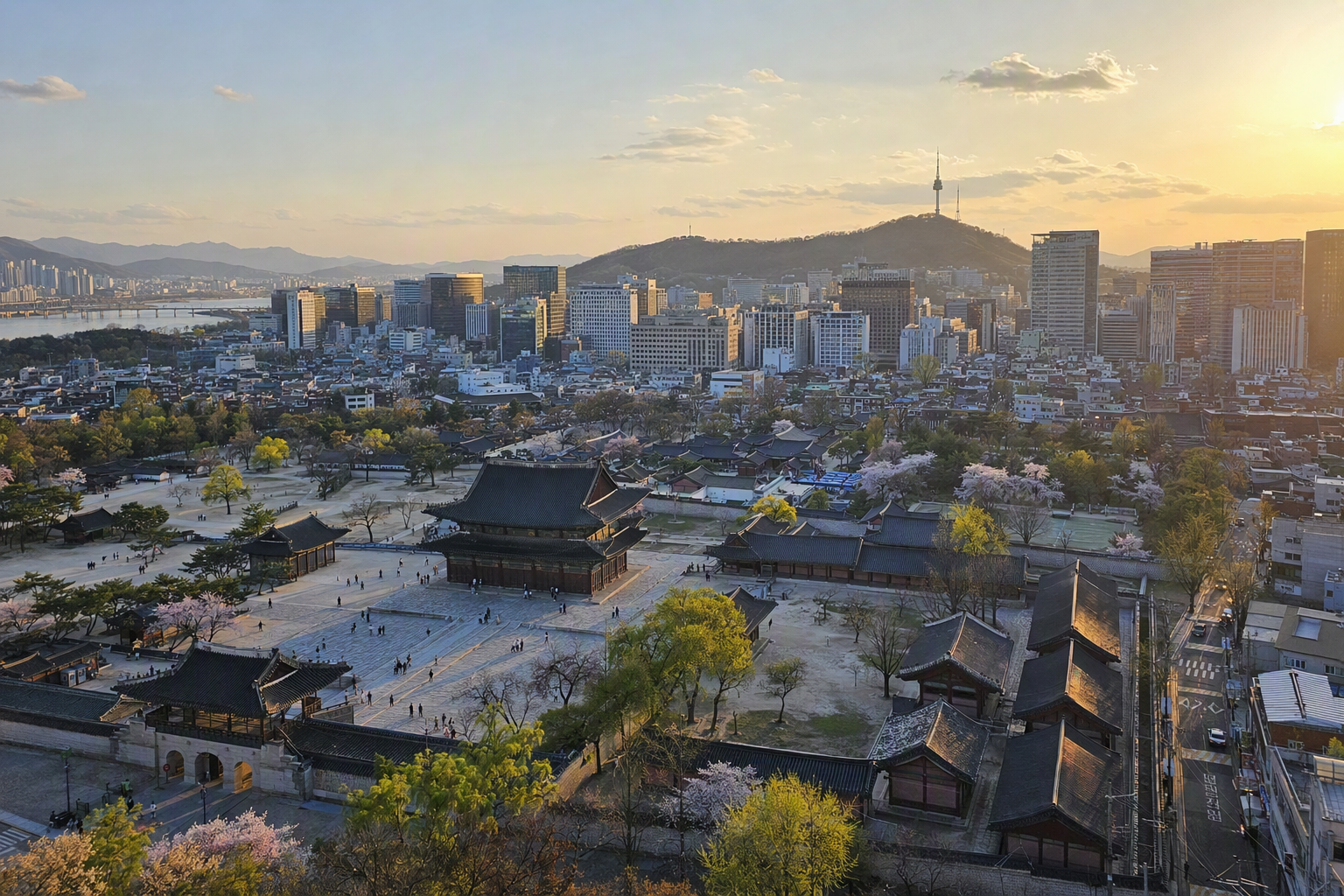
Most first-time Seoul routes naturally fall into a line: Gwanghwamun and Gyeongbokgung → Bukchon → Insadong or Ikseon-dong → Myeongdong → Namsan Seoul Tower. It is popular for a reason. You get royal history, hanok streets, shopping, food, and one of the city’s most recognizable views without crossing the whole city back and forth.
The trade-off is crowding. This part of Seoul is not quiet, especially around palace gates, Bukchon photo alleys, and Myeongdong in the evening. The trick is not to skip it, but to time it gently and avoid packing too many big sights into one day.
Gyeongbokgung Palace: the grand opening scene
Gyeongbokgung Palace is Seoul’s largest Joseon royal palace, first built in 1395. It sits right in front of Bugaksan Mountain, which gives the whole place that very Seoul feeling: stone courtyards, painted palace eaves, mountain ridges, office towers, and tourists in hanbok all in the same frame.
As of recent official listings, Gyeongbokgung is closed on Tuesdays and runs seasonal hours, roughly:
- Jan–Feb, Nov–Dec: 09:00–17:00
- Mar–May, Sep–Oct: 09:00–18:00
- Jun–Aug: 09:00–18:30
- Last entry: 1 hour before closing
Foreign adult admission is listed at KRW 3,000, and visitors wearing a complete hanbok can enter for free. Free English guided tours usually run at 11:00, 13:30, and 15:30, except Tuesdays, with limited capacity. Groups under 10 generally do not need a reservation, but tour availability can change, so check the latest official palace information before going.
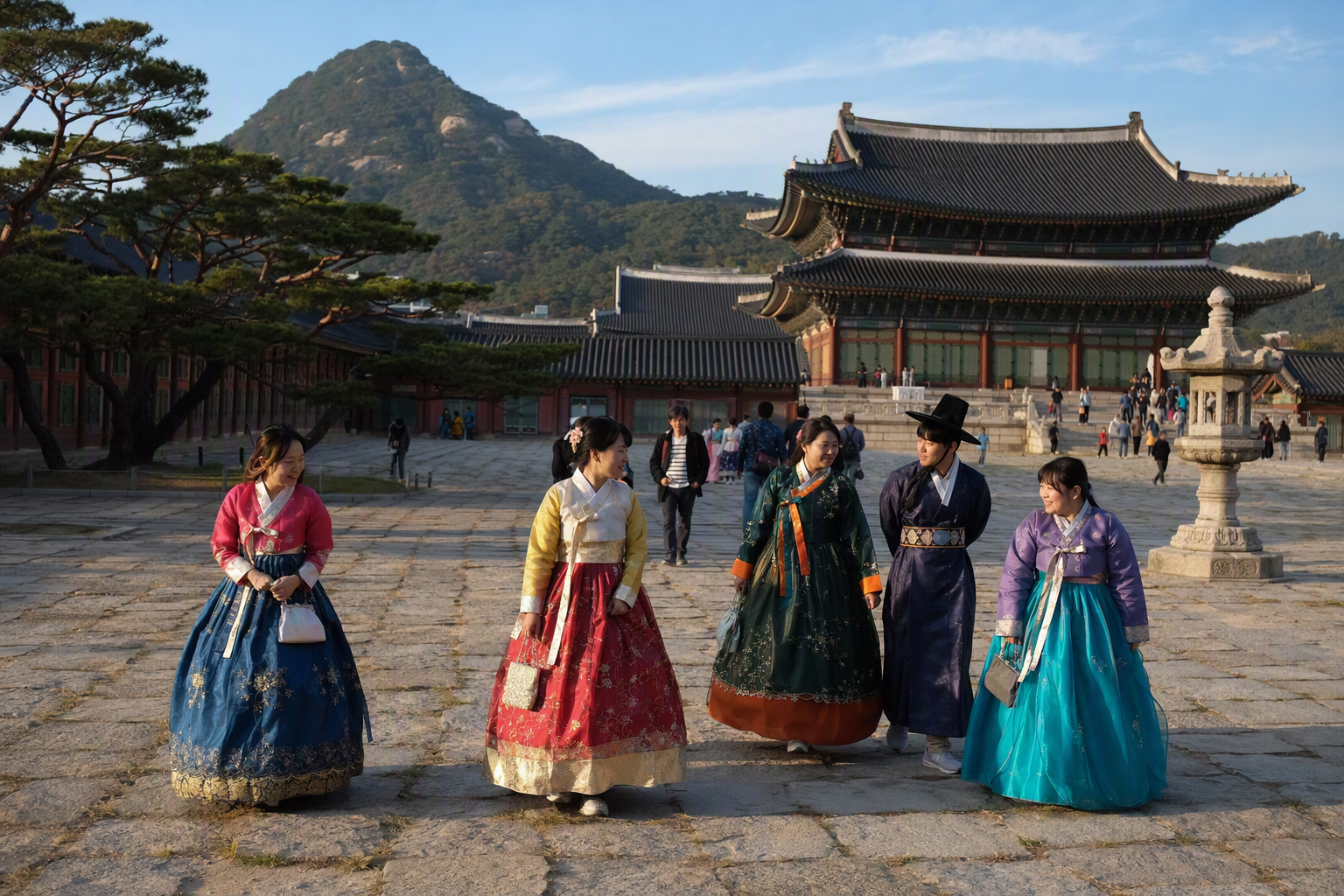
Gyeongbokgung is a good place to rent hanbok if that is part of your trip plan, but leave time for the rental process, photos, and walking. The palace grounds are large enough that rushing through in 40 minutes feels a little pointless. A relaxed visit usually pairs well with Seochon afterward, where the mood becomes smaller and more local.
Nearby Tongin Market is often included in palace-day routes thanks to its old-school market atmosphere and Lunchbox Café concept using yeopjeon-style coins. Operating details can vary, so it is worth checking before you build your lunch around it.
Bukchon Hanok Village: beautiful, but still a neighborhood
Bukchon Hanok Village sits between Gyeongbokgung and Changdeokgung, and it is one of the prettiest walking areas in Seoul. Its dense hanok clusters, especially around Gahoe-dong and Samcheong-dong, reflect how early-20th-century urban hanok adapted to modern Seoul with practical details like glass doors and updated eaves.
It is also a residential area, not an open-air set.
As of 2025–2026, parts of Bukchon have become tightly managed because of overtourism. Tourists are banned from core Red Zone residential alleys, including areas around Bukchon-ro 11-gil, between 17:00 and 10:00 daily, with fines reported up to KRW 100,000. Some sub-zones treat Sunday as a rest day, and silent zones are monitored for noise. Charter buses over 16 seats are also restricted on a 2.3 km stretch, with higher fines for violations.
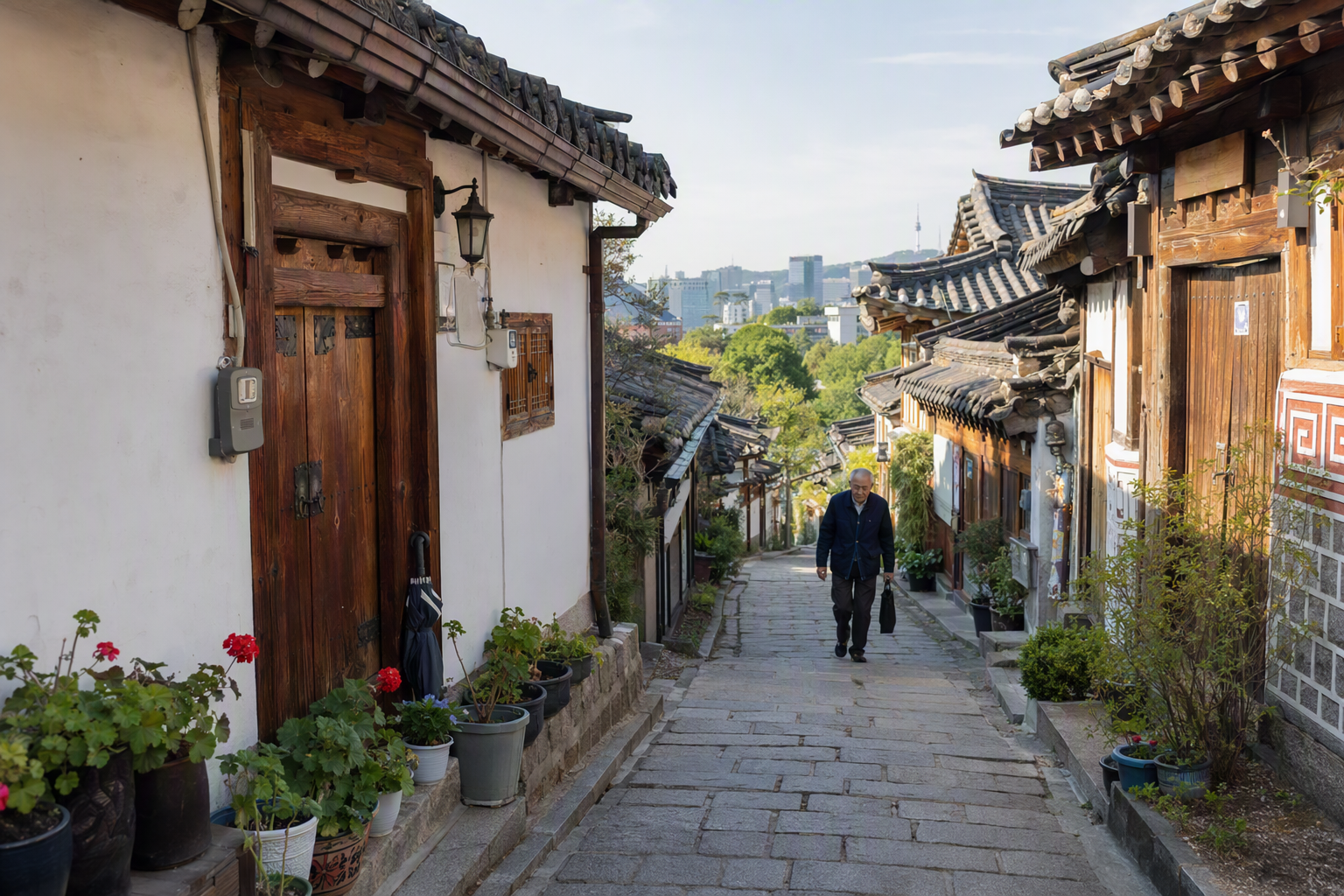
Our honest recommendation: visit Bukchon like you would visit someone’s street. Aim for after 10:00 on a weekday, keep your voice low, avoid doorways and private windows, and leave well before 17:00. If you want hanok atmosphere with more cafes and less residential pressure, add Ikseon-dong or parts of Seochon instead of trying to squeeze every Bukchon alley into one route.
Insadong and Ikseon-dong: traditional souvenirs, tea, and tiny hanok cafes
From Bukchon, you can walk toward Insadong for craft shops, tea, galleries, and souvenir browsing. It is touristy, yes, but still useful when you want gifts that are not just cosmetics or snacks.
Nearby Ikseon-dong has a very different charm. This compact Jongno neighborhood began as a 1920s planned hanok residential district and has become a dense cafe and dining area since around 2014. It is small enough to cross end-to-end in about 10 minutes, but you could easily linger for a meal and dessert.

Ikseon-dong works best on weekday mornings or early afternoons. Weekends from around 13:00 to 17:00 can feel packed, and public holidays are even busier. A cafe plus meal budget around KRW 30,000–40,000 is a reasonable starting point, though trendy spots can push that higher.
When to choose Changdeokgung instead of another palace
If Gyeongbokgung is Seoul’s grand royal stage, Changdeokgung Palace is the more atmospheric one. Built in 1405, it became the main royal residence for about 270 years after 1610 and is the only Joseon palace in Seoul designated as a UNESCO World Heritage Site.
The reason many travelers choose Changdeokgung is Huwon, also called the Secret Garden. It takes up about 60 percent of the palace site and is famous for a landscape that feels less forced than a formal garden. Buyongji Pond, Buyongjeong Pavilion, and Juhapru are among the main scenes people come for.

General palace admission is commonly listed at KRW 3,000 for adult visitors, with Monday closures and seasonal hours. Huwon requires a separate timed tour reservation, and peak seasons such as spring blossoms and autumn foliage can sell out quickly. If Huwon is important to you, do not leave it as a casual same-day decision.
Special palace nights: worth it, but not casual
Seoul’s royal palaces sometimes host special night programs, and these can be magical when your dates line up. The Changdeokgung Moonlight Tour is one of the better-known events. For 2026, the program is listed in two seasonal periods: Apr 16–May 31 and Sep 10–Oct 17, with the autumn segment running Thu–Sun. The listed participation fee is KRW 30,000 per person, with lottery-based booking and limited capacity.
Foreign visitors have previously booked through Creatrip for this event, while Korean bookings use domestic ticketing channels. Because the format, dates, lottery rules, and booking channels can shift by year, confirm the newest announcement before planning around it.
The palace pass situation
During limited K-Royal Culture Festival periods, Seoul has offered a K-Royal Palaces PASS that covers unlimited entry to the five palaces and Jongmyo Shrine during the festival window, usually excluding Changdeokgung Secret Garden and separate night programs. Past passes have been priced at KRW 10,000 and functioned as a T-money transportation card with some stored value, but sales windows, pickup locations, and inventory are tightly controlled.
For most casual travelers, individual palace tickets are already inexpensive. The pass becomes more interesting if your dates overlap with the festival and you genuinely plan to palace-hop.
Namsan Seoul Tower: the easy skyline classic
Namsan Seoul Tower, often called N Seoul Tower, stands on Namsan Mountain and gives one of the city’s most recognizable views. The tower itself is about 236.7 m high, and because it sits on the mountain, the total viewing elevation is around 480 m.
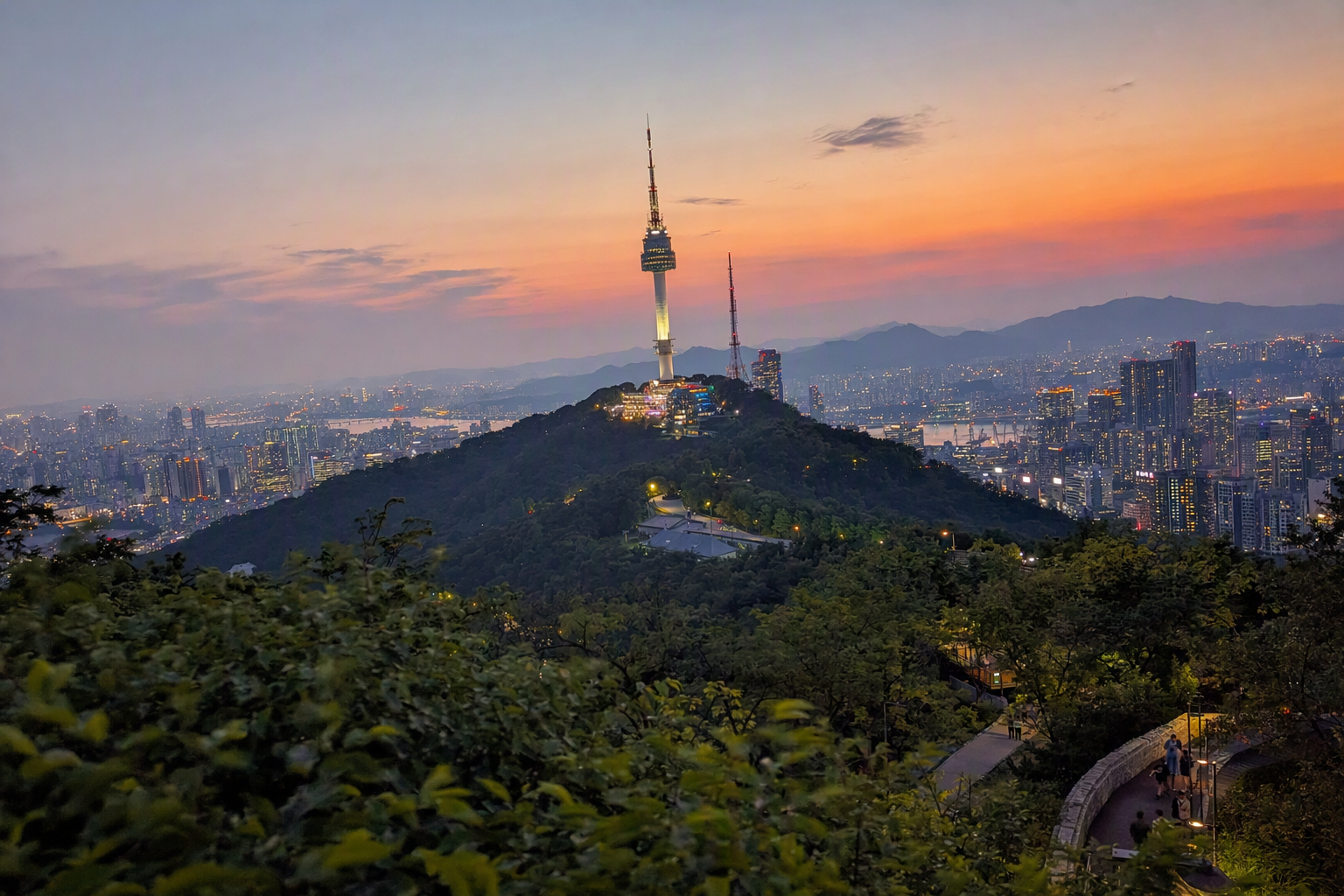
The observatory usually operates year-round, with recent standard hours around 10:00–22:30 on weekdays and 10:00–23:00 on weekends and holidays, with last admission 30 minutes before closing. Recent observatory prices have been listed around KRW 29,000 for adults and KRW 23,000 for children and seniors, though some guide listings vary, so verify before you go.
To get there, most visitors choose between:
- Namsan Cable Car: commonly listed around 10:00–23:00, with adult round-trip fares around KRW 15,000
- Namsan Circular Bus 01: useful from central subway areas such as Chungmuro and Dongdaemun
The cable car is scenic but can queue badly during peak times. The bus is less dramatic, more practical, and often the better choice if you are already tired from walking. On rainy days, dusty days, or very cloudy nights, the observatory is less rewarding; the mountain area itself can still be pleasant, but the paid view may not feel worth it.
Myeongdong: convenient, crowded, and still useful
Myeongdong is not the place we would send someone for the most local meal of their trip. It is, however, very convenient. It has cosmetics shops, fashion chains, money exchange counters, hotels, street food, and easy access to Namsan, Euljiro, City Hall, and Jongno.
Official tourism materials have described Myeongdong as a major central commerce hub with a daytime population of 1.5–2 million. Prices can be lower than luxury shopping zones like Apgujeong and Cheongdam, especially for accessible beauty and fashion shopping.

The catch is food value. Myeongdong street food is often more expensive than similar snacks elsewhere, and the area can feel built for visitors. Use Myeongdong for convenience, cosmetics, and a lively evening walk. For everyday market eating, consider Mangwon Market. For cafes and local shopping, look toward Yeonnam or Seongsu.
Seongsu, Yeonnam, and the Seoul that locals actually schedule around
Seoul’s classic tourist spots are still classic, but many travelers now leave the city happiest after a slower neighborhood day. The best areas depend on your style.
Seongsu: warehouse cafes, pop-ups, and Seoul Forest
Seongsu-dong grew from a leather and shoe-manufacturing area into one of Seoul’s most trend-aware neighborhoods. Around Seongsu Station and Seoul Forest, old workshops and warehouses now sit beside large cafes, pop-ups, flagship stores, vintage shops, and fashion showrooms.
Names often associated with the area include warehouse-style cafes like Daelim Warehouse, Onion Seongsu, Fritz, and Cafe Bora, along with brand and concept stores such as Gentle Monster, New Balance, Nike, Loewe, and LCDC Seoul. Pop-ups change constantly, which is part of the fun and also part of the planning headache.

Seongsu is more spread out than social media makes it look. A good half-day usually needs one anchor cafe or pop-up, then Seoul Forest or a focused shopping route. Seoul Forest alone can take 60–90 minutes, and it is about 1.2 km, or a 15–20 minute walk, from the main Seongsu cafe cluster.
Useful station choices:
- Seongsu Station Line 2, Exit 3–4: cafes, pop-ups, shops
- Seoul Forest Station, Exit 3: best for the park
- Ttukseom Station Line 2, Exit 8: secondary park access
Weekday mornings are the smoothest. On Saturdays around mid-afternoon, popular cafe waits can jump from a few minutes to 40 minutes or more, and some famous spots can run much longer. A casual Seongsu day budget of KRW 30,000–60,000, excluding fashion or leather purchases, is a fair range.
Yeonnam-dong: cafe walking without the pressure
Yeonnam-dong sits just north of Hongdae and has grown around the Gyeongui Line Forest Path, a long linear park created from a former railway. The Yeonnam section is about 1.8 km, with many cafes concentrated along roughly 400 m on both sides of the path.

This is one of Seoul’s easiest 2–4 hour neighborhood walks. It is flat, simple to navigate, and close enough to Hongdae that you can switch from quiet cafes to busier shopping and nightlife without taking another train.
Typical cafe prices are often around KRW 4,500 for espresso and KRW 5,000–5,500 for an Americano or croissant, though prices vary by shop. Weekday mornings and 15:00–17:00 tend to be calmer than weekend brunch hours. In early to mid-April, the cherry blossom canopy along the path can be lovely; weekdays before 10:00 are far more comfortable than weekends.
Mangwon Market: a better everyday market pick for many travelers
Gwangjang Market still has history and fame, but reports of overpricing and tourist-targeted issues have made many informed travelers more cautious. If you want a market that feels more everyday and easier to pair with a west-Seoul walk, Mangwon Market is a strong alternative.
A nice west-side route is Yeonnam → Hongdae or Hapjeong → Mangwon Market → Mangwon Hangang Park. It is especially good on a day when you do not want another palace or museum, just Seoul at walking speed.
The Han River: where Seoul opens up
The Han River is less about one single attraction and more about mood. Banpo, Yeouido, Ttukseom, Jamsil, and Mangwon all give different versions of the city: picnic lawns, skyline views, bike paths, bridges, convenience-store snacks, and seasonal events.

For first-timers, the river works beautifully after a dense city day. Pair Namsan or Myeongdong with Banpo, Seongsu with Ttukseom, or Hongdae and Mangwon Market with Mangwon Hangang Park.
Hangang Drone Light Show: check dates early
Seoul’s Hangang Drone Light Show has become a major seasonal night event. For 2026, the spring program is listed from Apr 10–Jun 5, with five main show dates at Yeouido, Ttukseom, and Jamsil Hangang Parks. Each event night includes cultural performances and drone shows, with the main large-scale drone show typically around 20:30 for about 15 minutes.
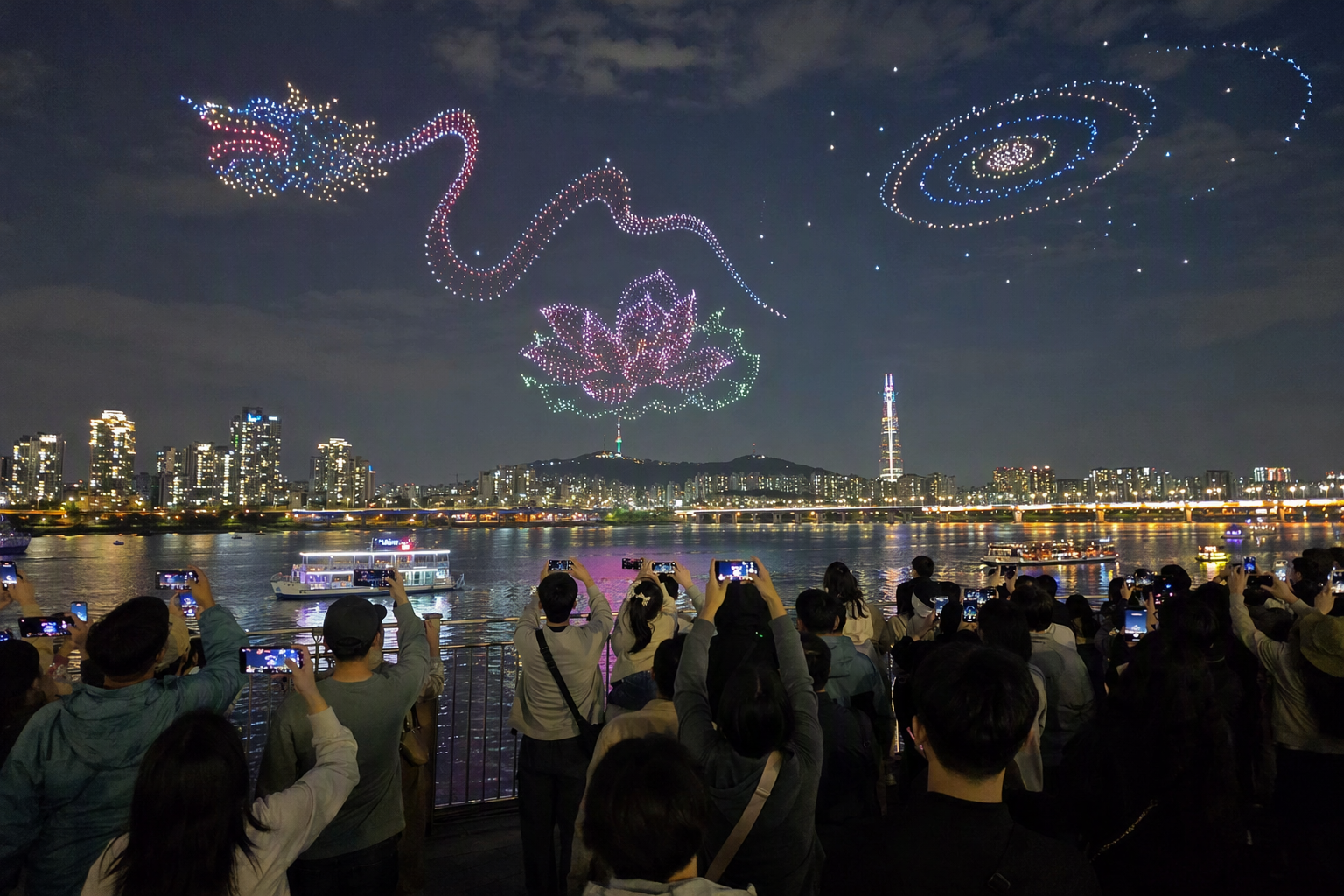
The show is free, but free does not mean effortless. The 2025 series drew huge crowds, and events may involve safety controls, transit guidance, and temporary connectivity changes. Use public transportation, arrive earlier than you think, and check the official event page close to your date in case of weather or crowd-control updates.
Dongdaemun, DDP, Gangnam, and COEX: when to add them
These areas are often included in first-timer Seoul routes, but they are not all the same type of stop.
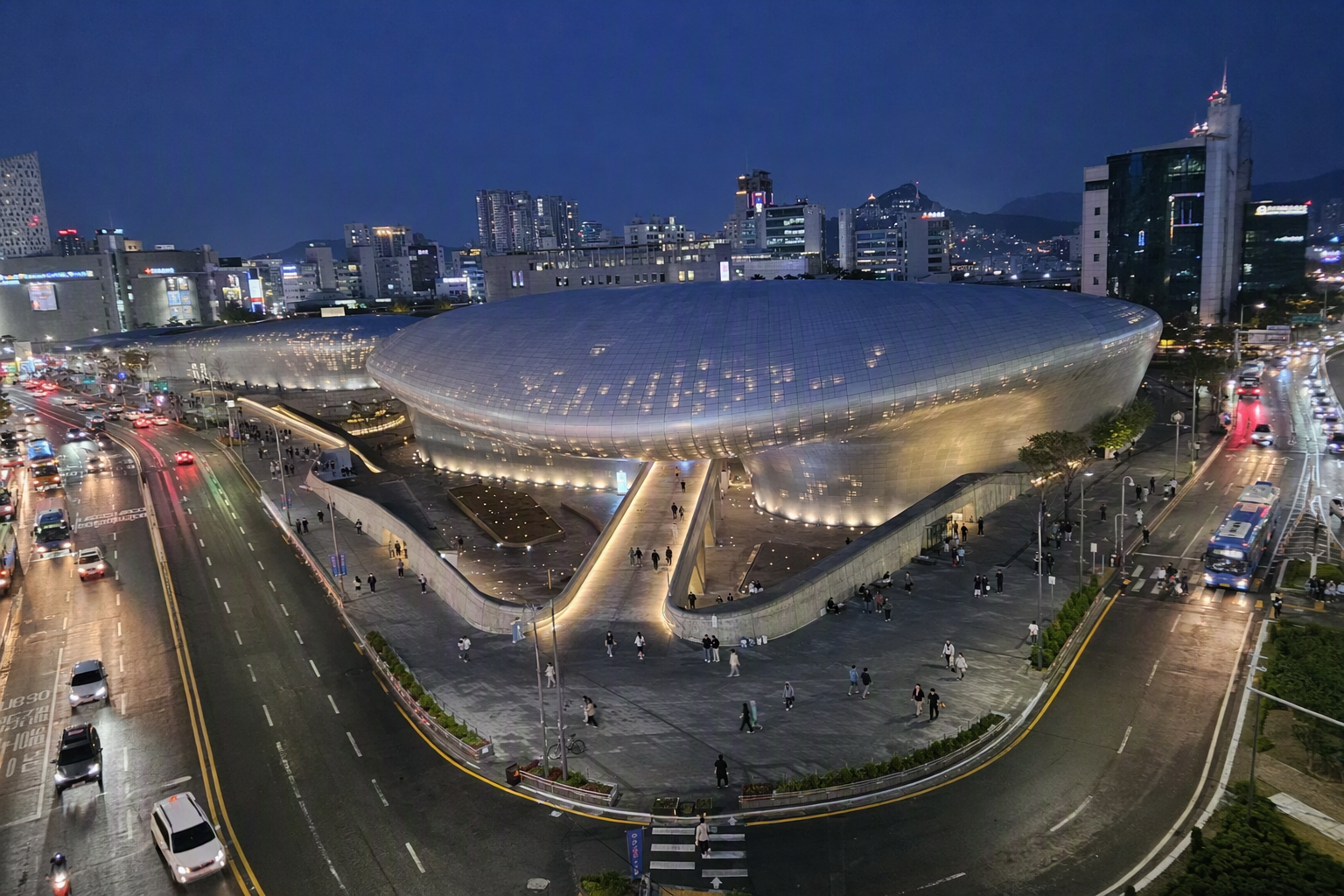
Dongdaemun and DDP are best when you want modern architecture, night energy, and a contrast after palaces or Namsan. The curves of Dongdaemun Design Plaza photograph especially well after dark.
Gangnam and COEX fit travelers who want shopping malls, larger-scale city life, and a cleaner modern Seoul rhythm. If your trip is short, Gangnam is not always the most efficient add-on from Jongno unless you have a specific shop, restaurant, clinic, concert, or COEX plan.
Banpo Hangang Park pairs naturally with a Gangnam-side day, especially if you want a river finish without going back north.
Seoul City Wall: the best walk when you want history and views
For travelers who like walking, Hanyangdoseong, the Seoul City Wall, is one of the most underrated ways to understand the old city. The full fortress system runs about 18.6–18.7 km around old Hanyang, following mountains including Baegak, Naksan, Namsan, and Inwangsan.
About 78 percent, or roughly 14.5 km, is preserved or restored as of recent official information. The wall has been on UNESCO’s World Heritage Tentative List since 2012.
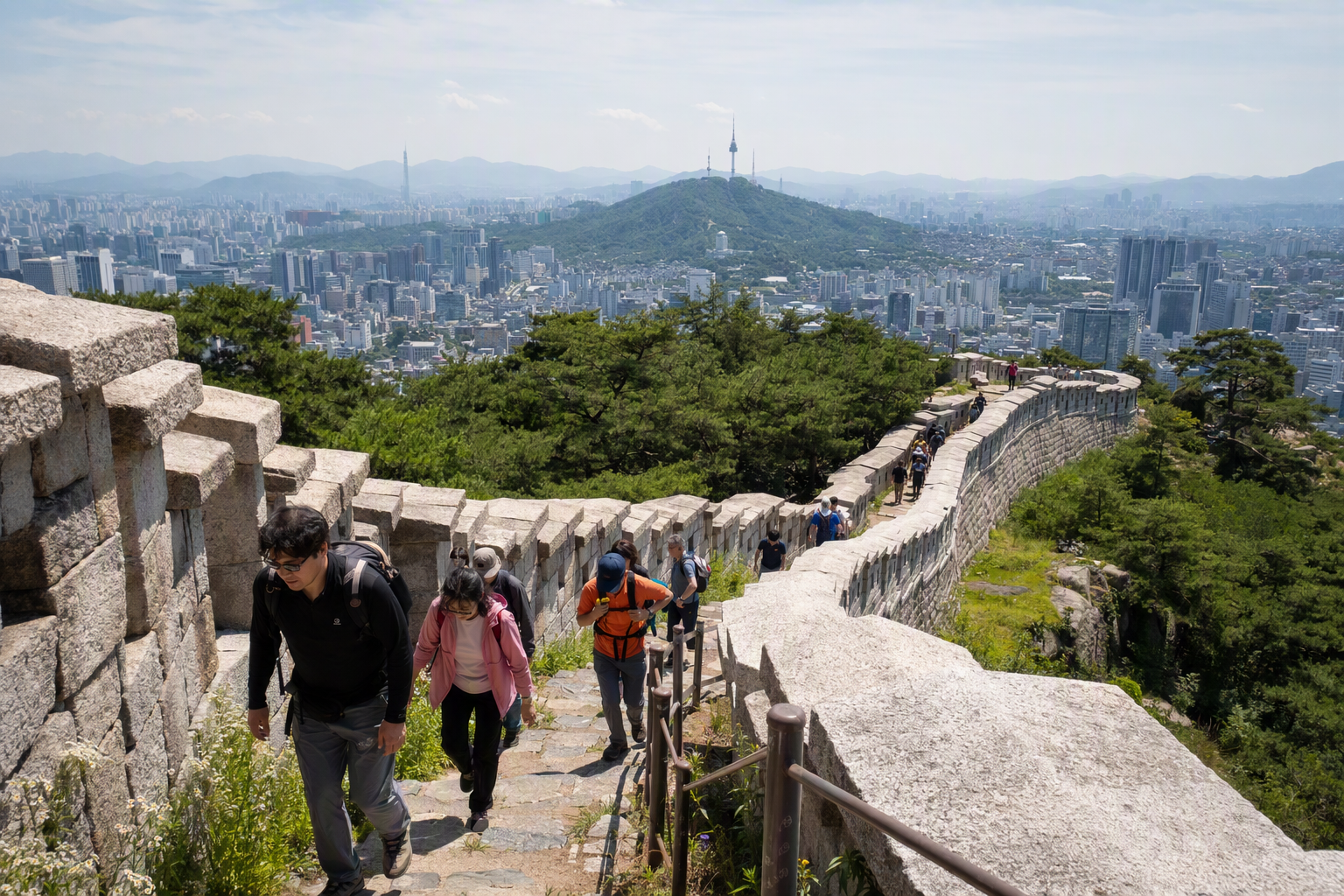
You do not need to walk the whole thing. Official routes divide the wall into sections, including:
- Baegak section: about 4.7 km, more demanding and scenic
- Namsan section: about 4.2 km, easy to pair with N Seoul Tower
- Sungnyemun section: about 1.8 km, shorter and more city-based
There is also an official Seoul City Wall app with GPS maps, audio guidance, AR features for missing wall sections, and a digital stamp tour. Completion certificates and badges are available through official visitor facilities for people who want to turn it into a proper walking project.
A simple way to plan your Seoul days
Rather than choosing isolated attractions, build each day by neighborhood cluster. Seoul’s subway is excellent, but unnecessary cross-city zigzags drain energy fast.
2 days in Seoul
Day 1: Royal Seoul and Namsan
Start with Gyeongbokgung in the morning, then walk through Seochon or Bukchon depending on your timing. Add Insadong or Ikseon-dong for tea, cafes, or dinner, then finish with Namsan Seoul Tower if the weather is clear.
Day 2: Modern neighborhood Seoul
Choose either west or east Seoul. For the west, do Yeonnam, Hongdae, Mangwon Market, and Mangwon Hangang Park. For the east, do Seongsu, Seoul Forest, and Ttukseom Hangang Park.
3 days in Seoul
Day 1: Gyeongbokgung, Seochon, Bukchon, Insadong or Ikseon-dong
Day 2: Myeongdong shopping, Namsan Seoul Tower, Dongdaemun or DDP at night
Day 3: Seongsu and Seoul Forest, or Yeonnam and Mangwon if you prefer a calmer cafe day
This keeps the first two days classic and gives the third day room for the Seoul people are talking about now.
5 days in Seoul
With five days, Seoul becomes much nicer. You can slow down and add one or two higher-effort experiences.
- Day 1: Gyeongbokgung, Seochon, Tongin Market, Myeongdong
- Day 2: Bukchon, Changdeokgung, Insadong, Ikseon-dong
- Day 3: Seongsu, Seoul Forest, Ttukseom Han River
- Day 4: Yeonnam, Hongdae, Hapjeong, Mangwon Market, Mangwon Hangang Park
- Day 5: Gangnam, COEX, Banpo Hangang Park, or a Seoul City Wall section
If you are traveling during palace festival periods, drone show dates, or peak autumn foliage, reserve those first and let the rest of the itinerary move around them.
Transit tips that actually affect your route
Seoul’s public transit is one of the best reasons to stay flexible. Still, the pass choice can matter, especially on a 3–5 day trip.
As of 2026, the Seoul Climate Card Tourist Pass has been listed with unlimited-ride options for 1, 2, 3, 5, and 7 days, priced around KRW 5,000 / 8,000 / 10,000 / 15,000 / 20,000, plus a KRW 3,000 physical card fee. It generally becomes worthwhile when you are taking around 3–4 rides per day.

A few important catches:
- Tourists usually need the physical card.
- Validity starts when loaded, so load it on the morning your heavy Seoul travel begins.
- It covers Seoul subway and bus systems within defined zones, but not everything.
- It excludes the AREX Express, Sinbundang Line, and boarding at Incheon Airport T1/T2.
- Trips outside the covered Seoul zone can require separate payment.
- You still need to tap in and out properly; missed tap-offs can cause problems.
For airport travel, day trips outside Seoul, or routes beyond the Climate Card zone, keep a regular T-money, WOWPASS, or other payment option handy. Transit rules and coverage change, so confirm the latest details before buying.
Budget sense: where Seoul is cheap, and where it quietly is not
The good news: many of Seoul’s core heritage attractions are inexpensive. Gyeongbokgung and Changdeokgung general admission are usually only a few thousand won, and hanbok can even get you free entry at participating palaces.
The money tends to go elsewhere: cafes, shopping, pop-ups, observatories, special night tours, and late-night snacks. A mid-range visitor often spends around KRW 80,000–120,000 per day excluding accommodation, though that can swing widely depending on how much you shop and whether you book paid experiences.
To keep the trip balanced, mix paid icons with low-cost walking areas: palace mornings, city wall sections, river sunsets, neighborhood cafes, and markets.
Common Seoul mistakes we would gently avoid
Trying to do all the palaces in one day. Seoul’s palaces are close on a map, but they blur together if you rush. Choose Gyeongbokgung for scale, Changdeokgung for atmosphere, and add another only if you truly love royal architecture.
Forgetting closure days. Gyeongbokgung closes Tuesdays. Changdeokgung commonly closes Mondays. Always check the latest official hours before locking your route.
Arriving at Bukchon too early or too late. The most sensitive residential alleys are restricted before 10:00 and after 17:00. This is one place where respecting the clock matters.
Spending your whole food budget in Myeongdong. It is fun for a snack night, but street food prices can be higher than elsewhere. Balance it with Mangwon Market, neighborhood restaurants, or local cafe areas.
Hitting Seongsu on a Saturday afternoon with no plan. It can still be fun, but queues and crowds may eat the day. Pick one main cafe or pop-up, go early, and leave space for Seoul Forest.
Assuming special events are walk-in friendly. Palace night tours, Secret Garden tours, and major Han River events often involve reservations, lotteries, timed entry, or crowd controls. Treat them like fixed anchors, not casual add-ons.
Our Creatrip-style Seoul shortlist
If we had to reduce Seoul to a clean, satisfying first-trip set, it would look like this:
- Best royal palace for first-timers: Gyeongbokgung
- Best palace for atmosphere: Changdeokgung with Huwon reservation
- Best hanok walk with caution: Bukchon, after 10:00 and before 17:00
- Best easy skyline view: Namsan Seoul Tower on a clear evening
- Best central shopping base: Myeongdong, especially for cosmetics and convenience
- Best trend neighborhood: Seongsu, ideally on a weekday morning
- Best relaxed cafe walk: Yeonnam-dong and the Gyeongui Line Forest Path
- Best everyday market add-on: Mangwon Market
- Best free city reset: A Han River park at sunset
- Best active history route: One section of Hanyangdoseong, the Seoul City Wall

Seoul rewards visitors who leave a little space in the day. See the palace, yes. Take the tower photo, absolutely. But also give yourself a slow coffee in Yeonnam, a river sunset with convenience-store snacks, or a 20-minute detour down a quiet stone wall path. That is usually where the city starts feeling less like a list and more like somewhere you want to come back to.