KMI Yeouido Health Checkup Review: $650 Full-Body Screening in Seoul
A real KMI Yeouido Signature Package review from an American in Korea, covering full-body screening, English results, and booking tips for foreigners

Quick Answer
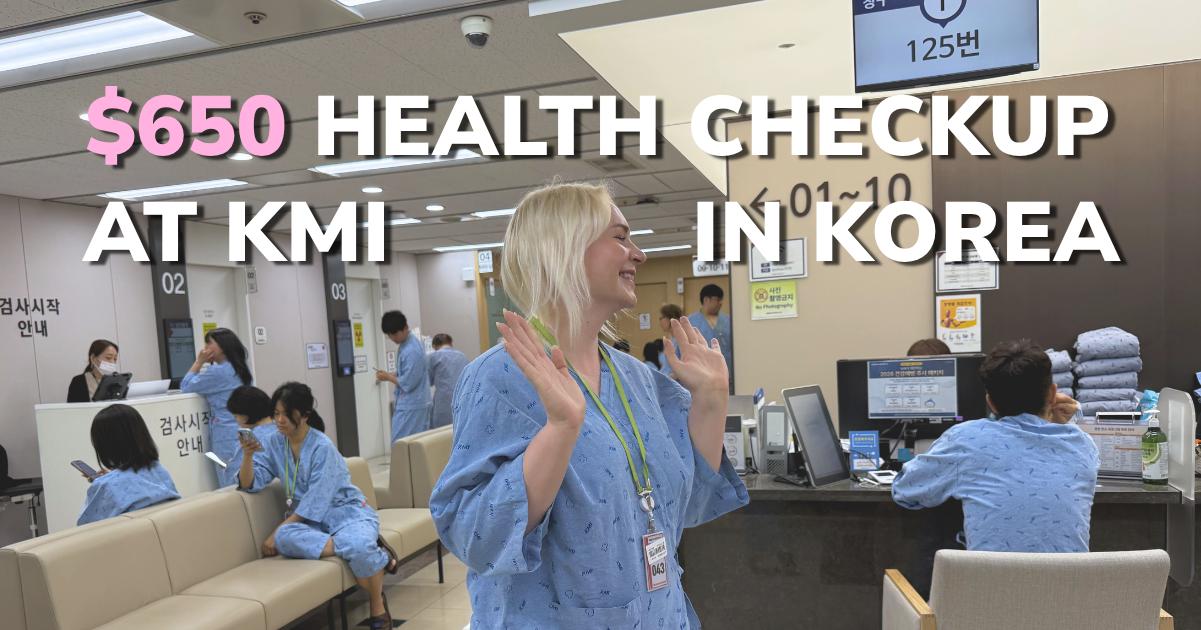
KMI Yeouido is a foreigner-friendly health checkup center in Seoul, located near The Hyundai Seoul. The Signature package costs around 1,000,000 KRW, or roughly $650 depending on the exchange rate, and usually takes about 3 to 4 hours. Results are typically sent by email within about 10 to 15 days, with English results available.
Table of Contents
Today’s topic: a full-body checkup at KMI Yeouido
- The health checkup package a late-30s American woman actually chose in Korea
- Why she picked KMI again
- Prep tips before your checkup
- Her 3-hour KMI Yeouido day + results
- How to book a health checkup in Korea as a foreigner
- Why book KMI on Creatrip
- FAQ: what foreigners ask most
If you already know you want a tourist-friendly health checkup center in Seoul, you can check available programs and reservation options here:
🎉 Creatrip promo note (2026)
Creatrip bookings for Signature and Noble packages at KMI Gwanghwamun, Yeouido, Busan, and Jeju come with a FREE MRI or CT add-on at no extra cost—available exclusively for Creatrip reservations.
Hi, I’m Millie, a Creatrip Medical editor.
This time, I’m bringing you a review from my friend Jolene. She’s American, she’s been living in Korea for a few years now, and by chance, I found out she had booked a health checkup at KMI Yeouido. Of course, the moment I heard that, I basically begged her to write up the whole experience for us.
Here’s the thing about Yeouido. A lot of people know the Gwanghwamun and Gangnam KMI branches, but the Yeouido center still flies a little under the radar for international visitors. Which is kind of funny, because location-wise, it might be one of the most traveler-friendly branches. It sits right next to The Hyundai Seoul, and the Han River is basically around the corner.
So if you’re planning a Seoul trip and want to squeeze in a full-body checkup without giving up your entire day, keep reading.
Jolene took notes on everything: the inside of the center, the exact order of her tests, what surprised her, and even a shortcut between floors. I’ll let her take it from here.
1. The health checkup package a late-30s American woman actually chose in Korea
Hi, Jolene here. So, a little about me first: I have two kids, and after two pregnancies plus hitting my late 30s, “I’ll deal with it later” stopped feeling like a responsible answer to how my body was doing.
Back home, I had basically been coasting on the idea that if I felt fine, I must be fine. But a few friends my age had started getting things checked, and once you get into your late 30s, the recommendations start piling up: breast imaging, pelvic exams, heart health, bloodwork, and all the things you know you should probably do but keep pushing off.

In the US, chasing all of that down one appointment at a time is a scheduling nightmare and a financial one. In Korea, you can knock most of it out in a single morning.
I chose the KMI Signature package, which is listed at 1,000,000 KRW on site, or roughly $650 depending on the exchange rate. The Signature Program includes key labs, imaging tests, stomach and colon screening options, gender-specific ultrasound, and two CT or ultrasound selections.
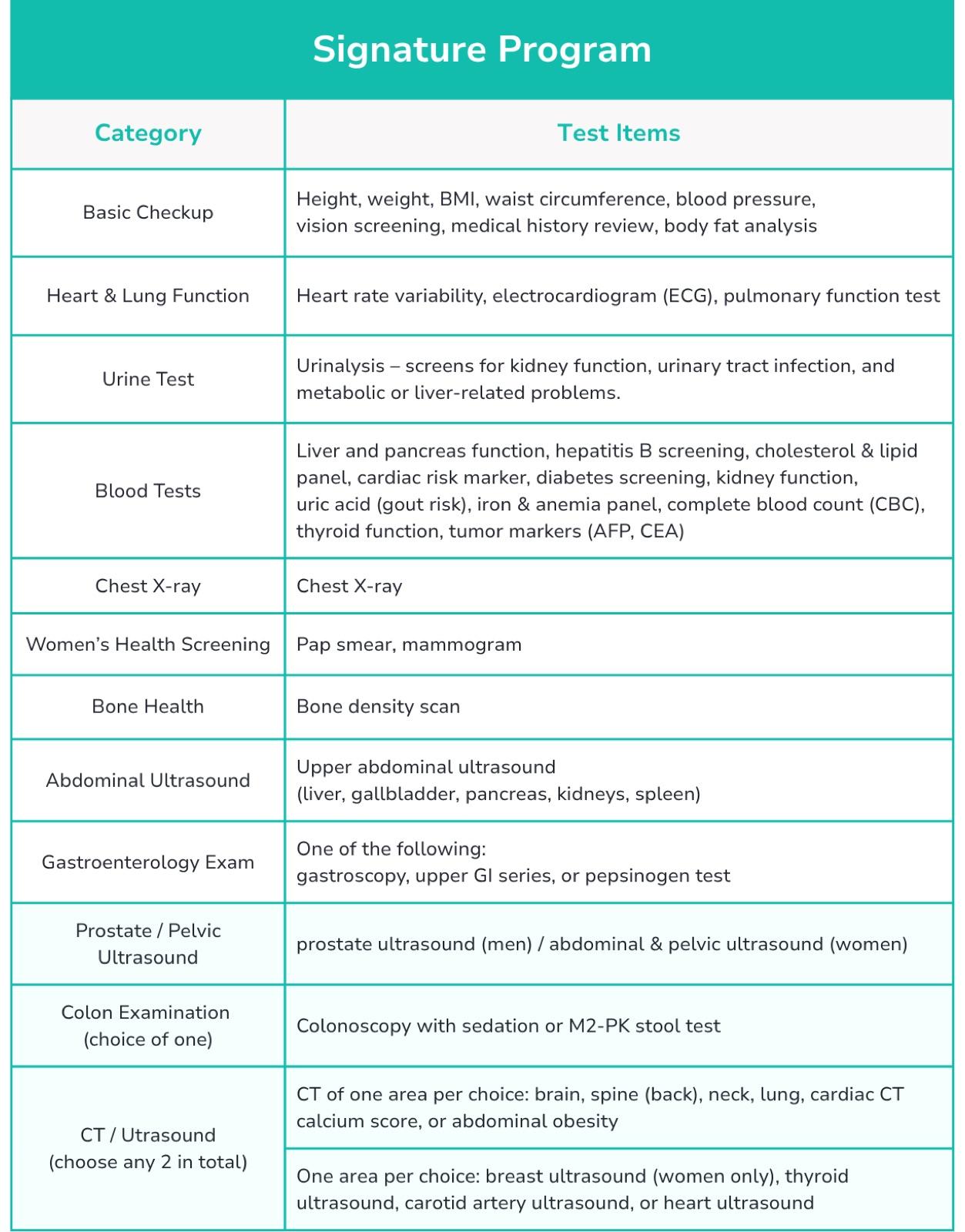
Naturally, I got curious about what this exact lineup would cost me in the States, so I looked up rough self-pay price ranges for similar tests.
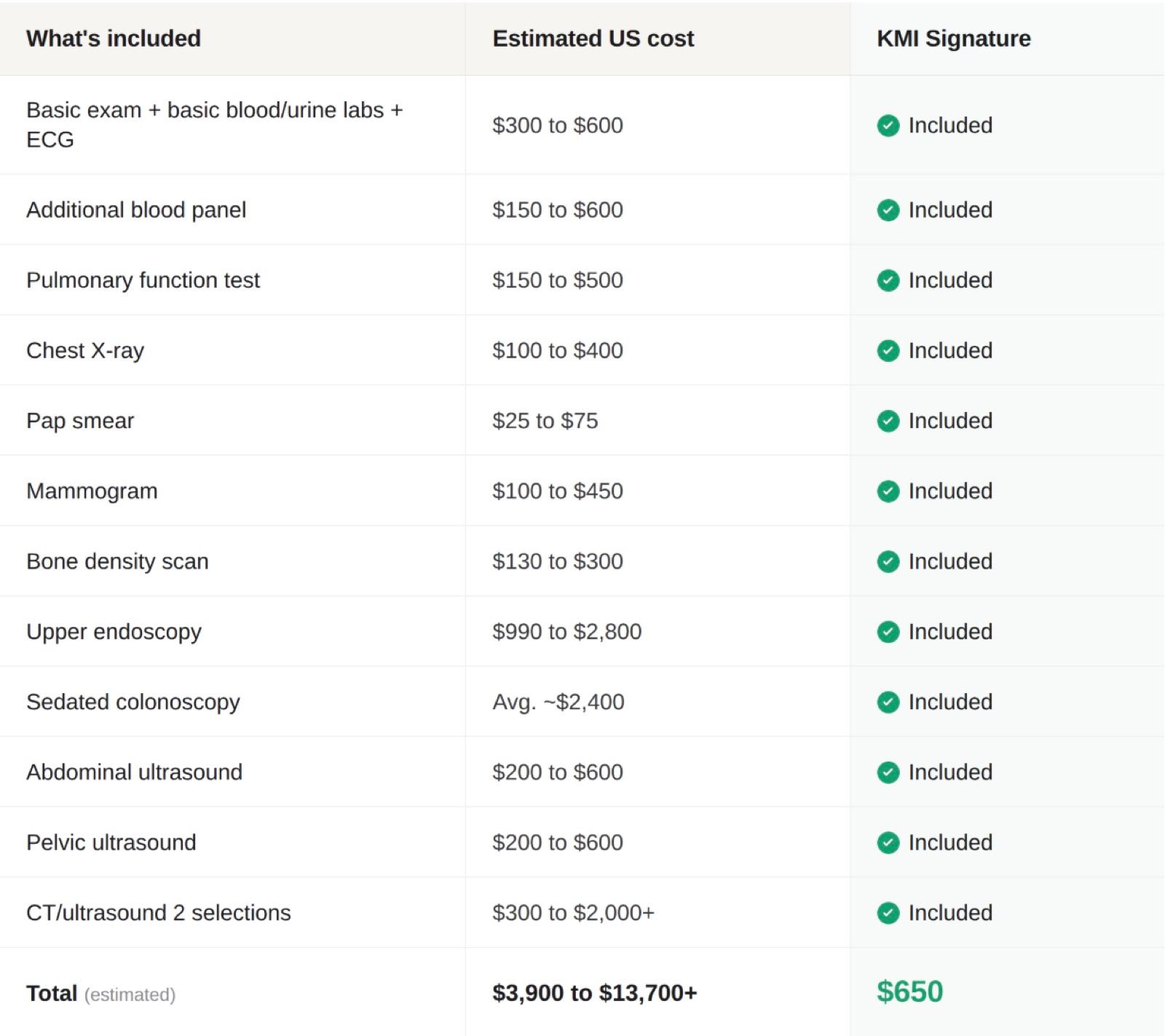
(Price ranges in this table are based on U.S. self-pay/cash prices from Personalabs, Solv Health, BetterCare, MDsave, KHealth, GoodRx, CostHelper, FairVisitHealth, Sidecar Health, CoveredUSA, ColonoscopyAssist, CareCredit, and Fairbanks Ultrasound (2025–26))
I skipped the colonoscopy this round and swapped in a thyroid ultrasound as my alternative.
I had originally picked a lung CT, but I was also adding a Brain MRI through a Creatrip perk, and I already had the coronary calcium CT in my package. KMI flagged that there’s a cap on how many equipment-based imaging tests they’ll run on one person in a single day, and they gently steered me toward the thyroid ultrasound instead of a second CT.
I appreciated that they caught it instead of just letting me stack on more scans. It felt like they were actually thinking about the patient, not just the invoice.
One package. One morning. About $650.
I’ll let that speak for itself.
2. Why I picked KMI again
This wasn’t my first health checkup in Korea. My first one was at a place near my apartment, and I brought a Korean friend to translate, which helped, but I was relying on her the whole time.
This time, I was going solo, so I wanted somewhere I could get through the process without needing Korean.
The RFID system sold me.
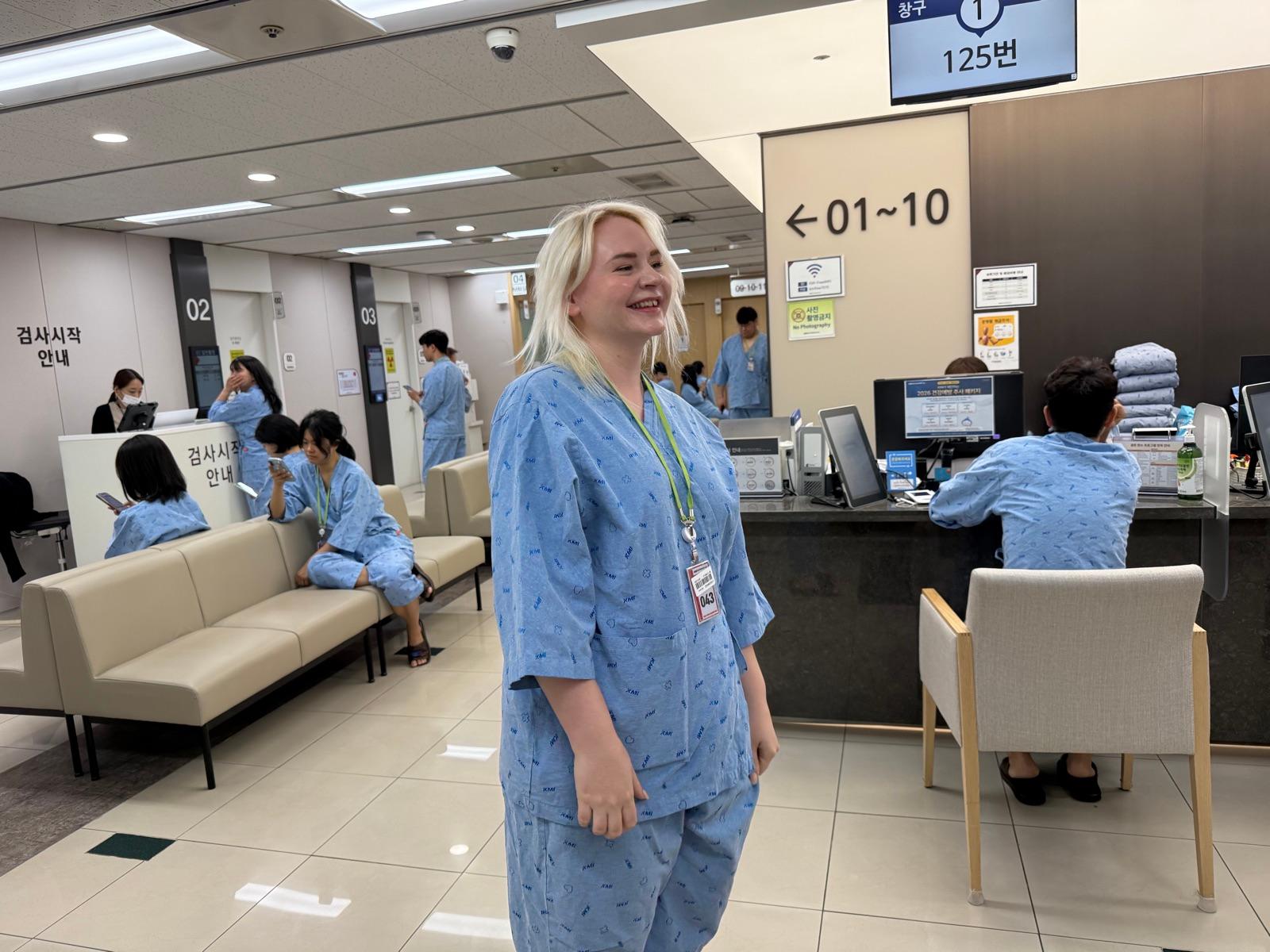
Every station in the center has a number, and at reception they hand you a necklace tag. You tap it on the screen at each station, and it automatically checks you into the queue for that test. When a test finishes, the staff tell you the number of your next station, you walk over, tap in, and your name pops up in line.
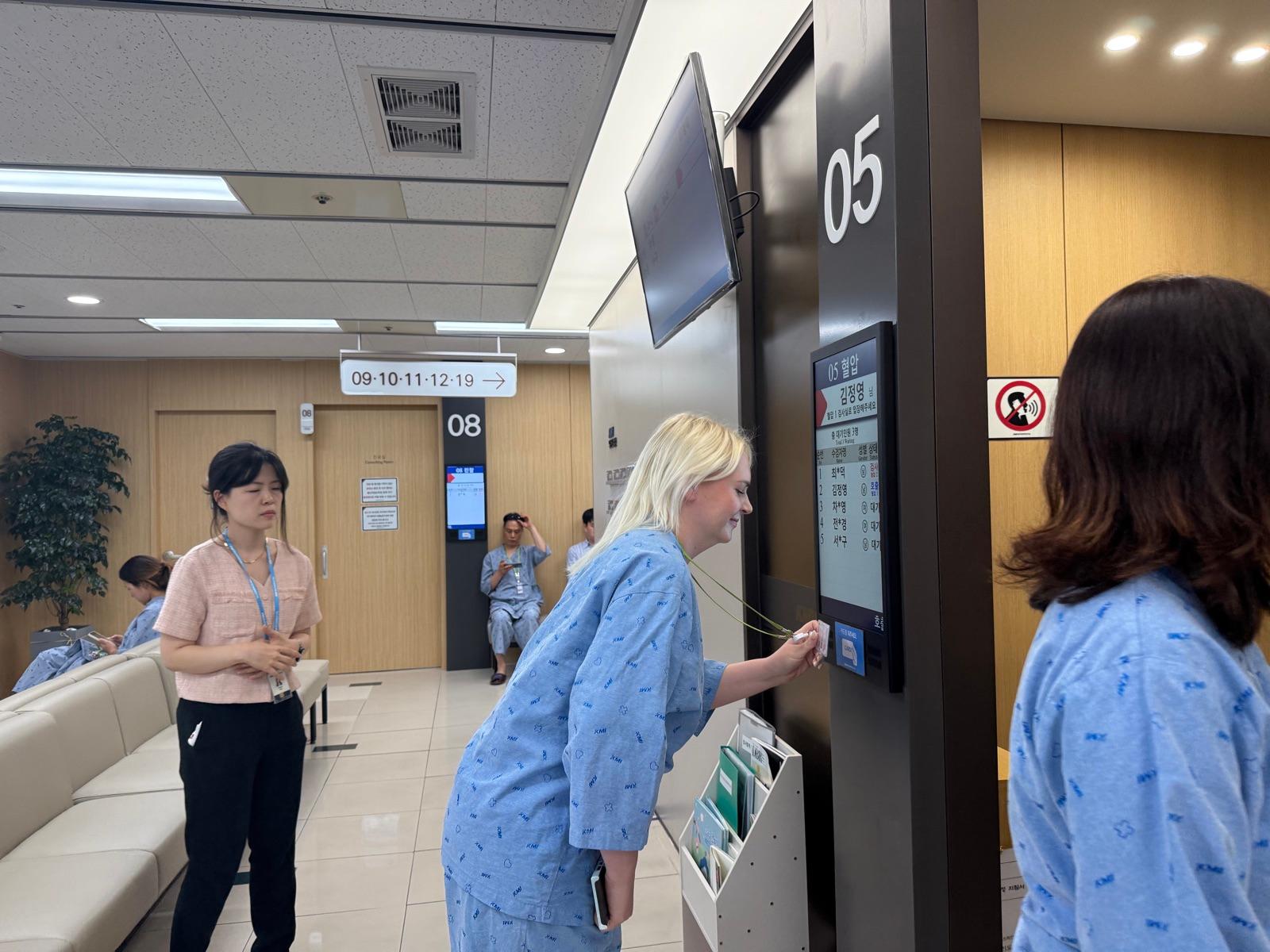
Honestly, it felt a little like a video game. More importantly, it meant I never had to awkwardly ask, “Wait, where do I go now?” in broken Korean. For a solo foreigner, that is huge.
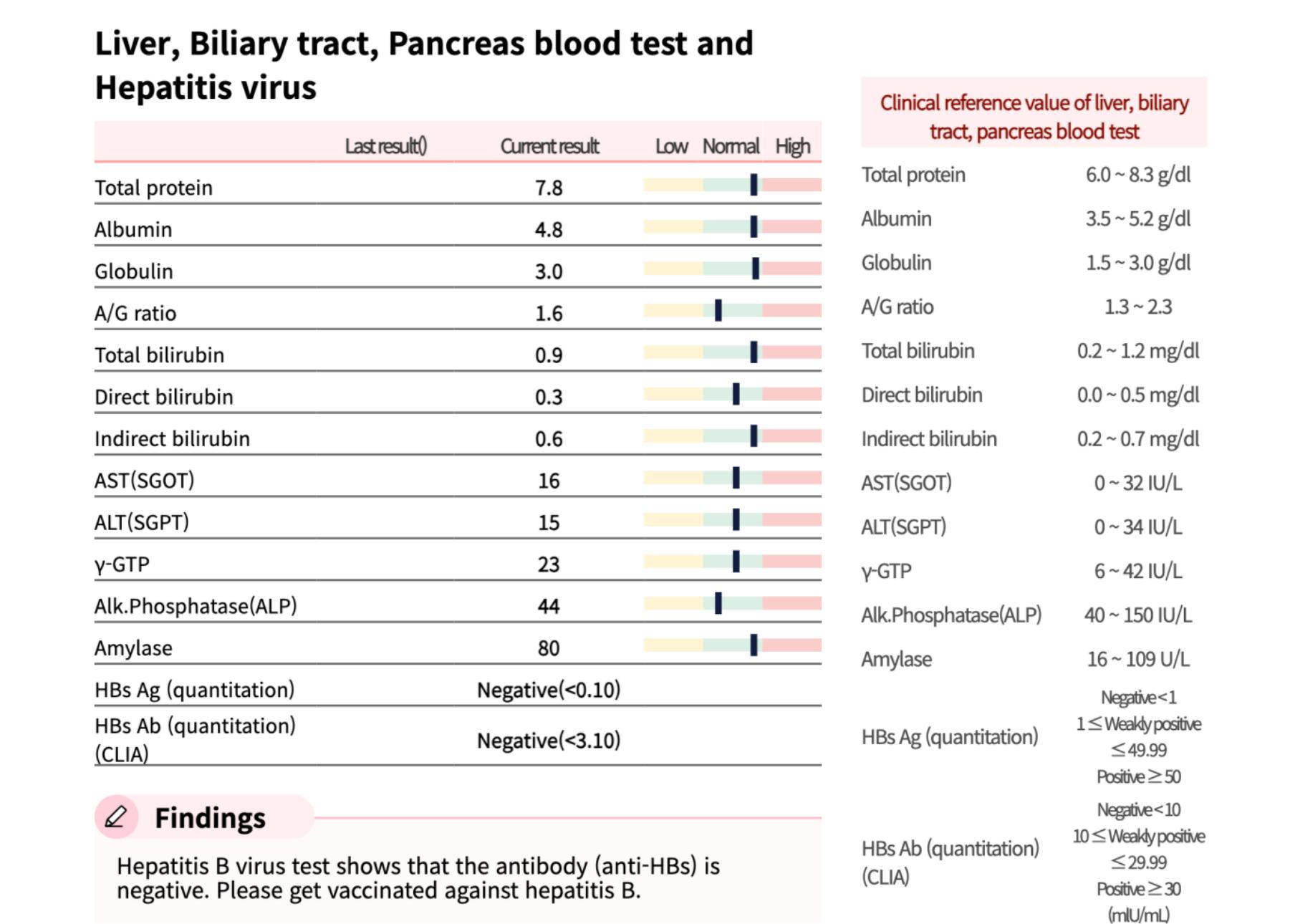
English results were another big reason.
I can get by with basic Korean in daily life, but reading a medical report is a different story. If anything ever showed up, I’d want to understand it clearly without translating everything myself. KMI issues results in English, which made that part feel a lot less stressful.
Location also mattered.
KMI has multiple centers around Korea, including several in Seoul. I had actually booked Gangnam first, then realized I had other plans in Yeouido that day, so I switched branches. Same KMI, easy change, no drama.
And here’s my real personality showing: when I leave the house, I like to knock out everything in one trip. I had a wedding coming up and needed an outfit, and I had also been putting off seeing a movie for weeks.
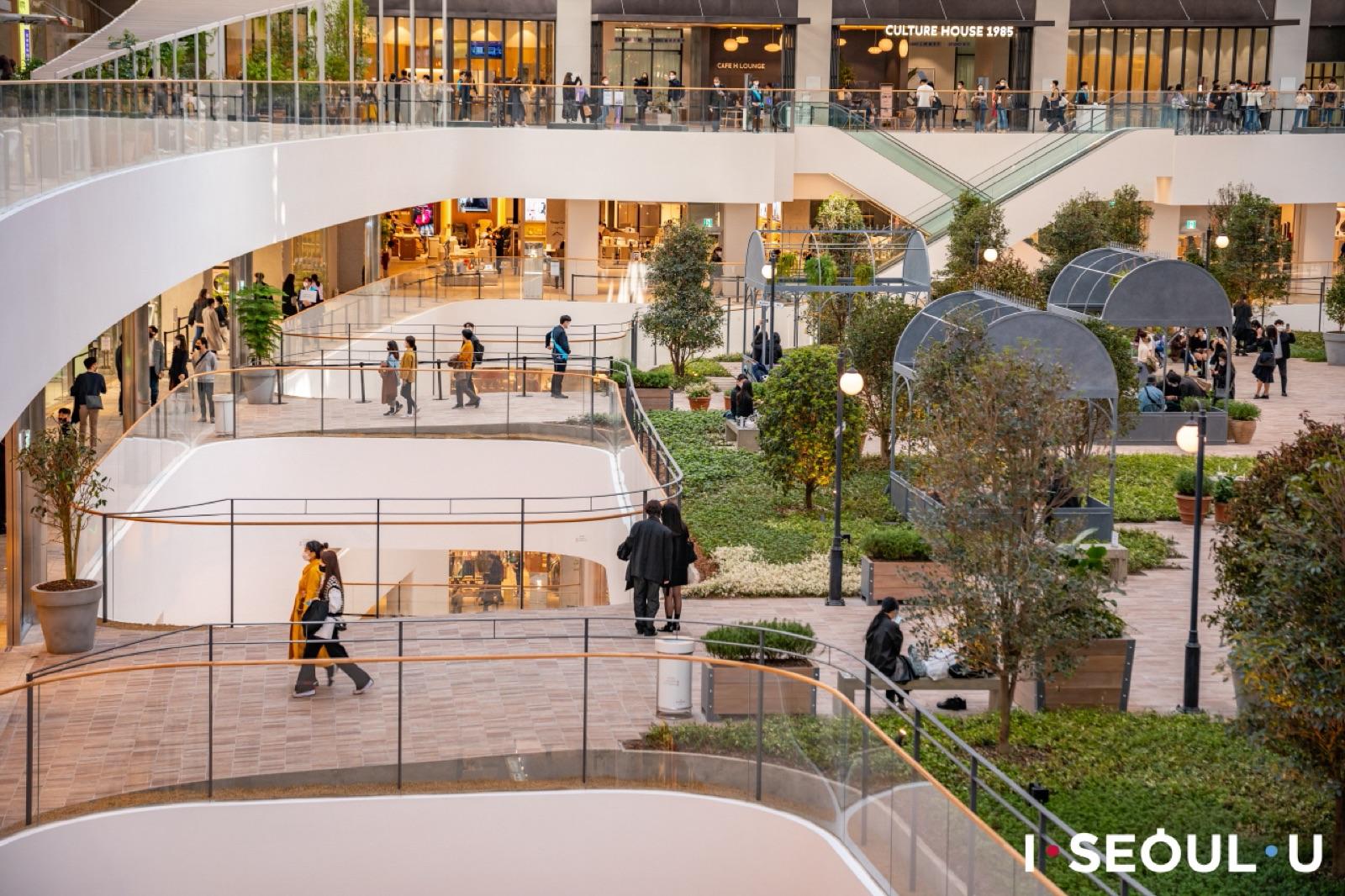
KMI Yeouido being right by The Hyundai Seoul and IFC Mall meant I finished my checkup, walked over, found a dress, and caught a movie all in the same afternoon.
Millie’s Tip: If you choose sedation, plan a light schedule afterward. Do not drive, drink alcohol, or make physically demanding plans on the same day. I kept my post-checkup plan simple and stayed nearby.
3. Prep tips before your checkup
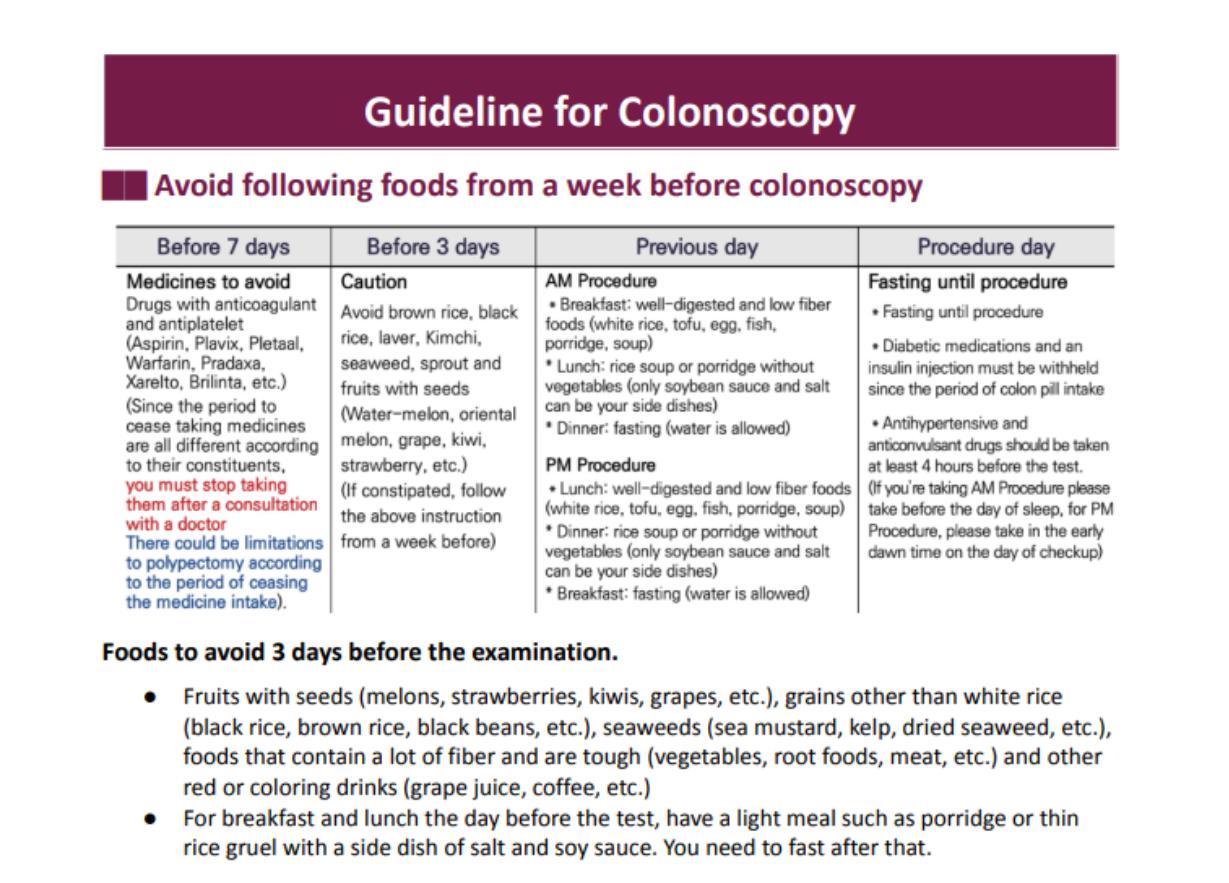
I based most of this on the foreigner health checkup guide I got through Creatrip, and it saved me from a couple of rookie mistakes.
If your package includes a gastroscopy or colonoscopy, the prep is stricter than you might expect.
- Fasting
- The fasting rule is no food and no water starting 8 hours before your exam. The day before, you also need to be careful with coffee, gum, candy, cigarettes, colored or dyed drinks, and dairy.
- For women,
- gynecological and urine tests are usually done at least 7 days after your period ends. If you’re pregnant, might be pregnant, or are breastfeeding, some tests may be restricted, so make sure to flag that in advance.
- Medication
- If you take daily medication, check with the center ahead of time about what to do on the morning of your appointment.
Here’s my own little addition. The guide says to fast for at least 8 hours, but I also read that going easy on greasy food the day before can help. So I ended up getting juk, which is Korean rice porridge.
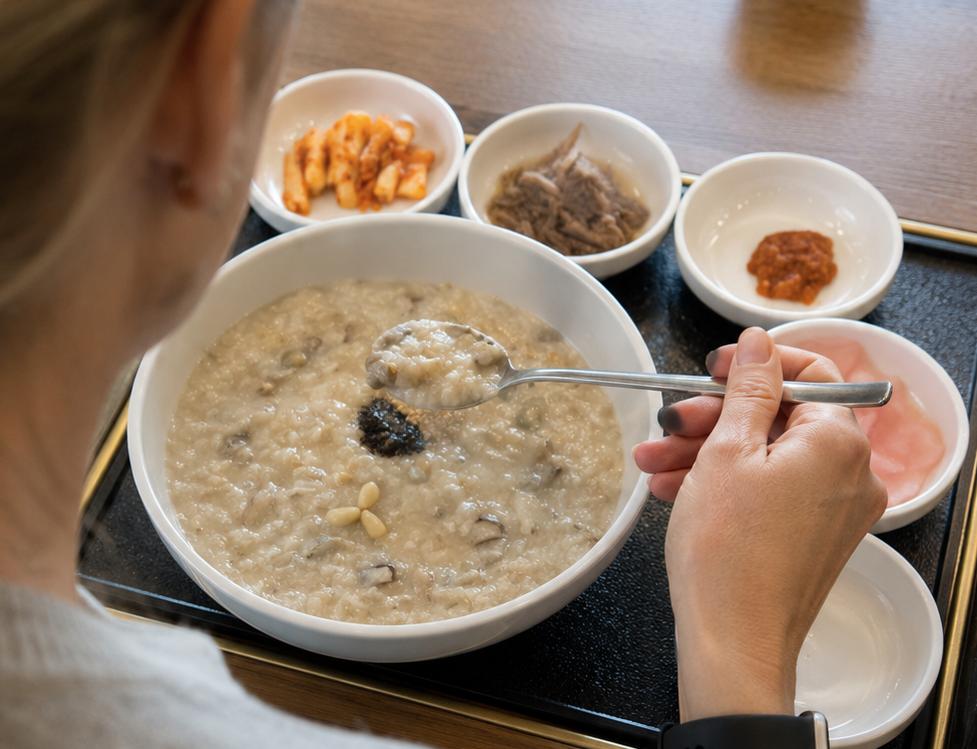
Bonjuk is a famous chain here, and my personal favorite is the octopus and kimchi porridge.
Do not get that one before a checkup, though. Millie warned me to avoid anything with red pepper or strong color before a gastroscopy, so I reluctantly went with the abalone porridge instead. Still delicious.
4. My 3-hour KMI Yeouido day + results
I’ll walk you through my KMI Signature Package checkup day step by step, based on the tests I personally completed. I did skip a few exams for personal reasons, so this review doesn’t cover every test included in the Signature Package.
If you’d like to see the full Signature Package test list, you can check the details through the link below.
With that said, let’s get into my health checkup experience at KMI Yeouido!
I checked in on the 18th floor. There was kiosk registration first. After I tapped the registration button, the reception desk called my number.
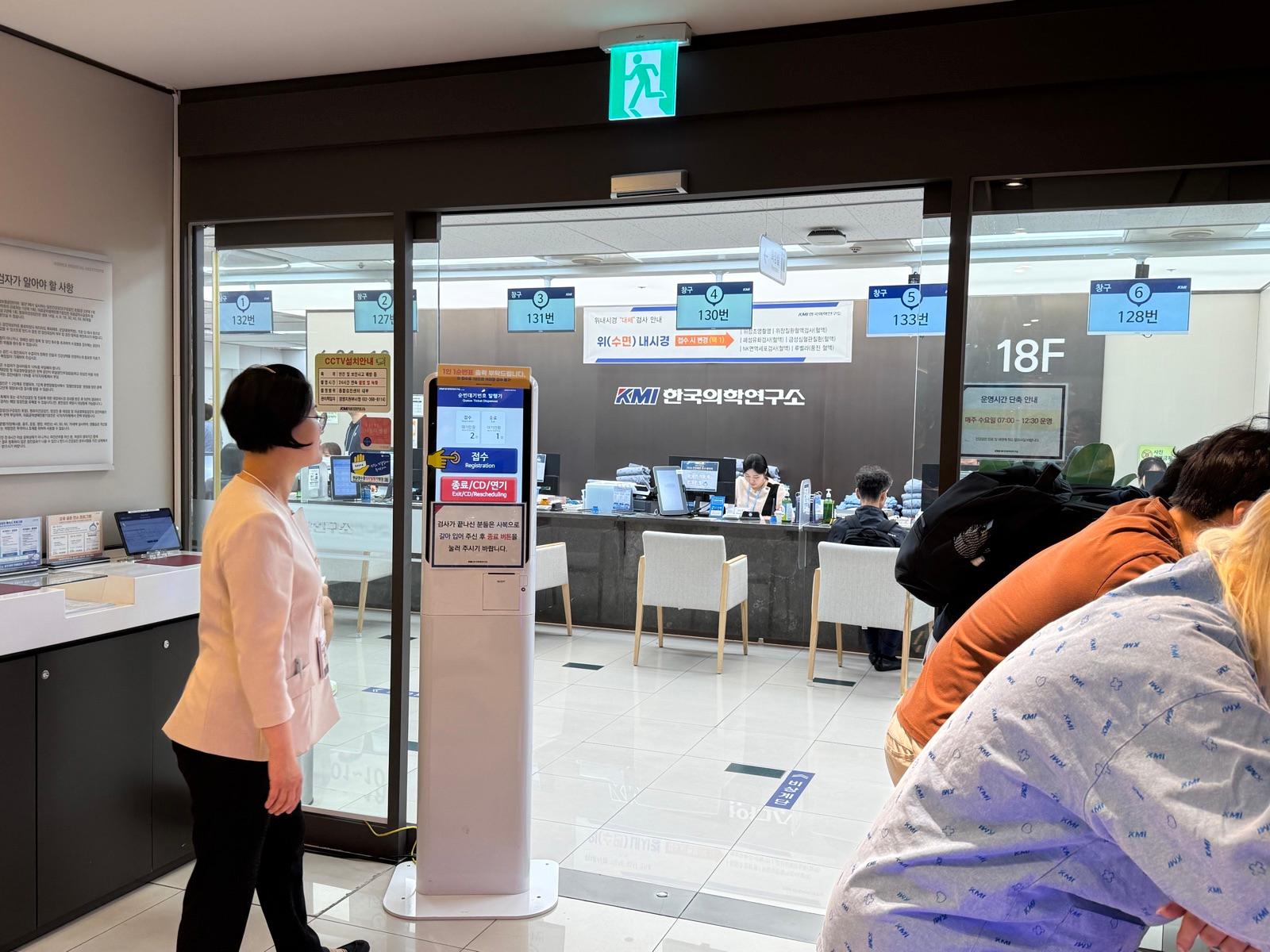
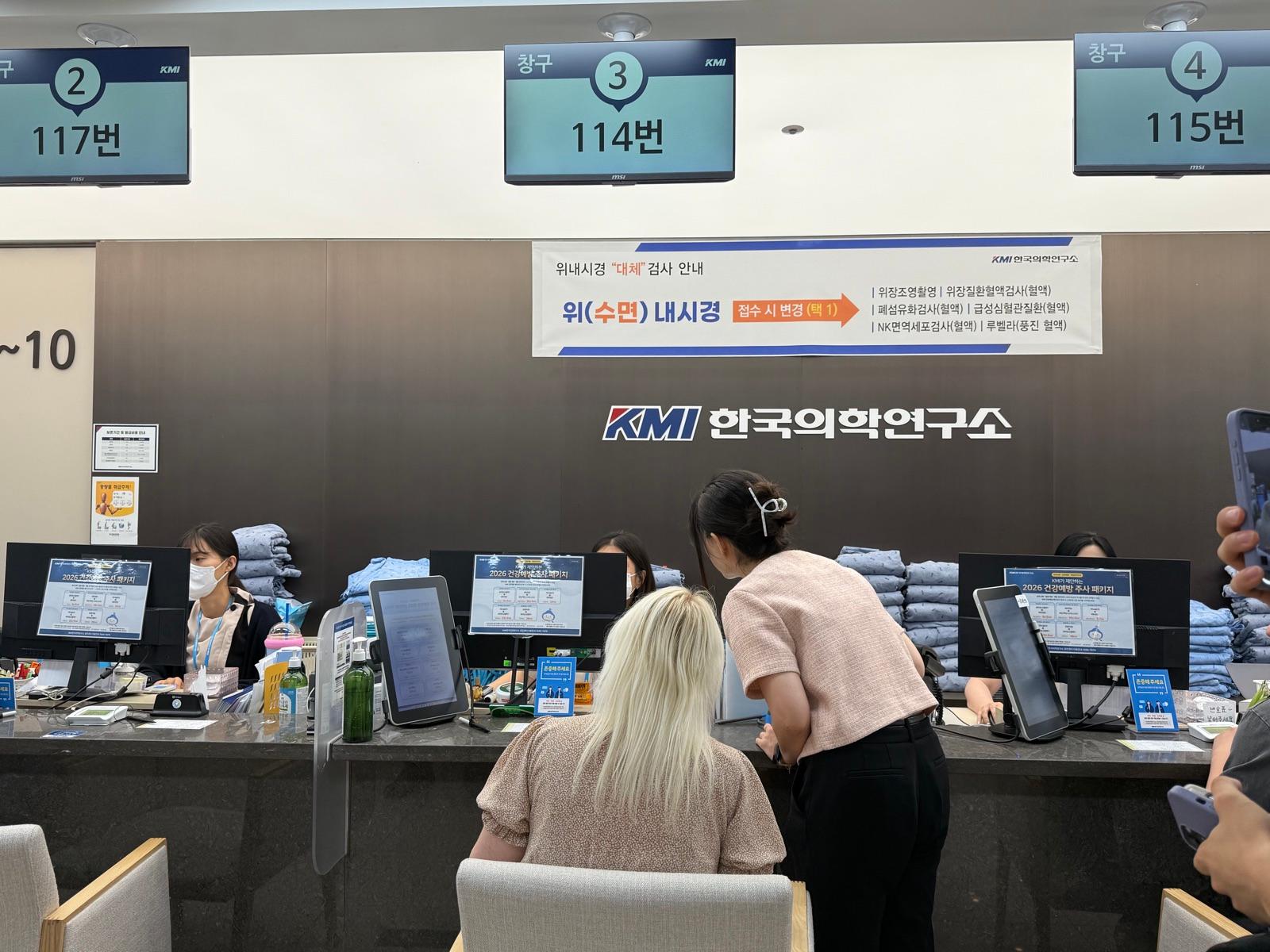
At the reception desk, I showed my passport, and the staff gave me my checkup gown and RFID necklace tag.
Once I changed, the actual checkup officially began.
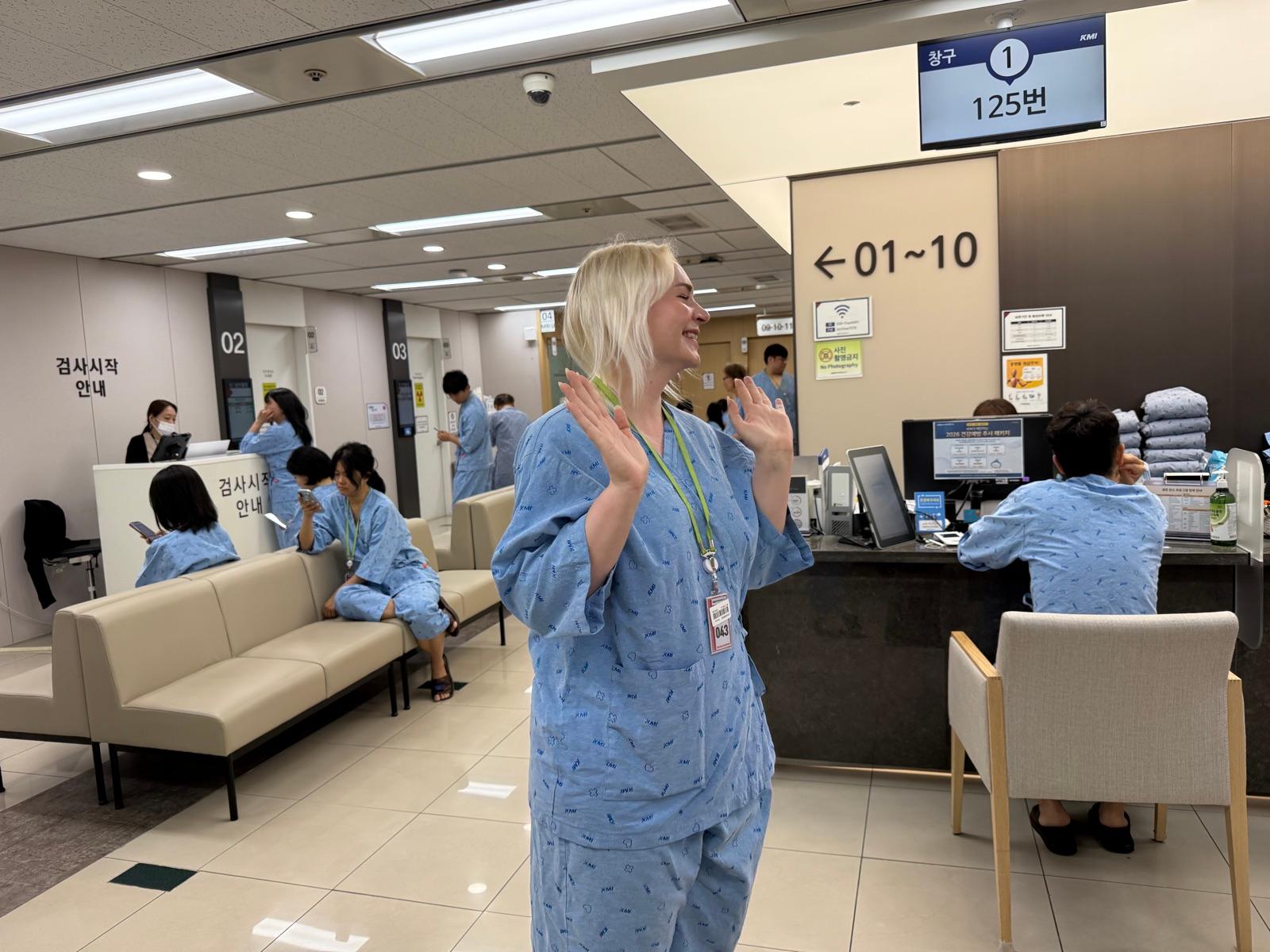
From there, I moved through the stations in order: vision, hearing, X-ray, ECG, blood pressure, urine test, and then the bigger tests I actually came for.
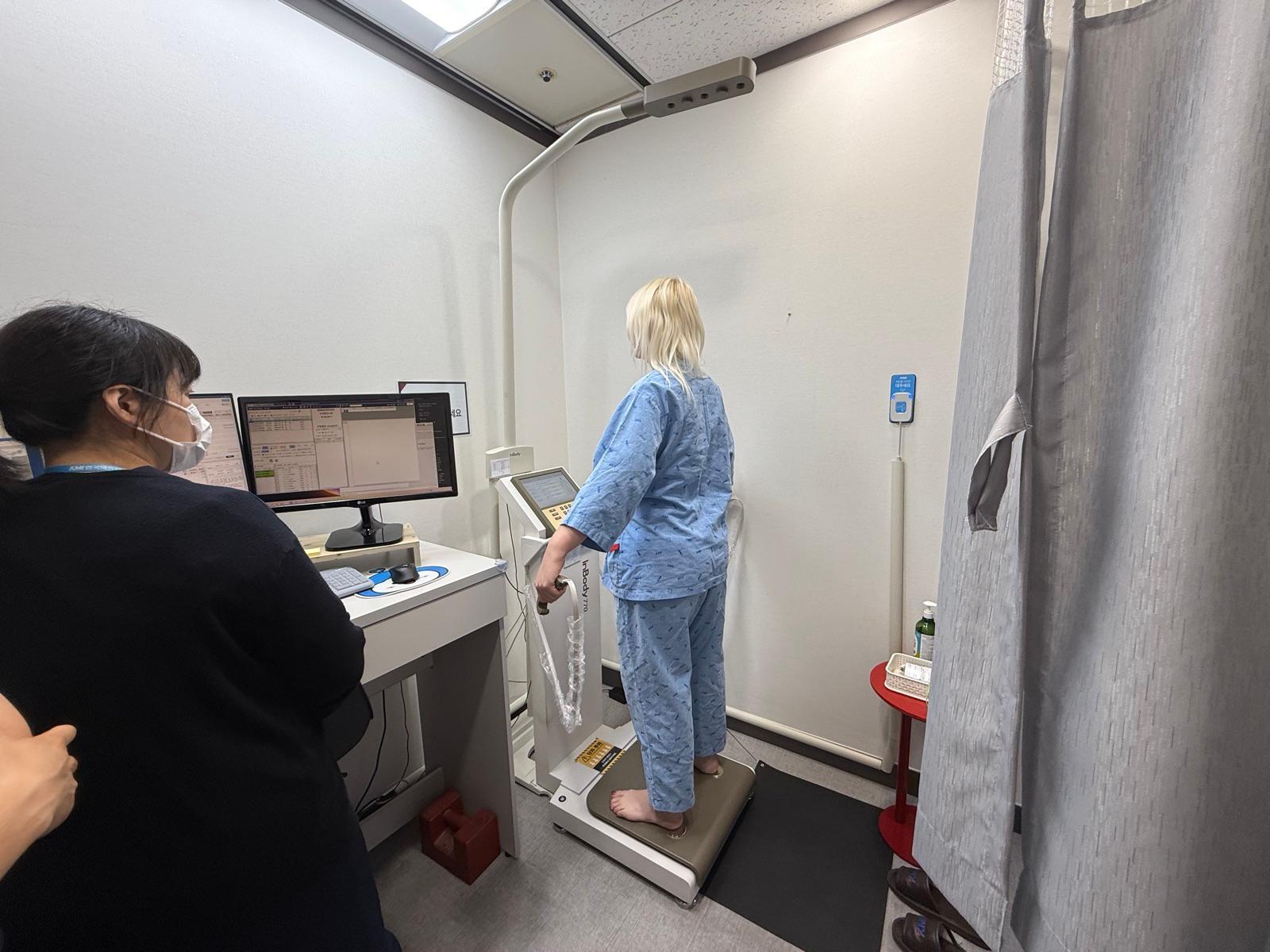
Here’s how those went.
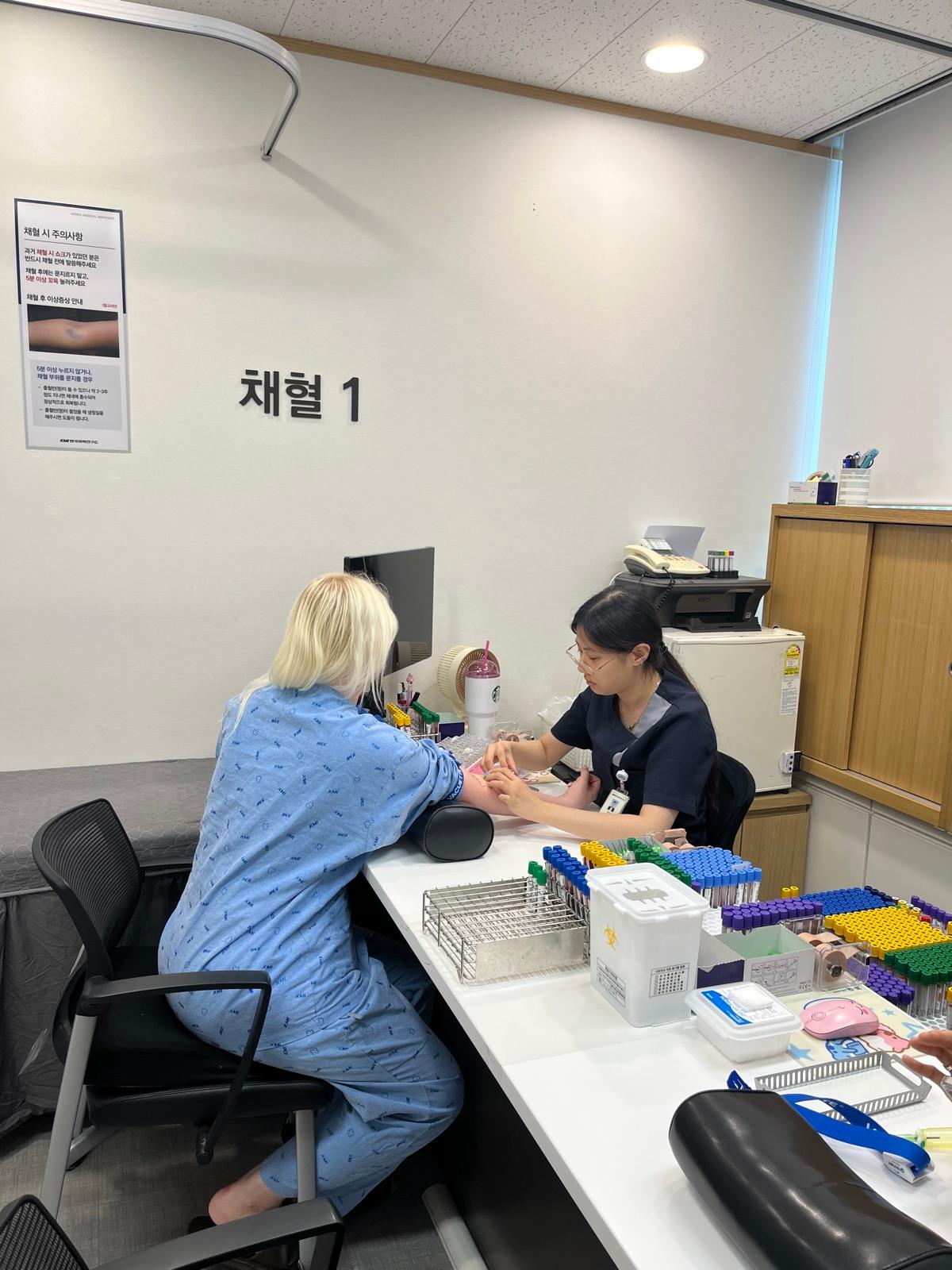
Blood draw
This was my first real stop. The blood panel included quite a few items, so they drew several tubes. I’m not especially scared of needles, but I was still impressed by how quick and professional the nurse was.
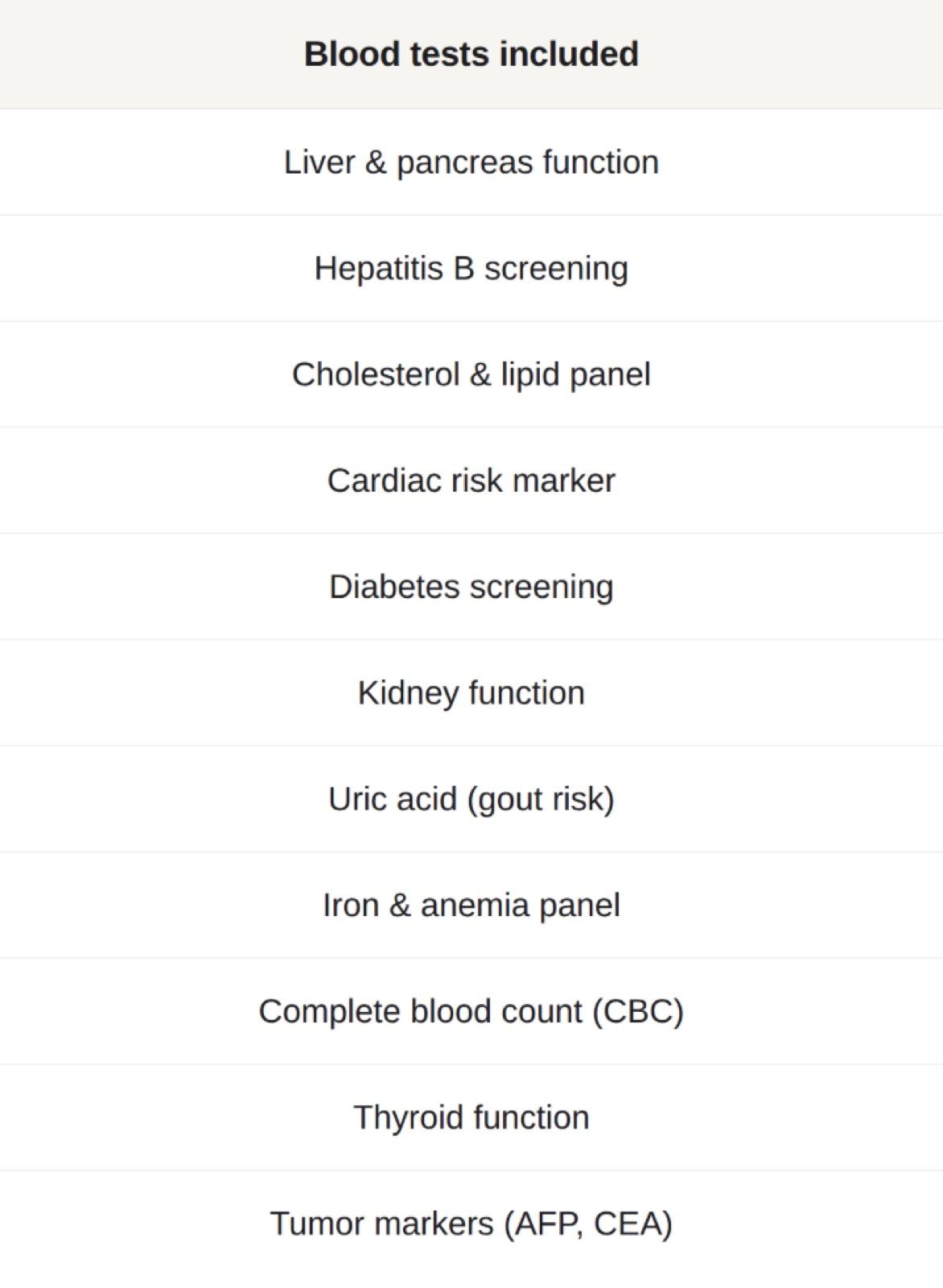
These were the blood test panels included in my Signature package.
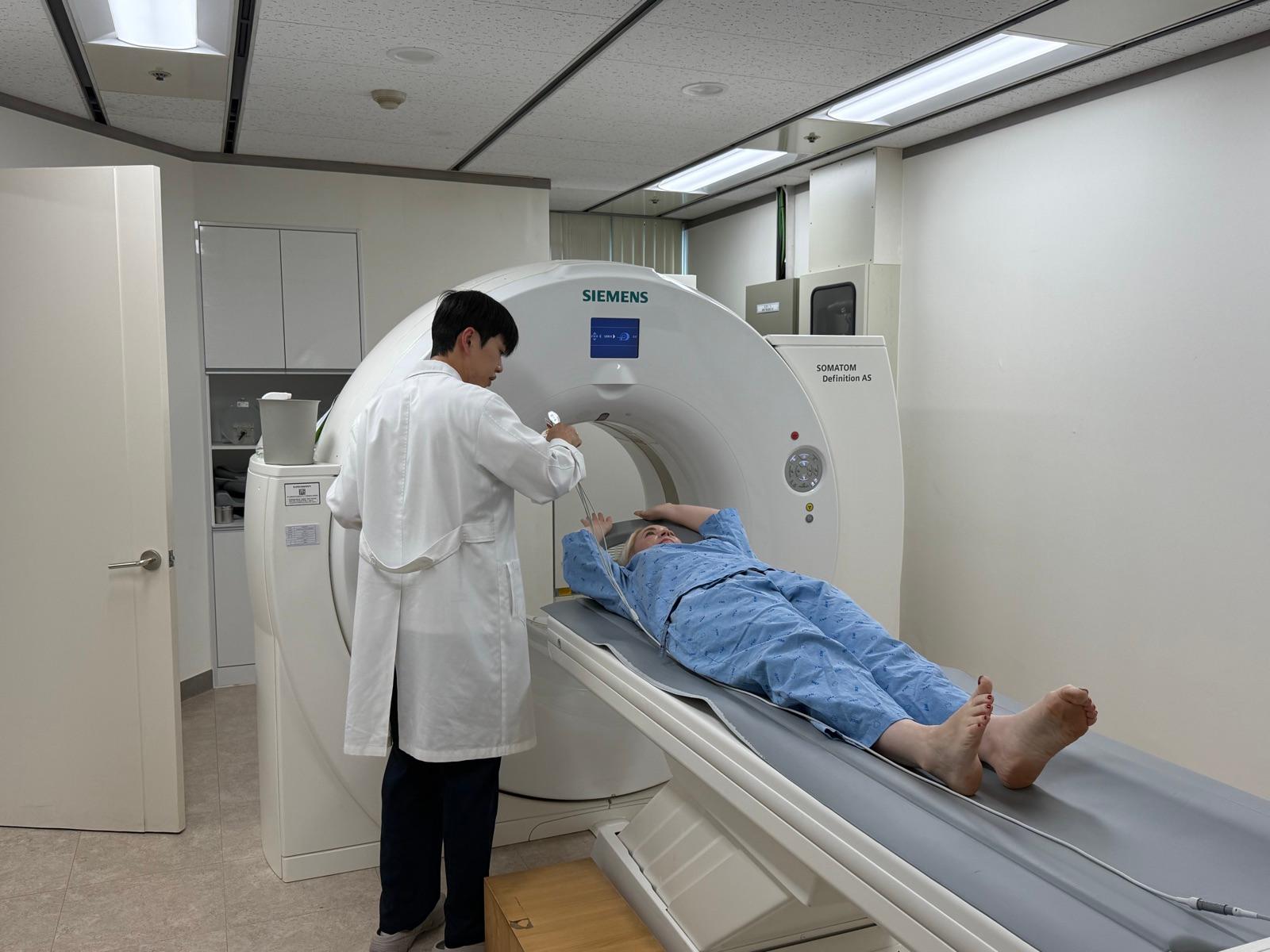
Coronary calcium CT
This was the one of the reason I came here.
You lie down, they place a few ECG stickers on your chest, and the scanner does a fast pass to look for calcium buildup in your heart’s arteries. The whole thing took maybe five minutes, and I didn’t feel a thing.
Breast and thyroid ultrasound
Next up were the ultrasound exams. Cool gel, a wand, and a technician gliding it over each area while the images came up on screen.
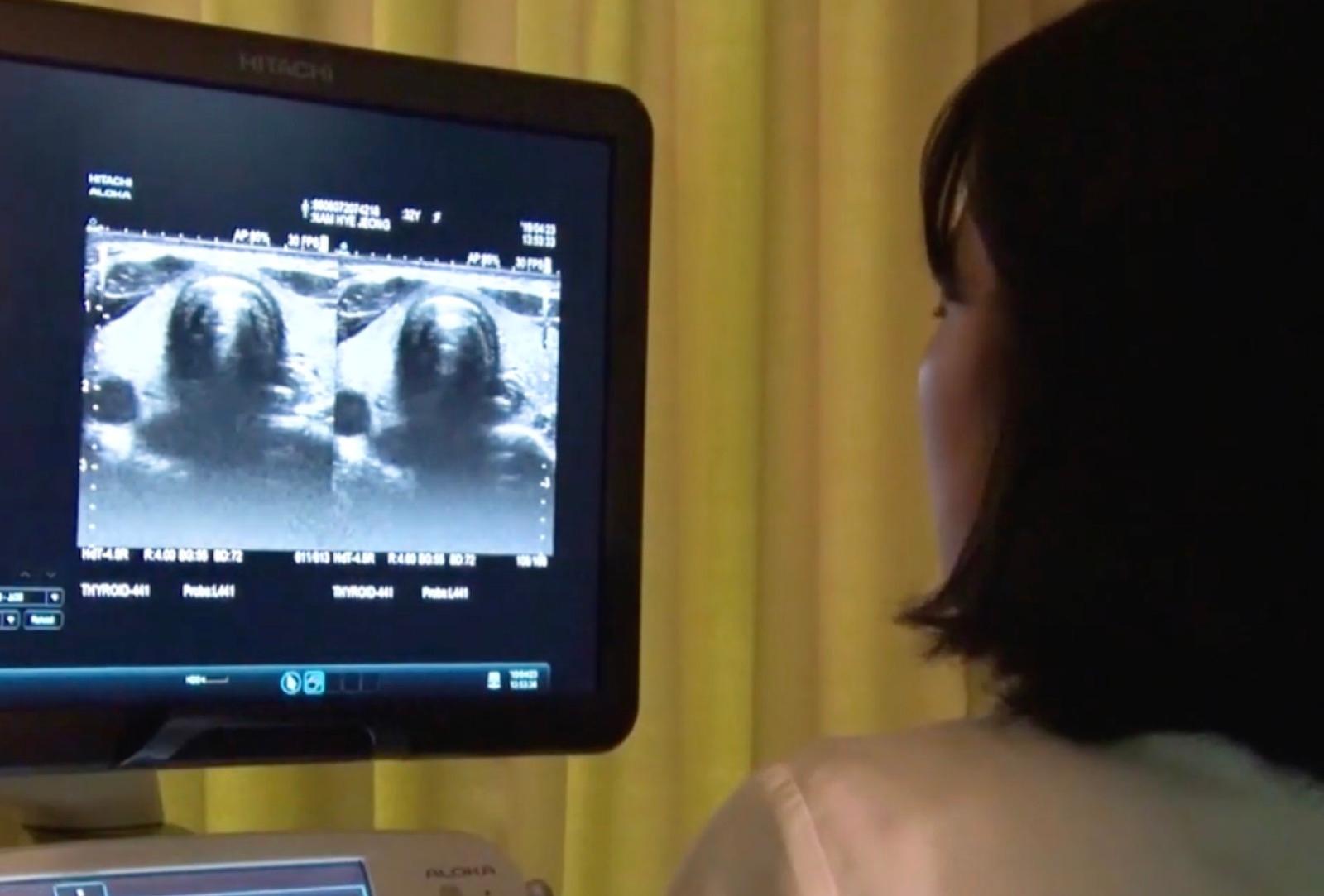
One test I was personally curious about was the thyroid ultrasound, because I had been getting tired so easily lately. The technician checked my neck area very carefully and told me there did not seem to be any major issue.
Brain MRI
This was my Creatrip add-on and the most dramatic-sounding part of the day.
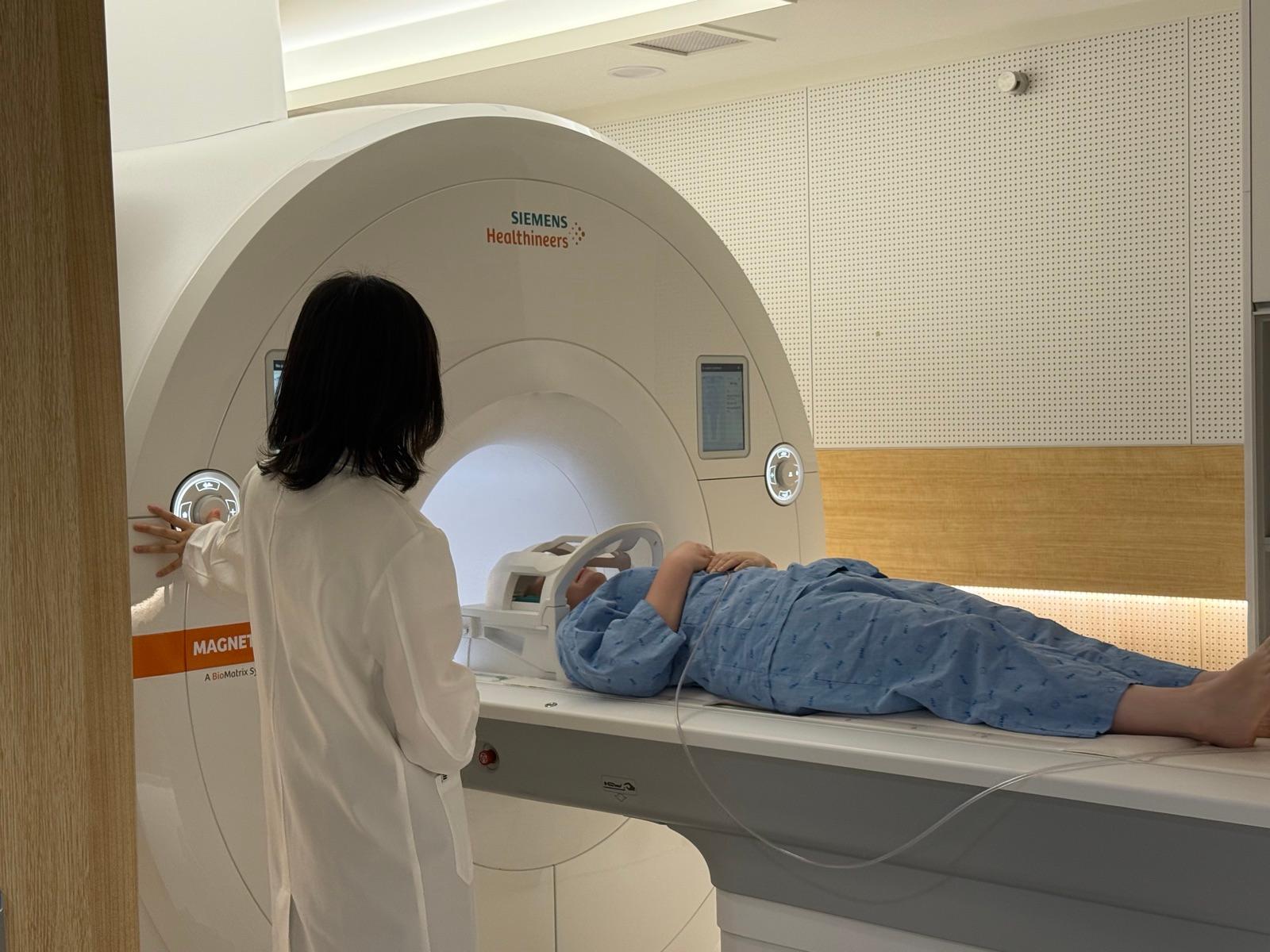
Earplugs in, lie still, and the machine clanks away around your head for a bit. If you’re claustrophobic, you’ll want to mentally prepare yourself, but the staff talked me through it and it was over before I got too anxious.
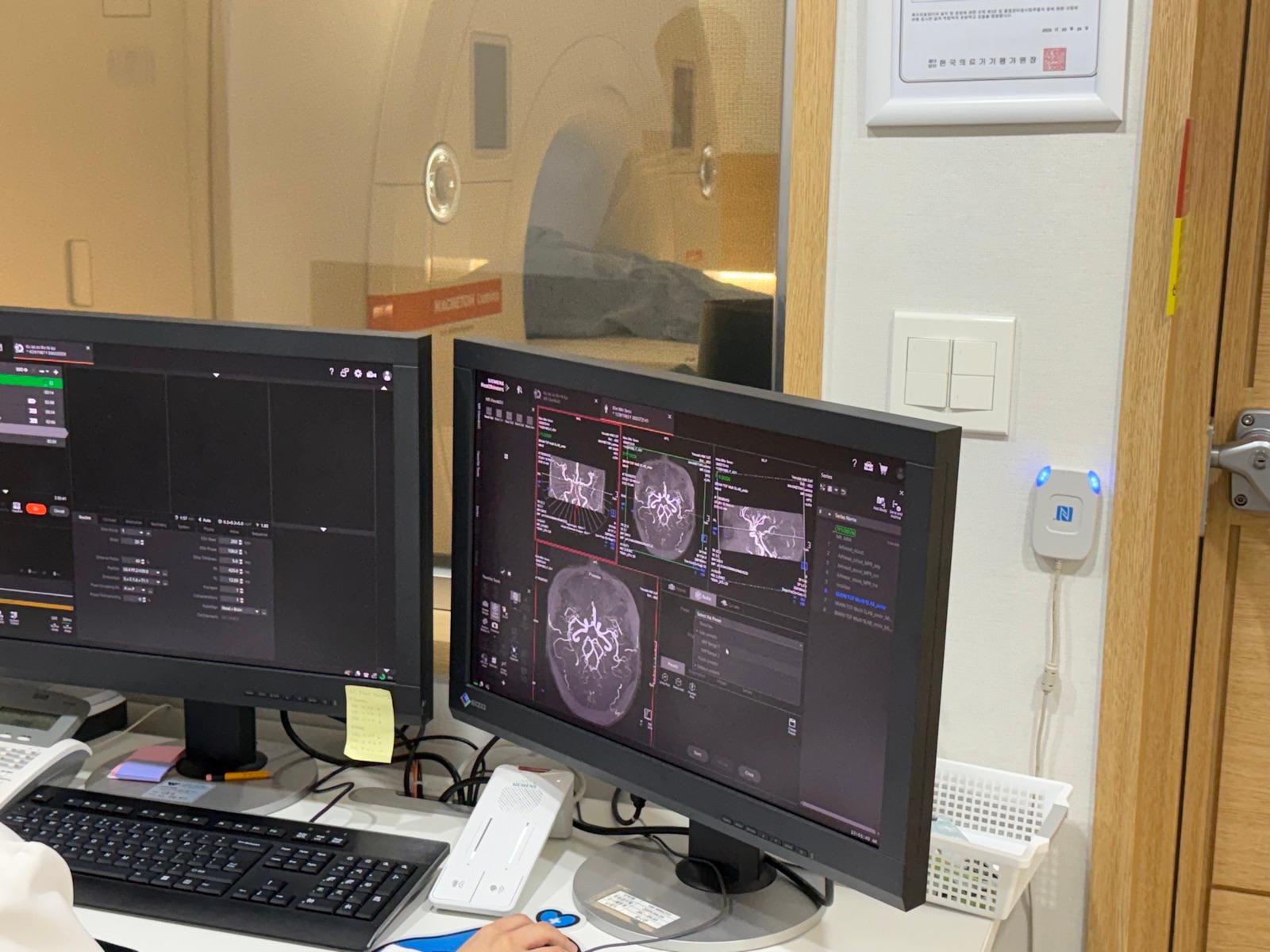
I saw the brain images afterward, and honestly, it was fascinating. I think I was inside the machine for around 10 minutes, and it felt like the technician was being very thorough.
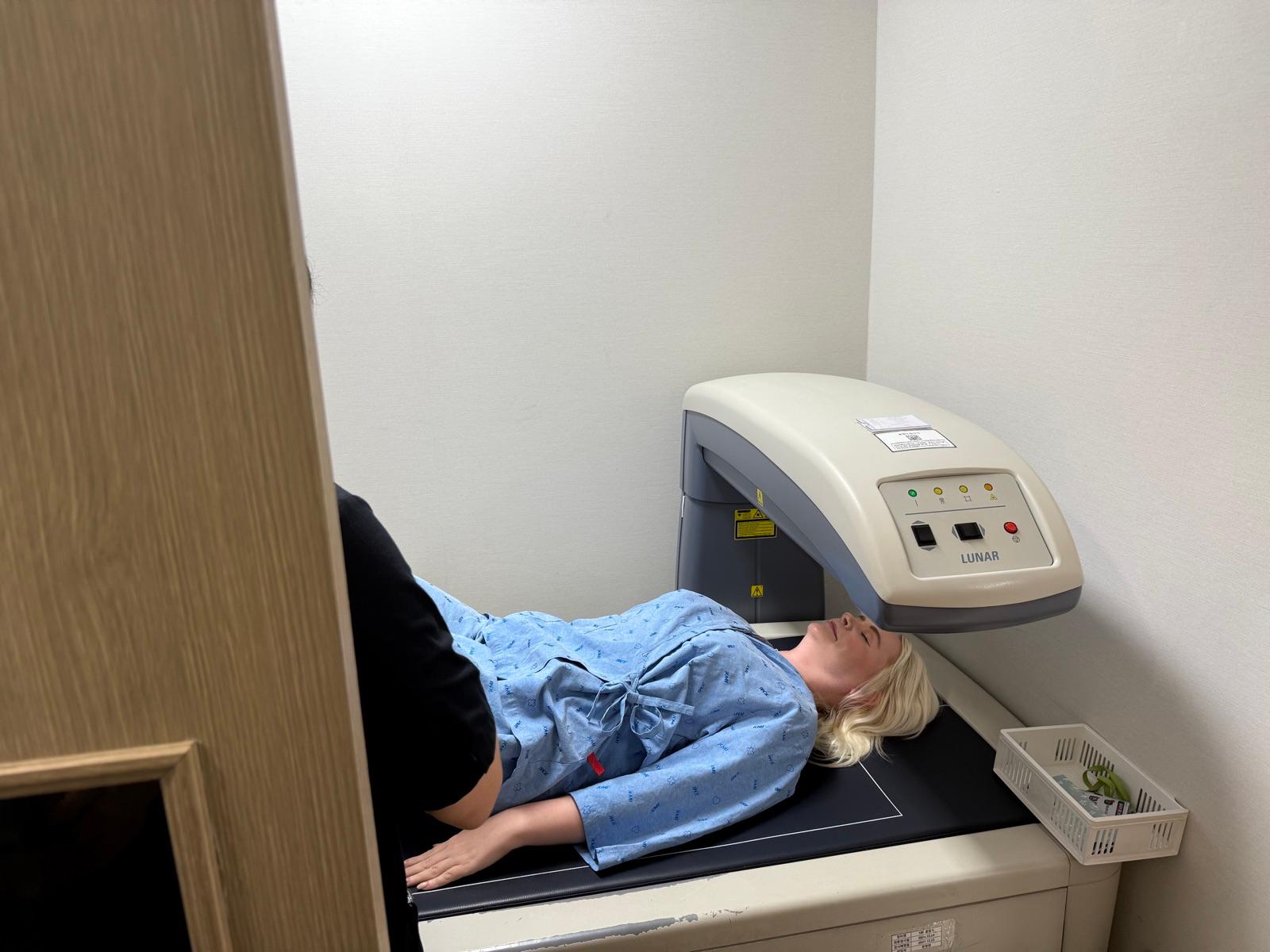
Bone density scan
This one was easy. You lie flat, a scanner arm passes over your hips and lower spine, and that’s it. No noise, no discomfort, done in a couple of minutes.
Gastroscopy
I saved the big one for last, and it’s on a different floor.
The gastroscopy is down on the 13th floor, so you take the elevator from the 18th.
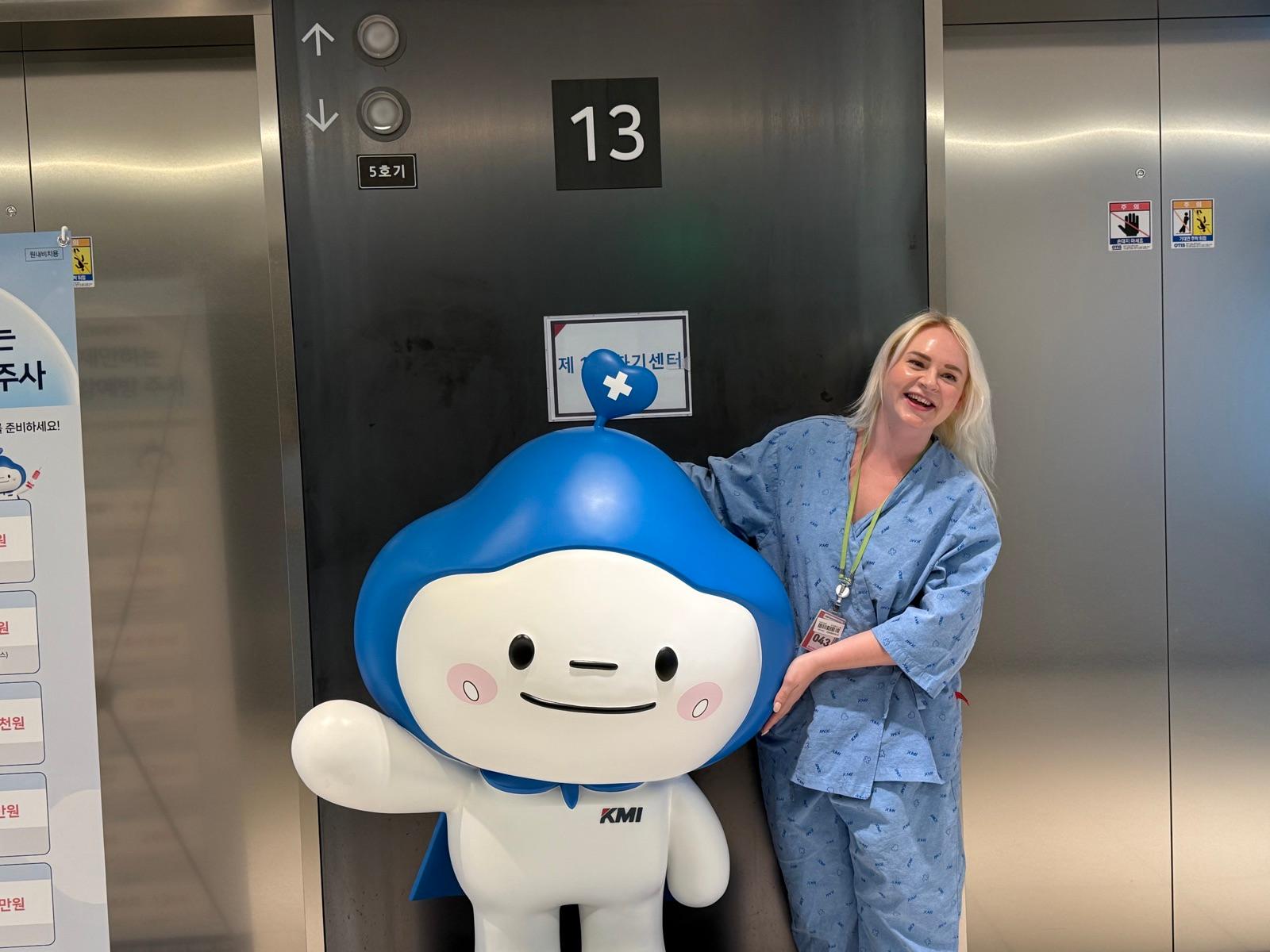
Quick insider tip that I am genuinely proud of: the elevators here can move slowly during busy hours, so if you’re able to take the stairs, you might beat the crowd down.
I chose the sedated version. Once I tapped my RFID tag at the reception desk on the 13th floor, they called my name to start the IV prep for sedation.
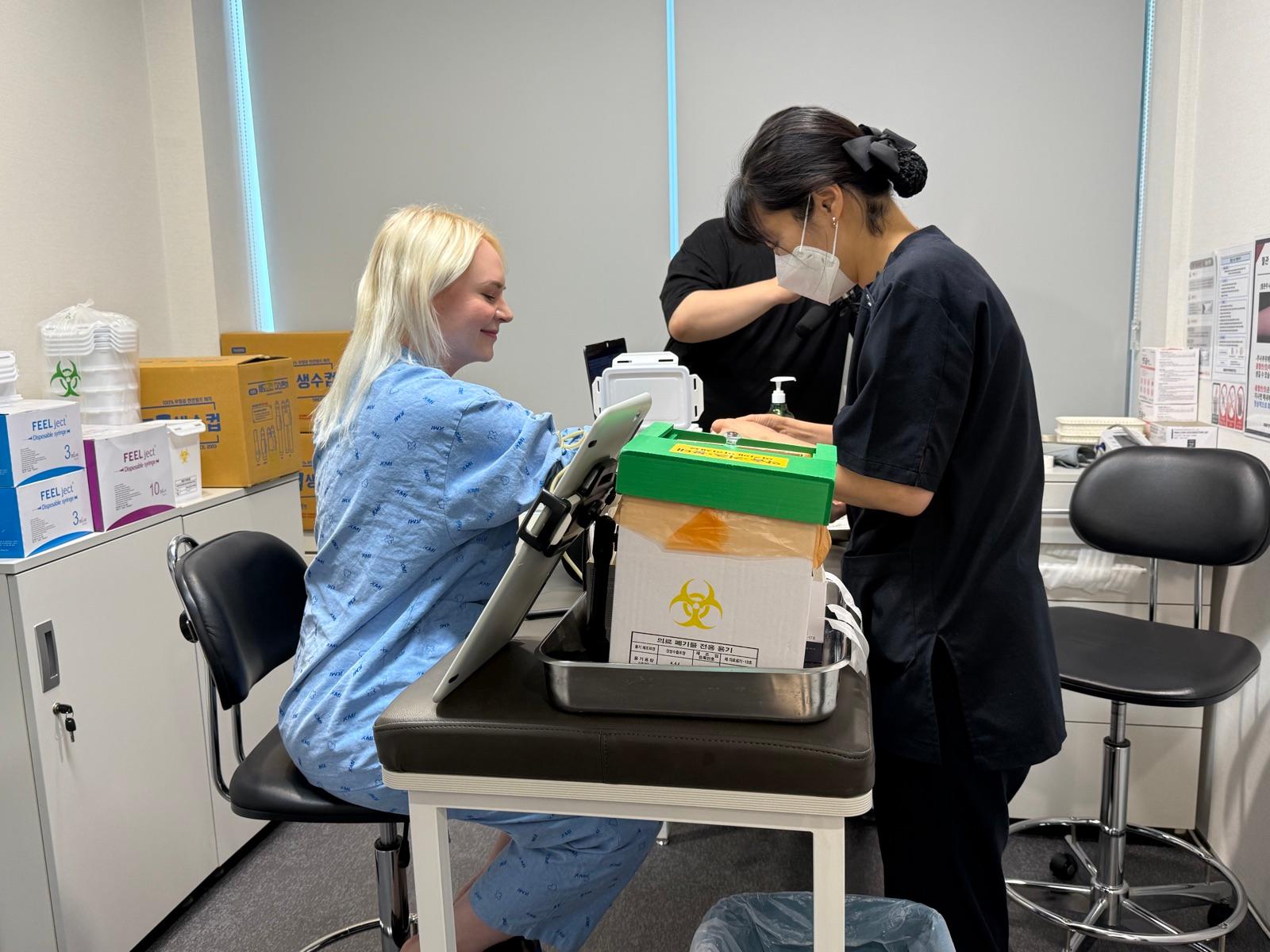
After the prep was done, I sat and waited until they called me into the endoscopy room.
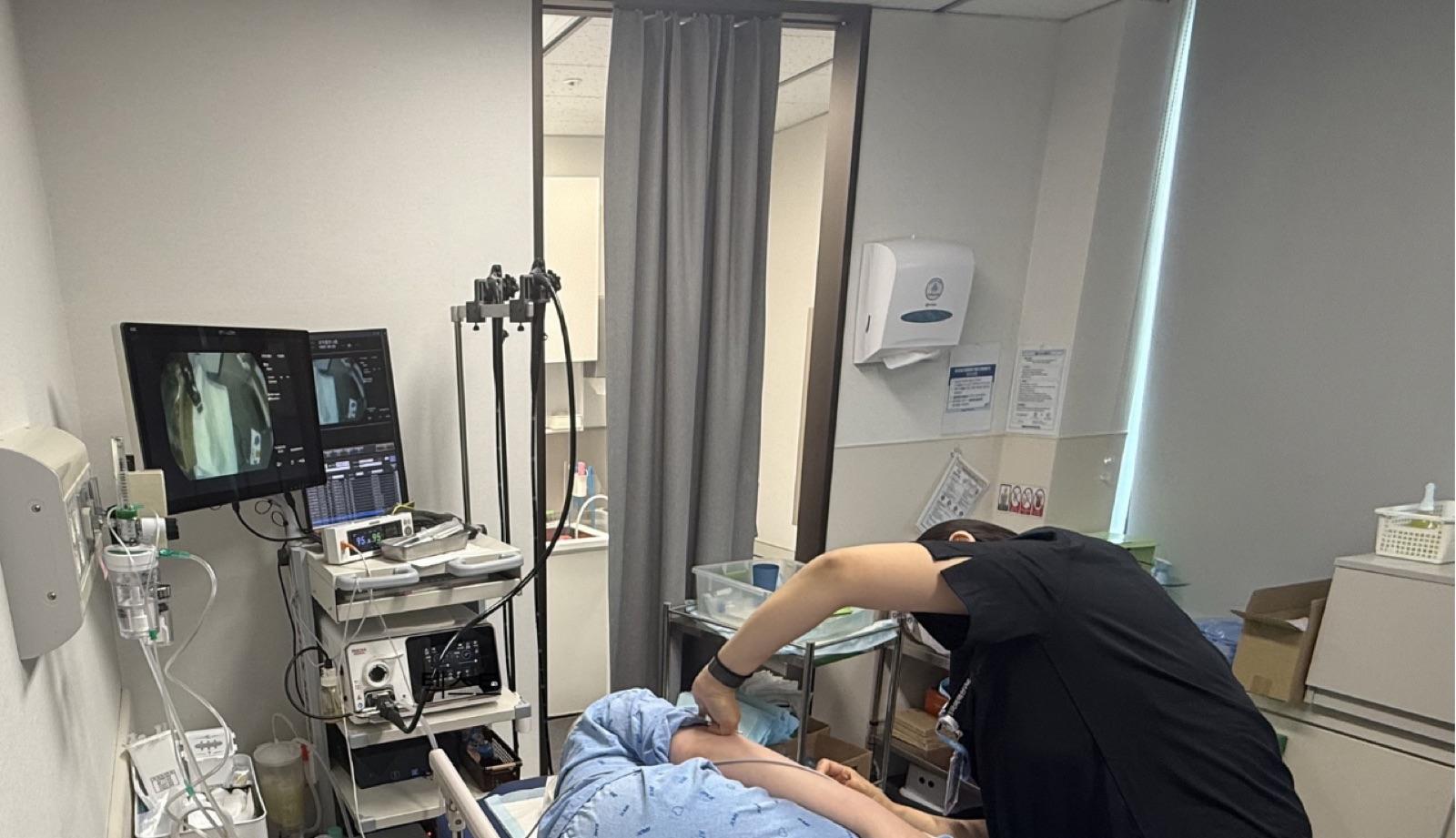
Including sedation and recovery, I think it took about 20 to 30 minutes.
Result
The whole thing took me about 3 hours.
As for results, they come by email in about 2 to 3 weeks, so I don’t have mine yet. I’ll come back and update this once they arrive.
5. How to book a health checkup in Korea as a foreigner
You can book through a concierge, or you can do it yourself.
I’m firmly in the do-it-myself camp, mostly because I have a mild phobia of phone calls and the idea of calling a clinic makes me want to lie down. Online booking is my love language.
KMI has centers in major cities and a few tourist-heavy areas, so you can pick whichever one fits your itinerary.
- Seoul Area:
- Outside of Seoul:
- [KMI Jeju Branch]
- [KMI Busan Branch] - You can find more detailed information in the blog below!
Choose the branch that lines up with where you’ll already be, and you’re set.
6. Why book KMI on Creatrip
The foreigner-focused KMI guide.
Comprehensive screenings come with a long list of prep rules, and a lot of them are not obvious if you didn’t grow up with the Korean checkup system. The guide put everything in one place for me.
14-day 1:1 Buddy Service.
From pre-booking questions to checkup day and follow-up afterward, a Creatrip Buddy can support you one on one for two weeks. It’s a nice safety net when you’re doing medical stuff in a country that isn’t your own.
A limited-time free MRI/CT add-on for Signature and Noble bookings.
One of the biggest reasons booking through Creatrip felt worth it was the limited-time add-on benefit available when I reserved.
At the time of booking, Creatrip was offering a free MRI or CT add-on for KMI Signature and Noble package customers, which is how I was able to add a Brain MRI to my checkup.
This benefit is still available, so if you’re interested, check the link below for the latest details.
7. FAQ: what foreigners ask most
Millie back again. Here are the questions I get most often, with quick answers.
Q1. How much does a health checkup cost at KMI?
It depends on the program. Standard is about $340 and takes around 3 hours. Signature is about $650 to $680 depending on the exchange rate and usually takes around 4 hours. Noble is about $1,370 and also takes around 4 hours, with more advanced items like MRI, genetic testing, and additional imaging.
You can also add extra tests to any package.
Q2. When is the best time to get a checkup in Korea?
I recommend going after 9 AM if you can. Many Korean patients arrive very early, often around 7 AM, so the morning rush can be real. From around 9 AM, people started clearing out, so after 9 felt much more relaxed.
Q3. How long does it take?
Standard usually takes about 3 hours. Programs with a colonoscopy, MRI, or more imaging tests, like Signature or Noble, can take closer to 4 hours.
Q4. Can I get my KMI results in English?
Yes. KMI provides multilingual result sheets for international visitors, including English, Chinese, and Japanese. When booking, make sure to select or request the language you need for your results.
Q5. When and how do results arrive?
Results are usually sent by email within 2 to 3 weeks of your appointment.
Q6. What should I eat after a gastroscopy?
They usually recommend avoiding anything too spicy or greasy right after a gastroscopy. Check how your body feels first. Most people recover pretty quickly, but some people may feel a little tired afterward. A warm soup dish is a safe choice. But if you feel completely normal, you are in Korea, so I say go enjoy something delicious.
Q7. Is KMI Yeouido good for tourists?
Yes. KMI Yeouido is convenient for travelers staying near Yeouido, IFC Mall, The Hyundai Seoul, or the Han River area. It is also practical if you want to combine a morning checkup with a light afternoon itinerary nearby.
- Medical note: This article is based on one visitor’s personal experience and publicly available booking information. It is not medical advice. Test availability, preparation rules, and suitability may vary by individual health condition, pregnancy status, medication use, and the medical center’s guidance. Always follow the instructions provided by KMI or your healthcare provider.
- Information checked against KMI Global and Creatrip booking details as of July 2026. Package items, prices, promotions, and result timelines may change.
- This article was written by Millie, a Creatrip Medical editor specializing in Korea health checkup content for international visitors, and published on Creatrip’s official company blog.
- Creatrip Medical works with 125+ partner clinics and has helped 21K+ international patients access medical services in Korea, supported by Creatrip’s 1.7M monthly international visitors.
Want to compare KMI Yeouido with other KMI centers?
See Creatrip’s full health checkup hub for KMI center options, package levels, English report details, add-on benefits, and booking tips before choosing your checkup. Explore the full guide here: Creatrip Health Checkup Guide.
Book all things trending in Korea on Creatrip! If you have any questions or concerns, please leave a comment below or send us an email at help@creatrip.com! You can follow us on Instagram, TikTok, Threads, and Youtube to stay updated on all things Korea!
Considering other centers too? See the full health checkup center comparison for foreigners.