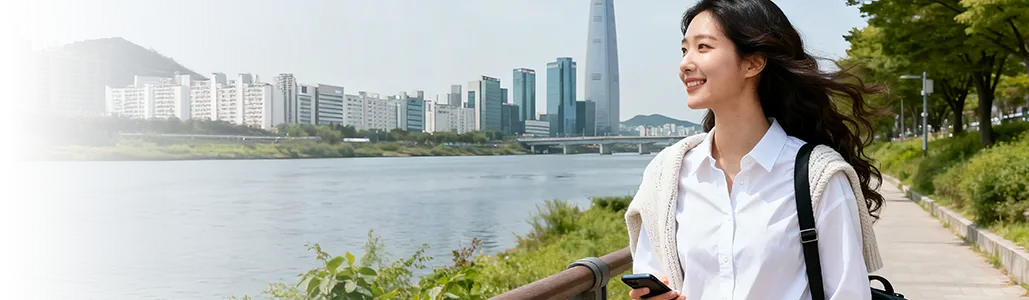
Best Places to Visit Near Seoul: Korea’s Top Day-Trip Cities and Nature Routes
A Creatrip editor’s pick of the most worthwhile cities, towns, and scenic routes around Seoul — from Suwon and Incheon to Nami Island, Yongin, the DMZ, Yangpyeong, and Pocheon.

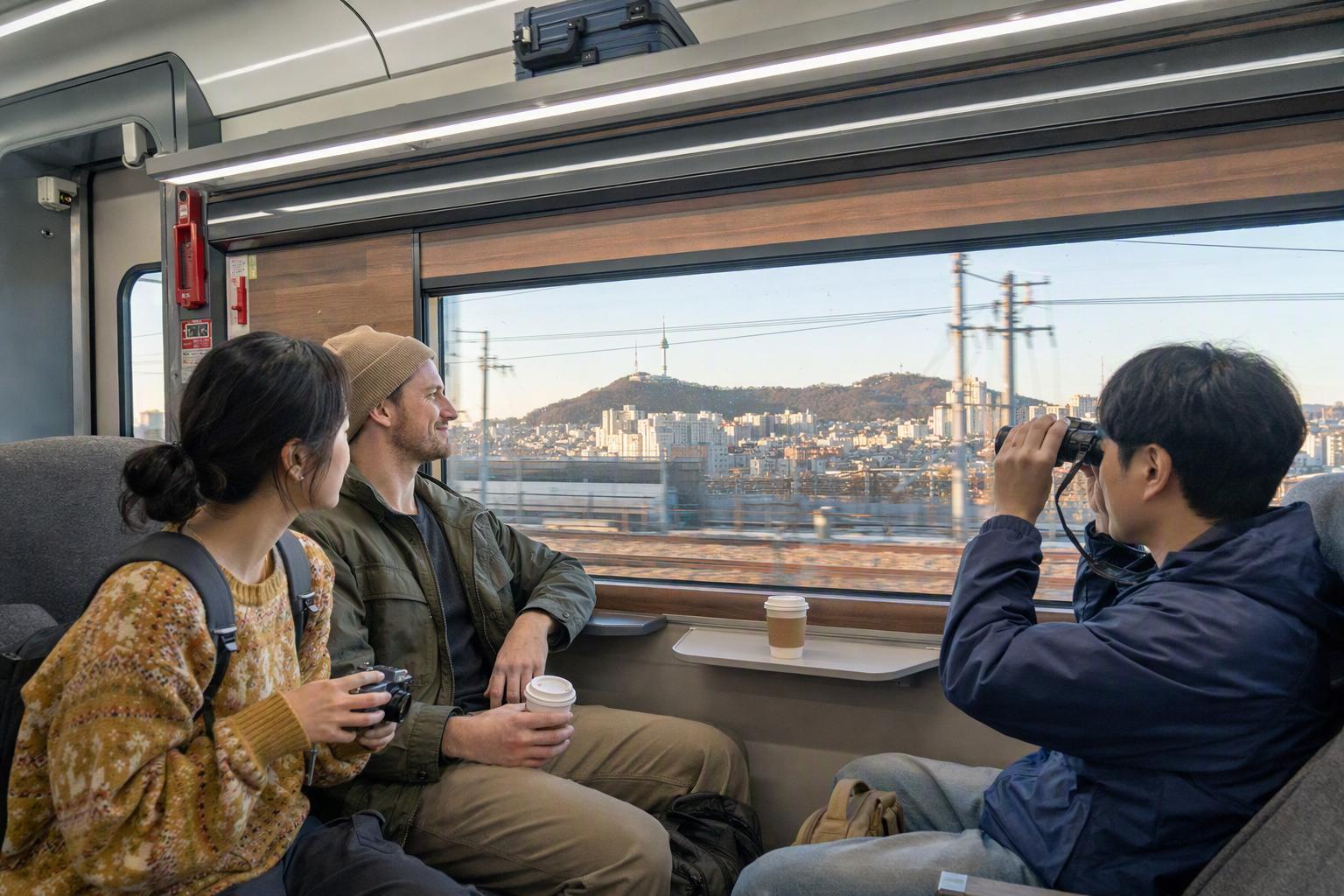
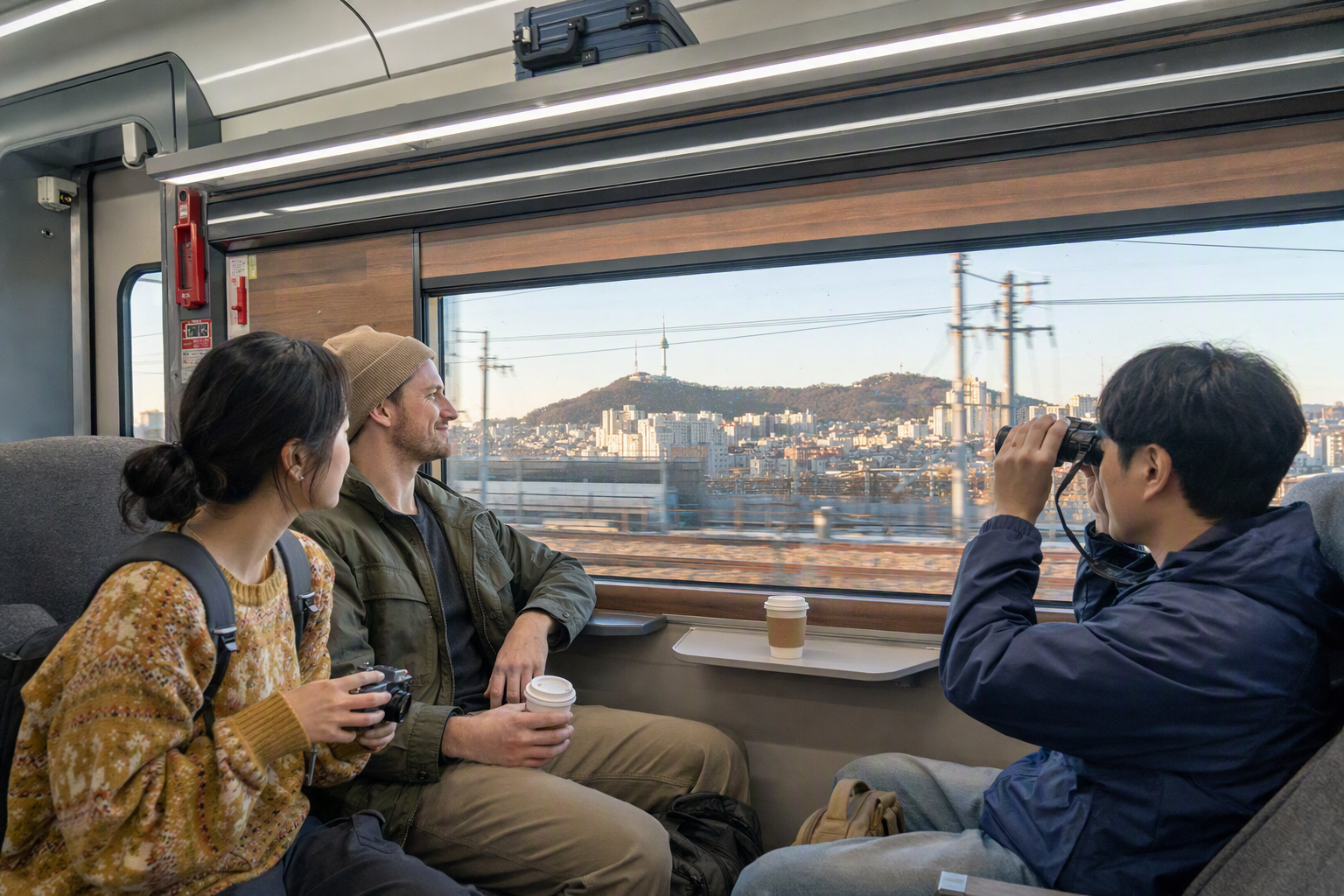
Seoul is a brilliant base, but some of Korea’s most satisfying travel days happen just outside the city. The trick is not to treat every nearby place as another pin on a map. Around Seoul, the best routes fall into a few clear corridors: the Line 1 axis toward Suwon and Incheon, the ITX-Cheongchun axis toward Gapyeong and Chuncheon, the DMZ and Paju axis for modern history, and the more spread-out nature routes where a tour or car starts to make life much easier.
At Creatrip, we tend to recommend nearby cities based on the kind of day a traveler actually wants. Suwon gives the strongest all-round day trip. Incheon is the easiest food-and-port city escape. Gapyeong and Chuncheon bring the postcard nature and comfort food. Yongin is the family and theme-park powerhouse. Paju, Yangpyeong, Pocheon, and Gwangmyeong each work beautifully for the right traveler — as long as the route is designed with a little restraint.
The quick Creatrip pick: which nearby city fits your trip?
| Travel mood | Best choice near Seoul | Why it works |
|---|---|---|
| One day only, best balance | Suwon | UNESCO fortress, palace, cafés, food streets, easy trains |
| Food, port city, light history | Incheon | Chinatown, Open Port area, Wolmido, Songdo option |
| Nature and K-drama scenery | Gapyeong + Nami Island | Nami Island, gardens, rail bikes, river views |
| Nature plus famous local food | Chuncheon | Dakgalbi, makguksu, lakes, ITX access |
| Families and theme parks | Yongin | Everland, Caribbean Bay, Korean Folk Village |
| Modern history and geopolitics | Paju / DMZ / Imjingak | DMZ tours, Peace Gondola, Heyri, Book City |
| Slow riverside weekend | Yangpyeong | Dumulmeori, Semiwon, Yongmunsan, pensions |
| Underrated art and nature | Pocheon | Art Valley, Herb Island, Hantangang, Idong galbi |
| Short weather-proof outing | Gwangmyeong | Cave attraction plus traditional market |
A small note before we start: prices, operating hours, train timetables, and tour access can change, especially for DMZ-related sites, seasonal festivals, and weather-sensitive rides. Treat the figures below as planning ranges and check the latest official information before booking.
Suwon: the best all-round day trip from Seoul
If a traveler asks us to choose just one city near Seoul, Suwon is usually the cleanest answer. It has real history, simple transport, excellent food, charming streets, and enough variety to fill a relaxed day without turning the schedule into a race.
The heart of the city is Suwon Hwaseong Fortress, completed in 1796 during King Jeongjo’s reign and now listed as a UNESCO World Heritage Site. The fortress wall stretches for about 5.7 km, tracing hills, gates, watchtowers, and city views. The wall walk itself is free, which makes Suwon one of the easiest major historic sites near Seoul to enjoy without overthinking cost or booking.
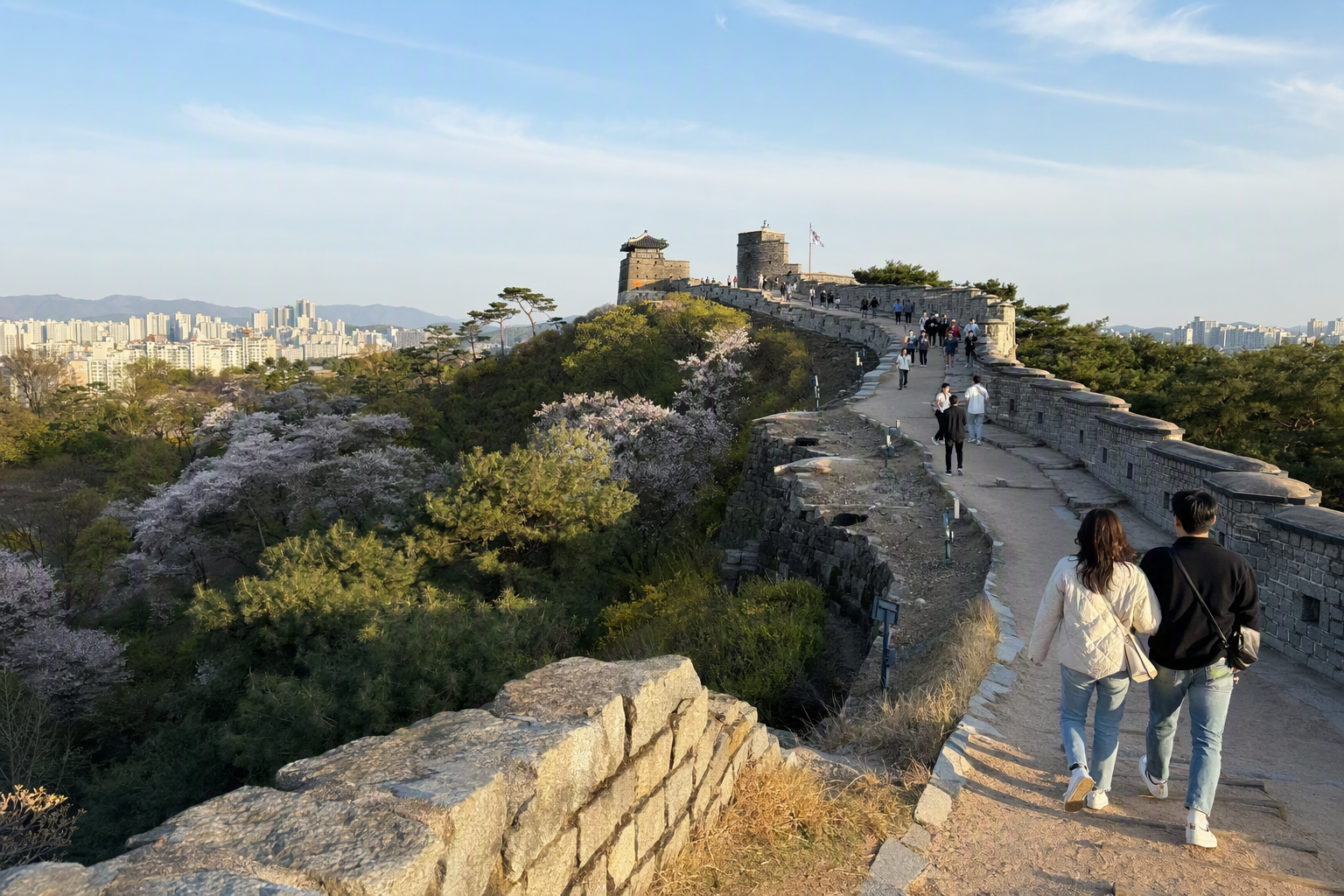
The usual Suwon day centers on three zones: the fortress, Hwaseong Haenggung Palace, and Haengnidan-gil in Haenggung-dong. Haenggung is the palace area tied to the fortress story, with an admission fee that is generally modest. Haengnidan-gil brings the softer modern layer: cafés, small shops, photo-friendly alleys, and a slower local mood than the major Seoul neighborhoods.
Suwon also eats well. The city is famous for Suwon galbi, especially beef ribs and galbitang, while Suwon Chicken Street is a casual option for travelers who prefer a crisp, messy, cheerful dinner before heading back to Seoul. If your day needs a modern indoor finish, Starfield Library Suwon, opened in 2024, adds a very photogenic shopping-mall stop with towering bookshelves.
Getting to Suwon
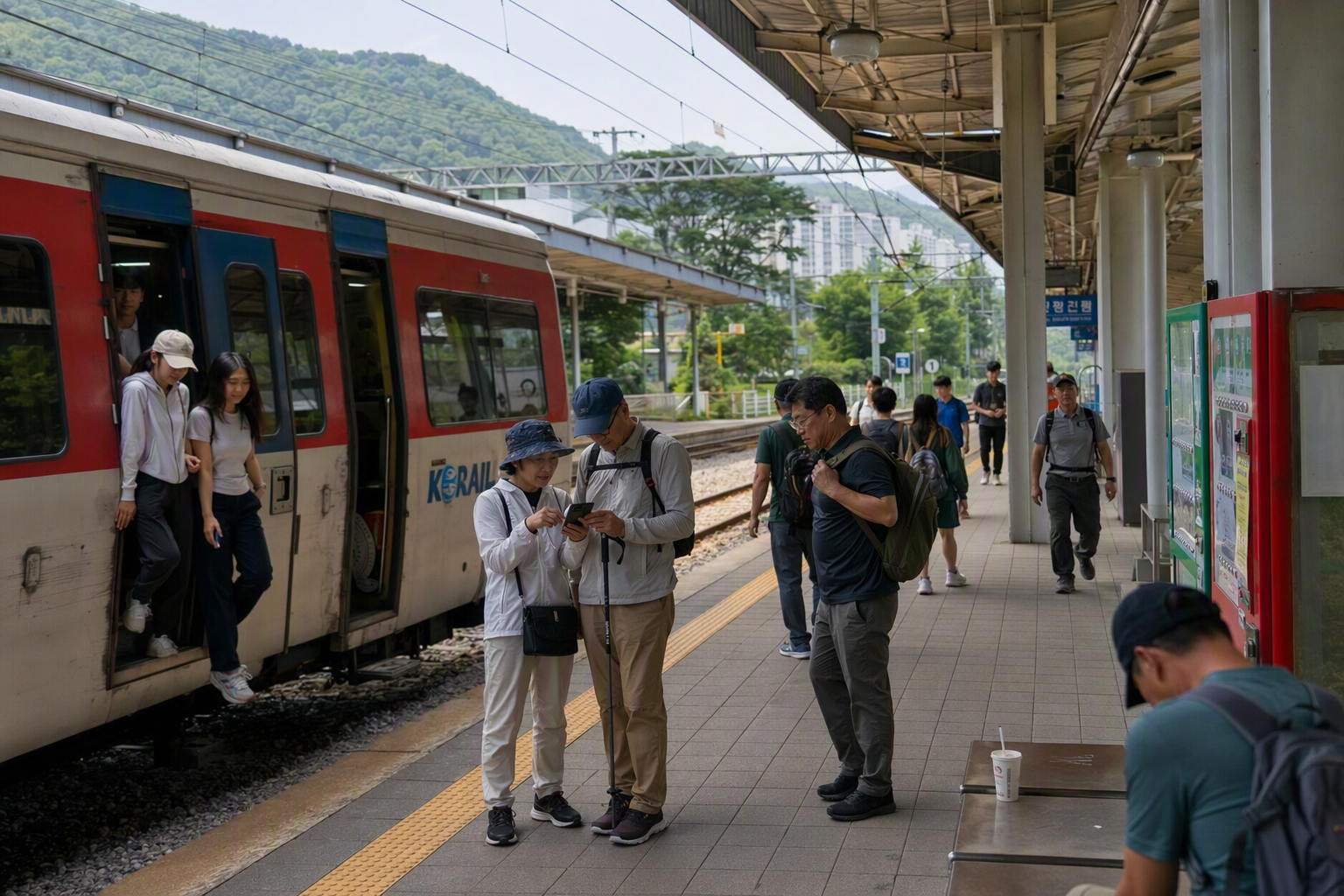
Suwon is one of the easiest day trips by public transport.
- Korail trains from Seoul or Yongsan: often around 30 to 40 minutes, depending on train type.
- Subway Line 1: cheaper but slower, often around 60 to 75 minutes depending on departure point and transfers.
- KTX: some services stop at Suwon, but not all, so check the exact train before paying extra.
If using Line 1, pay attention at the branch points. Trains toward Incheon and trains toward Suwon, Cheonan, or Sinchang are not the same route. It is a small mistake, but it can eat into a day surprisingly quickly.
From Suwon Station, buses and taxis connect to the fortress and Haenggung area. Taxis are often worth it for first-timers, especially if the group has luggage, children, or limited time.
A Suwon route that feels full but not rushed
Start around Hwaseong Haenggung and walk a scenic section of the fortress in the morning. Have galbi or galbitang before the main lunch rush, then spend early afternoon in Haengnidan-gil. Add archery or Flying Suwon if the weather is good, or use Starfield Library Suwon as an indoor alternative.
For most travelers, 3 to 5 hours in Suwon is enough for a satisfying taste. A fuller day with a longer wall walk, palace, café time, and dinner can easily stretch to evening. With food and transport included, many travelers land somewhere around ₩40,000 to ₩60,000 for a more complete Suwon day, though it depends heavily on the meal.
Best time to go
Spring cherry blossoms and autumn foliage both suit Suwon beautifully. Early April and late October are especially attractive, but weekends around festival and foliage periods can be crowded. We like the rhythm of an early wall walk, lunch before noon or after 1:30 PM, and a slower café hour once the streets fill up.
Incheon: Chinatown, port history, Wolmido, and a very easy city change
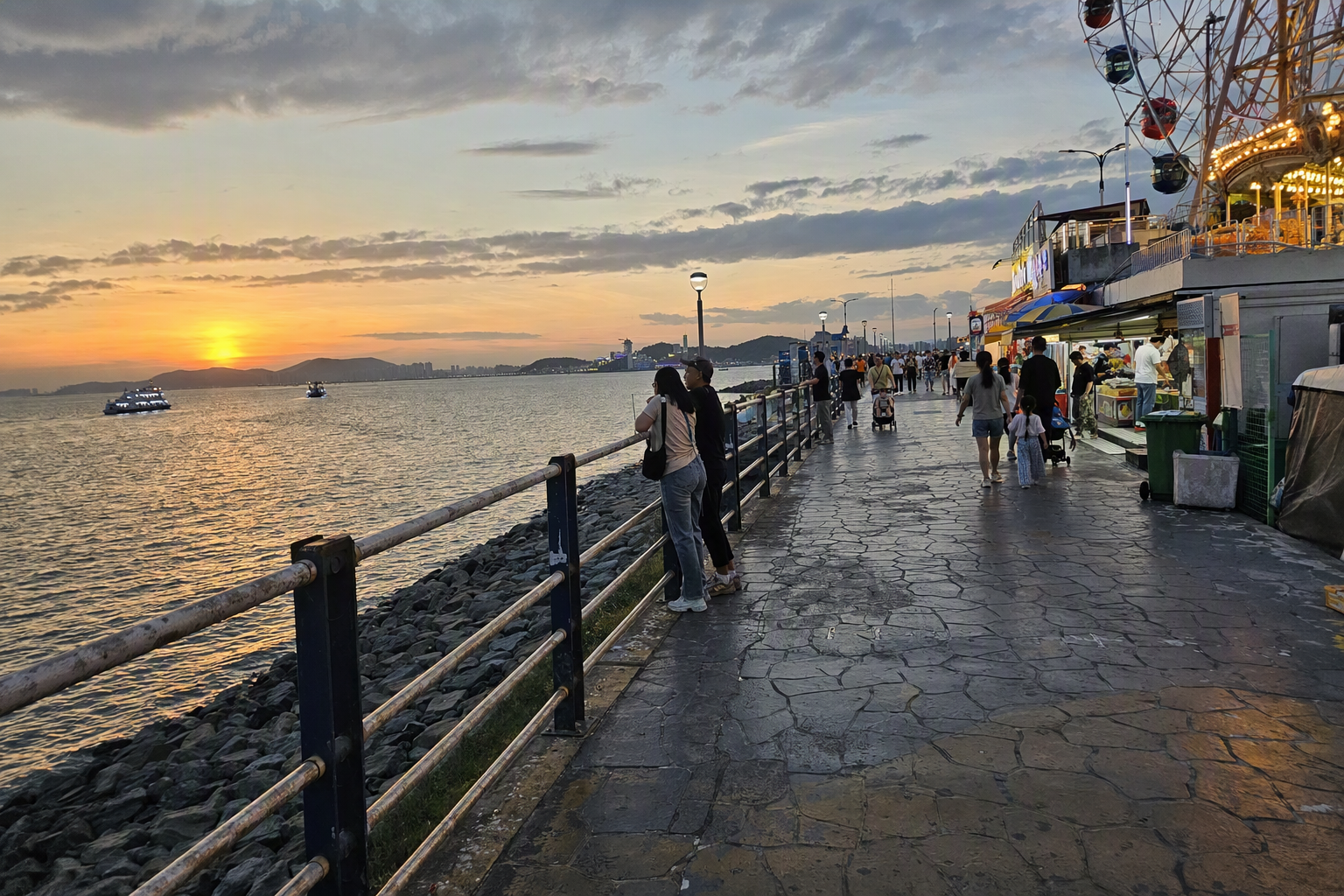
Incheon is close enough to Seoul that it can feel almost too obvious, but it rewards travelers who want a city with a different texture. It has port history, Chinese-Korean food culture, older streets around the Open Port area, a seaside amusement mood at Wolmido, and a futuristic counterpoint in Songdo.

The classic Incheon route begins at Incheon Station, then moves through Chinatown, Songwol-dong Fairy Tale Village, and the Open Port Culture District. From there, Wolmido adds sea breeze, sunset views, seafood restaurants, and small amusement rides. If the day still has energy left, Songdo Central Park gives a sleek, planned-city contrast.
Getting to Incheon
From central Seoul, Subway Line 1 to Incheon Station usually takes about 1 to 1.5 hours. For Chinatown and Wolmido, go all the way to Incheon Station. Do not get off at Dongincheon by habit unless your route specifically calls for it.
What to eat in Incheon Chinatown
Incheon Chinatown is closely tied to jjajangmyeon, the Korean-Chinese black bean noodle dish many travelers become attached to by the end of a Korea trip. Jjamppong and tangsuyuk are also easy crowd-pleasers.
Lunch lines tend to peak around 12:00 to 1:30 PM on weekends. A slightly early lunch or a late lunch keeps the day smoother. This is one of those places where timing changes the mood: at 11:15 AM it can feel playful; at 12:45 PM it can feel like everyone in the metro area made the same decision.
Wolmido and the Sea Train
The Wolmi Sea Train is a light, scenic way to see the area from above. It runs a loop of about 6.1 km, taking roughly 42 minutes, at an elevated height of about 7 to 18 meters. Adult fares have often been listed around ₩8,000, but check the current schedule and fare before going.
The important practical detail: it is commonly closed on Mondays and can be suspended in strong wind. If the train is the main reason for the trip, confirm operation on the day.
Best fit
Incheon is excellent for travelers who want an easy day without booking ahead. It is also a good choice when the weather is mild but not perfect, since the route mixes indoor meals, short walks, and waterfront views. Compared with Suwon, it feels less like a single polished heritage route and more like a layered urban wander.
Gapyeong and Chuncheon: Nami Island, gardens, rail bikes, lakes, and dakgalbi
The Gapyeong-Chuncheon corridor is Korea’s soft-focus day trip classic. This is where travelers go for Nami Island tree lanes, riverside views, garden lights, rail bikes, lake air, and Chuncheon’s beloved dakgalbi.
The corridor is strong because it is connected by ITX-Cheongchun and the Gyeongchun Line. It is also where many travelers accidentally overpack the day. Nami Island, Garden of Morning Calm, Petite France, Italian Village, rail bike, Jaraseom, and Chuncheon all look close on a map. In real travel time, they are not all light touches.

Getting there: ITX versus subway versus shuttle
The fastest and most comfortable route is usually ITX-Cheongchun from Yongsan or Cheongnyangni.
- To Gapyeong by ITX: often around 40 to 60 minutes.
- To Chuncheon by ITX: often around 75 to 90 minutes, depending on train and station.
- By Gyeongchun Line subway: cheaper, but slower and more tiring, especially with transfers.
- By shuttle or package tour: helpful when combining several attractions, or when ITX seats are sold out.
Weekend and autumn ITX seats can sell out early. For foliage season, booking at least one to two weeks ahead is a much calmer approach. As of current Korail rules, ITX tickets are generally released in advance through official channels, but sale windows and policies can change.
Nami Island basics
The usual sequence is simple: arrive at Gapyeong Station, take a short taxi to the Nami Island wharf, then enter with the ferry package. Adult admission and round-trip ferry pricing has commonly been listed around the ₩16,000 to ₩19,000 range, depending on year and category. The zipwire is a separate premium option, often around ₩50,000-plus.
Nami Island deserves more time than many schedules allow. A proper visit can take 3 to 4 hours, especially with food, bikes, photos, and a slow walk through the tree-lined paths.
The local transport trap
The Gapyeong City Tour Bus can be useful, with day-pass pricing often around ₩8,000, but intervals can range widely, sometimes from about 30 minutes to 2 hours depending on route and season. Missing one bus can quietly steal an hour.
For a smoother day, use taxis strategically for short, awkward gaps. Spending a little on a taxi between a station, wharf, or attraction can rescue the whole schedule.
Our preferred Gapyeong-Chuncheon day
For most travelers, the best balance is Nami Island plus one extra choice.
Good pairings:
- Nami Island + Chuncheon dakgalbi dinner
- Nami Island + Garden of Morning Calm
- Nami Island + rail bike
- Nami Island + Petite France or Italian Village
Less ideal for an independent day: Nami Island, Garden of Morning Calm, Petite France, rail bike, and Chuncheon all in one. That kind of itinerary looks productive in a screenshot and exhausting in real life.

With rail, admission, local transfers, and one paid activity, a Nami Island and Chuncheon-style day often lands around ₩50,000 to ₩80,000 per person, before or depending on meals. Rail bike prices have often been listed around ₩36,000 for a two-person bike, and Garden of Morning Calm adult admission around ₩11,000, but verify current pricing.
Yongin: Everland, Caribbean Bay, and the Korean Folk Village
Yongin is less of a strolling city day and more of a destination cluster. Its two big anchors are Everland, Korea’s largest theme park, and the Korean Folk Village, a living-history style attraction with reconstructed Joseon-era buildings, performances, and frequent period-drama appeal.

Everland is the full-day choice. It has major rides, animal areas, seasonal festivals, and the famous T-Express wooden coaster, often noted for its high speed and steep drop. Caribbean Bay, the water park next door, becomes especially attractive in warmer months.
The Korean Folk Village is a different kind of day: more cultural, more walkable, and easier to pair with a café or meal than a theme park is. The site is known for its large collection of traditional-style buildings and performances such as tightrope walking. Admission has often been quoted around the ₩30,000-plus range for adults, but check the current official price.
The honest scheduling call
We would not treat Everland and the Korean Folk Village as a normal same-day plan unless you have a dedicated car, a private tour, or very modest expectations for each. Everland alone can absorb a whole day, especially during spring, Halloween, and Christmas festival periods.
Choose Yongin when the trip has children, teens, theme-park fans, or K-drama and period-drama interests. For general first-time visitors with only one spare day, Suwon is still the neater all-round choice.
Paju, the DMZ, and Imjingak: the day trip with the most weight
Paju is where a Seoul-based itinerary can shift from palaces and cafés into modern Korean history. The area includes Imjingak Peace Park, Dora Observatory, the Third Tunnel, the JSA or Panmunjom when operating, Heyri Art Village, and Paju Book City.
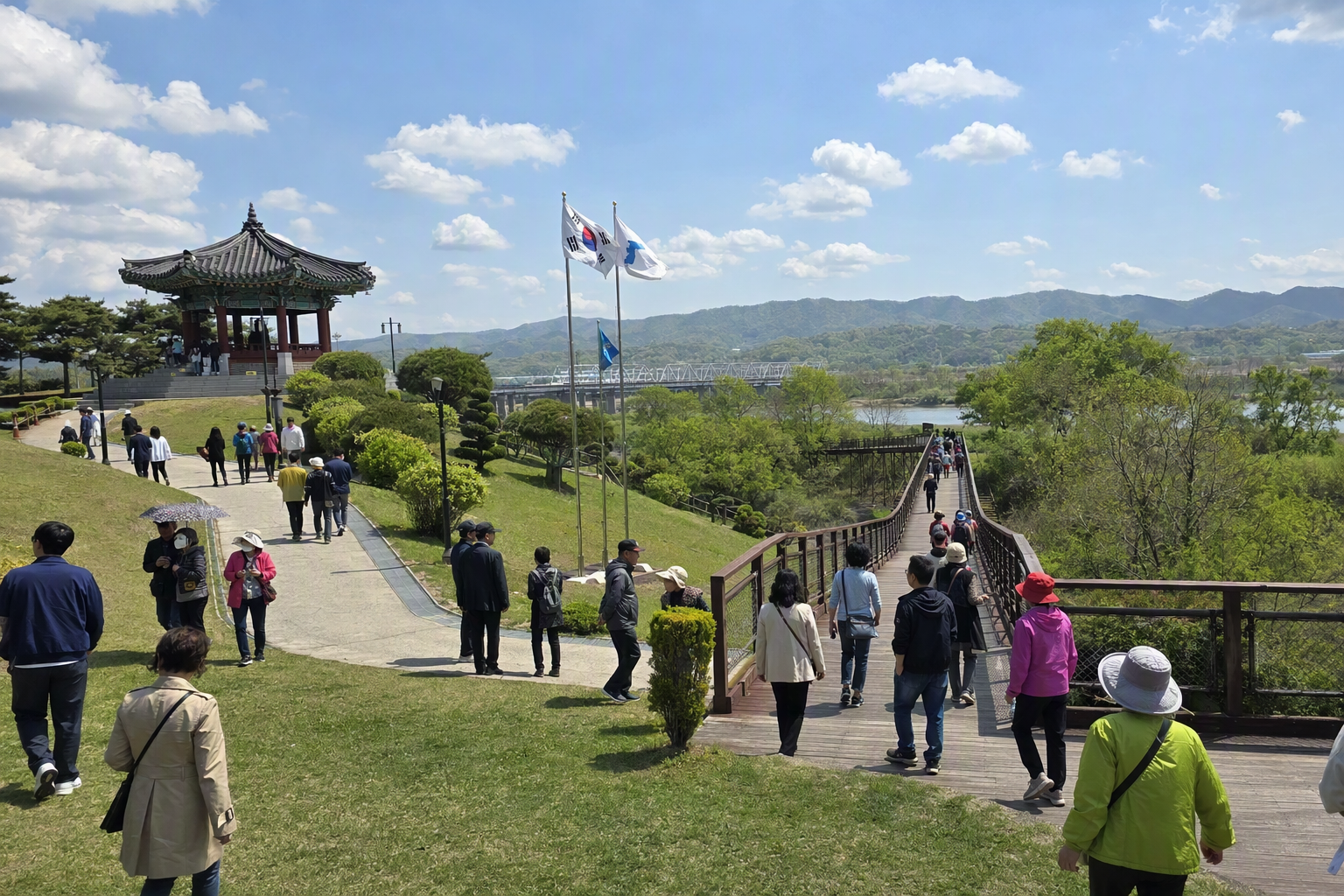
This is not the same kind of day as Incheon or Suwon. It can be deeply interesting, but access rules matter. Core DMZ sites are subject to security conditions, military schedules, identification checks, and sudden changes. For many travelers, a guided tour is the least stressful and most realistic way to visit the main DMZ points.
Guided DMZ tours
DMZ and JSA tours often require passport details in advance, and some routes have strict dress or behavior requirements. Monday closures are common for certain DMZ-related tours, but schedules can vary. Half-day tours may take about 5 to 7 hours, while full-day tours can take 8 to 10 hours. Prices vary widely, often somewhere around ₩50,000 to ₩160,000, depending on route, guide, inclusions, and whether JSA access is involved.
For this area, checking the latest tour status is not just a formality. It is part of the plan.
A softer independent option: Imjingak Peace Gondola
Travelers who want a more flexible Paju day can consider Imjingak Peace Park and the Peace Gondola. From Seoul, the Gyeongui-Jungang Line can reach the Imjingang Station area in roughly 70 minutes from stations such as Yongsan or Gongdeok, depending on transfer. From there, Imjingak is a short walk.
The gondola crosses about 850 meters into a restricted civilian-control area toward Camp Greaves. Passport checks are required. Round-trip fares have often been listed around ₩12,000 for standard cabins and ₩15,000 for crystal cabins, with operating hours commonly around daytime to early evening, but current details should be verified.
Paju also pairs well with Heyri Art Village or Paju Book City if the day is more about culture than DMZ access. Food-wise, the region is known for Jangdan beans, so tofu and soybean-based meals near Imjingak can make the day feel more rooted in the area.
Yangpyeong: slow riverside Korea, best enjoyed without rushing
Yangpyeong is the opposite of a checklist day. It is for travelers who want rivers, gardens, mountains, markets, and a pension stay rather than another dense urban route.
The signature spot is Dumulmeori, where the North Han River and South Han River meet. Nearby Semiwon adds garden paths and water plants. Farther out, The Greem offers a garden-café photo stop, while Yongmunsan brings mountain air and temple scenery. Local five-day markets add a softer everyday-Korea texture when dates line up.

Getting around Yangpyeong
The Gyeongui-Jungang Line connects Seoul to Yangsu Station in roughly 50 to 70 minutes from central transfer points. Dumulmeori and Semiwon are close enough to combine on foot, around a short walk from each other.
The challenge comes after that. The Greem, Yongmunsan, and market areas are spread out, so taxis, buses, or careful timing matter. This is why Yangpyeong often works better as a one-night slow trip than a packed day trip.
Market dates are useful if the timing matches:
- Yangpyeong Market: dates ending in 3 and 8.
- Yongmun Market: dates ending in 5 and 0.
The Greem admission has often been listed around ₩10,000 for adults, sometimes including a drink, but confirm before going. Pension prices vary dramatically, from simple stays around the lower tens of thousands of won to pool villas in the ₩200,000 to ₩300,000-plus range.
Best fit
Yangpyeong is ideal for couples, friends who want a quieter night outside Seoul, and travelers who already have the main Seoul sights covered. For a first-time visitor with one spare day, it may feel too subtle. For a second or third trip to Korea, it can be exactly the reset day the itinerary needs.
Pocheon: Art Valley, Herb Island, Hantangang, and Idong galbi
Pocheon is one of the most underrated areas near Seoul, but it asks for better logistics. It is not as easy as Suwon or Incheon by public transport. Its value comes from linking several spread-out places into one thoughtful loop.
Pocheon Art Valley is the anchor. It transformed a former quarry into a cultural and scenic site centered on Cheonjuho Lake, with cliffs, walking paths, sculpture areas, and a monorail-style transfer option. Herb Island adds a large herb-themed park with lights, fragrance, workshops, and a slightly whimsical atmosphere. Depending on route and energy, travelers may add Hantangang Sky Bridge, geological scenery, Sansawon for traditional alcohol culture, and a meal of Idong galbi.

Transport reality
From Seoul, a Pocheon multi-stop day can take 90 to 120 minutes one way before local transfers. Buses and taxis can work, but the gaps between attractions are not as friendly as the map makes them look. This is where a rental car, private car, or package tour often makes the day far better.
Package tours for Pocheon-style loops often sit around the ₩80,000 to ₩120,000 range depending on inclusions. For travelers who dislike managing bus intervals in semi-rural areas, that price can be worth it.
Best fit
Pocheon is great for repeat visitors, photo-focused travelers, and anyone who wants nature without joining the Nami Island crowd. It is less ideal for travelers who want to rely only on rail and walking.
Gwangmyeong: a compact cave-and-market escape
Gwangmyeong is not a full city immersion in the same way Suwon or Incheon is, but it is a useful half-day or light day trip. The main draw is Gwangmyeong Cave, a former mine turned cultural attraction. The cave system is often described as about 7.8 km in total length and reaching depths of around 275 meters, though visitor routes are controlled.
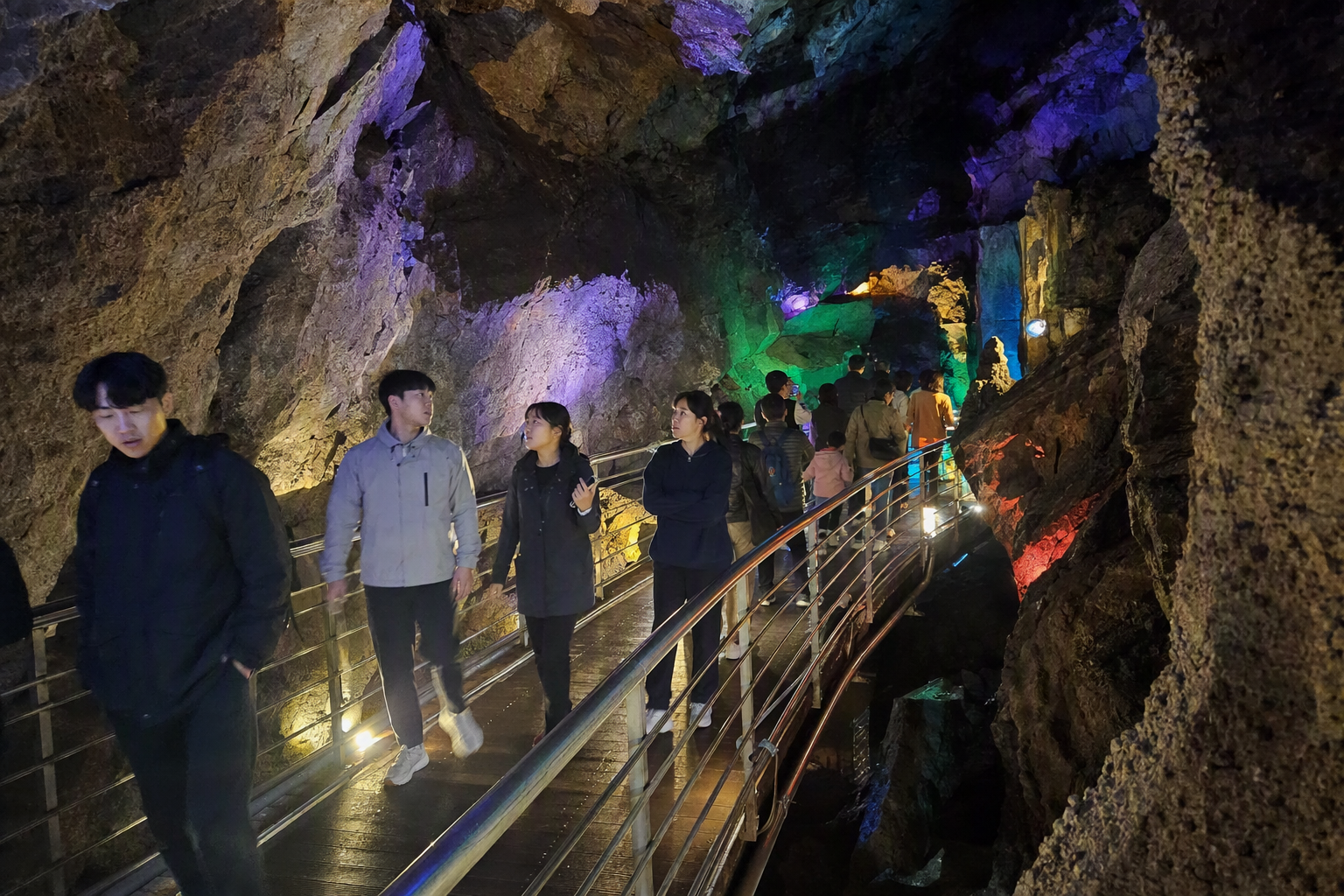
Pair it with Gwangmyeong Traditional Market for food and a more local rhythm. Access often involves reaching KTX Gwangmyeong Station and connecting by bus, with total journey times varying widely depending on departure point.
Gwangmyeong is especially handy when the weather is awkward: too hot, too cold, rainy, or when the group needs something easier than a whole outdoor route. We would place it after Suwon, Incheon, and Gapyeong for first-timers, but it is a solid bonus trip.
Other nearby options worth keeping in your back pocket
Not every good place near Seoul needs to lead the itinerary. A few work best when they match your hotel location, event schedule, or personal interests.
Namhansanseong is a strong pick for fortress history, hiking, and views, especially if you like a more active day. It is beautiful, but less neatly packaged for a first-time tourist than Suwon.
Goyang becomes more appealing if an event at KINTEX lines up, or if you want an easy lake-park style outing. Seongnam, Bundang, and Pangyo are more about modern suburban life, cafés, and Korea’s tech-city atmosphere than classic sightseeing.
Anseong Farmland suits families and seasonal rural activities. Jaraseom, near Gapyeong, is useful for festival timing and riverside nature.
Farther but possible: Seoraksan, Gangwon, Daejeon, and Asan
Once the radius expands beyond the easiest Seoul day trips, the quality of the trip depends on honesty. Some places are possible by rail or tour, but better with an overnight stay.
Seoraksan National Park is one of Korea’s great mountain destinations, but from Seoul it usually deserves either a very early guided day tour or a one-night plan. Treating it as a casual add-on to another destination is not a good use of energy.
Gangwon winter and nature routes — ski resorts, highland areas, birch forests, Hantangang geology, and scenic bridges — are increasingly popular, especially through seasonal packages. They can be wonderful, but they are not the same category as Suwon or Incheon in terms of ease.
Daejeon and Asan can work for niche day trips. Daejeon brings science park and hot spring themes, while Asan is known for Onyang hot springs and Oeam Folk Village. They are better for repeat visitors or theme-based travelers than for a short first Korea trip.
For airport layovers: Incheon and structured stopover tours
Travelers transiting through Incheon International Airport have a separate set of options. The airport and tourism programs often offer Transit Tours for different layover lengths, and broader stopover packages may include Seoul, Incheon, Gyeonggi-do, or nearby nature routes.
Visa-free participation depends on nationality, onward ticket, transit time, and sometimes third-country visa or residency status. Registration is usually required before the tour starts, and exact rules can change. For a tight layover, it is safer to use official airport counters and official tour information rather than improvising a city trip.
If leaving the airport feels too risky, Incheon Airport itself often runs cultural experiences such as hanbok activities, craft programs, traditional performances, and small exhibitions in the terminal.
Public transport, tour, or rental car: the cleanest match
Korea’s public transport is excellent, but not every nearby destination is equally friendly once you leave the main station.
| Best by public transport | Usually better with tour or car |
|---|---|
| Suwon | Pocheon multi-stop route |
| Incheon | DMZ core sites |
| Gapyeong and Chuncheon by ITX | Peak-season Gapyeong multi-stop days |
| Yangpyeong basic river route | Yangpyeong mountain and pension routes |
| Gwangmyeong | Hantangang and rural Gyeonggi routes |
The small spending that improves a day is often not a premium ticket. It is a taxi for a 2 km gap, a reserved ITX seat, or a tour for a route where public buses run too infrequently.
Common mistakes that make nearby trips feel harder than they are
The most common mistake is packing the day as if distances on a map equal travel time. Around Seoul, the first train can be fast, but the final bus, taxi queue, ferry, or attraction shuttle decides how the day feels.
A few habits make the difference:
- Keep one main anchor per day.
- Aim to arrive before 10:00 AM for outdoor or popular routes.
- Book ITX-Cheongchun early for autumn weekends.
- Do not rely on the final train or bus as the emotional backup plan.
- Use taxis for short awkward gaps in Gapyeong, Yangpyeong, and Pocheon.
- Check weather and operating status for gondolas, sea trains, parks, and DMZ tours.
- Avoid chaining Nami Island, multiple Gapyeong attractions, and Chuncheon into one independent weekend day.
This is not about traveling slowly for the sake of it. It is about protecting the good parts of the day: the wall walk, the noodle lunch, the ferry ride, the lake view, the dinner you actually enjoy.
Sample Seoul plus nearby-city itineraries
Classic 5-day Korea starter route
Day 1: Seoul palaces and old streets
Gyeongbokgung, Bukchon, Insadong, Ikseon-dong, Cheonggyecheon.
Day 2: Modern Seoul
Seongsu, Gangnam, COEX, Han River, Hongdae.
Day 3: Suwon
Hwaseong Fortress, Hwaseong Haenggung, Haengnidan-gil, galbi or chicken street.
Day 4: Gapyeong and Chuncheon
Nami Island plus Chuncheon dakgalbi, or Nami Island plus Garden of Morning Calm.
Day 5: Incheon or DMZ
Choose Chinatown and Wolmido for food and city wandering, or a DMZ tour for modern history.
Family-focused version
Use Seoul as the base, then give Yongin enough room. Everland deserves a full day. The Korean Folk Village can be paired with a lighter second day or swapped with Suwon for history and food. Incheon works well as the easier food-and-seaside outing.
K-drama and photo-friendly version
Suwon’s Haenggung-dong and fortress streets, Nami Island’s tree paths, the Korean Folk Village, and Pocheon Art Valley make a strong visual route. This version is better with one or two guided transfers, especially for Pocheon.
Slow nature version
Spend two days in Seoul, then take a one-night Yangpyeong stay around Dumulmeori, Semiwon, a pension, and Yongmunsan. Add Pocheon or Gapyeong if there is another day. This route suits travelers who have already done the main Seoul highlights.
Budget feel for Seoul-area day trips
Many nearby day trips can be kept around ₩20,000 to ₩40,000 if the route is simple and meals are casual. The popular or activity-heavy routes rise quickly.
- Suwon full day with a proper meal: often around ₩40,000 to ₩60,000.
- Nami Island plus Chuncheon or one activity: often around ₩50,000 to ₩80,000, depending on transport and add-ons.
- Pocheon package tour: often around ₩80,000 to ₩120,000.
- DMZ guided tour: often around ₩50,000 to ₩160,000, depending on route and inclusions.
- Yongin theme park day: highly dependent on ticket deals, transport, meals, and seasonal pricing.
For international visitors, booking transport and tickets through reliable channels matters more during Korean holidays, cherry blossom season, autumn foliage weekends, and major school excursion periods.
Final Creatrip recommendation
For most first-time Korea travelers staying in Seoul, the cleanest order is:
- Suwon — best balance of history, food, access, and atmosphere.
- Incheon — easiest port-city food day with Chinatown, Open Port streets, and Wolmido.
- Gapyeong + Chuncheon — best nature-and-food corridor, as long as the schedule stays realistic.
- Yongin — strongest family and theme-park choice.
- Paju / DMZ / Imjingak — most meaningful modern-history route, but check access carefully.
- Yangpyeong — best slow riverside overnight.
- Pocheon — excellent art-and-nature loop for travelers willing to use a car or tour.
- Gwangmyeong — compact cave-and-market trip for a lighter day.
If there is only one day outside Seoul, we would pick Suwon. If there are two, choose Suwon plus Gapyeong or Incheon. With three, Suwon, Gapyeong-Chuncheon, and Incheon give the nicest spread of history, nature, food, and city character.
The best nearby Korea trip is rarely the one with the most pins. It is the one where the route has breathing room — a morning train, one strong anchor, a meal worth sitting down for, and enough time to return to Seoul without feeling like the day chased you back.