
Women’s Health Checkup in Korea: Tests by Age & English Support for U.S. Women
A practical guide to women’s cancer screening in Korea, including tests by age, breast and cervical screening basics, and English-friendly checkup options for foreign visitors.

Hi, I’m Millie, a Creatrip editor.
In the first two parts of the K-Checkup Test Note series, I covered MRI and endoscopy in Korea. For this final part, I want to talk about women’s health screening.
Here’s the part most of us are never really taught: when you open a women’s health checkup package, do you actually know which tests match your body?
I don’t think I would have. I knew the basics, like a Pap smear, a mammogram, and maybe a breast ultrasound. But beyond that, the options started to blur. AMH, ferritin, pelvic ultrasound, thyroid testing, tumor markers, genetic panels—useful, maybe, but for whom?
That is where women’s health screening gets tricky. We are used to explaining things away: heavy periods, a cycle that suddenly changes, breast pain on one side, feeling unusually drained. Most of the time, it may be nothing serious. But when a pattern keeps showing up, it is worth asking a better question than, “Is this just hormones?”
Today’s Topic: Women’s Health Checkup in Korea

In this post, I’ll cover:
- Why Women’s Health Screening Can Feel Complicated
- Your 20s–30s: The Small Signals You Shouldn’t Wave Off
- Pregnancy Planning & Postpartum: What to Check Before Your Body Changes Fast
- Your 40s: When Routine Screening Starts to Matter More
- Postmenopause: Heart, Bone, and Breast Health Deserve a Closer Look
- Advanced Wellness Add-Ons: Useful for Some, Not Routine for Everyone
- How to Book a Women’s Health Checkup in Korea Through Creatrip
- FAQ: Women’s Health Checkups in Korea
Millie’s Tip: If you already know you want a women’s health checkup in Korea, start by comparing the current packages on Creatrip.
1. Why Women’s Health Screening Can Feel Complicated

It is not just about age
Women’s screening is not just about how old you are. It is also about what your body has been through.
Pregnancy planning, postpartum recovery, breastfeeding, hormone changes, and menopause can all affect what is worth checking. Some screenings, like cervical cancer screening, breast cancer screening, and bone density screening at the right age or risk level, have clearer guideline-based roles. Others make more sense when there is a symptom, a family history, or a specific concern you want to clarify.
So the real question is often not just, “What test should I get at my age?” It is also, “What has changed in my body, and what is worth paying attention to now?”
In the U.S., those questions can feel fragmented
In the U.S., some recommended preventive screenings may be covered depending on your plan, network, and care setting. But women’s health concerns do not always fit neatly into one visit.
A breast concern may lead to imaging. A pelvic concern may send you to an OB-GYN. A family-history concern may turn into a genetics conversation. If there is no obvious symptom, it can also be harder to build a broader screening plan in one place.
That is one reason women’s health can feel complicated. It is not that the tests do not exist. It is that the system often asks you to split your body into separate appointments, separate specialties, and separate reasons.
A Korean health checkup can help you organize the questions you already have
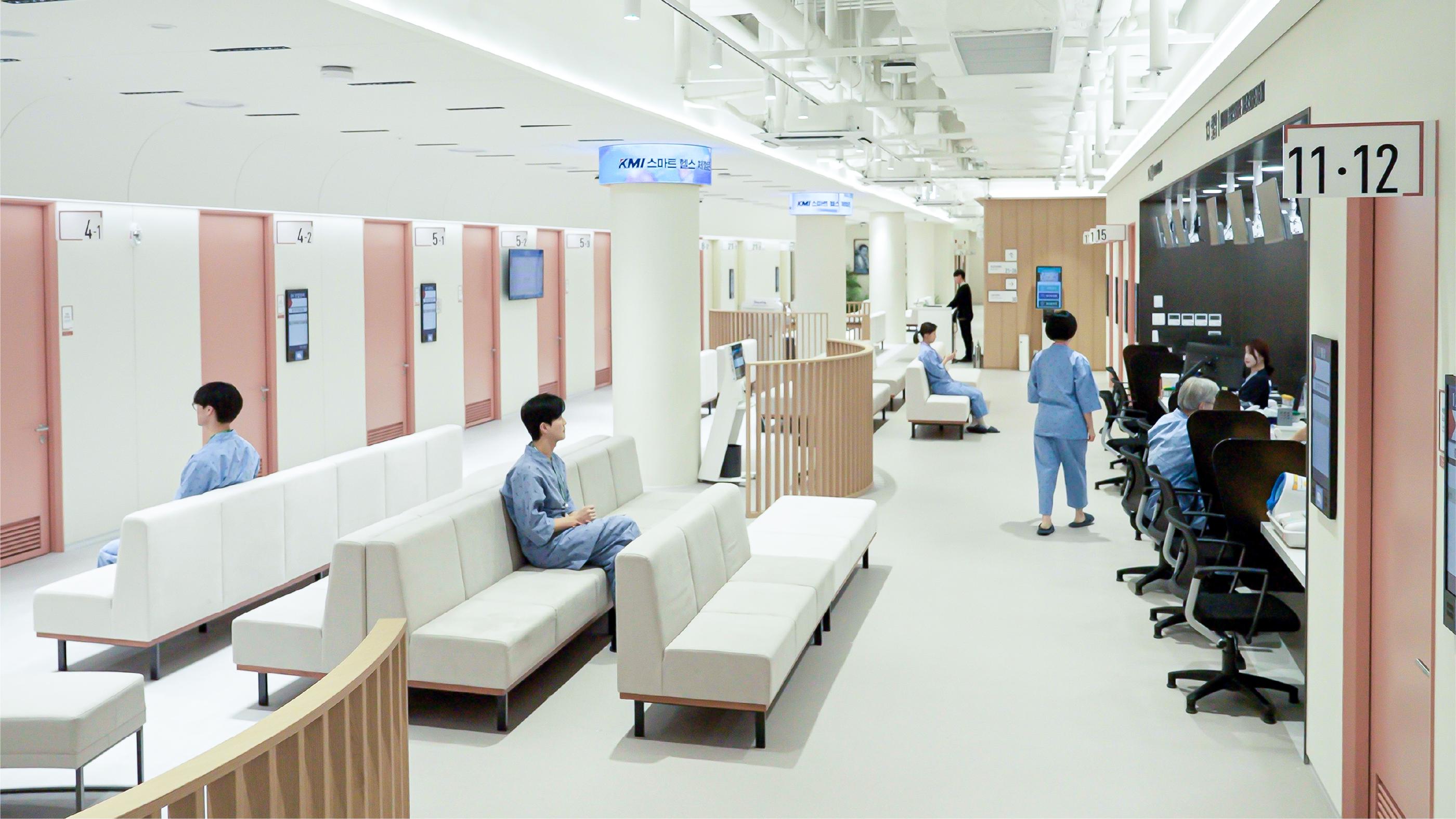
A Korean health checkup does not mean you should try to screen for everything at once. The value is usually much simpler: it can give you a more organized way to compare and select the tests that fit your current stage of life.
In one plan, you may be able to review routine screenings, ultrasound exams, bloodwork, and selected add-ons in a way that feels easier to compare. That can be especially helpful if you are not “sick,” but you still want a clearer baseline while you are already visiting Korea.
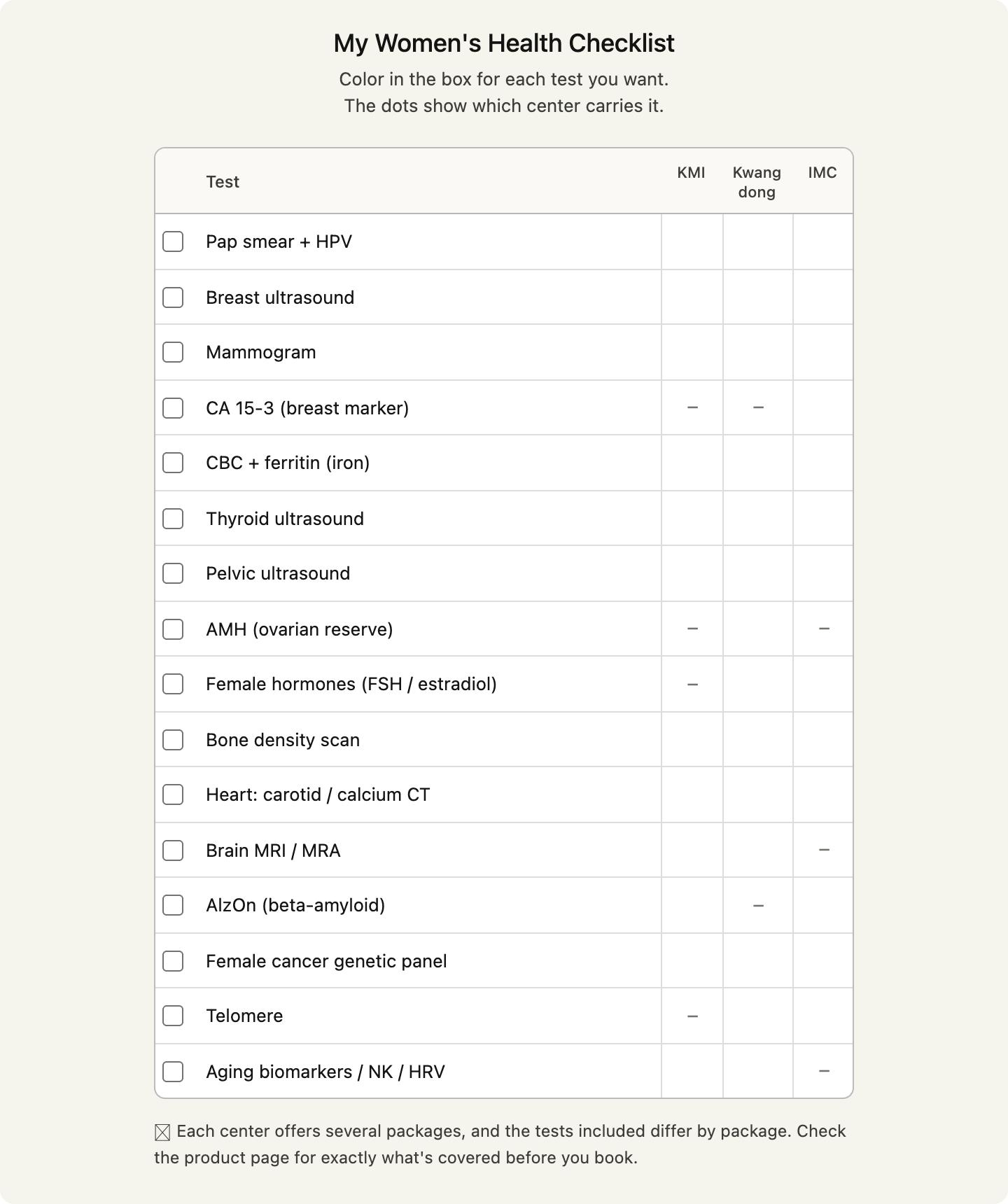
Quick Checklist: Find the Right Women’s Health Checkup Package in Korea
Use the checklist below to see which women’s tests are available at each Korean health checkup center. If there is no “—” mark, the test is available.
As you read this guide, mark the tests you may need and compare which center fits you best.
2. Your 20s–30s: The Small Signals You Shouldn’t Wave Off

This is usually not the age for checking everything. But it is the stage when cervical screening begins, cycle patterns become easier to recognize, and smaller changes in your iron levels, breasts, or pelvic health can start to show patterns worth checking.
Cervical screening starts earlier than many people expect
- Pap smear: checks for abnormal cervical cell changes
- HPV test: checks for high-risk HPV types linked to cervical cancer
In the U.S., routine cervical screening generally begins at age 21, and HPV-based screening options become more relevant from age 30, depending on the guideline and care setting.
The important point is that cervical changes can develop before symptoms do. That is why routine screening matters even when you feel completely fine.
Millie’s note: If you are booking a women’s checkup in Korea mainly for a Pap smear or HPV screening, confirm in advance whether the package includes it by default or treats it as an add-on.
Heavy periods can quietly affect iron levels
- CBC: checks red blood cells and hemoglobin
- Ferritin: checks iron stores
If your periods are consistently heavy, long, or unusually draining, CBC and ferritin may be practical tests to consider.

These tests matter because iron deficiency does not always feel dramatic at first. Sometimes it just feels like being more tired than usual, getting winded more easily, or feeling physically drained in a way that seems hard to explain.
A new breast change is worth checking properly
- Breast ultrasound: often used to evaluate a lump or focal concern, especially in younger women
- Mammogram: not usually the first routine screening test in your 20s unless you are high-risk or specifically advised to get one
Younger breast tissue tends to be denser, so ultrasound is often part of the conversation when there is a new lump, one-sided pain, nipple discharge, or a visible change in one breast.
That does not automatically mean something serious is wrong. It just means a new change deserves proper imaging rather than guessing.
If your priority is cervical screening, breast ultrasound, or a basic women-focused checkup while you are in Korea, this is a good point to compare available packages.
3. Pregnancy Planning & Postpartum: What to Check Before Your Body Changes Fast
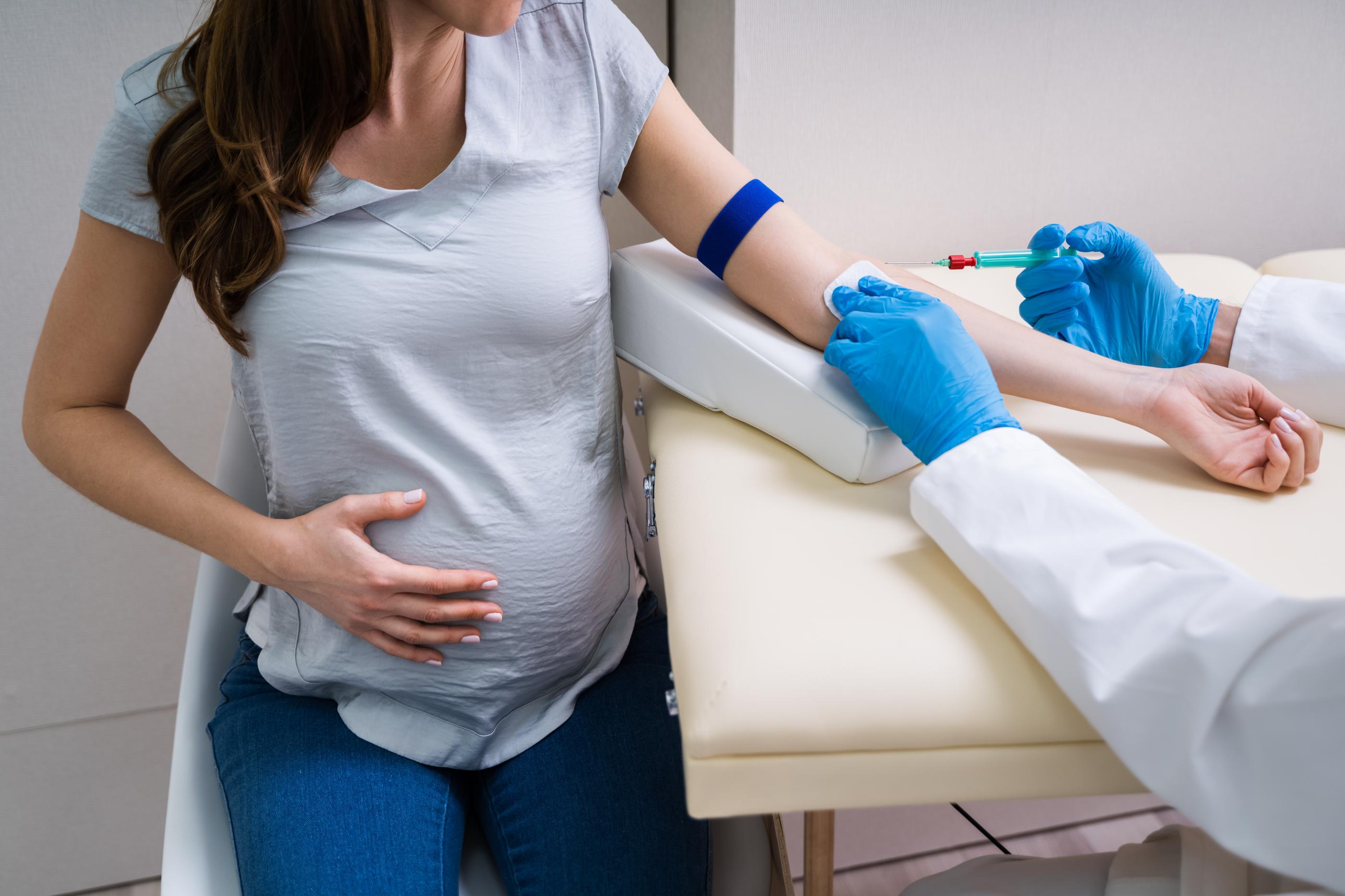
Pregnancy planning is one of the few times when a baseline can feel especially useful. Hormones, thyroid function, blood volume, iron needs, and breast tissue can all change quickly, so some women prefer to check a few basics before that transition.
AMH can be useful, but it is not a fertility score
- AMH: a marker commonly used to estimate ovarian reserve
- FSH / estradiol: hormone tests that may be discussed in fertility-related evaluation
- Pelvic ultrasound: may help check for fibroids, ovarian cysts, or other structural findings
If you are thinking about pregnancy, egg freezing, or a fertility consultation, AMH can be helpful. But it should not be treated like a yes-or-no answer about whether you will conceive naturally or how long it will take.
It is better understood as one part of a bigger picture, alongside age, cycle patterns, ultrasound findings, and clinician interpretation.
Millie’s note: AMH is a planning tool, not a verdict.
Thyroid testing can make more sense around pregnancy planning
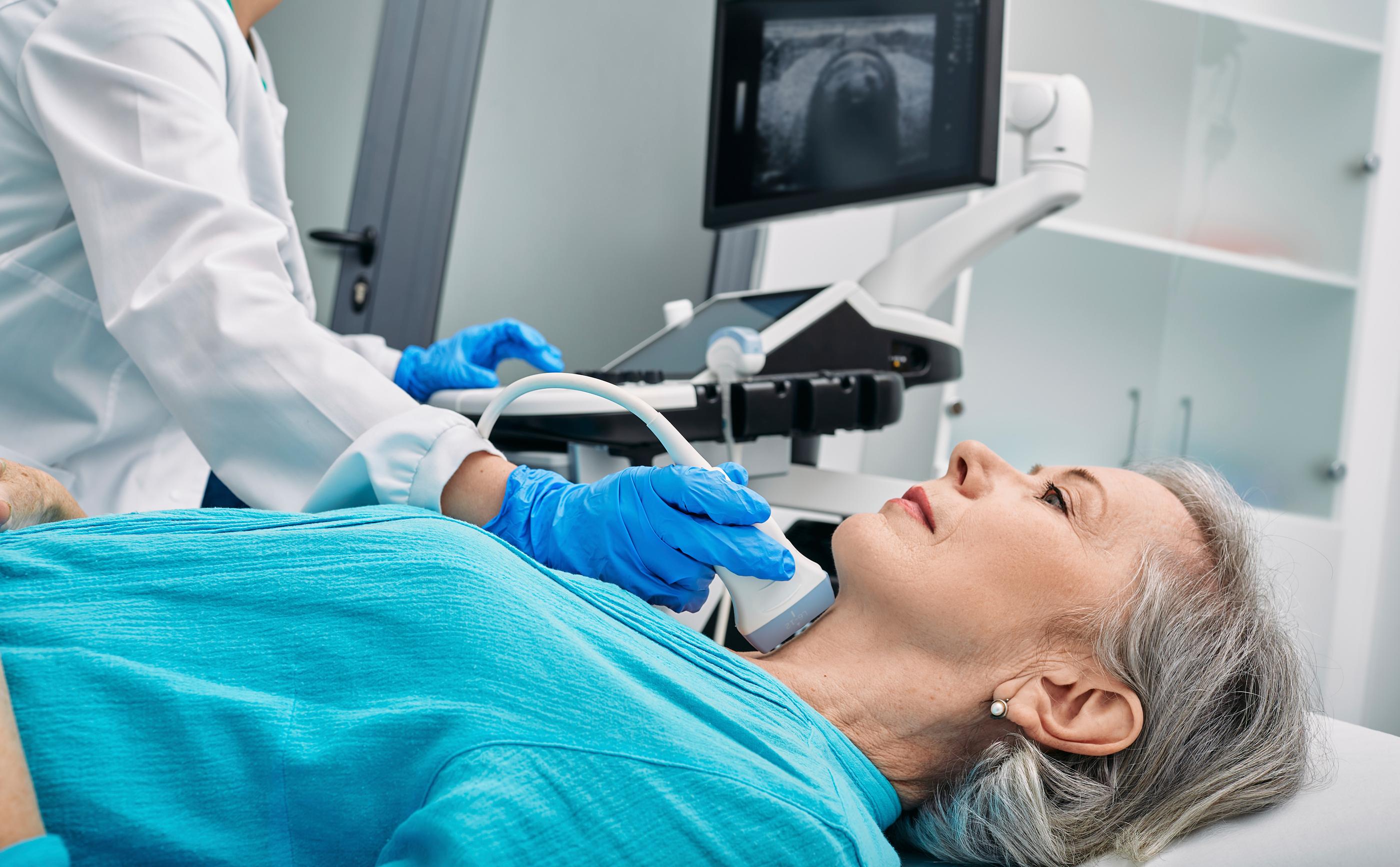
- Thyroid function testing
- Thyroid ultrasound only when clinically relevant or recommended
Thyroid health can affect ovulation and pregnancy-related care, which is why thyroid testing is often discussed more seriously at this stage than as a general wellness add-on for everyone.
If you have symptoms like palpitations, unusual fatigue, temperature intolerance, or visible neck swelling
or if you are actively planning pregnancy
it may be worth asking whether thyroid testing belongs in your package.
Iron status may matter more than usual
Around pregnancy and postpartum, iron needs can shift significantly. If you are planning pregnancy, recently gave birth, or feeling more depleted than expected, CBC and ferritin are practical tests to consider.
Sometimes the most useful testing at this stage is not the flashiest add-on. It is the simple lab work that tells you whether your body is starting from a good place.
If you want to compare checkup options that include fertility-related or women-focused add-ons, you can start there and narrow down which extras actually fit your needs.
[ Compare women’s health checkup packages on Creatrip]
4. Your 40s: When Routine Screening Starts to Matter More
Your 40s are often when screening shifts from “checking a symptom” to building a more regular prevention routine.
Mammograms become part of routine breast screening
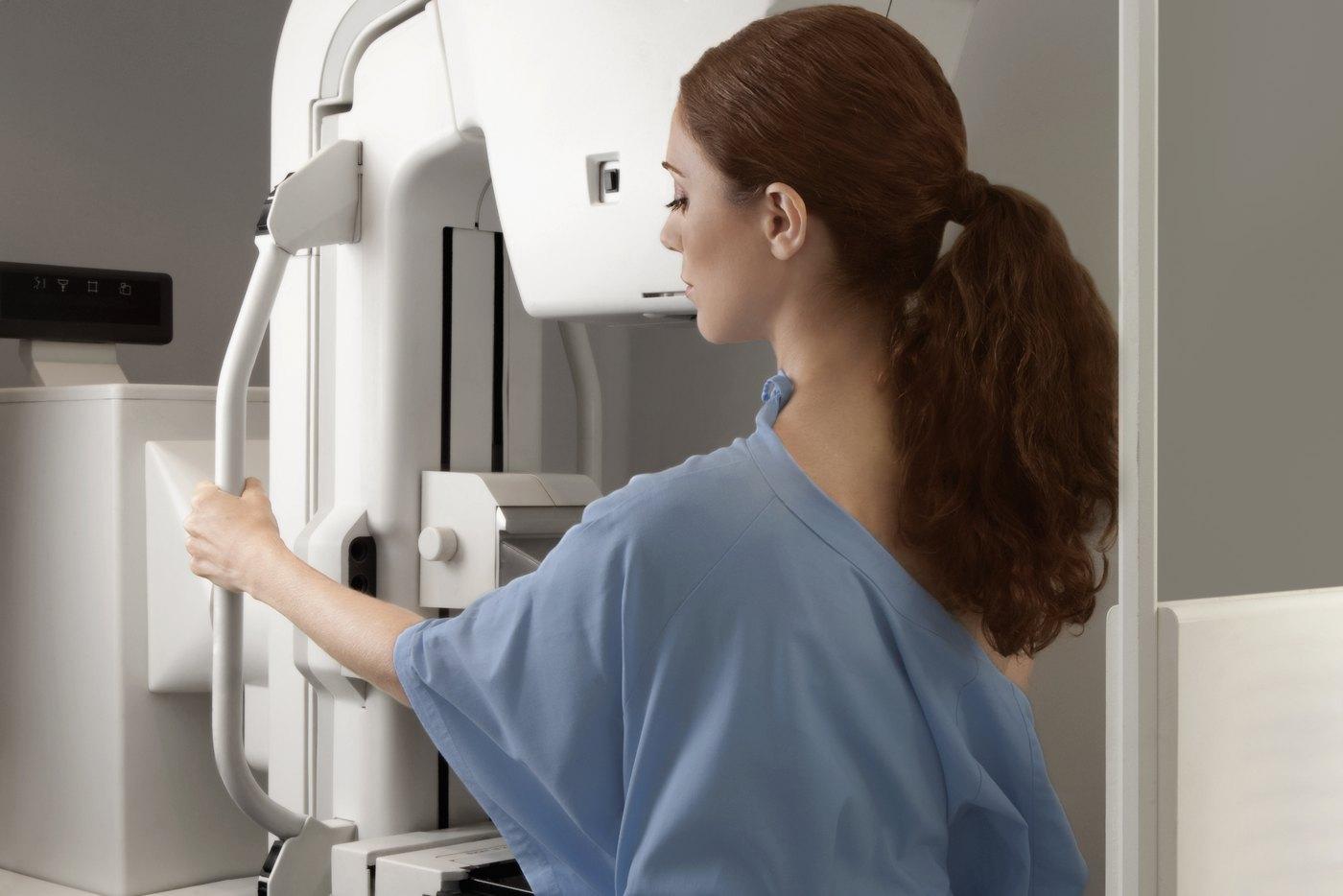
- Mammogram: the main routine breast cancer screening tool for many average-risk women in their 40s
- Breast ultrasound: may be discussed for a specific concern or based on breast density and clinician advice
- Tumor markers: not recommended as a standalone routine screening test
According to the USPSTF, average-risk women are recommended to get screening mammography every two years from ages 40 to 74.
That makes your 40s an important decade to stop thinking of breast screening as something for “later.”
Breast density is worth understanding, not panicking over
Dense breast tissue is common in women in their 40s and can make mammograms harder to interpret. In the U.S., mammography facilities are also required by the FDA to notify patients about breast density.
That does not mean every woman with dense breasts automatically needs extra imaging. It does mean breast density is something worth discussing in context, especially if you also have symptoms, a personal history, or a family history that changes your risk picture.
Your metabolic health deserves more attention, too
- Lipid panel
- Glucose / HbA1c
- Blood pressure
- Body composition or weight-related measures, depending on the center
This is often the decade when cholesterol, blood sugar, blood pressure, and body composition start showing clearer patterns. You may feel completely fine and still see a trend worth paying attention to.
That is one reason a broader checkup can be useful in your 40s even if the reason you started looking was breast screening.
5. Postmenopause: Heart, Bone, and Breast Health Deserve a Closer Look
Menopause is not just about periods stopping. It is a broader body transition, and several risk areas start to matter more at once.

Breast screening still matters after menopause
Breast cancer risk continues to rise with age, which is why mammograms still matter after menopause. If breast density or a specific concern comes into the picture, additional imaging may be discussed, but the foundation is still regular breast screening.
Bone density becomes more important
A bone density scan becomes increasingly relevant at this stage. According to the USPSTF, routine osteoporosis screening is recommended for women 65 and older, or earlier for postmenopausal women with increased fracture risk.
Bone loss can happen quietly. You do not feel it in real time, which is exactly why screening matters before a fracture becomes the first warning sign.
Cardiovascular and metabolic risk deserve regular attention
- Lipid panel
- Glucose / HbA1c
- Blood pressure
- ECG, depending on the package and your health context
Heart risk becomes more important after menopause, even when symptoms are subtle. For many women, the most useful “postmenopause checkup” is not a long list of niche tests. It is making sure the core metabolic and cardiovascular markers are actually being checked regularly.
Optional add-ons should stay optional
Some packages may also offer tests like coronary calcium CT, carotid ultrasound, brain imaging, or cognitive or biomarker-related add-ons. These may be appropriate in certain situations, but they should not be framed as routine screening for everyone.
The key is to separate what is guideline-based and broadly relevant from what is risk-based or optional.
If you are comparing checkup options for your 40s, 50s, or beyond, start with the basics: breast screening, bone density, and metabolic testing.
[ Compare women’s health checkup packages on Creatrip]
6. Advanced Wellness Add-Ons: Useful for Some, Not Routine for Everyone
Many Korean checkup centers also offer add-ons that go beyond standard screening. These can be interesting for some travelers, but they are best treated as optional wellness tools, not replacements for routine screening.

Biological age and cellular aging
- telomere-related testing
- oxidative stress or aging biomarker panels
These tests are often marketed as a way to look at how your body is aging beyond your calendar age. Some people like them as a personal baseline, especially if they are already focused on sleep, exercise, nutrition, or long-term wellness tracking.
Still, these are not standard cancer screening tests, and their clinical usefulness can vary.
Immunity and stress-related add-ons
- NK cell activity
- heart rate variability (HRV)
These can be interesting if you want a broader wellness snapshot, but they should not be overinterpreted. They are better understood as contextual wellness data, not a diagnosis on their own.
Genetic risk panels
A hereditary cancer panel may be worth discussing if you have a strong family history of breast, ovarian, endometrial, or related cancers.
The value here is usually not just the test itself, but the interpretation. Genetic information is most useful when it helps shape a clearer screening plan, rather than creating more confusion.
Important: Advanced wellness add-ons can be informative for some people, but they do not replace routine cervical screening, mammograms, metabolic testing, or bone density screening when those are indicated.
7. How to Book a Women’s Health Checkup in Korea Through Creatrip
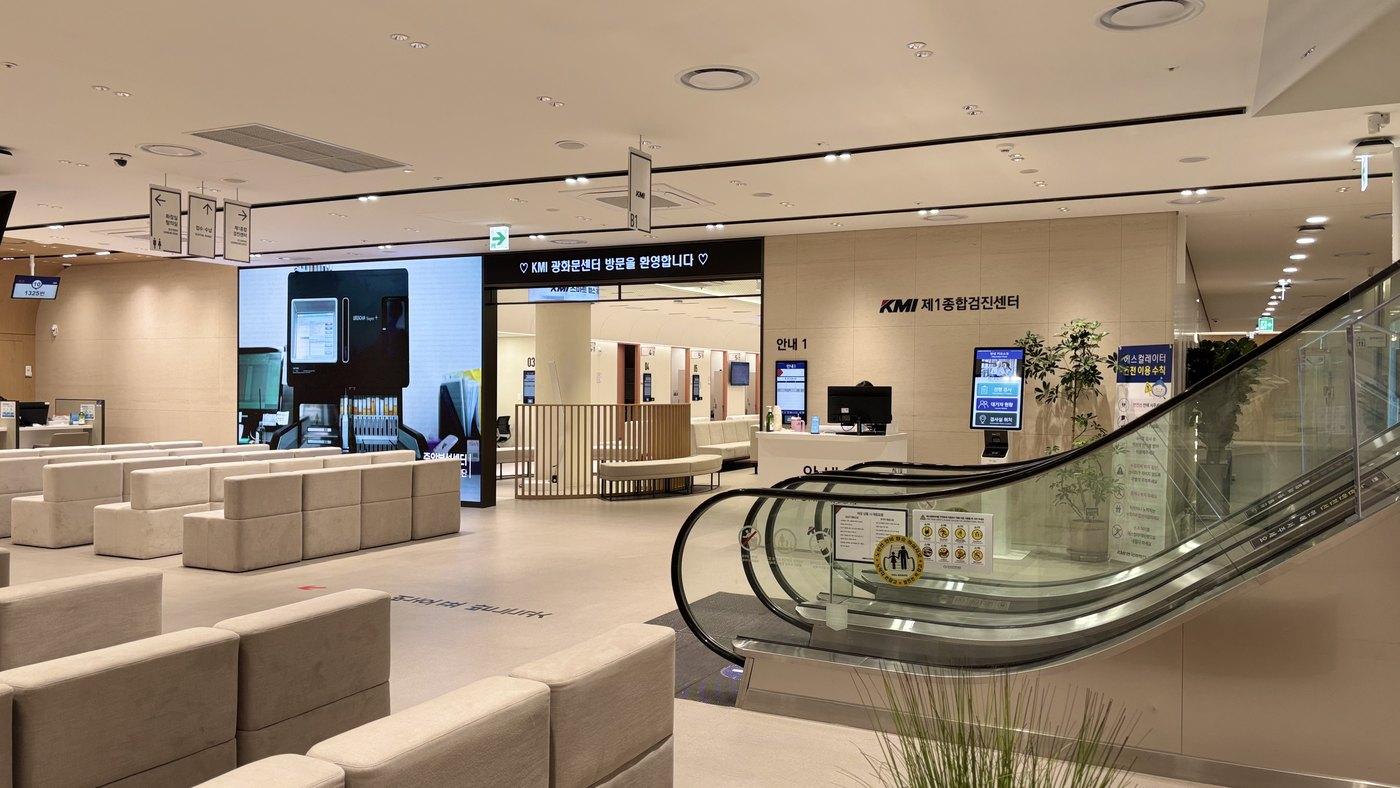
Booking a women’s health checkup in Korea through Creatrip is designed to be simple, especially if you do not speak Korean.
- Choose your checkup center and package.
Compare packages by location, price, included tests, and women-focused options like breast ultrasound, mammogram, Pap smear, HPV test, AMH, or pelvic ultrasound. - Select your date and add-ons.
After choosing your package, select your preferred date and any optional tests you want to add. - Complete your reservation form.
Enter your patient information, screening-related details, and any required test choices. - Receive your prep guide in English.
Creatrip provides checkup instructions in English, including fasting, medication precautions, and what to bring. - Visit the center for your checkup.
A 1:1 English interpreter is included on-site at Creatrip partner centers, so you can move through the process without guessing through Korean medical terms. - Receive your results.
Results are provided in English or with English support, depending on the center and package.
Millie’s note: If you are combining your health checkup with a Korea trip, book it early in your itinerary. That gives you more time in Korea in case you need extra questions, follow-up, or result clarification before flying home.
8. FAQ: Women’s Health Checkups in Korea
Which women’s health tests are commonly included in Korean checkup packages?
Common women-focused options may include Pap smear, HPV screening, breast ultrasound, mammogram, pelvic ultrasound, CBC / ferritin, thyroid testing, AMH, and some fertility- or genetics-related add-ons. Exact availability depends on the center and package.
Can I get a health checkup during my period?
Sometimes yes, but some tests may need to be rescheduled depending on the center’s policy and the type of exam. If your period starts before your appointment, contact Creatrip in advance so the center can confirm which parts of the checkup can still be completed.
Are there any tests I may not be able to do if I am pregnant or might be pregnant?
Yes. If you are pregnant or there is any chance you could be pregnant, you should indicate this before the appointment. Some imaging tests, sedation-related exams, or gynecological exams may be limited or adjusted for safety.
Can I get a health checkup while breastfeeding?
Possibly, but some exams or medications may be restricted depending on the center and the type of test. Let the center know in advance so they can confirm what is available and whether your package needs adjustment.
Will I be able to get English support?
Many Creatrip partner centers offer English support for foreign patients, but the exact level of interpretation and the format of result delivery may vary by package and center. Check the reservation page carefully before booking.
How long does a Korean health checkup usually take?
Many checkups are completed within one morning, but total time depends on the package and any added tests such as endoscopy, colonoscopy, MRI, CT, or extra ultrasound exams.
Final Takeaway
A women’s health checkup in Korea can be useful if you want a more organized way to look at the tests that fit your age, your symptoms, and your current stage of life.
The goal is not to do everything. It is to choose the checks that are most relevant right now—whether that means a Pap smear in your 20s, breast screening in your 40s, iron and thyroid testing around pregnancy planning, or bone density and metabolic screening after menopause.
If you want to compare packages built for foreign visitors, start with the reservation page and look closely at the women-focused tests, add-ons, and English support details before you book.
[Compare women’s health checkup packages on Creatrip]
Medical Reference Points Used for Editorial Review
- USPSTF — Breast Cancer Screening
- USPSTF — Cervical Cancer Screening
- USPSTF — Osteoporosis Screening to Prevent Fractures
- FDA — Mammography Quality Standards Act (MQSA) breast density notification
- ASRM — Ovarian reserve / AMH interpretation guidance
Looking for a women’s health checkup package in Korea?
Compare age-based screening options, women’s health tests, English report support, KMI centers, and booking tips in Creatrip’s full health checkup hub. Explore the full guide here: Creatrip Health Checkup Guide.