
Fortra Laser Lifting in Seoul: 4-Wavelength Treatment Guide (2026)
What travelers should know about Fortra in Seoul, including its four wavelengths, suitable concerns, pain, downtime, and how to plan a clinic consultation.

Quick Answer
Fortra is a four-wavelength diode laser lifting treatment developed by CLASSYS and offered mainly at aesthetic clinics in Seoul and elsewhere in Korea. It is designed to address facial firmness, jawline definition, texture, and tone in one session. Pain, settings, suitability, and recovery vary, so international travelers should book a medical consultation rather than choosing it by trend alone.
Last updated: September 2026
If you follow Korean beauty at all, you know the cycle: a new treatment shows up, clinics start talking about it, and within months it's everywhere. Fortra is the one that's been generating that kind of buzz lately.
As a beauty content creator based in Seoul, I've covered aesthetic clinics across the city and tried a wide range of treatments personally, including Rejuran, Potenza, ONDA, and Titanium Lifting. The treatment I've been hearing about most in recent months is Fortra, a diode laser lifting device developed by Korean medical aesthetics company CLASSYS.
Fortra delivers four different wavelengths simultaneously, which sets it apart from most lifting treatments on the market. It's relatively new, but it's already built a reputation among VIP clients at top Seoul clinics, particularly for people dealing with a sagging jawline and loss of skin firmness.
This article breaks down what Fortra is, how the technology works, who it's a good fit for, and what you should know before booking it during a trip to Seoul.
✍️What You'll Learn in This Article
- What Fortra is and how it works
- Why its 4-wavelength laser and proprietary 940nm wavelength make it different
- Who it's recommended for and what results to expect
- Pain level and downtime.
- How it compares to Titanium Lifting
- How to book it through Creatrip
Note: This article is based on the author's research into Seoul aesthetic clinics, along with publicly available information from CLASSYS and clinic guidance confirmed as of June 2026. The right treatment for you depends on your skin condition, medical history, and procedure history. Always consult a doctor before booking.
- Main concern: Identify whether your priority is jawline definition, firmness, texture, tone, or several concerns together.
- Medical fit: Share your skin condition, medical history, previous procedures, and current medications during consultation.
- Trip timing: Leave flexibility after treatment in case temporary redness, warmth, or swelling occurs.
- Clinic communication: Confirm language support, consultation flow, aftercare instructions, required identification, and total price before booking.
Choose by your main concern, tolerance for heat or discomfort, available recovery time, and a doctor’s assessment—not by popularity alone.
How Should Travelers Decide Whether Fortra Fits Their Seoul Treatment Plan?
What Is Fortra?
Fortra is a CLASSYS diode laser platform that delivers four wavelengths simultaneously to target multiple skin depths in one session.
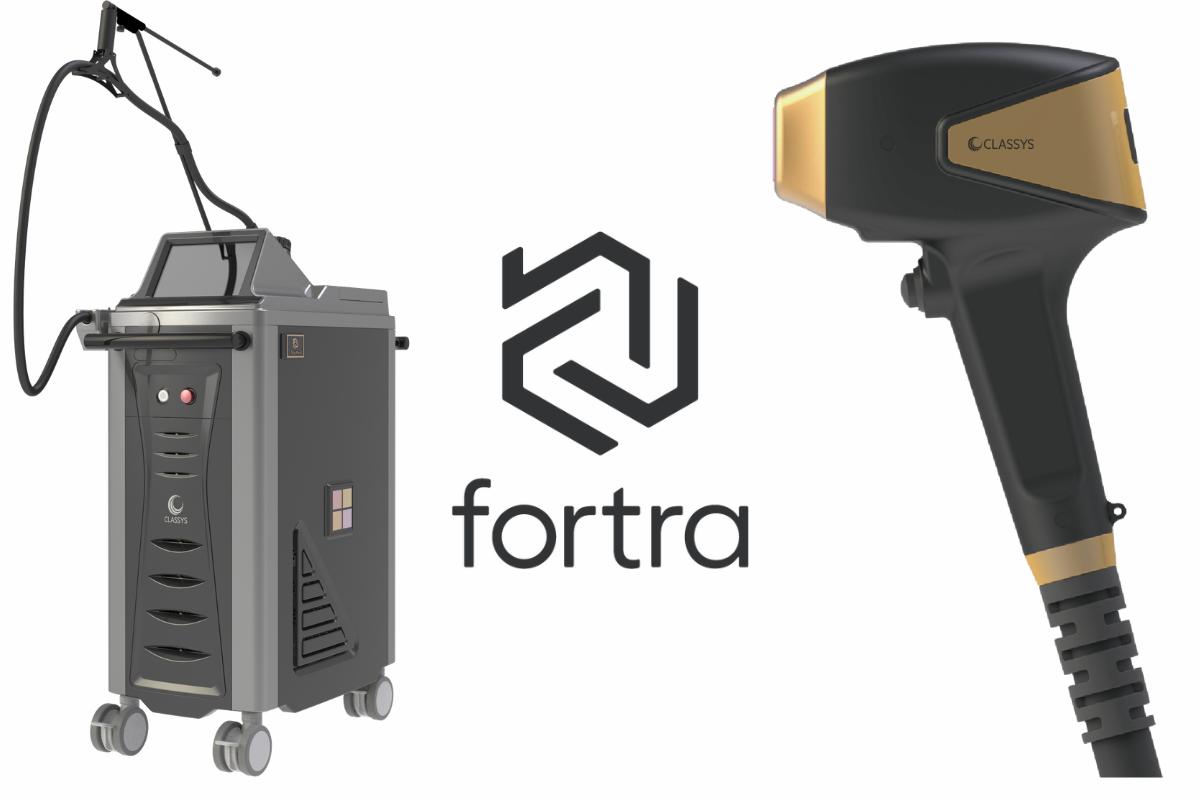
Fortra is a diode laser device developed by CLASSYS, the Korean medical aesthetics company also behind Volnewmer and several other widely used lifting devices. It's designed to deliver four different wavelengths at the same time, targeting multiple layers of the skin in a single session.
If you've spent any time looking into Korean beauty treatments, you've likely come across the CLASSYS name. The company has a strong presence not just in Korea but in aesthetic medicine markets globally, and Fortra is its latest release.
The premise behind Fortra reflects a broader shift in Seoul's beauty scene. For years, lifting treatments and skin management treatments were two separate conversations. Now, people want both in one session. They're not just asking "how do I tighten my face line?" They're asking "how do I look fresher overall?" Fortra was built to answer both questions at once.
That's why it tends to appeal to people with more layered concerns, like "my face looks tired even when I'm not," or "my skin just doesn't look as alive as it used to." Rather than narrowing in on one issue, it takes a broader approach to overall skin appearance.
Because Fortra is still a newer device, it's currently available primarily in Korea. That also makes it a draw for beauty travelers who want to try something they genuinely can't get at home.
Why Is Fortra Getting So Much Attention in Korea Right Now?
Interest centers on its Korea-first availability and its combined focus on facial lifting and overall skin quality.
Korea's aesthetic medicine market moves fast, and demand has been shifting in a clear direction: away from dramatic, single-focus results and toward treatments that improve the overall look of the skin, including firmness, texture, and tone, all at once.
Fortra fits that shift. Here's why it's resonating specifically right now.
① It's a treatment you can only get in Korea
One of the biggest reasons people fly to Seoul for beauty treatments is access. Fortra is currently offered mainly in Korea, which means it's not something you can pop into a local med spa and get back home. For people who follow Korean beauty trends closely, that alone makes it worth looking into.
Clinics in Korea, especially Seoul also tend to adopt new devices quickly, and word spreads fast through real patient experiences. Fortra is following that same pattern, with more clinics adding it and interest building steadily.
② It goes beyond lifting
Most people picture "lifting" as tightening a jawline or addressing sagging cheeks. Fortra takes that further. At Korean clinic consultations, it's common for people to bring up five or six concerns at once: face line definition, skin firmness, brightness, texture, pores, and overall glow.
Fortra was designed with that kind of multi-concern in mind. The 4-wavelength system means it's not a one-trick device. For anyone who wants more than just a tighter face line, that's a meaningful distinction.
③ The rise of preventive aesthetics
Something I've noticed while covering Seoul clinics is that the average age of lifting treatment clients keeps getting younger. What used to be a conversation for people in their late 30s and 40s is now happening in the late 20s, too.
That shift reflects Korea's "preventive aesthetics" mindset. Rather than waiting until sagging becomes noticeable and then addressing it, the approach is to start managing early. Lifting is increasingly treated less like a special procedure and more like a regular part of skincare. Fortra, as a treatment that addresses both lifting and skin quality, fits naturally into that philosophy.
✍🏻 Editorial TIP: Before your consultation, take a minute to think about what specifically bothers you most. Is it your jawline definition? Sagging cheeks? Lack of firmness? The more specific you can be, the easier it is for the doctor to point you toward the right treatment. |
What Is Fortra's 4-Wavelength Laser?
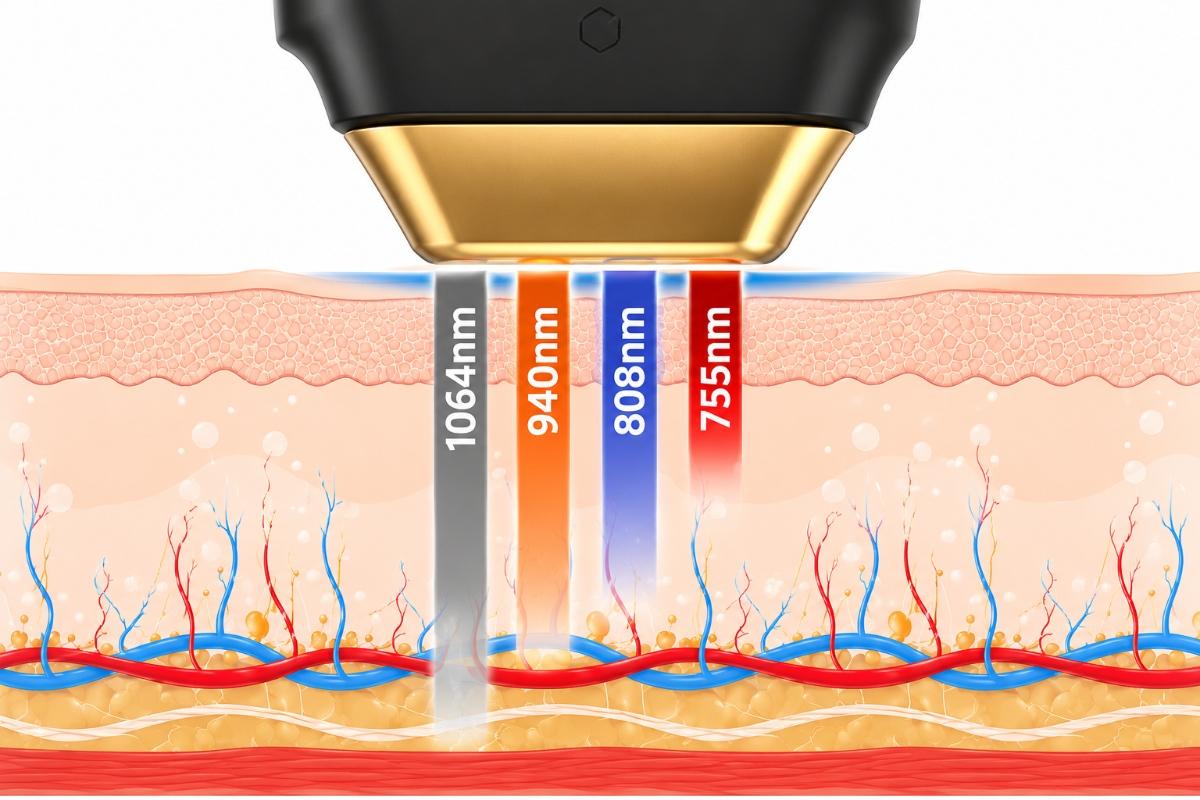
The system combines 755nm, 808nm, 940nm, and 1064nm wavelengths so a provider can address different depths and concerns.
Source: CLASSYS
The core of what makes Fortra different is its 4-wavelength laser system. In aesthetic laser treatments, wavelength determines how deep the energy reaches and what kinds of skin concerns it's best suited for.
That is why in recent years, Korea’s aesthetic medicine industry has been moving beyond devices that rely on a single wavelength, and toward developing machines that combine multiple wavelengths to address a wider range of concerns. Fortra is one of the devices born from this trend.
Fortra uses four: 755nm, 808nm, 940nm, and 1064nm, each targeting a different layer and concern.
Why does combining four wavelengths matter?
Traditional lifting treatments tend to target one specific layer intensively. Fortra spreads that energy across multiple depths, from the surface down to deeper tissue, which is why it can address a wider range of concerns at once: firmness, texture, tone, overall appearance, and a more tightened look. You're not just treating one thing. You're treating the whole picture.
The combination that draws the most attention is the 1064nm and 940nm pairing. The 1064nm wavelength delivers heat energy to deeper layers of the skin, while the 940nm wavelength builds temperature efficiently from the mid to lower dermis, creating a three-dimensional heating effect across the skin's layers.
That layered heating brings the skin to temperatures where collagen is more likely to contract, which is why many people notice a firmer, tighter feel right after treatment. In Korea, "how much you can actually feel the difference" matters when people are choosing a lifting treatment, and this is a big part of why Fortra has built its early reputation.
The 940nm Wavelength: Fortra's Standout Feature
Of the four wavelengths, 940nm is the one that comes up most in conversations about what makes Fortra different. It's readily absorbed by moisture and fatty tissue, and when used alongside 1064nm, it delivers thermal energy into deeper layers in a way that targets the retaining ligaments, the structural support system of the face.
By heating those ligaments three-dimensionally, Fortra aims not just for the immediate lifting sensation, but for longer-lasting results. In Seoul, how long a treatment's results hold is a major factor in how people choose between options. That longevity angle is one reason Fortra has caught on so quickly.
Brightness From 755nm and 940nm
Lifting is only part of the Fortra story. Many Korean dermatologies pair lifting with skin quality management, and Fortra addresses both in one treatment.
The 755nm wavelength has a high absorption rate in melanin, which means it targets dullness and pigmentation in the outer skin layer, helping the overall complexion look brighter. The 940nm wavelength also targets small blood vessels that contribute to redness, helping even out skin tone.
Together, these two wavelengths aim to improve the skin's overall appearance beyond just tightening, addressing both dullness and redness in the same session. The visible tone-up effect right after treatment is one of the reasons Fortra appeals to people looking for both lifting and a better-quality skin finish at the same time.
The Dual Mode System: Customized Treatment
Source: CLASSYS
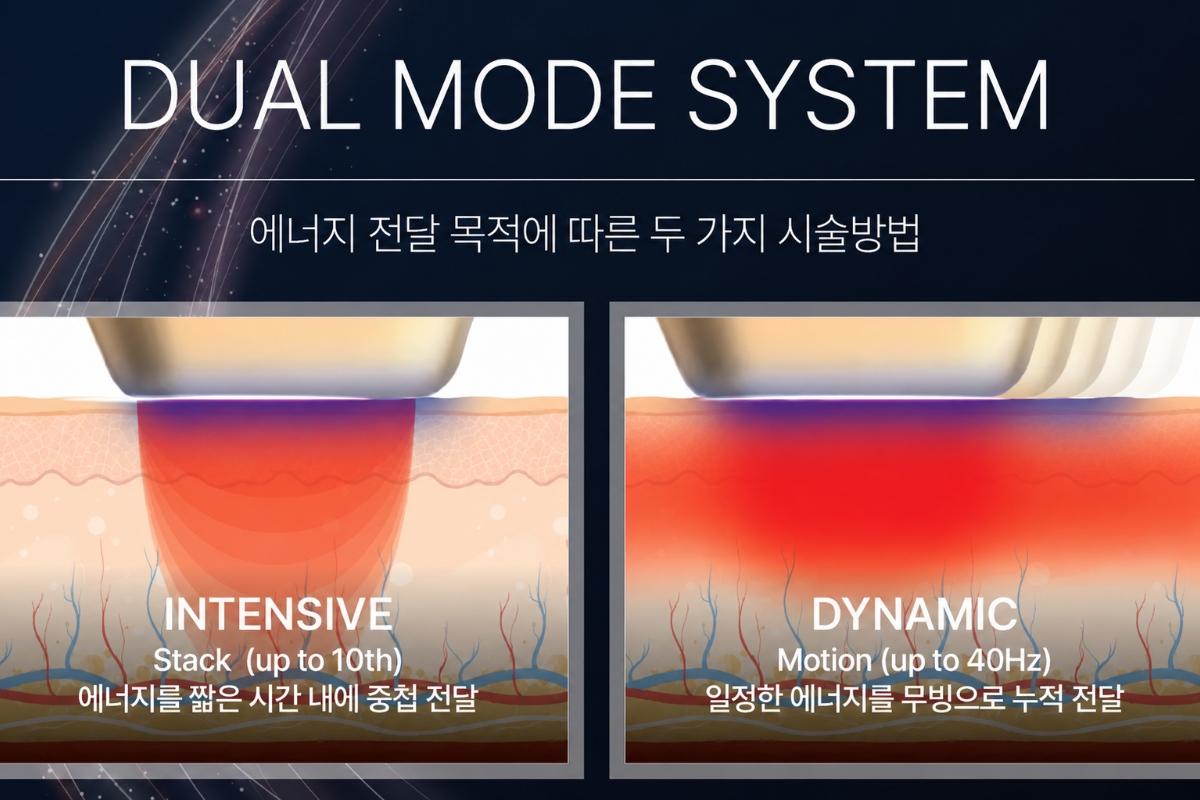
Fortra's "Dual Mode System" lets the provider adjust how energy is delivered based on what you're trying to achieve. There are two modes:
INTENSIVE Mode repeatedly delivers energy to the same area in a short period of time, concentrating thermal energy in spots where you want a focused effect, like the jawline or under the chin.
DYNAMIC Mode moves the handpiece across a broader area while emitting at up to 40Hz, delivering energy evenly across the full face without patchy coverage.
This means your provider can design the session around your specific concerns. If you want to zero in on the face line, they lean into INTENSIVE. If you want an all-over improvement in skin quality and texture, DYNAMIC does more of the work. Most sessions use both.
Korea's beauty culture has moved toward "the treatment that fits you" over "the treatment everyone is getting." Fortra's combination of 4-wavelength technology and the Dual Mode System is built to deliver exactly that.
Who Is Fortra Best For?
It may suit adults seeking jawline definition, firmness, or broader skin-quality support, subject to an in-person medical assessment.
Fortra tends to be a strong fit for people who:
- Notice their jawline looks less defined than it used to
- Feel heaviness or fullness around the lower face or beside the mouth
- Feel their skin lacks firmness or elasticity
- Want to address multiple concerns in one session without committing to a high-intensity procedure right away
- Are visiting Korea for a short trip and want a treatment that fits into a packed schedule
One of Fortra's practical strengths is that the energy can be adjusted based on skin thickness, degree of sagging, and treatment area. This isn't a one-size-fits-all device. That kind of customization matters, especially for first-timers who aren't sure exactly what they need yet.
✍🏻 Editor’s TIP: Saying "I want a defined faceline" or "I want to fix my sagging" gives a doctor very little to work with. Before you book, think about the specific area bothering you most and what kind of change you're hoping for. That one step makes for a much more useful consultation. |
Does Fortra Hurt? What About Downtime?
Sensation and recovery vary by person and settings; temporary warmth, redness, swelling, or stinging can occur.
These are the two questions I hear most often, and they're worth being honest about.
Fortra includes a cooling function, which helps manage surface heat during treatment. That said, how much warmth or stimulation you feel varies depending on your pain tolerance, the area being treated, and the energy settings used. It's best described as a treatment where the experience can differ noticeably from person to person, which is why going into the consultation with questions about sensation is a good idea.
On the downtime side, temporary side effects some people experience include:
- Mild redness
- A warm or flushed feeling
- Slight swelling
- A brief stinging sensation in certain areas
For most people these settle within a few hours to a day or two. Fortra is generally considered a minimal-downtime treatment, and many people notice improved firmness right after the session, which makes it practical even within a Seoul trip.
That said, don't book it the day before you fly home or right before a big event. Give yourself at least a day of buffer. Results and recovery both vary, so confirming the details with your clinic before treatment is the right move.
How Does Fortra Compare to Titanium Lifting?
Both are multi-wavelength diode-laser options, but their wavelength combinations and treatment planning differ, so neither is universally better.
If you've been researching lifting treatments in Korea, Titanium Lifting has probably come up. Here's a quick side-by-side:
Category | Fortra | Titanium Lift |
Awareness | Growing, primarily in Seoul | High awareness in Korea and overseas |
Positioning | Next-generation lifting | Classic, established lifting |
Key feature | 4-wavelength diode laser | 3-wavelength laser |
Current Buzz | Popular with VIP clinic clients | Steady, reliable popularity |
Both are lifting treatments, but they're aimed at slightly different goals. Titanium Lifting is one of Korea's most well-known options, often the first thing that comes up when people ask a clinic to recommend a lifting treatment. It has a strong track record.
Fortra takes a wider-angle approach, designed to improve not just the face line but the overall impression of the skin, including firmness, tone, and texture. The energy customization and 4-wavelength system also give it flexibility for people with multiple concerns.
Neither is objectively better. The right choice depends entirely on your skin condition, what's bothering you, and what kind of result you're after. Even within Seoul, different clinics may recommend different things for the same concern. That's not inconsistency. That's why the consultation matters.
✍🏻 Editor's tip: I've had consultations at multiple Seoul clinics for the same concern and gotten different recommendations every time. Rather than booking whatever's trending, tell the doctor what's actually bothering you and let the recommendation come from that. |
Where Can Travelers Get Fortra in Korea?
Availability varies by clinic; travelers should confirm the device, language support, consultation, pricing, and aftercare before visiting.
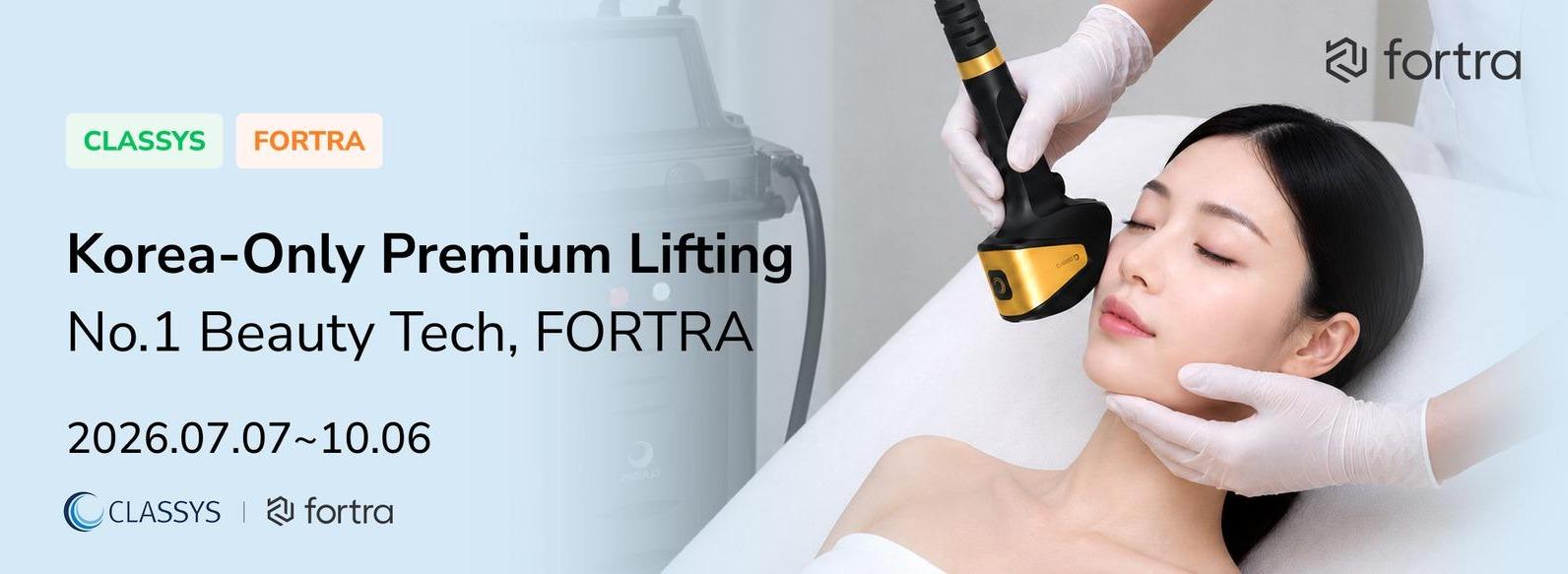
You can check participating clinics, campaign details, and booking options on the Fortra landing page below. Review the latest treatment details and availability before booking.
Book Fortra on Creatrip
What Do Travelers Ask About Fortra in Seoul?
These answers cover availability, suitability, pain, downtime, travel timing, booking, identification, and aftercare.
| Q1. Is Fortra only available in Korea?
Fortra is currently introduced mainly through clinics in Korea, which is why travelers often research it before a Seoul beauty trip. Availability can change as the device expands, so confirm directly with the clinic before arranging travel. For broader context on choosing a provider, read Creatrip’s guide to foreigner-friendly skin clinics in Seoul.
| Q2. What concerns is Fortra best suited for?
Fortra may be considered for a less-defined jawline, lower-face heaviness, reduced firmness, uneven tone, or several overlapping concerns. The best option depends on whether the main issue involves skin quality, laxity, or facial volume. Compare treatment categories in this Korean skin clinic treatment guide and ask a doctor to assess your skin.
| Q3. Does Fortra hurt?
The cooling function may make treatment more manageable, but sensation varies with pain tolerance, treatment area, and energy settings. Some people describe warmth or stimulation rather than sharp pain. Ask the clinic about settings and comfort measures in advance, and review these tips for visiting a Korean skin clinic before your consultation.
| Q4. What's the downtime like?
Temporary redness, warmth, mild swelling, or brief stinging can occur, and the article notes that these often settle within hours to a day or two. Recovery is individual, so do not schedule treatment immediately before a flight or important event. This one-session Seoul treatment guide can help with trip planning.
| Q5. Can I get Fortra done during a short trip to Seoul?
A short Seoul trip may be workable because Fortra is presented as a minimal-downtime treatment, but leave at least one flexible day in case your skin reacts. Confirm consultation time, aftercare, and any restrictions before booking. Travelers comparing lifting options can also read the Titanium Lifting guide.
| Q6. Can international visitors book Fortra?
Many Seoul clinics accept international visitors, but English support, payment methods, identification requirements, and aftercare channels differ. Confirm each point with the clinic and keep written instructions. Creatrip’s factory versus private clinic comparison explains how consultation style and service models can differ.
| Q7. Do I need my passport?
Bring your passport to the clinic. It may be requested for identity verification or tax-refund procedures, although exact requirements vary by provider and transaction. Ask the clinic what documents are required when you book, keep your original identification secure, and do not assume a digital copy will always be accepted.
| Q8. When can I wear makeup or exercise after treatment?
Follow the treating clinic’s instructions because timing depends on your skin response and treatment settings. The article advises avoiding makeup, alcohol, saunas, and intense exercise on the treatment day or for a short period afterward. Ask for written aftercare guidance before leaving and seek medical advice if symptoms feel severe or persist.
If you have any questions or concerns, Creatrip provides 24/7 real-time support in English, Chinese, and Japanese for international visitors completely free of charge. Reach us anytime on WhatsApp (+82 10-8818-2915) or LINE (@creatrip). You can also follow us on Instagram, TikTok, Threads, and Youtube to stay updated on all things Korea!