Korea National Park Hiking Guide for First-Timers: Everything You Need to Know (2026)
First time hiking in Korea? No need to worry. Learn trail rules, what to pack, how to borrow free gear, and get answers to the 30 most common questions.

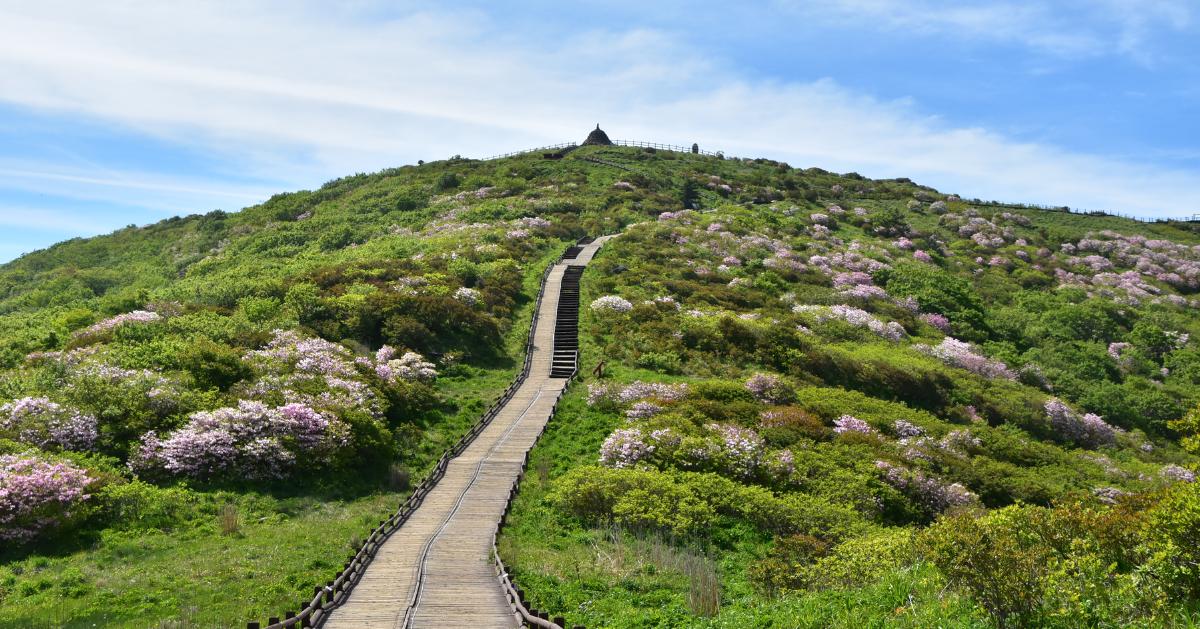
Most travelers visit Korea for the food, shopping, K-pop shows, and hanbok rentals. But there's another side to Korea that locals live and breathe: hiking. From Bukhansan National Park right outside Seoul to the rugged peaks of Seoraksan and the forest trails of Odaesan in Gangwon Province, Korea's national parks offer a different kind of travel experience. Even Gyeongju National Park blends nature with centuries-old historical sites. If you want to see how Koreans spend their weekends, a day on the trails might be the best introduction.
First-time hikers in Korea often get a reality check. The trails here are nothing like a casual walk in the park. Expect steep stone staircases, rocky scrambles, and sudden elevation changes. Hiking culture is different too—from the fully-geared locals to the unspoken etiquette at the summit, there's a rhythm to Korean mountain life that takes a bit of getting used to. This guide breaks down everything you need to know before you lace up your boots.
✍🏻 After reading this article, you'll learn more about...
|
※This article is compiled based on information as of June 2026. For actual opening status, trail restrictions, equipment rental arrangements, and more, we recommend checking official sources again before your trip.
Why Hiking in Korea Has Become a Travel Must-Do
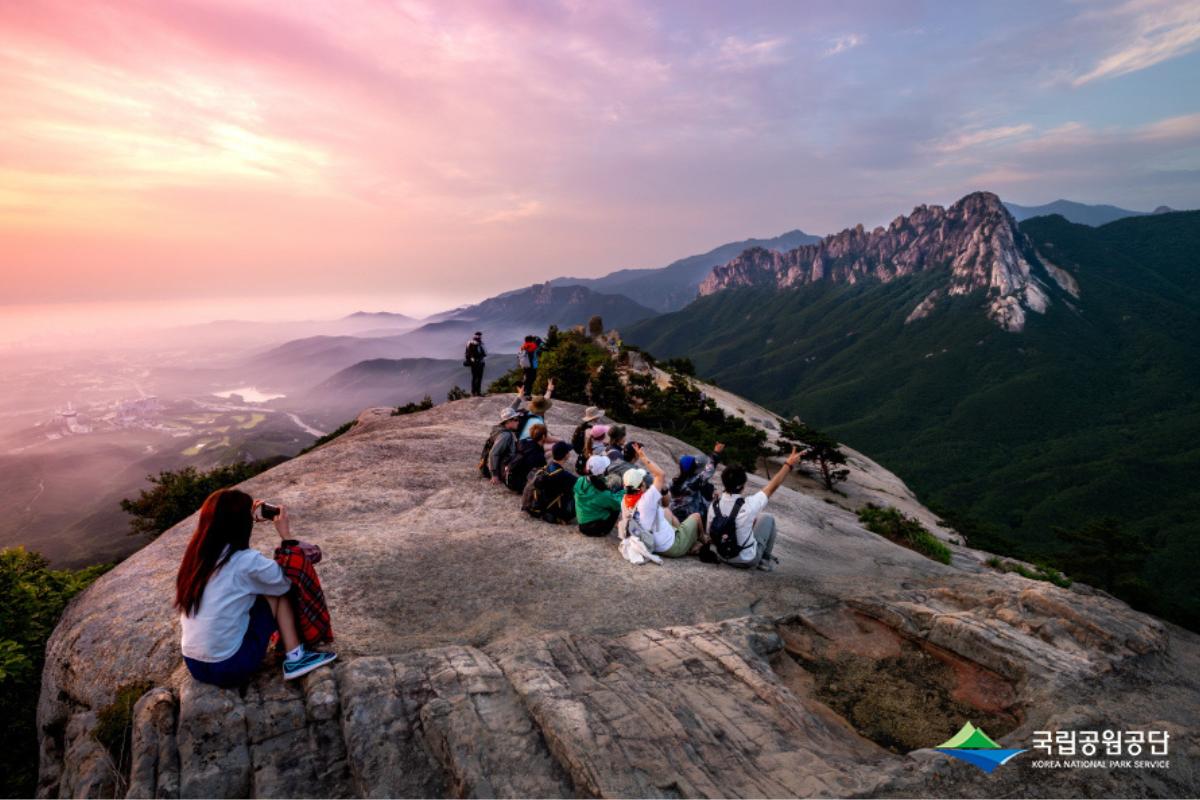
Hiking wasn't always on the Korea travel checklist. But in the past few years, trails have started showing up in itineraries right next to palace tours and street food crawls.
Why? Because hiking here isn't just about views—it's about seeing how Koreans spend their downtime. Seoul's subway lines run straight to trailheads. Gangwon Province and Gyeongju, already packed with tourists, hide some of the country's best national parks within easy reach. A half-day hike can fit neatly between a temple visit and dinner.
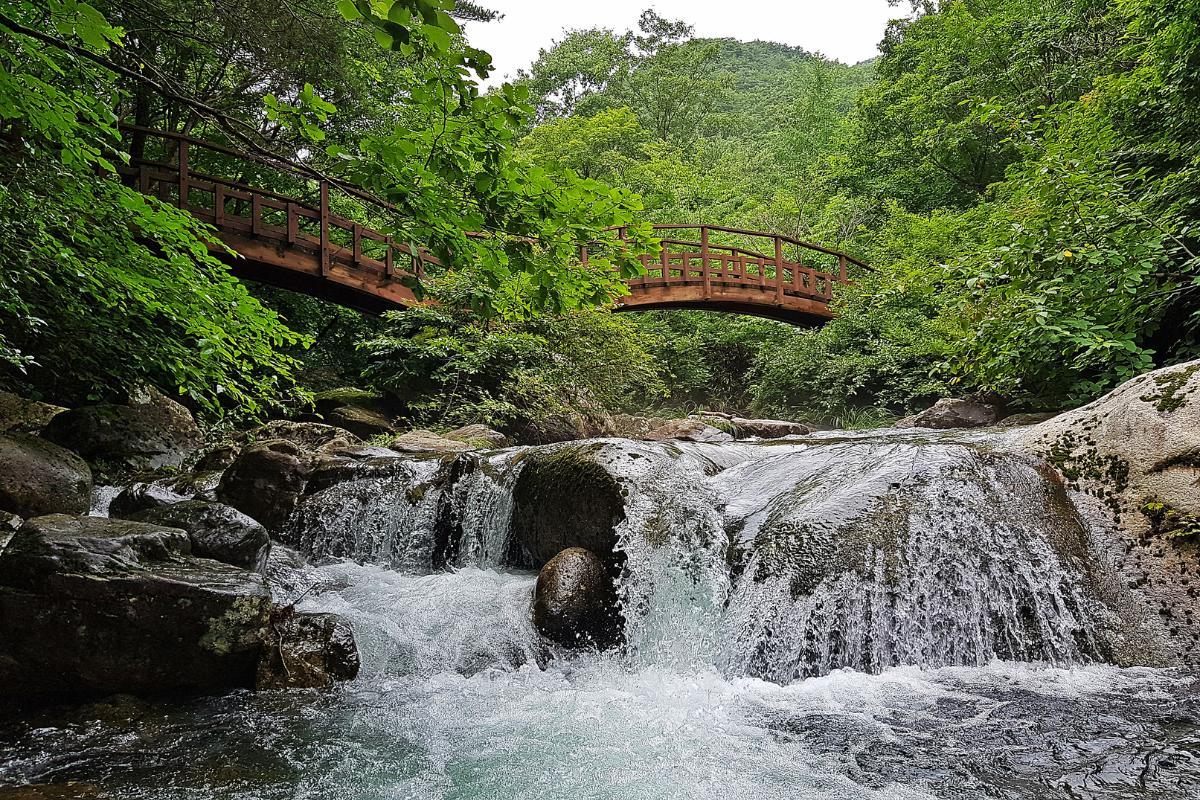
Seasons hit hard in Korea, and the mountains reflect that. Spring greens up the trails, ssummer has lush forest trails, autumn paints the ridges red and gold, and winter offers romantic snowy views. The same peak in March looks nothing like it does in November. Which means there's always a reason to come back.
Don't mistake Korean hiking for a leisure walk. These trails go up. Stairs cut into rock, loose gravel, sudden drops, and weather that shifts without warning. Picking the right mountain is half the battle. Knowing the etiquette and safety basics? That's the other half.
Essential Rules and Etiquette to Know Before Visiting Korea’s National Parks
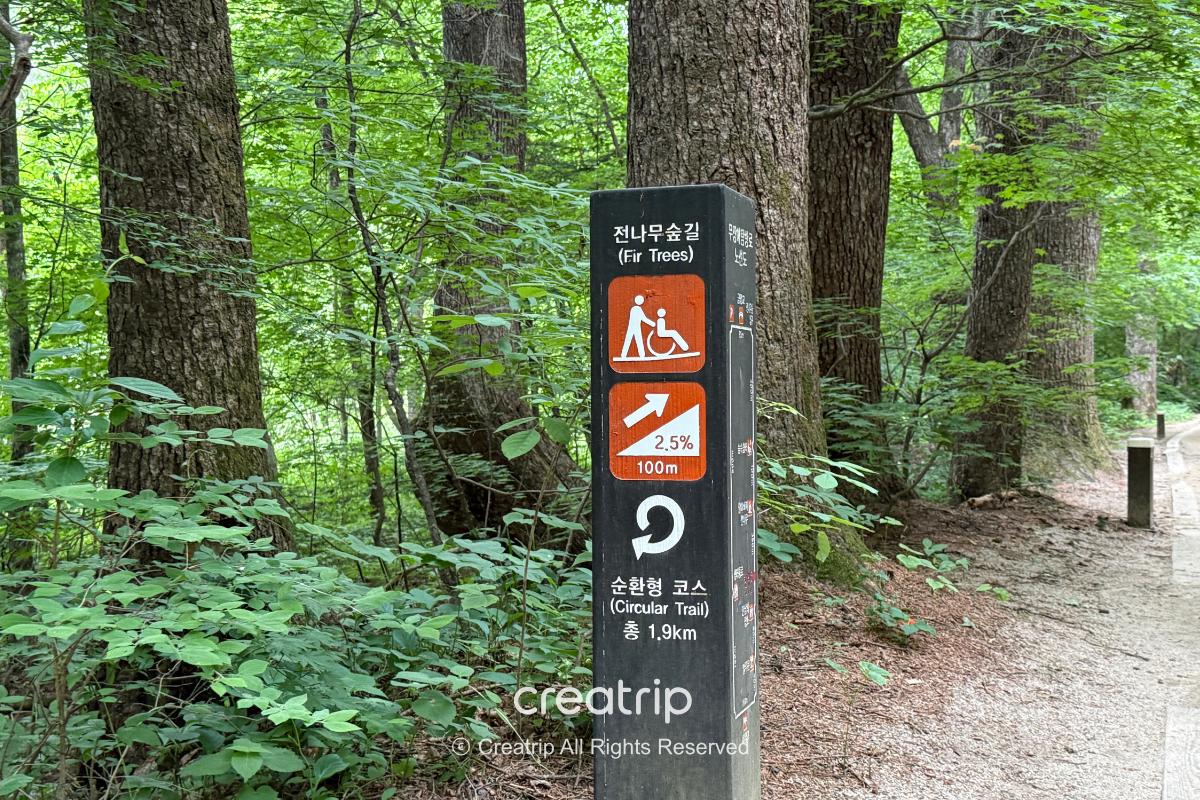
➀ Stick to marked trails. Closed areas are closed for a reason.
Staying on designated trails is the most basic rule when hiking in Korea's national parks. Wandering off the marked path makes it easy to get lost and raises your risk of slipping or getting injured. Some areas are protected nature zones or temporarily closed for maintenance. Entering without permission can damage the ecosystem and violates park regulations.
➁ Keep it quiet. No Bluetooth speakers, no shouting.
Korean hikers take their peace seriously. Blasting music from a speaker or yelling into your phone mid-trail? That'll earn you some hard stares. At rest stops, viewpoints, and summits, keep your voice down. Let the mountain do the talking.
➂ Take your summit photo and move on.
Everyone wants the summit shot. But hogging the spot for a 10-minute photoshoot while a line forms behind you? Not the move. Snap your pic, check the view, then step aside. Especially on weekends when trails get packed. Leave the tripod setups and influencer poses for less crowded spots.
➃ Pack out what you pack in.
Trash cans are rare once you're on the trail. Plan for it. Bring a small bag and pack out everything—wrappers, bottles, tissues, even orange peels. National parks are protected zones, and leaving scraps behind messes with wildlife behavior. Carry it in, carry it out.
➄ No feeding animals. No smoking. No cooking. No stunts.
Feeding wildlife disrupts ecosystems. Smoking and open flames trigger forest fires. Both are banned across all national parks, with fines to match. As for those cliffside selfies and stunt jumps near guardrails? Save yourself the ambulance ride. Wet rocks and drop-offs don't care how good your balance is.
Best Korean National Parks by Experience Level
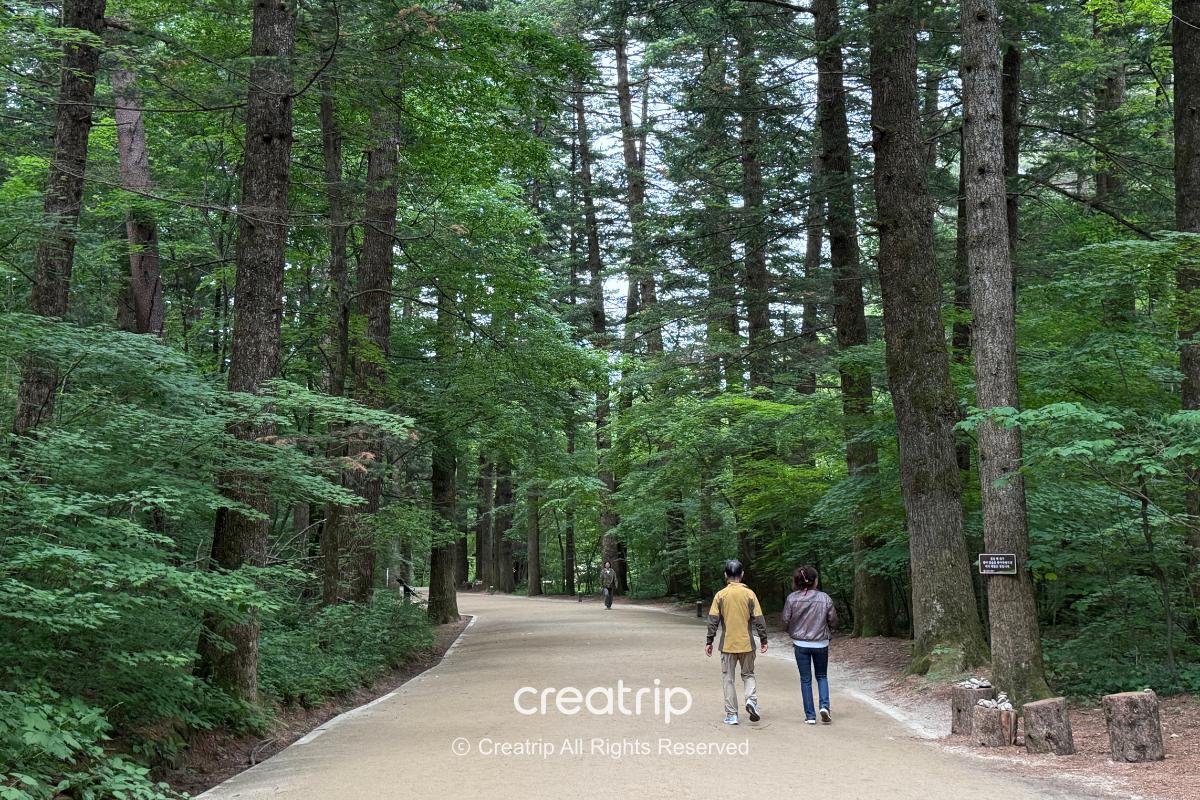
Not all Korean mountains are created equal. Some welcome beginners with gentle forest paths and subway access. Others demand stamina, proper gear, and a tolerance for steep climbs. If it's your first time, skip the "most famous" mountain and focus on what fits your fitness level and how you're getting there.
Level | Recommended Park | What to Expect |
First-timers | Bukhansan National Park | Right outside Seoul. Subway-accessible. |
Odaesan National Park | Forest-heavy trails. | |
Intermediate | Gyeongju National Park | Hiking meets history. |
Experienced | Seoraksan National Park | Steep, rocky, and spectacular. One of Korea's most iconic mountain destinations. Expect a workout. |
Recommended Hiking Trails in Korea’s National Parks 👇🏻
[Blog insert coming soon: 5 Korean National Park trekking courses that are great for foreign visitors]
What to Pack (and What You Can Borrow for Free)
📋 Hiking Essentials Checklist
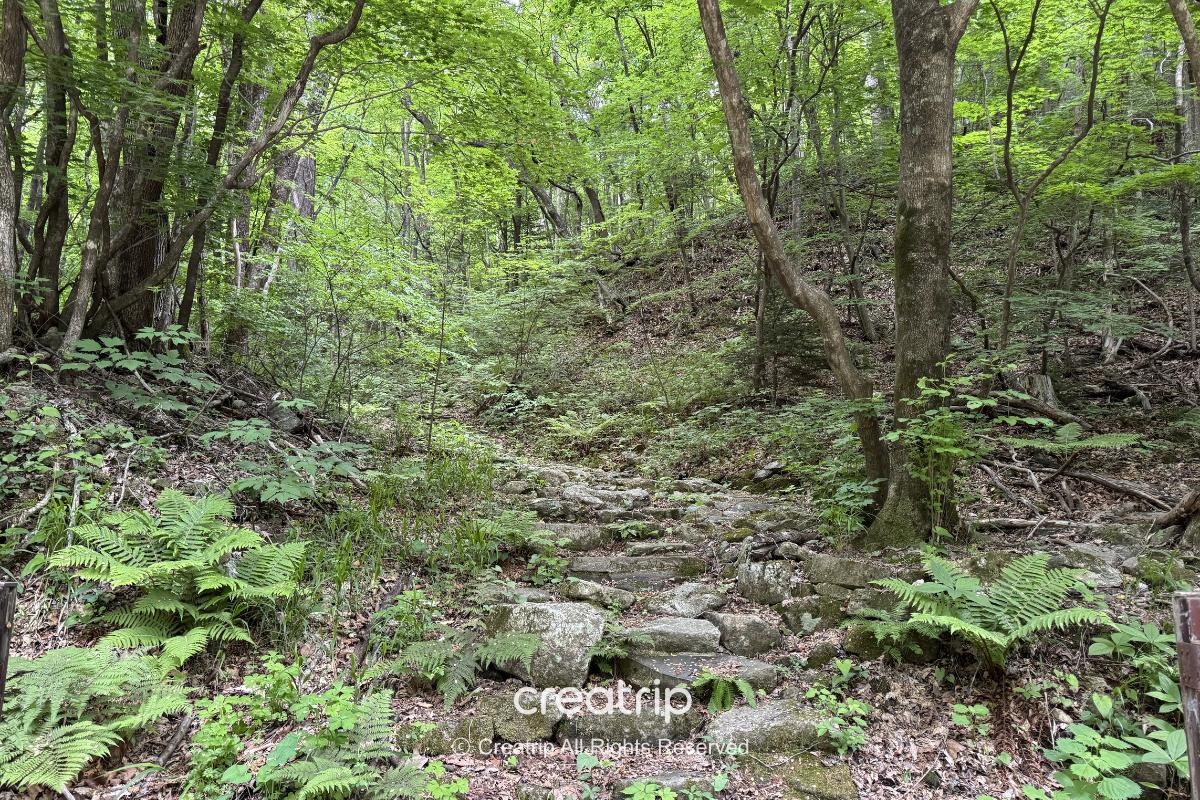
Korean trails aren't sidewalks. They're stone staircases carved into mountains, mud patches after rain, and rock scrambles that punish bad footwear. Flip-flops and fashion sneakers won't cut it. At minimum, wear shoes with grip and ankle support.
Here's what else you'll need:
- Shoes with solid grip (trail runners or hiking boots for tougher routes)
- Water (even for short hikes, especially in summer)
- Snacks (energy bars, crackers, chocolate—anything that doesn't melt easily)
- Phone + power bank (for maps and emergencies)
- Light jacket (mountains run colder than cities, even in summer)
- Hat and sunscreen (UV hits hard on exposed ridges)
Editor’s note: If it's your first time hiking in Korea, don't skip preparation just because the trail looks short or easy. Heading up in jeans, flip-flops, or sandals is a bad idea—we've seen too many people struggle on the way down. Hikes tend to take longer than expected, so avoid starting too late. Hiking down after dark is genuinely dangerous.
⚠️Things to Know Before Hiking
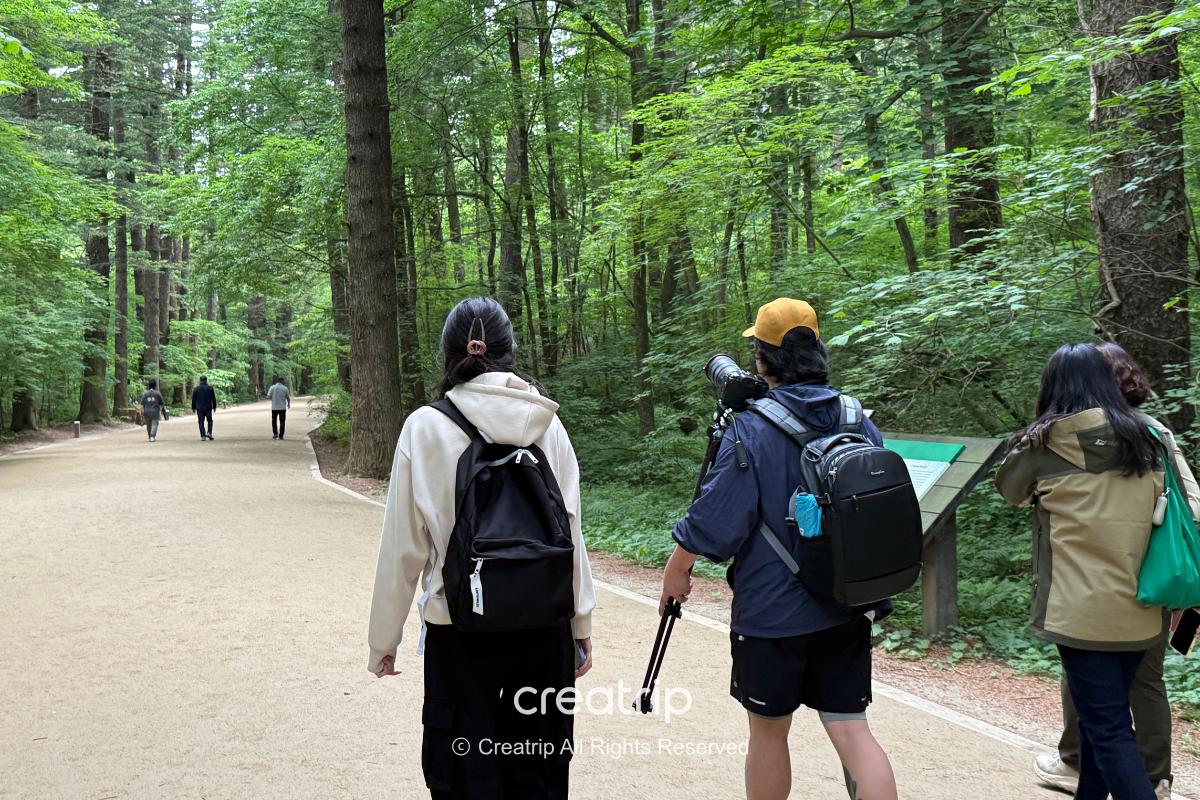
Gear is one thing. Knowing your limits is another. Korean trails throw steep climbs, loose rocks, and elevation at you fast. Before you head out, run through a quick self-check: health, fitness, and timing. A few minutes of planning can save you from a very bad day.
Pre-hike questions:
- Are you on medication for blood pressure or heart conditions?
- Any family history of heart disease?
- Ever felt chest pain during physical activity?
- Does your planned route match your current fitness level?
- How's your body feeling today? Any pain or fatigue?
- Did you pack gear that matches the season?
On-the-day reminders:
✅️ Check weather. Pick a route you can handle.
Check the forecast before you leave. Rain turns trails into slip zones. Pick a route that fits your legs, not your ego.
✅️ Warm up before you start climbing.
Stretch your legs and arms before hitting the trail. Cold muscles cramp faster on steep climbs.
✅️ Watch for falling rock zones.
Rockfall warning signs aren't suggestions. Move through quickly or avoid the section entirely.
✅️ Stay on marked paths.
Leaving the designated trail, entering restricted areas, or getting too close to cliff edges for a photo can seriously increase your risk of an accident.
✅️ Avoid snakes, bees, and mystery plants.
See a rock pile or beehive? Walk the other way. Spot a plant you don't recognize? Don't touch it.
✅️ Start heading down two hours before sunset.
Trails get dangerous after dark. If you're new to the mountain, give yourself at least two hours of daylight to get back down.
☀️Seasonal Tips for All Four Seasons


Hiking in Korea is noticeably affected by seasonal changes. Even on the same mountain, the perceived difficulty can be very different in summer versus winter, so make sure you prepare the right gear and essentials for the season before you set off.
Spring | Summer |
|
|
Autumn | Winter |
|
|
👷🏻♂️Free Safety Gear Rental at Korea National Parks
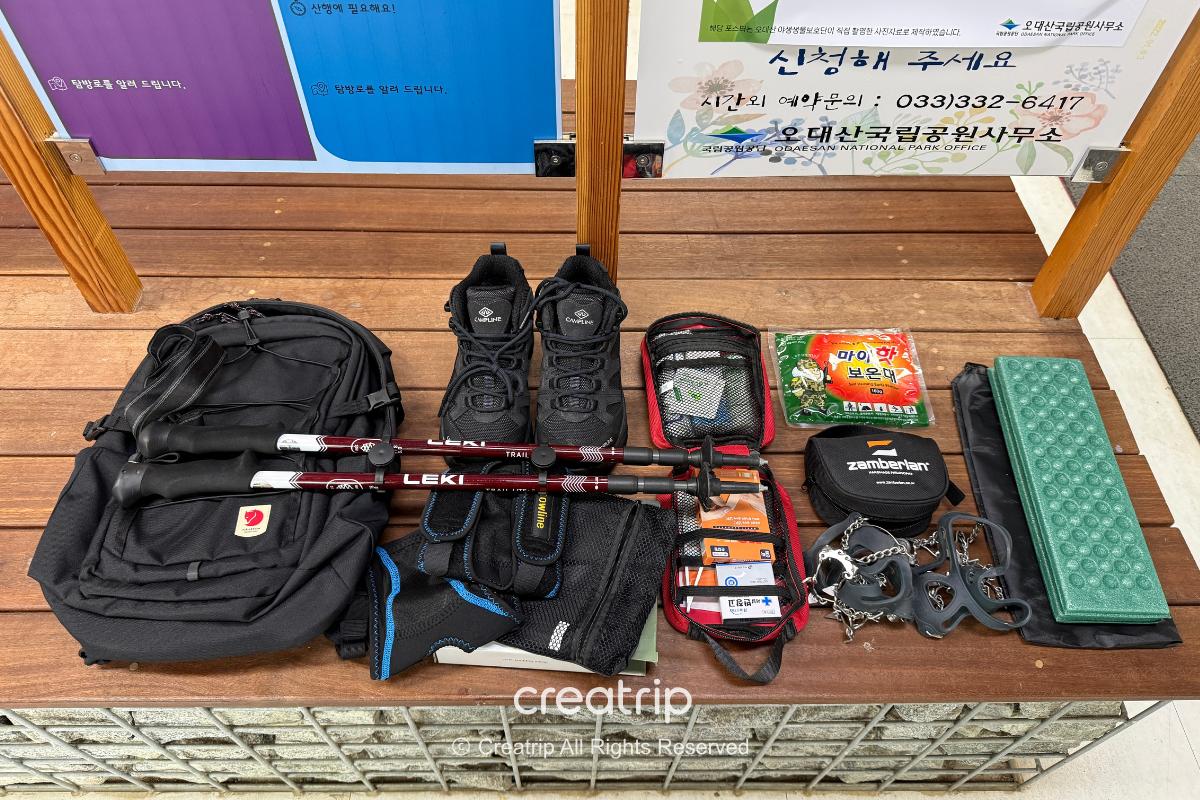
As of 2026, Korea National Park Service offers free safety gear rentals at 20 mountain parks, including Bukhansan, Seoraksan, Jirisan, and Odaesan!


Two weeks ago at Odaesan, we walked into the Visitor Support Center and walked out with free hiking poles, crampons, knee braces, and trail maps. Foreigners also rent for free too! The staff handed us a quick form to fill out, explained how to use the gear, and sent us on our way. Hiking shoes, backpacks, first-aid kits, hand warmers, seat pads—all available depending on stock.
*Arrangements may not be exactly the same at every national park. What you can borrow, where to pick up and return items, service hours, and stock availability can all vary depending on the location and season.
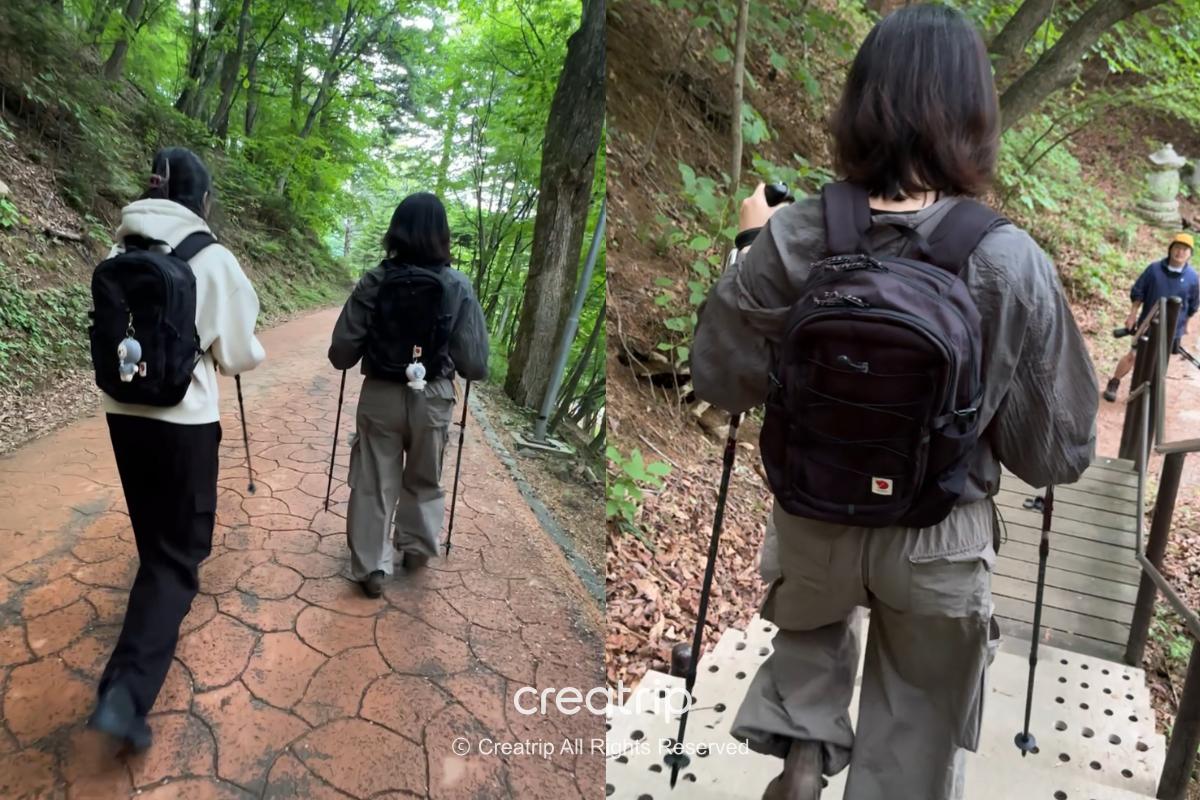
The staff walked us through how to adjust the poles. Small details, but they kept us from slipping on patches later. If you're underprepared or hiking for the first time in Korea, this service is a lifesaver.
Editor’s note: SSince gear is limited, we recommend visiting the Visitor Support Center early if you're planning to borrow equipment. After your hike, please return everything to the same location so the next group of hikers can use it too. This is especially important during winter and on busy weekends, when gear can run out quickly!
K-Trekking Challenge: Hike, Share, Win Rewards
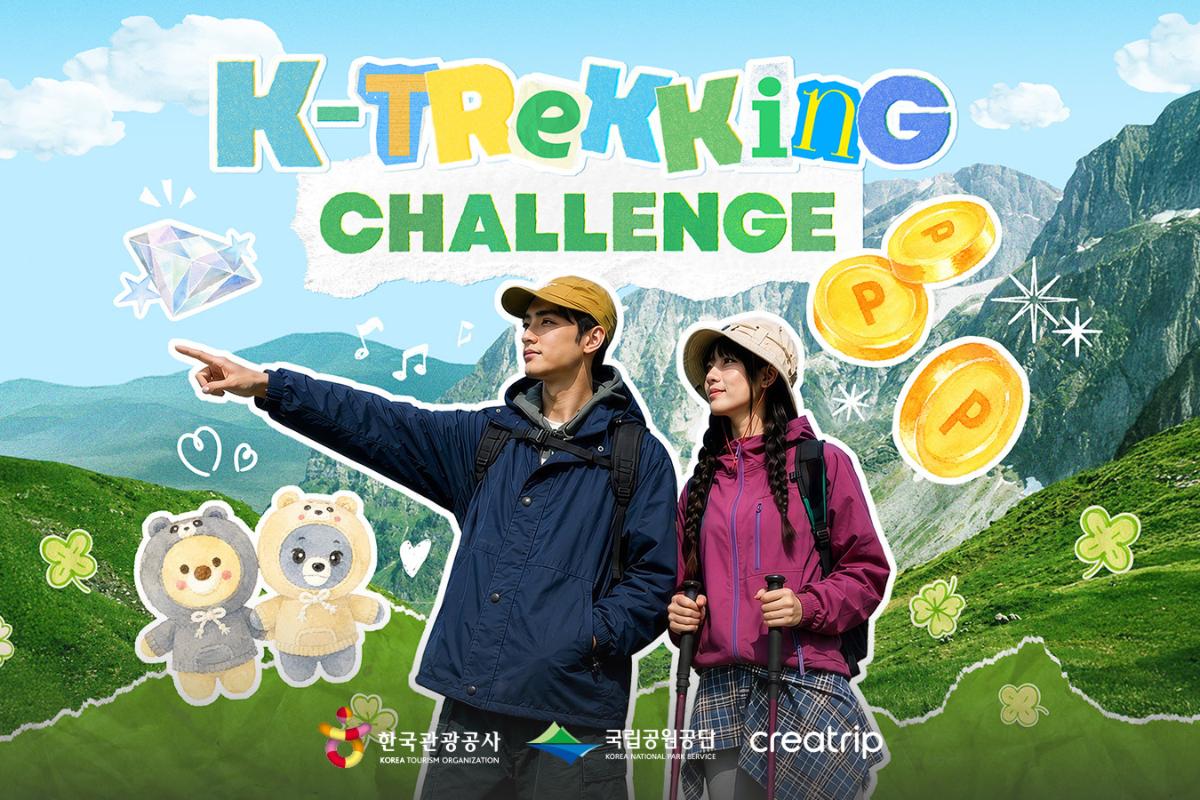
From July 8 to November 30, 2026, Creatrip and Korea National Park Service are running the K-Trekking Challenge—an exclusive rewards program for international hikers. Complete missions, collect limited-edition gifts, and rack up points. If hiking's already on your Korea itinerary, you might as well get rewarded for it.
Mission | How It Works | Reward |
National Park Visit Check-In | Reserve for free on Creatrip. Show your QR code and passport (original or copy) at the check-in point. | Limited-edition Korea National Park character keychain |
Social Media Share | Post about your hike on social media with the event hashtag. | ₩30,000 points |
Write a Travel Story | Write a detailed hiking experience post on Creatrip. Submit it on the event page. | ₩100,000 points |
Best Share Lucky Draw | Top posts from social media and Creatrip blogs enter a lucky draw. | Social media: ₩100,000 points Travel story: ₩500,000 points |
Note: Rewards are first-come, first-served or lottery-based. Event may end early depending on availability.
[K Trekking Challenge blog embed coming soon]
30 Most Frequently Asked Questions About Hiking in Korea for International Travelers
<Basic Hiking Information in Korea>
| Q1. Can foreigners go hiking in Korea's national parks?
A: Yes. Korea's national parks are open to everyone. Check trail conditions, weather, and any temporary closures before you go.
| Q2. Do Korea’s national parks require an entrance fee?
A: Entrance to most national parks is free. But you'll pay for parking, cable cars, campgrounds, and some facilities that require reservations.
| Q3. Can beginners hike in Korea's national parks?
A: Yes, but pick your trail carefully. Even "beginner-friendly" routes here involve stone steps and elevation. Start with shorter, well-marked trails near Seoul.
| Q4. If I want a day trip, which national park near Seoul is the most convenient?
A: Bukhansan National Park. You can reach it by subway from Seoul, making it perfect for a half-day or full-day trip.
| Q5. What’s different about hiking in Korea compared with other places?
A: Korean trails are steep, rocky, and stair-heavy. Locals show up in full hiking gear even for short routes. And yes, everyone takes a summit photo. It's tradition.
| Q6. Can I go alone? Is it better to go with someone for the first time?
A: Popular, easy routes are fine for solo hiking. But if it's your first time, go during daylight hours and bring a friend if you can.
<Route selection and transportation>
| Q7. Which Korean national park is suitable for beginners?
A: Start with a shorter route. Bukhansan for easy access by subway. Odaesan for quiet forest trails. Gyeongju National Park if you want hiking mixed with historical sites.
| Q8. If I already have hiking experience, which national park would I enjoy more?
A: Seoraksan. It's one of Korea's most iconic mountain destinations, with dramatic scenery and challenging trails.
| Q9. Can I get to Korea’s national parks by public transport?
A: Most major parks are accessible by bus, subway, or intercity bus. But some stops don't go straight to the trailhead, and schedules can be sparse. Check return times before you leave.
| Q10. Is Google Maps enough for hiking in Korea?
A: Google Maps works for general location checks, but in korea, for walking routes, bus transfers, and trailhead details, Naver Map or KakaoMap is far more reliable.
| Q11. What should I do if I get lost in a Korean national park?
A: Stop moving. Look for signposts, trail markers, or location numbers nearby. Use a map app to confirm where you are. If you're still lost, contact the visitor center or call 119 for emergency help.
<Clothing and Footwear>
| Q12. Can I hike in jeans or regular travel clothes?
A: If it’s a relatively short route, it can be okay, but for longer hikes with lots of stairs, jeans will feel restrictive. Wear lightweight, breathable clothes that let you move freely.
| Q13. Can I hike in regular sneakers?
A: Sneakers with good grip work for shorter, easier trails. For longer routes with wet rocks or steep slopes, wear trail shoes or hiking boots.
| Q14. Can I hike in Korea wearing flip-flops or sandals?
A: Absolutely not. Trails here are steep, rocky, and slippery when wet. Flip-flops are a sprained ankle waiting to happen.
| Q15. Why is choosing the right shoes especially important for hiking in Korea?
A: Korean trails aren't dirt paths. You'll hit wet rocks, stone staircases, and steep descents. Slippery soles or poor ankle support mean higher injury risk.
| Q16. What should I wear for hiking in Korea in summer?
A: Wear breathable, quick-dry clothes. Bring a hat, sunscreen, and plenty of water. If rain's in the forecast, pack a lightweight waterproof jacket.
| Q17. Do I have to bring crampons for hiking in Korea in winter?
A: Yes. Stone steps ice over fast in winter, especially in shaded areas and higher elevations. Crampons aren't optional—they're survival gear.
<What to Pack and On-site Facilities>
| Q18. What are the absolute basics to bring for my first hike in Korea?
A: Water, snacks, phone, power bank, light jacket, hat, and non-slip shoes. Add a waterproof jacket or crampons depending on the season.
| Q19. How much water and snacks should I bring?
A: Bring water even for short hikes. In summer, bring extra to avoid dehydration. For snacks, energy bars or crackers work fine.
| Q20. Do national park entrances usually have restrooms or visitor facilities?
A: Most parks have restrooms near the entrance or visitor center. Once you're on the trail, facilities are rare or nonexistent. Use the restroom before you start.
<Free safety gear rental>
| Q21. Can I borrow safety gear for free at Korea’s national parks?
A: Yes. As of 2026, 20 mountain-type national parks offer free safety gear rentals. Availability, pick-up locations, and hours vary by park and season.
| Q22. Can foreign visitors also rent safety gear for free?
A: Yes. But stock is limited, so get to the visitor center early.
| Q23. What hiking gear can I usually borrow at national parks?
A: Depends on the park and season, but common items include hiking shoes, trekking poles, backpacks, crampons, knee braces, first-aid kits, hand warmers, seat pads, and trail maps.
| Q24. Where can I borrow free hiking safety gear?
A: Usually at the Visitor Support Center, information desk, or on-site service station. Check the location and hours before you go.
<Rules and Safety>
| Q25. Can I talk loudly on the phone or play music in Korea's national parks?
A: Not recommended. It can easily disturb other hikers, and it also doesn’t really fit the calm atmosphere of quietly enjoying nature in a national park.
| Q26. What should I keep in mind when taking photos at the summit?
A: Don't hog the photo spot. Take your shot, then step aside. Don't block the path with your backpack or tripod.
| Q27. If it suddenly starts raining or the weather turns bad, should I keep hiking?
A: If heavy rain, strong winds, thunder, or thick fog rolls in, turn back. Rocks get extremely slippery after rain. Don't push through bad weather.
| Q28. How can I tell if a mountain is closed or if trails are restricted?
A: Check the Korea National Park website, on-site notice boards, or ask at the Visitor Support Center. Trails close for wildfire risk, weather, rockfall, or maintenance.
| Q29. Is it OK to start hiking at 3 to 4 pm?
A: Bad idea. Especially Autumn and winter, Sunset comes fast, and descending in the dark is dangerous. If it's your first time, start in the morning.
| Q30. What should I do if you run into an emergency in a Korean National Park?
A: First, stop and do not keep moving. Look for location markers or landmarks nearby. Call 119 if needed, or ask the Visitor Support Center or other hikers for help.
Hiking in Korea isn't just about checking off a mountain. It's about seeing how locals spend their weekends, what they pack, how they move through nature. Bukhansan for convenience. Odaesan for quiet. Seoraksan for drama. Pick based on your legs, your schedule, and what kind of hiker you are.
Don't just chase the famous peaks. Find the trail that fits your pace, pack smart, and hike safely. If your next Korea trip feels a little too shopping and restaurant-heavy, trade a morning of shopping for a morning on the mountain. You'll leave with better stories.
[K-Trekking Challenge landing page to be inserted]
If you have any questions or concerns, Creatrip provides 24/7 real-time support in English, Chinese, and Japanese for international visitors completely free of charge. Reach us anytime on WhatsApp (+82 10-8818-2915) or LINE (@creatrip). You can also follow us on Instagram, TikTok, Threads, and Youtube to stay updated on all things Korea!