5 National Parks in Korea Perfect for Foreign Hikers | K-Trekking Challenge Guide
From Bukhansan near Seoul to Seoraksan, Odaesan, and Gyeongju National Park, explore Korea's best trekking routes and learn how to join the K-Trekking Challenge.

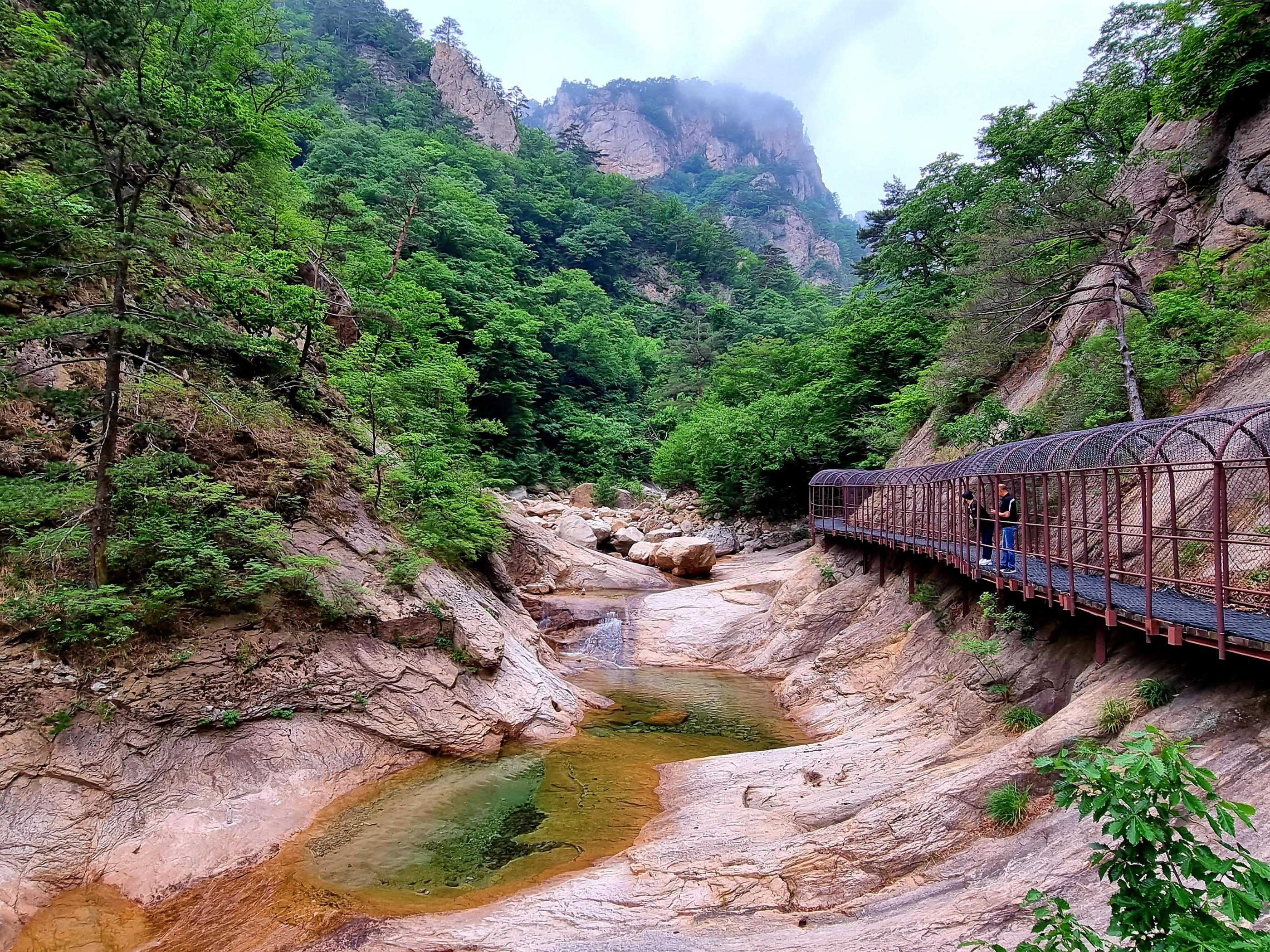
When planning a trip to Korea, most people first think of great restaurants, shopping, K-pop, trying on hanbok, and exploring traditional culture. But for Koreans, hiking and trekking in the mountains are a very everyday part of travel.
In particular, Korea's cities are close to the mountains, so even while traveling in Seoul, you can take public transportation to a national park. Around popular destinations like Gangwon-do and Gyeongju, you'll also find beautiful national parks, making it easy to enjoy trekking as a full-day or half-day trip.
In this article, we introduce five national park trekking courses in Korea that are great for foreign visitors to include in their trip. Check out the recommended routes, estimated time, and travel highlights, along with K-Trekking Challenge certification spots.
[Image Slider] 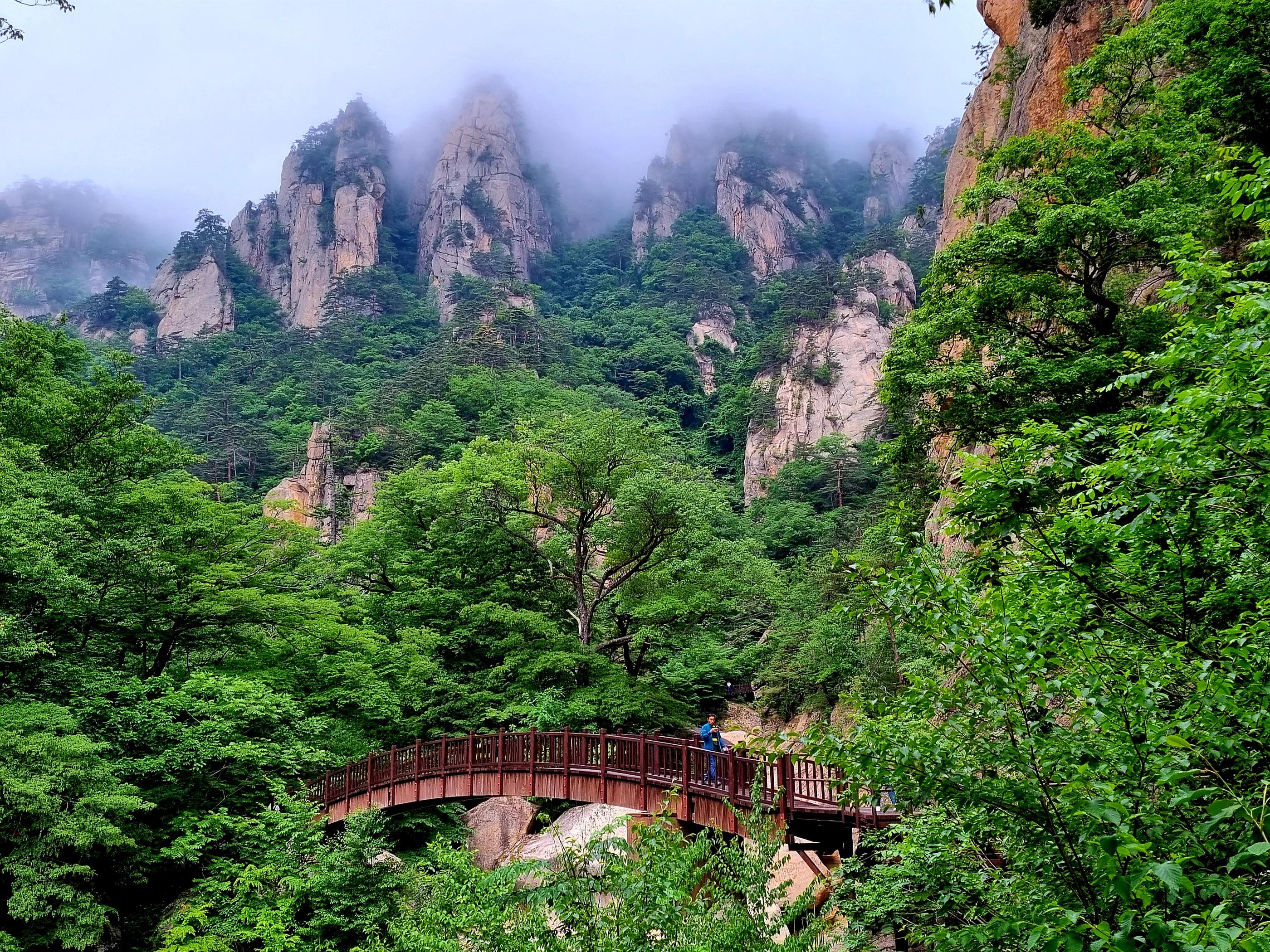
Source: Korea National Park Service official website
Why Trekking Belongs on Your Korea Itinerary
Korea's mountains are more than scenic backdrops. They're part of daily life here. On weekends, locals head out in full hiking gear, then wind down with a meal near the trailhead.
Here's what makes trekking in Korea stand out for international travelers.
| Accessibility | National parks sit near major destinations like Seoul, Gangwon-do, and Gyeongju, so adding one to your trip takes little planning. |
| Seasonal Scenery | Spring, summer, fall, and winter each give the mountains and forests a completely different feel. |
| Local Experience | You get a firsthand look at how Koreans hike and connect with nature. |
From Bukhansan near Seoul to the breathtaking Seoraksan, the serene Odaesan, and Gyeongju National Park, where trails run alongside historic sites, Korea's national parks cover a wide range of travel styles.
⛰️What is the K-Trekking Challenge?
The K-Trekking Challenge invites international visitors to hike Korea's national parks and complete verification missions in exchange for goods and point rewards.
Between the green trails, the fresh mountain air, and the payoff at the summit, it's a solid pick for travelers looking for a nature activity that goes beyond sightseeing.
| Operating Period | 2026.07.08 - 2026.11.30 |
| Who Can Participate | International travelers who want to hike Korea's signature mountains and national parks in person |
| Recommended For | International tourists who want to enjoy nature travel in Korea around Seoul, Gangwon-do, Gyeongju, and more |
K-Trekking Challenge, View Details
🚩Missions and Rewards at a Glance
The K-Trekking Challenge works in stages: verify your visit to a national park, then verify an SNS review, a Creatrip user blog review, and even enter the Best Review event. Here's how each mission works and what you can earn.

Challenge Missions ✅
- National park visit verification: Make a free reservation on Creatrip, then visit the verification spot and present the QR code plus your passport
- Social media review verification: After visiting the mission verification spot, upload a post to your personal social media with the required hashtags, then submit the link on the landing page
- Creatrip user blog review verification: Write about your trekking experience at the mission verification spot on the Creatrip user blog, then submit the link on the landing page
Rewards 🎁
| National park visit verification | National Park x Korea Tourism Organization co-branded goods / First 5,000 people |
| Social media review verification | 30,000P / First 300 people |
| Creatrip user blog review verification | 100,000P / First 50 people |
| Best Review event | 100,000P for 10 social media reviews / 500,000P for 4 blog reviews |
5 National Parks in Korea Worth Visiting
The five parks below all have K-Trekking Challenge verification spots. Each has its own character and highlights, so pick the one that matches your itinerary and pace.
| Travel Style | Recommended National Parks |
| Light hike during a Seoul trip | Bukhansan National Park, Dobongsan course |
| Korea's iconic mountain | Seoraksan National Park |
| Paired with a history trip | Gyeongju National Park |
| Quiet, restorative trekking | Odaesan National Park |
1. Odaesan National Park: A Quiet Trek Through Forest Trails and Temples
[Image slider] 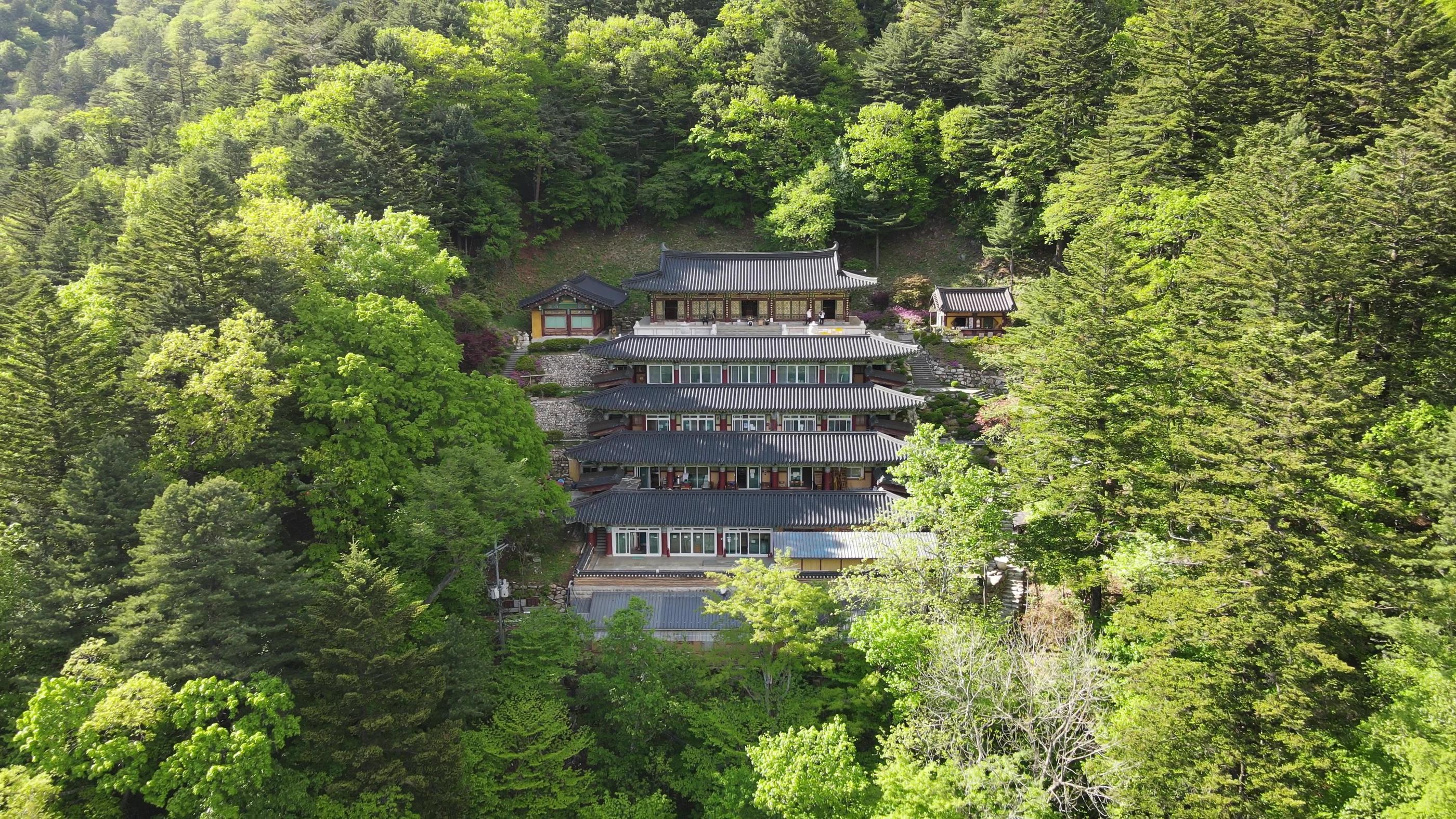
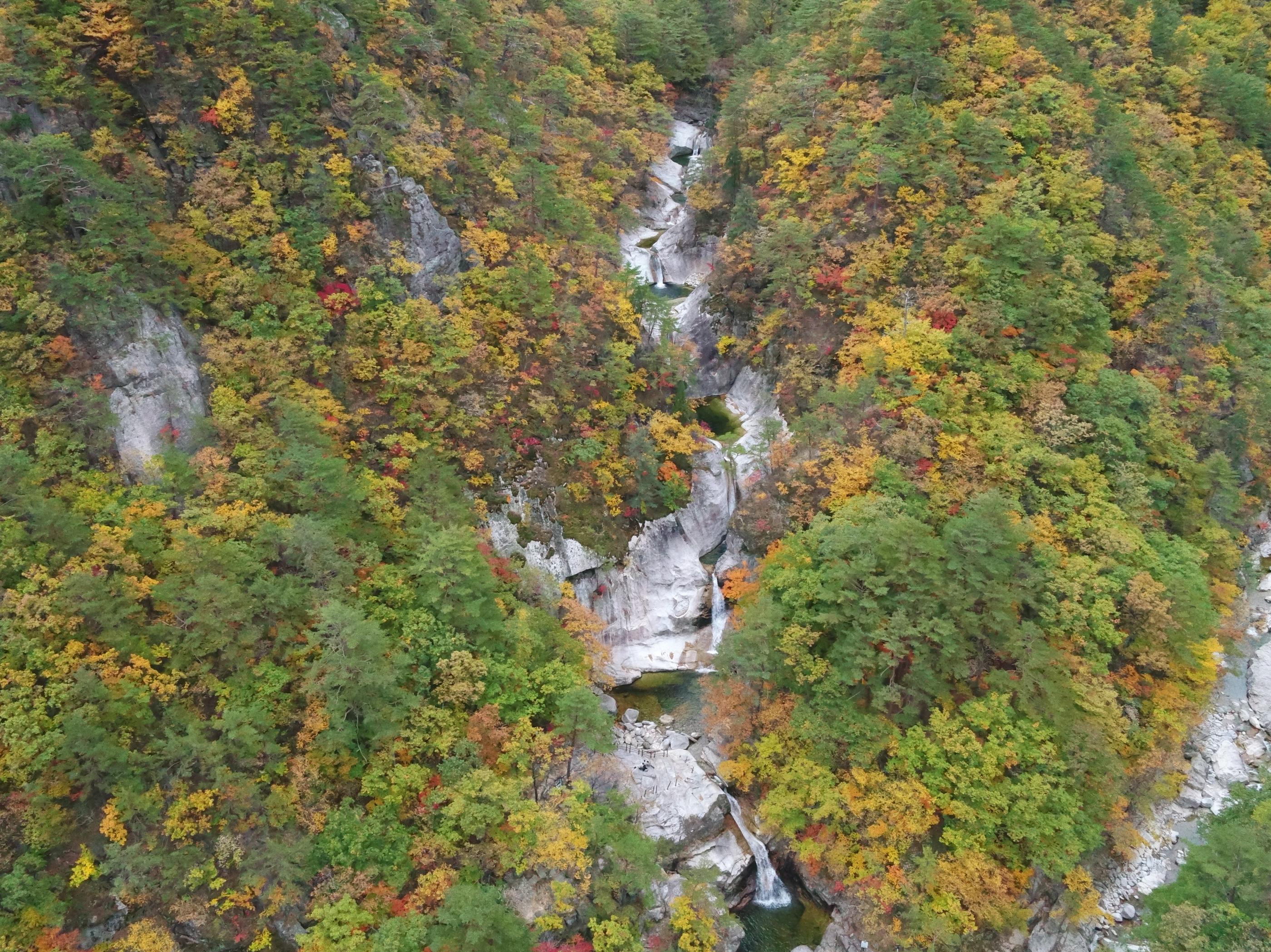
Source: Korea National Park Service official website
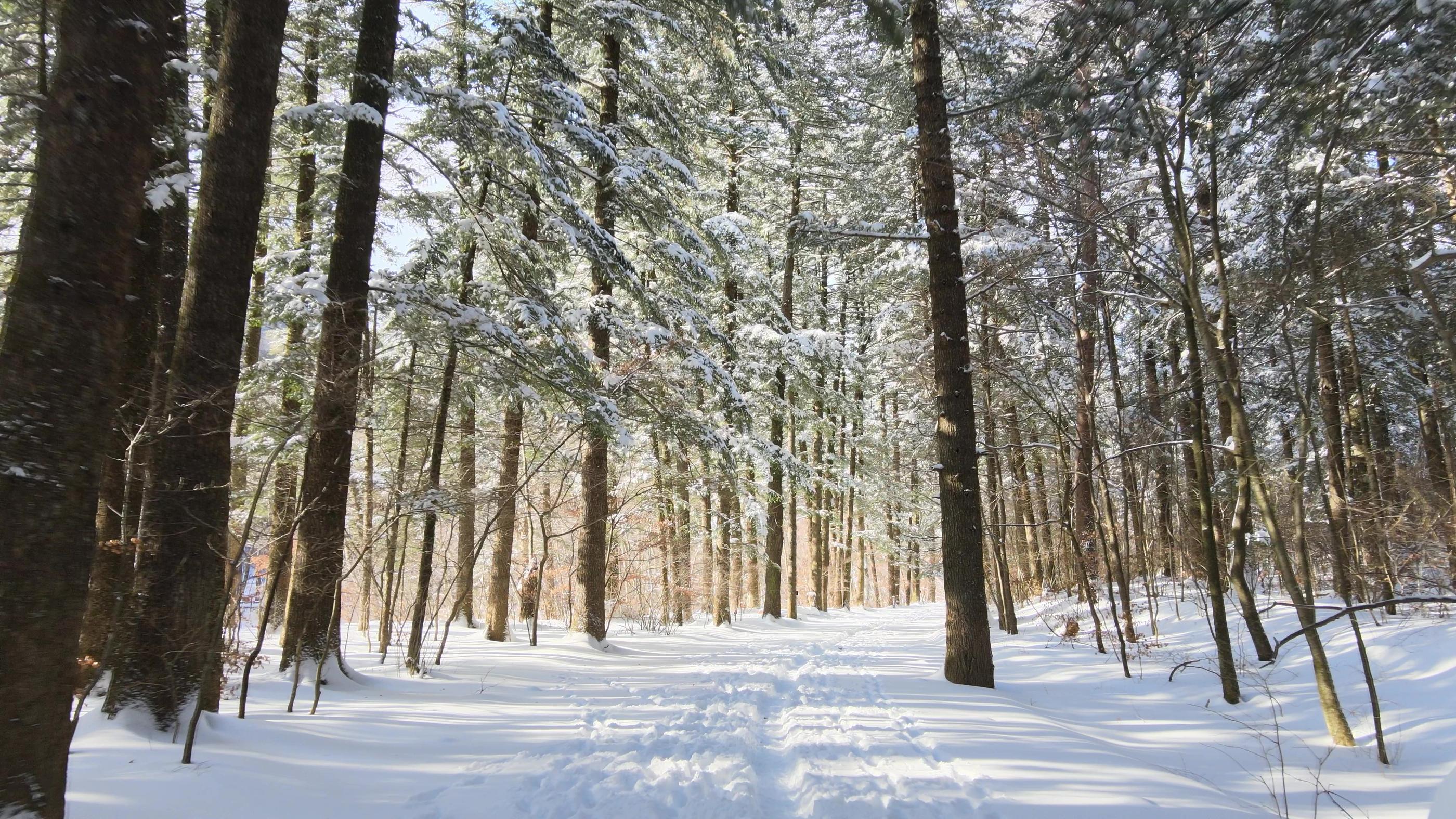
Odaesan National Park holds onto the quiet, deeply forested mountain feel of Gangwon-do. It suits travelers who'd rather trade crowded tourist spots for a calm walk in nature.
The trail from Sangwonsa Temple combines forest paths with a temple visit, giving the hike a slower, more reflective pace. If you want Korean temple culture alongside Gangwon-do's nature, Odaesan is the one to pick.
| Verification Location | Sangwon Visitor Support Center |
| Address | Pyeongchang-gun, Jinbu-myeon, Odaesan-ro 1209 |
| Hours | Daily 10:00 to 16:00 |
| Recommended Route | Sangwonsa Temple → Jungdae Sajaam Hermitage → Jeokmyeol Bogung (Buddhist shrine housing sacred relics) → Birobong Peak / One way 3.5 km, about 1 hour 40 min |
[Spot] [K-Trekking Challenge] Visit Odaesan National Park & Pick up your goodies🎁
2. Gyeongju National Park: Where History Meets the Trail
[Image slider] 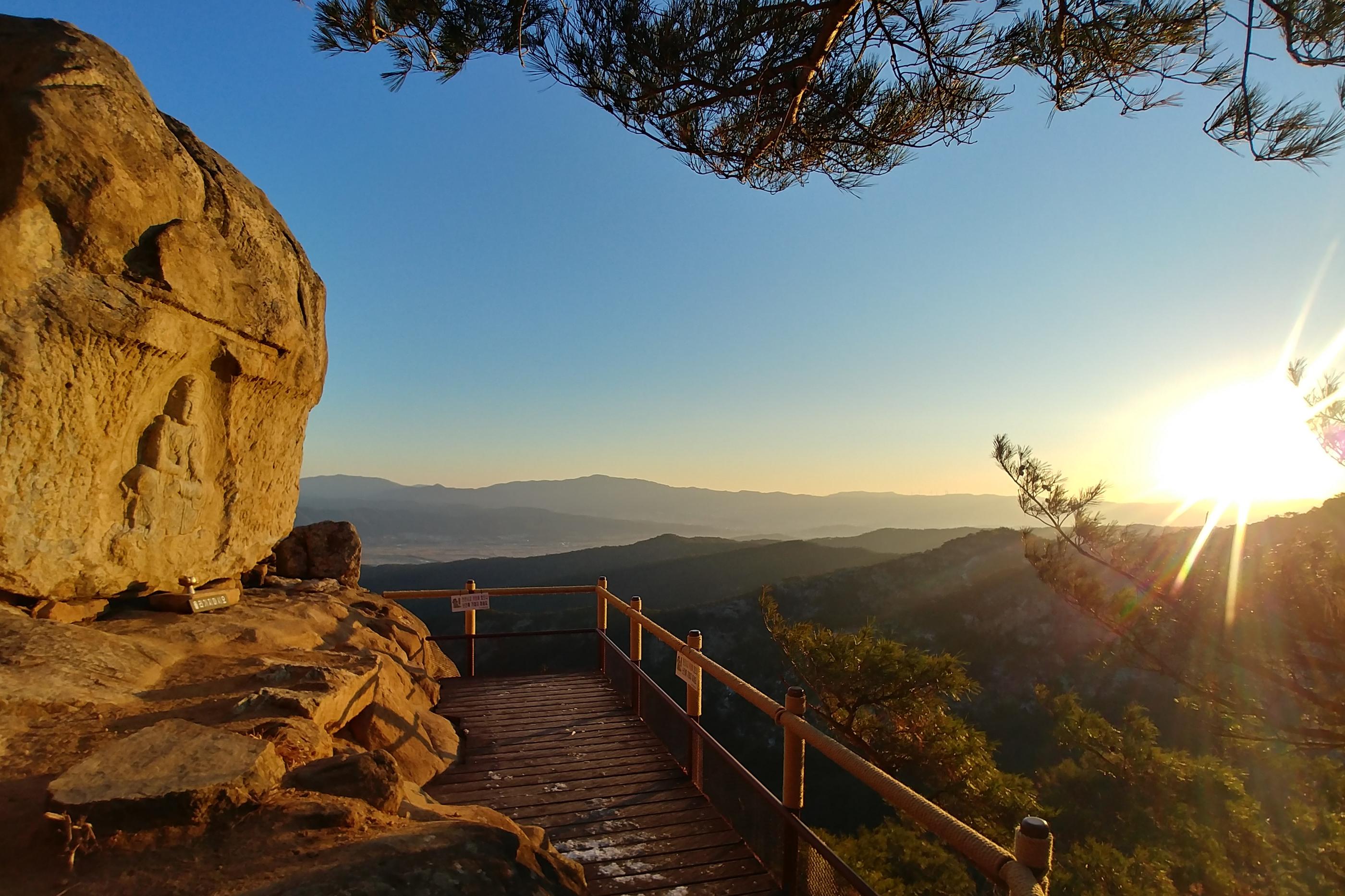
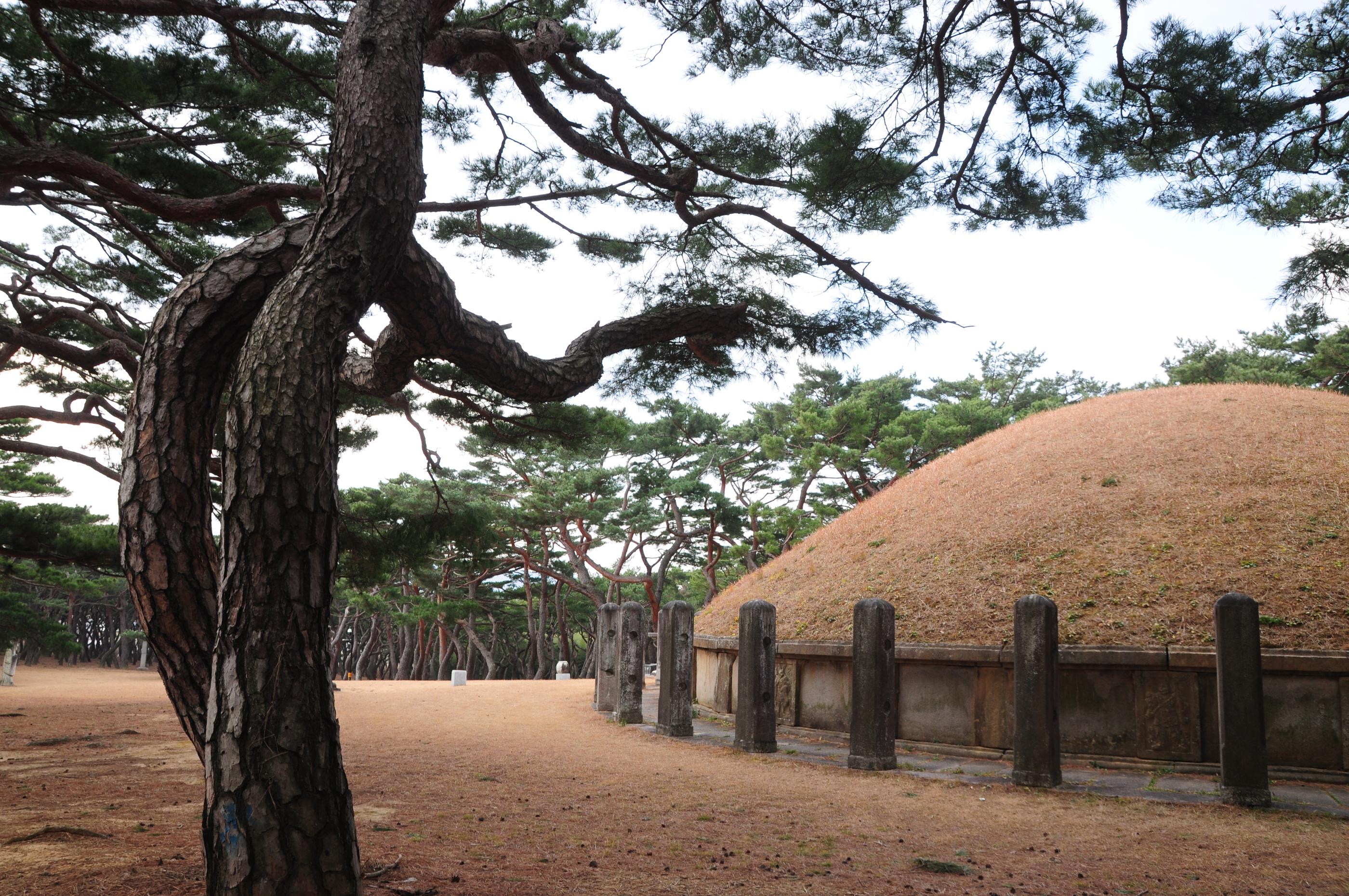
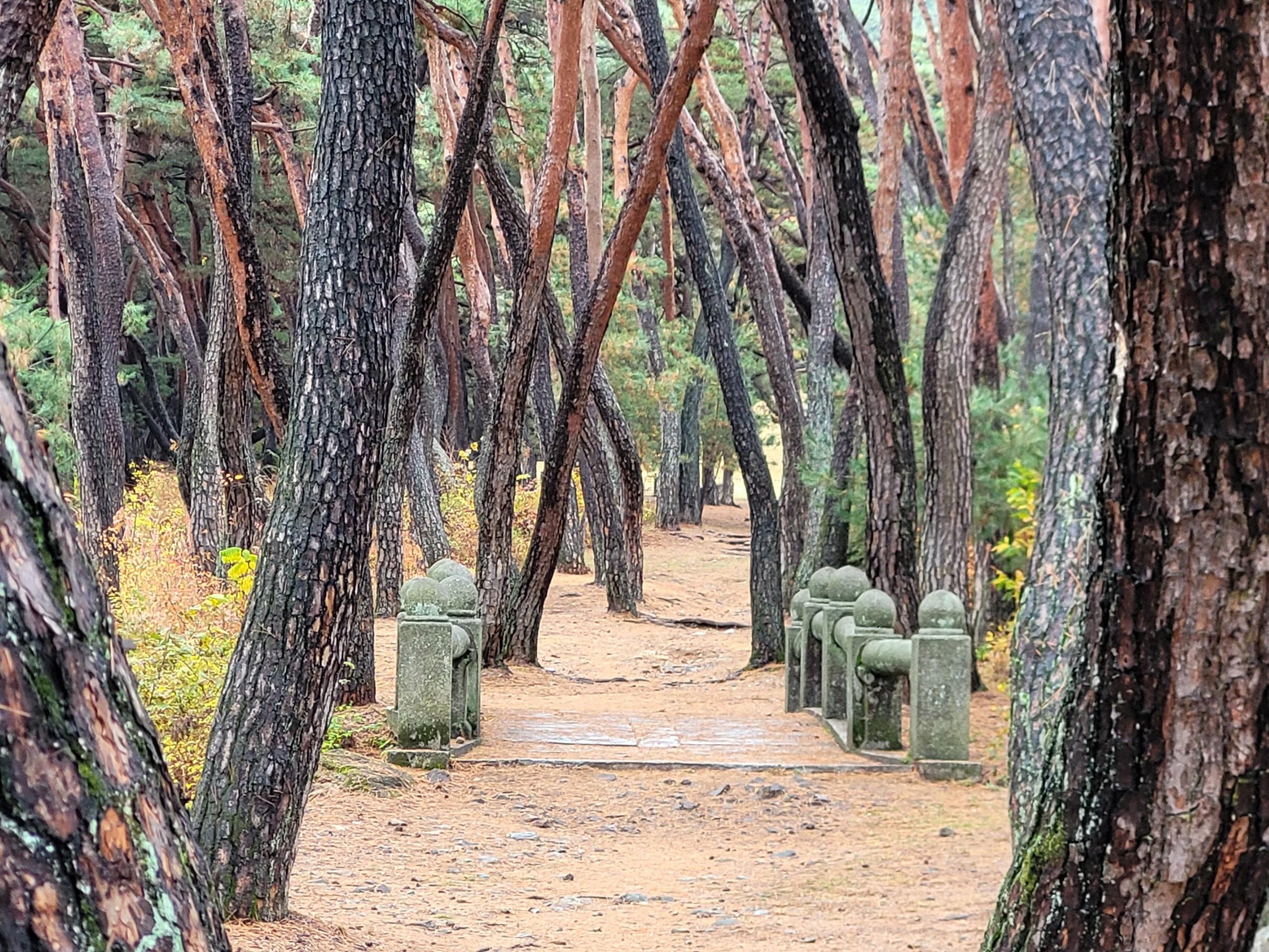
Source: Korea National Park Service official website
Gyeongju is one of Korea's top destinations for Silla-era history, with landmarks like Bulguksa, Cheomseongdae Observatory, and Daereungwon Tomb Complex. But the city rewards hikers too, not just sightseers.
The Namsan area of Gyeongju National Park lets you walk through forest trails dotted with centuries-old Silla relics. This is less a simple hike than a walk through history.
| Verification Location | Samneung Visitor Support Center |
| Address | 708 Baedong, Gyeongju-si, Gyeongsangbuk-do |
| Hours | Daily 09:00 to 18:00 ※Lunch break 12:00 to 13:00 |
| Recommended Route | Samneung → Geumobong Peak → Yongjanggol Valley / One-way 4.6 km, about 3 hours |
[Spot] K-Trekking Challenge | Visit Gyeongju National Park & Pick up your goods🎁
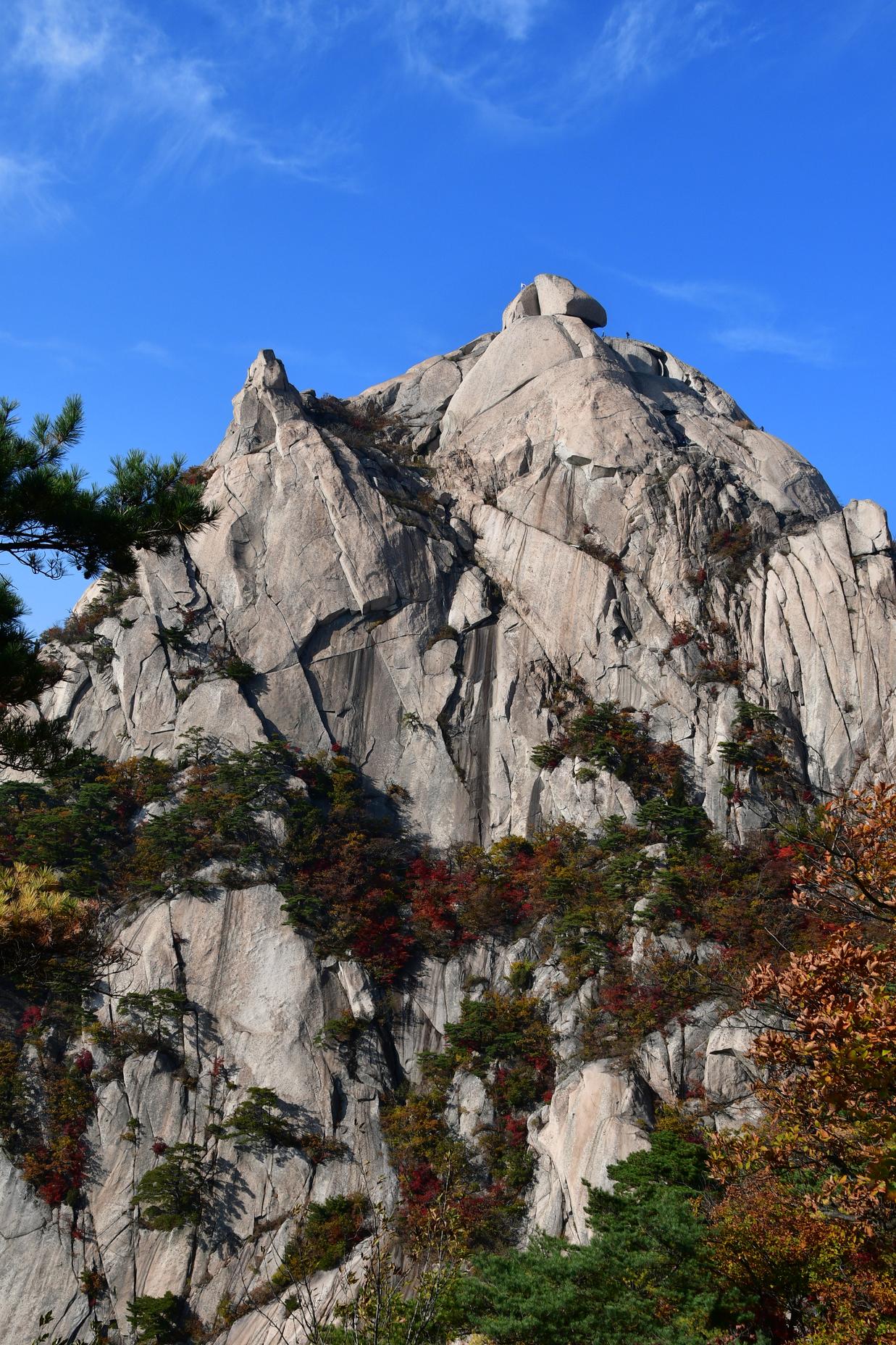
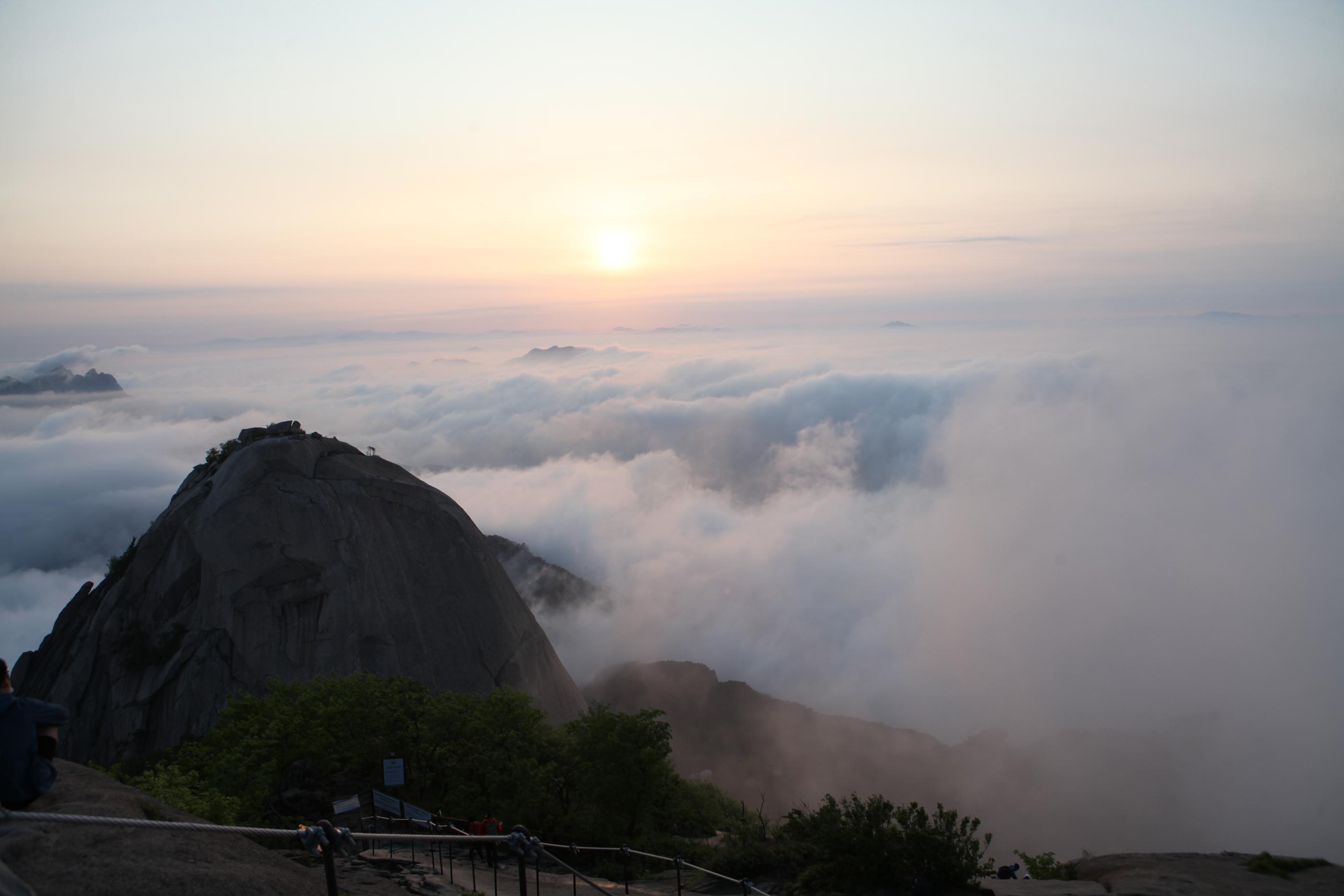
3. Bukhansan National Park: The Easiest Hike to Reach From Seoul
[Image slider] 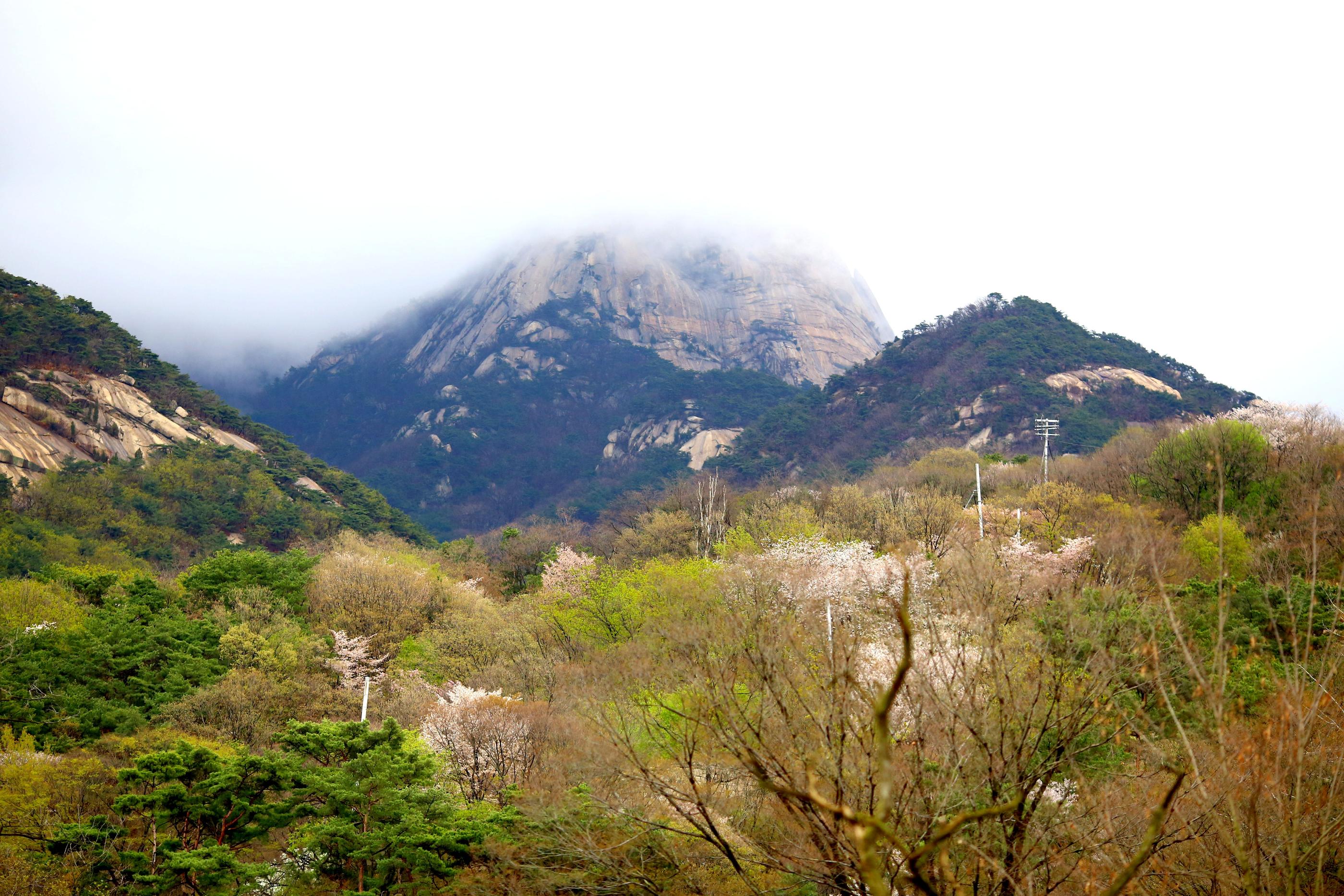
Source: Korea National Park Service official website
Bukhansan National Park is one of the few mountains you can reach by subway from downtown Seoul, yet it still feels like a real mountain escape. That makes it a solid first hike for travelers trying trekking in Korea for the first time.
The Bukhansanseong Course, in particular, is a signature route: fortress walls run along the ridgeline, blending into the rock. If a half-day or full-day hike fits your Seoul itinerary, this is hard to beat.
| Verification Location | Bukhan Mountain Fortress Visitor Support Center |
| Address | 45 Daeseomun-gil, Eunpyeong-gu, Seoul |
| Hours | Daily 09:00 to 17:00 |
| Recommended Route | Bukhan Mountain Fortress Visitor Support Center → Daeseomun Gate → Borisa Temple → Daedongsa Temple → Baegundae Peak / One way 3.4 km, about 2 hours 45 minutes |
[Spot] K-Trekking Challenge | Visit Bukhan Mountain National Park (Eunpyeong) and pick up your goodies 🎁
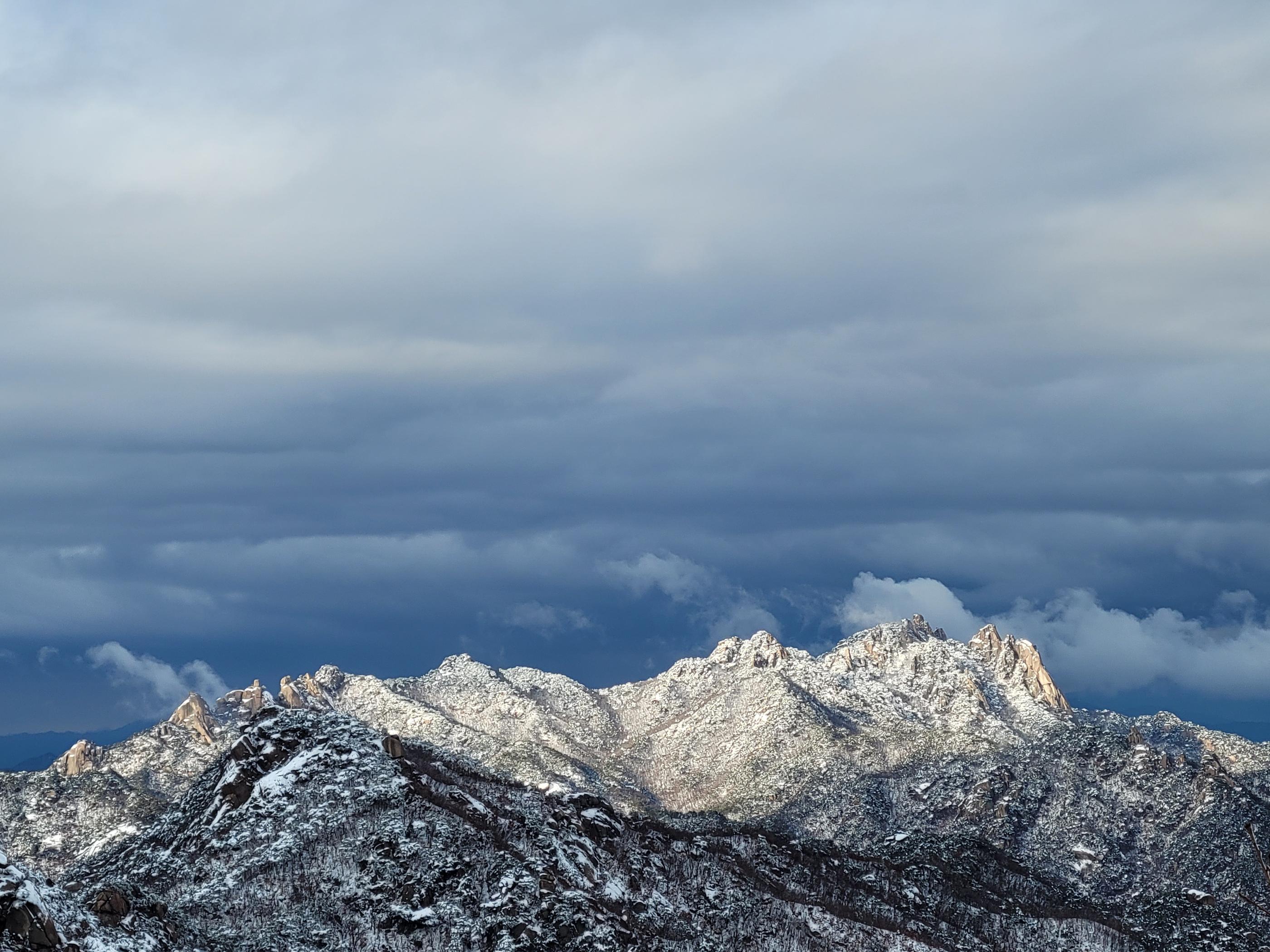
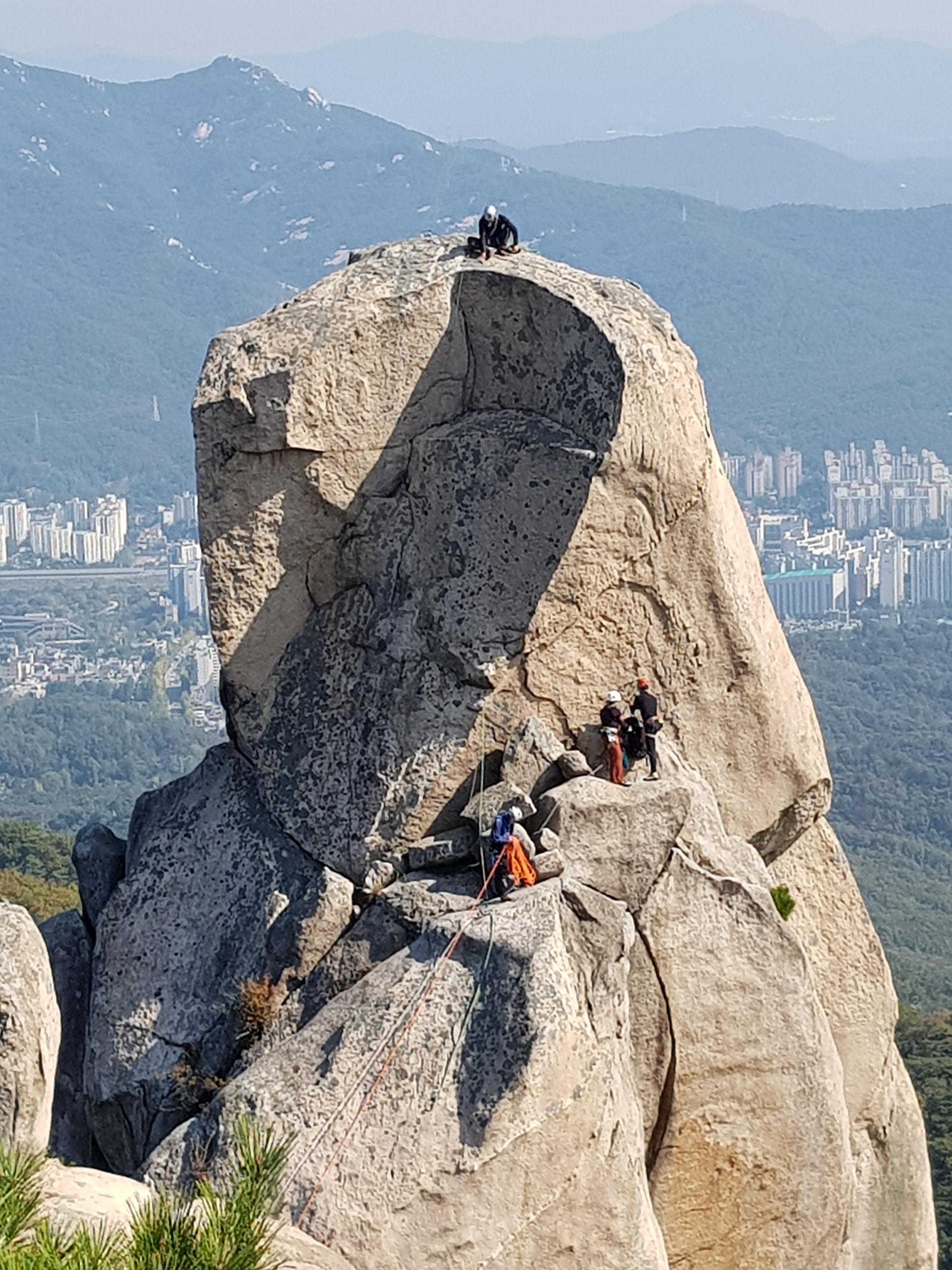
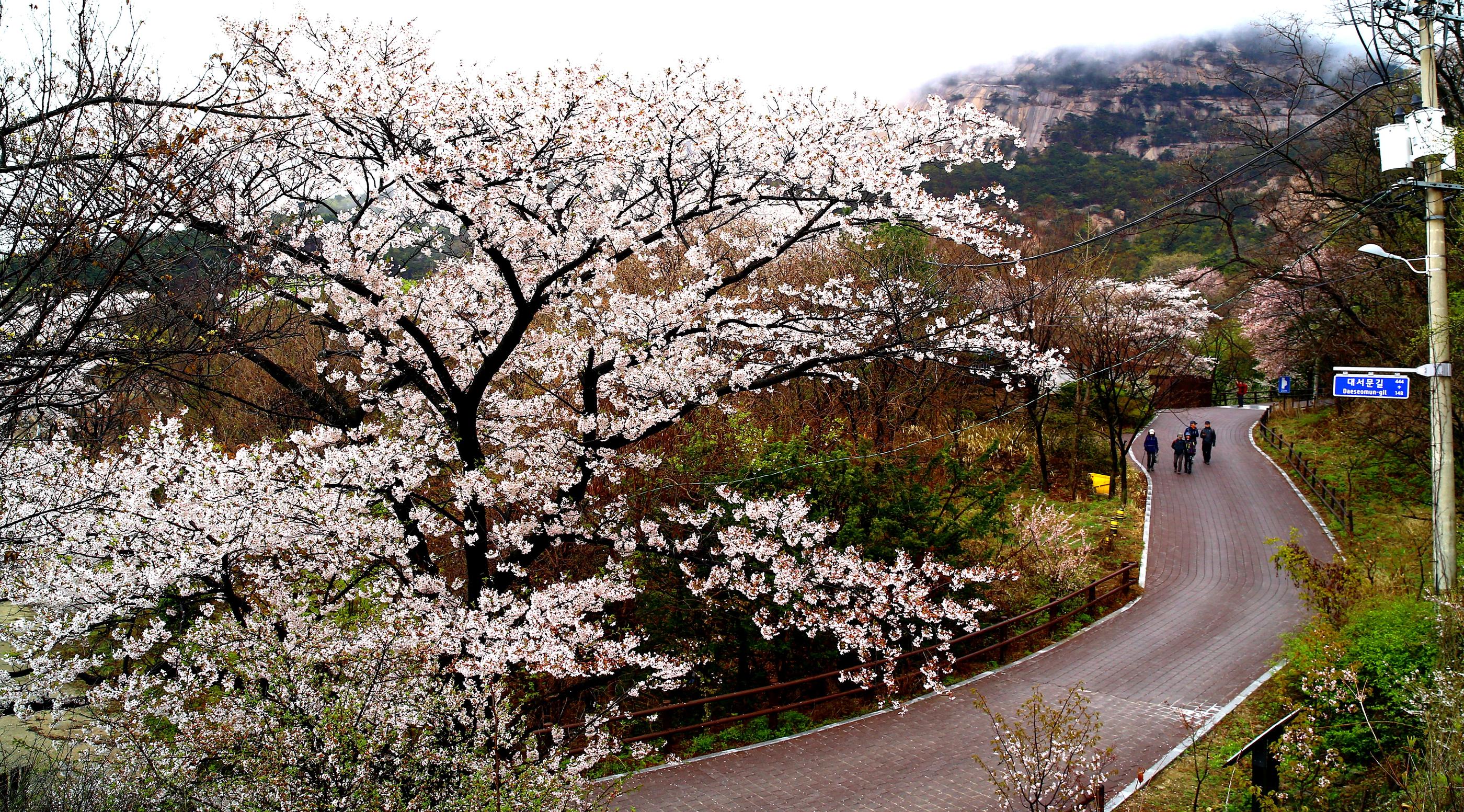
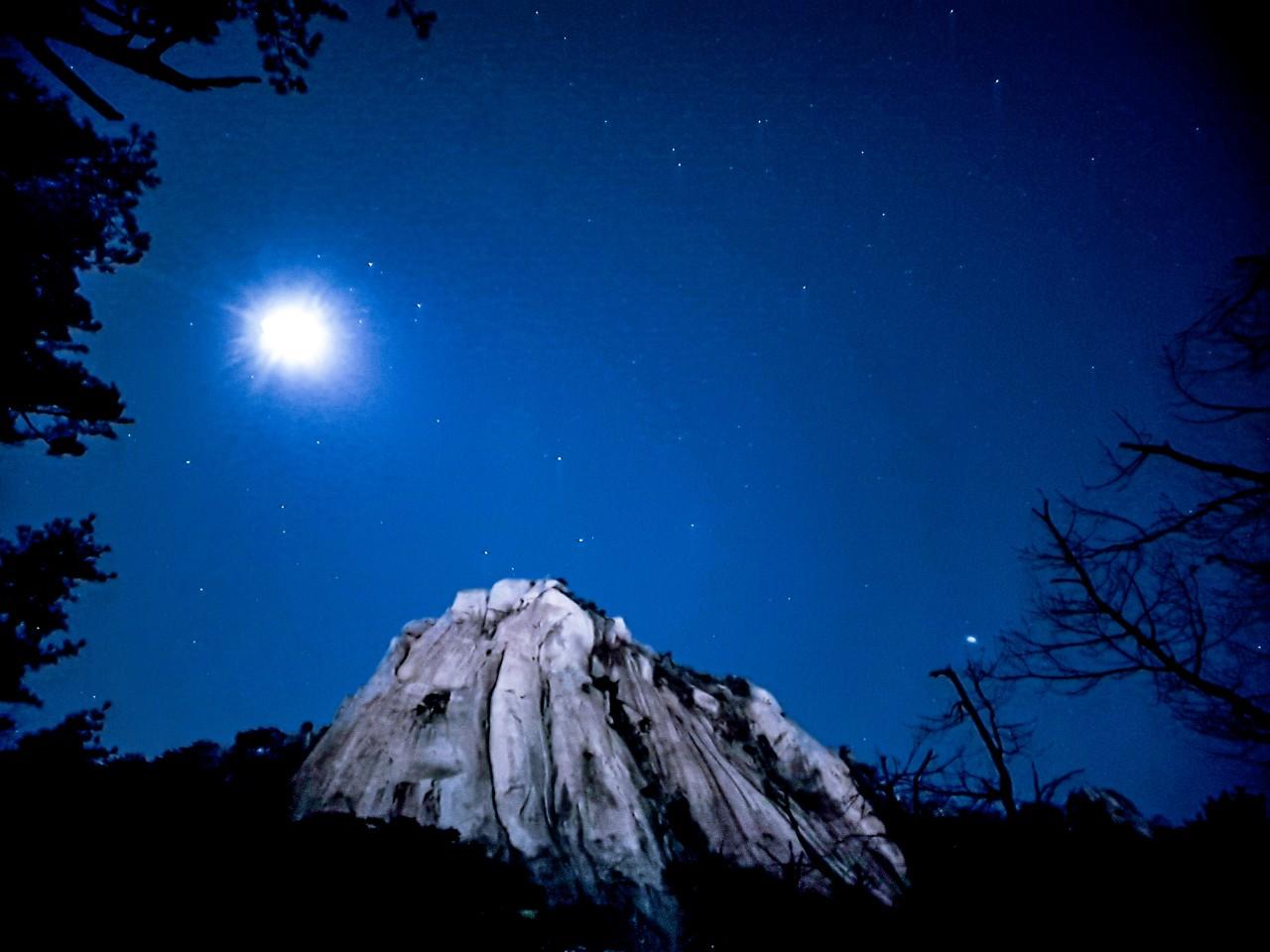
4. Bukhansan National Park, Dobongsan Course: An Easy Trek Near Seoul
[Image Slider] 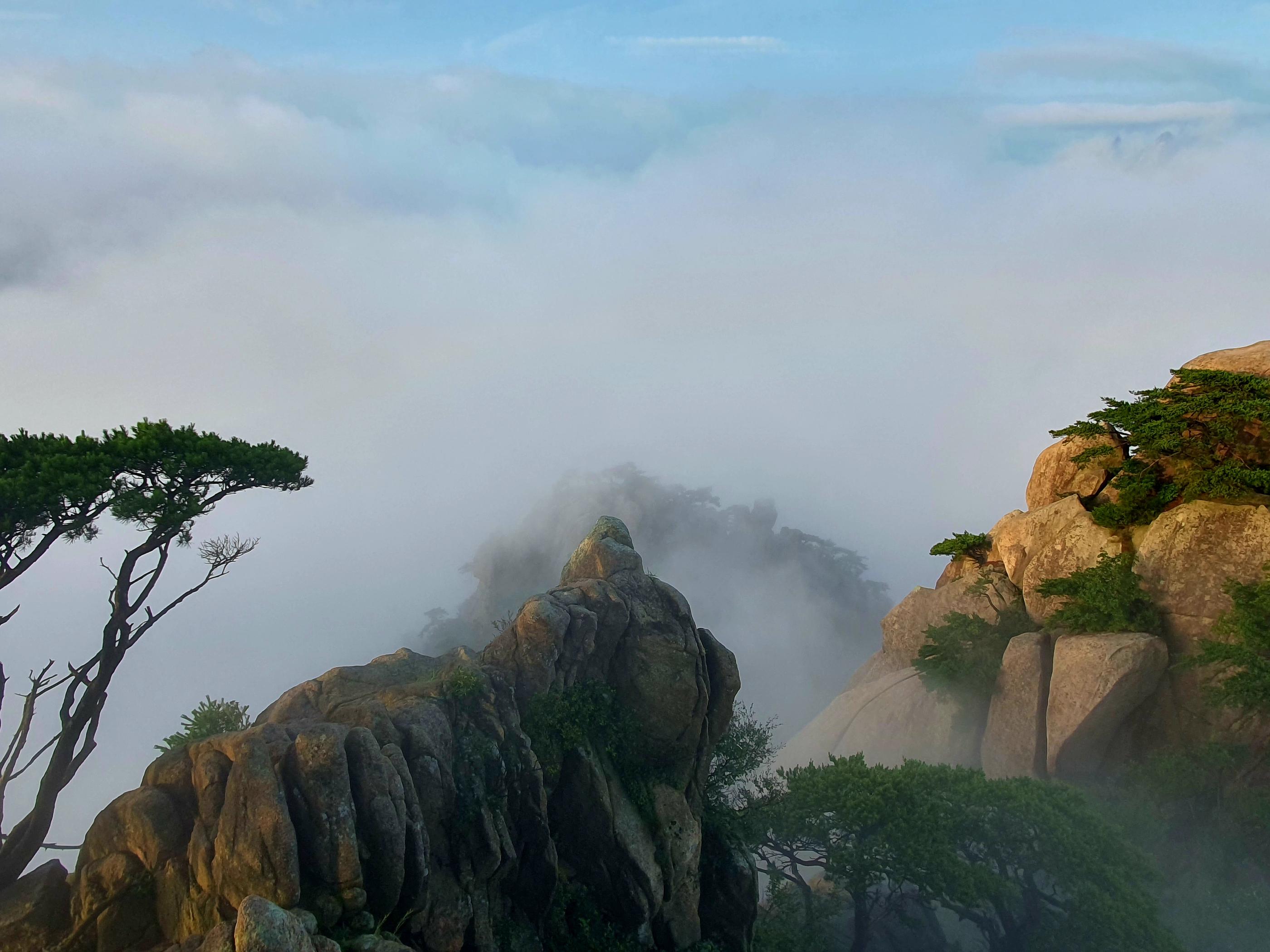
Source: Korea National Park Service official website
Beyond the Bukhansan Fortress Course, Bukhansan National Park also offers the Dobongsan Course, a lighter route that still delivers Bukhansan's grand rocky ridgelines.
If Baegundae sounds too demanding, Dobongsan makes a solid backup. It also pairs well with a day around northern Seoul or near Dobongsan Station.
| Certification Location | Bukhan Mountain National Park Dobong Branch Office |
| Address | 86 Dobongsan-gil, Dobong-gu, Seoul |
| Hours | Daily 09:00-18:00 |
| Recommended Route | Dobong Visitor Center → Cheonjinsa Temple → Uiam Rock / One way 2.7 km, about 1 hour 20 minutes |
[Spot] K-Trekking Challenge | Visit Bukhan Mountain National Park (Dobong) & Pick up your goodies🎁
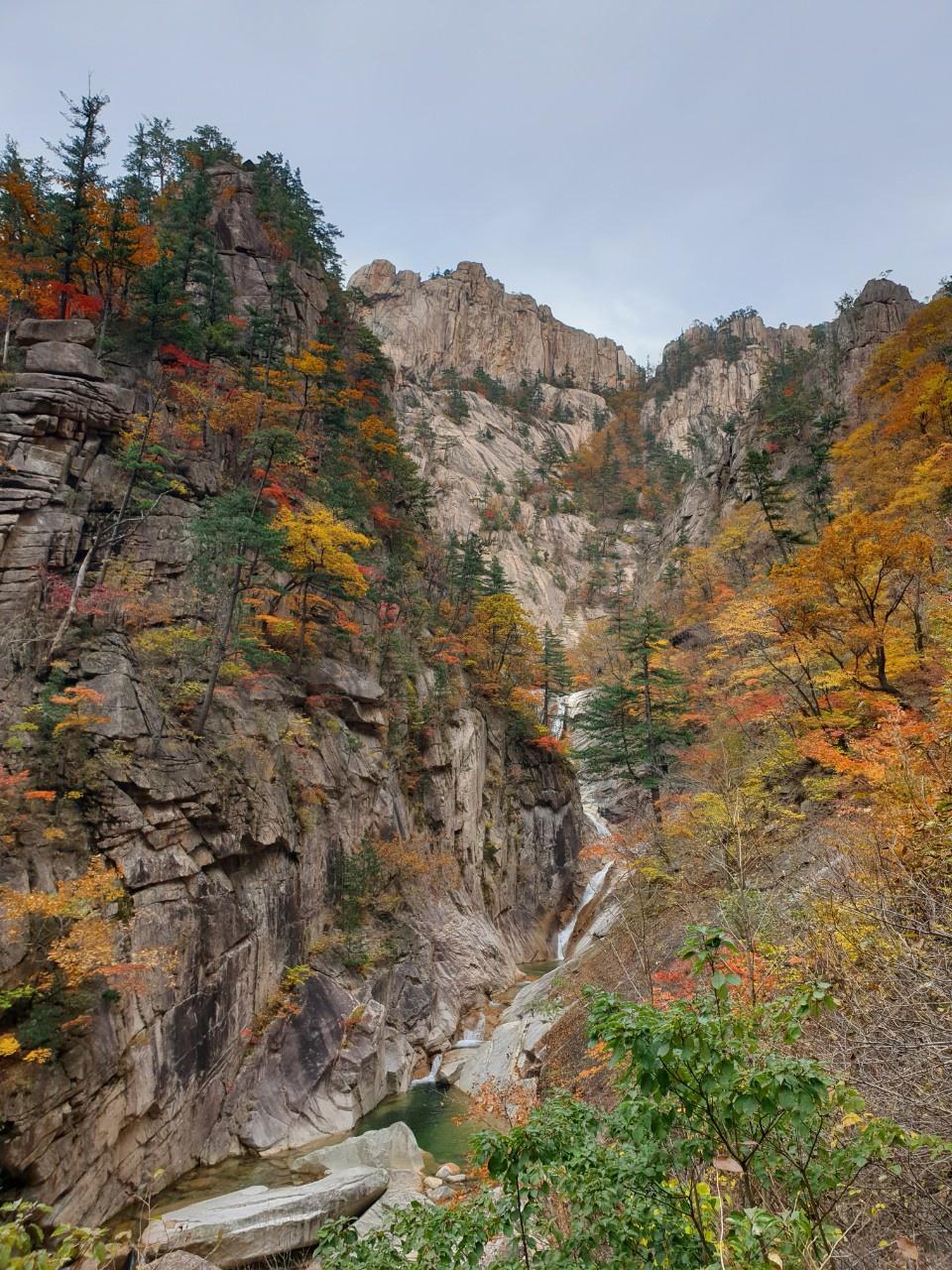
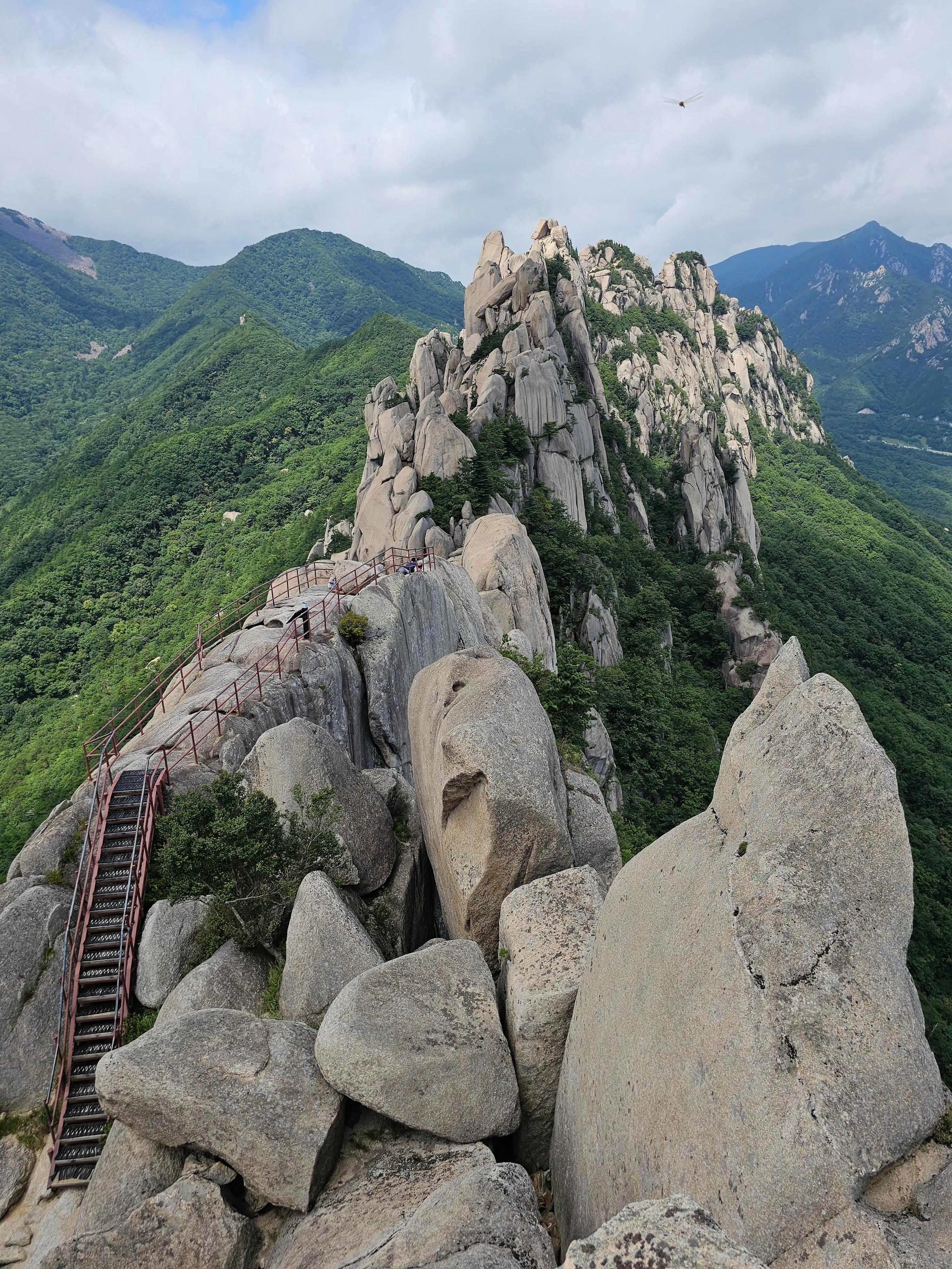
5. Seoraksan National Park: Korea's Most Dramatic Mountain Scenery
[Image Slider] 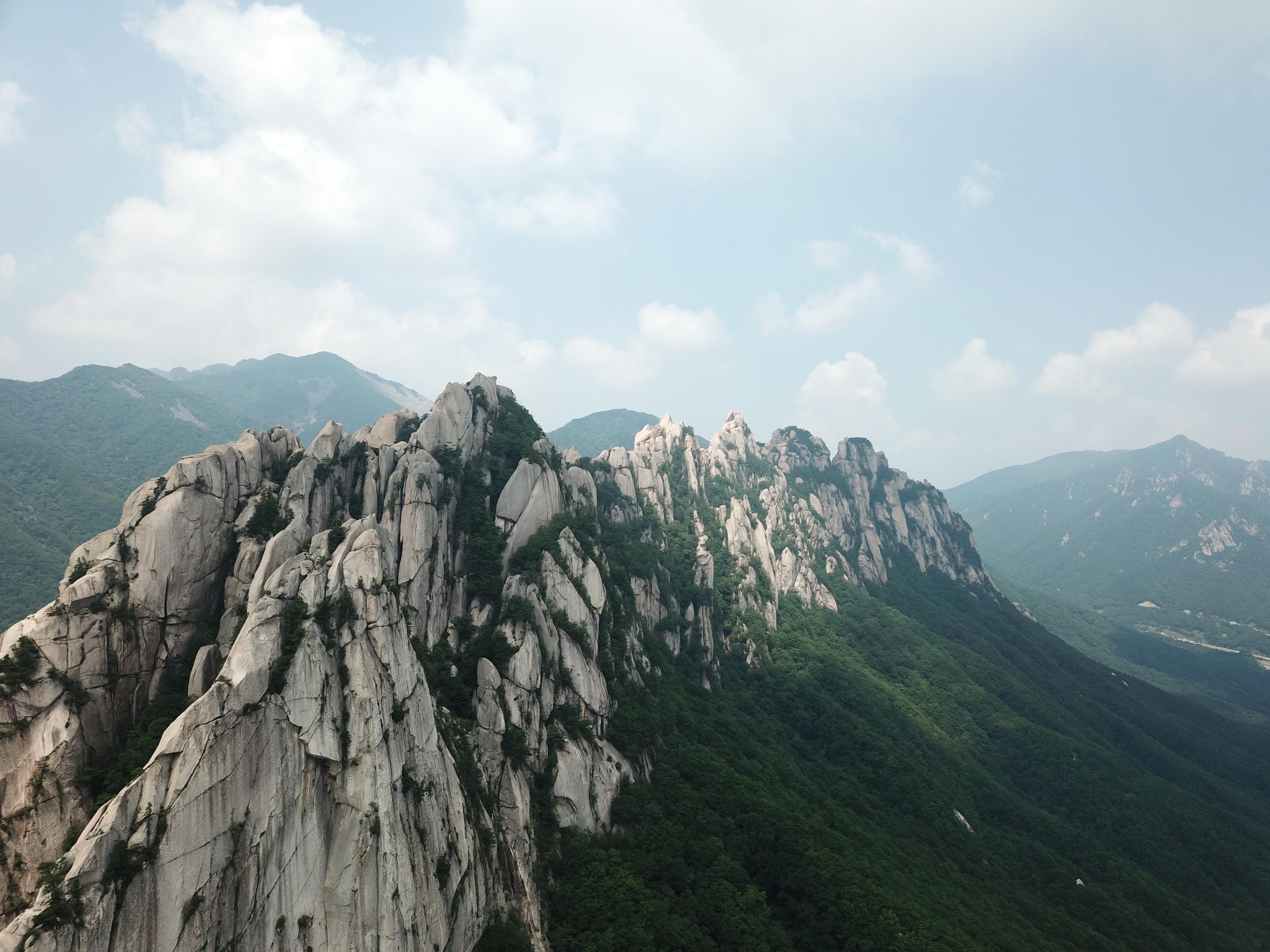
Source: Korea National Park Service official website
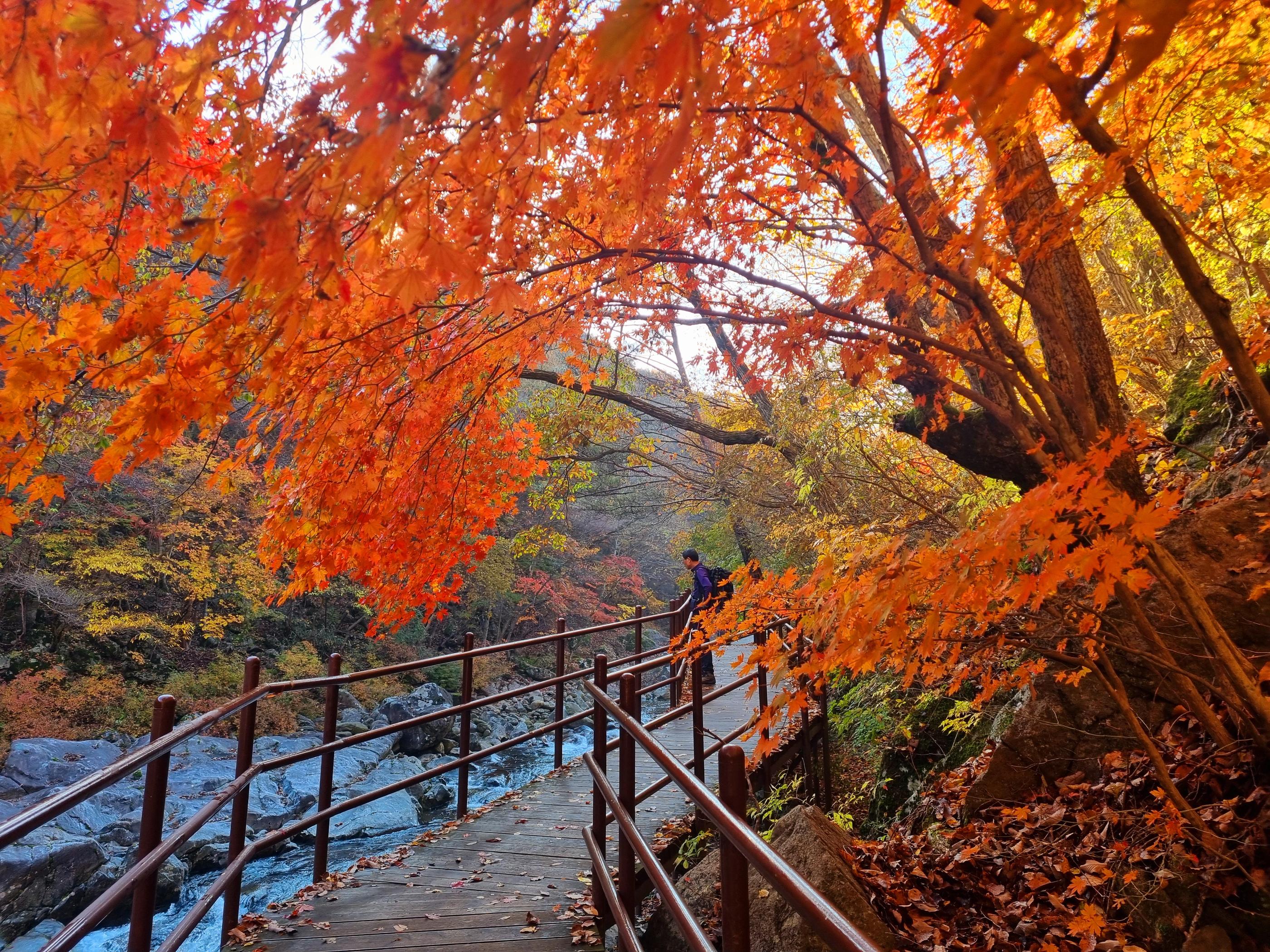
Seoraksan National Park is one of Korea's most recognizable mountain destinations. Rocky peaks, clear valleys, and centuries-old temples change character with every season, which is why it's often called a must-visit mountain in Korea.
On the Seorakdong course, you'll pass Sinheungsa Temple, Heundeulbawi Rock, and Ulsanbawi Rock. The autumn foliage and winter snow make it especially worth the trip if you're already headed to Sokcho.
| Verification Location | Seorak-dong Visitor Center |
| Address | 1061 Seoraksan-ro, Sokcho-si, Gangwon-do |
| Hours | Daily 10:00-17:00 |
| Recommended Route | Seorak-dong Visitor Center/Sogongwon → Sinheungsa Temple → Heundeulbawi Rock → Ulsanbawi Rock / One way 3.8 km, about 2 hours |
[Spot] K-Trekking Challenge | Visit Seoraksan National Park & Pick up exclusive merchandise🎁
Tips Before You Visit Korea's National Parks
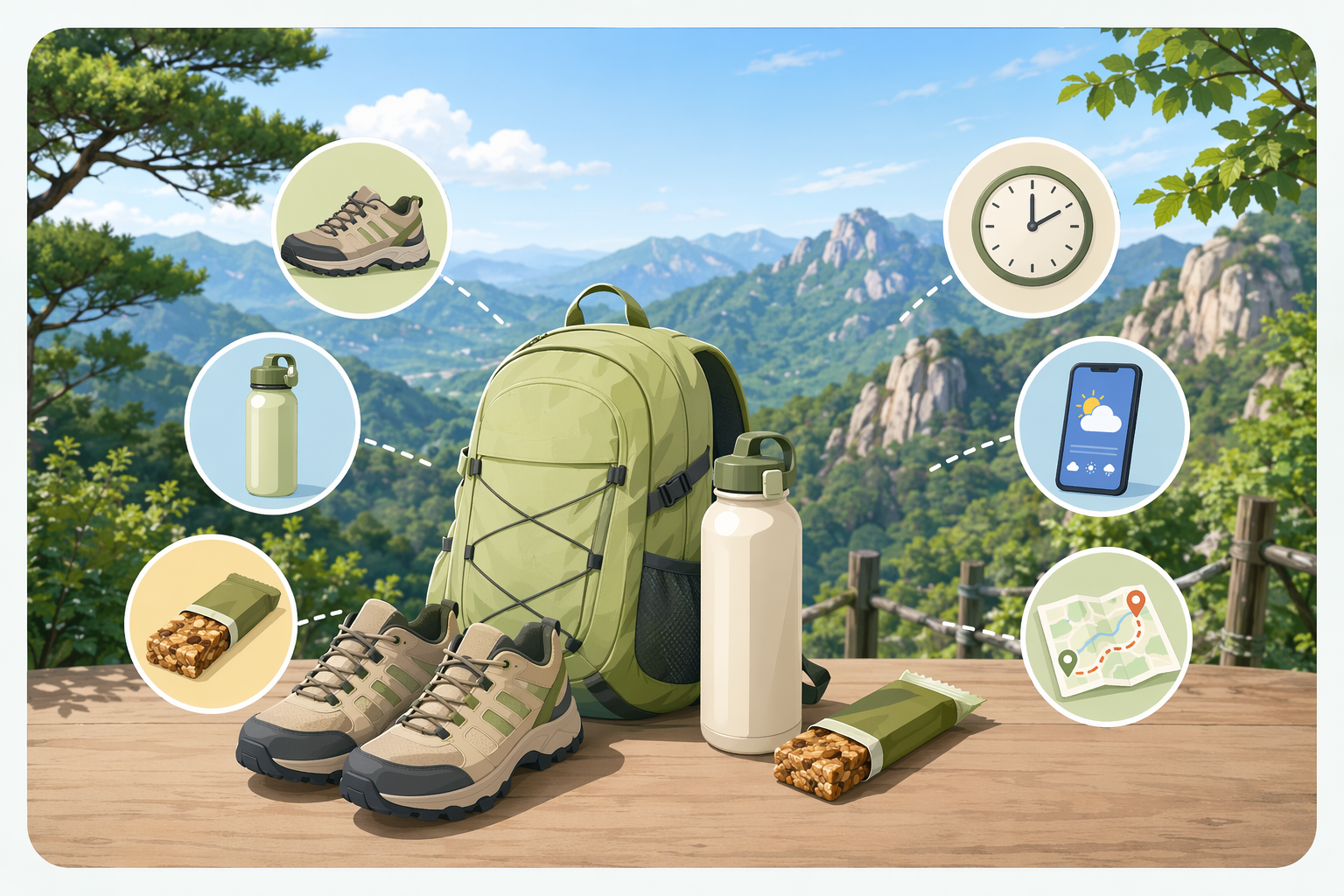
① Check the verification spot's operating hours.
Each spot keeps different hours, so plan your visit so you don't arrive too late.
② Wear comfortable shoes or hiking shoes.
Some routes cross rocky paths or steep slopes, so comfortable sneakers or hiking shoes work better than regular sightseeing shoes.
③ Pack water and light snacks
Shops inside the mountains are limited, so bring water, energy bars, and simple snacks ahead of time.
④ Always check the weather
Rain, heat, and cold snaps change trail conditions fast, and wet or icy sections can get slippery, so don't push past what feels safe.
⑤ Match the course to your fitness level
If this is your first trek in Korea, start short. Check the distance and time for each route and build in room for the return trip.
A Trekking Trip Through Korea's National Parks
Korea's mountains aren't just scenery. They're where locals actually spend their weekends. From Bukhansan near Seoul to the dramatic ridgelines of Seoraksan, the history-and-nature blend of Gyeongju, and the quiet trails of Odaesan, each park brings something different to the trip.
Hike through the K-Trekking Challenge and the rewards come along with the trail.
If you want to feel closer to nature on your next trip to Korea, add a national park trek to the itinerary.