Best Places to Visit in Korea for First-Timers and Return Travelers
A Creatrip-style travel map of Seoul, Busan, Jeju, Gyeongju and the quieter places worth adding when you have more time.

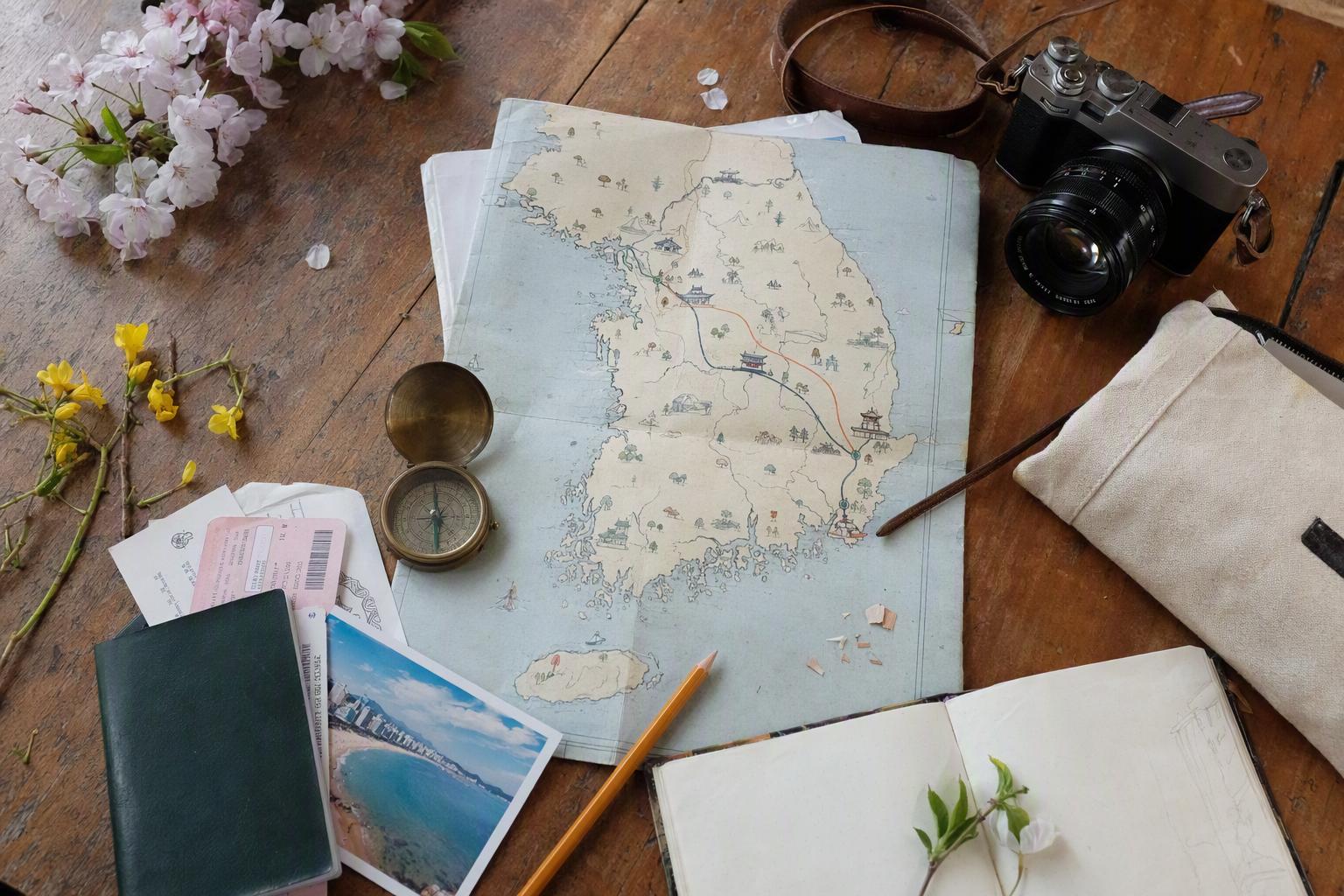
South Korea is small enough to cross quickly, but dense enough that a one-week trip can feel completely different depending on the route. One traveler might spend the whole time between royal palaces, BBQ restaurants, K-pop districts and late-night cafes in Seoul. Another might ride the KTX to Busan, eat seafood by the port, add Gyeongju for ancient tombs and temples, then fly to Jeju for volcanic coastlines and black pork.
For most international visitors, the strongest first Korea route is still the Seoul-Busan-Jeju triangle, with Gyeongju added as the history layer. It works because the contrasts are clear: Seoul gives you the capital energy, Busan brings the coast, Jeju brings nature, and Gyeongju quietly explains why Korea is much older than its neon skyline suggests.

That said, Korea rewards travelers who choose by rhythm, not just reputation. A rail-only trip through Seoul, Jeonju, Gyeongju and Busan can feel smoother than squeezing Jeju into too few days. Return visitors may enjoy Seoraksan, Hantangang, Suncheon, Yeongam, Haenam, Geoje or Deokjeokdo far more than repeating the same famous streets.
The classic Korea route: Seoul, Busan, Jeju, plus Gyeongju
A first trip to Korea usually works best when the route has a clean shape. Seoul sits at the top of most itineraries because of flights, shopping, palaces and nightlife. Busan is an easy KTX ride away and changes the whole mood with beaches, seafood markets and sea-facing temples. Jeju takes more effort, but brings the volcanic island scenery people often do not expect from Korea.
Gyeongju is the place we most often want travelers to make room for. It is close to Busan by train, rich in UNESCO-listed heritage, and compact enough to understand in one overnight stay. A rushed day trip is possible, but staying the night lets you see Donggung Palace and Wolji Pond after dark, which is when Gyeongju becomes especially atmospheric.
A simple way to choose your route:
- 7 days: Seoul and Busan, with a light Gyeongju day trip if you move quickly.
- 10 days: Seoul, Busan and Jeju, with either a Gyeongju day trip or one overnight.
- 10 days without flights or rental cars: Seoul, Jeonju, Gyeongju and Busan.
- 14 days: Seoul, Gyeongju or Jeonju, Busan and Jeju at a more humane pace.
Trying to fit Seoul, Busan and Jeju into only one week is possible, but it often turns into a trip of airports, train stations and half-finished meals. Korea is efficient, but it is not magic.
When Korea is at its best
Spring and autumn are the easiest seasons to love. The weather is kind, the light is good, and outdoor travel feels natural.
Spring: cherry blossoms, crowds and very short timing
Cherry blossom season usually runs from late March to mid-April, moving from warmer southern areas like Jeju and Busan toward Seoul. In many places, blossoms last about a week to ten days, while the prettiest peak can be just a few days. That is why spring travel in Korea feels magical and slightly risky at the same time.
For 2026, broad forecasts place Jeju around late March, Busan and Jinhae in late March to early April, Gyeongju in early April, and Seoul in early to mid-April. Weather can shift everything, so treat blossom dates as a flexible target rather than a promise. Hotels, KTX seats and Jeju rental cars can tighten quickly during the peak period, especially around famous blossom areas.
Autumn: the most reliable beautiful season
Autumn is probably Korea’s most comfortable travel season overall. From September into early November, the air is clearer, the heat drops, and fall foliage usually peaks from mid-October to early November depending on region and elevation. Seoul palace walks, Gyeongju tomb parks, Seoraksan hikes and Jeonju hanok streets all look wonderful in this season.
The trade-off is price and availability. Busan events, food festivals and fall foliage weekends can make trains and hotels busier than expected.
Summer and winter: not bad, just different
Summer is hot, humid and affected by the rainy season. It can still be fun for beach time, late nights and indoor shopping, but July to early August is not the easiest time for outdoor-heavy routes.
Winter is cold, sometimes sharply so in Seoul, but it has its own charm: quieter palaces, lower prices in some periods, stews, saunas, museums, shopping, snow photos and ski add-ons. Just keep shorter daylight in mind, as winter sunsets can arrive around 5:30 PM.
A few practical things that shape the whole trip
Korea is one of the easiest countries in Asia to travel independently, but a few local details make a big difference.
Entry rules are increasingly digital. Many visa-free travelers have had K-ETA exemptions extended through December 31, 2026, but eligibility and validity details can change by nationality. Travelers without a valid optional K-ETA may need to submit a free e-Arrival Card online before arrival. Check the latest official entry information before booking non-refundable plans.
Trains make the country feel smaller. The AREX airport train connects Incheon Airport and Seoul Station in about 43 minutes on the express service, and the KTX from Seoul to Busan takes around 2.5 hours, often priced around ₩59,800 for a standard seat. Seoul to Gyeongju is roughly 2 to 2.5 hours by high-speed rail, and Gyeongju to Busan can be as short as 30 to 50 minutes depending on station and train.
Jeju is different. Flights from Seoul or Busan to Jeju usually take about 45 to 70 minutes, and early fares can be reasonable, but the island itself is spread out. A rental car, taxi plan or organized tour makes Jeju far easier. Rental cars are often around ₩40,000-80,000 per day, with prices rising in busy seasons, and an international driving permit is generally needed. Always confirm the latest rental requirements directly.
Use local map apps. Google Maps is not the best tool for Korean transit and walking routes. Naver Map or KakaoMap will save you time. Papago helps with translation, T-money covers public transport and convenience store payments, and an eSIM or pocket Wi-Fi keeps everything smoother.
Avoid Korean holiday travel unless you truly want that experience. Seollal and Chuseok create huge domestic movement. Trains can sell out quickly, buses become crowded, and airports feel more intense. If your dates overlap, book early and keep alternatives open.

Seoul: palaces, neighborhoods, food and K-culture in one city
Seoul deserves 3 to 5 days on a first trip. It is not just a capital to pass through; it is the place where Korea’s royal past, design culture, beauty scene, nightlife, cafe obsession and food energy sit unusually close together.
The palace and hanok core
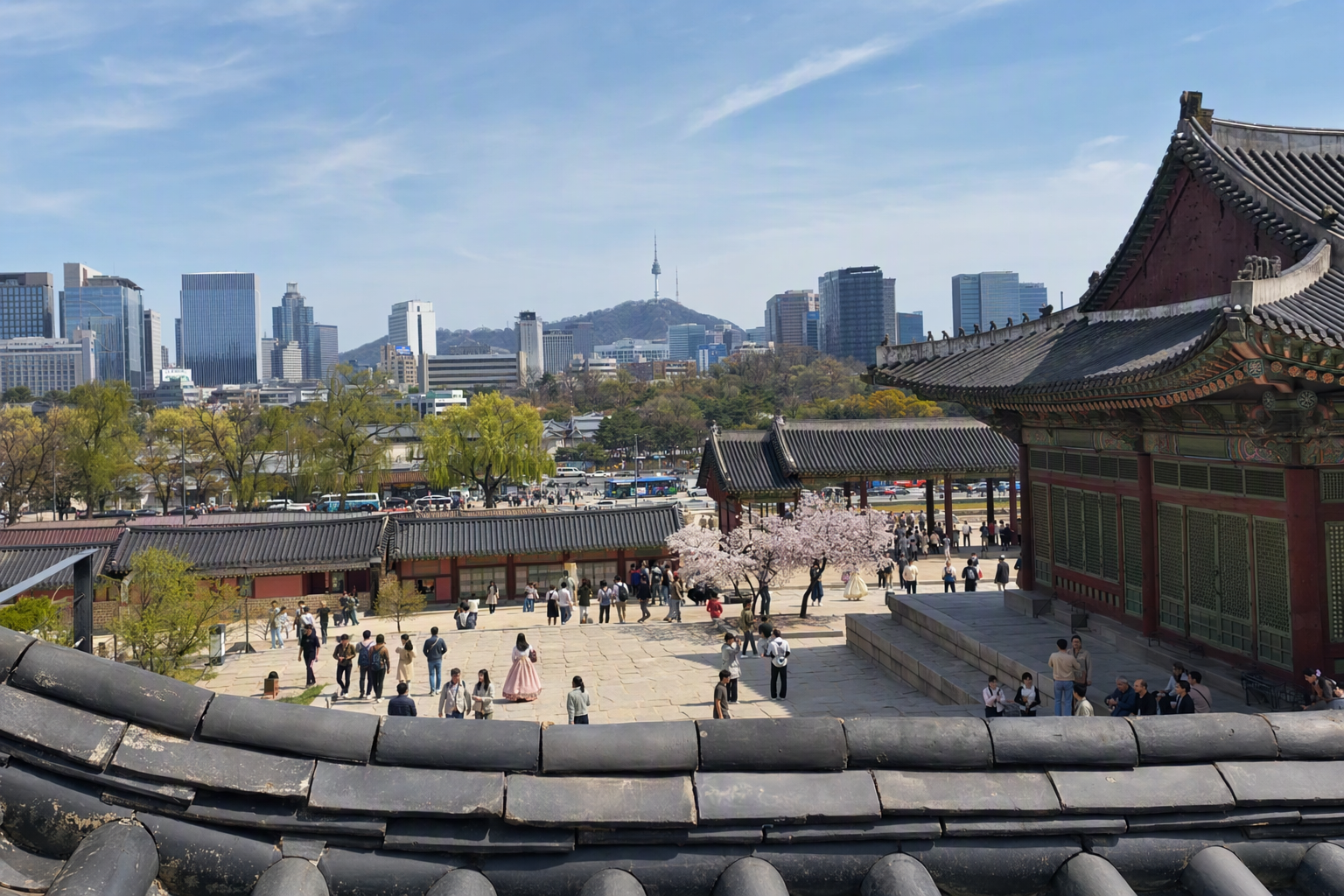
For old Seoul, the most satisfying route begins around Gyeongbokgung Palace, then moves through Bukchon Hanok Village, Insadong and Ikseon-dong. This cluster gives you the city’s traditional architecture, craft shops, tea houses, photo spots and renovated hanok cafes without spending half the day underground.
Changdeokgung Palace is also worth considering, especially for travelers who enjoy quieter historical spaces. If you only have one day for royal Seoul, do not try to visit every palace. Choose one or two and leave time to walk the neighborhoods around them.
Gwanghwamun, Cheonggyecheon and the museum axis
The Gwanghwamun area connects neatly with Cheonggyecheon Stream and major museums. The National Museum of Korea is one of the strongest cultural stops in the country and a good choice when the weather is too hot, rainy or cold. It also helps make sense of places like Gyeongju before you go.
Myeongdong and Namsan
Myeongdong is not subtle, and that is part of the fun. Come for street food, cosmetics, shopping and the cheerful chaos of people eating skewers under bright signs. Nearby N Seoul Tower gives the classic city panorama from Namsan.
Myeongdong is convenient, but not where we would spend every evening. Seoul’s best food and cafe moments are often more neighborhood-specific.
Hongdae, Seongsu and Gangnam
Hongdae still carries the youth culture, busking, clubbing and casual nightlife reputation. Seongsu is the place for warehouse cafes, design shops and retail spaces that feel very current. Gangnam is polished, commercial and useful for beauty, shopping, dining and K-pop-adjacent stops.
The common Seoul mistake is trying to make all three areas happen in one day. They are not next door to each other, and each is better when you give it a proper evening or half-day.
Lotte World Tower and the Han River
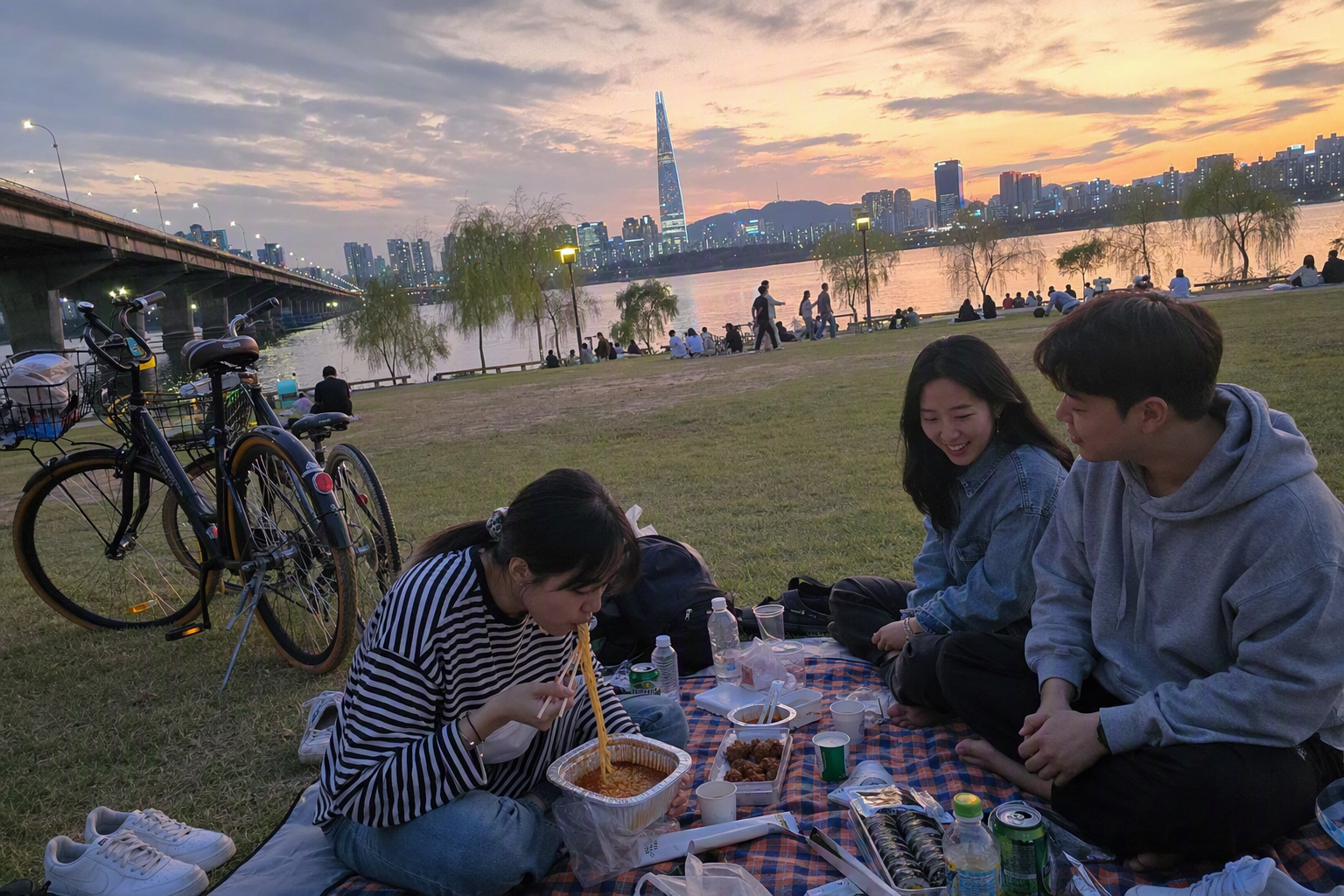
Seoul Sky at Lotte World Tower is the big vertical city view, with an observation deck around 500 meters high. For something more local-feeling, choose a Han River park instead. Seoul has 11 Han River parks, and they are lovely for cycling, convenience-store ramen, sunset photos, seasonal events and watching the skyline soften after dark.
Easy day trips from Seoul
Seoul has unusually good day-trip range. Strong options include Suwon Hwaseong Fortress, the Korean Folk Village, Everland, the Garden of Morning Calm, Incheon Chinatown and the open port area, Songdo Central Park, and DMZ-linked trips around Imjingak and Paju.
For a first visit, Suwon is the easiest cultural day trip to love. The DMZ is more specific: powerful and memorable, but best done with the right expectations and a reliable tour, since access rules and schedules can change.
Busan: beaches, seafood and the Korean coast
Busan pairs beautifully with Seoul because it feels different right away. The air is saltier, the roads curl around hills, and the best days are built around the sea rather than subway transfers.
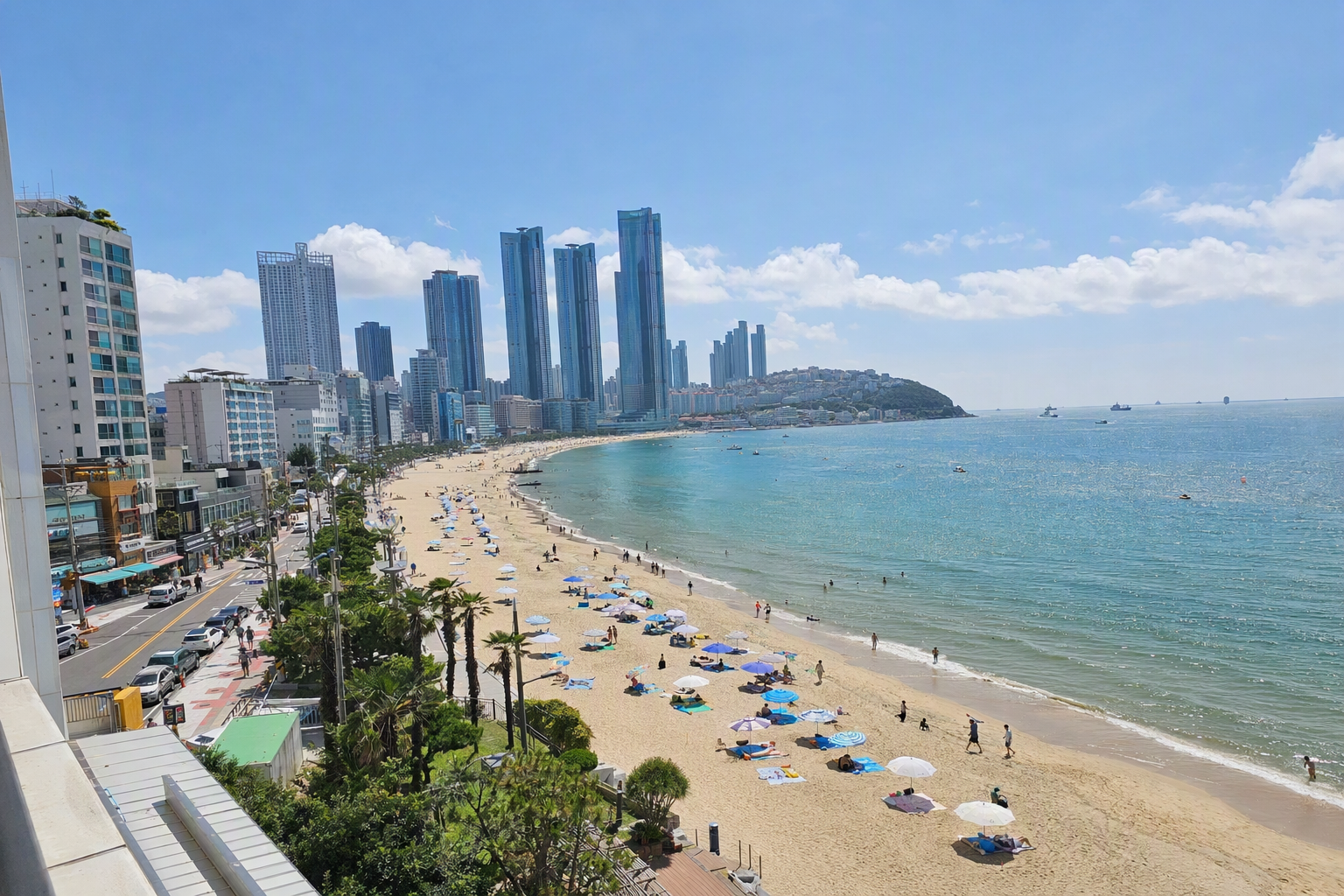
Most travelers need 2 to 3 days in Busan. One day for Nampo, Jagalchi and Gamcheon; one day for Haeundae, Haedong Yonggungsa and the coast; one extra day if you want a slower beach mood or a Gyeongju side trip.
Haeundae and the Blue Line Park coast
Haeundae Beach is the polished, classic Busan beach base. The nearby Blue Line Park Sky Capsule and coastal train are popular for a reason: the sea views are easy, bright and photogenic. Book ahead during busy periods when possible, and do not build the entire day around one exact photo slot.
Gwangalli is better at night
Gwangalli Beach is often more enjoyable in the evening, when Gwangan Bridge lights up and the beachfront cafes and bars feel alive. If Haeundae is the famous beach postcard, Gwangalli is the place to sit with a drink and actually enjoy the view.
Jagalchi, Nampo and the market side of Busan
Jagalchi Market gives Busan its seafood identity. Pair it with BIFF Square, Gukje Market and Nampo-dong for a full city-market afternoon. This is a good area to eat casually, wander without being too precious, and see Busan at street level.
Gamcheon Culture Village and Haedong Yonggungsa
Gamcheon Culture Village is now very much on the tourist route, but the colorful hillside setting still works for a first visit. Go earlier in the day if you want a calmer walk.
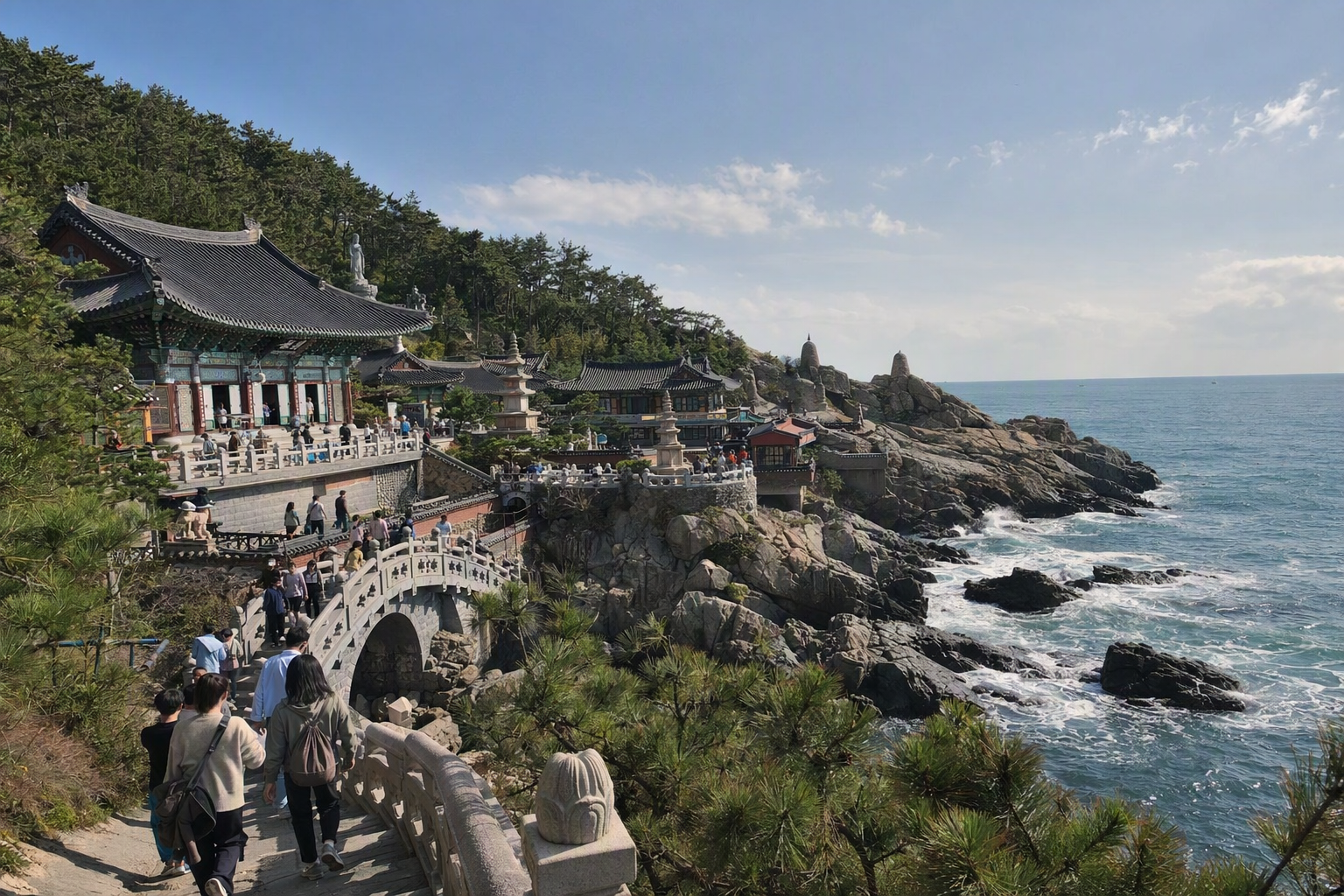
Haedong Yonggungsa is one of Korea’s most dramatic temple sites because it faces the sea rather than sitting deep in the mountains. It is not always quiet, but the location is special enough to make the crowds understandable.
Gyeongju: the history stop that makes Korea feel older
Gyeongju is the former capital of the Silla kingdom, and it is one of the best places in Korea to feel history without needing a long explanation. The city is open, low-rise and filled with grass-covered royal tombs, ancient observatories, temples and night reflections.

The biggest names are Bulguksa Temple and Seokguram Grotto, which were among Korea’s first UNESCO World Heritage listings in 1995. The wider Gyeongju Historic Areas, including tombs and ancient palace sites, joined the UNESCO list in 2000.
The core places to plan around are:
- Bulguksa Temple
- Seokguram Grotto
- Daereungwon Tomb Complex
- Cheonmachong and Hwangnamdaechong tombs
- Cheomseongdae Observatory
- Donggung Palace and Wolji Pond
- Woljeonggyo Bridge
- Hwangnidan-gil for cafes, restaurants and a modern hanok-street mood
A Busan day trip is doable, especially with early trains, but one night is much better. It lets you see the central historic area by day and Wolji Pond by night without rushing through temple sites just to catch a train.
Jeju: volcanic landscapes, beaches and slower logistics
Jeju is Korea’s nature island, and it has a very different travel rhythm from Seoul or Busan. Distances are longer, public transport is slower, and the best experiences are scattered around the coast and inland volcanic terrain.
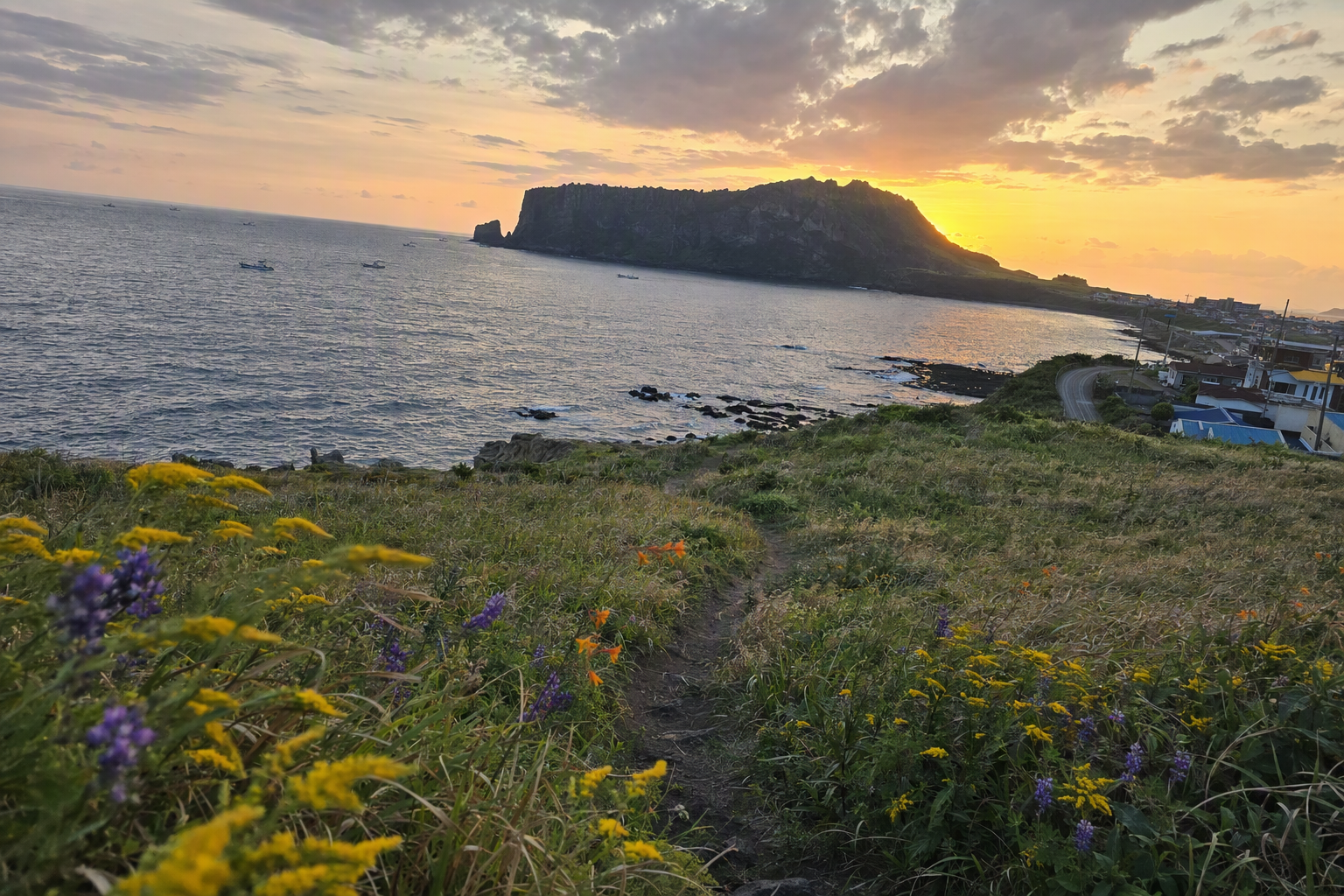
Jeju is most rewarding with 2 to 4 nights. Two nights gives you a taste. Three or four lets the island breathe.
What to see on Jeju
The classic Jeju list includes Seongsan Ilchulbong, Hallasan, Jeongbang and Cheonjiyeon waterfalls, O’Sulloc Tea Museum, Hyeopjae Beach, black pork restaurants and seafood. Manjanggul Lava Tube is a major name, but cave access and restoration schedules can change, so check the latest official opening status before building a day around it.
Hallasan, at 1,950 meters, is Korea’s highest mountain and the island’s big hiking goal. It needs proper timing and weather awareness, not just enthusiasm. For gentler walking, the Jeju Olle Trail network is one of Korea’s best long-distance walking systems, with 27 routes totaling about 437 kilometers around the island and nearby route extensions. You can walk one pretty section without becoming a completionist.

The Jeju car question
Jeju is the place where many otherwise smooth Korea trips become awkward. Without a car or tour, you can still travel, but you will need to choose your base carefully and accept slower movement. With a rental car, the island opens up beautifully. With a private driver or day tour, you lose some flexibility but gain ease.
Flying Busan to Jeju is often smarter than returning to Seoul just to fly out again. Open-jaw logic matters in Korea: Seoul to Busan by KTX, Busan to Jeju by flight, then Jeju to Seoul or onward can save both time and energy.
Jeonju: the rail-friendly culture alternative to Jeju
Jeonju is the place to consider when you want hanok stays, bibimbap, makgeolli and traditional architecture without adding flights or rental cars. It is especially good in a 10-day inland route: Seoul, Jeonju, Gyeongju and Busan.
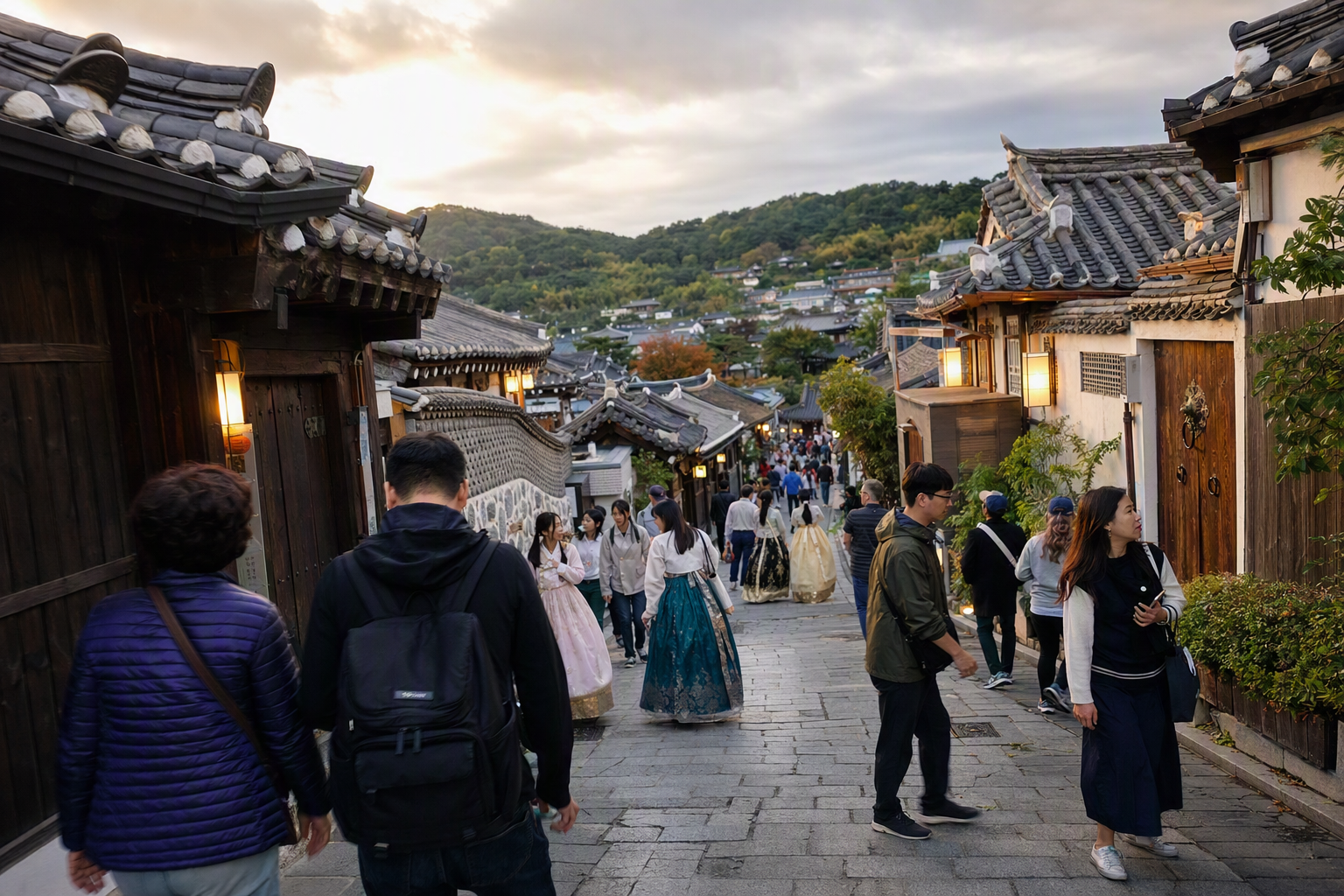
The city’s Hanok Village is one of Korea’s most famous traditional-styled areas, and yes, it can be busy. But the overnight atmosphere is softer than the daytime crowd, and the food focus gives Jeonju a strong reason to stay rather than just pass through.
The main trade-off is geography. Seoul to Jeonju is easy by train, often around 1.5 to 2 hours. Jeonju to Gyeongju is less direct and can take around 4 to 5 hours with transfers. If that bothers you, choose either Jeonju or Gyeongju, not both. If food and hanok stays matter, Jeonju earns its place.
For return visitors: where Korea gets quieter and deeper
Korea’s official tourism lists include a broad mix of UNESCO heritage, mountains, islands, theme parks, wetlands, night views and regional culture spots. For travelers who have already seen Seoul, Busan and Jeju, this is where the country starts opening up.
Seoraksan and the mountain side of Korea
Seoraksan National Park is one of Korea’s great mountain landscapes, especially in autumn. The Gwongeumseong Fortress area near Sokcho offers big views over the mountains and toward the East Sea, with access possible by hiking routes or cable car depending on conditions.

This is not the place to improvise on a peak fall weekend. Traffic, accommodation and cable car waits can all become part of the day. Go early, keep plans flexible, and check weather before committing.
Hantangang UNESCO Global Geopark
The Hantangang area, spanning Cheorwon, Pocheon and Yeoncheon, is Korea’s first river-based UNESCO Global Geopark. Its basalt cliffs, columnar joints and volcanic landforms come from ancient lava flows, giving a very different kind of Korean nature from Jeju or Seoraksan.
The Hantangang Columnar Joint Road is a strong option for travelers who like dramatic rock scenery without needing a full mountain climb.
Yeongwol: royal history and small-town travel
Yeongwol has gained attention as a historical travel circuit, with places linked to King Danjong such as Cheongnyeongpo, Jangneung Royal Tomb, Gwanpungheon and Seondol. It is more moving when you understand the story, so this is a good place for travelers who enjoy Korean history rather than just scenery.
By car, Yeongwol is roughly 2 to 2.5 hours from Seoul. Public transport is possible but fragmented, and local buses between sights are not always convenient. A rental car, taxi plan or local tourism taxi makes the day much easier.
Suncheon and Naganeupseong: living heritage, not a movie set
Naganeupseong Folk Village near Suncheon is one of Korea’s strongest quieter heritage stops. It is a Joseon-era walled village where residents still live inside the stone walls. That detail matters. The lanes are beautiful, but they are also someone’s neighborhood.

Adult admission has been around ₩4,000, but check current fees before visiting. From Suncheon, local buses connect to the village, and it pairs well with Suncheon Bay Wetland for a full day of heritage and nature. The best visitors here are quiet, curious and respectful with cameras.
Yeongam and Haenam: deeper Jeolla travel
Yeongam Gurim Hanok Village, near Wolchulsan, is a strong choice for travelers who want a traditional village atmosphere with fewer international crowds than Bukchon or Jeonju. It is known for old stone walls, pavilions, shrines and hanok stays.
Haenam, in Korea’s southwest, is more of a slow coastal add-on. The area around Usuyeong and newer resort infrastructure suits travelers looking for ocean views, golf, accessible resort stays and a quieter edge of the country rather than a standard sightseeing checklist.
Islands and coastlines: Oedo, Deokjeokdo and Yeongjongdo
Oedo Botania off Geoje is a beautiful island garden, but the logistics are structured. Ferries commonly allow about two hours on the island, and adult costs can include both ferry and island admission. Schedules, fares and ports can change, and ticketing may be Korean-heavy, so this is one to check carefully or book through a tour.
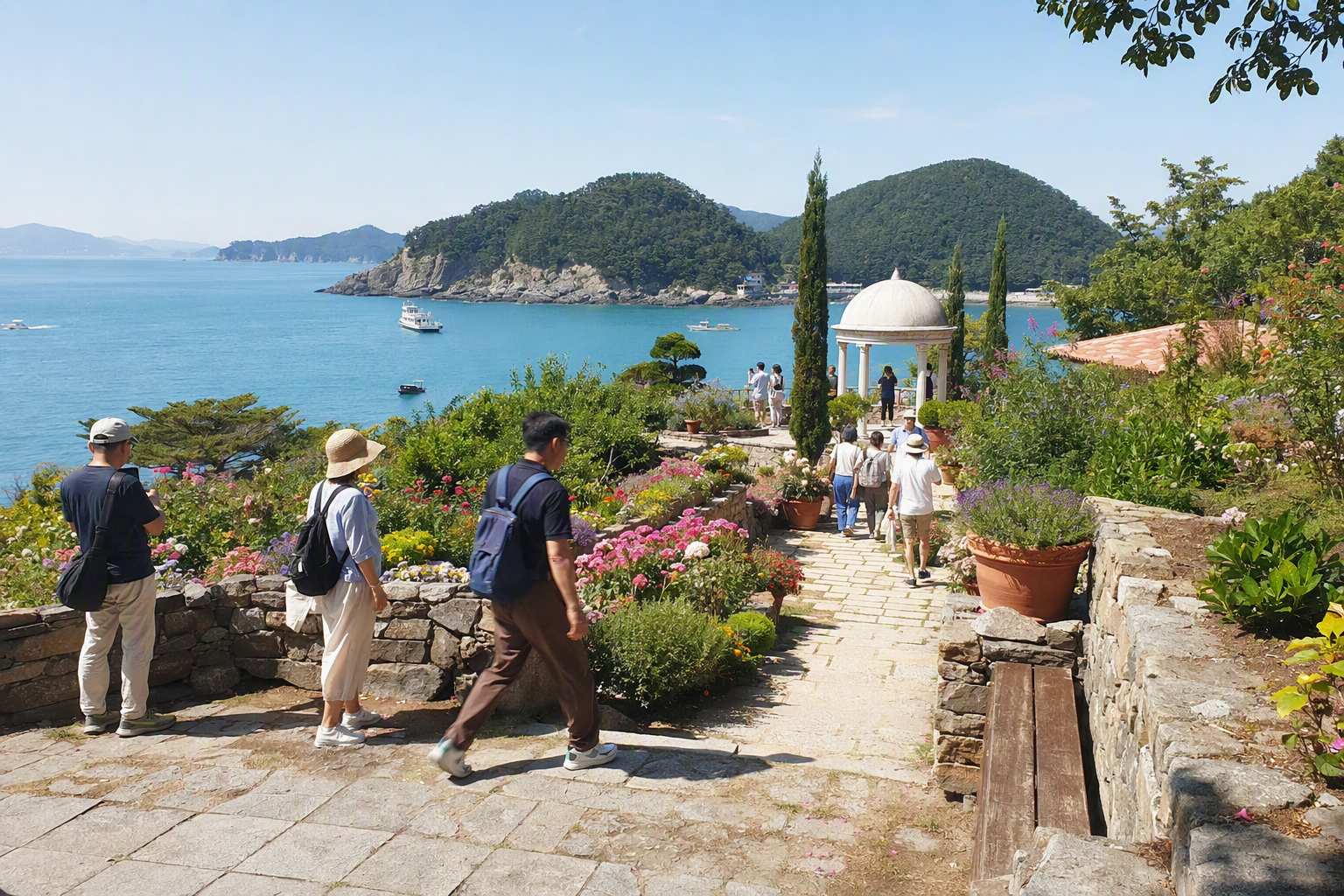
Deokjeokdo, reached by ferry from Incheon, offers a quieter island feel with beaches and mudflats. It is best for travelers comfortable with slower ferry and local transport rhythms.
Yeongjongdo near Incheon Airport is useful for awkward first-day or last-day timing. It has sea views, mudflat scenery, fish markets, Yonggungsa Temple, Baegunsan walking trails and airport panoramas from higher ground. It is not a replacement for Jeju or Busan, but it can turn a dead airport day into a pleasant coastal buffer.
What to eat, and where it fits best
Food should shape the route as much as scenery. Korea’s regional eating is one of the main pleasures of traveling beyond Seoul.

In Seoul, build meals around neighborhoods: BBQ and late-night food in lively districts, street snacks in Myeongdong, market eating at Gwangjang Market, cafe hopping in Seongsu or Ikseon-dong, and more polished dining in Gangnam or central hotel areas.
In Busan, seafood is the headline. Jagalchi and Nampo are the obvious starting points, while beach areas are better for ocean-view drinks and casual meals.
In Jeonju, come hungry for bibimbap, makgeolli and hanok-area snacks. The city is at its best when dinner is not rushed.
In Jeju, focus on seafood, black pork, tangerines and island ingredients. Jeju City and Seogwipo both work as food bases, depending on your route.
In Gyeongju, Hwangnidan-gil gives the most convenient mix of cafes, restaurants and evening atmosphere near the historic center.
Sample routes that actually make sense
7 days: Seoul, Busan and a light taste of Gyeongju
This is the cleanest one-week Korea trip without overloading flights.
- Days 1-4: Seoul for palaces, Bukchon, Insadong, Myeongdong, Hongdae, Seongsu or Gangnam, plus one possible day trip.
- Day 5: KTX to Busan, then Nampo, Jagalchi and Gamcheon.
- Day 6: Haeundae, Haedong Yonggungsa, Blue Line Park and Gwangalli at night.
- Day 7: Gyeongju day trip or return toward Seoul depending on your flight.
Jeju in seven days can work only if nature is your top priority and you are comfortable moving quickly. Otherwise, save it for a longer trip.
10 days: Seoul, Busan, Gyeongju and Jeju
This is the classic first-timer route with the most variety.
- Days 1-4: Seoul.
- Day 5: KTX to Busan, Nampo and seafood.
- Day 6: Busan coast.
- Day 7: Gyeongju day trip or overnight.
- Days 8-10: Fly Busan to Jeju, then focus on one or two island regions rather than chasing every famous spot.
For Jeju, three days vanish quickly. Choose either east and Seogwipo, or west and central highlights, unless you have a car and do not mind longer drives.
10 days: Seoul, Jeonju, Gyeongju and Busan by rail
This route is warmer, foodier and more culture-heavy than the Jeju version.
- Days 1-4: Seoul.
- Days 5-6: Jeonju for hanok, bibimbap and makgeolli.
- Days 7-8: Gyeongju for temples, tombs and night views.
- Days 9-10: Busan for coast and seafood.
The long transfer between Jeonju and Gyeongju is the price of the route. In return, you avoid domestic flights, rental cars and island logistics.
14 days: the balanced grand route
With two weeks, Korea becomes much easier to enjoy.
- Days 1-5: Seoul with one day trip.
- Days 6-7: Jeonju or Gyeongju.
- Days 8-10: Busan.
- Days 11-14: Jeju.
This route gives every major place enough room to show its personality. It also leaves space for bad weather, slow meals and the small detours that often become the best memories.
Common planning mistakes we would gently avoid
Mistake 1: treating Jeju like another city stop. Jeju needs more planning than Seoul or Busan. Without a car, tour or very careful base choice, the island can feel frustrating.
Mistake 2: booking by famous names instead of geography. Seoul neighborhoods are spread out, and Jeju sights are even more scattered. Group places by area, not by popularity.
Mistake 3: trusting blossom dates too much. Cherry blossoms are beautiful precisely because they are brief. Book the trip for Korea, not only for one bloom forecast.
Mistake 4: ignoring holiday travel. Seollal and Chuseok can change everything about train and bus availability.
Mistake 5: using only Google Maps. Naver Map or KakaoMap will make daily movement far smoother.
Mistake 6: squeezing too many cities into seven days. Korea’s transport is excellent, but every transfer still costs time, luggage energy and meal opportunities.
The Creatrip shortlist by travel style
For first-time culture and city energy, choose Seoul.
For beaches, seafood and coastal city views, choose Busan.
For ancient history in the easiest format, choose Gyeongju.
For volcanic nature, walking and island food, choose Jeju.
For hanok stays and food culture without flights, choose Jeonju.
For autumn mountains, choose Seoraksan.
For geology and dramatic river scenery, choose Hantangang.
For quiet living heritage, choose Naganeupseong in Suncheon.
For a more local southwest Korea route, look at Yeongam and Haenam.
For carefully planned island scenery, consider Oedo Botania or Deokjeokdo.
Korea is at its best when the route has breathing room. Choose one big city, one contrast, one food region and one place that slows you down. The country is compact, but the best trips here never feel like a race.