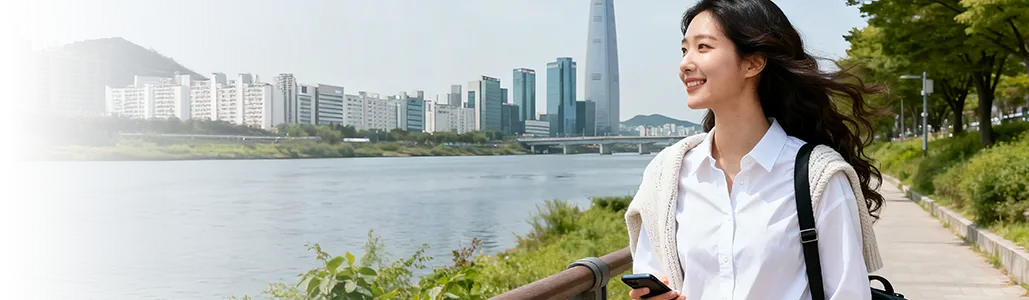
A Traveler’s Guide to Korea’s Biggest Cities
How Seoul, Busan, Incheon, Gyeonggi-do, and Korea’s fast-growing city regions actually fit together on a trip

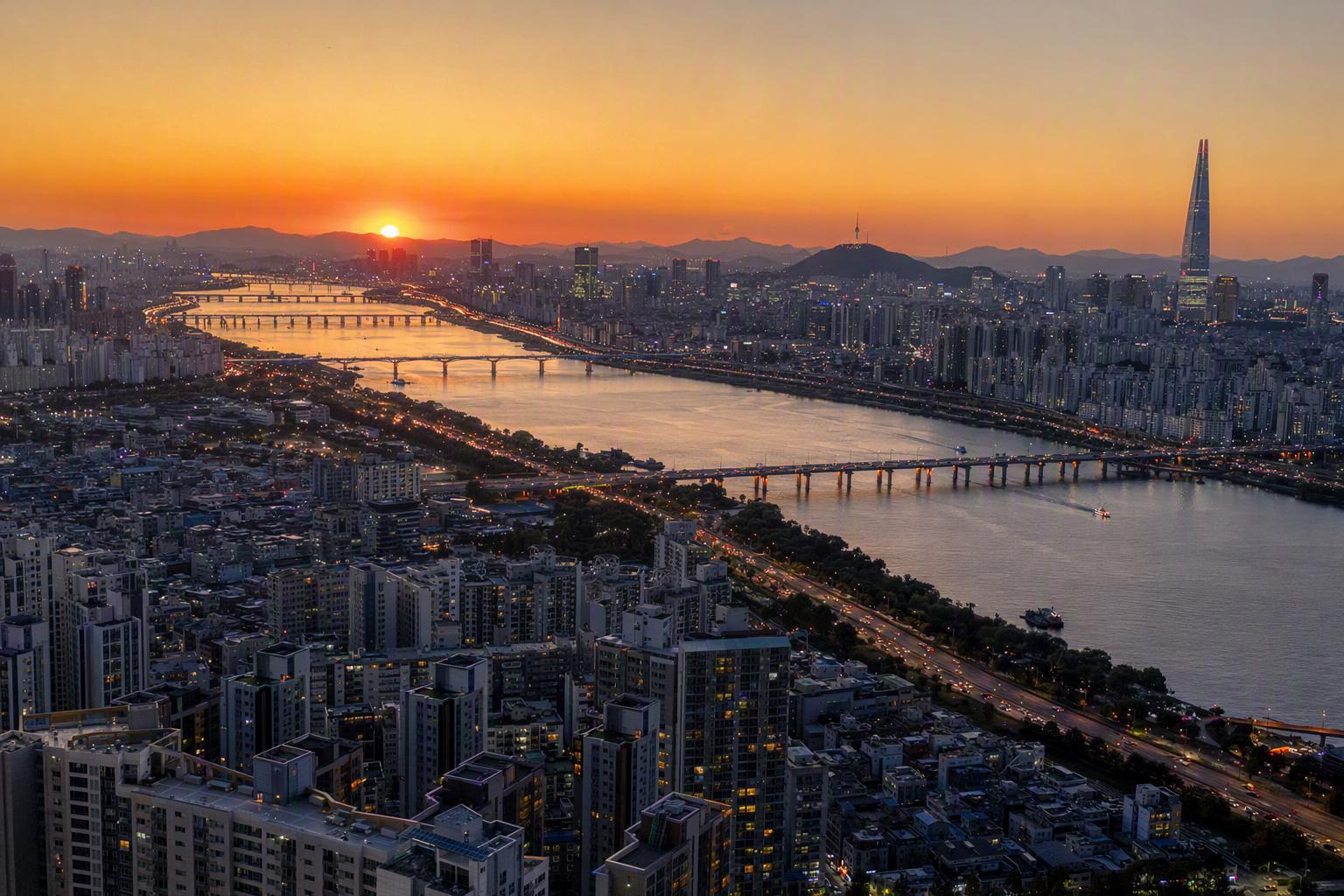
Korea looks compact on a map, but its city system is wonderfully layered. Seoul is the obvious name everyone knows. Busan is the classic second city. Then things get interesting: Incheon is a huge city in its own right, Gyeonggi-do has more registered residents than Seoul, and places like Suwon, Yongin, and Goyang are million-person cities even though they are not metropolitan cities.
For travelers, this is not just a statistics rabbit hole. It changes how you read hotel addresses, plan Seoul-area day trips, compare city lists, and decide whether a place is a true second stop or simply part of the larger capital region orbit.
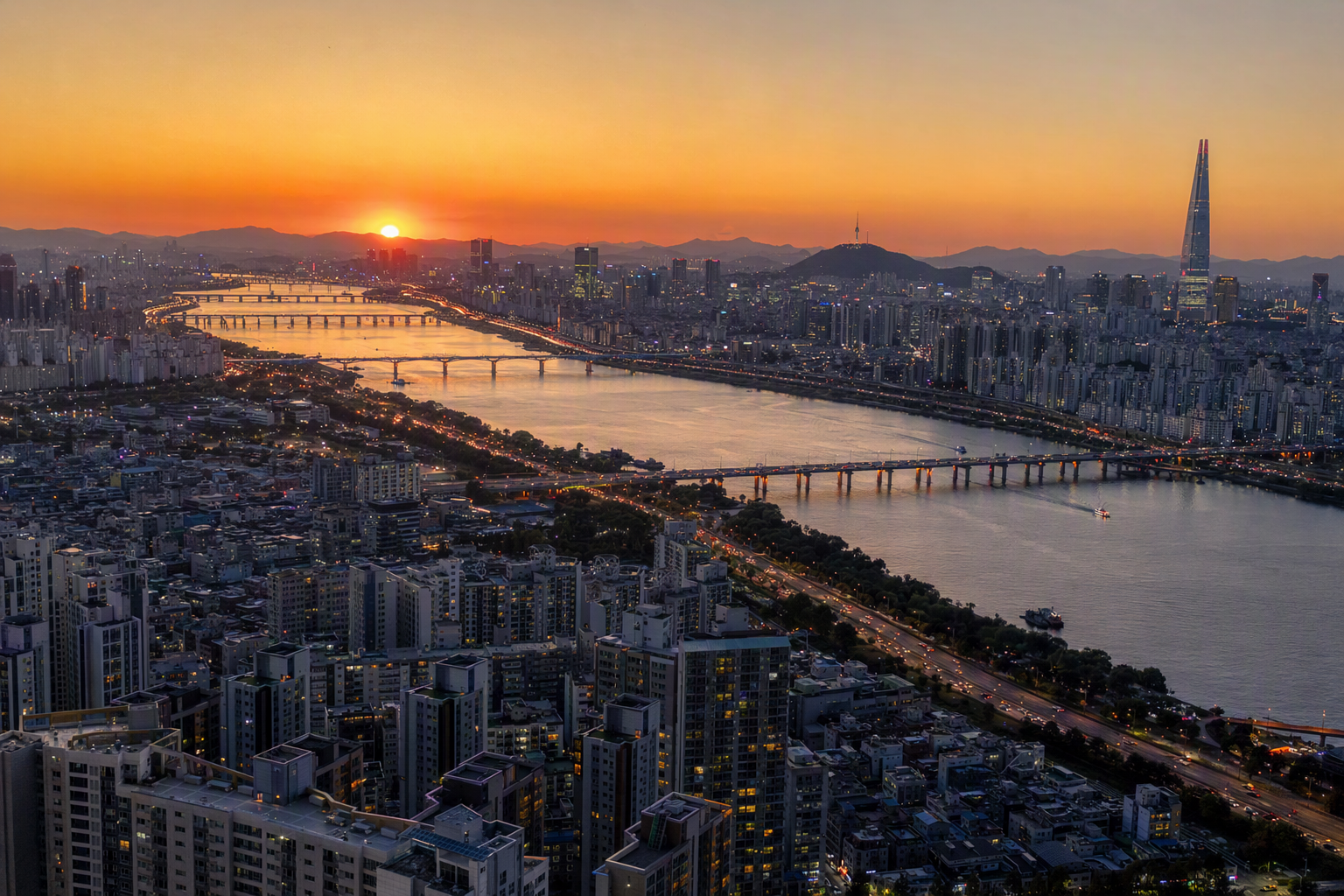
The short answer: Seoul is the biggest city, but the Capital Area is the real giant
By city-proper population, Seoul is the largest city in South Korea. In the 2020 census-based city list, Seoul had 9,586,195 people, far ahead of Busan at 3,349,016.
But the better travel answer needs one more layer. The functional Seoul Capital Area, usually called Sudogwon, includes Seoul, Incheon, and Gyeonggi-do. That wider metro region has roughly 26 million people, about half of South Korea’s population. It is the reason Seoul can feel much bigger than its official city boundary, and why so many places that feel Seoul-adjacent are technically separate cities.
So when someone asks for the biggest city in Korea, the clean answer is:
- Biggest city proper: Seoul
- Biggest metropolitan area: Seoul Capital Area, made up of Seoul, Incheon, and Gyeonggi-do
- Second-largest city proper: Busan
- Largest top-level region by registered population: Gyeonggi-do, which is a province, not a city
That last point is where many travel plans quietly go sideways. Gyeonggi-do surrounds Seoul and contains large cities such as Suwon, Yongin, Goyang, Seongnam, and Hwaseong. Some are easy to mentally lump into Seoul, but administratively and practically, they are separate places.

The largest cities in South Korea by city-proper population
The most stable city-proper comparison comes from the 2020 census-based ranking. This is the list to use when comparing Korean cities as individual city units rather than metro areas or provinces.
| Rank | City | 2020 city-proper population | Travel read |
|---|---|---|---|
| 1 | Seoul | 9,586,195 | Korea’s main urban anchor, and the core of a much larger metro region |
| 2 | Busan | 3,349,016 | The clear second city by city proper, with a strong coastal southeast identity |
| 3 | Incheon | 2,945,454 | A major metropolitan city and part of the Seoul Capital Area |
| 4 | Daegu | 2,410,700 | A large metropolitan city outside the capital region |
| 5 | Daejeon | 1,488,435 | Close in size to Gwangju, and a major city by Korean standards |
| 6 | Gwangju | 1,477,573 | Another major regional city, almost the same size as Daejeon in this ranking |
| 7 | Suwon | 1,210,150 | A huge Gyeonggi-do city, not a Seoul district |
| 8 | Ulsan | 1,135,423 | A metropolitan city in the southeast |
| 9 | Yongin | 1,066,975 | A fast-growing Gyeonggi-do city within the capital region orbit |
| 10 | Goyang | 1,045,497 | A large Gyeonggi-do city northwest of Seoul |
| 11 | Changwon | 1,029,389 | A major city in Gyeongnam, close to the million mark in recent counts |
A few things jump out right away. Incheon is larger than Daegu in the city-proper ranking. Suwon is larger than Ulsan, even though Ulsan is a metropolitan city and Suwon is under Gyeonggi-do. And several million-person cities around Seoul are not separate top-level metropolitan governments.
This is why online lists of the biggest cities in Korea can look slightly different depending on whether they use census population, registered residents, broad regional governments, or metro-area estimates.
Why Seoul feels bigger than Seoul
Seoul’s official city population has been below 10 million in recent registered-resident counts. In January 2026, Seoul’s registered population was 9,299,701. Yet the Seoul Capital Area remains enormous because urban life, housing, commuting, and city growth spread far beyond the Seoul city line.
Gyeonggi-do alone had 13,736,642 registered residents in January 2026, which is more than Seoul. Add Incheon, with 3,053,308 registered residents in the same month, and the scale becomes obvious.
For travelers, the capital region works a bit like a galaxy. Seoul is the bright center, but many big cities orbit close enough to appear on Seoul-area itineraries. Suwon, Yongin, Goyang, Seongnam, Hwaseong, and Incheon may show up while you are browsing hotels, clinics, shopping areas, festivals, or reservations. They are connected to the broader Seoul region, but they are not all interchangeable with central Seoul.
Creatrip tip: When booking anything in the capital region, check the actual address and map location, not only the city name. A place in Gyeonggi-do can be convenient for a Gyeonggi-based plan and inconvenient for a Seoul-centered one. The same goes the other way around.
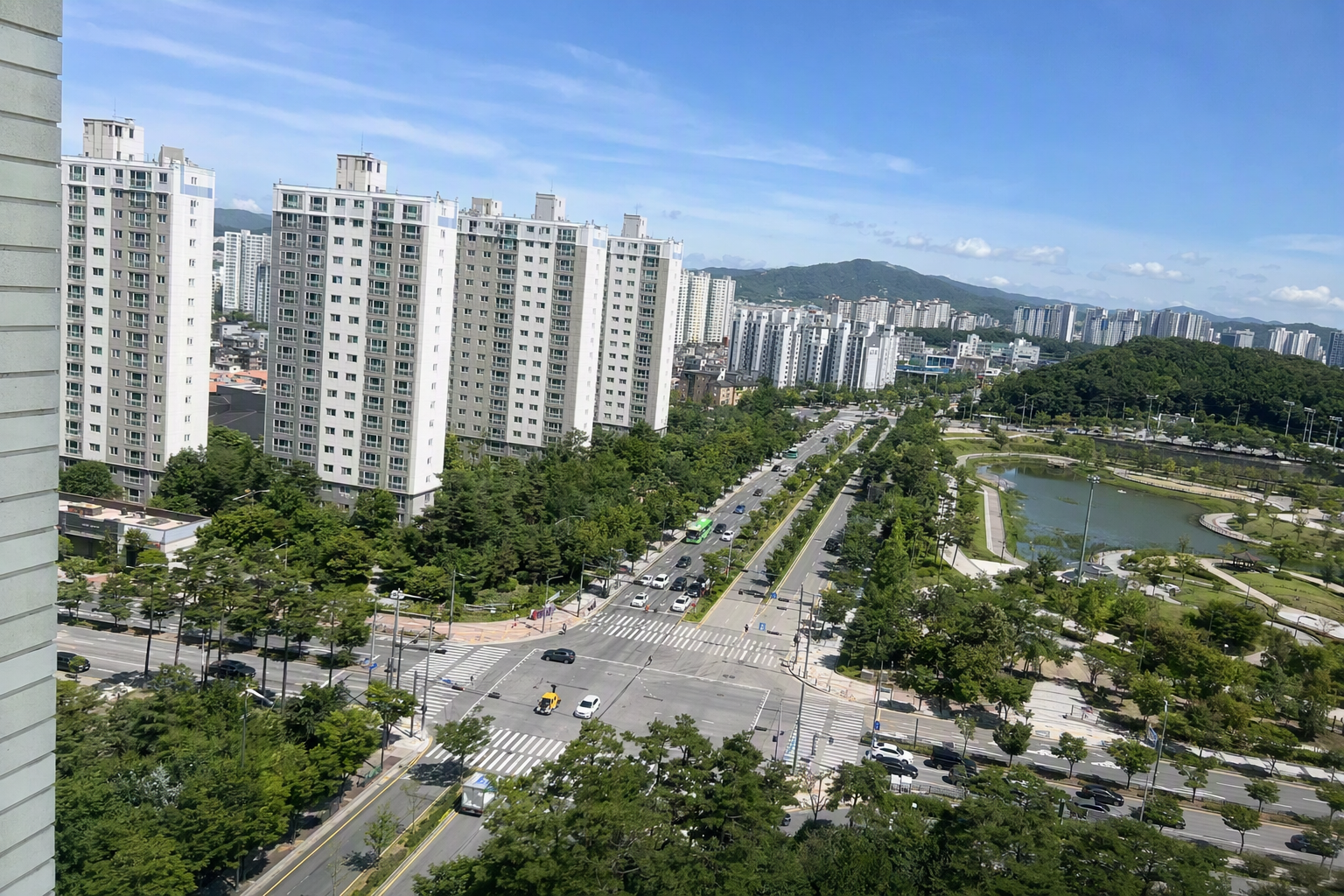
Korea’s city map: special cities, metropolitan cities, provinces, and ordinary cities
South Korea has 17 top-level local governments. These include Seoul, six metropolitan cities, Sejong, regular provinces, and special self-governing provinces or province-level units such as Gangwon, Jeonbuk, and Jeju.
The six metropolitan cities are:
- Busan
- Daegu
- Incheon
- Gwangju
- Daejeon
- Ulsan
Below the top level, Korean addresses and maps use layers such as si for city, gun for county, gu for district, and dong for neighborhood. This is why a city can contain districts, while a province can contain several very large cities.
A common traveler mix-up is assuming that every big city must be a metropolitan city. Not true. Suwon, Yongin, and Goyang are all large cities in Gyeonggi-do, and each had more than one million people in the 2020 city-proper ranking. They are not metropolitan cities like Busan or Daegu.
Another quiet wrinkle: current official registered-resident totals do not include foreign nationals in the total category. They are excellent for understanding local administrative population, but they are not the same as counting every person physically living in a place.
Seoul: Korea’s biggest city proper and easiest first anchor
Seoul is still the name that organizes most first trips to Korea. It is the largest city proper, the center of the country’s largest metro area, and one of the densest urban places in Korea. In 2024 regional indicators, Seoul’s population density was listed at 15,521 people per square kilometer, far above the national average.
That density is part of the Seoul feeling: the quick changes from office towers to apartment complexes, busy commercial streets, residential hillsides, and tightly packed neighborhoods. But the density can also trick travelers into underestimating distance. Seoul is not one small downtown. It is a large city inside an even larger metro region.
For a short Korea trip, Seoul works best as the first base when most of your plans are in Seoul itself or in nearby capital-region cities. Just be careful with addresses that say Gyeonggi-do or Incheon. They may still be reasonable for your route, but they are not Seoul neighborhoods.

Busan: still Korea’s second city, even as its population shrinks
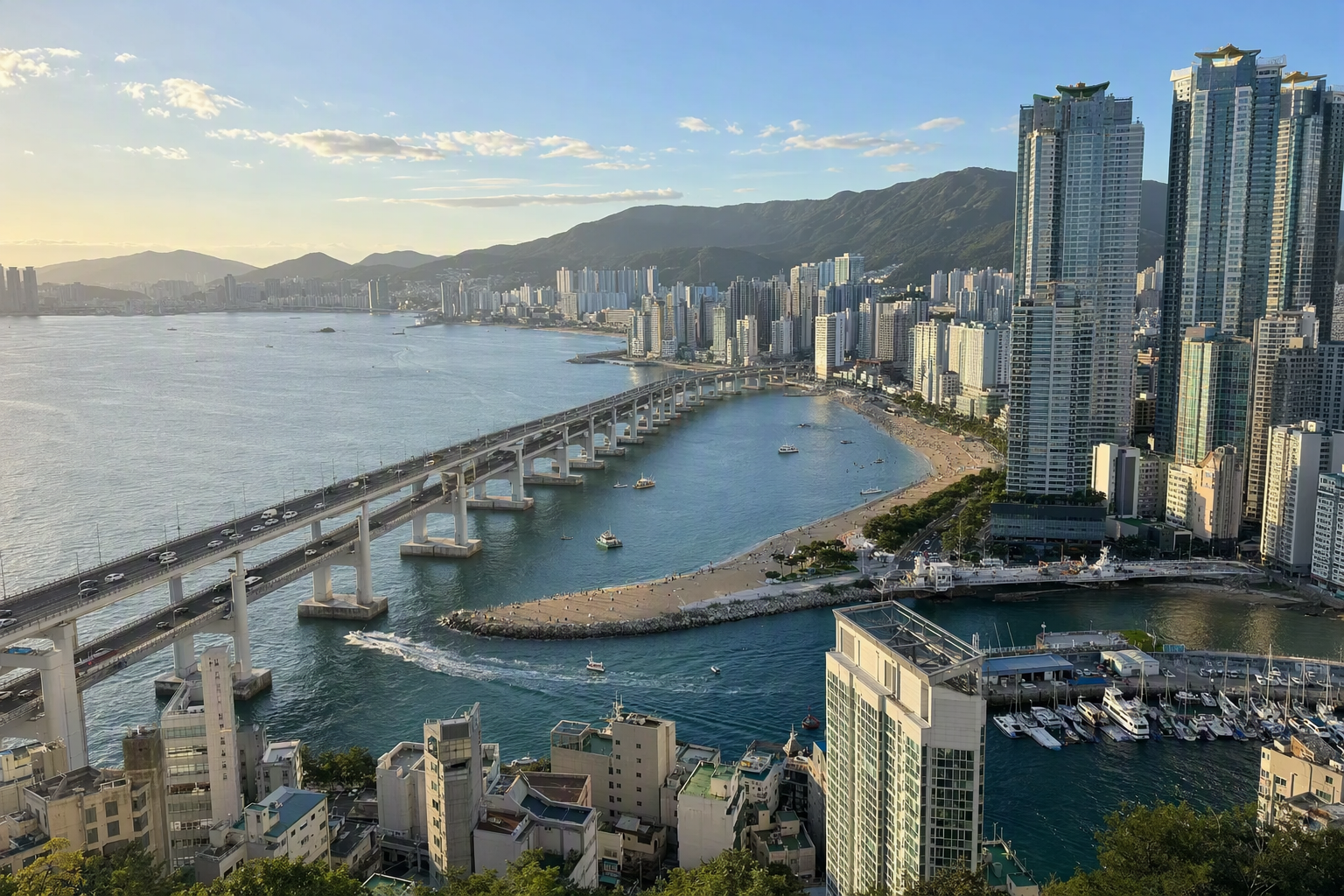
Busan is the country’s second-largest city proper. In the 2020 ranking it had 3,349,016 people, and in January 2026 its registered population was 3,239,711. It remains a major city by any standard, even though recent population data shows decline.
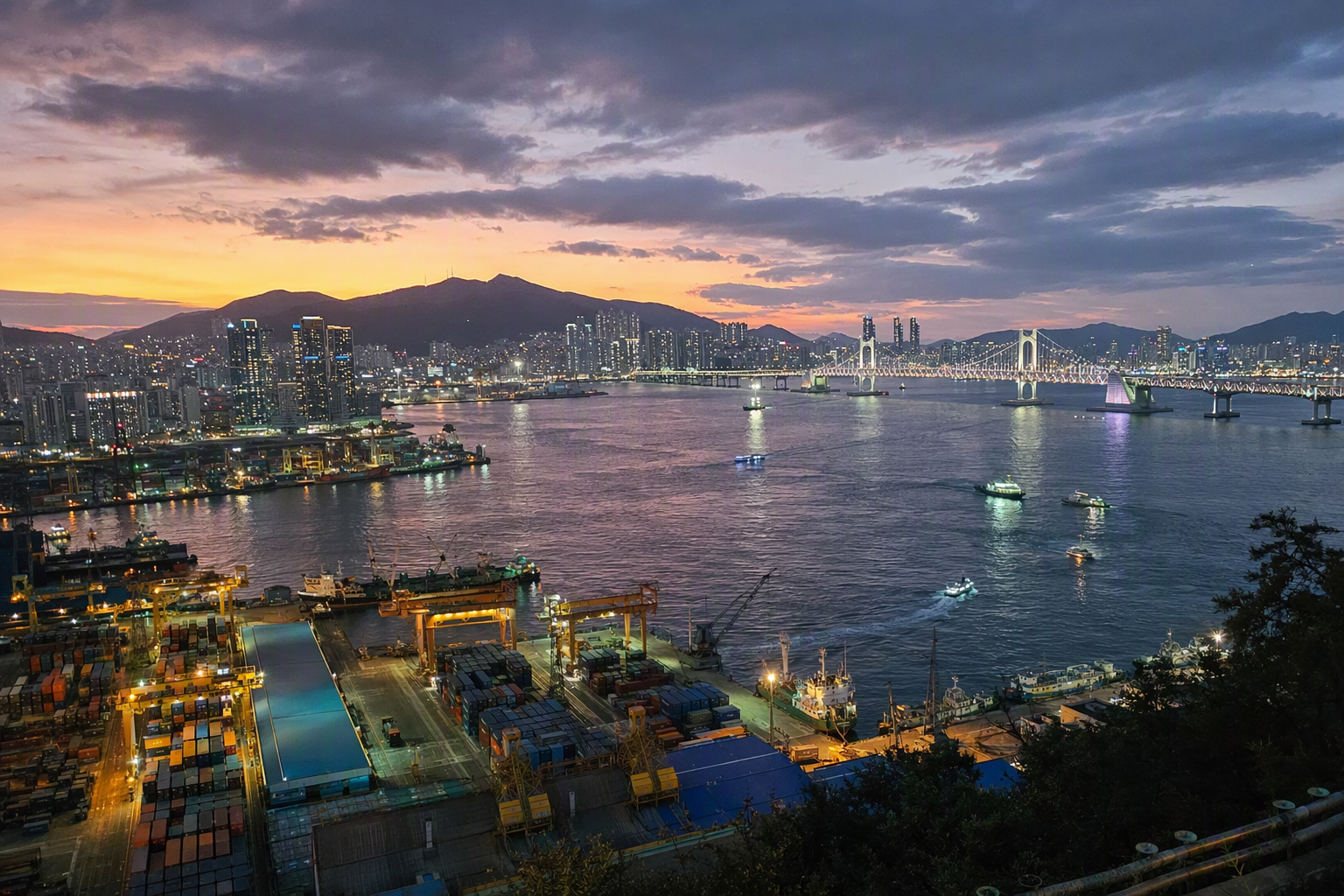
Busan is also a good reminder that a big city is never just one mood. The city includes coastal areas, old urban districts, newer residential zones, and industrial or port-related areas. A traveler staying in one part of Busan can have a very different impression from someone staying in another.
Busan makes sense when you want a second large-city experience that is not simply an extension of Seoul. It is still big, dense, and urban, but it belongs to the southeast rather than the capital region. That difference matters if your Korea route is trying to feel less Seoul-centered.
Incheon: Korea’s third city and part of the capital region
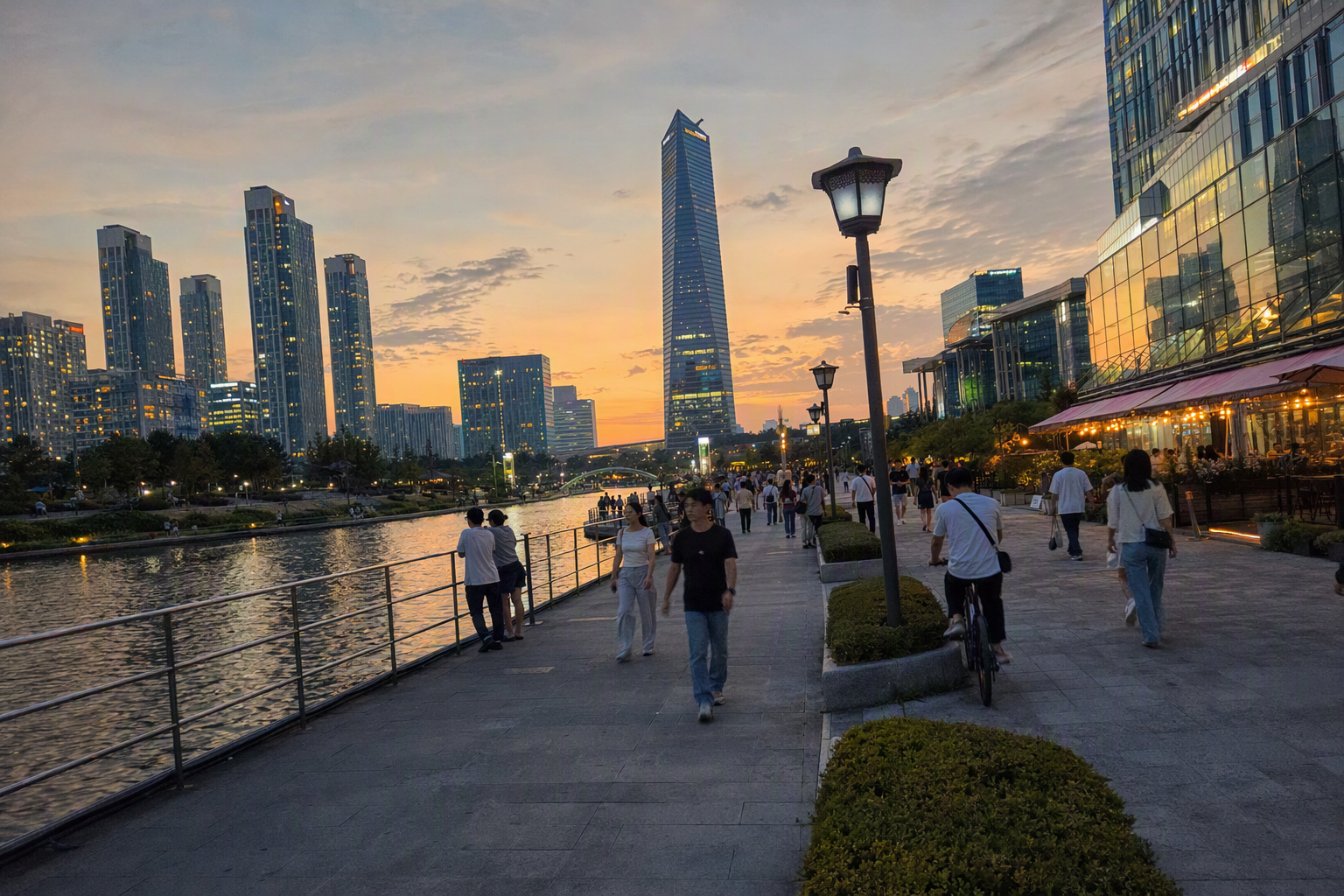
Incheon often gets folded into Seoul in casual travel talk because it is part of the Seoul Capital Area. Administratively, though, it is one of Korea’s six metropolitan cities, and by city-proper population it ranked third in 2020 with 2,945,454 people. By January 2026, its registered population had passed three million, reaching 3,053,308.
This gives Incheon a slightly unusual travel identity. It is not simply a suburb, but it is also deeply tied to the wider capital region. For travelers, that means Incheon can be a smart base only when your actual plans point that way. If your days are built around central Seoul, treat Incheon as a separate city when checking distance and transit time.
Gyeonggi-do: not a city, but bigger than Seoul by registered population
Gyeonggi-do is the key to understanding modern Korea’s urban map. It is a province, not a city, but in January 2026 it had 13,736,642 registered residents, making it the largest top-level region in the country.
For visitors, Gyeonggi-do matters because many large cities around Seoul sit inside it. The big names include Suwon, Yongin, Goyang, Seongnam, and Hwaseong. Some have grown quickly thanks to broader capital-region movement, housing, and new urban development. Hwaseong, in particular, has been one of the notable growth cases around the capital region in recent years.
The practical takeaway is simple: do not treat Gyeonggi-do as one destination. It is a whole province with many separate cities. A hotel, restaurant, clinic, or event in Gyeonggi-do may be perfectly placed for one itinerary and awkward for another.
Suwon, Yongin, and Goyang are bigger than many travelers expect
Suwon ranked 7th in the 2020 city-proper list with 1,210,150 people. Yongin ranked 9th with 1,066,975, and Goyang ranked 10th with 1,045,497.
These are not small satellite towns. They are large Korean cities with their own local governments, districts, residential areas, and travel logistics. When a place is listed as being in Suwon or Yongin, give it the same map-checking attention you would give any major city.

Daegu, Daejeon, and Gwangju: major cities beyond the capital region
After Seoul, Busan, and Incheon, the next group of large Korean cities gives travelers a useful way to step outside the capital-region bubble.
Daegu ranked 4th in the 2020 city-proper list with 2,410,700 people. It remains one of Korea’s six metropolitan cities. One small note for map readers: Gunwi County became part of Daegu on July 1, 2023, so older maps or older statistics may not line up perfectly with newer administrative boundaries.
Daejeon and Gwangju sit close together in the ranking. Daejeon had 1,488,435 people in 2020, while Gwangju had 1,477,573. In travel terms, neither is tiny or secondary in the way many international visitors might imagine. They are both major Korean cities, just less dominant on the global tourism radar than Seoul or Busan.
These cities are good additions when a trip has enough days to go beyond the two-city Seoul-and-Busan pattern. The trade-off is that they usually need a more intentional route. They are large enough to be rewarding urban stops, but they are not automatically convenient just because Korea looks small on the map.


Ulsan and Changwon: big southeast cities that do not always appear on first-trip routes
Ulsan is one of Korea’s metropolitan cities and ranked 8th in the 2020 city-proper list with 1,135,423 people. Changwon ranked 11th with 1,029,389. Both sit in the southeast urban network that also includes Busan and Gyeongnam.
Population trends in the southeast have been under pressure. Recent official regional figures show population decline in Busan, Ulsan, and Gyeongnam, along with net outflow in several periods. For travelers, this does not mean the cities feel empty or unimportant. It simply explains why newer population rankings can shift around the million-person line, especially for Changwon.
These cities are best treated as purposeful additions rather than automatic stops on a short first trip. They make more sense when your route, interests, or local plans point toward the southeast.
Sejong, Jeju, Gangwon, and Jeonbuk: names that can confuse city lists
Not every important Korean place fits neatly into a largest-city list.
Sejong is a special self-governing city and a top-level local government, but it is much smaller than Seoul, Busan, or Incheon. In the 2020 top-level regional count, Sejong had 346,275 people, making it the smallest top-level unit at that time.
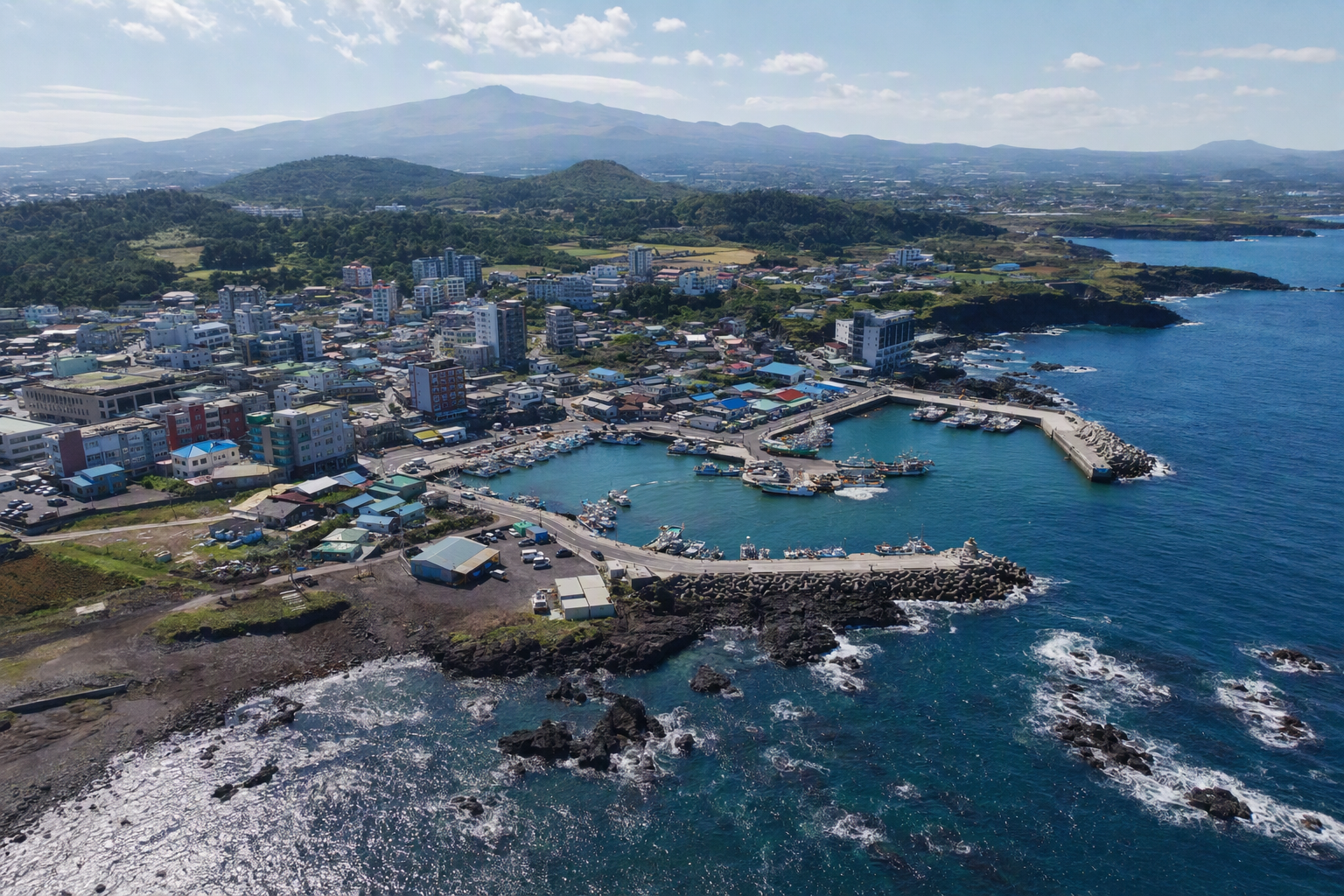
Jeju is another place where administrative categories matter. Travelers often think of Jeju as one island destination, which is usually the most natural way to plan it. Administratively, Jeju has its own special self-governing province structure, and its city labels do not always compare cleanly with mainland self-governing cities.
Gangwon and Jeonbuk have also had recent status changes. Gangwon became a special self-governing province-level unit in 2023, and Jeonbuk’s special self-governing status took effect in 2024. In English, readers may see names such as Gangwon State or Jeonbuk State depending on the source. For casual travel, the main point is to recognize the place name and verify addresses on current maps.
The biggest top-level regions by current registered population
When people compare broad regions rather than individual cities, the ranking changes. As of January 2026 registered-resident statistics, the top five top-level regions were:
| Rank | Top-level region | Registered population, January 2026 | What it means |
|---|---|---|---|
| 1 | Gyeonggi-do | 13,736,642 | A province surrounding Seoul, not one city |
| 2 | Seoul | 9,299,701 | Korea’s largest city proper and capital-region core |
| 3 | Busan | 3,239,711 | Largest city outside the capital region by city proper |
| 4 | Gyeongnam | 3,205,787 | A province in the southeast, not one city |
| 5 | Incheon | 3,053,308 | Metropolitan city within the Seoul Capital Area |
This table is useful when comparing regional scale, but it is not a list of cities. Gyeonggi-do and Gyeongnam are provinces, so they include multiple cities and counties.
Why city rankings keep shifting
Korea’s population geography is moving in a clear direction: the capital region remains extremely dominant, while several older non-capital regions face population decline or youth outflow. The Seoul Capital Area held 50.8% of the national population in 2024, according to official regional indicators.
At the city level, this produces small but noticeable ranking changes. Incheon has crossed the three-million mark in registered-resident data. Hwaseong in Gyeonggi-do has grown rapidly in recent years. Changwon has hovered around the one-million line in recent snapshots. Busan remains the second-largest city proper, but its registered population has continued to decline.
For most travelers, the exact rank is less important than the direction. Newer capital-region cities may be larger and busier than expected. Some famous older cities may be slightly smaller than old guide pages suggest. When precision matters, especially for current population or administrative status, use the latest official MOIS or KOSIS figures.
How to choose which Korean cities to include
A good Korea route is not built by chasing the largest population numbers. It is built around how much time you have, how much moving you enjoy, and whether you want one deep urban base or several different city textures.
For a first Korea trip with limited time
Seoul plus the nearby capital region is the easiest structure. It gives you the biggest city proper and access to the wider Seoul Capital Area without forcing too many hotel changes. Add Gyeonggi-do or Incheon plans only when the location genuinely fits your route.
For a classic two-city contrast
Seoul and Busan remain the cleanest big-city pairing. Seoul gives you the capital-region intensity; Busan gives you Korea’s second city and a southeast coastal setting. This pairing also avoids the common mistake of adding too many cities just because they look close on a small map.
For travelers who want another large city beyond Seoul and Busan
Daegu, Daejeon, and Gwangju are all serious cities, not filler stops. They work best when the rest of your route naturally supports them. They also suit travelers who want to see Korean urban life without staying only inside the Seoul-Busan axis.
For Seoul-area plans that are not actually in Seoul
Take Suwon, Yongin, Goyang, Seongnam, Hwaseong, and Incheon seriously as separate locations. They may be part of the broader capital region, but they can still add real travel time and planning friction. For reservations, appointments, shopping plans, and late-night returns, the exact district matters.
For deeper southeast routes
Ulsan and Changwon belong more naturally to a southeast-focused trip than to a rushed first itinerary. They are large cities, but size alone does not make them automatic additions. Let your route decide.
Common mistakes when reading Korean city names
Korea’s administrative geography is logical once you get used to it, but it is easy to misread at first glance.
- Mistaking Gyeonggi-do for a city: It is Korea’s most populous province, not one urban destination.
- Assuming Seoul’s city population equals its real urban scale: The wider Seoul Capital Area is about 26 million people.
- Thinking all million-person cities are metropolitan cities: Suwon, Yongin, and Goyang are huge, but they are under Gyeonggi-do.
- Comparing different population types: Census population, registered residents, foreign-resident counts, and metro-area estimates answer different questions.
- Using old administrative information: Gunwi County moved from Gyeongbuk to Daegu in 2023, and Gangwon and Jeonbuk have had recent status changes.
- Booking by city name alone: A Seoul-area label can still mean a long cross-region move. Always check the specific district and map position.
A clean way to read Korea’s cities
For travel planning, the most useful mental map is this:
Seoul is the biggest city proper.
The Seoul Capital Area is the biggest urban region.
Busan is the second city proper.
Gyeonggi-do is the biggest top-level region by registered population, but it is a province.
Several of Korea’s largest cities, including Suwon, Yongin, and Goyang, sit inside Gyeonggi-do rather than standing as metropolitan cities.
Once that clicks, Korea’s map becomes much easier to work with. Seoul stops swallowing everything around it, Busan keeps its rightful place as the second city, and the large Gyeonggi-do cities start to look less like footnotes and more like the major urban places they actually are.