Gwangjang Market Food Guide: What to Eat at Seoul’s Iconic Market
A practical Creatrip edit for bindaetteok, mayak gimbap, kalguksu, yukhoe, market snacks, and a smarter food crawl.

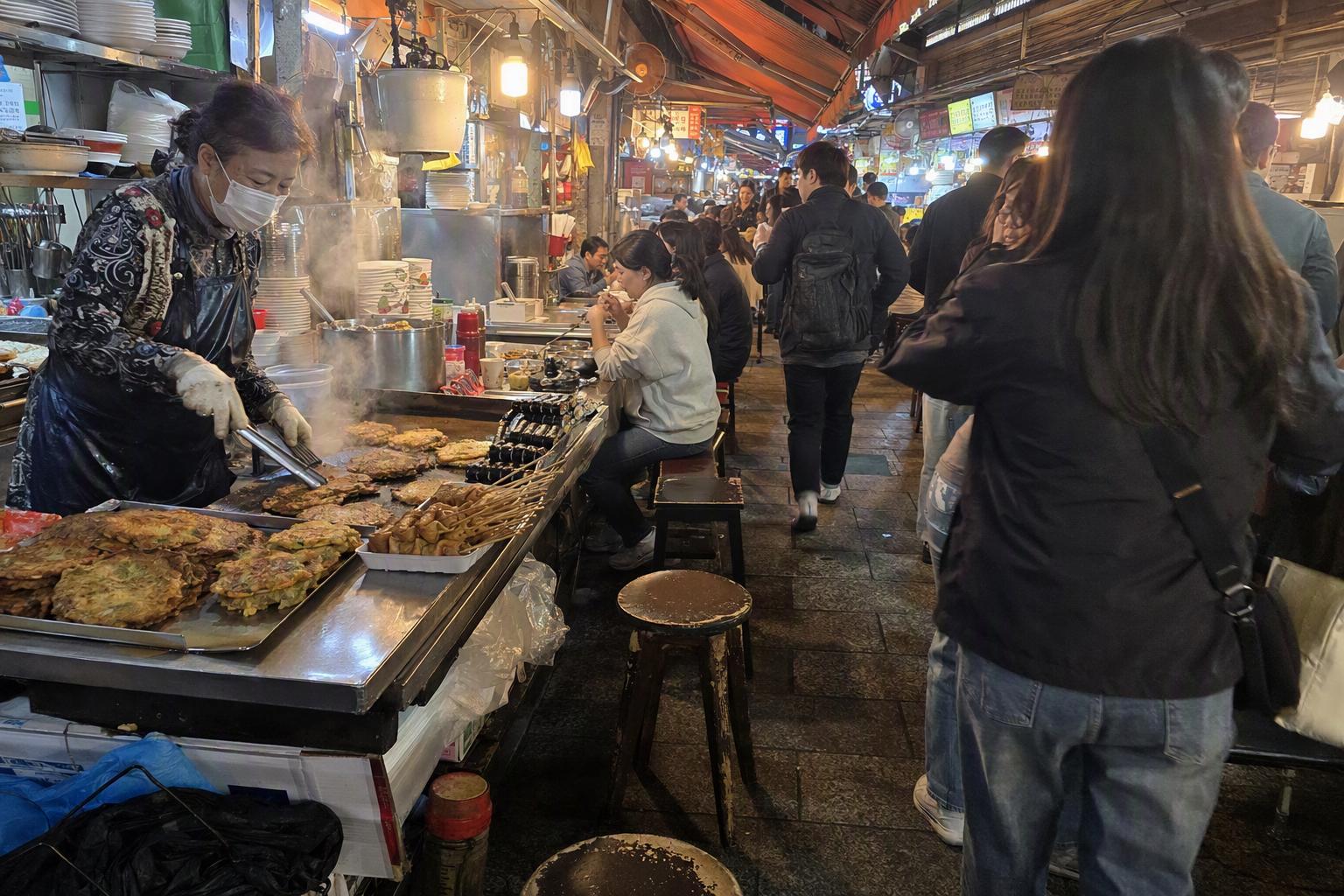
Gwangjang Market is one of those Seoul food stops that works best when you arrive with a loose plan and a real appetite. It’s loud, crowded, steamy, a little chaotic in the best way, and packed with the kind of food that makes more sense when you can see it being fried, sliced, rolled, ladled, and served right in front of you.
This is not a polished food hall with calm lighting and slow service. Gwangjang Market is closer to a living food engine: fast turnover, shared counters, stacks of jeon, bowls of noodles, glossy rice rolls, mung bean pancakes crackling on griddles, and vendors who have served the same dish so many times that the motion looks almost automatic.
For international travelers, the charm is not that every single bite is the best version in Seoul. The real appeal is the concentration. In one compact market route, you can taste several core Korean street and market foods, compare textures, watch the cooking, and still have energy left for Jongno, Euljiro, Cheonggyecheon, or Insadong afterward.

Why Gwangjang Market Works So Well For Food Travelers
Gwangjang Market is famous for food, but it helps to think of it less as a single restaurant destination and more as a compact tasting route. The market is ideal for nibbling across several dishes rather than committing to one long meal. A few bites of crispy bindaetteok, a plate of tiny gimbap, a hot bowl of kalguksu, maybe yukhoe if raw beef is your thing, then something sweet on the way out — that rhythm suits the place beautifully.
The market also shows how Korean casual food culture works at street level. Many dishes are built around texture and temperature as much as flavor: crispy edges, chewy rice cakes, slippery noodles, cold raw beef, crunchy pear, warm broth, sharp onion dipping sauce, and the gentle fizz of makgeolli cutting through fried food.
It’s also refreshingly visual. Even when language feels like a barrier, much of the ordering happens with your eyes. Food is stacked, griddled, displayed, or assembled within arm’s reach. Pointing, smiling, and ordering one portion to share will get most travelers surprisingly far.
The Market Rhythm: Fast, Shared, And Better In Small Bites
A good Gwangjang Market visit starts with restraint. It’s very easy to sit at the first busy stall, order too much fried food, and feel full before seeing half the market. We like taking one slow lap through the main food area first. Look at what’s being cooked right now, where turnover is high, and what local customers are actually ordering.
The best time for a food-focused visit is usually late morning through early evening, though individual stalls can vary. Too early, and some cooked-food vendors may not be fully going yet. At lunch or dinner peak, the market gets crowded, but that crowd can also mean fresher turnover for pancakes, noodles, and raw-food specialty spots. For a gentler first visit, late morning or mid-afternoon tends to feel more manageable.
A focused snack crawl can take 60 to 90 minutes. If you want to sit down for a few dishes, compare stalls, take photos, and wander the surrounding area, give it two to three hours. For variable details like stall hours, holiday schedules, and payment policies, check the latest information before going, especially if you’re planning around a specific dish.
A Few Ordering Notes That Make The Visit Easier
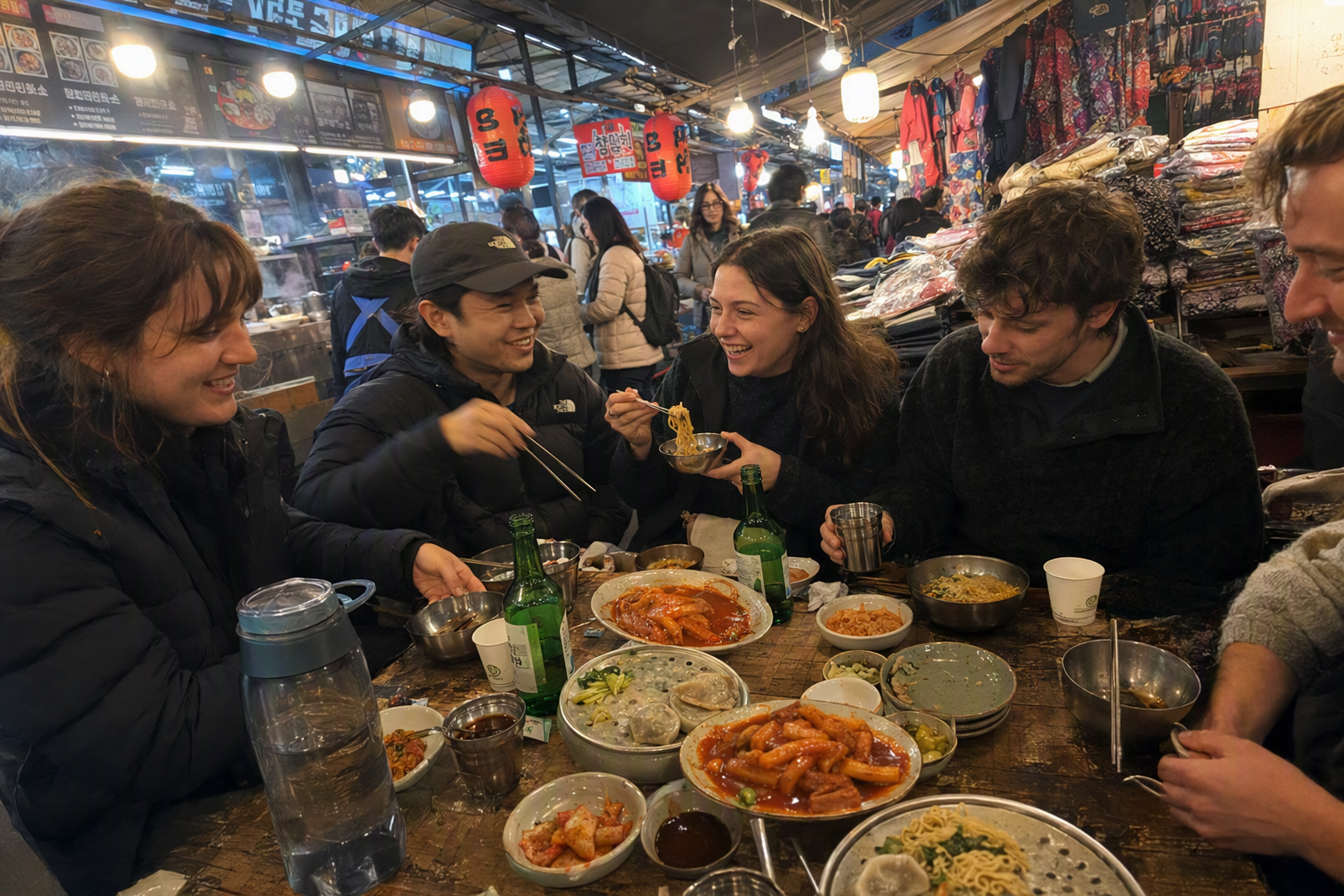
Most stalls move quickly. Seating is functional, not leisurely, and strangers may sit shoulder-to-shoulder. Bags don’t need their own chair, and lingering after finishing is not really the market style. Eat, enjoy, pay, and let the next hungry person slide in.
Cards and mobile payments are common around Seoul, but traditional market stalls can vary, especially for small orders. A little cash in smaller bills is still useful. Basic Korean phrases help, but the market is visual enough that pointing often works:
- Igeo juseyo — this, please
- Hana juseyo — one, please
- Gyesan juseyo — bill, please
- Maeun geoyeyo? — is it spicy?
- Gogi isseoyo? — does it have meat?
The Gwangjang Market Foods We’d Prioritize
There are plenty of things to eat here, but not every snack deserves equal stomach space. For a first visit, the strongest lineup is bindaetteok, mayak gimbap, kalguksu or mandu, and either yukhoe or a sweet finish, depending on your comfort with raw food.
Bindaetteok: The One Dish To Start With
If Gwangjang Market has a signature flavor, it’s probably bindaetteok, the savory mung bean pancake fried until the outside turns deeply crisp while the inside stays dense, rough, and slightly creamy. It’s not a delicate pancake. It’s hearty, oily in a satisfying way, and made to be dipped.
The usual partner is a soy-vinegar sauce with onion, which matters more than it looks. The acidity and raw onion sharpness cut through the fried mung bean and make the next bite feel fresh again. Add makgeolli if you drink; its light tang and gentle fizz are almost custom-built for this kind of food.

A good bindaetteok has a few easy signs: crisp edges, a clean oil aroma, a moist but not gluey center, and enough filling to keep each bite interesting. Freshly fried beats anything that has been sitting too long. A busy stall is helpful, but not a guarantee — still watch the griddle and follow the pancakes that are being cooked right now.
Creatrip pick: One bindaetteok shared between two people is a smart start. It leaves room for noodles, gimbap, or something sweet later.
Mayak Gimbap: Tiny Rolls With A Big Market Reputation
Mayak gimbap is another Gwangjang Market classic. The nickname is often translated as addictive gimbap, but there are no drugs involved — it’s a playful way to describe how easy these small seaweed rice rolls are to keep eating.
Compared with regular gimbap, mayak gimbap is smaller and simpler. The filling is usually modest: rice, pickled radish, carrot, and sometimes greens or other vegetables. The real lift comes from sesame oil, seaweed, seasoned rice, crunchy pickles, and the mustard-soy dipping sauce.

Mayak gimbap is not the most dramatic dish in the market, but it’s one of the most useful. It sits nicely between richer foods like bindaetteok and yukhoe, and it’s approachable for travelers who want something less spicy or less intense. Good rolls should be compact without being smashed, with rice that tastes seasoned on its own and seaweed that doesn’t feel soggy.
Kalguksu: Warm Noodles When You Need A Reset
After fried pancakes and bold sauces, a bowl of kalguksu can feel like the market taking a breath. These hand-cut wheat noodles are usually served in a warm broth, sometimes with dumplings or sujebi-style dough pieces depending on the stall.
The pleasure is simple: chewy irregular noodles, hot broth, fresh garnish, and kimchi on the side to brighten the bowl. This is especially satisfying in cold weather or when you want something less oily.

Look for noodles with a little unevenness and bounce rather than a soft, overcooked texture. The broth doesn’t need to be fancy, but it should have body, not just saltiness. Kimchi matters here too — bright, crisp kimchi can wake up a simple bowl.
Mandu: Best As A Companion Dish
Mandu, or Korean dumplings, appear around the market in steamed, boiled, or soup-friendly forms. Fillings may include pork, tofu, glass noodles, chives, kimchi, vegetables, or a mix depending on the stall.
At Gwangjang Market, mandu often works best as a supporting dish rather than the main event. Add it to a noodle meal, share a plate with friends, or use it as a gentler option between fried foods. Good mandu should have soft but intact wrappers and a filling that tastes moist and seasoned, not dry or crumbly.
Yukhoe: Korean Raw Beef For Adventurous Eaters
Gwangjang Market is also strongly associated with yukhoe, Korean seasoned raw beef. It’s usually served cold, cut into thin strips, dressed with sesame oil, garlic, soy sauce or salt-based seasoning, sometimes a touch of sweetness, and often topped with egg yolk. Crisp pear on the side brings the contrast: cold beef, rich yolk, nutty sesame oil, and juicy crunch.

Yukhoe can be one of the most memorable bites in the market, but it’s also a dish where judgment matters. Raw beef is not the place to be casual. Choose a stall or eatery that clearly specializes in yukhoe, looks clean, keeps ingredients cold, and has steady turnover. The beef should smell clean, look fresh, and arrive cold — not room temperature, dry at the edges, or heavily masked by sauce.
Travelers who are pregnant, immunocompromised, or avoiding raw meat for medical reasons are better off skipping it. There’s plenty else to eat at Gwangjang Market without taking on that risk.
San-nakji: More Texture Than Flavor
Some stalls or nearby eateries may serve san-nakji, chopped small octopus that can still move after being cut. It’s usually dressed simply with sesame oil and salt, so the main event is texture: slippery, elastic, chewy, and slightly resistant because of the suction cups.
This is not a dish to eat in a hurry or after too much alcohol. Chew thoroughly. The suction cups can cling inside the mouth or throat, and the experience is much safer when treated slowly and attentively. For many travelers, it’s more of a food-culture experience than a flavor highlight.
Tteokbokki: Familiar, Spicy, And Easy To Share
Tteokbokki is one of Korea’s best-known street foods: chewy rice cakes simmered in a red chili sauce that is usually sweet, spicy, sticky, and thick enough to coat each piece. Depending on the stall, it may come with fish cake, boiled egg, cabbage, or scallions.

At Gwangjang Market, tteokbokki is enjoyable, but not always the most distinctive thing to prioritize. You can find it all over Seoul. Order it when you want heat, chew, and a good match for mayak gimbap. The rice cakes should be soft and bouncy, never hard in the center or mushy from sitting too long.
Assorted Jeon: Great When It’s Freshly Fried
Jeon covers a wide family of pan-fried foods: vegetables, tofu, kimchi, seafood, meat, or other ingredients lightly battered and cooked on a griddle. At the market, jeon stalls are often very visual, with plates or stacks that let you choose by sight.
Freshness is everything. Jeon that just came off the pan can be wonderful with makgeolli. Jeon that has sat too long can turn heavy, limp, and oily. Look for pieces being actively cooked or recently flipped, with edges that still look crisp.

Hotteok And Sweet Market Snacks
After salty, spicy, and fried foods, hotteok is a satisfying finish, especially in winter. This sweet pancake is usually filled with brown sugar, cinnamon, and nuts or seeds, then fried until the outside is crisp-chewy and the inside melts into a hot syrup.

Other sweet snacks may include rice cakes, twisted doughnuts, red bean treats, or seasonal market sweets. They may not define Gwangjang Market in the same way bindaetteok does, but they’re useful for ending the crawl on a softer note.
Quick Priority List For First-Timers
| Priority | Dish | Best For | What To Watch |
|---|---|---|---|
| Highest | Bindaetteok | The classic Gwangjang bite | Freshly fried, crisp edges, clean oil aroma |
| Highest | Mayak gimbap | Easy sharing and pacing | Seasoned rice, fresh seaweed, sharp mustard sauce |
| High | Kalguksu or mandu | Warm comfort and balance | Noodle texture, broth body, bright kimchi |
| High for adventurous eaters | Yukhoe | A memorable raw-beef experience | Cold beef, clean handling, specialty stall |
| Medium | Tteokbokki | Sweet-spicy chew | Rice cakes that are soft but not mushy |
| Medium | Assorted jeon | Makgeolli pairing | Recently cooked, not limp or greasy |
| Seasonal treat | Hotteok | Sweet ending, especially in cold weather | Crisp-chewy outside, hot melted filling |
Four Easy Ways To Build A Gwangjang Market Meal
The Classic First Visit
This is the route we’d recommend for most travelers: bindaetteok, mayak gimbap, kalguksu or mandu, then hotteok or another sweet snack. It gives you crunch, rice, broth, and dessert without relying on raw food or anything too challenging.
The portions are filling, so sharing helps. Two people can comfortably split one bindaetteok, one serving of mayak gimbap, one bowl of noodles or one dumpling order, and one sweet snack. Add yukhoe only if both people are genuinely excited for it.
The Cold-Weather Route
On a chilly Seoul day, the market feels extra good. Start with a hot bowl of kalguksu or dumpling soup, move to bindaetteok straight from the griddle, add tteokbokki if you want chili heat, and finish with hotteok. It’s warming, filling, and very market-appropriate.
The Adventurous Route
For travelers interested in texture and raw dishes, begin with yukhoe while your palate is still fresh. Add san-nakji only if you’re comfortable with the safety and texture. After that, move toward bindaetteok or jeon for heat and crunch. This route has more personality, but it also asks for more food-safety judgment.
The Makgeolli Route
Fried market food and makgeolli belong together. Bindaetteok with makgeolli is the natural starting point, followed by assorted jeon if it’s being cooked fresh. If raw beef is on the table, yukhoe pairs more naturally with soju, but mixing drinking plans in a busy market can get heavy quickly. Keep portions modest if you want to continue to Euljiro or Jongno afterward.

How To Choose A Stall Without Overthinking It
Gwangjang Market has plenty of repetition. Several stalls may sell similar pancakes, noodles, gimbap, or jeon. That can be confusing, but it also gives you a chance to compare before ordering.
A reliable stall usually has a few visible strengths:
- Food being cooked or assembled in front of customers
- Steady turnover rather than food sitting untouched
- A clean work surface, especially around raw ingredients
- Fresh-looking vegetables, rice, noodles, or meat
- Fried foods that smell clean, not stale
- Raw and cooked foods handled separately
- Customers eating and leaving at a steady pace
Crowds are not automatically a sign of quality, but in a market, turnover matters. For fried foods, it means the next pancake or jeon is more likely to be hot. For raw foods, it means ingredients are moving quickly. Still, don’t follow a line blindly. Watch what’s happening behind the counter.
Be more cautious with food that has been sitting at room temperature for too long, seafood with a strong unpleasant smell, raw dishes that don’t look properly chilled, or stalls where the sales pitch feels louder than the cooking.
Food Safety And Dietary Notes Worth Keeping In Mind
Most travelers eat at Gwangjang Market without issue, but it’s still a dense market environment. The higher-risk categories are raw beef, raw seafood, and cooked foods that appear to have been sitting too long.
For yukhoe, favor specialty spots with high turnover and visibly cold, fresh-looking beef. For san-nakji, chew thoroughly and avoid pairing it with heavy drinking. For fried foods, freshness is less about danger and more about quality — old oil and limp batter can ruin what should be the market’s best bite.
Travelers with allergies or dietary restrictions need extra caution. Korean market foods can contain hidden ingredients even when they look simple. Common ones include anchovy broth, seafood stock, fish cake, shellfish, sesame oil, sesame seeds, wheat in noodles or batter, soy sauce, pork in dumplings or pancakes, and egg in batters or toppings.
Vegetarian and vegan travelers may find options that appear vegetable-based, but broths, sauces, and fillings often include fish, meat, egg, or seafood seasoning. When in doubt, ask, but also know that cross-contact is common in traditional market cooking.
Common Mistakes That Make The Market Less Fun
The easiest mistake is arriving already full. Gwangjang Market is built for variety, and the experience is much better when you have room for at least three different foods.
Another common one is over-ordering fried dishes right away. Bindaetteok and jeon are delicious but heavy. If the first 20 minutes become a parade of batter and oil, the noodles, gimbap, and sweeter snacks lose their chance.
The third mistake is expecting restaurant-style pacing. Seats are shared, service is brisk, and the meal is transactional in a very normal market way. That doesn’t make it unfriendly; it just means the rhythm is different.
And finally, don’t ignore texture. Korean market food often makes sense through contrast: crisp pancake with sharp onion sauce, chewy rice cake with sticky chili sauce, cold beef with crunchy pear, soft dumpling skin with hot broth, warm hotteok with molten sugar. Taste matters, of course, but texture is doing a lot of the work here.
What To Pair With Gwangjang Market Nearby
Gwangjang Market sits in a convenient part of central Seoul, which makes it easy to fold into a half-day route rather than treating it as a standalone stop.
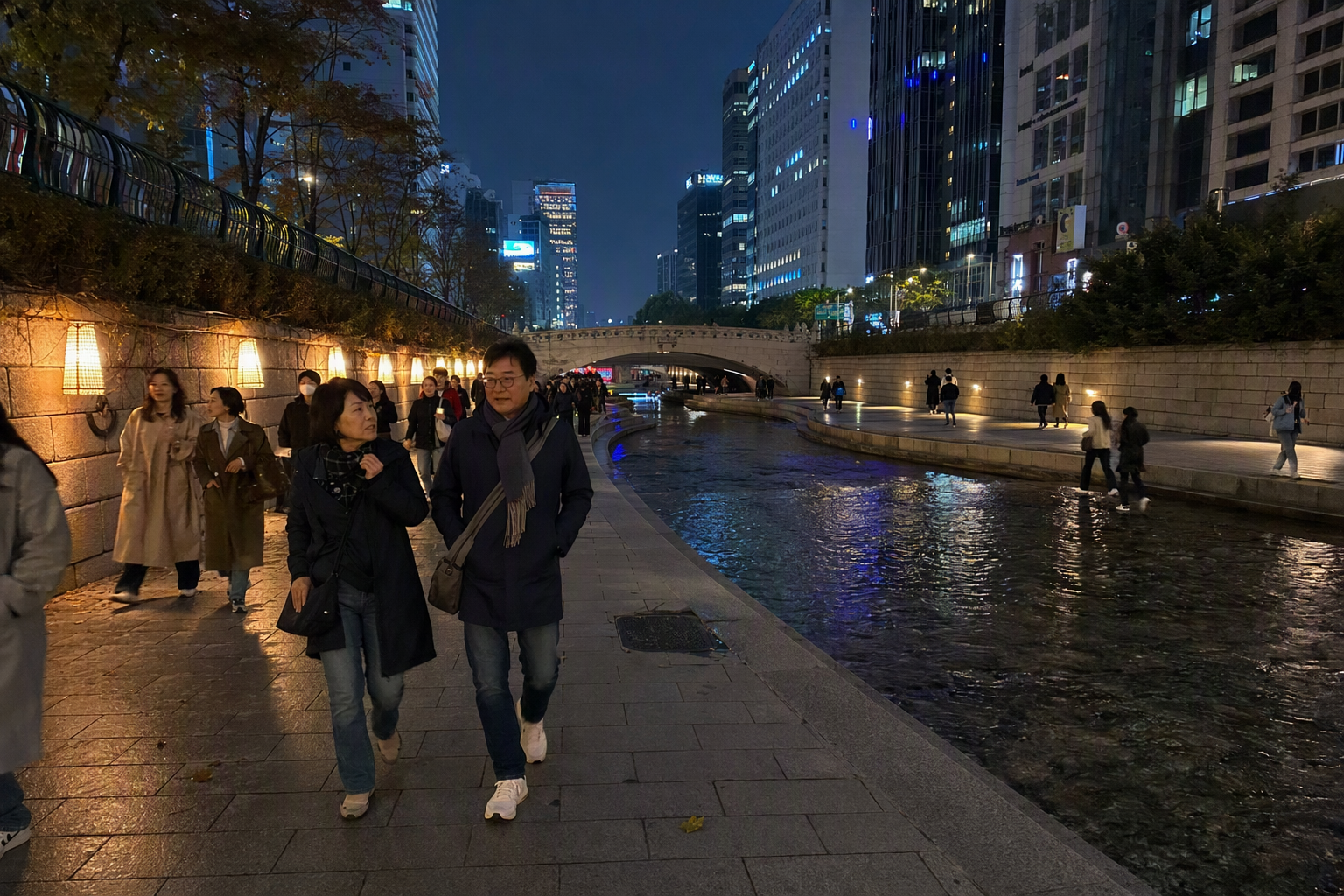
Cheonggyecheon works nicely before or after the market, especially if you want a short walk to reset after eating. Jongno is good for old Seoul streets, casual restaurants, and evening drinks. Euljiro brings a more industrial, retro mood with bars, coffee, and second-round snacks. Insadong and Ikseondong are better for tea, crafts, hanok-style alleys, and cafes. Dongdaemun makes sense if you want shopping and a later city-energy finish.
A relaxed half-day could look like this: a late-morning walk along Cheonggyecheon, a lunch crawl at Gwangjang Market, coffee or tea in Ikseondong or Insadong, then evening drinks in Euljiro or Jongno. It keeps the food market as the lively center without making the whole day feel like one long meal.
Our Final Creatrip Take
Gwangjang Market is not the quietest, cleanest, or most refined place to eat in Seoul. That’s not really the point. Its strength is compression. In one busy route, you can see Korean market food being fried, dipped, rolled, sliced, boiled, shared, and paired with alcohol in real time.
For a first visit, prioritize bindaetteok, mayak gimbap, and either kalguksu or mandu. Add yukhoe if raw beef is something you’re comfortable with, and finish with hotteok if the sweet stall looks good. Walk once before choosing, follow freshness over fame, share portions, and leave a little appetite for the neighborhood after.
Gwangjang Market isn’t all of Seoul food in one place, but it is one of the city’s clearest, most flavorful introductions to how market eating works: quick, communal, textured, and full of small decisions that make the meal your own.