Busan, Done Right: Beaches, Sky Capsules, Markets, and Smart Day Trips
A warm, practical guide to making Busan fun—how to move, what to book, where to eat, and when to skip the crowds.

Why Busan works for a short trip
Busan is that city where you can wander from a morning beach walk to cliffside temples, hop a pastel capsule along the ocean, then end up slurping noodles in a night market. It’s easy, it’s varied, and the logistics make sense once you know a few practical moves.

Getting there and around
- Fast vs frugal from Seoul:
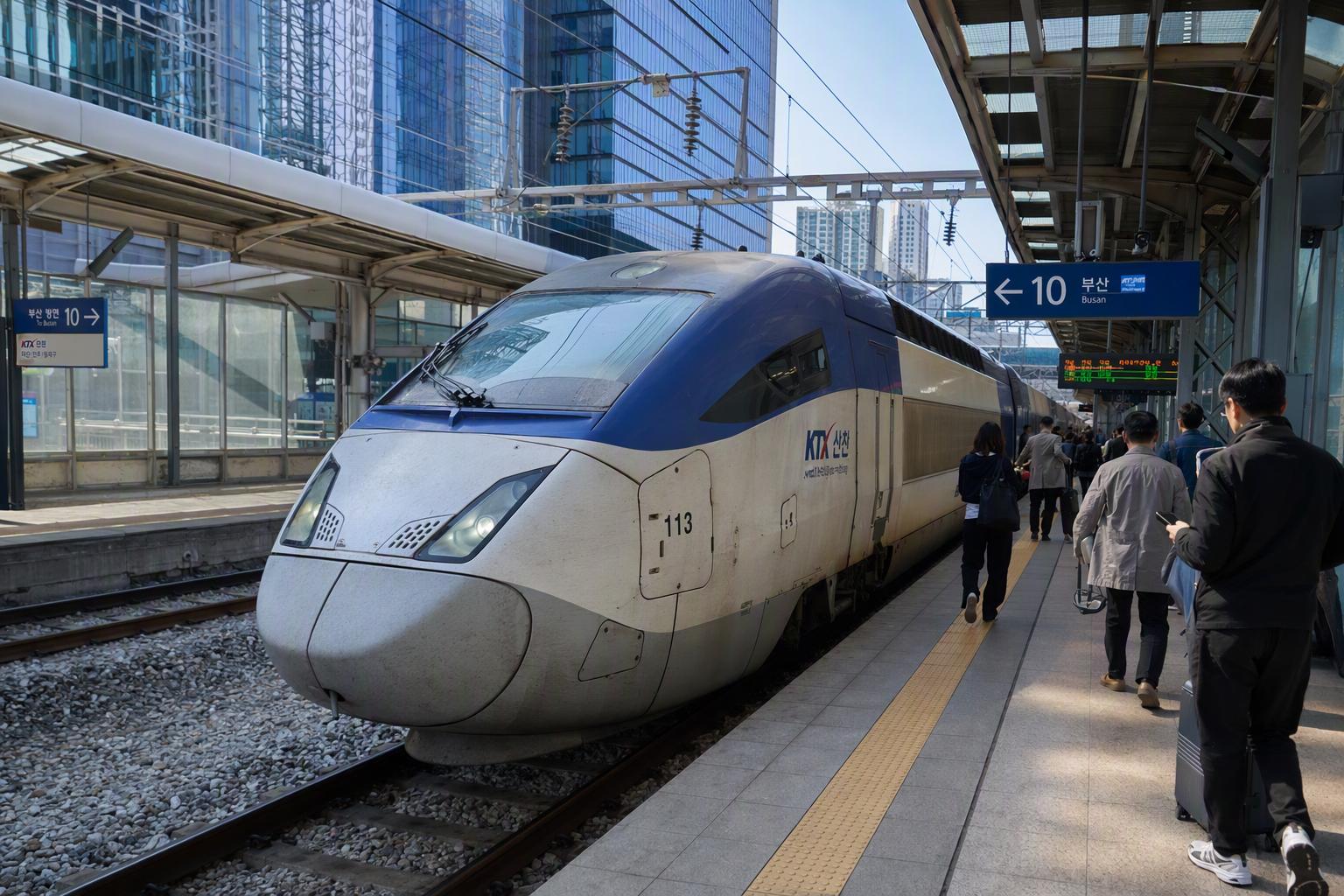
- KTX gets you to Busan in around 2.5 hours. A typical one-way fare is about ₩59,800. It’s the painless choice when your time matters.
- Intercity buses take roughly 4–5 hours and cost around ₩25,000–₩40,000. Good for budgets or late-night travel.
- Inside Busan:
- Metro is simple and cheap. With a T-money card, the base fare is around ₩1,450.
- Taxis can be efficient for short hops but expect serious traffic around the Centum City/Hwangnyeong Tunnel corridor between about 17:30–19:30.
- Scenic option:
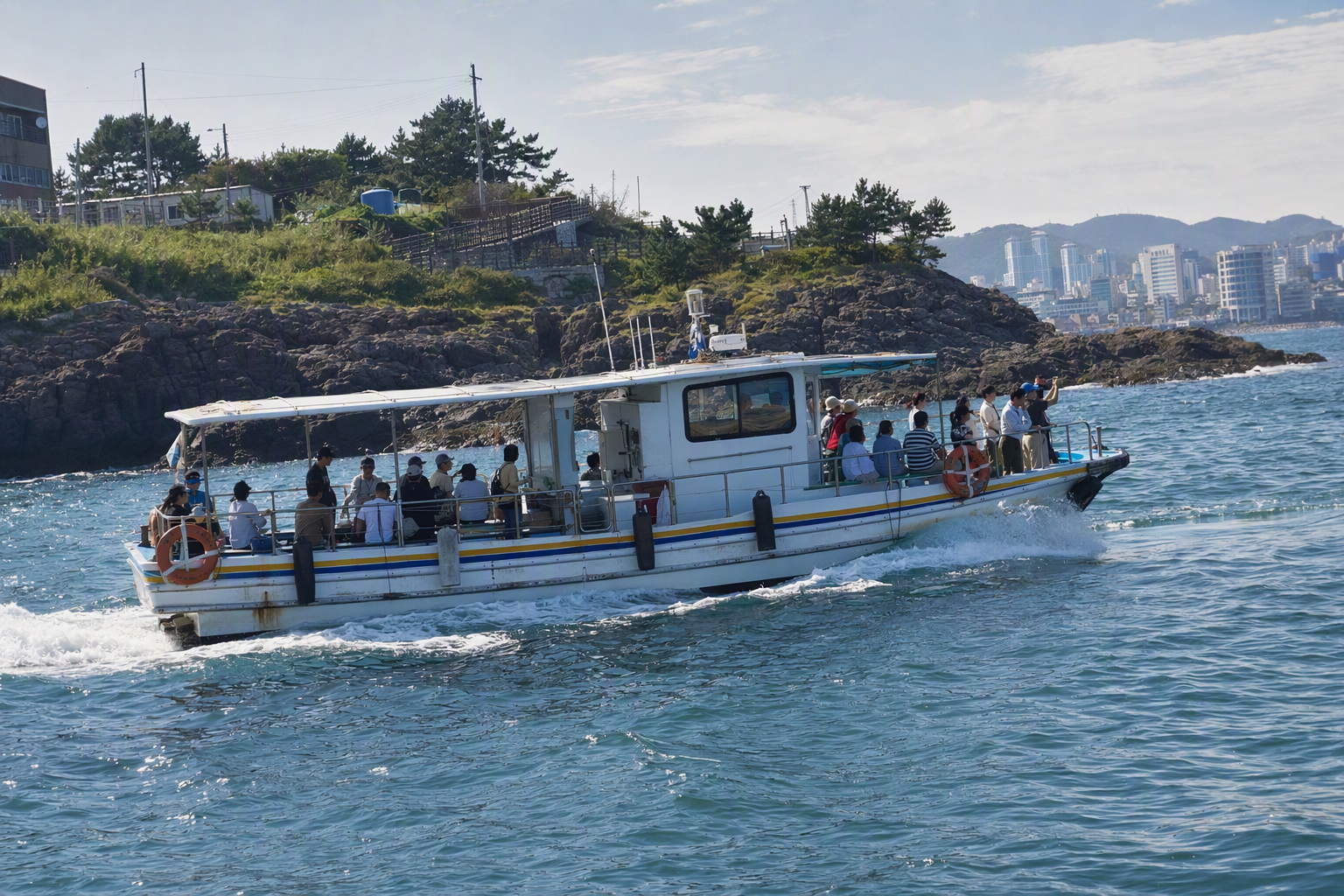
- The Sea Bus is a coastal ferry linking Haeundae, Gwangalli, Oryukdo, Songdo, and Jagalchi. Typical intervals are 60–90 minutes, and the full Haeundae→Jagalchi ride takes about 90–100 minutes. Fares are distance-based (often around ₩5,000 for one stop and ~₩12,000 for the full route), tickets are bought on site, and operations can be reduced or canceled in bad weather. Schedules and prices vary—verify day-of.
Haeundae Beach: make it your easy base
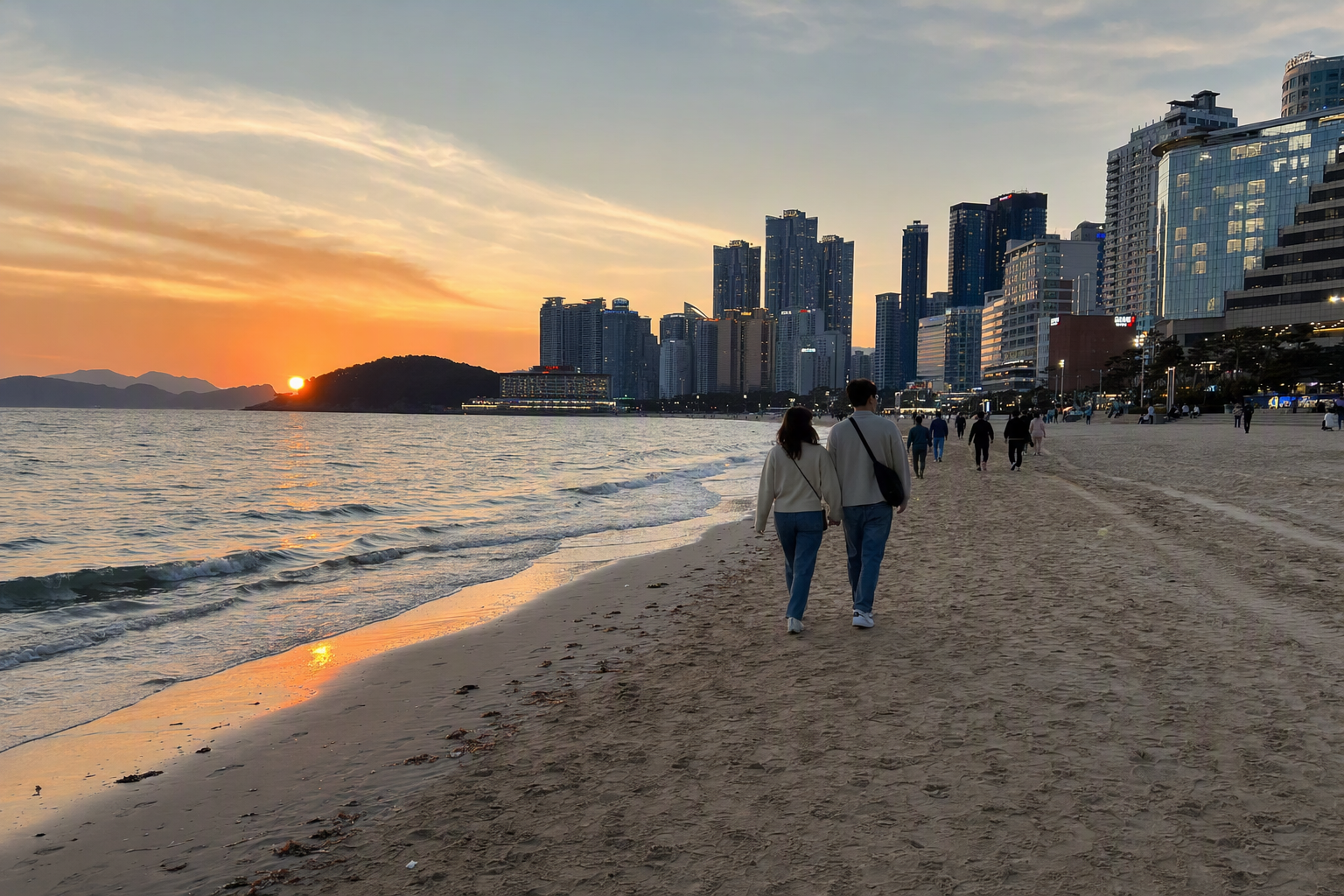
Haeundae’s long sandy stretch (about 1.5 km, 30–50 m wide) is ringed by hotels, cafes, and restaurants, which makes it a great anchor for a beach-forward Busan stay. From here, everything coastal starts to line up nicely: Blue Line Park, Gwangalli nights, and a quick taxi for temples.

Blue Line Park Sky Capsule: book it like a pro
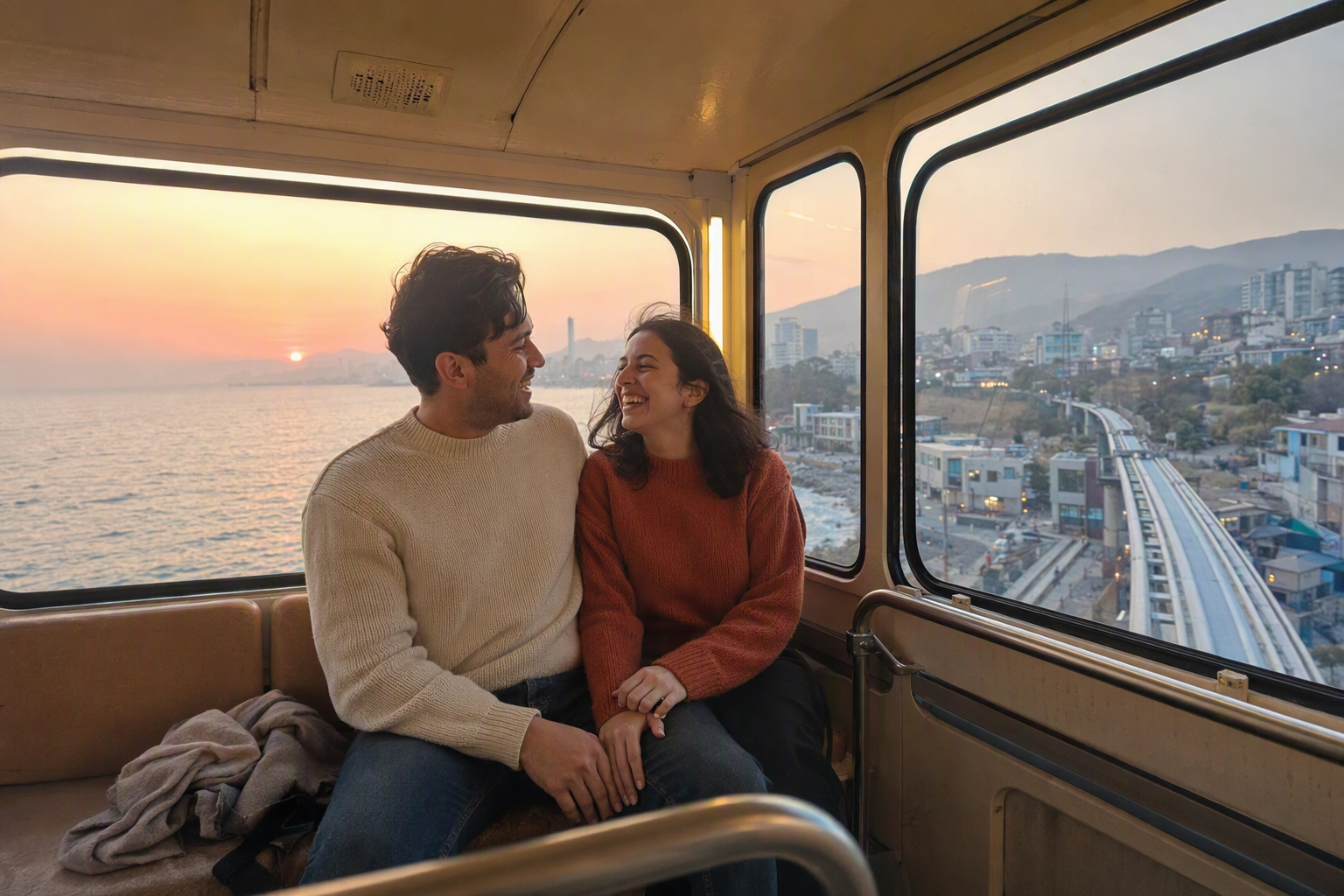
This cheerful capsule ride runs roughly 2.3 km between Mipo and Cheongsapo at about 7–10 m above the coast. The pace is leisurely (~4 km/h) and a one-way ride is about 30 minutes.
What it costs
- Capsule fares (per capsule) are typically: 2 people ₩40,000; 3 people ₩45,000; 4 people ₩50,000.
- Combo tickets (one-way Sky Capsule + Beach Train all stops) are often listed around: 2 people ₩65,000; 3 people ₩78,000; 4 people ₩94,000.
- Infants under 36 months ride free. Capacity is up to 4 people per capsule. Policies and pricing can change—confirm on the official site before purchase.
Booking rhythm
- New inventory opens weekly on Tuesdays for dates about four weeks out. Sunset slots go fast.
- Your boarding is managed by a strict 30-minute window. If you’re late, refund rules step down sharply on the day—check the official policy carefully.
- Third-party vouchers may require an extra step to secure a time slot on the operator’s site. Same-day on-site availability is limited.
Small but important details
- One-way takes roughly 30 minutes, so plan your return (Beach Train, walk, or local taxi).
- For groups, the combo with the Beach Train often feels like better overall value.
Haedong Yonggungsa: a temple on the sea
Founded in 1376, Haedong Yonggungsa sits on jagged rocks facing the waves. Entry is free (as of 2026), but you’ll descend 108 steps to reach the main area. Getting there from Haeundae by taxi usually runs around ₩12,000–₩15,000 and takes about 20 minutes; parking is often about ₩3,000 if you’re driving. Midday tour-bus arrivals can crowd the paths, so aim for earlier or later times. Always check current conditions in case policies shift.

Gwangalli Saturdays: drone show nights
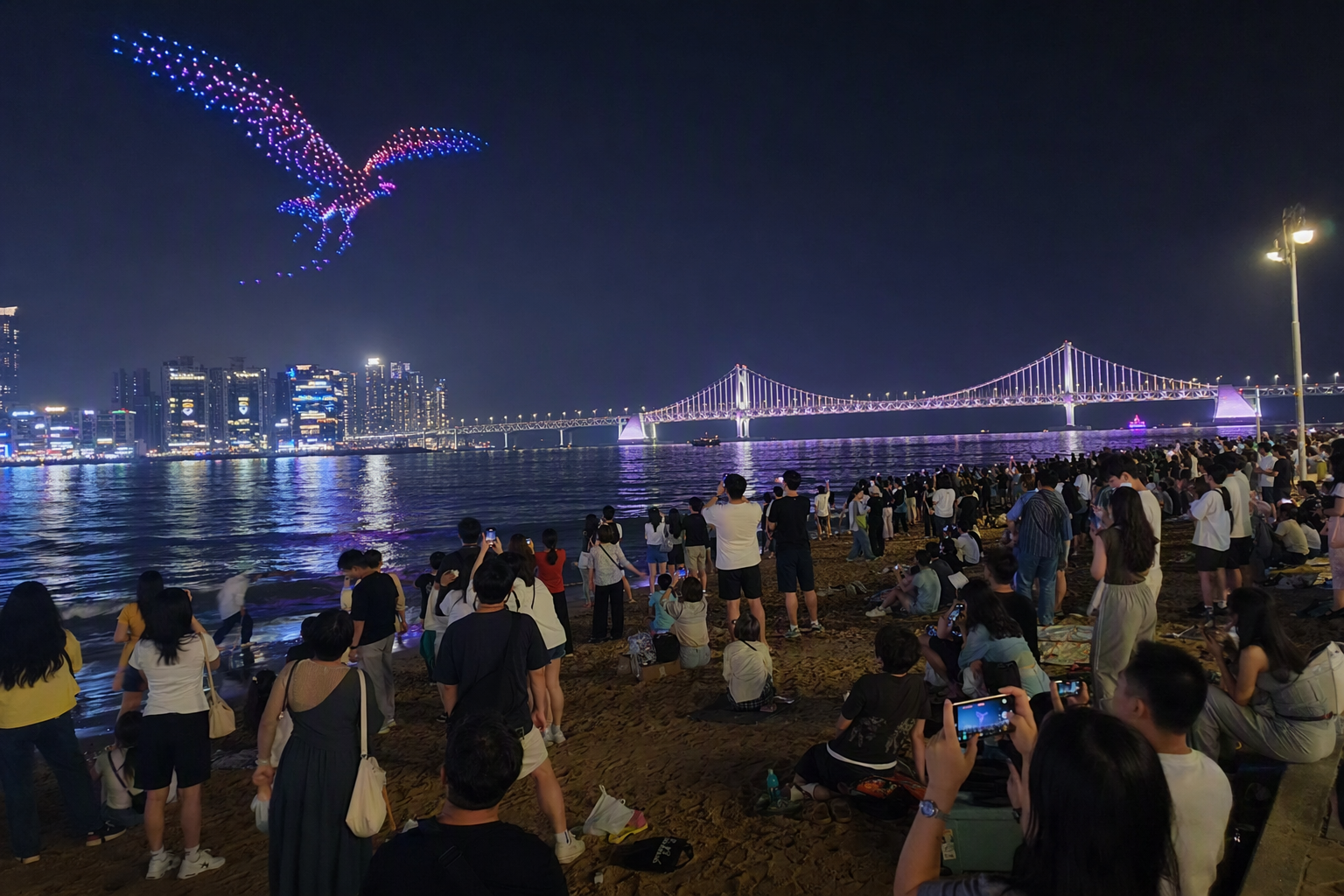
On Saturday evenings, 600–1,000 drones gather above Gwangalli Beach for shows at roughly 20:00 and 22:00. It’s eye candy for tech lovers and sunset chasers alike—and it draws big crowds. Expect packed trains and busy streets; public transit beats cars here. If you prefer breathing room, the second show can feel calmer after the initial rush.
Gamcheon Culture Village: go gently
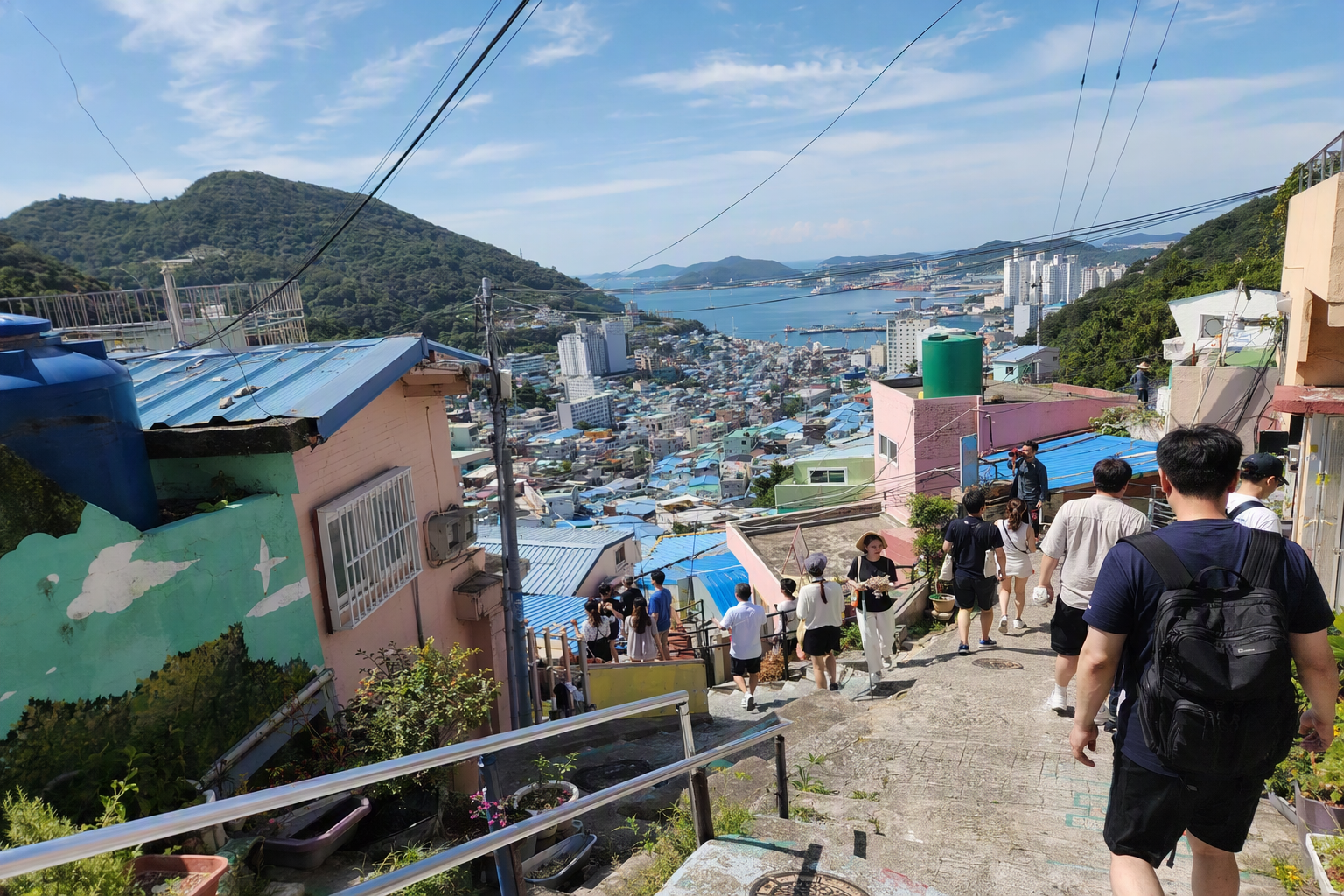
Gamcheon’s steep, colorful lanes began as a 1950s refugee settlement and later became an open-air art village. It’s still a living neighborhood, and that matters.
- Entry is free; the official stamp map costs around ₩2,000 at Haneul Maru Tourist Center, where staff can point you to current routes.
- Typical visit times range from 1.5–3 hours; weekday mornings (around 09:00–11:00) or late afternoons feel less pressured than high noon.
- The village is open physically 24 hours, but the tourist center keeps seasonal hours: roughly 09:00–18:00 (Mar–Oct) and 09:00–17:00 (Nov–Feb).
- Route options shift over time (you’ll see A/B/C on many maps). Check the latest at the desk.
- To get there: Metro Line 1 to Toeseong (Exit 6), then a local bus (Saha 1‑1 / Seo-gu 2 / 2‑2) for about 10–15 minutes. Taxis from Nampo run around ₩8,000; from Busan Station about ₩8,000–₩12,000.
Local policy discussions are active due to crowd pressure, and restrictions or fees may change. Please verify current rules right before you go, and keep voices low in residential alleys.
Nampo loop: markets, snacks, and BIFF
The Nampo cluster—Jagalchi Market, BIFF Square, International Market, and Bupyeong Night Market—fits nicely into a late afternoon-to-evening walk.
Jagalchi Market without surprises
- Many stalls operate roughly 05:00–22:00, but hours vary by vendor. Note the common closure on the 1st and 3rd Tuesdays.
- Expect to buy seafood downstairs and have it cooked upstairs. Common extras include seating/setting fees around ₩5,000 per person and cooking/handling fees about ₩5,000 (some shops charge more).
- A big shared spread for two can land around ₩80,000 once extras are added. Prices vary widely; compare and negotiate.
- Example price ranges we’ve seen reported: snow crab ~₩35,000/kg; king crab can be extremely high (often ₩200,000–₩240,000/kg). Shop around.

From there, wander to BIFF Square and International Market for street bites, then finish at Bupyeong Night Market around 19:30 for snacks like fishcake, tteokbokki, and the famous seed hotteok.
- Street snacks often sit in the ₩1,000–₩4,000 range; simple local meals like milmyeon or dwaeji gukbap are commonly ₩8,000–₩12,000.
- For navigation, Naver Map tends to be more precise in small alleys than Google.
- If you prefer to join a guided market-and-food walk, many 2–3 hour tours run about USD 45–70 per person. Check what’s included—lower prices may mean minimal tastings, while higher-end tours sometimes build in a bigger meal or drinks.

Sea Bus: a scenic link along the coast
Use the Sea Bus as a photogenic hop between beach districts or as a one-way coastal ride when the weather is kind. Rough segment times: Haeundae→Gwangalli ~20 minutes, Gwangalli→Oryukdo ~25 minutes, Oryukdo→Songdo ~35 minutes, Songdo→Jagalchi ~15 minutes. Operations are seasonal and weather-sensitive; tickets are bought in person (generally no T-money), and schedules can shift. Build a backup plan with the metro or taxi.
Visit Busan Pass: when it’s worth it
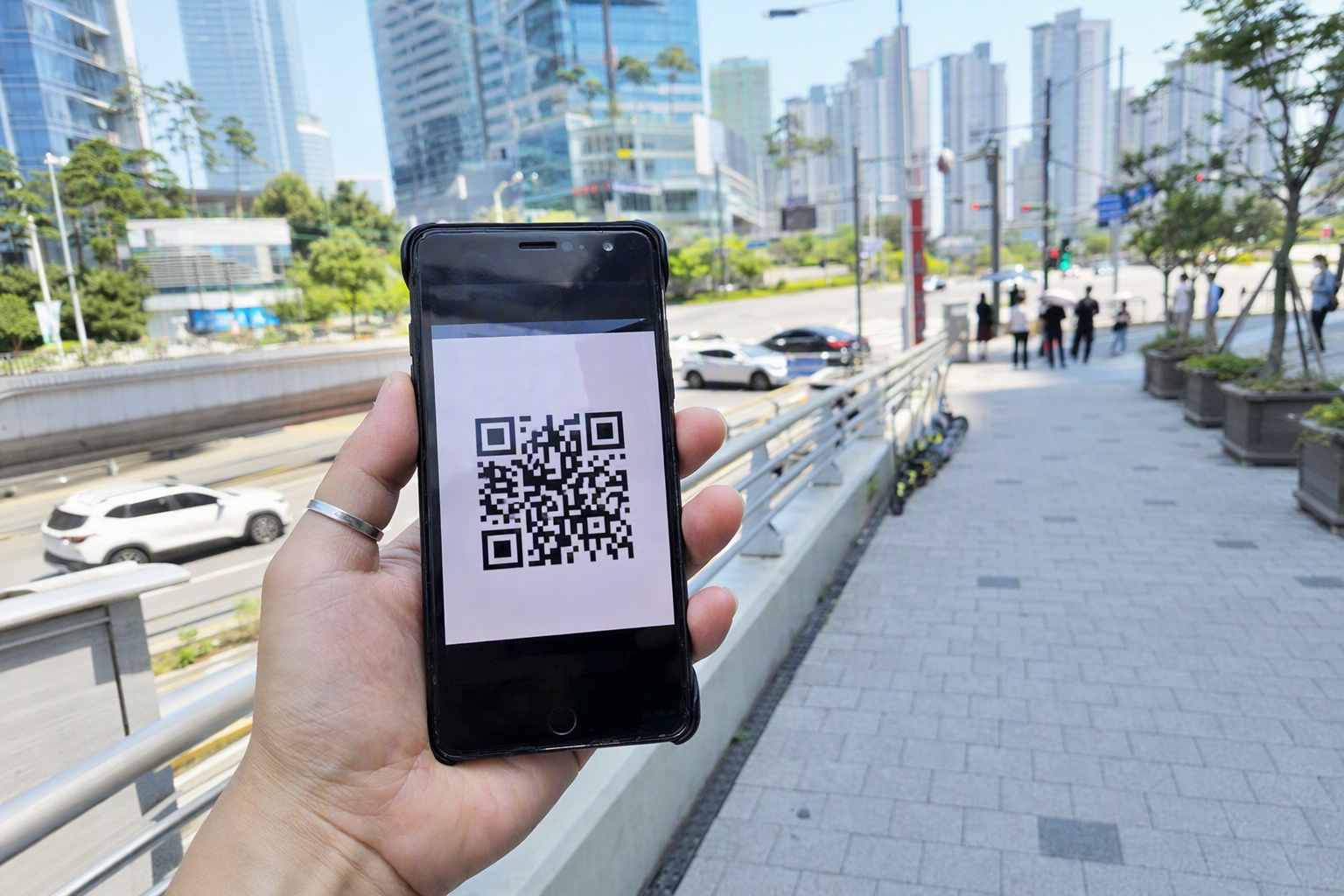
If you’re packing multiple paid activities into a short window, the Visit Busan Pass can be solid value. The 24-hour option hovers around ₩55,000 and the 48-hour around ₩85,000, and savings can reach roughly 40% if you hit several paid venues in that timeframe. The pass lineup exceeds 30 attractions and can change, so confirm the latest list and opening hours before buying.
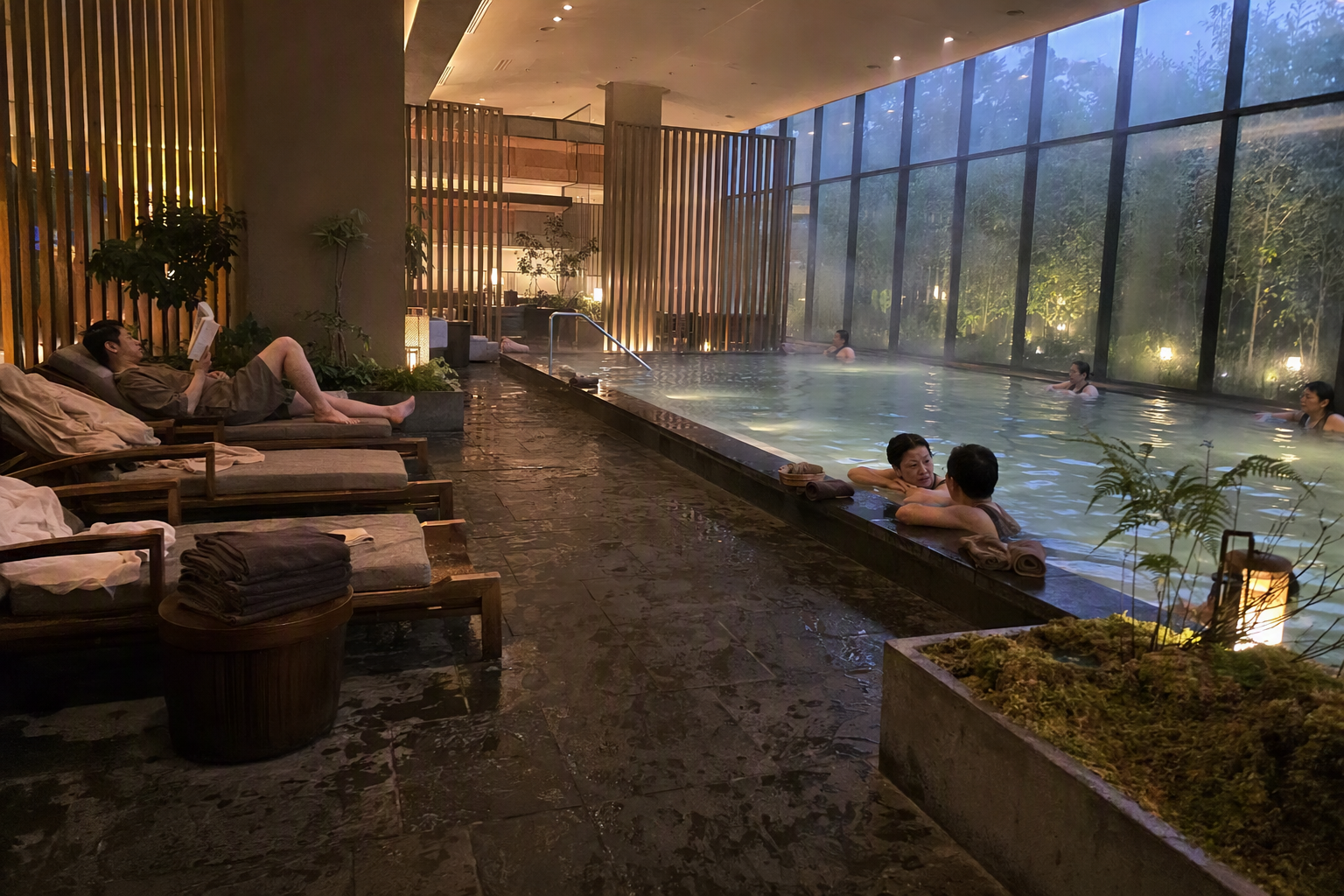
For pacing days, popular paid add-ons include things like the Taejongdae Danubi train (about ₩4,000) and relaxing time at Shinsegae Centum City Spaland (about ₩23,000 for 4 hours). Some items may be paired with the pass or purchased separately—always verify current inclusion and prices.
Easy day trips that pair well with Busan
- Gyeongju by high-speed rail: KTX/SRT rides can be around 27–35 minutes (about ₩11,000 one-way). The station sits roughly 10–11 km from the historic core, so plan on a local bus (about 25–40 minutes, ~₩1,500–2,000) or taxi (about 12–20 minutes, ~₩16,000–20,000).
- Tongyeong/Geoje coastal day tours: Typical full-day programs run ~10–11 hours and cost around USD 64–89 with transport. These are weather-dependent and may require a minimum group size.
Prices and schedules change—book with operators who post clear refund policies in case of weather cancellations.

A compact 3-day flow
Day 1: Haedong Yonggungsa in the morning (beat the buses), then Haeundae Beach time. Ride the Sky Capsule in the afternoon—ideally a pre-booked slot—and drift into dinner along the water. If it’s Saturday, Gwangalli’s drone show is the nightcap.
Day 2: Gamcheon early, stamp map in hand. After lunch, the Nampo loop: Jagalchi → BIFF → International Market → Bupyeong. Keep some cash ready for market fees and tastings.
Day 3: Pick your pace. High-speed dash to Gyeongju, a relaxing spa-and-shopping day in Centum, or a coastal tour to Tongyeong/Geoje (weather permitting). If the weather behaves, slip a Sea Bus segment in for the views.

Common pitfalls and smart fixes
- Booking the Sky Capsule too late: seats for sunset disappear quickly. Inventory typically opens weekly about four weeks out—grab your slot early and finalize on the official site.
- Arriving late for timed experiences: timed windows are enforced and same-day refunds are limited.
- Expecting Jagalchi to be uniform-priced: compare stalls and ask about seating and cooking fees before you buy.
- Forgetting closures: Jagalchi commonly closes on the 1st and 3rd Tuesdays.
- Counting on the Sea Bus in rough weather: it can cancel; keep the metro/taxi as plan B.
- Hitting Gamcheon at peak midday: weekday mornings or late afternoons are gentler.
- Driving at the wrong hour: the Centum City/Hwangnyeong Tunnel axis is heavily congested ~17:30–19:30.
- Assuming pass inclusions never change: verify the latest Visit Busan Pass lineup and hours.
Final thought
Busan rewards a bit of planning and a sense of play. Get your timed tickets squared away, keep an eye on the weather, and leave some space for the city’s easy moments—the beach at dawn, a ferry breeze, a hotteok eaten while it’s still too warm.