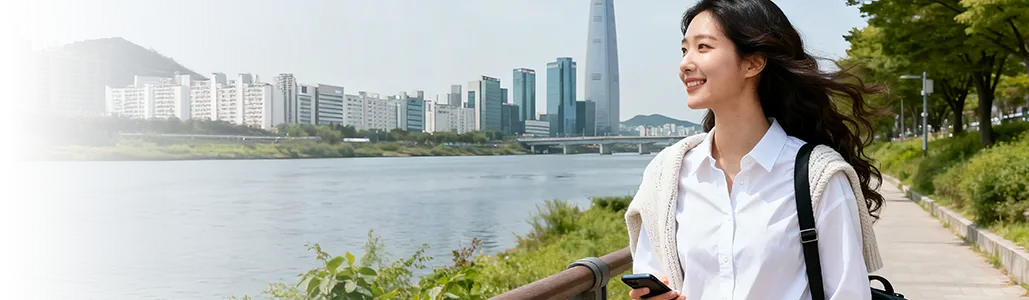
Where to Go in Korea: Real Routes, Seasonal Picks, and How to Make Them Work
Jeju trails, cherry blossoms in Jinhae, island hops from Mokpo, seafood weekends, and festivals—planned the way travelers actually move.

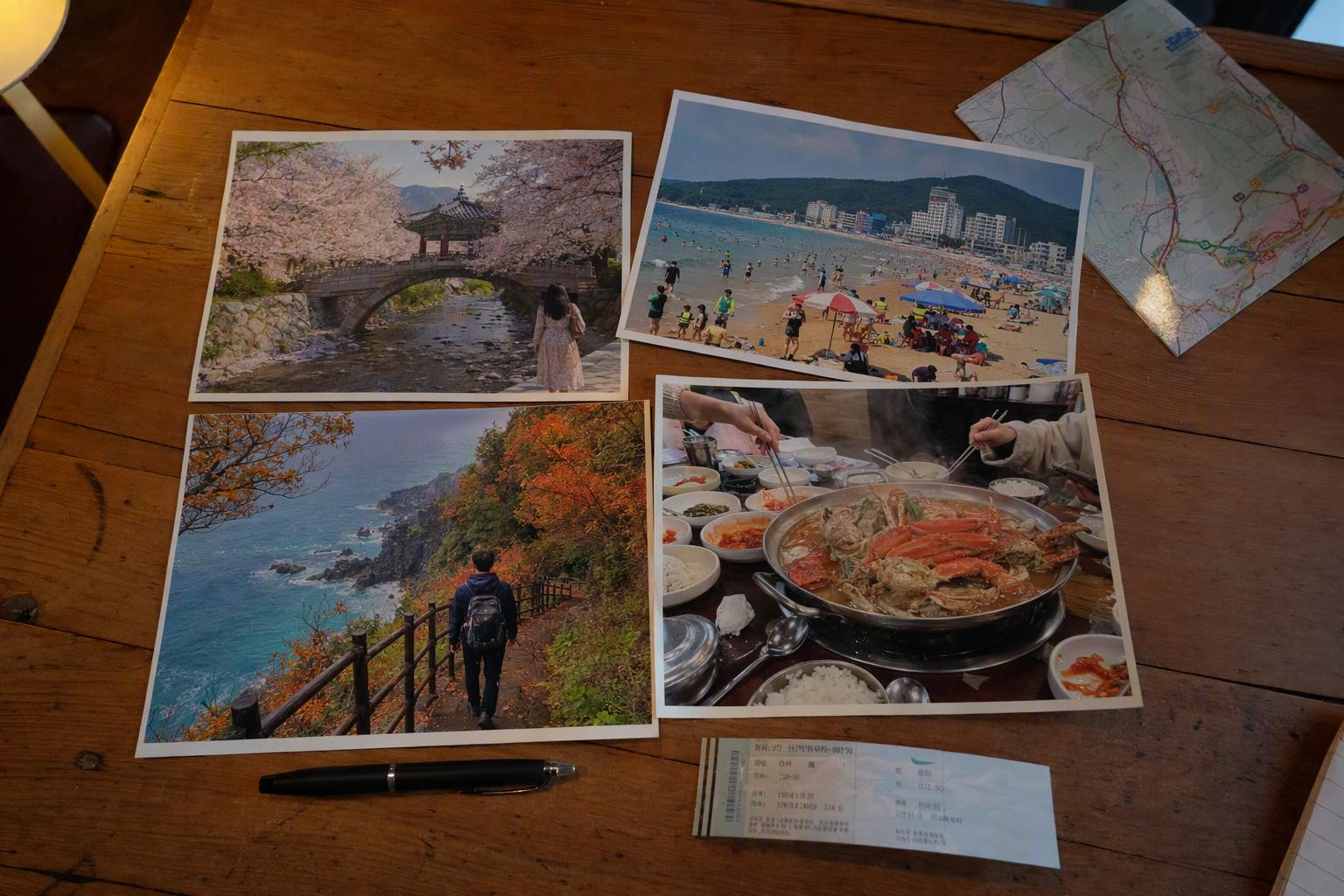
Korea rewards travelers who travel with the seasons. Spring cherry tunnels in Jinhae, barefoot summers at Daecheon Beach, a brisk winter weekend steaming snow crab on the East Coast—each has its own rhythm, ride, and price curve. Here’s how to string them together so your days feel smooth and full, not frantic.
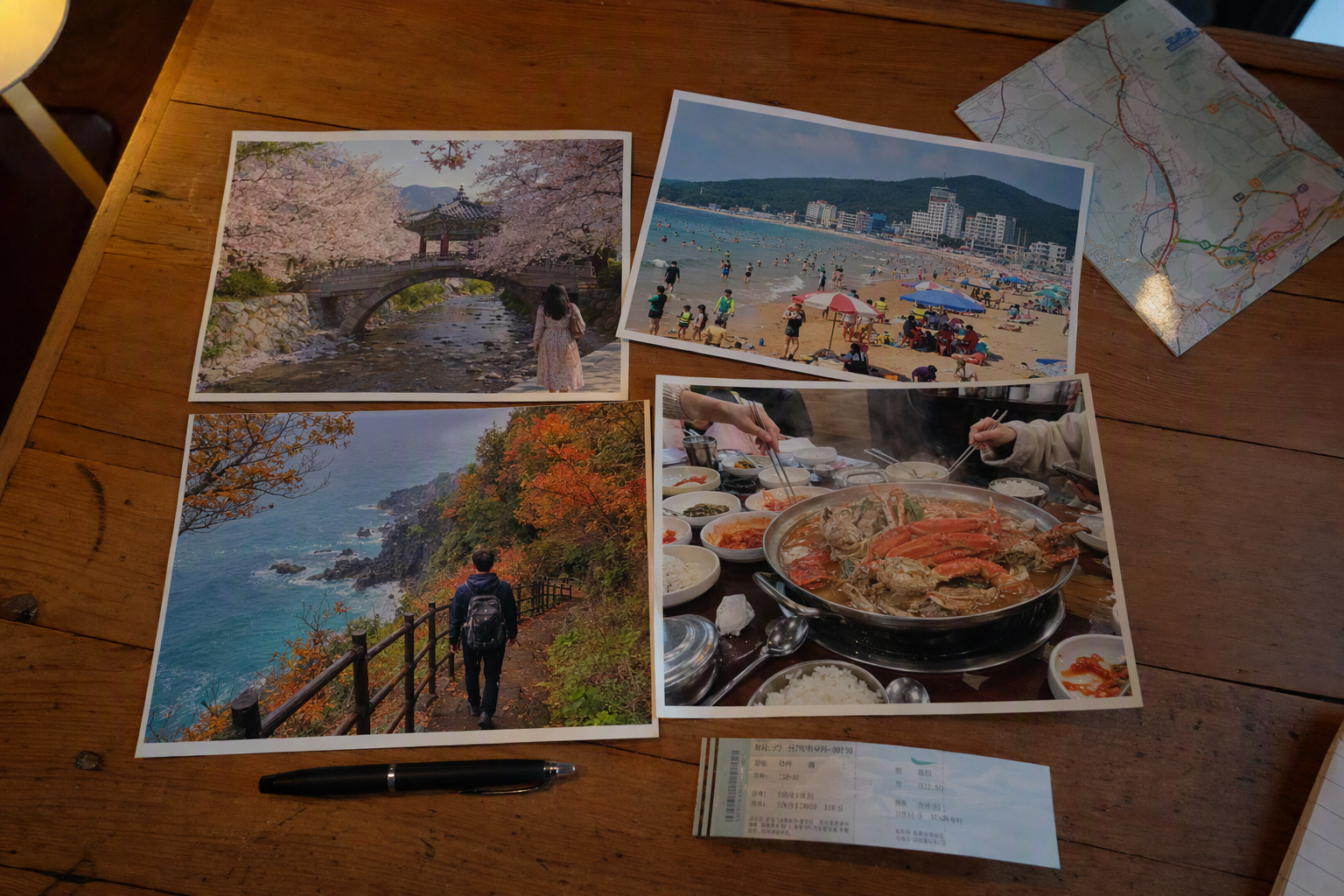
Build around the National “100 Selections” (and the stamp tour)
Korea’s national “100 Selections” mixes culture (61) and nature (39) across the country—Seoul/Capital area (22), Gangwon (11), Chungcheong (15), Jeolla (18), Gyeongsang (28), Jeju (6). Think of it as a ready-made map layer to keep your route balanced.
A fun extra: many sites have on-the-spot stamps (87 of 100) you can collect. Physical “passport” booklets were printed in limited runs (family and individual editions in 2025) and may run out; if they do, most counters will stamp a single sheet instead. Stamp desks live at visitor counters you’ll likely pass—places like Ttukseom Hangang Park (typically around 09:00–18:00) and N Seoul Tower desks (around 10:00–22:00). Hours and availability can change; check locally.
Why this matters: the list blends demand signals with expert curation, so it aligns nicely with what’s actually worth your time. Use it to anchor days, then add seasonal pieces below.

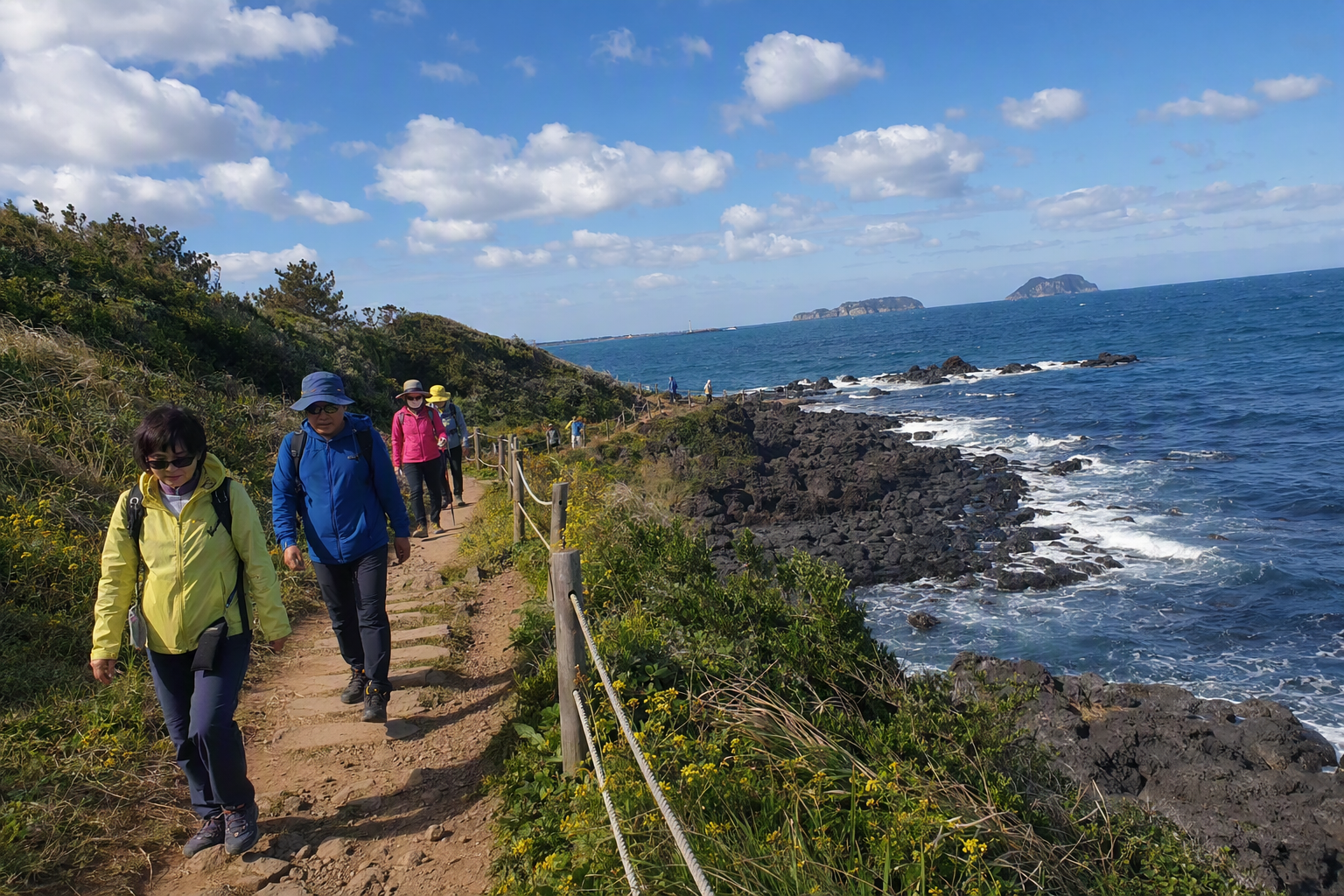
Jeju: coastal walking and forest air
If you like days that end with pleasantly tired legs, Jeju makes planning easy.
The Olle Trail network
- 437 km across 27 marked routes. Perfect for modular day hikes.
- Mix short coastal sections with museums or a lazy lunch so the day breathes.
Bijarim (Nutmeg Yew Forest)
- About 2,800 nutmeg yew trees—old, sculptural, and shady.
- Works as a gentle afternoon loop after a morning on an Olle course.
Practical feel: Map an easy Olle segment in the morning, break for a seaside meal, then wander Bijarim’s cool paths. Jeju’s natural sites are popular—start early, and always verify current hours or temporary closures before committing.

Gangwon-do: snow‑white birch and sky pastures
This is where crisp air and big horizons do most of the talking.
Won-daeri Birch Forest (Inje)
- Around 690,000 birch trees with 1–1.5 hour trails.
- Opening hours generally 09:00–17:00; typically closed Mon/Tue; free admission.
- Only about 6 ha of a 138 ha area is open to visitors. The core grove sits roughly 3.2 km from the info center; parking has been expanded (about 382 spaces).
- Winter is photogenic, but trails and access can be seasonally restricted.
A new wood-culture center (planned completion in 2025) is set to lengthen average visits. Expect crowd patterns to shift—double-check open days and any winter closures before you go.
Daegwallyeong Samyang Ranch
- High pastures around 1,000 m above sea level with wide, scenic drives.
- Adult entry around ₩12,000. Star-gazing and drive experiences are offered, with access from Pyeongchang/Gangneung in roughly 30–40 minutes.
Pair these two for a fresh-air day that stays relaxed rather than rushed.

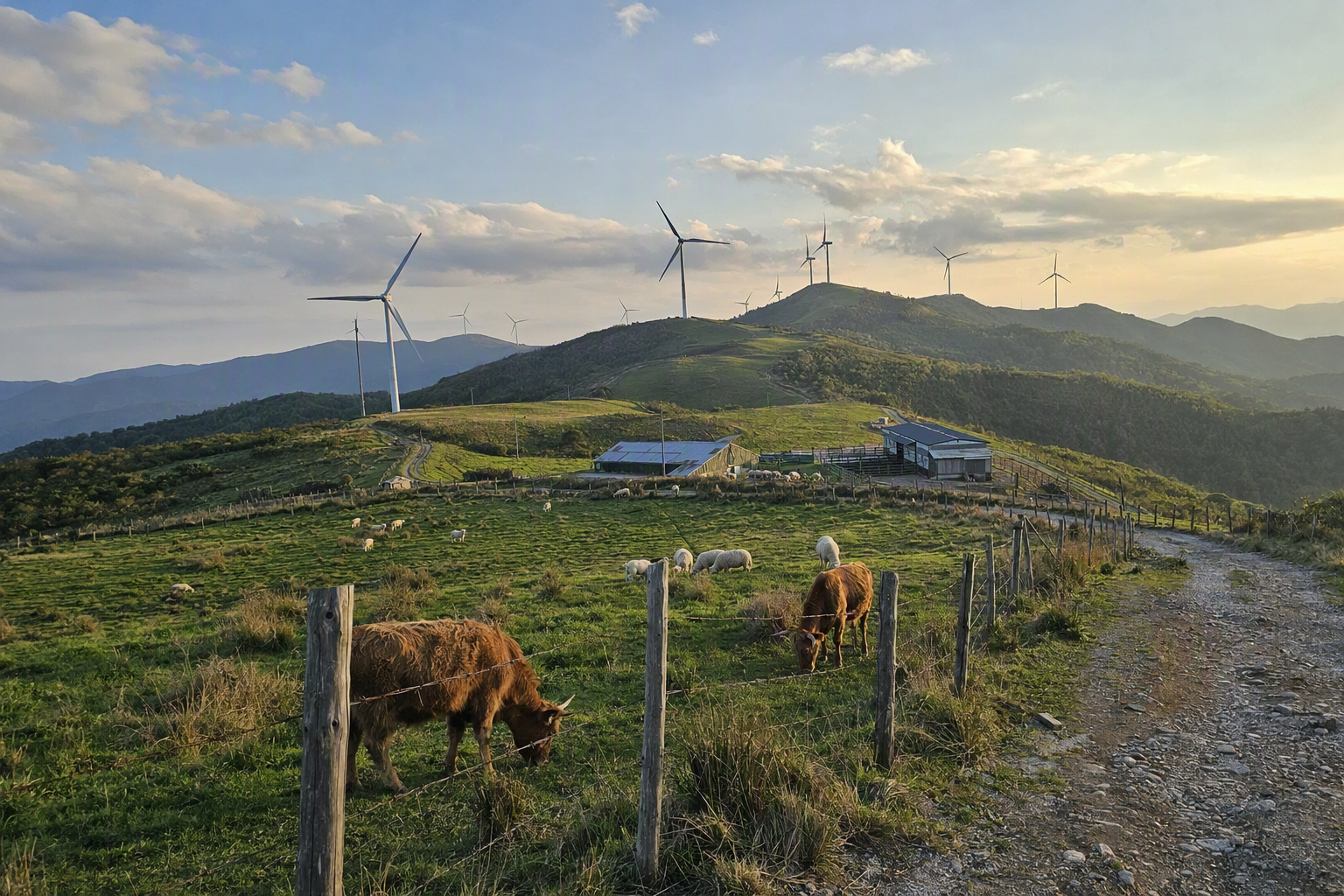
East Coast weekend: Goseong & Daejin for snow crab
When it’s cold, locals head to the docks. Follow them.
- Access: From Seoul’s Dong Seoul Terminal to Goseong (Gangwon) by intercity bus is roughly 3 hours, with fares around ₩20,000 one-way.
- Season: Snow crab runs roughly November–May, peaking December–March.
- What to pay: A whole, simply steamed crab at portside restaurants often lands around US $30–$50 (about ₩42,000–70,000), with large-size premiums ranging sharply by grade (e.g., special grades can exceed ₩120,000/kg and more). Prices swing with catch and global wholesale trends.
- How to eat: After cracking legs, many places mix rice into the rich tomalley to finish.
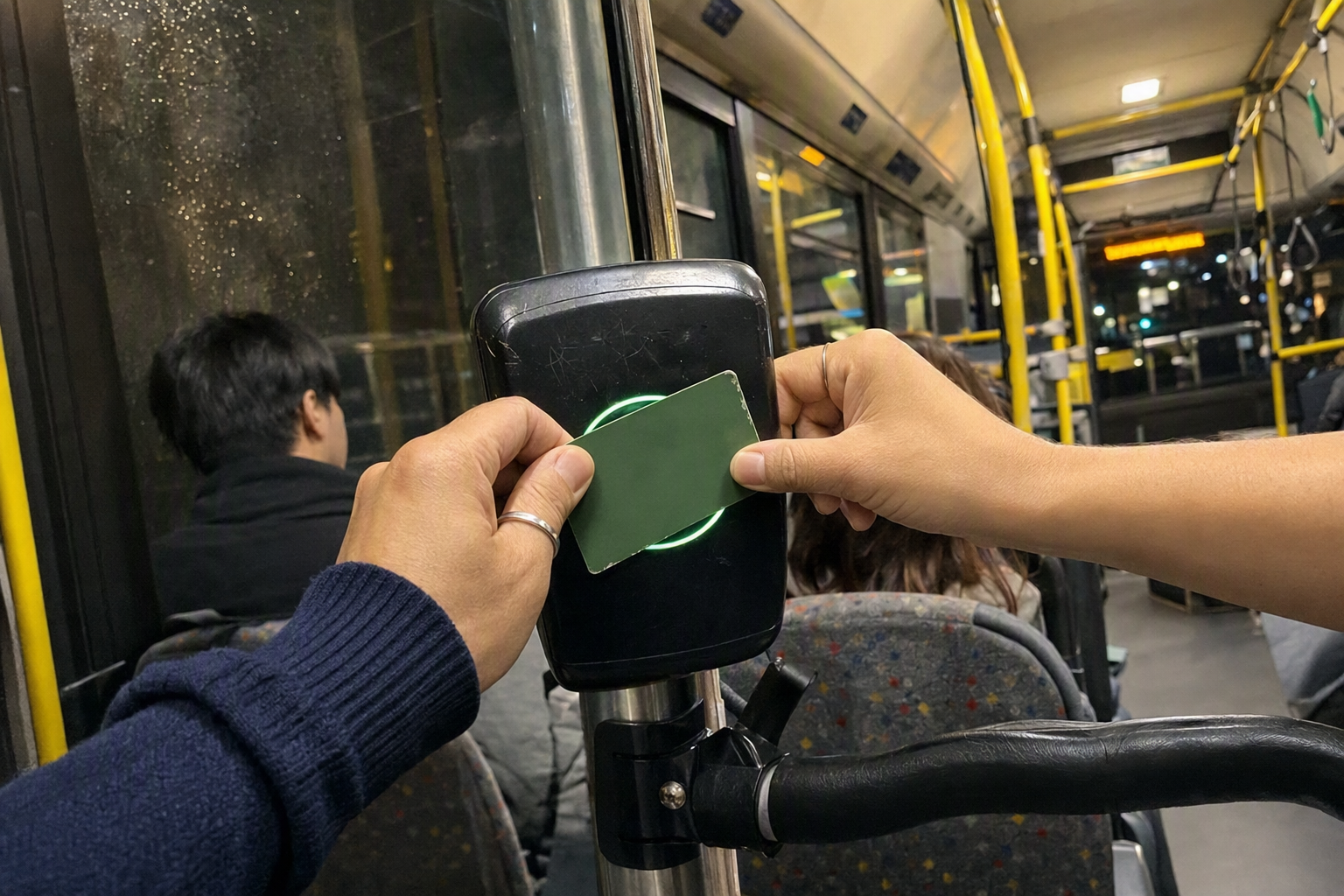
Local movement: Sokcho↔Goseong buses are frequent, with base fares around ₩1,700 cash / ₩1,530 card; T‑money cards have been accepted in Goseong buses since 2016. Intercity booking works well on KOBUS or TmoneyGO; some rural lines surface on BUSTAGO or require on-site tickets. Carry a bit of KRW cash—small operators or homestays may prefer it.
Budget feel for 48 hours in season: About US $350 per person is doable (food ~$130; lodging ~$90; transport ~$65; activities ~$40; shopping ~$25), with a 15% buffer during holidays or for oversized crabs.

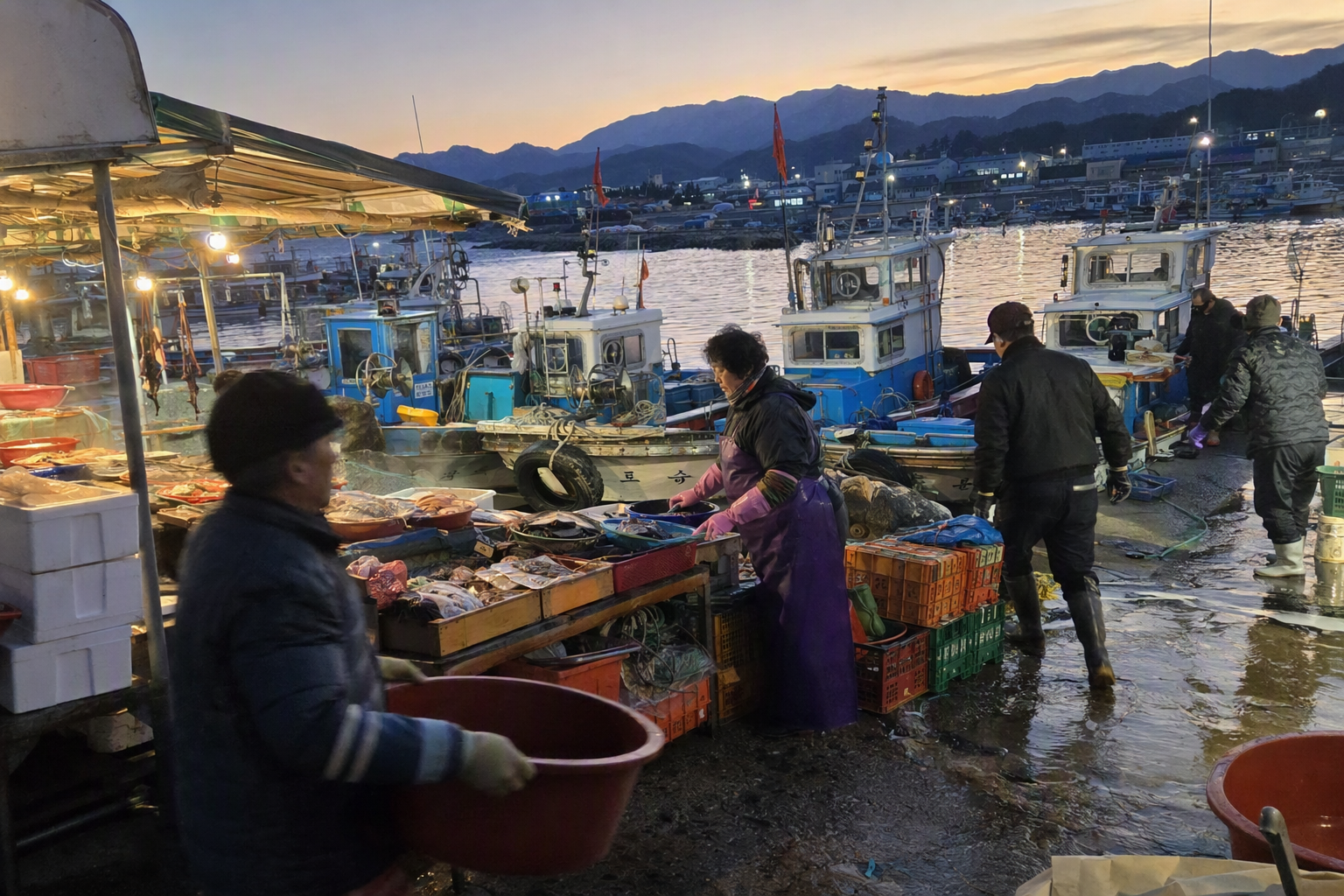
Island time from Mokpo: Manjaedo, with wiggle room
Remote islands are magic—and moody. Manjaedo is compact (0.75 km², coastline about 5.5 km) with a 177 m peak. Facilities are very limited: think no restaurants, just a few homestays and some camping. The draw is raw coastal geology—granite and basalt columns recently elevated to national natural monument status.
Ferries: Schedules and operators vary year to year. Some timetables show Mokpo→Manjaedo around 2h30 on certain runs; other patterns have stretched to 3–5+ hours, including link-ups via Gageodo. Operators may alternate by day. Expect weekend surcharges and seasonal changes. Ballpark fares have appeared around ₩60,600 one-way with various discounts available.
Do this right:
- Verify sailings close to departure on official channels like PATIS/KOMSA and Mokpo Passenger Terminal (ARS 1666-0910). Weather cancellations are common.
- Build 1–2 buffer days into your plan if the island is a priority.
- Bring water and food; don’t count on shops.

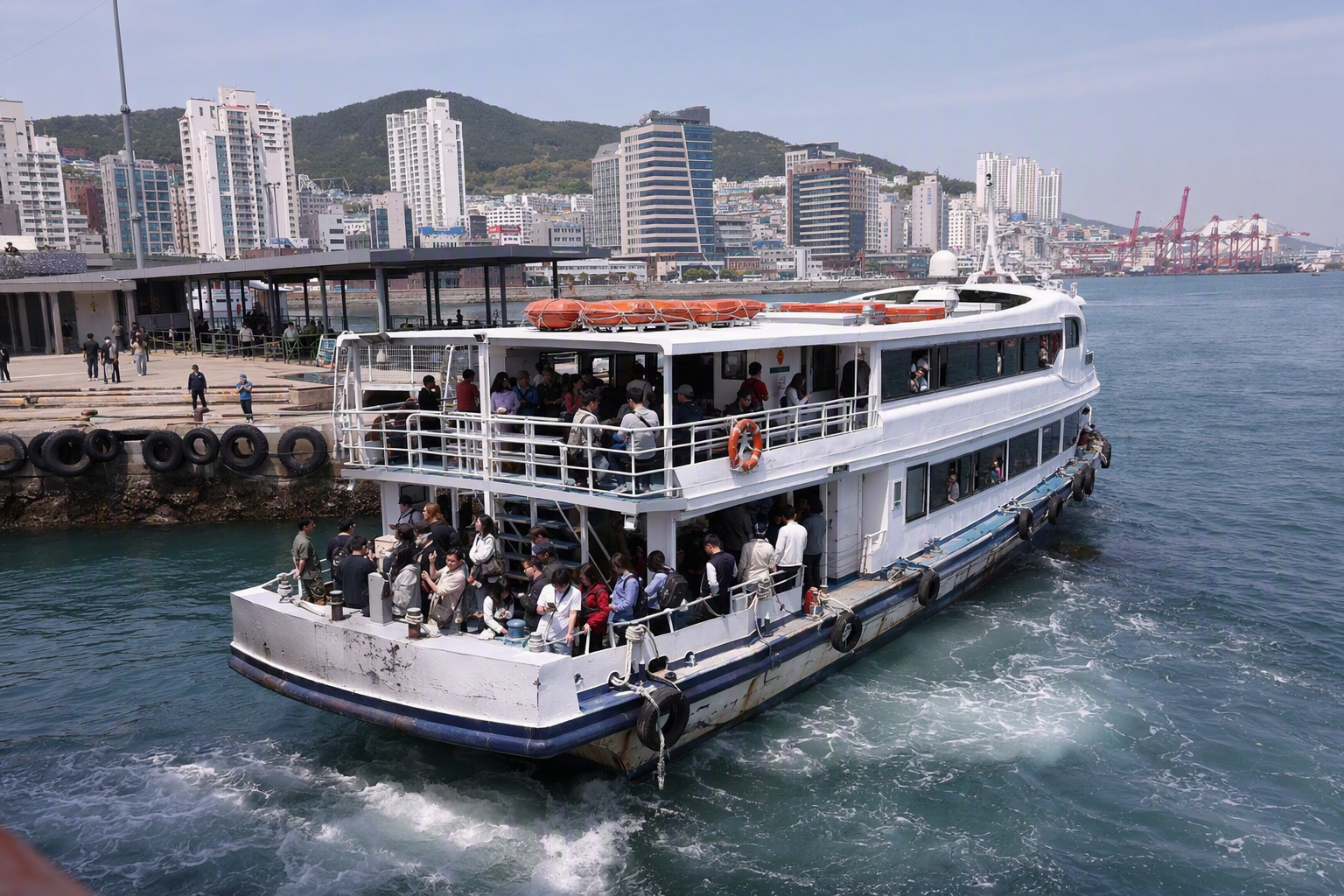
Spring crush done kindly: Jinhae Cherry Blossom Festival
Jinhae’s 10-day cherry blossom festival is one of Korea’s biggest crowd moments. For 2026, dates are announced as Mar 27–Apr 5, with blossom tunnels around Yeojwacheon stream and old Gyeonghwa Station, plus concerts and military band performances.
- Trees: Around 350–360k cherry trees across the city.
- Scale: Peak weekend days can hit up to ~1.5 million visitors; overall totals reach into the millions.
- Getting there: Trains to Changwon or Masan and city shuttles are the way to go. Road access into central Jinhae is heavily restricted; core parking lots fill before 10:00 on peak days. Extra shuttles and external lots run, but book any private shuttles early—they sell out fast.
- When to aim: For a better experience, target weekdays during the likely peak bloom window (historically around Mar 31–Apr 3). Train tickets open about a month out and can vanish within minutes—set a reminder and watch for cancellations.
Always reconfirm festival programs (concerts, parade timings, any military academy open days) on official pages—details change with weather and operations.

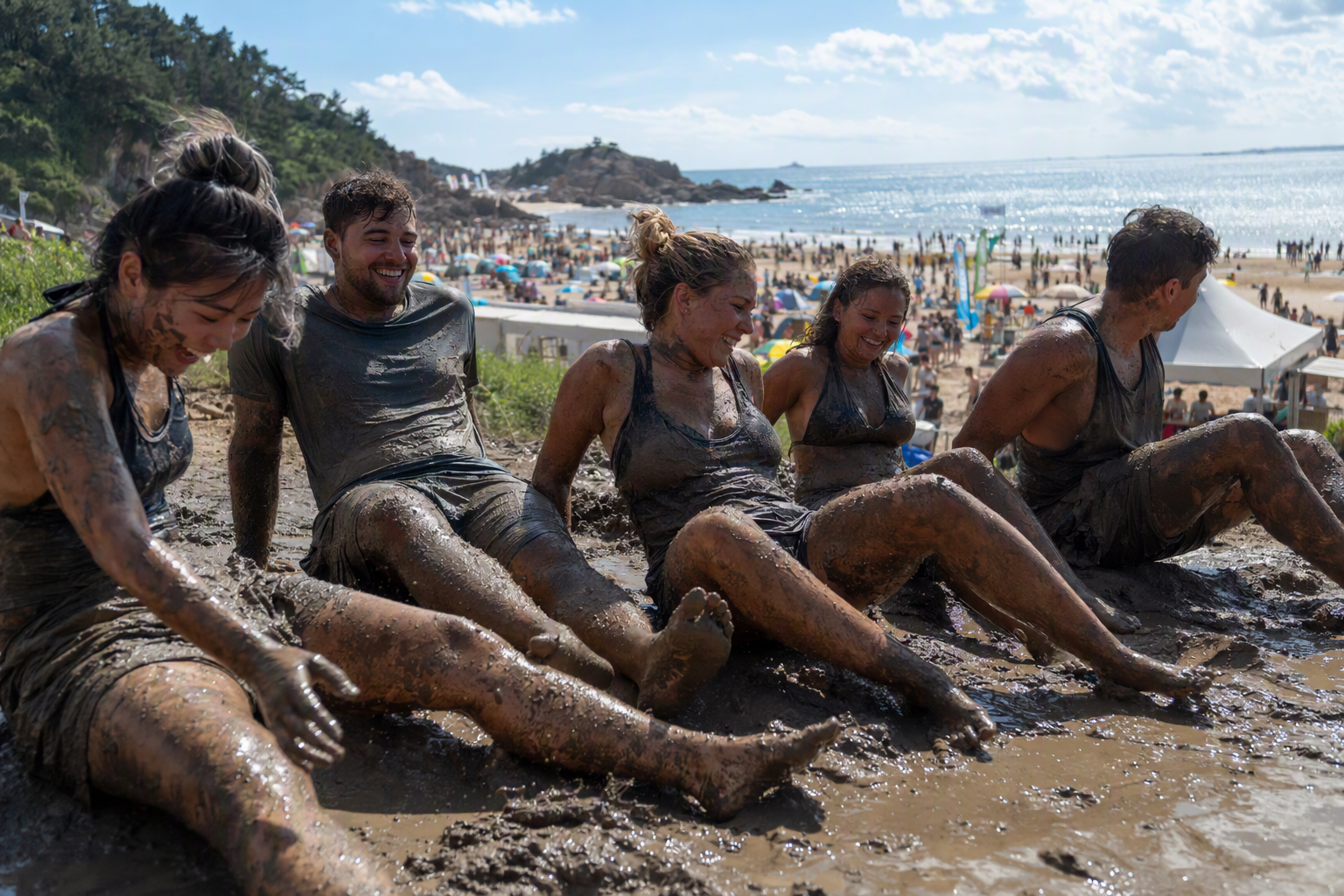
Summer splash: Boryeong Mud Festival at Daecheon Beach
When the air sizzles, hit the mud. The festival typically runs from late July into early August (2026 sources reference July 24–Aug 9). The playground is Daecheon Beach—a long, wide ribbon roughly 3.5 km by 100 m that absorbs a lot of fun.
Tickets and costs:
- Official experience zones: adults around ₩10,000 on weekdays / ₩14,000 on weekends.
- Online sales are often capped at 30% of the daily allotment—about 70% goes on sale on-site. Expect queues.
- Lockers and showers add roughly ₩5,000+ per person.
Lodging spikes hard (reports show up to 3× normal during festival weeks). 2026 snapshots put average rates around ₩124,000 on weekdays and ₩160,000 on weekends, but it pays to secure a bed early. If prices sting, base in a nearby city and arrive early.

Autumn & winter anchors worth the add‑on
- Busan International Film Festival (early October): film tickets generally ₩8,000–₩12,000; popular screenings sell out fast.
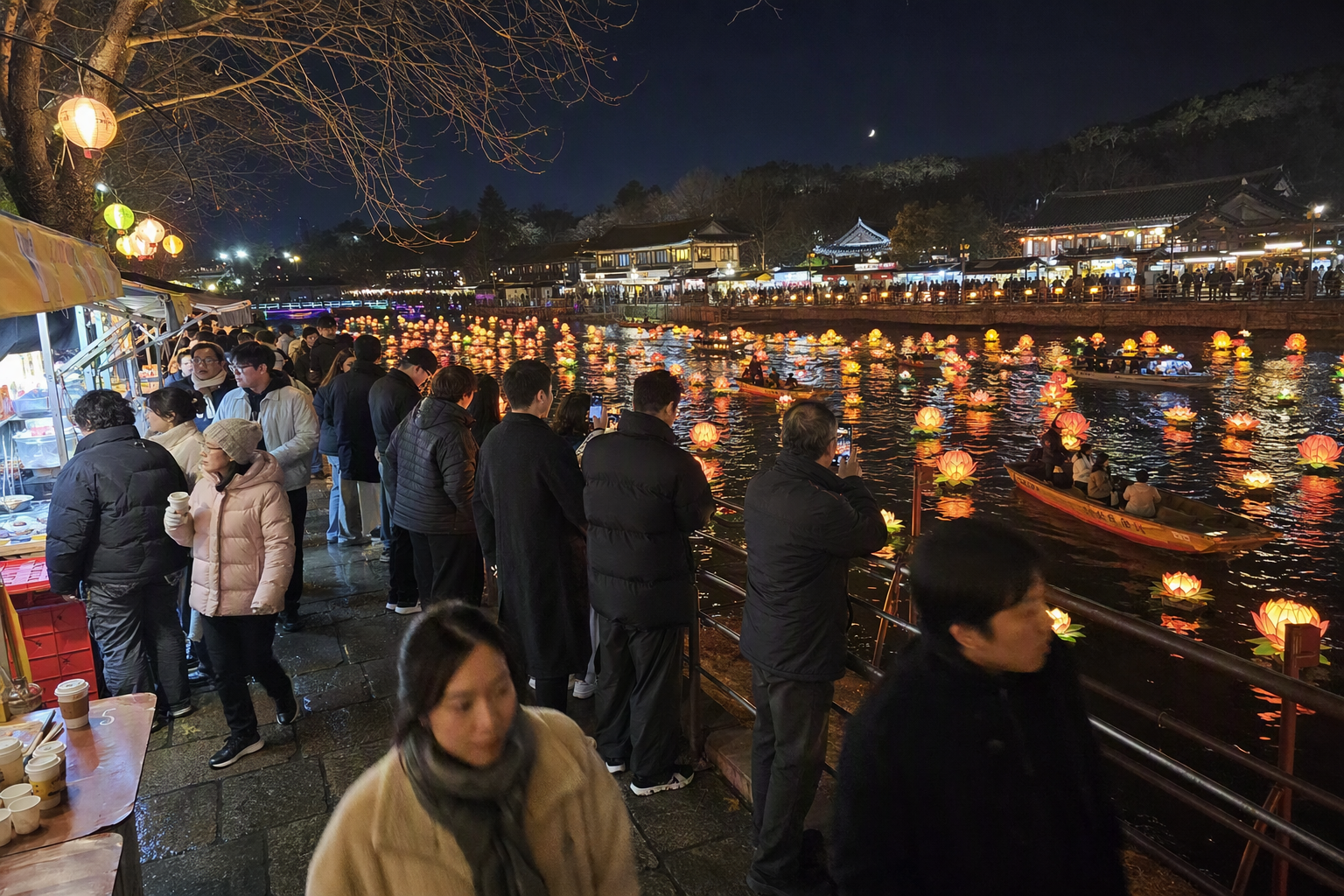
- Jinju Namgang Lantern Festival (early to mid‑October): river glowing with lanterns and night walks.
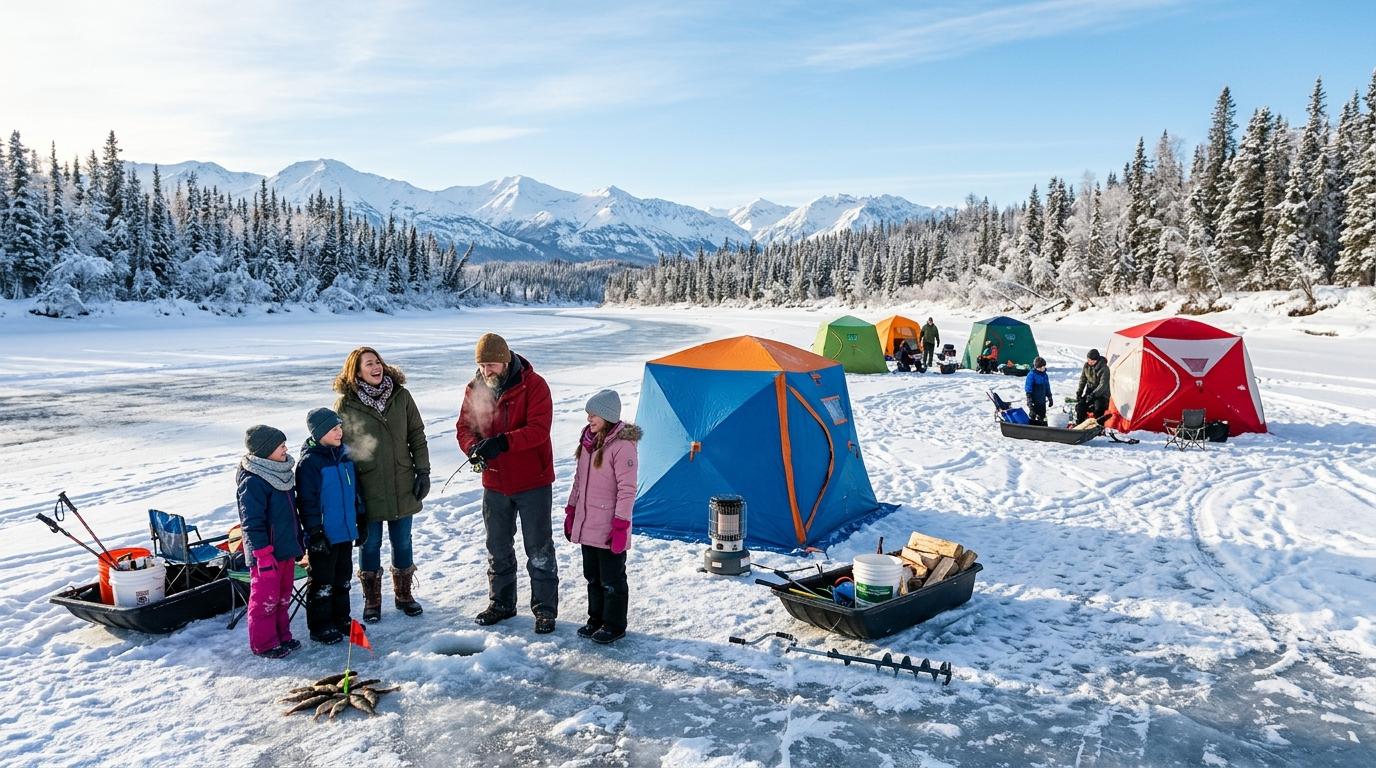
- Hwacheon Ice Festival (mid‑January, about three weeks): entry around ₩15,000; ice‑fishing and add‑on experiences around ₩12,000. Expect serious cold and weekend crowds.
Check each event’s current year details; exact dates and prices shift.
Getting around without the guesswork
- Intercity buses: KOBUS and TmoneyGO cover most routes and support QR/mobile boarding. Some rural services surface on BUSTAGO—or require buying at the station. For East Coast runs like Seoul↔Goseong, try TmoneyGO first, then BUSTAGO.
- Local buses: In places like Goseong and Sokcho, base fares are about ₩1,700 cash / ₩1,530 card; T‑money cards are accepted (policy in place since 2016).
- Ferries: For Mokpo‑area islands, confirm near real-time status on PATIS/KOMSA and via the Mokpo Passenger Terminal ARS (1666‑0910). Summer surcharges and weather cancellations are common—don’t trust a static timetable alone.
- Payments: Ports, homestays, and island shops can be cash‑leaning. Keep small bills on hand.

Quick routes you can actually run
Here are small circuits that work as‑is, with room to improvise.
1) East Coast snow crab, 48 hours (Nov–Mar sweet spot)
- Seoul → Goseong by evening intercity bus.
- Day 1: Late breakfast by the harbor, simple steamed crab lunch (expect about US $30–$50 for a whole crab; bigger sizes cost more), coastal stroll, seafood dinner.
- Day 2: Market browse and easy lookout before the bus back.
- Budget guide: around US $350 per person for the weekend, plus a 15% cushion in peak weeks.
2) Jeju one‑day “walk + woods”
- Morning: Short Olle section along the coast.
- Afternoon: Bijarim’s nutmeg yews for a cool, shaded loop.
- Notes: Keep an eye on opening notices and bus options; hiking times vary by course.
3) Mokpo → Manjaedo day recon (or 1‑night)
- Only attempt a day trip when the high‑speed timetable aligns and seas look forgiving.
- Bring water and food; check PATIS/KOMSA and call Mokpo Terminal ARS (1666‑0910) 48/24/6 hours ahead. If weather looks dicey, commit to an overnight or flex day.
4) Jinhae bloom window (aim for mid‑week)
- Book KTX to Changwon/Masan a month out, then use festival shuttles.
- Stick to Yeojwacheon and Gyeonghwa Station early in the day.
- If rooms in Jinhae are spiky or gone, base in Busan or Changwon.

Common mistakes to skip
- Trusting a single ferry timetable for island trips. Always re‑check; weather cancels sailings.
- Rolling into Jinhae on a peak weekend midday. Trains, shuttles, and parking will be at capacity.
- Assuming stamp‑tour passports are always in stock. If not, ask to stamp a single sheet.
- Underestimating mud‑festival lodging and on‑site ticket queues. Book beds early and factor locker/shower costs.
- Expecting stable crab prices across sizes and months. Grades swing widely—ask the weight and price before you commit.
- Overlooking seasonal closures at Won‑daeri. Confirm open days and winter trail conditions.
- Going fully cashless in rural ports and islands. Keep small KRW bills.
Tie it together with the “100 Selections”
Use the national list as your scaffolding—Seoul/Capital (22), Gangwon (11), Chungcheong (15), Jeolla (18), Gyeongsang (28), Jeju (6)—and layer in the seasonal calls above. If collecting stamps sounds fun, note that about 87 sites have physical stamp desks. Limited passport booklets circulated in 2025; if none are available, most counters will stamp a single sheet. Desks often sit at familiar places (e.g., Ttukseom Hangang Park info counters, N Seoul Tower visitor desks), but hours and availability change—confirm on the day.
We love a route that breathes: a walk, a good meal, a breeze off the water. Tweak the pieces to your pace, and always verify current hours, festival dates, and ferry times before you lock things in. Safe travels—we’ll see you out there.
 `}
`}