
Cheapest Time to Fly to Seoul (and How to Spot a Real Deal)
Practical timing, price benchmarks, and routing tips for flights to South Korea


Let’s talk airfare: finding the sweet spot to Seoul
Flights to South Korea don’t behave politely. One week, you’ll see a tempting fare to Incheon, and the next it’s hundreds higher. The good news: there’s a clear seasonal dip that shows up year after year, and a few simple plays can stretch your budget without turning the trip into a logistics project.

At Creatrip, we keep our eye on this because getting a great fare can mean an extra night in Busan or a splurge dinner in Seoul. Here’s how to time it, what a genuinely good price looks like, and how to use Korea’s cheap domestic links without stress.
When fares really dip: February, usually
If you can be flexible, target February for Seoul or Incheon (ICN). Across multiple trackers, mid‑February has consistently priced lower than the annual average—roughly around 20% cheaper in recent snapshots. Example medians have hovered near about $950 roundtrip in February versus roughly $1,540 in June and around $1,630 in December. Actual prices change all the time, but the pattern shows up reliably.
Two caveats:
- Lunar New Year (Seollal) moves between late January and February. When your dates overlap the holiday, fares spike. Check the year’s holiday week before you commit.
- Beyond February, spring can be mixed, but May often runs busy, and late summer through fall (August–November) tends to run higher. December and June have often been among the most expensive months.

What a good price actually looks like (US → Seoul)
Price ranges swing by origin city and sales, but for roundtrip economy from the US to Seoul:
- Strong deal (pounce): $700 or less
- Good deal: $700–$1,000
- Typical: $1,000–$1,400
- Expensive: above $1,400 (common in June/December and holiday weeks)
For context, we’ve seen recent nonsale inventories commonly land around $900–$1,300, while flash sales can dip well under $500 from certain US cities. Those ultra‑low outliers are rare and may come with strict rules, so read the fine print.
On the New York–Seoul route in particular, historical lows have dipped under $600 roundtrip at times; if you spot sub‑$700 from the East Coast, that’s exceptional. For one‑ways, anything at or below $400 typically signals a real sale.
Prices move constantly, so treat these as working targets and verify the latest before booking.

Booking timing that actually helps
There isn’t one magic booking window for every traveler, but past patterns show that booking roughly two weeks before departure has, on average, captured lower prices—around 14% cheaper than earlier quotes in some recent datasets. That lines up with the idea that last‑minute sales pop up when airlines need to fill seats.
How to use that without gambling your trip:
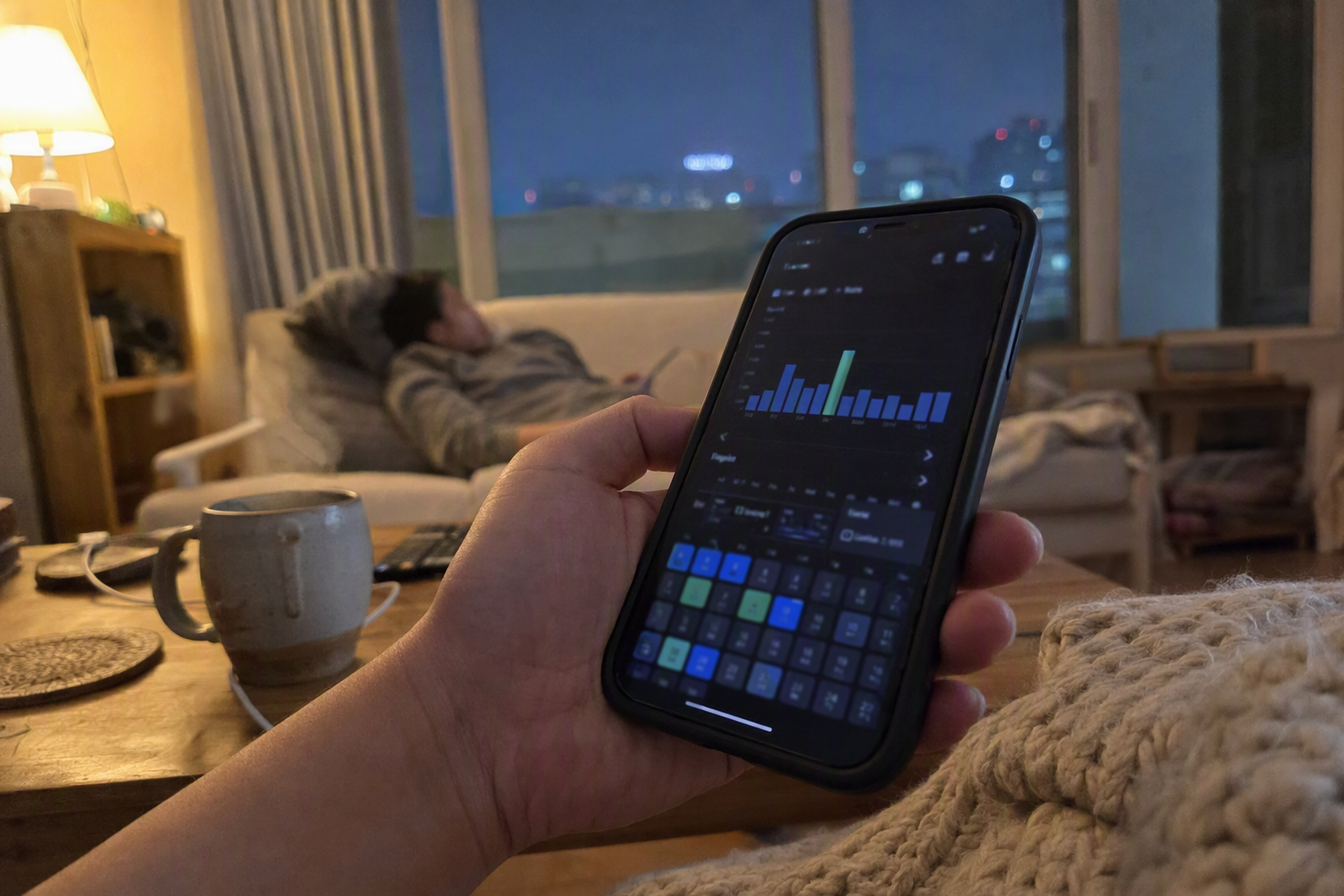
- Set price alerts on a couple of engines for your city → ICN (and GMP as a backup). Let the alerts work for you while you plan.
- Keep ±3 days of flexibility if you can; midweek departures and Tuesday/Wednesday returns often shave a little off.
- When a fare hits your “strong deal” threshold, be ready to book. The best prices don’t linger.
Simple routing moves that save real money
Korea’s domestic flights are famously cheap, and that can unlock savings on your international ticket.
Split the trip (carefully)
- Fly into Seoul (ICN) on the best international fare you can find.
- Book a separate domestic hop to your final stop—Jeju, Busan, Daegu—on a low‑cost carrier (LCC).
Why it works: international fares to regional Korean airports can be pricey; a separate Seoul leg + cheap domestic segment often totals less.
What to watch:
- Separate tickets aren’t protected. If one flight is late, the other airline doesn’t owe you anything. Give yourself 6–8 hours between flights, or consider an overnight.
- LCCs charge for bags, seat selection, sometimes even water. Compare the total price, not just the headline fare.
- Buy flexible domestic tickets if a missed connection would be costly.

Domestic steals worth planning around
Seoul ↔ Jeju is one of the busiest routes on Earth and can be astonishingly cheap. We’ve seen roundtrips around $23 and one‑ways near $7 in recent calendars. Carriers like Eastar Jet often price on the lower end. Always check baggage fees and schedules, and remember that the very lowest fares sell out fast.
If you like open‑jaw trips, try arriving at Incheon, exploring Seoul, then hopping down to Jeju or Busan and flying back to your home city from Seoul again. It’s flexible, and the domestic add‑ons won’t wreck your budget.

Airports and logistics: ICN vs GMP (and friends)
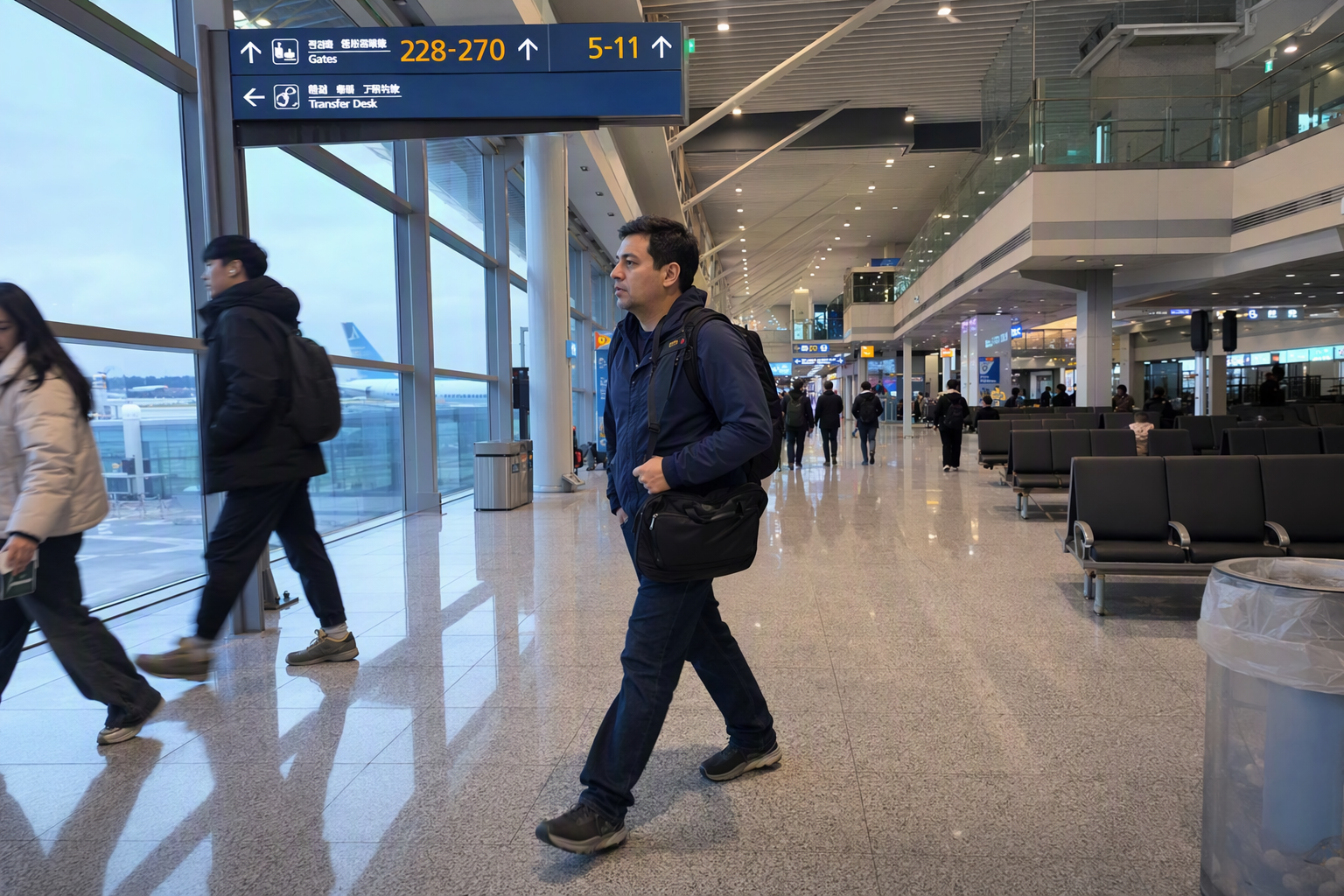
- ICN (Incheon) is where most long‑haul deals land. It’s efficient, modern, and well connected to the city.
- GMP (Gimpo) handles most domestic flights and a few regional international services. It’s closer to central Seoul and handy for short hops like Jeju or Busan.
- For regional add‑ons, consider flying into ICN, transferring to a domestic LCC from GMP, and returning to Seoul before your long‑haul home.
If you mix airports (arrive ICN, depart GMP), double‑check transfers and leave generous time. Don’t schedule a tight cross‑airport dash.

Deal‑spotting habits that work
- Track more than one airport if you can: New York vs. Boston, LAX vs. SFO—sometimes another gateway wins by a lot.
- Watch fare calendars and jump when a price falls 20–30% below what you’ve been seeing.
- Compare total cost: fare + taxes + bags + seat fees. A $50 “cheaper” LCC ticket can cost more once you add a checked bag.
- Be realistic about itineraries. A rock‑bottom fare with an overnight layover and two red‑eyes may not be worth it.

Common mistakes (we see these a lot)
- Ignoring holiday weeks. Lunar New Year, summer school breaks, and late‑year holidays push prices up. Check dates before you plan.
- Booking separate tickets with no buffer. If you’re splitting tickets, protect yourself with time or flexible fares (or both).
- Chasing the absolute lowest number without checking rules. The cheapest tickets often lock you in with change fees, long connections, or awkward airports.
- Forgetting baggage math. One checked bag each way can erase savings on an LCC.
Who this approach is best for
- Flexible travelers: If your dates can float, aim for mid‑February and keep alerts on. You’ll likely net the biggest savings.
- Budget‑minded explorers: Splitting tickets (international + domestic) is a powerful tool when you add a safe buffer.
- Business or time‑critical trips: Pay for flexibility. If you can’t afford disruptions, stick to protected connections and avoid separate tickets unless the savings are huge.
Quick benchmarks to keep in your notes
- Best timing: February (avoid the exact Lunar New Year week).
- Pricier periods: December, June; often May and late summer–fall.
- US → Seoul roundtrip targets:
- Strong: ≤ $700
- Good: $700–$1,000
- Typical: $1,000–$1,400
- Expensive: > $1,400
- One‑way signal: ≤ $400 usually means a real sale.
- Domestic deals: Seoul–Jeju can be extremely cheap (we’ve seen ~ $23 roundtrip, ~ $7 one‑way). Total cost depends on baggage and add‑ons.

A few final notes
- Prices and policies change constantly. Treat numbers here as working thresholds, not guarantees.
- Always verify holiday dates and the latest baggage rules before booking.
- If you’re mixing separate tickets, give yourself a cushion—6–8 hours minimum, or overnight if you want real peace of mind.
When a standout fare lands, grab it and start planning the fun part. We’ll see you in Seoul.