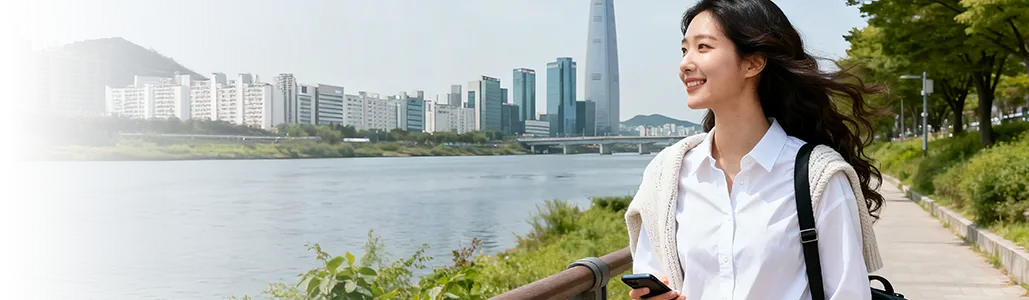
Best Places to Visit in Seoul and How to Put Them Together
A neighborhood-first Creatrip edit of palaces, markets, shopping streets, cafe districts, river parks, and easy Seoul itineraries

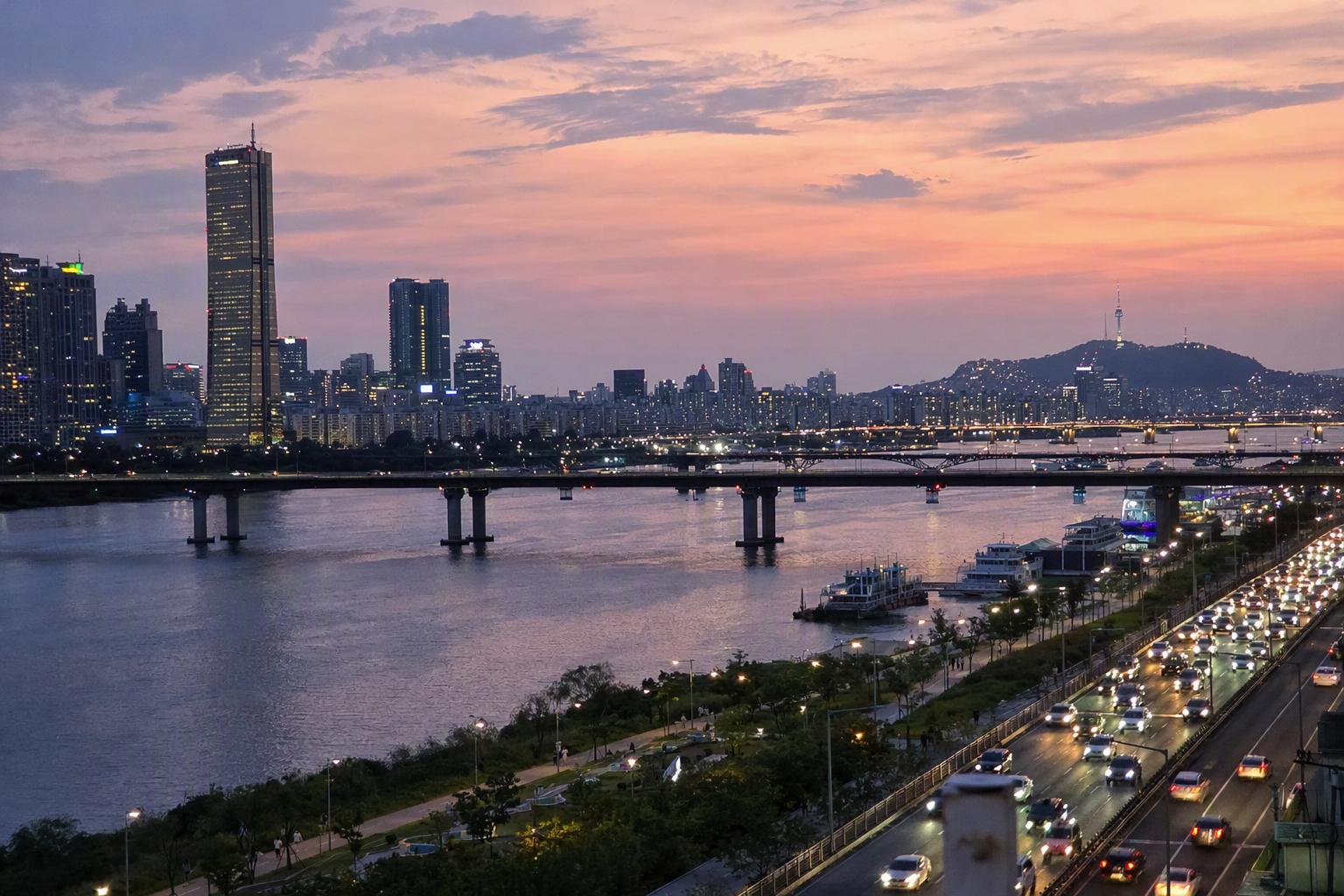
Seoul works best when you mix its different faces
Seoul is one of those cities that becomes better the moment you stop trying to make it one thing. It can be palace courtyards and hanok rooftops in the morning, glossy retail and design spaces in the afternoon, then grilled meat, river breeze, or neon streets after dark. The contrast is not a side effect of the trip. It is the trip.
At Creatrip, the Seoul mix we return to most often is simple: one historic block, one modern shopping area, one neighborhood with cafe energy, one market, one stretch of river or mountain, and one good night view. That combination shows the city far better than any frantic landmark sprint.
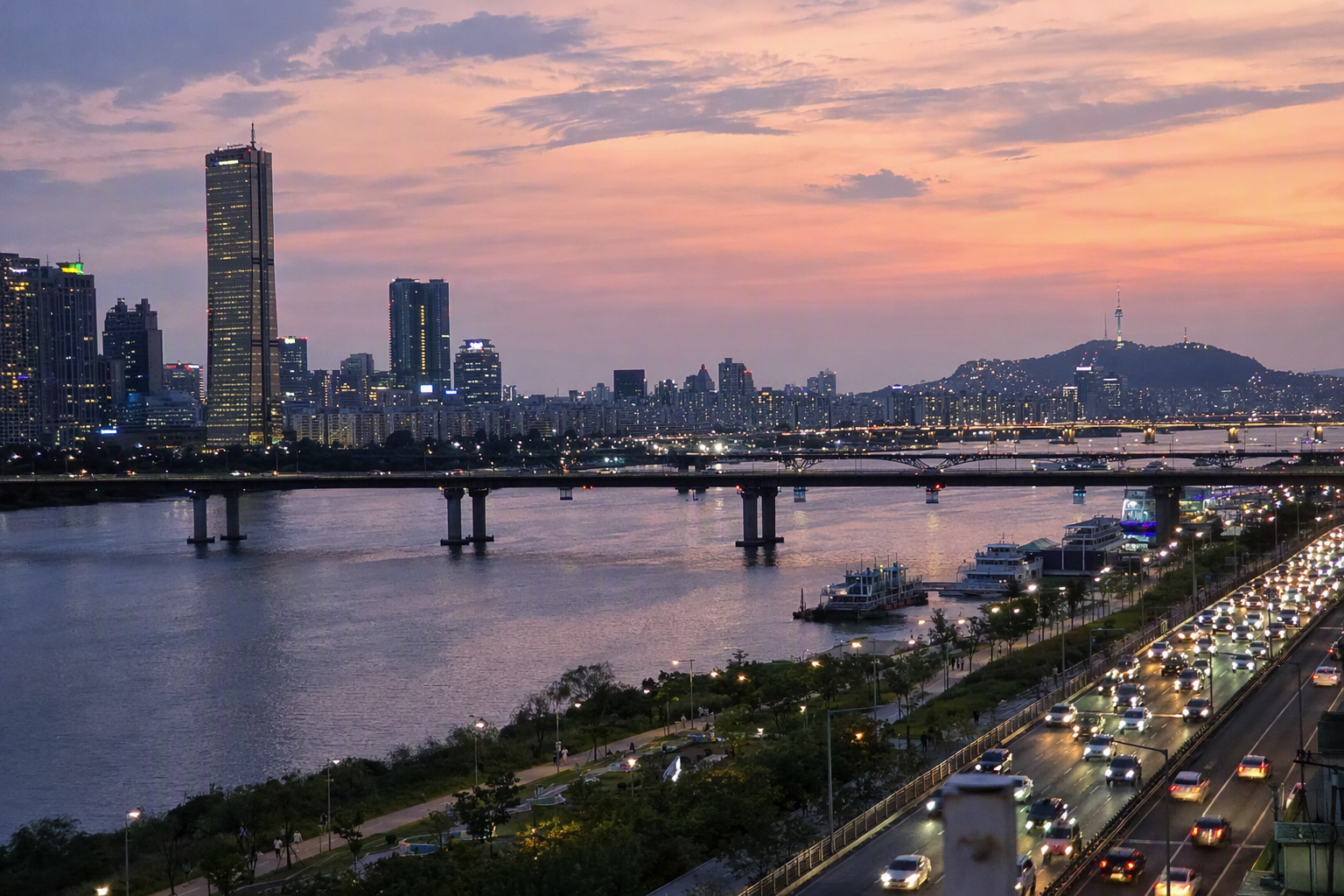
A Seoul formula that rarely disappoints:
Gyeongbokgung or Changdeokgung + Bukchon or Insadong + one shopping district + one market + one neighborhood such as Seongsu, Hongdae, or Yeonnam + one evening view or riverside stop
The city also gets easier the moment you plan by neighborhood. A few combinations that make real sense on the ground:
- Gyeongbokgung + Bukchon + Insadong
- Myeongdong + Namsan
- Hongdae + Yeonnam-dong
- Seongsu-dong + Seoul Forest
- Gangnam + COEX + Seoul Sky
- DDP + Dongdaemun
That structure cuts down travel fatigue, keeps meals and cafe stops easy, and leaves space for the thing Seoul rewards most: wandering a little.
The historic Seoul most trips should not skip
Gyeongbokgung and the old city core
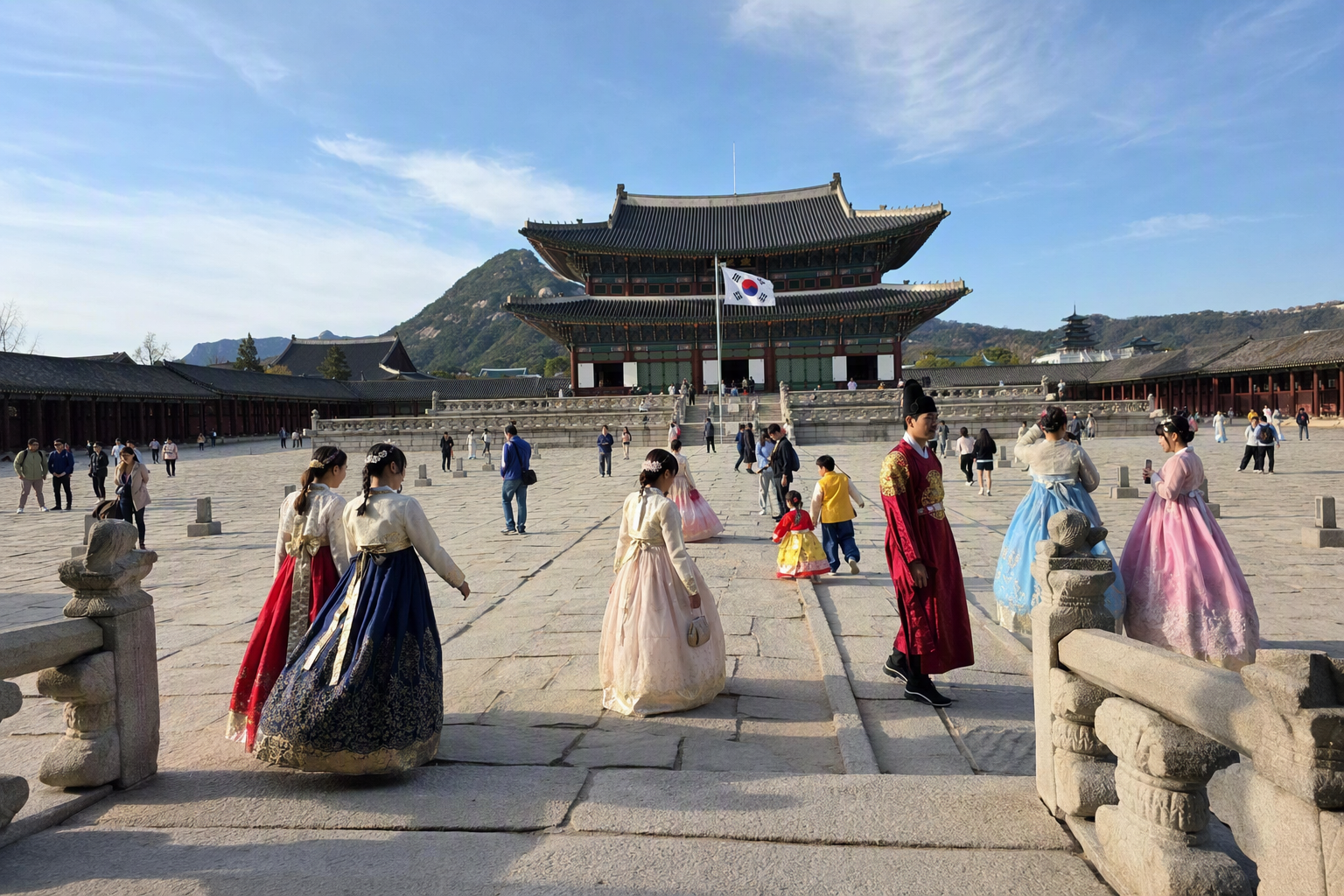
As a first look at Seoul’s past, Gyeongbokgung is still the clearest choice. It is broad, formal, and visually striking in a way that immediately anchors the city. For first-time visitors, photo-focused trips, and anyone who wants a strong sense of dynastic Seoul right away, this is where the day often starts best.
Going earlier tends to make the visit feel calmer, and it pairs naturally with Bukchon and Insadong afterward. If your timing happens to line up with the guard ceremony, it adds another layer of atmosphere. Hanbok rentals around the palace area remain popular for a reason too; they genuinely change the visual mood of the visit, especially if photos matter to you. Palace opening days and operating hours can change, so it is worth checking the latest official information before you lock in the whole morning.
Changdeokgung and its garden
If Gyeongbokgung feels ceremonial and grand, Changdeokgung feels more restrained and reflective. It often suits travelers who prefer quiet beauty, gardens, and a more contemplative pace over sheer scale. If you only have time for one palace, Gyeongbokgung usually wins for first visits. If you already know you prefer calmer spaces, Changdeokgung can be the better memory.
Bukchon Hanok Village
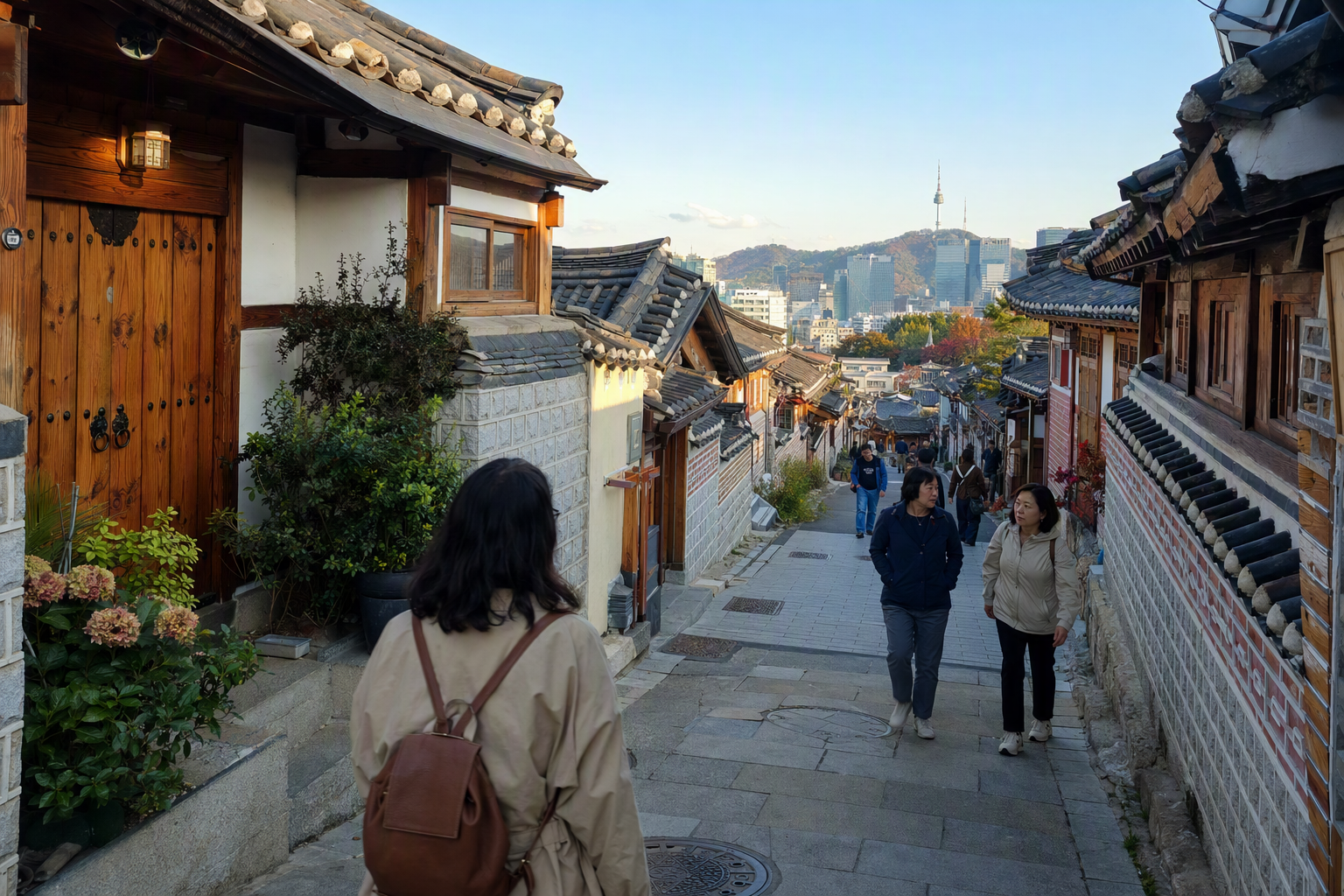
Bukchon is one of Seoul’s most recognizable scenes for good reason: traditional hanok roofs rising against a modern city backdrop still feel distinctly Seoul. It works beautifully as a walk between palace time and a slower neighborhood afternoon. The important thing is to treat it like the residential area it is, not like a giant outdoor set. A quieter visit always fits better here than a rushed photo dash.
Insadong and the Jongno backstreets
Insadong still earns its place because it bridges sightseeing and slower city wandering so well. Tea houses, craft shops, galleries, traditional snacks, and easy souvenir browsing all sit within a part of Seoul that still feels tied to the old city. It works especially well after a palace morning, when a quieter sit-down break suddenly sounds better than another big attraction.
Jongno deepens that feeling. Once you move beyond the obvious streets, the area reveals side lanes, local restaurants, small shrines, and older city textures that make Seoul feel layered rather than staged.

For the views that explain the scale of Seoul
N Seoul Tower and Namsan
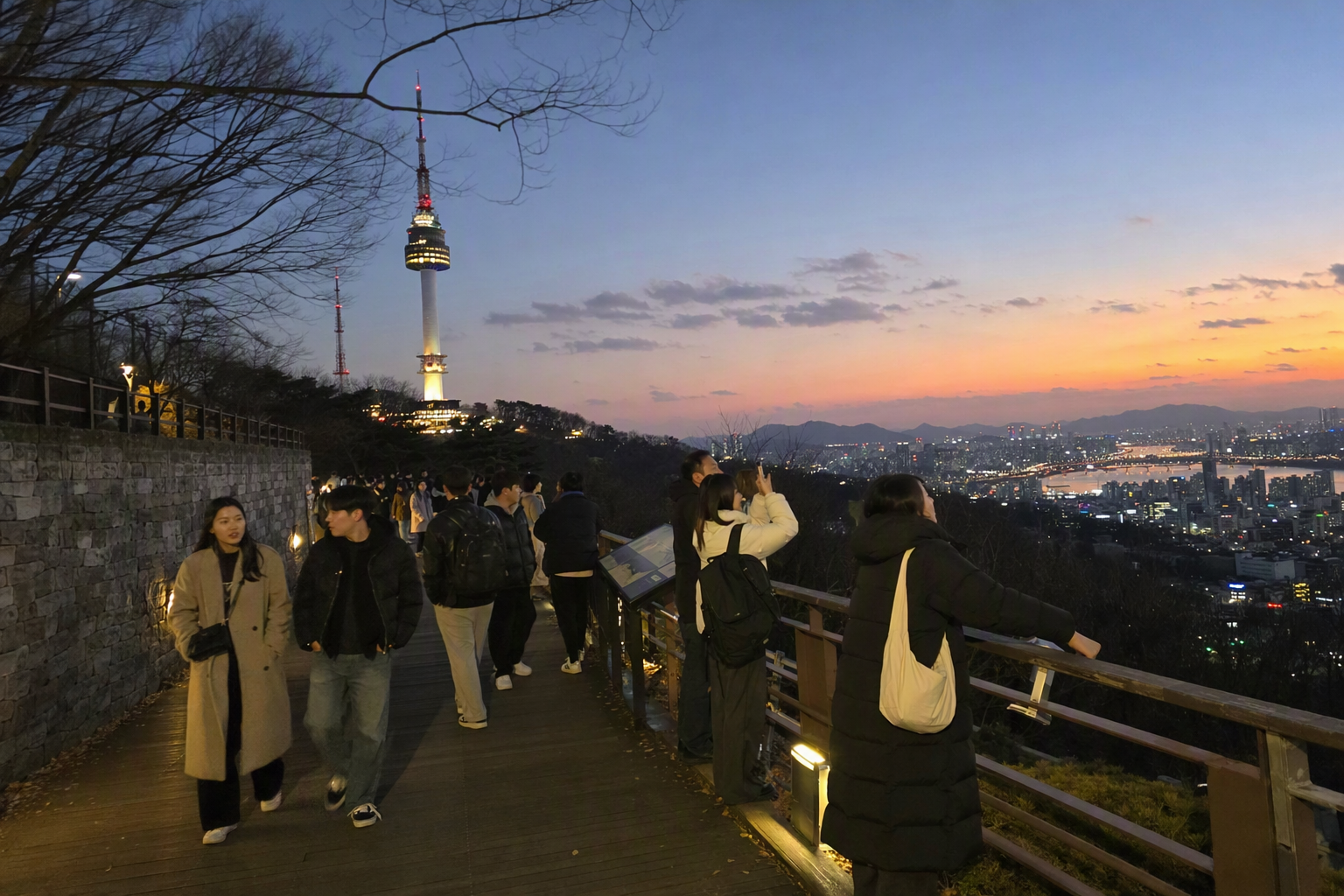
N Seoul Tower remains the classic panorama for a reason. The view is broad, the city feels endless from up there, and the trip up Namsan gives the whole experience more shape than a simple elevator ride. If you want the most iconic first-look skyline, especially around sunset, this is still the strongest choice.
It pairs neatly with Myeongdong, and it works well either as a partial uphill walk or a more convenient ride partway up before finishing on foot. The one trade-off is popularity: sunset is beautiful, but it is also when plenty of other people have the same idea.
Seoul Sky at Lotte World Tower
Seoul Sky is the polished, ultra-modern version of a city view. Where Namsan feels classic and slightly romantic, this one feels vertical, contemporary, and a little more dramatic. It is especially good when you want to feel the sheer scale of Seoul’s modern side, or when you need an indoor-friendly viewpoint on a grey or rainy day.
If the choice is between atmosphere and height, Namsan leans toward atmosphere while Seoul Sky leans toward wow-factor.
Han River viewpoints
The Han River changes the way Seoul reads. From riverside parks, bridges, and open embankments, the city feels less like one dense block of towers and more like a place shaped by water, movement, and public space. These stops are ideal when you want scenery without turning it into a major attraction slot.
Shopping districts that still earn their place
Myeongdong
Even travelers who are not deeply interested in shopping often end up glad they went to Myeongdong. It is bright, central, efficient, and packed with cosmetics, fashion, chain stores, and easy street snacks. It can feel commercial, and it can definitely feel crowded, but for shorter trips it is still one of the quickest ways to get a concentrated hit of Seoul’s urban energy.
It is also one of the easiest areas to add into a bigger day rather than dedicate a whole day to on its own.

Dongdaemun and DDP
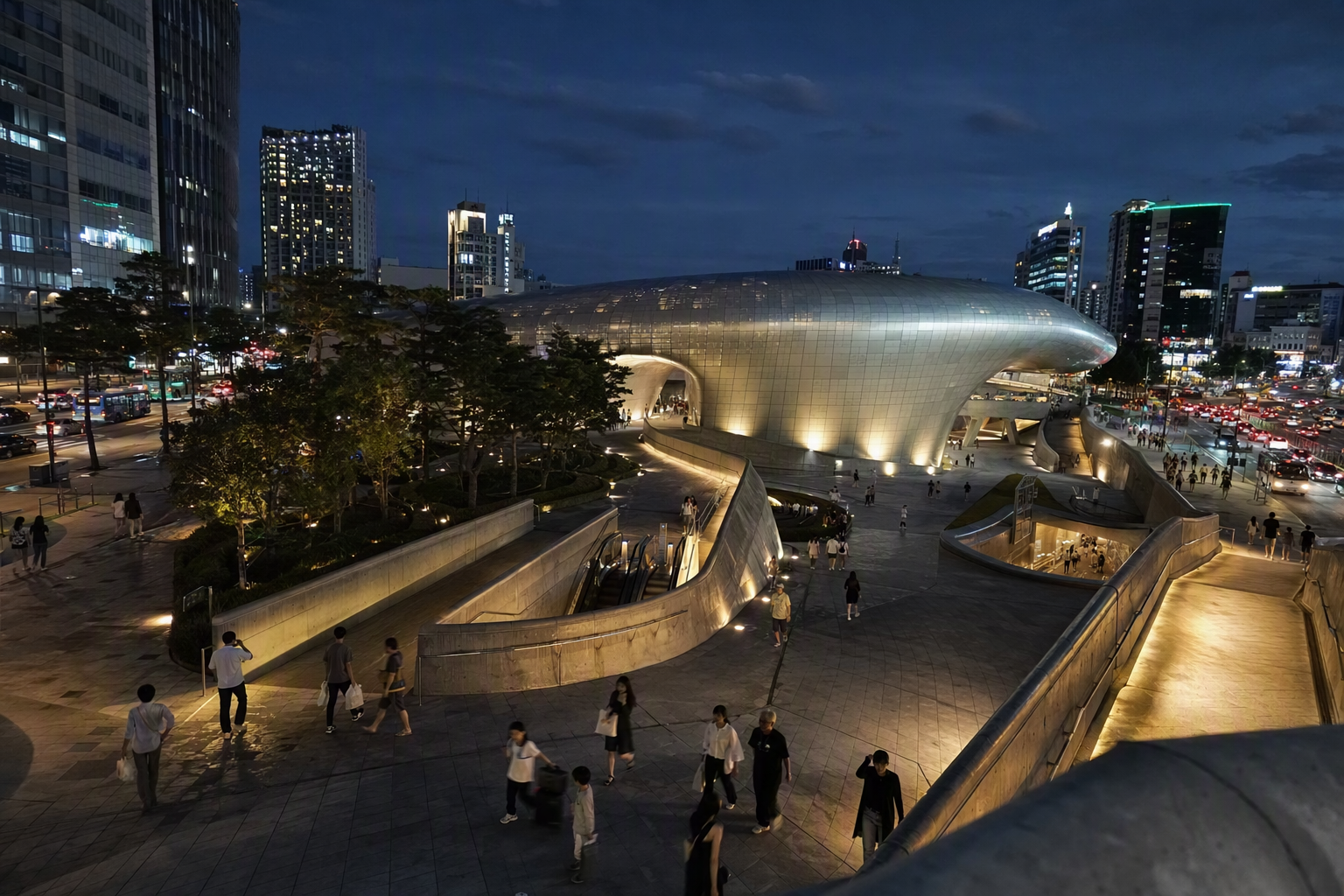
Dongdaemun is more restless than Myeongdong, and that is part of its appeal. The area works best for travelers who do not mind a little chaos in exchange for late-night city energy, fashion-focused browsing, and a strong sense of Seoul after dark. DDP adds a completely different layer: sculptural, futuristic, and especially striking once the light drops.
If you like architecture or you want a city area that feels more visually dramatic than cozy, this is a strong call.
Gangnam and COEX
Gangnam is the polished, contemporary face of Seoul: retail complexes, beauty services, sleek cafes, business-district density, and a noticeably shinier mood than the historic center. It is a useful counterweight to palace days because it shows just how different one part of Seoul can feel from another.
COEX and the Starfield Library area are especially handy on rainy days or when you want shopping, food, and indoor convenience in one place. If traditional character is your priority, Gangnam does not need to be the backbone of the trip. If modern Seoul is part of what brought you here, it absolutely deserves time.

Neighborhoods that make Seoul feel current
Hongdae
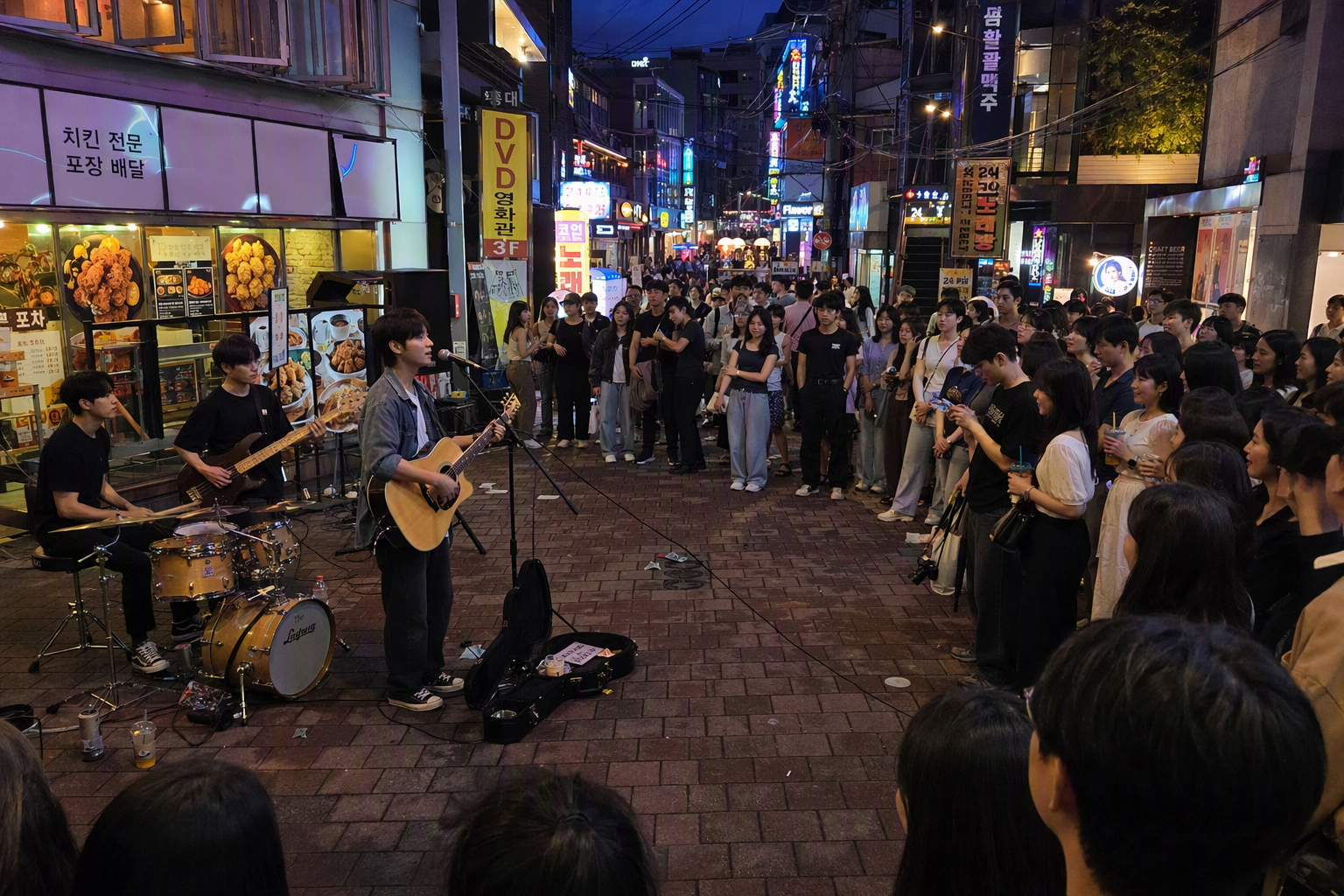
Hongdae remains one of Seoul’s best districts for youthful energy, street performances, casual shopping, cafe-hopping, and nightlife that does not need too much planning. Earlier hours are good for browsing and coffee. After dark is when the area really turns on.
The trade-off is obvious: this is not where you go for peace and quiet. But if you want one night that feels loose, social, and unmistakably urban, Hongdae still delivers.
Yeonnam-dong
Just beyond Hongdae, Yeonnam softens the mood. It is better for a slower cafe crawl, neighborhood meals, and boutique browsing than for loud nights out. When the trip needs a gentler afternoon after crowded sightseeing zones, Yeonnam often lands beautifully.
Seongsu-dong
Seongsu has become one of the strongest answers to the question of what contemporary Seoul feels like. Warehouse-style cafes, concept stores, design-forward retail, and a slightly industrial edge give it a very city-specific character. It feels curated in places, but not in a sterile way. If you only have room for one trend-focused neighborhood, Seongsu is hard to argue against.
It also pairs perfectly with Seoul Forest, which makes the whole day feel more balanced.

Itaewon
Itaewon stands apart for global dining, nightlife, and a more mixed, outward-looking city mood. It is especially useful when you want a break from more uniform shopping districts or when the group cannot agree on one cuisine. Seoul is already a city of contrasts, and Itaewon pushes that point even further.
Food is one of the best ways to understand Seoul
One polished restaurant will not explain Seoul on its own. The city makes more sense when dinner, dessert, street snacks, market food, and late-night eating all get a turn. Seoul’s food culture is strongest in contrast, not in a single famous reservation.
A few formats worth building into the trip:
- Korean barbecue for the full social meal, especially as a proper evening plan
- Bingsu when the weather is hot and dessert should count as a stop of its own
- Street food in Myeongdong or market districts for quick, lively, snack-first eating
- Neighborhood comfort food such as jajangmyeon, tteokbokki, dumplings, fried chicken, or ramen
- Traditional tea and dessert around Insadong or near the palace area
- Late-night snacks in nightlife districts, where Seoul often feels most awake
Markets that are worth making time for
Gwangjang Market is the clearest food-first pick and still one of the fastest ways to feel Seoul’s everyday rhythm. Namdaemun Market leans more practical and gives you a denser local-commercial mood. The Dongdaemun market area suits travelers who like fashion, movement, and late-night browsing folded into the experience.
Markets are especially good when you want a less polished, more direct version of the city. They are not quiet, and they are not curated. That is exactly why they belong.

When Seoul needs to slow down
Hangang Park
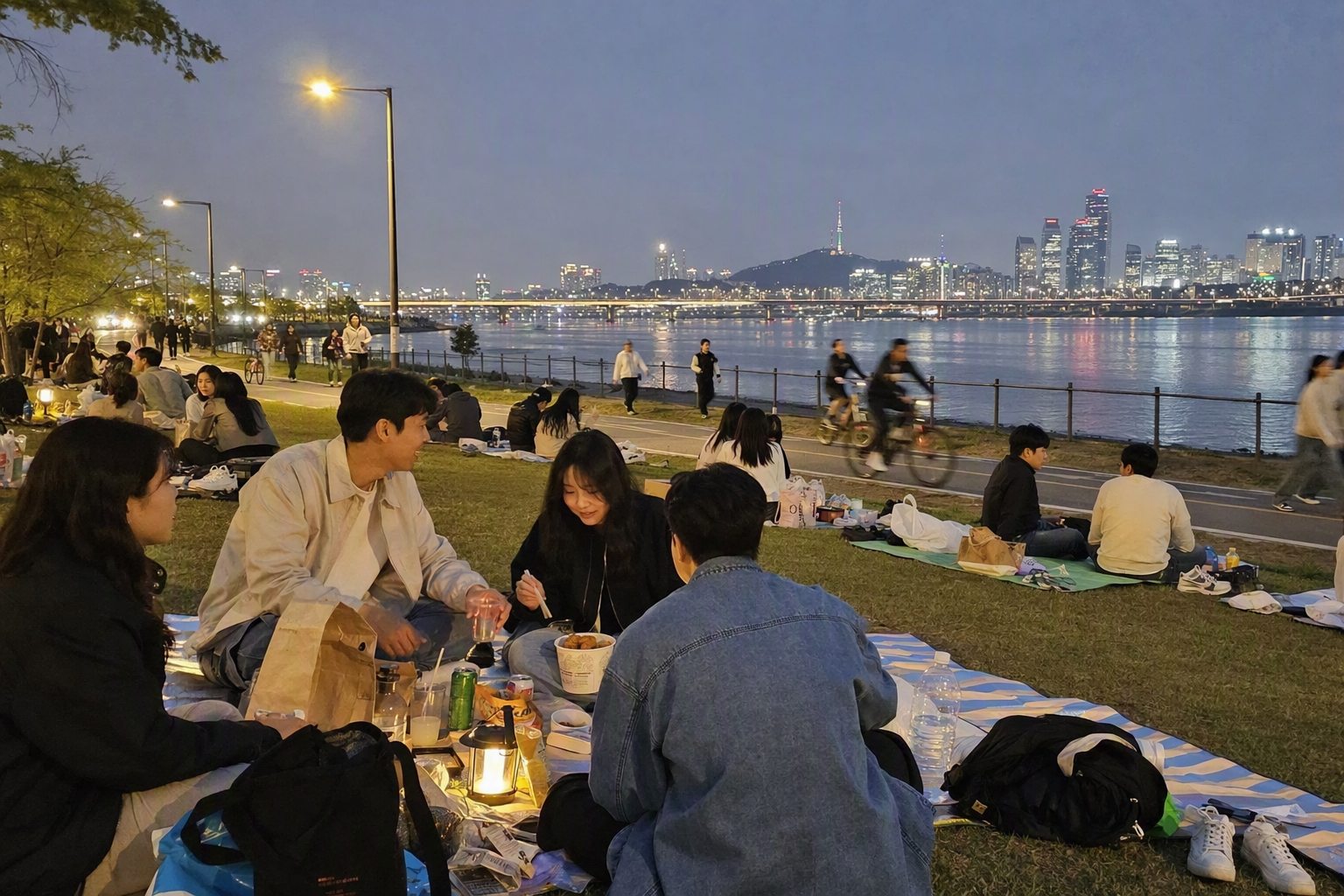
The Han River is one of Seoul’s best reset buttons. Go for a walk, rent a bike if that suits the day, or keep it simple with a convenience store picnic as the light changes. After dense sightseeing, the open space feels like a real exhale.
Even when you do very little there, it still feels worthwhile.
Seoul Forest
Seoul Forest is an easy green break without turning the day into a full outdoor mission. It is a good fit for families, slower mornings, and anyone who wants nature in a lighter dose. Because it sits so naturally with Seongsu, it is one of the easiest park additions to work into a stylish city day.
Olympic Park
Olympic Park is worth considering when you want even more room to move. It is useful on days when the trip needs openness more than attractions, and it suits travelers who simply enjoy long walks in large public spaces.
Bukhansan National Park
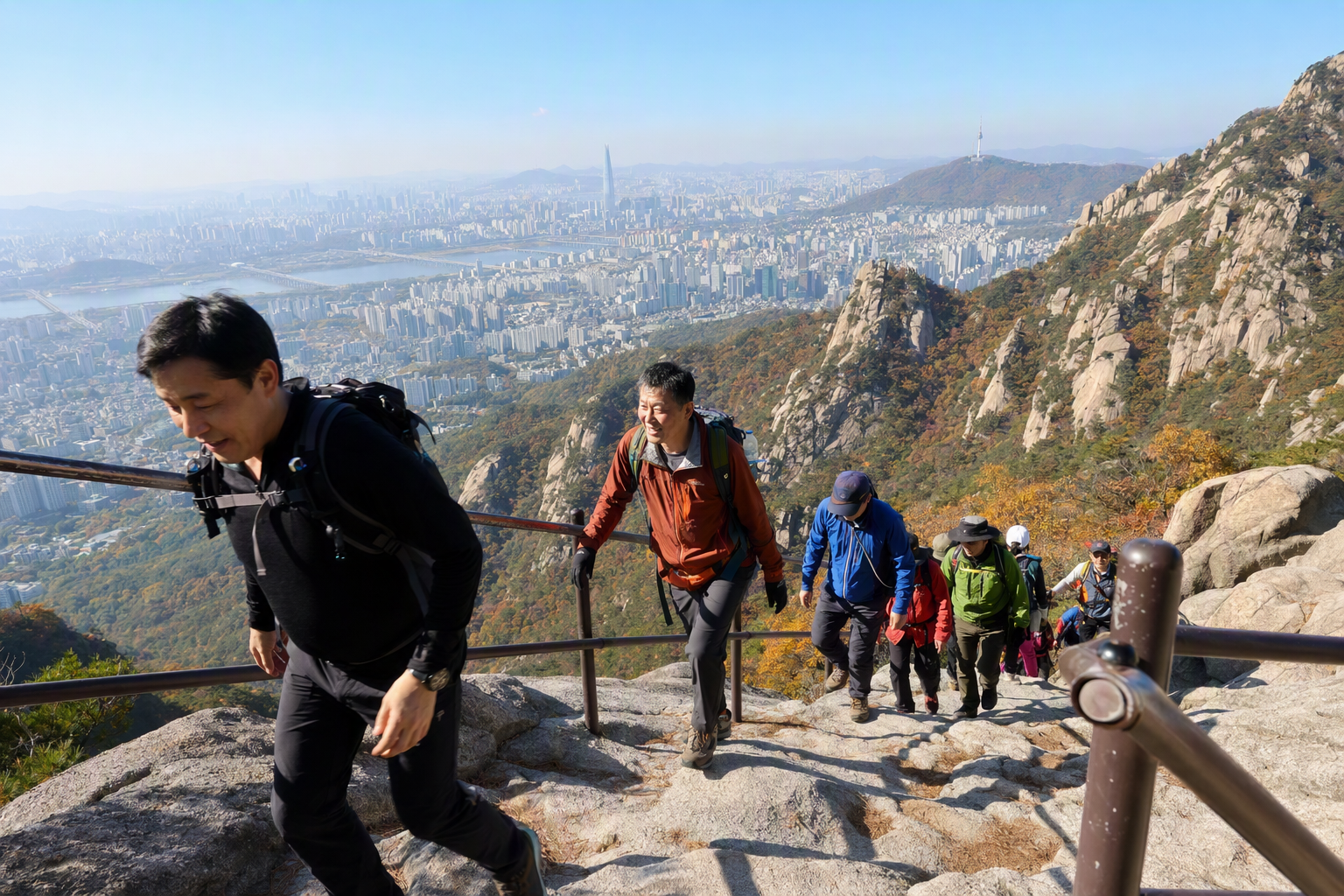
Bukhansan is Seoul’s big nature answer. This is not a casual add-on between shopping stops; it works best for travelers who genuinely want hiking and mountain scenery. The reward is one of the city’s strongest contrasts: a proper outdoor day without really leaving Seoul behind.
For active travelers, it can easily become one of the most memorable parts of the trip.
Match the city to the kind of trip you actually want
- For a first trip: Gyeongbokgung, Bukchon, Insadong, Myeongdong, N Seoul Tower, and Hongdae still give the clearest all-around picture.
- For architecture and design: DDP, Seongsu, Seoul Sky, Changdeokgung, and Gangnam or COEX make a smart mix.
- For food-focused travel: Gwangjang Market, Myeongdong street food, Hongdae or Yeonnam for cafes and casual meals, Itaewon for international dining, and Insadong for tea.
- For nightlife: Hongdae, Itaewon, Gangnam, late-evening Myeongdong, and Dongdaemun all bring different versions of Seoul after dark.
- For a slower, more local rhythm: Seongsu, Yeonnam, Seoul Forest, Hangang Park, Jongno backstreets, and neighborhood markets do more than the classic tourist corridor.
- For nature and fresh air: Bukhansan, Hangang Park, Seoul Forest, Olympic Park, and a walk on Namsan fit together nicely.
Realistic Seoul itineraries
One day
Keep the day in three clear blocks instead of trying to cross the whole city repeatedly.
- Morning: Gyeongbokgung and Bukchon Hanok Village
- Lunch: Insadong for a gentler sit-down break, or Gwangjang Market for something livelier
- Afternoon: Myeongdong for shopping and street food, or DDP if design matters more
- Evening: N Seoul Tower for the classic city view, or Hangang Park if you want something calmer
This is the most efficient way to make one day feel recognizably like Seoul.
Two days
Day one is best spent on the classic core. Day two can lean modern or neighborhood-driven.
Day 1
- Gyeongbokgung
- Bukchon
- Insadong
- Myeongdong
- N Seoul Tower
Day 2
- Seongsu or Gangnam
- COEX or Seoul Sky
- Hongdae or Yeonnam-dong
- A late dinner or evening market stop
Choose Seongsu if you want current cafe and design culture. Choose Gangnam if you want a shinier, retail-heavy version of modern Seoul.
Three days
With three days, Seoul starts to breathe.
Day 1: Historic Seoul
- Gyeongbokgung
- Bukchon
- Insadong
- Gwangjang Market
Day 2: Modern Seoul
- DDP
- Myeongdong
- Gangnam or COEX
- N Seoul Tower or Seoul Sky
Day 3: Neighborhood Seoul
- Seongsu
- Seoul Forest
- Hongdae or Yeonnam-dong
- Hangang Park in the evening
This split works well because it gives each side of the city room to feel distinct.
Five days
Five days is where Seoul becomes layered instead of fast.
A good rhythm looks like this:
- one day for palaces and the old city
- one day for shopping districts and skyline views
- one day for trend-forward neighborhoods
- one day built around food and markets
- one day for nature or a slower neighborhood loop
If the schedule allows it, keep at least half a day intentionally open. Seoul rewards unplanned time more than many cities do.
The planning habits that save a Seoul trip
Group sights by neighborhood
This matters more in Seoul than many first-time visitors expect. A day built around nearby areas feels relaxed. A day that jumps from Gyeongbokgung to Gangnam to Hongdae to Seoul Sky can feel strangely exhausting, even with good public transport.
A few easy pairings to remember:
- Gyeongbokgung + Bukchon + Insadong
- Myeongdong + Namsan
- Hongdae + Yeonnam-dong
- Seongsu-dong + Seoul Forest
- Gangnam + COEX + Seoul Sky
Expect more walking than the map suggests
Seoul’s transport is excellent, but many of the best parts of the city happen on foot once you arrive. Comfortable shoes make a bigger difference here than people often expect.
Let the weather shape the fine print
- Hot weather: lean into cafes, markets, and riverside evenings
- Rainy days: COEX, shopping malls, cafes, and indoor attractions make more sense
- Cold weather: indoor food spots, shopping streets, hot soups, and tea houses feel far better than forcing long outdoor stretches
Do not overstack headline attractions
Seoul can feel endless if you try to do everything. The city reads better when dense sightseeing is balanced with deliberate pauses.
Treat Bukchon like a neighborhood, not a set
It is one of the most photogenic places in Seoul, but people live there. A slower, quieter visit suits the area best.
Check the latest official information
Opening days, special access, and operating hours can change for palaces, observatories, and major attractions. It is worth confirming the latest details before a tightly planned day.
The Seoul we recommend most often
The version of Seoul that stays with people is usually not the one with the most pins on the map. It is the one with the best contrast: a palace block, a market meal, a stylish neighborhood cafe, a shopping street at dusk, a river or mountain pause, and one great look at the skyline after dark.
That is when Seoul stops feeling like a checklist and starts feeling like itself.