
DMZ Tours from Seoul: What You Actually See and Which Tour Fits Best
The standard Paju route, the reality of JSA access, and the details that matter more than the photos

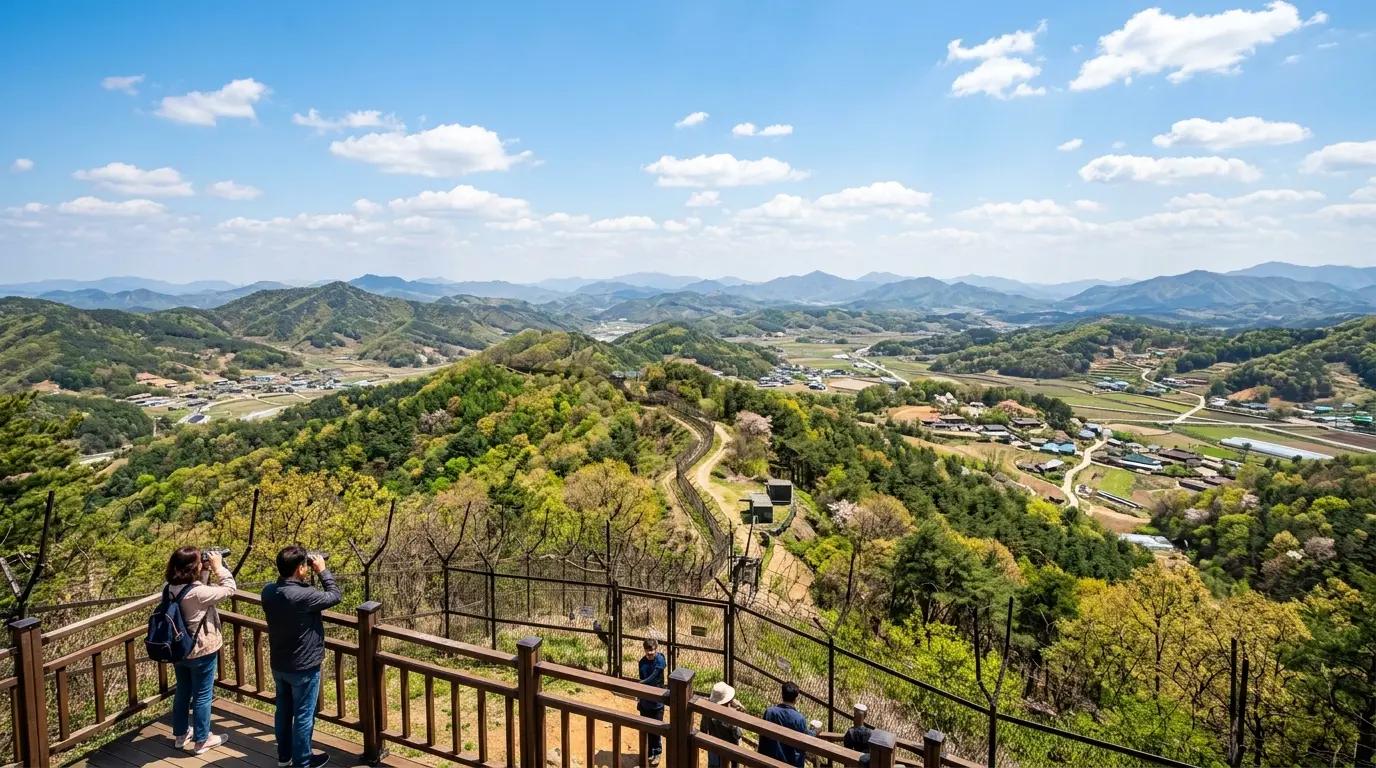
The Korean DMZ has a strange hold on visitors to Seoul. It is not a scenic countryside escape, and it is not a normal history museum day. A DMZ tour is part memorial, part geopolitical lesson, part tightly managed border access — which is exactly why so many travelers want to do it.
The catch is that the product is often misunderstood. Most tours sold from Seoul as DMZ tours do not mean free access deep inside the entire Demilitarized Zone. In practice, most follow a controlled route in the Paju border area, moving by approved bus through the Civilian Control Zone and selected military-managed stops. That sounds less romantic than the brochures, but it is the honest version — and, for most travelers, the useful one.
The expectation reset that makes booking much easier
At Creatrip, we think one detail changes the whole decision: a standard Seoul DMZ tour and a JSA/Panmunjom tour are not the same trip.
The standard tour is the one most people actually book. It usually centers on Imjingak, Freedom Bridge, the 3rd Tunnel, Dora Observatory, and often Unification Village or another memorial stop. It is structured, fairly reliable, and built around what ordinary visitors can access under current military rules.
The JSA, on the other hand, is the symbolic border space people know from news footage and old travel posts. It is far more restricted, far more fragile politically, and often unavailable or only partially operating depending on the security situation. If your heart is set on Panmunjom, treat it as a separate product with separate rules, not as the deluxe version of a normal DMZ day trip.
Why the DMZ feels unlike any other day trip from Seoul
The DMZ was created by the 1953 Korean Armistice Agreement. It stretches roughly 250 kilometers across the peninsula and is about 4 kilometers wide, with the Military Demarcation Line running through the middle. It is still one of the most heavily militarized borders in the world, even though the zone itself was conceived as a buffer.
That tension is part of what makes it so memorable. The DMZ is both a wound and a refuge: a place defined by division, military surveillance, and the long afterlife of war, but also a protected ecosystem where more than 6,000 species have been recorded because human access has been so limited. At the same time, the area remains contaminated by more than a million mines and unexploded ordnance, which is one reason tourism here is never casual.
The standard Paju DMZ route, stop by stop
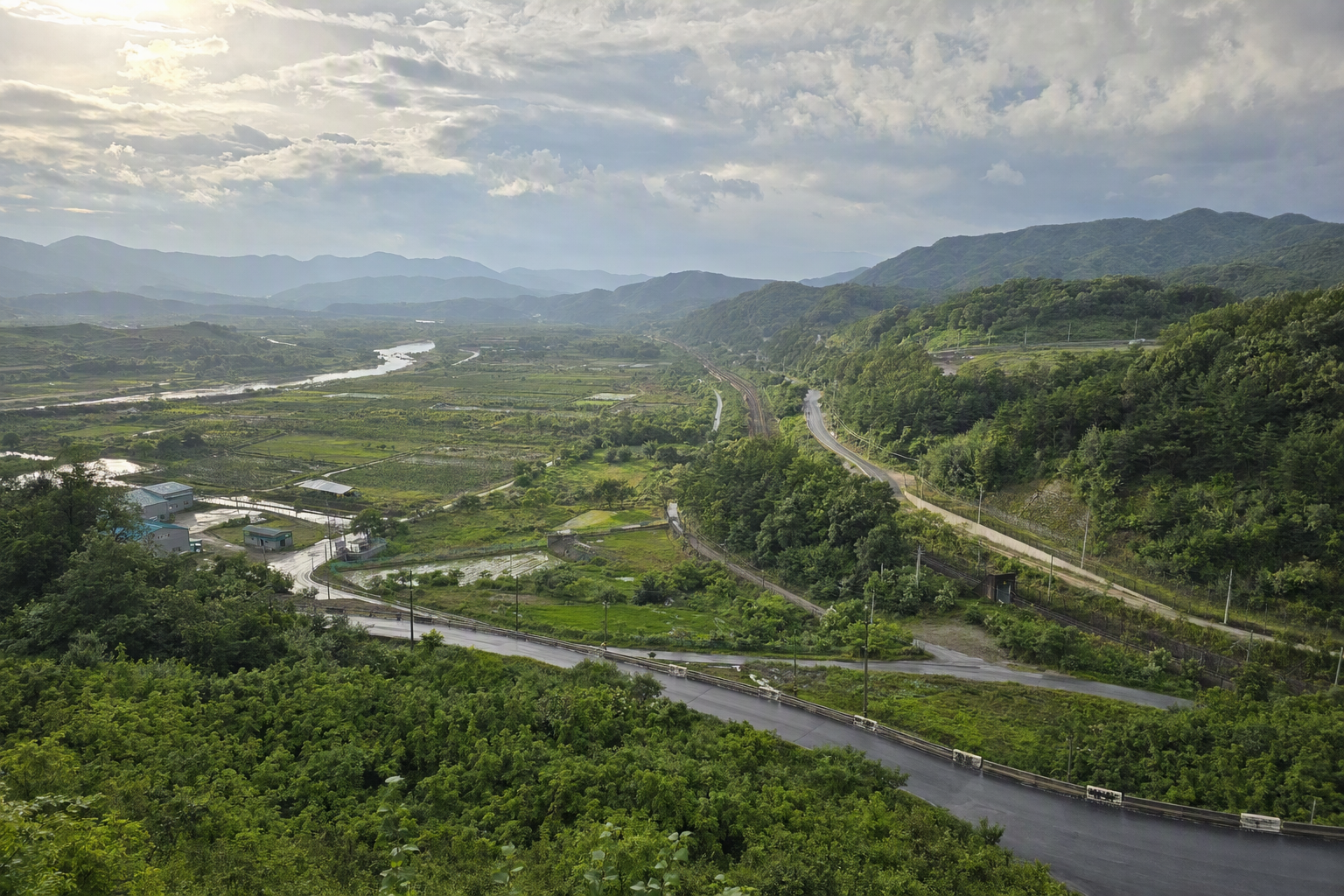
Most Seoul departures follow a route so consistent that you can use it as a quick reality check while comparing tours. If a product description barely mentions these stops, it is probably leaning harder on add-ons than on the DMZ itself.
Imjingak and Freedom Bridge
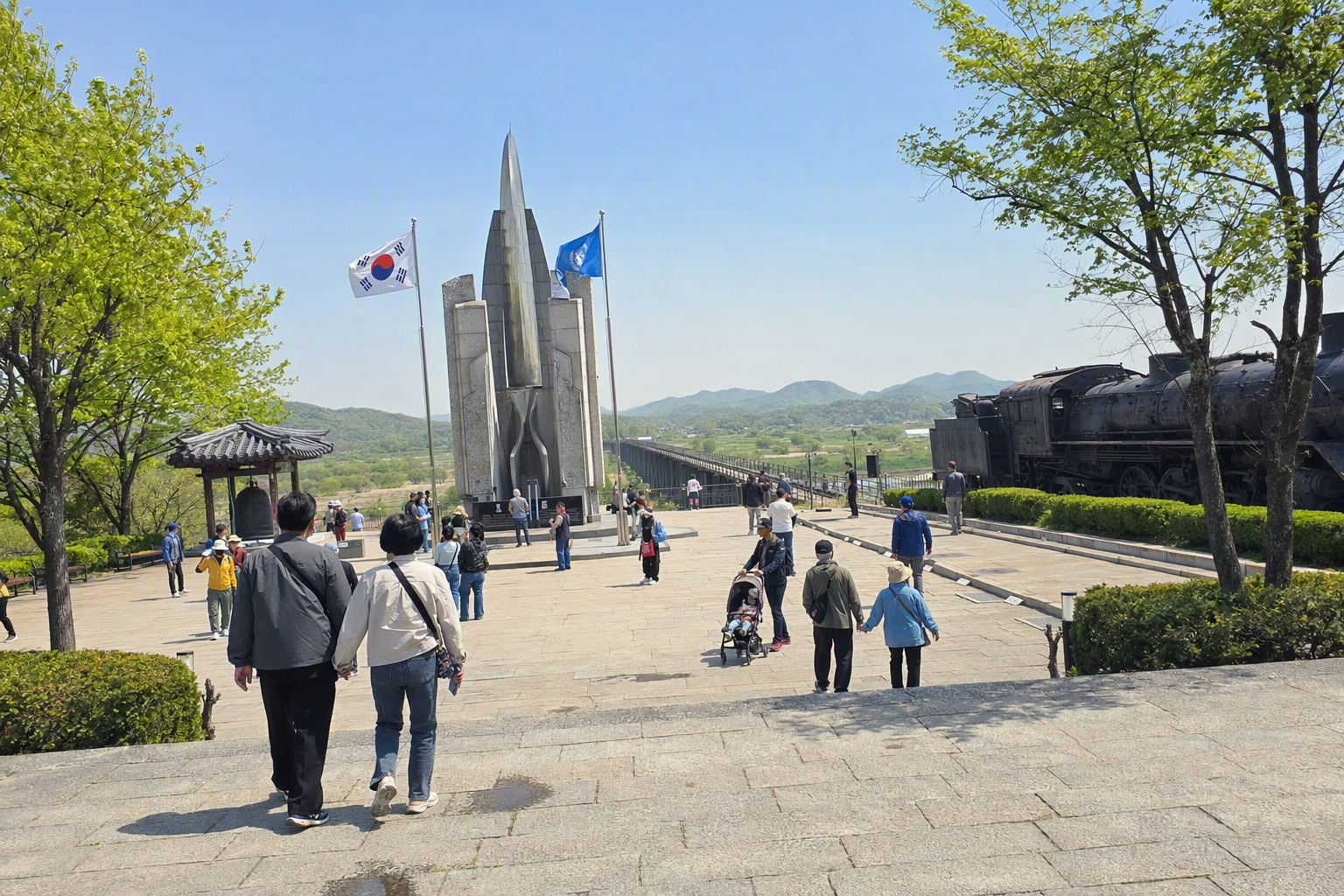
Imjingak Peace Park is where the day usually starts to feel real. It is part park, part memorial space, part viewing area, with monuments and symbols tied to separation and reunification. Nearby, Freedom Bridge carries some of the emotional weight of the route. It is one of those places where the Korean War stops feeling like background knowledge and becomes personal, physical, and unfinished.
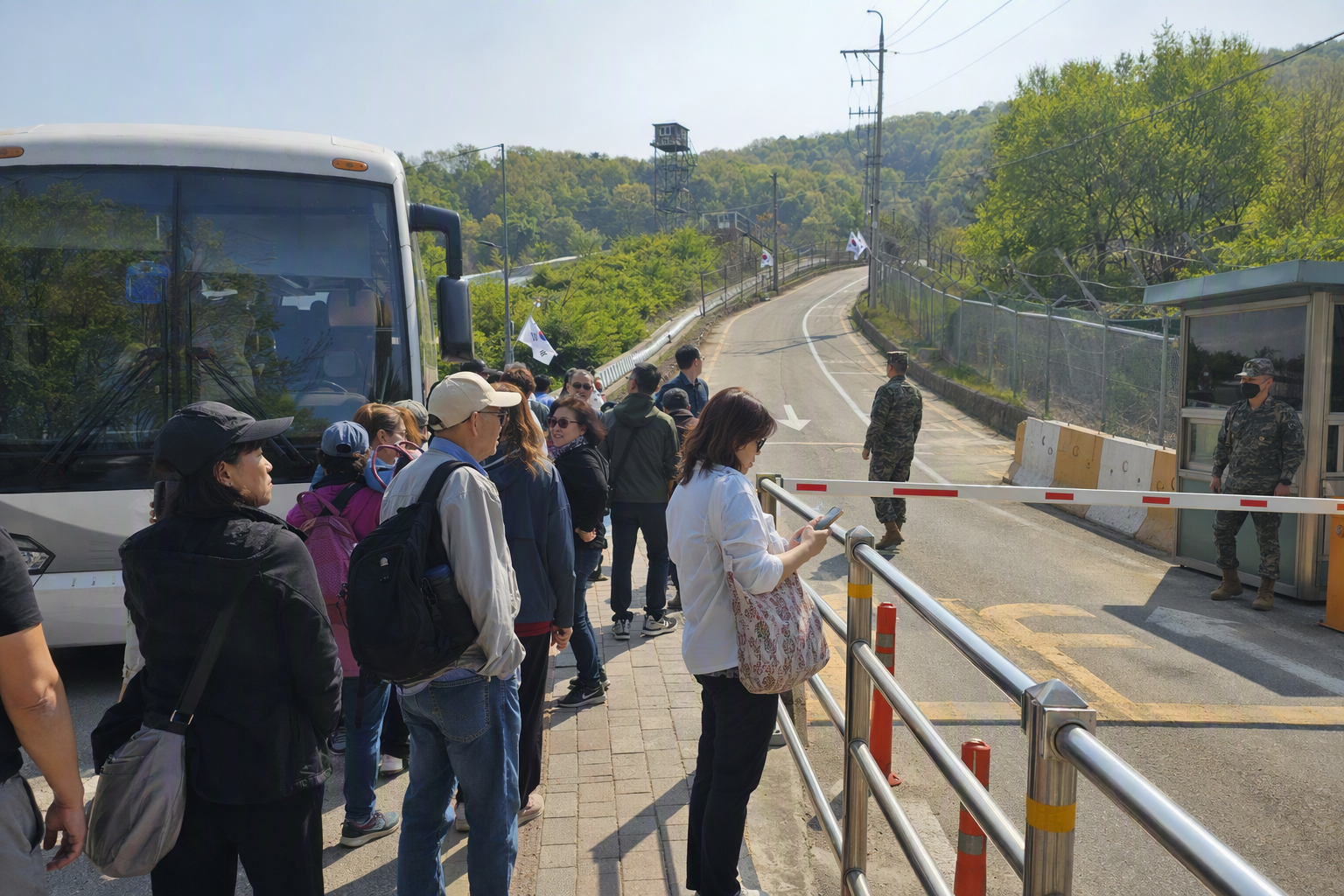
This first section also makes clear that the day is not about independent wandering. Checkpoints, identity checks, and guide instructions are part of the rhythm.

The 3rd Tunnel
For many travelers, the 3rd Tunnel is the most memorable stop on the standard route. It gives the border story a physical shape rather than just a symbolic one. This is usually the point where a DMZ tour stops feeling abstract and starts feeling startlingly concrete.
Not every itinerary handles the timing the same way, and military control can affect the order of stops. Still, if you are booking the classic Paju course, the 3rd Tunnel is one of the main reasons to go.

Dora Observatory
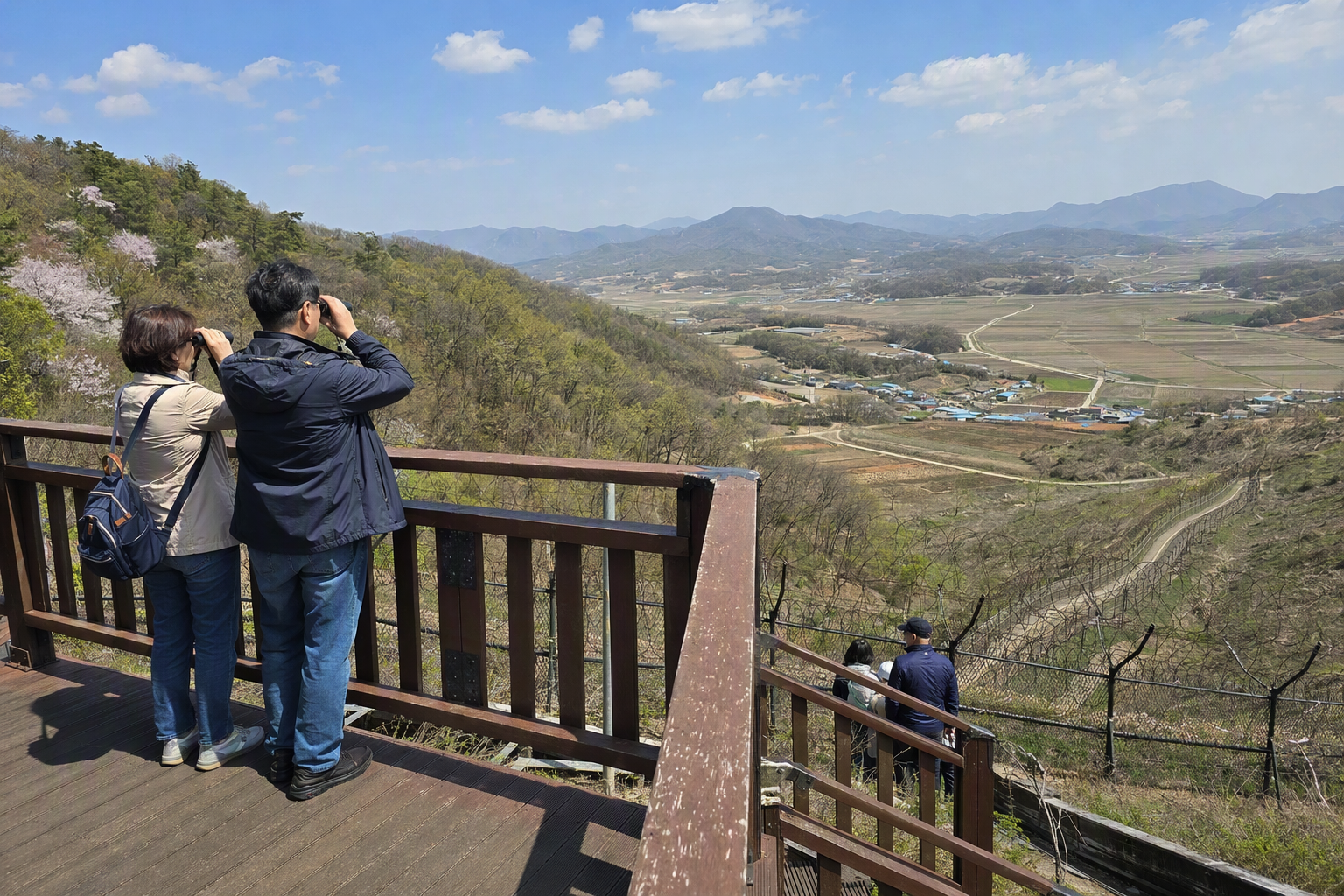
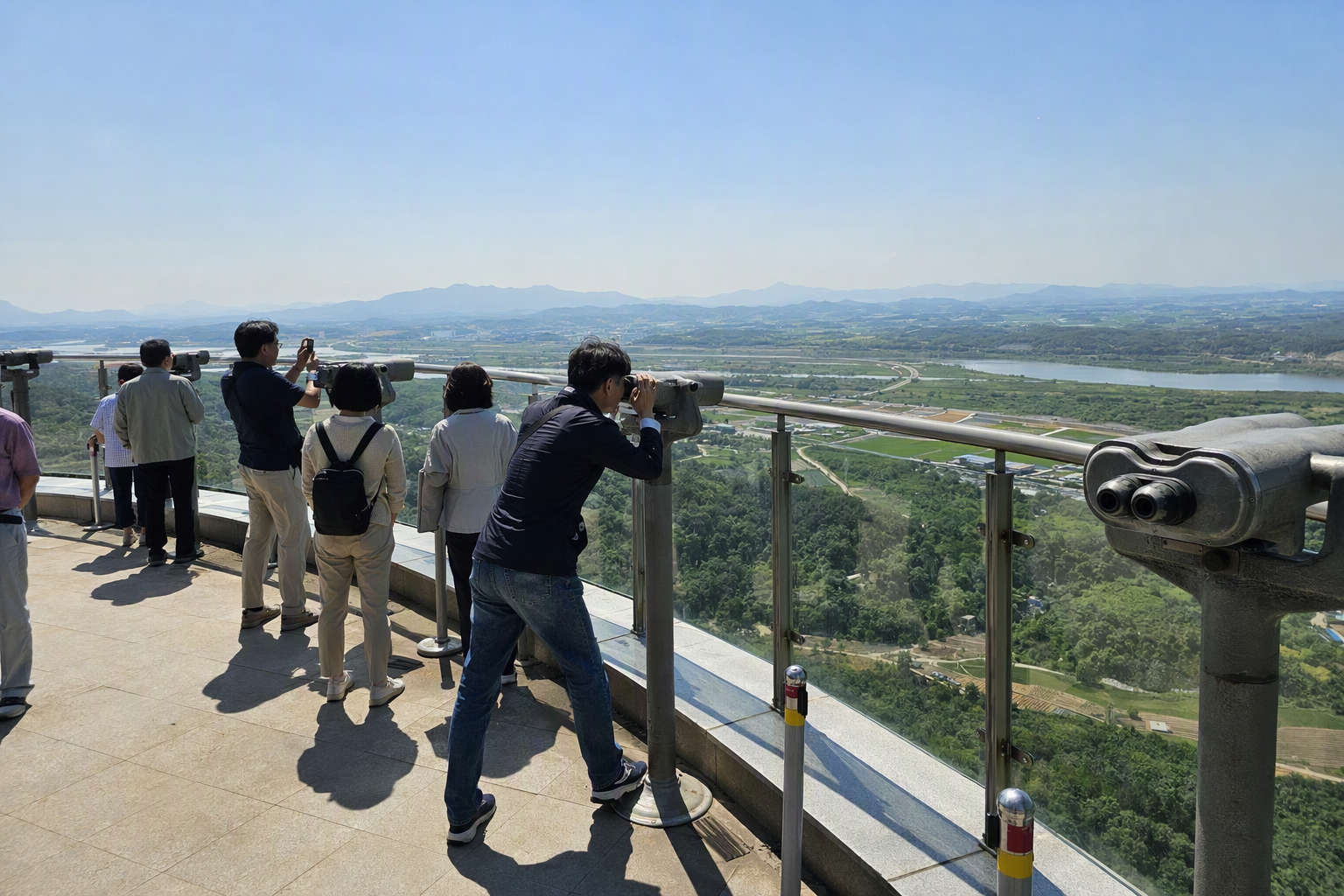
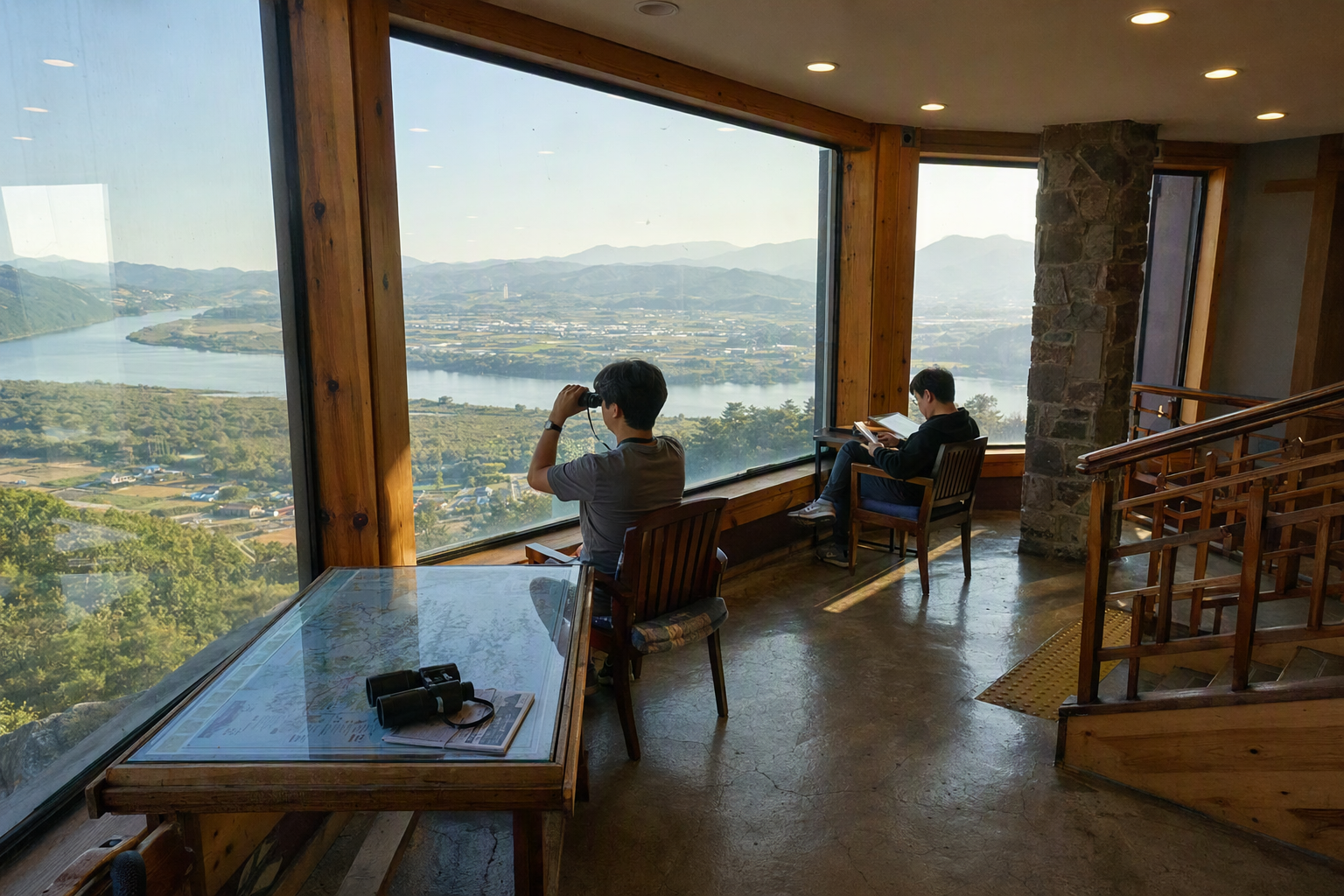
Dora Observatory is the stop many visitors picture before they even book. It offers one of the most controlled, recognizable views toward North Korea, and it brings the geography of the peninsula into focus in a very immediate way.
This is also where travelers often realize how regulated the experience is. Access is not the same as driving up to a normal viewpoint. It is generally tied to an approved tour or official peace and security program, and photo rules can be much tighter than people expect.
Unification Village, Dorasan-area stops, and the add-on effect
Many tours include Unification Village or another related stop such as a memorial space, observatory, or occasionally Dorasan Station depending on the operator and daily conditions. This part of the schedule varies more than the core route.
That variation is not always a bad thing. Some full-day versions add a suspension bridge, gondola, boat ride, or even seasonal experiences like strawberry picking. These can make the day feel fuller and more relaxed, especially if you are traveling with family or friends who want a mix of history and scenery. The trade-off is simple: the more extras a tour adds, the less concentrated the DMZ part can feel.
Half-day, full-day, or private?
For most travelers, the real choice is not whether to do the DMZ. It is which shape of DMZ day makes sense.
-
Half-day or 6 to 7 hour standard tour
Best for travelers who mainly want the classic Paju stops without turning the border visit into an all-day production. -
Full-day DMZ tour with extras
Better if you do not mind a broader, more packaged day and like the idea of mixing border history with lighter scenic stops. -
Private DMZ tour
Usually pricier, but appealing if pickup convenience, pacing, or a less crowded feel matters more than getting the cheapest seat.
Price ranges shift constantly, but standard tours commonly start around US$35 to US$55, with some platforms advertising lower entry prices on select dates or stripped-down options. Full-day and private versions climb from there. Prices and hours move around enough that it is smarter to treat these as ranges and verify the latest listing before you pay. If a tour looks unusually cheap, check whether it trims the core route or pads the day with unrelated stops.
JSA and Panmunjom: the part people mix up most often
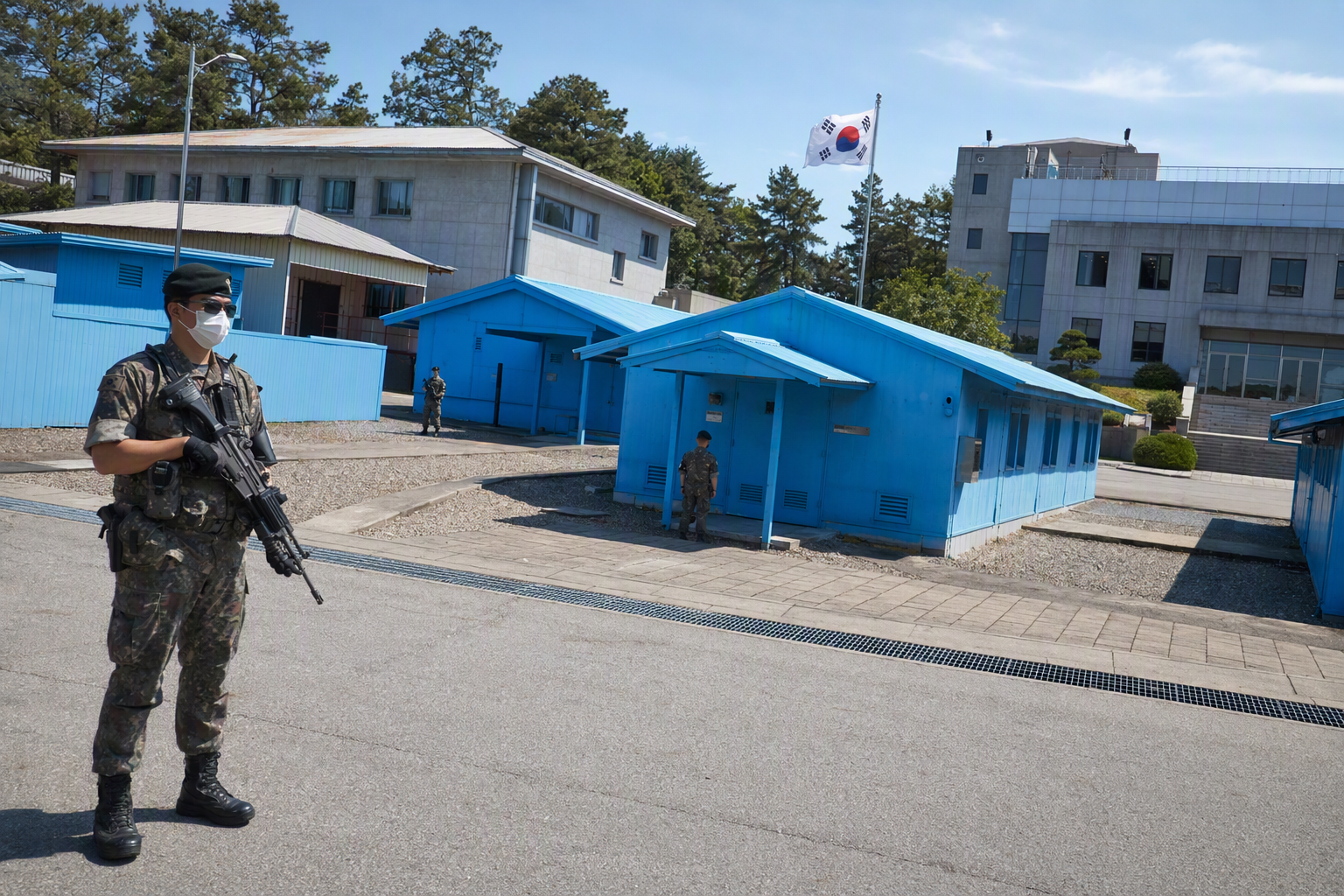
The JSA, or Joint Security Area, sits in a category of its own. It is more politically sensitive, more symbolically loaded, and far less predictable than the standard Paju course.
When JSA tours are operating, they are usually run under much stricter military oversight, often through Camp Bonifas, and can include places associated with Panmunjom such as meeting areas, Freedom Bridge, or the Bridge of No Return depending on the exact program and current rules. Older blog posts describing easy public access or stepping across the line inside conference buildings are not a safe baseline anymore.
The bigger issue is availability. Public JSA access has been repeatedly suspended, partially reopened, or limited according to the political and security climate. In other words, it is not the sort of activity to anchor a tight itinerary around unless the latest official or operator information clearly shows it running.
Why JSA booking is more demanding
JSA products often come with:
- physical passport requirements
- advance passport submission
- nationality-based restrictions or extra screening
- stricter age limits
- strict dress codes
- more rigid cancellation rules
That dress code matters more than people think. Depending on the operator, items like sleeveless tops, short skirts or shorts, sandals, flip-flops, ripped jeans, camouflage, or military-style clothing can lead to denial of entry with no refund. Some operators also state that residence cards are not accepted in place of a passport, and Korean nationals are often handled through different application channels altogether.
And the price jump is real. When available, JSA tours often start around US$130 to US$184 or more, and that still does not buy certainty.
The upgrade that can change the whole tone of the day
One of the strongest differences between average DMZ tours and genuinely memorable ones is a North Korean defector session.
Several popular tours now include a live talk or Q&A with a defector, either on the bus or at a related exhibit space. Reviews consistently point to this as the part that adds depth, not because it is dramatic for the sake of drama, but because it turns the day away from pure military sightseeing and back toward lived human experience.
That said, operator quality matters. In the best versions, the session feels respectfully integrated into the day. In weaker versions, it can feel rushed or paired with unrelated commercial stops that flatten the mood. If this element matters to you, read recent reviews closely rather than assuming all defector programs are equally thoughtful.

The practical details that matter more than the brochure photos
A DMZ day trip runs on rules, not on vibes. A few things regularly catch travelers off guard:
- Bring your passport. Many DMZ tours require passport or ID checks, and for JSA tours a physical passport is usually mandatory.
- Make sure your booking name matches your document exactly. Small mismatches can become big problems at a checkpoint.
- Monday is often a weak day for the classic route. Many operators use alternative schedules, sometimes replacing the usual stops with other tunnel-area sites.
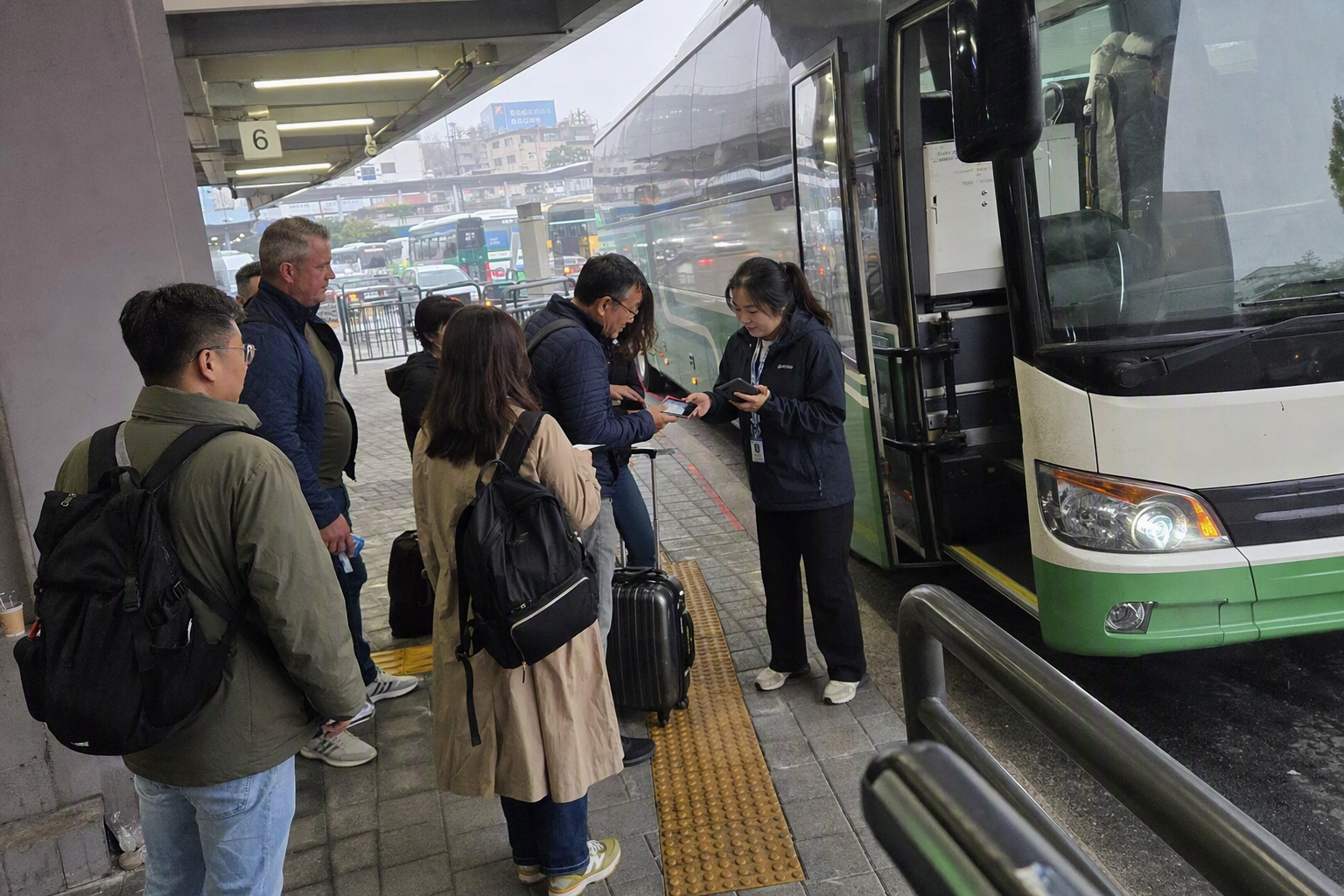
- Expect early starts and some waiting. Some tours work with same-day ticketing or military-controlled entry flow.
- Read the route-change policy before you pay. Military conditions can force substitutions, and some companies offer alternative stops rather than refunds.
- Do not plan on going independently to places like Dora Observatory. Access is generally tied to an approved organized program.
Some listings advertise 24-hour free cancellation, but that is not the same as a guarantee of a refund if the military changes the route on the day. If your schedule in Korea is tight, this is one of those excursions where paying a little more for a reputable operator can be worth it. The route itself may be similar across companies, but clarity about documents, timing, and contingency handling makes a real difference.
If you want the border story without the full DMZ logistics
Not everyone needs the standard Paju circuit.
Some travelers are really after the view toward North Korea, not the full checkpoint-and-tunnel experience. In that case, observatory-focused options such as Odusan or Aegibong can be easier, lighter alternatives. Outside the Seoul day-trip frame, places like Goseong Unification Observatory, the DMZ Museum, or Yanggu area sites offer a different angle on the same story.
There are also rail-based options. Korail's DMZ Peace Train-style routes have connected Seoul with border tourism programs such as Dorasan security tours, offering a more distinct travel experience than the usual coach format. As always with border travel, schedules and operating days can change, so it is worth checking the latest official information before building plans around a specific route.

Our Creatrip take
If this is your first DMZ day from Seoul, we would not overcomplicate it. A well-reviewed standard Paju tour is still the smartest choice for most visitors. It gives you the essential places, the right amount of historical weight, and a much better chance of actually happening as planned.
A full-day version makes sense if you want a more relaxed pace or a few scenic extras. A defector talk is worth prioritizing if you care about context more than just saying you saw the border.
As for the JSA, it is not the better DMZ tour. It is a different, more volatile product altogether. If it happens to be operating during your trip and you meet the rules, it can be meaningful. But it is never the safe default.
The reason the DMZ stays with people is that it never quite behaves like a tourist attraction. It is a border, a memorial, a political reality, and a very controlled day out all at once. Go with the right expectations, keep your plans flexible, and it can easily become one of the most thoughtful excursions you take from Seoul.