
LASIK in Korea Review: My 1-Week SMILE LASIK Journey in Seoul

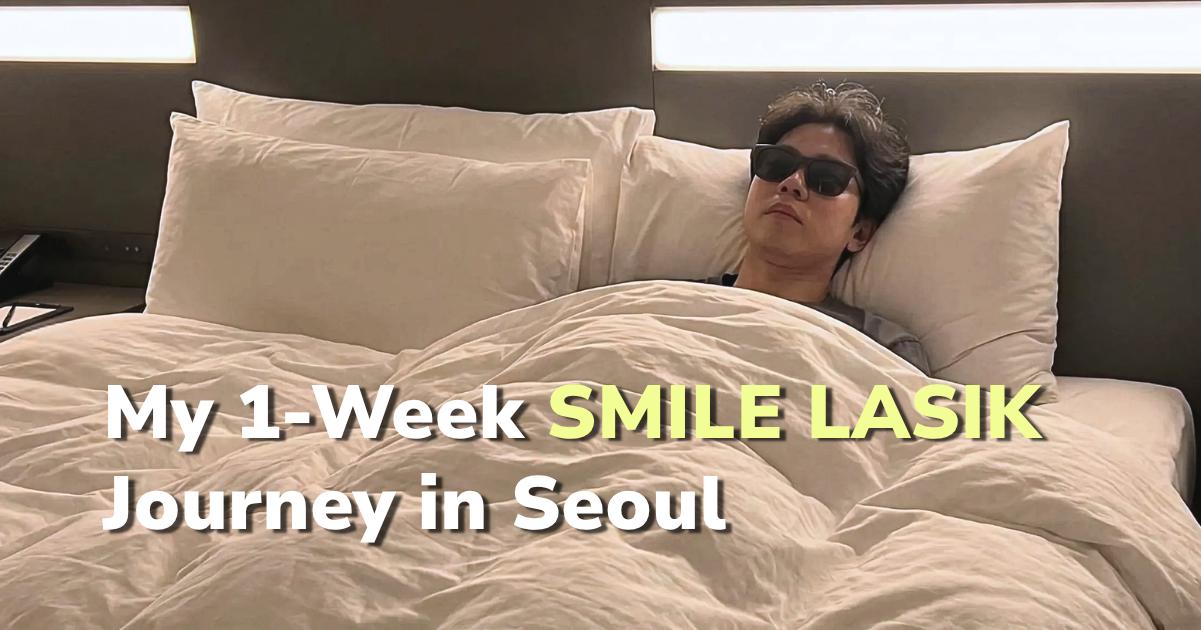
- Today's topic: SMILE LASIK in Korea
- 1. Why I Got LASIK Done in Korea (The Cost Factor)
- 2. My Criteria for Choosing an Eye Clinic in Korea
- 3. The Full Process: Before, During, and After LASIK in Korea
- 4. How to Book LASIK in Korea as a Foreigner1

- 5. FAQ: What Foreigners Ask Most About LASIK in Korea
- *Bonus: A Quick Look at Bright Eye Clinic's New Space
Hi — I'm Millie, a Creatrip editor.
If you've seen my previous post, you know I recently went through a full-body health checkup at KMI in Seoul and shared the whole experience. After I published that post, I got a lot of messages, but one message in particular stood out.
My friend Brandon, who lives in San Francisco, texted me after reading my blog and asked about something specific: the price of LASIK in Korea.
I told him I’d heard LASIK in Korea typically costs around 2,500,000 KRW (roughly ~$1,800 USD). He went quiet for a second, then asked me to say that again.
As a Korea travel editor, I knew right away I couldn’t let this one go 😏. And conveniently, Brandon was already planning a trip to Japan, so I may have guilted him a little. I told him it’d be pretty cold to fly right past Korea without stopping to see me after three years. He caved. I treated him to a nice dinner, and in return, I got the full story.
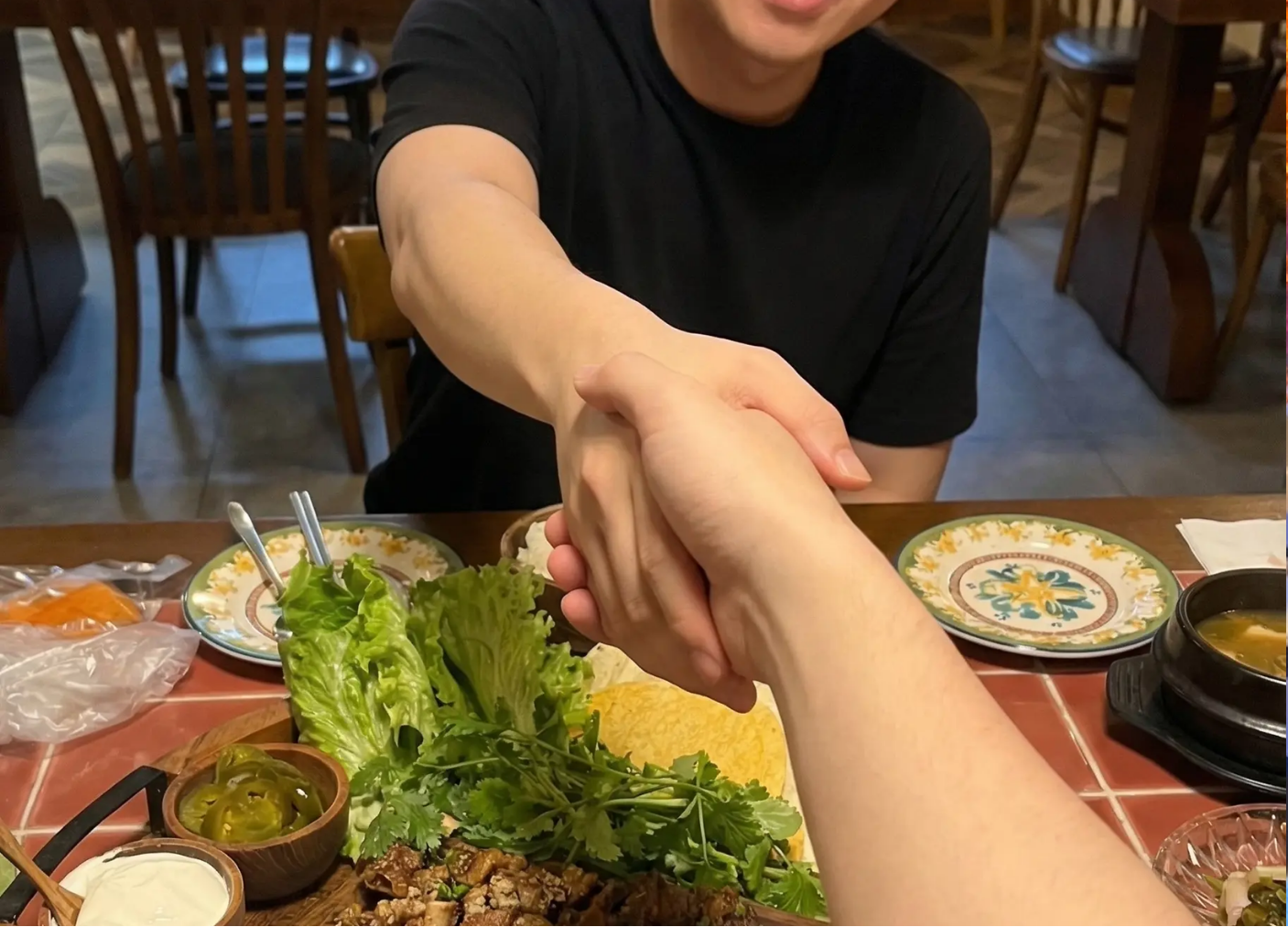
Here’s Brandon’s LASIK experience in Korea!
✨ Bright Eye Clinic Exclusive Benefit
Book through Creatrip and get a 100,000 KRW cashback event — available on an ongoing basis. Don't miss it.[스팟] Gangnam Bright Eye Clinic | Achieve Perfect Vision at Korea’s Largest Eye Clinic
Today's topic: SMILE LASIK in Korea
— Written by Brandon, 30, software developer, San Francisco
Hi. I'm Brandon.
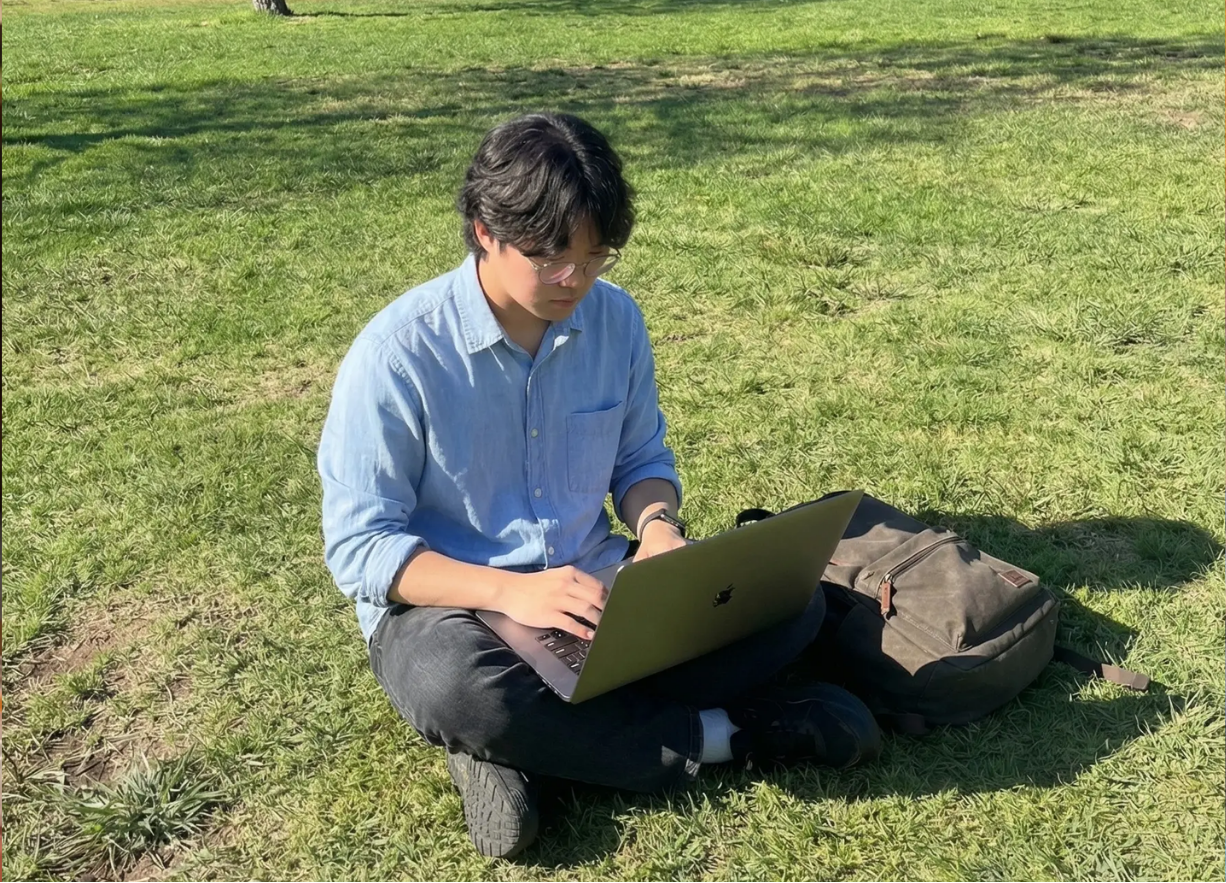
Millie basically ambushed me with a camera and a notepad the moment I landed in Seoul, so here I am writing a blog post about getting SMILE LASIK in Korea. Honestly though, if this helps even one person make the decision faster than I did, it's worth it.
I'll cover:
1. Why I got LASIK done in Korea (and how much I saved)
2. My criteria for choosing an eye clinic
3. The full process: before, during, and after LASIK in Korea
Millie will cover:
4. How to book LASIK in Korea as a foreigner
5. FAQ: What foreigners ask most about LASIK in Korea
1. Why I Got LASIK Done in Korea (The Cost Factor)
I'm a runner — nothing competitive, just my way of decompressing after a long day of staring at code. The problem is, glasses are a nightmare when you sweat as much as I do, and contacts dry out fast on a run. I'd basically just gotten used to finishing my last couple miles half-blind. Figured that was just... the deal.
Then one evening I was trying a new route near my neighborhood, didn't see a puddle, stepped right into it, fell, scraped my knee, and cracked my Apple Watch. That was it for me. I'd been putting off LASIK for years, and that was the last push I needed.
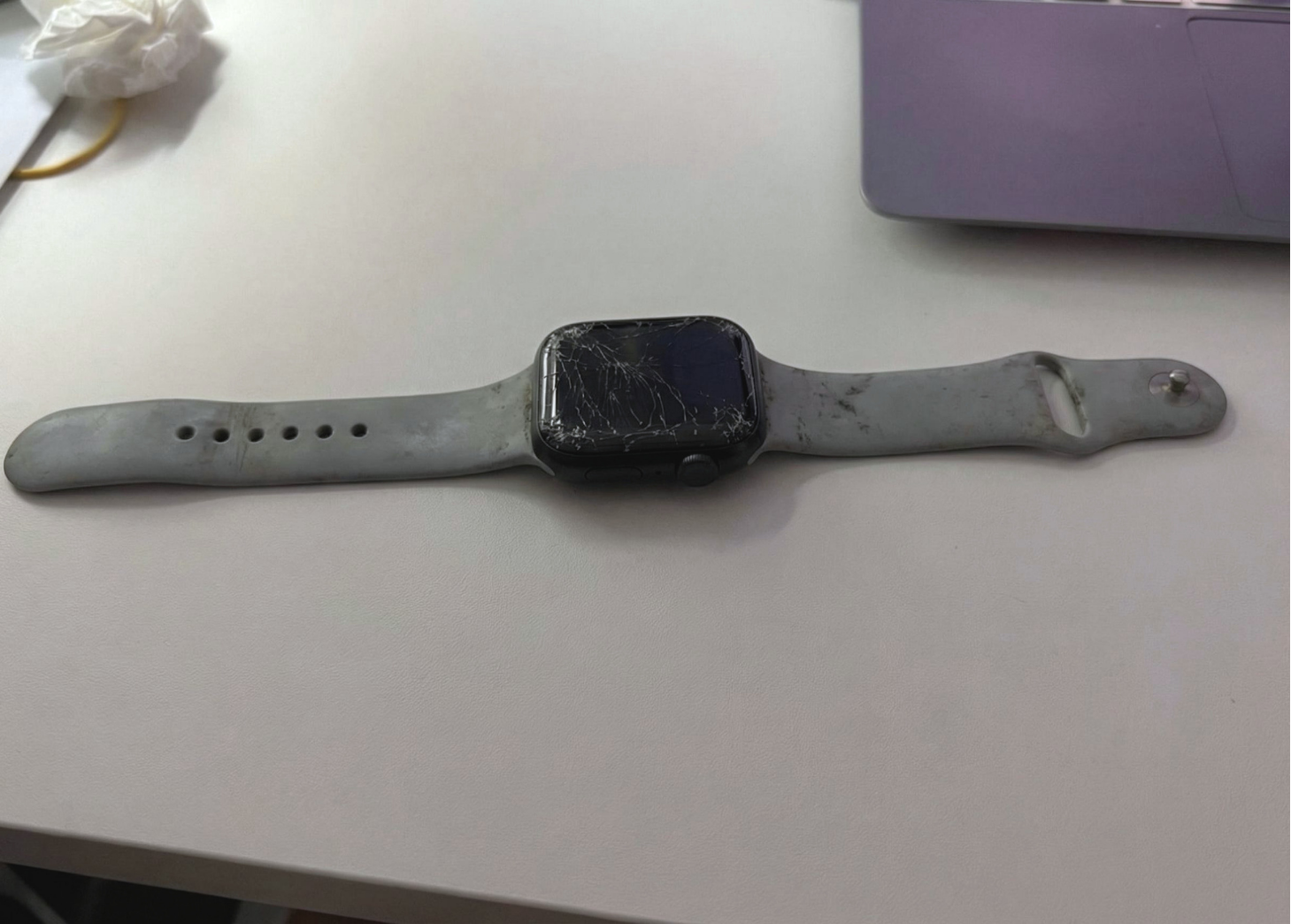
I started looking into it in the U.S. The quotes I got were around $6,000 for SMILE LASIK — which, fair enough for the Bay Area, but still. I was already kind of on the fence.
Then a coworker mentioned Korean LASIK is significantly cheaper. I wasn't totally sure if I believed that until Millie confirmed it: around $1,800 for SMILE LASIK at a reputable clinic. That's less than a third of what I was quoted stateside.
| Procedure | USA(Avg.) | South Korea(Avg.) |
|---|---|---|
| LASIK | $4,000 – $5,500 | $1,300 – $1,600 |
| SMILE | $4,500 – $6,500 | $1,500 – $2,300 |
| ICL (Lens Implant) | $8,000 – $10,500 | $2,900 – $3,900 |
Millie’s tip: Vision correction procedures in Korea are typically about 4 to 5 times more affordable than in the U.S. The South Korea pricing is based on actual rates from Bright Eye Clinic.
I got curious about why the price was so much lower, so I looked into it. Turns out, Korea has one of the highest myopia rates in the world, right up there with Singapore. That means the vision correction market here is huge, and with that level of competition between clinics, prices naturally come down.
Country / Region | Annual Vision Correction Rate (per 1,000 People) |
|---|---|
South Korea | 3.77 – 4.16 |
United States | 2.39 – 2.54 |
Europe (Average) | 1.50 – 1.80 |
What really stood out was how high the vision correction rate is relative to the population. Korea is clearly higher than the U.S. or Europe. (At this point, Millie told me I should just take her job..)
But honestly, that made me feel better about it. A higher rate means doctors are doing this way more often. So instead of questioning the price, I started trusting the experience behind it..
2. My Criteria for Choosing an Eye Clinic in Korea
Look, I'm an engineer. I don't just do things without researching them first. This is literally my eyes we're talking about, so I had a pretty specific checklist going in.
① Surgeon experience — number of surgeries performed
I know LASIK is machine-assisted, but the surgeon still matters. From what I’d read, outcomes can vary depending on how experienced your doctor is. I wanted someone with a high volume of successful procedures and a clean track record. No incidents, no horror stories.
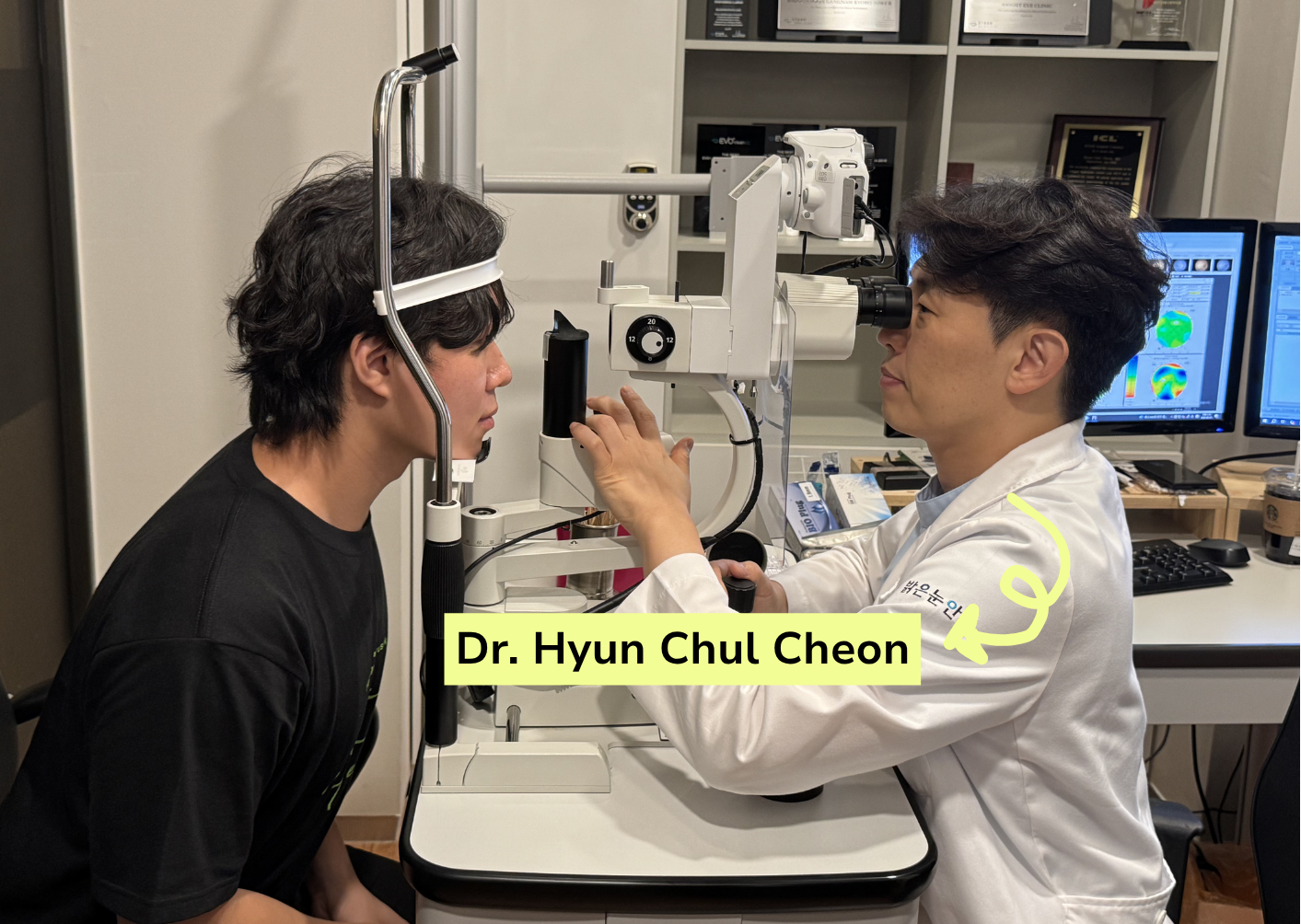
That’s one of the reasons Bright Eye Clinic stood out. The lead surgeon has performed over 50,000 SMILE procedures with zero serious incidents, which immediately made me feel a lot more confident about the whole thing.
② VisuMax 800 equipment
This one I found through Reddit, actually. Multiple threads mentioned the VisuMax 800 as the current top-tier machine for SMILE LASIK. Apparently it's in the top 1–2 globally in terms of safety and precision. Once I saw it come up that many times from different people, I made it a hard requirement.
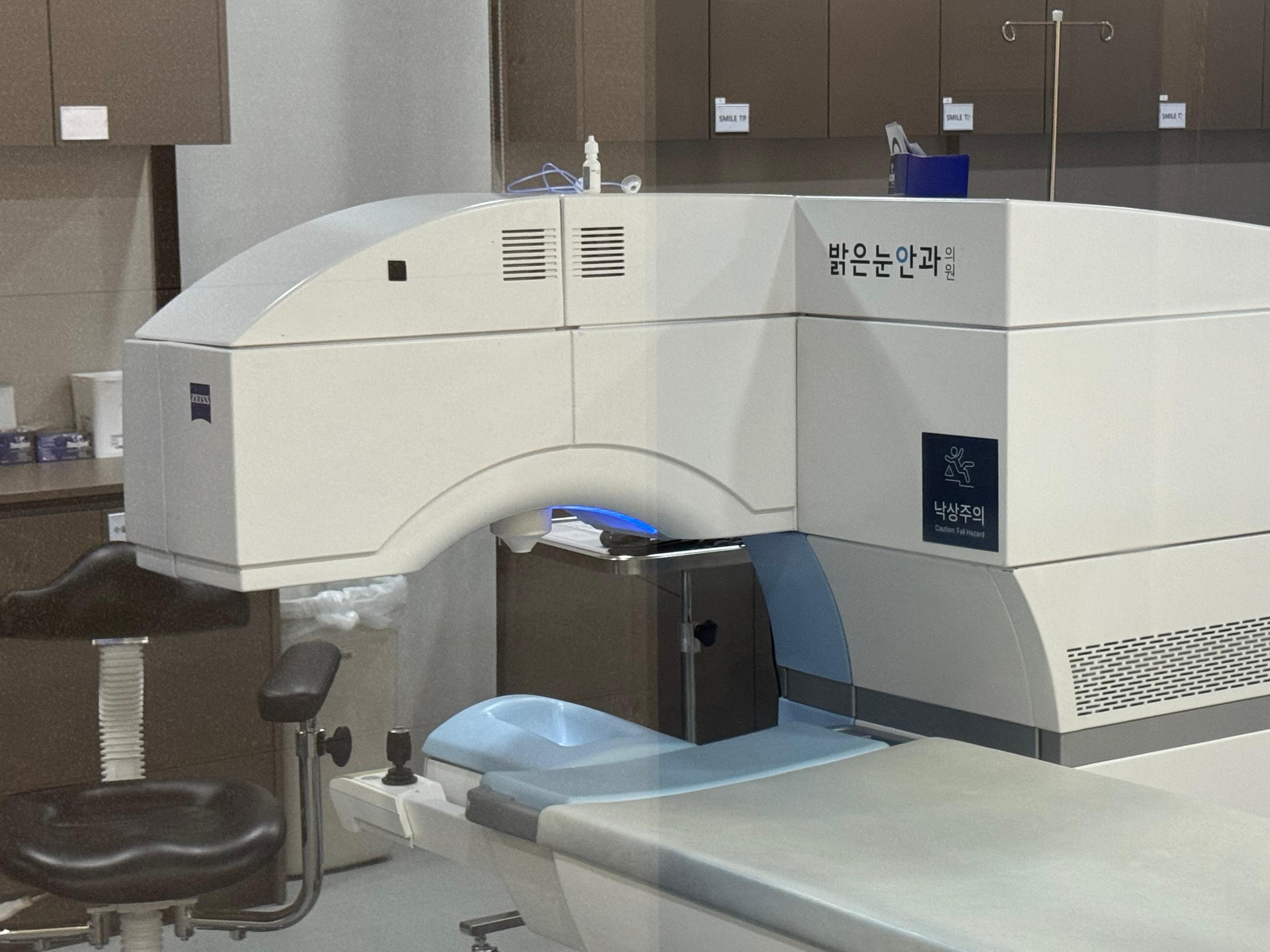 I asked Millie to only recommend clinics that had this machine. Bright Eye Clinic checked that box too.
③ English-speaking coordinator on-site
This was a big one for me. I had a lot of questions. Like, a lot. Stuff I wouldn’t even know how to ask through Google Translate. I needed someone who could clearly communicate my questions to the medical team, and explain the answers back in a way that actually made sense.
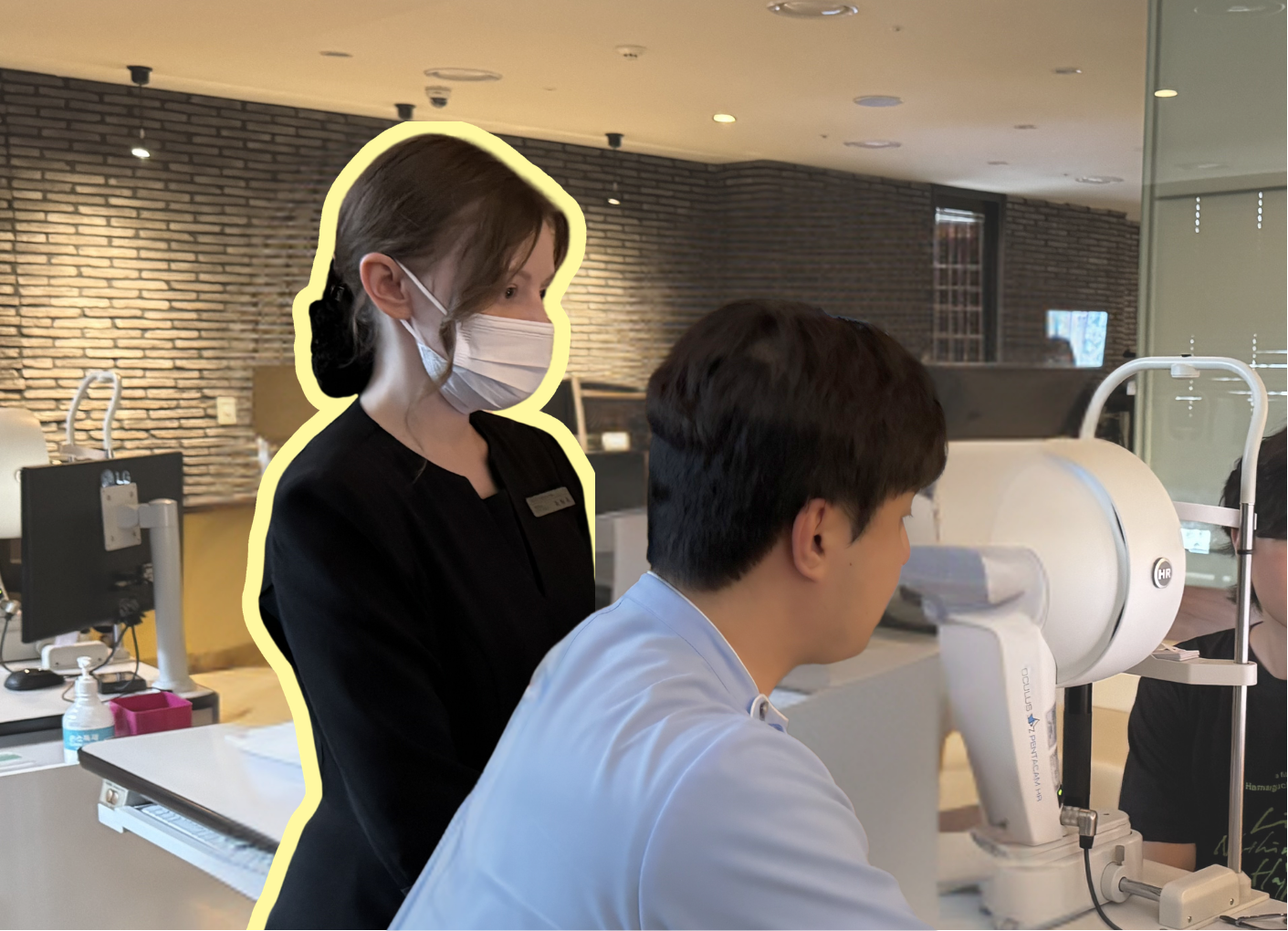 Anna, the interpreter, was with me throughout the entire LASIK process.
Millie told me the coordinators at Bright Eye Clinic aren’t just translators — they actually know what’s going on. And during the consultation, that made a huge difference. When your coordinator really understands what the doctor is saying, everything just feels a lot clearer and more reassuring.
3. The Full Process: Before, During, and After LASIK in Korea
Quick overview of my timeline: I was in Korea for about a week total.
- Day 1: Arrived in Korea
- Day 2: Eye exam + got LASIK
- Day 3: Post-op check
- Day 6: Final follow-up
- Day 7: Flew to Japan
Here's the breakdown:
📋 Before SMILE LASIK
- Booking
Millie told me booking through Creatrip gets you a 100,000 KRW cashback, so I booked through there. They also have an online consultation service where a Bright Eye Clinic coordinator will talk to you in English before you even land in Korea. I used this to ask some of my weirder questions in advance, and it saved me a lot of anxiety.
[스팟] Bright Eye Clinic Online Consultation
- Things to know before LASIK:
> Stop wearing contact lenses at least 1 week before LASIK — I do dailies, so this wasn't the end of the world, just slightly blurry commutes for a week
Millie’s tip: How long you need to stop wearing contact lenses depends on the type you use:
- Rigid (hard) or toric lenses: at least 2 weeks
- Soft contact lenses: at least 5 days
- Orthokeratology (Ortho-K) lenses: at least 1 month
> No alcohol the night before — I was on the flight over and was about to open some wine with dinner. My girlfriend shut that down fast. She was right.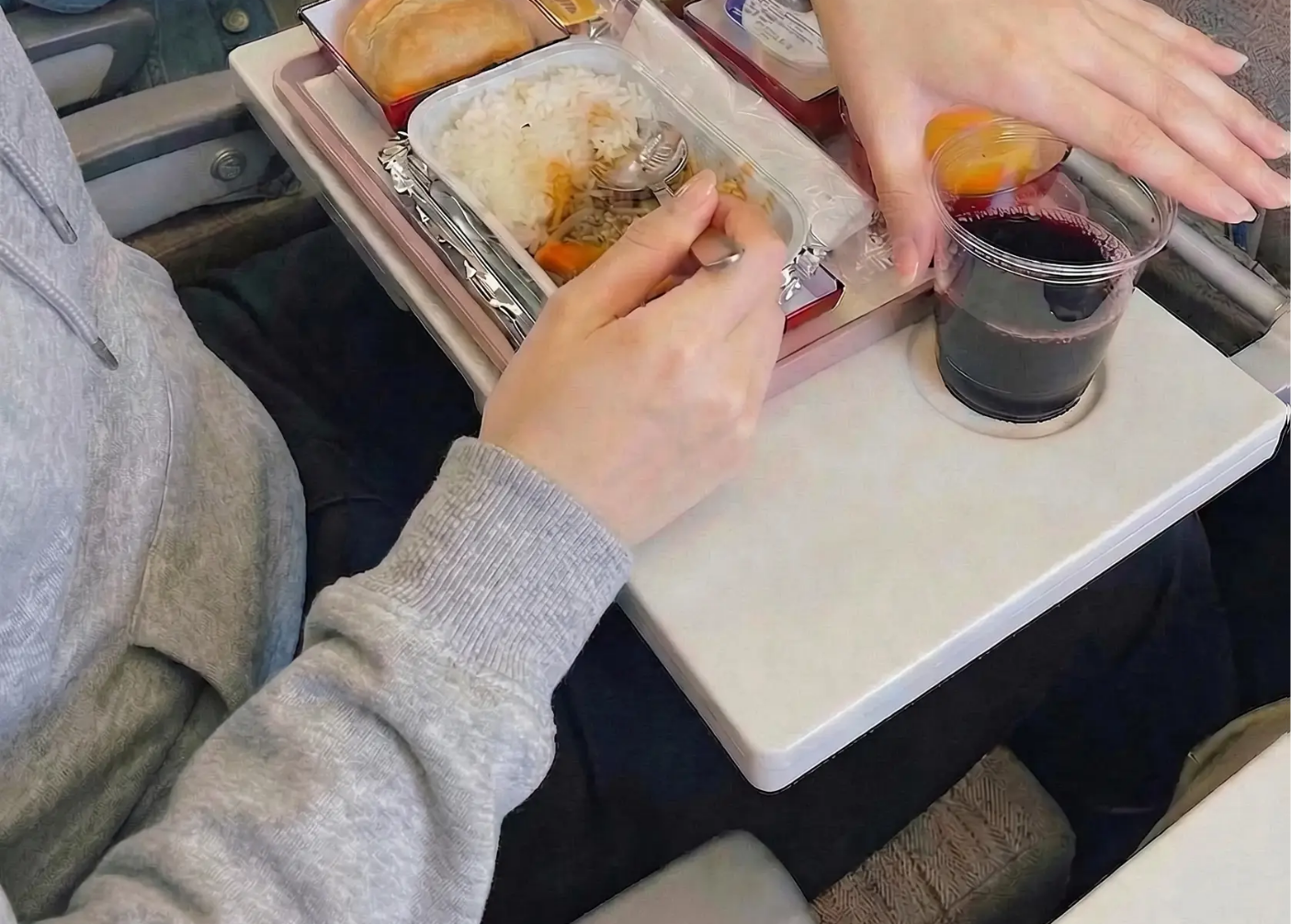 We totally forgot and ended up ordering wine, but she wouldn't even let me have a sip.
🔬 SMILE LASIK Day
1. Getting there / check-in
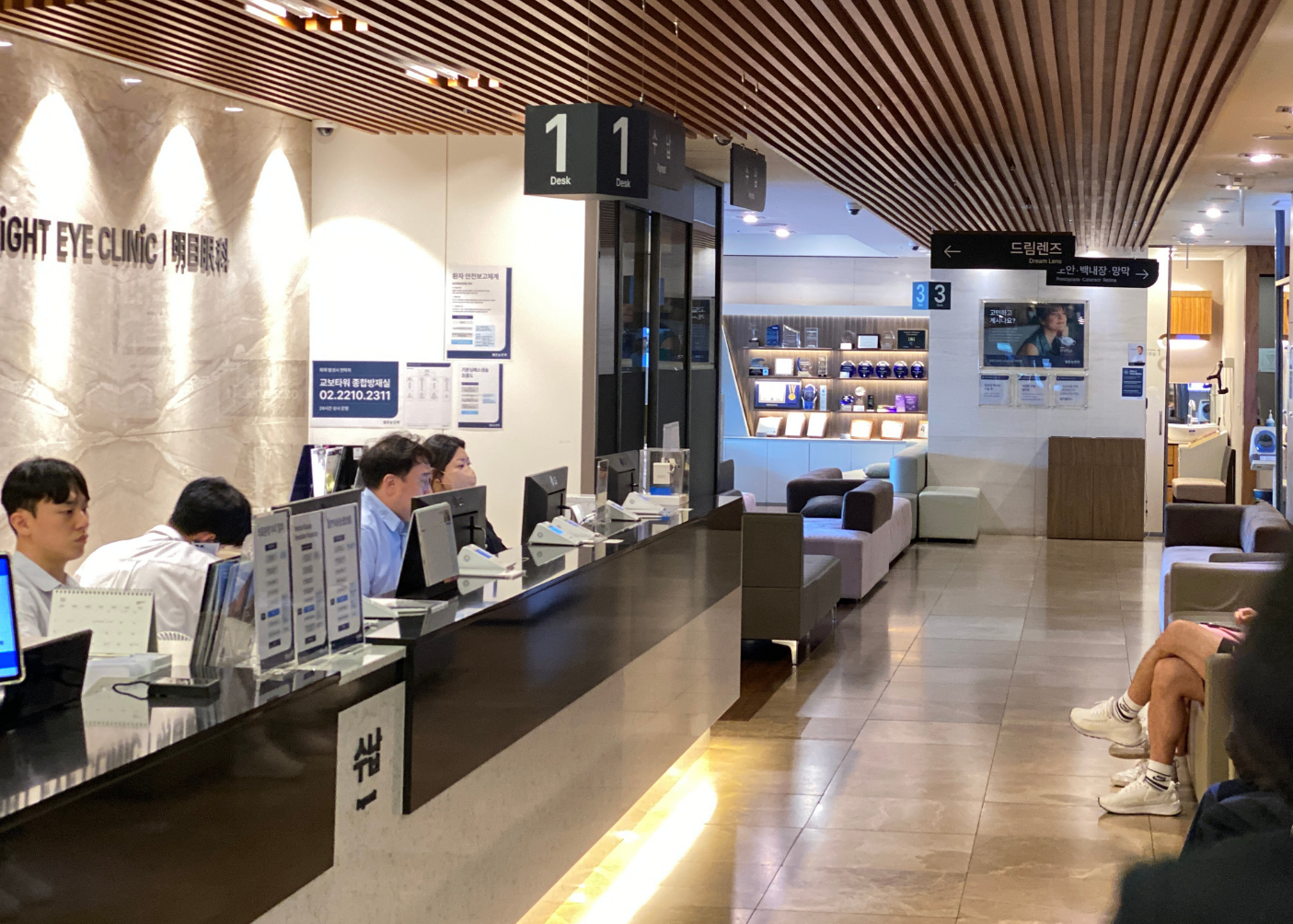
First stop was the 1F reception desk. I showed my passport, filled out a questionnaire in the waiting area, and sat down.
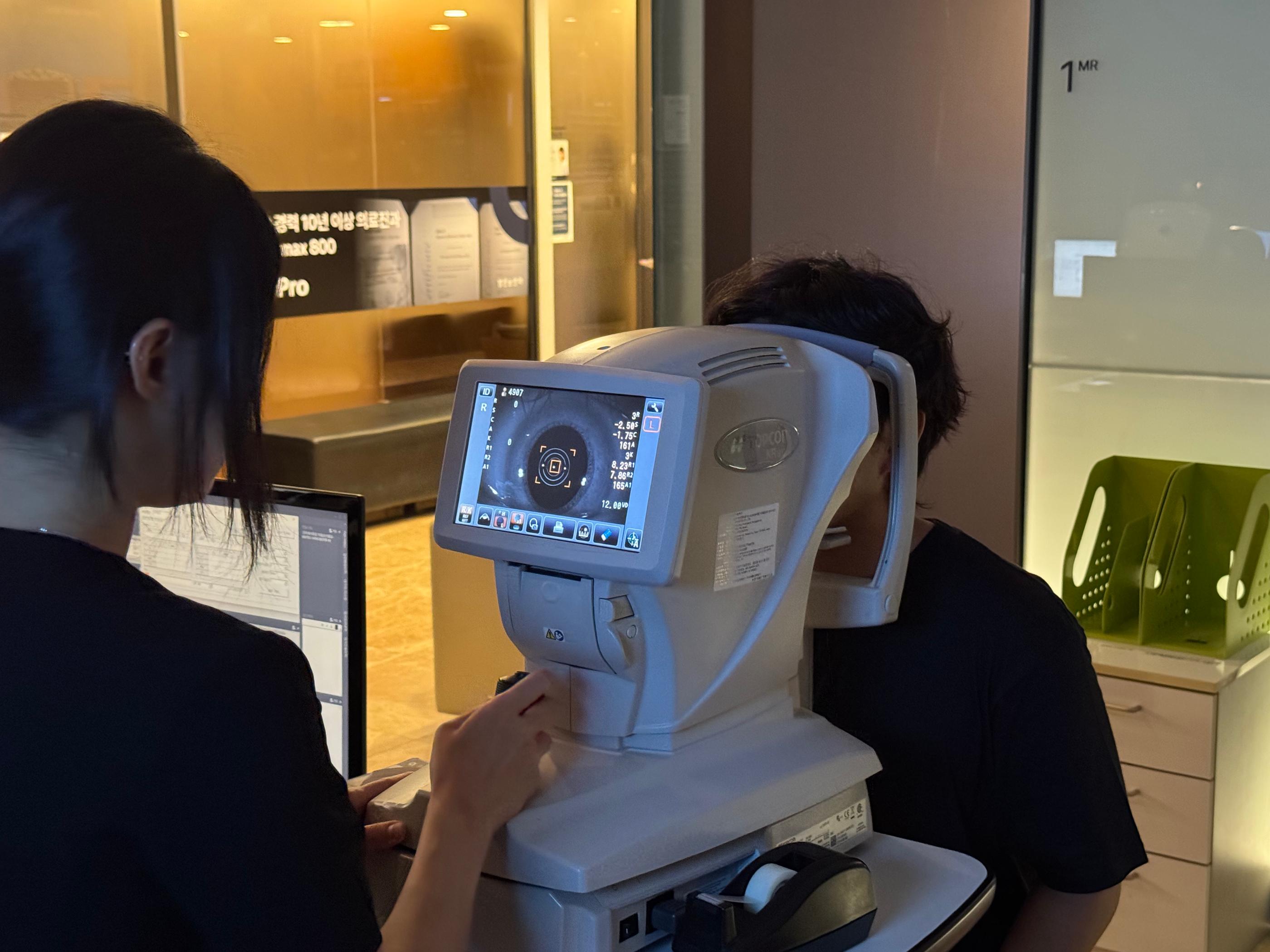
2. Eye exam (about 1 hour)
The actual exam took around an hour. Anna, the English coordinator, was with me the whole time from the moment things started. She walked me through each test as it happened, explained what they were checking, and made it way less intimidating than I expected.
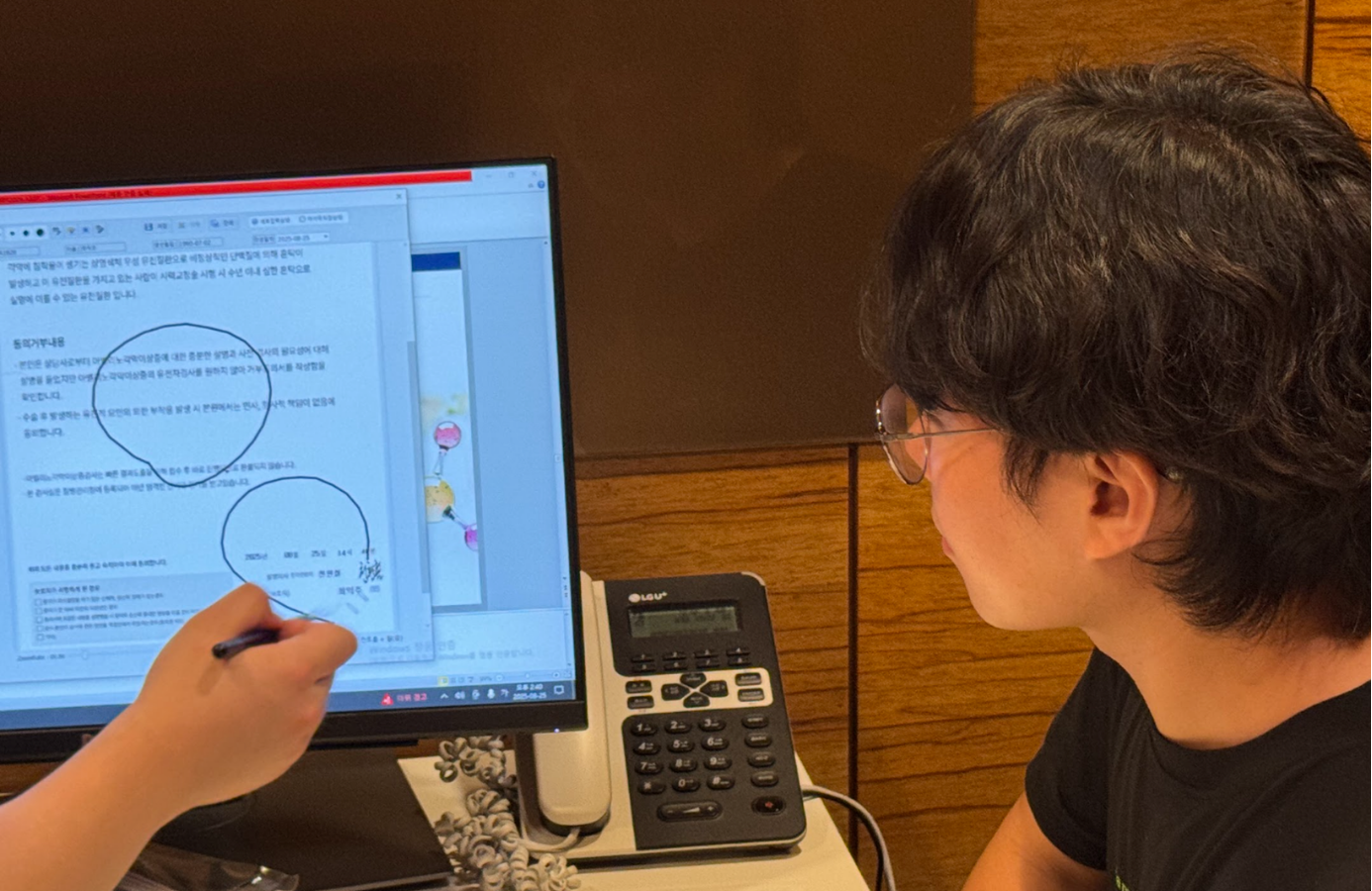
3. Consultation — deciding on the vision correction type
After the exam, I sat down with a doctor to go over the results and confirm which vision correction option I was eligible for. Thankfully, SMILE LASIK was confirmed as viable for me.
I had a ton of questions going into this consultation. Anna translated everything in both directions, and nobody seemed rushed. The doctors didn't give off that "okay wrap it up" energy that you sometimes get. That made a big difference.
Side note: my girlfriend went through the same exam and got told she wasn't eligible for SMILE LASIK — corneal thickness too borderline for her prescription. She was disappointed, but honestly it actually made me trust the clinic more.
4. The SMILE LASIK procedure itself
From prep to finish: about 10 minutes. I'm not exaggerating. It went by so fast that I didn't really have time to get scared.
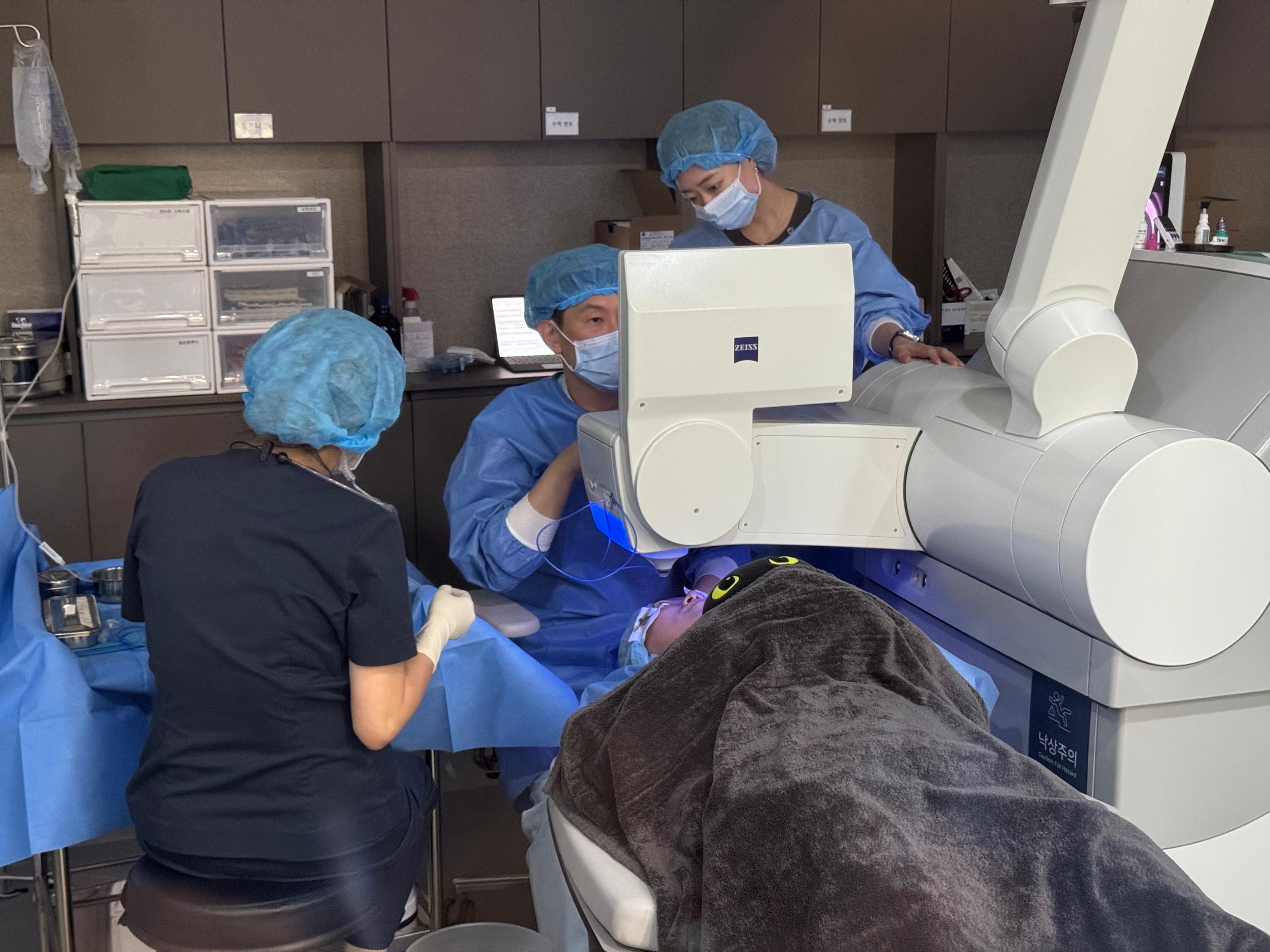
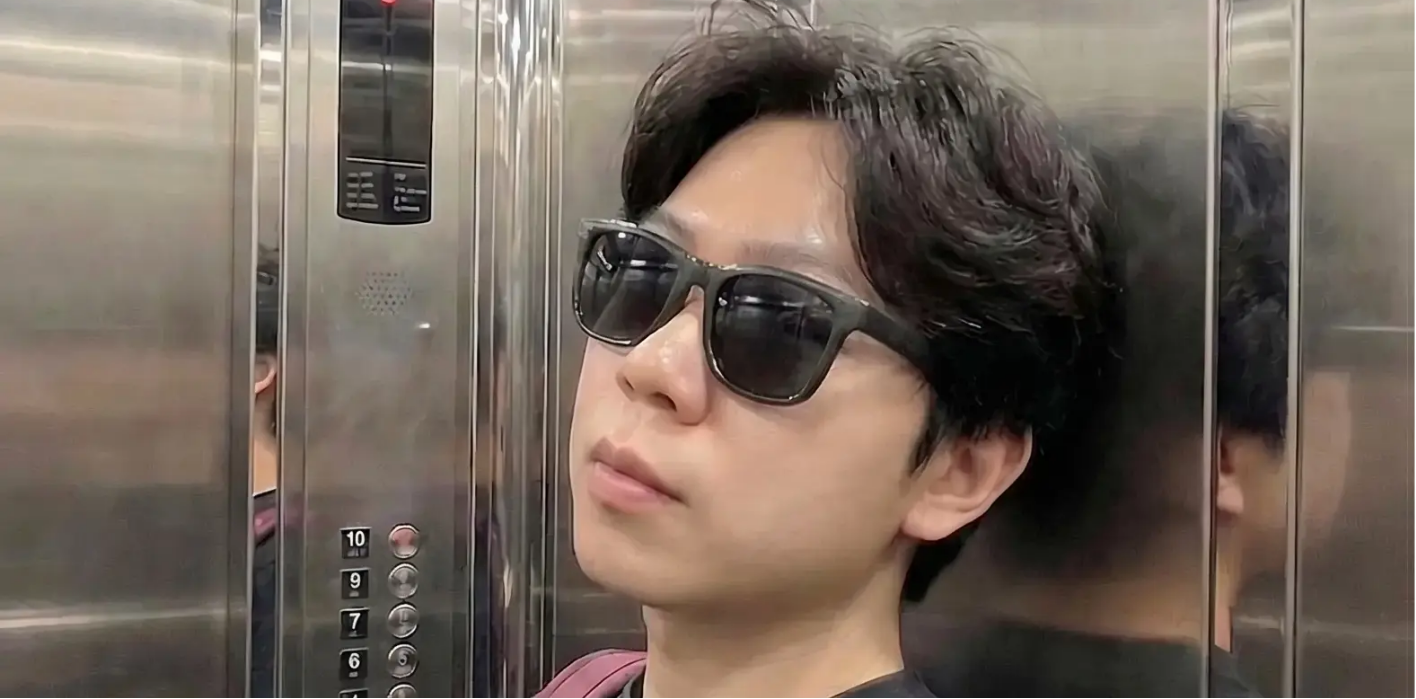
Right after the procedure, my vision was very blurry like looking through frosted glass. I couldn't really tell if anything hurt yet because the numbing drops were still doing their thing. My girlfriend dragged me over to pay before I could fully register what had just happened.
5. Picking up medication
We stopped at the pharmacy on the way out to pick up the post-op eyedrops and medication.
6. Back at the accommodation
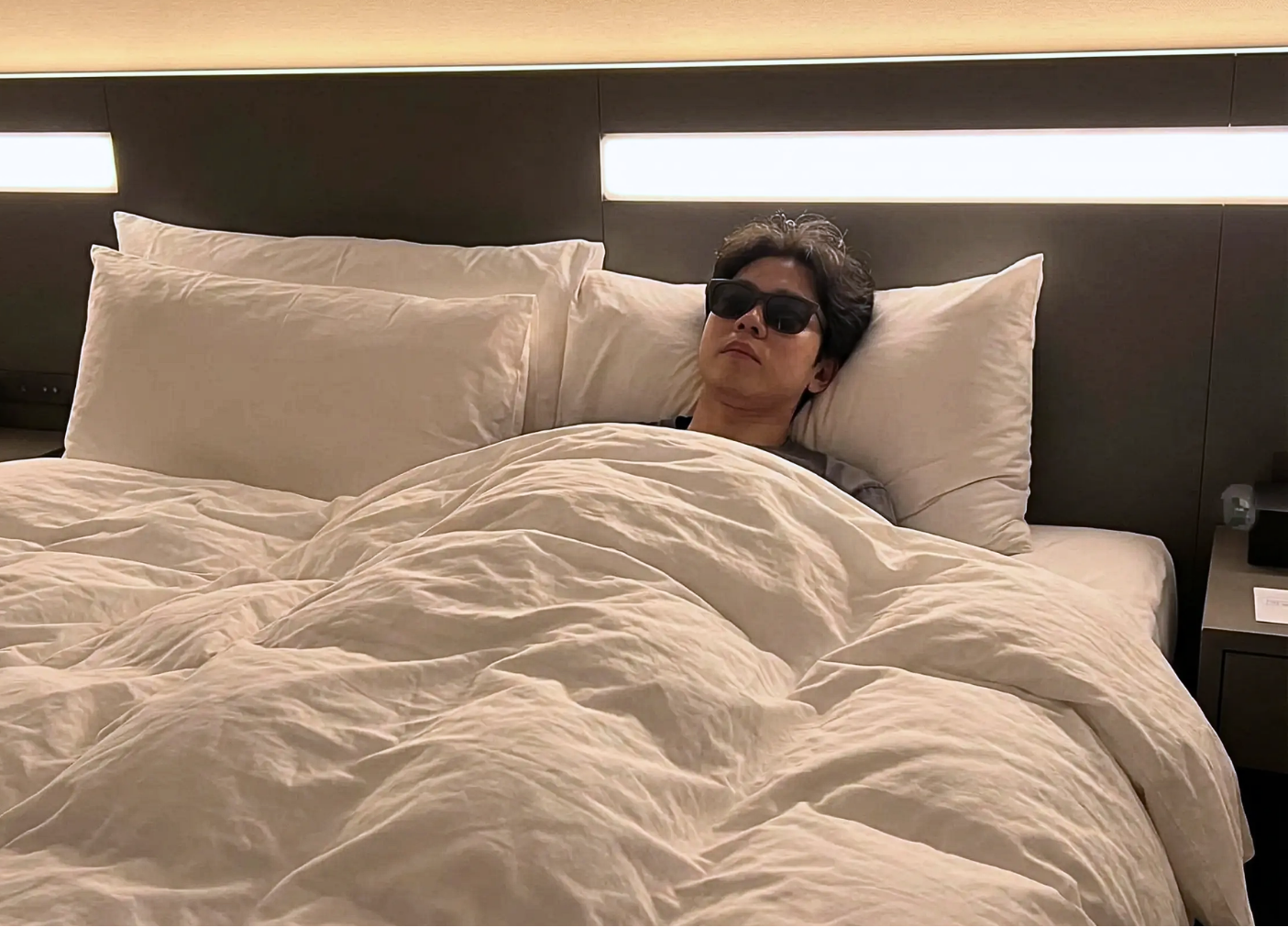
I slept for a few hours. When I woke up, the anesthesia had worn off and my eyes felt... kind of achy? Not sharp pain, more like a dull pressure. Totally manageable. I just put in the drops and went back to sleep.
👀 After SMILE LASIK
Day 1 post-op
When I woke up the next morning, I could see. Not perfectly. Things were still slightly hazy around the edges, but I could read stuff across the room. It was genuinely surreal. I kept just... looking at things.
Follow-up visit (5 days post-op)
I returned to Bright Eye Clinic for a follow-up check-up. They conducted a full set of tests to ensure everything was healing properly. My vision measured at 20/20, indicating that my eyesight had fully recovered. The doctor mentioned that while my vision is already excellent, it may continue to stabilize and potentially improve further as the healing process progresses.
Now (2 months post-op)
I'm writing this from my apartment in San Francisco. Vision is completely clear, no halos, no significant dryness. I went running yesterday — no glasses, no contacts, no puddles I couldn't see coming.
No regrets. Definitely worth it.
4. How to Book LASIK in Korea as a Foreigner
— Back to Millie
I want to quickly walk through why Creatrip is worth using if you're a foreigner trying to navigate Korean medical tourism, because honestly I think people underestimate how much friction it removes.
① English-only listings
Every clinic on Creatrip has been vetted for English support. You don't have to guess whether someone will be able to communicate with you.
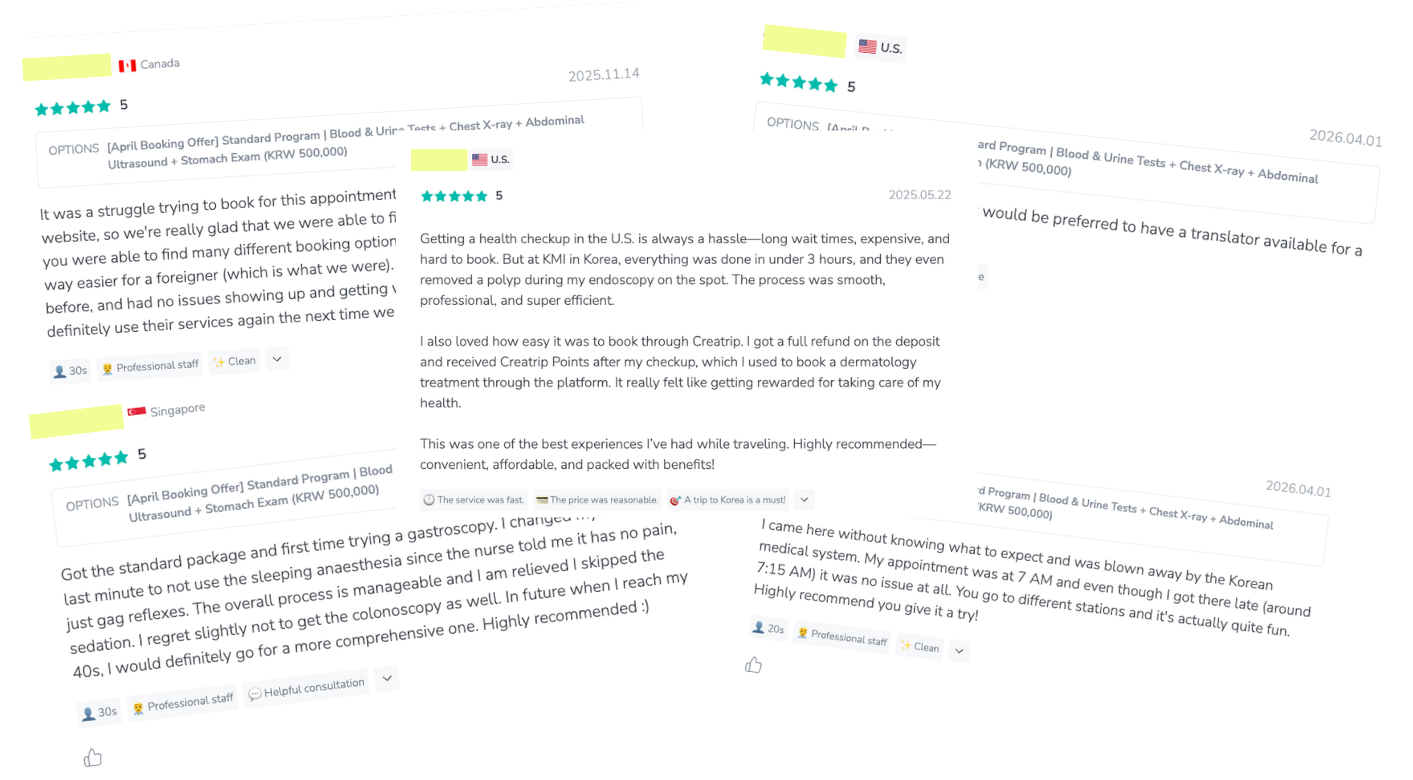
② Reviews from actual foreign patients
You can filter reviews by nationality and see how the experience actually went for people from different countries. That's especially useful for vision correction, since outcomes can vary based on eye characteristics.
③ Online consultation before you arrive
This was huge for Brandon. He had a ton of pre-op questions that he wanted answered before committing to the trip. Through Creatrip, he connected with a Bright Eye Clinic English coordinator and got real answers.
If you're considering LASIK in Korea, this is where to start:
[스팟] Bright Eye Clinic Online Consultation
5. FAQ: What Foreigners Ask Most About LASIK in Korea
Q1) Can I really do the consultation and vision correction on the same day?
Yes. One of the biggest advantages of getting LASIK in Korea is the “one-day” system. Unlike in the U.S., where you typically need to schedule the vision correction separately after your initial exam and often wait 2 to 4 weeks, many clinics in Korea can complete both the consultation and procedure on the same day, depending on your eye condition.
That said, this is only possible if you’ve already met the pre-procedure requirements, such as stopping contact lens use for a certain period before your visit.
Q2) Why is the price gap so huge compared to the U.S.?
LASIK in Korea is significantly more affordable (around $1,800–$2,000 for SMILE Pro), not because of lower quality, but due to the country’s highly competitive medical market and high volume of procedures.
Q3) How long do I need to stay in Korea before and after?
Most patients need at least 2 days to complete both the procedure and the follow-up check. However, the exact timeline can vary depending on your eye condition and the type of procedure.
To allow enough time for recovery and monitoring, we generally recommend staying in Korea for about 5 to 7 days.
Q4) How do I do follow-up check-ups in my home country after the procedure?
You can request an English medical record from the clinic in Korea and bring it to a local ophthalmologist in your home country for follow-up check-ups if needed.
Q5) Do eye clinics in Korea only offer English support?
At Bright Eye Clinic, multilingual support is available in English, French, Chinese, Japanese, Russian, and Mongolian. Professional coordinators assist throughout the entire process from eye exams and consultations to post-procedure care ensuring clear communication at every step.
*Bonus: A Quick Look at Bright Eye Clinic's New Space
Before wrapping up, I wanted to share a quick update.
Bright Eye Clinic was one of the first clinics I worked with after joining Creatrip, and I was recently invited to their opening after they moved into a new space.
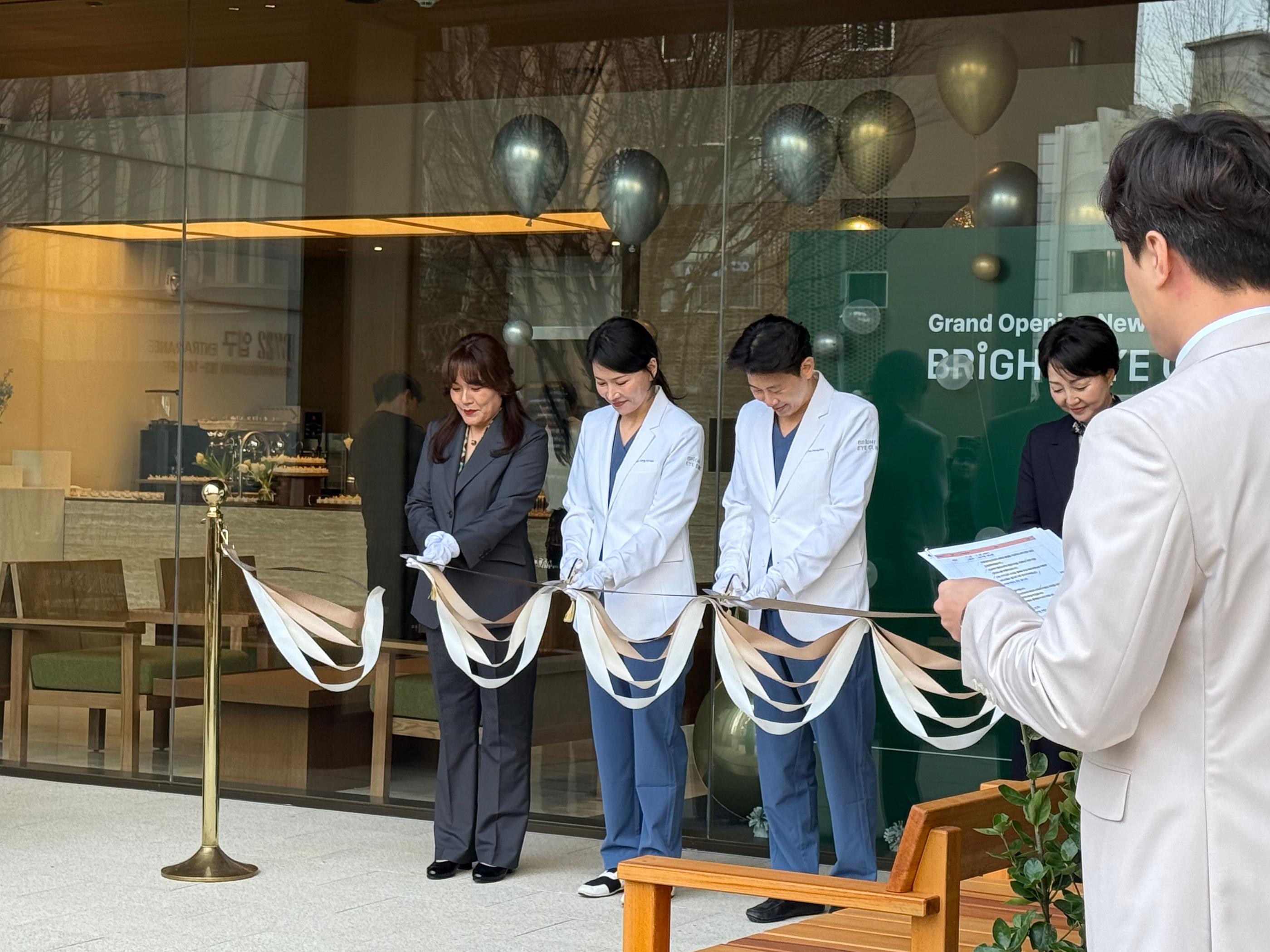
The lobby honestly feels more like a hotel than a clinic, and I was surprised to see an in-house café with a professional barista. It also made me think Brandon just barely missed getting his procedure in this new space.
[이미지 슬라이더] 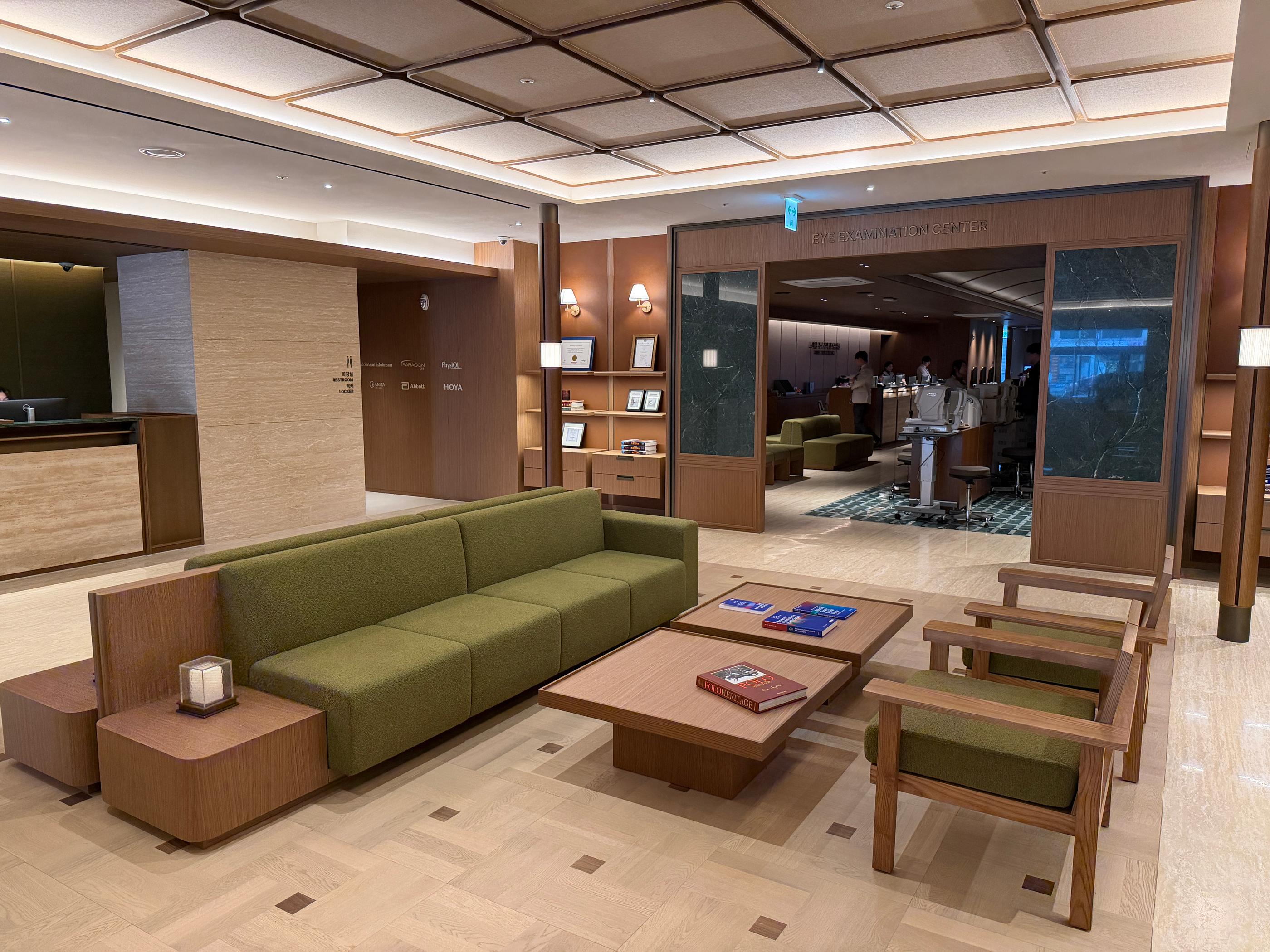
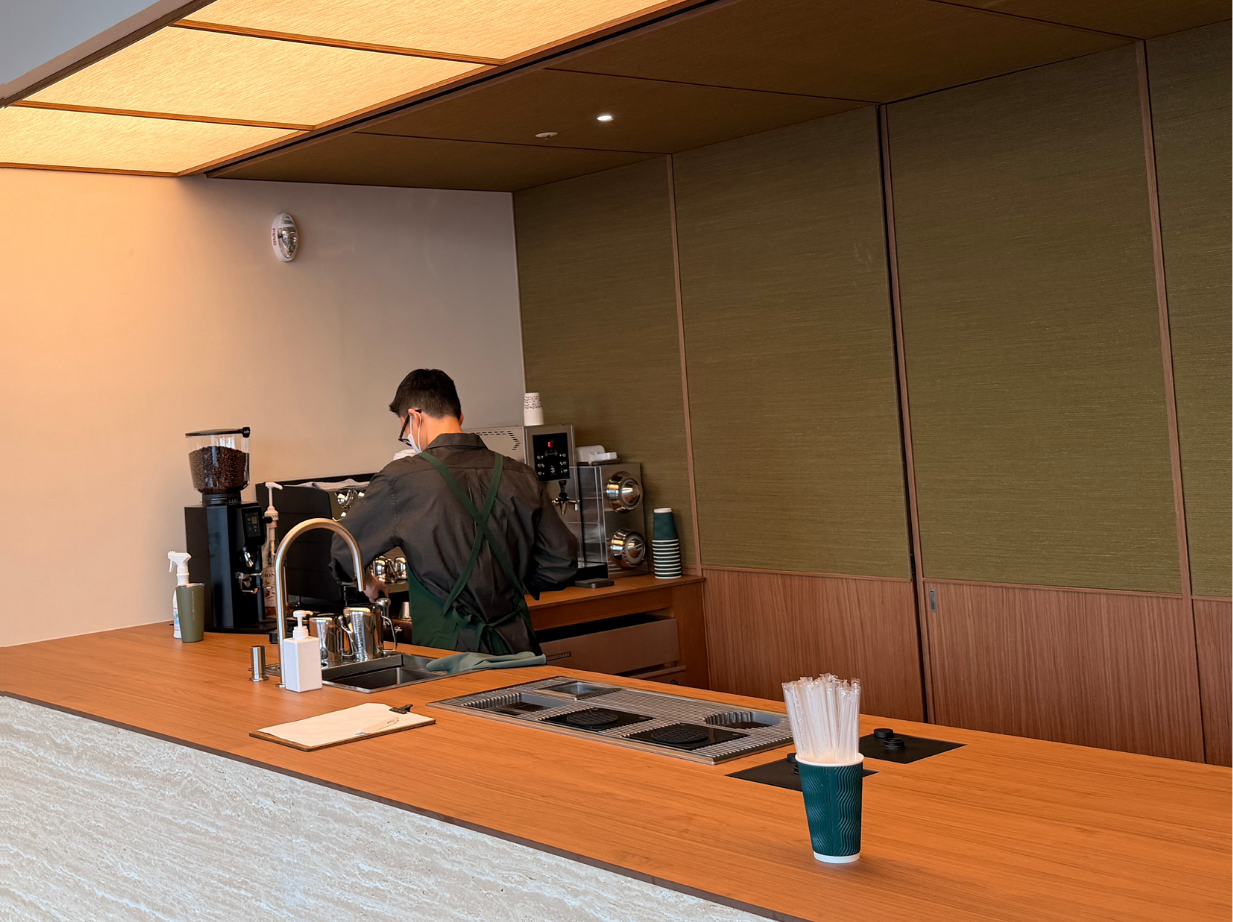
The photos below show the exam area, consultation rooms, operating rooms, and dry eye treatment center. Compared to before, the layout feels more streamlined, and each space feels a bit more private.
[이미지 슬라이더] 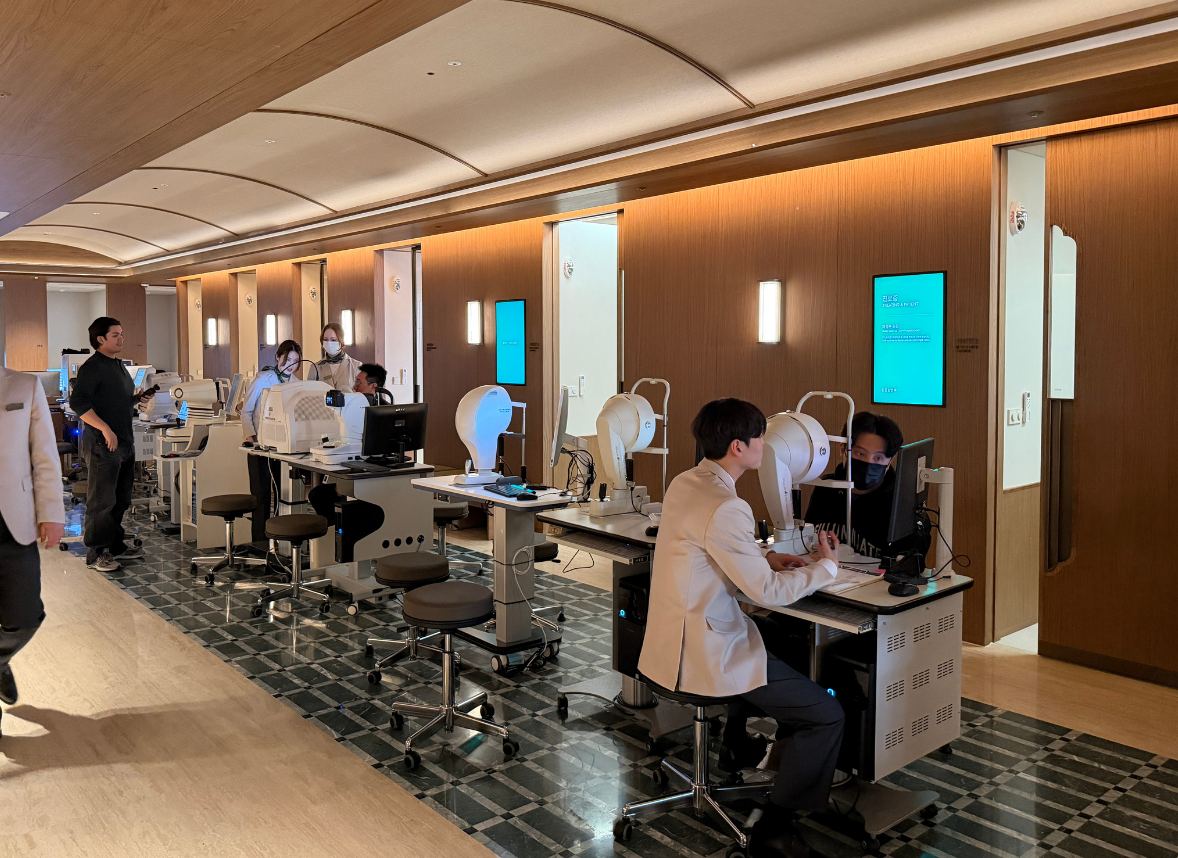
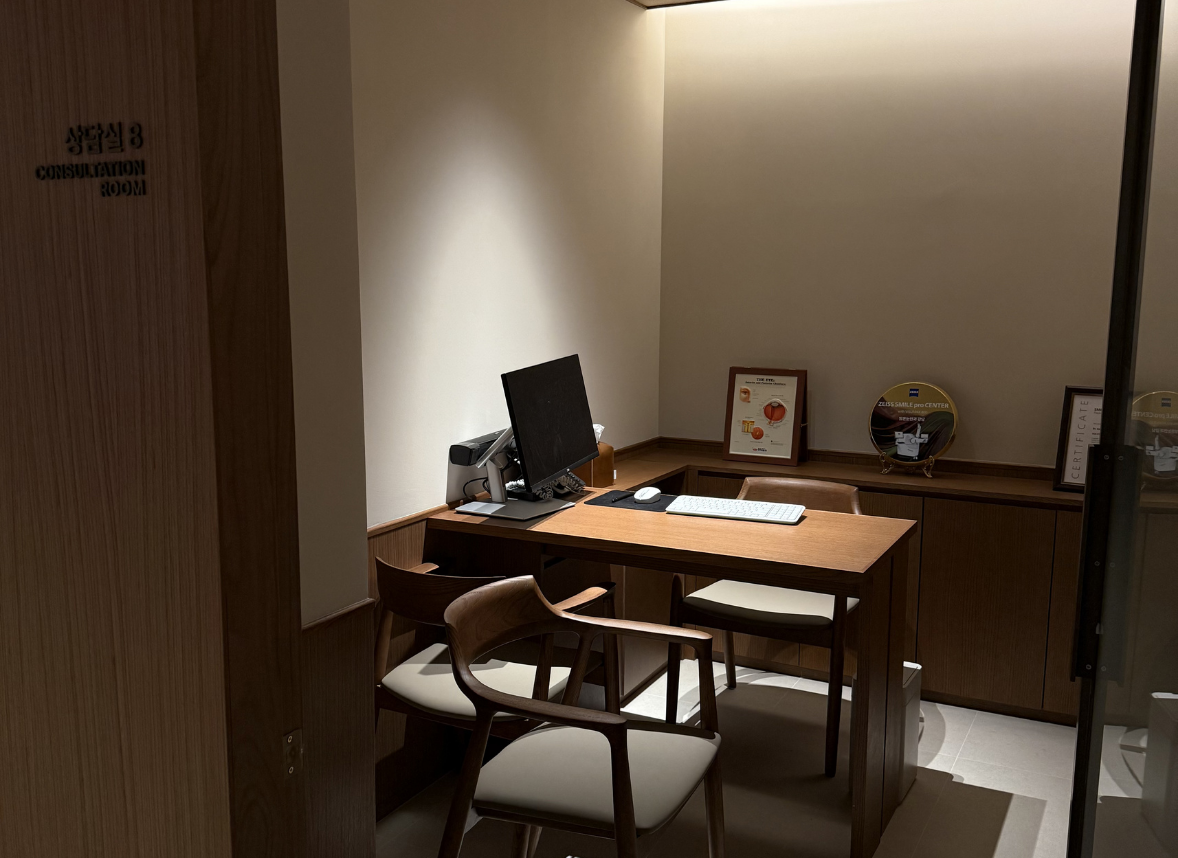
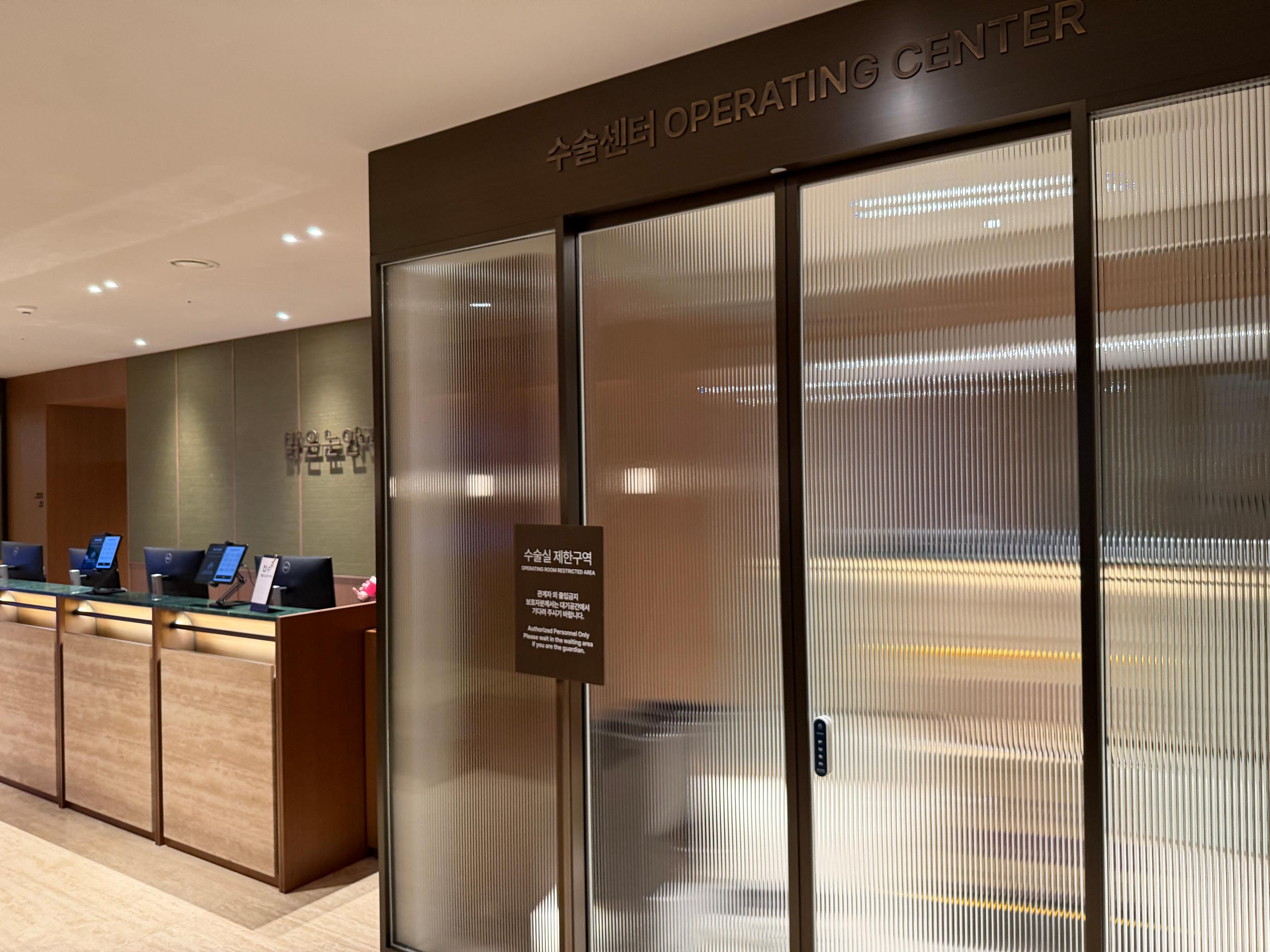
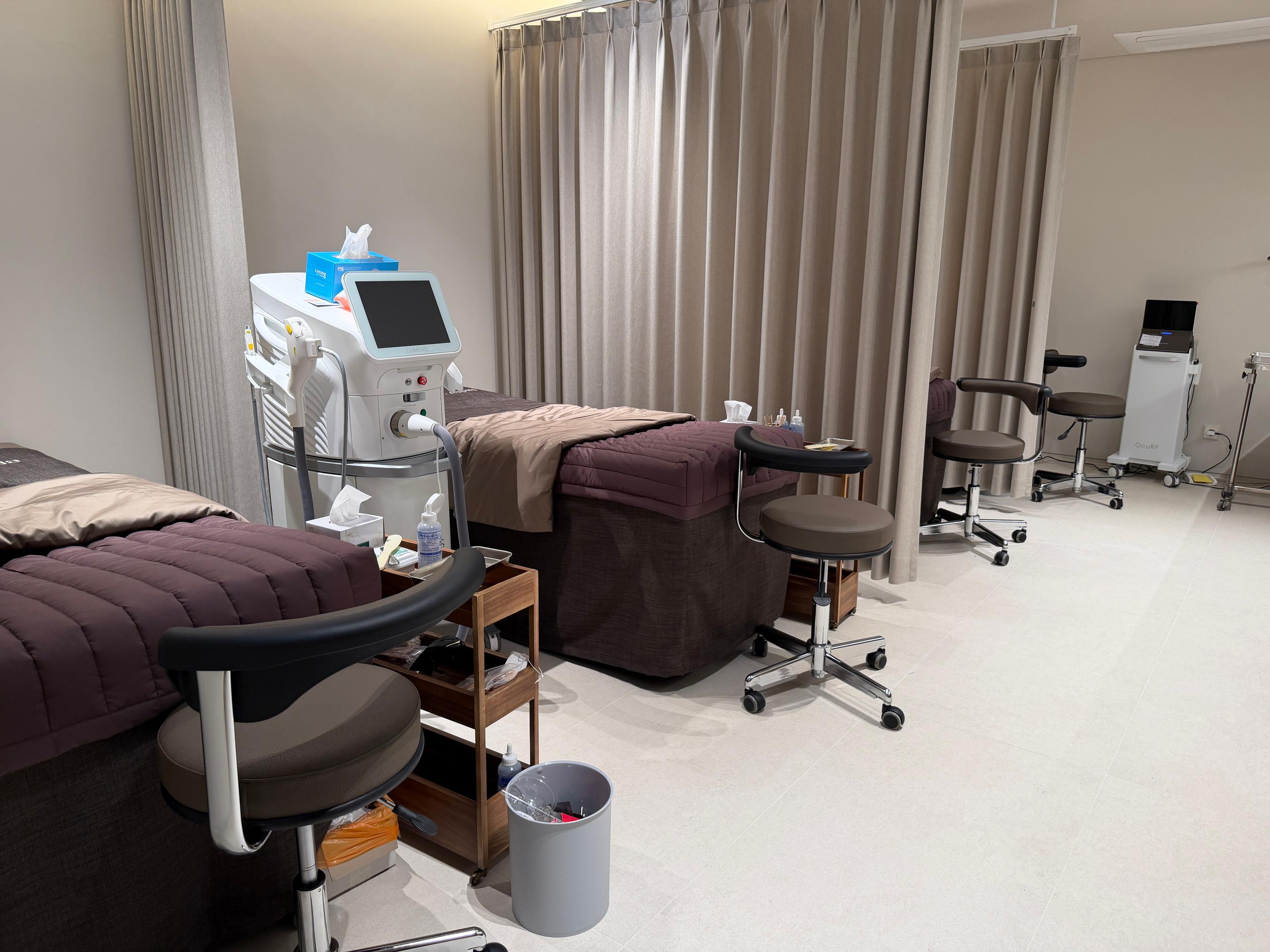
I also noticed they’ve expanded their team of international coordinators. When I first started working in medical, I spent a lot of time trying to find clinics that would actually work well for foreign patients, so seeing that effort reflected here feels reassuring.
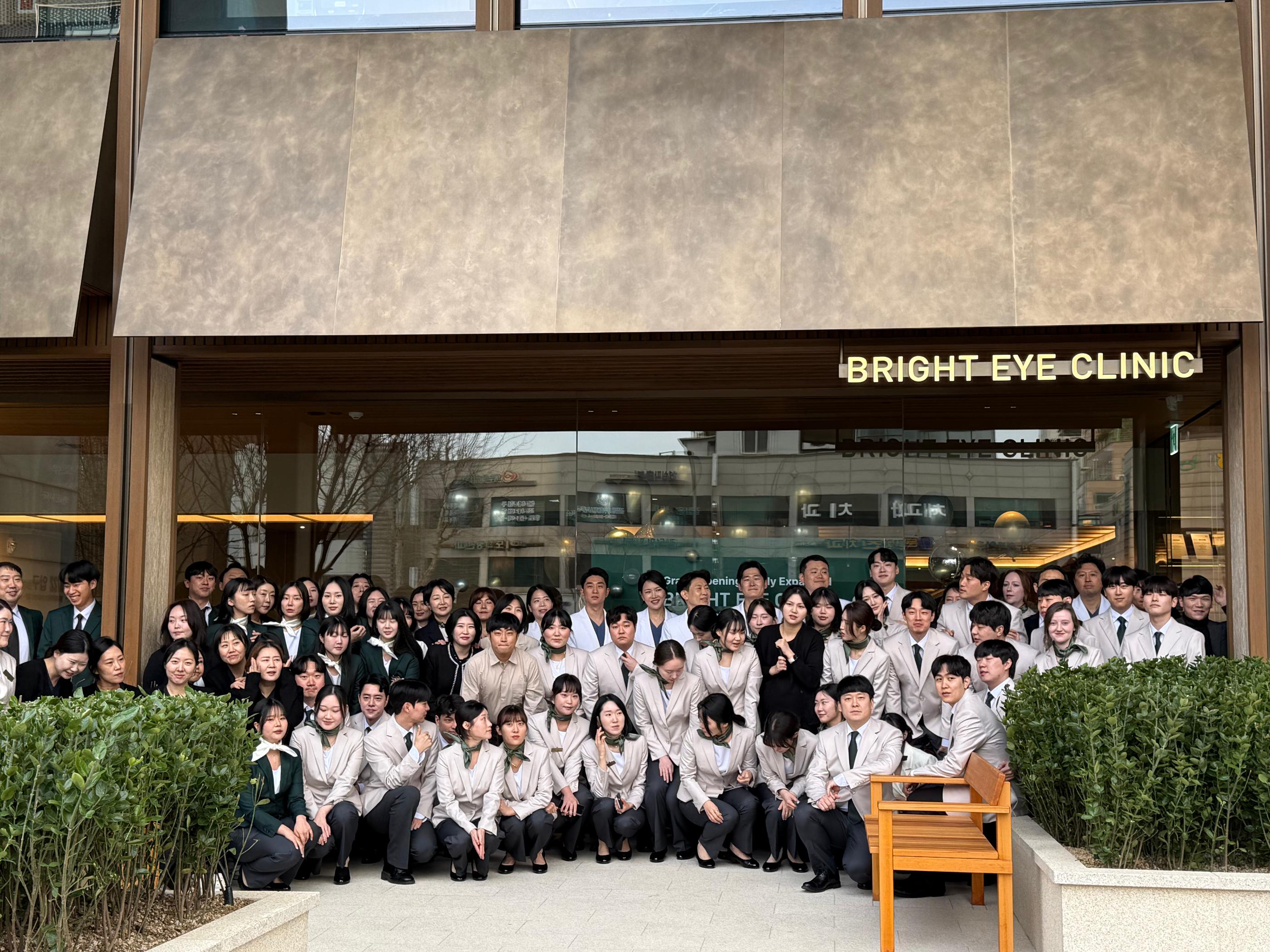 I was really surprised to see how many more staff there are compared to last year.
If you’re looking into medical options in Korea, feel free to reach out. I’ll keep sharing clinics that meet my (pretty strict) criteria.
- 🙋🏻♀️ Contact Millie: hyeeum.kim@creatrip.com
If you have any questions or concerns, Creatrip provides 24/7 real-time support in English, Chinese, and Japanese for international visitors completely free of charge. Reach us anytime on WhatsApp (+82 10-8818-2915) or LINE (@creatrip, @required). You can also follow us on Instagram, TikTok, Threads, and Youtube to stay updated on all things Korea!