
Mok Seok Jung Gyeongbokgung | Premium Hanok Dining in Bukchon: Traditional Korean Flavors near Gyeongbokgung Palace
A premium Korean dining experience in a hanok setting where multi-course meals are thoughtfully presented, using seasonal ingredients to add depth
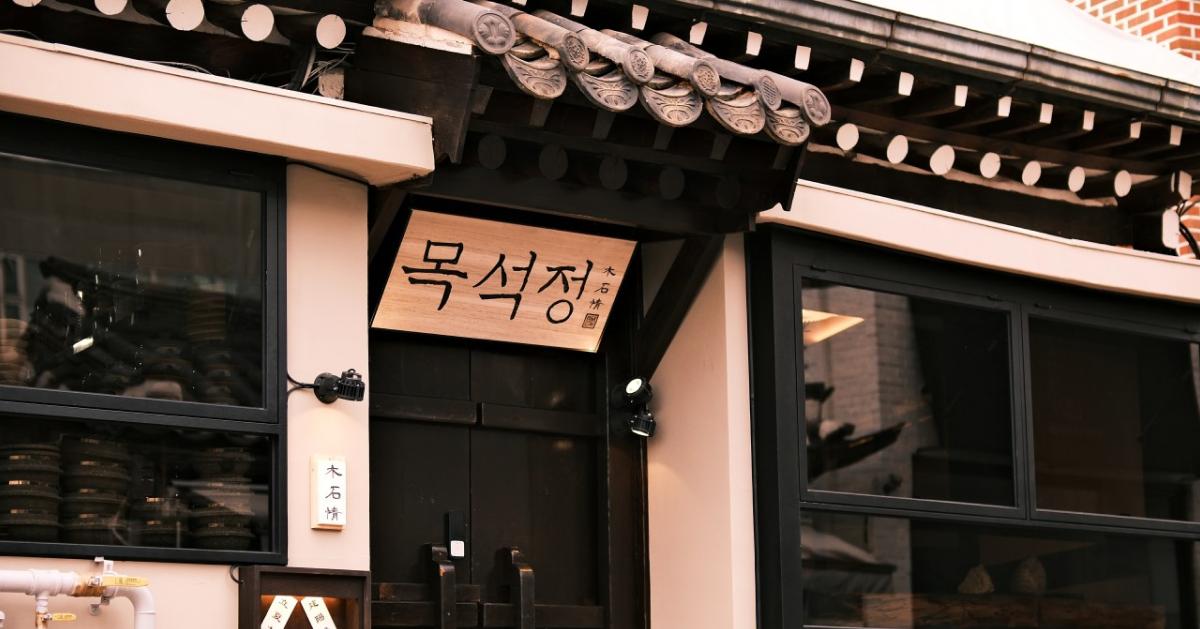
If you want to truly experience the depth of Korean cuisine in Seoul, we recommend trying a chef’s omakase-style meal at least once.
Rather than simply eating a set menu, you get to enjoy the flow and composition of each dish, which lets you discover a whole new side of Korean food.
Tucked away in a quiet alley in Samcheong-dong, between Gyeongbokgung Palace and Bukchon, there is a place that captures this kind of experience perfectly.
'Mok Seok Jung' is a chef’s omakase-style specialty restaurant that presents a seasonal Korean course meal in the calm, understated atmosphere of a hanok.
In today’s blog, we will walk you through the flow of the meal you can experience at 'Mok Seok Jung', along with the unique charm of the space.
👇 Click the link below to see more! 👇
[Spot] Mok Seok Jung Gyeongbokgung Palace | Bukchon’s premium hanok dining: Enjoy the traditional flavors of Korea near Gyeongbokgung Palace
Mok Seok Jung | Why We Recommend It
- The omakase-style course you can experience only at “Mok Seok Jung” is not served all at once, each plate is brought out in sequence at your pace, so you can enjoy the meal in a calm, unhurried flow.
- The menu is made with fresh ingredients sourced every morning and changes with the seasons, centered on hanwoo and seasonal produce, letting you experience Korean cuisine with real depth.
- The hanok-style space feels neat and understated rather than overly decorated, with soft natural light coming through the wooden lattice windows, creating a quiet, steady dining atmosphere.
- With each dish, you also get an explanation of the ingredients and how it is composed, so it naturally becomes more than just a meal, it is also a way to better understand Korean food.
- Private rooms are available, so you can focus on conversation without distractions, it is an easy, comfortable place to visit with a partner, family, or international guests.
- It is also close to the alleyways of Bukchon and Samcheong-dong, making it a perfect stop on a route filled with hanok charm, an easy way to complete a special day.
Mok Seok Jung | Our Visit
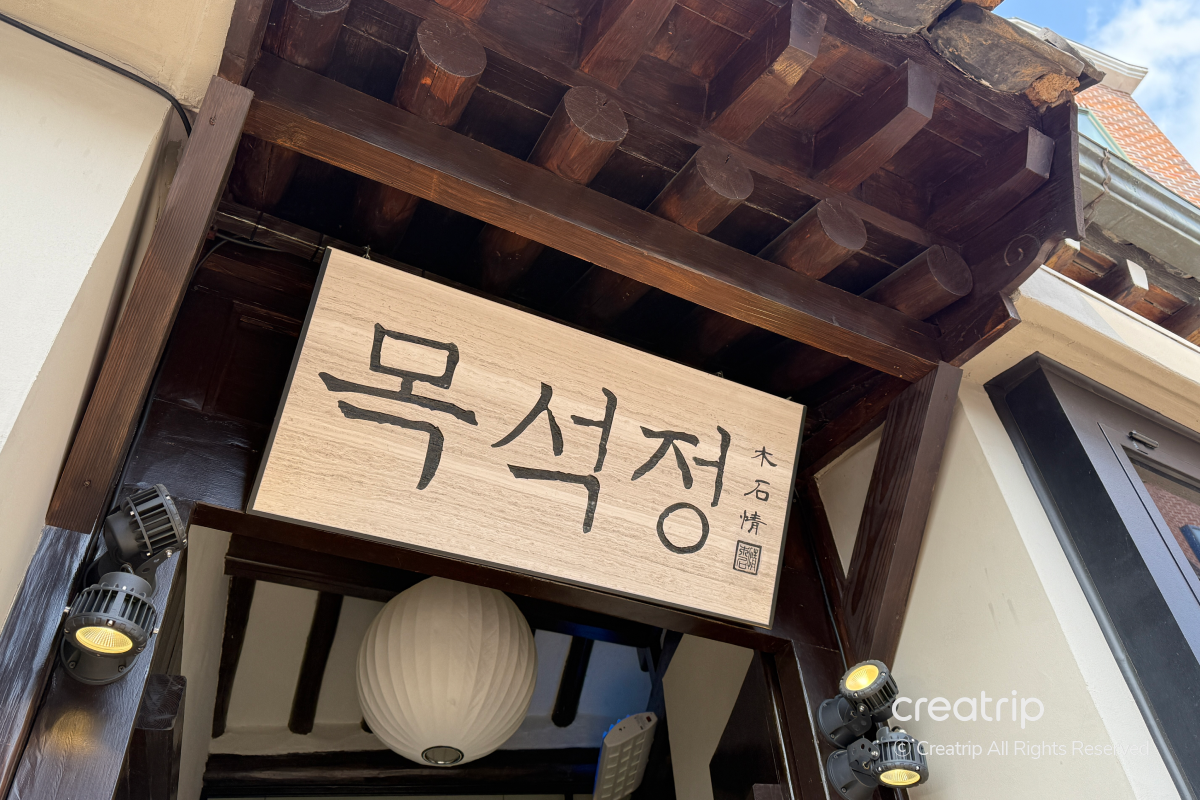
Today, our editor visited “Mok Seok Jung,” a Korean restaurant specializing in omakase-style courses near Gyeongbokgung Palace.
Tucked into a small alley between Gyeongbokgung Palace and Bukchon, it is an easy place to reach while enjoying a calmer atmosphere that feels far from the city bustle.
It also fits naturally into popular sightseeing routes, making it a great spot to drop by for a relaxed meal during a walk or between activities.
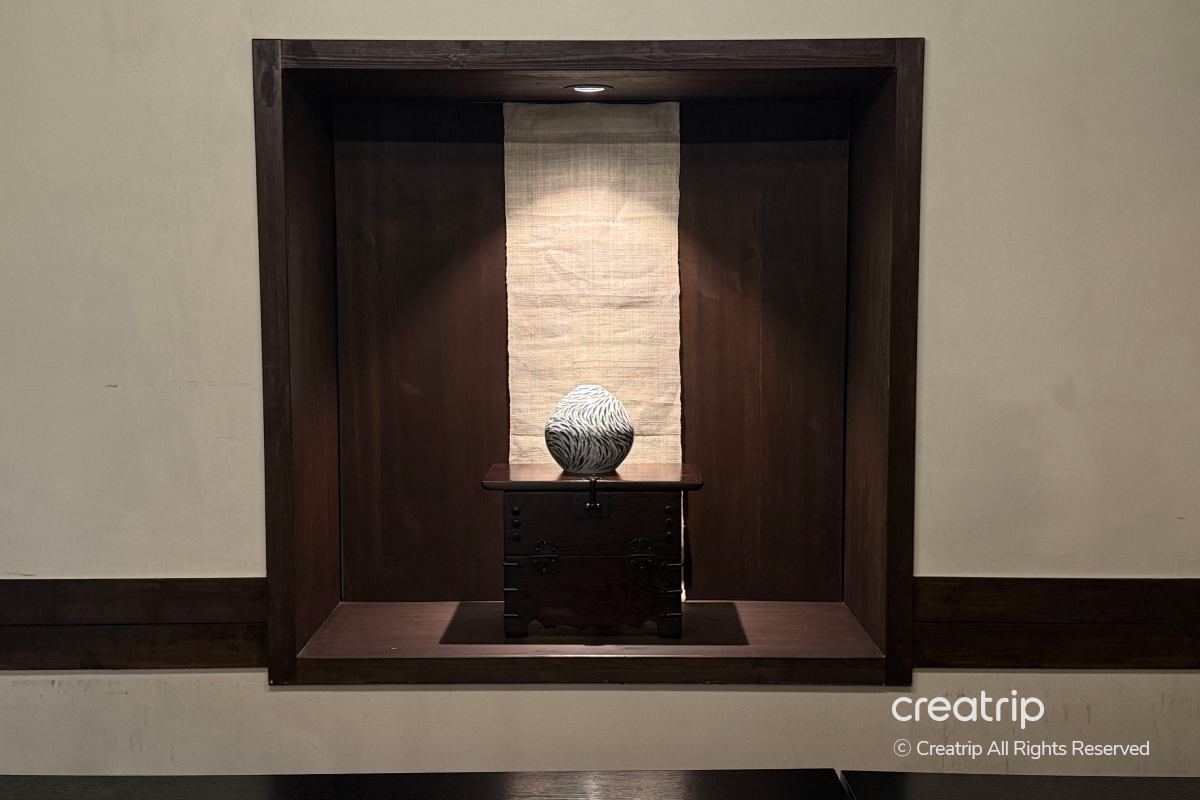
The interior preserves the feel of a traditional hanok, and it was a great place to really soak in that signature hanok calm.
Thanks to the understated decor and wood-focused design, it felt comfortable and grounded overall, perfect for enjoying a meal in a relaxed mood.
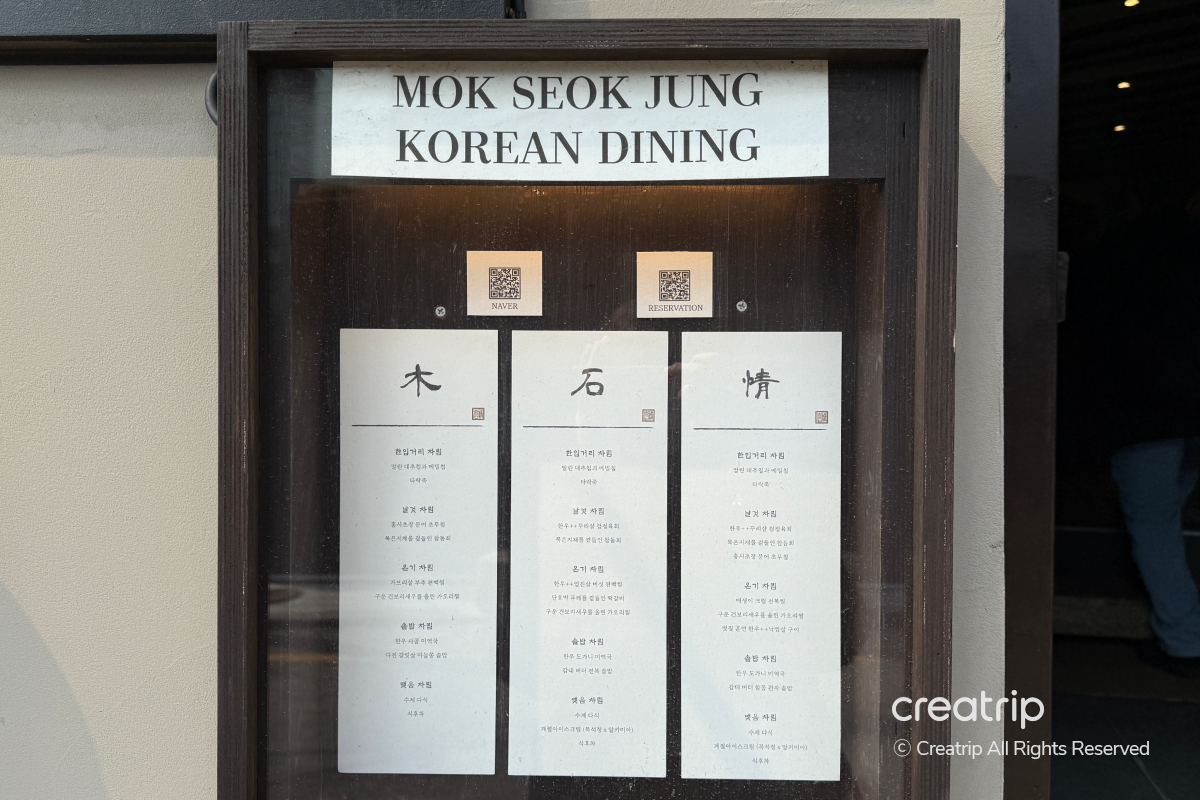
The menu is made up of three courses, “Mok (木),” “Seok (石),” and “Jeong (情),” so you can choose based on what you want and how you would like the meal to flow.
Each course differs in ingredients and composition, which makes it easy to pick depending on the occasion and who you are dining with!
[Image Slider] 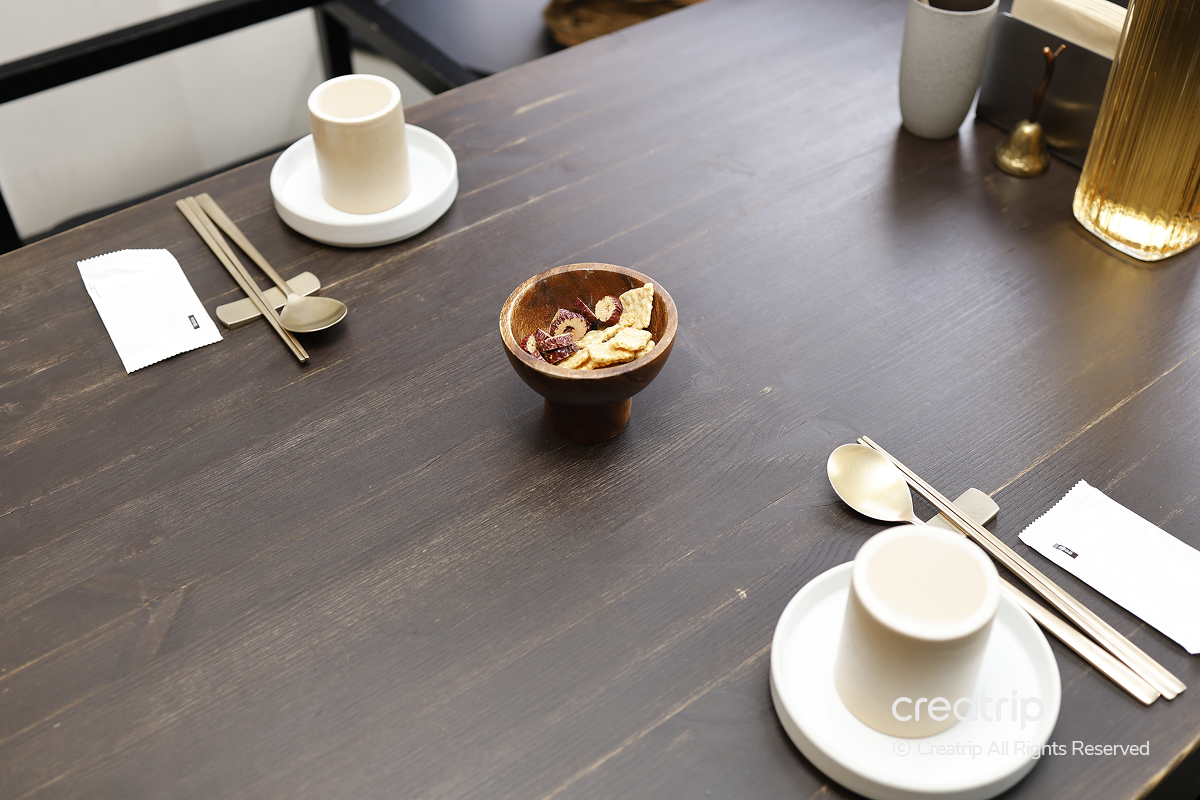
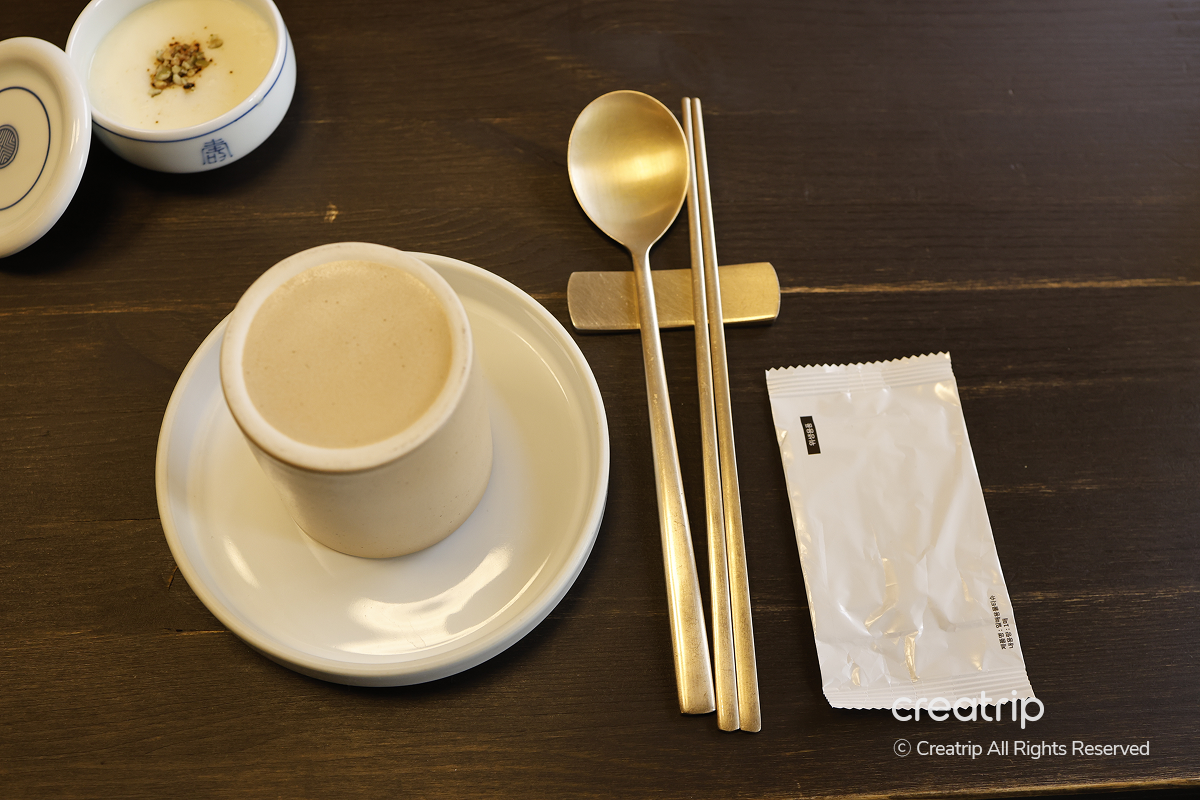
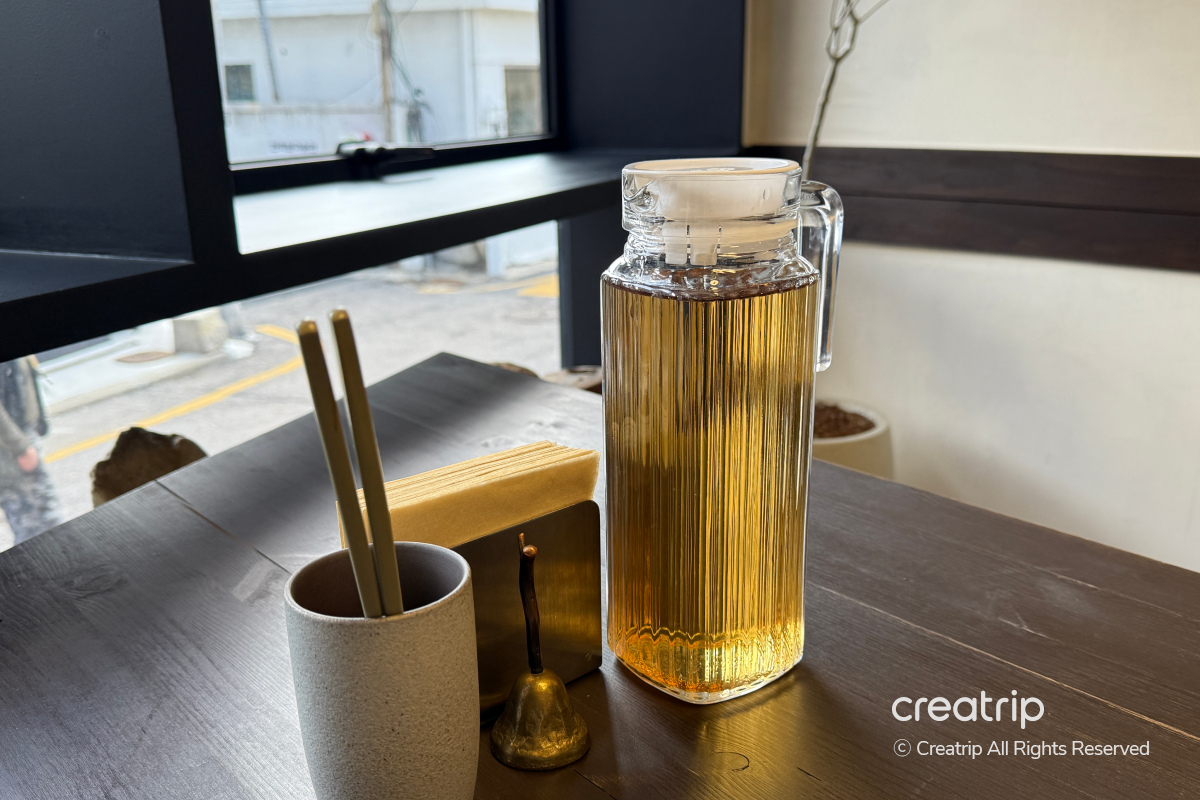
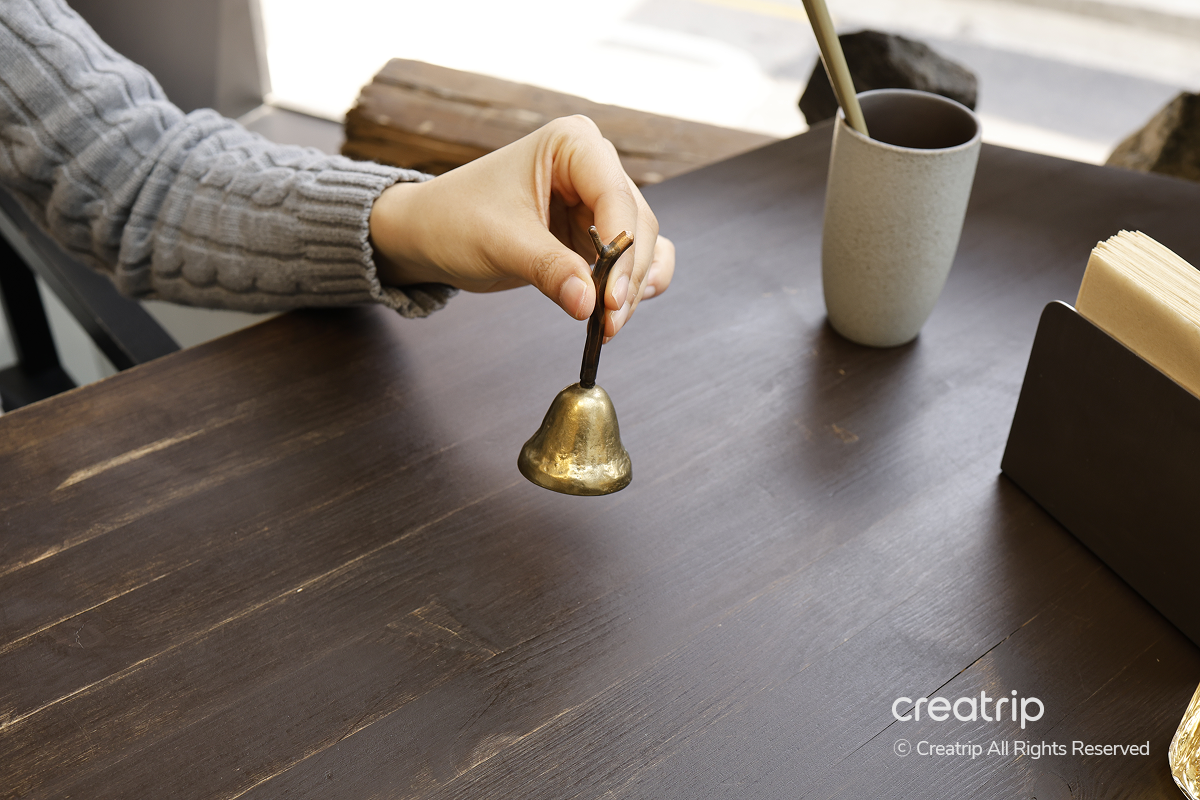
The table setting was clean and tidy overall, and it felt like a refined place to begin the meal.
Even the water was served as a tea rather than regular bottled water, which set a calm tone from the start.
There were also shared chopsticks prepared separately, making it convenient to share dishes more hygienically.
If you need staff assistance, you can simply ring the small bell on the table!
[Image Slider] 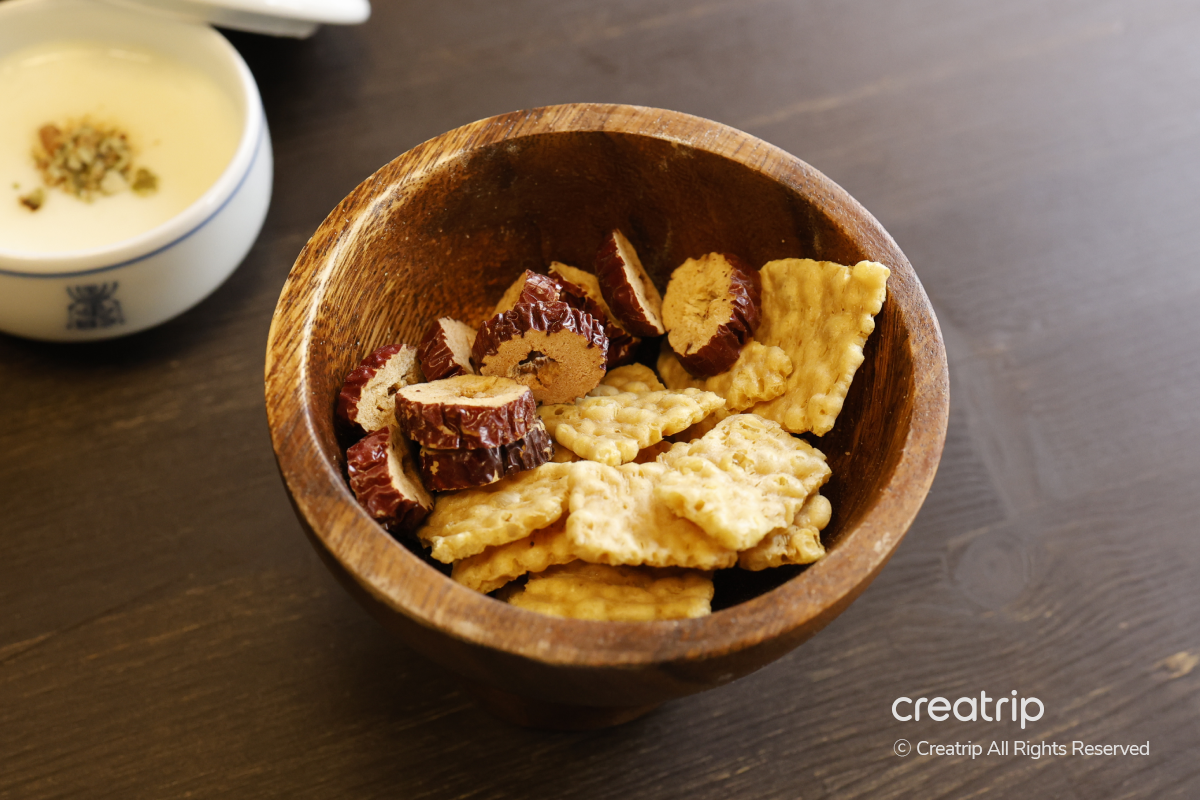
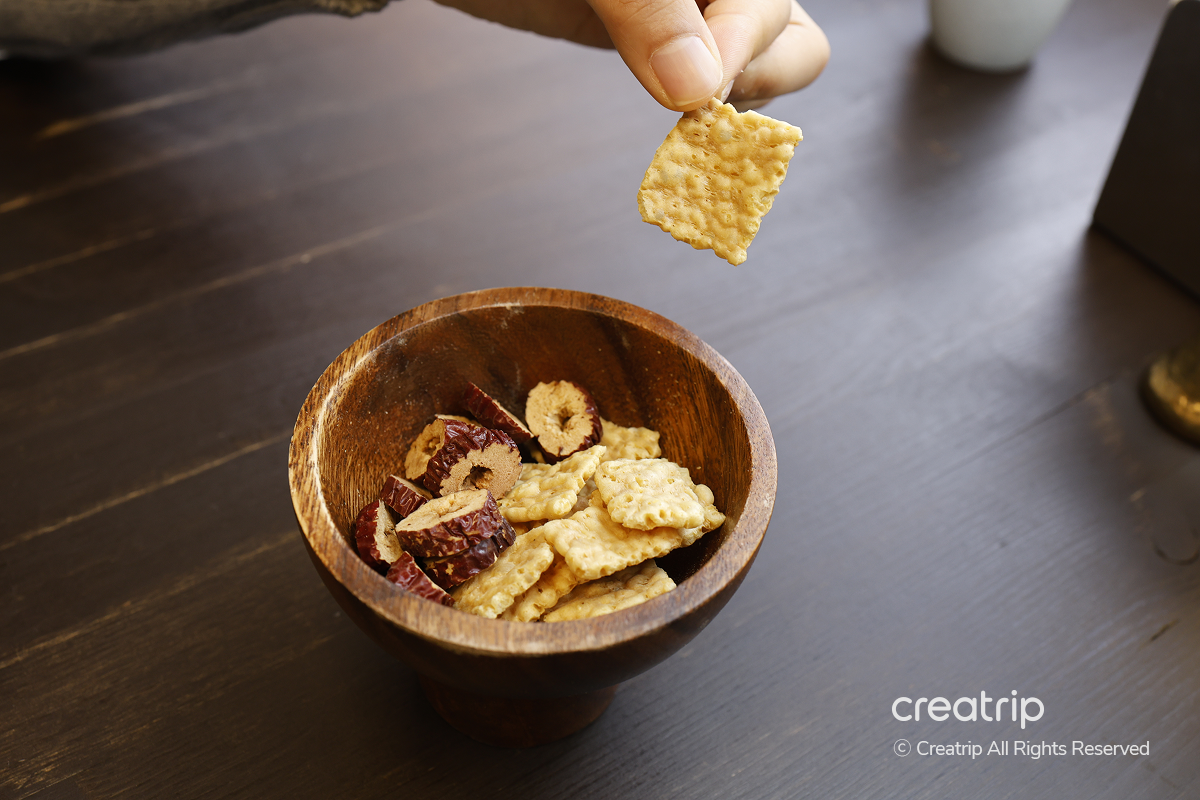
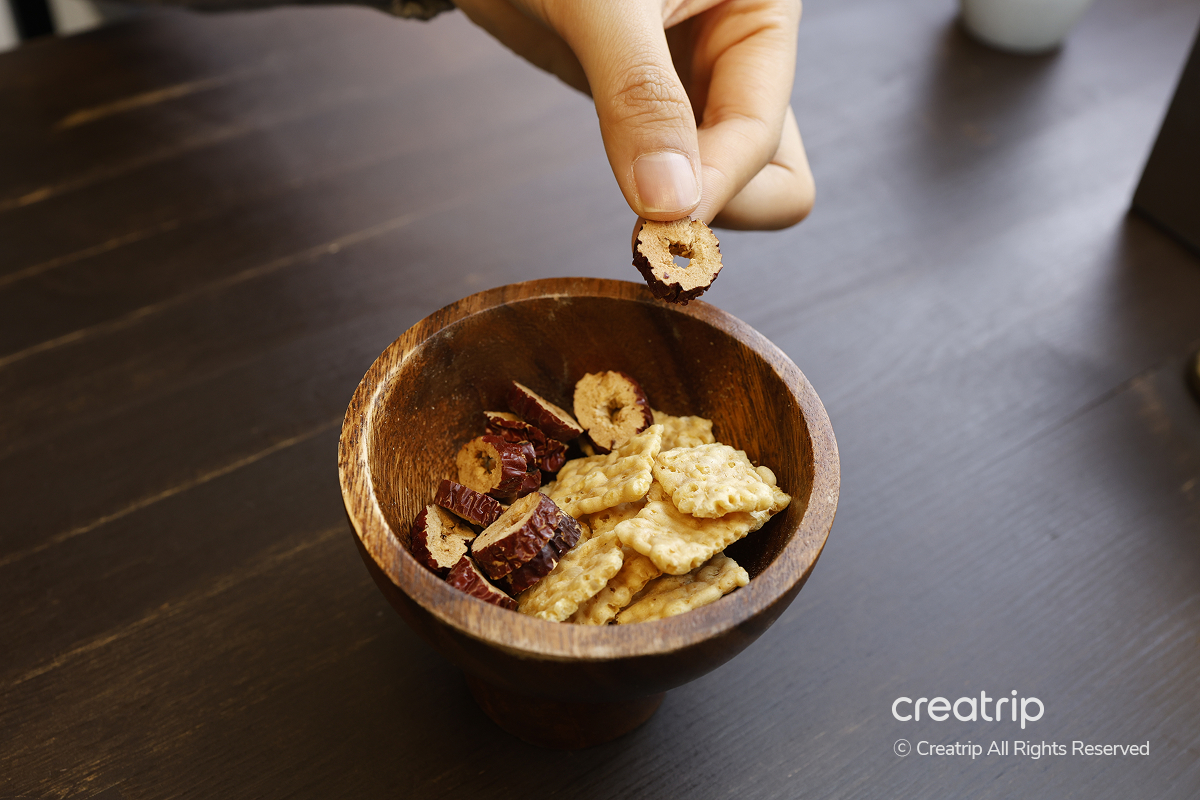
Our editor ordered the lunch course, the “Seok (石) Omakase Course.”
The first dish was a small bite to gently open the meal.
They served “Dried Jujube Chips And Buckwheat Chips,” where the crisp texture and subtle sweetness paired nicely.
It is a great way to reset your palate before the full course begins, smoothly guiding you into the next dishes.
[Image Slider] 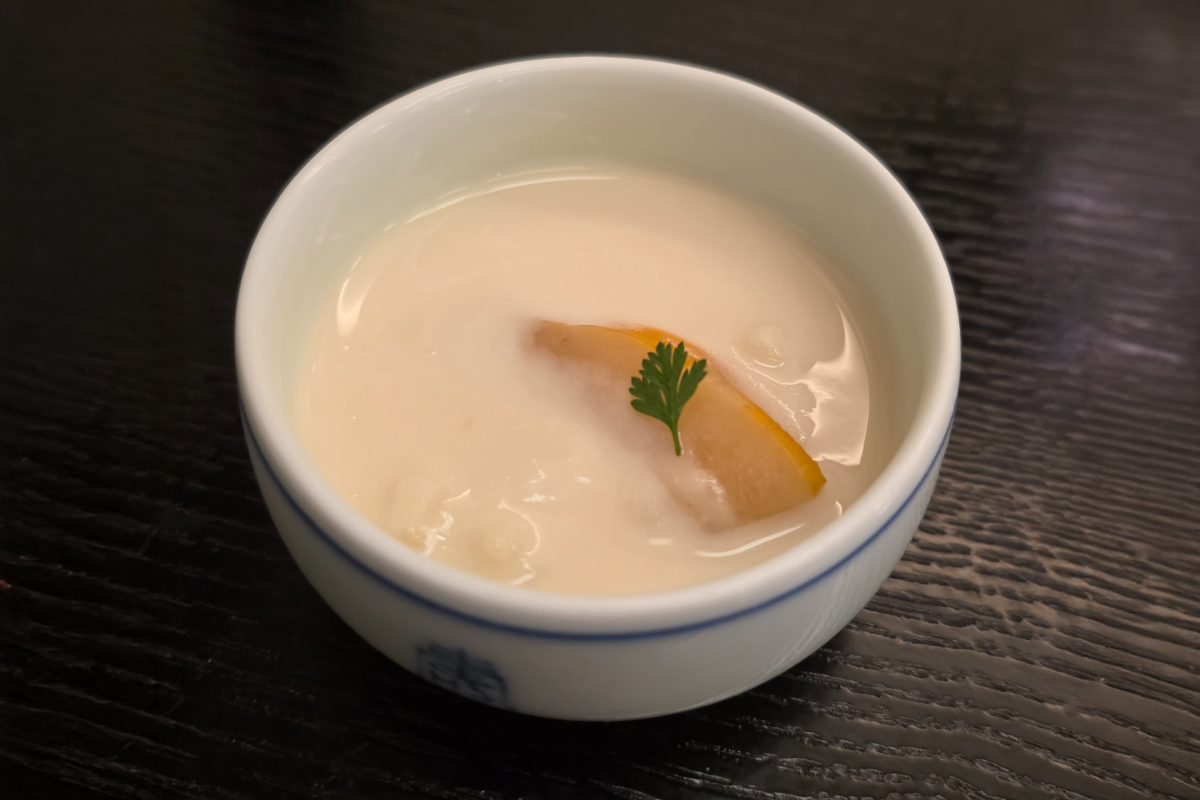
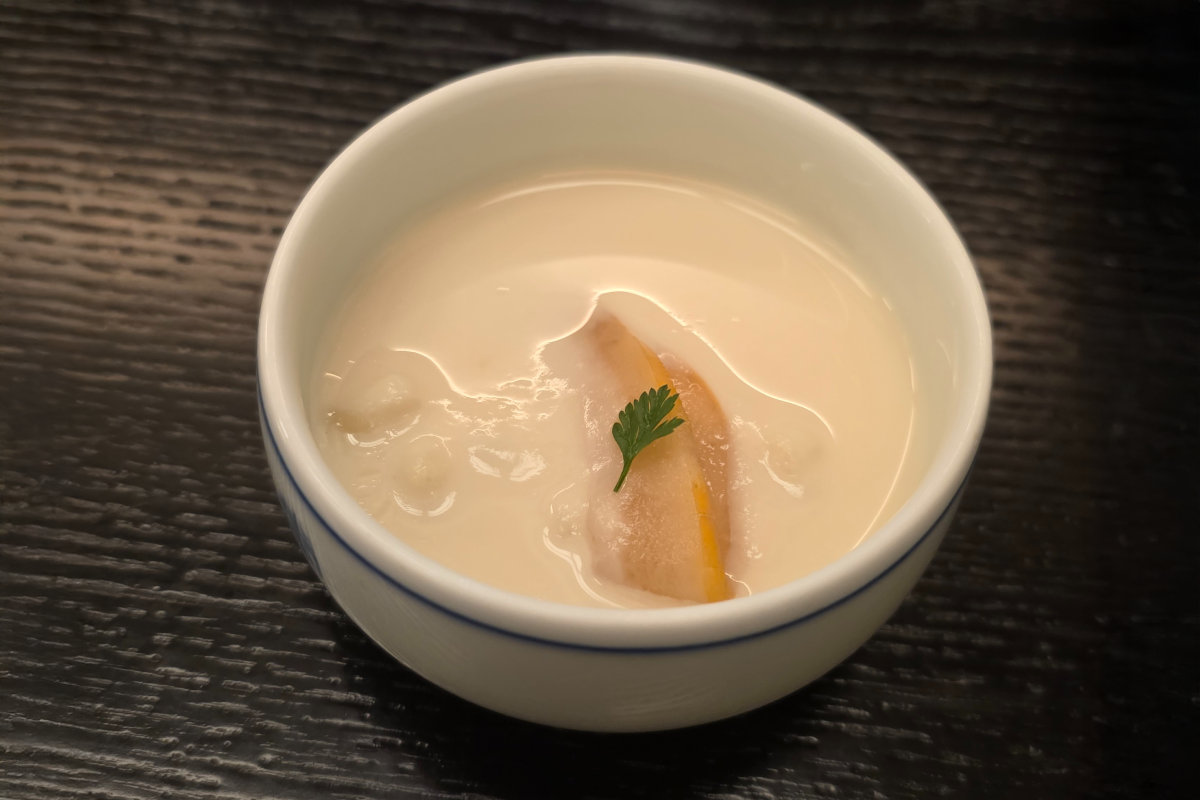
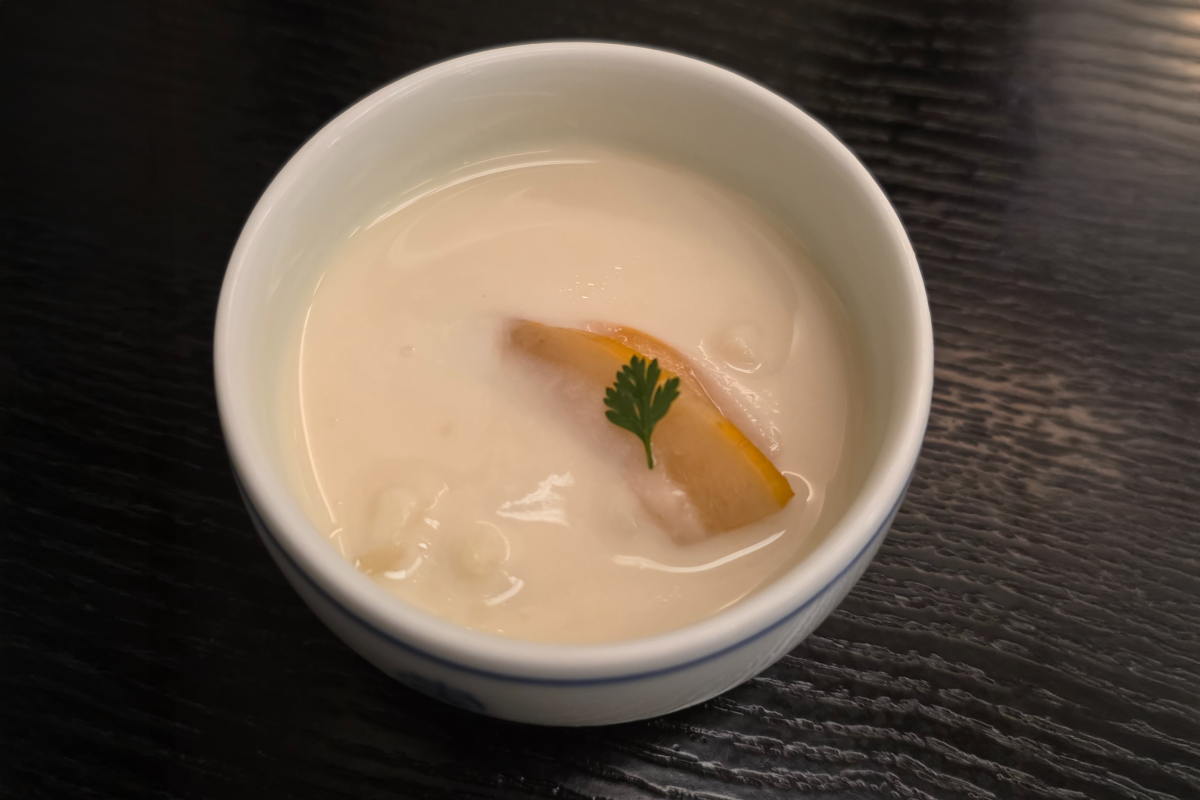
Next, another bite-size dish was served, “white soybean milk with Korean melon pickles.”
Made by finely grinding white soybeans, the soy milk is smooth and mild, with a clean, nutty finish.
The Korean melon pickles add gentle sweetness and acidity, balancing the lightness of the soy milk and creating a more layered flavor.
It is an easy, light start that neatly sets your palate up for what comes next.
They also explained the ingredients and composition each time a dish was served, which made it easier to understand and enjoy each menu item.
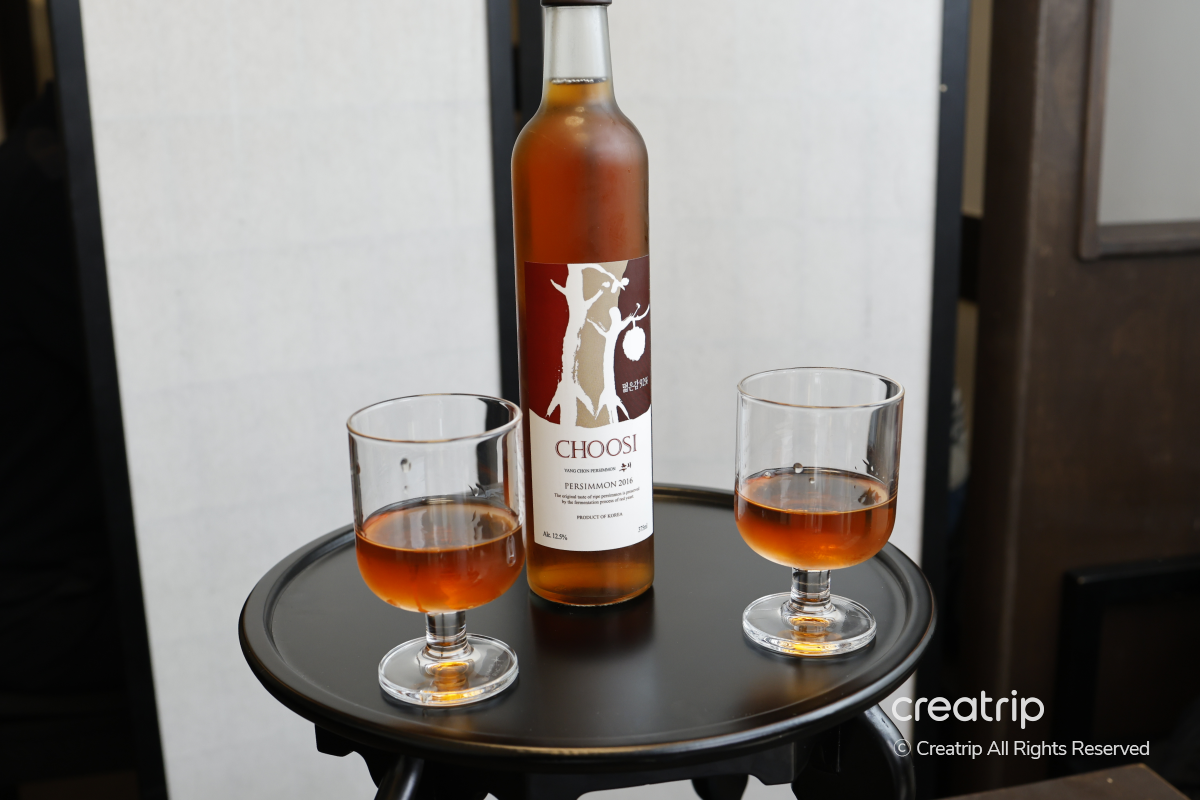
Our editor also added the traditional liquor pairing to enjoy with the course.
You are served three small glasses matched to the three course segments, making it easy to enjoy along with the flow of the meal.
Because the drinks are served in order to match each dish, you get to experience traditional Korean liquors that pair naturally with every plate.
It lifts the flavors without overpowering the food, a great option if you want to enjoy the course even more.
The first drink, “CHOOSI Wine,” is a fruit wine made by fermenting and aging astringent persimmons, with a softly lingering aroma.
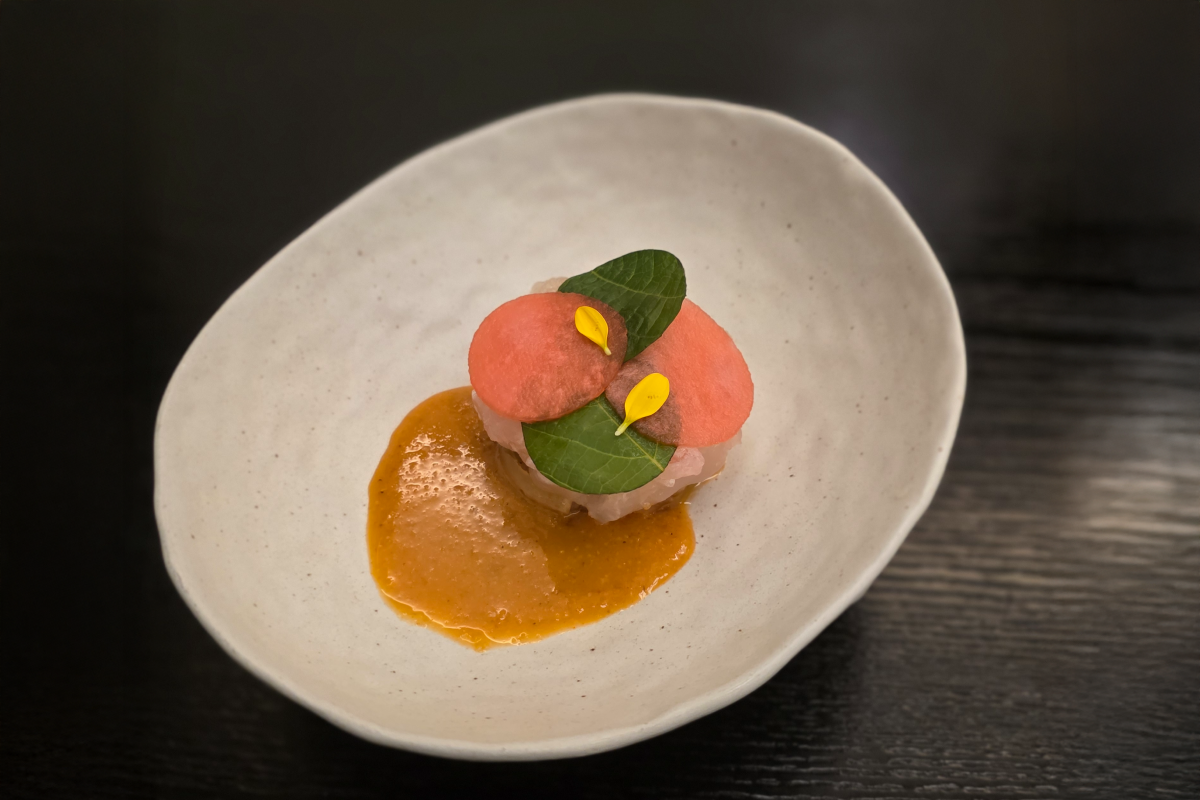
The first raw dish was “flounder sashimi with makjang sauce.”
The flounder was sliced to a satisfying thickness, giving it a pleasantly chewy yet tender texture, with a clean, mild taste.
Thinly sliced vegetables were placed on top, making it nicely composed for eating together.
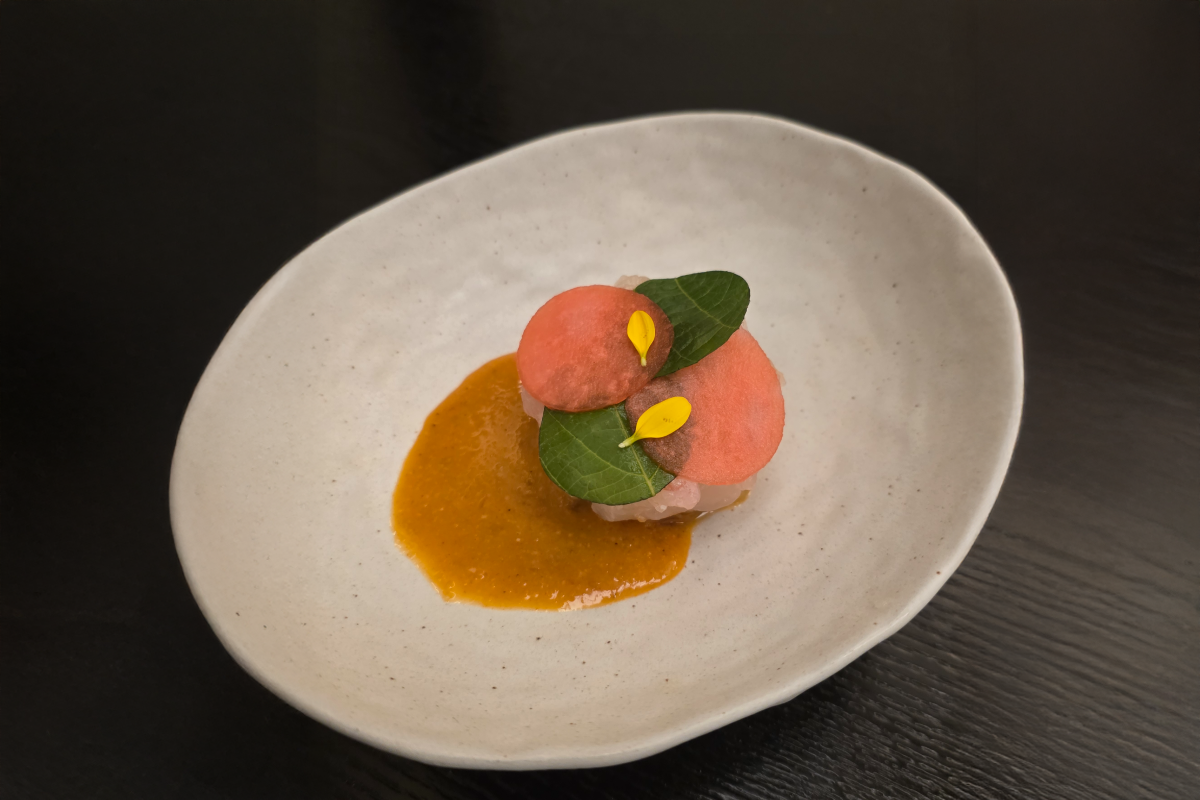
Under the flounder sashimi was a layer of rich, nutty makjang sauce.
The deep flavor of the makjang paired beautifully with the mild flounder, adding a savory, slightly salty punch!
When eaten with the vegetables, you also get more texture, making each bite feel varied and balanced.
[Image Slider] 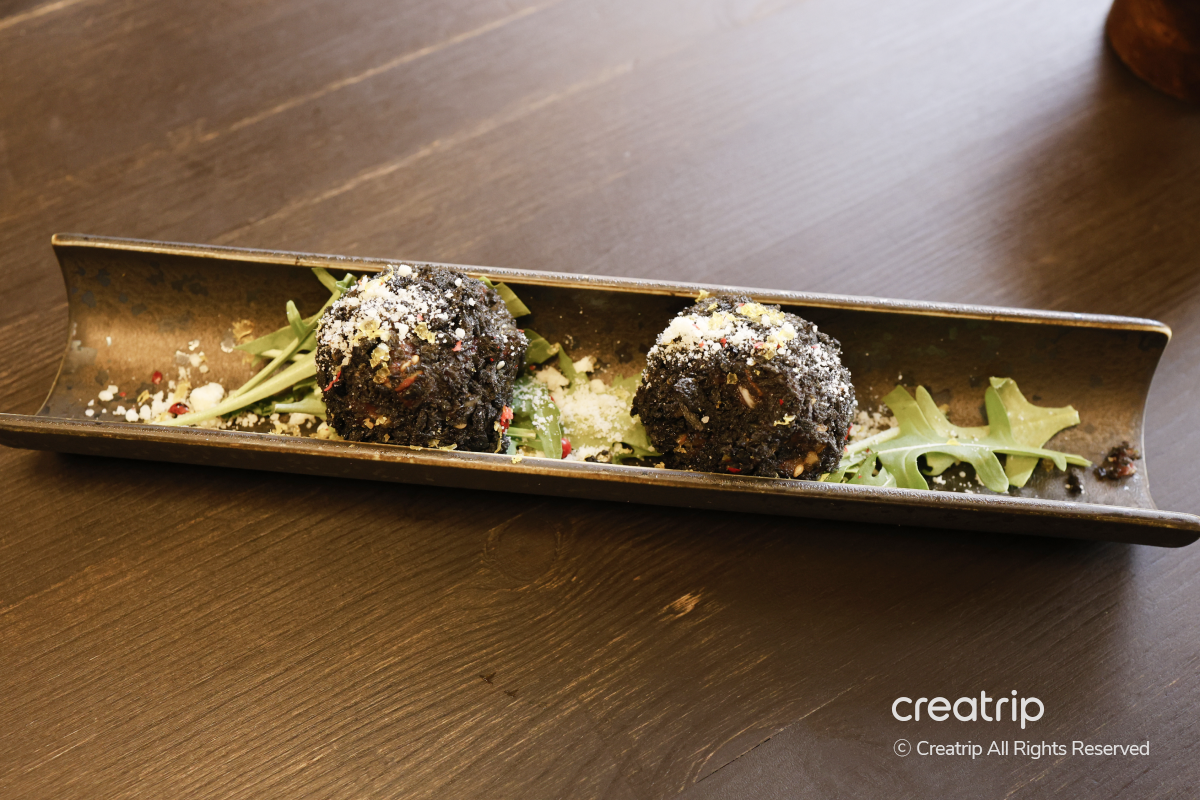
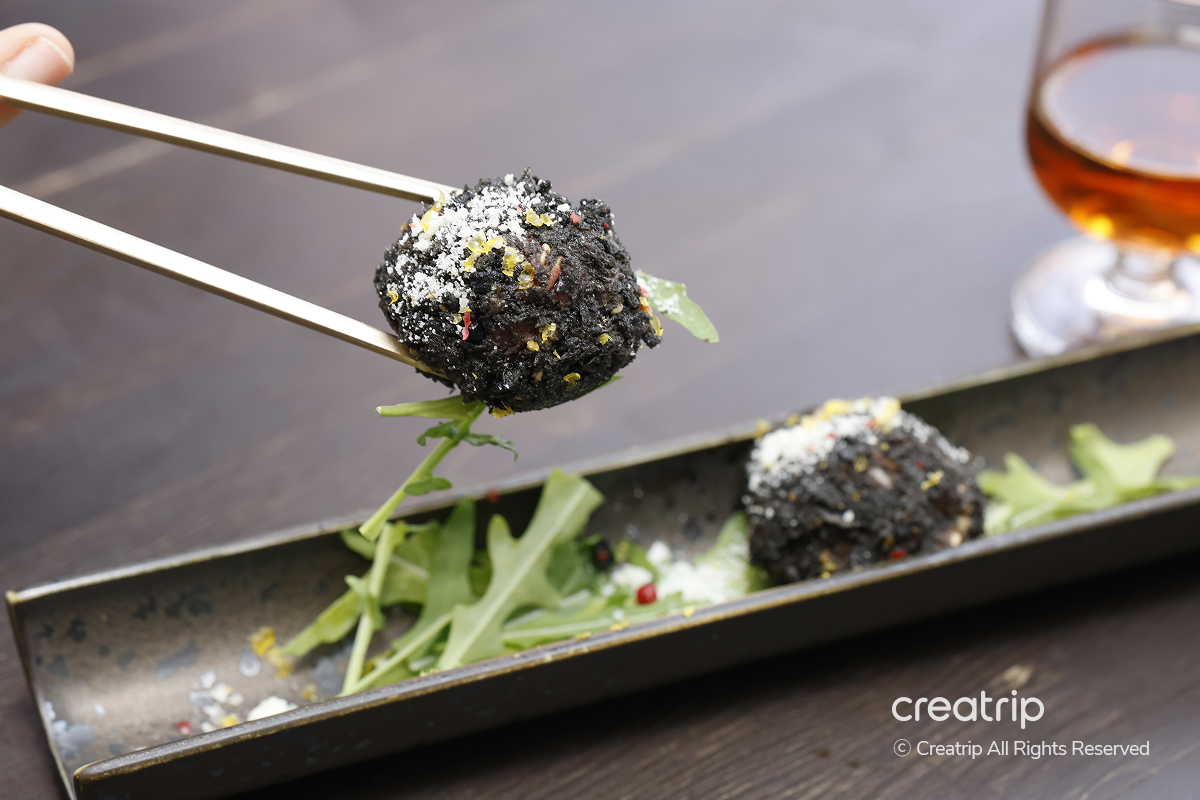
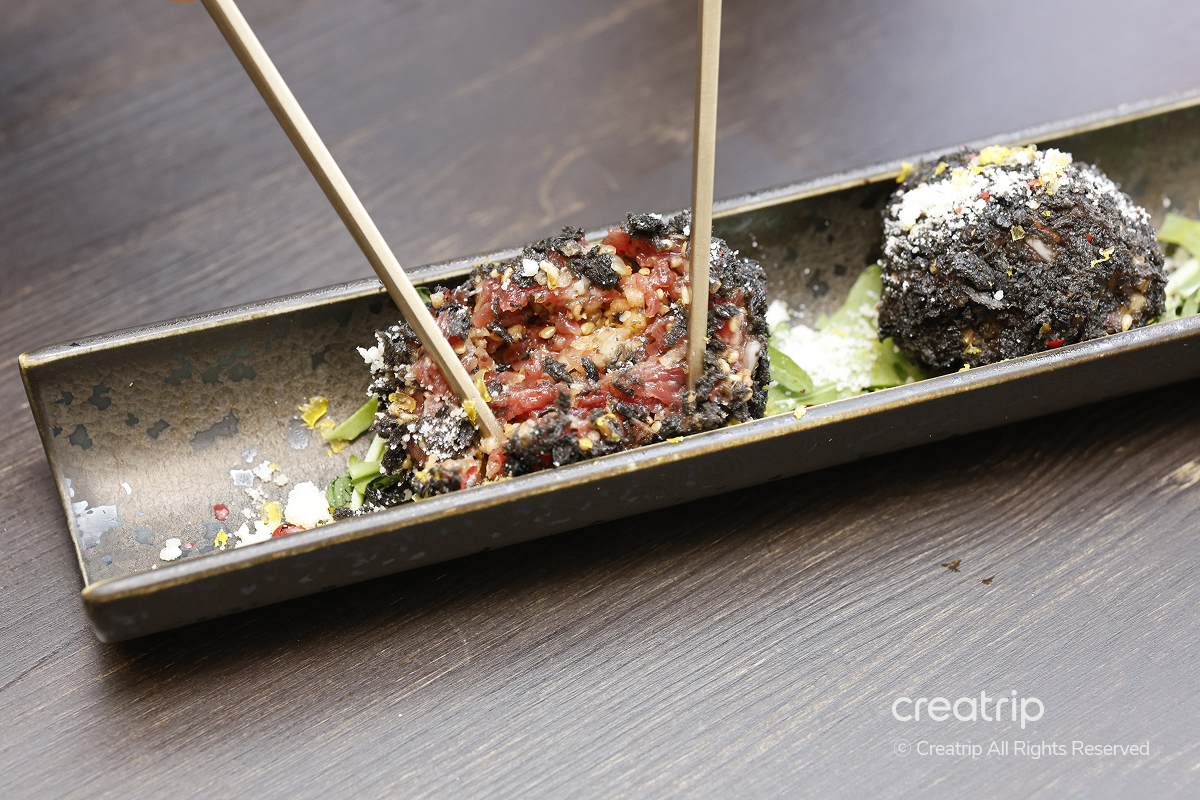
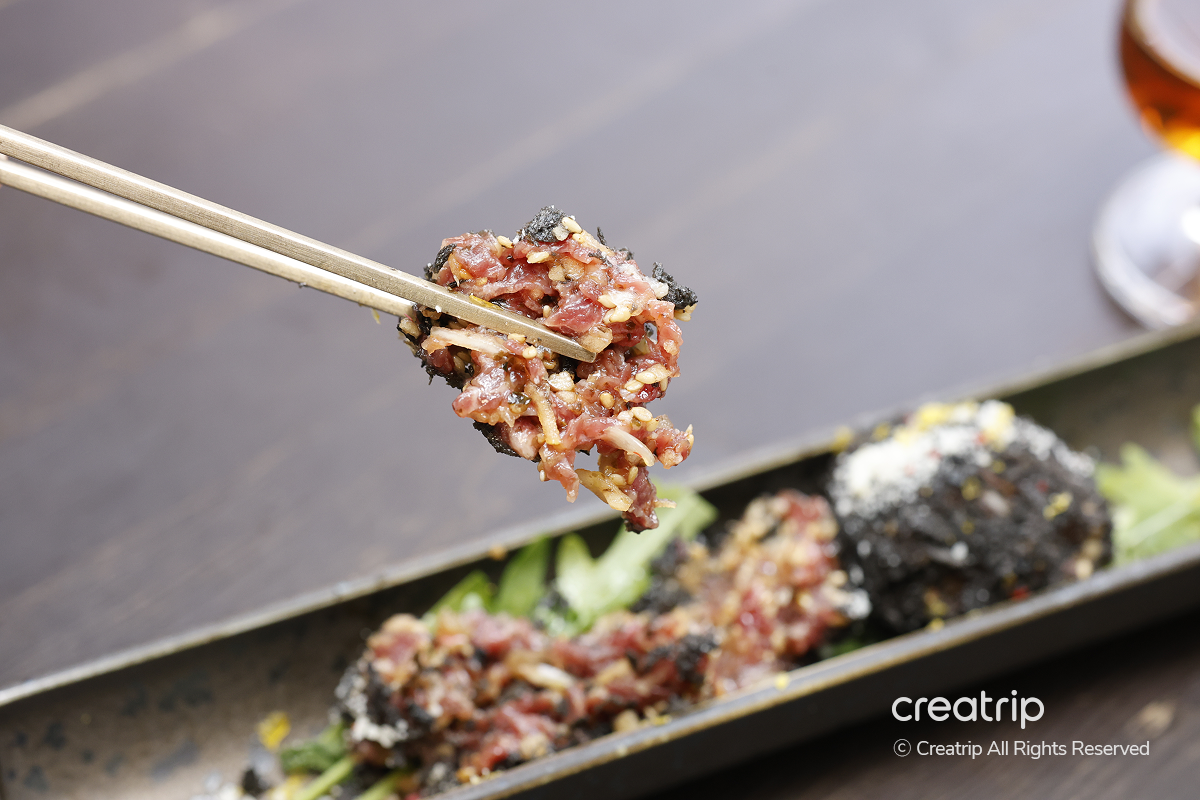
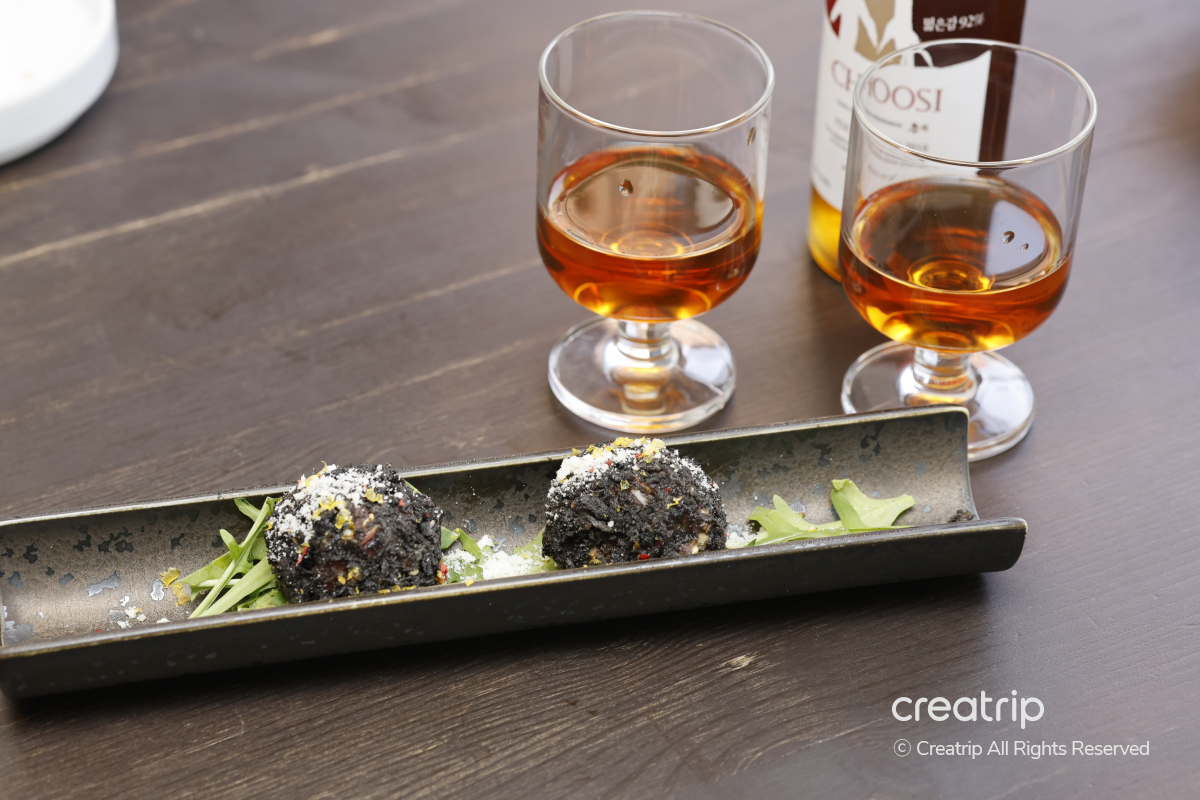
The next raw dish was “Beef Tartare With seaweed oil & squid ink powder.”
Mixed with seaweed sauce and topped with squid-ink breadcrumbs that give it a dark color, it had a subtle umami depth and rich aroma.
Eating it with arugula naturally balanced the flavors, making it even more enjoyable.
[Image Slider] 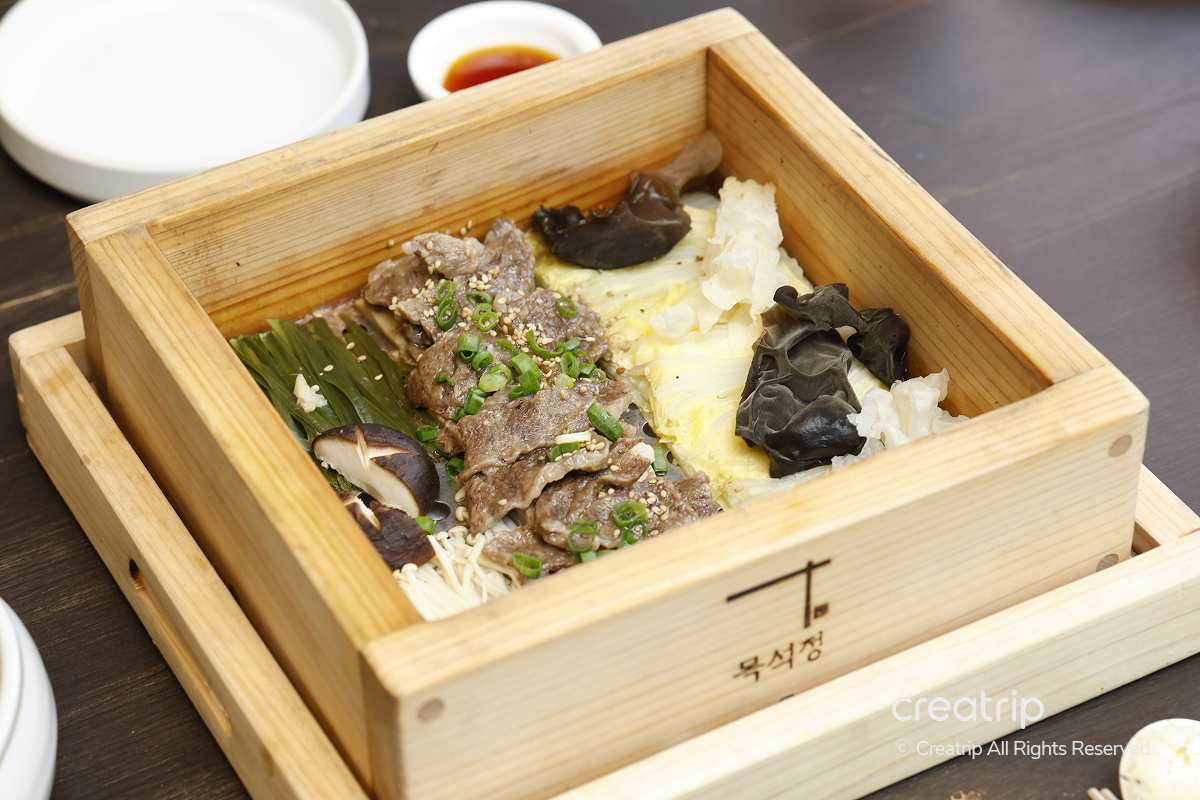
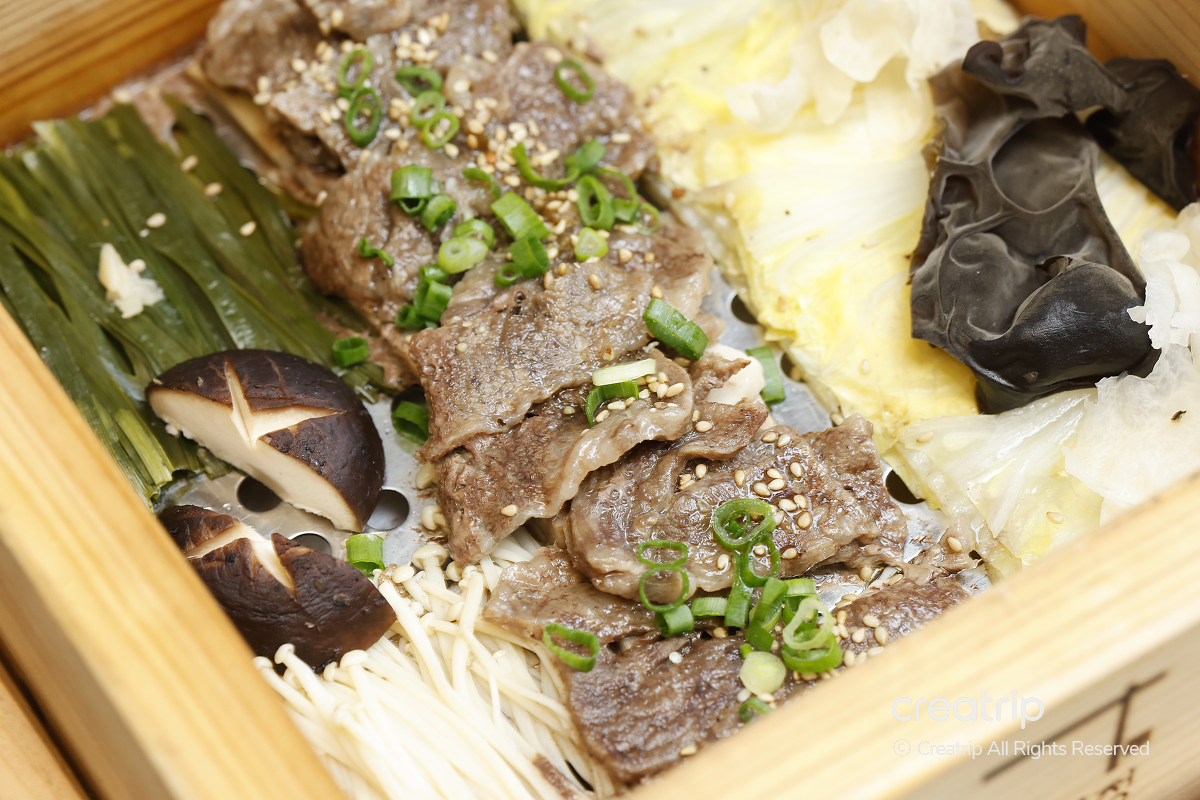
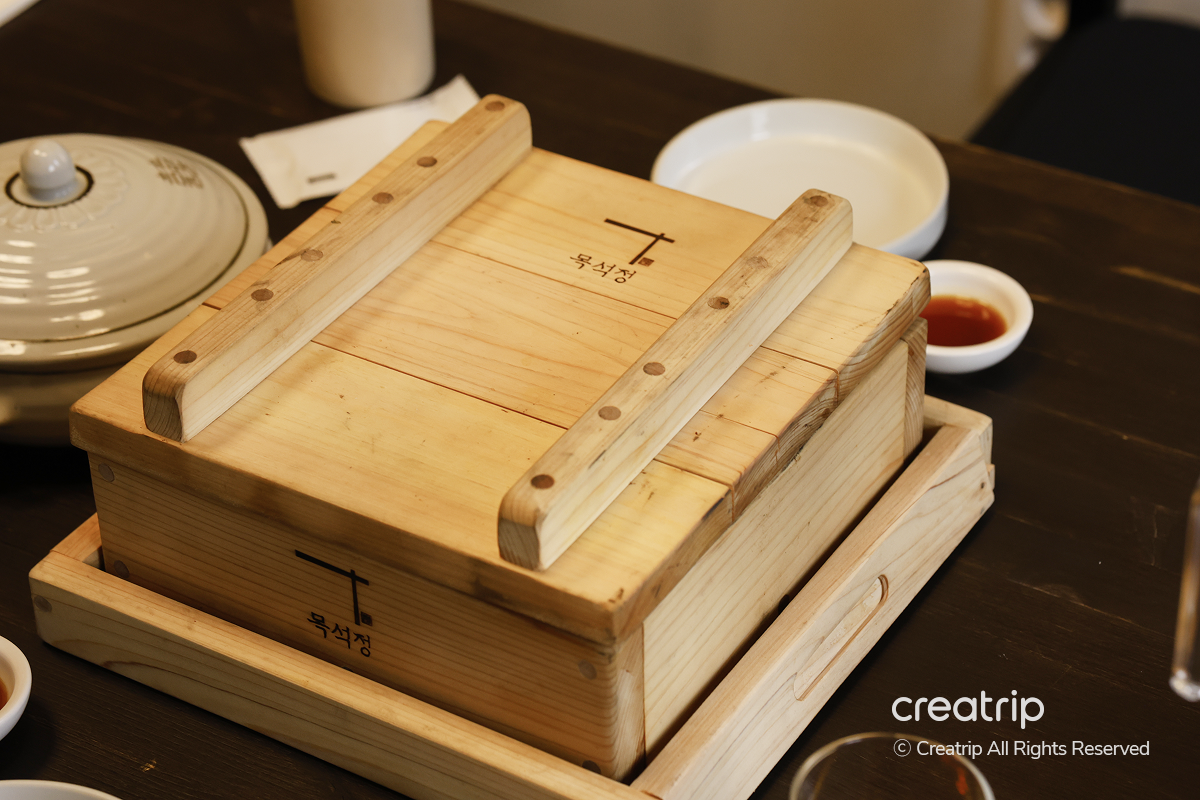
The first warm dish was “Steamed Hanwoo beef with Cypress.”
The hinoki steam brought out a gentle hinoki aroma that naturally infused the ingredients.
[Image Slider] 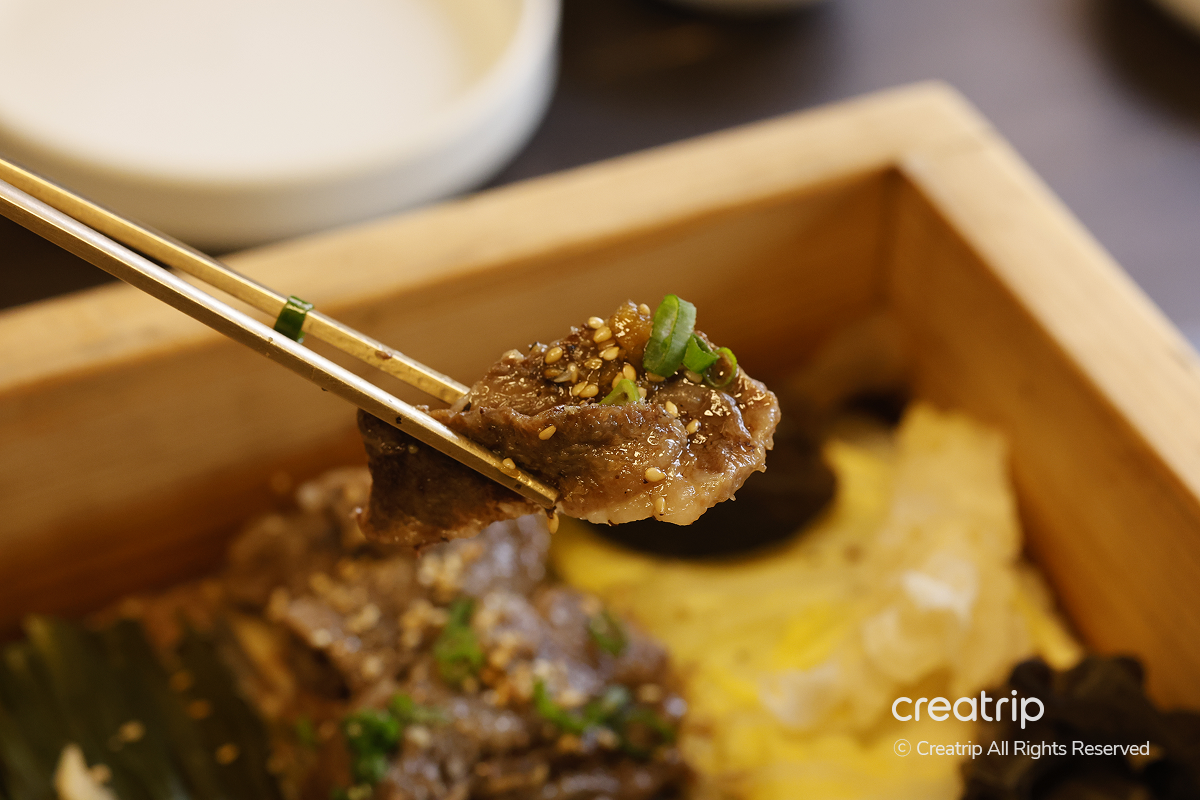
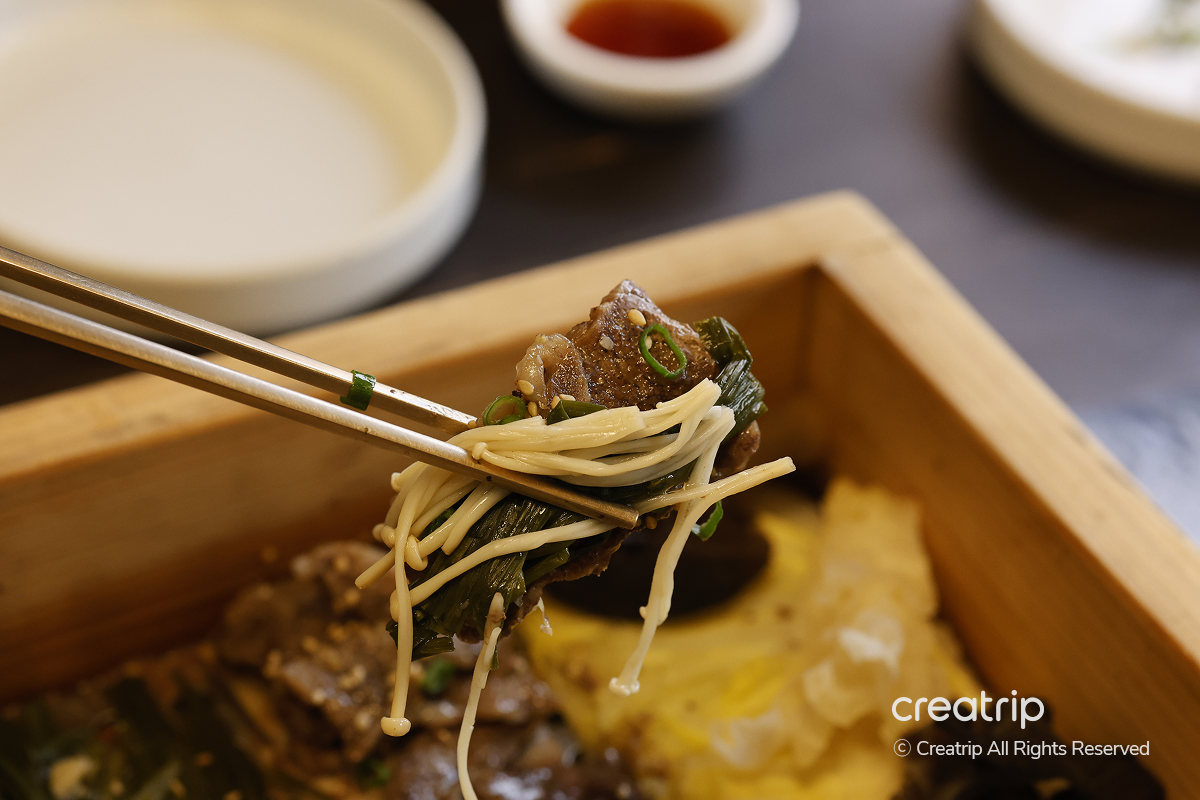
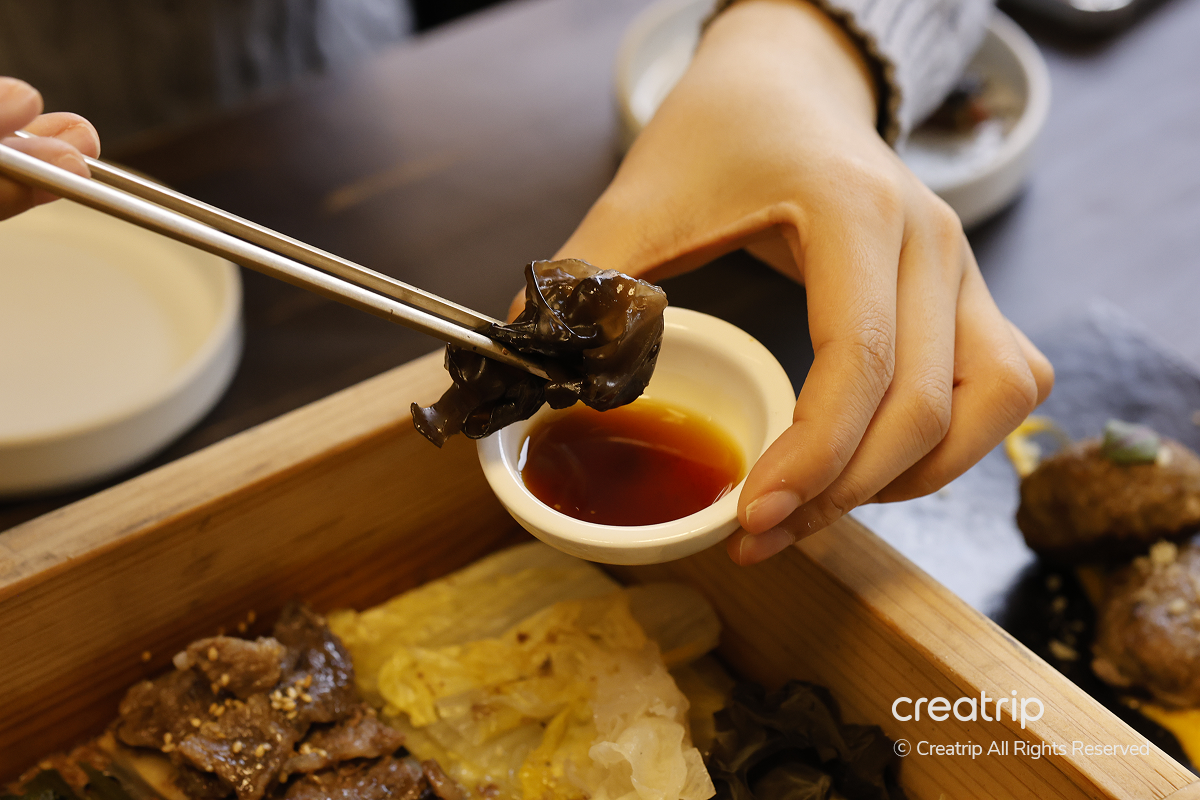
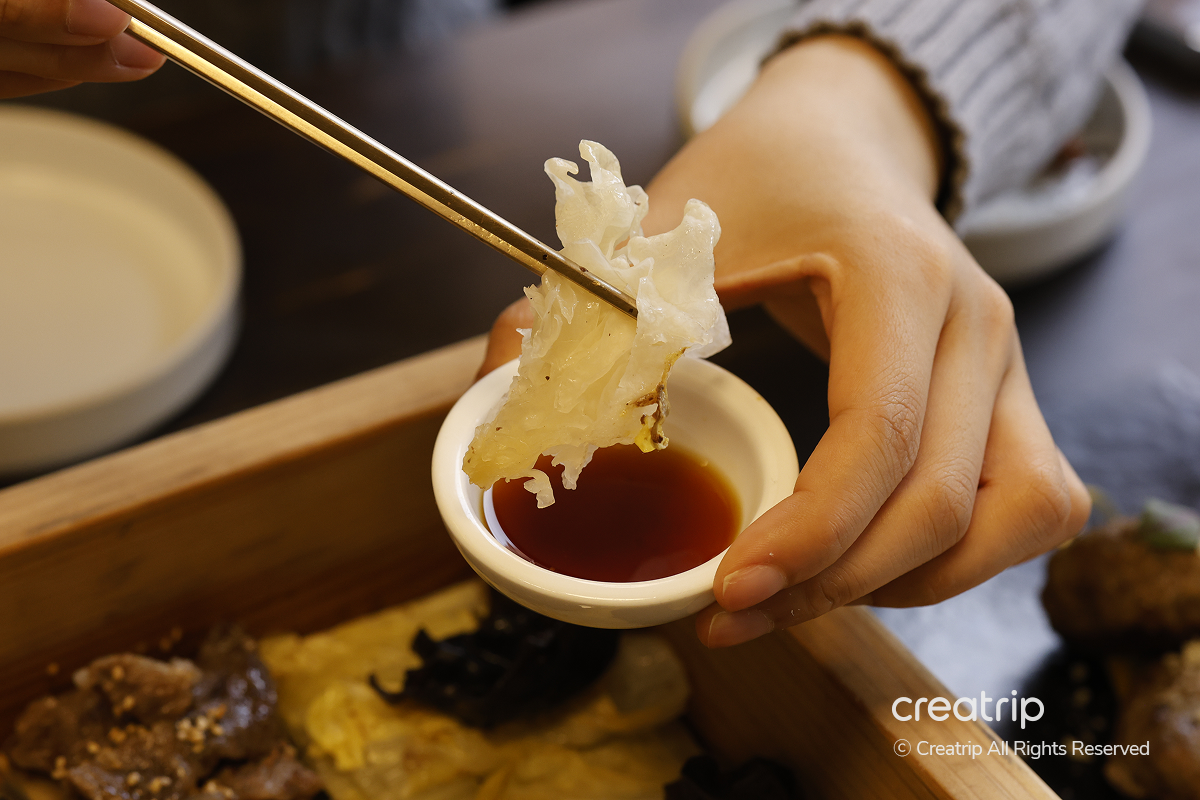
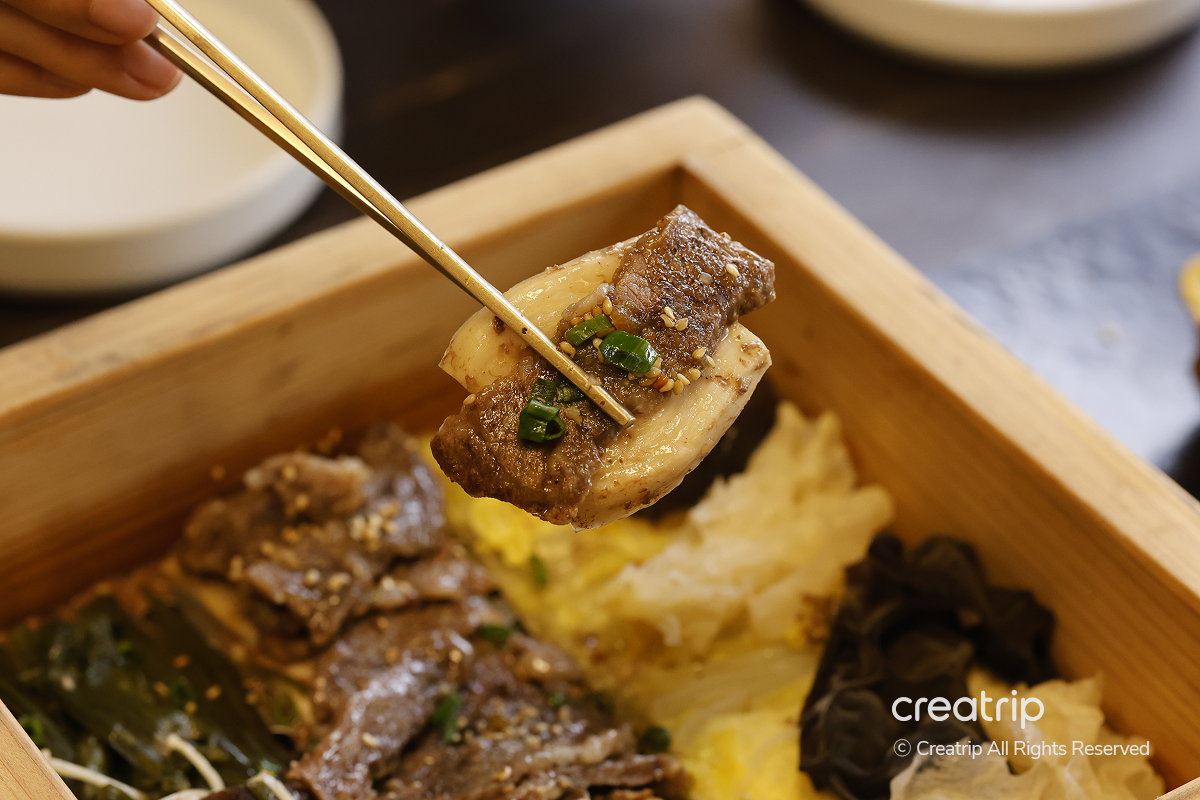
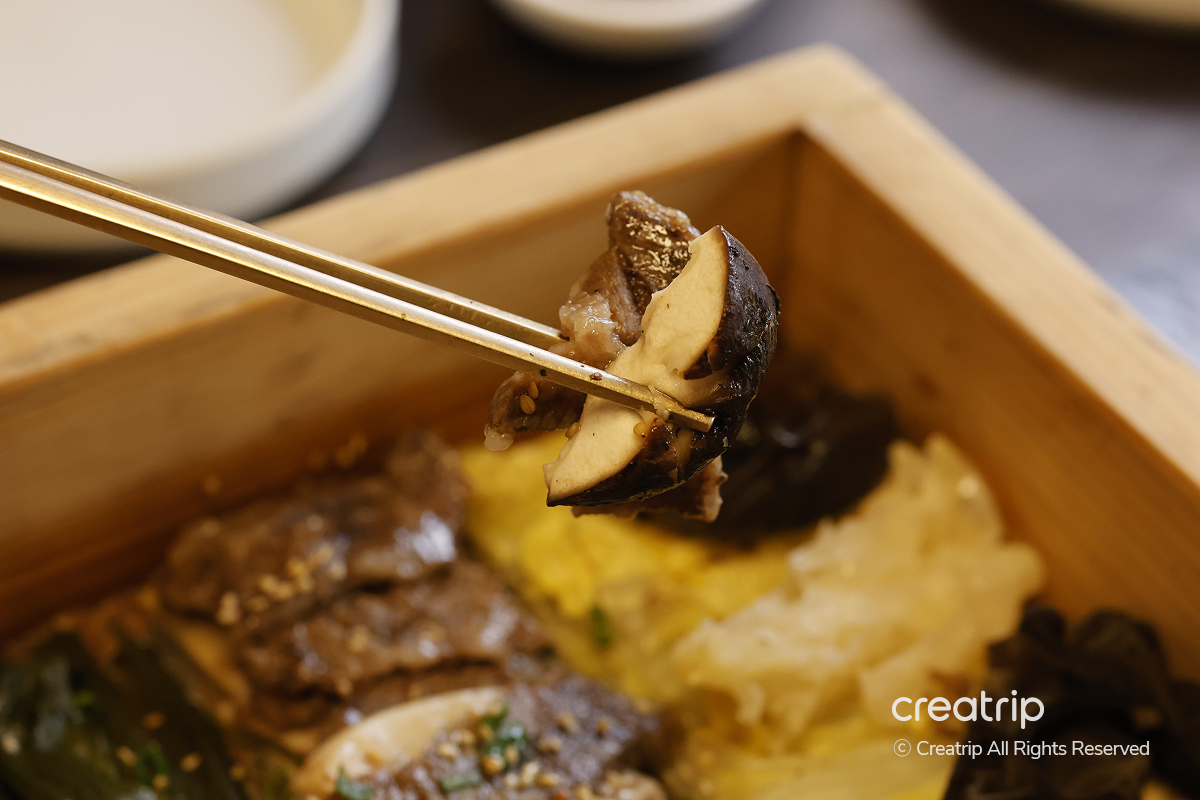
The Upjin-sal was tender and released a rich, savory flavor, it was lightly seasoned so it did not need anything extra.
There were also plenty of sides to eat with it, including mushrooms, napa cabbage, and garlic chives, making it feel especially plentiful.
Combining them added more texture, and it was fun changing up each bite.
[Image Slider] 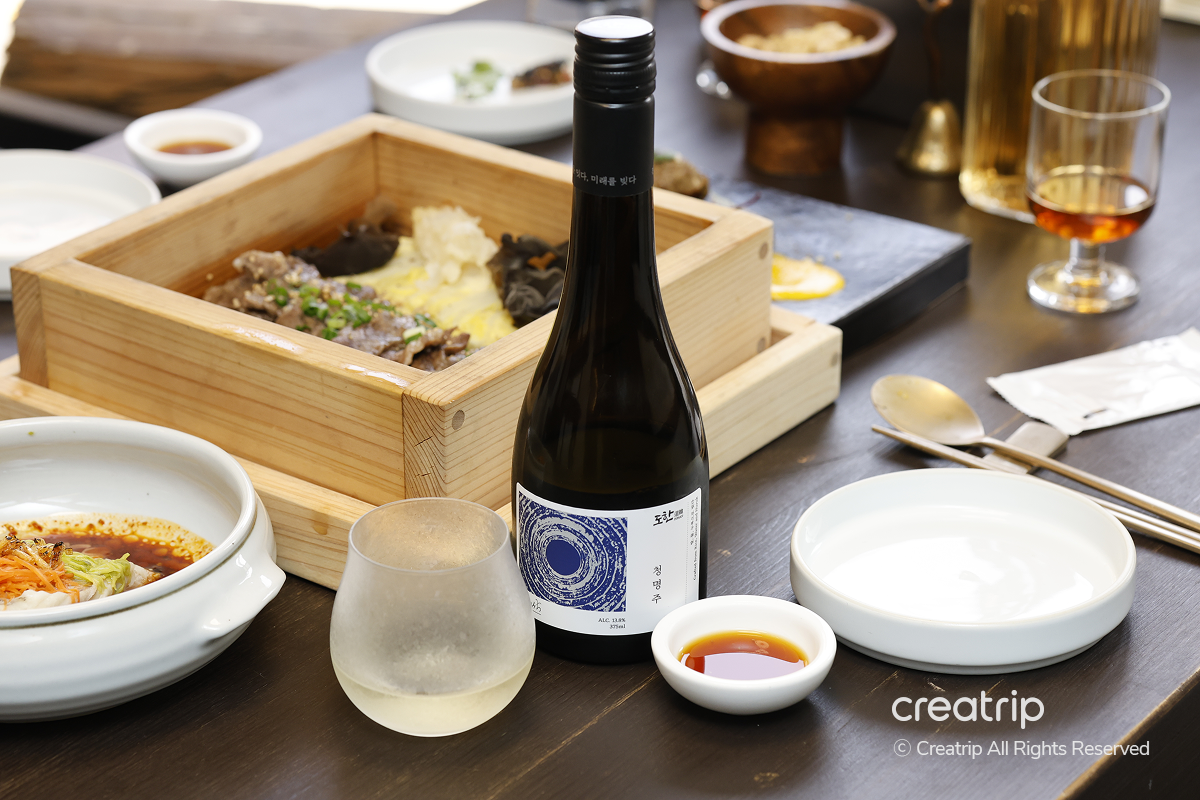
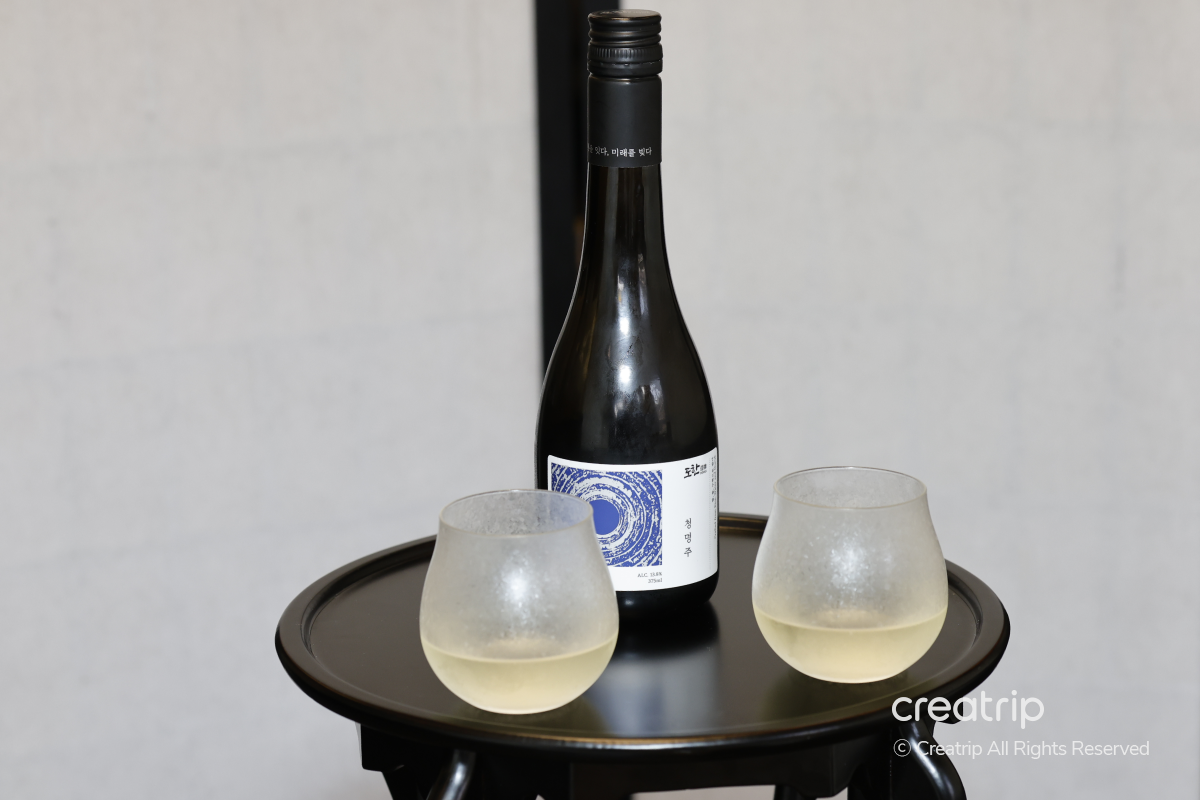
As the warm dishes began, they also changed the pairing drink, the second one served here was “Dohan Cheongmyeongju.”
It is a hand-crafted cheongju-style rice wine that goes down smooth and clean.
With a subtle sweetness that feels a bit like white wine, it paired well with the food, and they also explained the drink, which made it even more enjoyable.
They mentioned that the pairing lineup changes regularly depending on the season and composition!
[Image Slider] 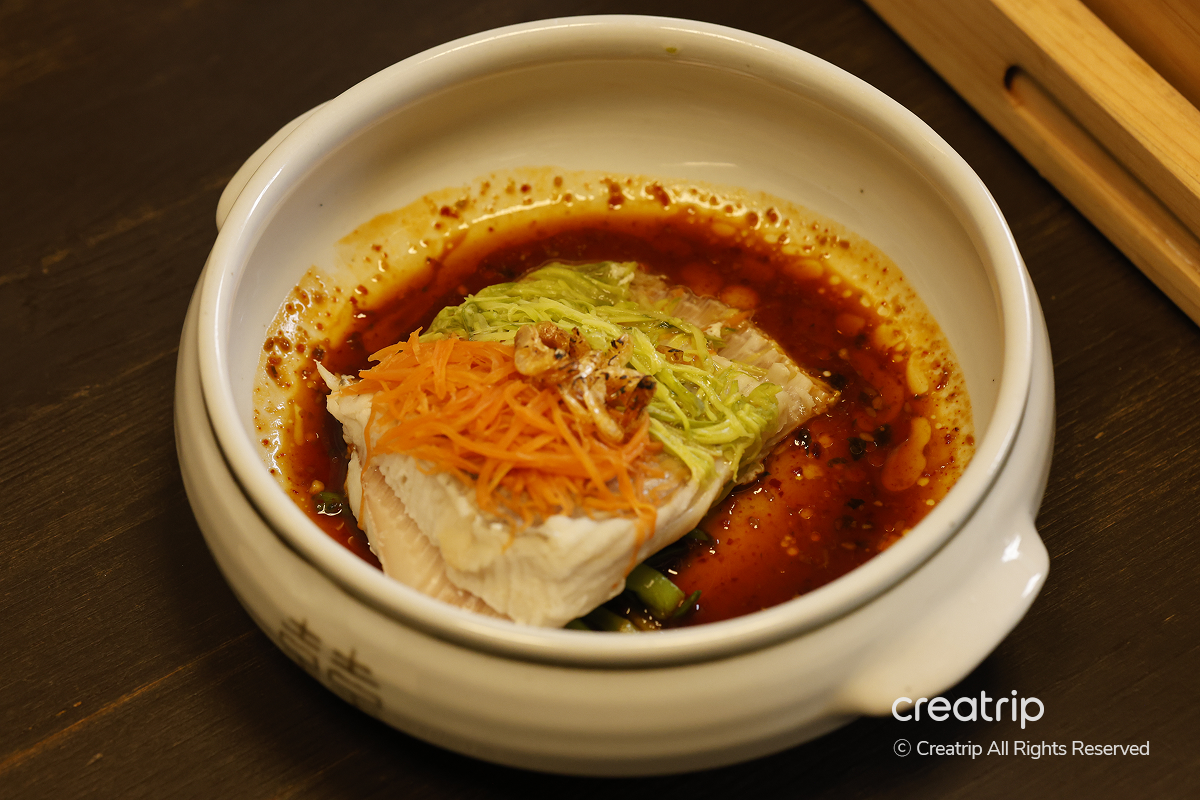
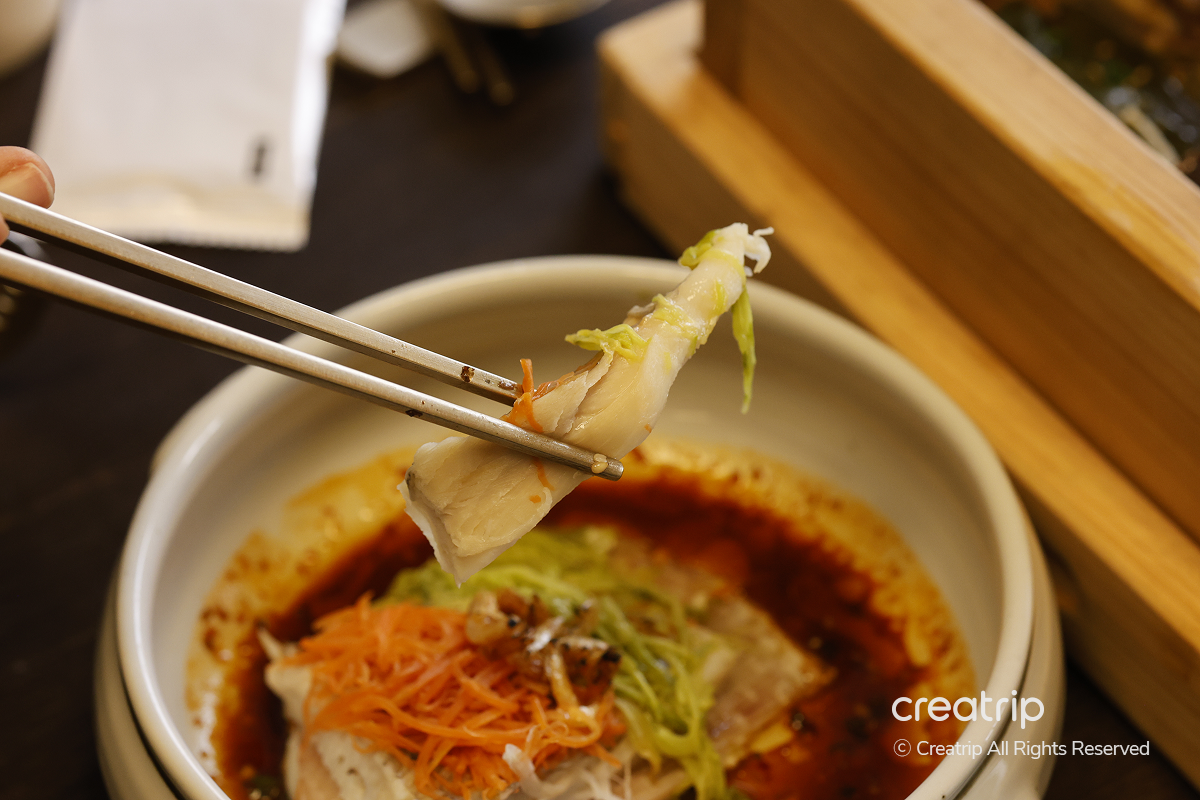
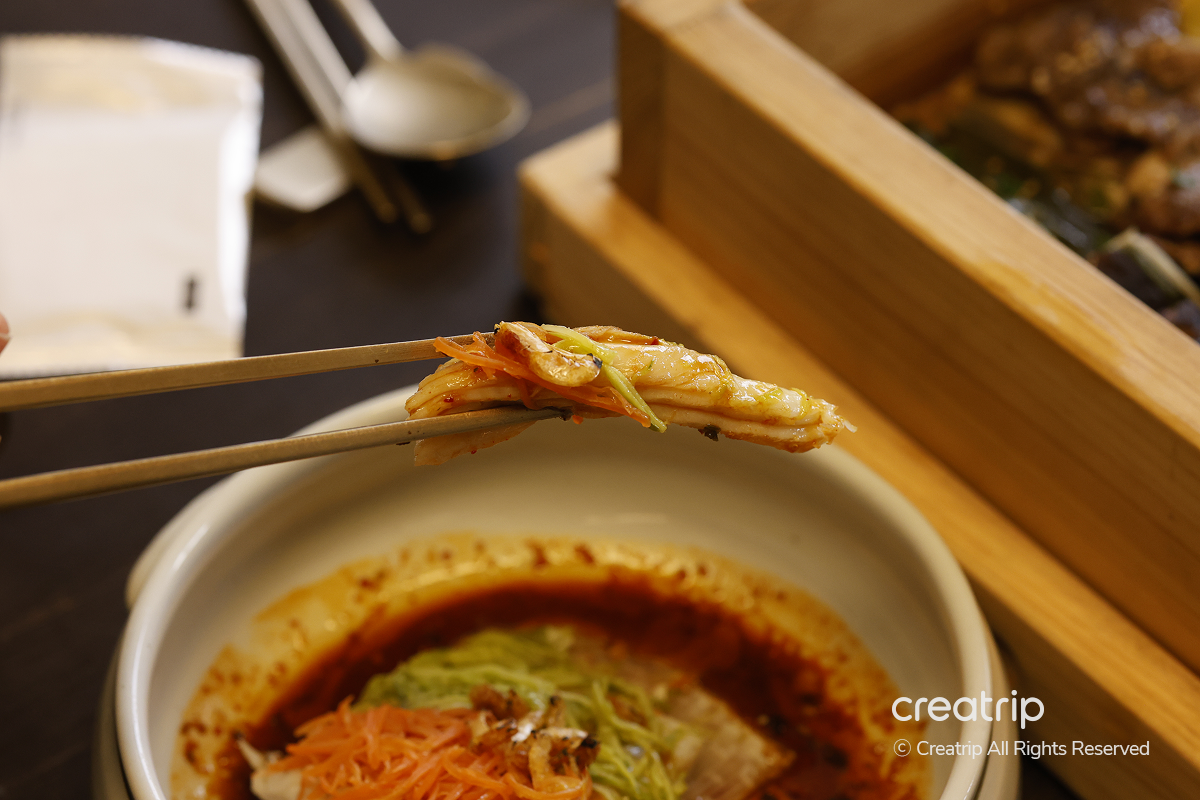
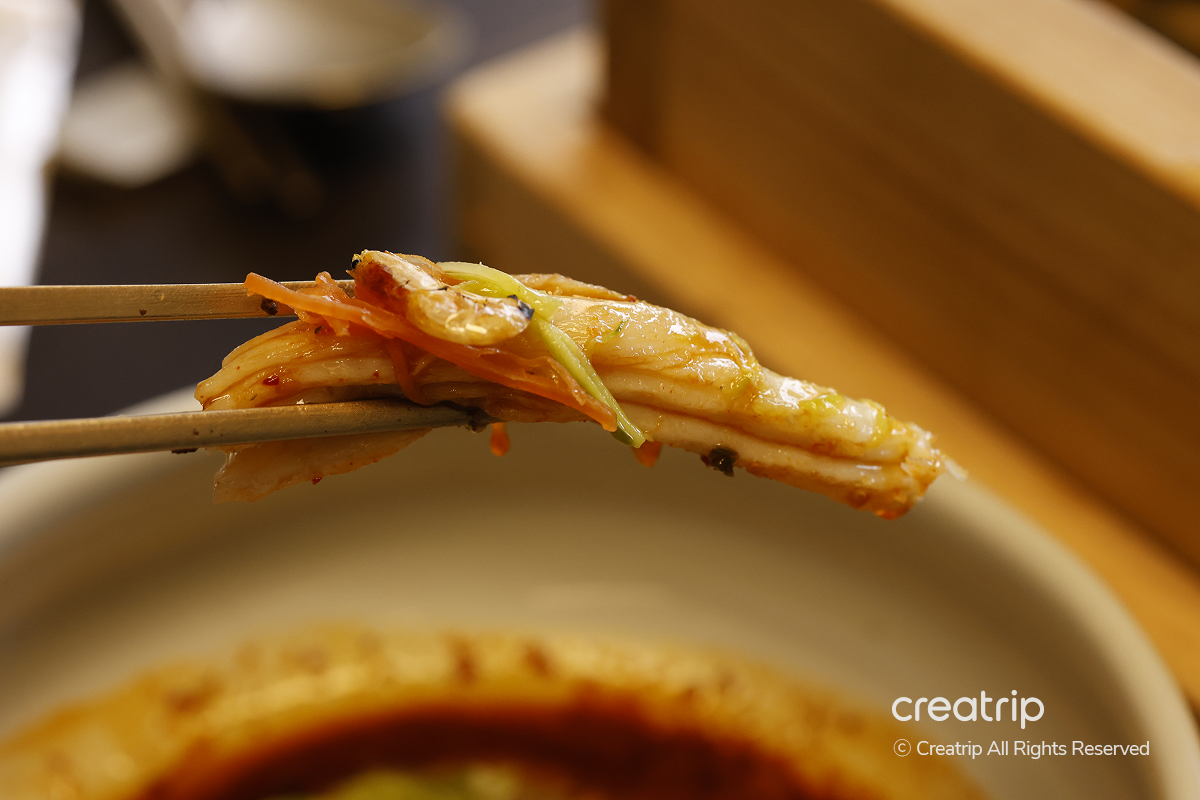
The second warm dish was “Steamed Skate.”
The flavor finished clean without feeling heavy, and the skate meat pulled apart softly along the grain.
Dipping it lightly in the sauce brought out even more umami, it was the kind of flavor you keep reaching for.
[Image Slider] 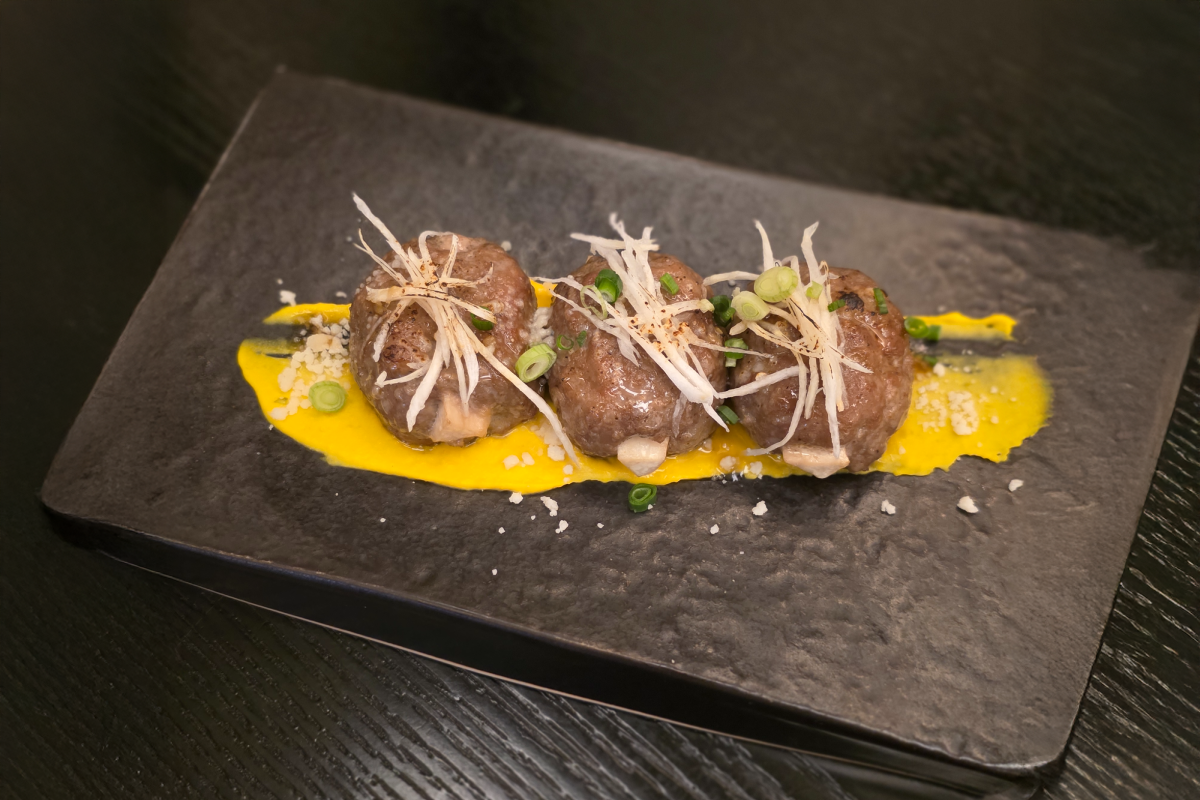
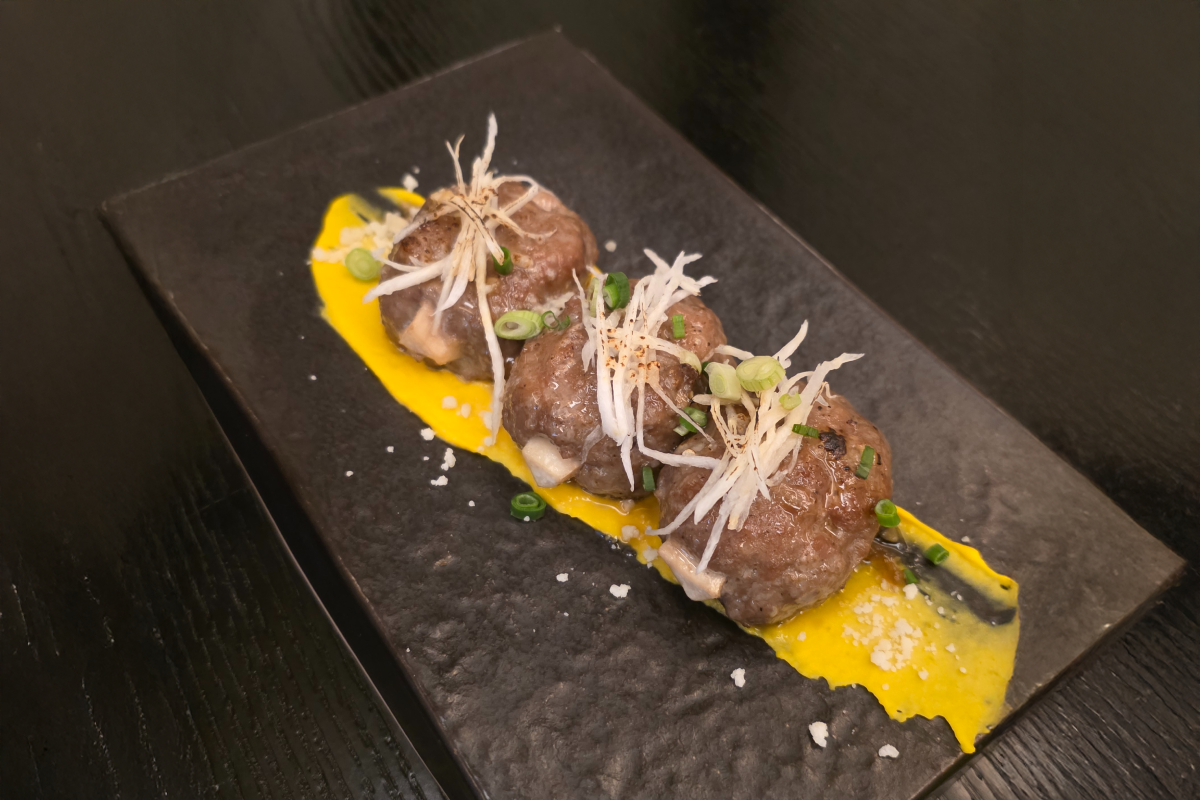
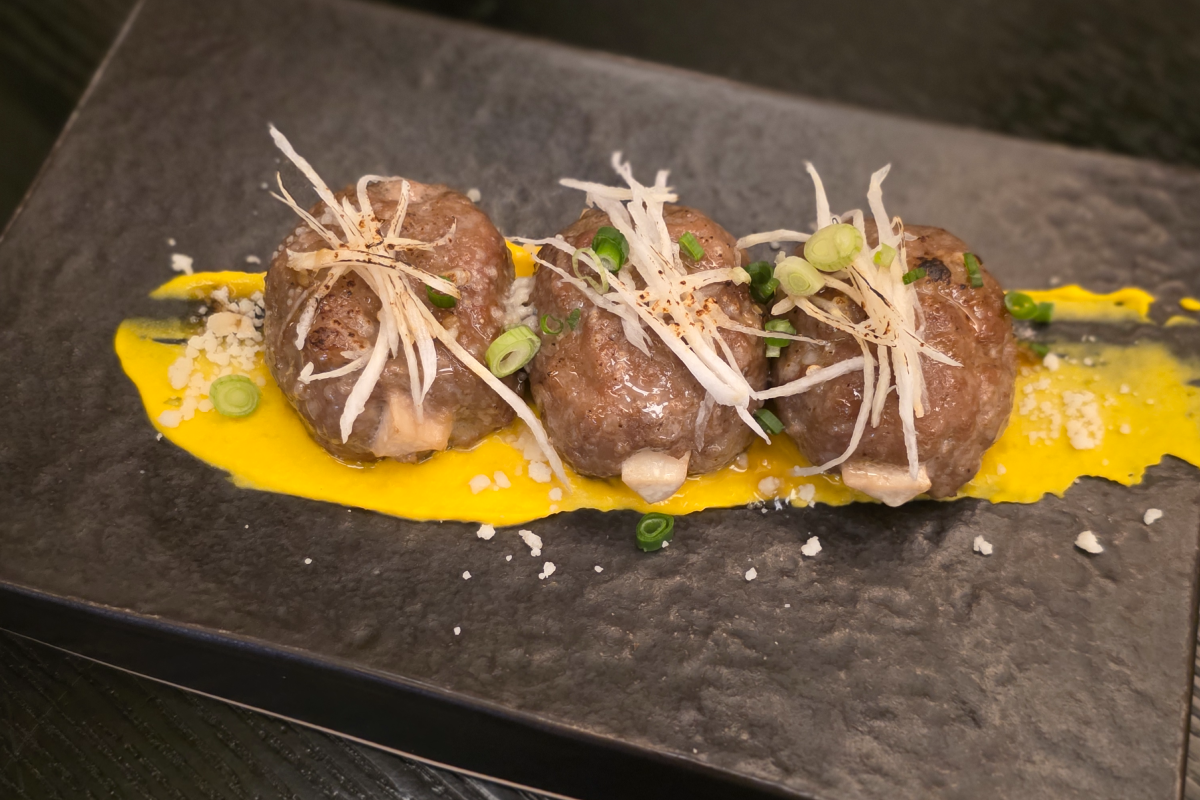
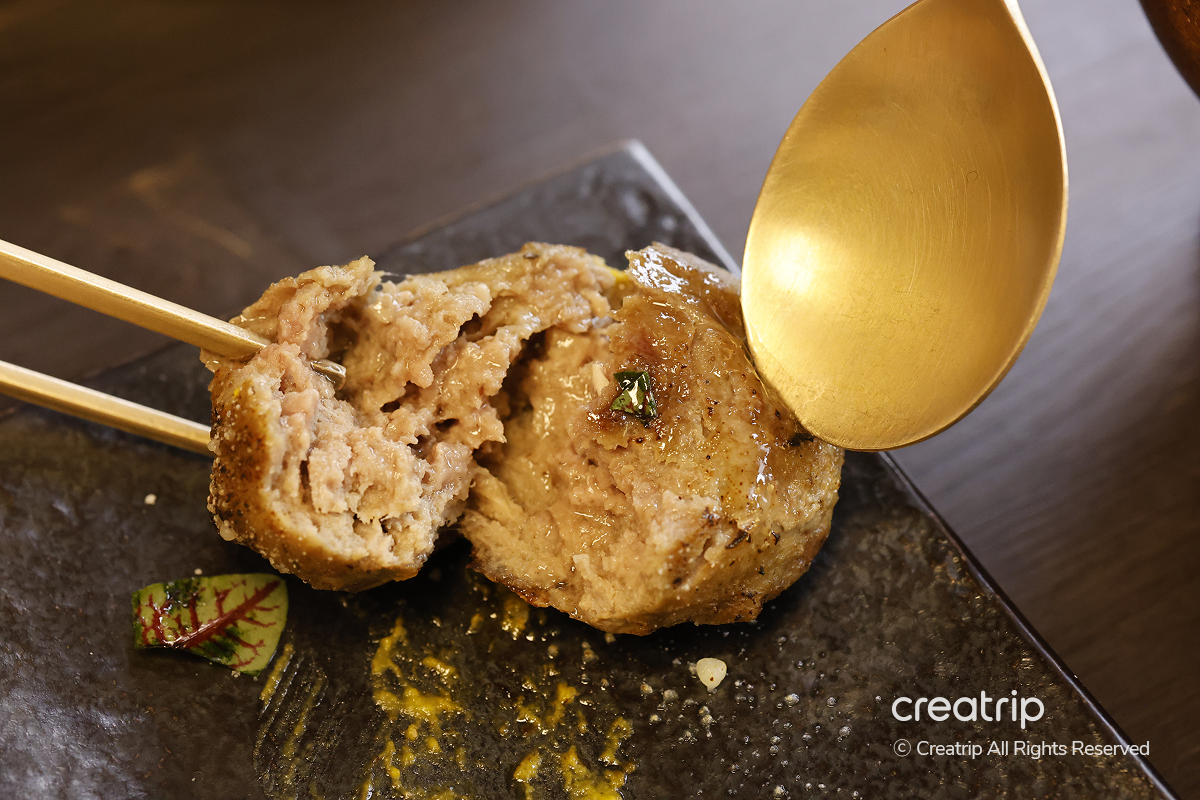
The final warm dish was “Korean Beef Patties with Sweet Pumpkin Purée.”
The outside had a lightly grilled texture, while the inside was moist and packed with juices.
As you bite in, the juices spread out, and the sweet pumpkin puree rounded everything out with gentle sweetness, the balance was great.
[Image Slider] 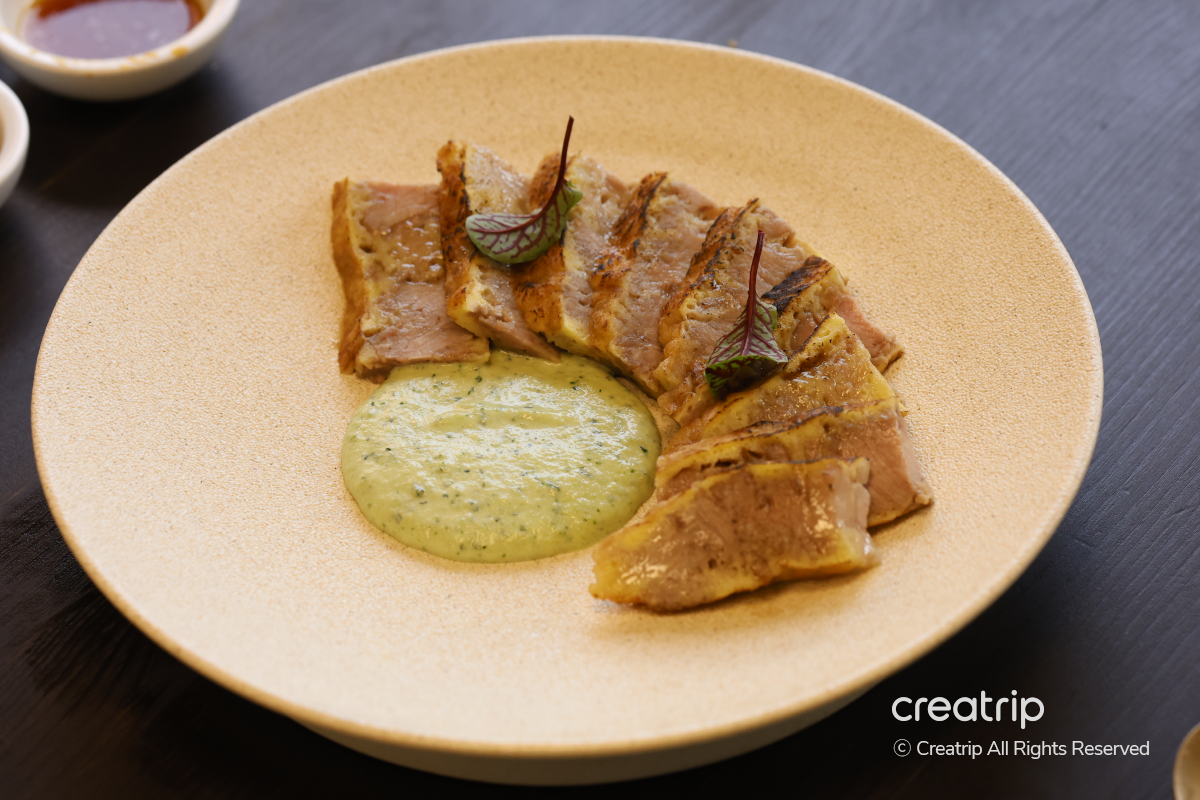
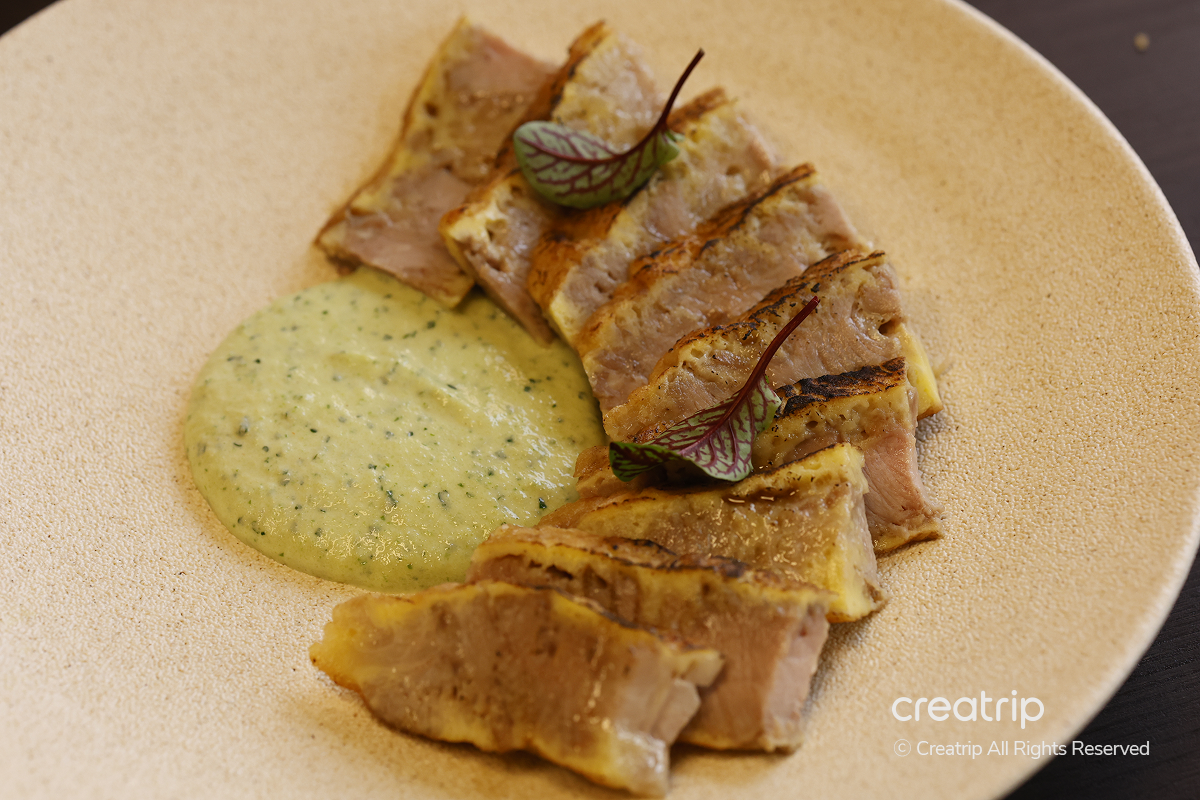
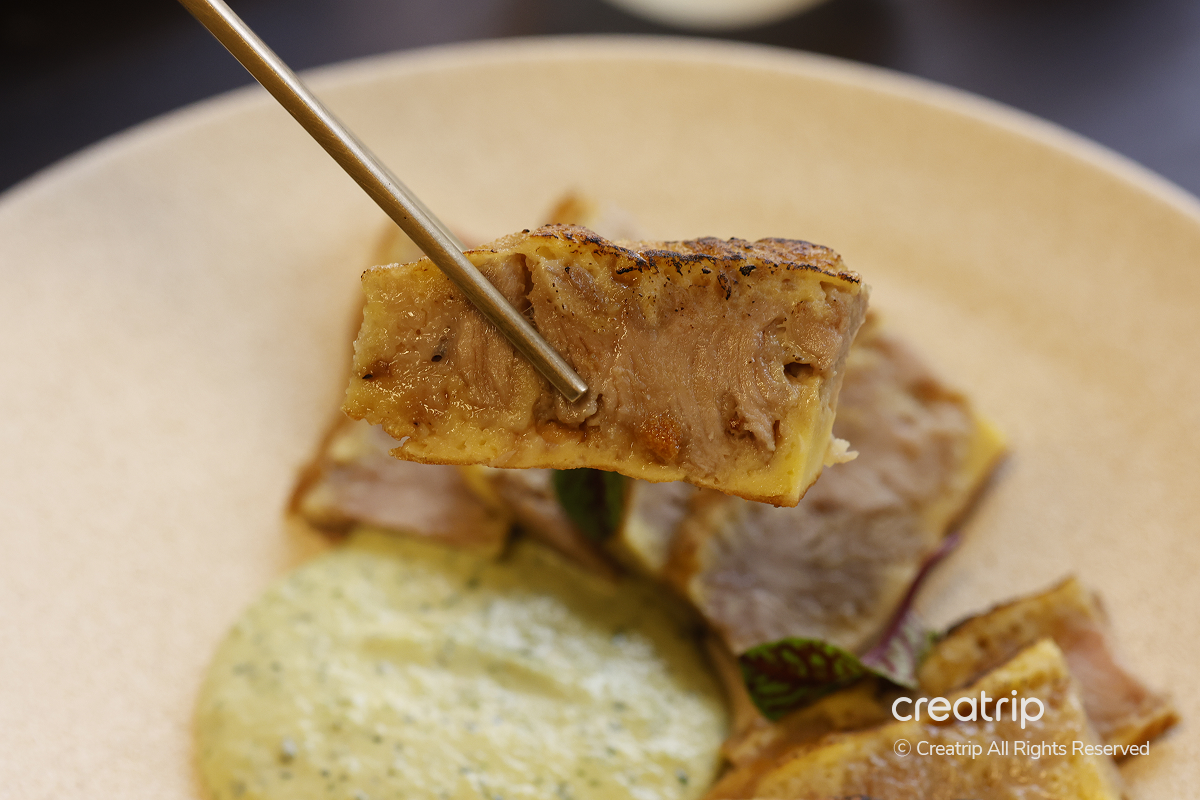
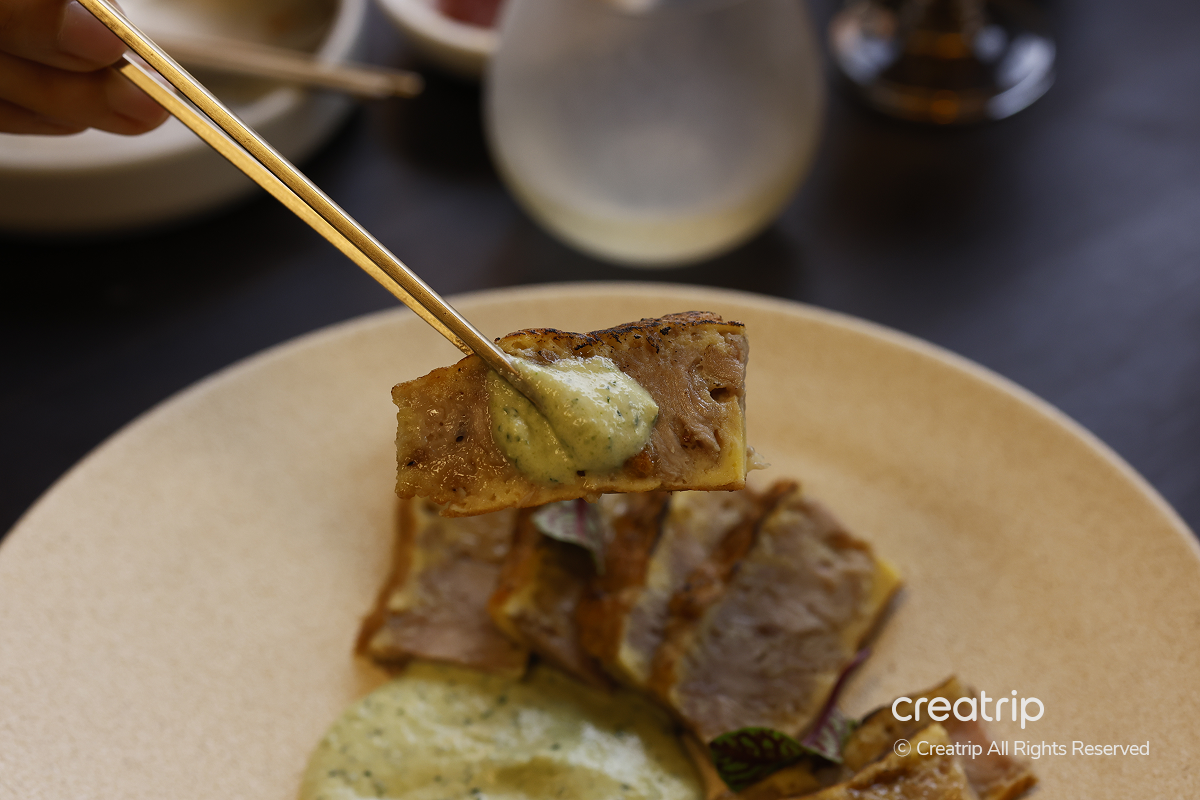
Our editor also got to try a new warm-dish item from the Mok (木) omakase course separately.
The “Pork stir-fry with zucchini purée” was nicely browned on the outside and juicy and moist inside.
With each bite, the savory aroma and juices spread naturally, and it was flavorful enough without needing any extra seasoning.
The cream served alongside was a sauce made with zucchini and Cheongyang chili peppers, acting as a key flavor point for the dish.
It added a smooth texture with a gentle kick, and paired with the meat, it made the flavors pop even more clearly.
[Image Slider] 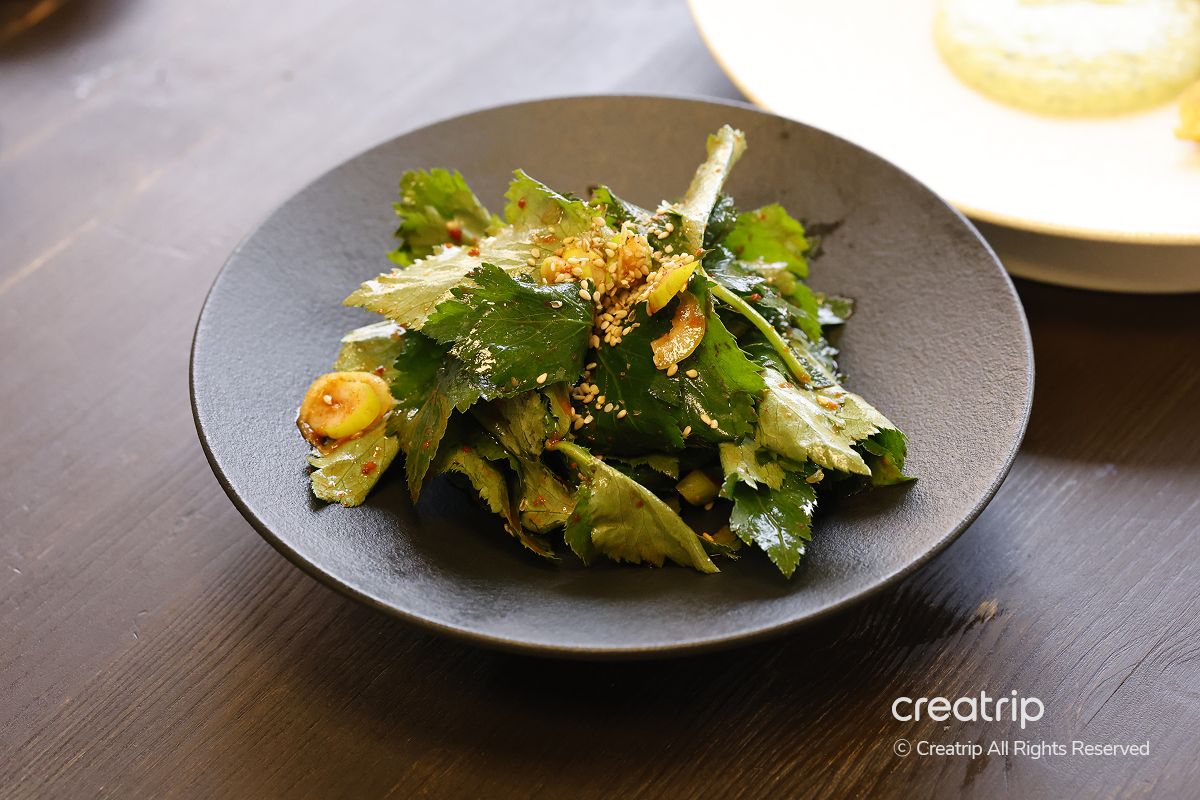
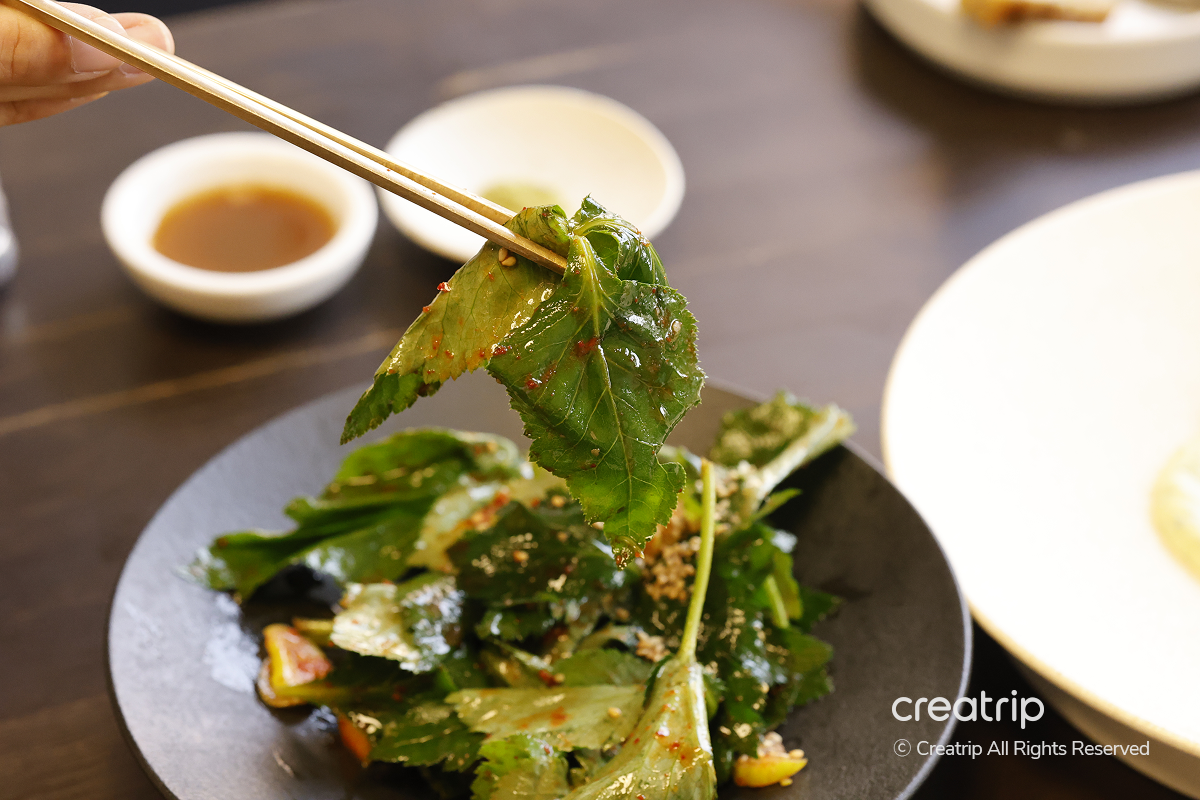
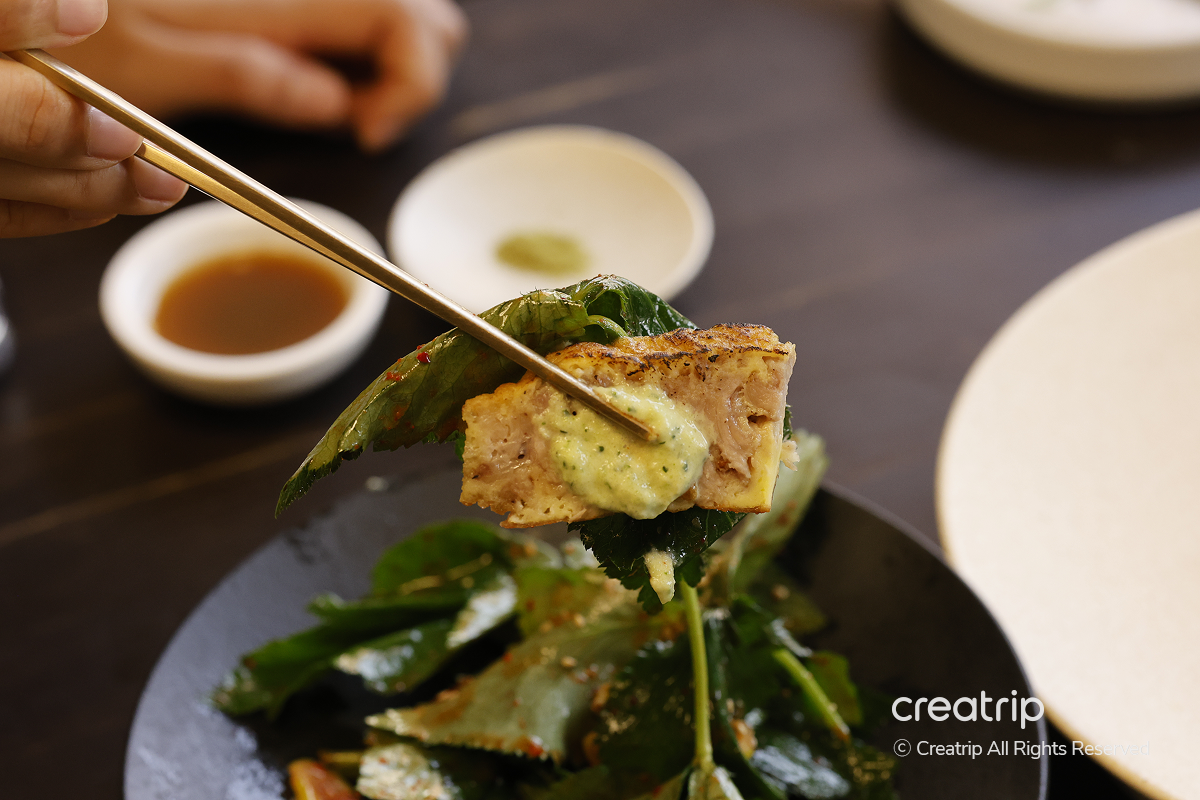
They also served “chamnamul salad.”
Made with fresh chamnamul (wild herbs), the aroma was vibrant, and in each bite you got gentle bitterness along with a nutty note.
The seasoning was kept light, so the ingredients tasted clean and true to themselves.
Taking a bite here and there helps reset your palate, making it easier to enjoy the next dish.
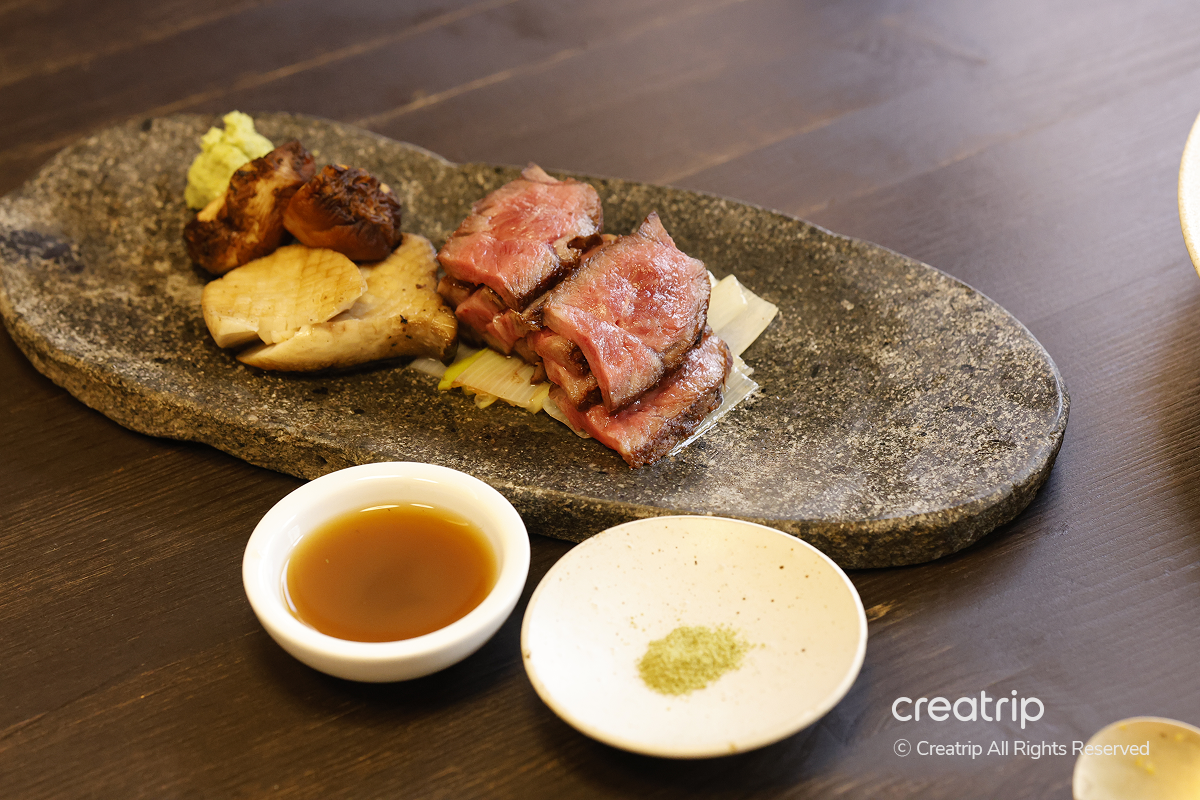
Our editor also added an extra warm menu item from the Jeong (情) omakase course, “straw-smoked Hanwoo++ nakyeop-sal grilled.”
You can add it as an extra single item outside of the course, too!
Nakyeop-sal is a cut commonly known as “flat iron,” grilled to medium-rare so the meat stays tender and the grain really shines.
The outside was lightly charred with a subtle rice-straw aroma, while the inside stayed juicy and moist.
With each bite, the rich, savory flavor and juices spread out, and the more you chewed, the clearer the beef flavor became!
[Image Slider] 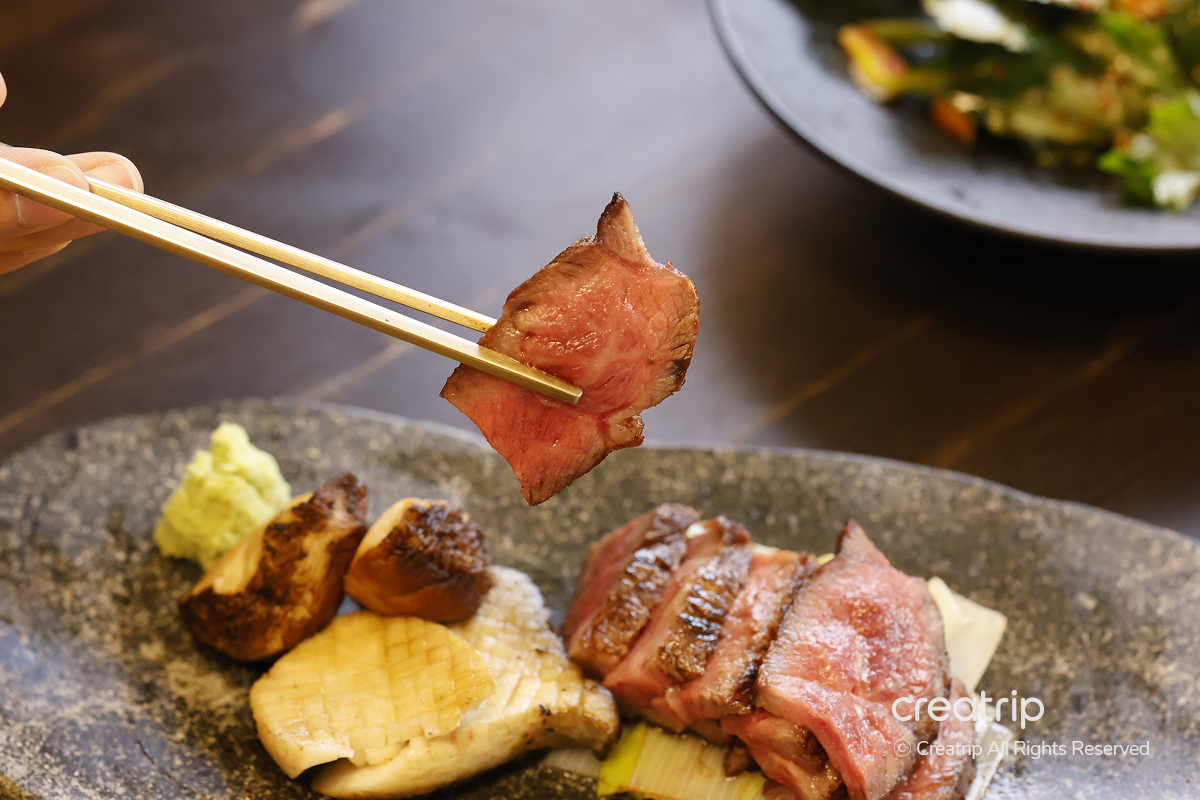
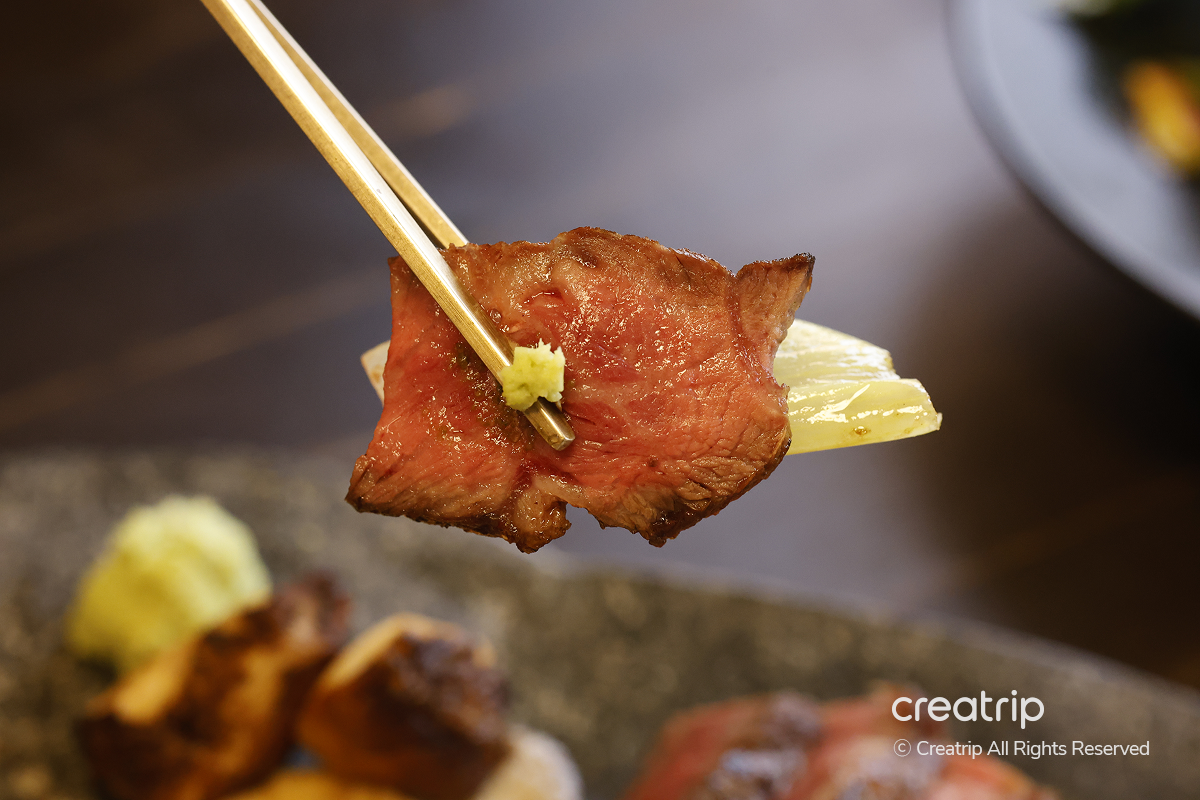
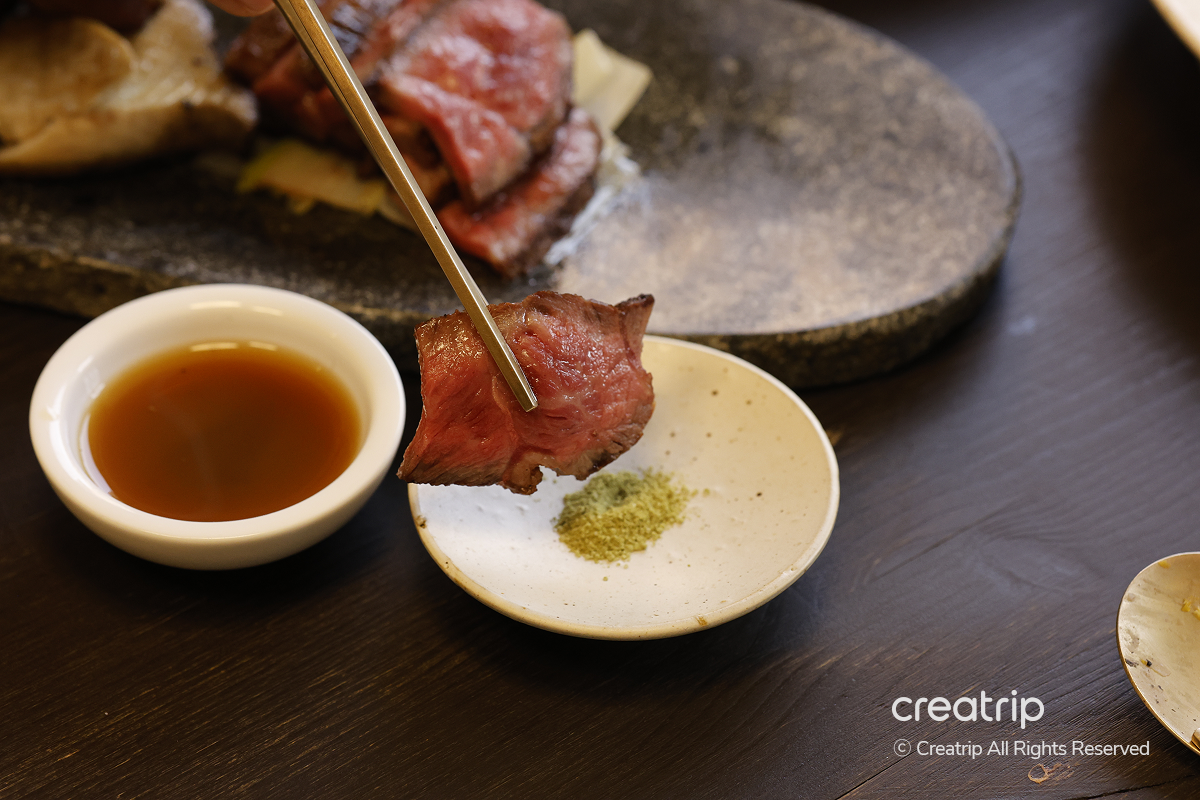
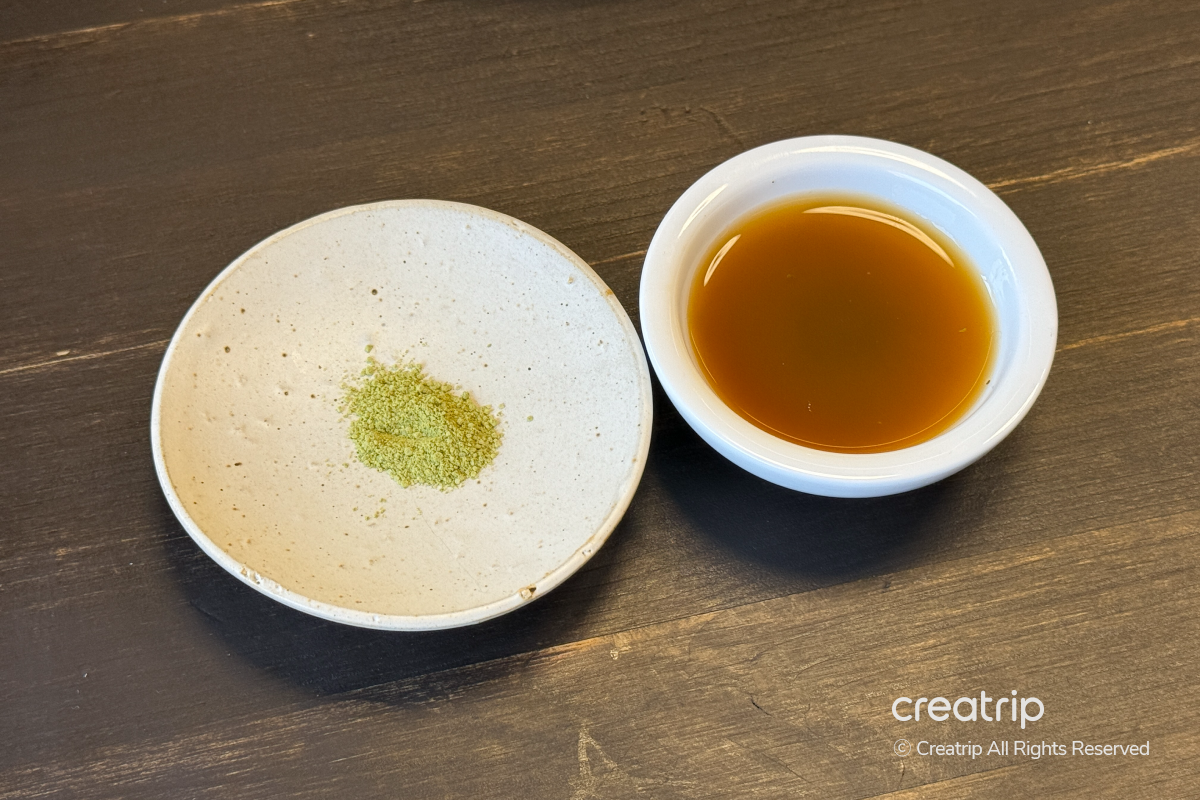
Green tea salt and soy sauce with wasabi were served together.
After trying them, it made total sense why they were included, the combinations between flavors felt really well thought out.
That wrapped up the Seok (石) omakase course, and the menu changes regularly depending on the season!
[Image Slider] 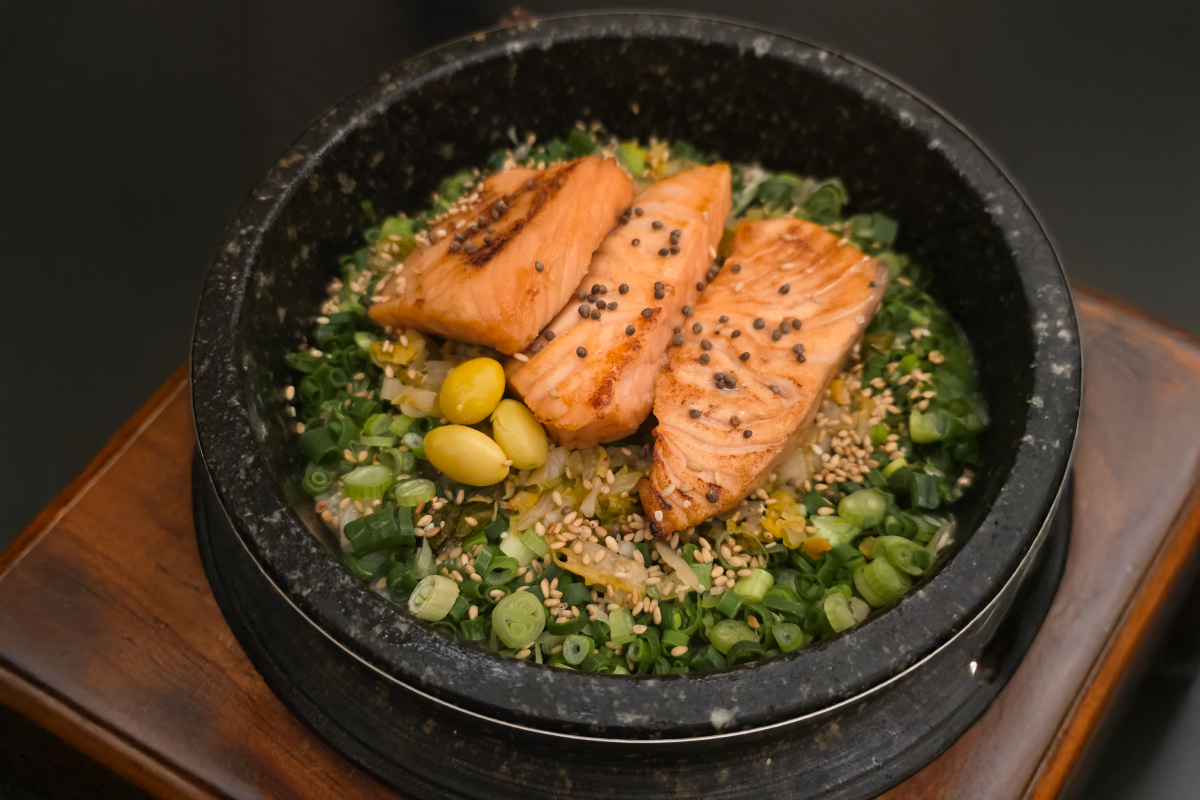
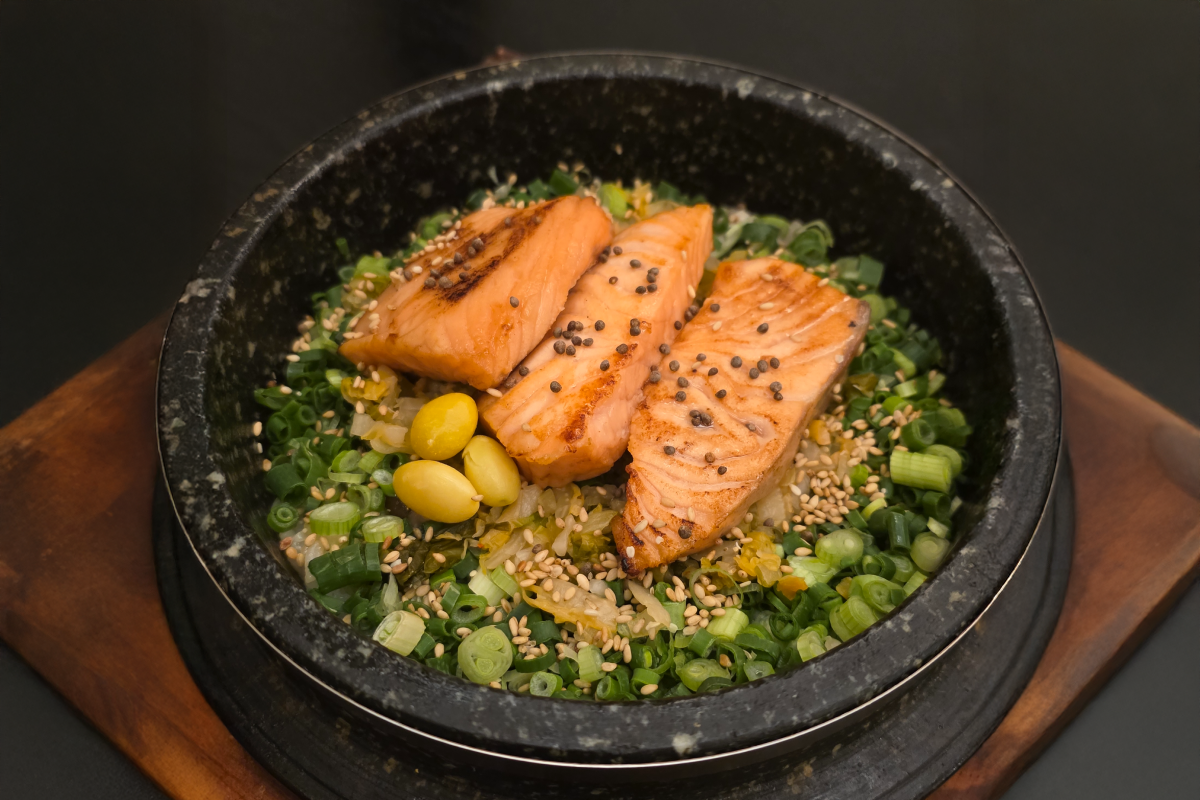
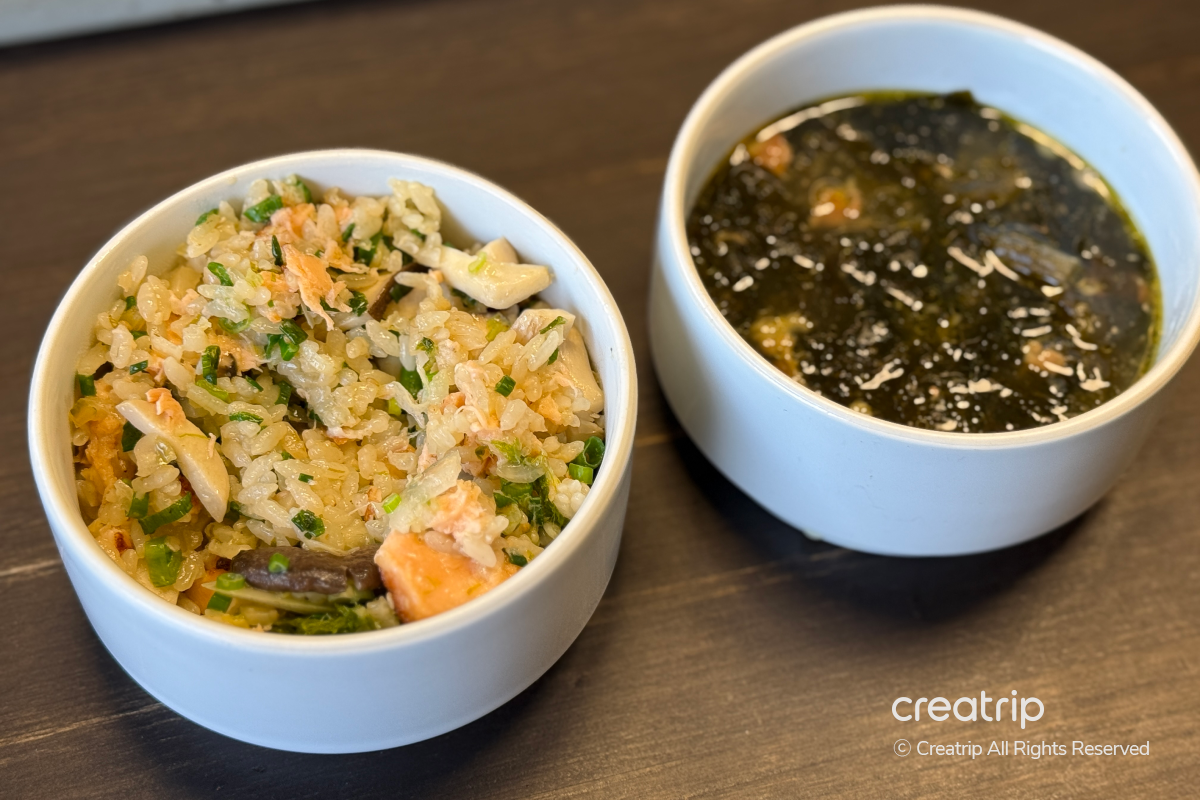
Next came the pot rice course, starting with “aged kimchi and salmon stone-pot rice.”
The moment you lift the lid, the nutty aroma of salmon and the rich fragrance of aged kimchi rise up at once.
A large piece of lightly seared salmon sits on top, and finely chopped aged kimchi is mixed into the rice, making it perfect to mix and eat together.
It was also great that it is served in a hot pot, so you can enjoy it warm.
[Image Slider] 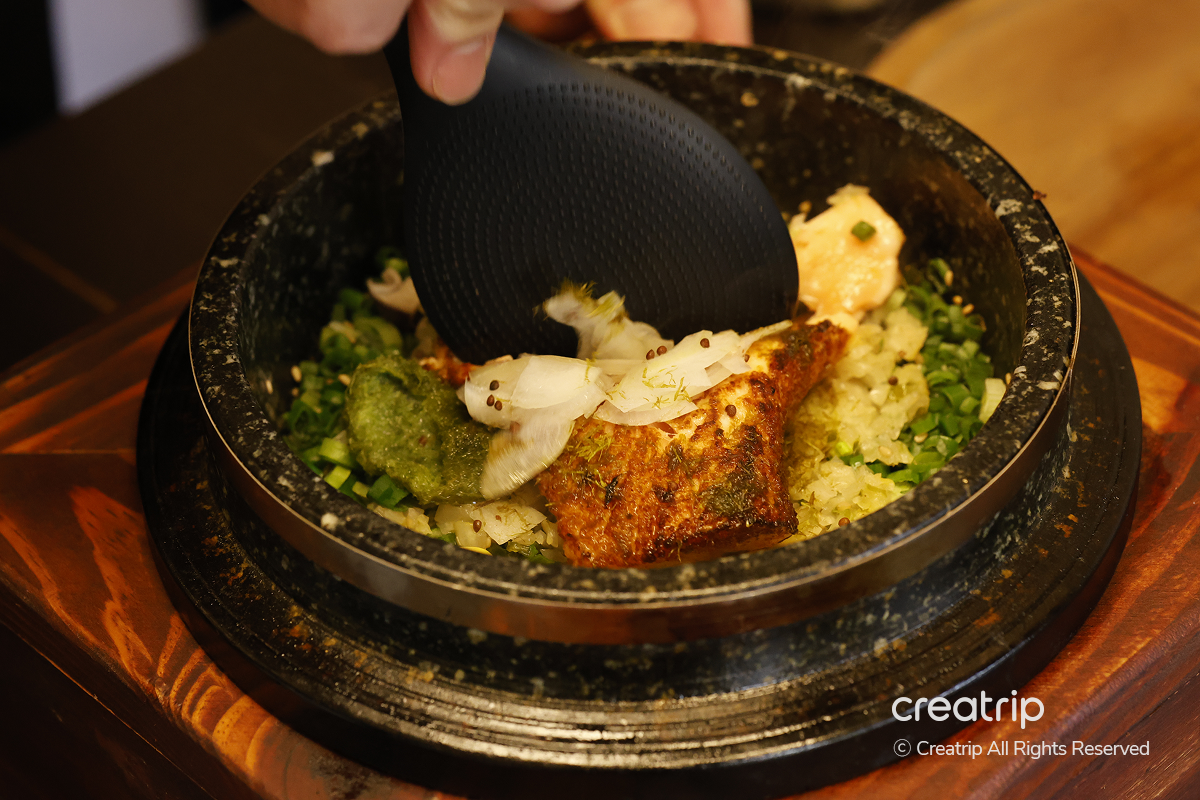
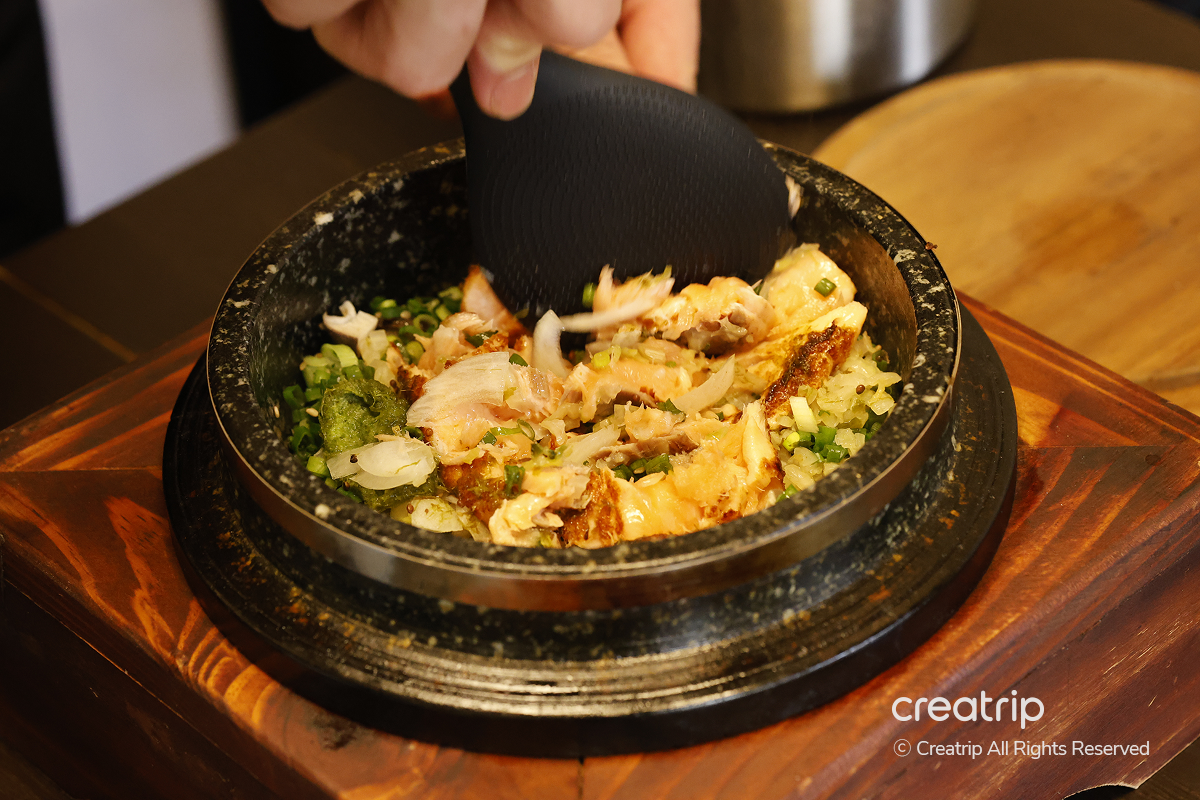
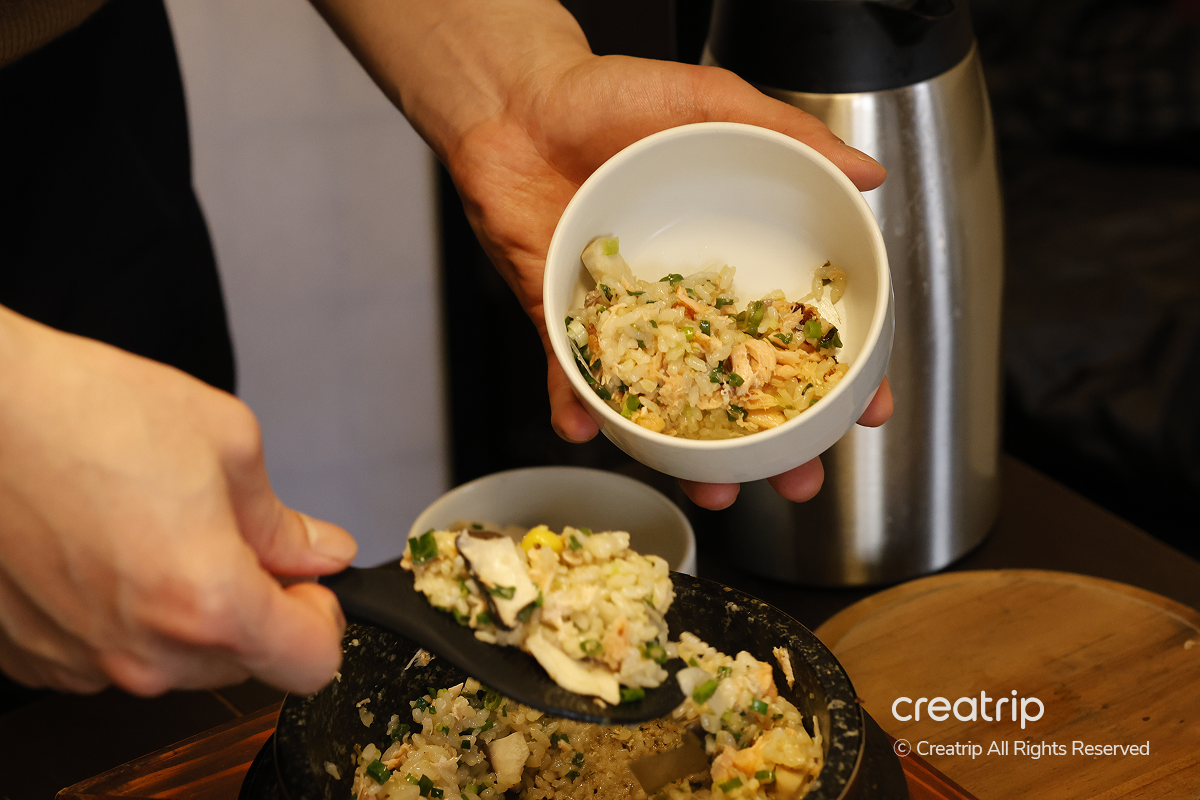
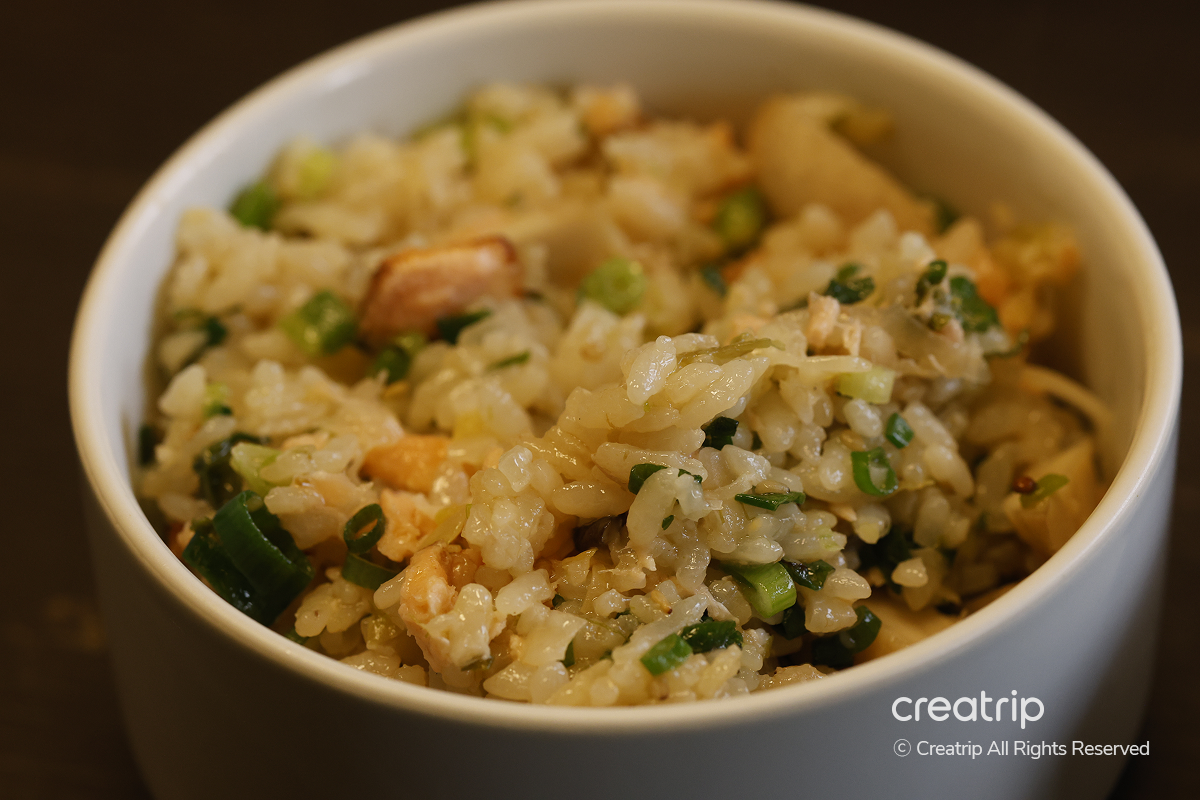
A staff member mixed the pot rice thoroughly for us and portioned it out based on the number of people.
Because the rice and ingredients were evenly combined, it was easy to eat right away with no extra work needed.
[Image Slider] 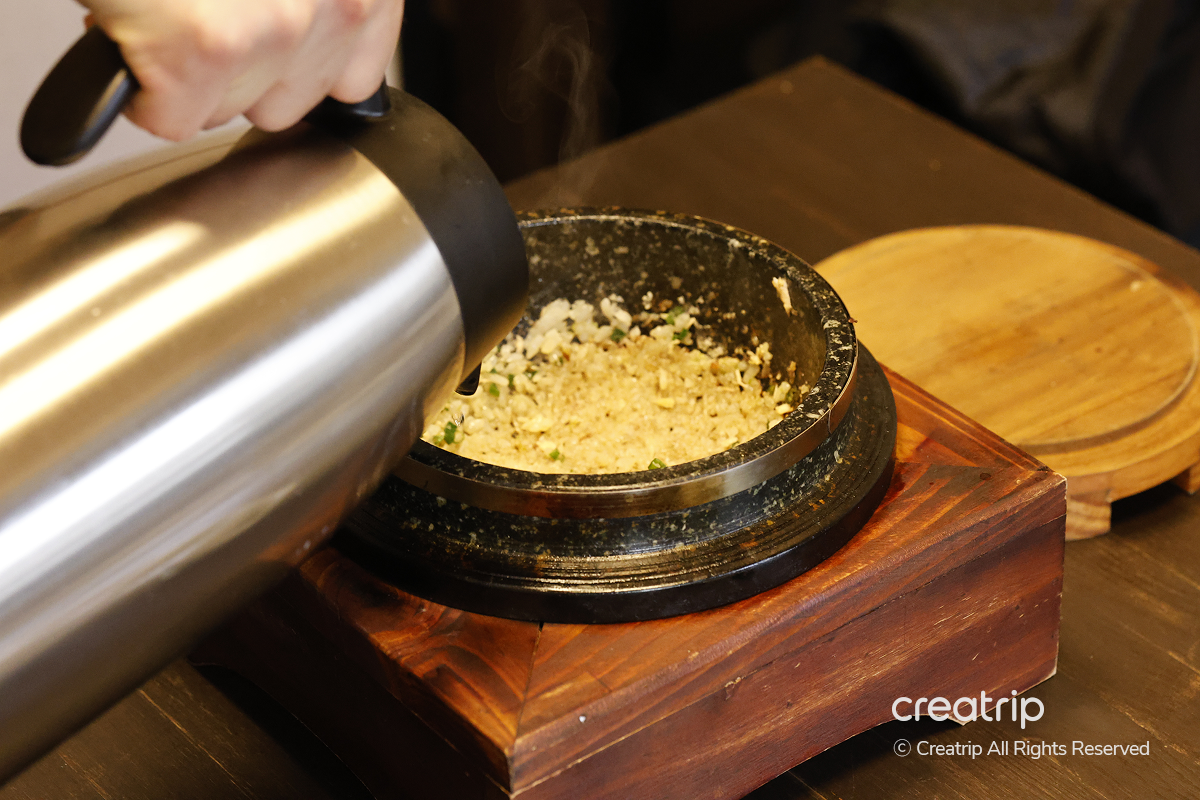
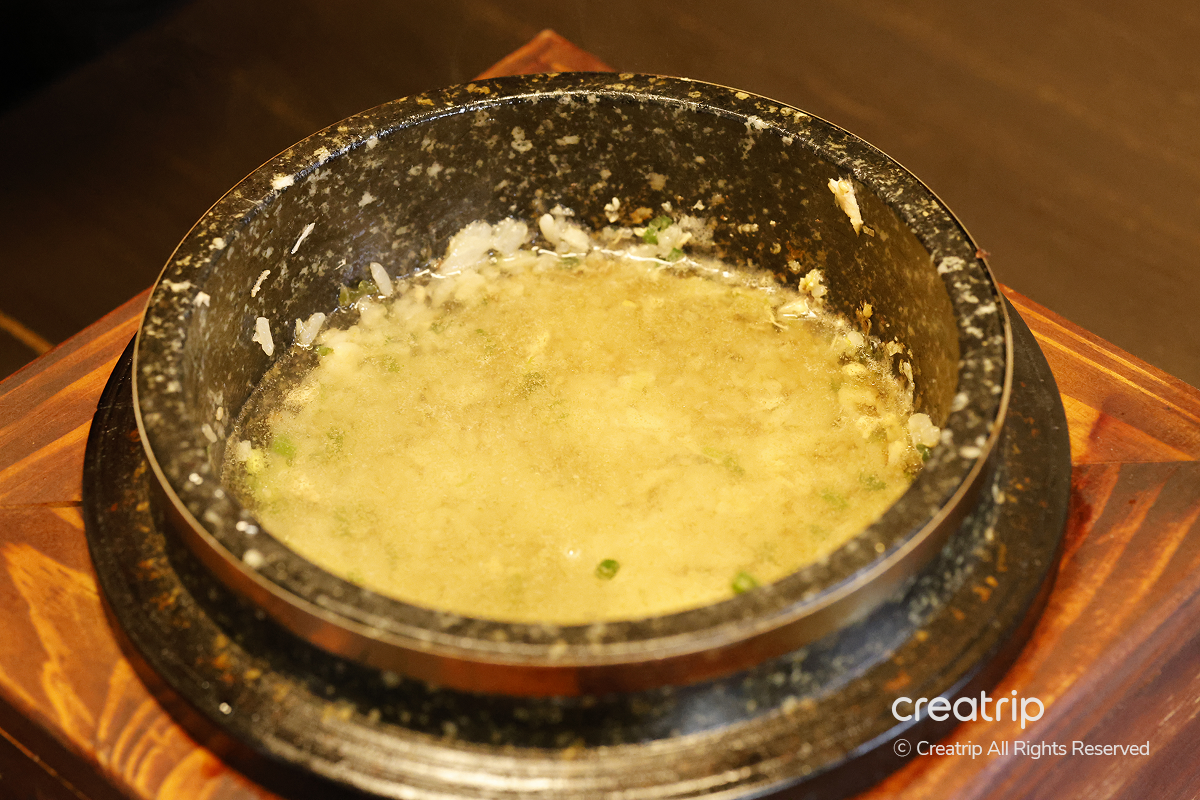
After serving the rice, they poured broth into the pot to make nurungji (scorched rice).
As you eat, the toasted rice softens naturally, and enjoying it again at the end is part of the charm of pot rice.
[Image Slider] 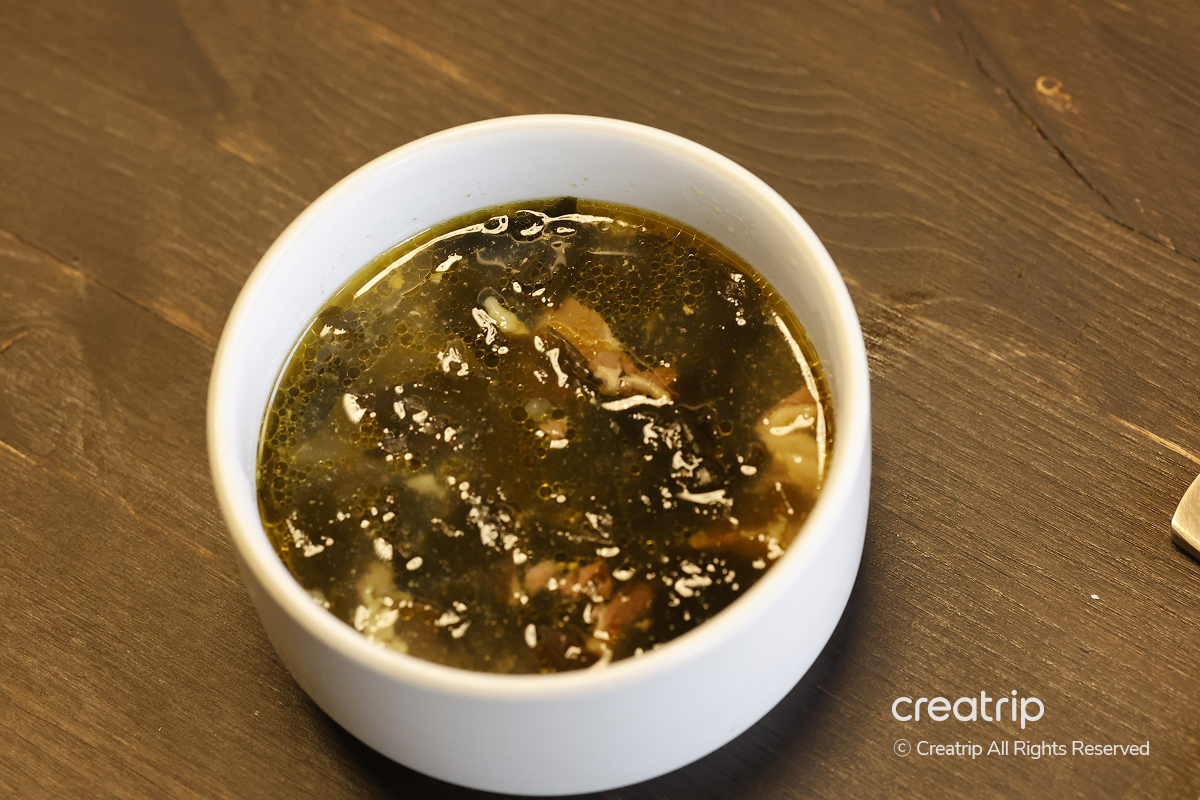
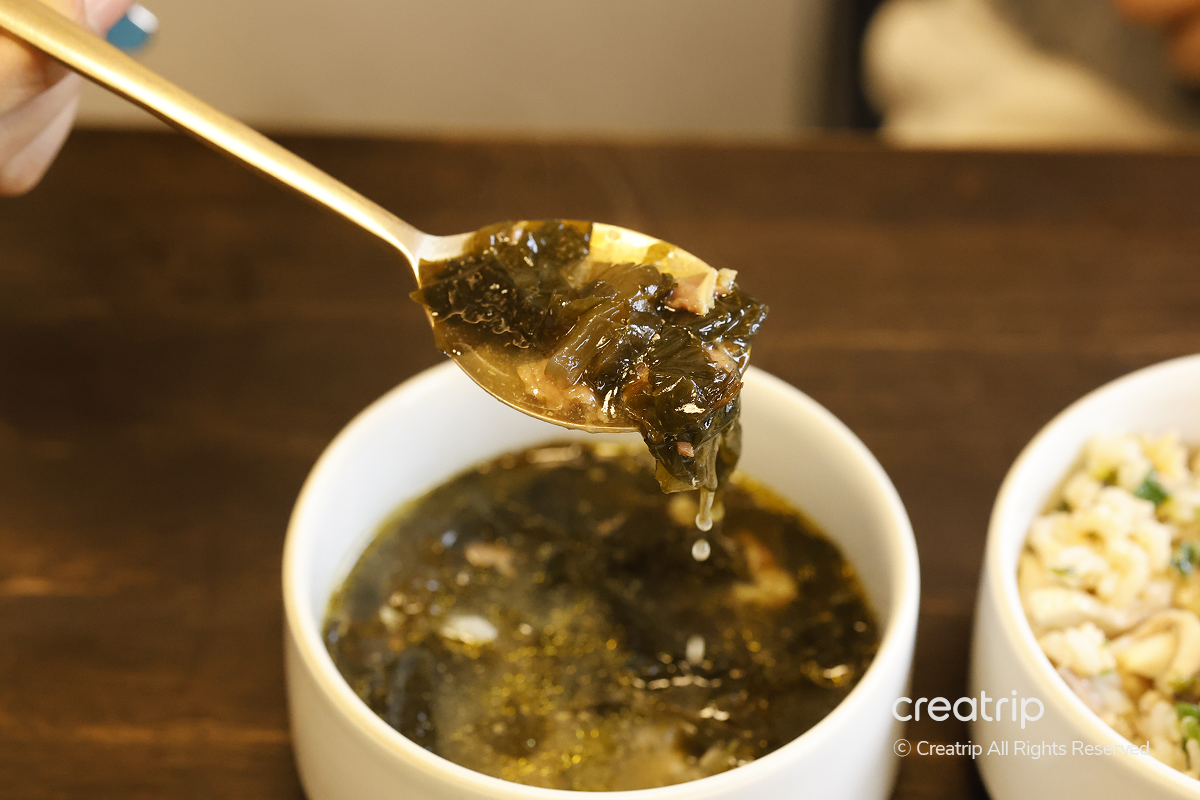
They also served “Hanwoo beef bone seaweed soup.”
Because the broth is simmered for a long time from hanwoo bones, it tasted deep and rich, and it was a great, clean side to enjoy with seaweed!
[Image Slider] 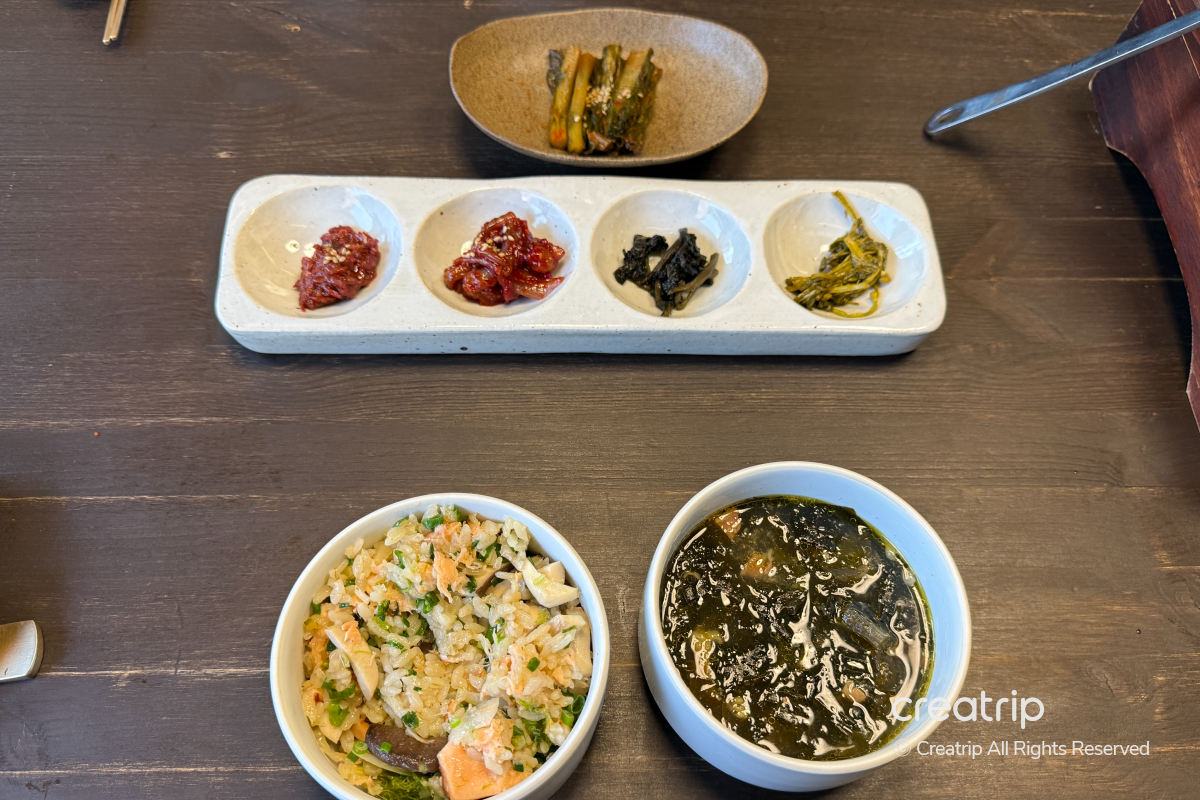
A full new spread of side dishes was also set out with the pot rice.
There was a wide variety, from house-pickled gondre (thistle greens) pickles to two types of minari (water parsley) sides, salted baby octopus, toha-jeot (tiny shrimp jeotgal), and gat kimchi (mustard leaf kimchi).
[Image Slider] 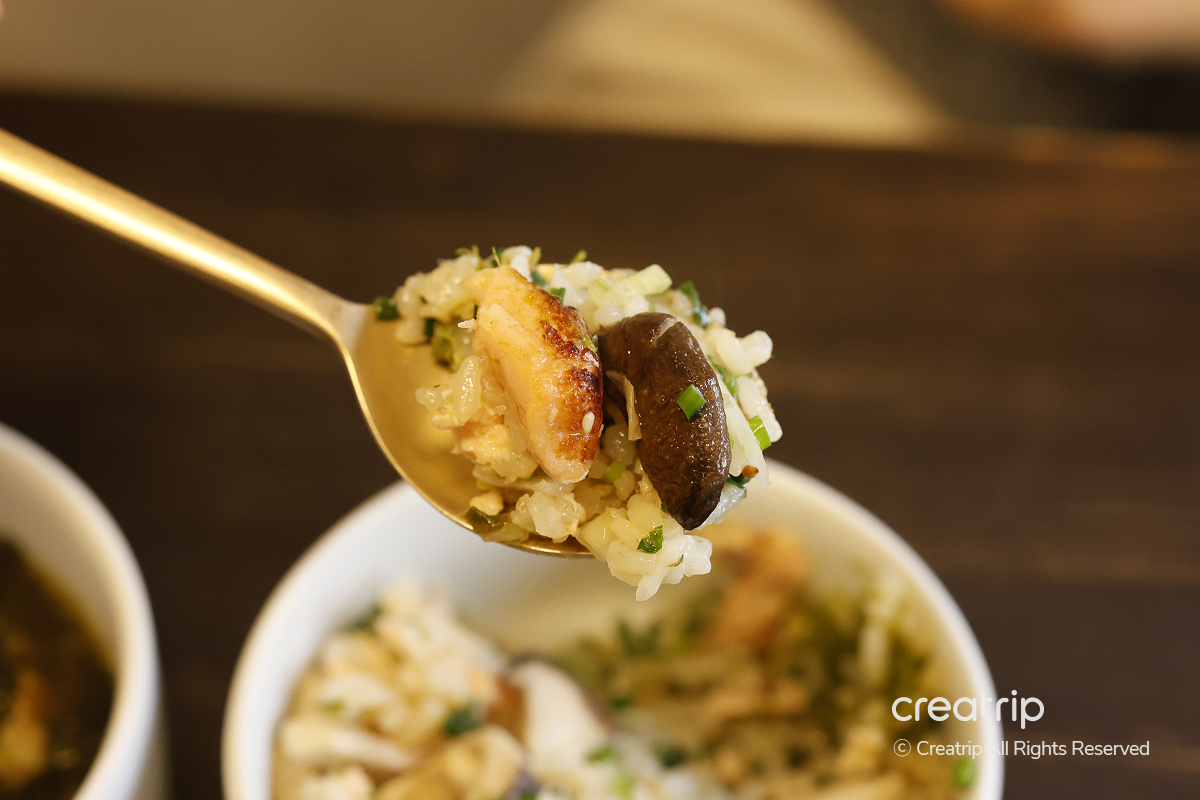
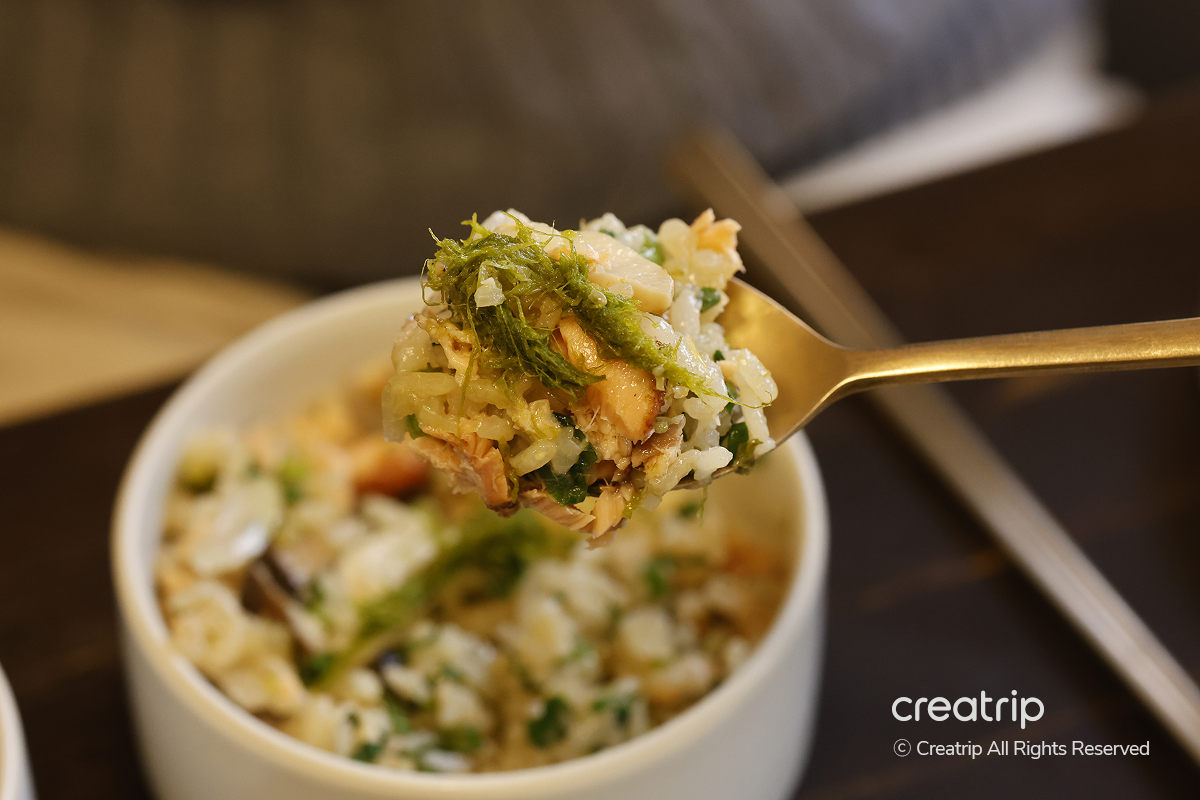
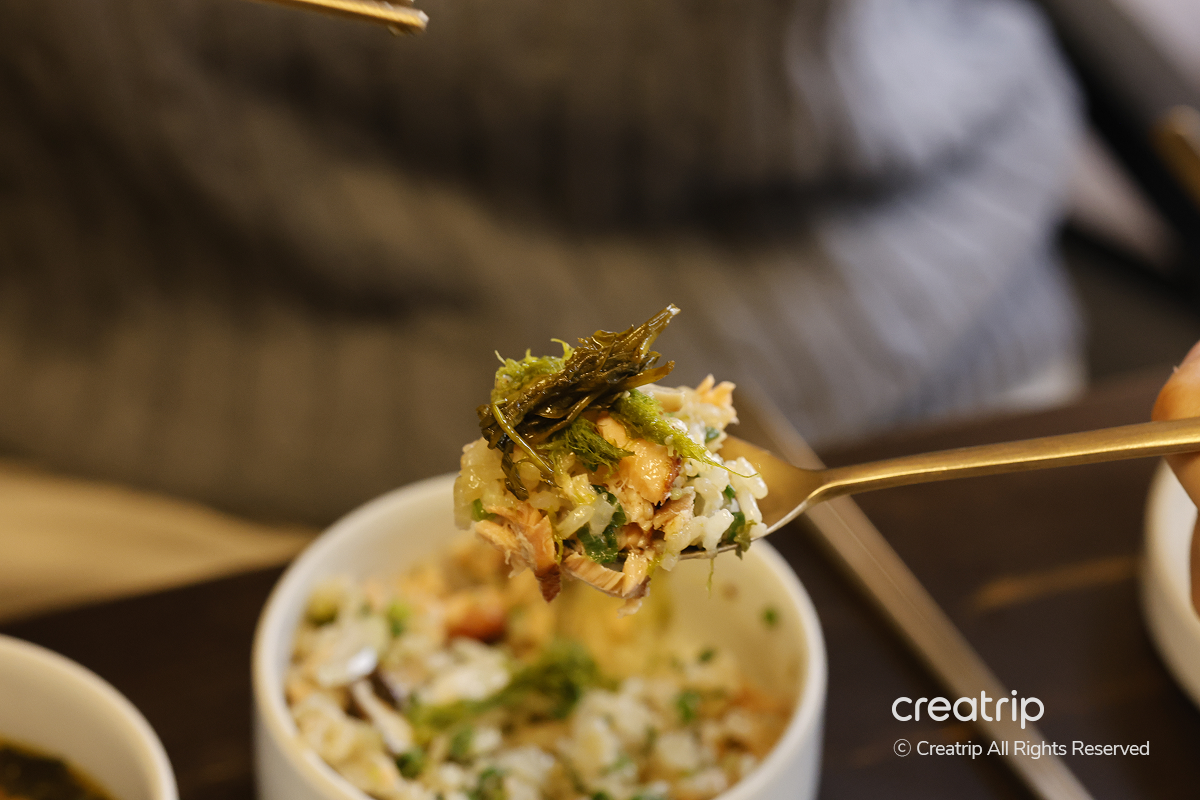
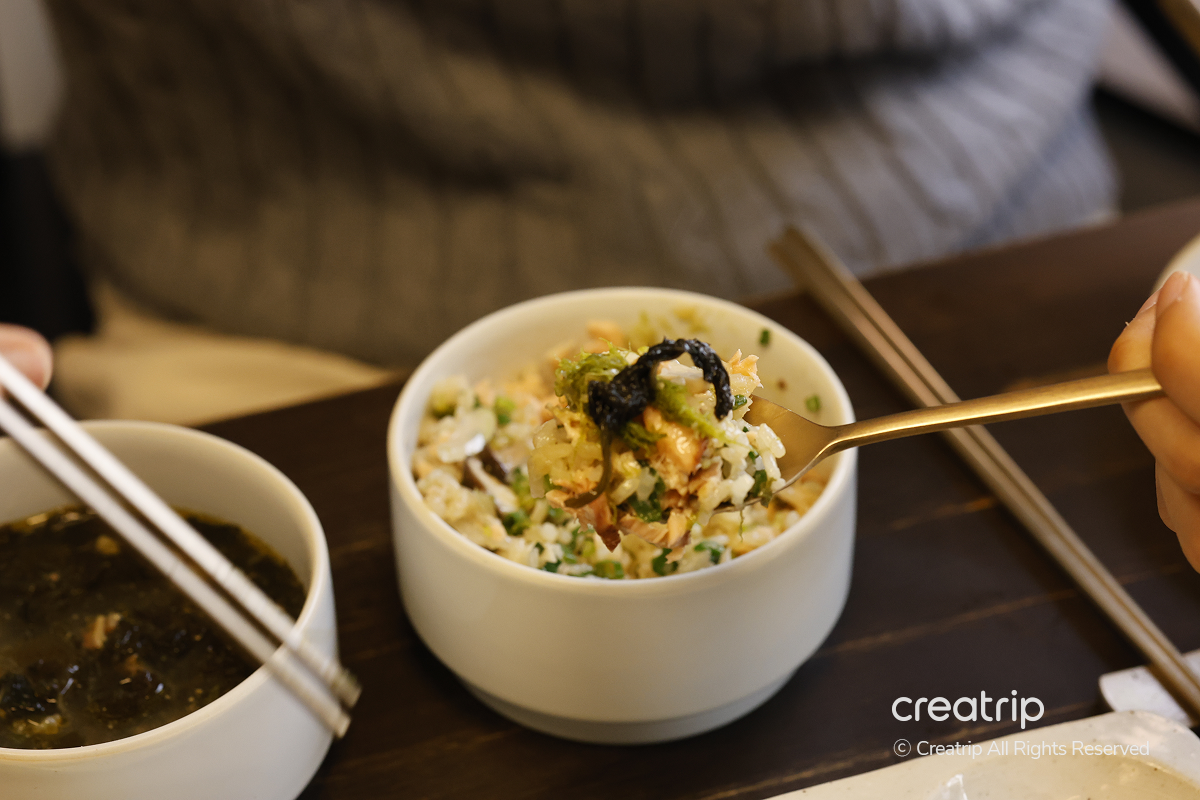
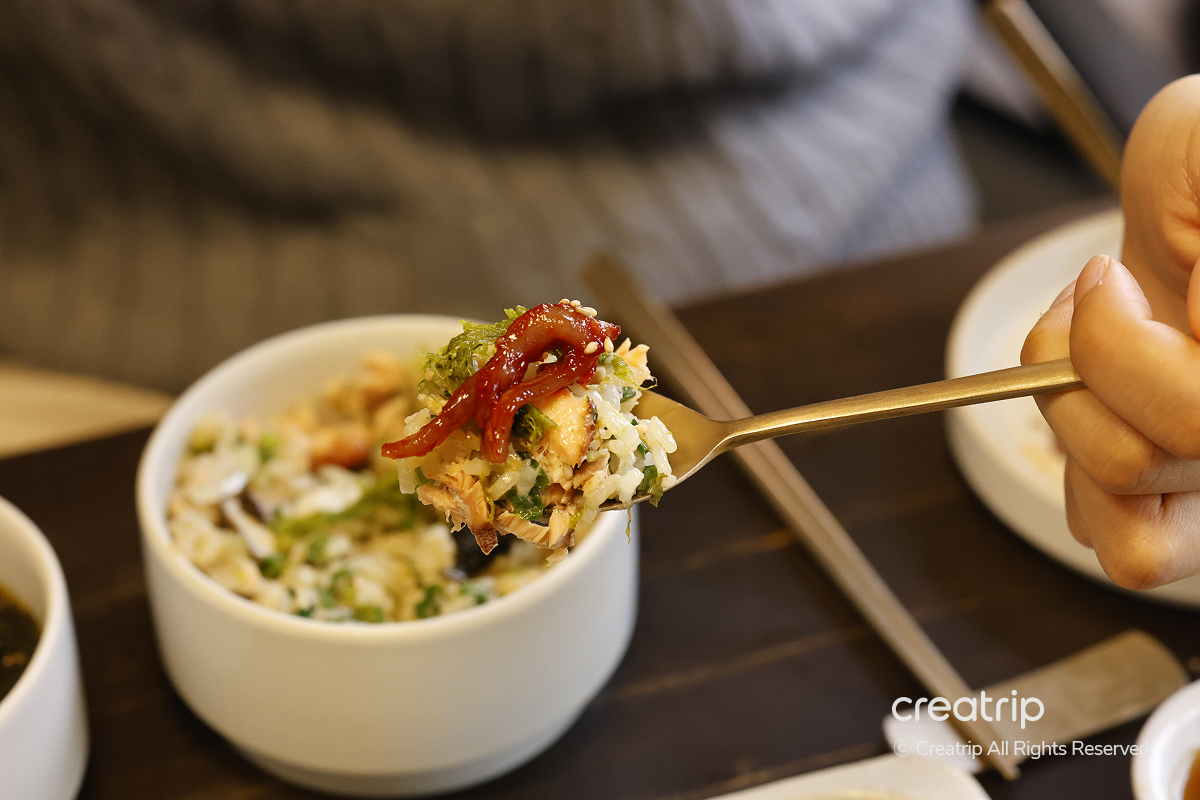
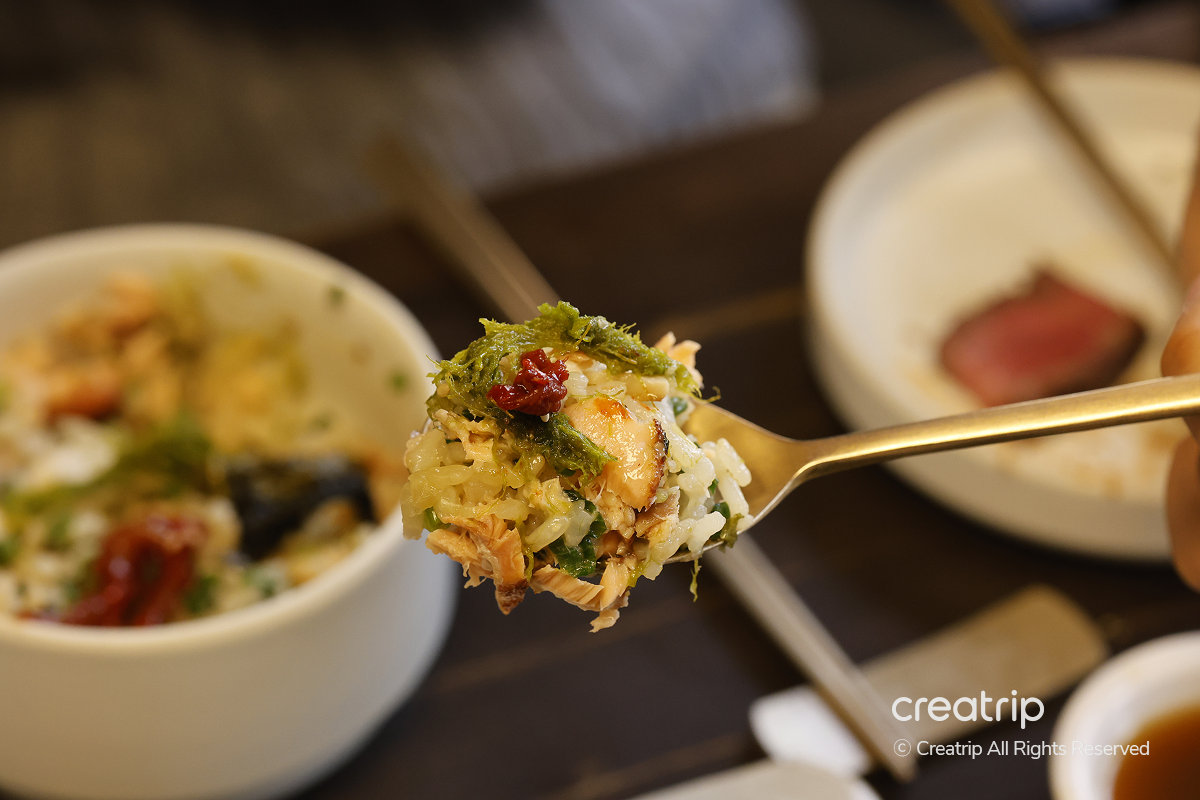
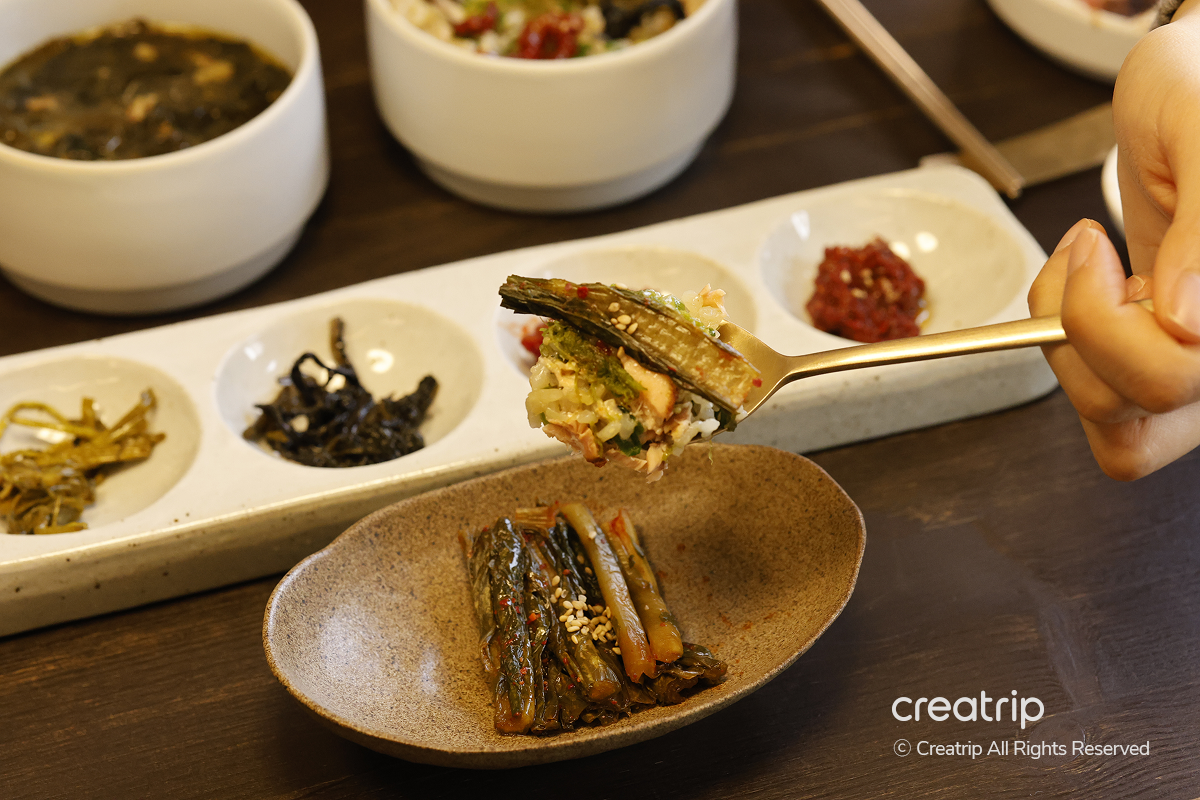
The pot rice was already satisfying on its own, but it became even tastier with all the side dishes.
It was especially nice being able to change up the combinations with every bite.
[Image Slider] 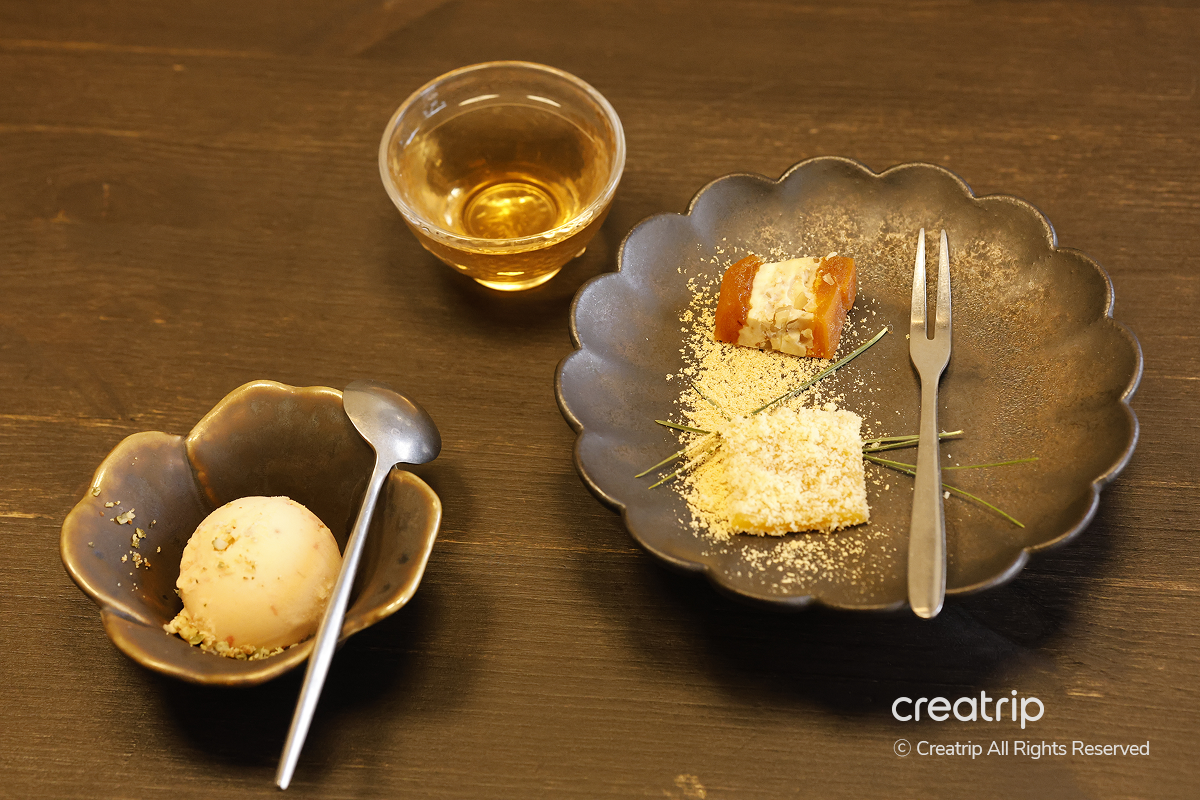
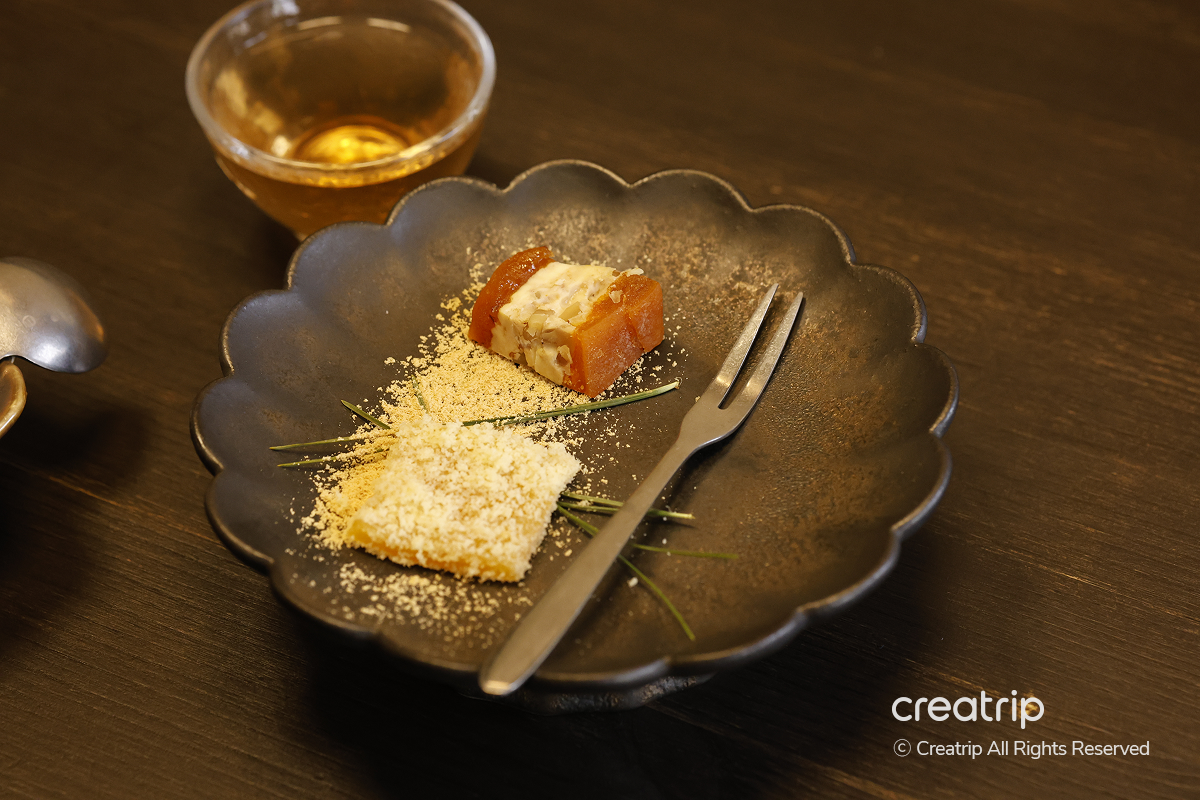
Now the final closing course continued.
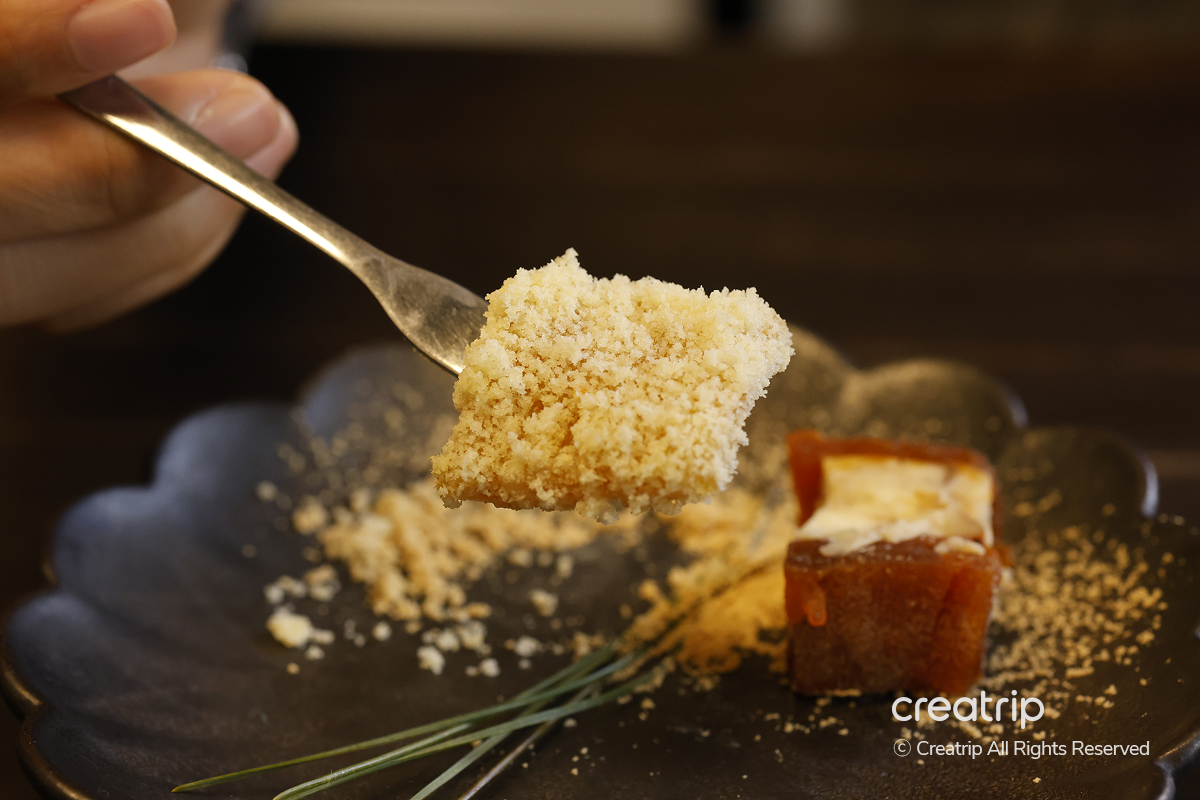
The finishing set included dried persimmon stuffed with cream cheese, pumpkin rice cake, house-made ice cream made with heunguk rice, and for after-meal tea, yuchae-apricot tea.
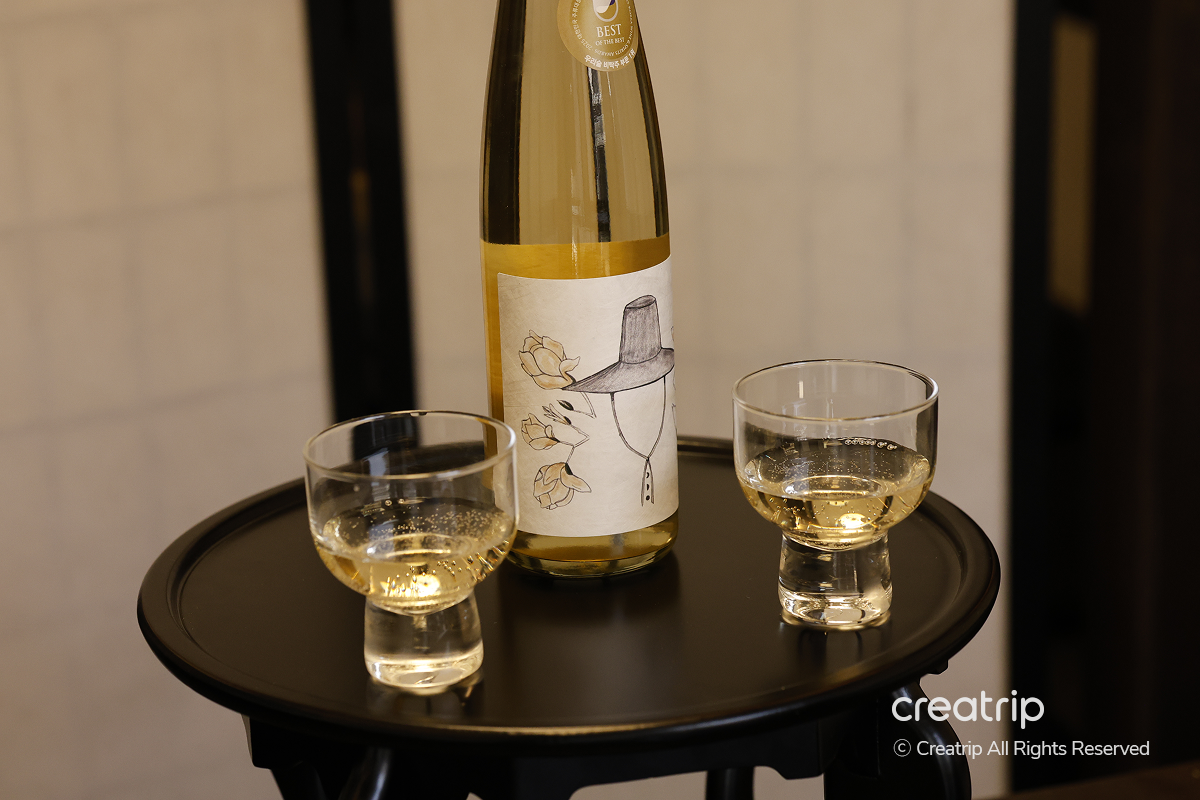
The final pairing drink was also changed, this time it was a cheongju called “Oh My God Sparkling.”
It is gently sweet, similar to a sparkling Moscato.
It had a light sparkle with a soft sweetness, and a subtle cheongju-style finish that lingered at the end.
[Image Slider] 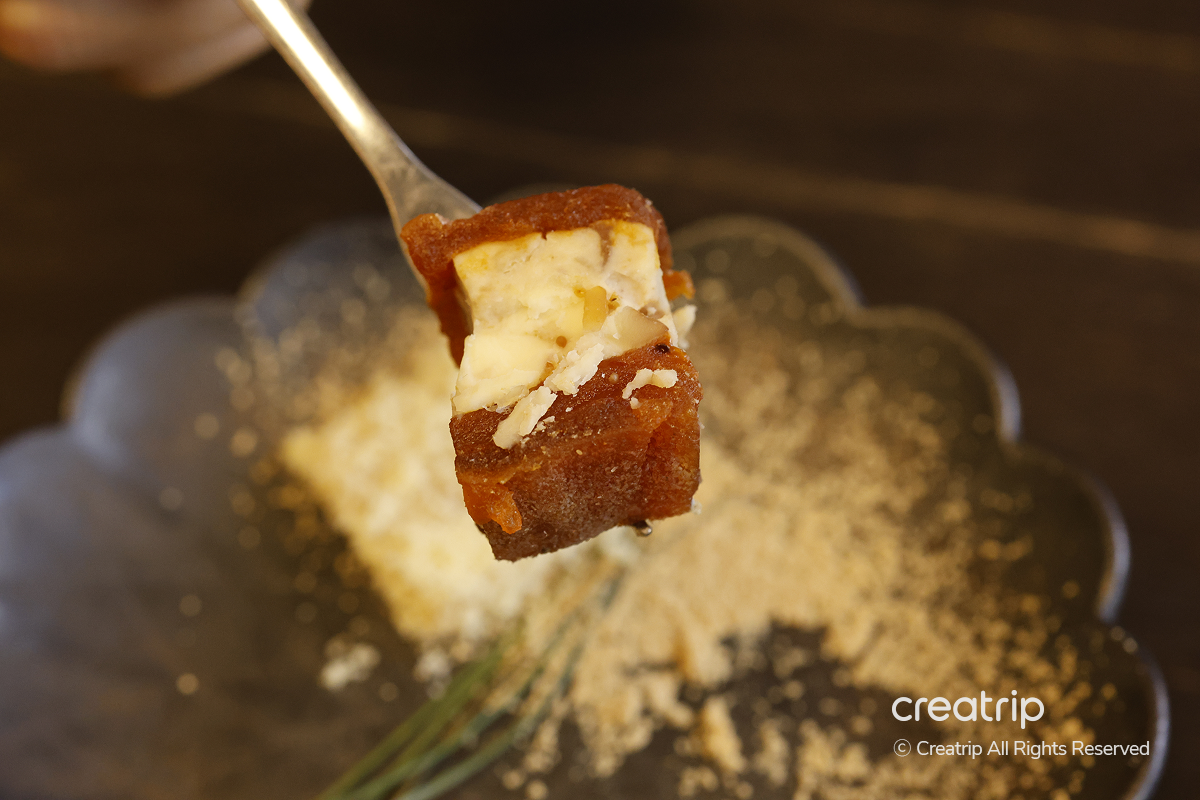
The cream cheese stuffed dried persimmon had a satisfyingly chewy texture, and the soft cheese added a perfect balance of sweetness and nuttiness.
The pumpkin rice cake combined gentle pumpkin sweetness with nutty soybean powder, and its chewy yet soft texture came together really well.
Even when we were already full, it was the kind of dessert that still felt easy to keep eating.
[이미지 슬라이더] 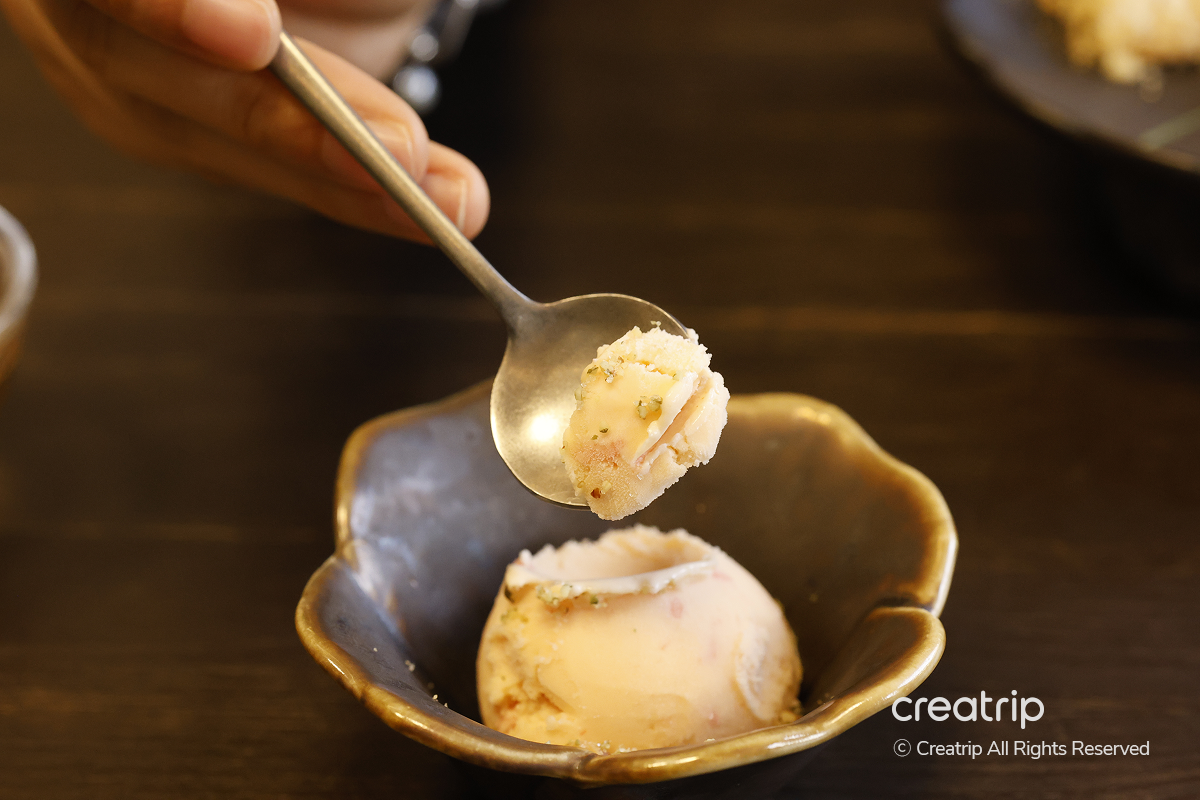
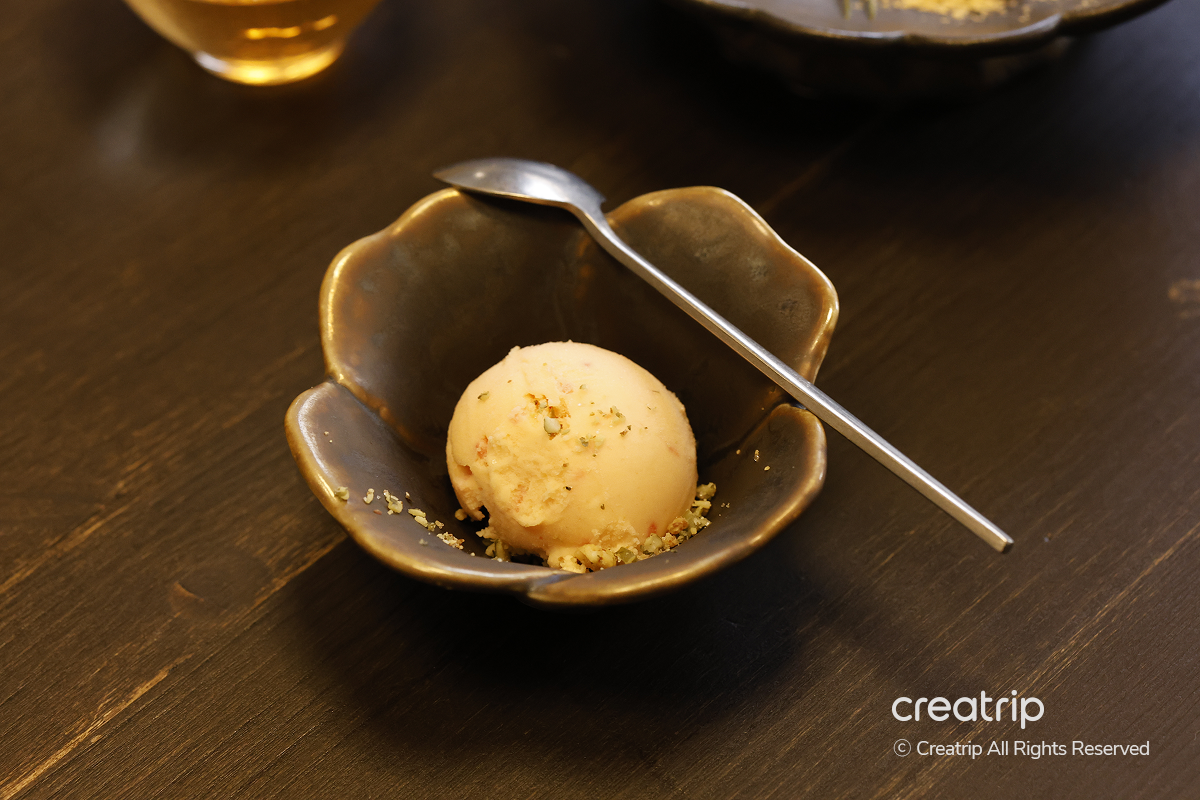
Another closing item was “house-made ice cream made with heunguk rice.”
Made in-house, it had a subtle grain sweetness, plus a lightly chewy rice texture, making it a clean, comforting dessert.
[Image Slider] 
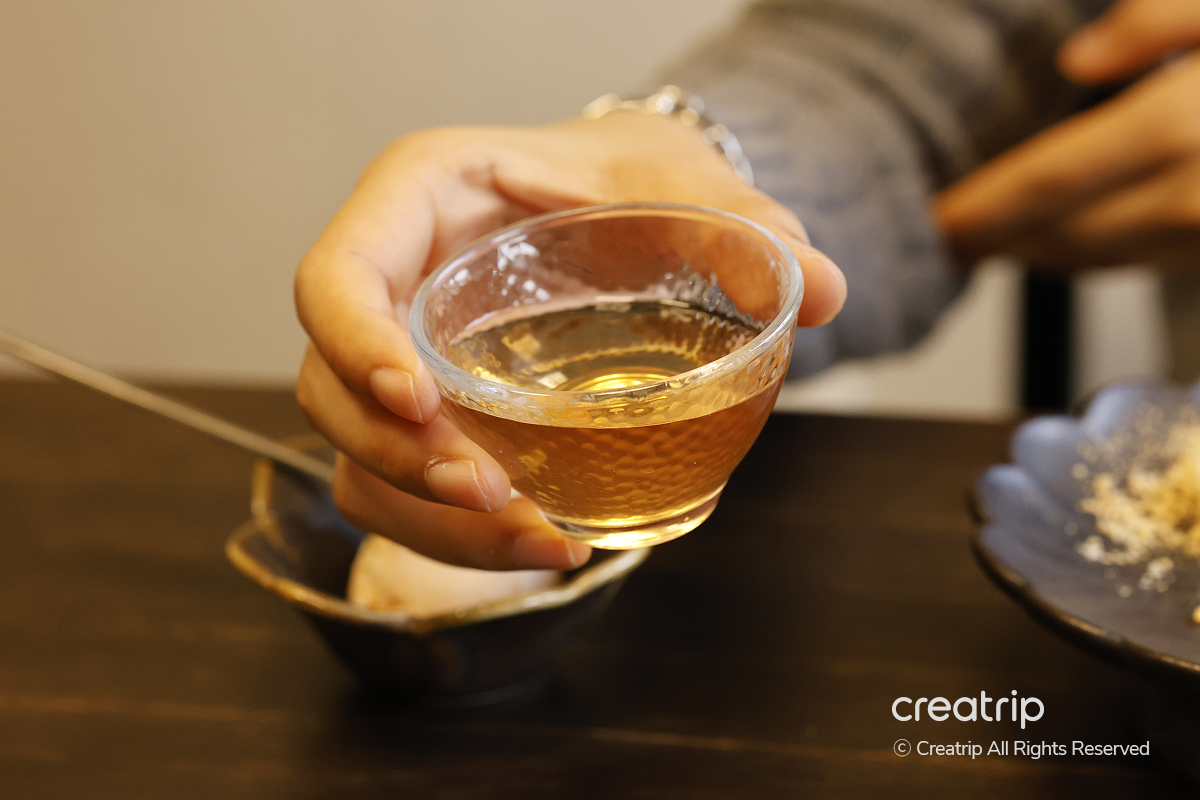
They also served warm yuchae-apricot tea to enjoy alongside.
With a fragrant yuchae aroma and sweet apricot flavor, it paired well with the desserts.
In the closing course, you can enjoy both the traditional liquor pairing and tea together, which made it easy to appreciate each one’s different charm!
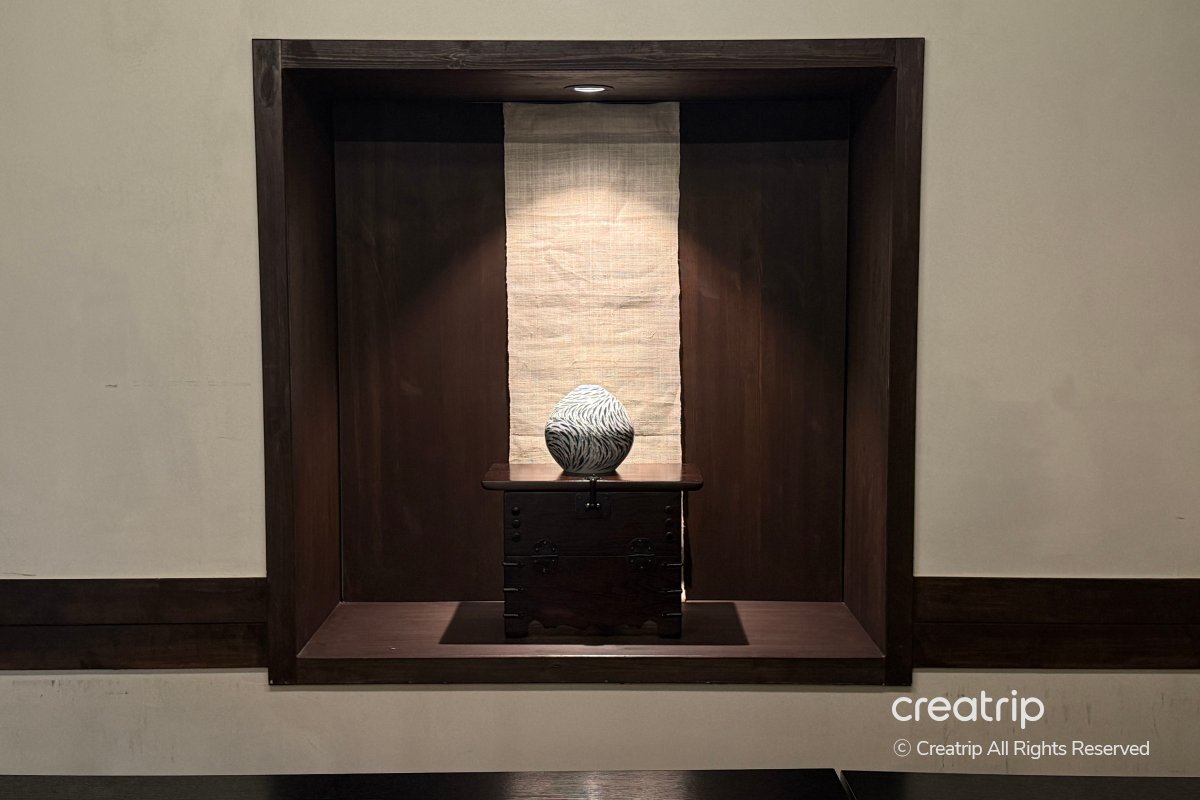
And with that, our editor wrapped up today’s visit after enjoying the “Seok (石) Omakase Course” at “Mok Seok Jung.”
Through its omakase-style format, “Mok Seok Jung” presents the flow of Korean cuisine in a calm, thoughtful way, and with dishes served one by one, you naturally notice the differences in ingredients and cooking methods.
With the steady, comforting atmosphere unique to a hanok and a season-focused course, it clearly felt like a place where you can experience the depth of Korean cuisine, beyond just a meal.
If you want to discover another side of Korean food in Seoul, we recommend visiting “Mok Seok Jung”!
Mok Seok Jung | How to Get There
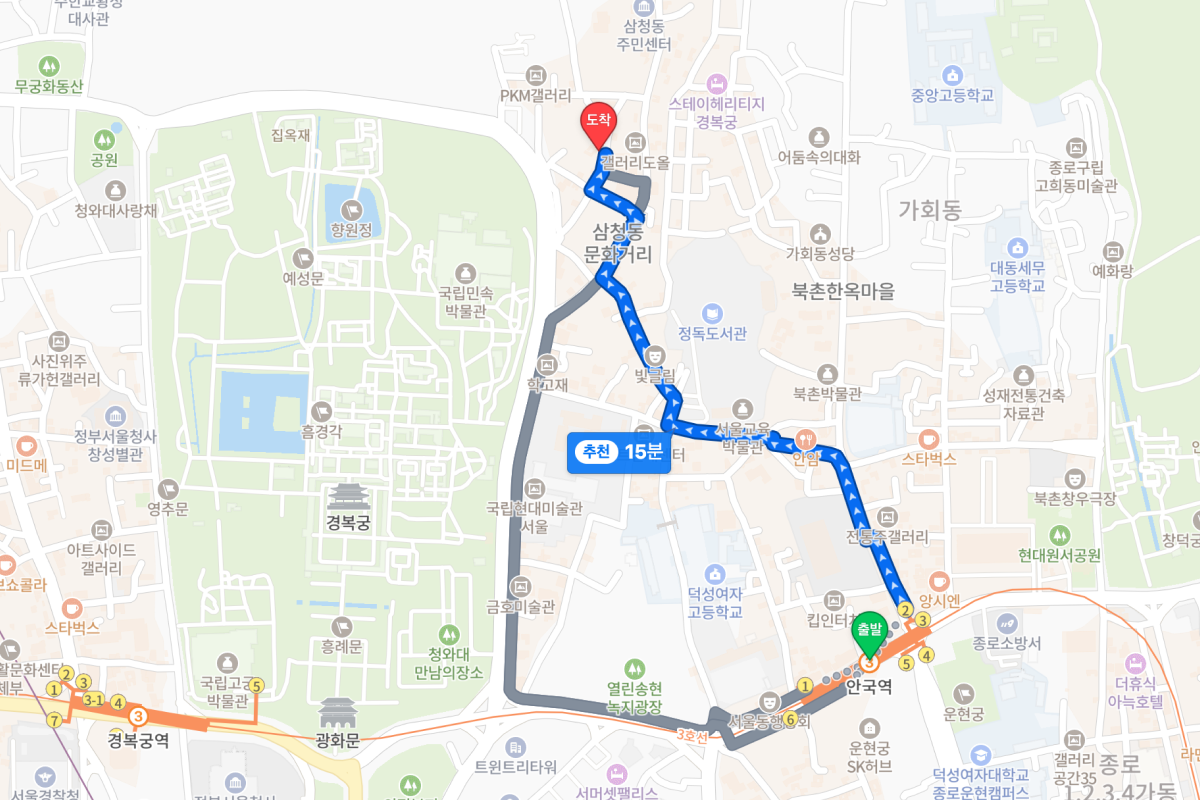
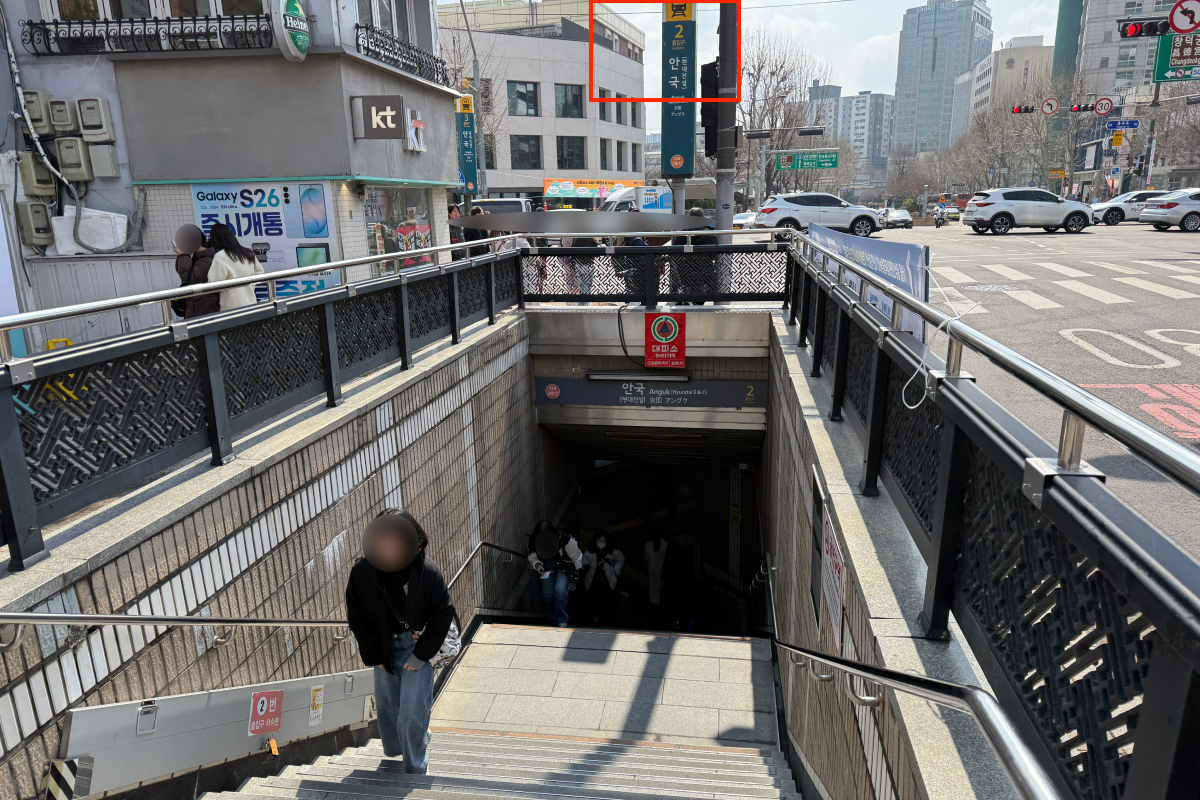
Exit Anguk Station via Exit 2.
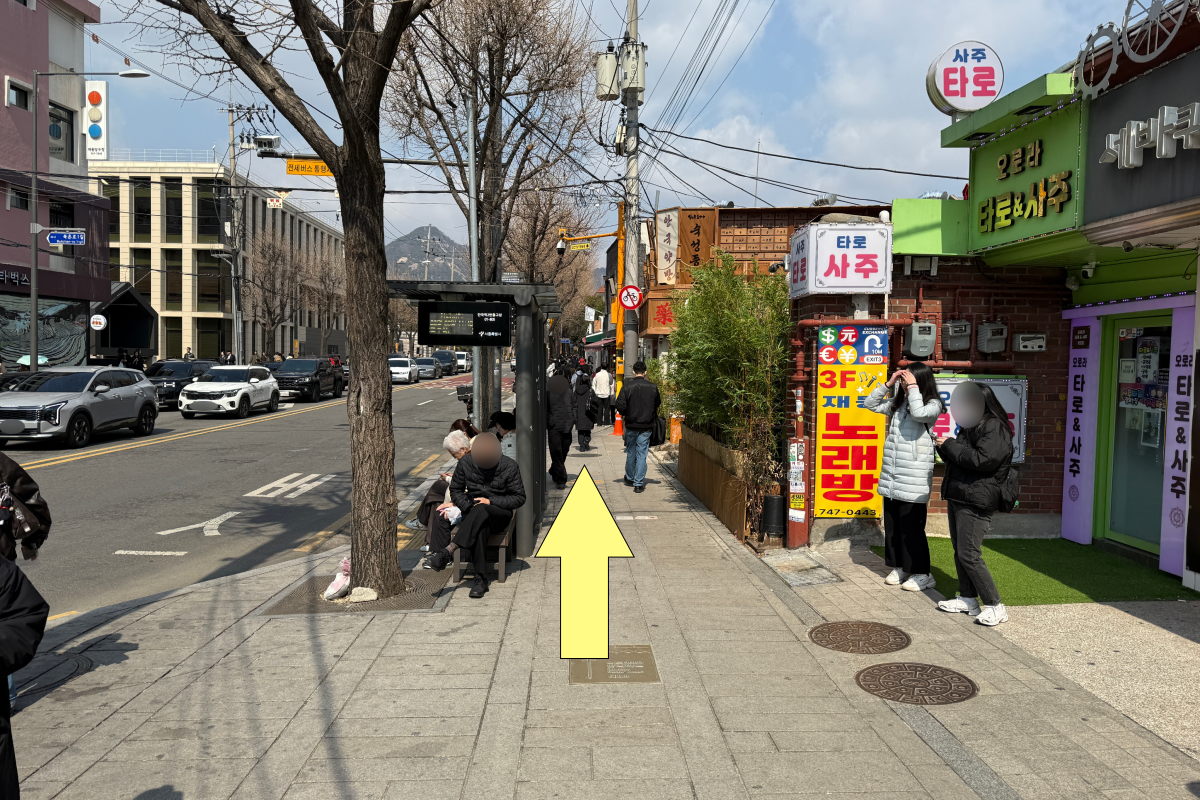
With your back to the exit, walk straight ahead.

Cross at the signal, then turn right.
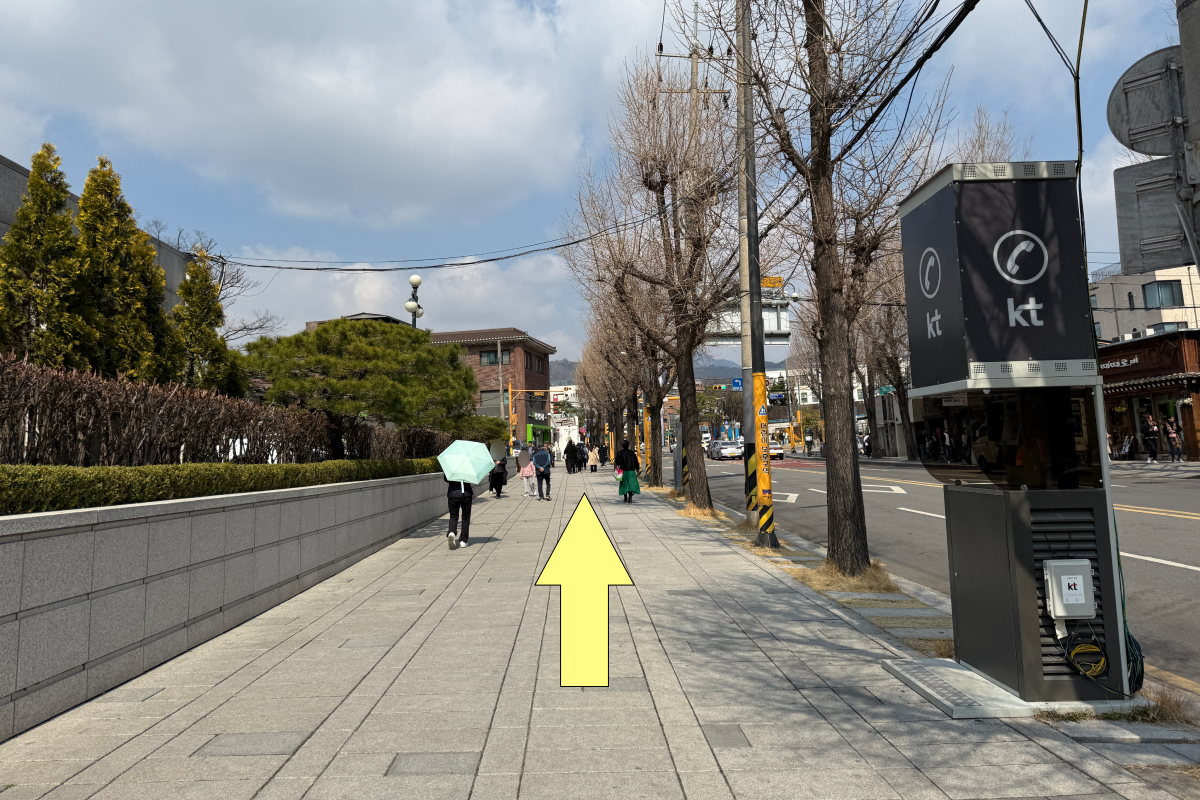
Go straight.
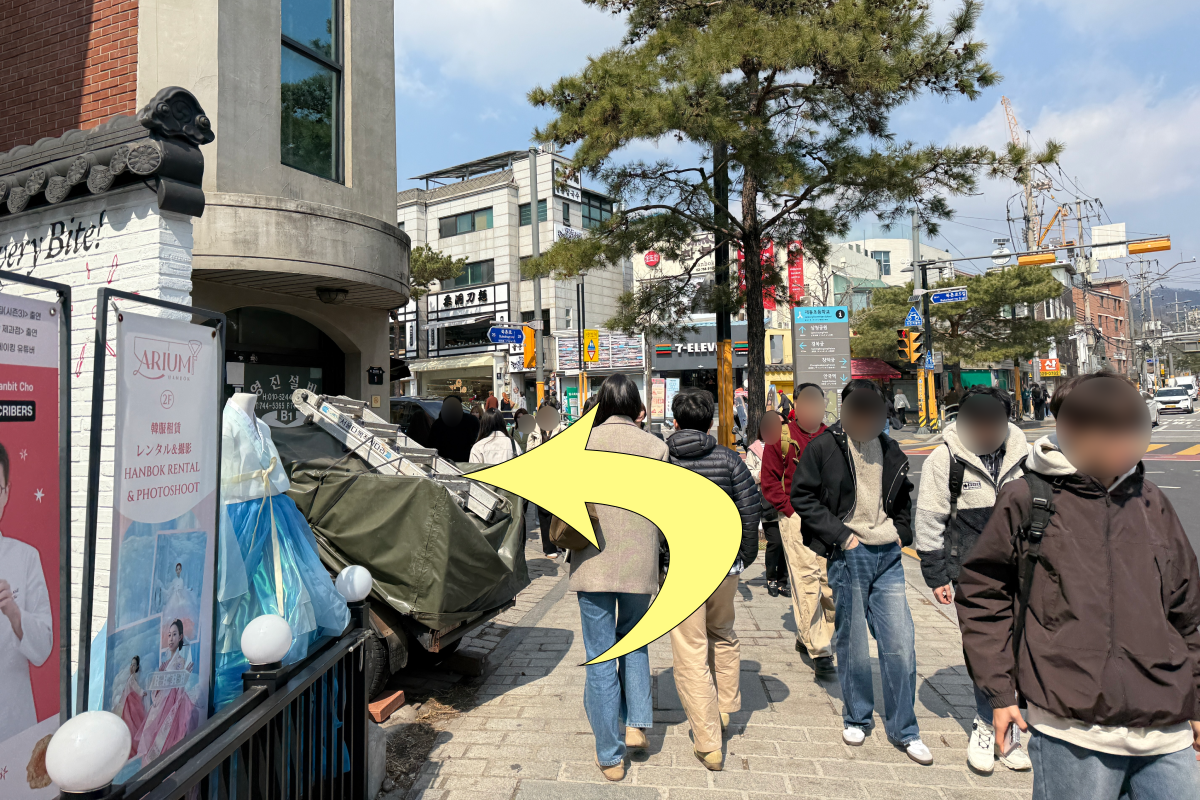
At the end of the road, turn left.
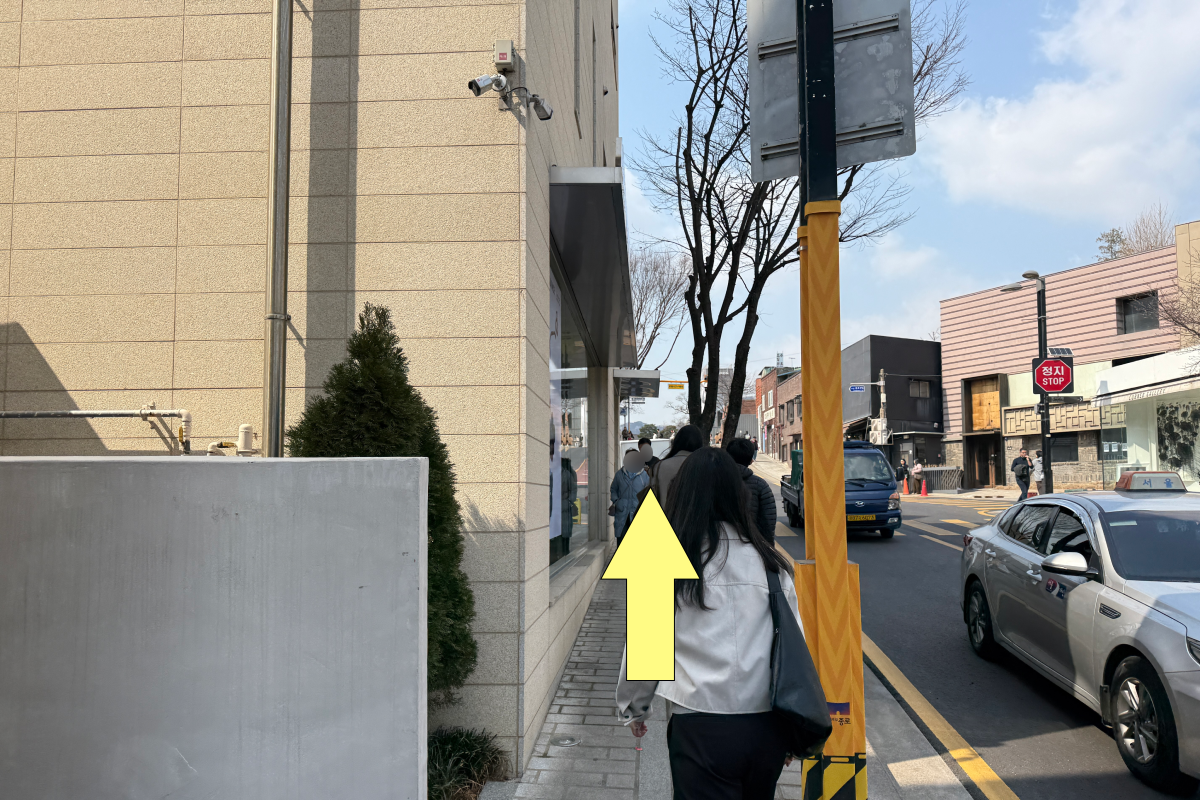
Go straight.
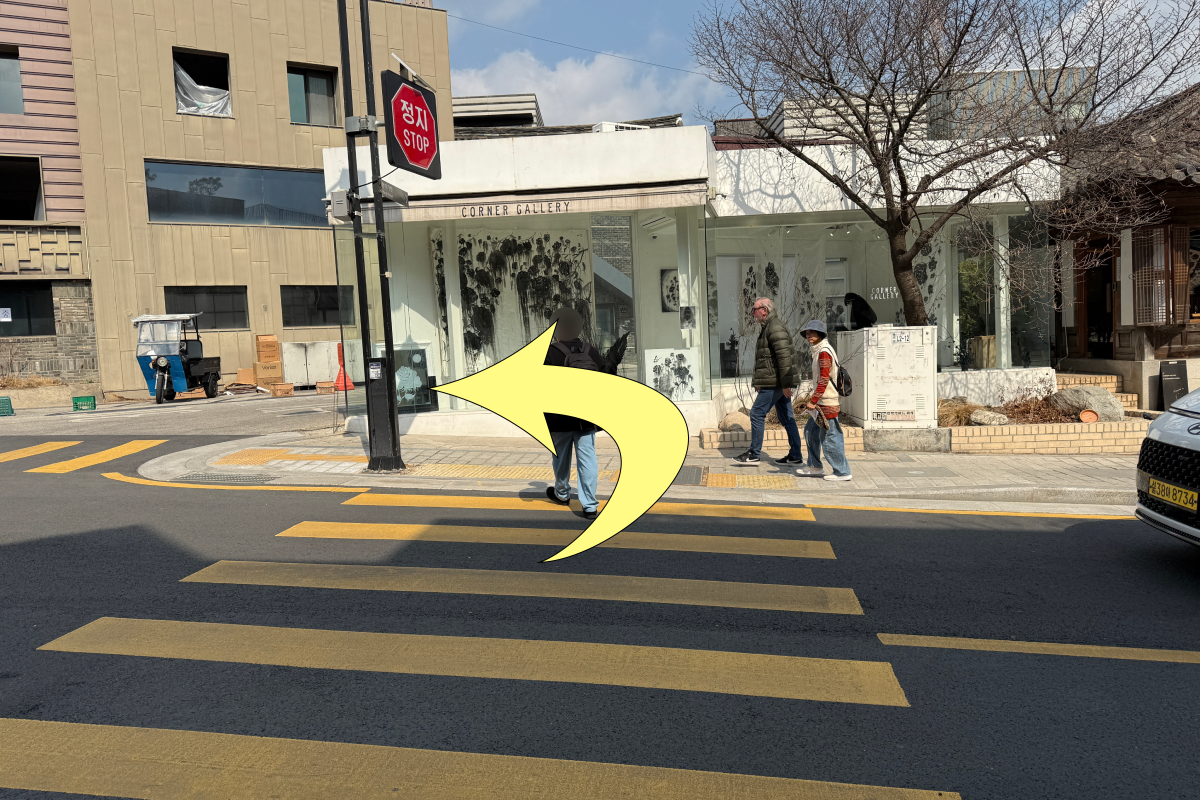
Cross at the signal, then turn left.
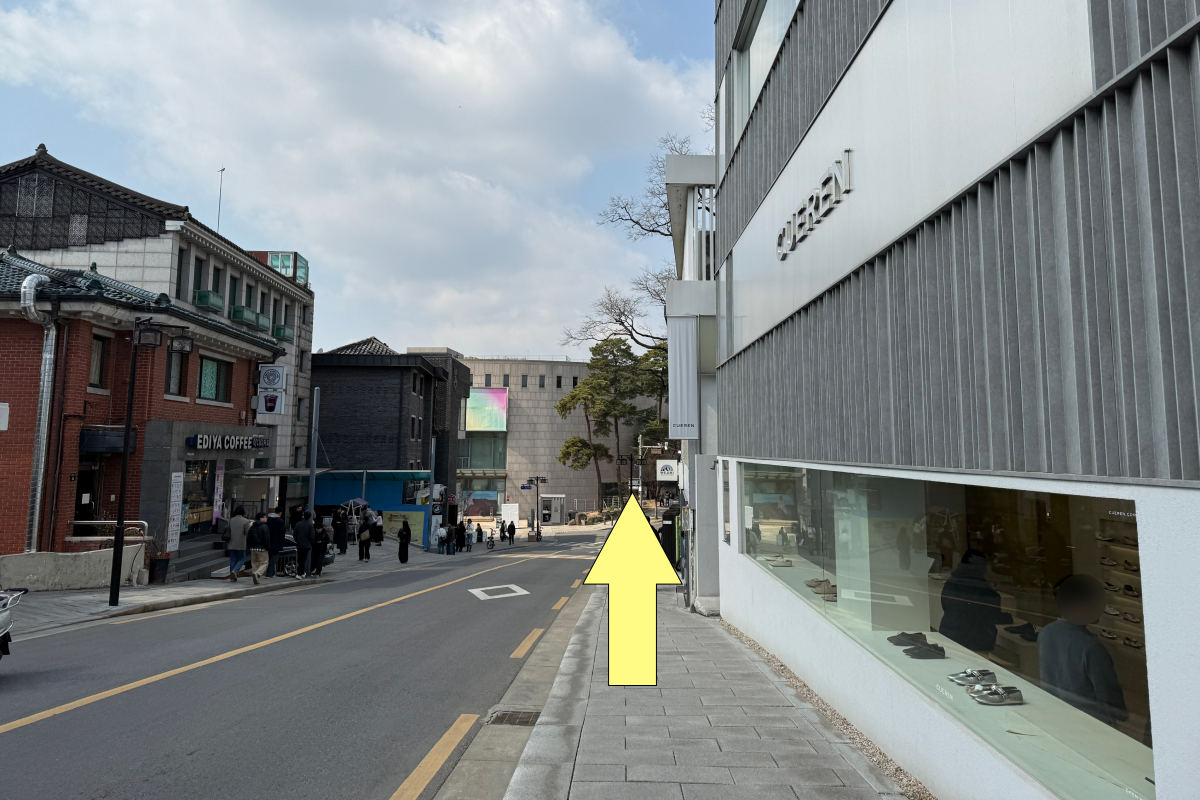
Keep going straight.
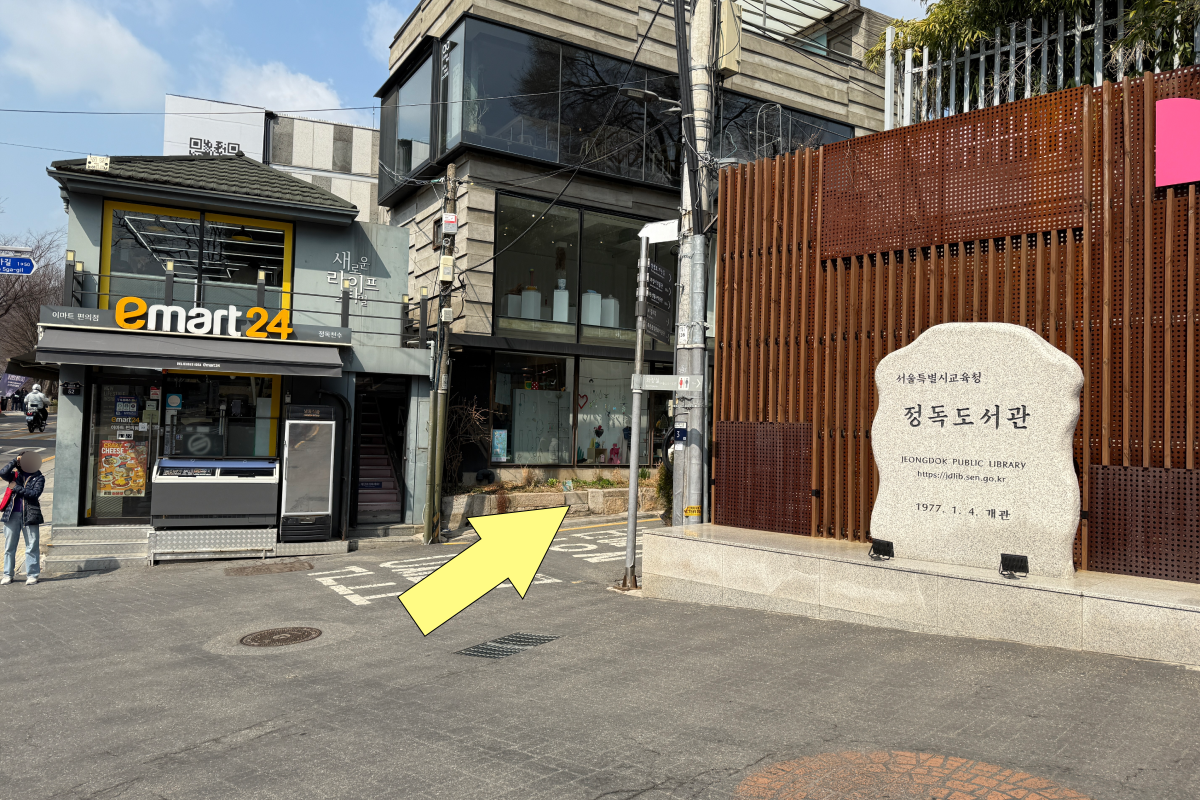
Enter the alley.
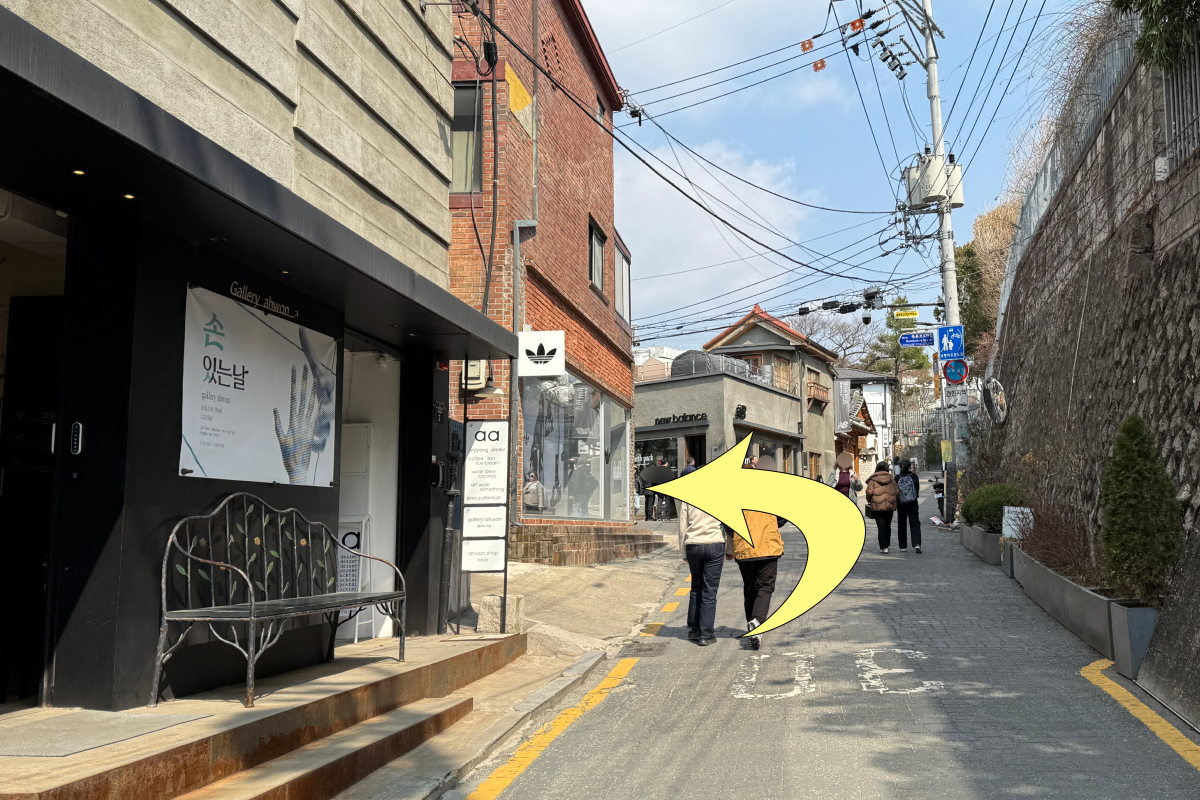
Turn left.
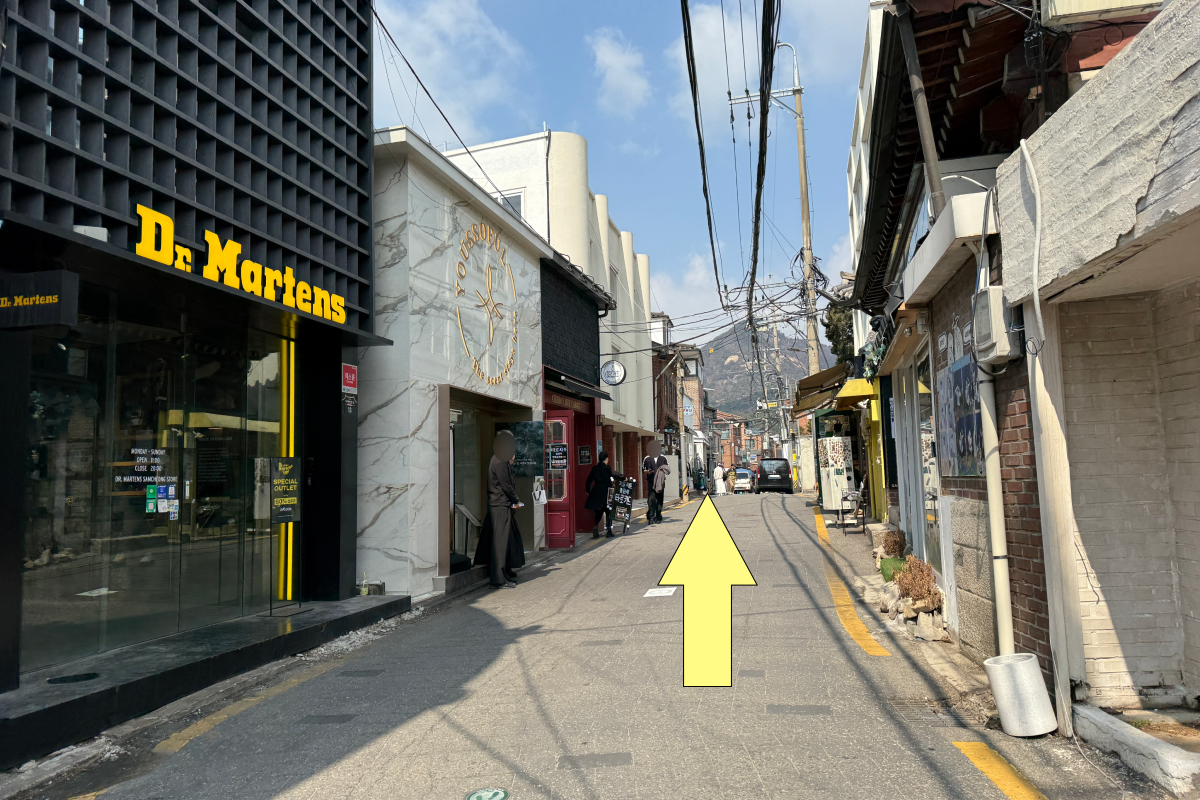
Go straight.

Turn right.
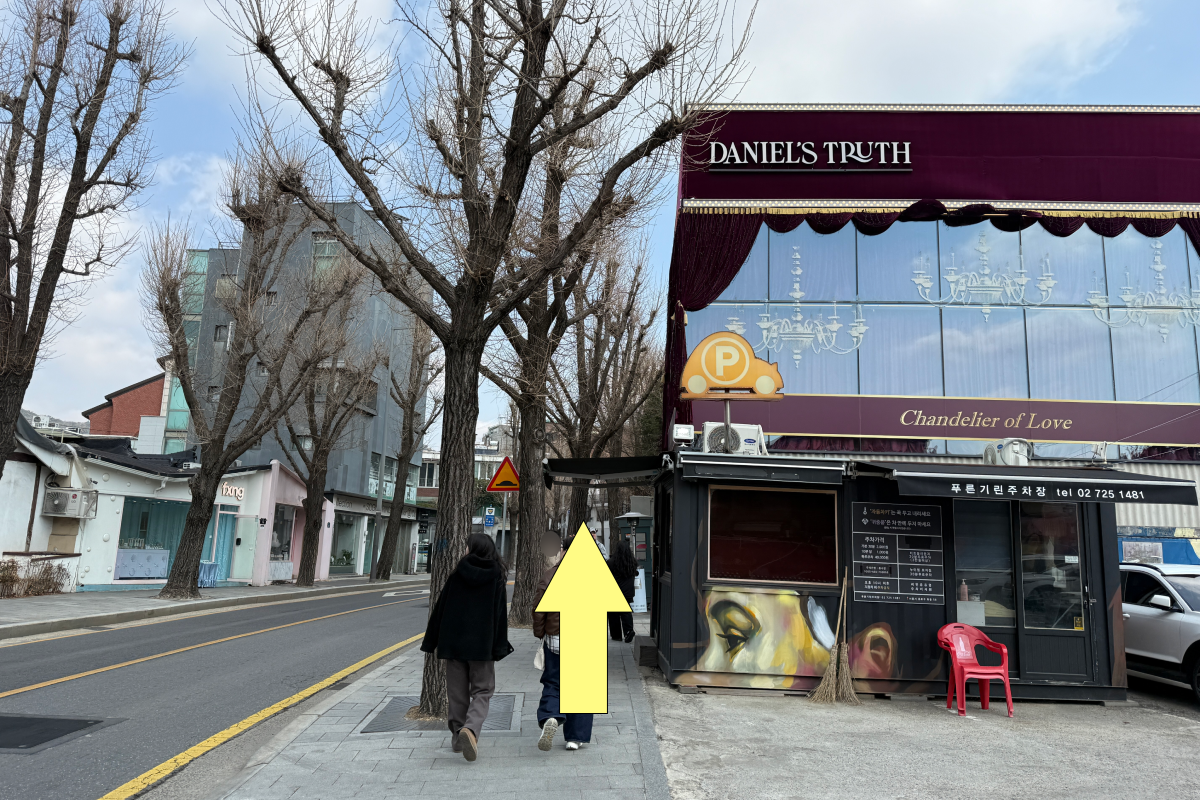
Go straight.
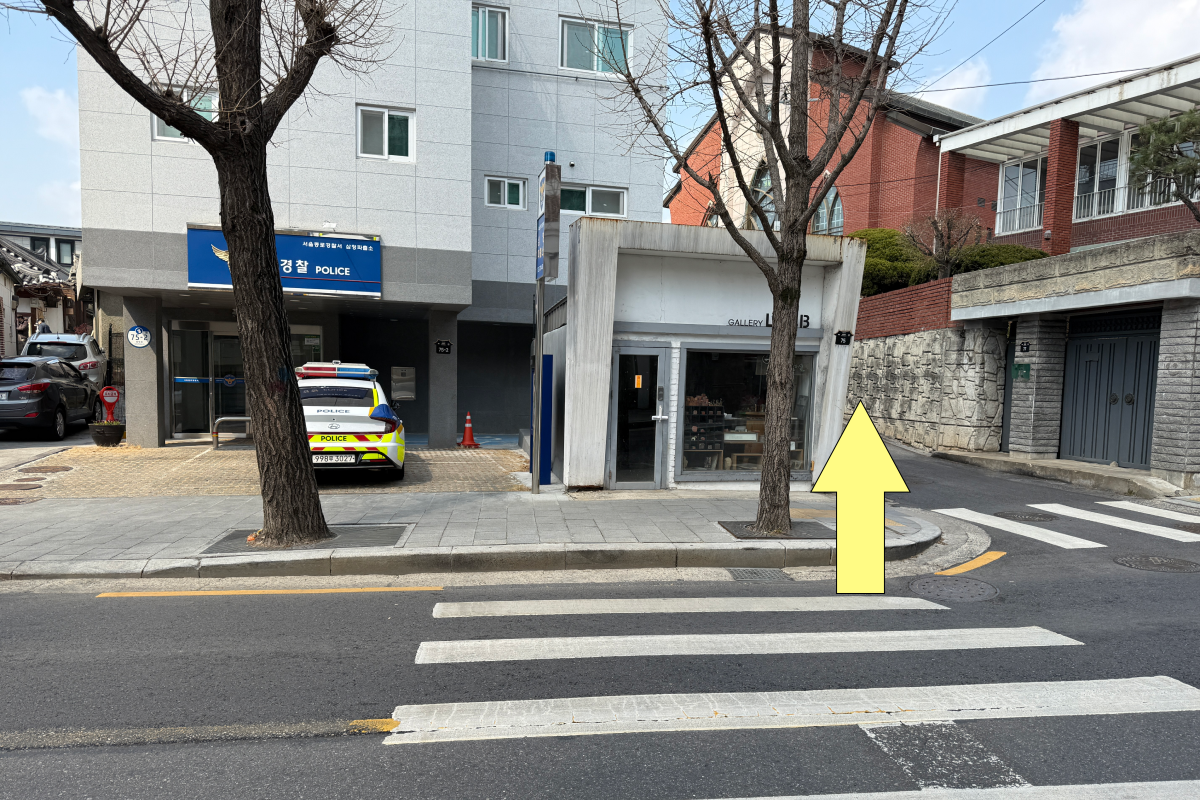
Cross at the signal and enter the alley.
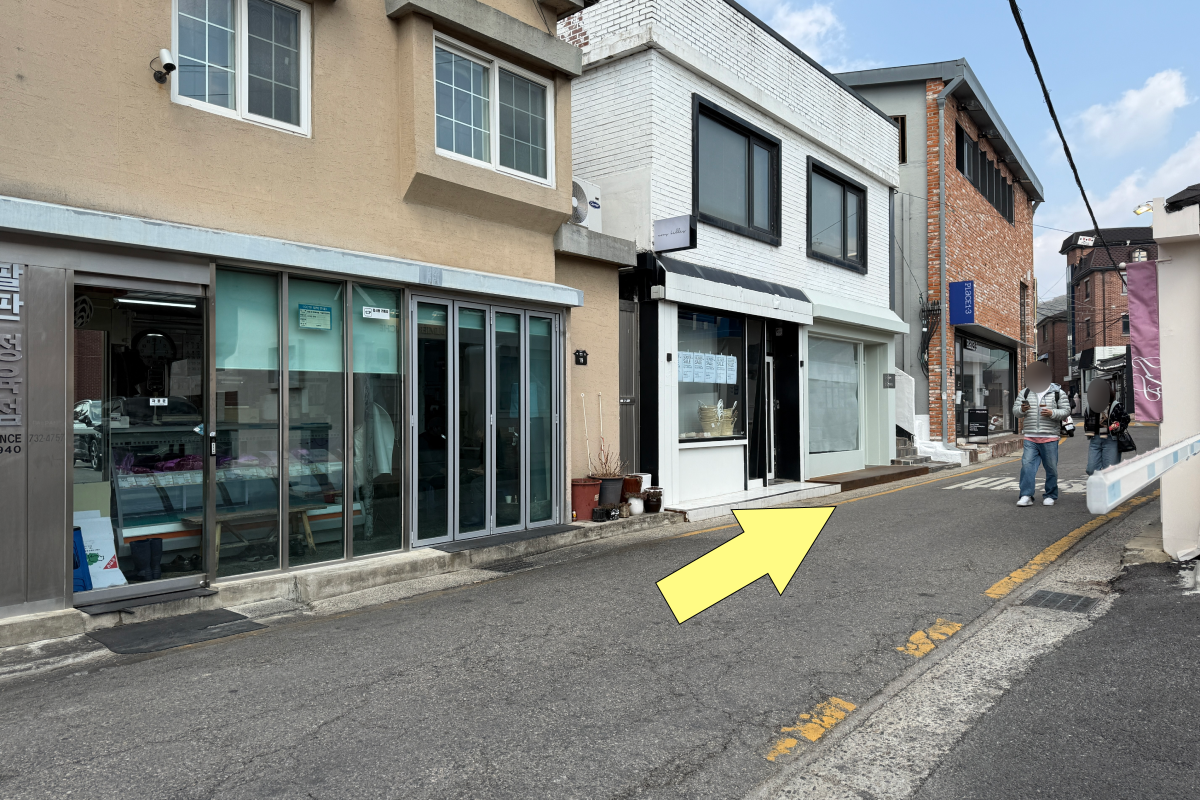
Go straight.
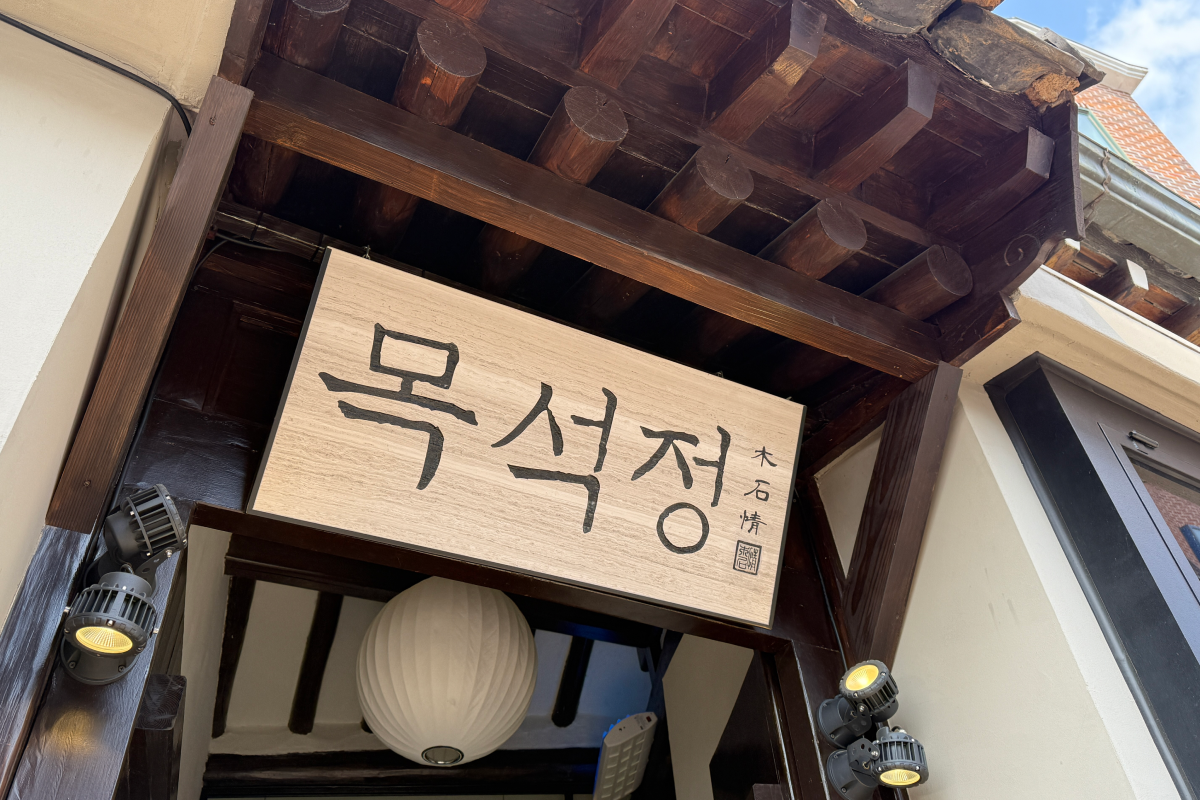
Arrive at “Mok Seok Jung”!
If you have any questions or concerns, Creatrip provides 24/7 real-time support in English, Chinese, and Japanese for international visitors completely free of charge. Reach us anytime on WhatsApp (+82 10-8818-2915) or LINE (@creatrip, @required). You can also follow us on Instagram, TikTok, Threads, and Youtube to stay updated on all things Korea!