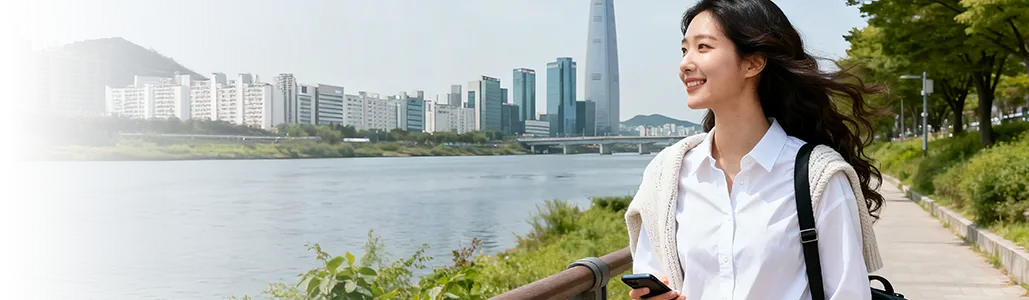
[2026 Guide] Living in Seoul for a Month: Complete Guide for Digital Nomads & Foreign Travelers (Seoul Edition)
Visa Requirements, Accommodation, Cost of Living & Essential Tips | Updated March 2026

![[2026 Guide] Living in Seoul for a Month: Complete Guide for Digital Nomads & Foreign Travelers (Seoul Edition)](https://cf.creatrip.com/original/blog/14996/qzidy0hbk40yu094mmls84fsopean3wz.png?d=2800&q=75&f=webp)
- What you'll Learn in This Guide :
- Why Seoul? What Makes Living Here for a Month So Special?
- Entry Requirements : Do I Need a Visa for 30 Days in Korea?
- Where should I stay for a Month in Seoul?
- Which Seoul Neighborhoods Are Best for a Month-Long Stay?
- Looking for a one-month stay in a city other than Seoul?
- How Much Does Accommodation Cost for a Month in Seoul?
- How Much Does Living in Seoul cost for a Month?
- How Do I Use Public Transportation in Seoul?
- Frequently Asked Questions (FAQ)
- Final checklist for a one-month stay in Seoul
- Creatrip Recommended Services
Hi! I'm Ria Kim, a Korean travel editor at Creatrip with over 8 years of experience living and working in Seoul. I've personally helped 500+ digital nomads and long-term travelers settle into Korean life through our platform. Having lived in Seongsu-dong, Yeonnam-dong, and Hannam-dong myself, I understand the challenges foreigners face during extended stays—from finding the right neighborhood to navigating bureaucratic hurdles. This guide is based on real feedback from travelers I've assisted, combined with my own experiences living the Seoul nomad lifestyle.
Want to experience Korean culture beyond typical tourist attractions? Tired of the surface-level sightseeing and ready to live like a local? A "monthly stay" in Seoul offers the perfect balance between travel and authentic local living. I've done month-long stays in other countries myself, and there's nothing quite like experiencing daily life as residents do—it creates memories that last far longer than any hotel visit.
Seoul has recently emerged as a top destination for "workation" among global travelers, and for good reason.
This comprehensive guide contains everything you need to prepare for a month in Seoul, with updated 2026 information and insider tips you won't find anywhere else.

What you'll Learn in This Guide :
- Visa requirements for a 30-day stay (visa-free entry conditions)
- Recommended districts and their features in Seoul (Seongsu, Hongdae, Hannam, etc.)
- Monthly accommodation cost (guesthouse vs serviced residence)
- Detailed cost of living breakdown (food, transportation, utilities)
- Essential service guide (transportation, medical care, banking)
- Cultural adaptation tips and local perspectives
- Month-long stay checklist & recommended experiences
Ready to create your own Seoul story? Let's dive in!
Why Seoul? What Makes Living Here for a Month So Special?
I've lived here for 8 years, and I still discover hidden streets I've never walked, tiny restaurants with no signage that serve the best jjigae (stew) I've ever tasted, and rooftop gardens tucked between office buildings where locals practice taichi at sunrise. Seoul demands time and curiosity. It rewards those who stay long enough to notice the ajumma at your neighborhood convenience store start recognizing you, the way Friday nights transform quiet residential streets into impromptu street food festivals, and how spring cherry blossoms turn the Han River parks into something magical.
Here's what a month in Seoul actually looks like:
Week 1 - The Tourist Phase: You'll hit the Instagram-famous spots—Gyeongbokgung Palace, Bukchon Hanok Village, the cafes in Seongsu everyone's posting about. You'll be overwhelmed by the subway system's efficiency, shocked by how late everything stays open (4 AM convenience stores!), and probably confused by the soju-and-fried-chicken culture. This is normal. Lean into it.
Week 2 - The Routine Emerges: You've found your morning coffee spot (maybe that tiny cafe in Yeonnam-dong with the grumpy but talented barista). You've figured out which subway exit gets you home fastest. You've downloaded Coupang because your neighborhood GS25 doesn't stock the instant noodles you're craving. You're starting to feel less like a tourist and more like a temporary resident.
Week 3 - The Local Unlocked: This is when Seoul gets interesting. You've been to the same pojangmacha (street tent bar) three times, and the owner remembers your order. You know which naengmyeon (cold noodle) place has the shortest wait on weekends. You've attended a random neighborhood festival in Mangwon-dong that had zero English signage but the best tteokbokki you've ever eaten.
Week 4 - The Bittersweet Goodbye: You realize a month wasn't enough. You never made it to that temple stay in Bukhansan. You still haven't tried sundae because you were scared. You promise yourself you'll come back. You leave with 2,000+ photos, a Kakao contact list full of locals you befriended, and stories you can't Google.
Why Seoul Works for Digital Nomads:
Let me be blunt: Seoul is a 'workation paradise' if you value:
- Internet faster than your thoughts (5G everywhere, cafes have 500 Mbps Wi-Fi)
- Safety (I've walked alone at 3 AM feeling safer than broad daylight in some Western cities)
- Efficiency (need a package? 2 hours. Hungry at 4 AM? Delivery in 30 minutes)
- Affordable luxury (₩15,000 full Korean BBQ; ₩80,000 laser facial that costs $400+ in the US)
As of 2026, Korea's Digital Nomad Visa (F-1-D) has made Seoul Asia's remote work hub. The city now has 150+ coworking spaces with English-speaking staff, monthly expat meetups, and foreigner-friendly banking. I attended a nomad meetup in February 2026—50+ people from 20+ countries, free kimchi-making workshop included. The energy was electric.
Ready to trade your "Seoul in 3 days" plans for "Seoul in 30 days"? Let's make it happen.
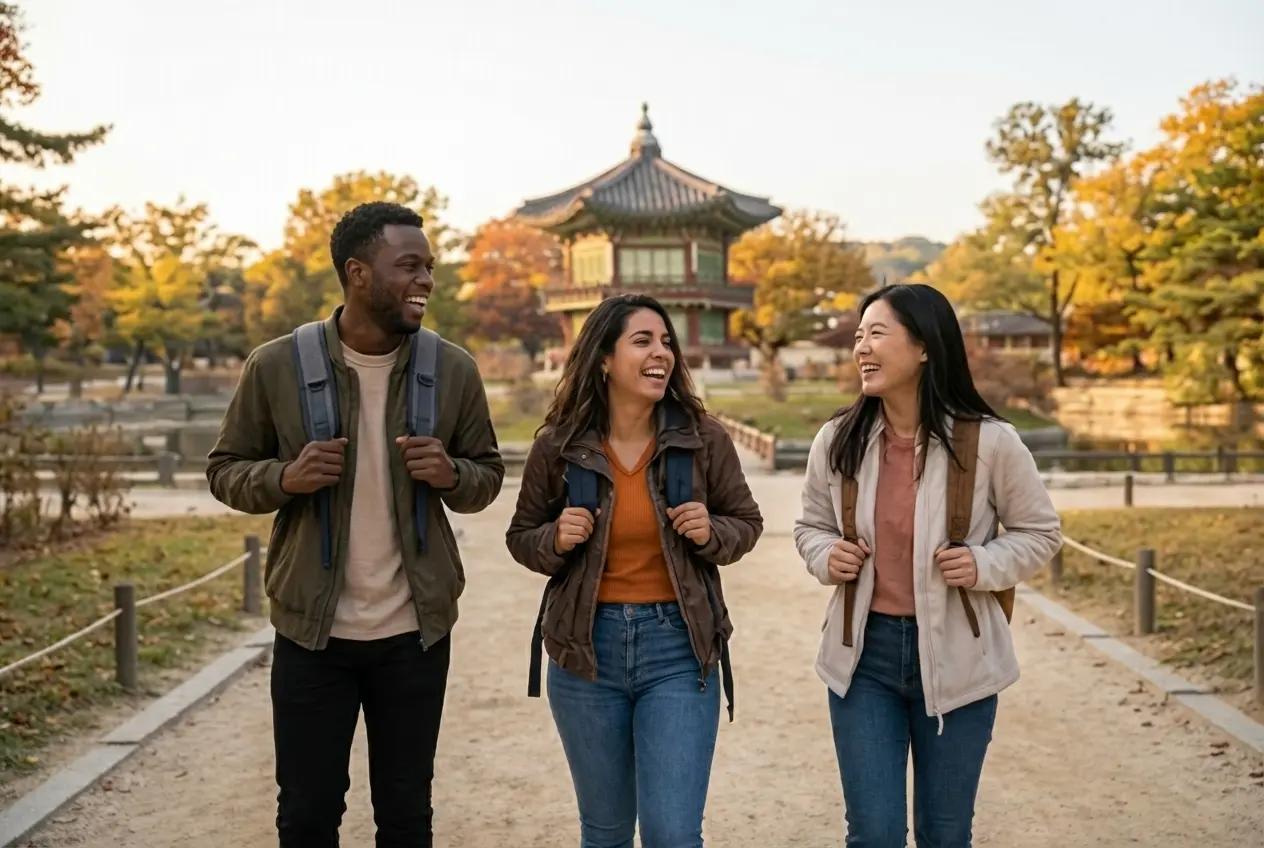
Entry Requirements : Do I Need a Visa for 30 Days in Korea?
Do you need a visa to stay in Korea for 30 days? Most foreign nationals can enter visa-free for tourism or short stays. However, there are important requirements to check before departure.
K-ETA (Korea Electronic Travel Authorization) Guide :
As of 2026, citizens of 22 major countries including the United States, Japan, Canada, Germany, France, and Australia are temporarily exempt from applying for K-ETA until December 31, 2026. However, other visa-free eligible countries still require K-ETA, so check before you travel!
- Cost: 10,000 won (about $7.50 USD)
- Application: Apply online at k-eta.go.kr at least 72 hours before departure
- Validity: 3 years (usually allows stays up to 90 days per entry, multiple entries allowed)
- Processing time: 24–72 hours
- Note: Even if your country is exempt, entry policies can change, so check the official website for the latest updates before traveling.
Where should I stay for a Month in Seoul?
Seoul’s neighborhoods all have such distinct vibes, so finding one that matches your pace is key. Personally, as an editor who loves slow travel, I always recommend splitting your stay between a few different areas. It’s the best way to truly soak up the local character of this city
Which Seoul Neighborhoods Are Best for a Month-Long Stay?
Area | Characteristics |
Seongsu-dong | Seoul's Brooklyn : art galleries, trendy cafes, creative spaces |
Hongdae/Yeonnam-dong | Young energy, live busking, affordable eats & bars |
Hannam-dong/Itaewon | Global community, boutique shops, English widely spoken |
Editor's Tip: I lived in Seongsu for 6 months in 2024-2025, and here's what most guides won't tell you: avoid the main strip on weekends (it's packed with influencers). Instead, explore the back alleys near Seoul Forest—you'll find family-run bakeries where locals actually go. My favorite? 'Daelim Warehouse' on weekday mornings (8-10 AM) when it's quiet and you can actually enjoy the architecture. Also, the 'Seongsu Bridge night walk'offers stunning Han River views without the crowds.
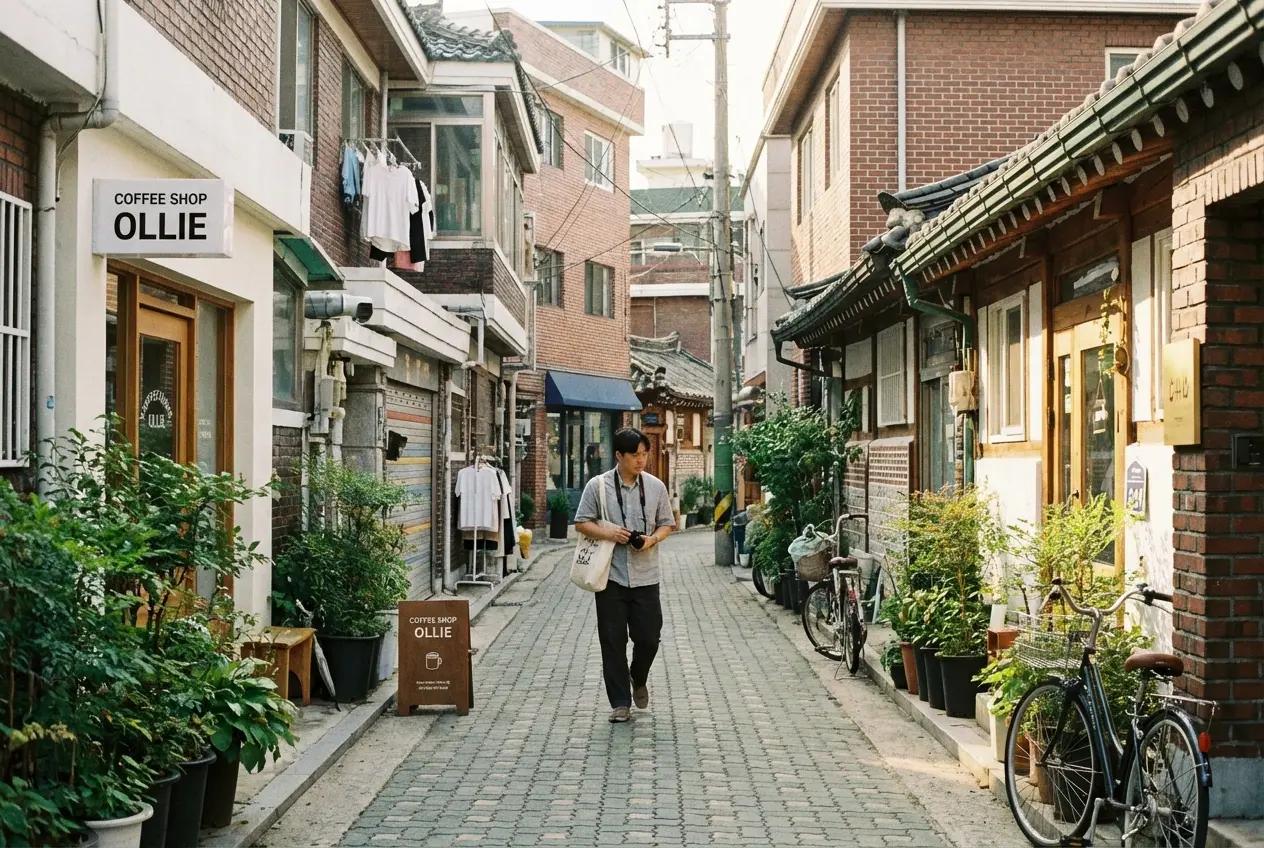 Editor's Tip: If you want a quiet, local vibe, I also recommend Seochon or Mangwon-dong. They have traditional markets and modern cafes, making them charming places.
Looking for a one-month stay in a city other than Seoul?
Not only foreign travelers, but also Koreans often do a one-month stay in cities outside of Seoul to rest and recharge. I’ve tried a week and a one-month stay in Busan and Jeju, and they remain such good memories that I want to visit again!
Area | Characteristics |
Busan | Vibrant beach city, about 30% cheaper than Seoul, relaxed atmosphere |
Jeju | Nature with both mountains and beaches, slow pace, ideal for remote work |
Daegu | Low cost of living, authentic Korean local culture experience |
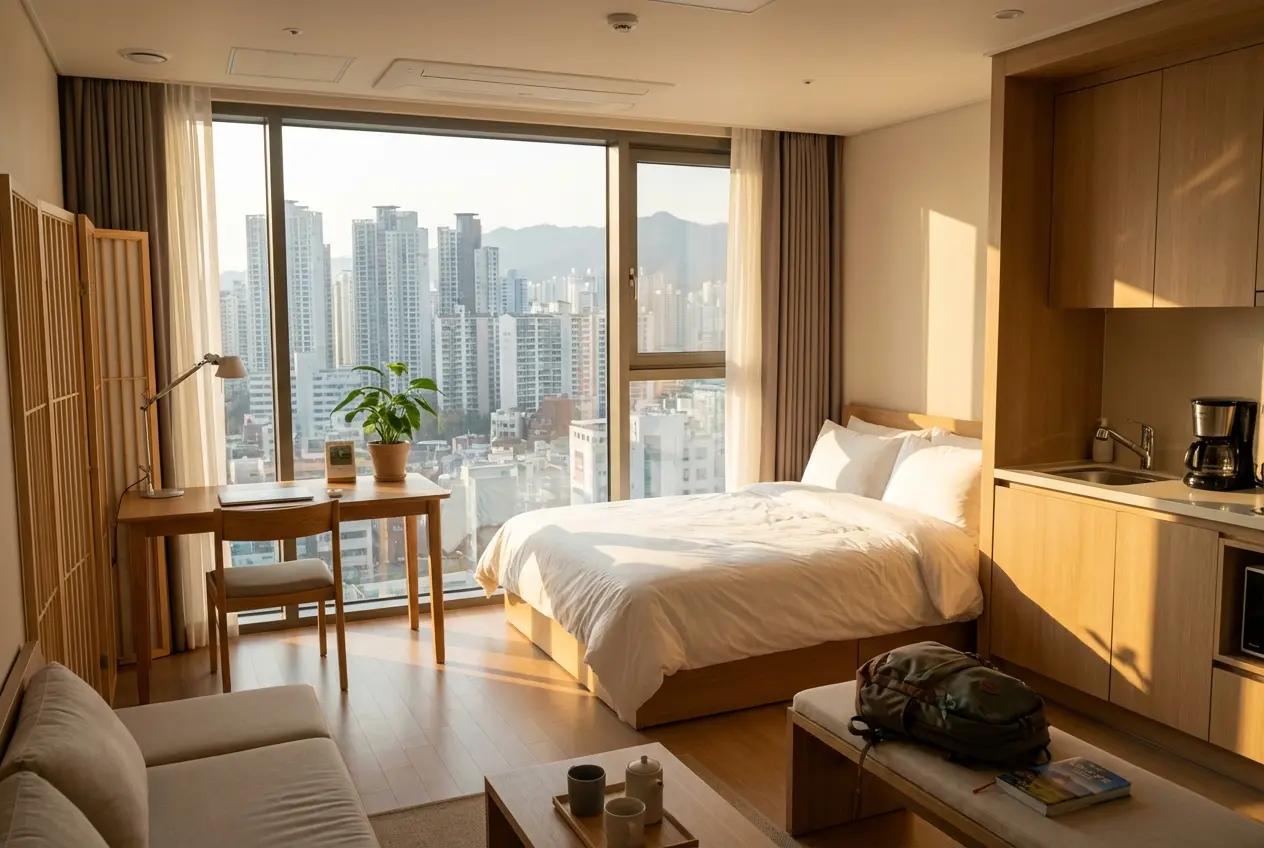
How Much Does Accommodation Cost for a Month in Seoul?
Accommodation makes up the largest portion of the cost for a one-month stay. Choose an option that fits your budget and travel style.
Low-budget, Solo Traveler (per person, Seoul)
Type of accommodation | Monthly cost (KRW/USD) | Pros and cons |
|---|---|---|
Guesthouse/hostel | ₩500,000-900,000 | No deposit, utilities included Shared facilities, low privacy |
Airbnb/short-term rental | ₩1,000,000-2,500,000 | Privacy, kitchen access, flexibility Cost constraints |
Premium, long-term stay (1 room for 2 people, Seoul)
Accommodation type | Monthly cost (KRW/USD) | Pros & cons |
|---|---|---|
serviced residence (Creatrip booking available) | ₩1,500,000-3,500,000 | Fully furnished, cleaning service, no deposit |
Officetel (monthly rent) | ₩800,000-1,500,000 | Whole apartment, local experience Deposit required, Korean language needed |
Editor tip: Below we’ve listed serviced residences that Creatrip recommends for a one-month stay, based on location and price, with pros and cons. Compare by your preferred style and easily make a reservation!
How Much Does Living in Seoul cost for a Month?
Monthly living expense breakdown (per person, Seoul)
A one-month stay in Seoul typically costs around ₩2,400,000 to ₩3,700,000.

- Accommodation: $1,000~$1,800
- Food: $600~$1,200 (wide range from convenience store lunch boxes to fine dining)
- Transportation: $60~$100 (highly recommend the unlimited T-money pass)
- Mobile plan cost: $30–$50 (book through Creatrip, pickup available at the airport)
How Do I Use Public Transportation in Seoul?
Korea has one of the world’s best public transportation systems, making it very convenient to travel around.
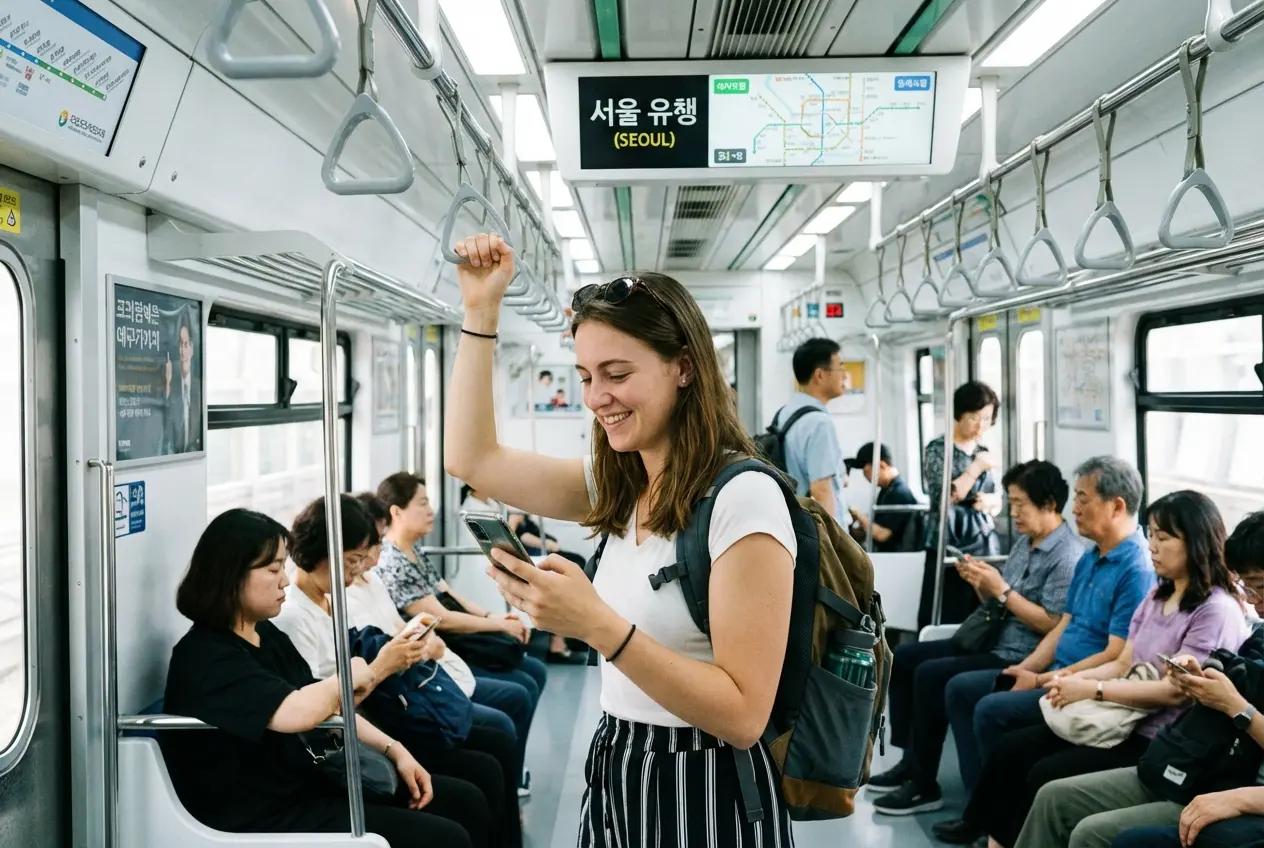
If you're planning a one-month stay, the Climate Companion Card (Climate Card) is a must!
Seoul City operates a card that lets you use the subway, buses, and Ddareungi (shared bikes) unlimited for about 65,000 won per month. It’s the best value item for one-month stay travelers, so be sure to get one!
T-money Card: Essential Transportation Item
A reloadable transit card that works on buses, subways, taxis, and at convenience stores, it’s an essential item for traveling in Korea. You can buy and top it up at convenience stores or subway station machines, and as more buses move to cashless payment, using a transit card offers convenience and even discounts.
Seoul Subway
Fares range from ₩1,650 to ₩2,050 depending on distance. It covers not only Seoul but also the surrounding metropolitan area, making it an excellent choice for travel transportation. Rush hour including commute times (7:30-9:00, 18:00-19:30) can be crowded, so I recommend avoiding those times!
Bus system
Buses are divided into five types, which you can easily tell by the blue, green, red, and yellow colors.
Bus type | Base fare | Use |
|---|---|---|
Ganseon (Trunk) blue | ₩1,500 | Main routes, long distance |
Jiseon (Branch) green | ₩1,500 | Neighborhood circulator |
Gwangyeok (Express) red | ₩3,000 | Suburbs → Seoul |
Maeul (Village) yellow/green | ₩1,200 | Short local trips |
Simya (Night) gray | ₩2,500 | Operates 24:00-05:00 |
Bus tips :
- Check real-time arrival info with Naver Map
- Board through the front door, exit through the rear door
- Tap your card to pay when boarding, press the button to signal when getting off
- Free transfer within 30 minutes after paying with a transportation card
Taxi
There is no tipping culture, and contactless payments using credit cards, including T-money cards, are accepted. It’s easier to give a building name or major landmark rather than an address when directing someone. English communication can be a bit difficult, so I recommend calling a ride or ordering through an app.
Rates by type
Taxi type | Base fare |
|---|---|
Standard taxi | ₩4,800 |
Deluxe taxi | ₩7,000 |
Late-night surcharge | 20% added to the base fare |
Large taxi (van) | ₩7,000 |
Taxi-hailing apps
App type | Features |
|---|---|
KakaoT | Most popular, supports Korean and English, allows vehicle type selection |
Uber | Available 24 hours |
i.M | Service focused on premium large vans |
Real Traveler Stories - What Our Creatrip Users Say
🗣️ Emma (USA, Digital Nomad, Stayed March 2026):
"I booked a serviced residence in Seongsu through Creatrip and extended my stay twice! The neighborhood vibe was perfect—artsy but not touristy. Pro tip: the rooftop terrace at **Cafe Onion Seongsu** is ideal for working with a laptop (free Wi-Fi, lots of power outlets). I spent ₩2.3M total for the month and felt like I got way more value than my month in Tokyo (₩3.8M)."
🗣️ Kenji (Japan, Designer, Stayed October 2025):
"Seoul's subway system is UNREAL. I could get anywhere in 30 minutes max. Used the Climate Card religiously—saved me at least ₩150,000 over taxis. Only regret: not trying more **jjimjilbangs** (Korean spas). I went to Dragon Hill Spa once and it was ₩15,000 for a full day of relaxation + workspace."
🗣️ Lina (Germany, Remote Worker, Stayed February 2026):
"I was nervous about the language barrier, but honestly? Papago app + Google Translate got me through everything. Locals were SO patient. My Airbnb host even taught me how to separate recycling properly (Korea is strict about this!). If you're staying a month, definitely learn basic phrases—it made vendors at **Gwangjang Market** give me extra toppings 😊"
Frequently Asked Questions (FAQ)
Q1. Can I live there without speaking Korean?
In major tourist spots and cafes people speak English, but it can be difficult in neighborhood markets or small eateries. Use the Papago app and learn basic greetings to be much more welcome. These days there are many foreign travelers in Korea, so menus and services are often set up to be easy to use, you don’t need to worry!
Q2. Where is the cheapest place to book accommodation?
A2. You can use Airbnb or other booking platforms, but with more one-month stay accommodations in Korea these days, Creatrip also lets you book easily. Since many foreign travelers use this service, they partner with lots of one-month stay properties to offer exclusive deals, so don’t miss out!
Q3. Are public Wi‑Fi networks in Seoul safe?
A3. Seoul has reliable free Wi‑Fi almost everywhere, from subways and parks to cafes. For security, though, we recommend using your personal roaming when doing any banking.
Q4. Can I work on a tourist visa?
A4. Official tourist visas strictly prohibit employment activities within Korea, meaning earning money as an employee of a Korean company. Remote work for an employer based overseas is allowed if you obtain a digital nomad (workation) visa. (This has been implemented in Korea since January 1, 2024.)
Q5. As a foreigner, is living in Korea safe?
A5. Yes, it’s very safe. Korea is one of the countries with the lowest crime rates in the world. Serious violent crime is extremely rare, and women can walk alone at night.
Q6. When is the best time to do a one-month stay in Korea?
A6. Spring (April–May) and autumn (September–October) offer the best weather. Summers are hot and humid, with monsoon season in June–July. Winters are cold but dry (December–February).
Q7. Does Korea have a tipping culture?
A7. No. Korea does not have a tipping culture. You do not need to tip at restaurants, taxis, or hotels. Service charges are already included.
Q8. Where can I smoke?
A8. Indoor smoking is completely prohibited. Smoking is only allowed in designated smoking areas (outside the building). All public places and multi-use facilities are designated non-smoking, and if you smoke in violation of this rule a fine of 100,000 won will be imposed.
Q9. How fast is food delivery?
A9. On average 20–40 minutes, Korea's delivery culture is world-class. Even at 3 AM you can get chicken, Chinese food, pizza, and even McDonald's delivered.
Q10. Can I drink tap water in Seoul?
A10. Yes! Seoul tap water is safe to drink and meets WHO standards. However, many Koreans still prefer filtered/bottled water out of habit. Most serviced residences have water purifiers built-in. If you're at an Airbnb, buy a ₩15,000 Brita filter at Daiso or drink bottled water from convenience stores (₩800-1,200 per bottle).
Q11. Can I use my foreign credit card everywhere?
A11. Mostly yes, but with caveats:
- Major chains, restaurants, convenience stores:** 95% accept Visa/Mastercard
- Traditional markets, small local eateries:** Cash only (have ₩50,000-100,000 on hand)
- Taxis:** Cards accepted, but some older drivers prefer cash
- Tip:** Notify your bank before traveling—my card got blocked twice until I called them
Recommended:** Get a **Revolut or Wise card**—they have better exchange rates than typical tourist cards (I saved ₩80,000 over a month vs. my Chase card).
Final checklist for a one-month stay in Seoul
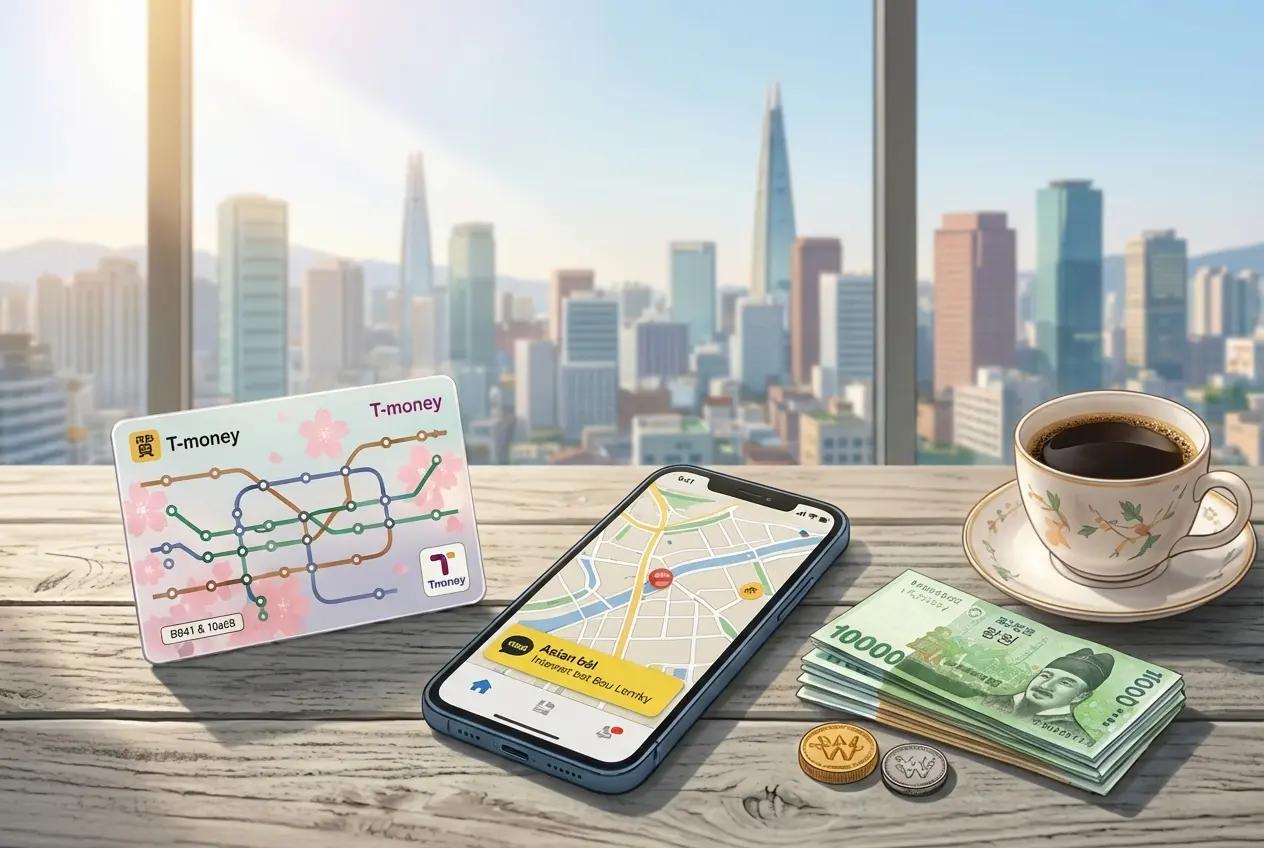
Pre-departure Essentials (Pre-departure)
- Passport and visa: check your passport expiration date and whether you need to get K-ETA or a visa
- International payment card: prepare Visa/Mastercard (card use is very common in Korea)
- Cash (won): exchange a small amount for initial transit card top-up and using traditional markets
- Travel insurance: because this is a long stay, buy insurance to cover medical expenses
- First-aid medicines: bring any regular medications (with prescriptions) and stomach remedies, pain relievers, etc. (you can buy medicine easily at Korean pharmacies, but prepare for the early days of your trip)
Accommodation and Living Infrastructure (Accommodation)
- Choose a location: Hongdae/Sinchon (lively, youthful vibe), Gangnam (stylish, flashy downtown), Jongno/Euljiro (a mix of tradition and modernity) — pick the area that fits your taste, or try moving between neighborhoods to experience more
- Check the accommodation: Wi‑Fi speed, whether there’s a washing machine, if cooking is allowed, and heating/air conditioning availability
- Nearby conveniences: check if there’s a convenience store within a 5‑minute walk, a subway station, and a large supermarket
Telecom and Transport (Tech & Transport)
- SIM or e-SIM: we recommend unlimited data plans (having a local number makes it easier to use delivery apps or waitlist pop-ups)
- Transportation card: can be purchased and reloaded at convenience stores or subway stations (reloads are cash-only, so use small bills you bring)
- Maps: Install essential map apps (Naver Map, KakaoMap) and use them when taking public transit! If you take a lot of taxis, download Kakao T or Uber Taxi. If you download Creatrip you’ll get info and even delivery covered. Don’t forget to download Creatrip, a must-have app for traveling in Korea!
Packing Tips
- Clothing: Pack clothes suitable for Korea’s seasons (summers are hot and humid, winters are very cold, so check the weather in advance). You’ll be doing a lot of walking, so be sure to bring comfortable sneakers.
- Adapter: Korea uses 220V and plug types C and F (rounded two-pin plugs)
- Leave space in your suitcase: Cosmetics and fashion items in Korea are affordable and good quality, so we recommend leaving room for shopping or packing clothes you don’t mind discarding after use! (travel tip)
First steps upon arrival (First Steps in Seoul)
- Pick up your SIM card and buy/charge a transportation card at the airport, reserve through Creatrip and collect it at the airport!
- Save your accommodation address in both Korean and English
- Locate the nearest Daiso or Olive Young and buy needed supplies cheaply
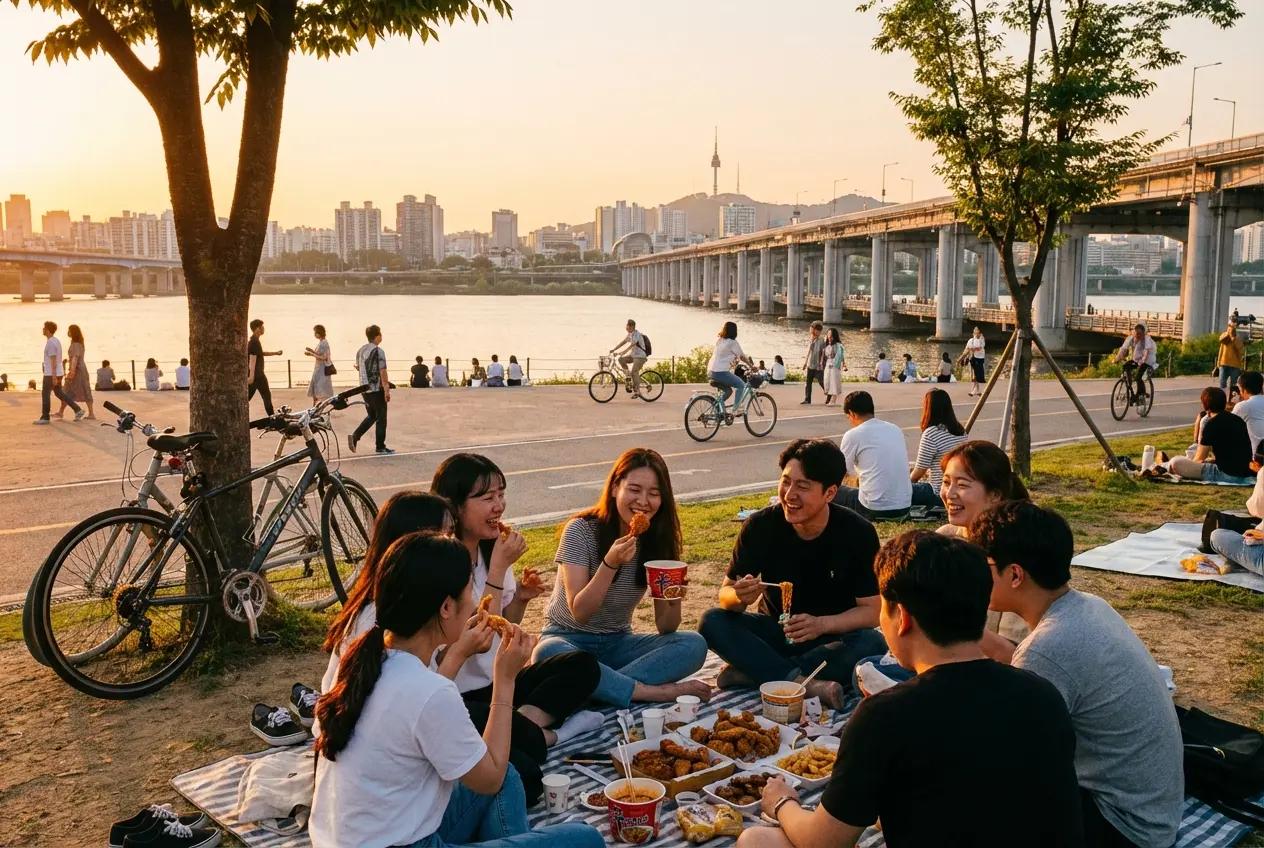
Creatrip Recommended Services
Creatrip membership gives you discounted access to various products and services, including accommodations for a one-month stay. If you write a review after your stay, you can also receive up to 20,000 won worth of points, and we provide membership-only content, so don’t miss out on discounts and information to make your Seoul one-month stay even richer!
Communication services :
- Korea SIM card Pocket WiFi rental : Airport pickup can be reserved in advance
Beauty & Medical Services :
- Dermatology and medical checkup appointments : If you’re in Korea, you can’t miss dermatology treatments, book for free and get cashback benefits. Staying a month is a great chance to try a variety of treatments!
- Hair and makeup makeovers : K-Beauty isn’t just dermatology. Treat yourself to hair, makeup, and head spa services to look and feel your best!
Tour & Experience Services :
- Korean Palace Cultural Experience : A traditional Korean palace experience, bookable exclusively through Creatrip
- Cherry Blossom Viewing Tour : A must-do itinerary if you visit Korea expecting a spectacular cherry blossom tour
- Limited Experiences Only in Korea : Don’t miss out on special experiences unique to Korea like hanbok, amusement parks, and snap photography, be sure to book
Seoul and Creatrip are waiting for you. A month in Seoul is more than visiting tourist spots, it’s a meaningful time to experience everyday life in Korea and discover a new lifestyle. Imagine running along the Han River in the morning with fresh air, working in a coworking space in Gangnam in the afternoon, and making friends in hip neighborhoods like Seongsu or Hongdae in the evening, Creatrip can help make that imagination a reality!
If you have any questions or concerns, Creatrip provides 24/7 real-time support in English, Chinese, and Japanese for international visitors completely free of charge. Reach us anytime on WhatsApp (+82 10-8818-2915) orLINE (@creatrip, @required). You can also follow us onInstagram,TikTok,Threads, andYoutube to stay updated on all things Korea!