
Does Studio Hongdae | Personal Color & Style Consulting Chosen by Celebrities
All-in-one consulting, from personal color analysis and body type analysis to custom fashion shopping.

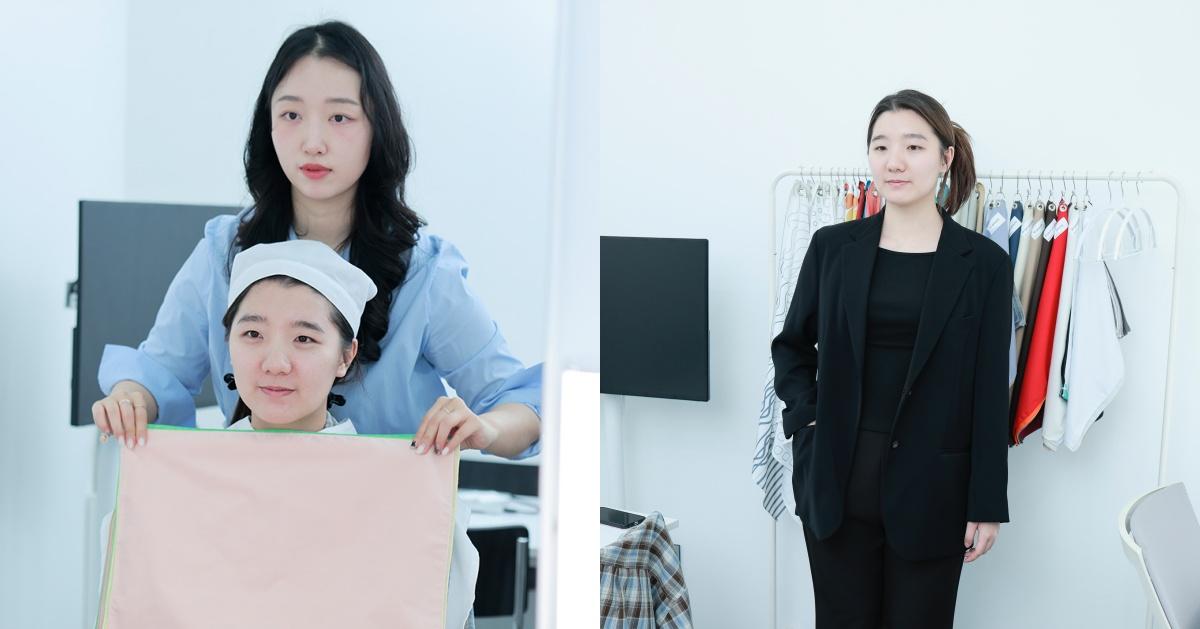
Trends are always changing. Just when sweet and cool styles seemed popular, a minimal, luxe vibe can become the trend, and we find ourselves wanting to buy new clothes, change our makeup, and try a new hair color.
But even after trying many things, there are moments when you wonder why the same item looks better on someone else.
Actually, the issue might not have been just styling technique, it could be that I still didn’t know exactly which colors or image suit me best.
These days, not only everyday clients but also celebrities and models use the specialized Personal color consultation to find the colors and overall vibe that suit them best.
This time, I visited Does Studio to experience a Personal color consultation.
This is not just a place that suggests makeup or hair, it's a place that uses professional color analysis to find the colors and overall style direction that suit me best.
I'll walk you through the process now!
👇 For detailed business hours, reservation method, refund policy, and precautions, please check the link below! 👇
[Spot] Dooz Personal Color Hapjeong | Professional personal color consulting chosen by celebrities
Does Studio Personal Color | Why We Recommend It
- This is a Personal Image Curation brand that doesn’t just tell you which colors suit you, it also suggests your unique atmosphere and image direction, so you can complete your own identity and mood through color.
- It’s a studio visited not only by regular customers but also by celebrities, offering both expertise and trustworthiness. You can receive more precise analysis with a systematic assessment system used in actual practice.
- Based on 208 draping fabrics, we provide a highly detailed and refined color analysis. Going beyond simple warm and cool tones, we accurately discover your unique personal vibe.
- Conducted 100% by reservation-only in a spacious, comfortable Personal Color specialty space, you can receive high-quality consulting in a private environment with strong focus.
- It doesn’t end with just a diagnosis—when you choose the all-in-one session, you can check outfits that truly suit you on the spot and even purchase them right away. Because you can immediately apply styles that match your color, body shape, and overall image, it’s highly practical.
Does Studio Personal Color | Visit Review
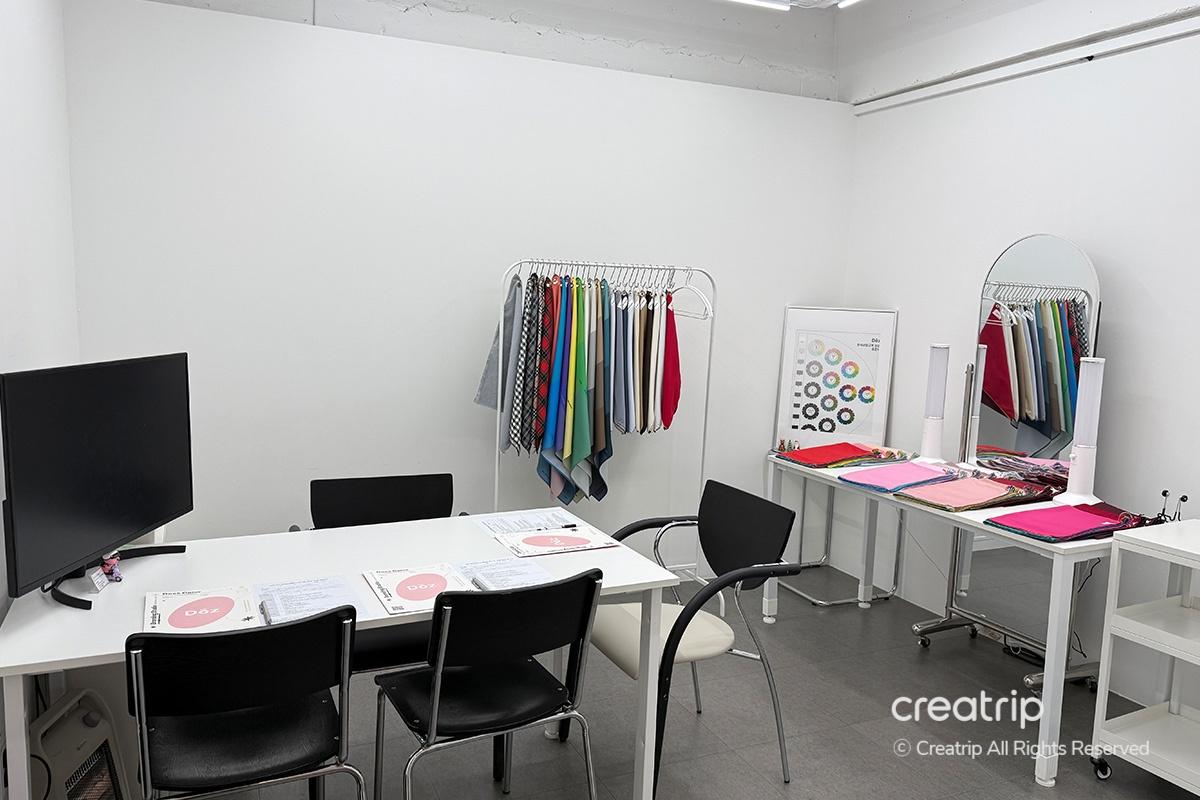
Today I visited Does Studio with a friend for a Personal color consultation, body type analysis, and makeup, to check our overall image.
My friend is a foreigner, so I went along to help with interpretation, and since it was my friend’s first time getting this kind of consultation, I was excited and looking forward to it.
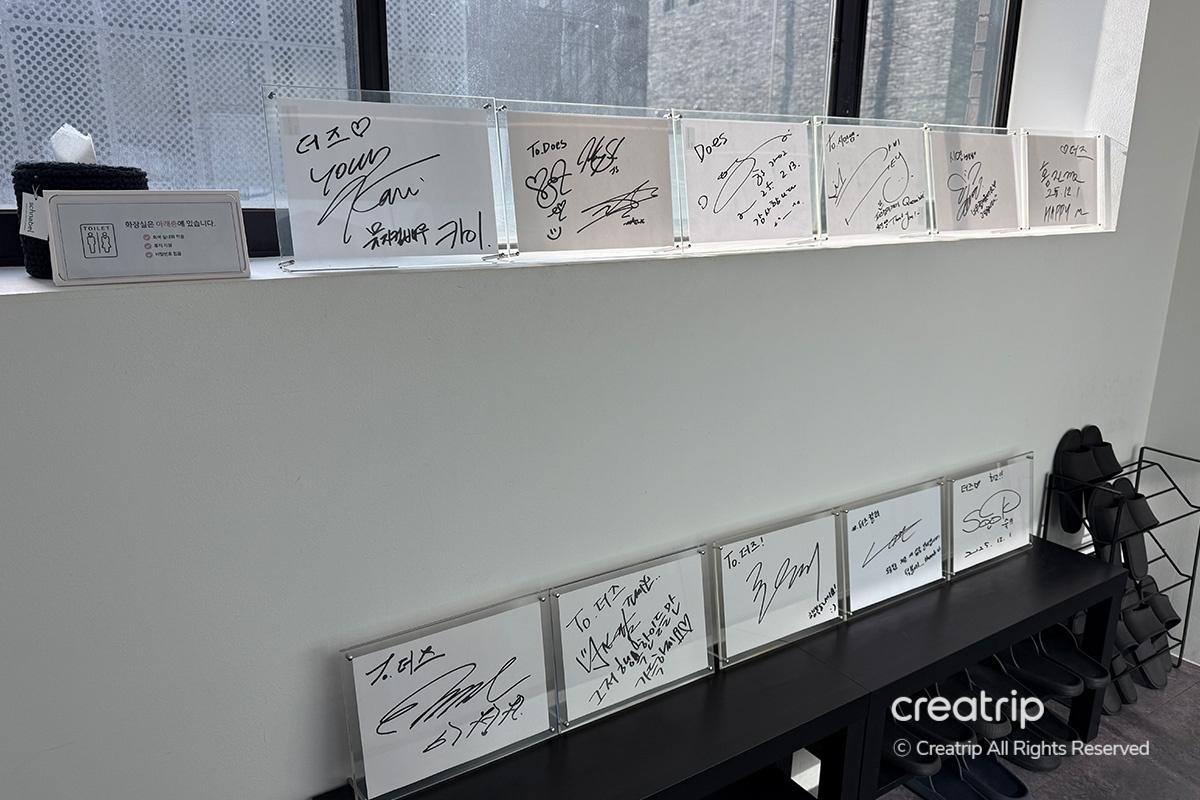
As soon as I opened the door and walked in, the first thing that caught my eye was a wall lined with autographs from many of Korea's well-known celebrities.
NCT 127's Mark, Taeyeon, Johnny, plus Girls' Generation's Taeyeon, and celebrities who visited during show filming like Hong Jin-kyung and Joo Woo-jae, had their autographs on display.
The director told us that celebrities sometimes visit here. They often come before award shows to check what colors and styles suit them best when choosing a dress.
Hearing this made me trust Does Studio even more.
[Image slider] 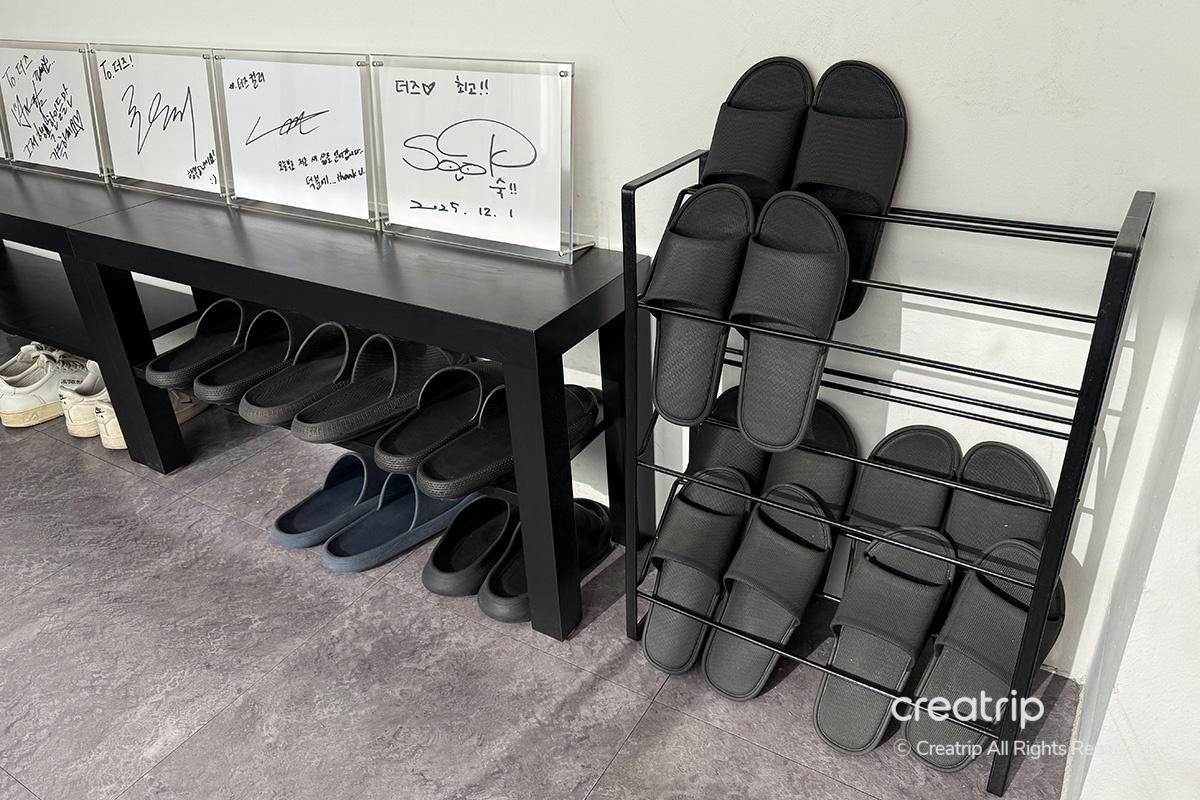
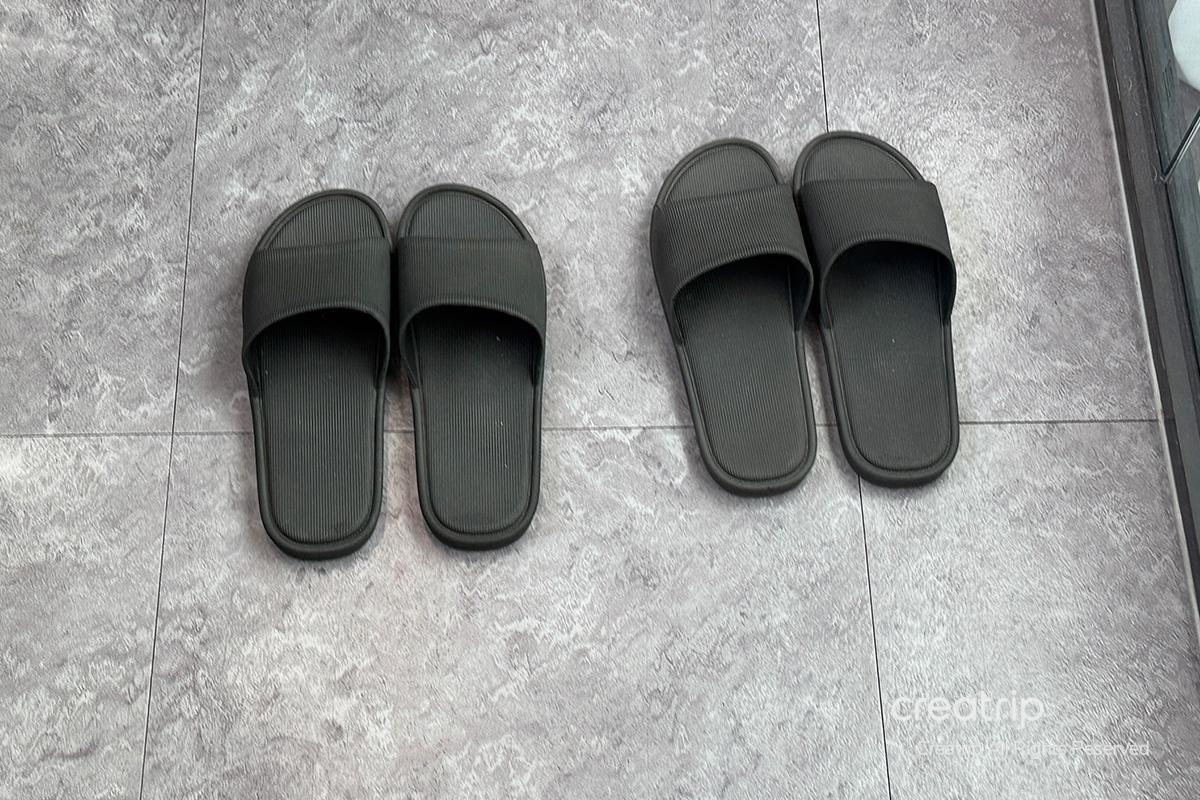
First, you change into the neatly arranged slippers at the entrance before entering.
The whole space feels calm and warm, and even though it was my first visit, I felt very comfortable.
[Image slider] 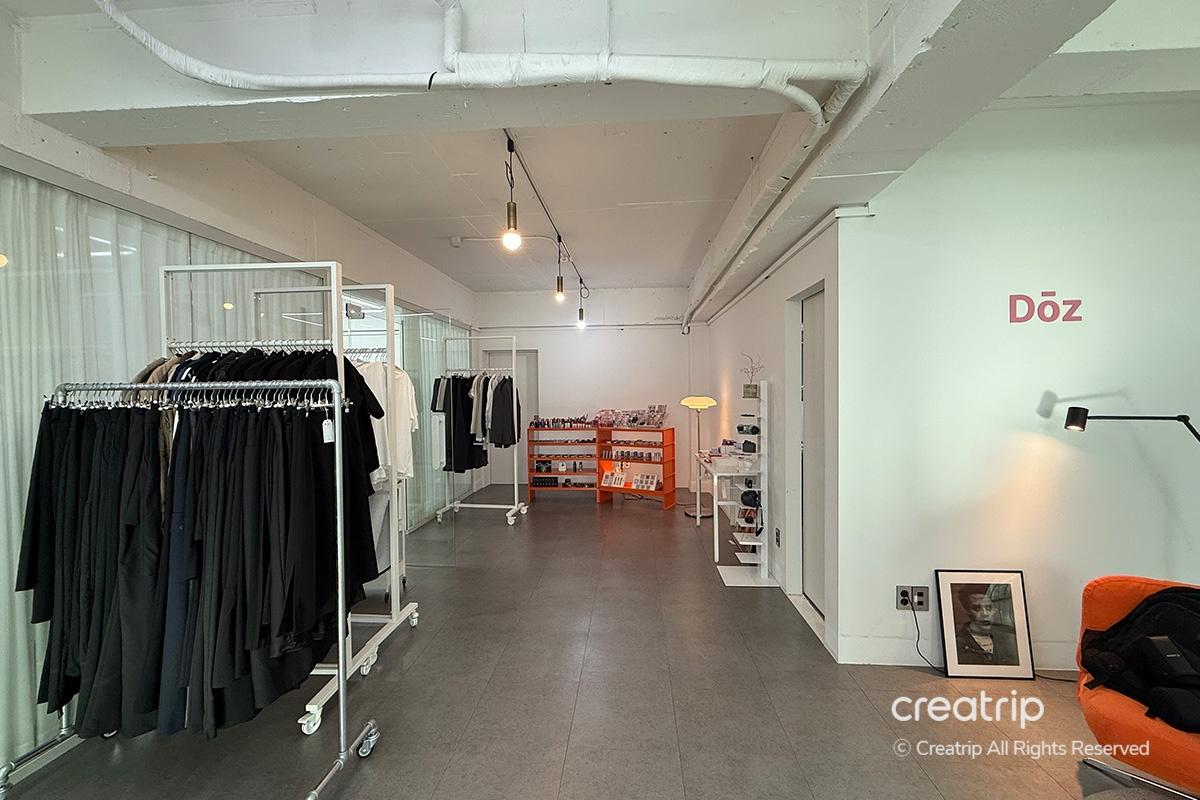
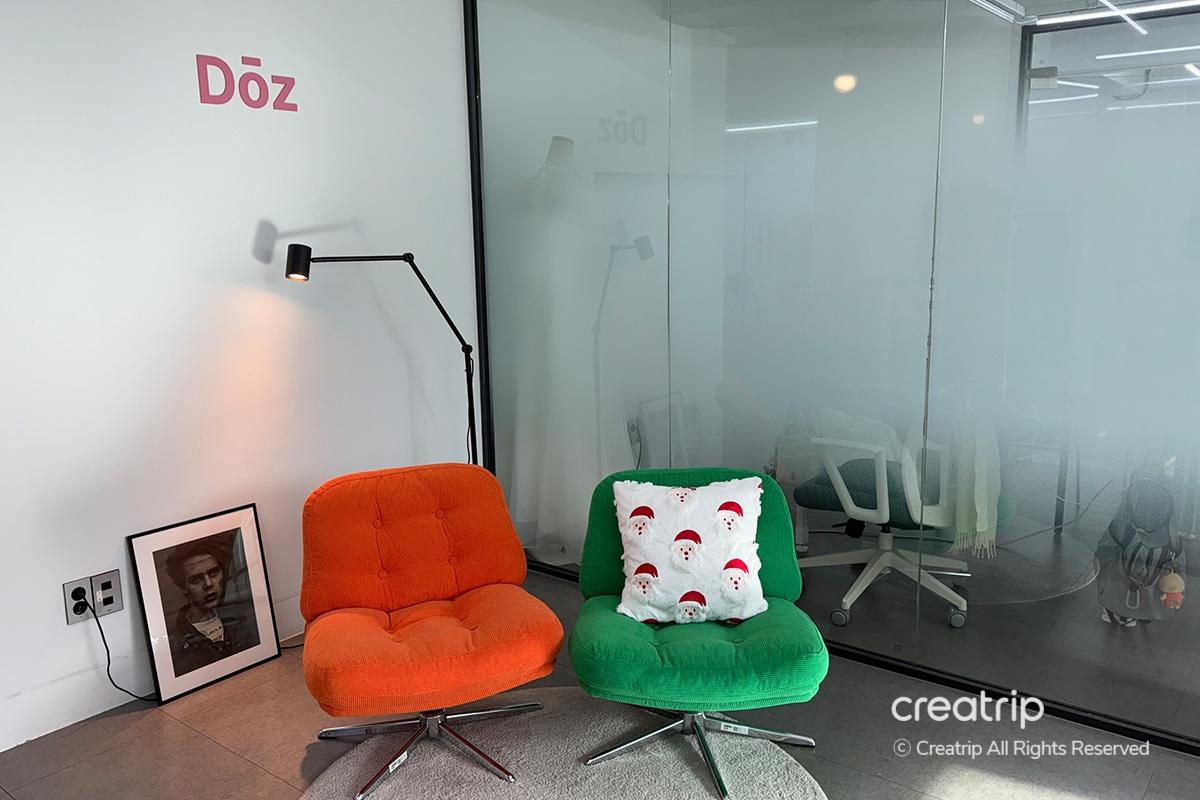
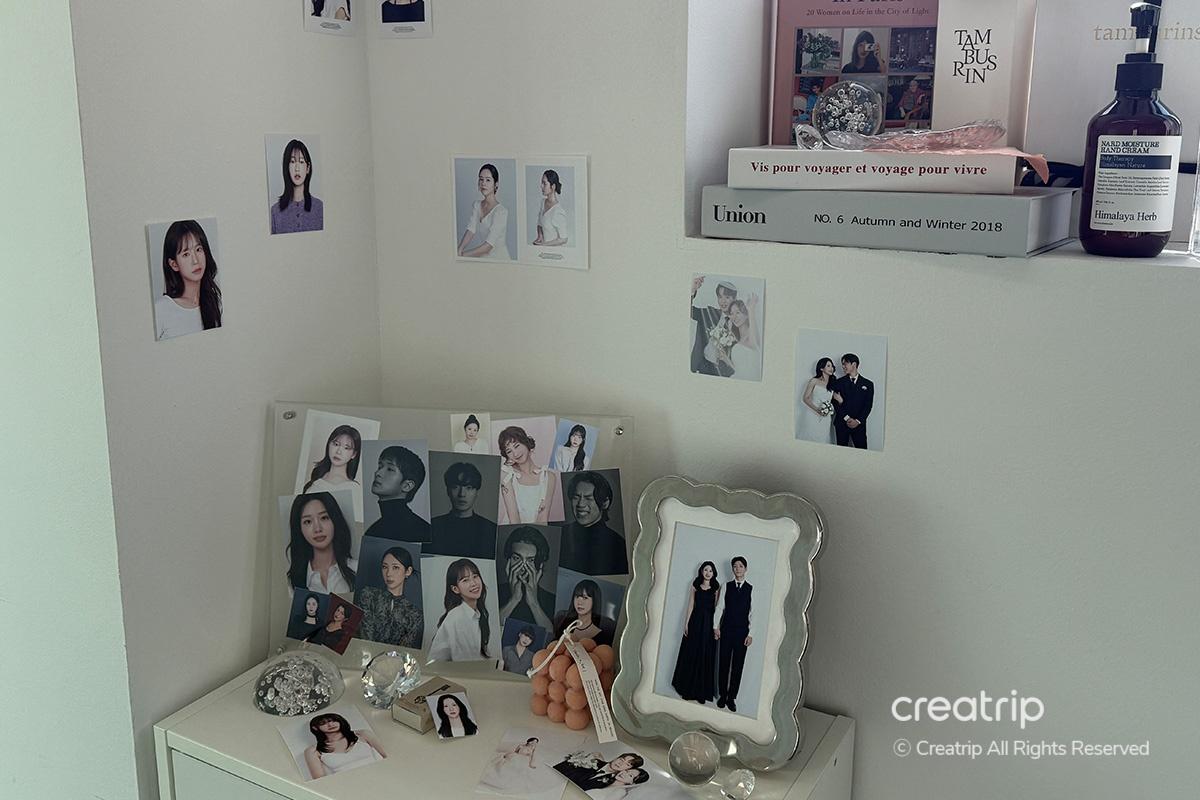
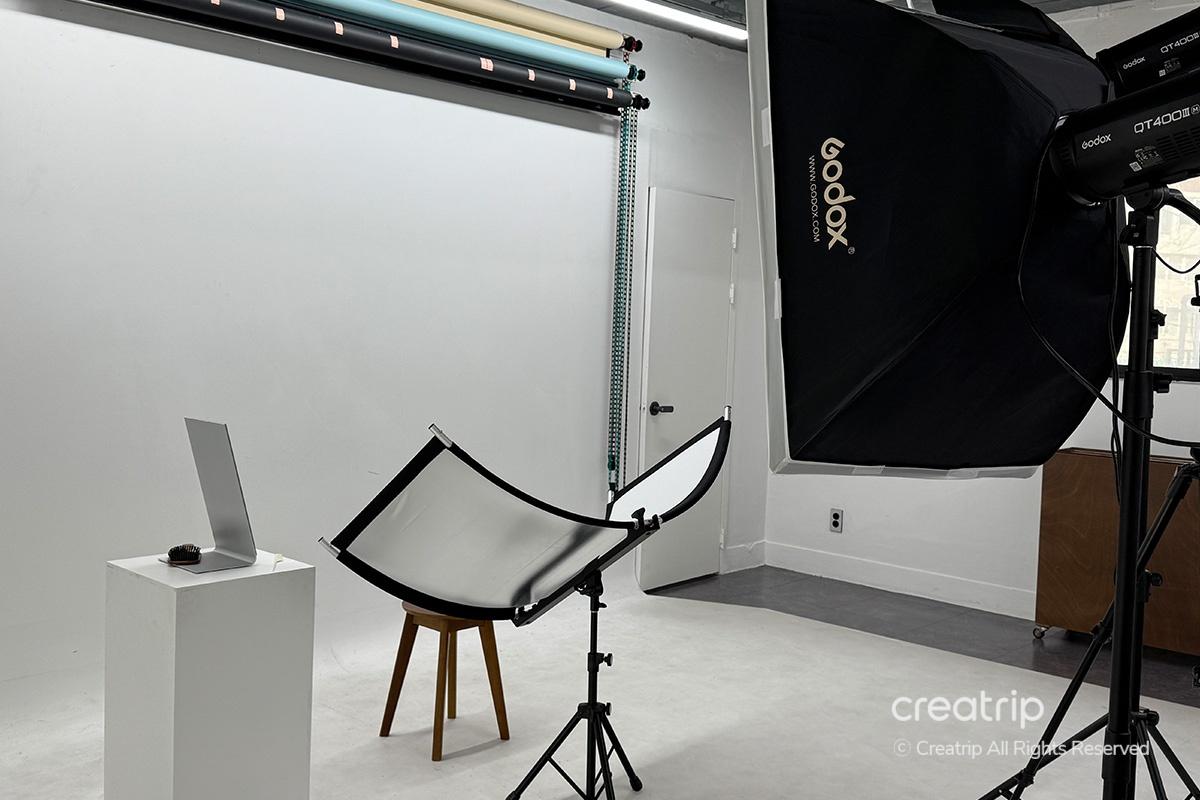
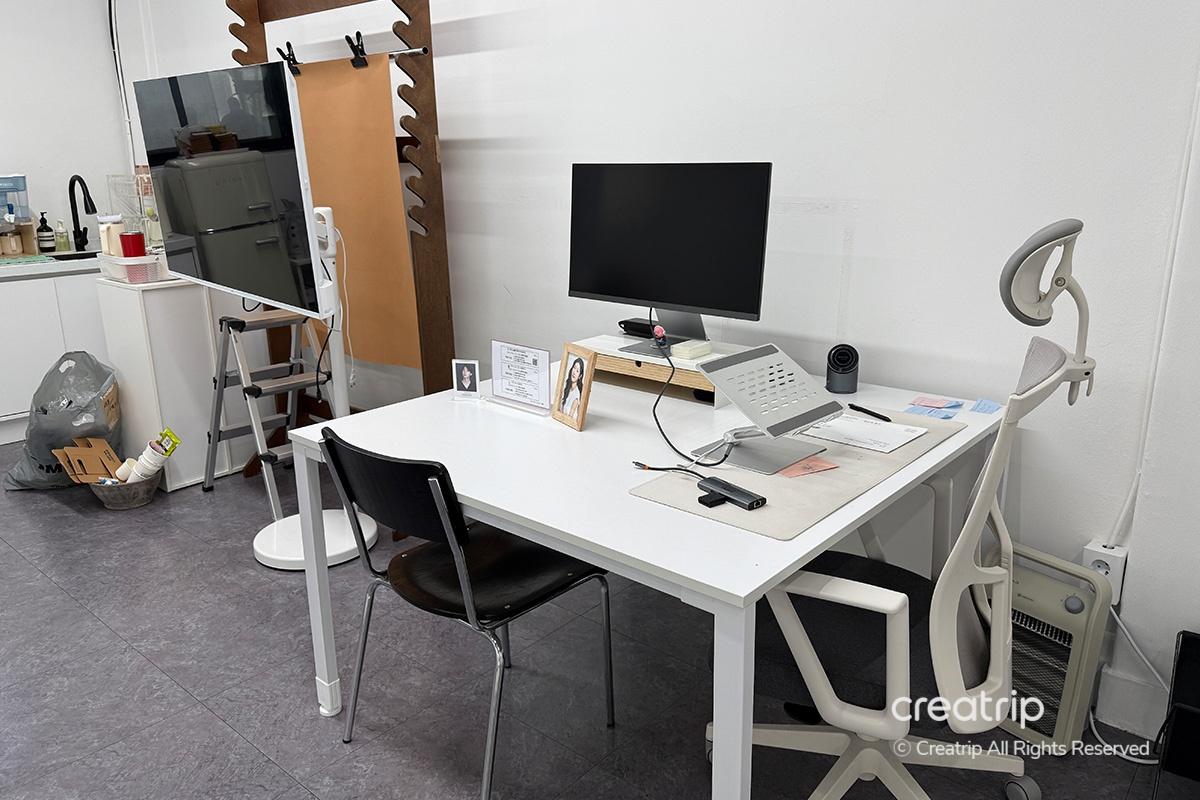
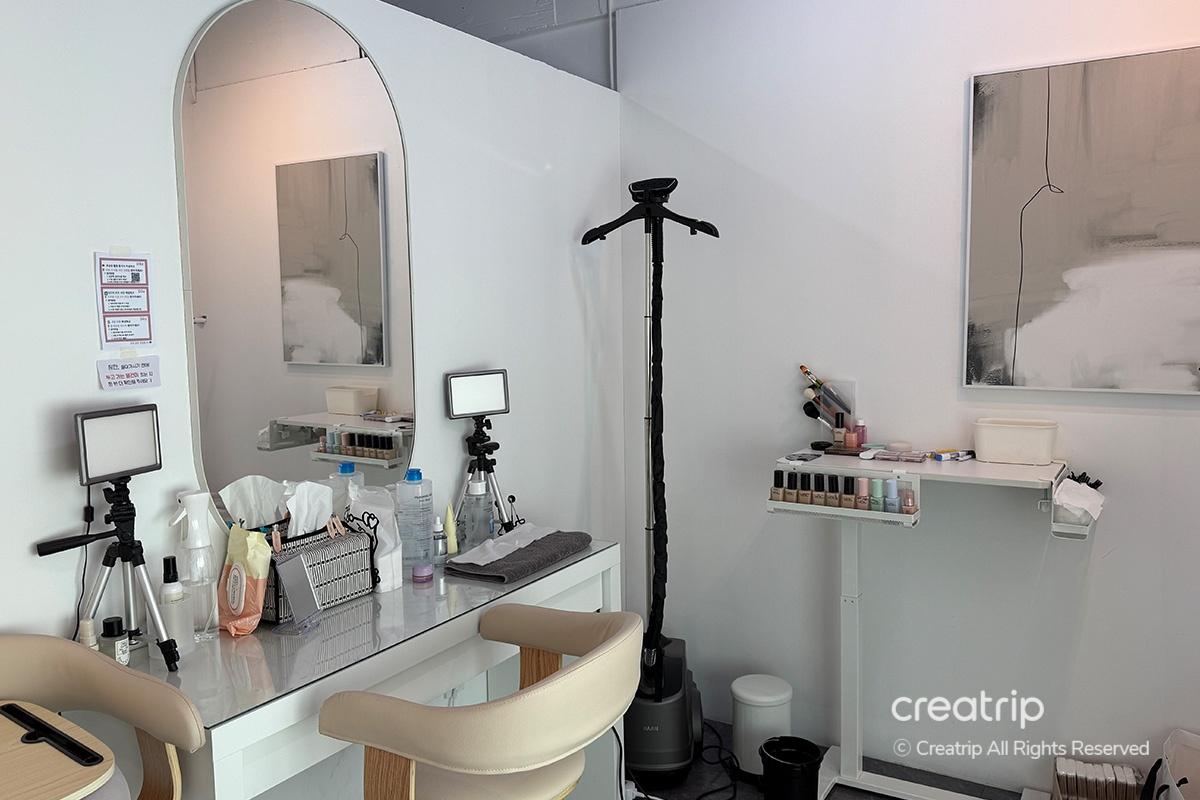
First, let me introduce the overall space of Does Studio.
The space is divided into a Personal color consultation room, a makeup room, and a profile photo zone.
The overall minimal, stylish interior left an impression, it’s simple yet design elements come alive, and I felt 'beauty' radiating from the space itself.
I felt calm and refined, and I was comfortable the entire time I was receiving the consultation!
[image slider] 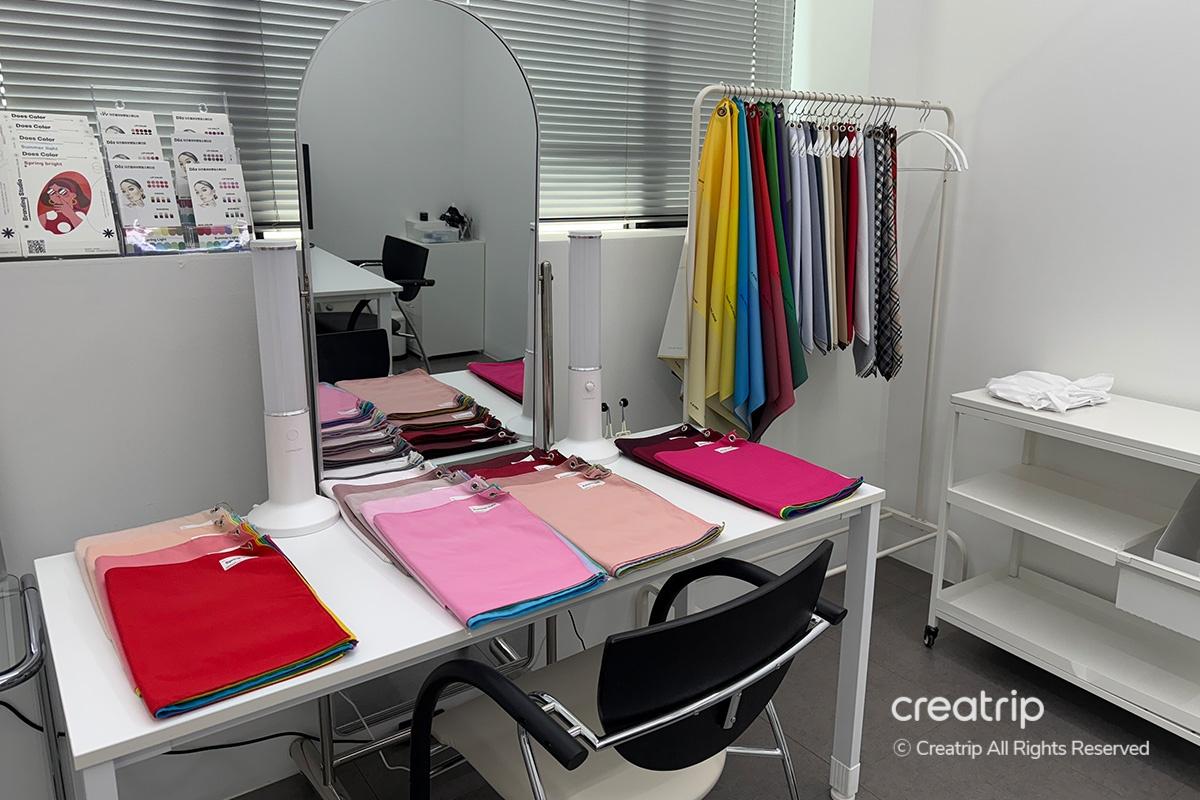
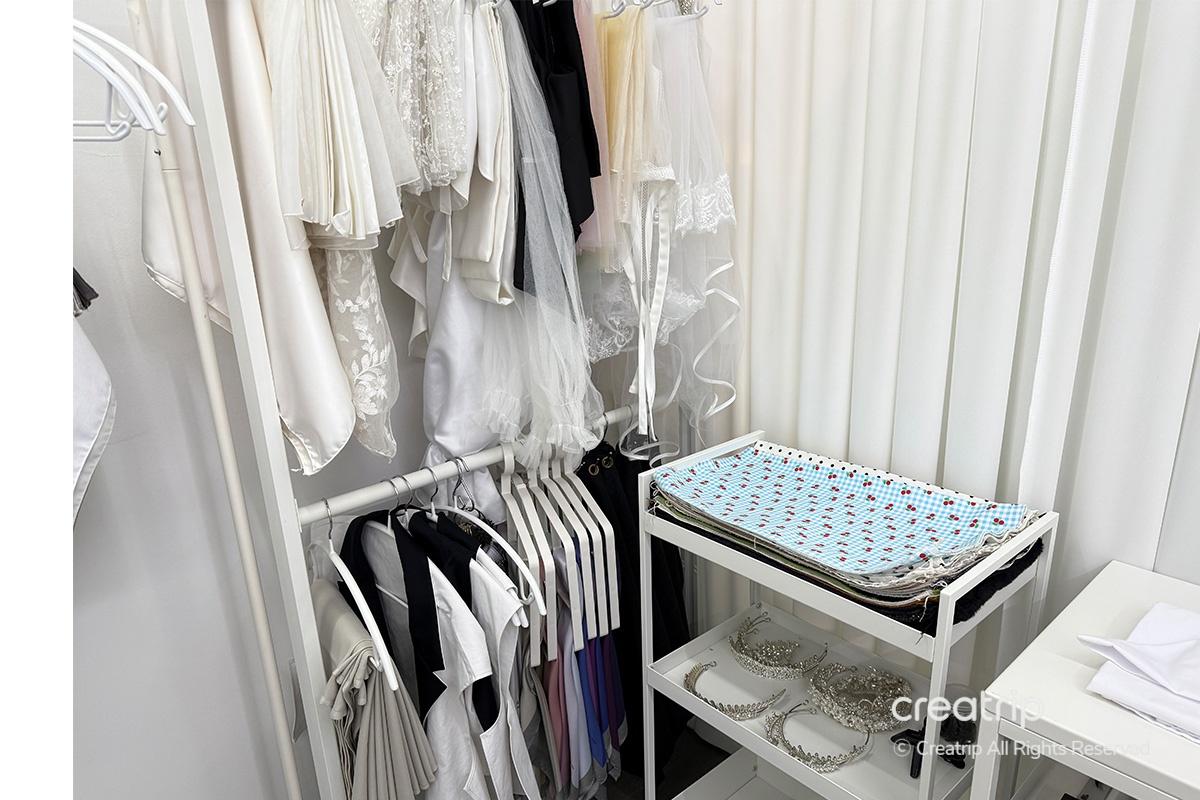
This studio differs from other personal color salons because Does Studio uses its own draping fabric, protected by a Korean patent, when conducting diagnostics.
Instead of using off-the-shelf fabric, these are color drapes created according to Dose’s own standards and know-how.
Because it can distinguish even subtle differences in color, it enables more precise analysis, allowing for a custom, made-to-measure diagnosis tailored to each person’s skin tone and overall vibe.
This is a method you can only experience at Does Studio, so it felt more special, and I was very satisfied with the sense of receiving a “personalized consulting” just for me.
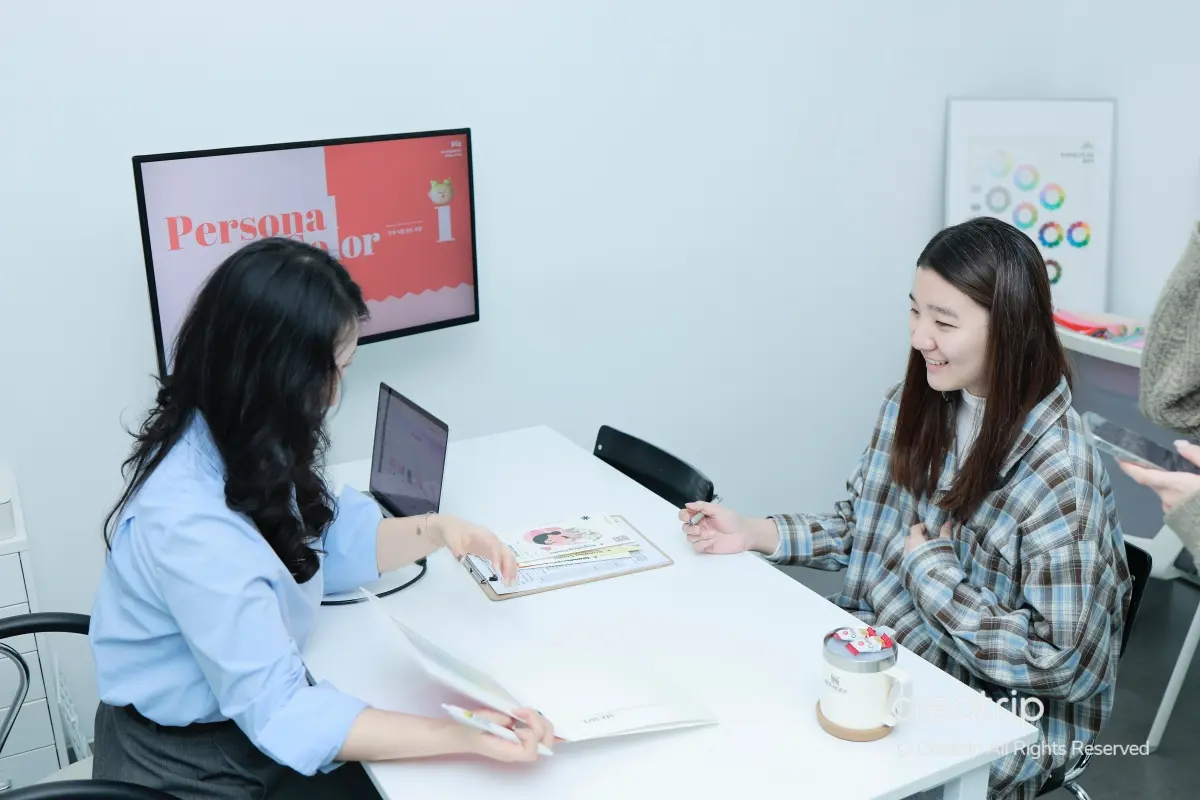
Now I will move to the consultation room with the director consultant to begin the full diagnosis.
The director consultant was very kind and set a relaxed overall tone, so although I was a little nervous at first, I soon felt at ease.
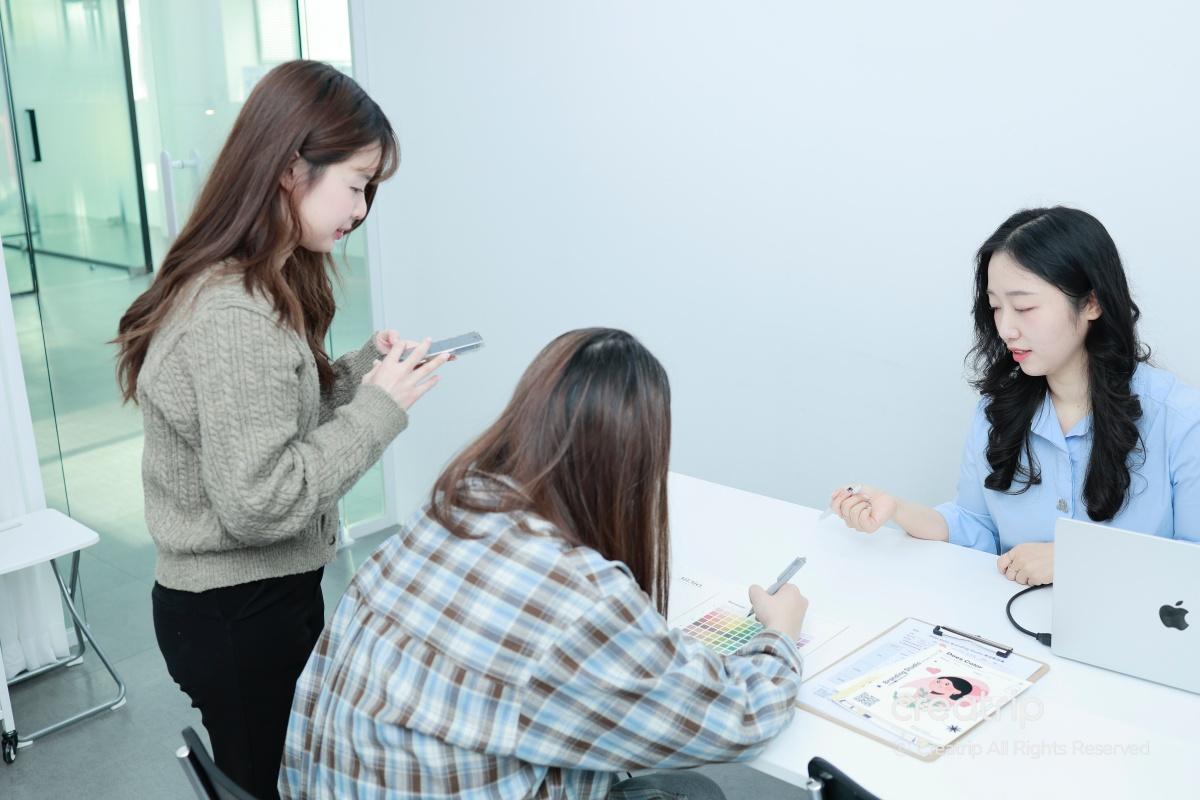
What was particularly striking was that, while personal color consultation often restricts companions, this studio allows an interpreter to attend for smooth communication, but limits companions who are there just to observe in order to maintain an environment that requires intense concentration for the consultation.
They stood out for their thoughtful operations, always considerate of customers while maintaining high-quality diagnostics.
This time I visited with a foreign friend and acted as an interpreter while we experienced the diagnosis together. My friend was able to understand the explanations easily, and I enjoyed watching the process from beside them, which made the experience even more interesting.
[Image slider] 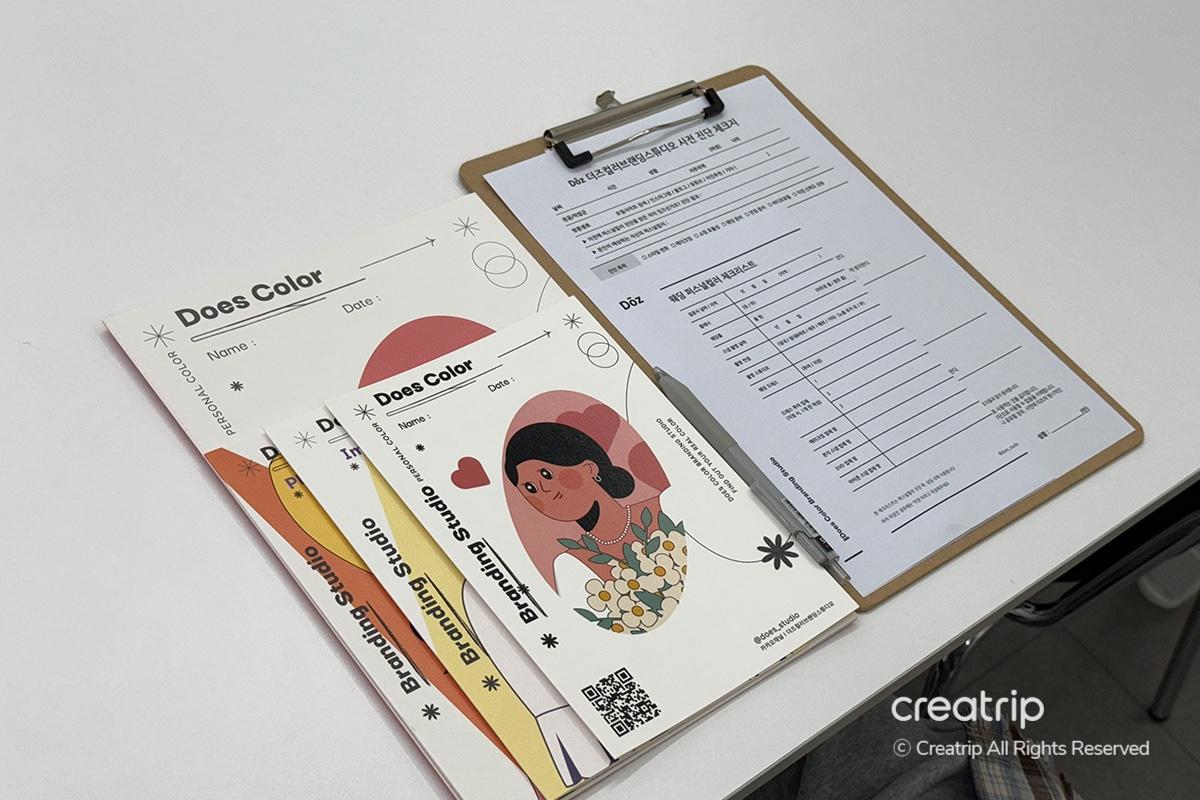
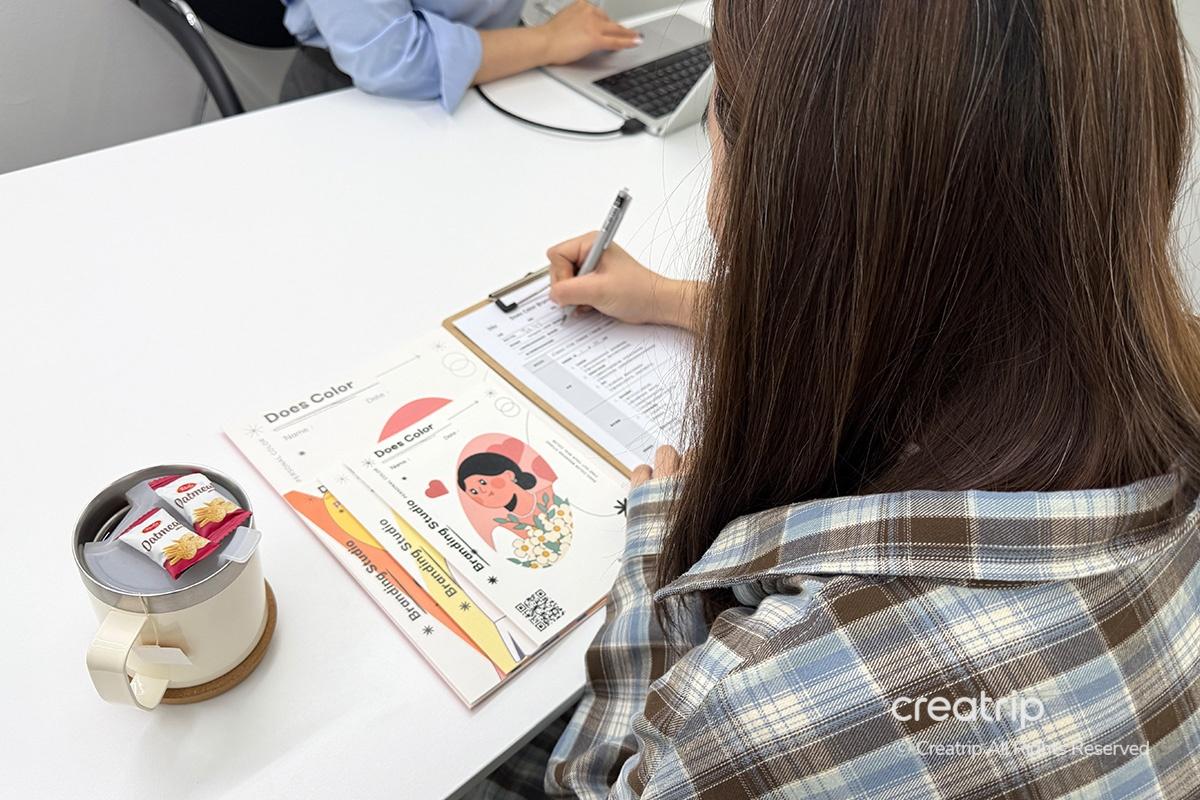
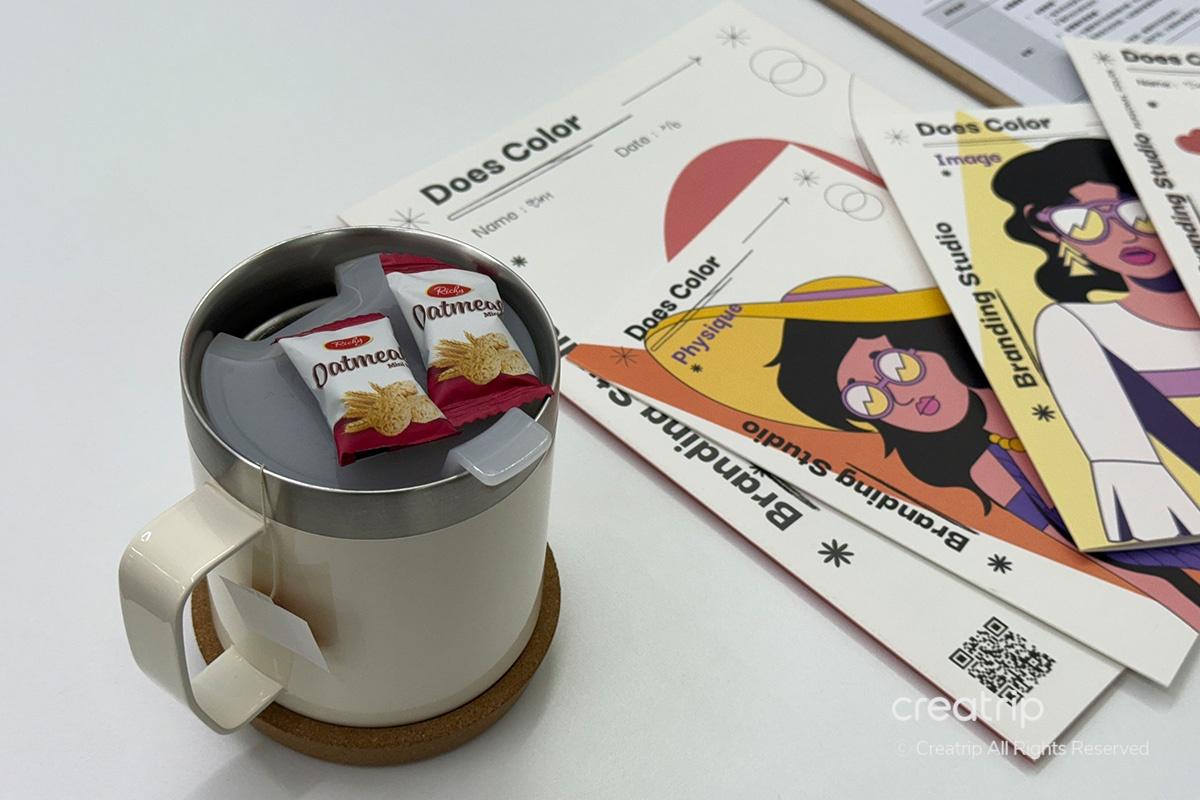
Before the full diagnosis begins, customers are first given time to fill out a diagnostic questionnaire. The questionnaire is also available in English and Chinese, so international customers can fill it out easily.
If anything was unclear during the process, the director consultant kindly answered questions and explained things, and naturally guided the conversation, so everything went along smoothly.
They also provided light snacks and drinks, so the whole experience felt more relaxed and I could take it at my own pace.
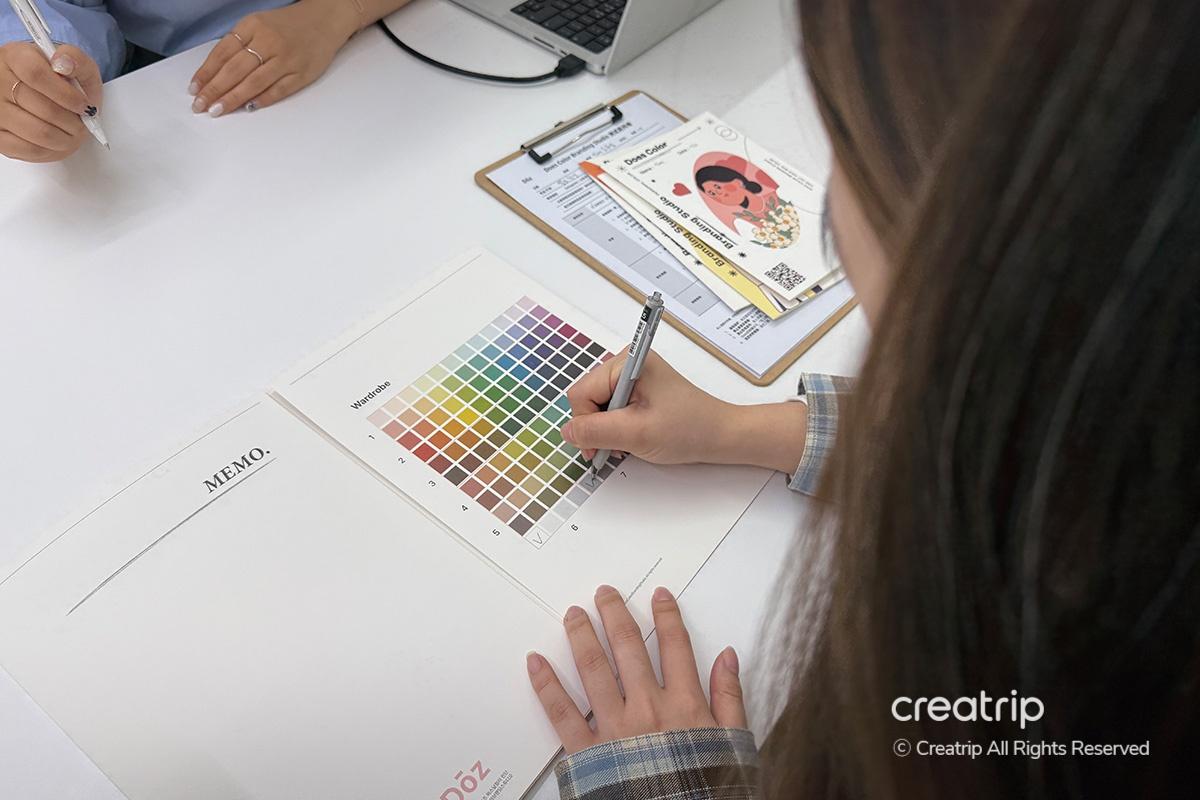
After filling out the questionnaire, you’ll be asked to check the colors of the clothes you usually wear.
This helps the director consultant quickly understand the customer’s everyday style and preferred colors.
Thanks to this process, what stood out was that the diagnosis didn’t just look at the current skin tone, it also took into account the usual image and style direction, allowing for a more nuanced assessment.
[image slider] 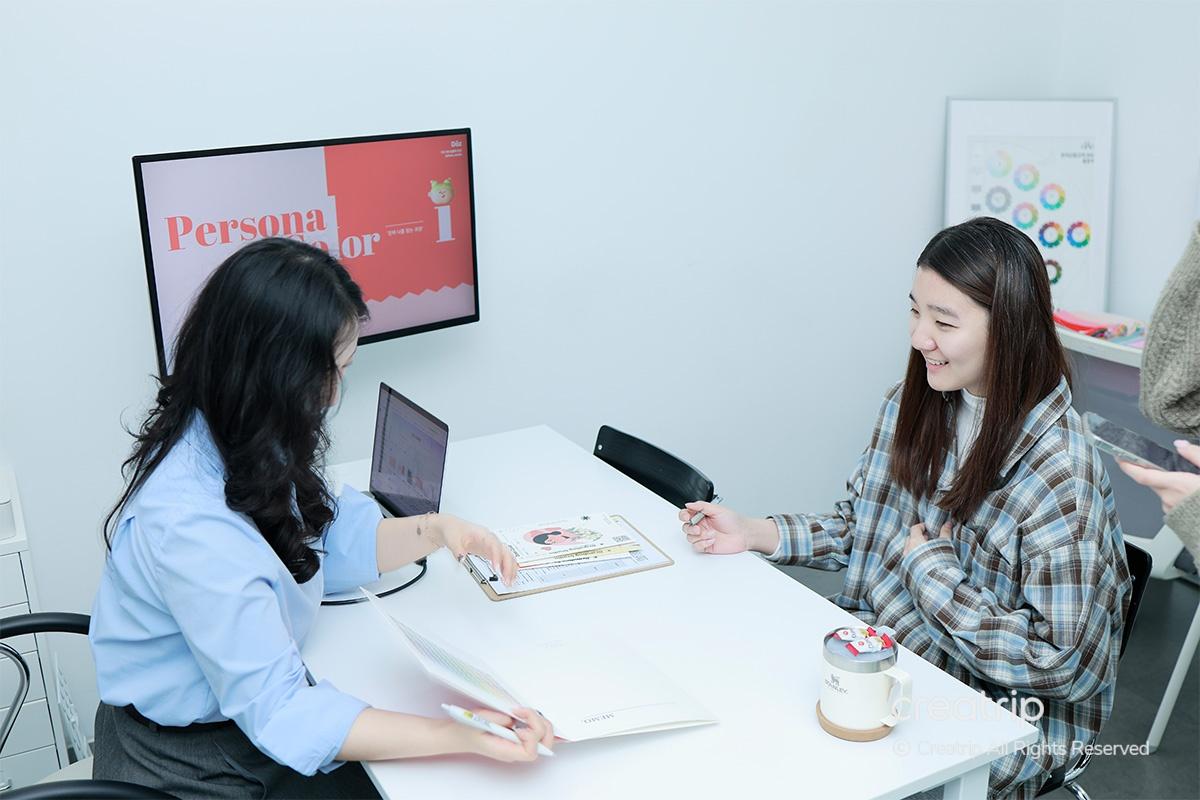
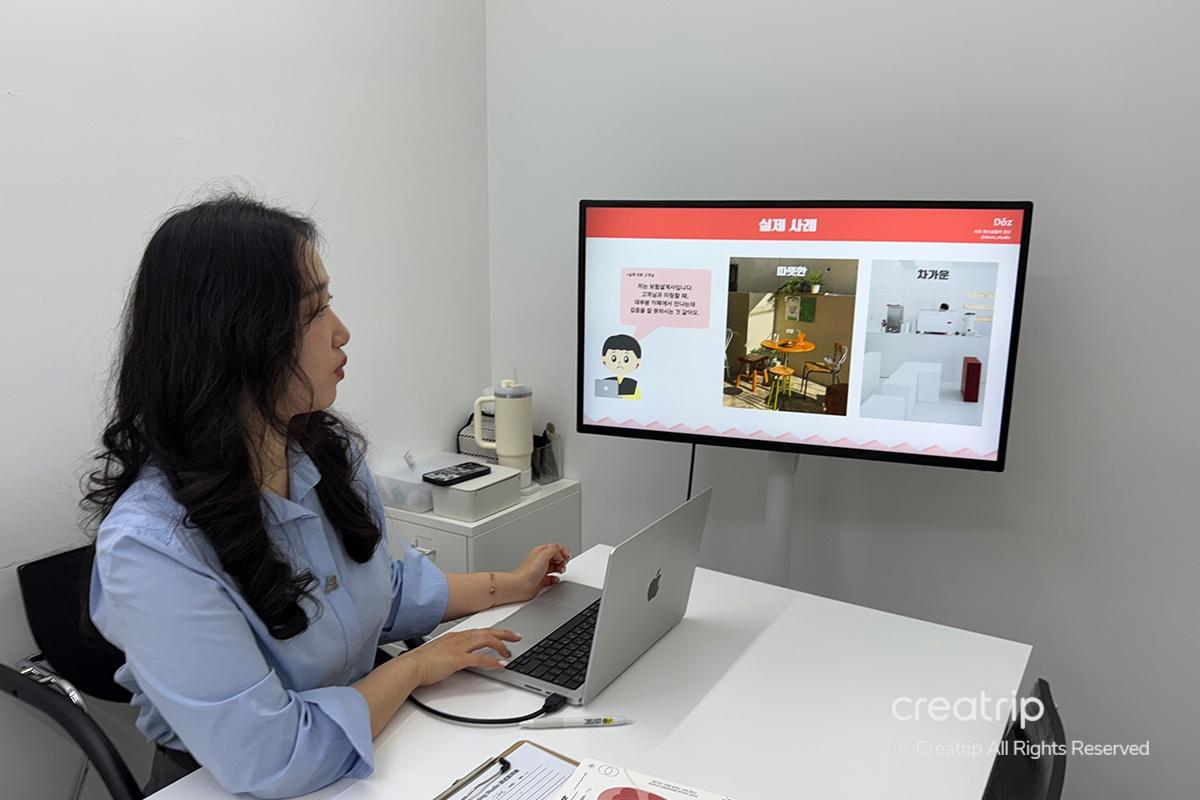
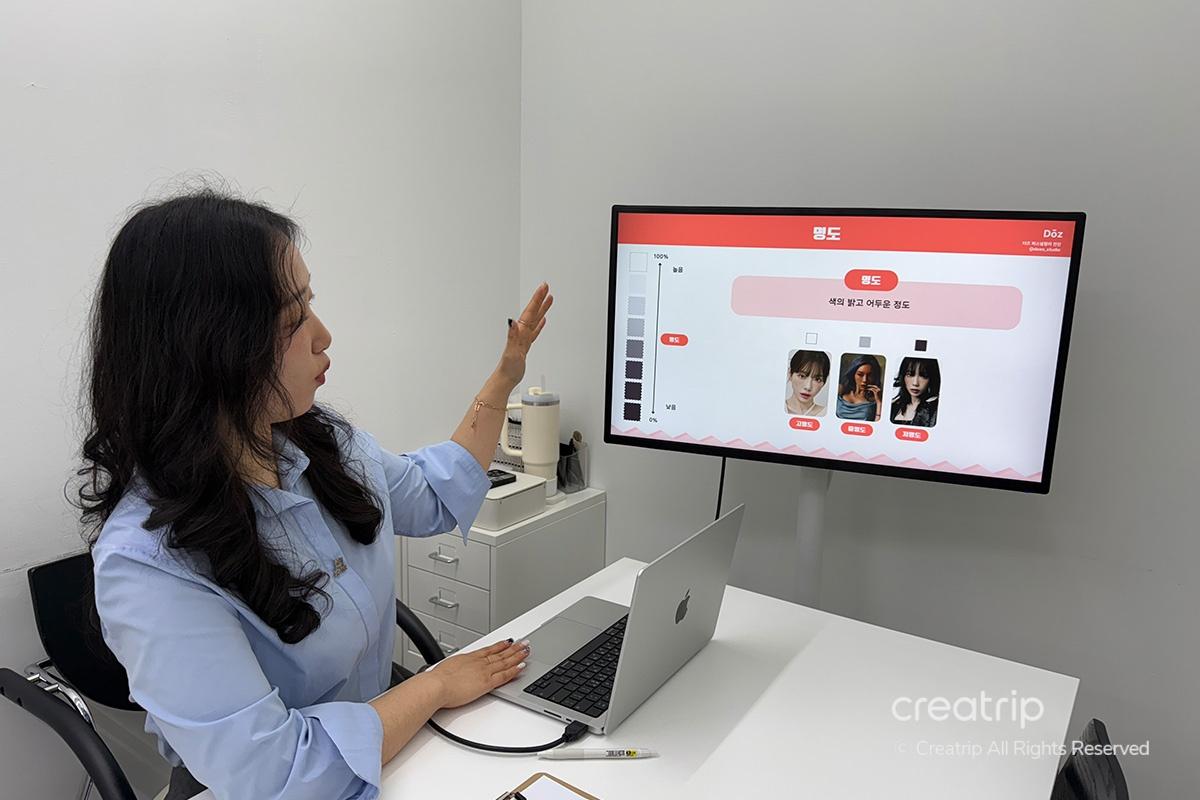
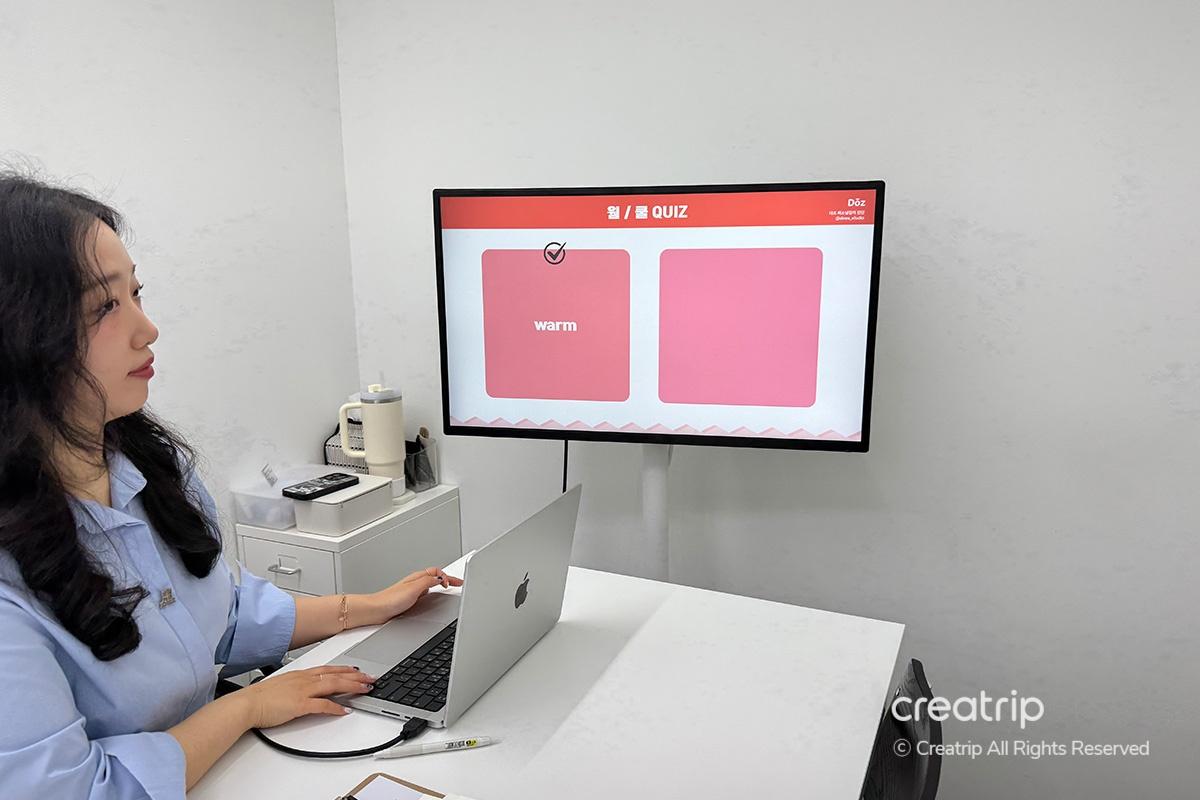
Next, a brief lecture on the basic theory is given first so customers can better understand what a professional color analysis entails.
In the lesson, they clearly explain basic concepts like lightness and chroma. Instead of just describing them in text, they show photos of actual celebrities as examples, so you can see the differences at a glance.
Even with the same person, you can really see how much their vibe changes depending on the colors, it was something I could feel much more clearly after comparing them directly.
They also explain why personal color is important through various examples. For instance, just as a store’s image can completely change depending on the interior colors when opening a shop, it becomes easy to understand that a person’s mood and impression can change dramatically depending on which colors they choose.
[image slider] 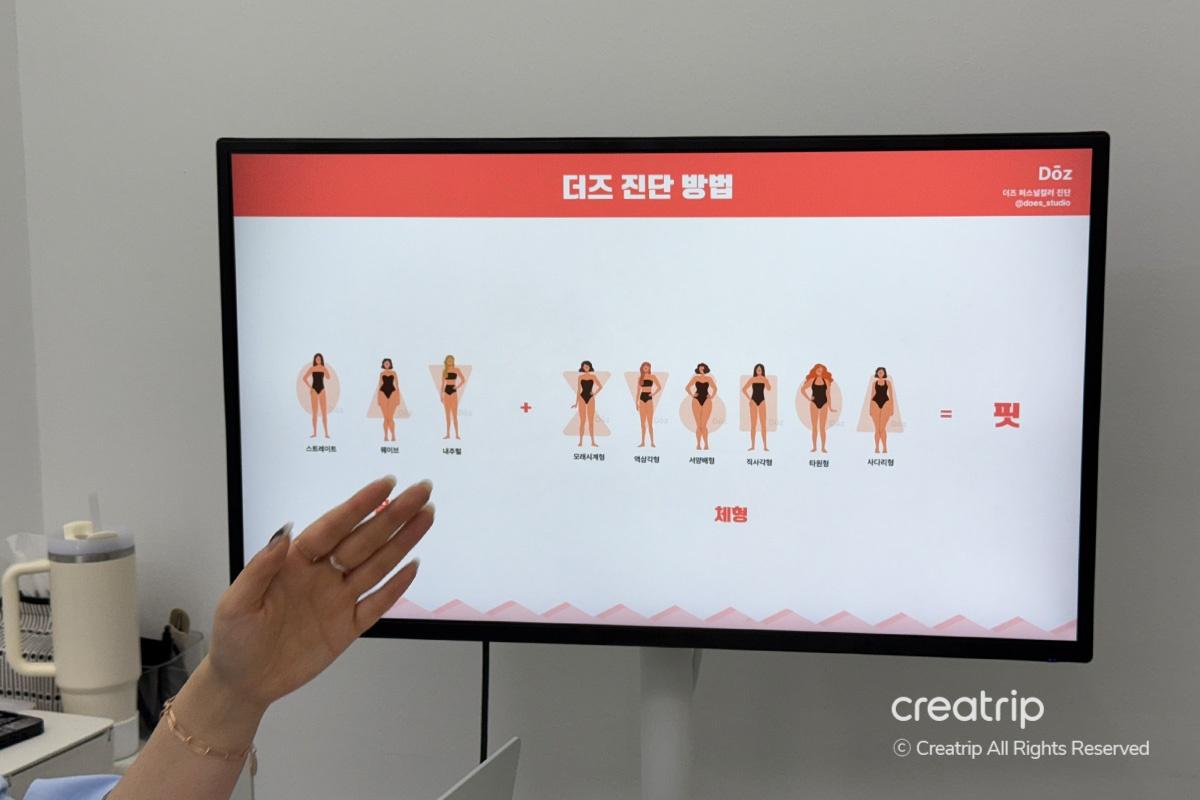
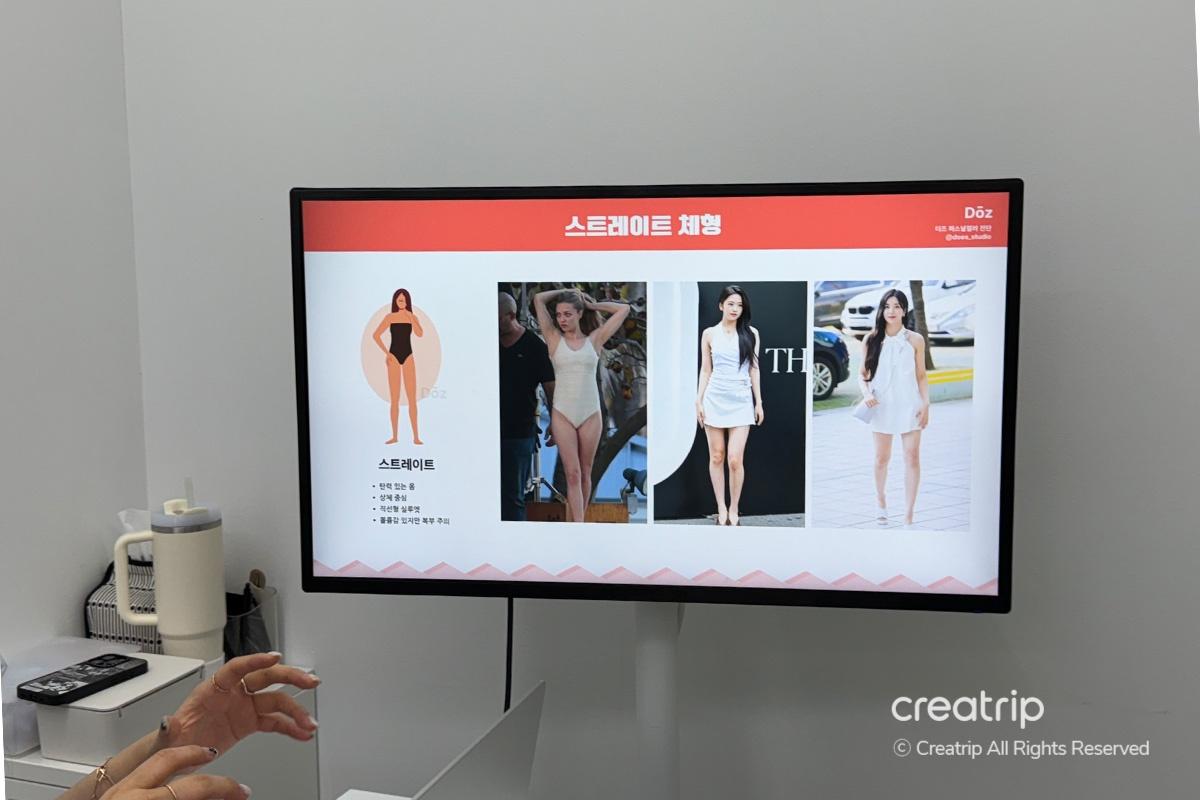
Not just color, your body type and overall image are also important for finding the style that suits you best.
Understanding these basic concepts first made the diagnostic process that followed feel much clearer, and helped me better grasp why this kind of analysis is done.
[Image Slider] 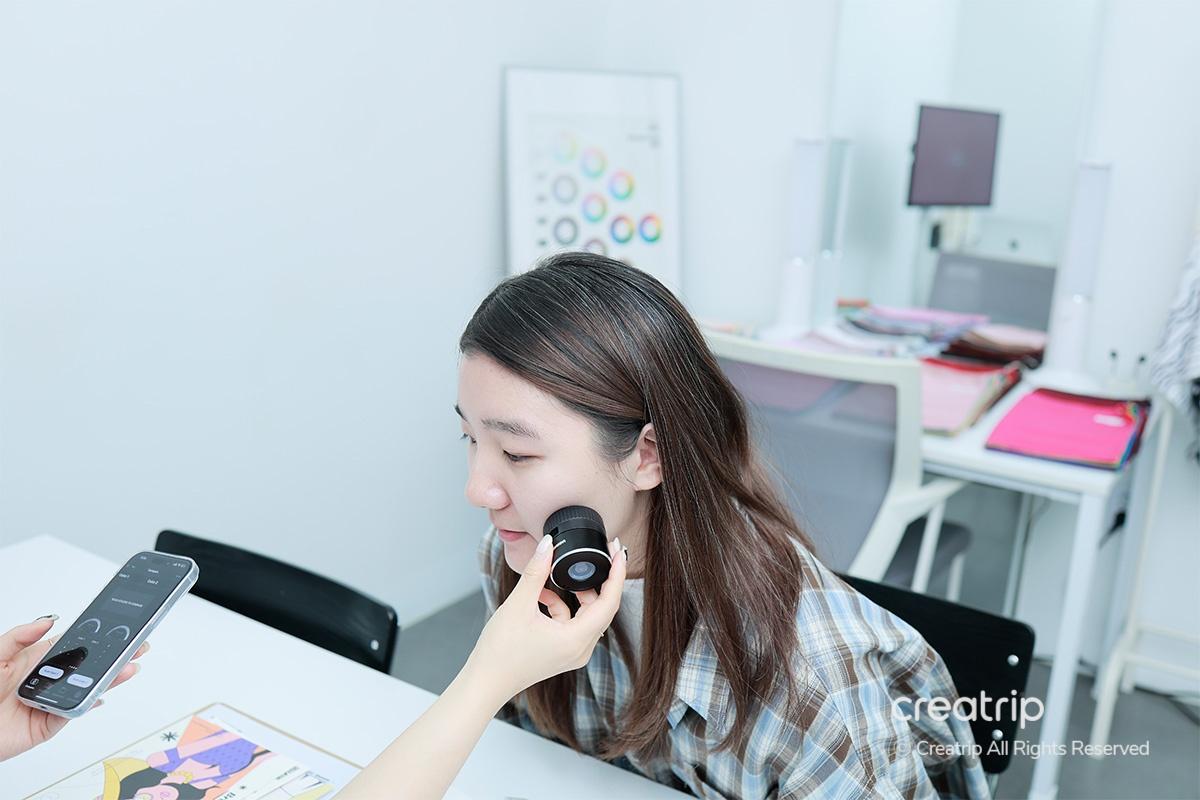
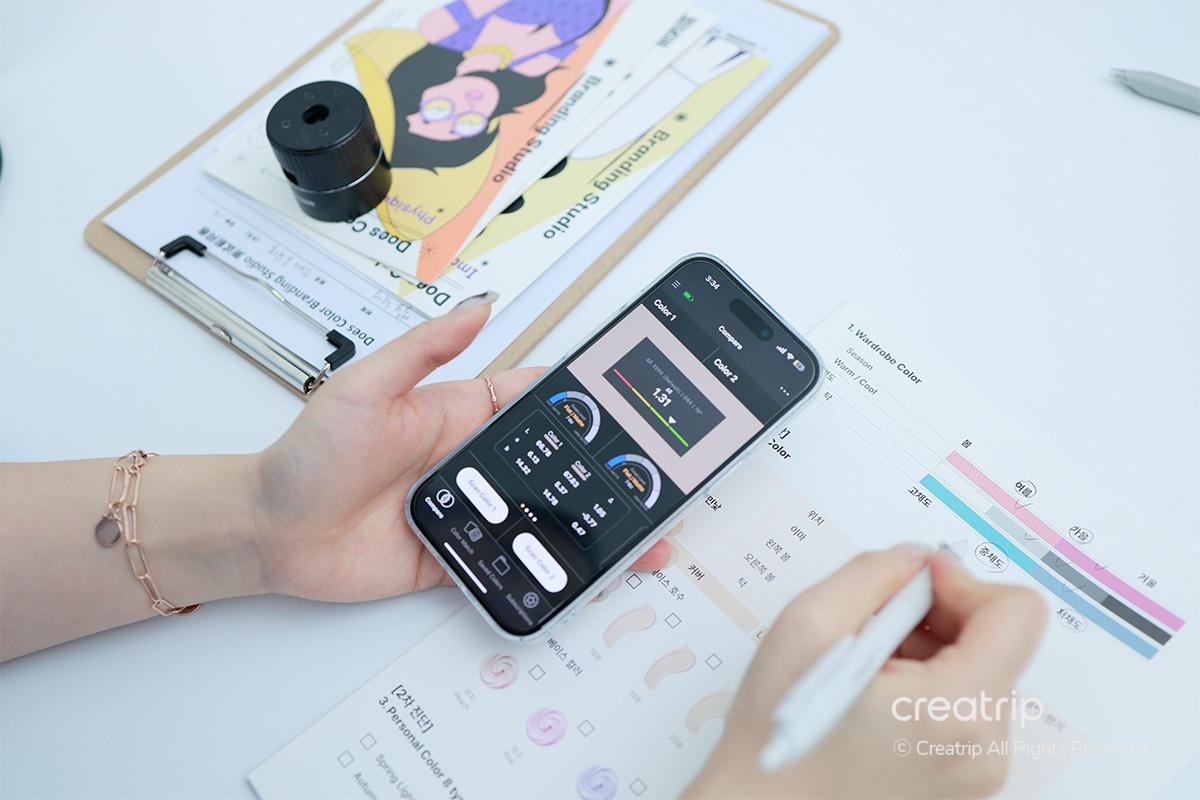
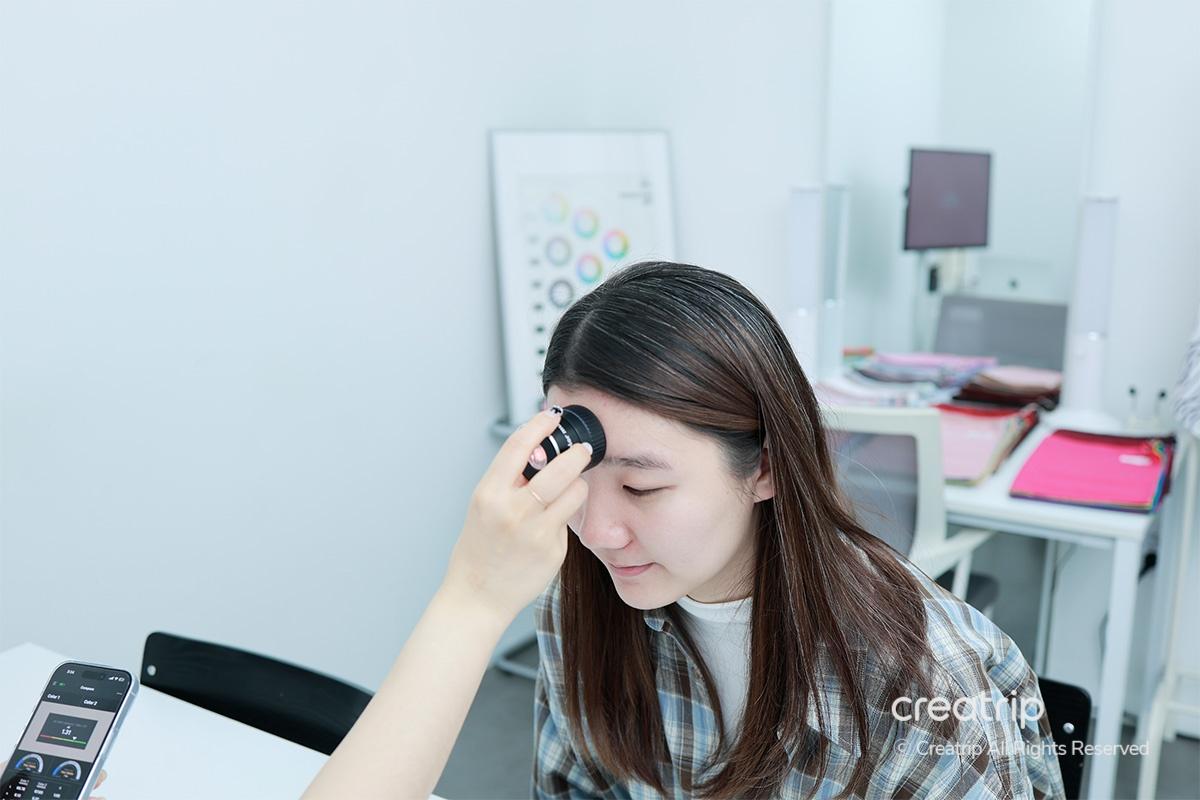
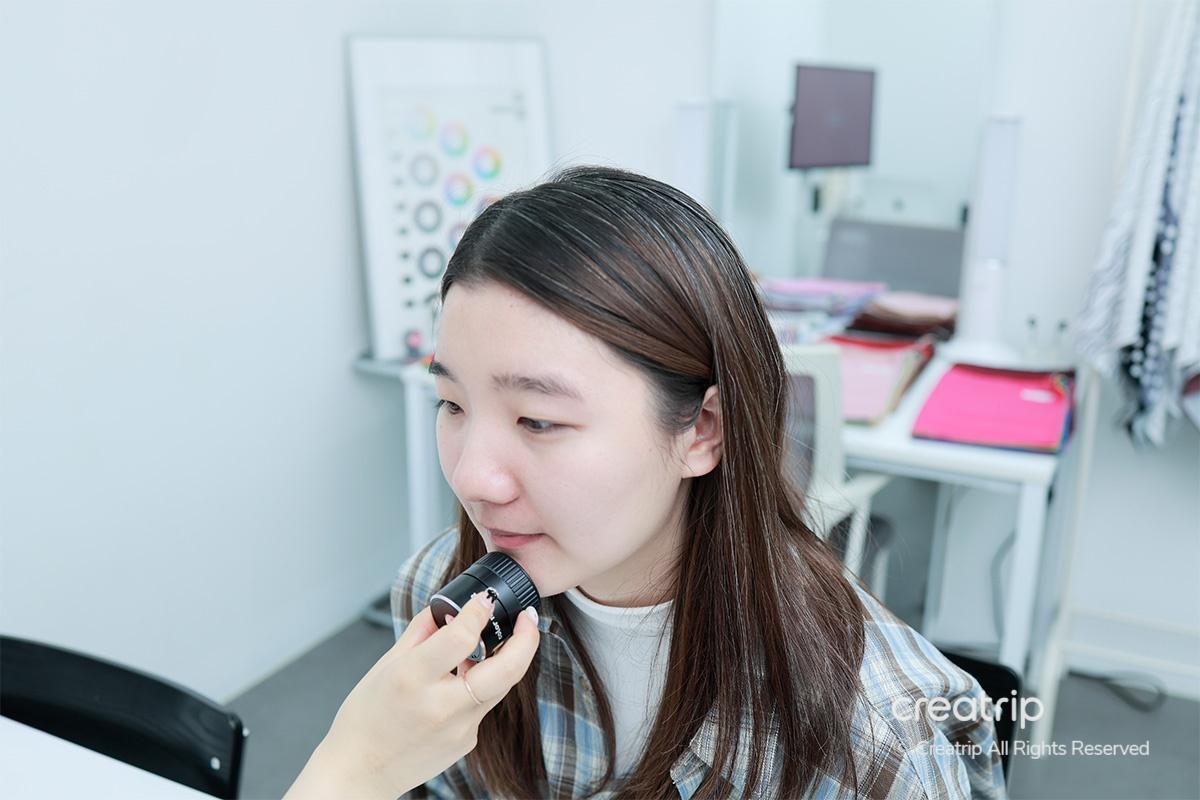
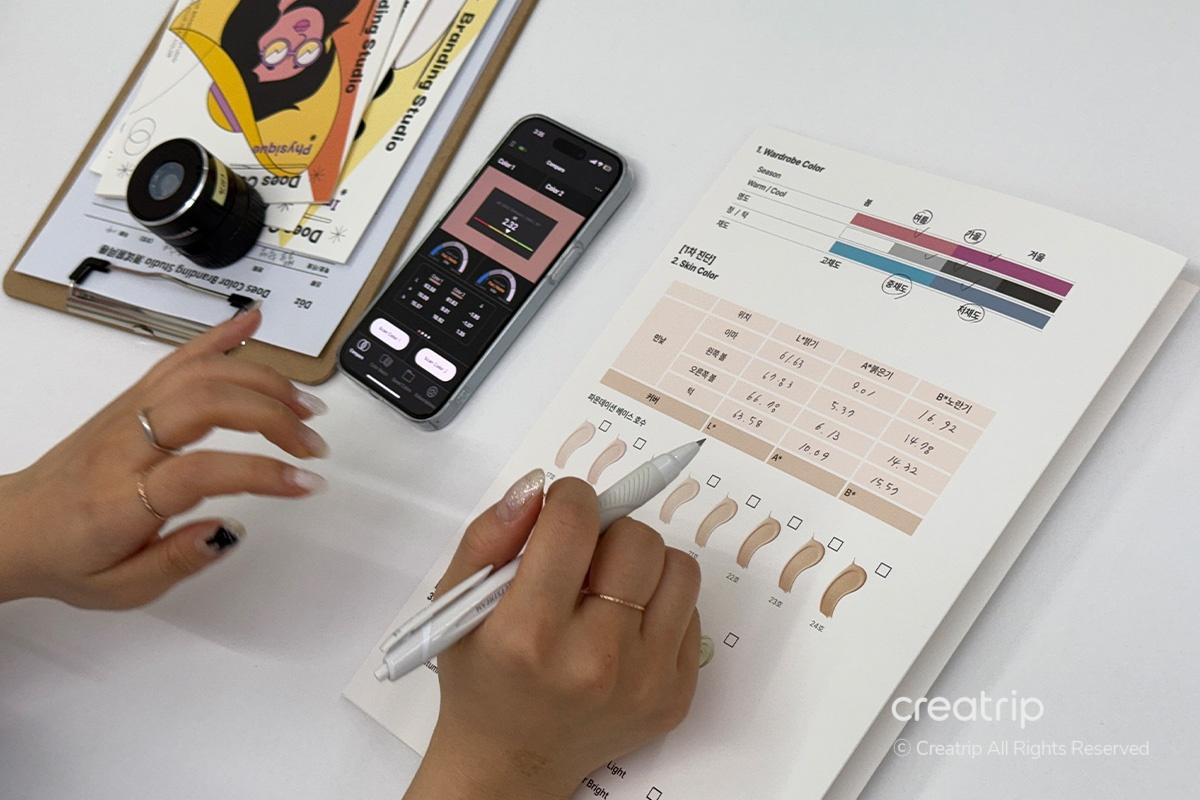
After hearing all the explanations, we moved on to the full skin color analysis stage.
The director consultant first used specialized measurement equipment to measure my friend's skin tones on both cheeks, the forehead, and the chin.
They also write the measured values directly on the diagnostic sheet, so you can check these specific data points, which made it feel more trustworthy.
In my friend’s case, the cheeks had a relatively even skin tone, but the forehead and chin measured slightly darker.
The director consultant first advised that improving areas where your skin tone isn’t even can help harmonize your overall image.
[Image Slider] 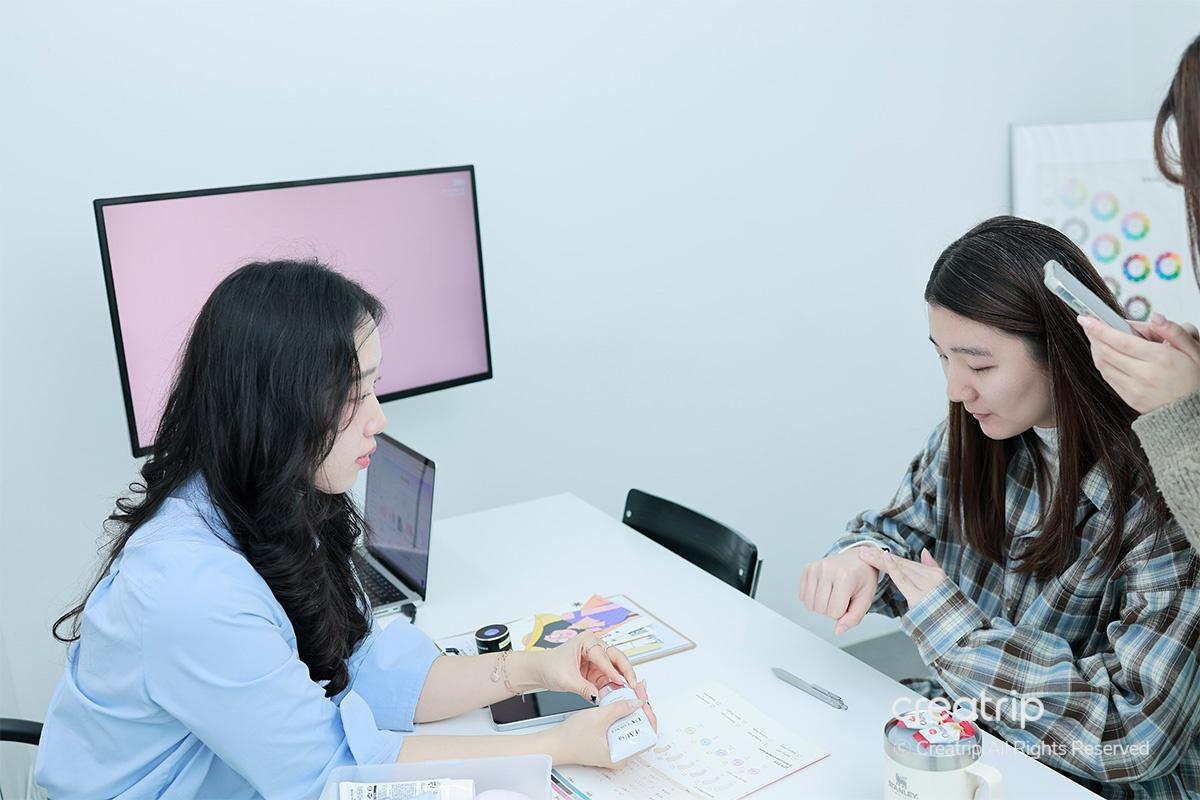
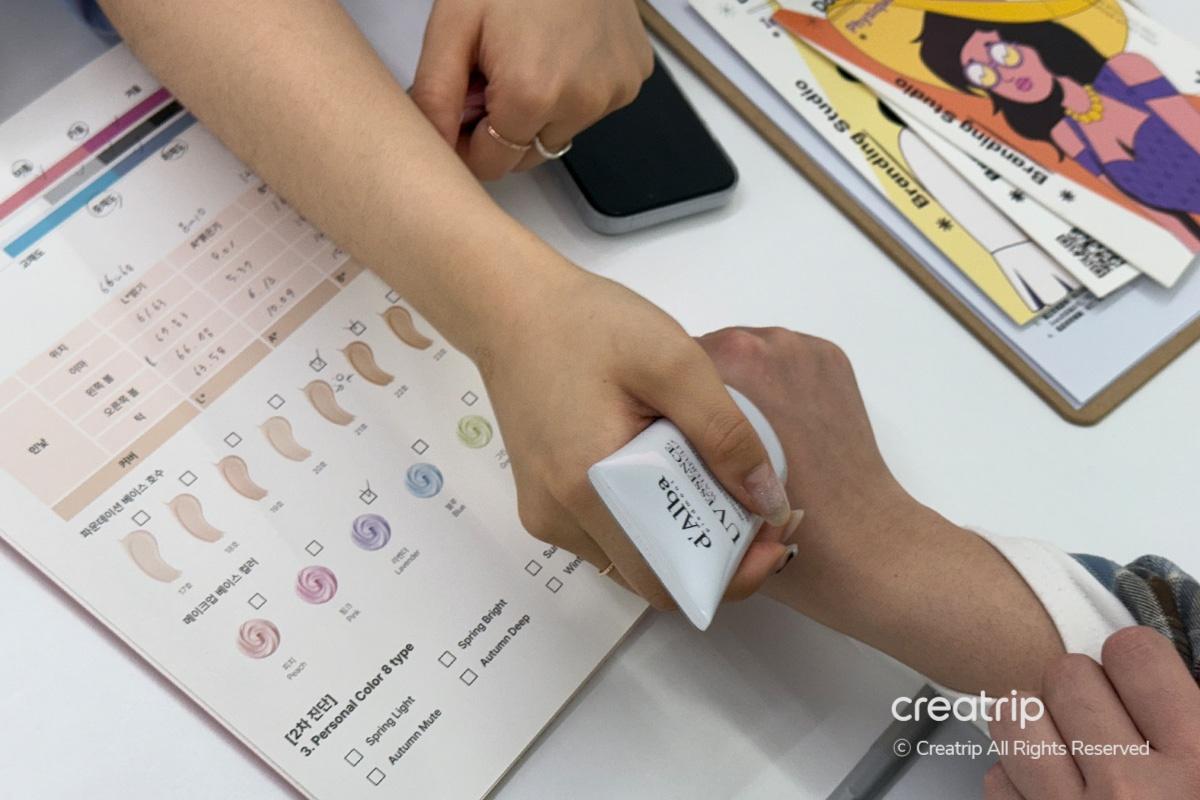
If you want to even out your overall skin tone and brighten your complexion, the director consultant first recommended purple-based products based on the measurement results.
Purple neutralizes yellow tones and at the same time naturally brightens darker, dull skin tones, so they explained it was a color that matched my friend’s skin condition.
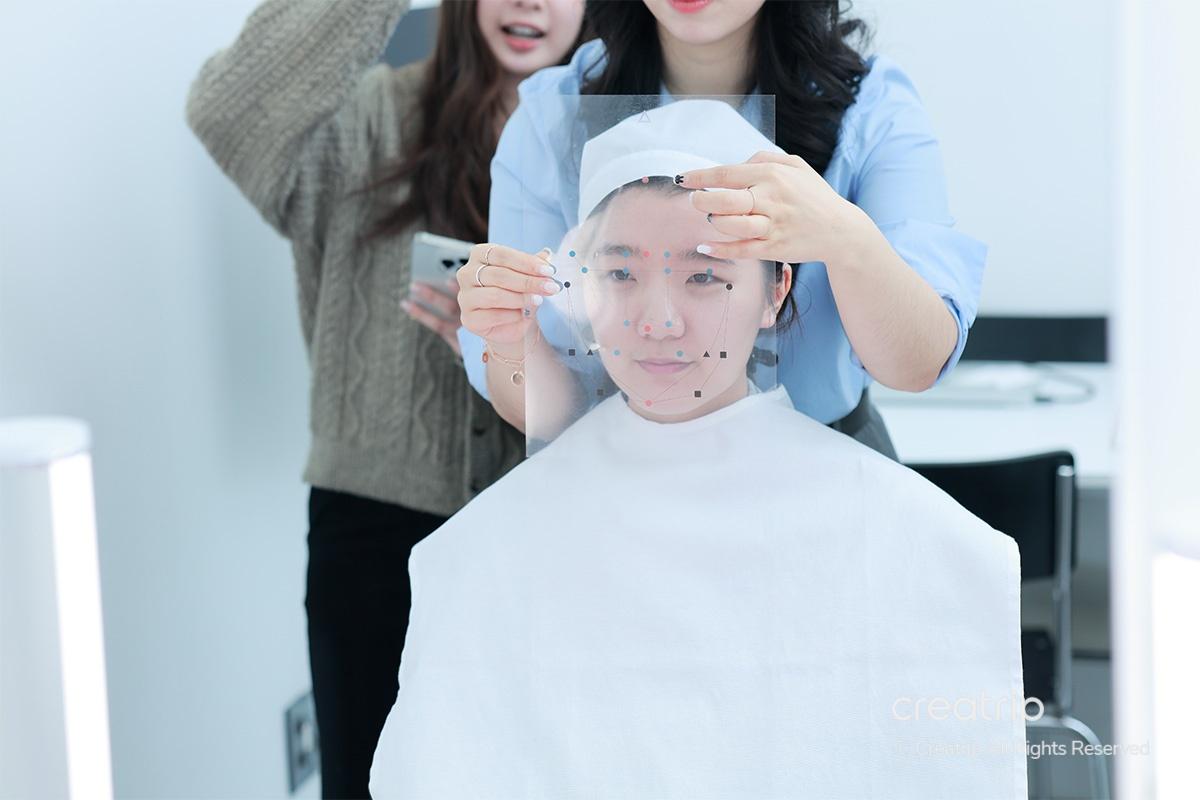
After finishing the skin tone check, we moved in front of the mirror and started the full diagnostic step.
For a more accurate analysis, the director consultant first draped a white cloth over my friend’s shoulders, explaining it’s a step to eliminate as much influence from external colors as possible. After completing this basic setup, the full diagnosis began.
In the first step, we used a proportion analysis card to check the face shape and proportions.
As a result of the assessment, it was analyzed that my forehead is relatively short, my chin is slightly long, my nose is somewhat prominent, and overall my face has a three-dimensional appearance.
[image slider] 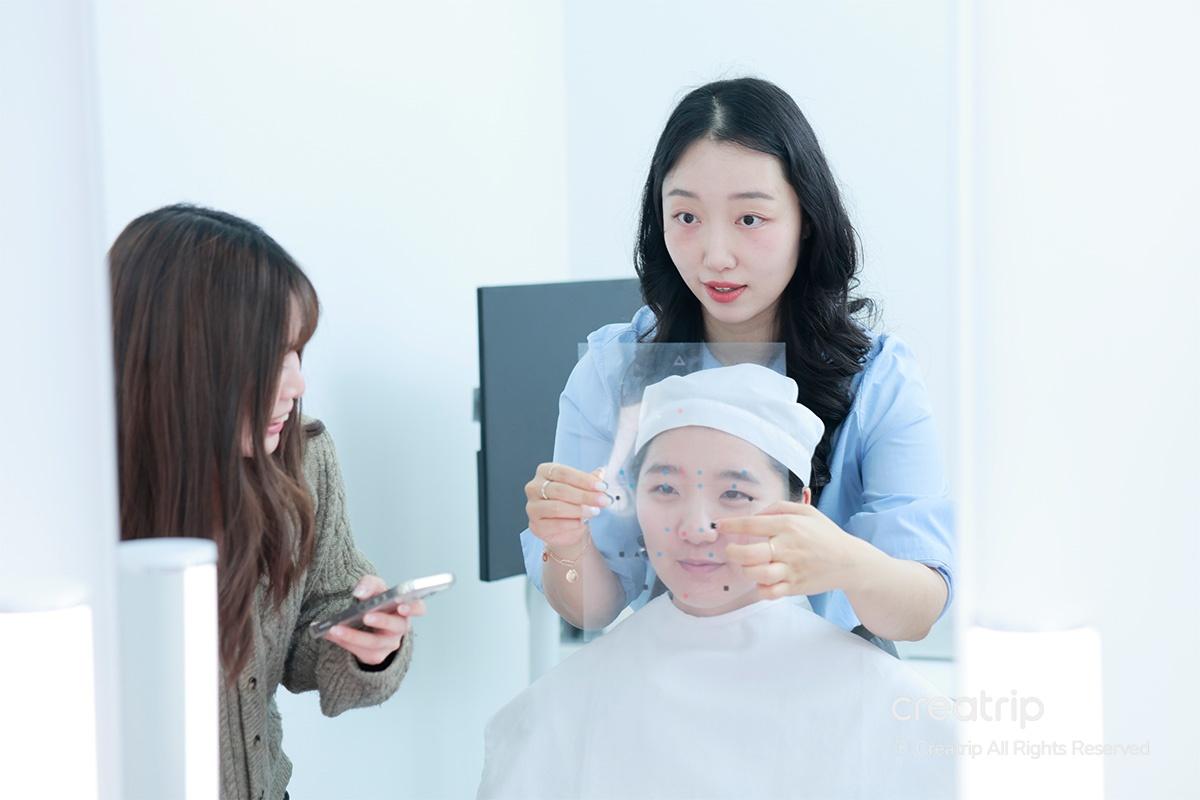
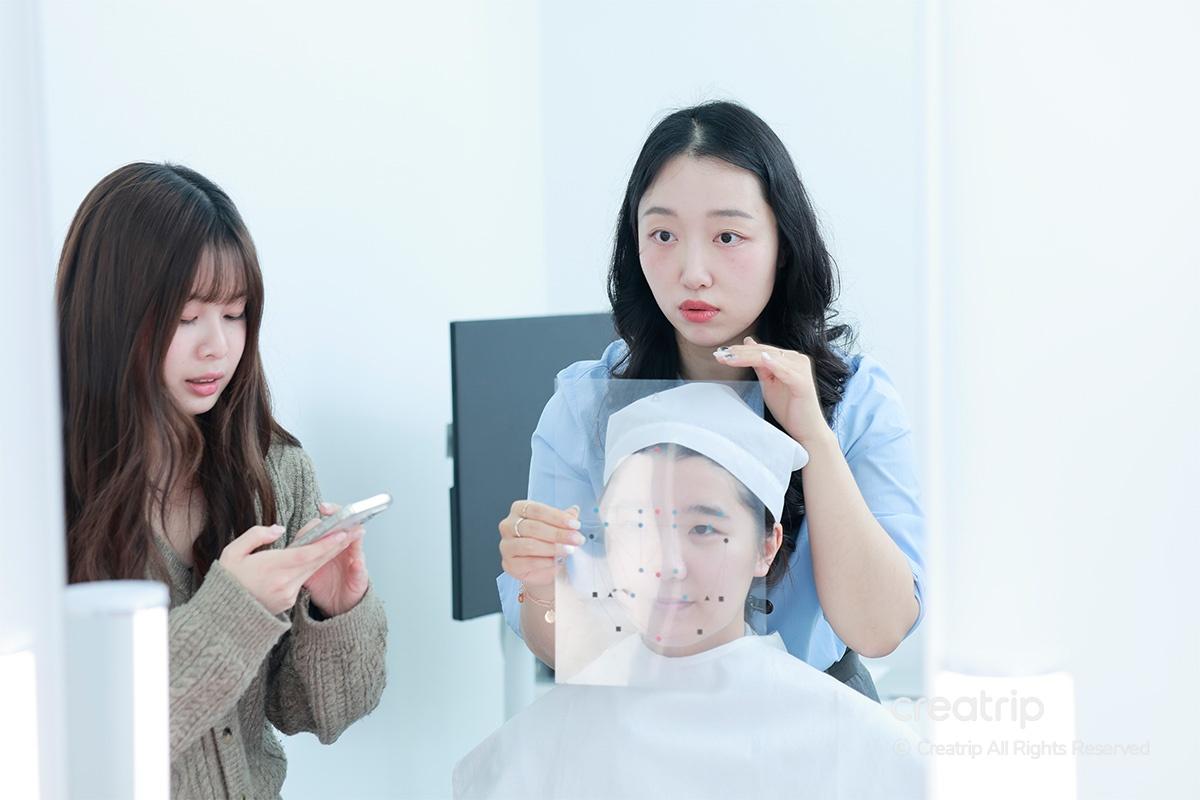
They explained that because my facial features are well-defined, choosing colors and how to use clothing materials and textures is very important.
Using the right colors and materials can make your strengths stand out even more, and naturally balance the areas that need support.
The way facial contours and proportions affect the overall impression, even with tiny differences, was striking.
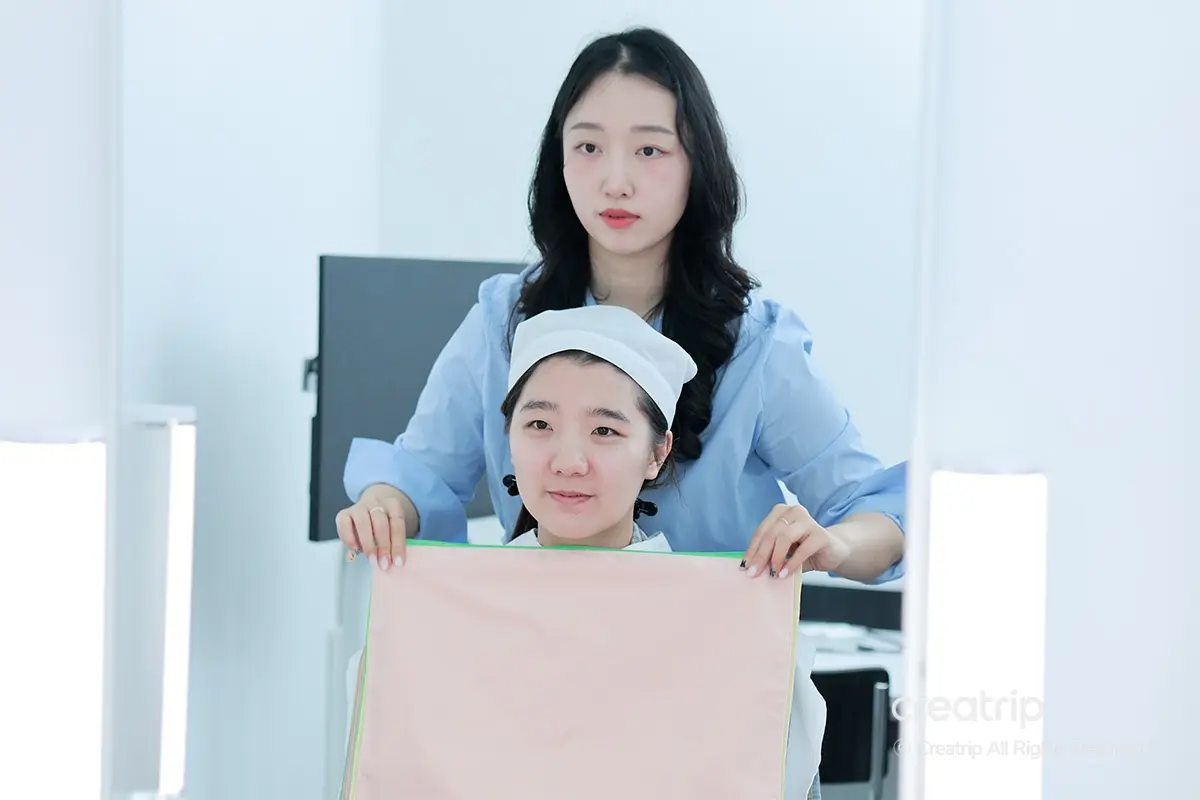
We've reached the part most people are most curious about, finding the colors that suit them best.
The director consultant’s hands were truly quick and skilled, gently placing each color drape on my face while carefully comparing how it matched my skin tone.
At the same time, they explained in detail why each color suits me or why some felt off, so I was able to understand not just the results but the reasons behind them.
[image slider] 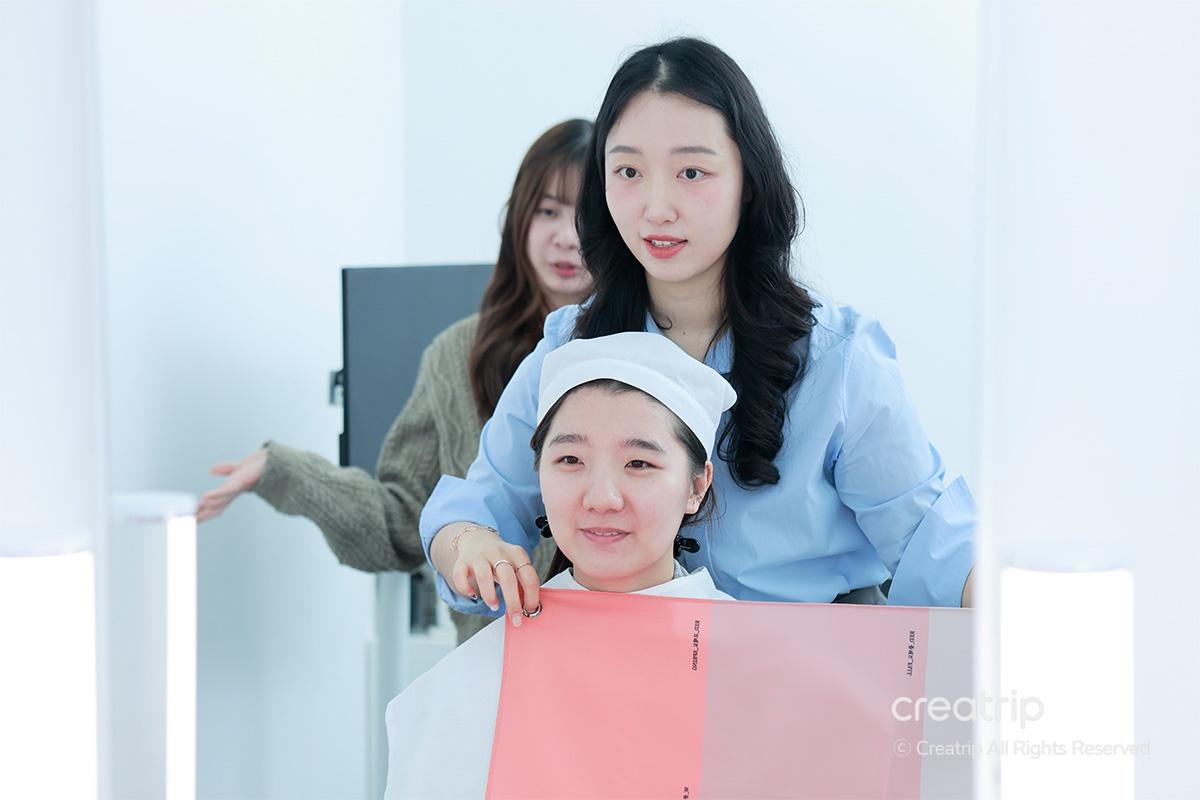
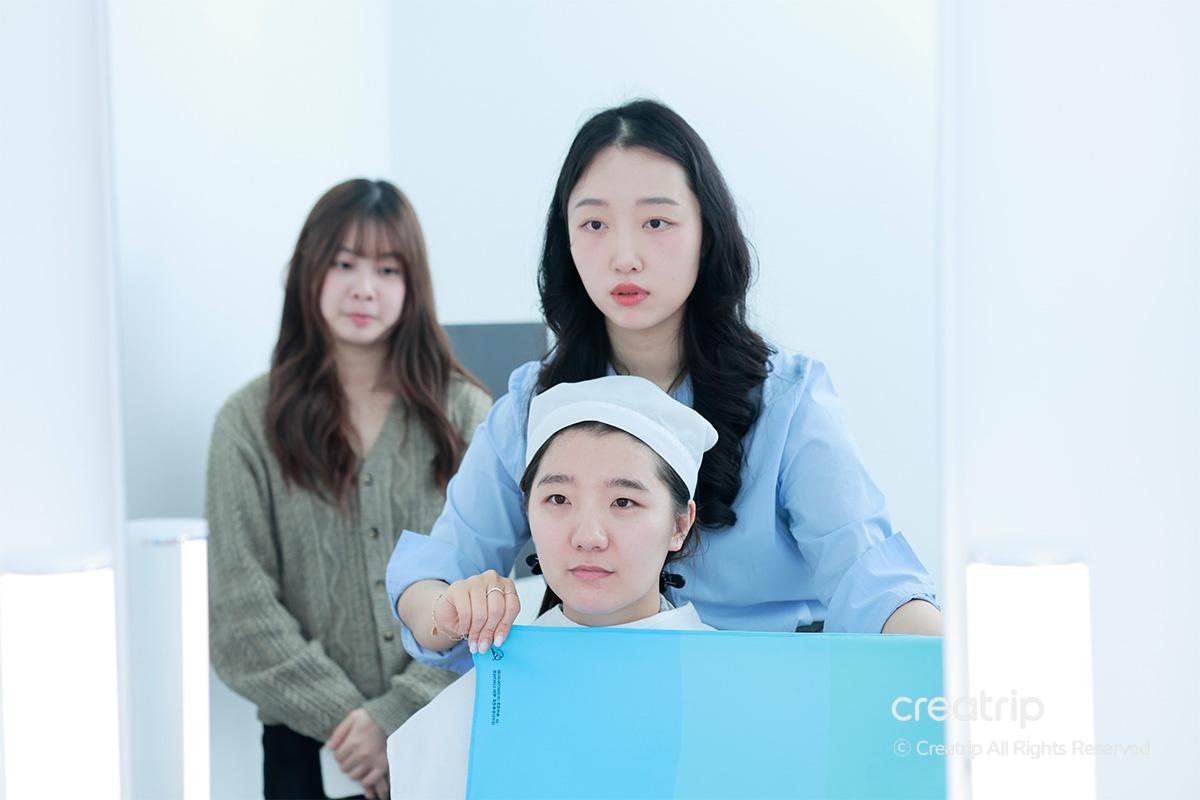
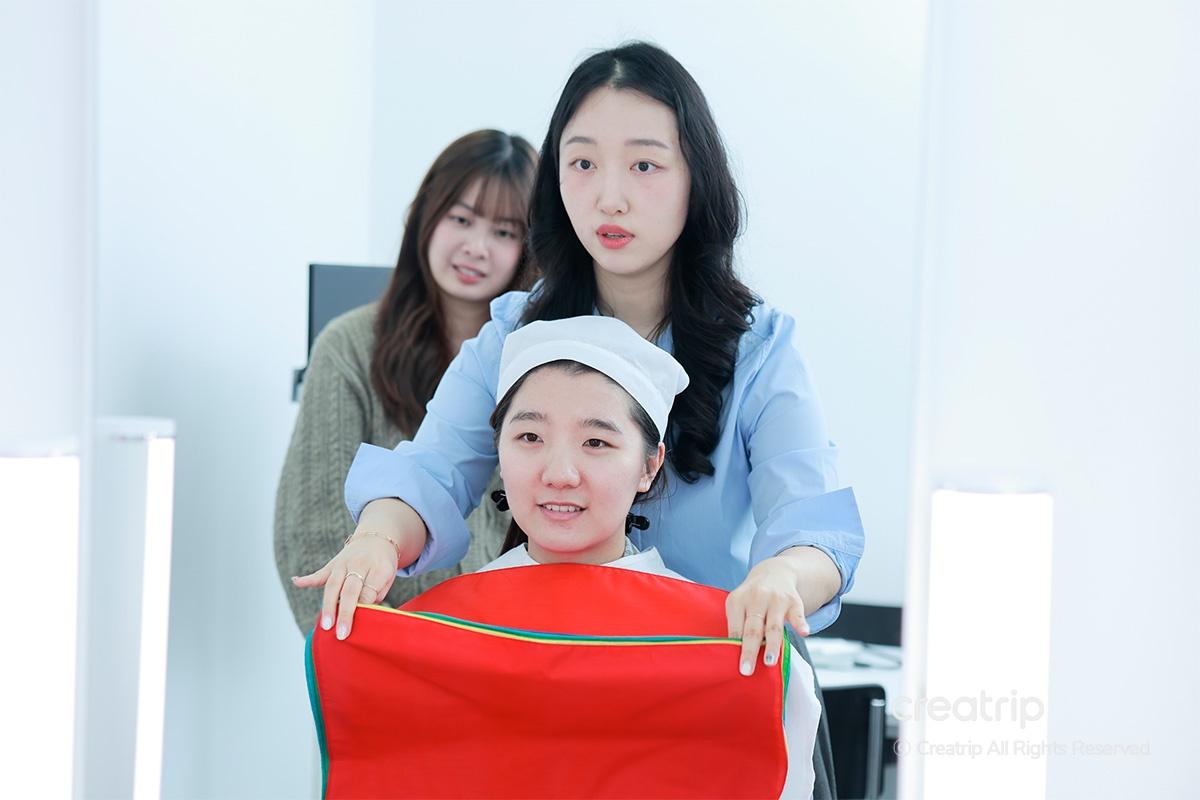
After trying on several colors, my friend was diagnosed as the Spring Light type.
Rather than highly saturated, vivid colors, softer, slightly toned-down, and more subdued colors suited me much better.
They explained that these soft tones naturally enhance my friend's vibe, subtly smoothing areas where the cheekbones are more prominent, and helping the overall face contour appear softer.
[Image Slider] 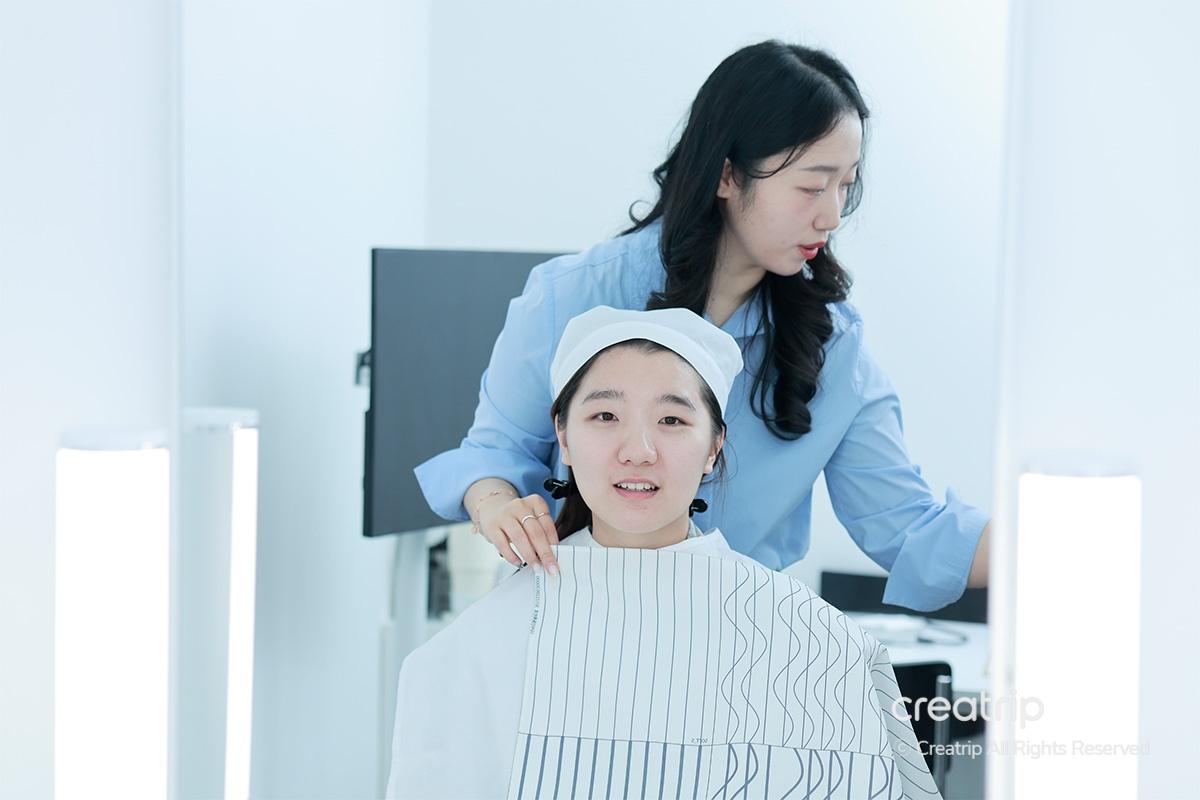
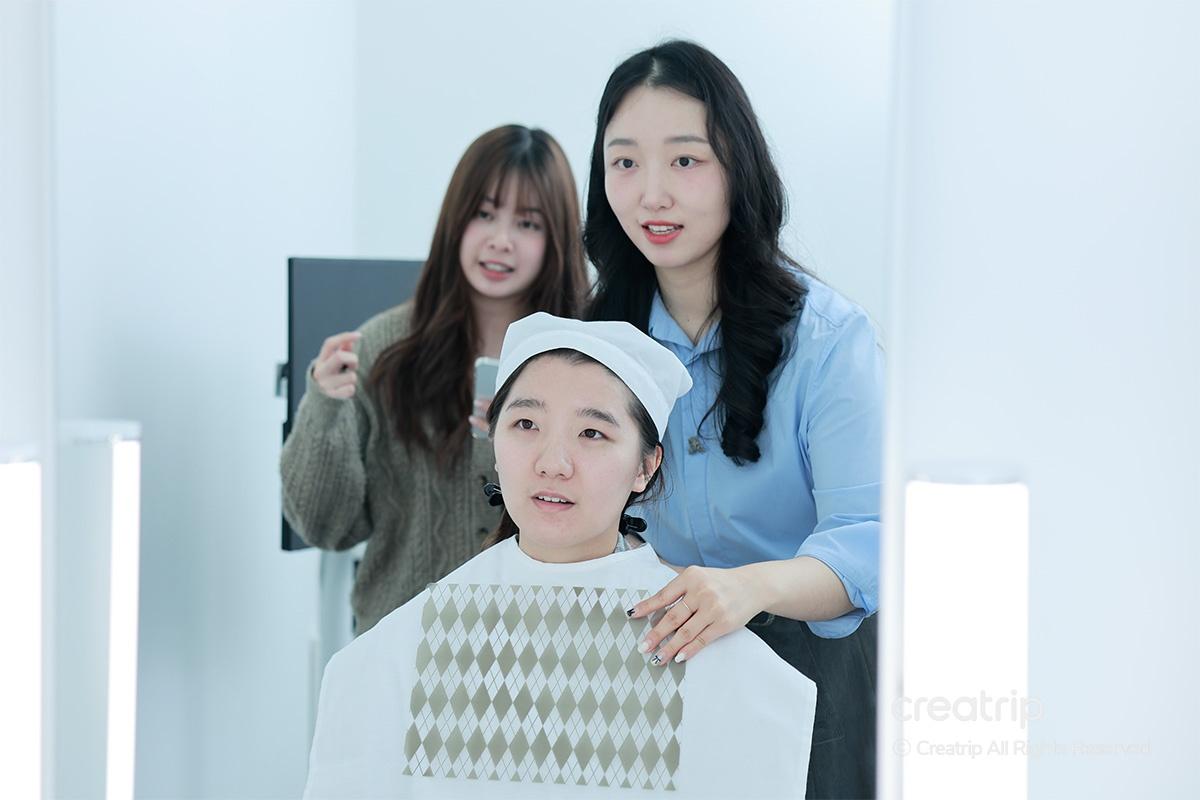
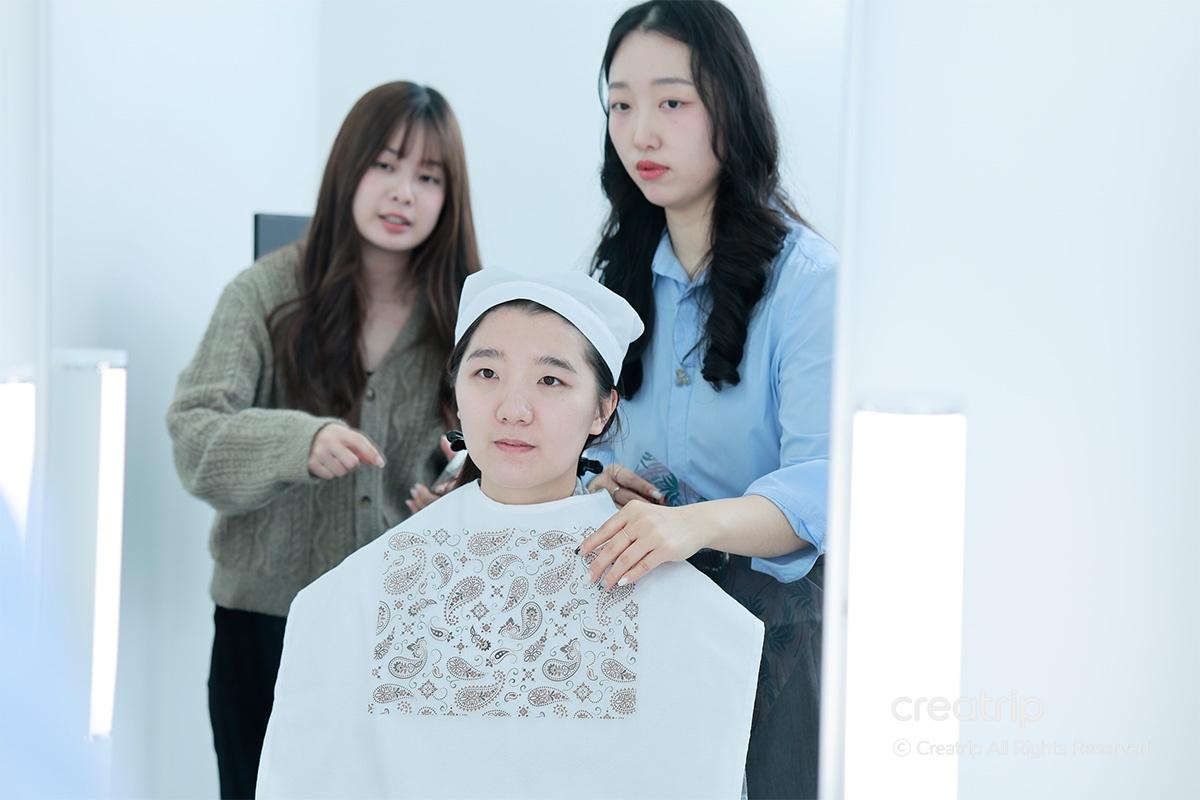
After the color analysis, we moved on to the pattern analysis stage. The consultant placed several transparent pattern cards in front of my face one at a time so I could compare them, letting me see for myself which patterns harmonized best.
The director consultant explained that the way you choose patterns doesn’t just set the vibe, it plays an important role in highlighting the best features of your face and naturally softening areas that need correction.
My friend has a face shape close to a diamond, with relatively many straight lines and angles, so I was advised that she looks better in subtle small floral patterns or designs with curves rather than strong straight patterns.
This kind of soft pattern softens the face’s linear impression, making the overall image more balanced.
[image slider] 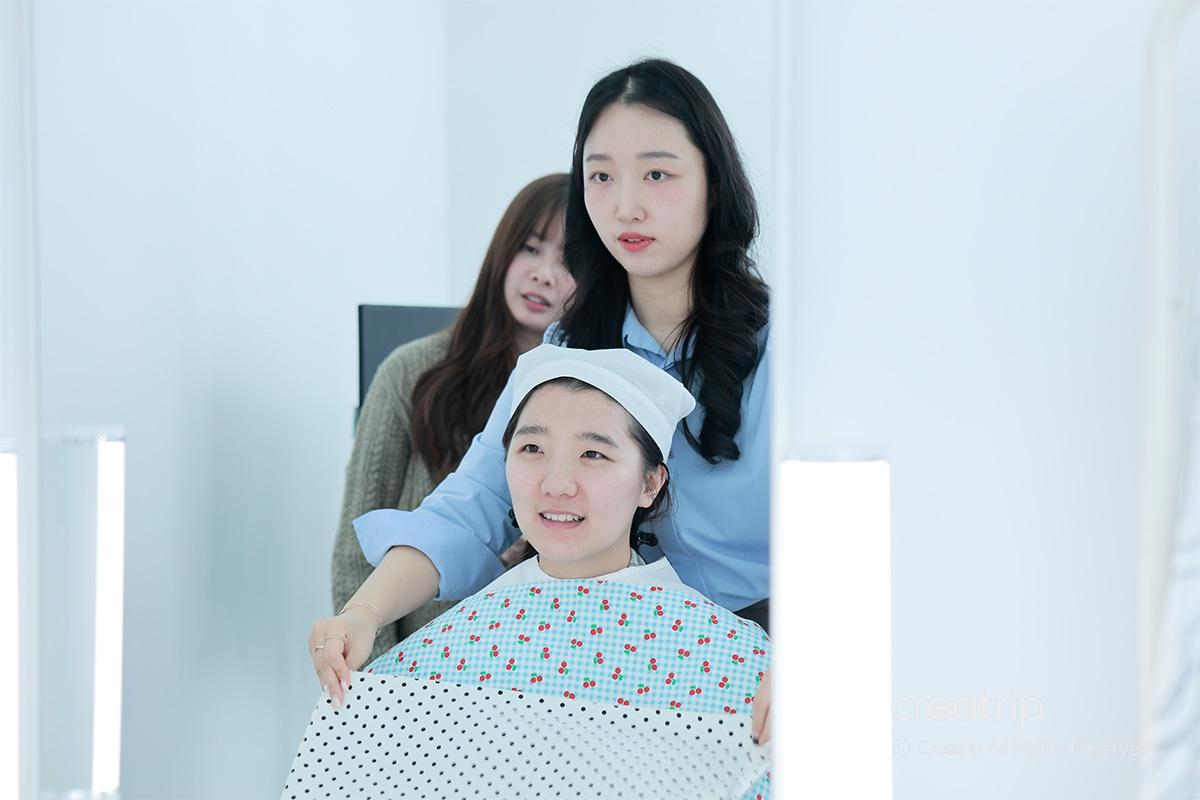
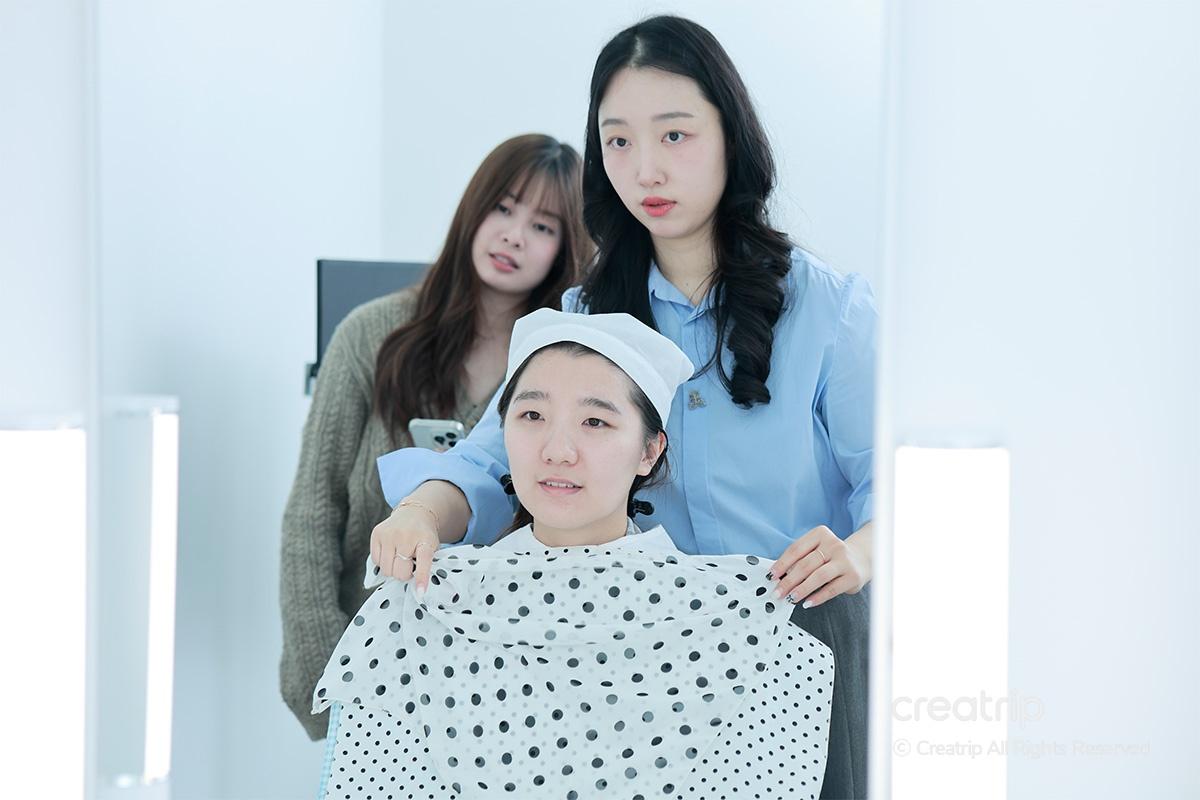
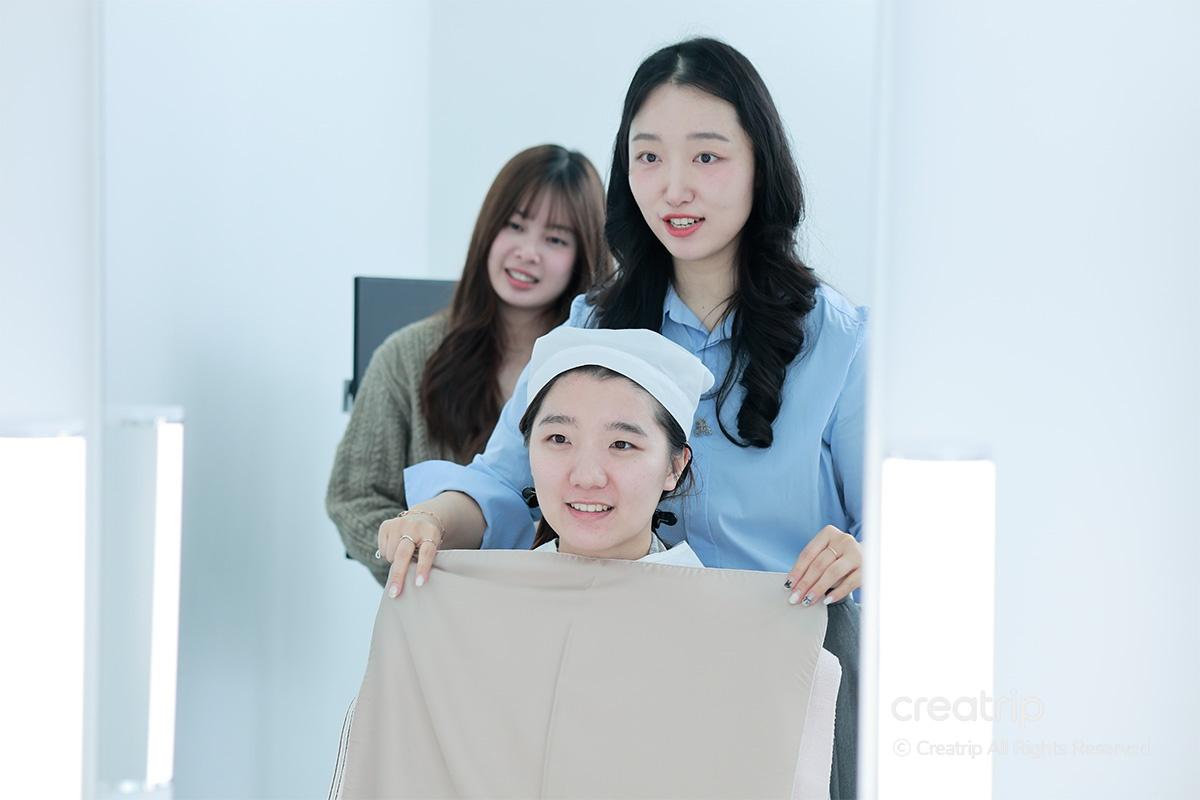
This wasn’t the end. The next step was an 'Imae' analysis.
They explained that not only the colors and patterns, but also which materials you choose greatly change the overall mood and texture.
In my friend's case, they were told that fabrics with a soft, warm feel, like alpaca and cashmere, suit their overall image better than rougher, stiffer materials like leather or linen. These kinds of fabrics are said to make their vibe calmer and more refined.
The director consultant joked, 'You’re the type who would look even better in slightly more luxurious fabrics,' and we all laughed. hehe
[image slider] 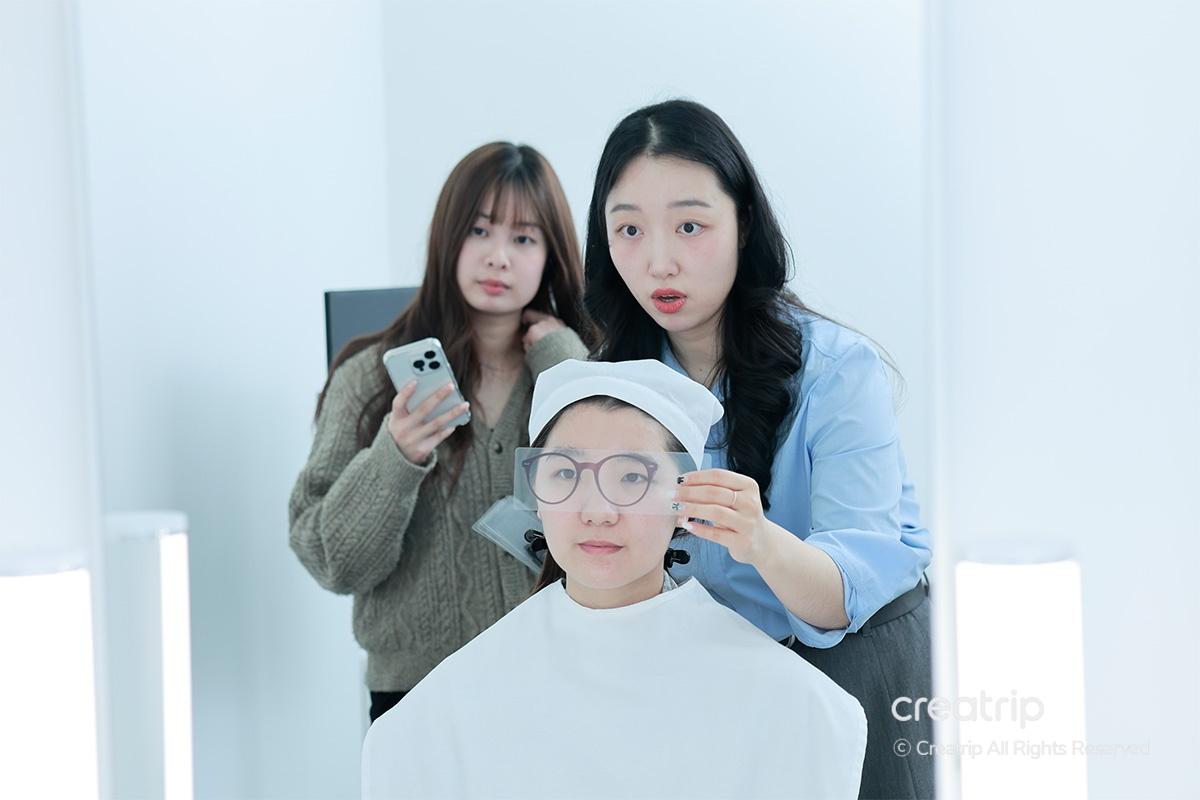
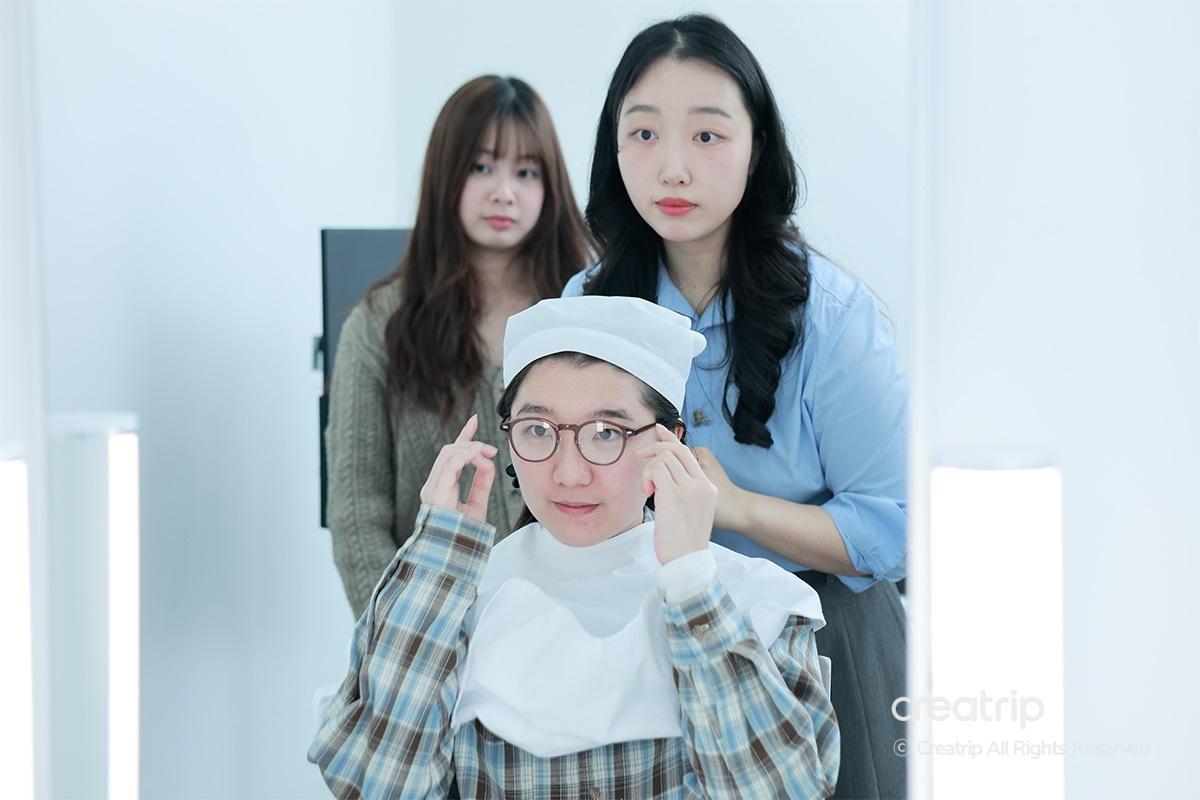
Accessories were also an important part of the assessment. First, I asked my friend which pair of glasses suited me best.
I usually wear glasses a lot, so it was a pretty important concern among my friends.
We started by comparing different eyeglass frame shapes using transparent cards, then tried on actual glasses to see which ones suited me.
Based on the diagnosis, they told me that frames with relatively wider sides suit me better, as they help cover the area where my cheekbones appear more prominent.
They explained that this style of glasses naturally adjusts the face’s contours and makes the overall impression more balanced.
[image slider] 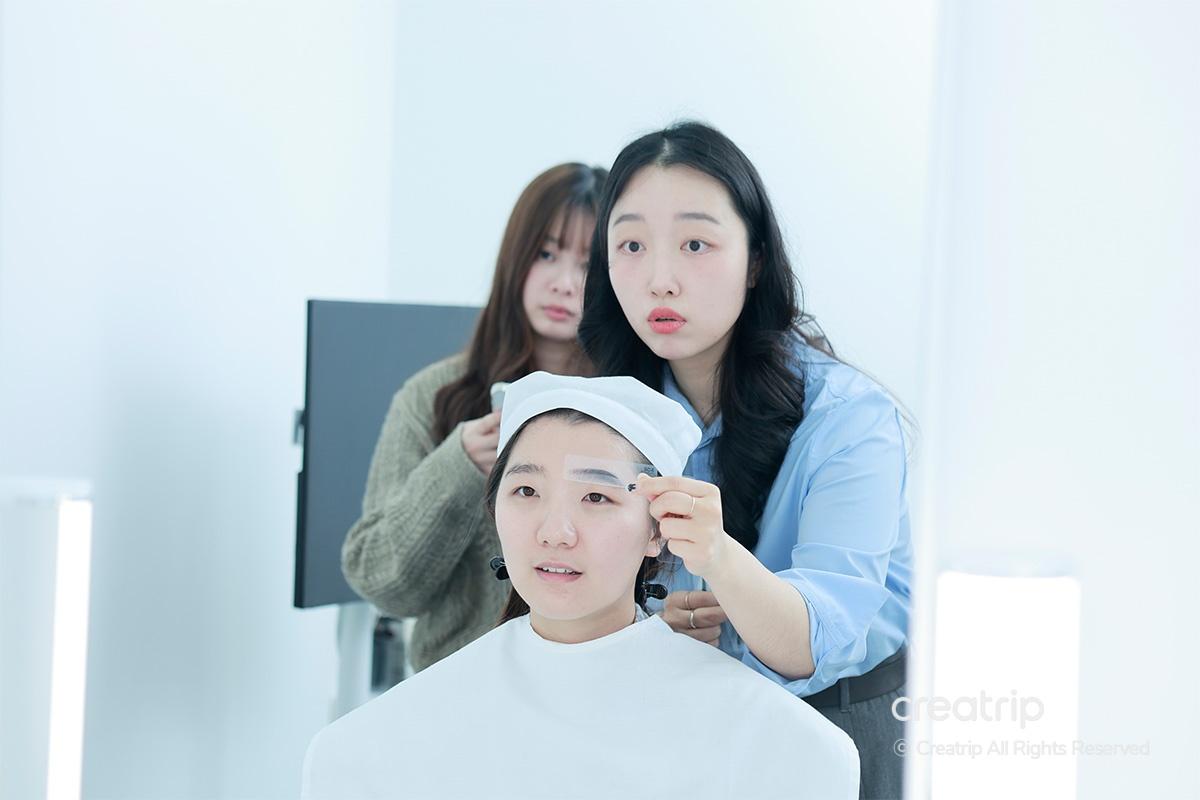
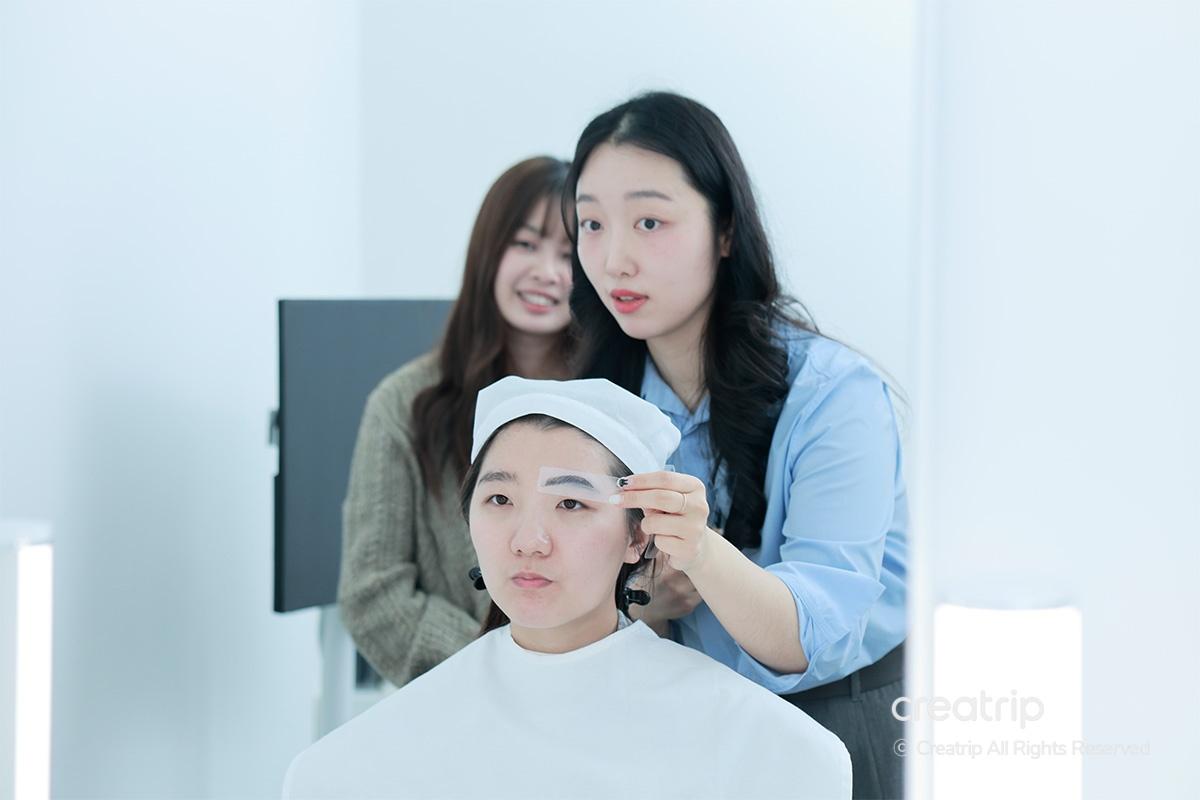
Next was the eyebrow assessment stage. This was also carried out using transparent cards to compare various eyebrow shapes as we went along.
The director consultant advised that because my friend's forehead is relatively short, it would be good to shape her brows slightly higher.
She also explained that when applying makeup, slightly lifting the brows and extending them outward naturally will make the face look more balanced.
I was reminded that seemingly small details like the angle and length of the eyebrows are important points that determine the balance and overall impression of the face.
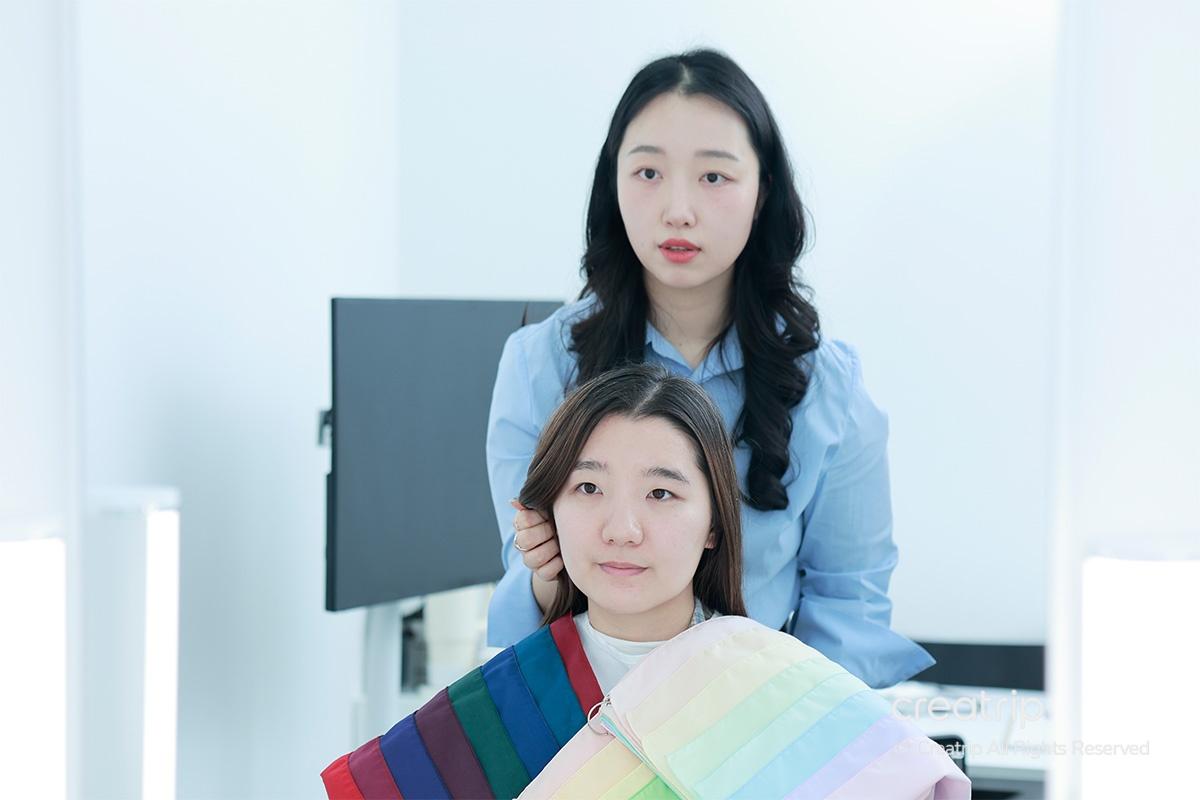
While I was getting the consultation, I could easily ask the director consultant any questions that came up.
My friend happened to have a hair salon appointment coming up, so I also asked about hairstyles and hair colors that would suit me.
The director consultant looked at my friend’s face shape and advised adding a few more layers overall so the features would settle naturally and look much more balanced.
They recommended hair colors in softer brown tones rather than very high-saturation shades. They explained that these tones give my friend a warmer, more relaxed impression.
[image slider] 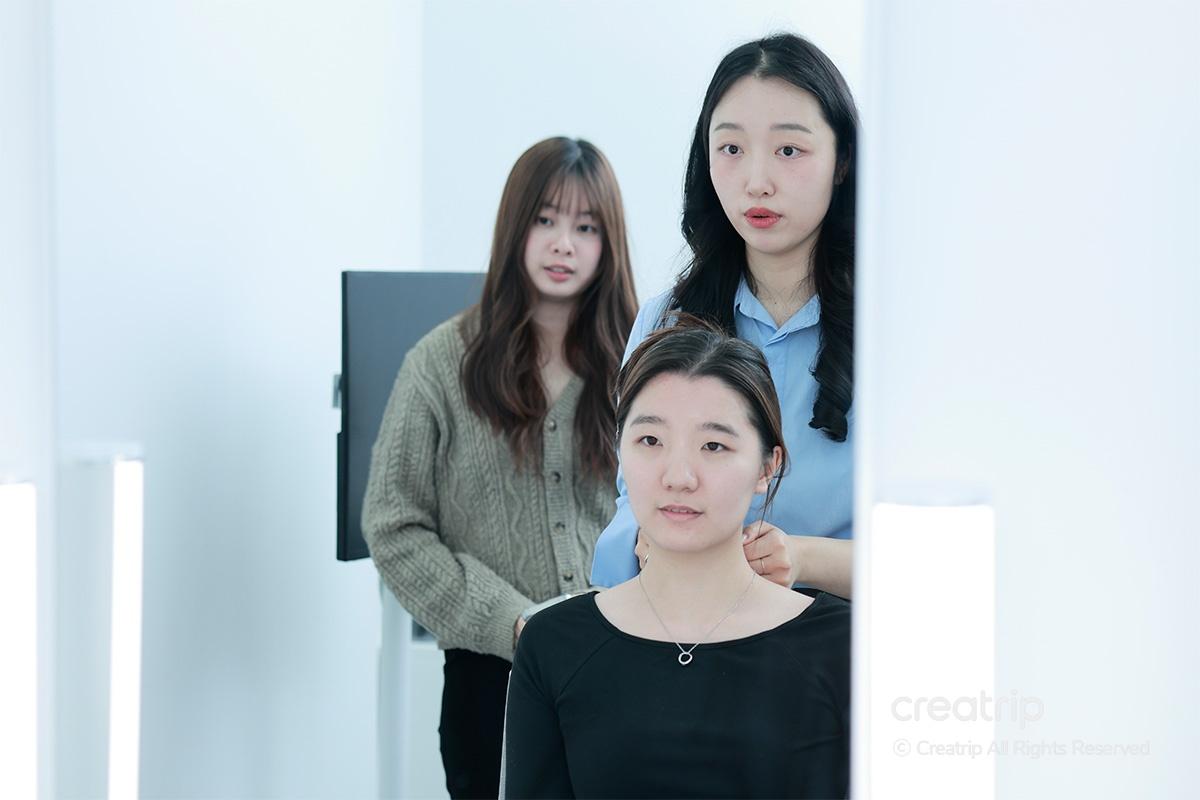
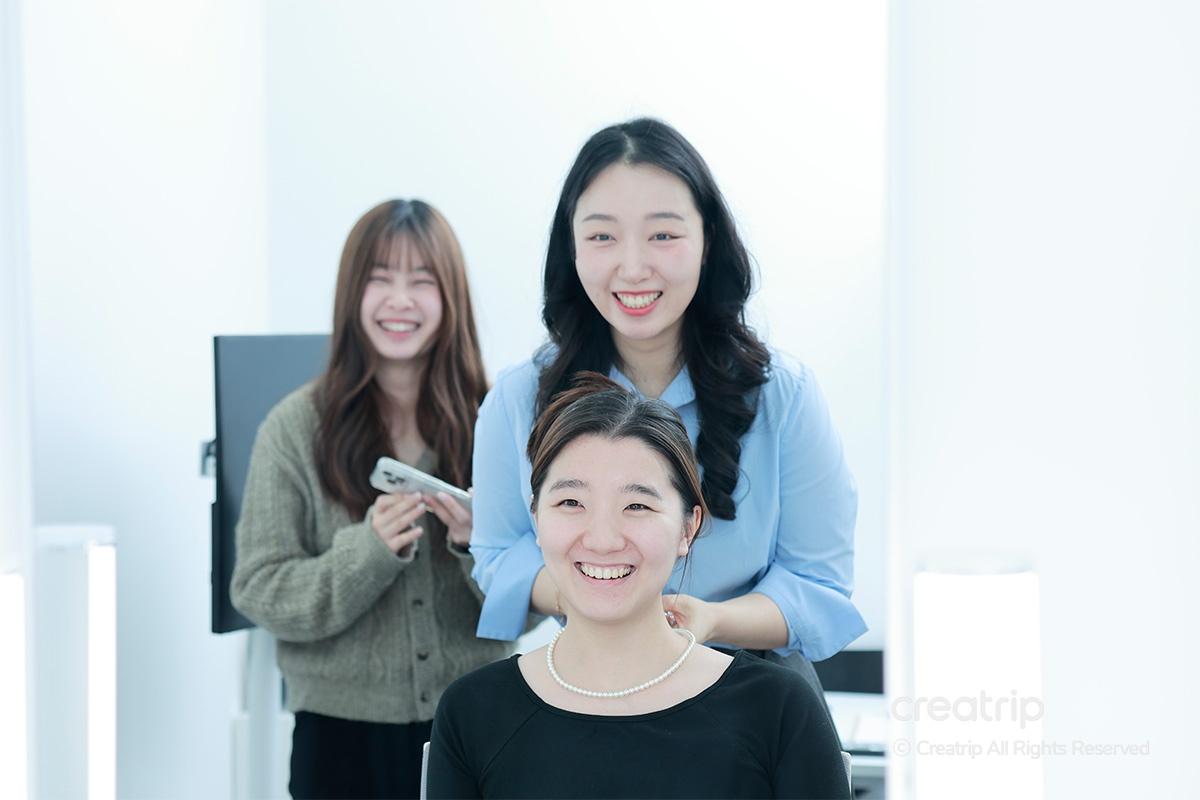
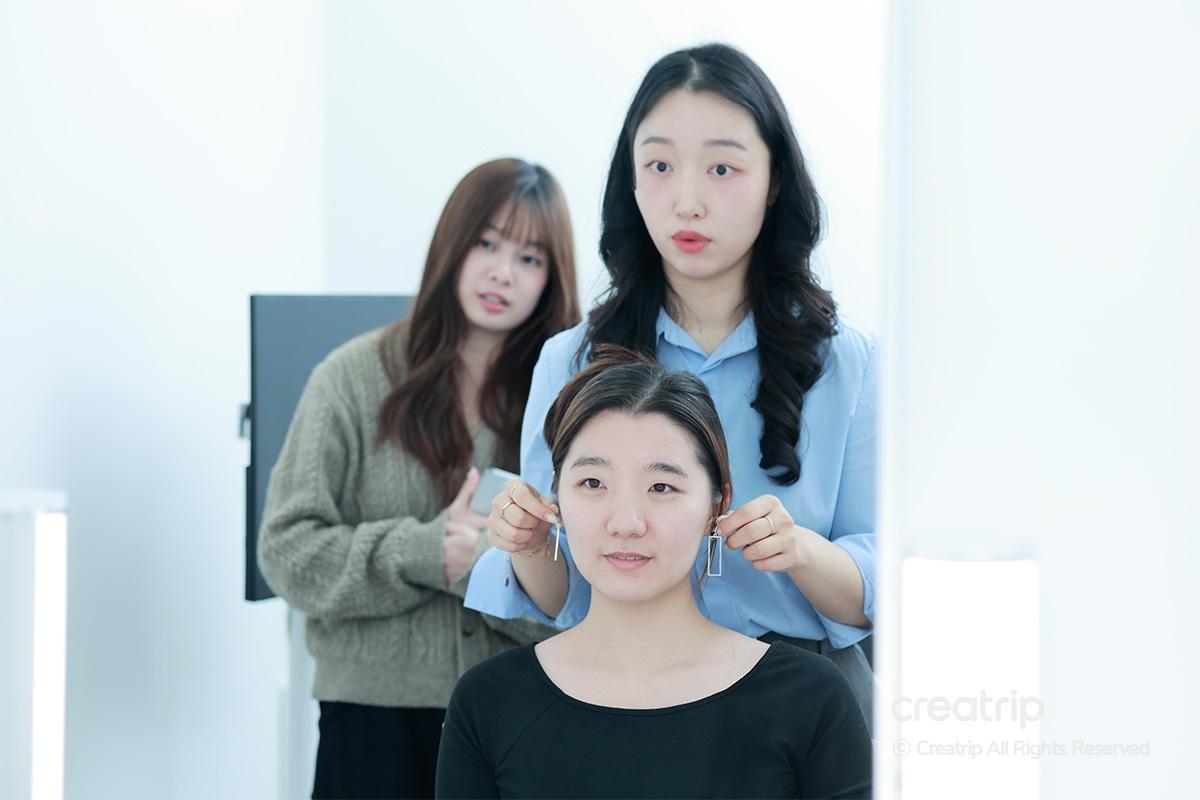
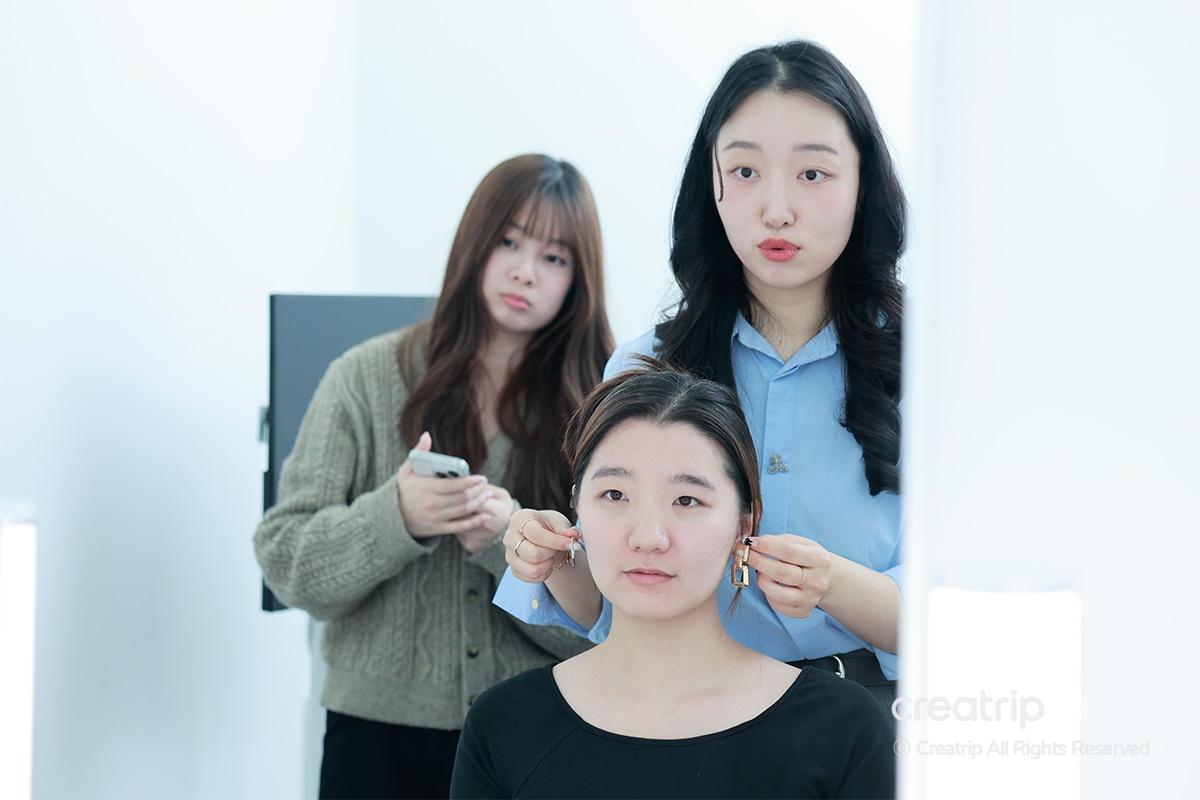
Before moving on to the next step, the friend changed into the outfit for the color diagnosis to ensure a more accurate assessment.
Two types are available, short-sleeve and sleeveless, and they thoughtfully let you choose a relaxed design yourself.
After changing clothes, I was first recommended necklaces and earrings.
They helped me try on a variety of accessories in different designs and styles, comparing them one by one, and I was surprised how even small differences could noticeably change the overall vibe.
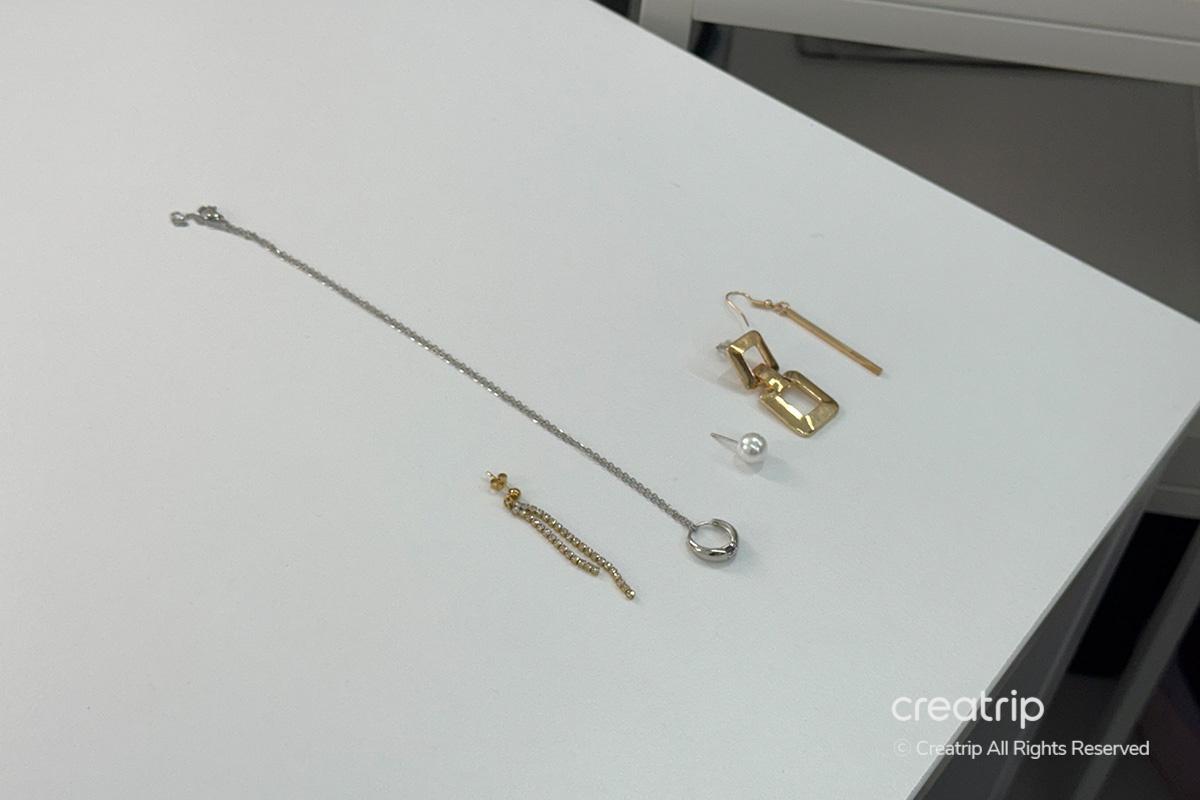
This is the accessory my friend recommended as the most flattering after the diagnosis.
Earrings about 6mm, so relatively small, suit you best, and overall you were told that designs with a sense of line suit you well.
My friend has relatively prominent cheekbones, so she explained that a style with a clearer, more defined shape that won't fall apart will help stabilize and refine her face line better than a flowing design.
If you want a slightly more glamorous look with more movement, I was advised to avoid items that are too long in length.
As you can see, it's important to choose the size and shape of accessories to match your facial proportions.
[Image slider] 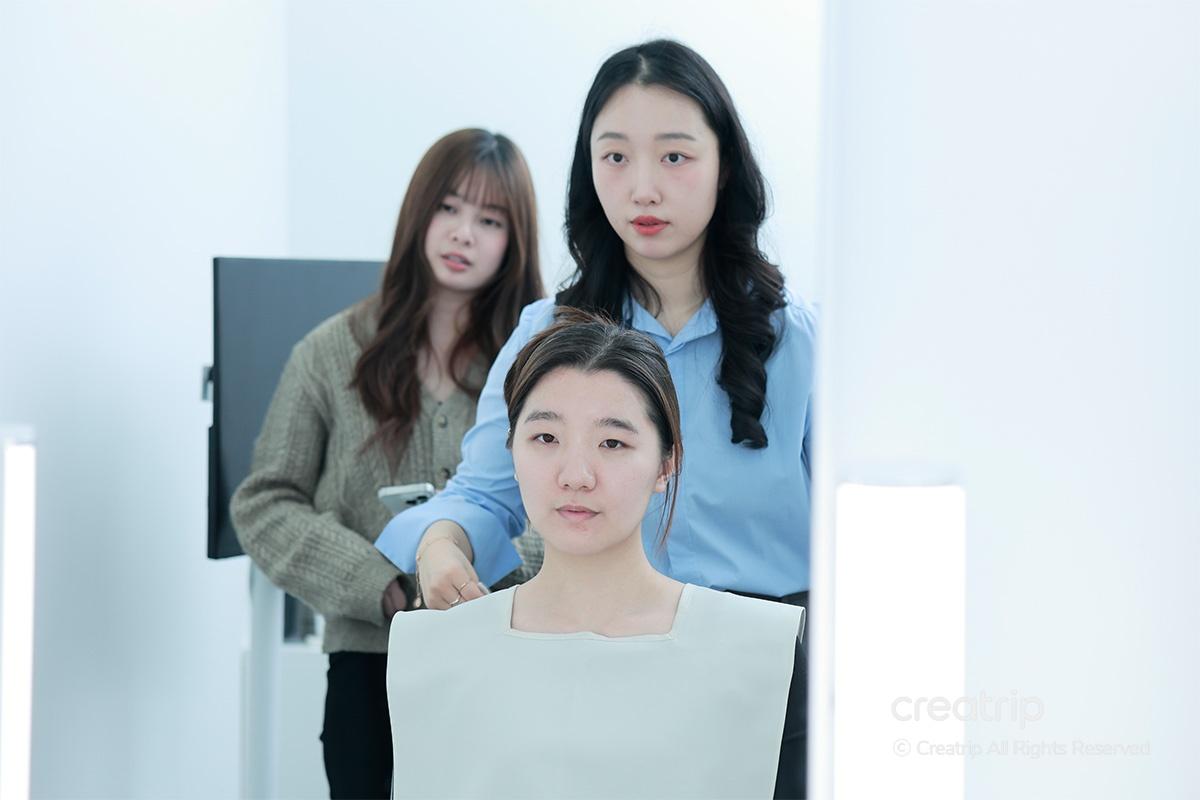
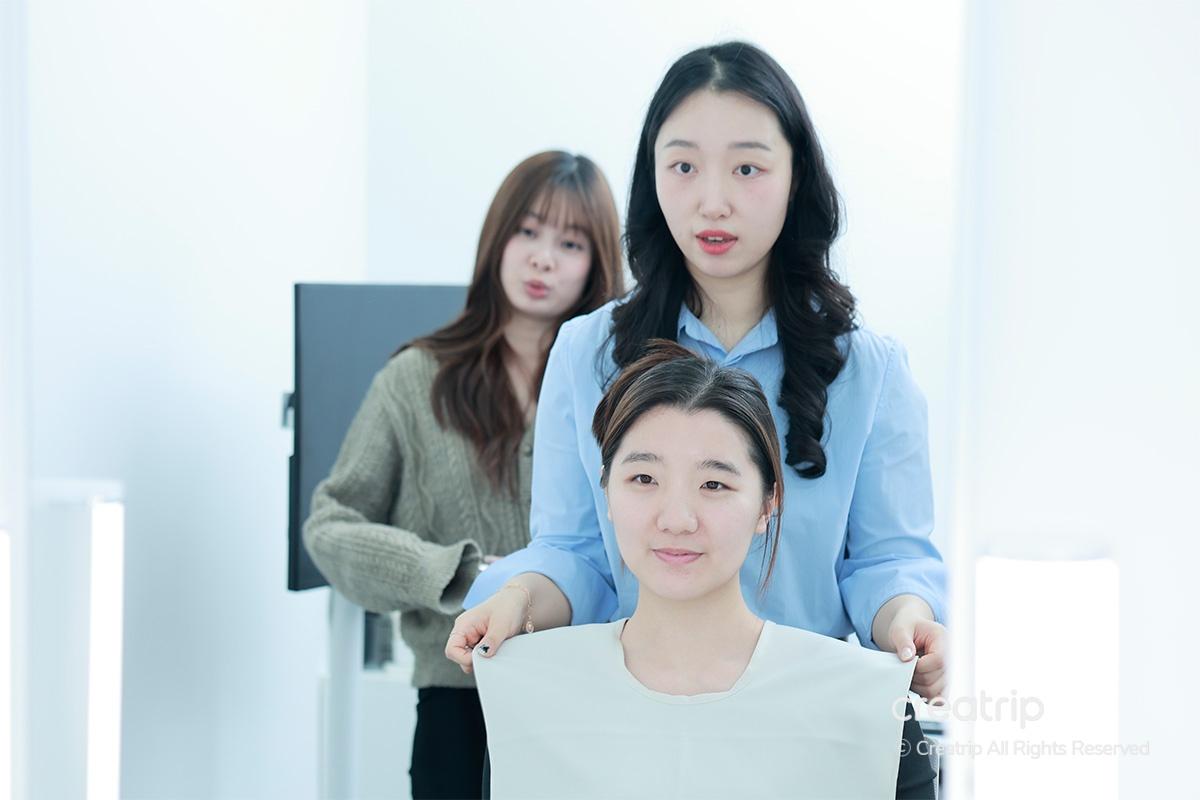
Next was the neckline assessment for clothing. After comparing several shapes, my friend explained that because my face has many straight elements, I look better in rounded lines or square shapes that lean toward a round shape, rather than very angular designs.
They also explained that it’s important to choose designs that naturally draw the eye downward, which softens the face’s straight impression and makes the overall balance gentler and more harmonious.
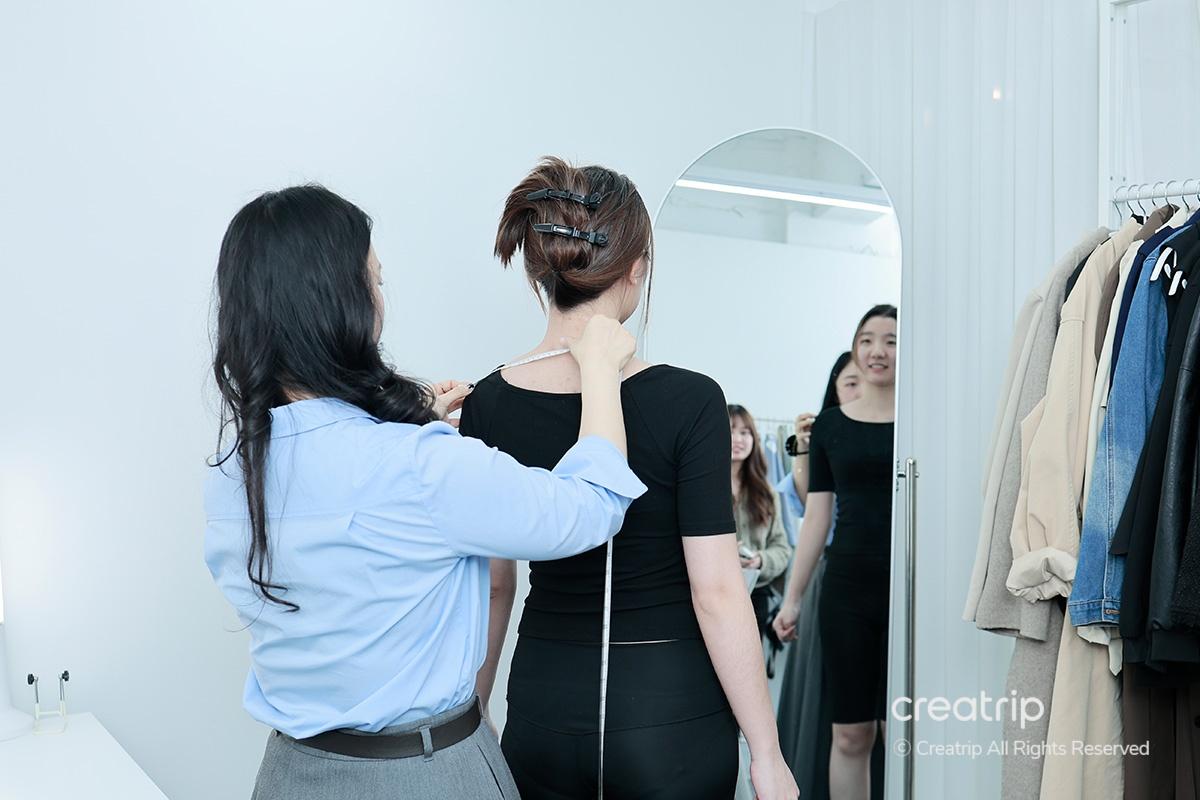
Next, a full-body mirror was used to perform a body type diagnosis.
The director consultant first measured my friend’s shoulder width, waist, hips, and bust circumference directly. Seeing these concrete numbers made the body type analysis feel much more systematic.
The director consultant said my friend’s body lines are balanced and attractive overall, and explained that because her shoulders are relatively broad, she naturally forms an Ise-yadari style silhouette.
In the end, I was diagnosed as a straight body type.
[image slider] 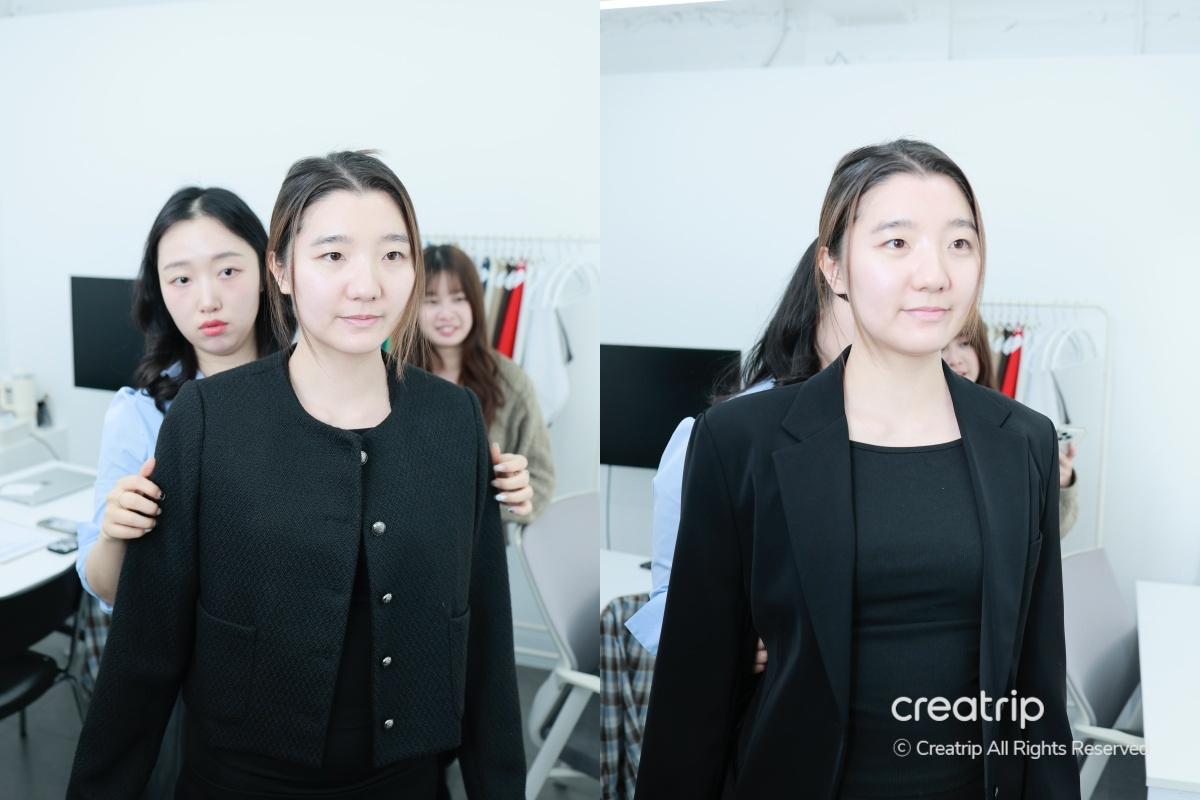
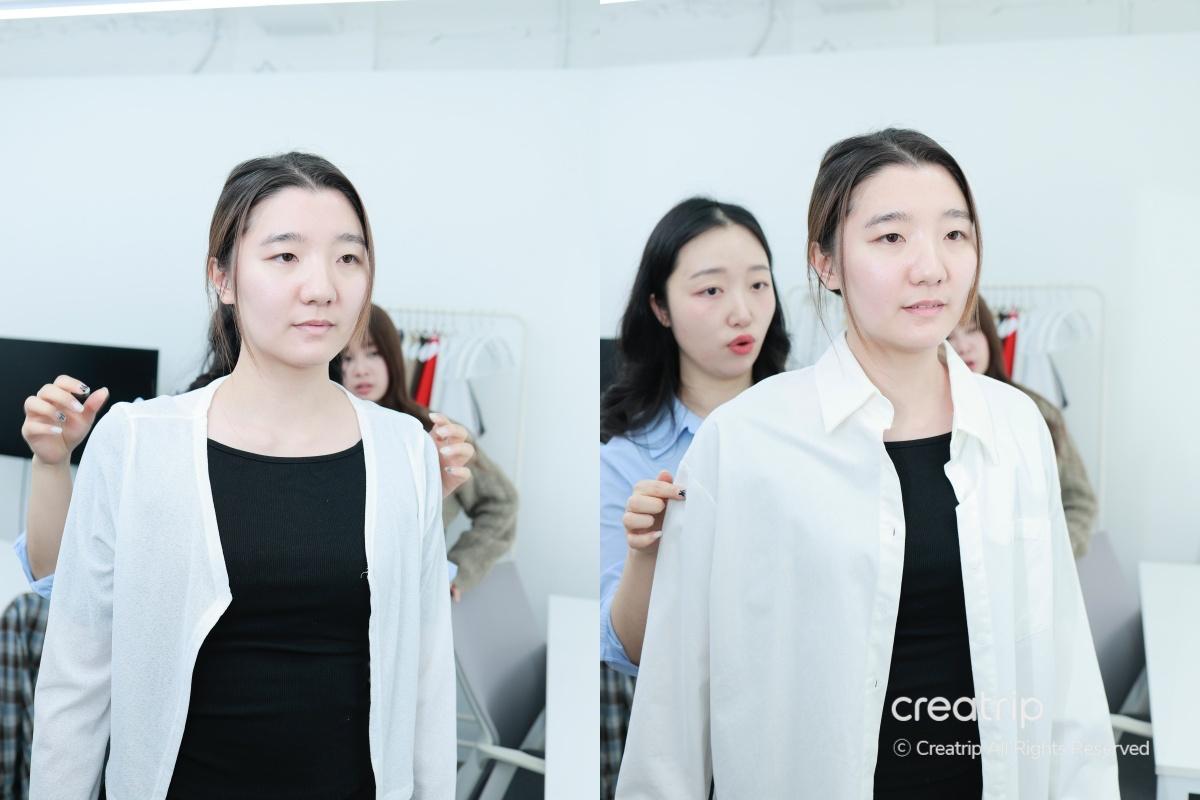
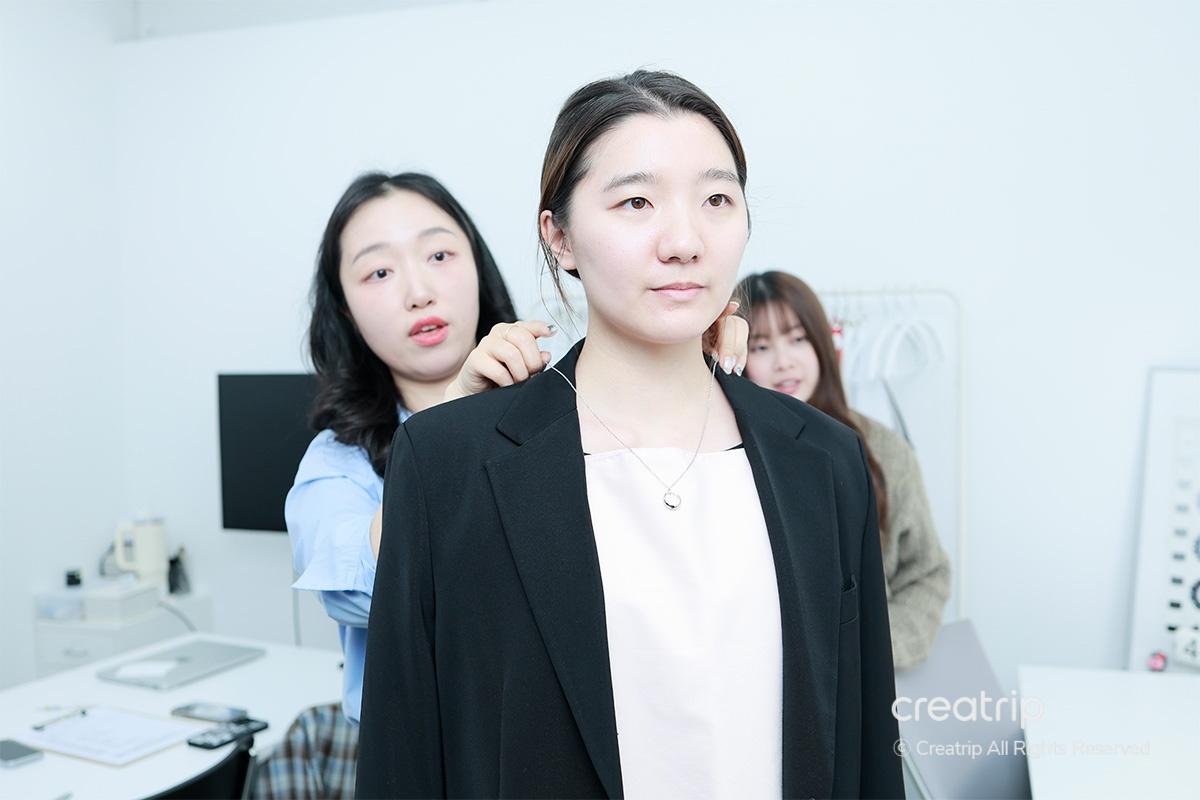
After checking body shape, we moved on to the full costume fitting stage. My friend has a Yeoksam-type body with relatively broad shoulders, so they explained that styling to soften the linear impression of the upper body is important.
They recommended adding some weight to the lower body to draw the eye downward, which helps minimize the emphasis on the shoulder line and balances the overall silhouette.
I tried on various tops like jackets, shirts, and knits, and I was told that styles with a clean, tailored silhouette that don’t overly emphasize the waist suit me better than excessively oversized designs.
By adjusting the balance to match the body type like this, the overall image becomes more refined, which was impressive.
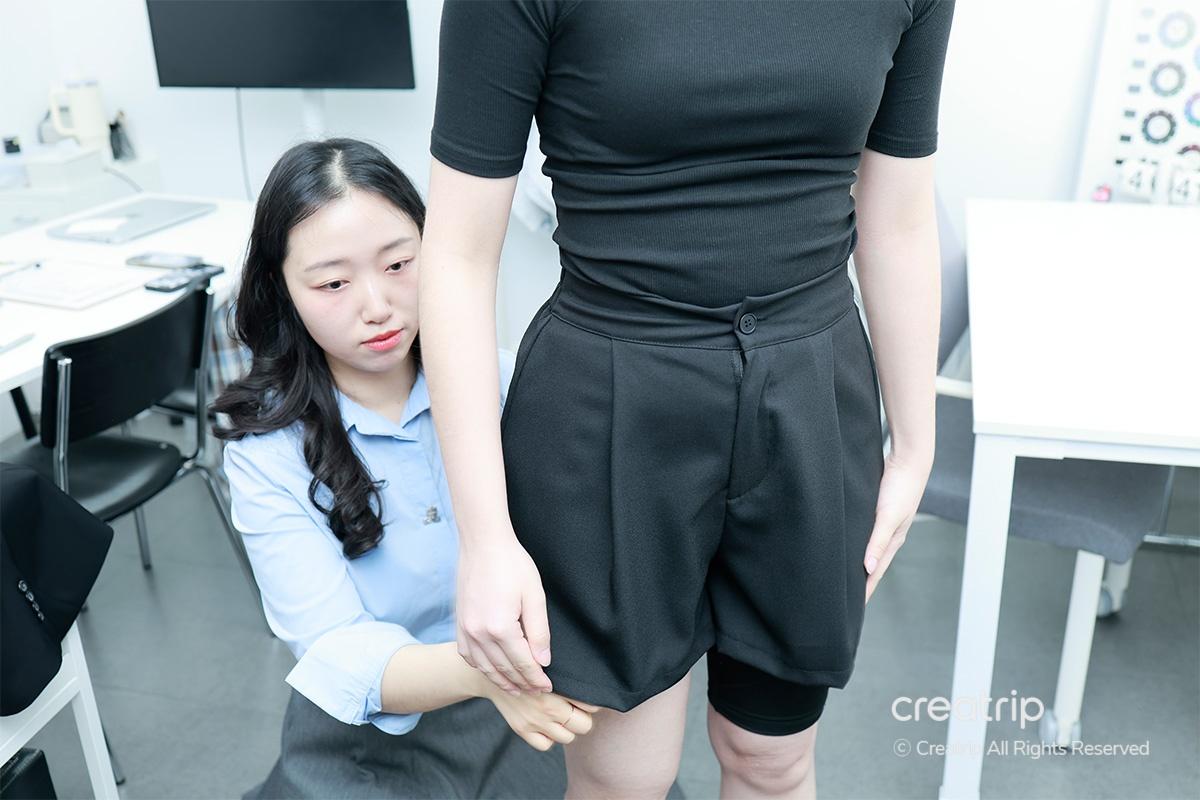
For bottoms, the director consultant advised choosing designs with volume or details on the lower body to naturally soften the shoulder line.
For example, silhouettes that feel heavier on the lower half, like wide pants or A-line skirts, suit you well, and designs with pleats or focal details also help balance the overall look.
She explained that by guiding the eye downward like this, the wide shoulder line on the upper body becomes less noticeable, and the overall balance looks more stable.
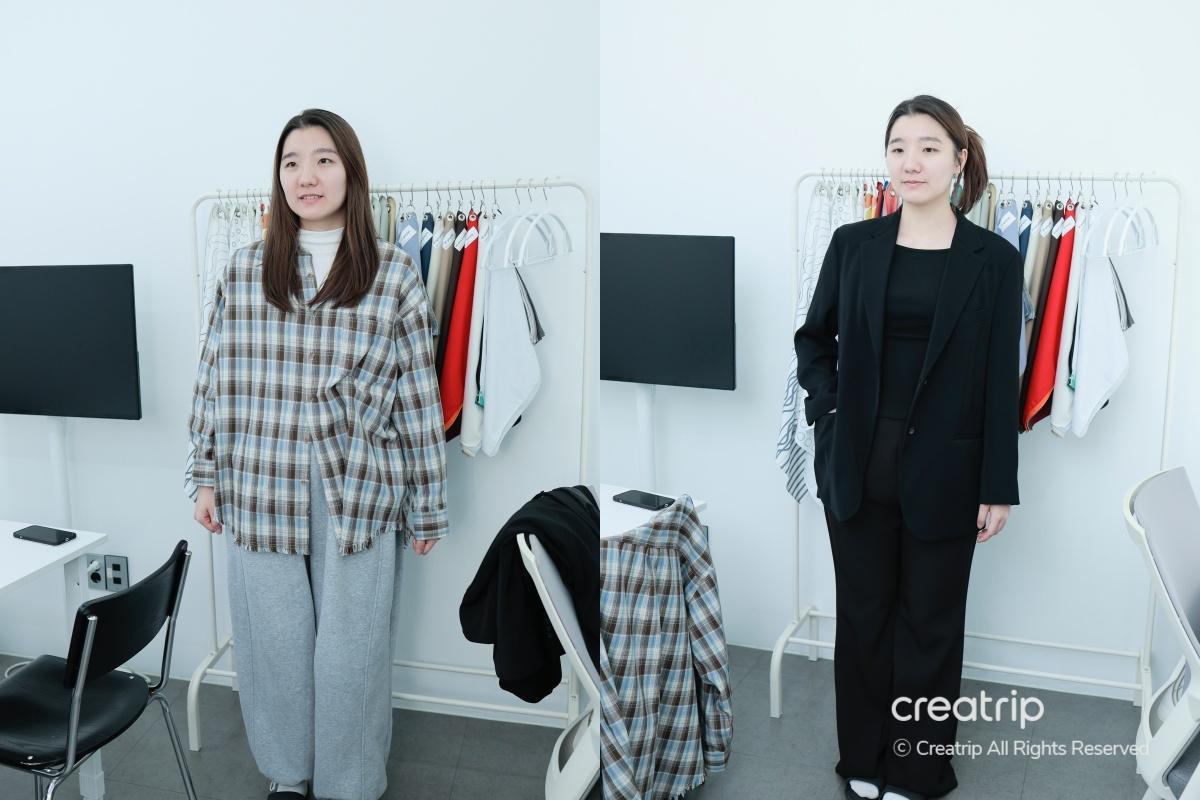
Tada! When you compare the before and after like this, don’t you feel the difference more clearly?
My friend usually prefers loose, oversized clothes, but when she followed the staff's recommendation and changed into a more fitted piece with a neckline that naturally showed her collarbones, her overall look came together and looked much more polished.
Not only did my style change, but my body’s strengths were brought out more, and flaws were naturally balanced, so the overall look felt much more polished.
[Image slider] 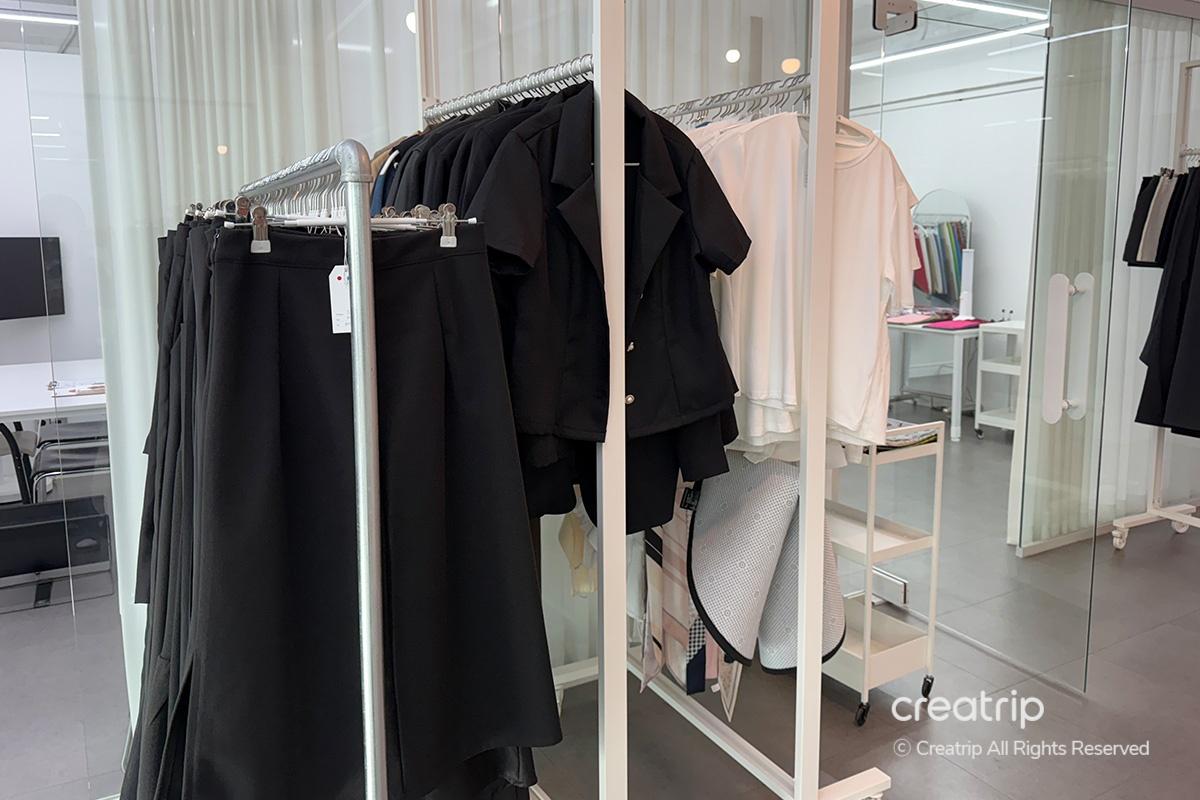
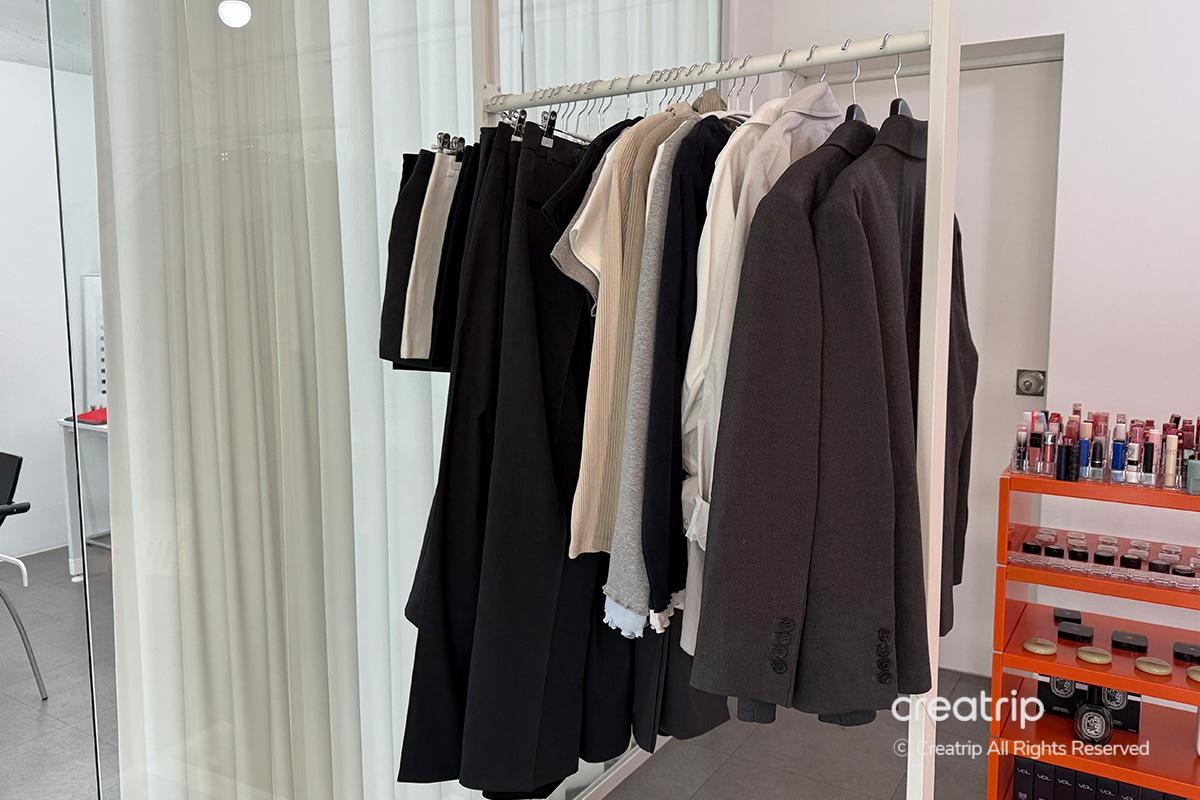
Another thing that stood out was that clothing you can buy on-site is available.
Since many foreign guests want to buy clothes that suit them right after the consultation, they prepare a variety of items in advance to fit different body types and styles.
After the color analysis and fitting were finished, I could buy any outfit I liked on the spot, so I didn’t need to go anywhere else which felt very convenient!
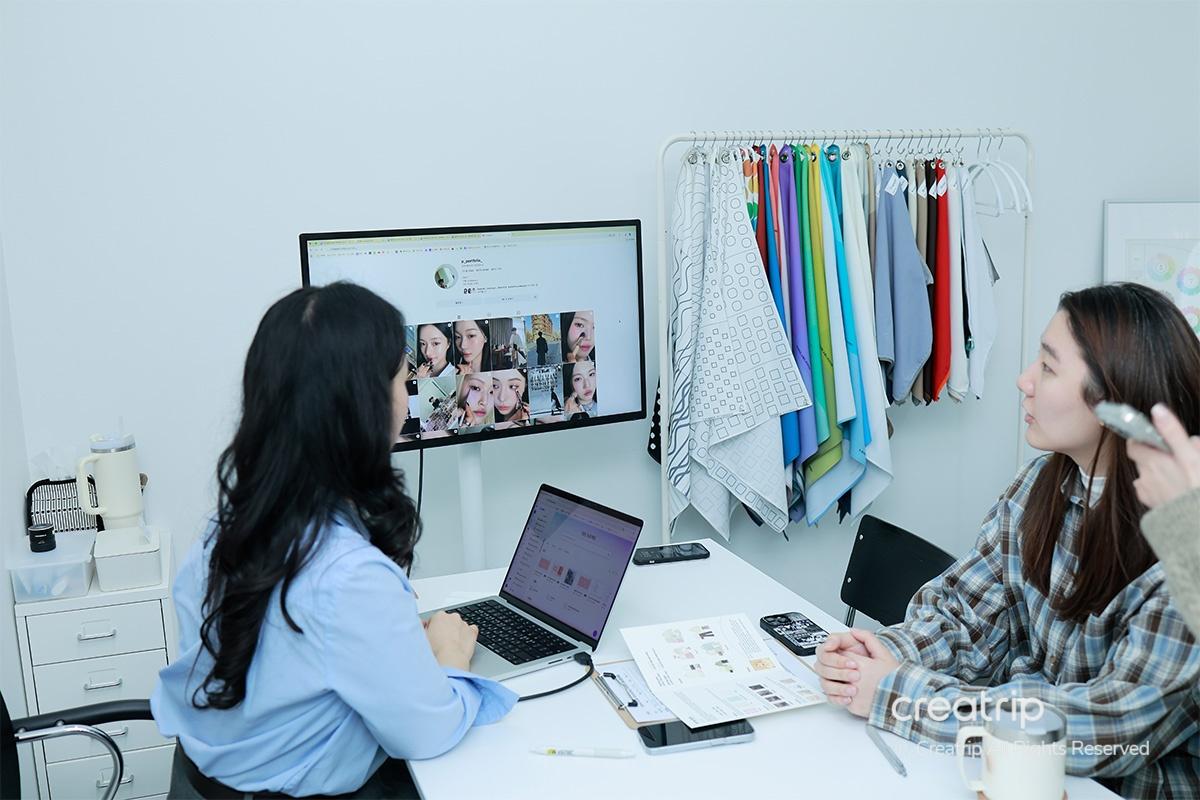
The diagnosis reached its final stage, and after changing back into my original clothes, there was a final results explanation session.
First, they carefully and clearly explained which makeup products match my personal color diagnosis.
Not only did they explain which colors suit me, they also told me celebrities who share my same type, which helped as a style reference. By giving examples of celebrities with a similar image, I was able to picture much more concretely the kind of vibe I should aim for.
They also recommended related makeup artists' accounts so I could use them as references for makeup styles that would suit me.
They didn’t just tell me the diagnosis, they also gave practical tips I could use right away, so I came away with a lot of helpful insights.
[image slider] 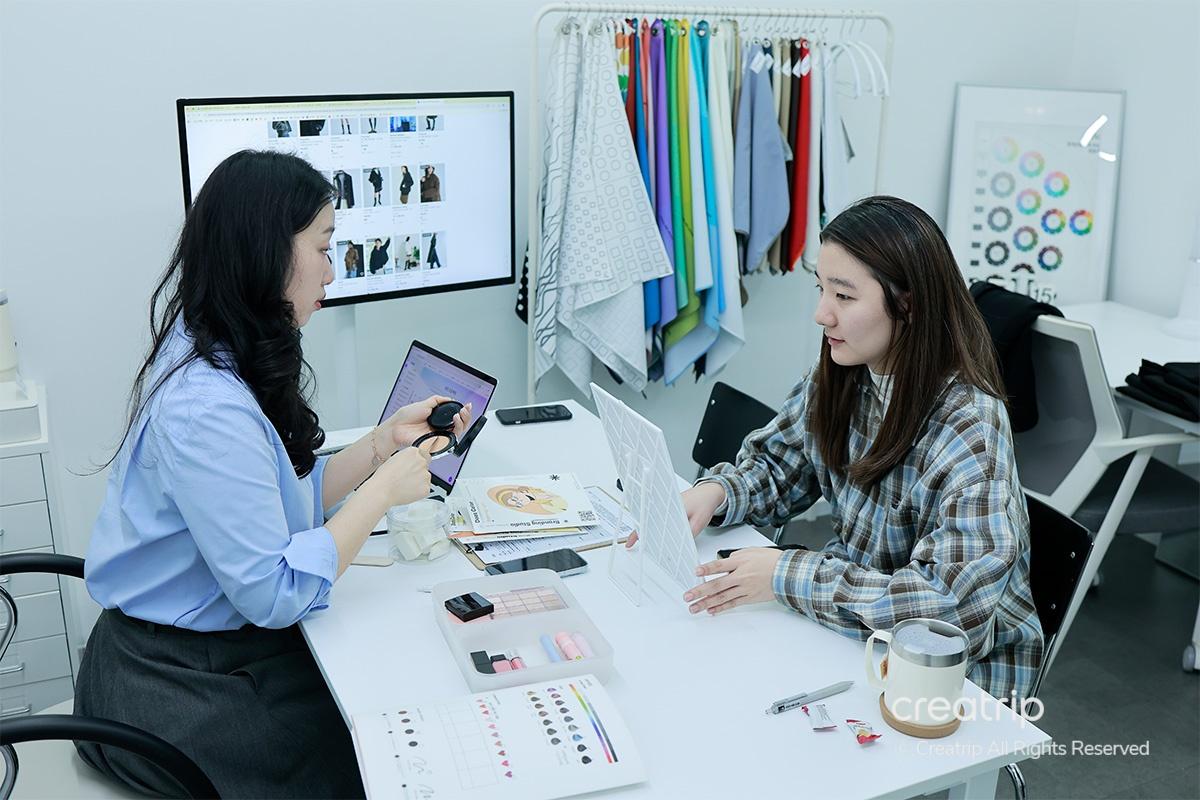
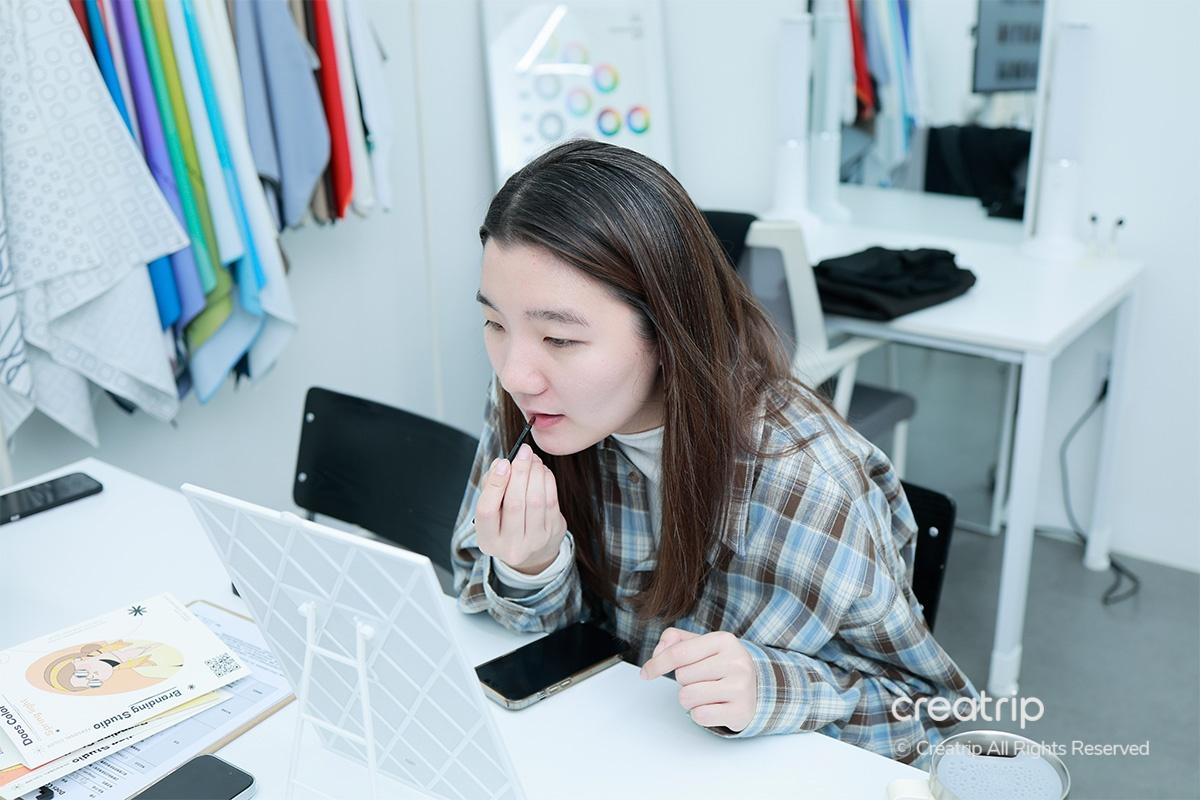
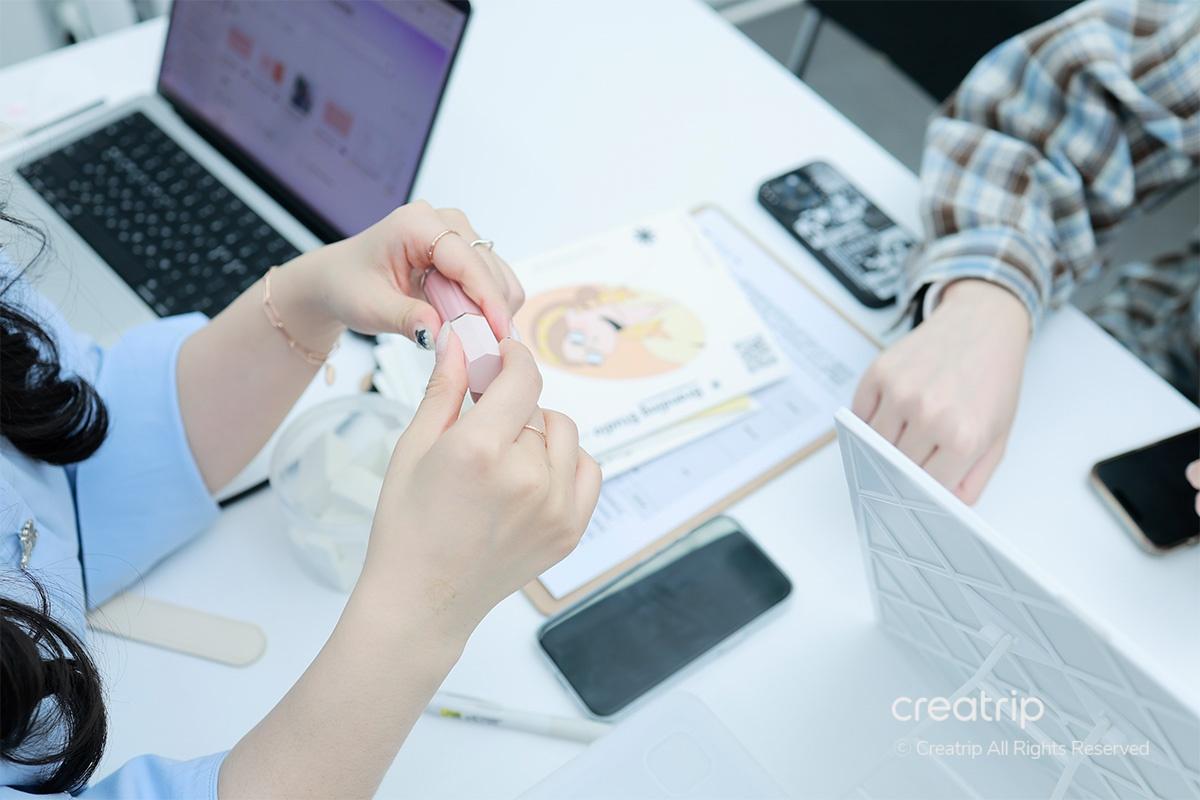
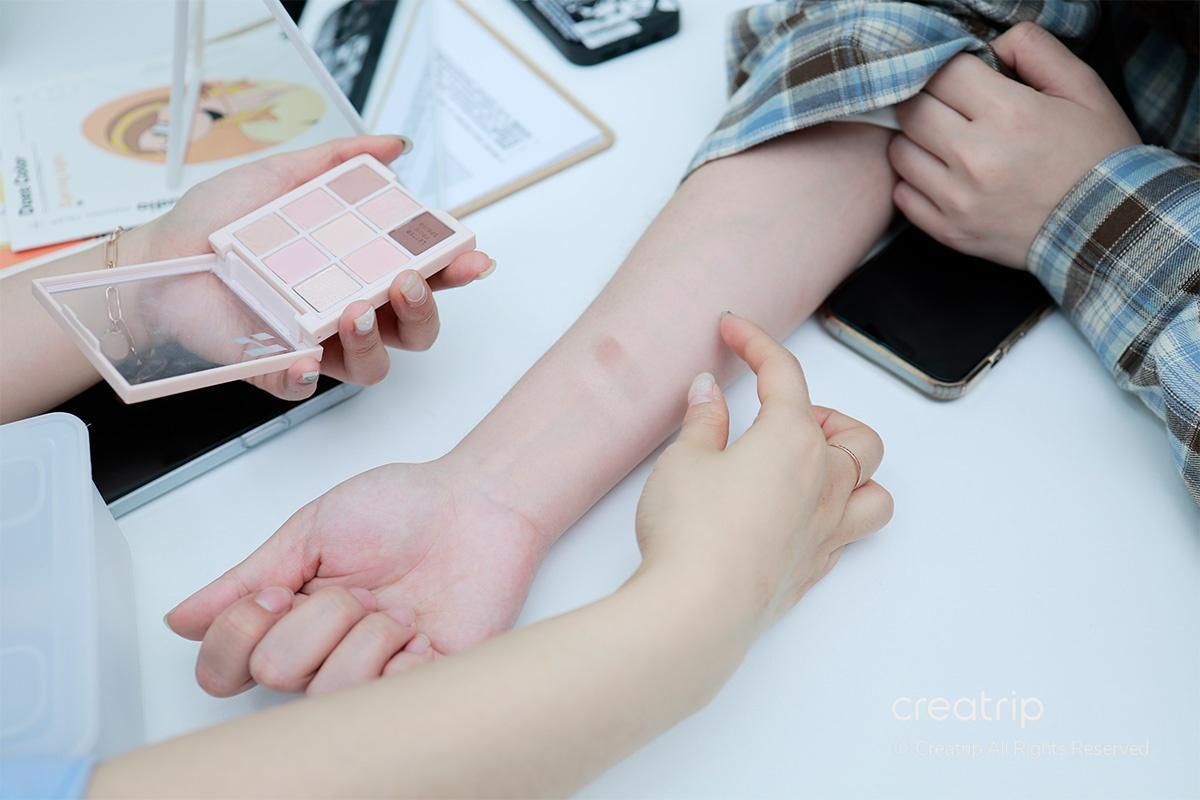
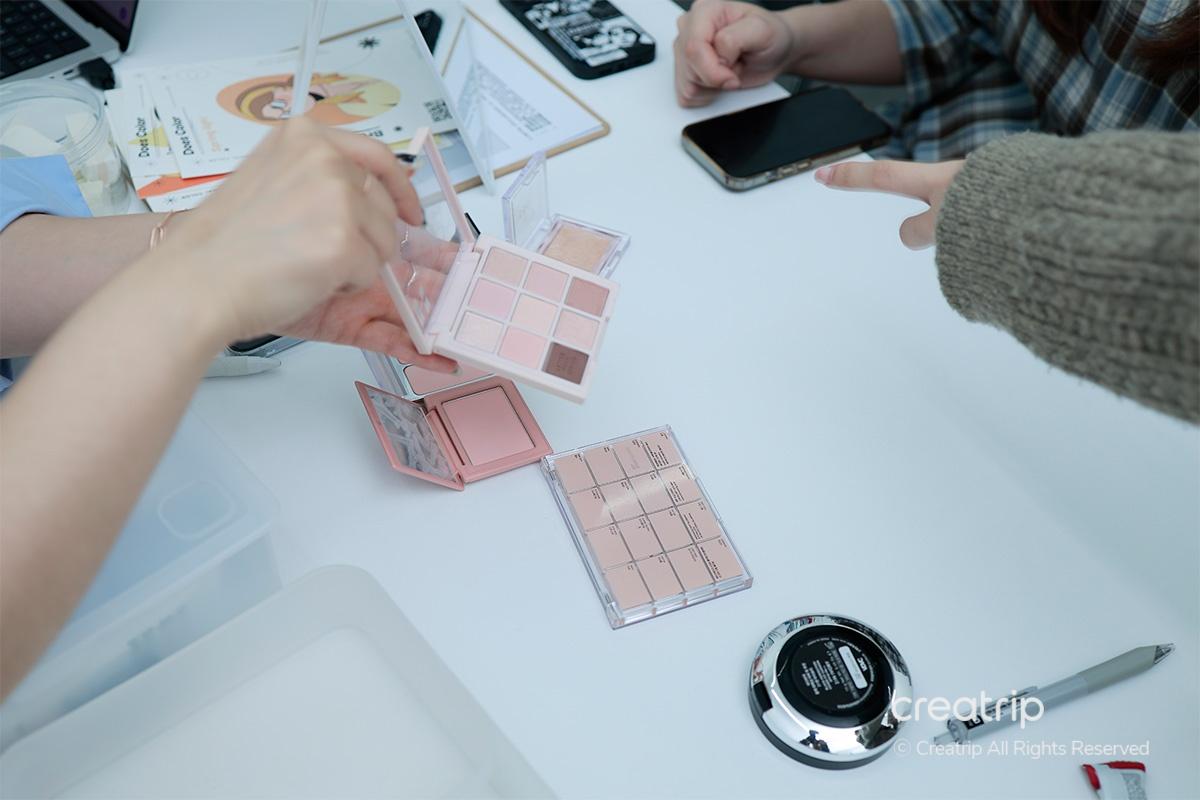
On site, you could also try makeup products selected based on the diagnosis results.
I brought the cosmetics I usually use and had the director consultant look them over, so I could consult about whether they really suit me.
Through this process, I didn’t just learn the “colors that suit me,” I also clarified the standards I should use when choosing cosmetics from now on. I’ll likely feel much less uncertain when shopping in the future.
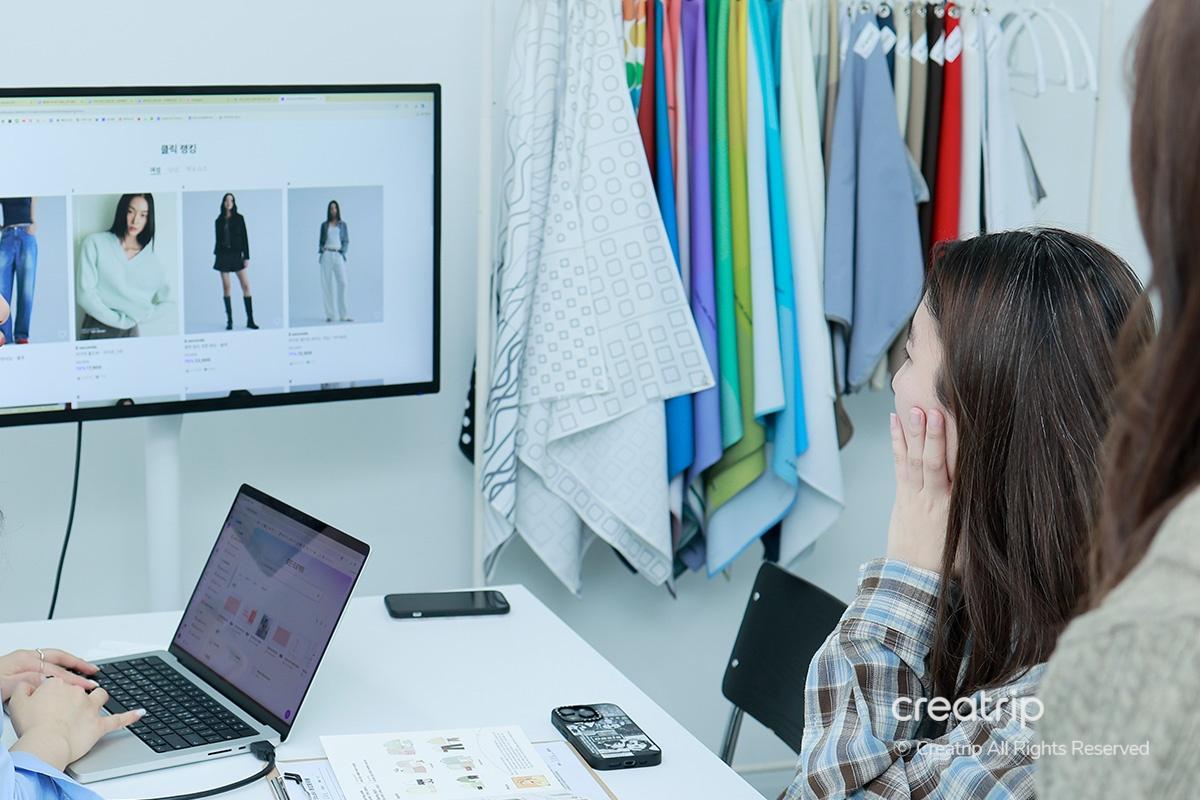
They also summarized clothing advice one more time at the end. They reviewed which styles and silhouettes suit me best, and even recommended specific clothing brands that would likely work well, so it was truly a practical help.
What I felt during the counseling was that the director consultant is a specialist who has thoroughly researched and accumulated experience in this field.
They didn’t just give advice, they provided a systematic, evidence-based explanation, so I trusted them more.
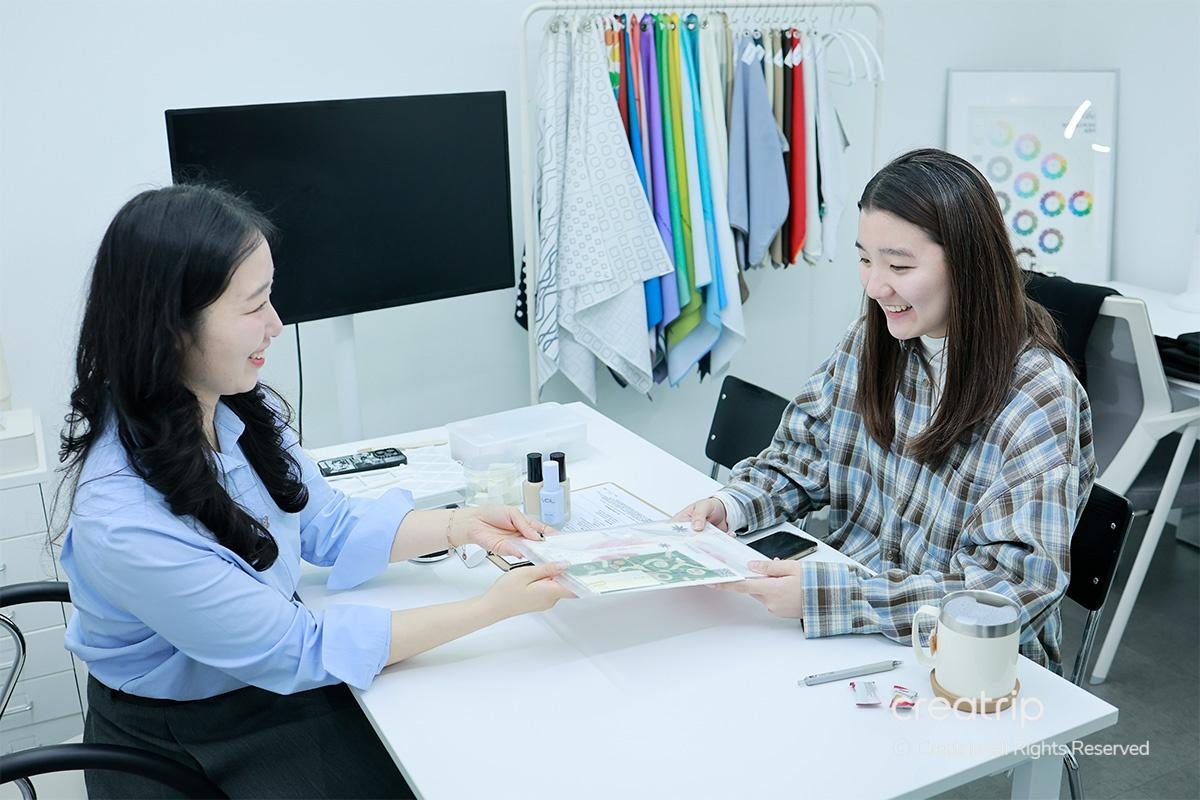
After all the assessments were finished, I was able to receive a specialized diagnostic report available only at Dose.
The report organized everything from the personal color results I received today to recommendations for body type, patterns, fabrics, and makeup, so I could review it after I got home.
What stood out most was that Dose plans and produces the report design itself. You can tell they pay attention to every little detail, which made the experience feel even more special!
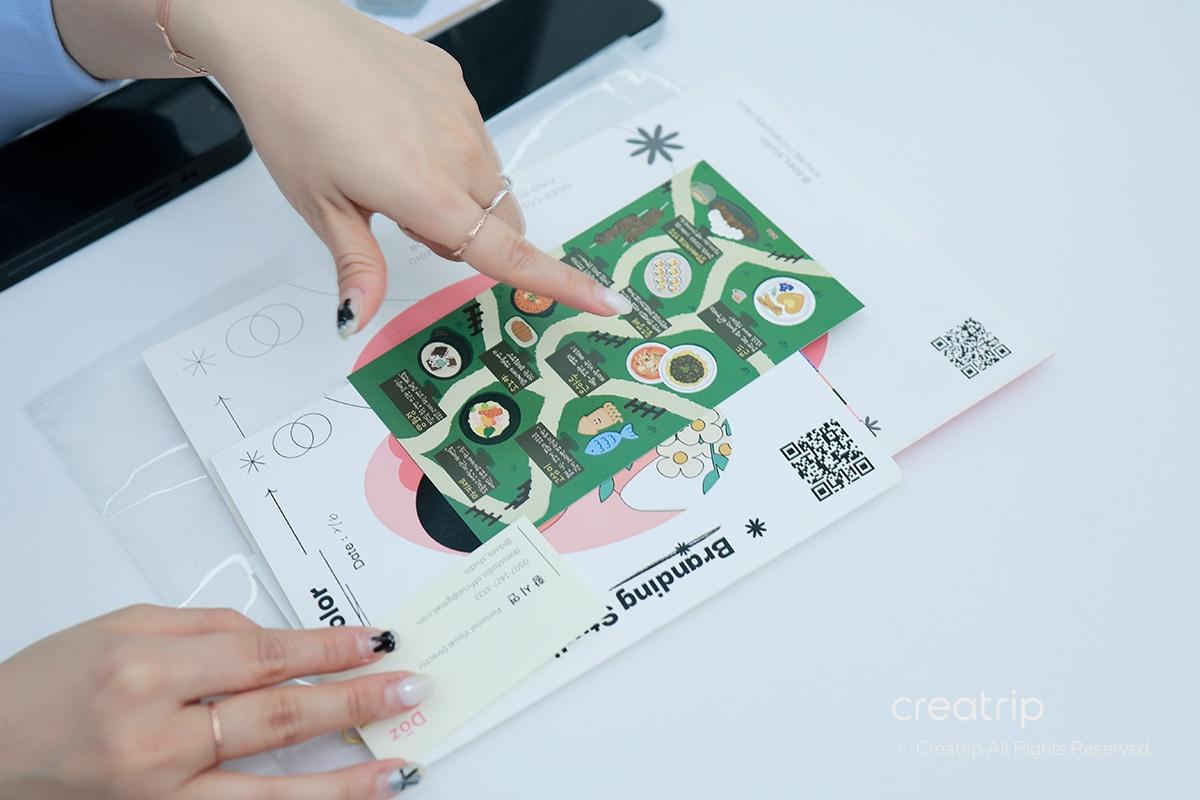
Not only did they provide the diagnosis report, but I was also impressed that they included a map of nearby recommended restaurants.
For customers who don't want to leave right after the consultation, here’s a map of nearby spots where you can casually enjoy a meal or a cafe.
It was a small thoughtful touch, but I felt they paid close attention to detail until the end, which made me even more satisfied.
The services at Dose don’t end on the day of the consultation. After the diagnosis they email you a PPT file summarizing the results, and they keep a separate record of each client’s diagnostic data, so they let you know you can continue to consult with them afterward.
It didn’t feel like just a one-time diagnosis, it felt reassuring, like having a personal image consultant by my side the whole time.
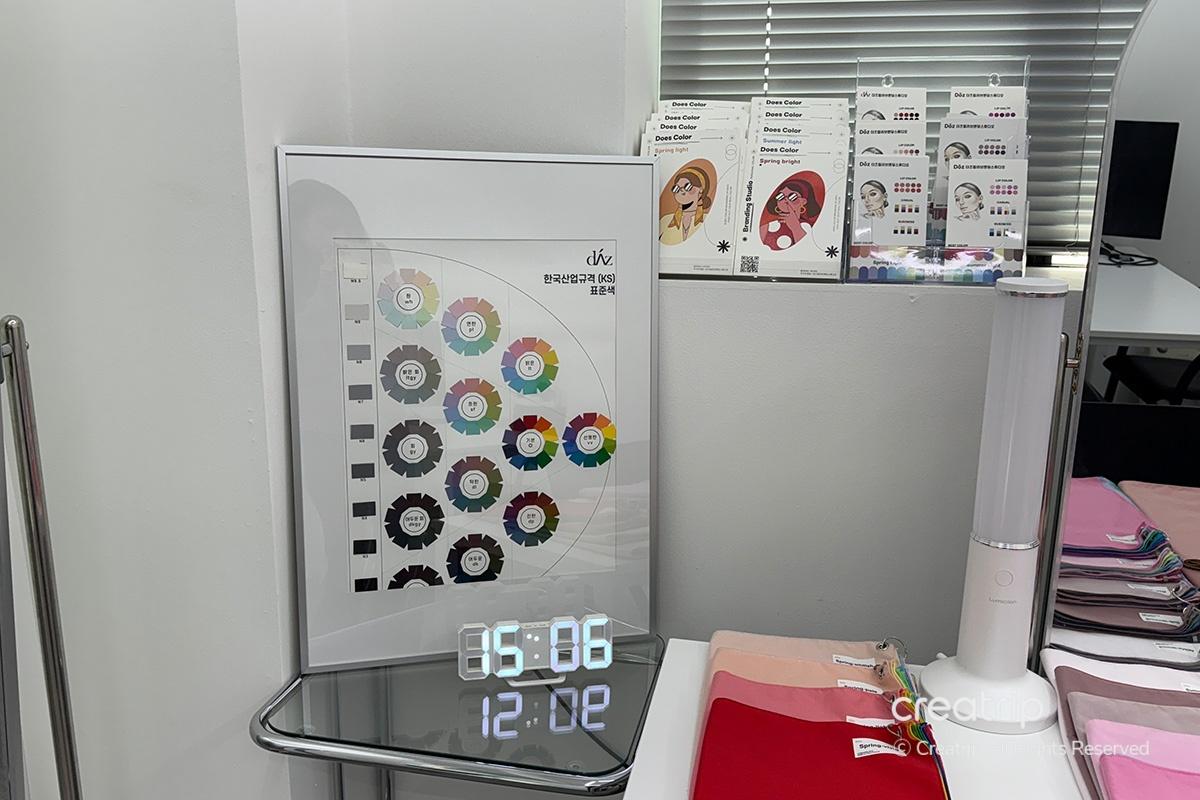
With that, the day’s experience came to an end.
You can feel their attention to every small detail throughout the whole diagnostic process, and I clearly understood why even celebrities come here for a professional color analysis.
If you really want to find the colors and styles that suit you best, Does Studio is sure to be a great choice.
Does Studio Personal Color | Access

Exit Hapjeong Station through Exit 8.
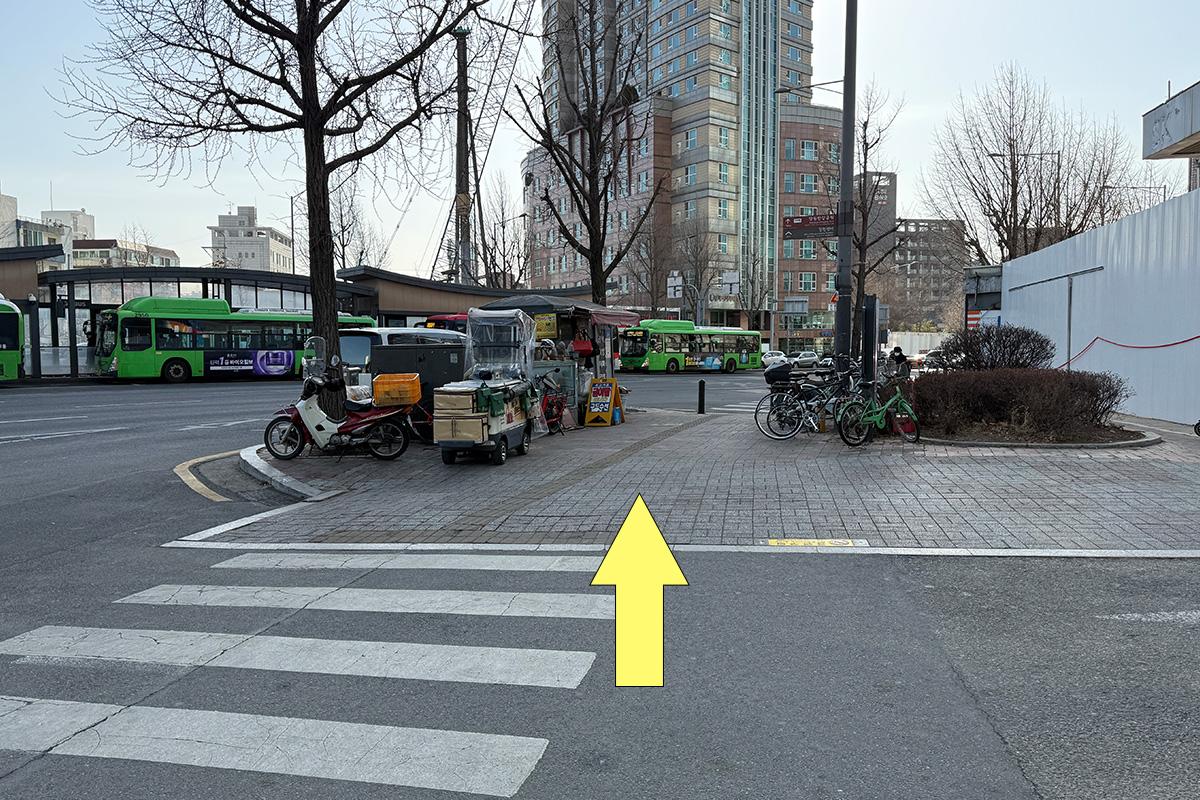
Please go straight ahead.
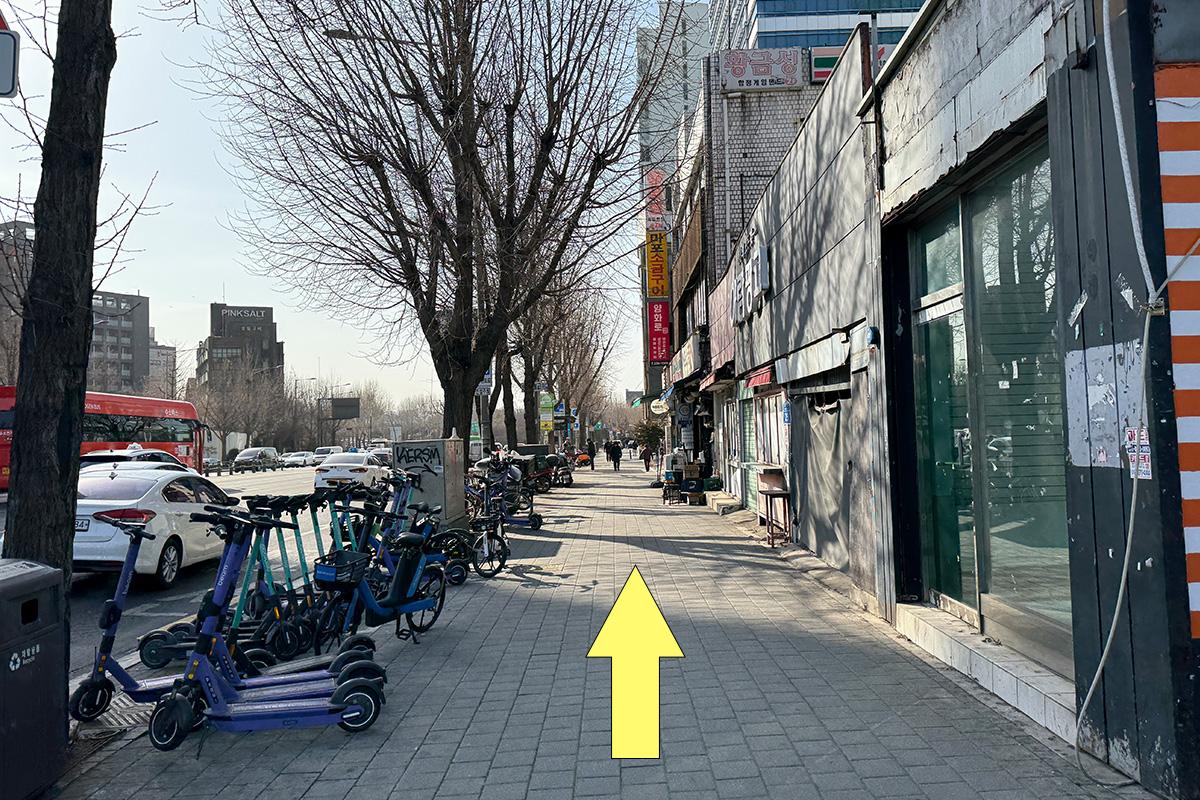
Please go straight ahead.
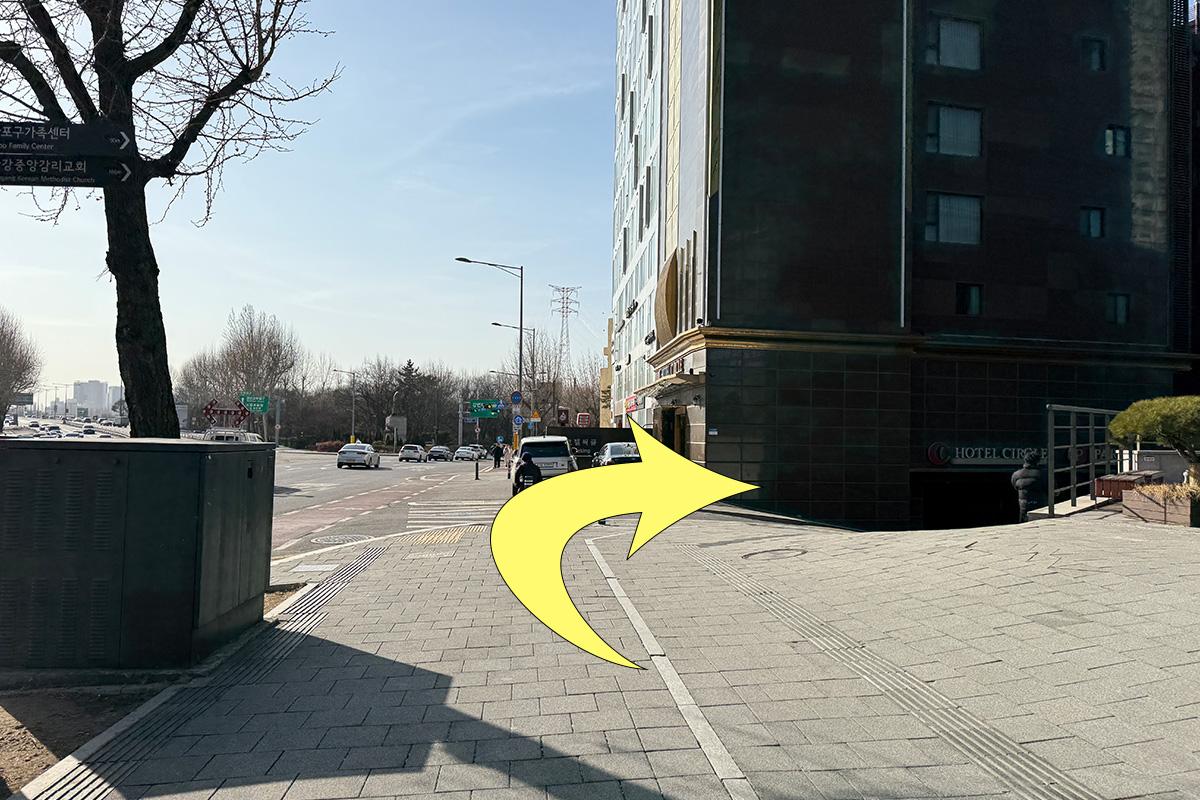
Turn right at the corner of the street.
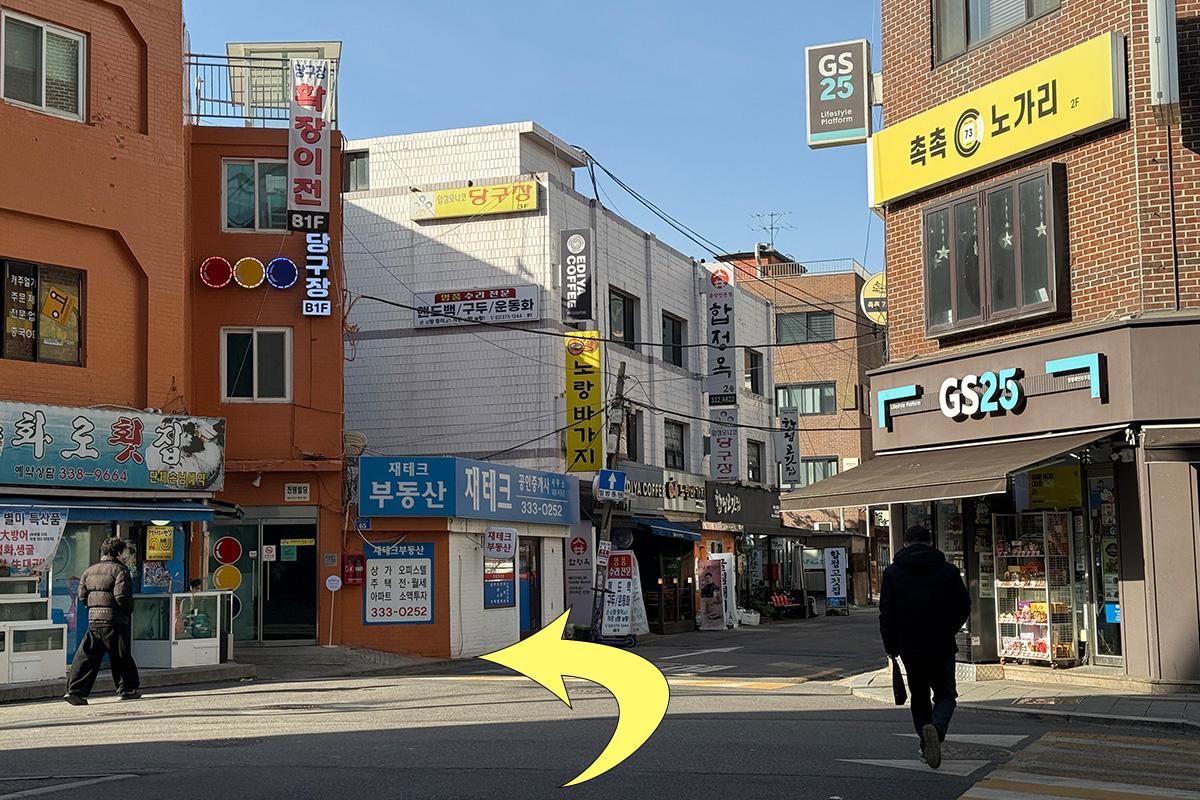
Go straight, then turn left in front of GS25.
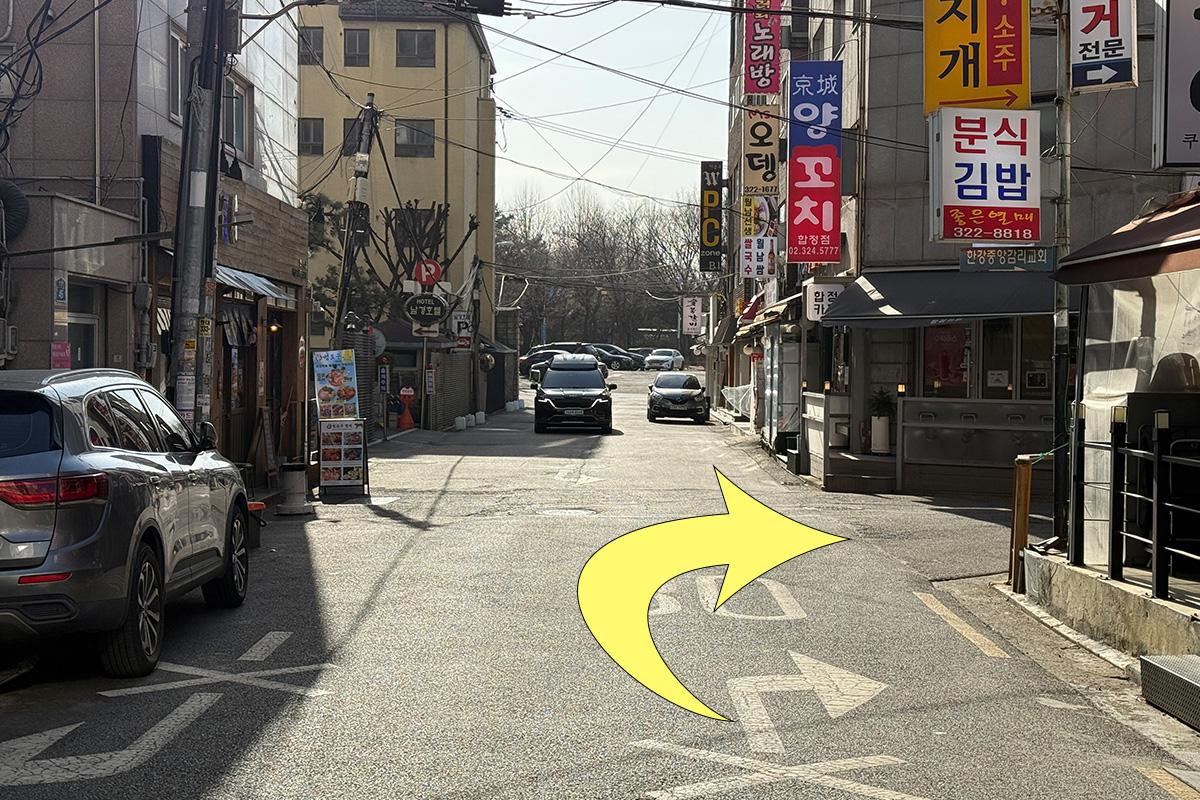
Go straight, then turn right at the first intersection.
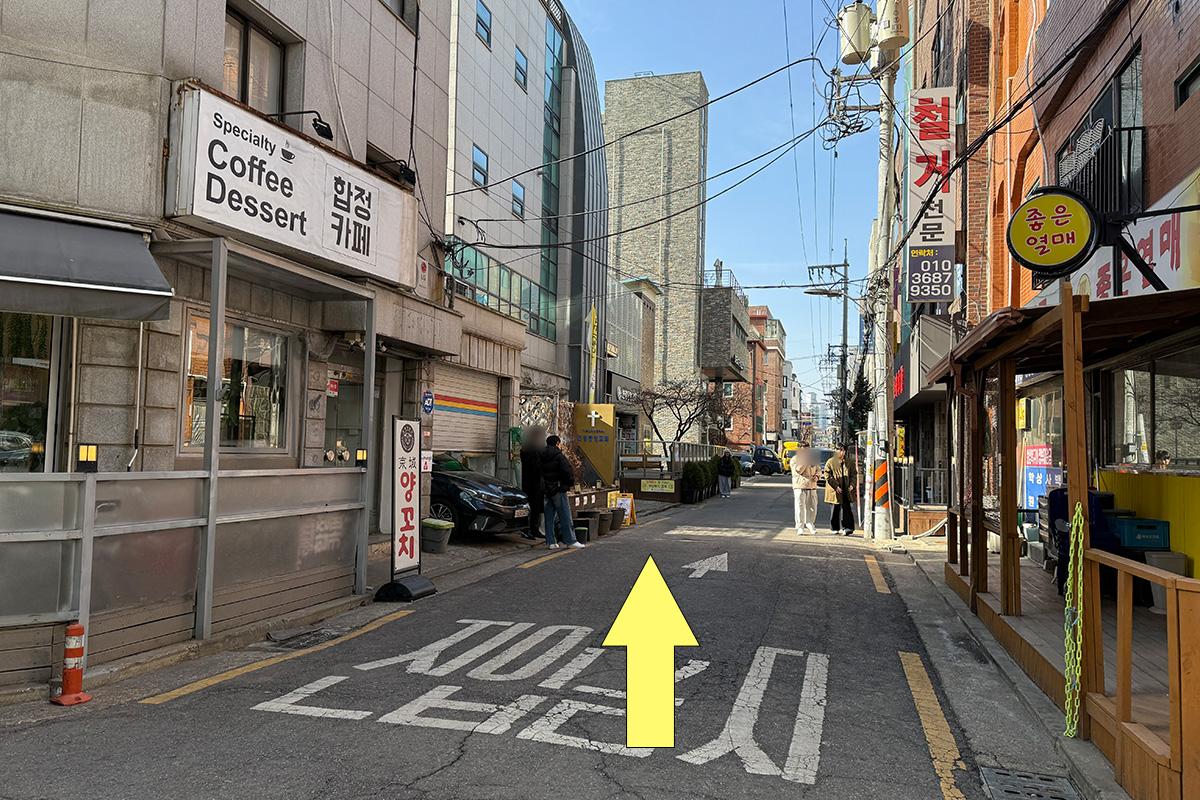
Please go straight ahead.
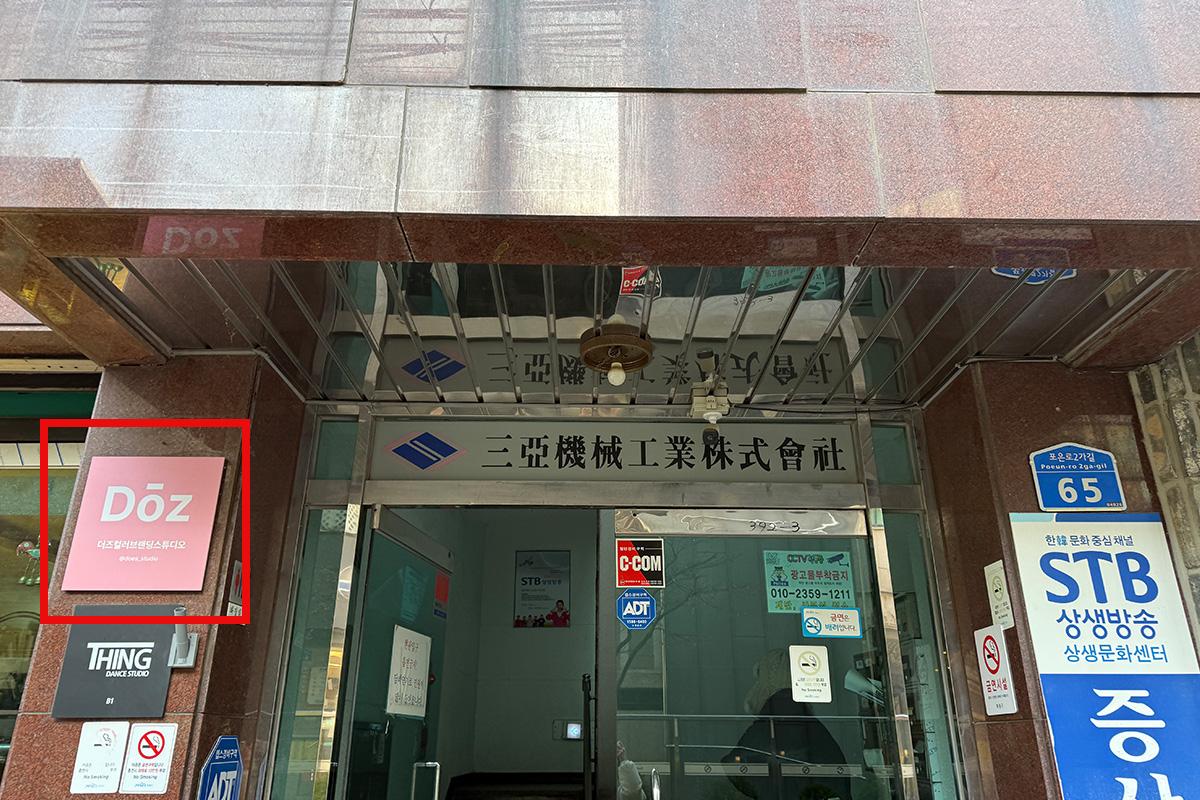
You can see Does Studio in the building on the right.
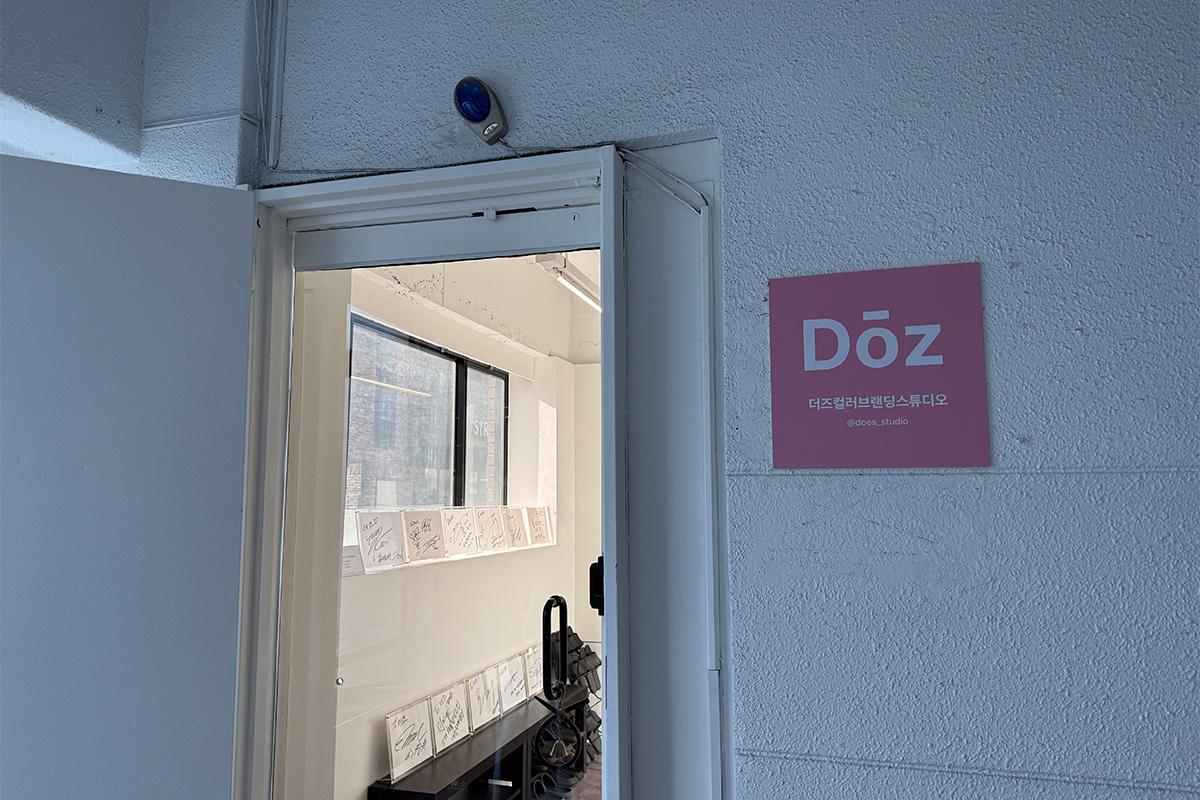
When you go up to the second floor you arrive at Does Studio!
If you have any questions or concerns, Creatrip provides 24/7 real-time support in English, Chinese, and Japanese for international visitors completely free of charge. Reach us anytime on WhatsApp (+82 10-8818-2915) or LINE (@creatrip, @required). You can also follow us on Instagram, TikTok, Threads, and Youtube to stay updated on all things Korea!
Book all things trending in Korea on Creatrip! If you have any questions or concerns, please leave a comment below or send us an email at help@creatrip.com! You can follow us on Instagram, TikTok, Threads, and Youtube to stay updated on all things Korea!