Yeosan Insadong | My name becomes a piece of art
A brief pause during your trip for a Korean traditional culture experience, calligraphy one-day class 'Yeosan'
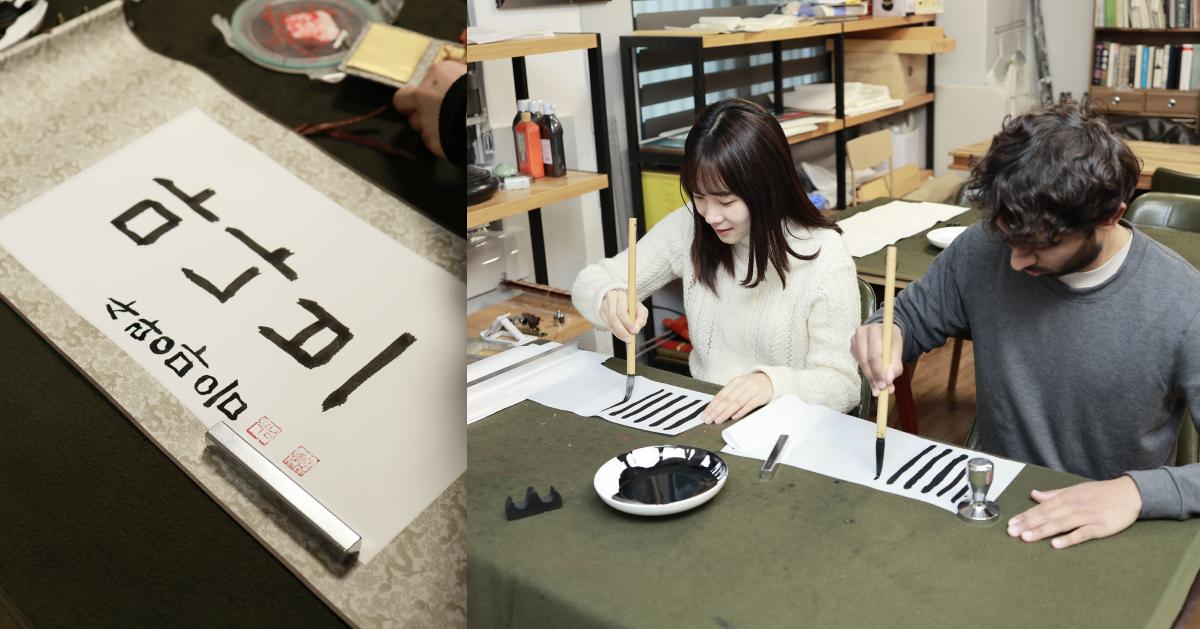
If you want to experience Korea's traditional culture firsthand, how about trying Korean calligraphy?
Korean calligraphy, which involves writing characters using a brush and ink, is one of the traditional cultural practices in Korea that has been passed down for a long time.
Even if it's your first time, it's not complicated, and if you follow along calmly you'll naturally become absorbed.
The calligraphy one-day class at 'Yeosan' was a chance to experience traditional Korean methods without any explanations!
It’s a chance to slow down during everyday life or travel, focus on yourself, and take time to clear your mind.
Now our editor will introduce the time they experienced Korean calligraphy by hand 🖌️
👇 Click below to see more detailed business hours, how to make a reservation, refund policy, and precautions! 👇
[Spot] Yeosan Insadong | Your Name Becomes a Work of Art
Yeosan | Why We Recommend It
- This is a Korean calligraphy experience that lets you enjoy Korea’s traditional culture in a fresh way. You’ll use a brush and ink to write characters yourself, experiencing traditional culture firsthand.
- Korean calligraphy naturally helps you regulate your breathing and focus on hand movements, making it a meditative time to slow down during your trip and focus on yourself. It’s a great activity for quietly immersing yourself and organizing your thoughts.
- Instructions cover how to hold the brush and progress step by step, so even first-timers can follow along easily. You get plenty of practice time at your own pace, so it’s easy to join without pressure.
- You’ll complete a hanging scroll to take home, so you can keep a memento of your Korean traditional culture experience. It also makes a nice travel souvenir or gift.
- Located on the Insadong street, it’s easy to fit in between visits to traditional shops, souvenir shopping, and exhibitions. You can connect smoothly with a traditional culture itinerary without extra travel hassle.
Yeosan | Our Visit
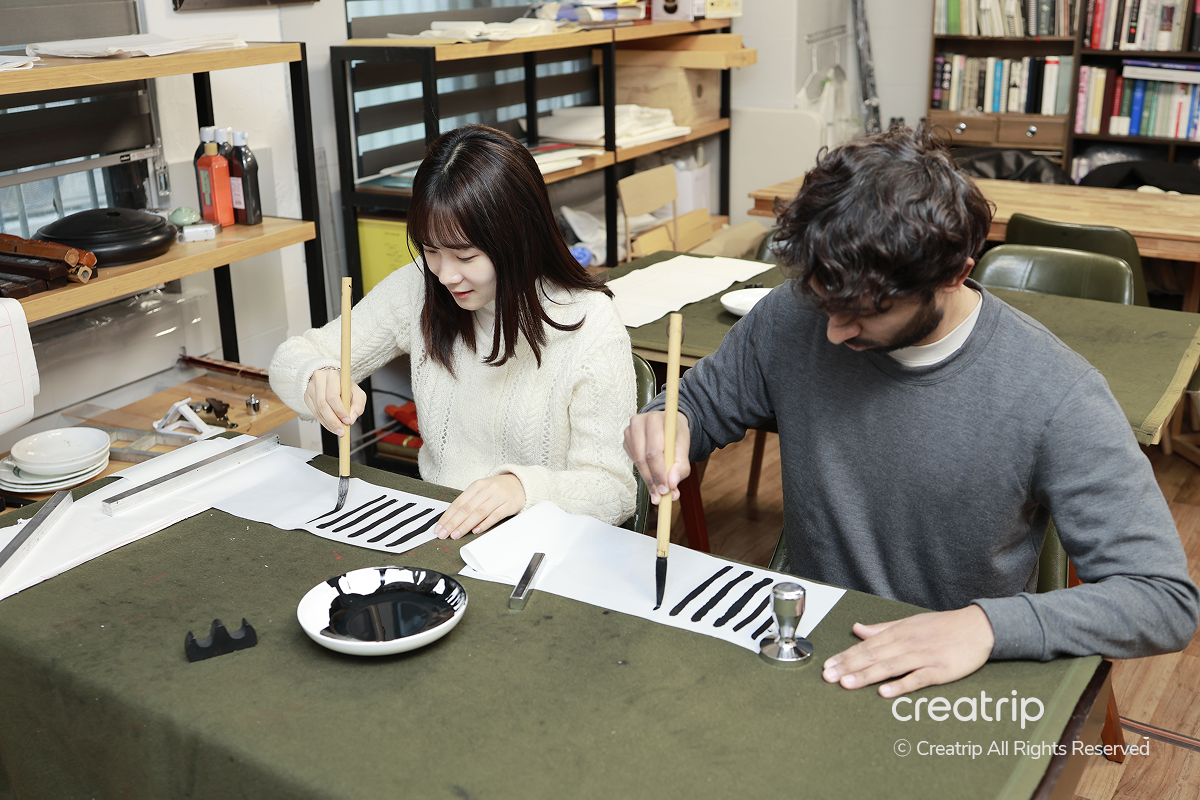
Today I visited Yeosan, a Korean calligraphy one-day class located on the popular street near Anguk Station in Insadong.
I visited with a foreign friend who wanted to experience Korea's traditional culture firsthand.
Korean calligraphy is a traditional Korean cultural activity anyone can join regardless of language, and it’s a low-pressure experience focused more on the process than the result.
So today, instead of a trip focused on getting around and sightseeing, I decided to experience Korean culture hands-on!
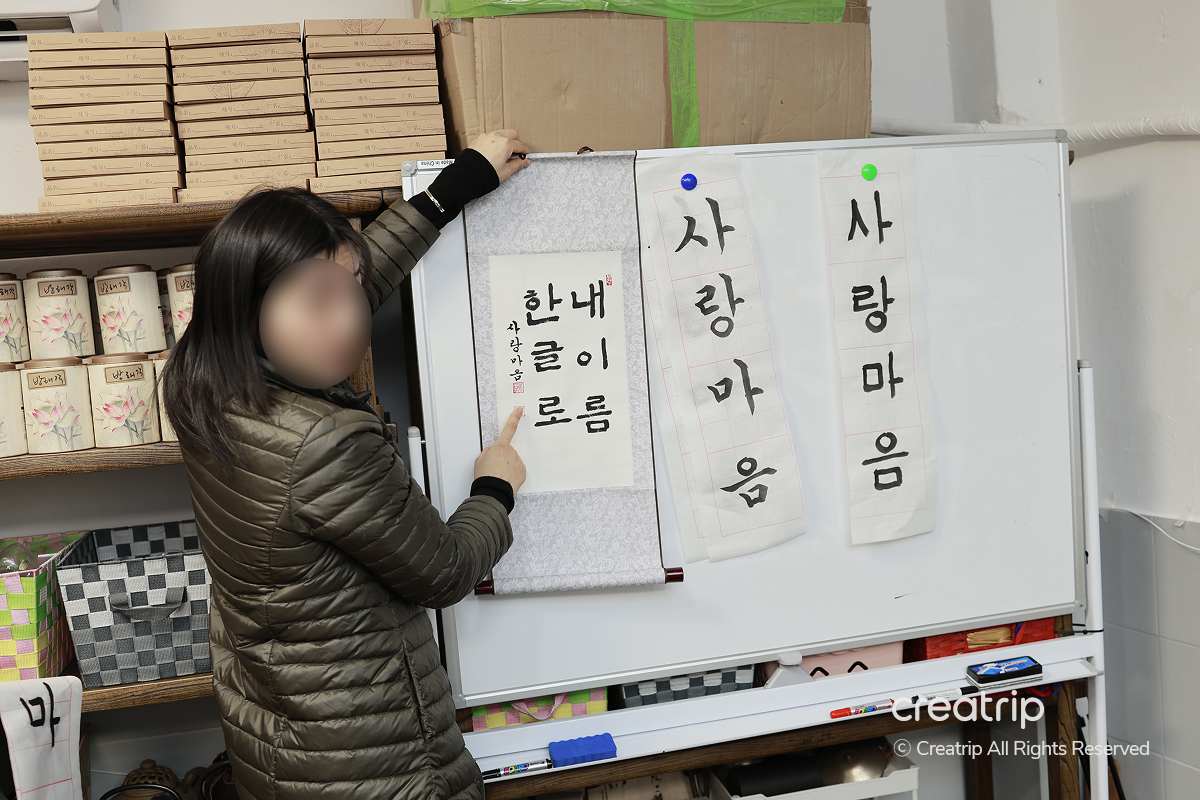
Before the class started, the instructor first showed us the piece we would complete today.
At a glance it felt very traditionally Korean as a hanging scroll, so I was already excited about today’s class just imagining the finished piece.
[image slider] 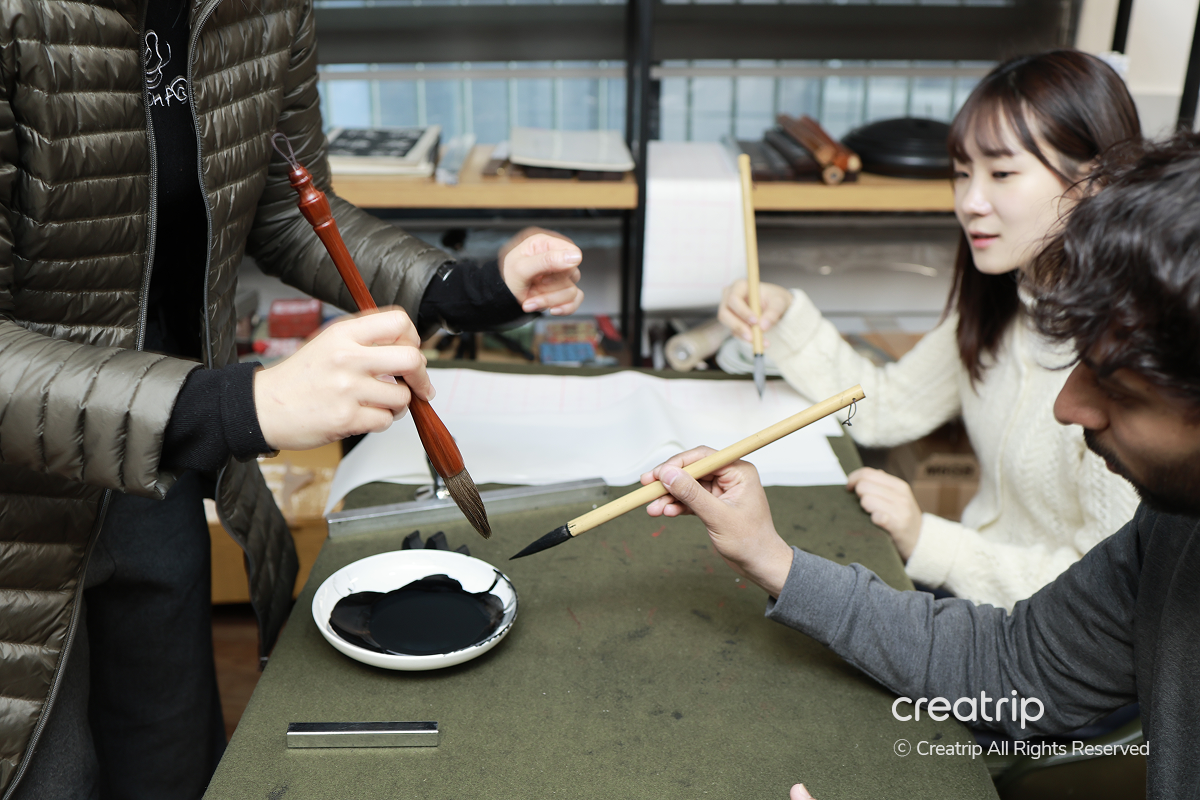
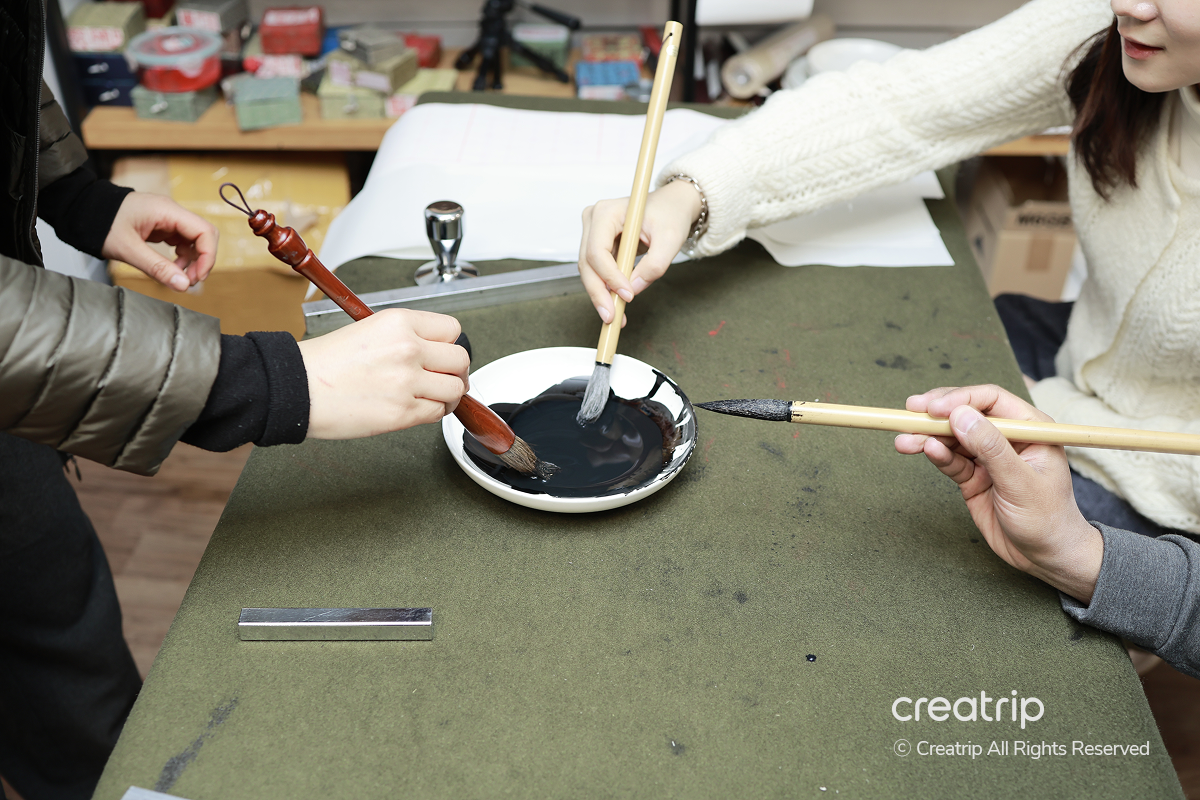
After taking my seat, I learned how to hold the brush, the basic technique of Korean calligraphy.
They guided me through everything, from how to hold tension in my hand to the angle of the brush, so even someone new to Korean calligraphy could start without feeling intimidated.
Even friends who held a brush for the first time were able to learn the basic Dongjak step by step, following the instructor's guidance.
[Image Slider] 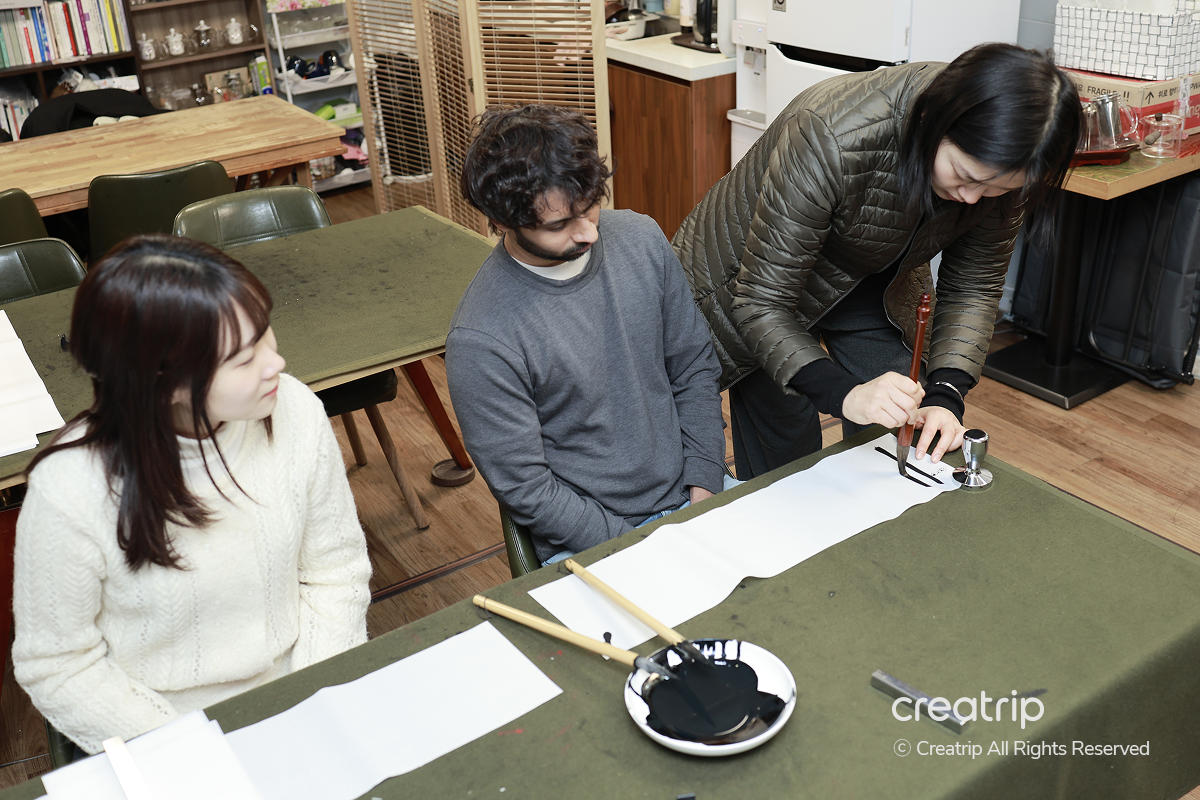
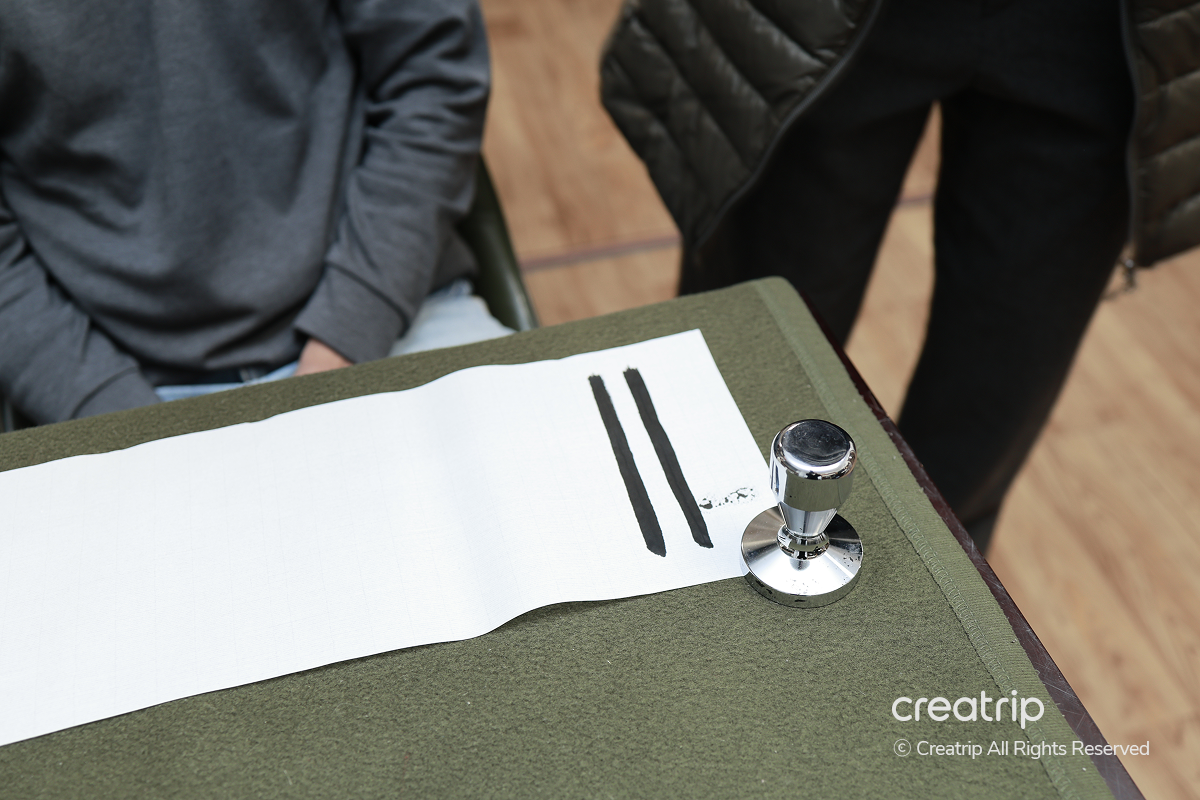
After that, we practiced drawing lines in order to learn how to control the brush's pressure and flow.
After listening to the instructor's explanation, we were given plenty of time to practice repeatedly at our own pace, so we could practice calmly without rushing.
[Image slider] 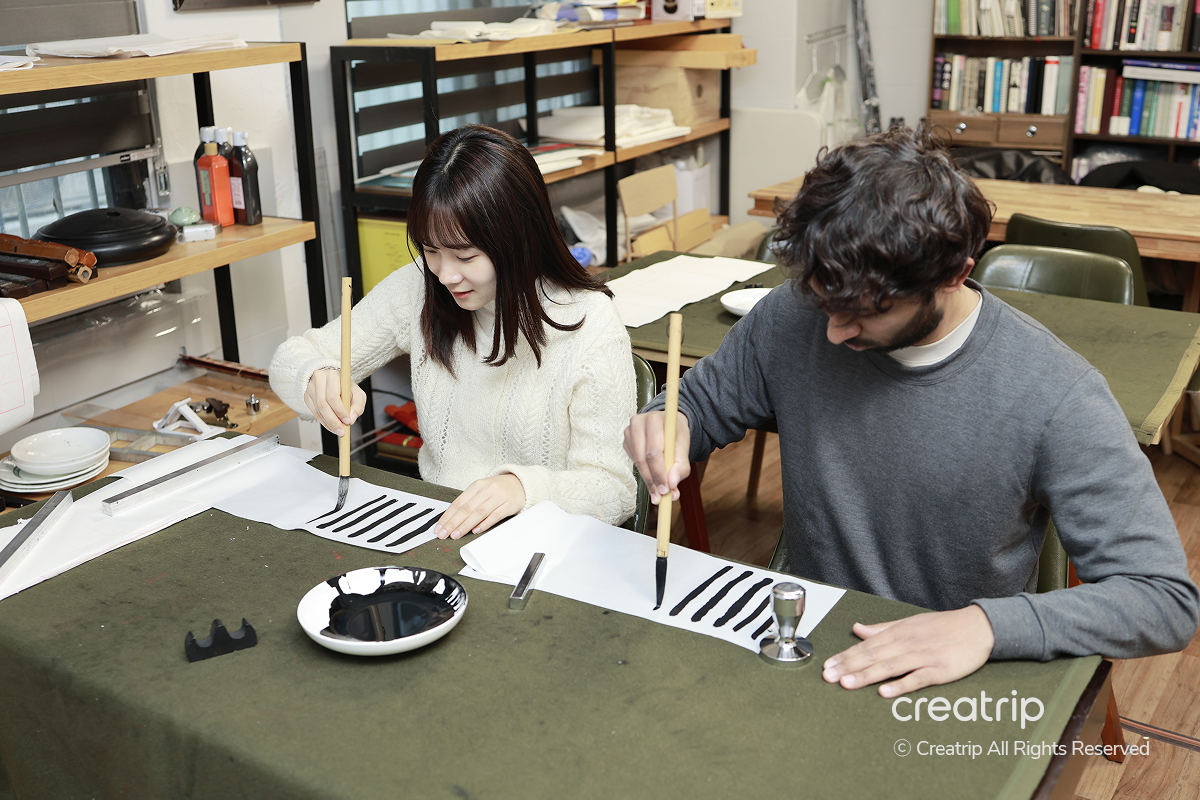
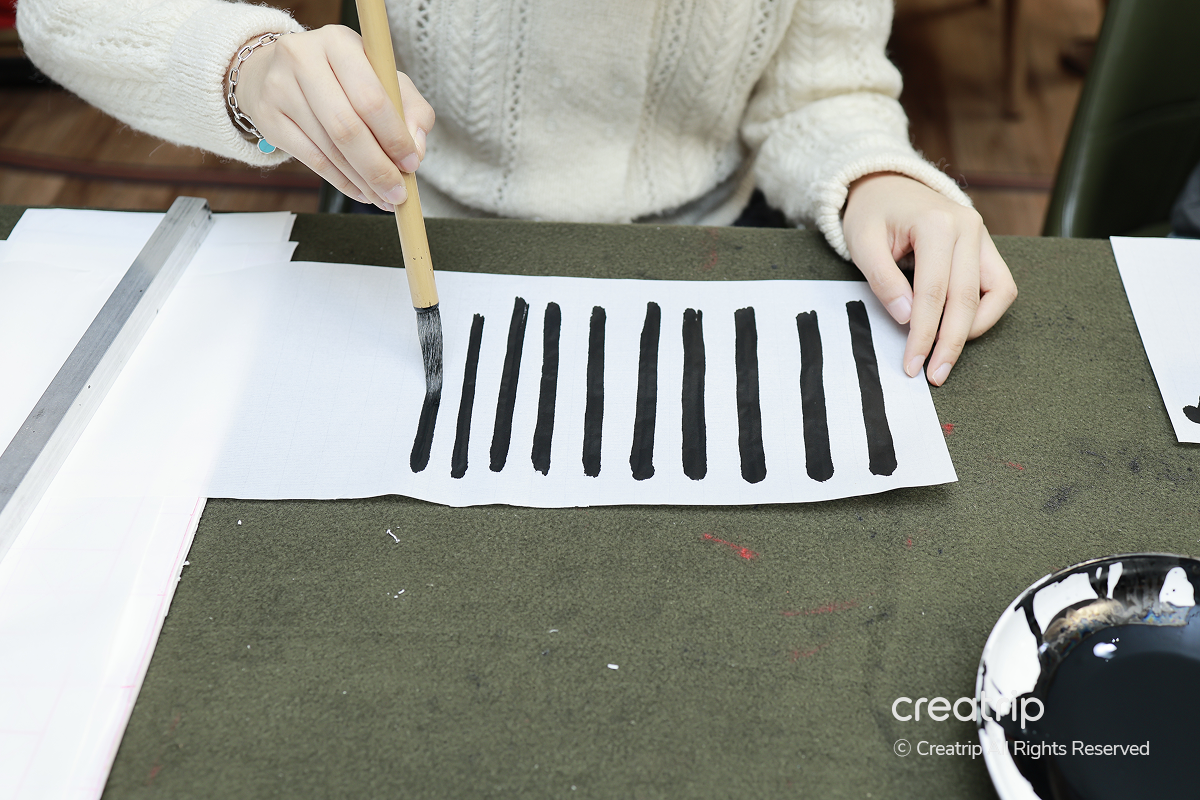
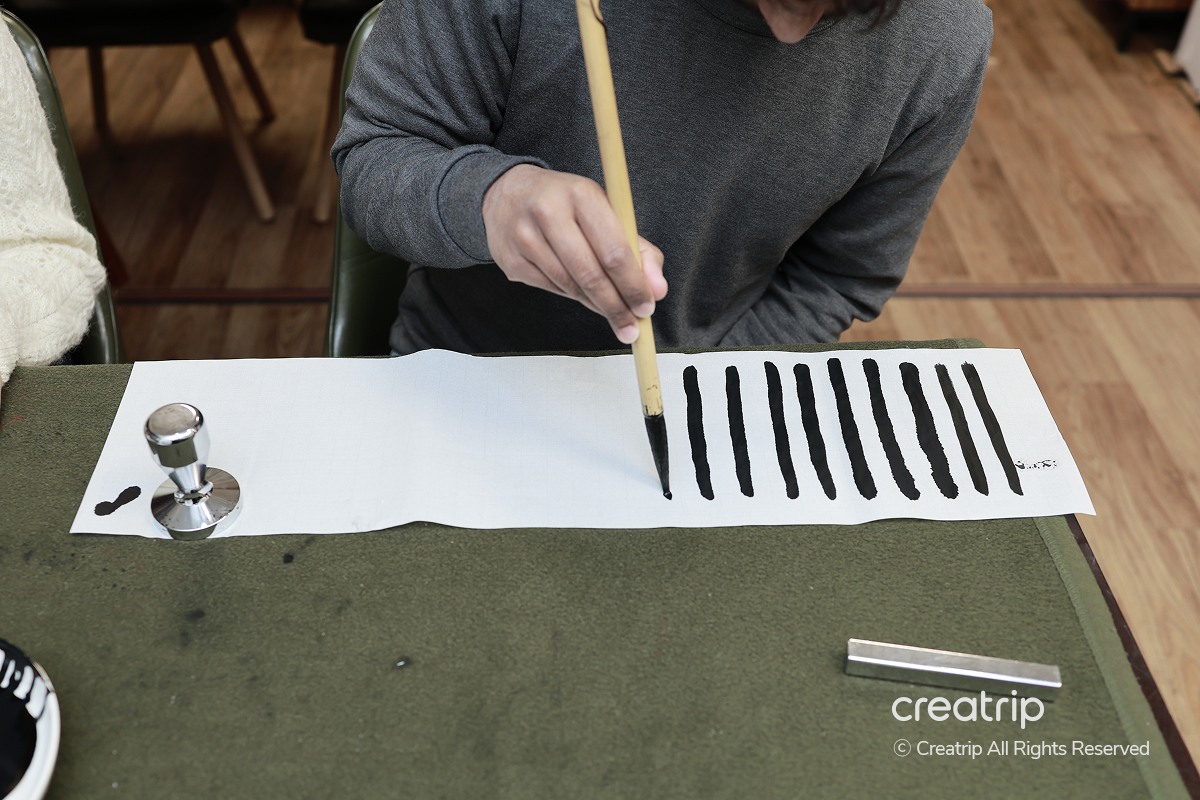
I practiced drawing lines with an even thickness, and it required more concentration than I expected.
Even the slightest distraction made my lines wobble or change thickness, so I had to stay focused on the brush’s movement and the pressure of my hand the whole time to keep the lines consistent.
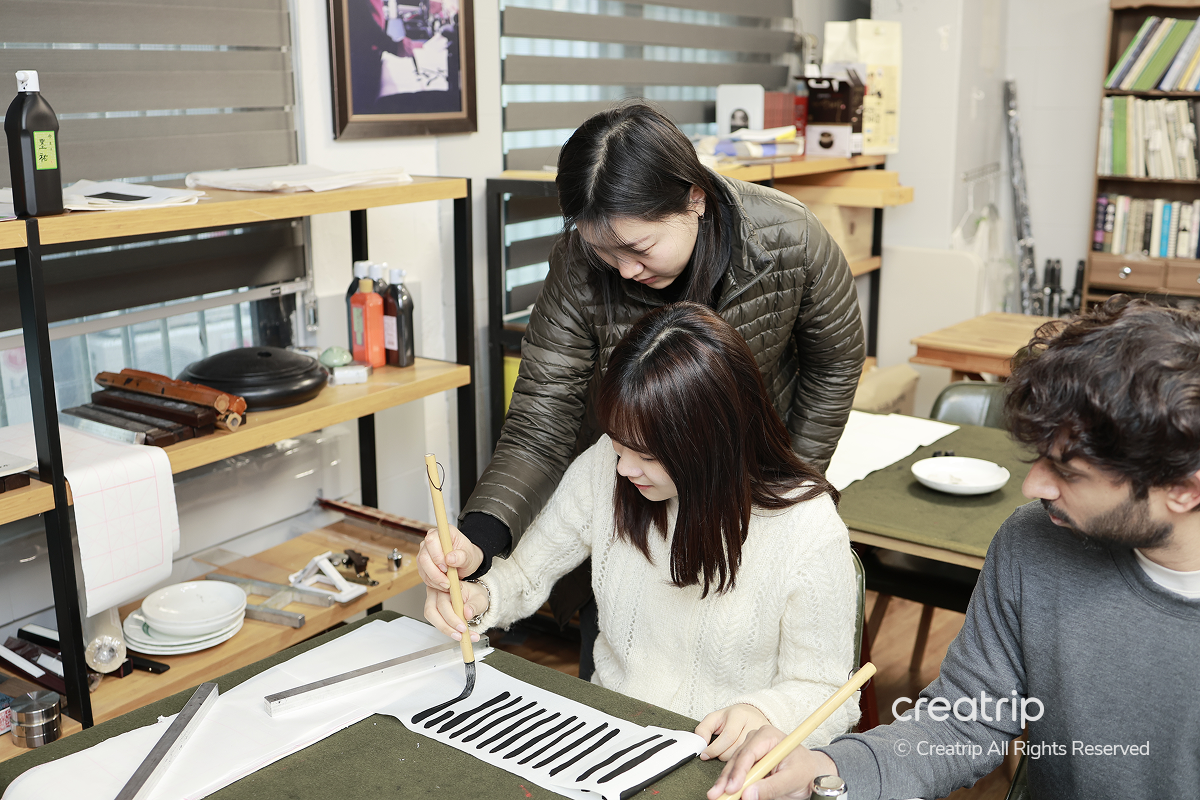
Our editor tried to go a bit faster, so the strokes came out uneven and the thickness wasn’t consistent.
So I asked why, and the instructor explained that Korean calligraphy is like a meditative practice that focuses on the process rather than the result.
If you hurry or try too hard to make perfect strokes, your hand tenses and the lines tend to wobble, so they said it’s best to steady your breathing, clear your mind, and focus only on the movement of the brush so the strokes flow naturally.
I remember them saying that if you treat it as a moment to pause and focus on yourself, you can take it much more comfortably.
[Image Slider] 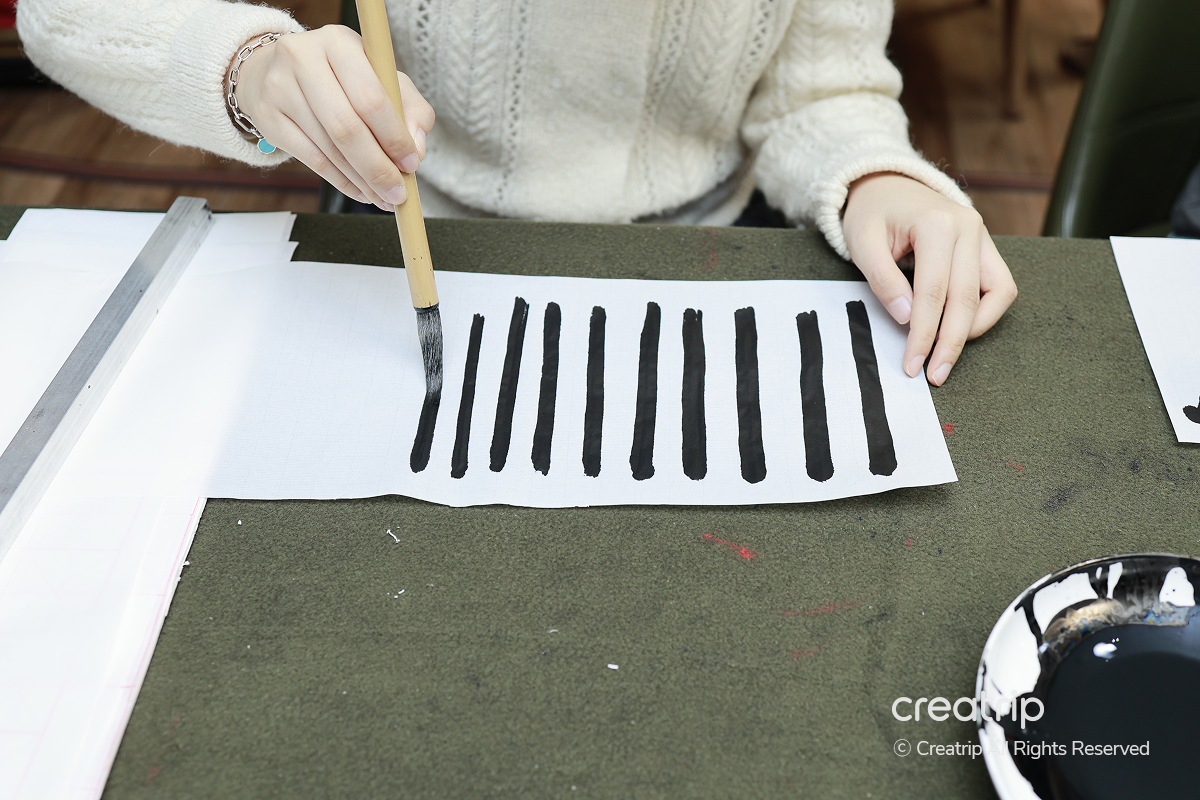
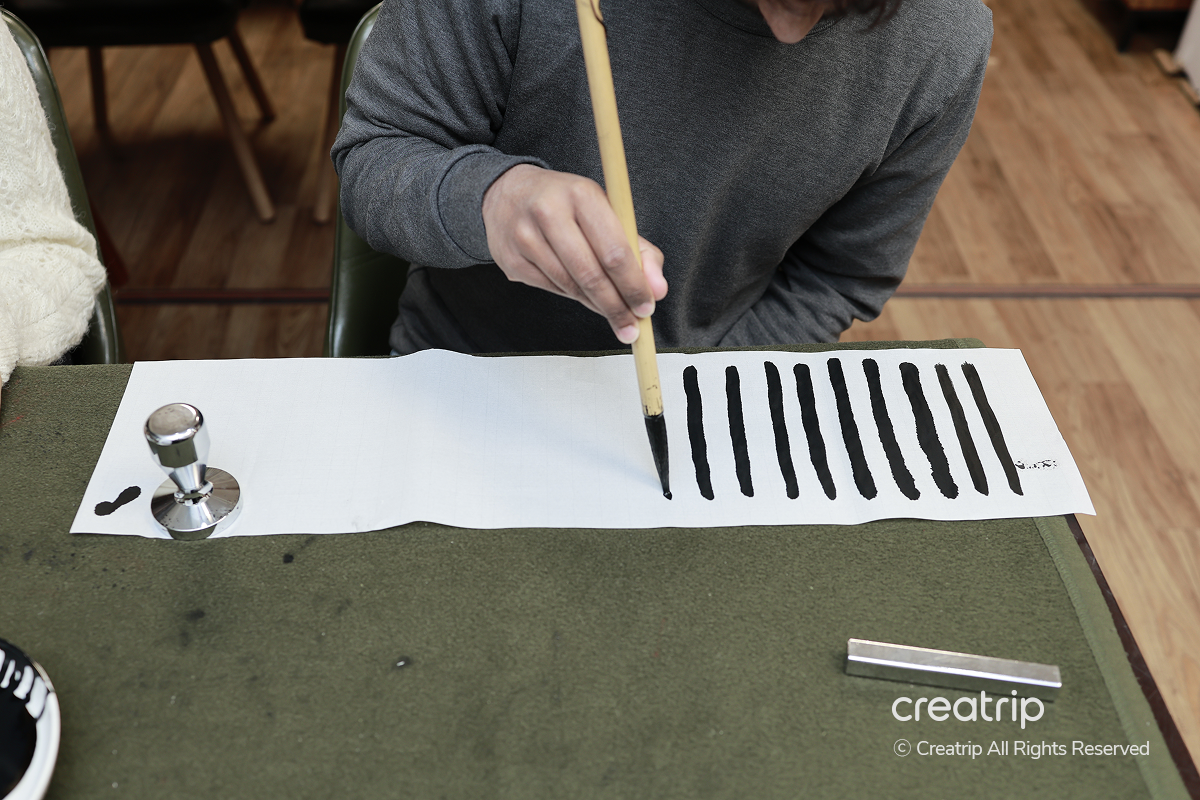
By repeating the same Dongjak, I was able to learn where to apply pressure with the brush and how to move my hand.
At first my lines were uneven, but after practicing several times the brush tip shook less and the overall flow became much more orderly.
After practicing several times and comparing it with the first line I drew, I could clearly see it had become much steadier!
[image slider] 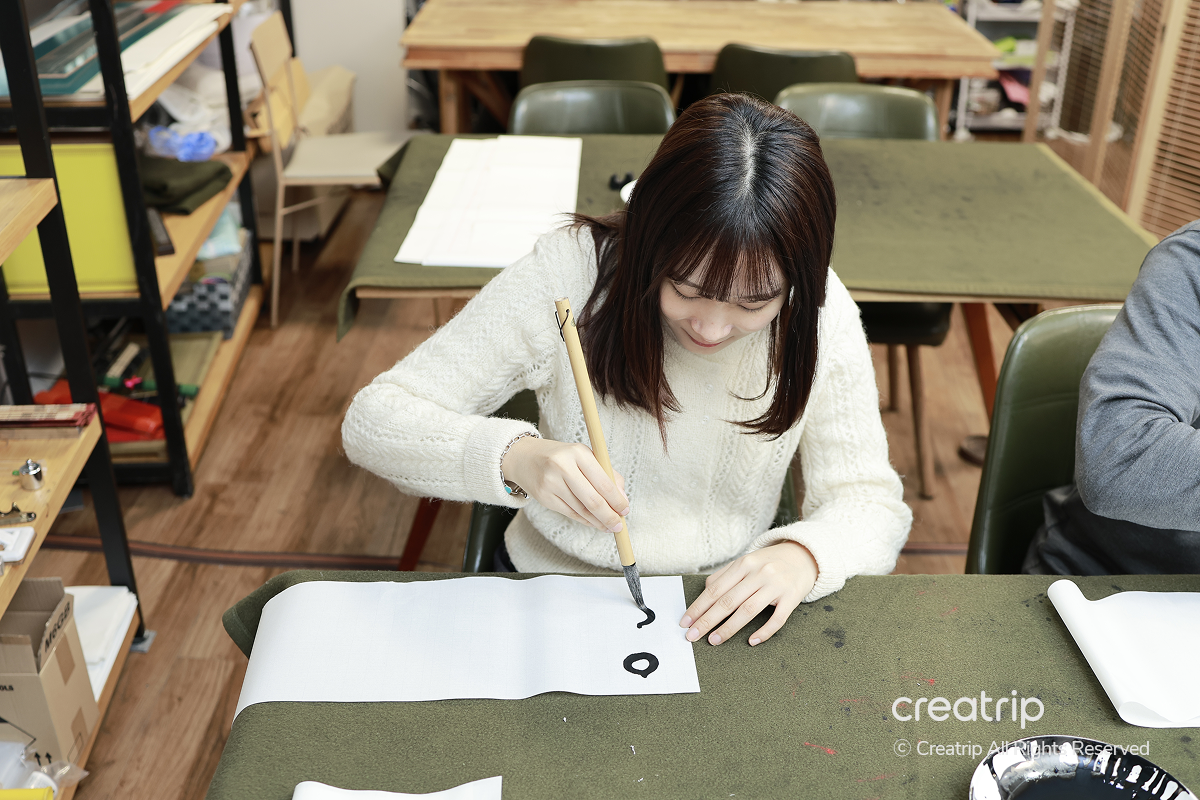
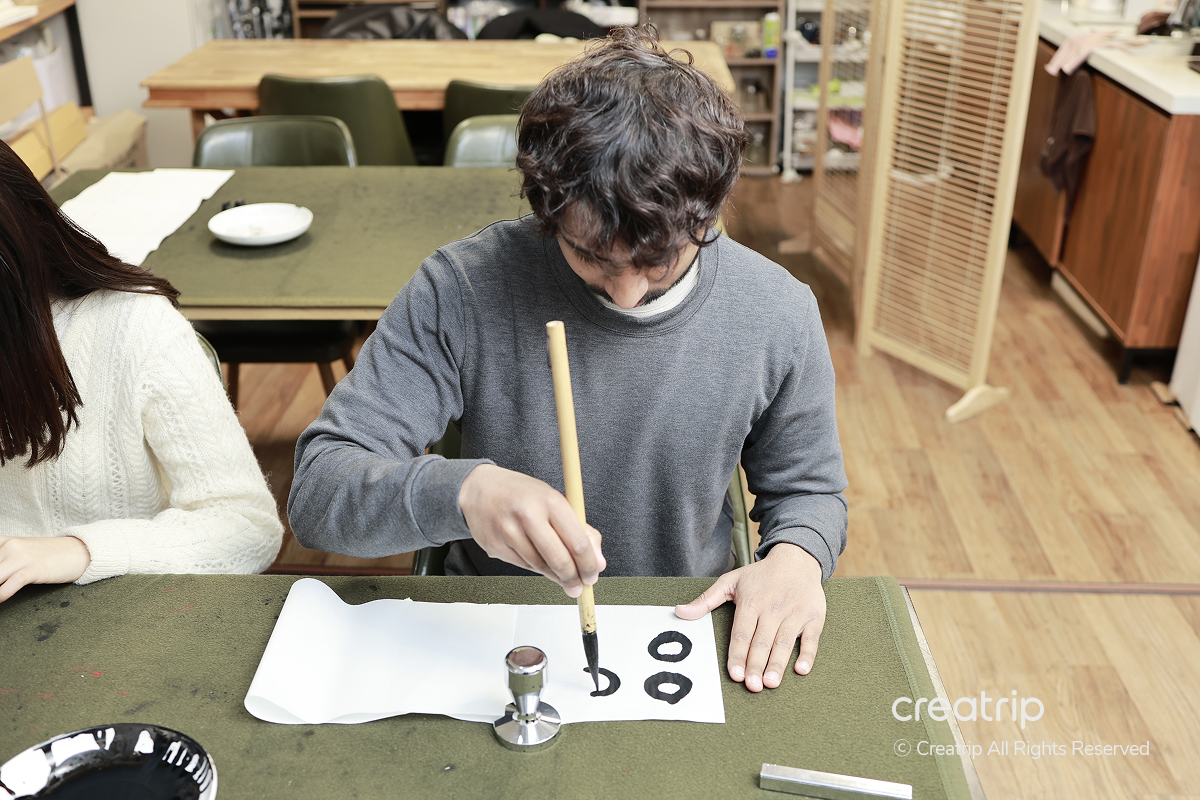
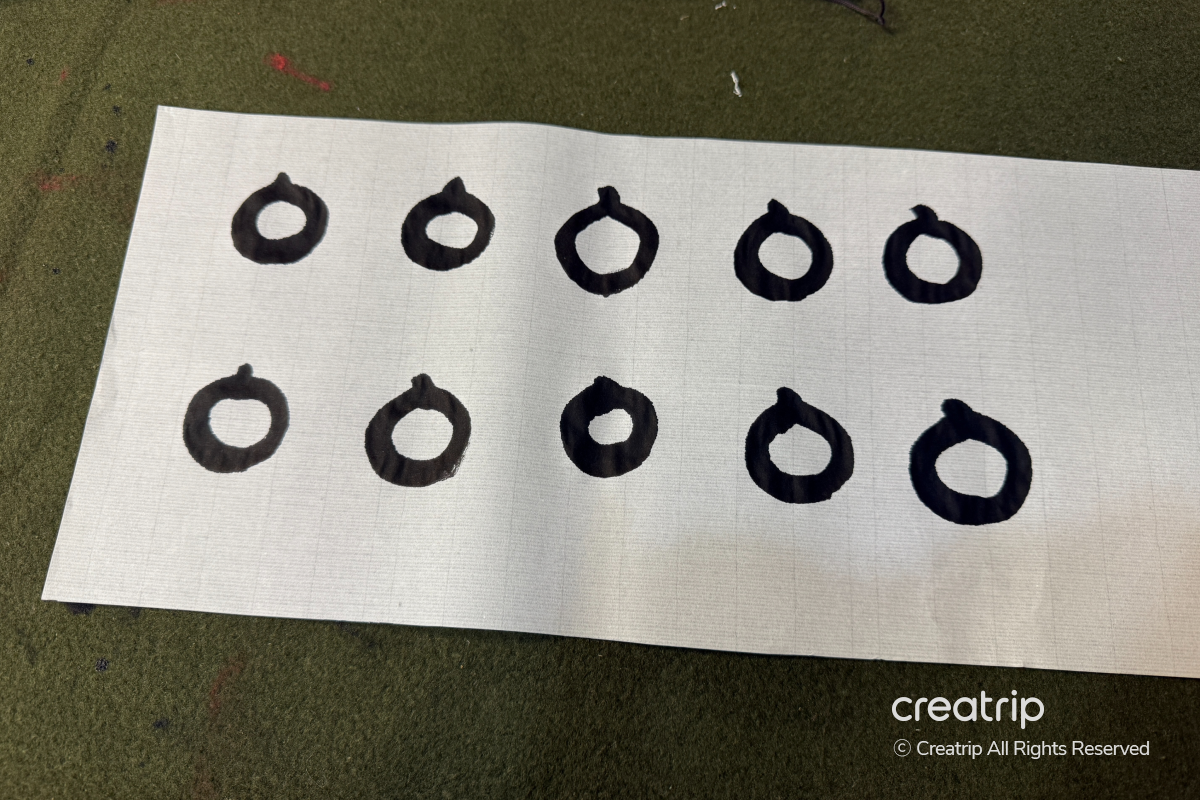
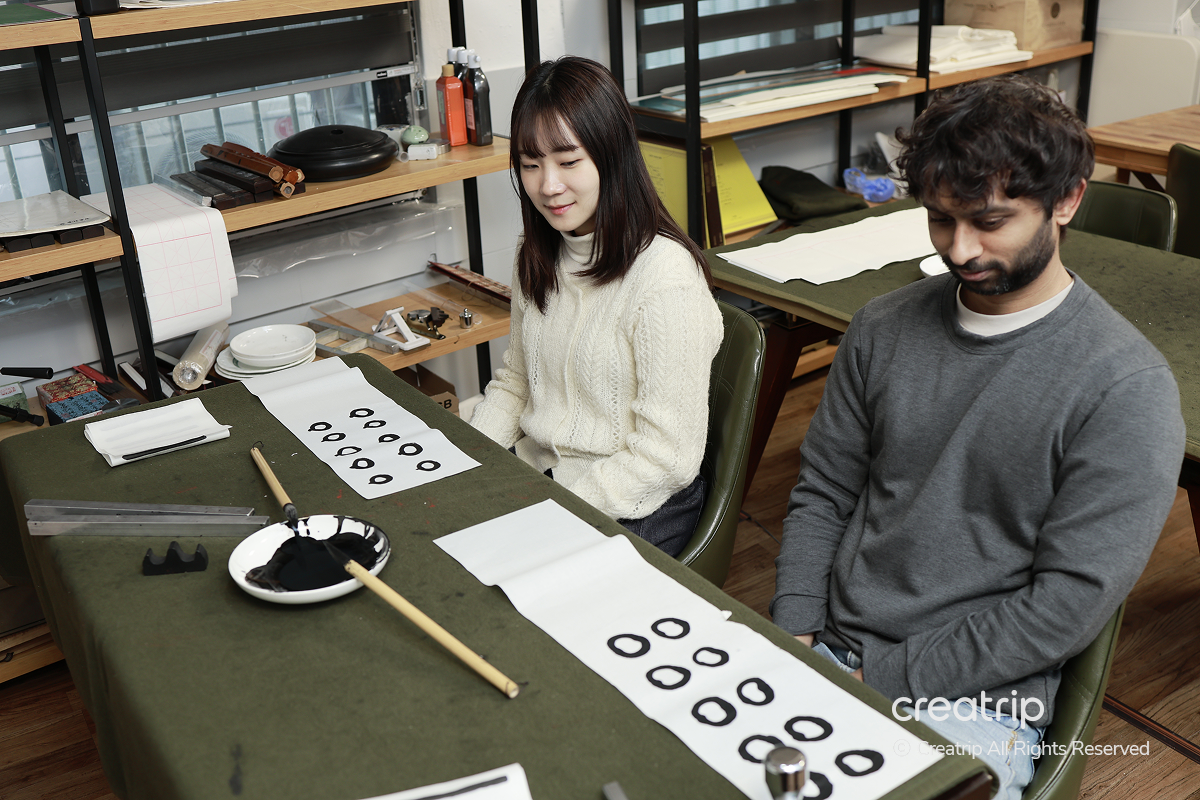
Next, we practiced drawing circles.
Unlike drawing straight lines, because the curves connect, brush direction and pressure control felt much more important.
If you hesitate or your hand pauses for a moment, the form quickly falls apart, so you naturally end up concentrating more as you paint.
After repeating it a few times, the circular shape became more stable, so I was able to get a good feel for it before moving on to the stage of writing characters.
Also, soft background music was playing, so the atmosphere made it easy to quietly focus only on practicing.
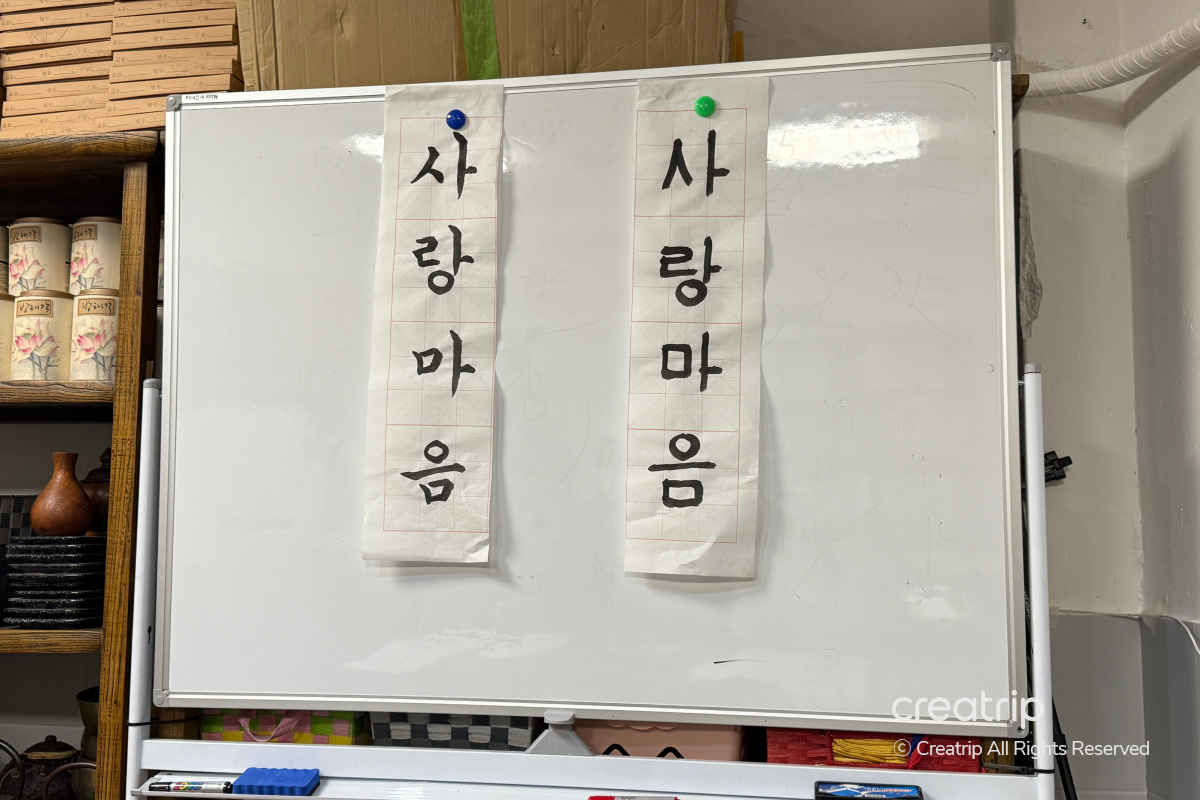
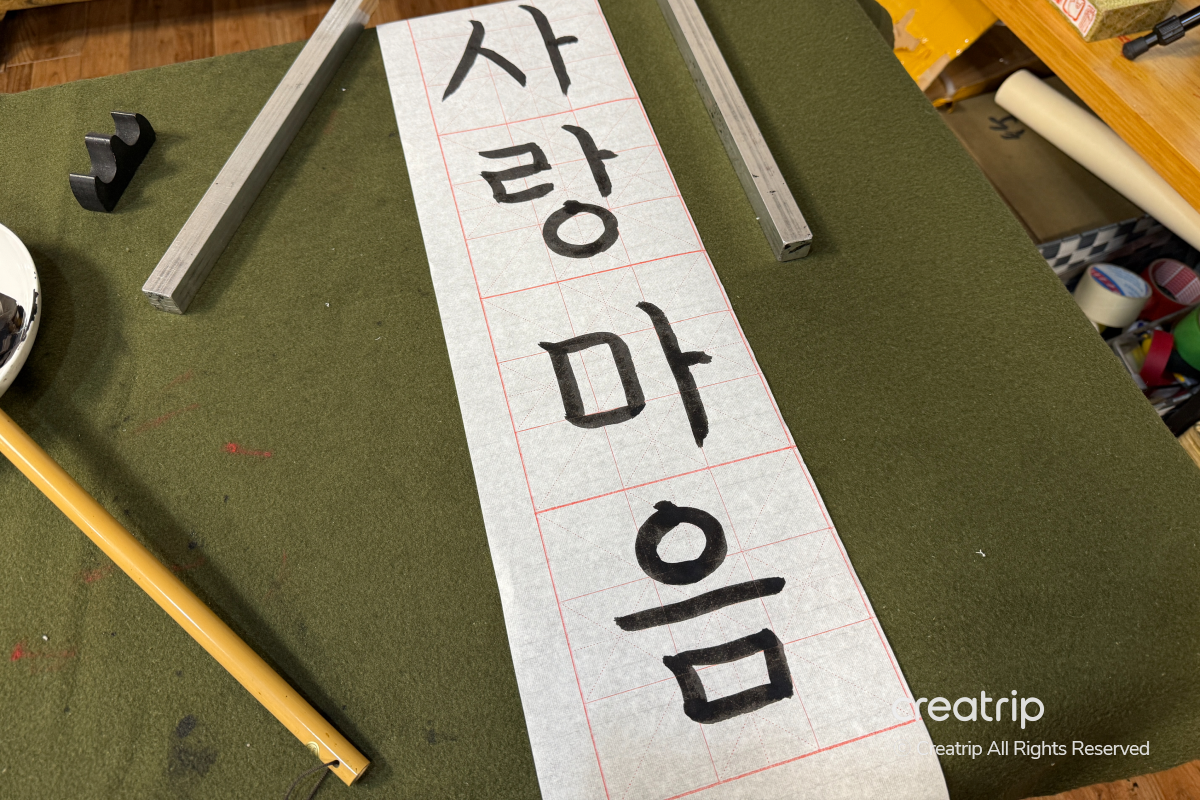
In this session we practiced writing the characters for 'love' and 'mind.'
We first practiced the relatively easy script on the right, and once we got comfortable, we tried writing the slightly more difficult script on the left.
Before we started writing in earnest, the instructor explained the meanings of the words 'love' and 'mind,' then told us to think about what those meanings meant to each of us as we wrote.
Instead of copying exactly, we spent time recalling the meaning of each word and writing in our own way!
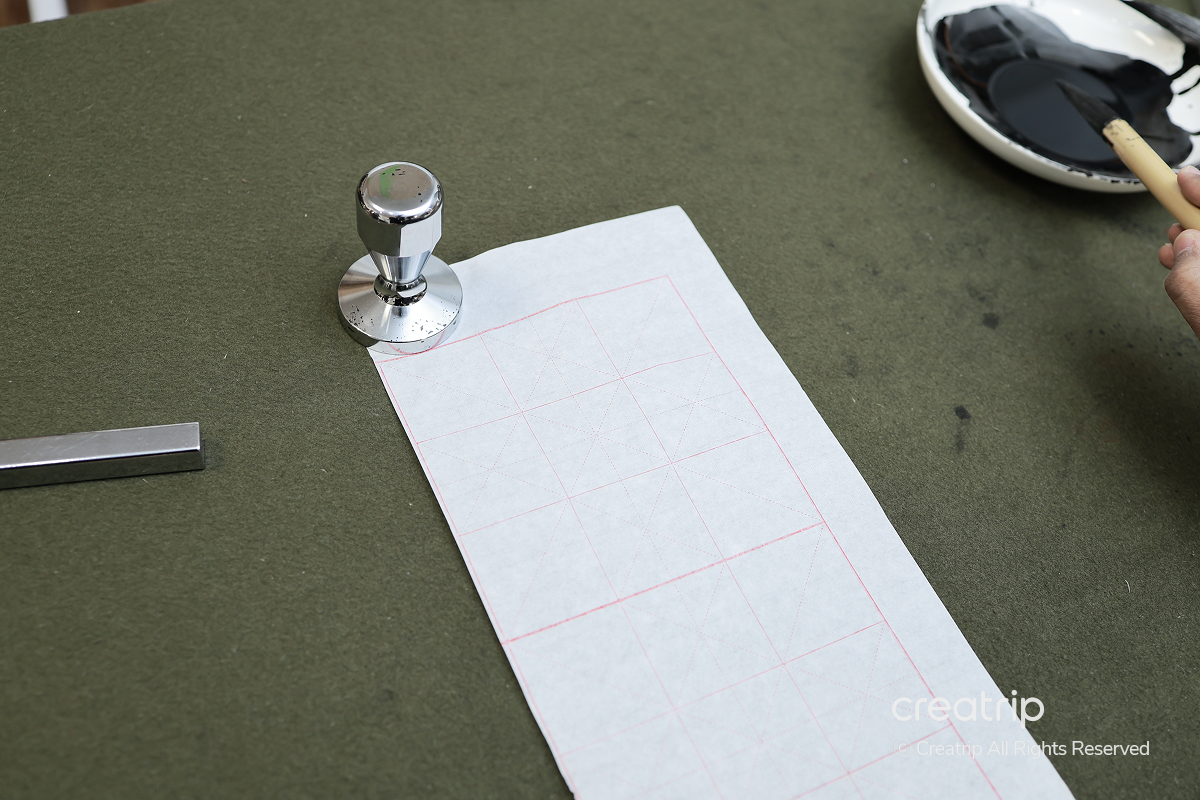
This time, we practiced using paper divided into squares to gauge the size and placement of the characters as we wrote.
Using the squares as a guide helped me keep the center steady, so the characters didn’t wobble much and I could write while keeping the overall balance in mind.
You naturally learn where to place each brushstroke, which really helped me get the feel of it~!
[image slider] 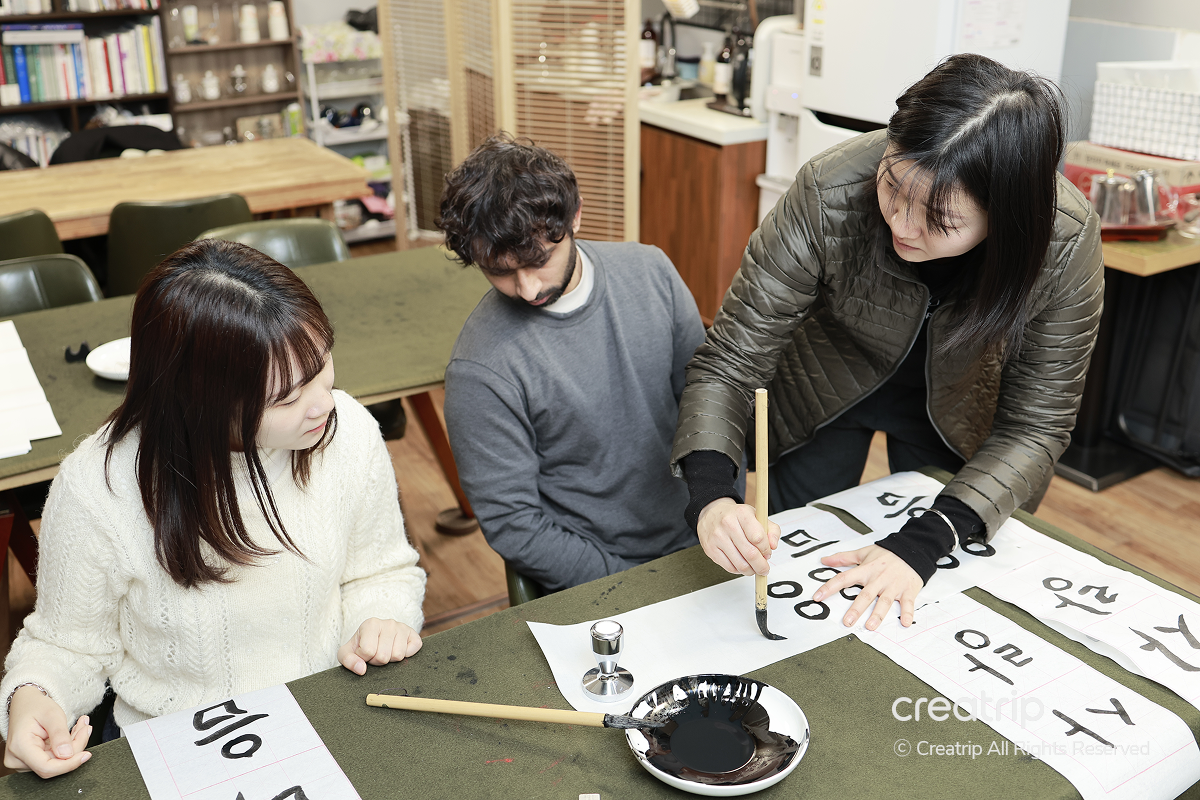
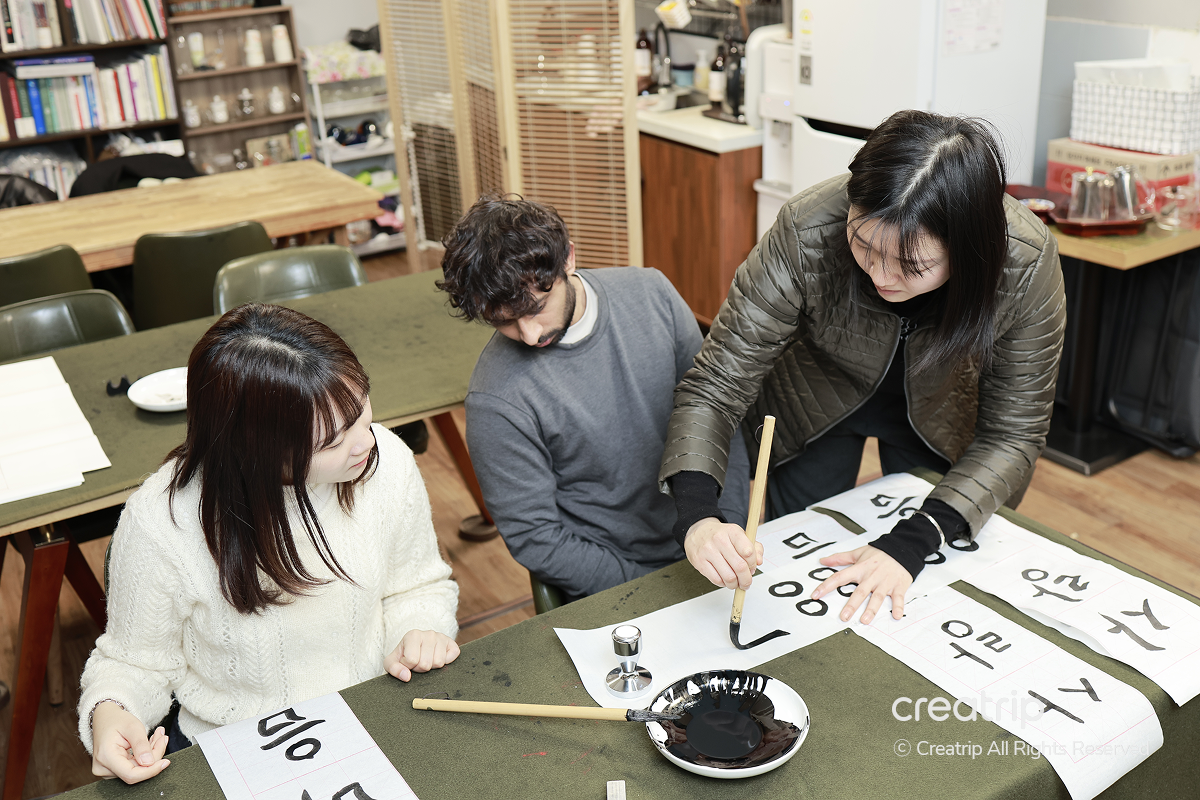
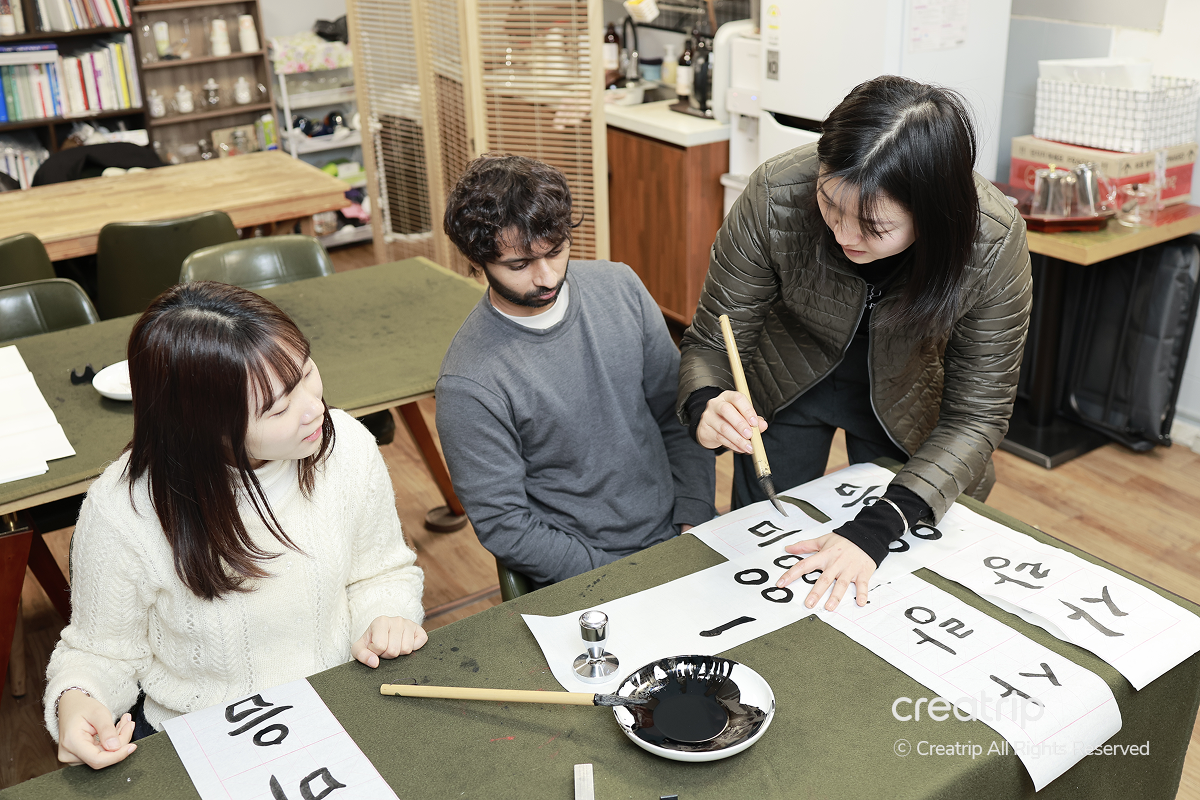
Finishing the stroke endings wasn’t easy, but at that moment the instructor shared a helpful tip!
She said it’s better to start with a dot, connect it into a stroke, then finish with a dot, rather than trying to draw one long continuous line.
By applying pressure at the starting point, easing through the middle, and finishing with a controlled lift at the end, thinking in terms of 'dot - line - dot' helped me write much neater characters.
[image slider] 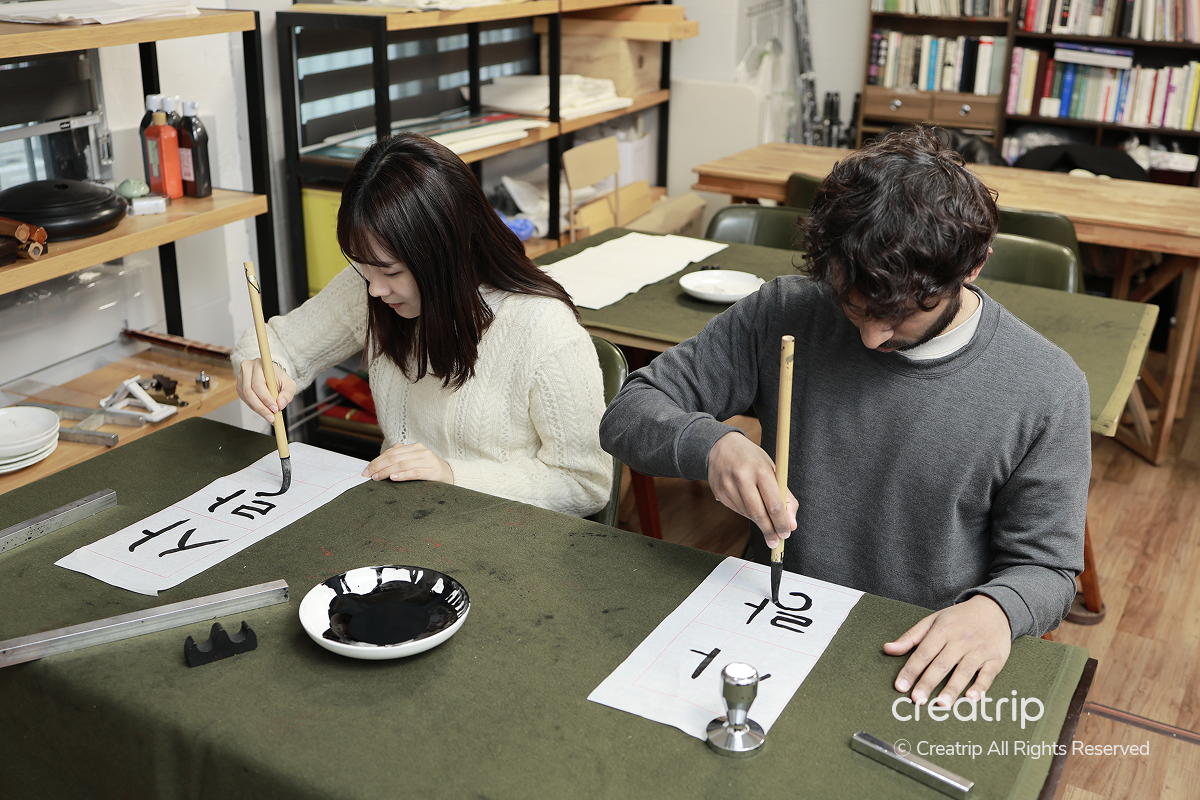
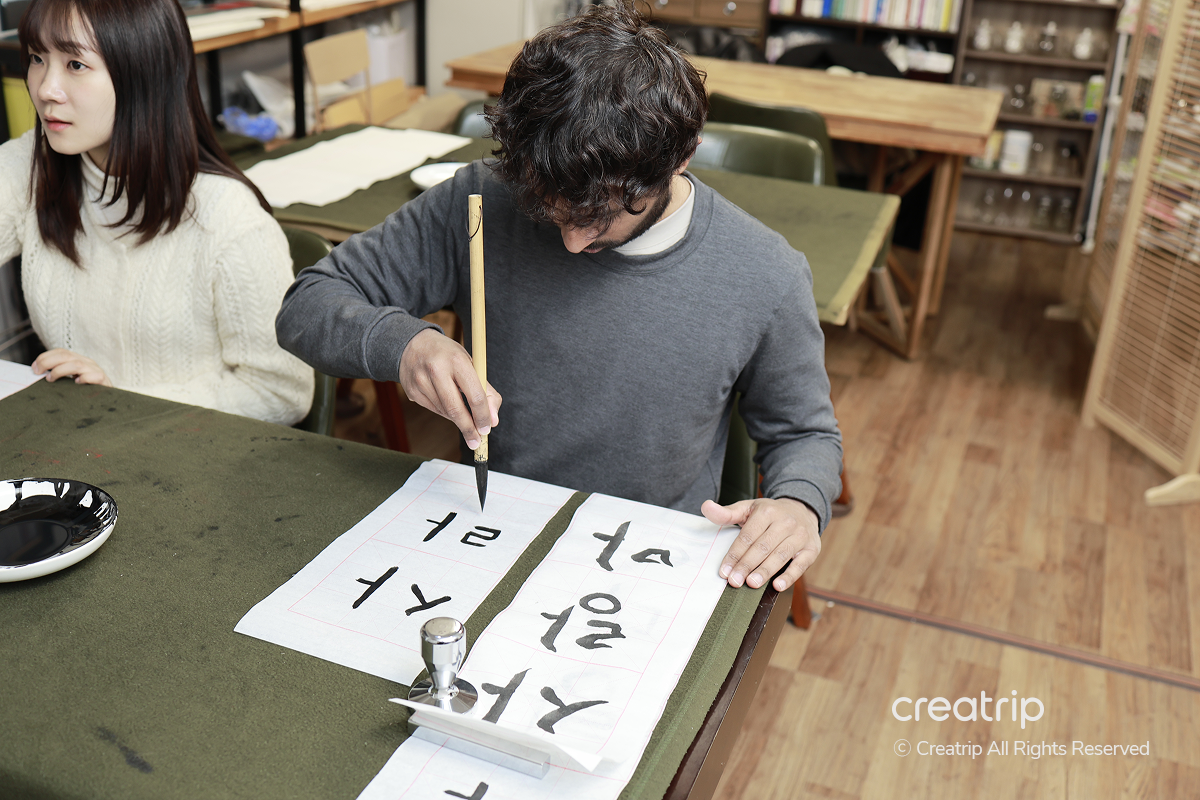
The instructor emphasized not to be stingy with the paper, and said it’s important to keep practicing without hesitation during exercises.
Thanks to that, I could let go of the pressure to write perfectly, so I was able to practice comfortably.
After practicing repeatedly, my hand felt much more comfortable than at first, and I could see my writing becoming more natural!
Our editor and my friend both felt one sheet wasn't enough, so we kept practicing on multiple sheets of paper!
I got so focused practicing that before I knew it, about an hour had flown by!
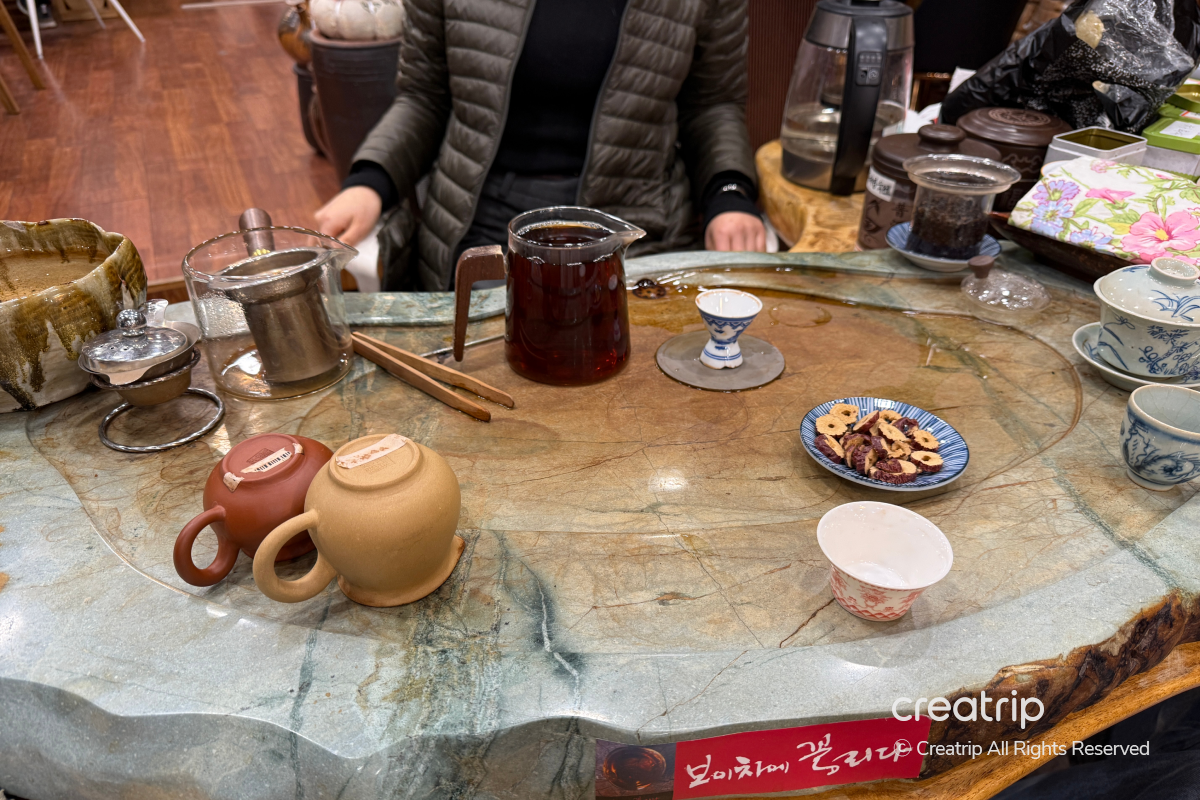
The Korean calligraphy one-day class at Yeosan also includes tea time, and during that time the instructor personally brewed pu-erh tea for us.
Pu-erh tea is known for soothing the stomach and being easy on you even after sitting for a long time.
The scent wasn't overpowering and the flavor was clean, it felt like getting ready to refocus with a cup of tea~!
[image slider] 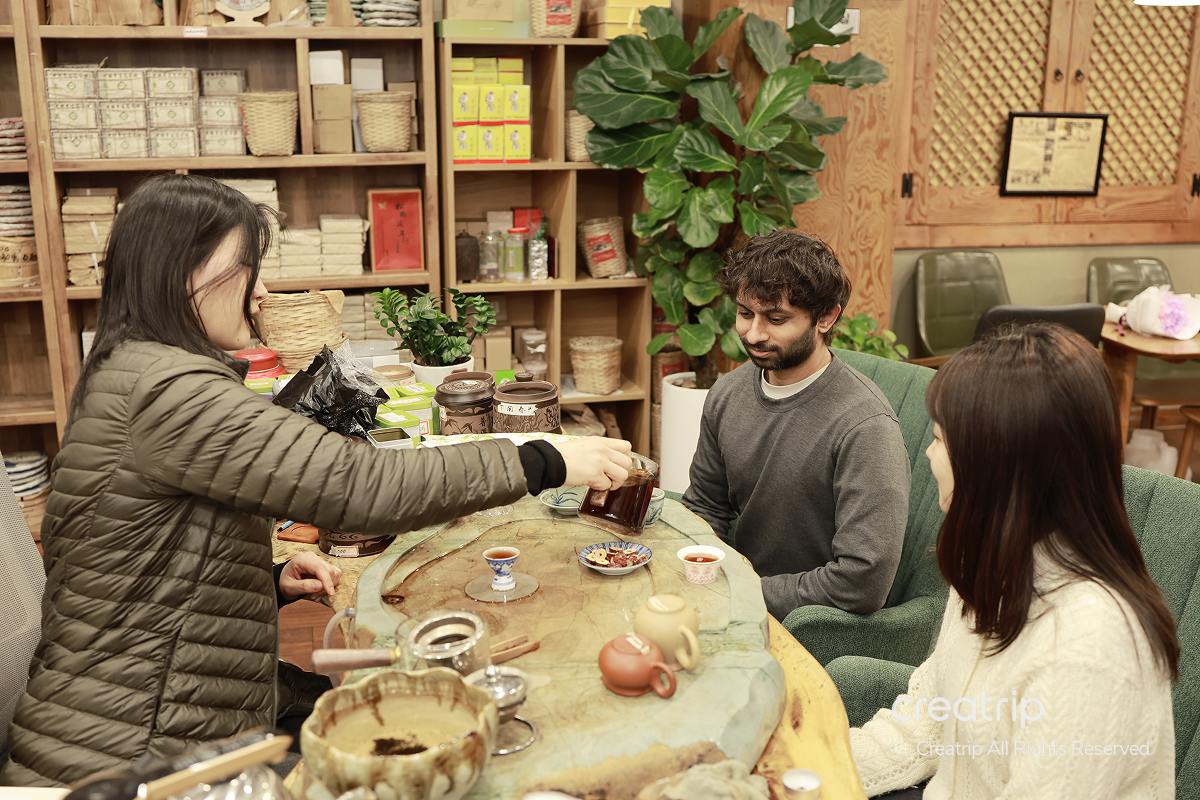
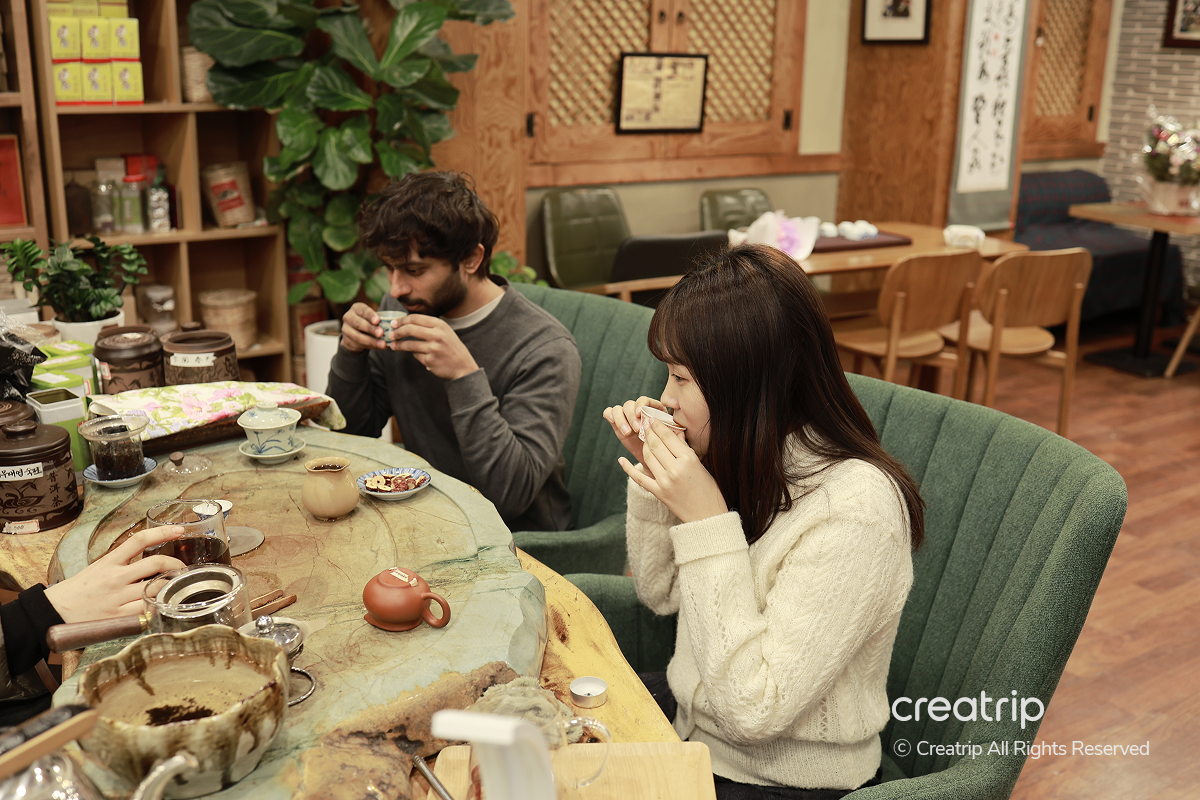
The instructor can communicate in English, so during tea time we chatted casually and had a relaxing time.
It wasn’t just a break, it was a tea time where you can naturally catch your breath while sipping tea, which I found especially impressive!
Rather than offering drinks midway through the class, the session is structured so practice and rest flow naturally, which made the class feel very well put together.
[image slider] 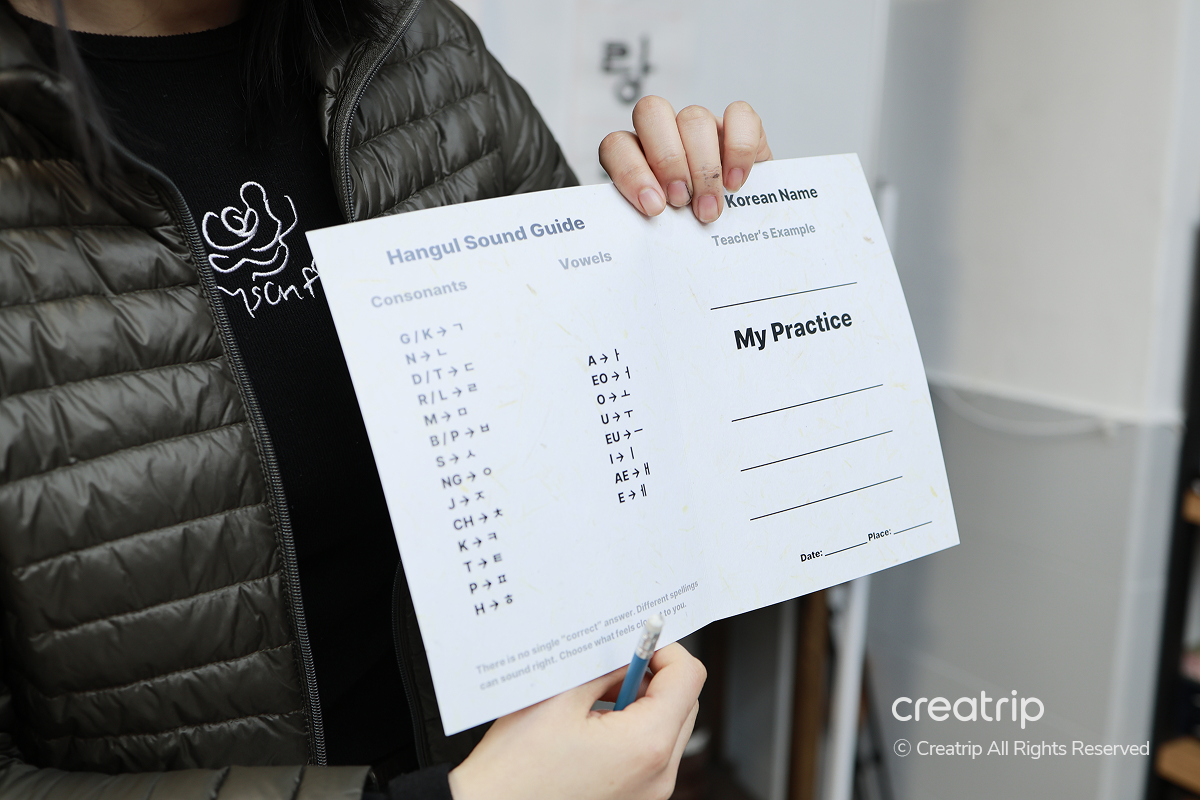
After tea time, we sat back down and continued the class, picking up the flow we had practiced earlier.
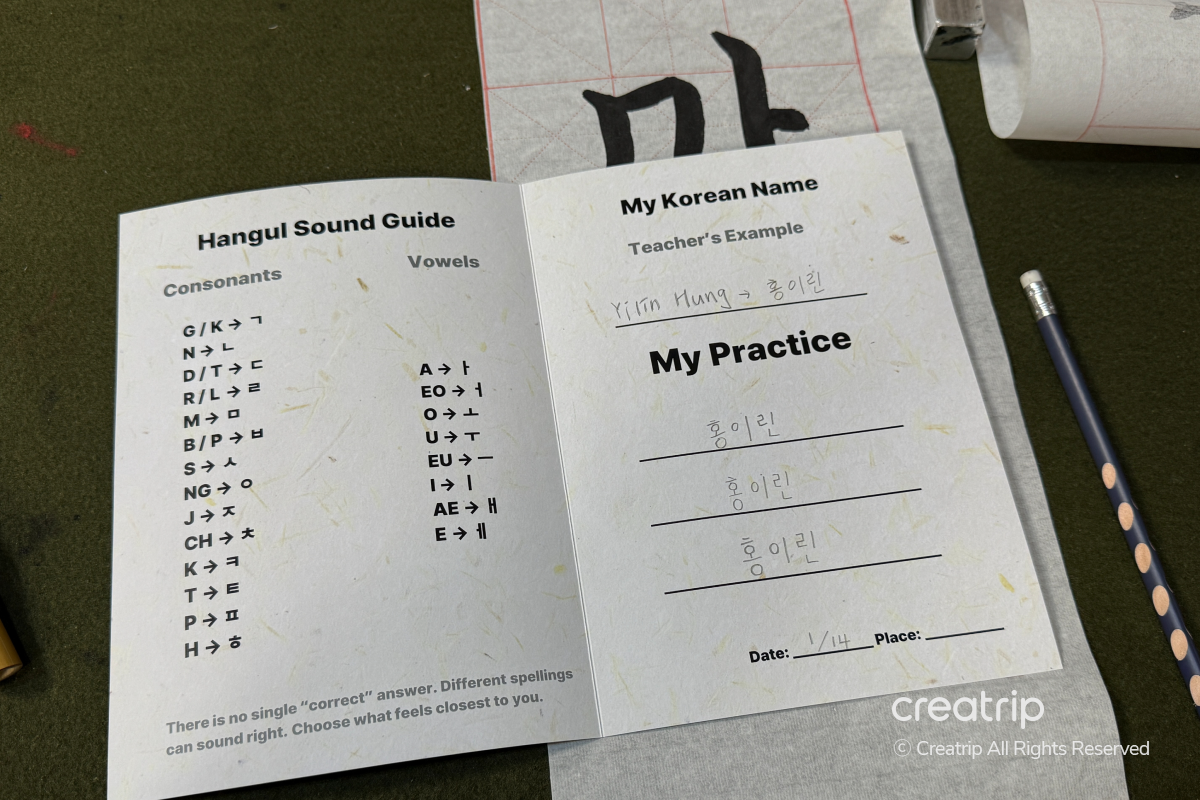
At this time, supplementary name-practice materials for foreign students were also provided.
This is a guide that shows at a glance how to render alphabet names in Korean pronunciation, and because it’s a chart matching consonants and vowels, it was easy to understand even for someone seeing Hangul for the first time.
It felt like the class was designed so you first understand why each character is written that way, then try writing it yourself, which makes the experience feel more connected to Hangul.
[Image slider] 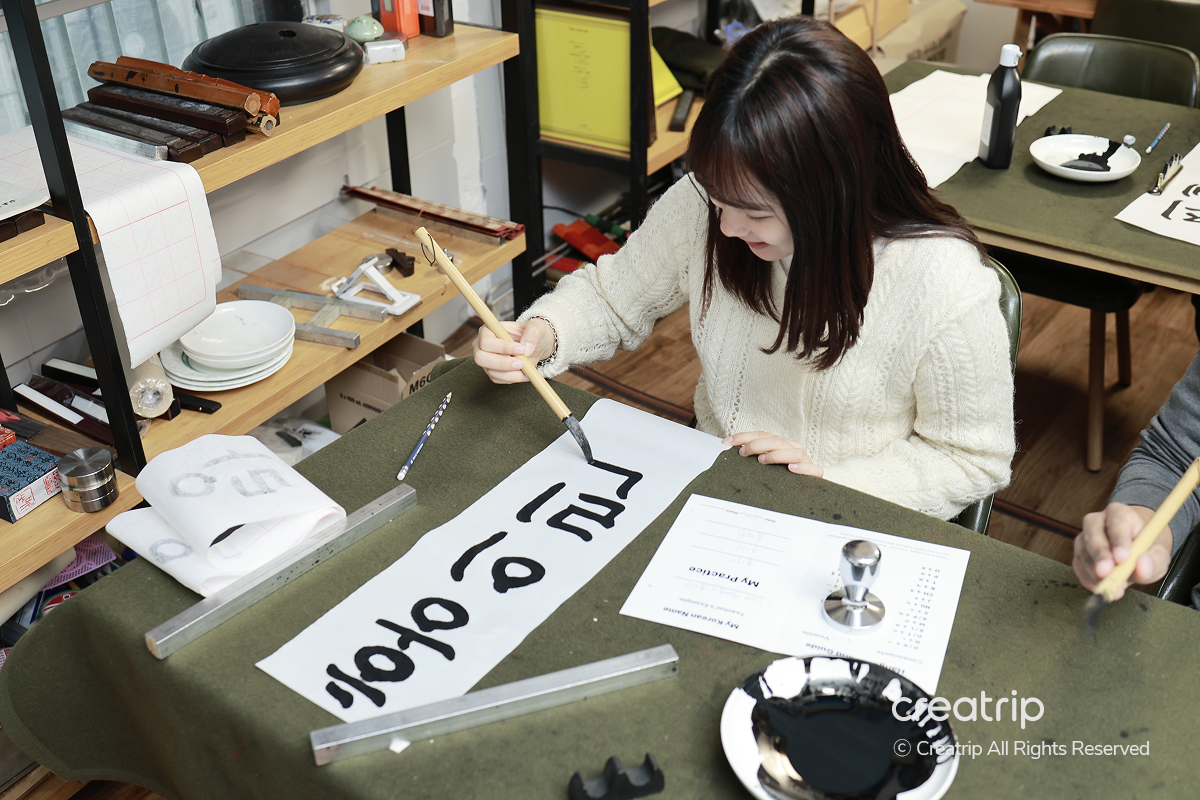
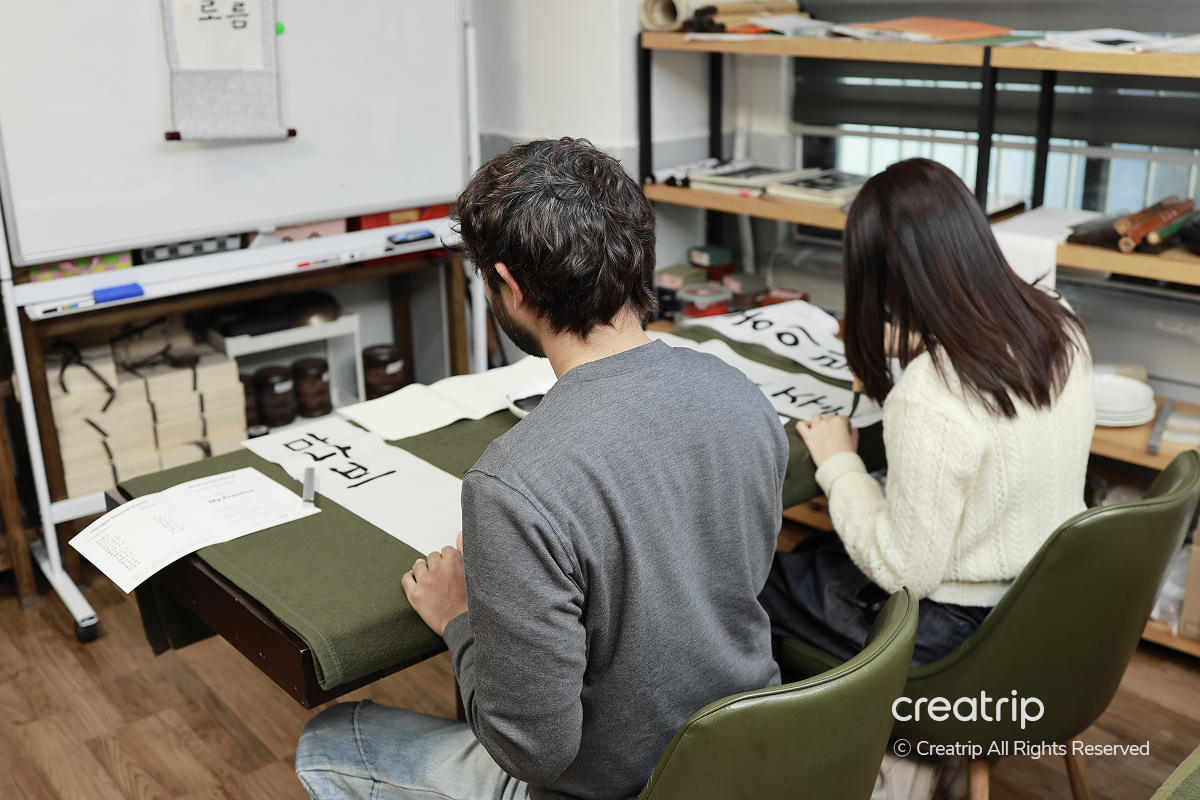
I officially started practicing my own name.
The instructor stayed nearby but didn’t intervene constantly during the class, instead explaining things only when asked for help!
At other times, the instructor preferred to let each student focus silently on the brush so they could write without breaking their flow.
Instead of matching someone else’s pace, a calm atmosphere naturally forms where everyone can quietly immerse themselves like in meditation, each following their own rhythm.
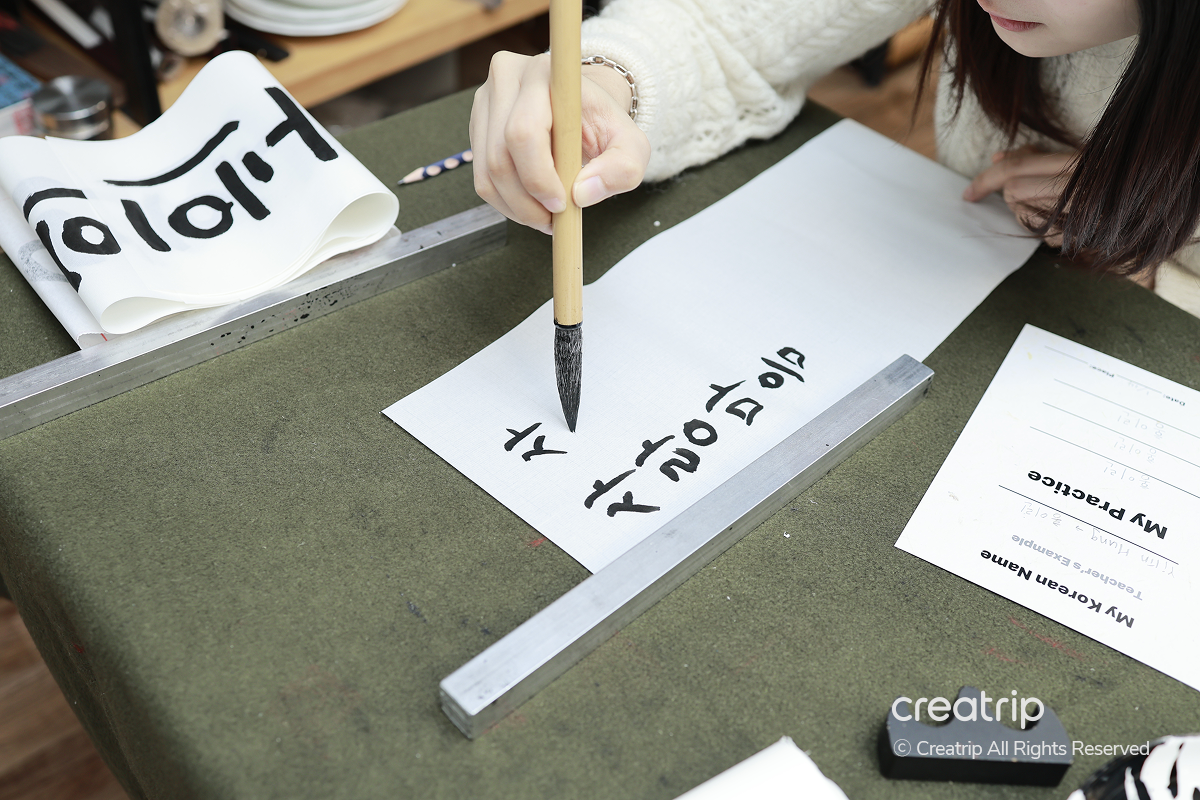
Next, we moved on to writing the characters for 'love' and 'mind' in smaller sizes, which we had practiced earlier.
When I reduced the size, I found myself paying much more attention to controlling the pressure of each stroke and the movement of the brush tip.
Writing on a smaller scale required a different kind of focus, so I naturally settled my breathing and practiced writing slowly and deliberately.
[image slider] 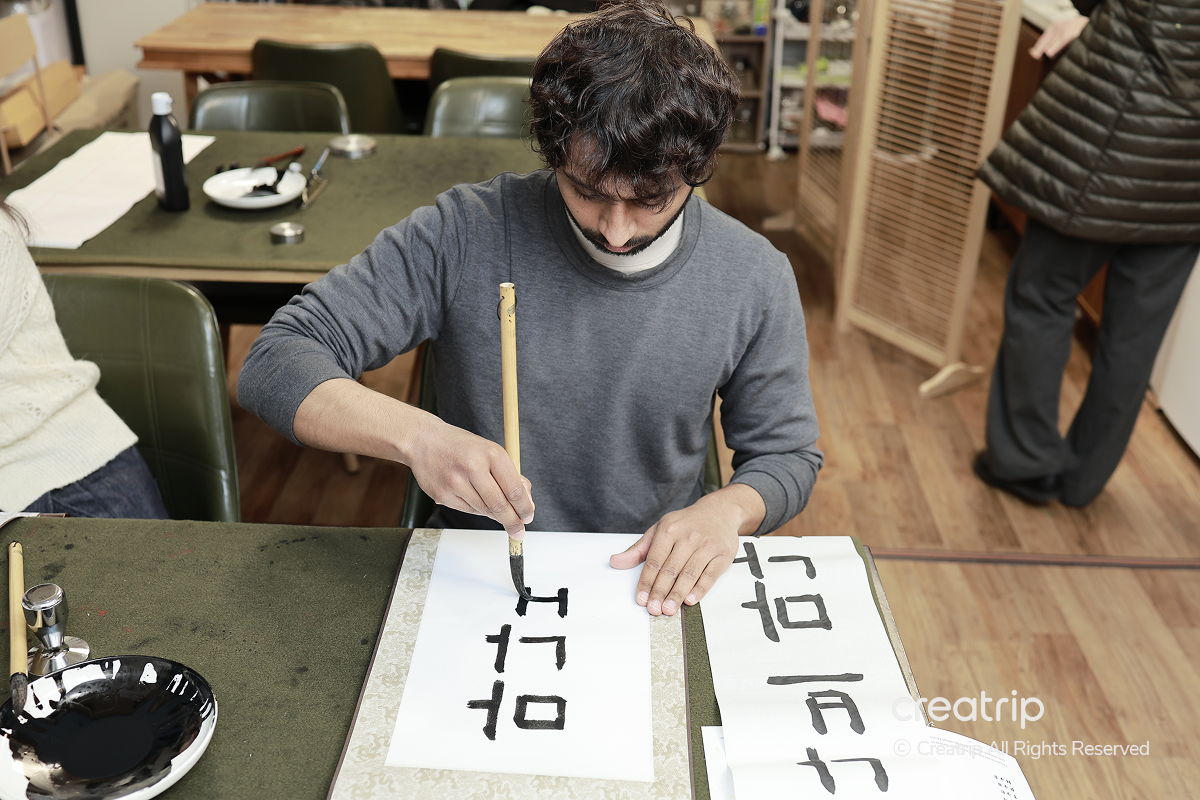
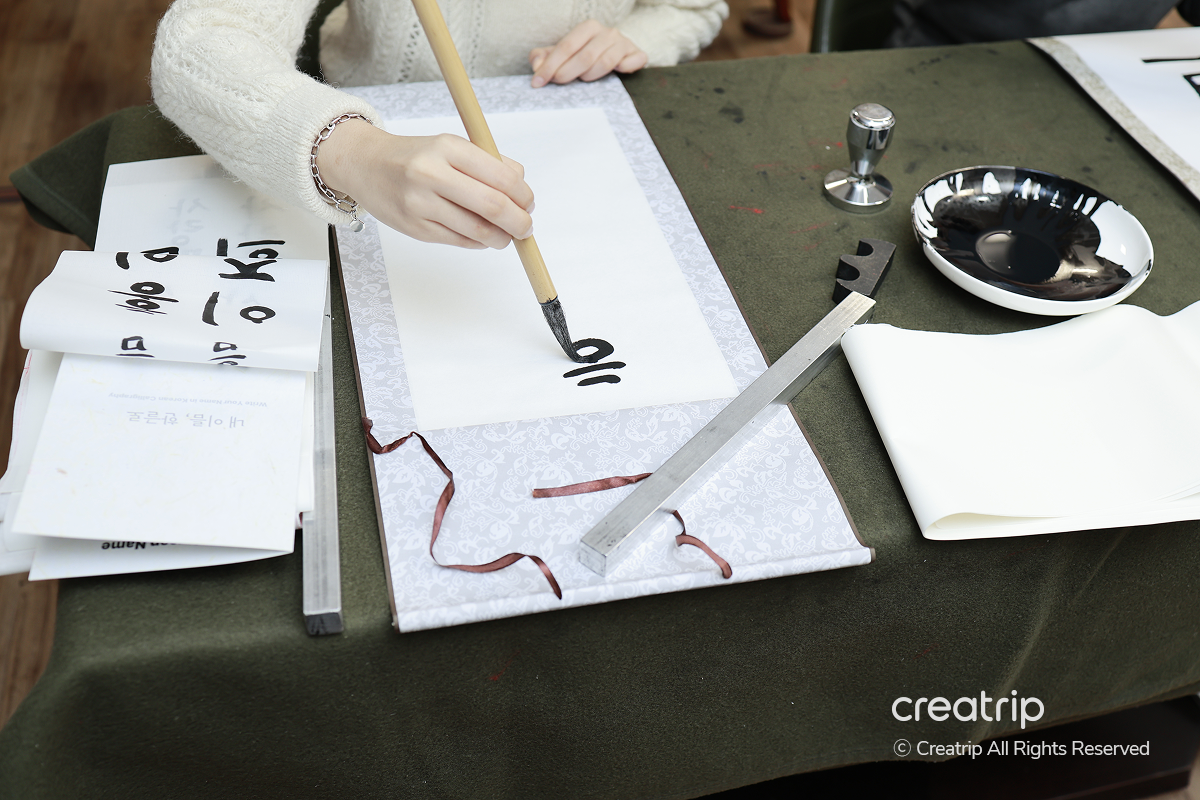
After enough practice, we moved on to the step of writing characters on an actual hanging scroll!
It wasn’t too difficult, since I was writing characters I’d practiced several times before~
I carefully wrote each character — 'love', 'heart', and my own name — adjusting the brush's speed and breath as I went.
Because you'll be stamping calligraphy seals on the hanging scroll, it's best to place your name as close to the center as possible!
[Image slider] 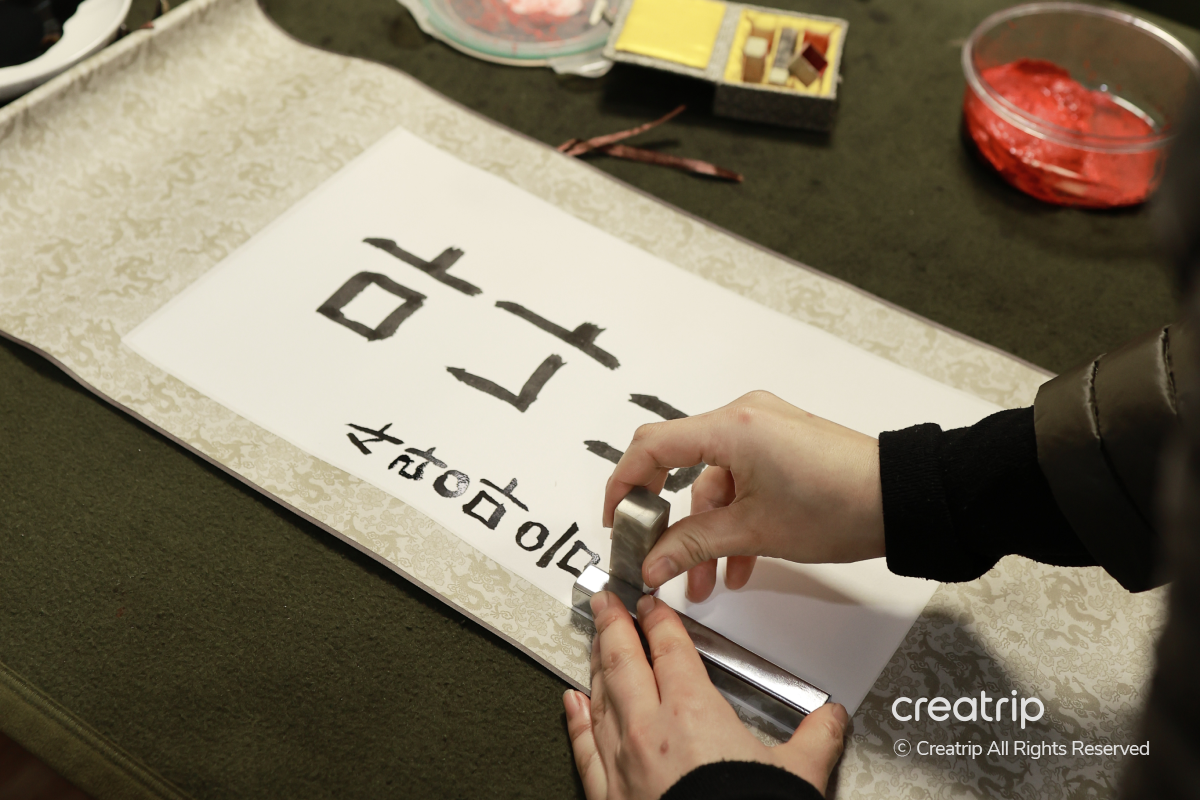
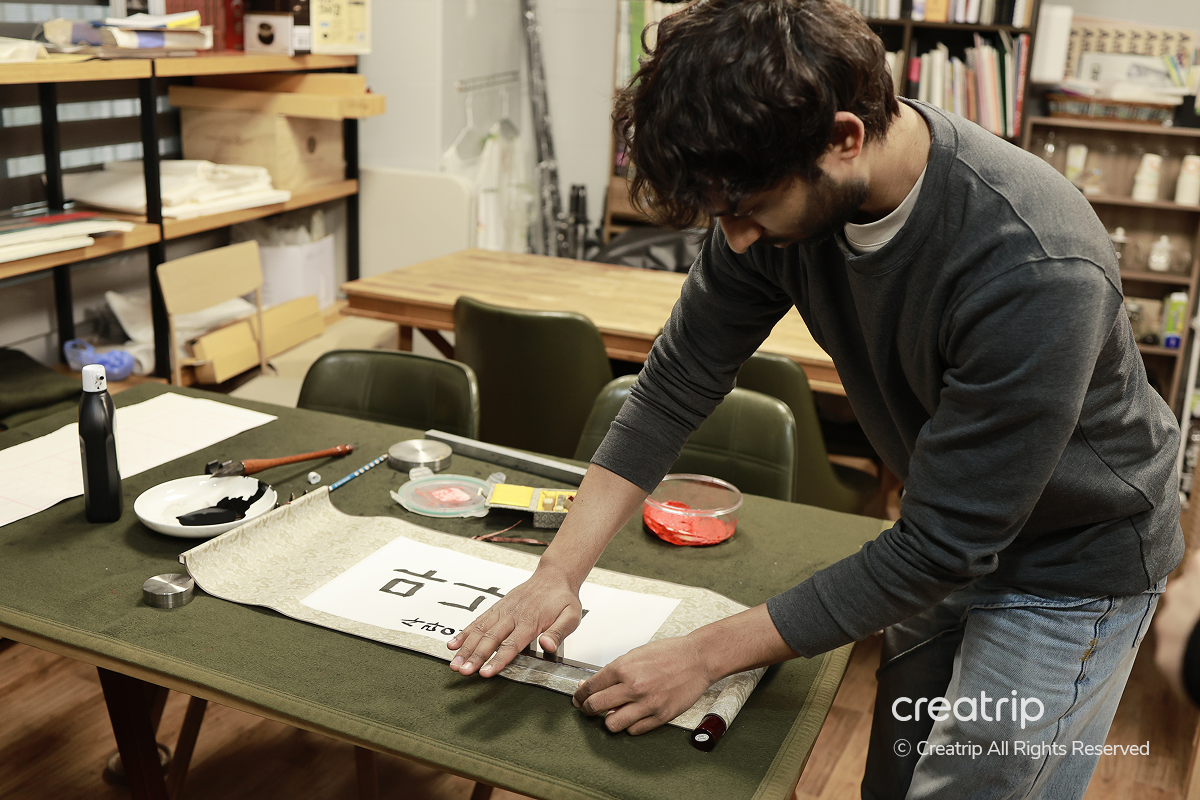
After finishing the characters, stamp your calligraphy seal to complete it!
After stamping the seal, I finally felt like a finished piece had come together, and it felt like the practice and process that led up to it were being tied together.
Seeing my name and words completed as a hanging scroll was great, and I loved having a piece I made myself to keep.
[image slider] 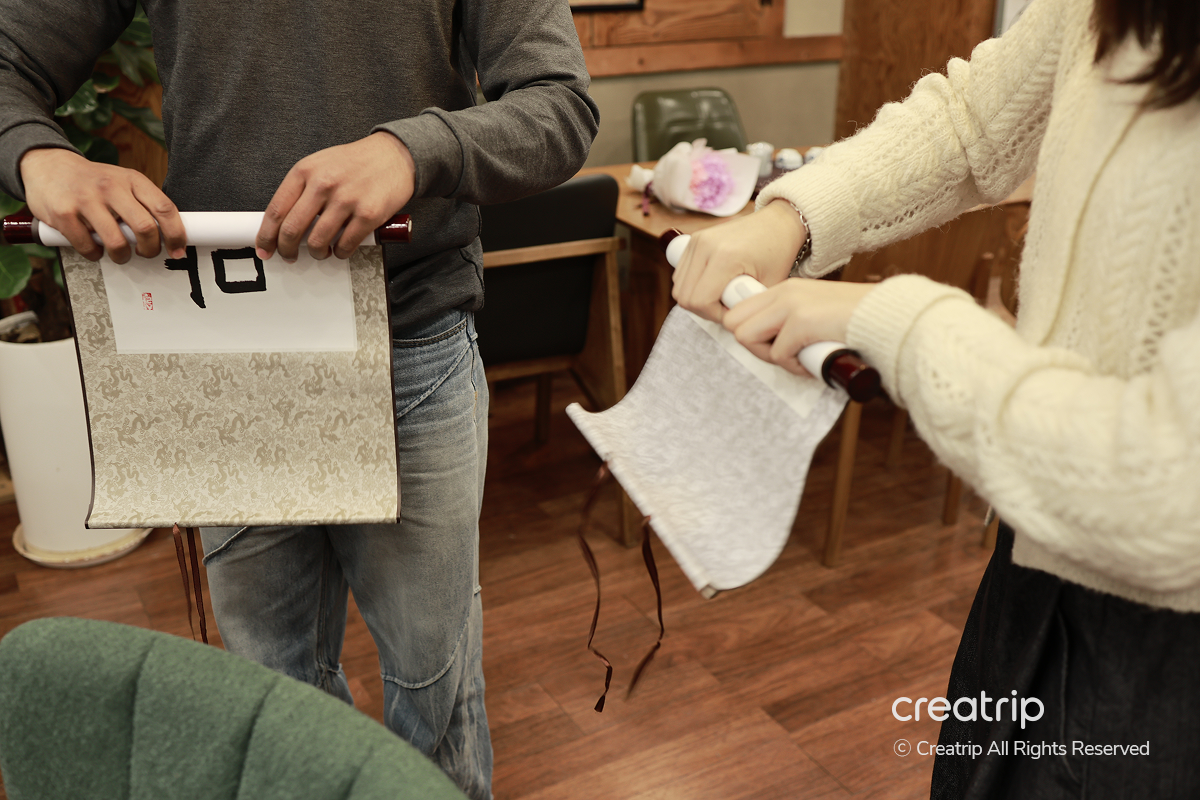
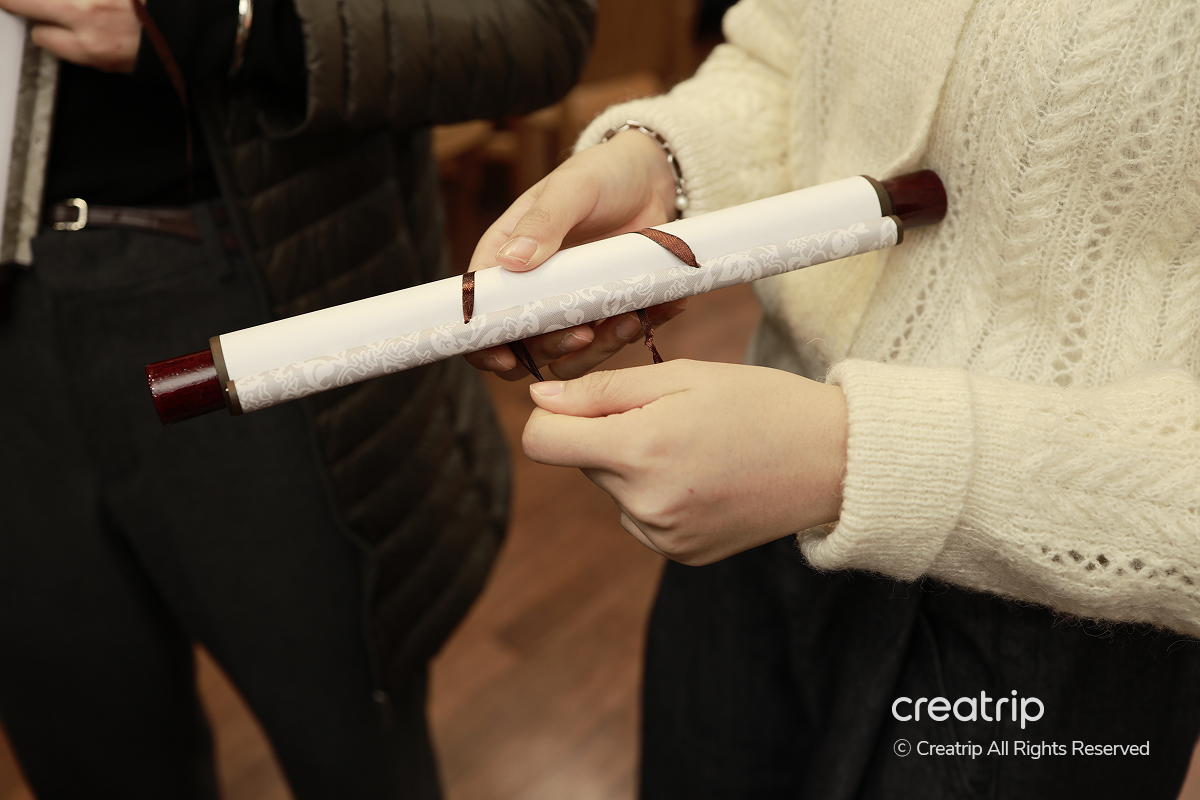
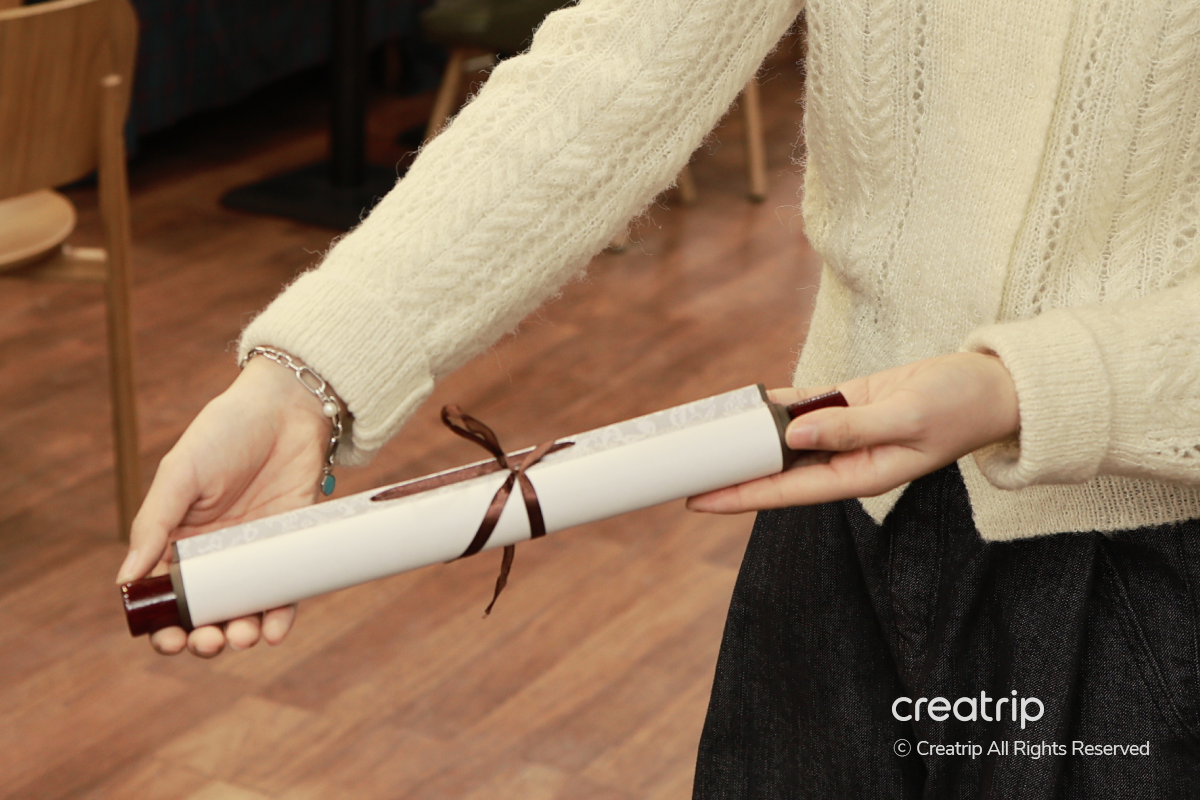
You can roll up a hanging scroll like this for storage.
After letting the ink and seal dry thoroughly, slowly roll up the hanging scroll and secure it with a cord to finish the whole process~!
It wasn’t bulky, so it was easy to carry while traveling, and I didn’t have to worry much about the paper getting crumpled.
The space has a strong Korean atmosphere, and once finished it’s perfect to hang at home, give as a gift, or keep as a souvenir!
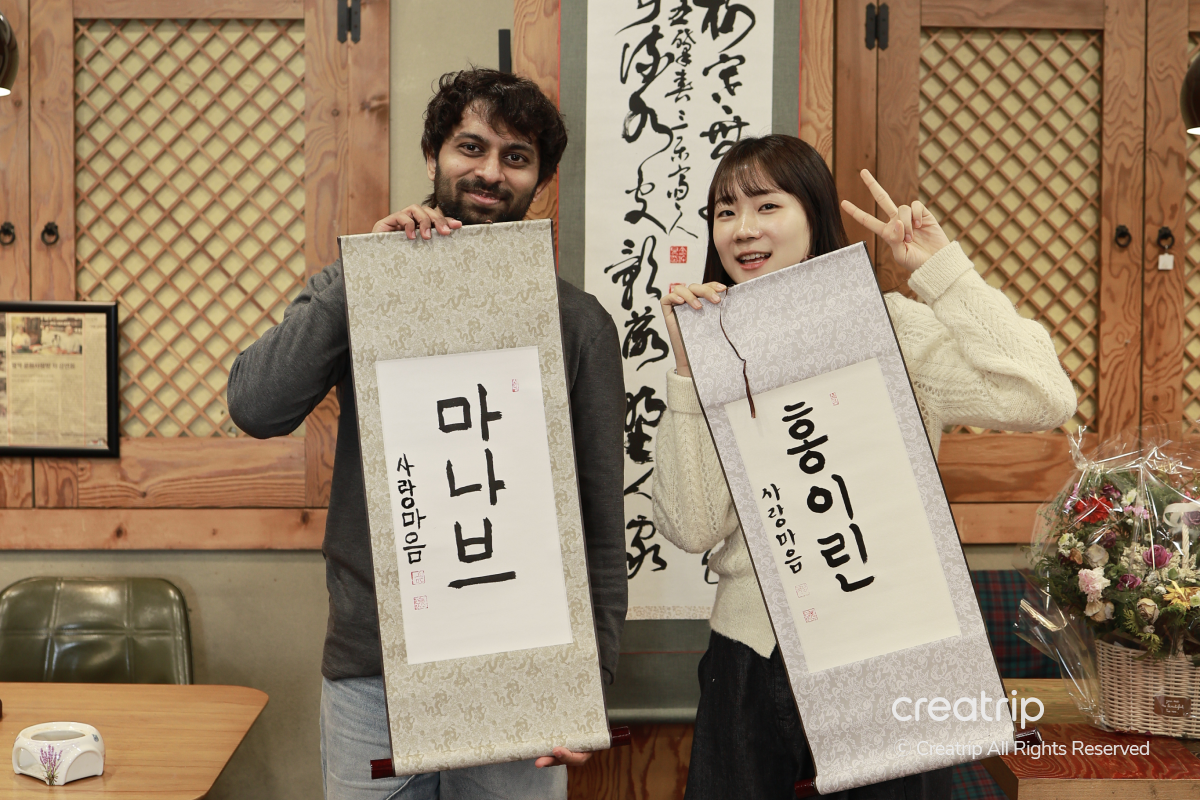
My words:
Today I tried a Korean calligraphy one-day class at Yeosan near Anguk Station.
Holding a brush and writing each character one by one was a memorable chance to directly experience Korea's traditional culture.
Even those new to Korean calligraphy can join without pressure, and I liked that it lets you slow down and focus for a bit during your trip.
This is a better fit for those who want to step away from tourist-focused plans and sit quietly to focus on themselves.
Want a deeper traditional experience while traveling in Korea?
You must add the Korean calligraphy class Yeosan in Anguk to your itinerary! 🖌️
Yeosan | How to Get There
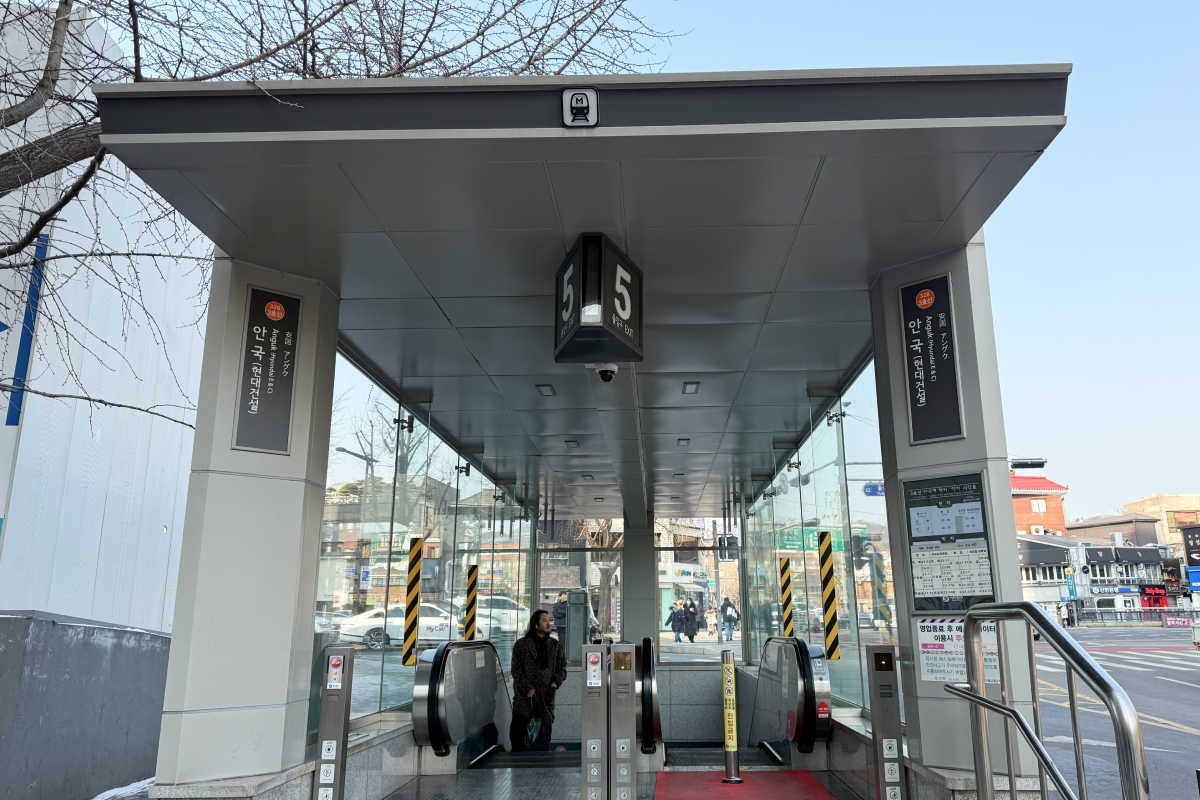
Exit through Anguk Station Exit 5.
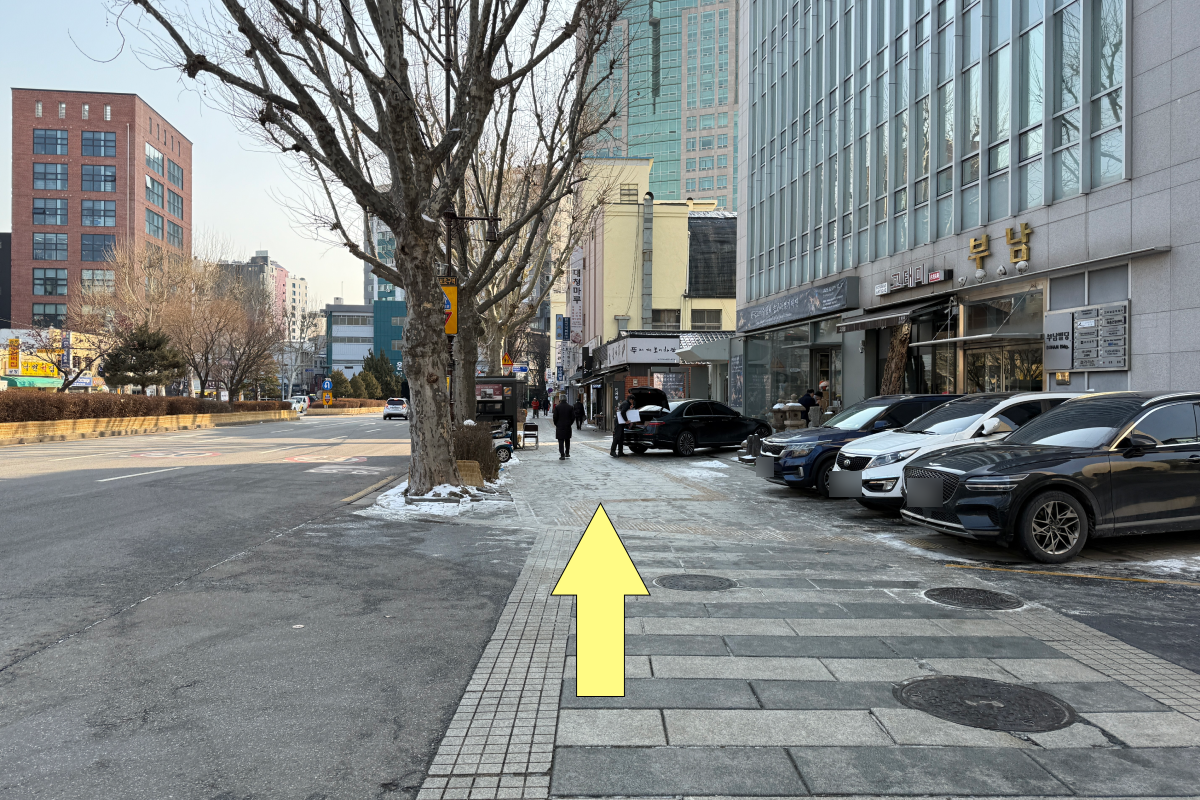
Go straight.
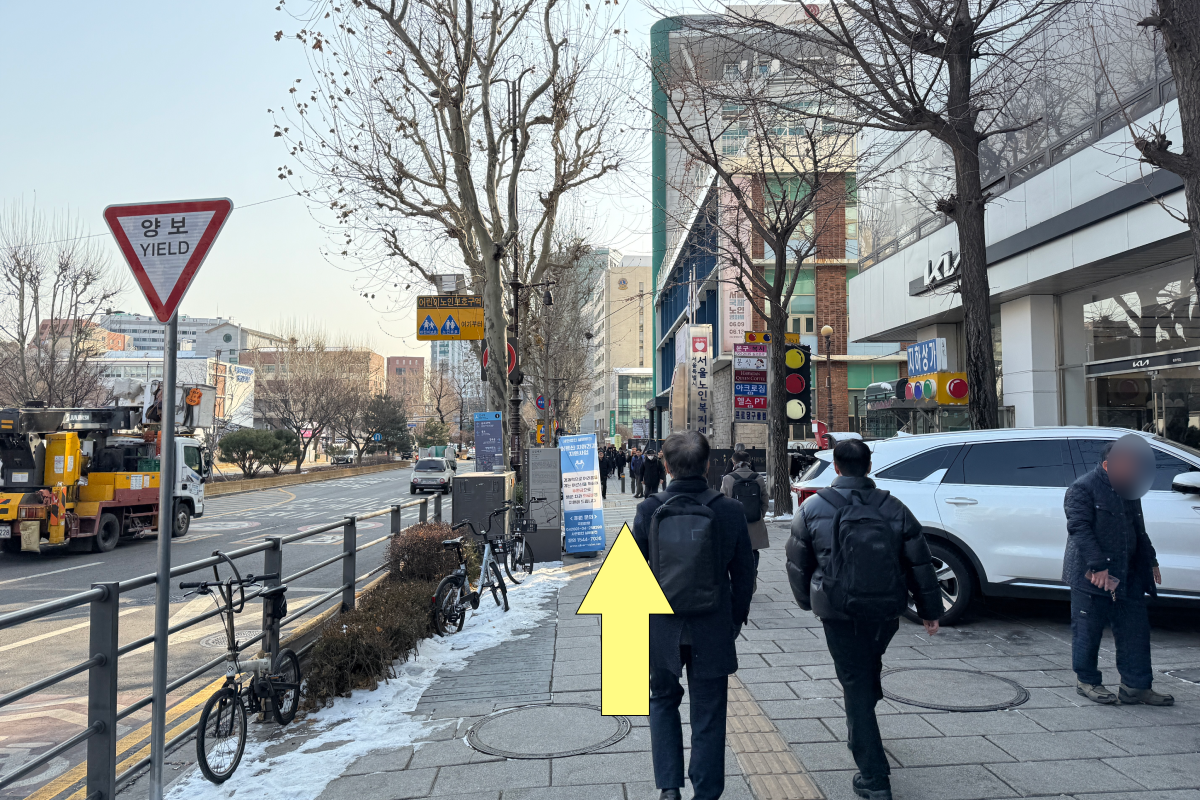
Keep going straight.
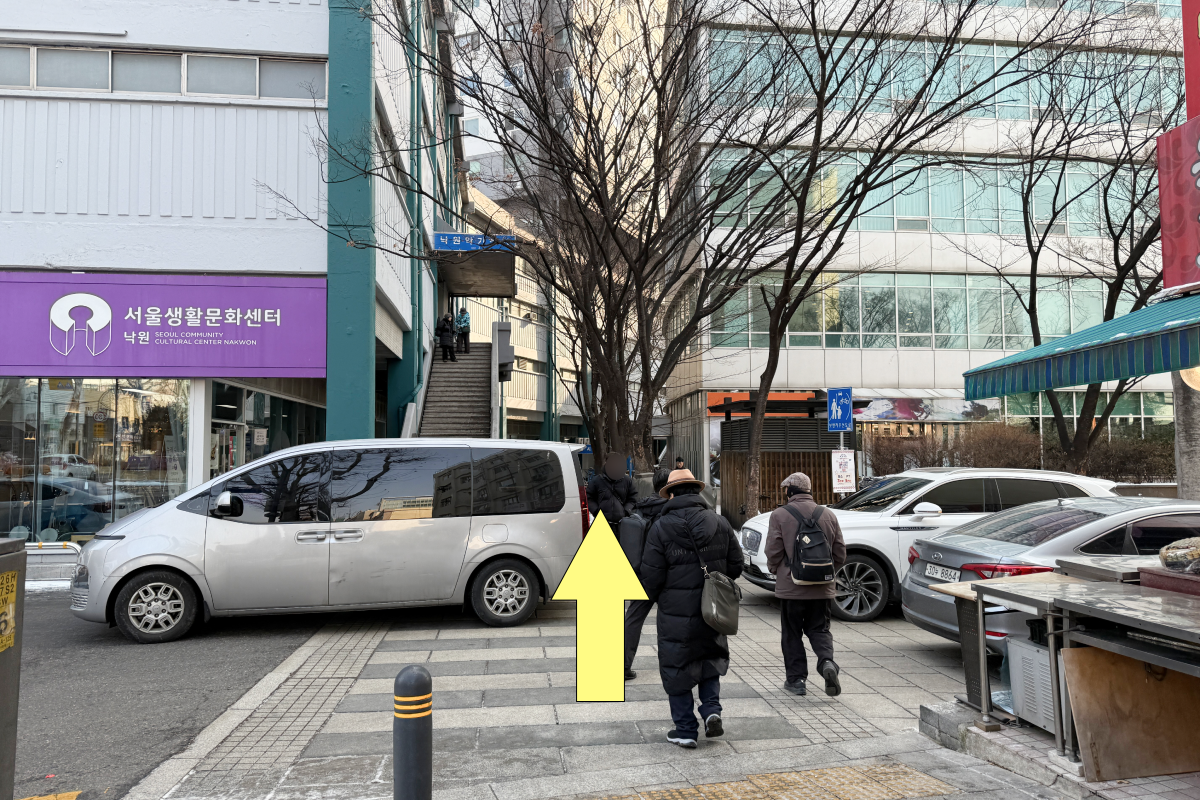
Go straight down the alley.
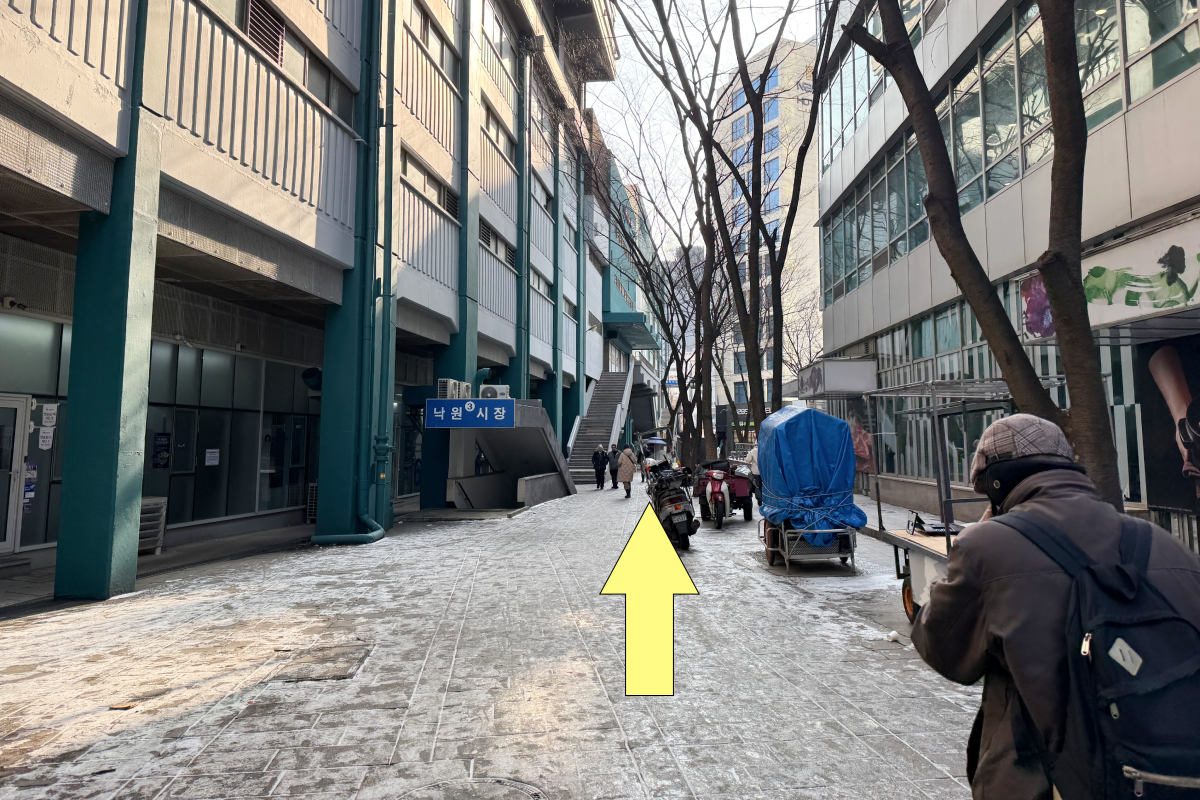
Go straight.
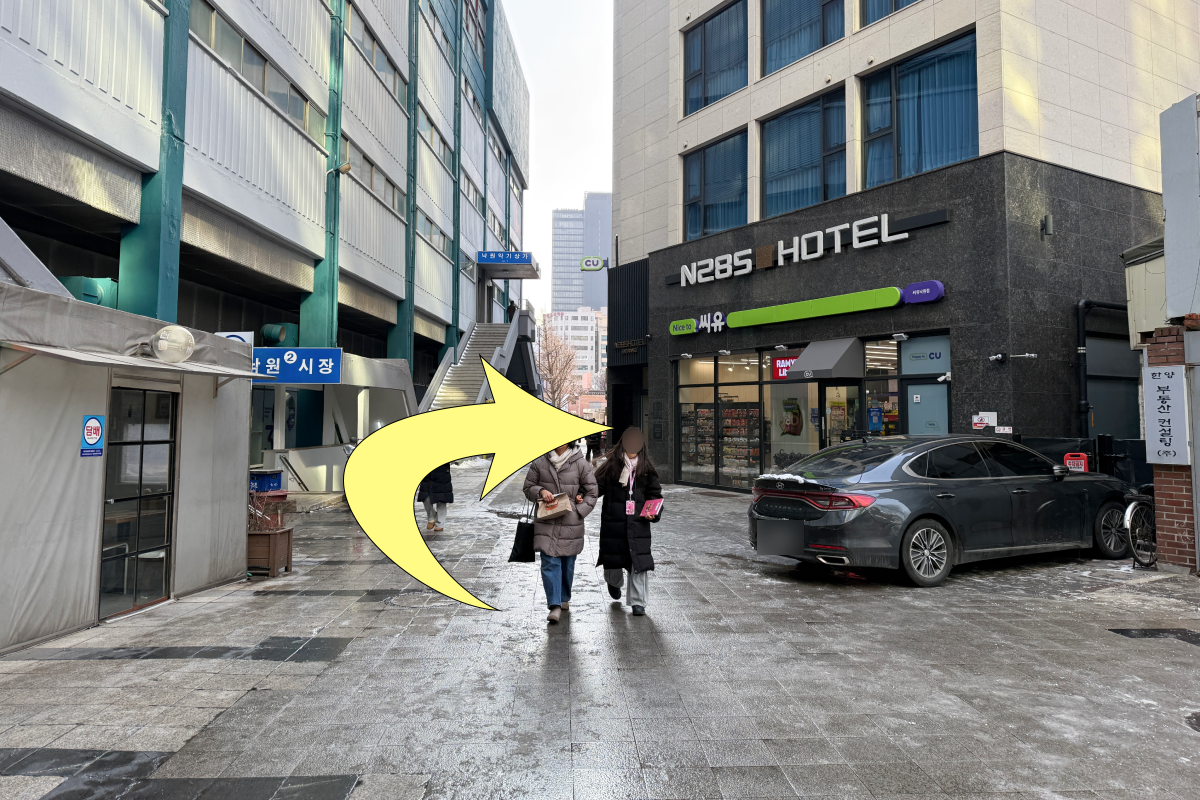
Turn right around the back of the building.
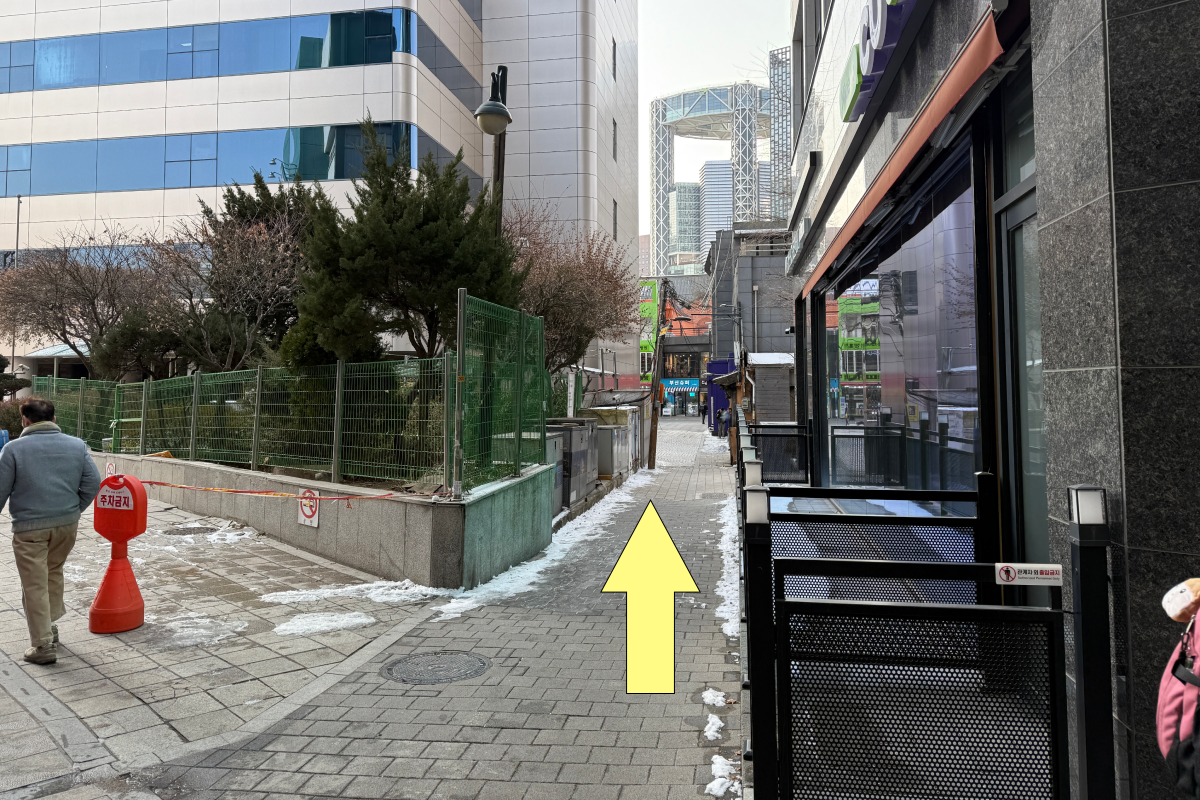
Go straight.
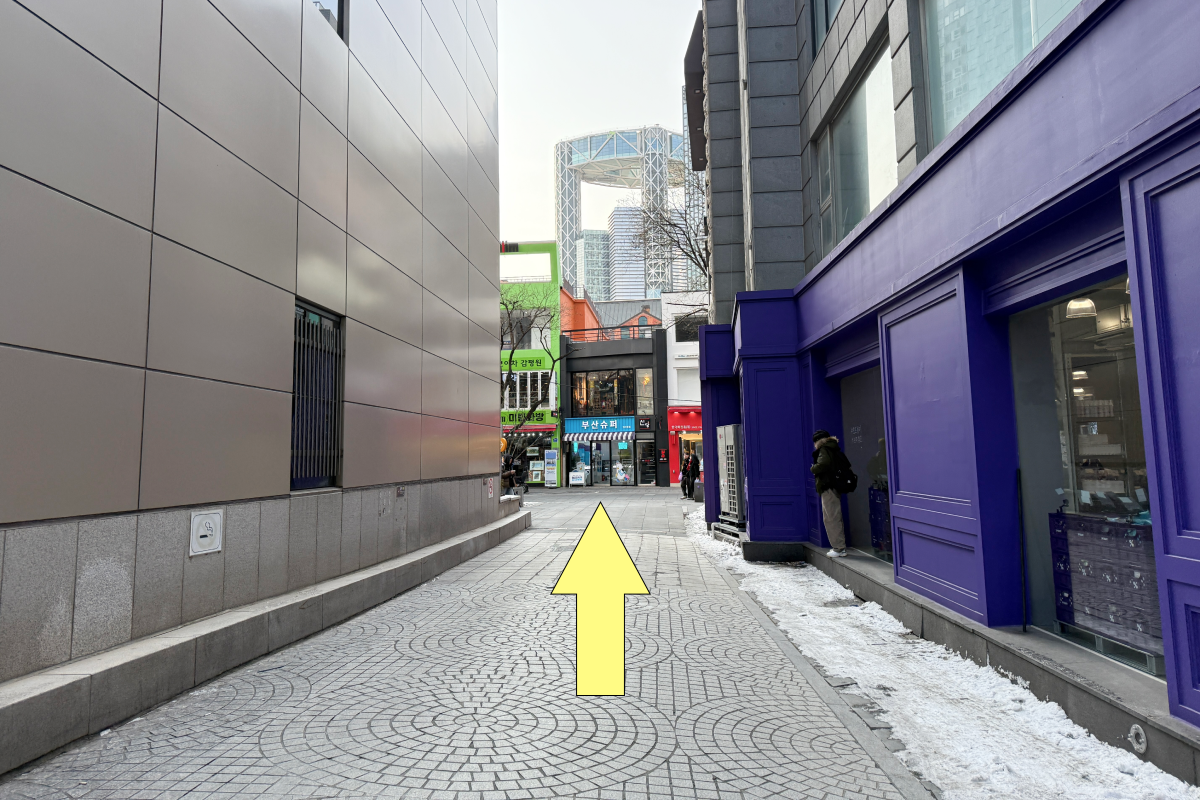
Go straight ahead.
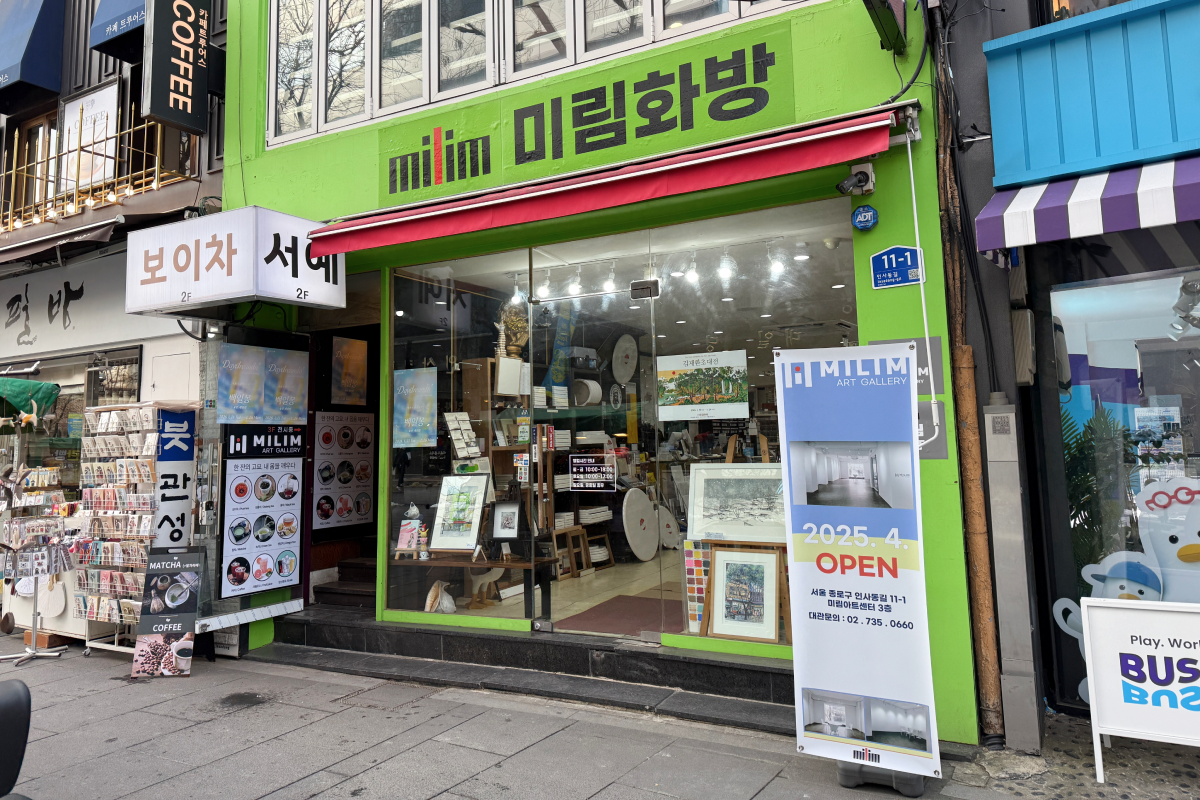
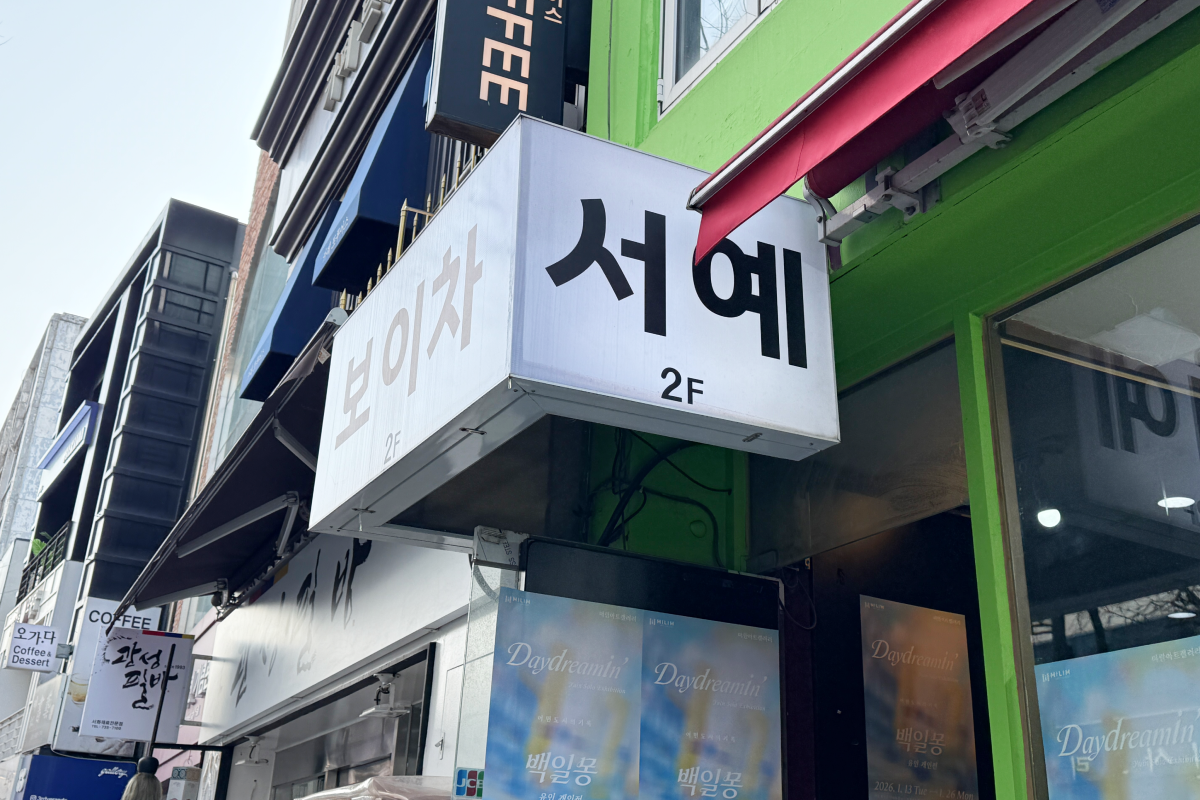
Arrived at Yeosan on the 2nd floor of Mirim Art Supply!
Book all things trending in Korea on Creatrip! If you have any questions or concerns, please leave a comment below or send us an email at help@creatrip.com! You can follow us on Instagram, TikTok, Threads, and Youtube to stay updated on all things Korea!