
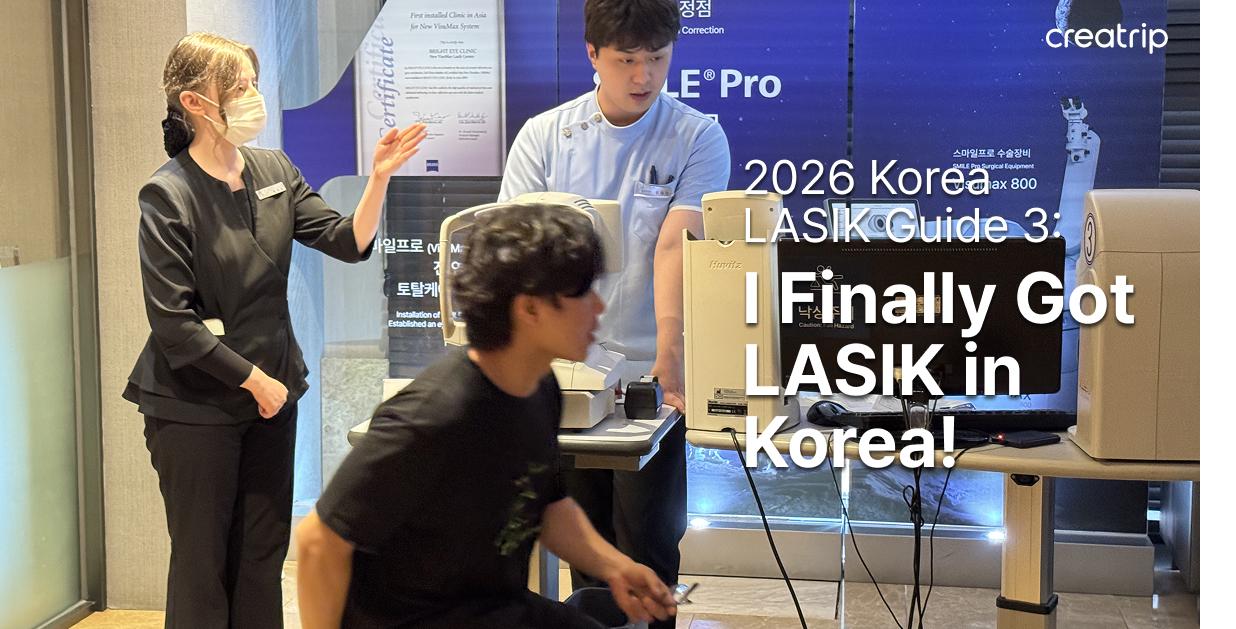
2026 Korea LASIK Guide | Part 3: My Full LASIK Surgery Experience in Korea
My honest LASIK Korea review: consultation, surgery day, recovery, and more!
- Why I Chose Bright Eye Clinic1

- Surgery Day: Arrive at the Clinic & Check-in
- Pre-Op Tests: 17 tests in about an hour
- Surgery
- Recovery
- For Travelers: What’s Realistic?
- Why Booking Through Creatrip Is Better?
- Final Thoughts
I’ve been dealing with glasses and dry contact lenses for almost 20 years. Waking up and blindly reaching for my glasses, ending the day with red, irritated eyes… if you know, you know.

Since I work at Creatrip, I figured that if I was finally going to get LASIK, I might as well go through the experience myself at a clinic I could genuinely recommend to foreign travelers. So many people come to Seoul for vision correction, but navigating clinics, booking appointments, and finding real English support can still be surprisingly challenging.
 It's common to find several eye clinics
in a single building in Seoul.In the latest part of the series, I’ll walk you through the clinic I chose and share a detailed breakdown of what the entire process was like. Hopefully, this makes your decision—and your LASIK journey in Korea—a little easier.
If you haven't seen Part 1&2 of the series, check out below!
[블로그] 2026 Korea LASIK GuideㅣPart 1: My Real Laser Eye Surgery Experience & How to Pick the Right Clinic
[블로그] 2026 Korea LASIK GuideㅣPart 2: Things to Avoid Before & After Surgery
Why I Chose Bright Eye Clinic
After comparing different options, I ended up choosing Bright Eye Clinic — the largest eye clinic in Seoul — and there were a few clear reasons why it stood out to me.
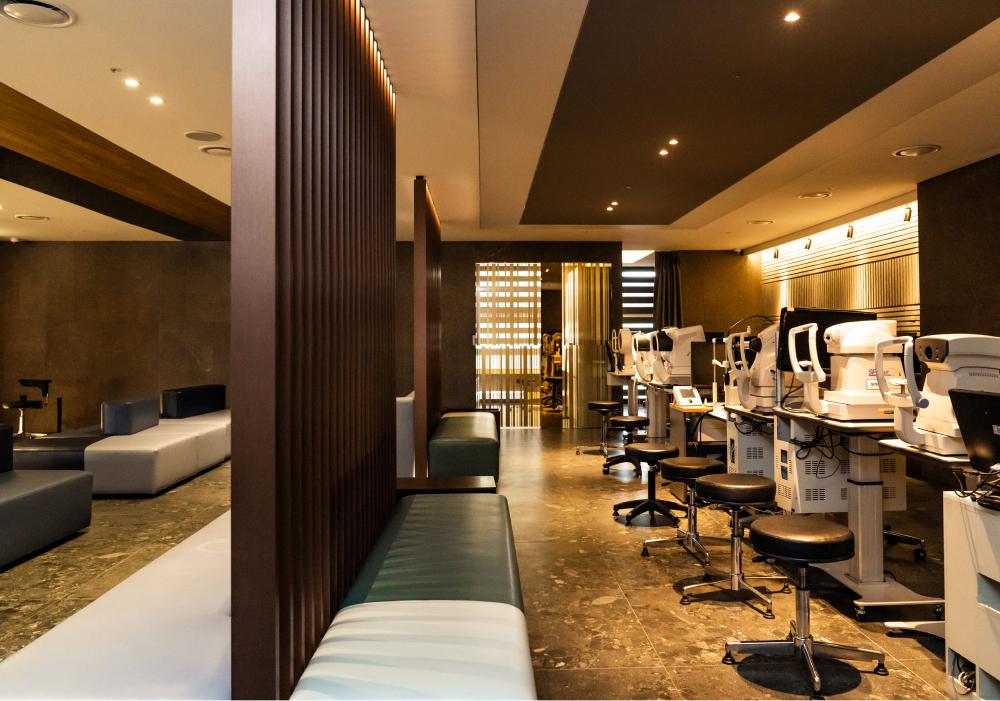
1. Foreigner-friendly experience
They have English-speaking staff and on-site interpreters available at all times, which makes the entire process so much easier for foreigners. The clinic is also officially certified by KAHF for international patients, which gave me a lot of confidence.

2. Proven expertise in SMILE LASIK
If you’ve never heard of SMILE before, it’s basically an upgraded, less invasive version of LASIK that lets you recover in about a day. I specifically wanted SMILE, and Bright Eye Clinic is known for it.

They’ve performed over 130,000 SMILE procedures, making them one of the most experienced clinics in Korea. Since experience is everything when it comes to eye surgery, this was a huge factor for me.

The pre-surgery exams were incredibly detailed — I went through 17 different tests — but the whole process was surprisingly efficient. From the examinations to the consultation, everything was done in about an hour, without feeling rushed.
Check more about this clinic!
[스팟] Gangnam Bright Eye ClinicㅣAchieve Perfect Vision at Korea’s Largest Eye Clinic
Surgery Day: Arrive at the Clinic & Check-in
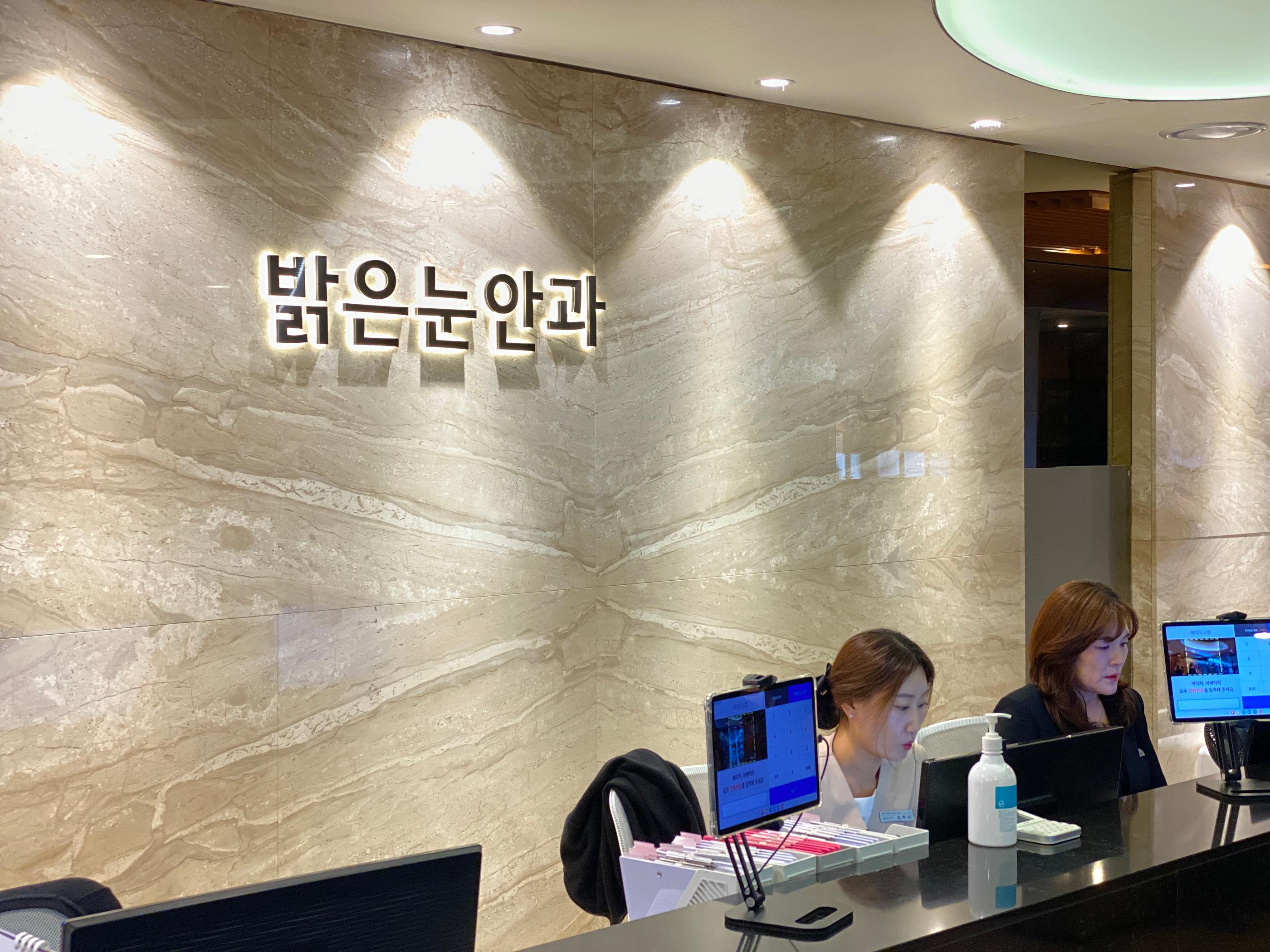
When I arrived, the reception staff welcomed me and asked me to fill out my information on a tablet. A few minutes later, Ana—the interpreter who stayed with me the entire time—came to meet me.
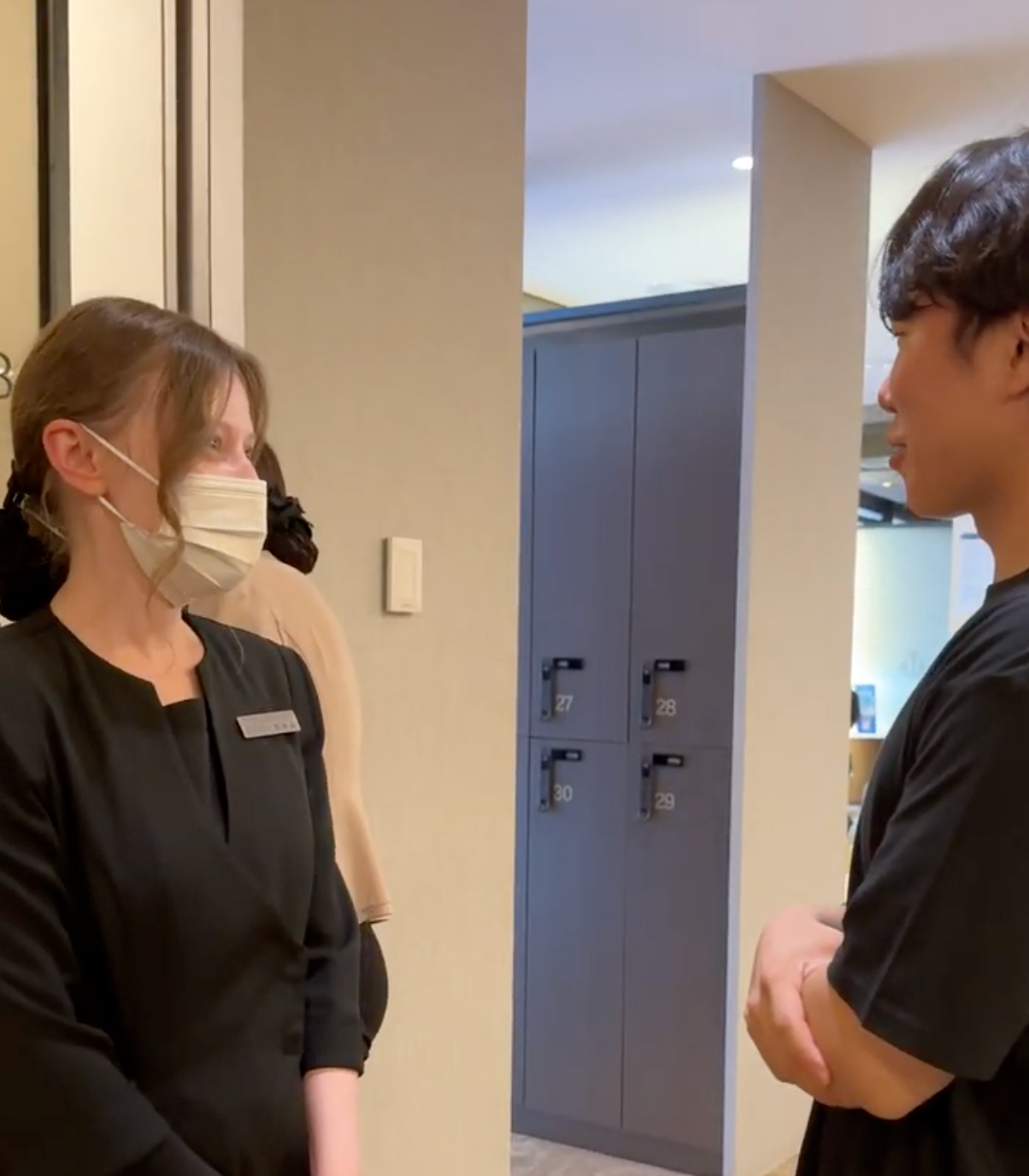
She walked me through the day’s schedule, answered all my questions, and then guided me straight to the testing area. It felt organized and easy from the very beginning.
Pre-Op Tests: 17 tests in about an hour
I arrived early in the morning expecting a long wait or piles of paperwork, but that wasn’t the case at all. Within minutes, I was already moving through the pre-op exams.

It sounded overwhelming at first, but the whole process was surprisingly smooth. What I appreciated most was how organized everything felt:
- I didn’t have to guess where to go — a staff member walked me from machine to machine.
- Each exam was quick, with different specialists handling each step.
- I was never left waiting or wandering around trying to figure things out.
Before I knew it, about an hour had passed and all 17 screening tests were done. They went over my results in detail, explained what everything meant, and confirmed that I was a good candidate for SMILE.
Surgery
After the exams were done, I waited about 15 minutes before meeting the surgeon who would be performing my procedure. He explained the surgery again in more detail.

A nurse then guided me upstairs to the operating room. I started to feel nervous at that point, but Ana, the interpreter, stayed with me and reassured me. I changed into surgical clothing, and the nurse applied numbing eye drops. My surgery was performed by the clinic’s head surgeon, which made me feel even more confident.
When I lay down on the table, the nurse handed me a small plush toy to hold, but it really helped me relax.
The procedure began, and the doctor told me to look at a white light. About 30 seconds later, he said one eye was done. He repeated the same for the other eye, and just like that it was finished. I’d heard SMILE is much faster than traditional LASIK, but I didn’t expect it to be this quick.

The whole surgery took around one minute, and for me there was zero pain — just light pressure and bright lights. Afterwards, the surgeon checked my eyes once more to make sure everything looked good. My vision was slightly blurry at that point, but nothing alarming.

I went downstairs, picked up my belongings, booked a taxi using Kakao T (Korea’s taxi app), and went home on my own — which still feels crazy considering I had eye surgery less than an hour earlier.
Recovery
Right After Surgery
When I got home, I followed the eye-drop schedule the doctor gave me and went straight to sleep in a dark room for a few hours.
When I woke up, I actually reached for my glasses out of habit. My vision was still a little foggy, but it already felt like about 90% of my eyesight had returned. Pain-wise, I didn’t feel much at all — maybe a slight headache, but nothing major.
The Next Morning
The next morning, I woke up and instinctively reached for my glasses again… only to realize I could clearly see the clock on the wall. It wasn’t “perfect 4K HD” yet, but it was the moment I realized the surgery had actually worked.
 The day after the surgery, I was already
able to go about my day normally.
I could move around my home without any trouble, and I even felt well enough to go to work the next day. The only real symptom I had was mild dryness — totally normal after SMILE — and the eye drops took care of that easily.
For Travelers: What’s Realistic?
If you’re visiting Korea and thinking about getting SMILE during your trip, here’s a rough idea of what the timeline might feel like based on my experience:
Day 1 (Surgery Day):
- Have the procedure, then keep the rest of your day light. Go home, rest your eyes, and follow the eye-drop schedule.
Day 2:
- My eyes were still a bit dry, but my vision was already good enough for me to work by the afternoon. Things felt mostly normal at this point.
Day 3+:
- Most everyday activities feel fine. Just make sure you don’t rub your eyes, stay consistent with the drops, and follow whatever guidelines your clinic gives you.
* Everyone heals differently, so this is just my personal experience. Always follow your doctor’s instructions above anything else!
Why Booking Through Creatrip Is Better?
You can walk into a clinic on your own, but if you don’t speak Korean, it can get confusing fast. Booking through Creatrip just takes the stress out of it.
1. We help you with the language and the whole system.
Korean clinics can feel a bit overwhelming if you’re not used to how things work. With Creatrip:
- We connect you with clinics that actually offer real English (and other language) support
- Prices are listed clearly, so you don’t have to worry about surprise charges or “foreigner pricing”
- We handle the booking for you, so you don’t need to deal with phone calls or Korean forms.
2. You can get special benefits exclusively available for Creatrip users.

When you book through Creatrip, you get:
- No markup, same price as booking directly
- Zero hidden costs
- 100,000 KRW cashback
- An extra 100,000 KRW if you bring a friend
- English support throughout your entire treatment
Final Thoughts
Getting eye surgery abroad is a big decision, and it’s completely normal to feel unsure — especially when you add a different language and medical system into the mix.
From my perspective as someone who lives here:
- Korea’s technology and surgical skill for LASIK and SMILE are genuinely world-class.
- Clinics like Bright Eye Clinic are set up for international patients, with interpreters and clear systems that make the process much easier.
If you’ve been thinking about getting LASIK in Korea but hesitating because of language barriers or safety concerns, I hope sharing my experience gives you a clearer idea of what it’s actually like.
Everything you need to know about getting laser eye surgery in Korea!
[블로그] Full Guide to Laser Eye Surgery in Korea | SMILE LASIK, SMILE PRO, LASEK
Want to learn more about laser eye surgery?
[Blog] Common Questions About Pre/Post Korean Laser Eye Surgery
[Blog] Types of Laser Eye Surgery in Korea / Differences Explained
[Blog] Why get laser eye surgery in Korea?
Book all things trending in Korea on Creatrip! If you have any questions or concerns, please leave a comment below or send us an email at help@creatrip.com! You can follow us on Instagram, TikTok, Threads, and Youtube to stay updated on all things Korea!
Book all things trending in Korea on Creatrip! If you have any questions or concerns, please leave a comment below or send us an email at help@creatrip.com! You can follow us on Instagram, TikTok, Threads, and Youtube to stay updated on all things Korea!