Korean Traditional Accessory Making | Sulsul
Experience the beauty of Korean tradition and culture by creating your own traditional accessories at "Sulsul"!
Are you looking for a special experience during your trip to Korea, beyond just sightseeing—something where you can make something with your own hands?
Today, we would like to introduce ‘Sulsul’, a place where you can make your own ‘norigae’, a beautiful traditional Korean accessory.
‘Sulsul’ is a place where you can experience traditional crafts that anyone can easily enjoy, combining modern sensibilities with traditional knotting techniques.
This is a place where you can experience the delicate beauty and craftsmanship of Korea up close, and we highly recommend this activity for those who want to create special memories during their trip!
Now, let us share our experience making traditional norigae at 'Sulsul.' Be sure to pay close attention to this content!
👇 Click below to see more!Please check below for reservation instructions, refund policies, and important notes!👇
[Spot] Korean Traditional Accessory Making | Sulsul
Sulsul | Why We Recommend It
- ‘Sulsul’ is a traditional craft brand that creates beauty by harmoniously blending tradition and modernity, based on traditional Korean knotting techniques with a contemporary touch.
- Through a variety of items such as norigae (traditional Korean ornaments), interior decorations, and accessories that can be used in everyday life, the beauty of Korean tradition is naturally conveyed.
- At ‘Sulsul’, you can go beyond simply making crafts and actually learn traditional knotting techniques and create your own norigae (traditional Korean ornaments). It’s a great place for those looking for a unique Korean cultural experience during their travels.
- ‘Sulsul’ is a cultural and artistic organization dedicated to preserving the beauty of Korean tradition and sharing its value with the world. They continue to promote the potential and charm of traditional crafts to a wider audience.
- It is located just a 1-minute walk from Seoul Forest Station, making it a great place to visit before or after exploring the popular Seoul Forest and Seongsu areas in Korea.
Sulsul | Our Visit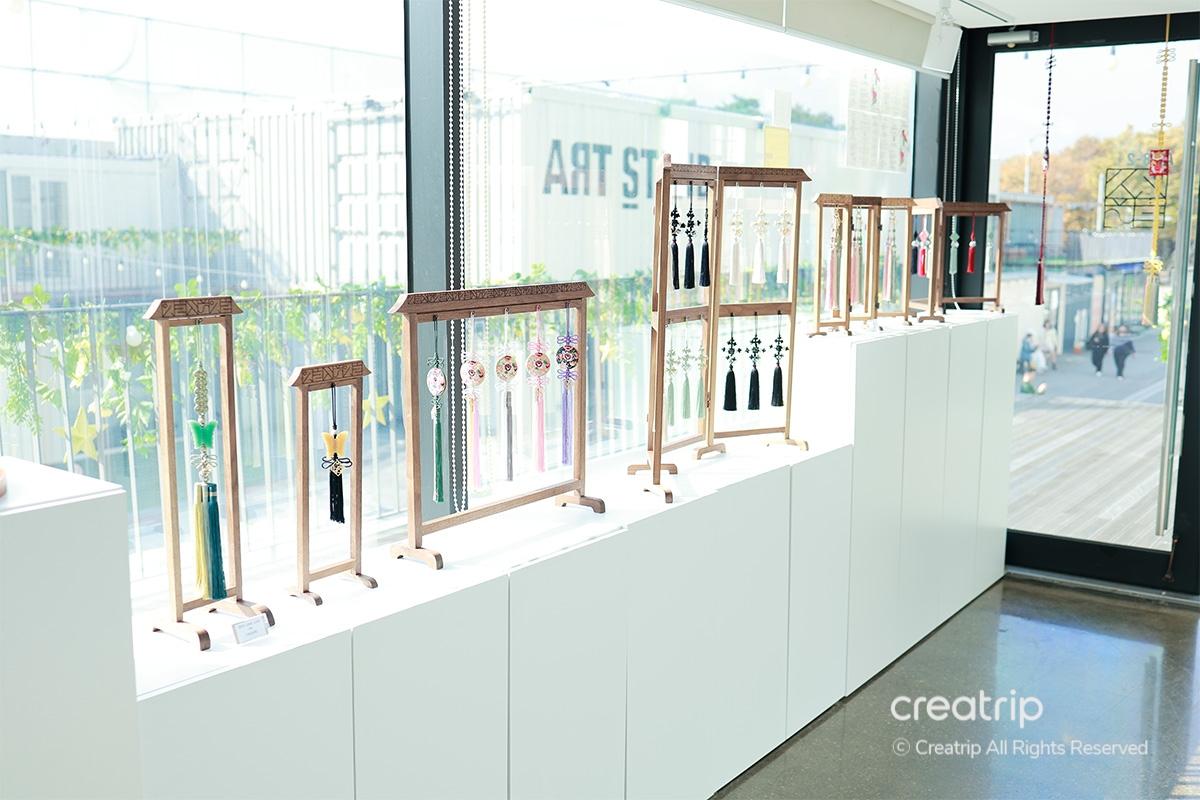
Today, we visited "Sulsul," a place near Seoul Forest Station where you can make your own traditional Korean accessory called norigae.
It was very easy to find, as it is located inside the multi-cultural complex ‘UNDERSTAND AVENUE’, just a 1-minute walk from Exit 3 of Seoul Forest Station.
As soon as we entered the store, we were captivated by the wide array of traditional accessories and knot art on display, which made us even more excited for today’s experience.
[Image Slider]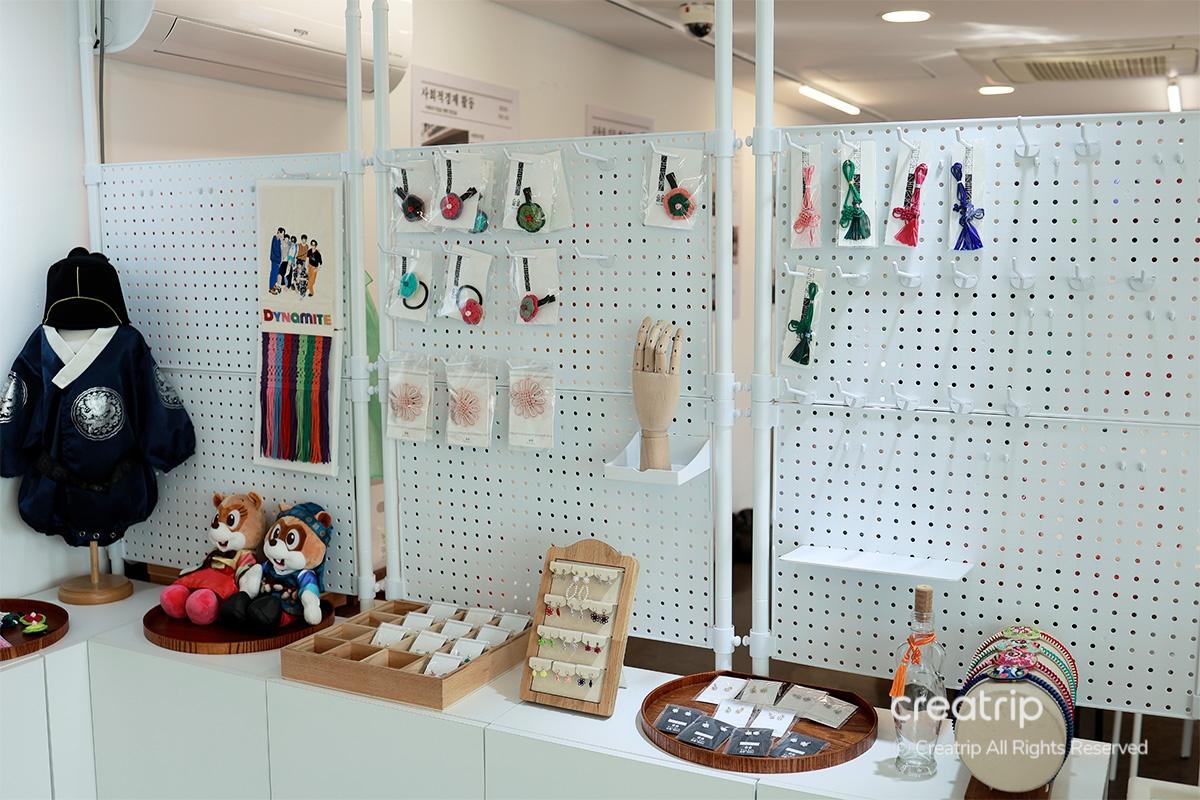
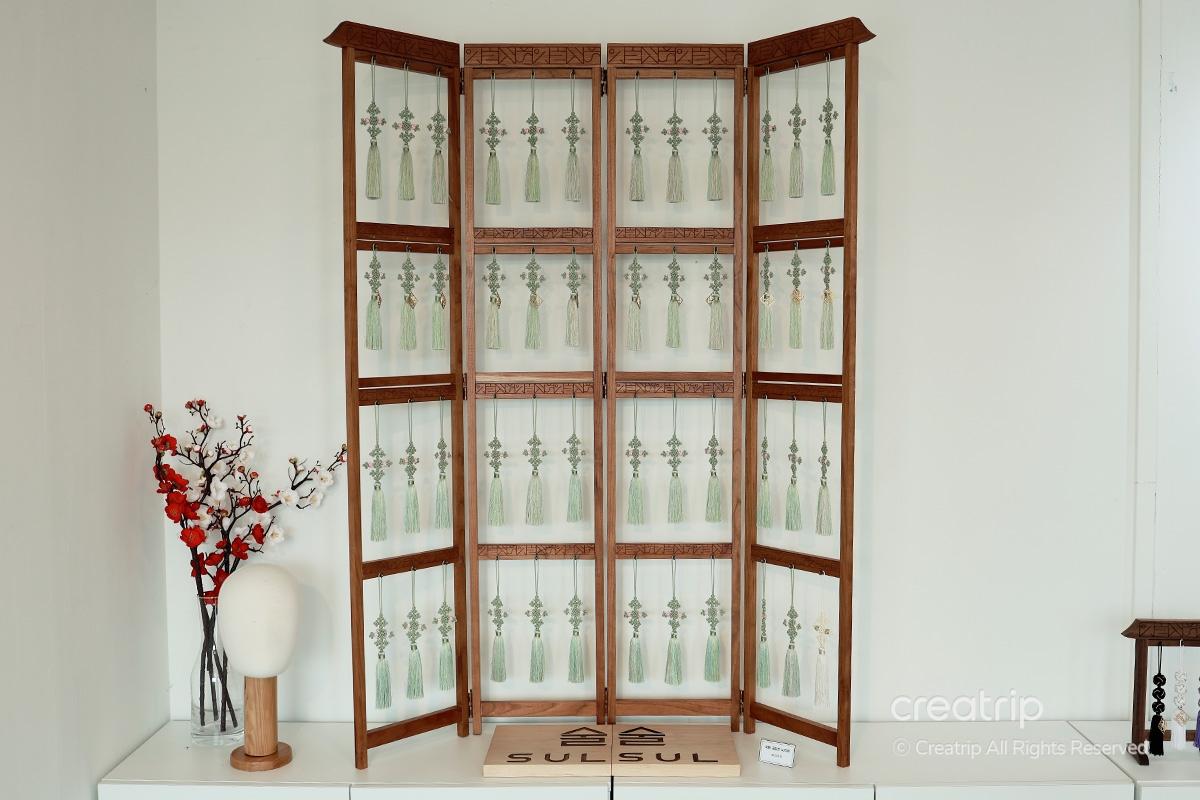
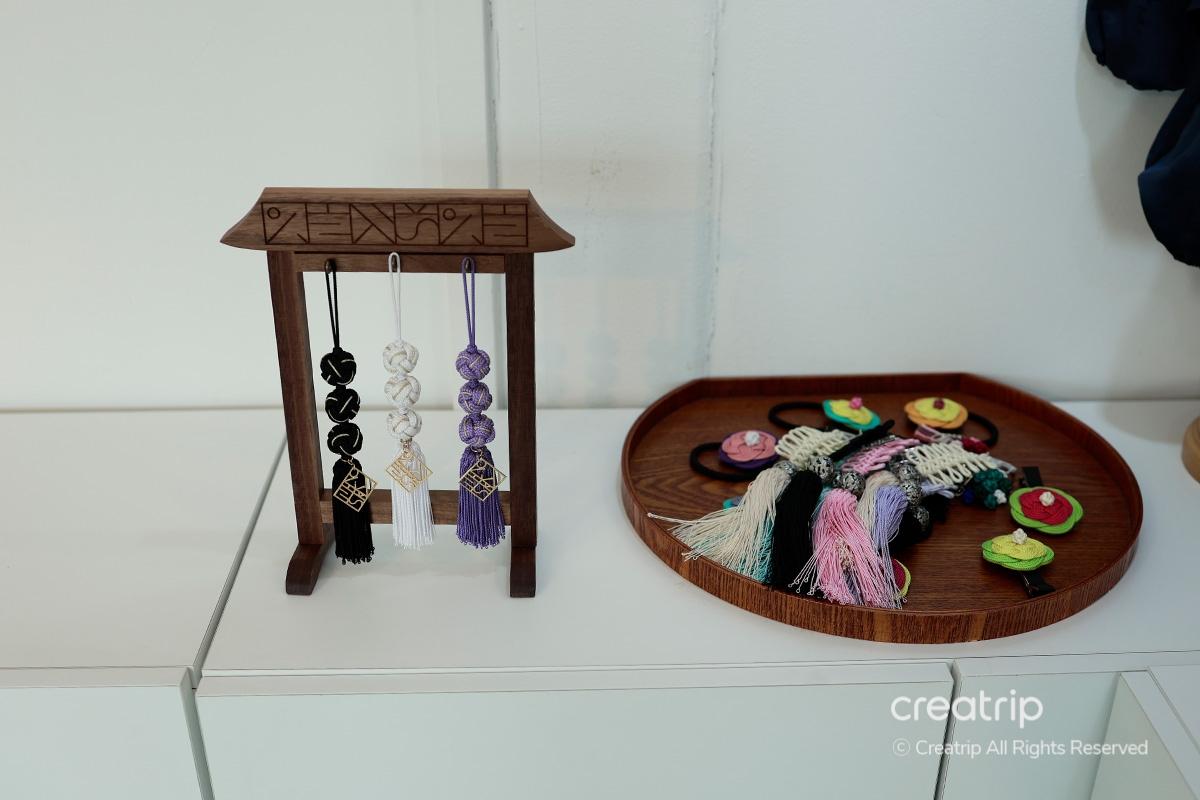
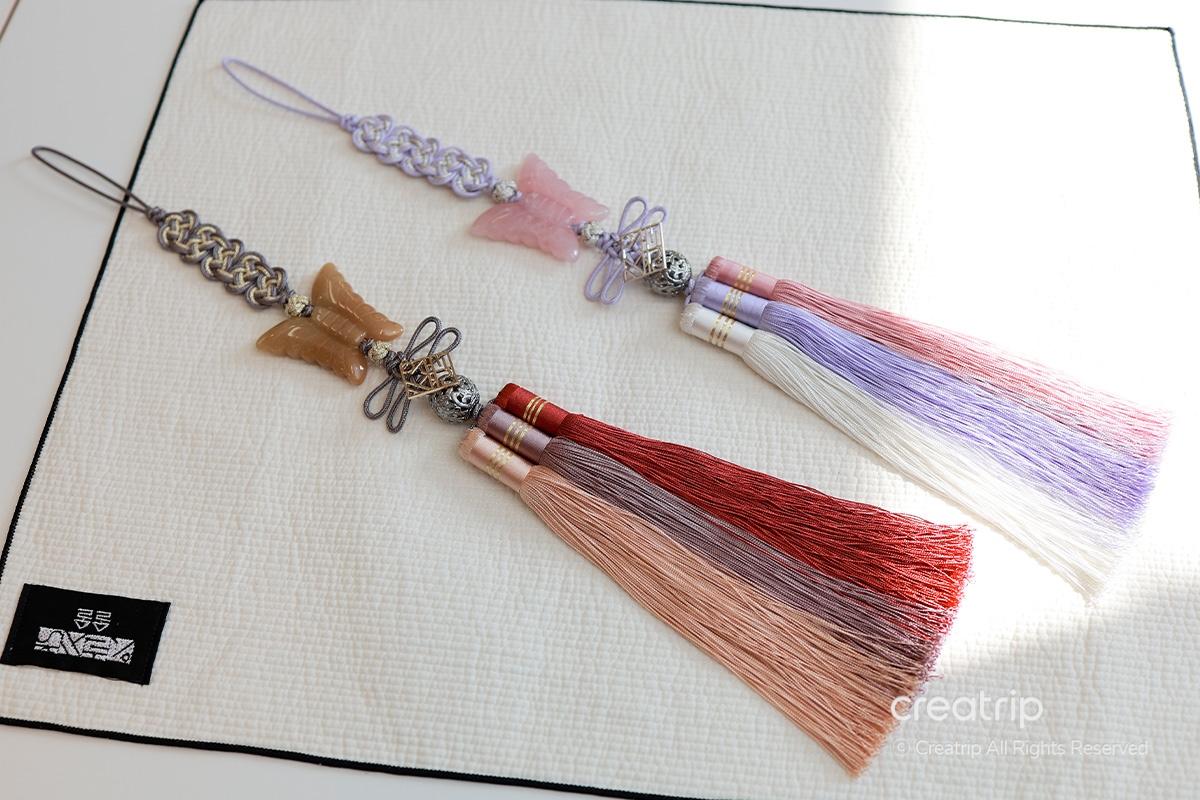
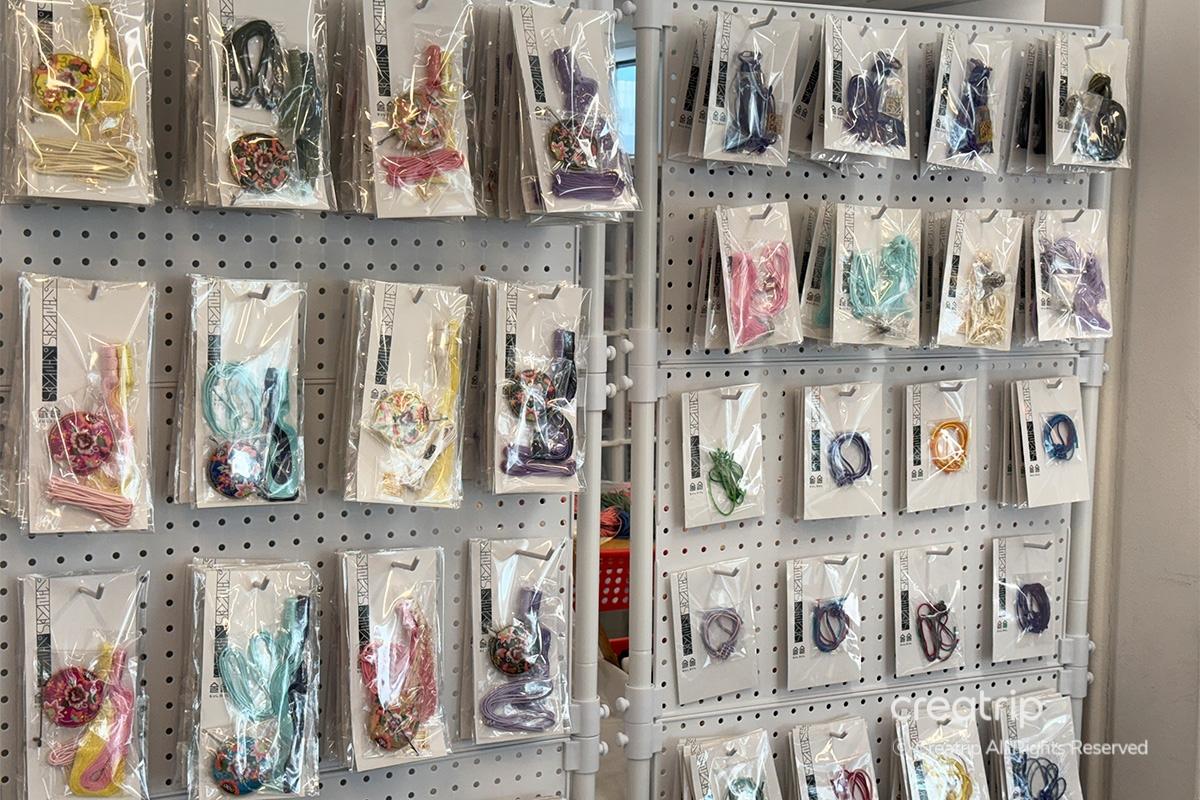
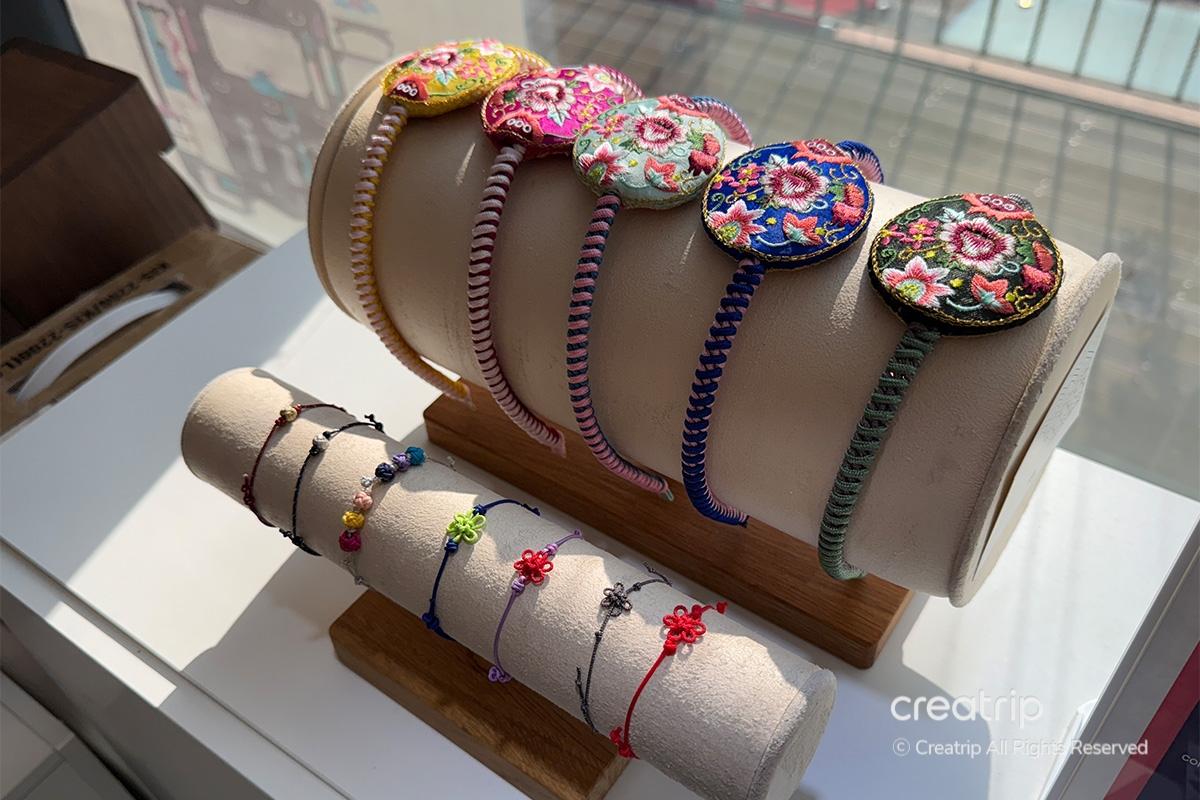
Now, let us show you a closer look at the interior of ‘Sulsul’!
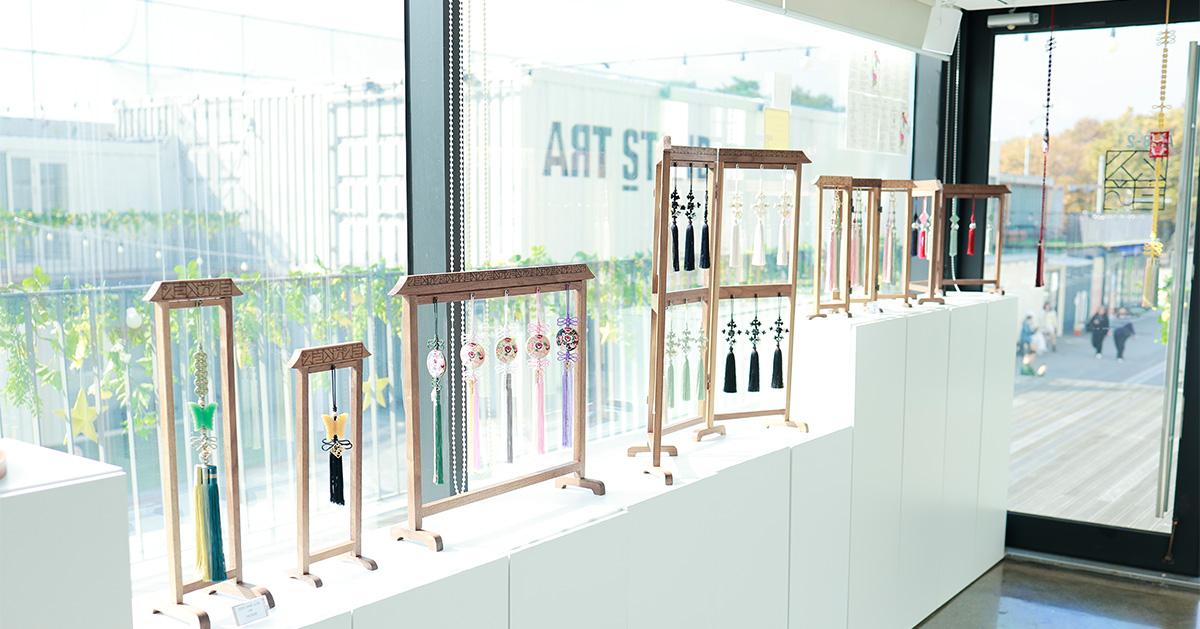
The overall clean white-toned interior is accented with colorful traditional ornaments on display, so from the moment you step inside, you can truly feel the beauty of Korean tradition.
Various norigae (traditional Korean ornaments) and knot accessories in different designs are displayed throughout the store, making it quite enjoyable to browse.
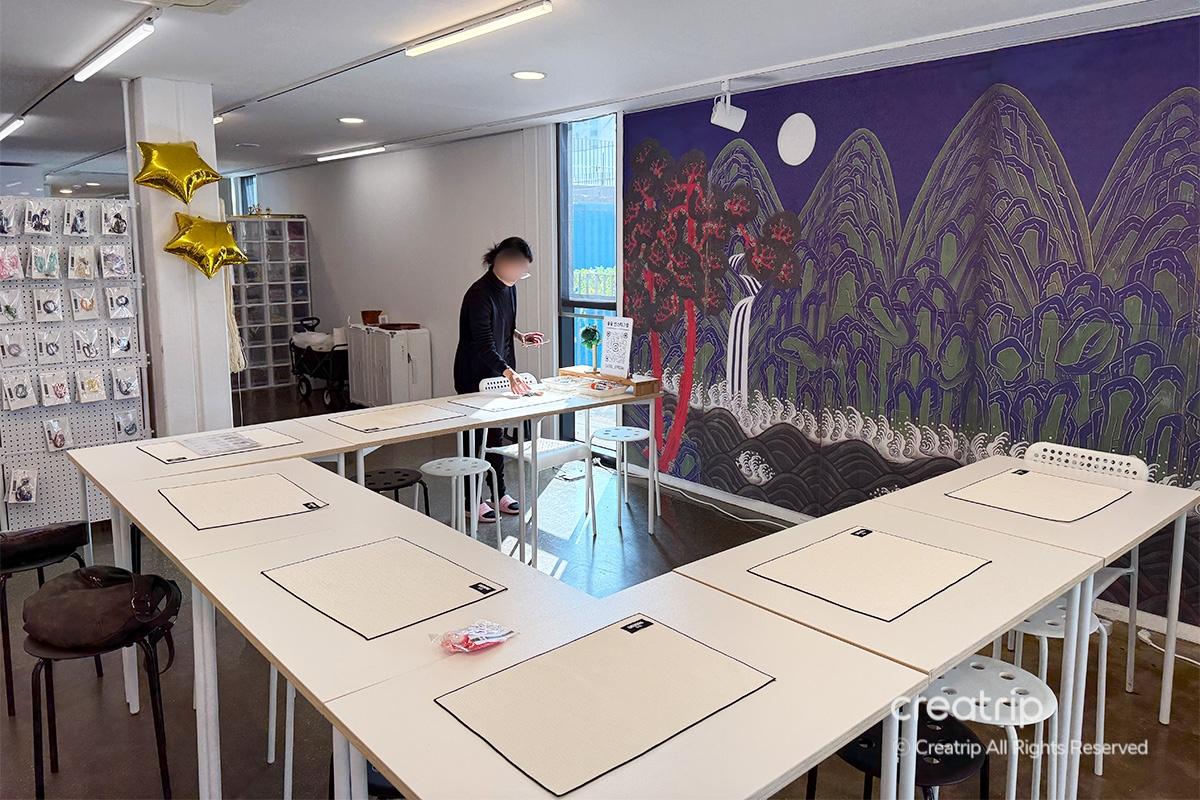
This is the very space where we’ll be having today’s experience!
The space is designed so that even if you visit with several people, you can all participate together in one place, making it enjoyable no matter who you come with.
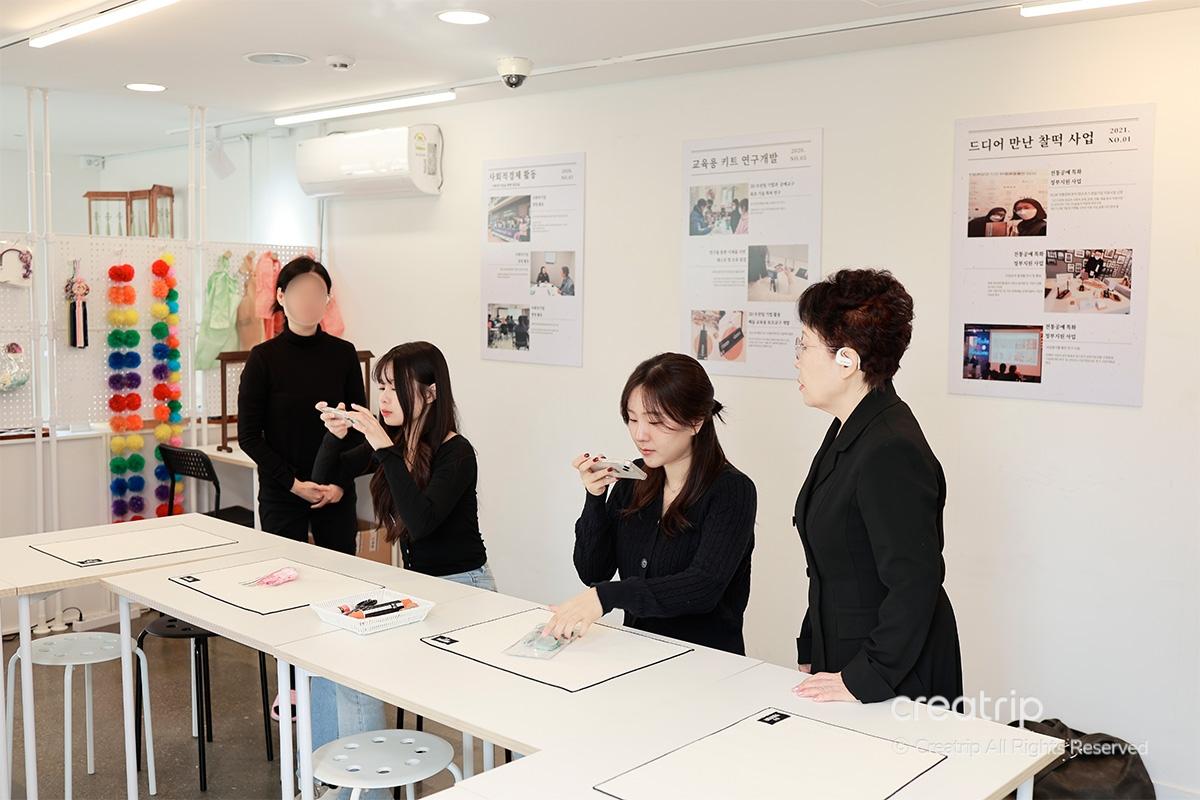
Our editor and their group also took their seats and began the experience in earnest.
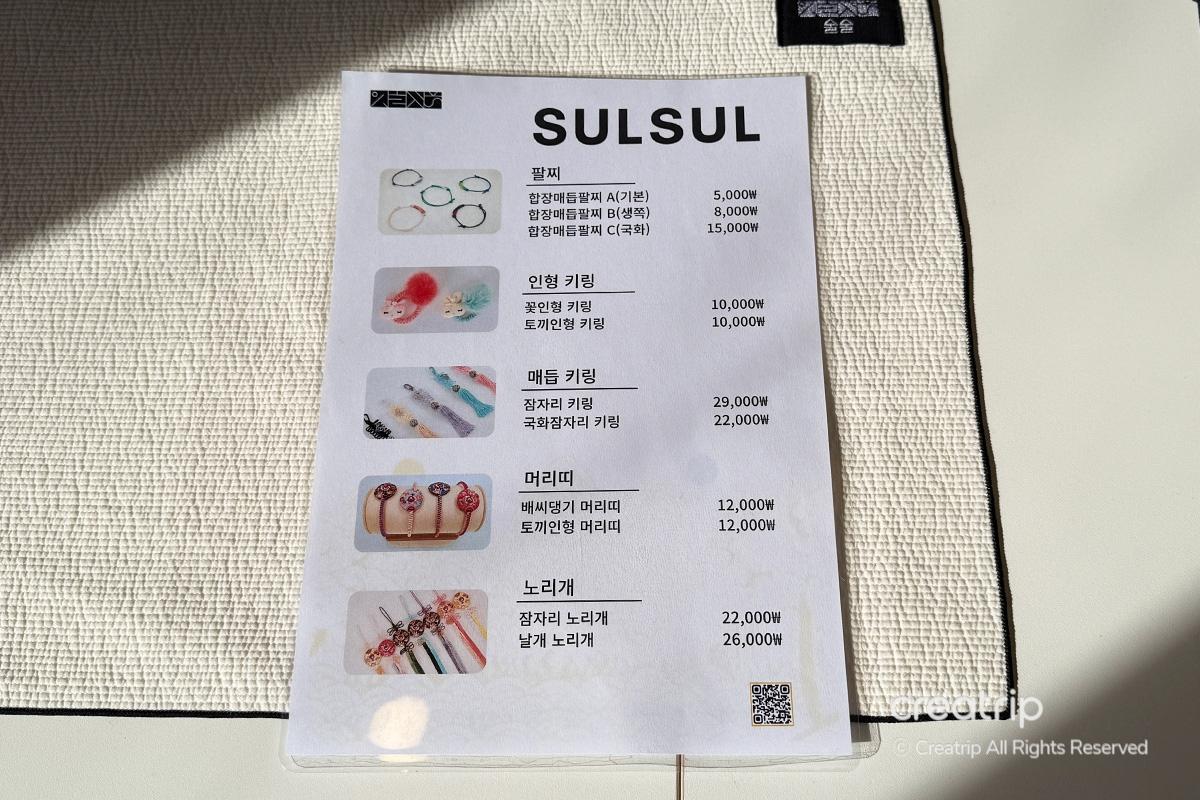
Here is the menu of 'Sulsul'!
You can easily see at a glance which programs are available for hands-on experiences here!
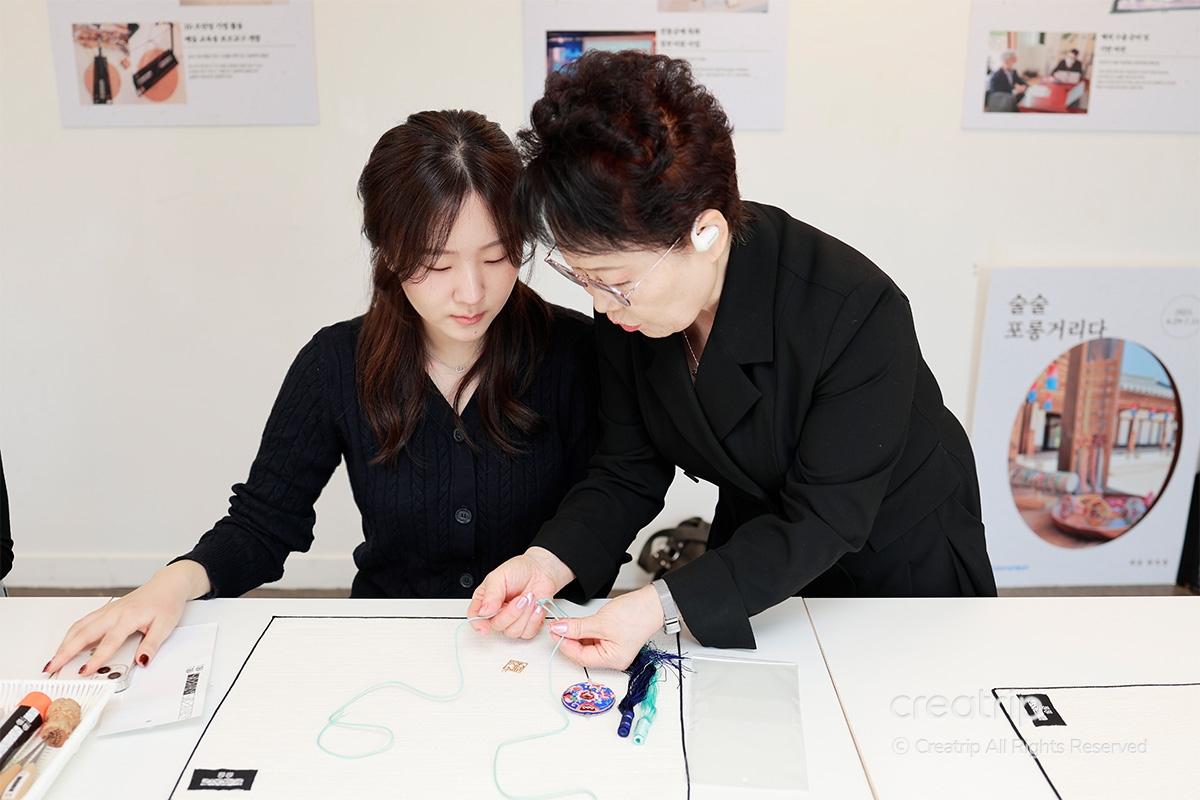
Our editor decided to make a "dragonfly norigae" (traditional Korean ornament) first.
I was a bit worried since it was my first time making a norigae, but the instructor kindly explained and helped me step by step, so there was no need to worry at all!
[Image Slider]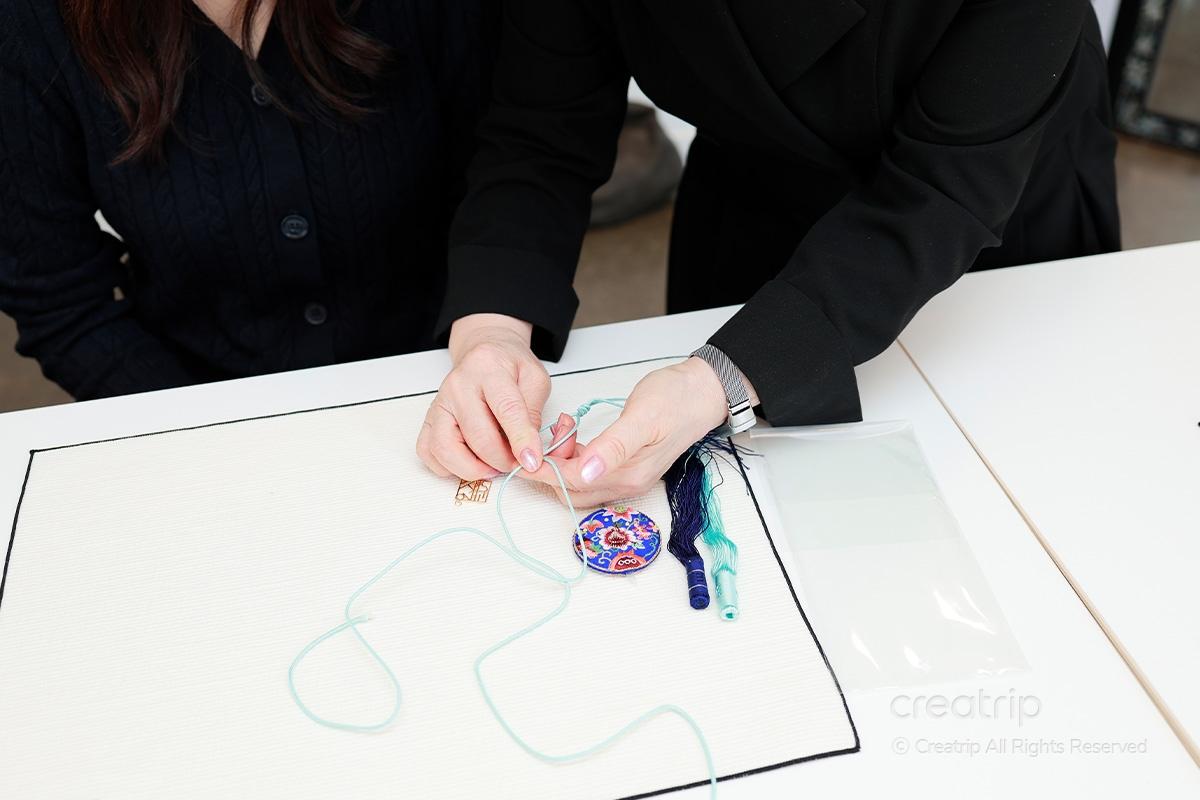

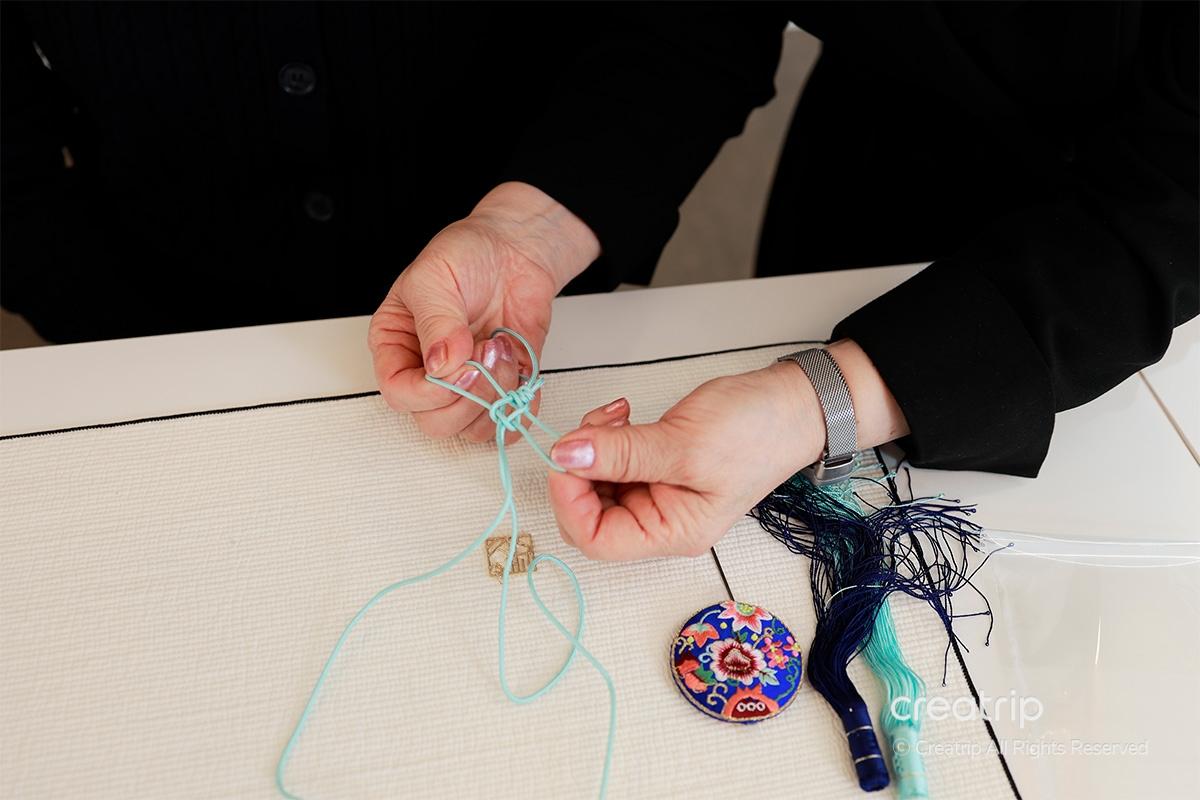
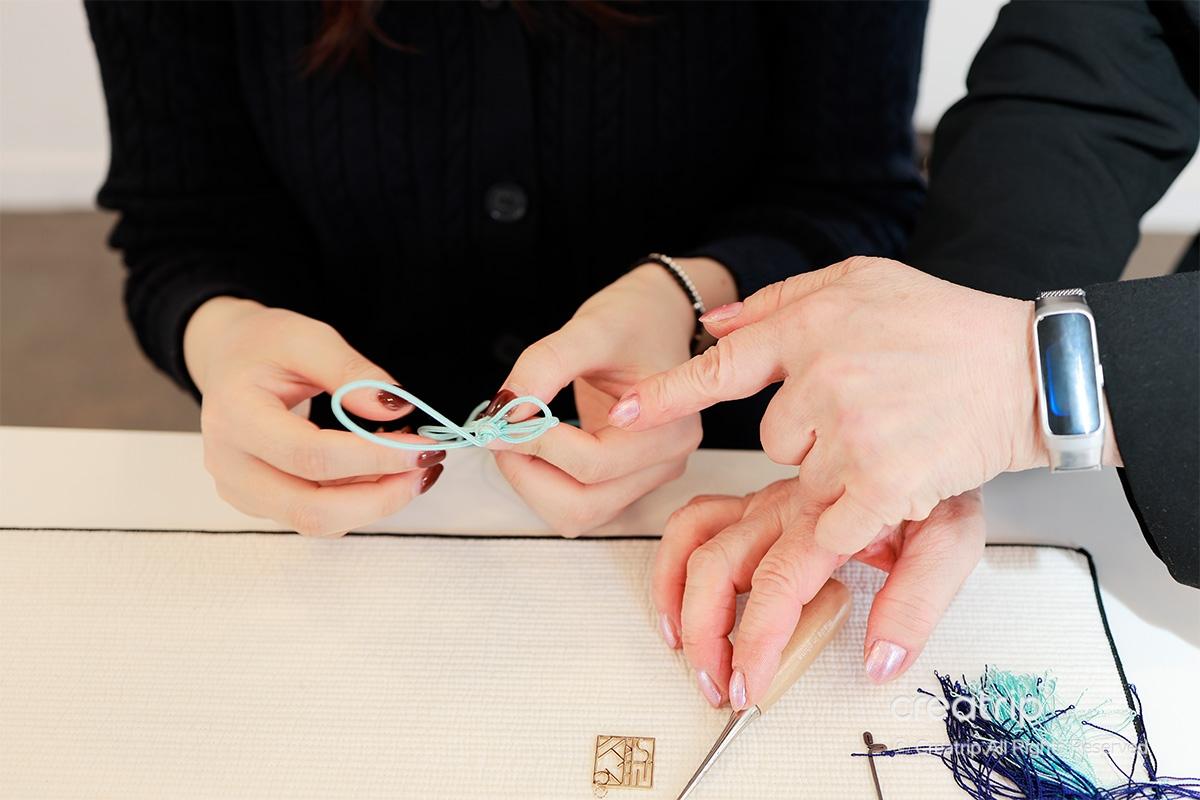
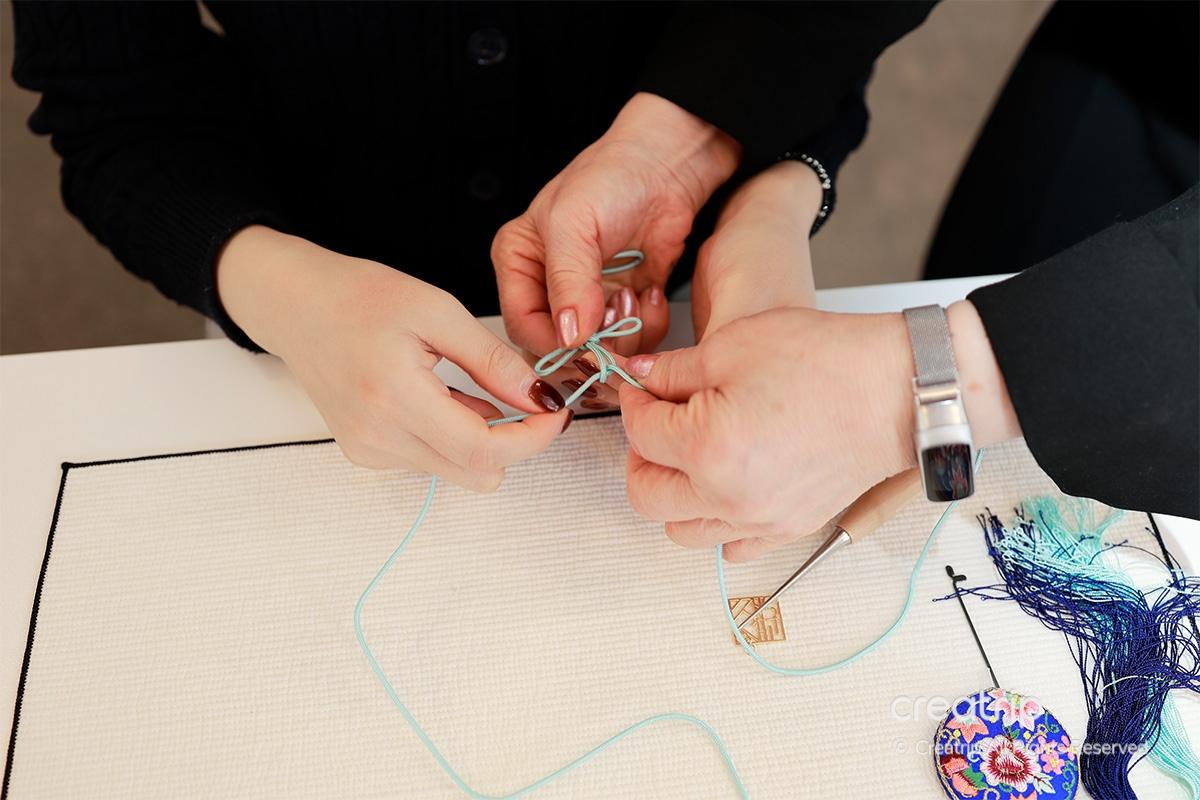
The reason this norigae is called "Dragonfly" is because the knot is shaped to resemble a dragonfly's wings.
Knowing this background and then making it myself made it even more interesting and fun!
First, make a wing knot as the teacher showed you.
[Image Slider]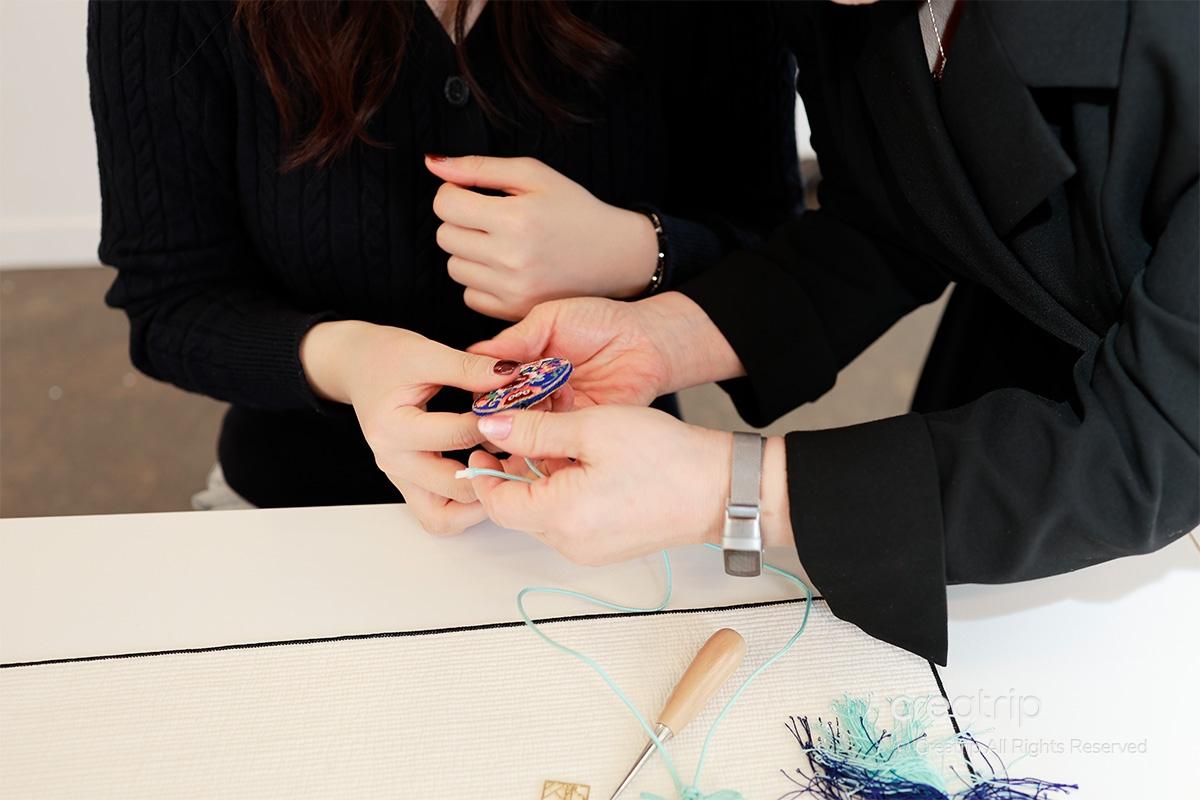
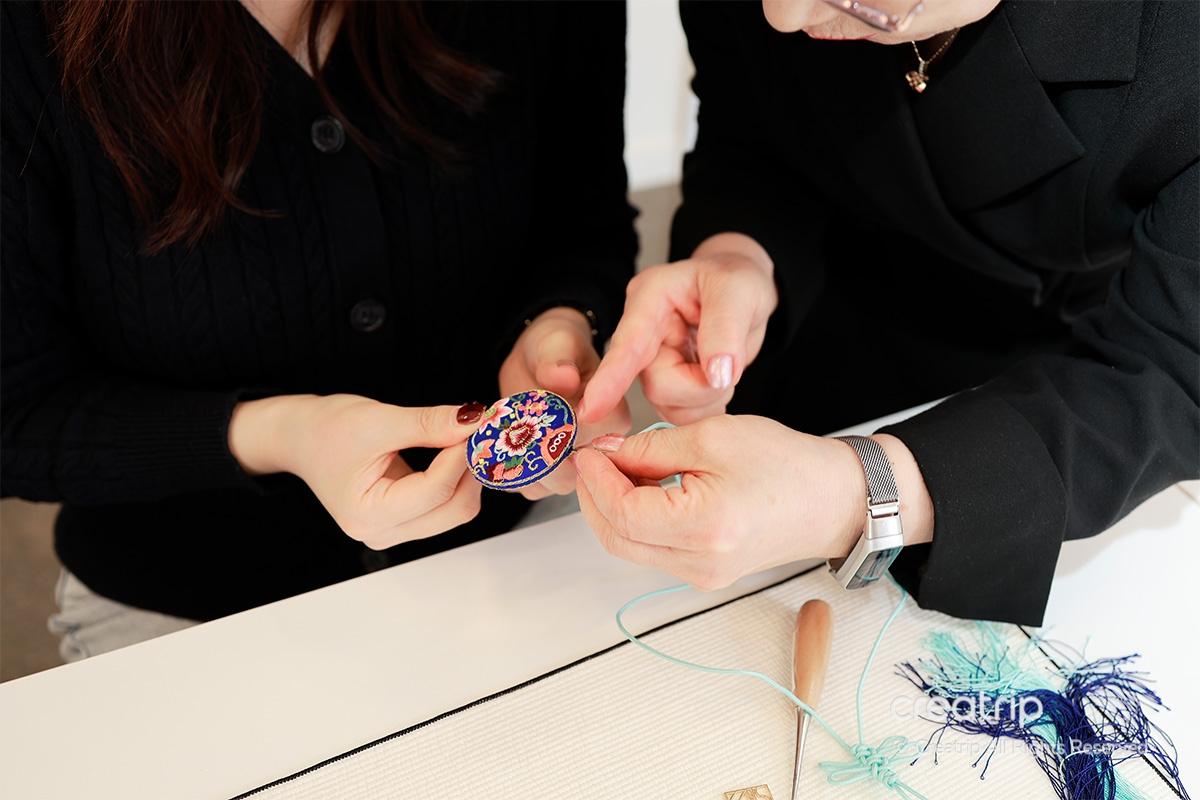
Now it's time to insert the accessories!
Carefully use the tool to thread each bead onto the string one by one.
[Image Slider]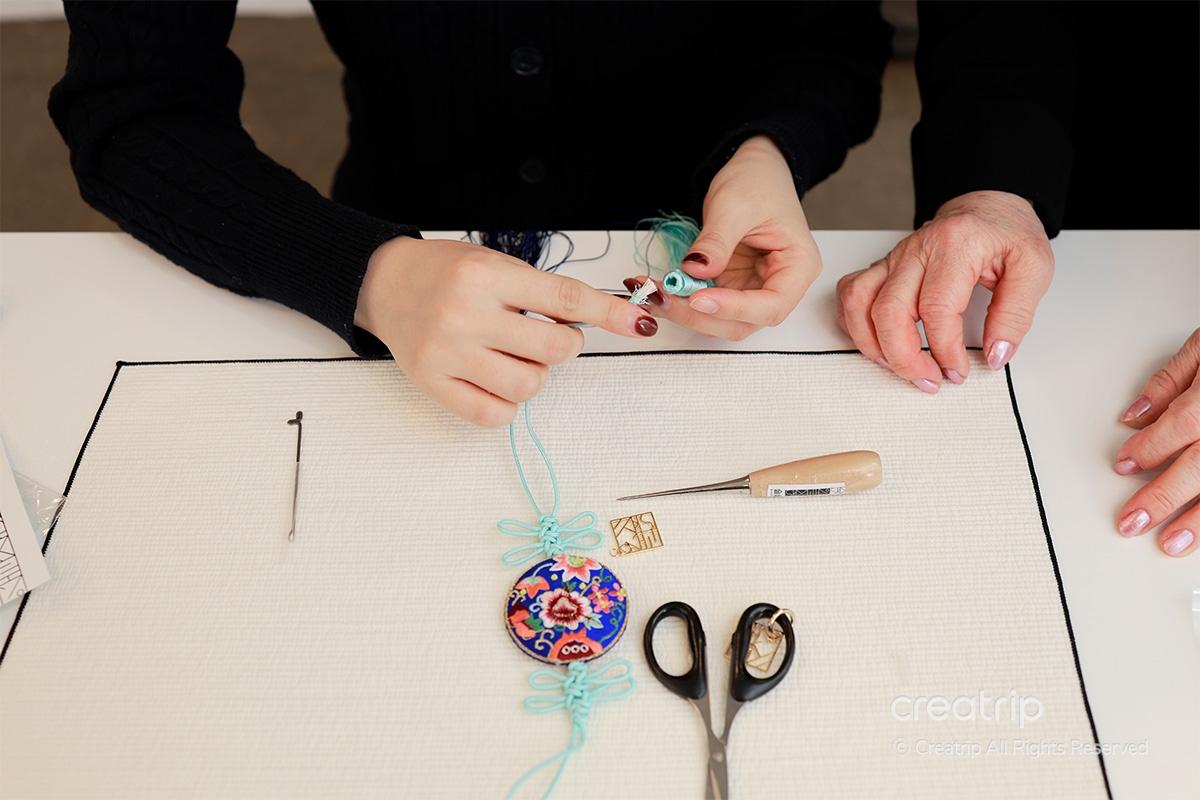

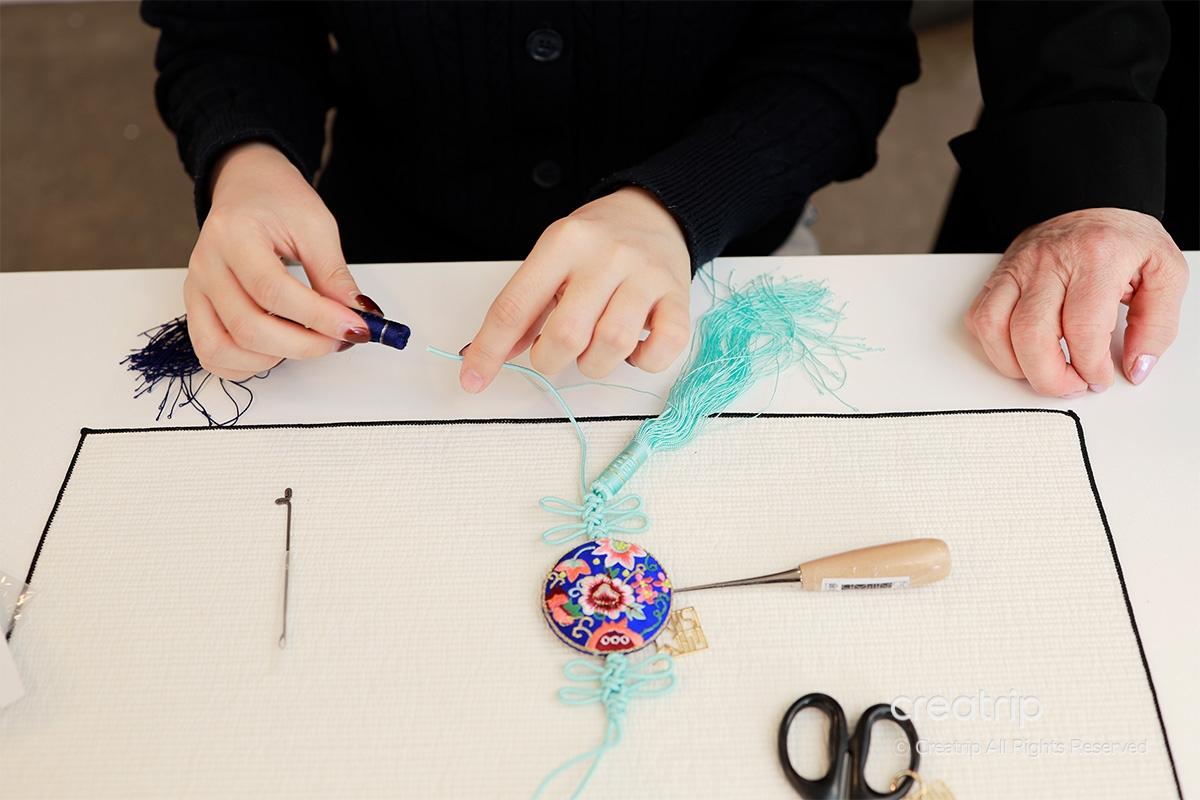
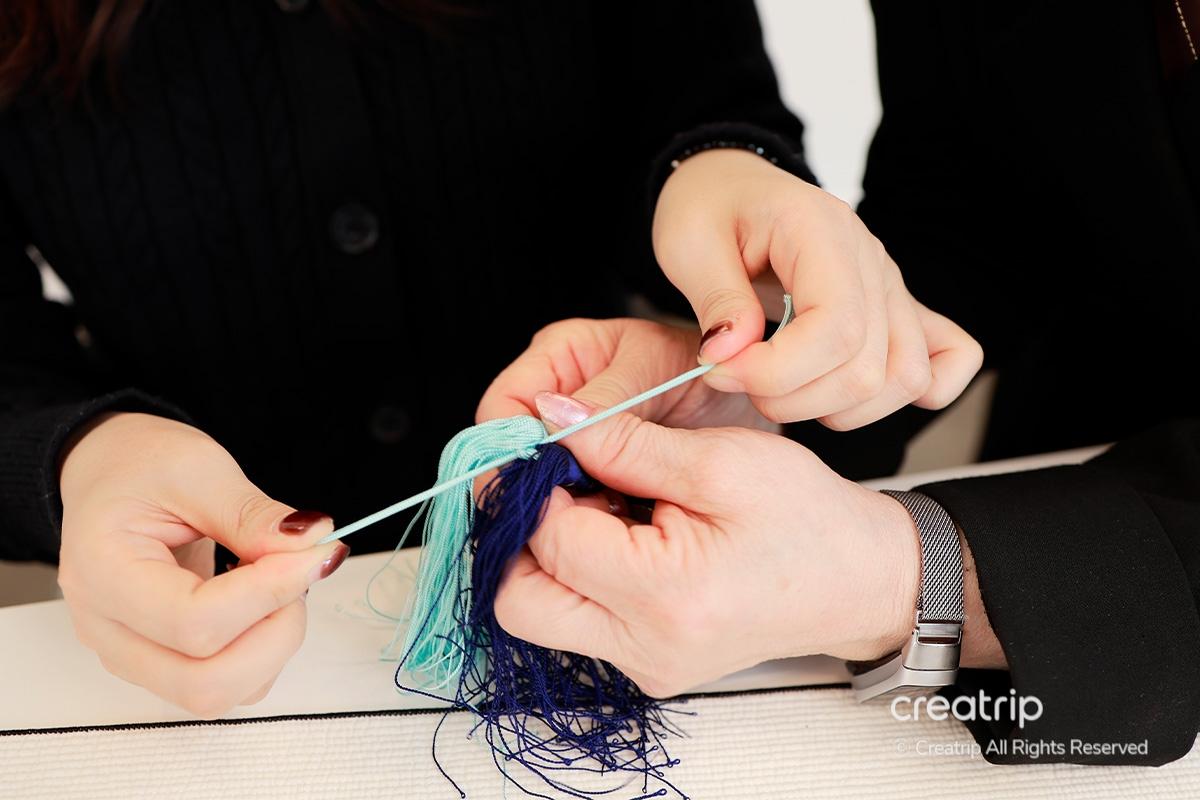
Now it’s time to add the “sul,” the highlight of the norigae! (Sul: a decorative tassel or ornament attached to a norigae, a traditional Korean accessory)
Carefully thread it onto the string, then tie a secure knot so it doesn’t come loose, and you’re done.
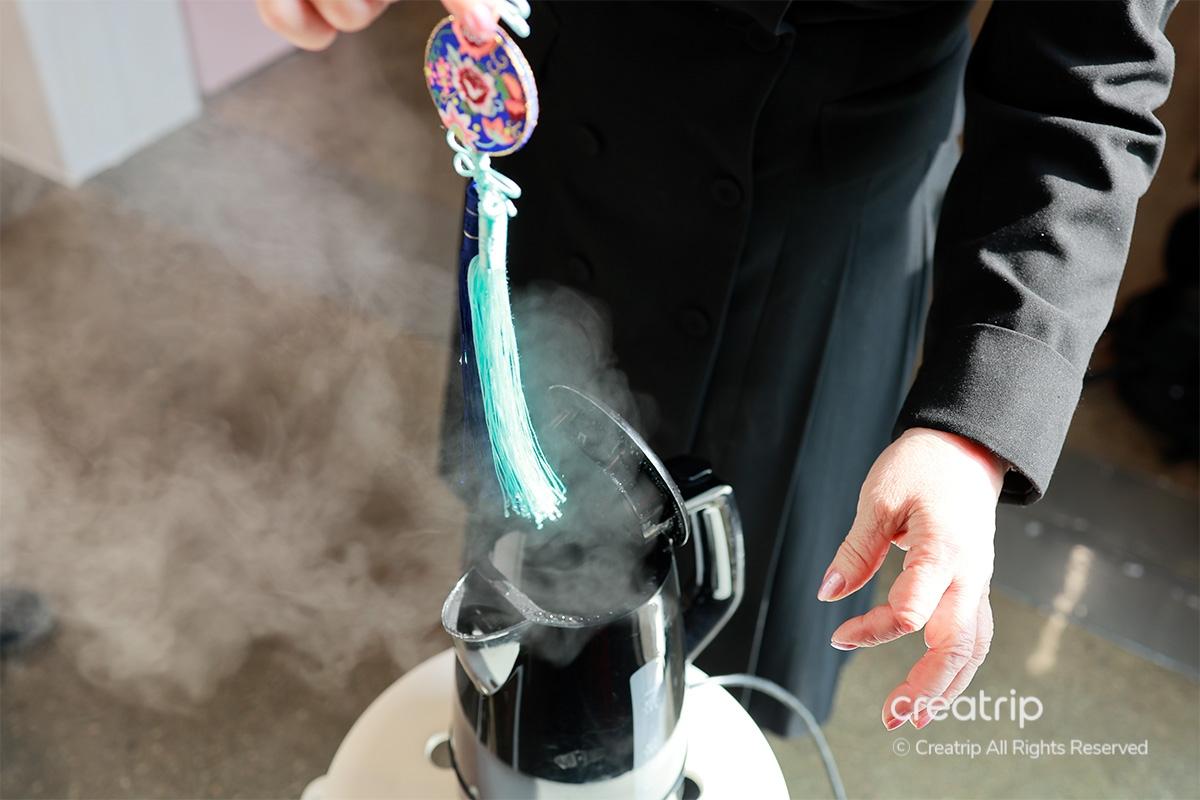
We used hot steam to make the Norigae’s liquor smooth and clean.
When we let the steam from the electric kettle gently waft over the alcohol, it was truly fascinating and fun to watch the drink softly open up and become smoother!
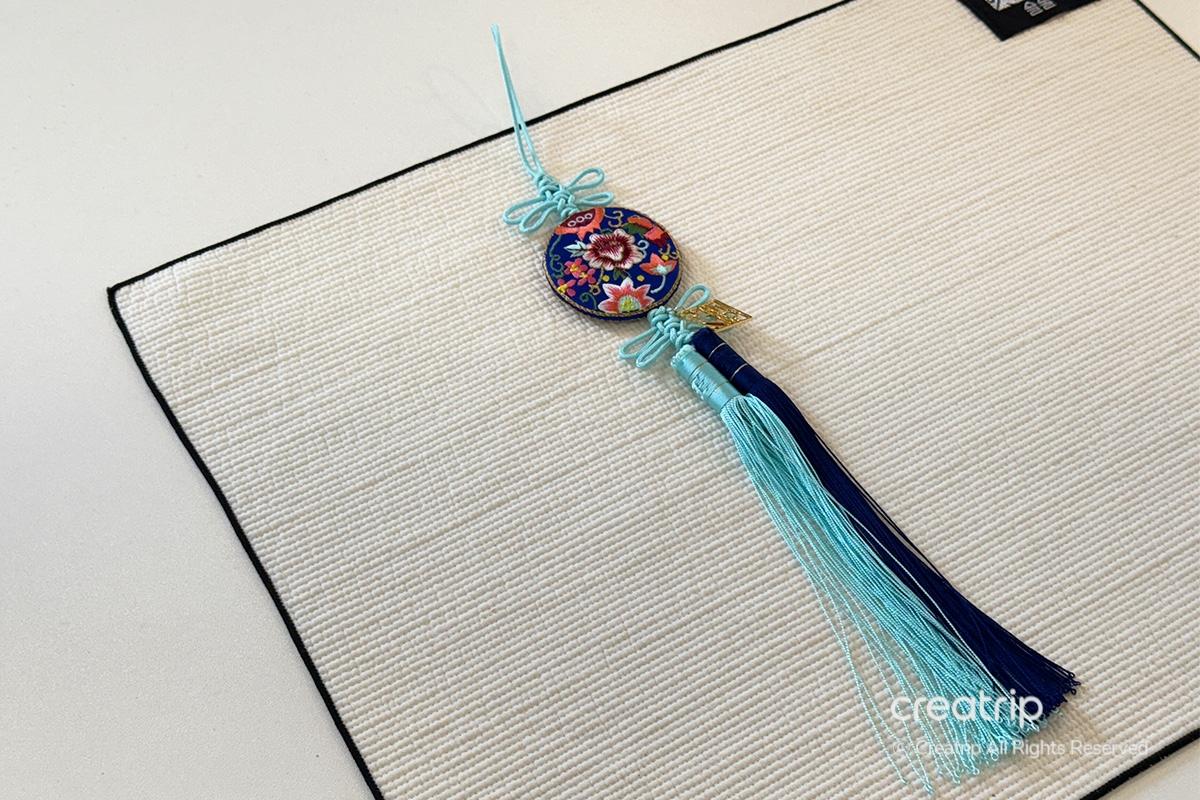
Ta-da! We've finished making the "dragonfly norigae" (traditional Korean ornament)!
It was truly rewarding and enjoyable to make traditional accessories with my own hands.
The time required may vary from person to person, but our editor was able to finish more quickly than expected and immediately moved on to try another activity.
[Image Slider]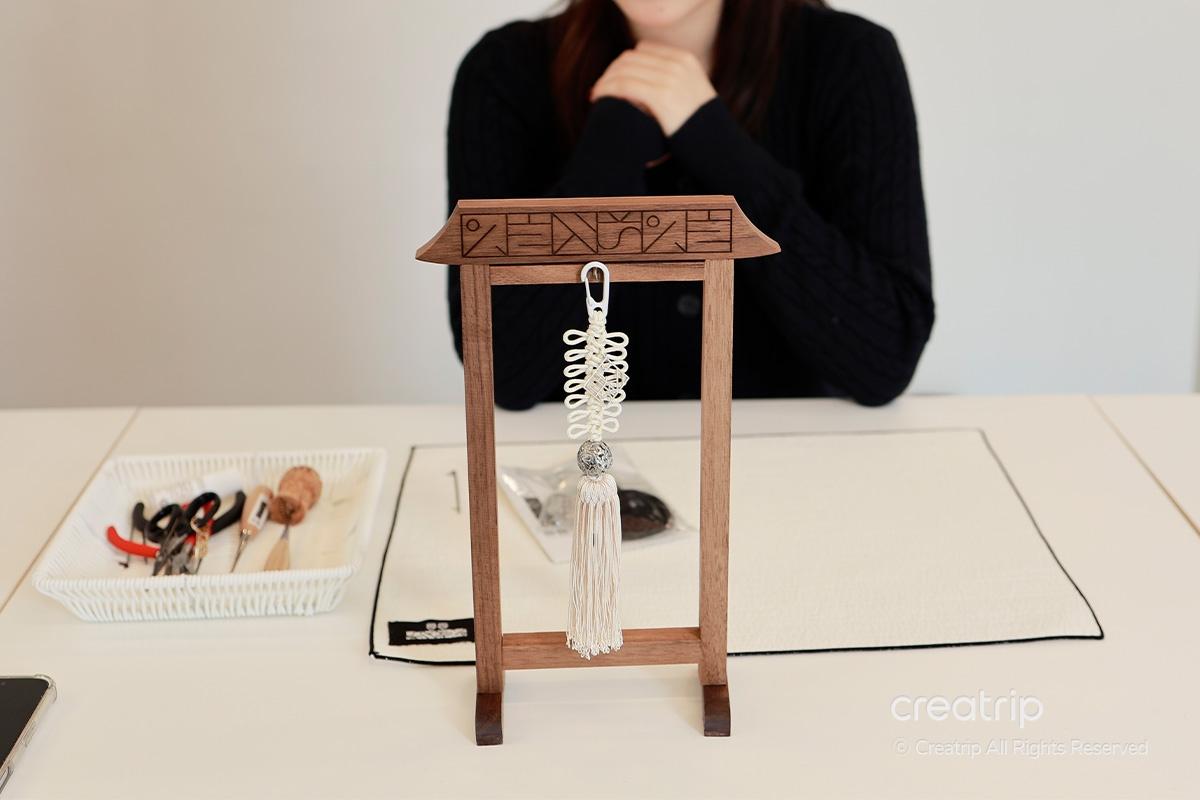
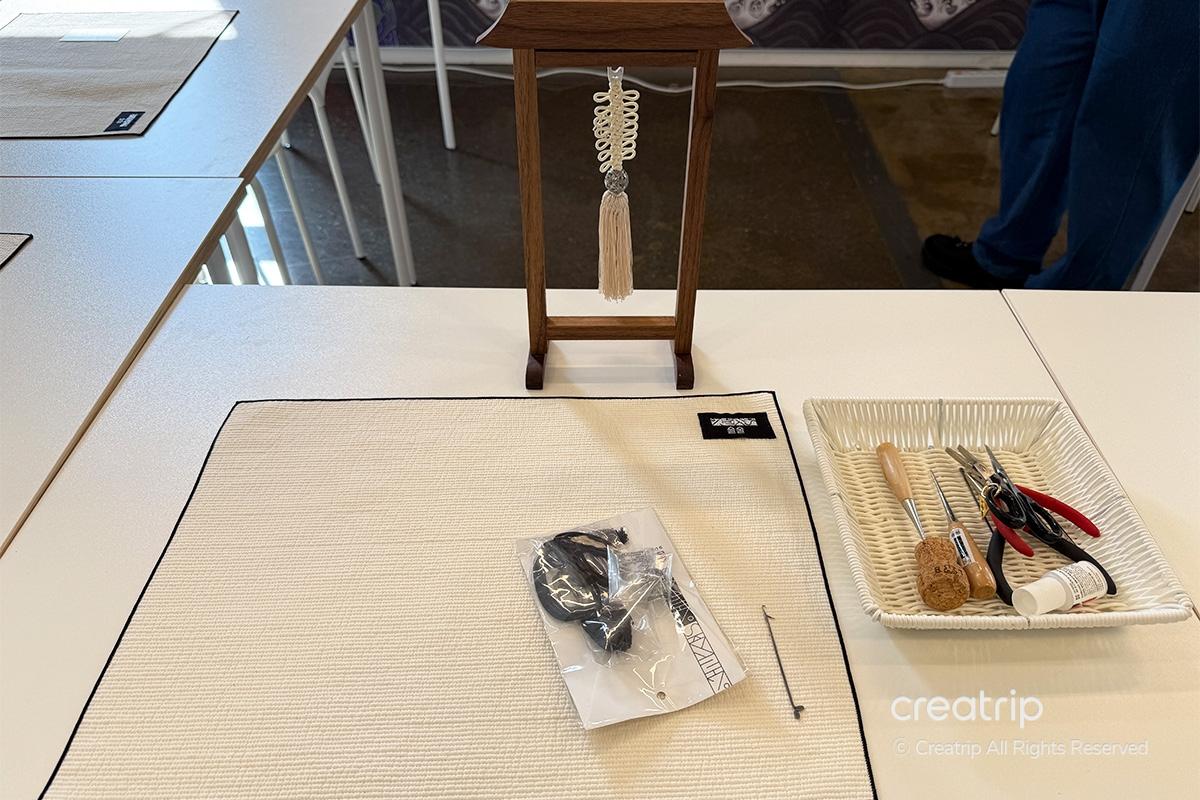
This time, we’ll be making a “dragonfly keyring.”
Although it uses a knotting technique similar to the norigae, it has its own unique charm, making it an enjoyable and different experience.
[Image Slider]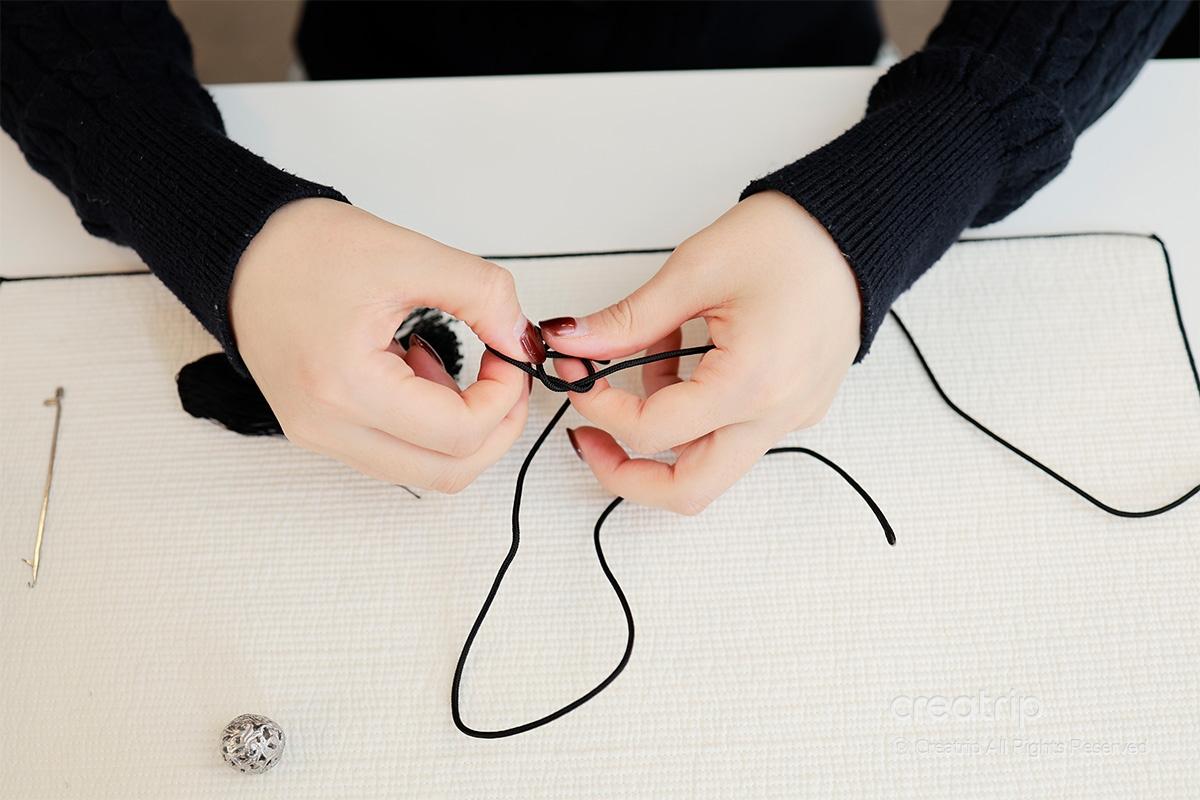
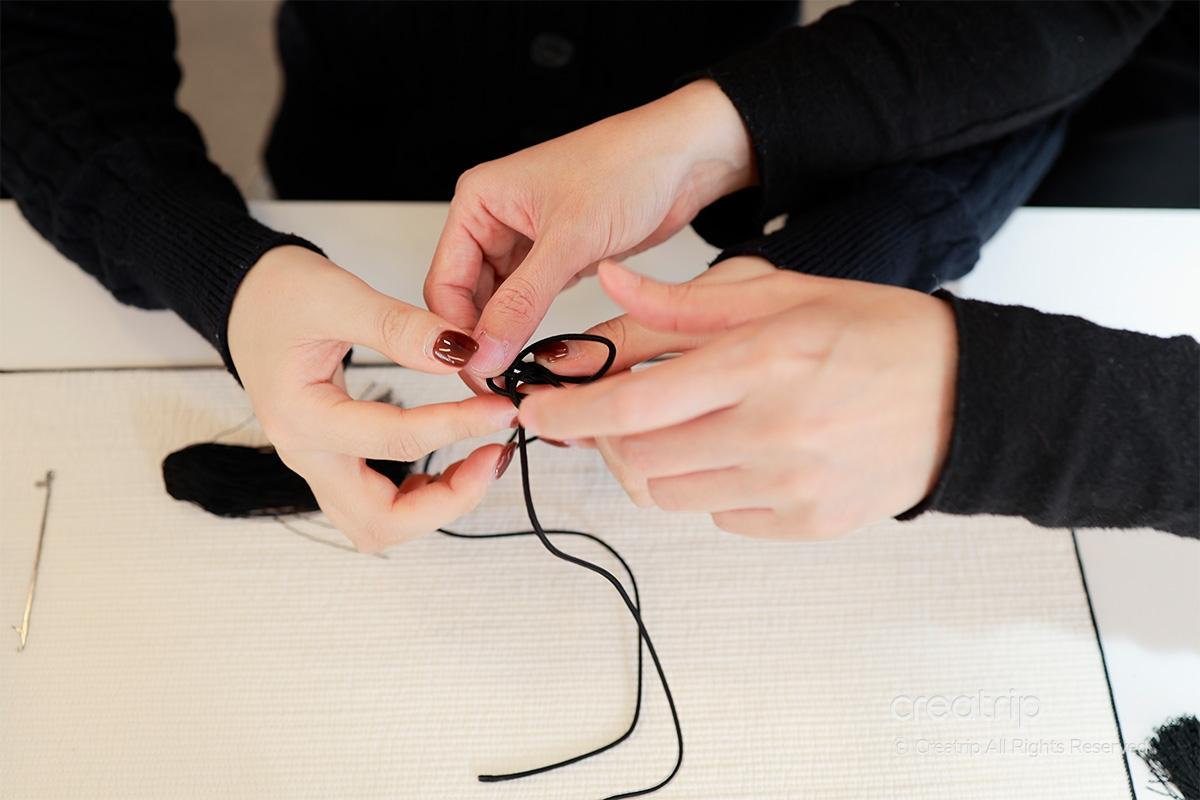
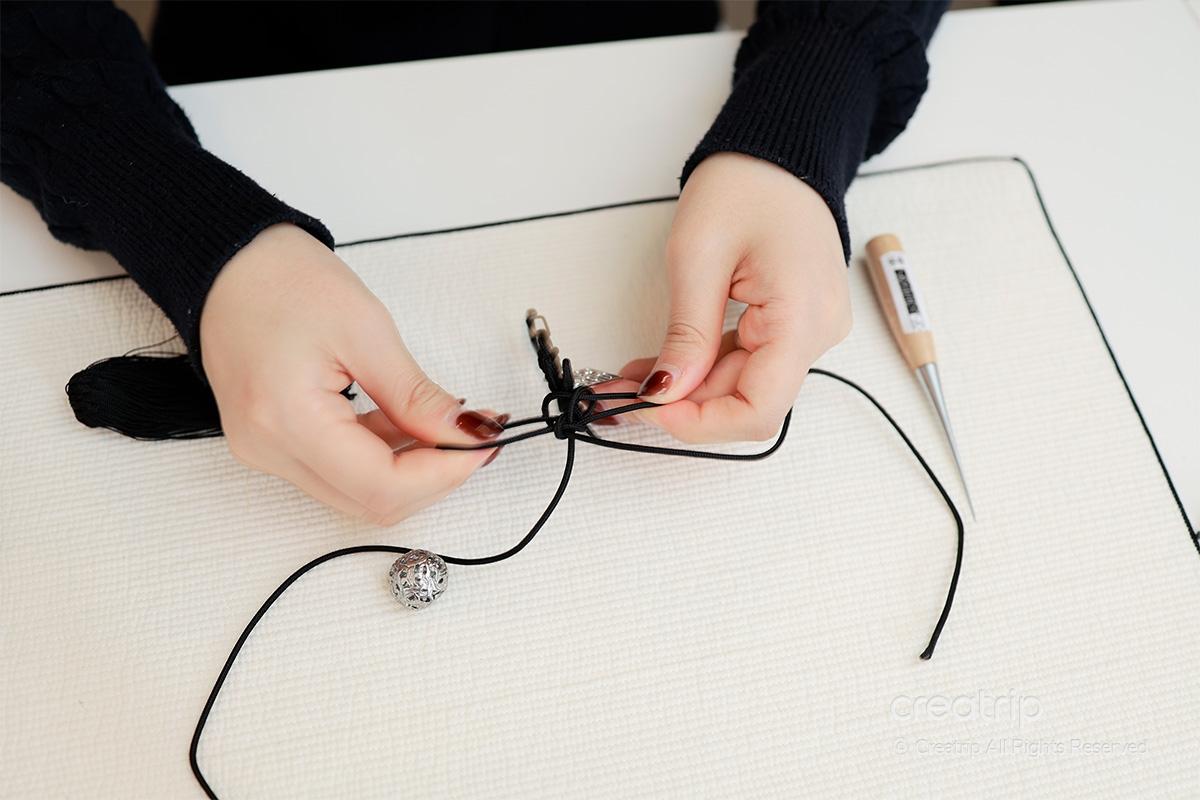
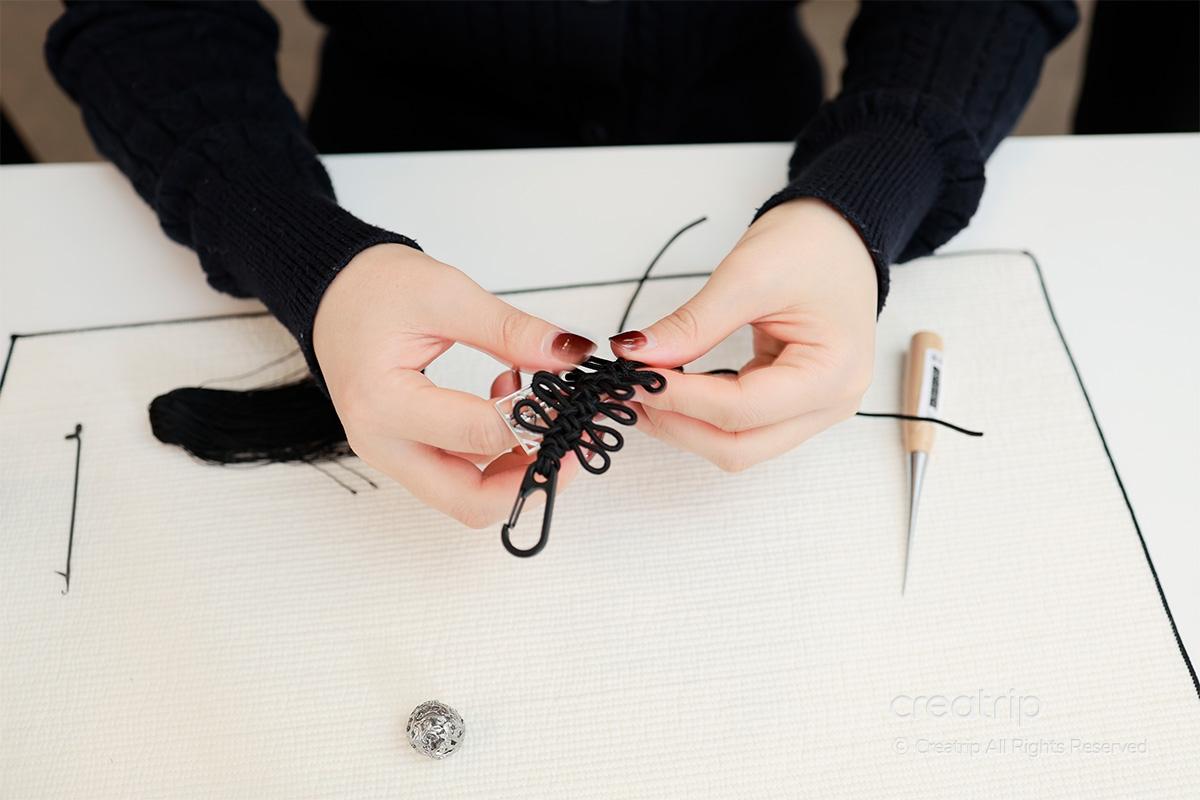
This time, the keyring features many more dragonfly wing knots.
I was able to focus and review what I had just learned while making it, and I found myself wanting to make it even prettier :)
[Image Slider]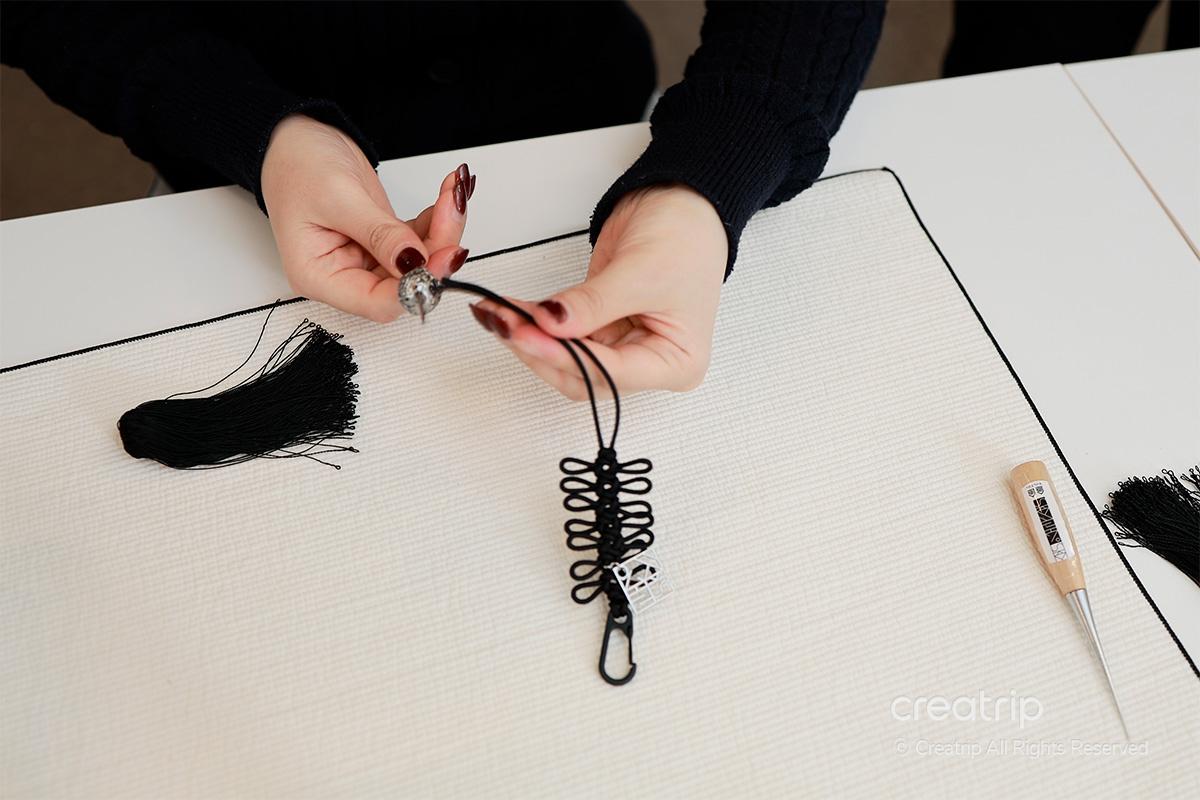

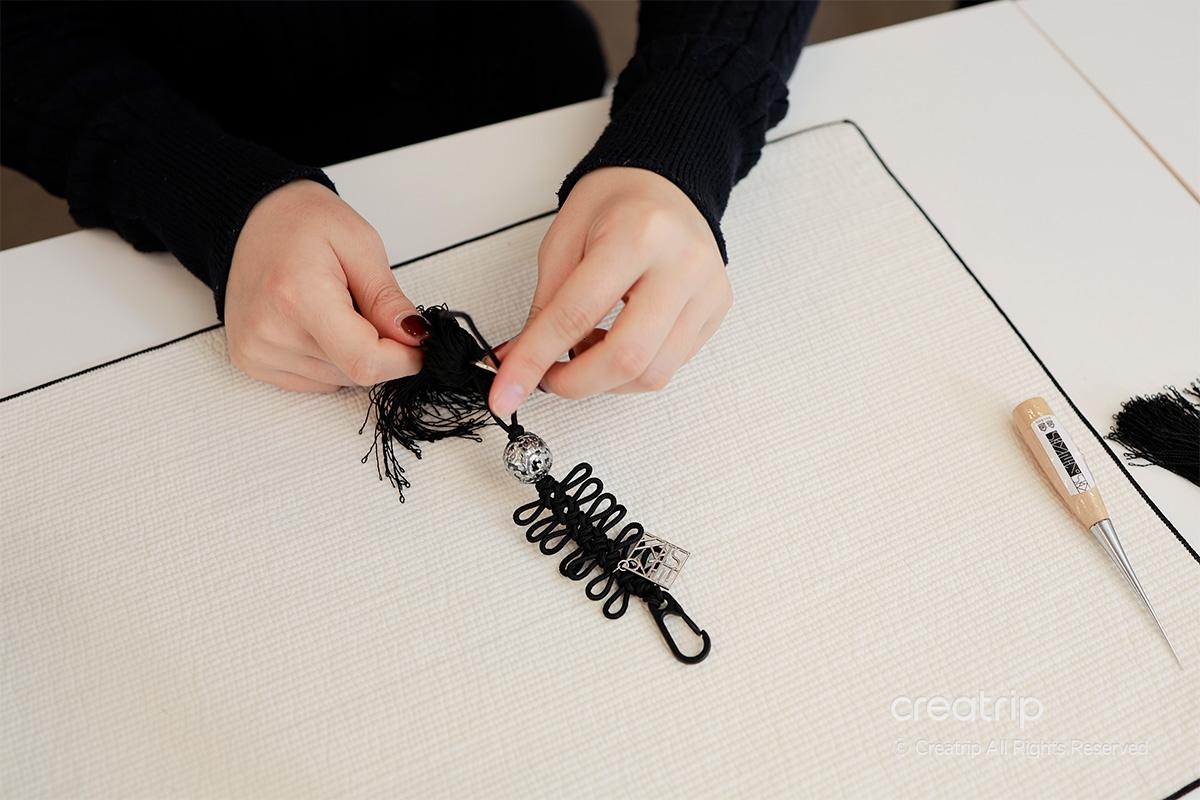
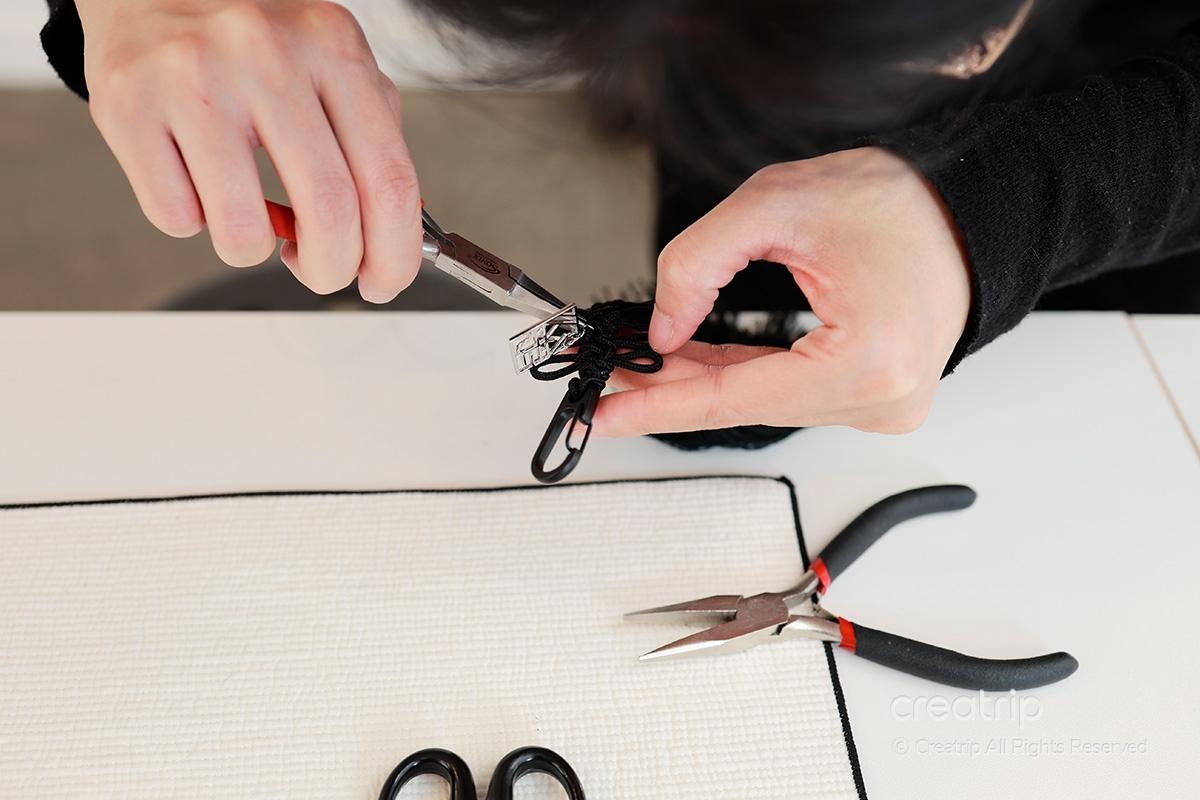
This time, it's complete once you add all the accessories, drinks, and even the logo!
It required a bit more careful and meticulous attention, but whenever I faced difficulties, the instructor kindly helped me, so I was able to complete it without any problems.
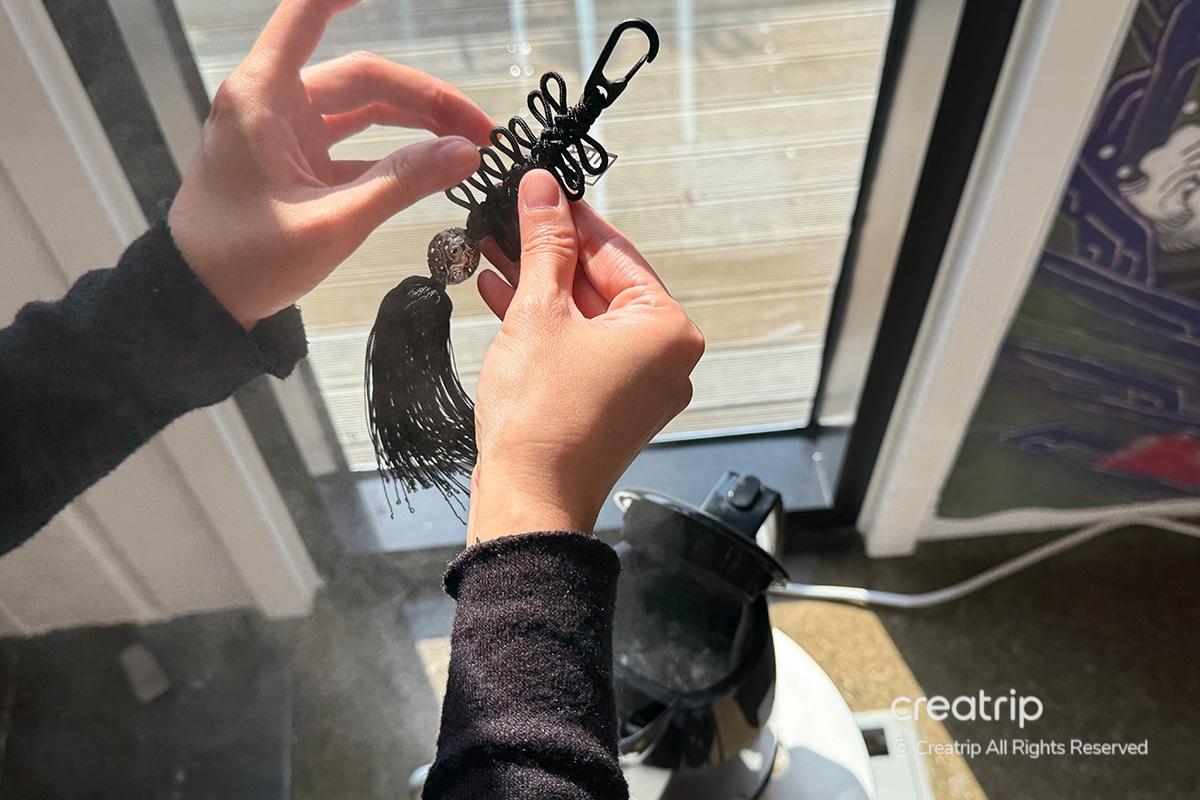
Once again, we used hot steam to gently open up the flavors of the alcohol, enhancing its overall quality.
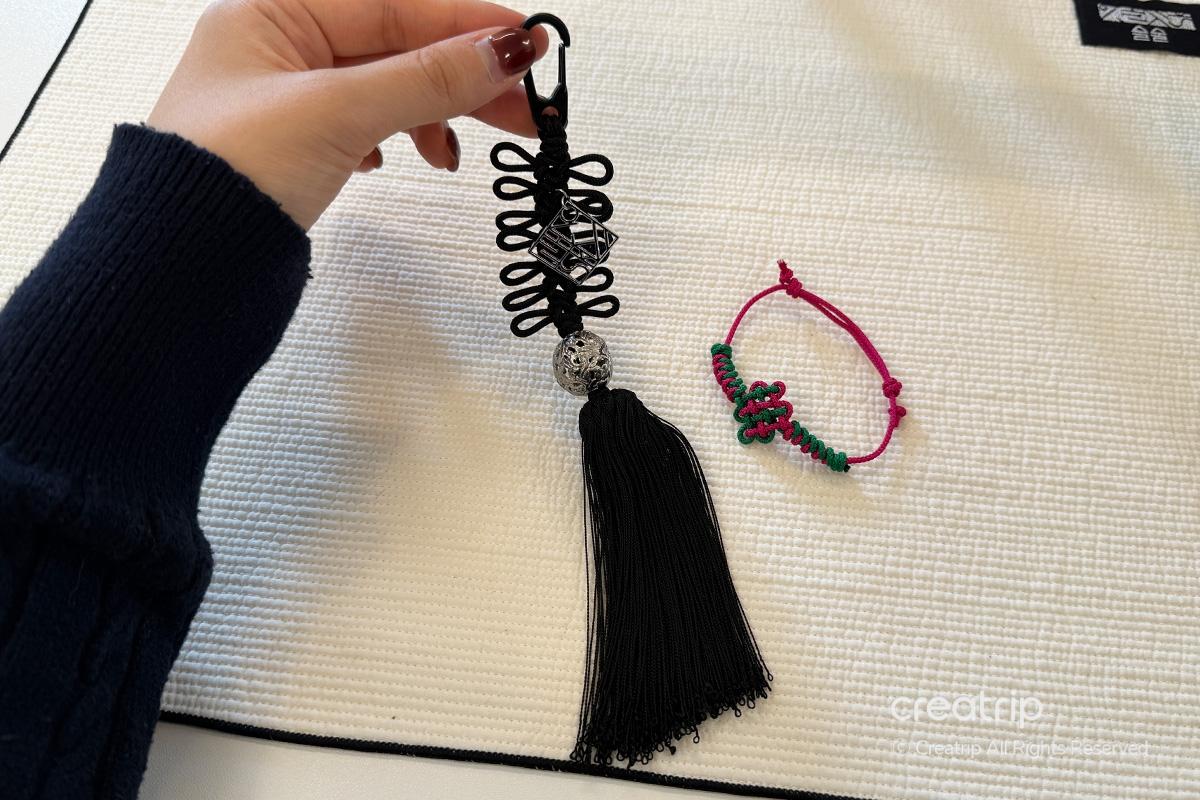
And just like that, the "dragonfly keyring" is complete!
It took a little more time, but completing a different style of accessory made me feel twice as proud!
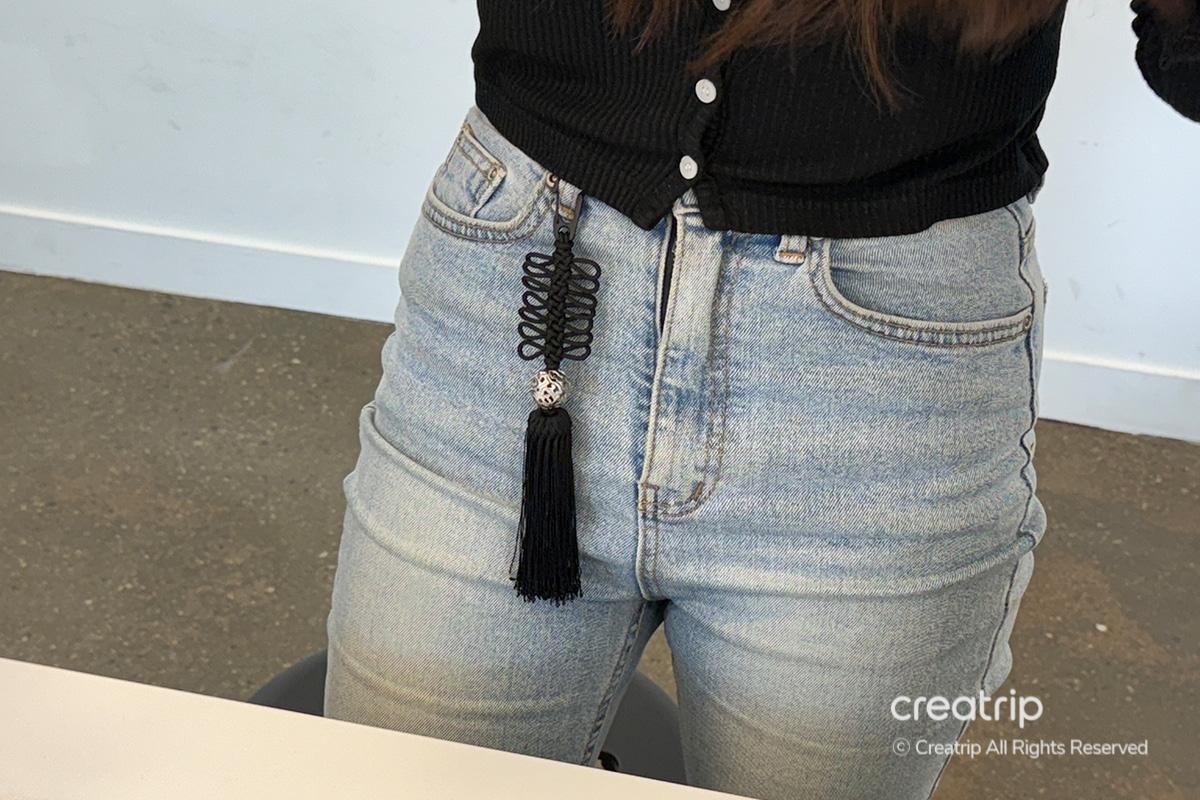
I immediately attached the finished keyring to my pants and tried it out!
You can feel the beauty of Korean tradition, yet it’s stylish enough to use as a unique accent in your everyday life!
In addition to pants, you can also attach it to a variety of accessories such as bags, wallets, and keychains.
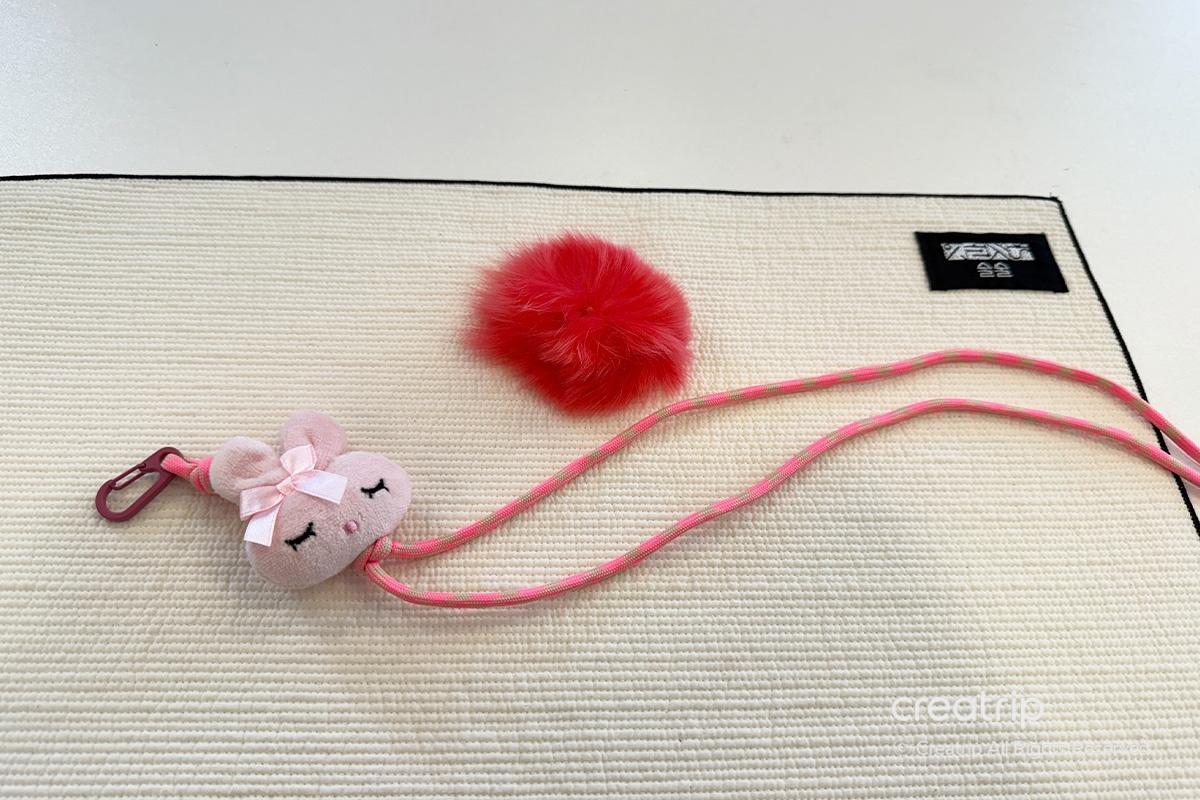
Our group decided to make the "rabbit keyring" first.
Since it was my first time trying this, I chose to make a keyring, which seemed to be the easiest option among the various experiences.[Image Slider]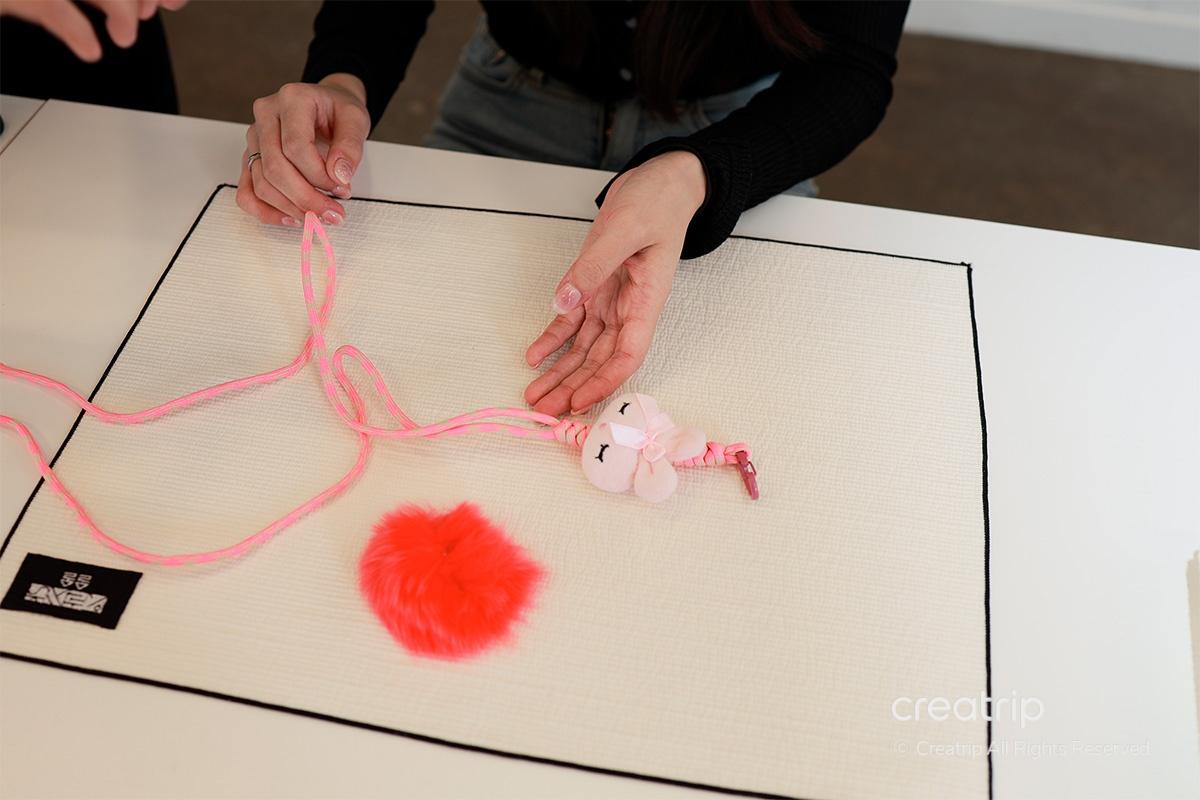
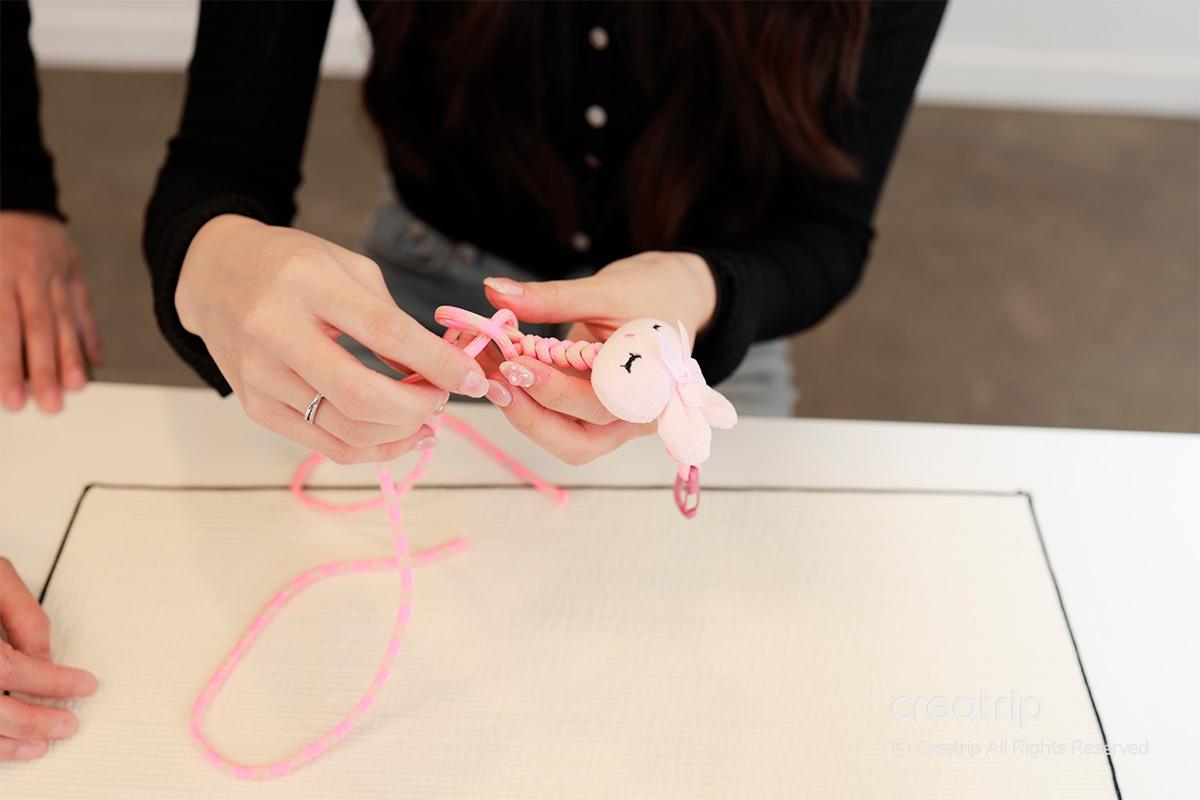
Since the production process isn’t too complicated, I was able to pick it up quickly thanks to the teacher’s detailed explanations, and I found it fun right away!
This keyring is made using the most basic "hapjang maedeup" (a traditional Korean clasped-hands knot).
The Hapjang knot is named for its resemblance to two hands joined together, symbolizing prayers and good fortune.
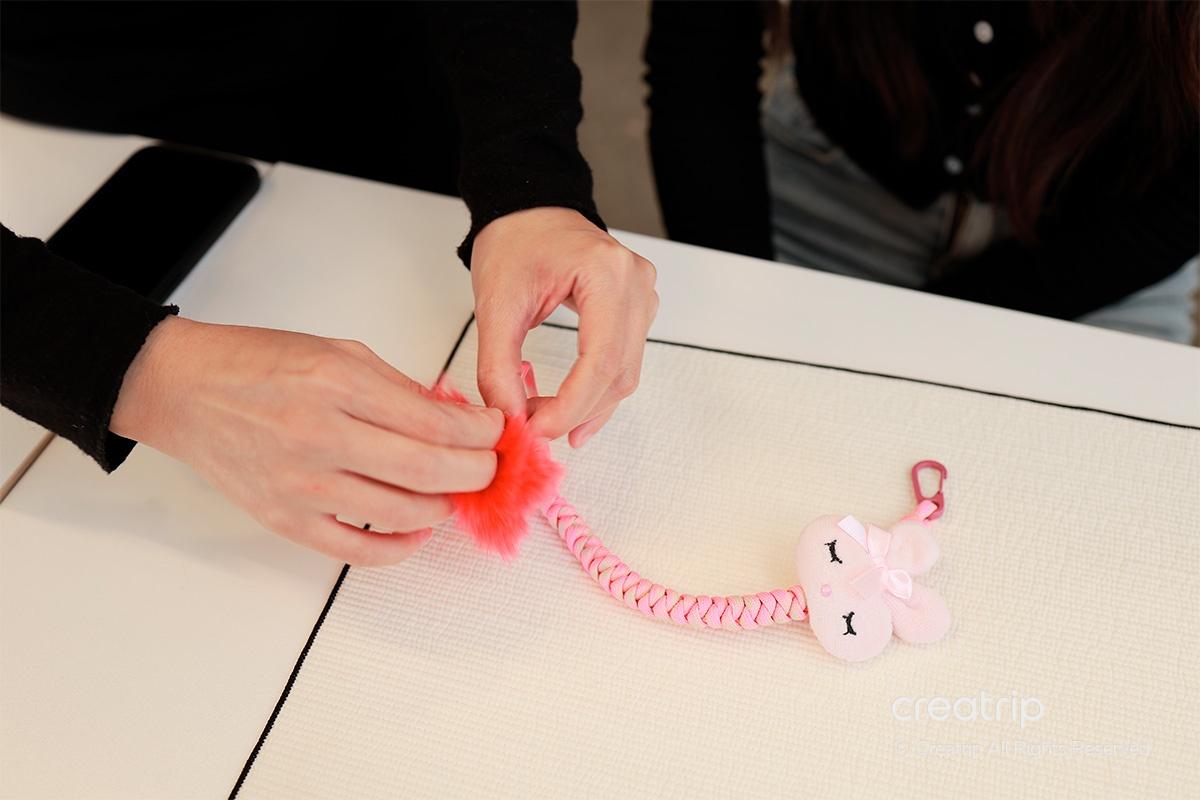
After completing the hapjang knot, attach a cute pompom to the keyring.
After experiencing it firsthand, I felt that this program is truly well-suited for both parents and children to participate together!

Even though the process was simple, the teacher never cut corners when it came to the final touches on the piece.
You could even feel the attention to detail as they used a lighter to neatly finish the ends of the thread, enhancing the overall quality of the piece.
[Image Slider]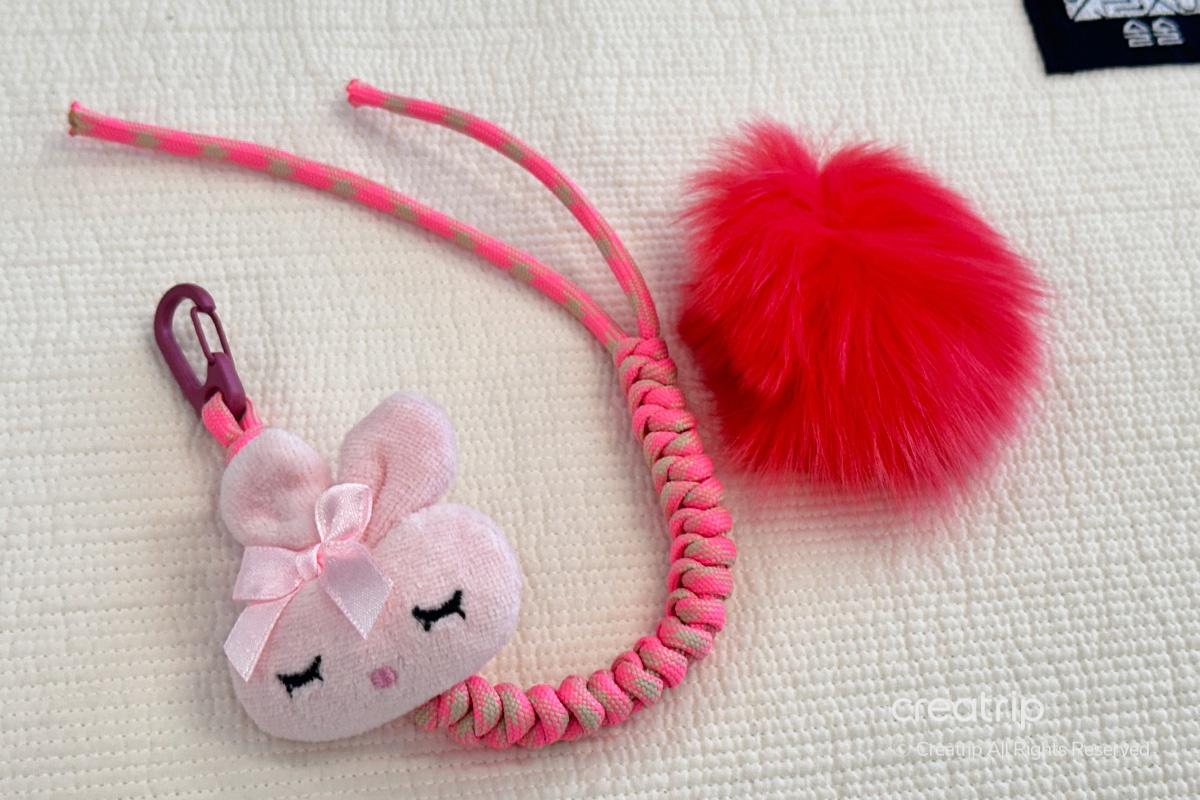
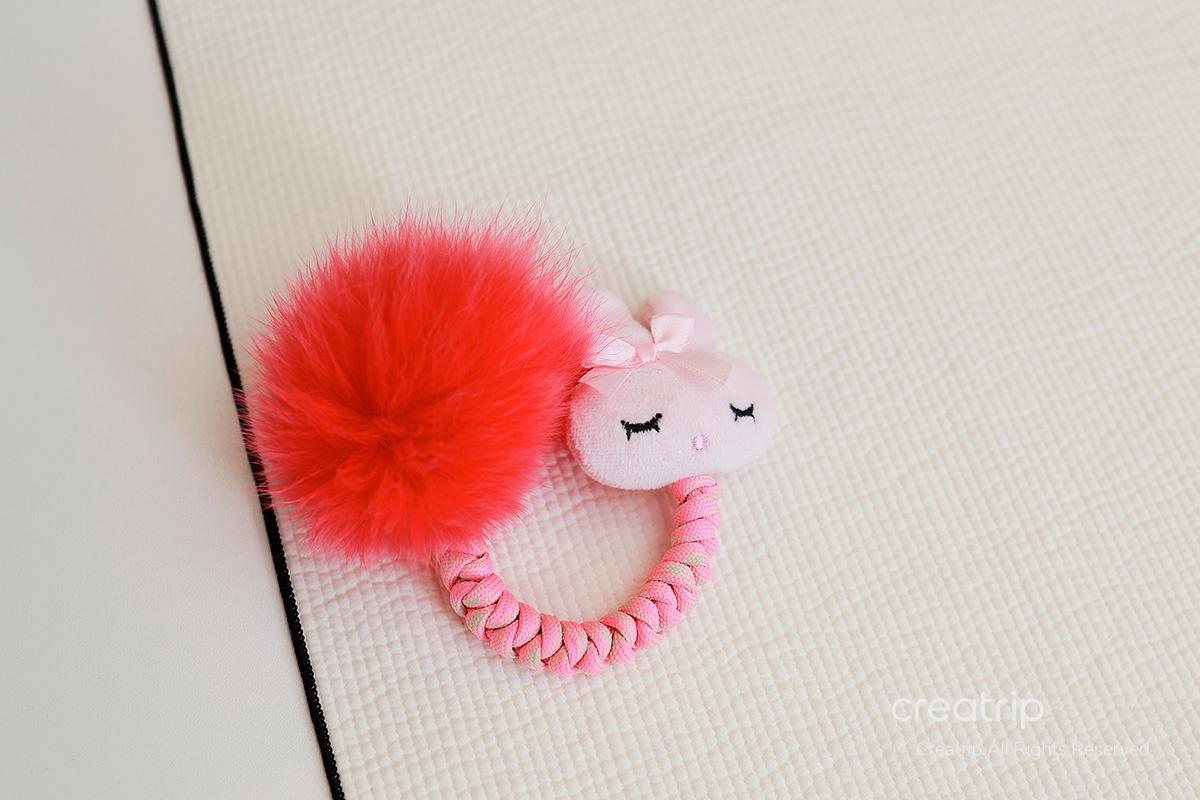
By following the teacher's instructions, I soon found myself with an adorable keyring all finished.
The process is simple, but each step holds its own meaning, so I found it even more enjoyable and rewarding as I made it.
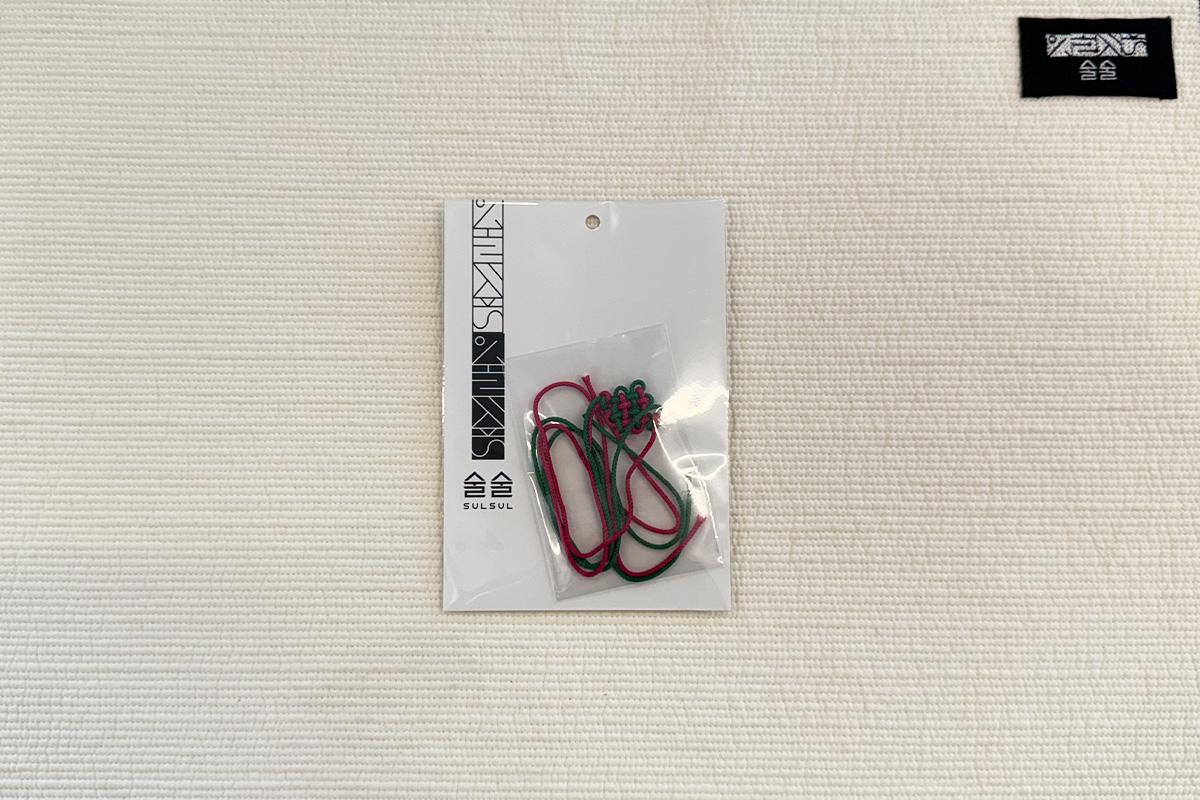
There were so many different designs to choose from that after making a keyring, I had so much fun I immediately went on to make a bracelet as well.
[Image Slider]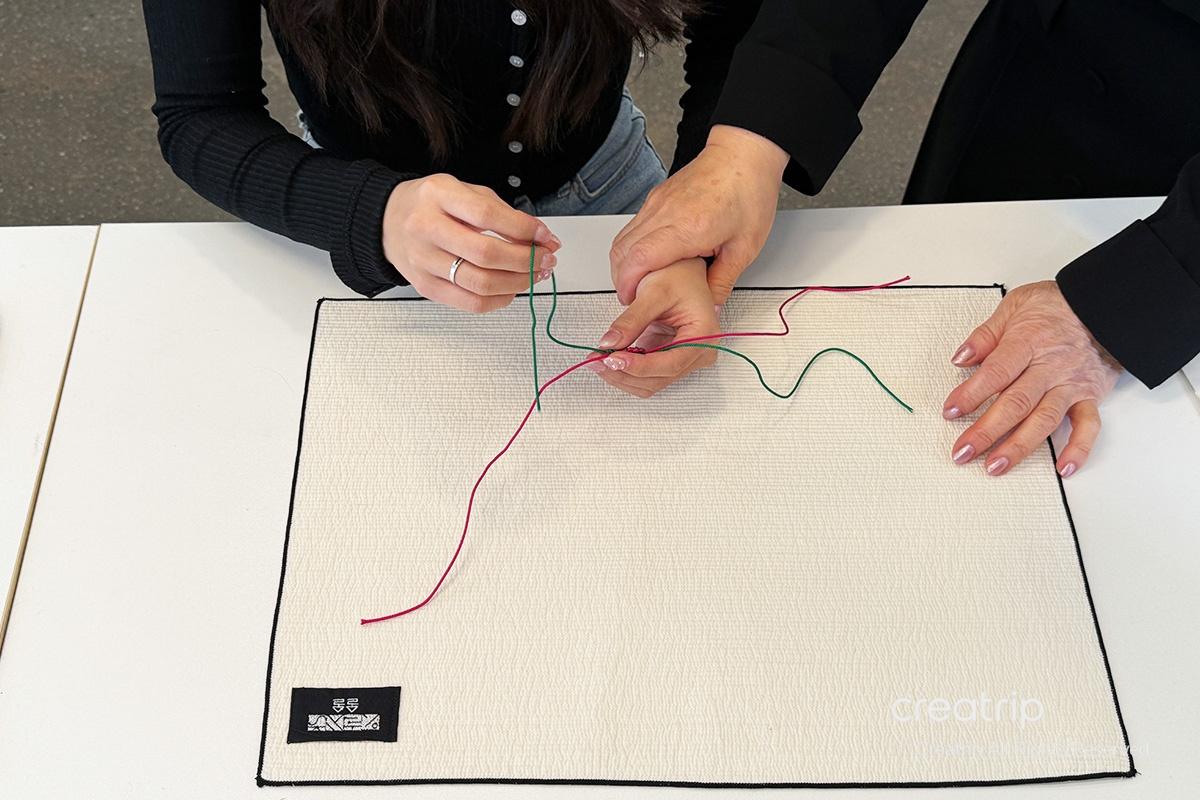
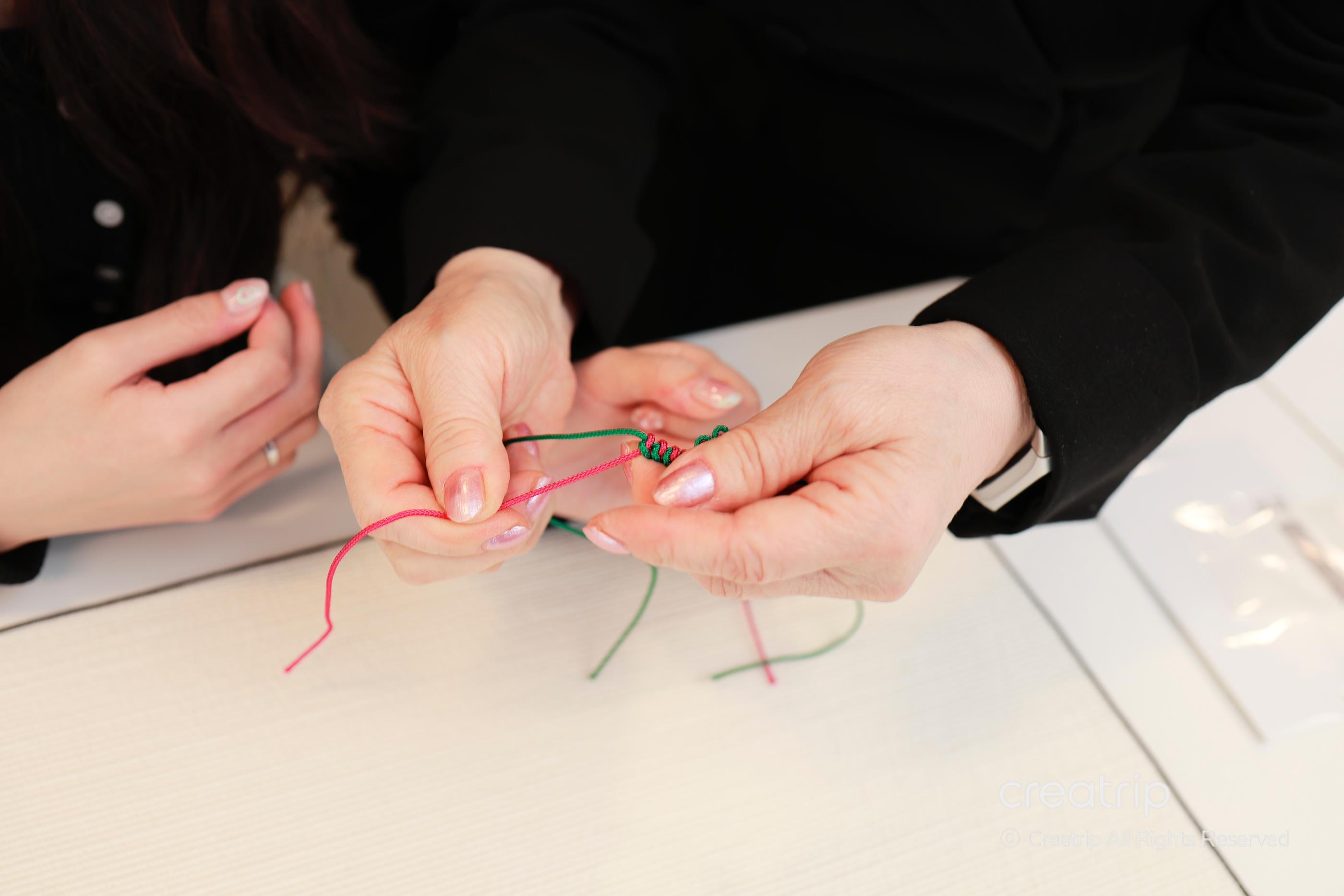
In a method similar to making a keyring, we wove it together using two brightly colored cords.
Thinking that it could be used as a home accessory made me put even more care into it.
[Image Slider]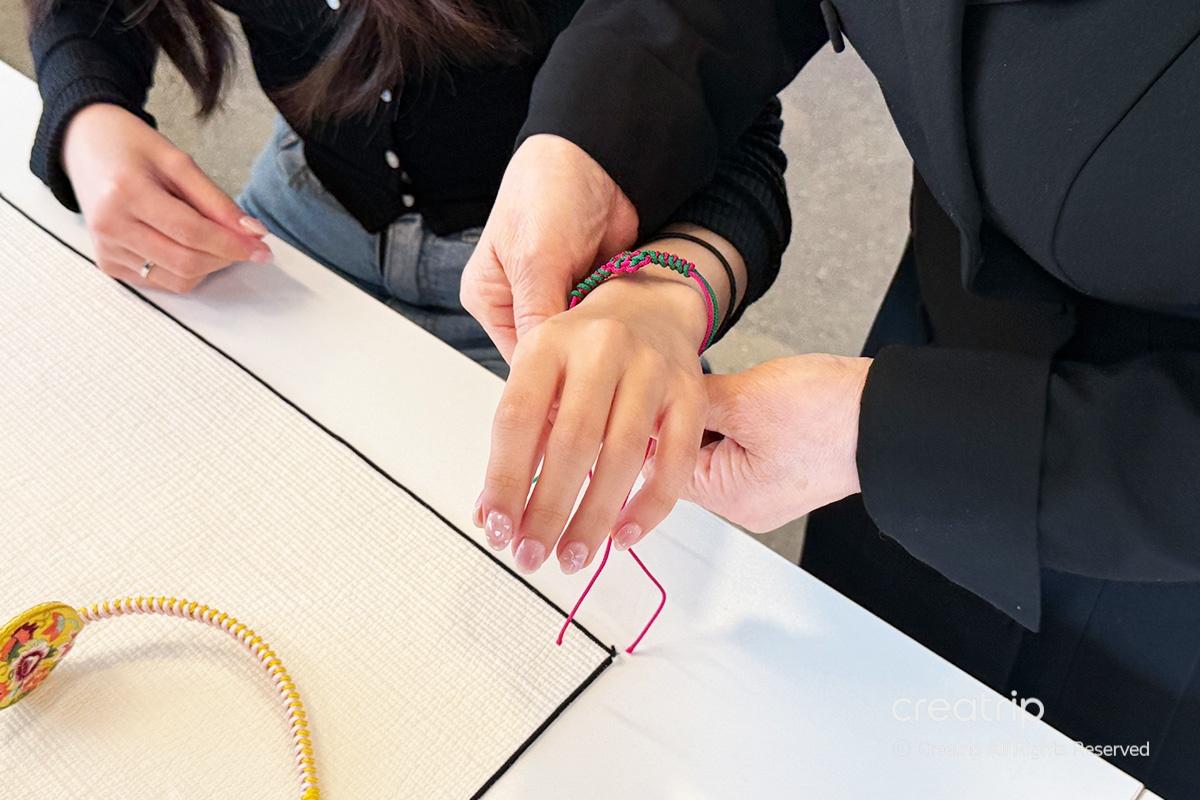
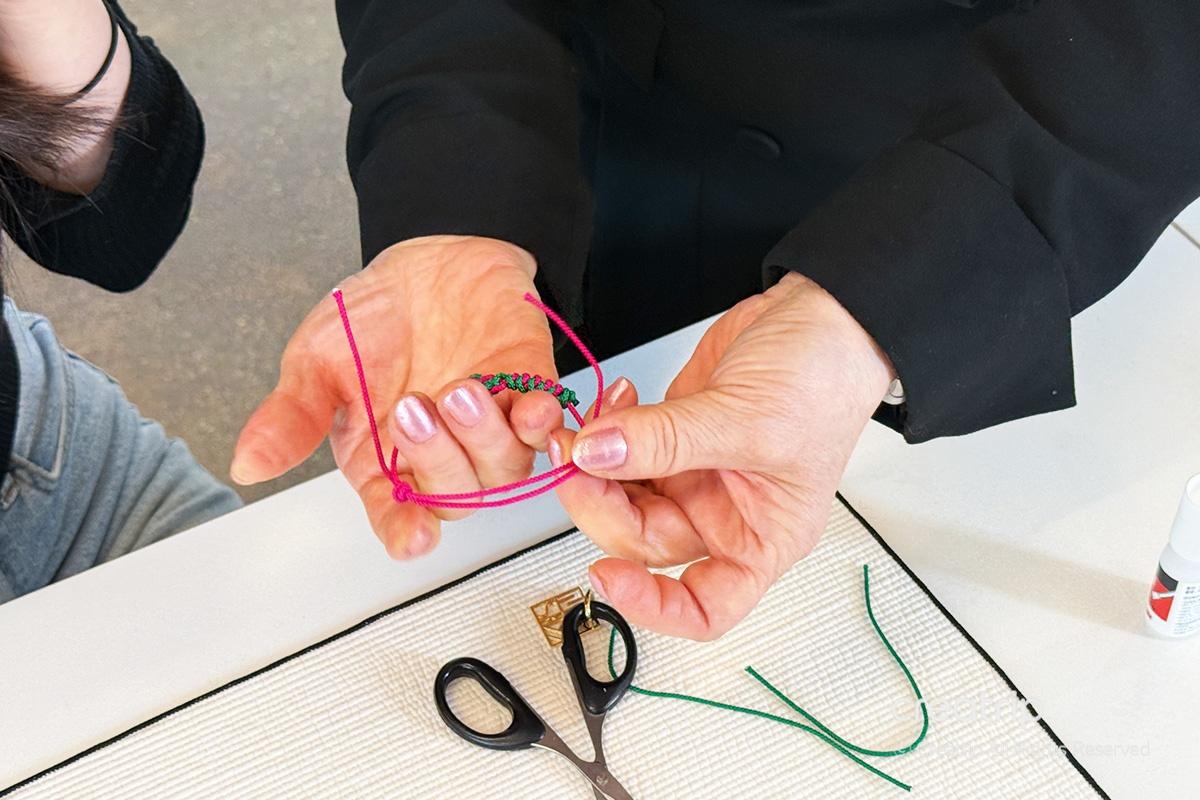
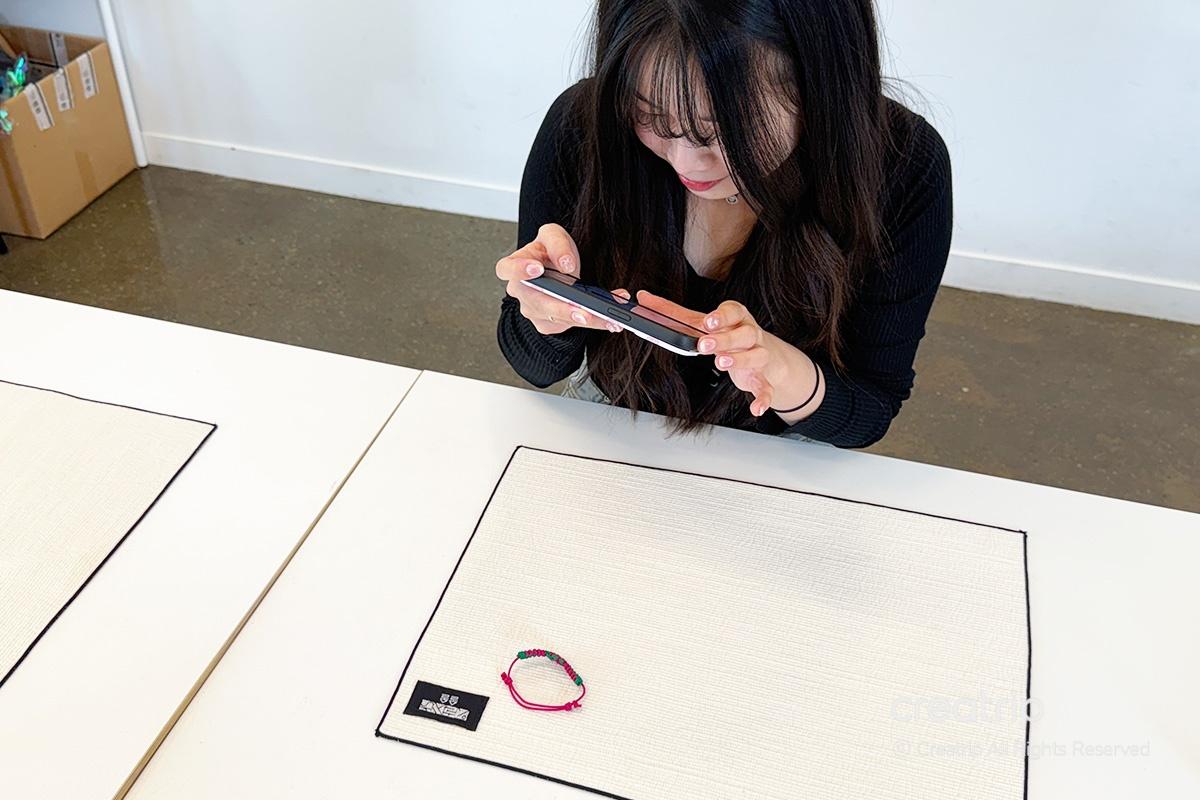
By following the teacher’s detailed and friendly instructions and guidance, you can also create your own unique bracelet like this.
Since the piece is completed using a weaving technique, it's much easier and more convenient to adjust the wrist circumference.
Every time I look at this bracelet, it reminds me of today’s experience, making it a truly meaningful keepsake.

Not only can you take home a carefully crafted piece, but the moments you shared will also stay with you for a long time—and of course, you can't forget to snap a mirror selfie!
This is an experience where you can make great memories with friends, family, or your significant other.
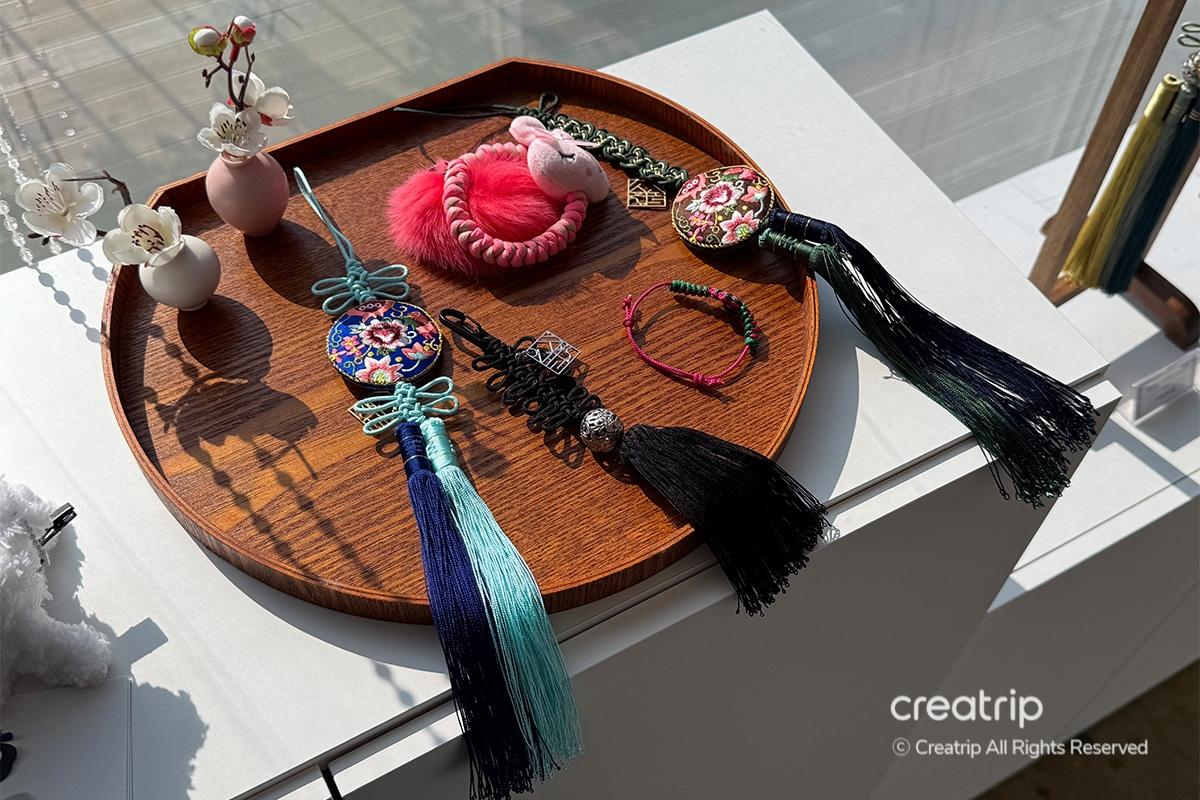
Here at "Soolsool" today,Making Traditional Korean Norigae (Ornamental Pendants)We tried out the experience.
It was easier and more fun to make than I expected, so I think it would be a great activity for those visiting Korea!
The process of carefully learning what may seem like complex traditional knots step by step and creating my own norigae (traditional Korean ornament) was truly fascinating.
If you're looking for a unique experience during your trip to Korea, we highly recommend 'Sulsul'!
Sulsul | How to Get There
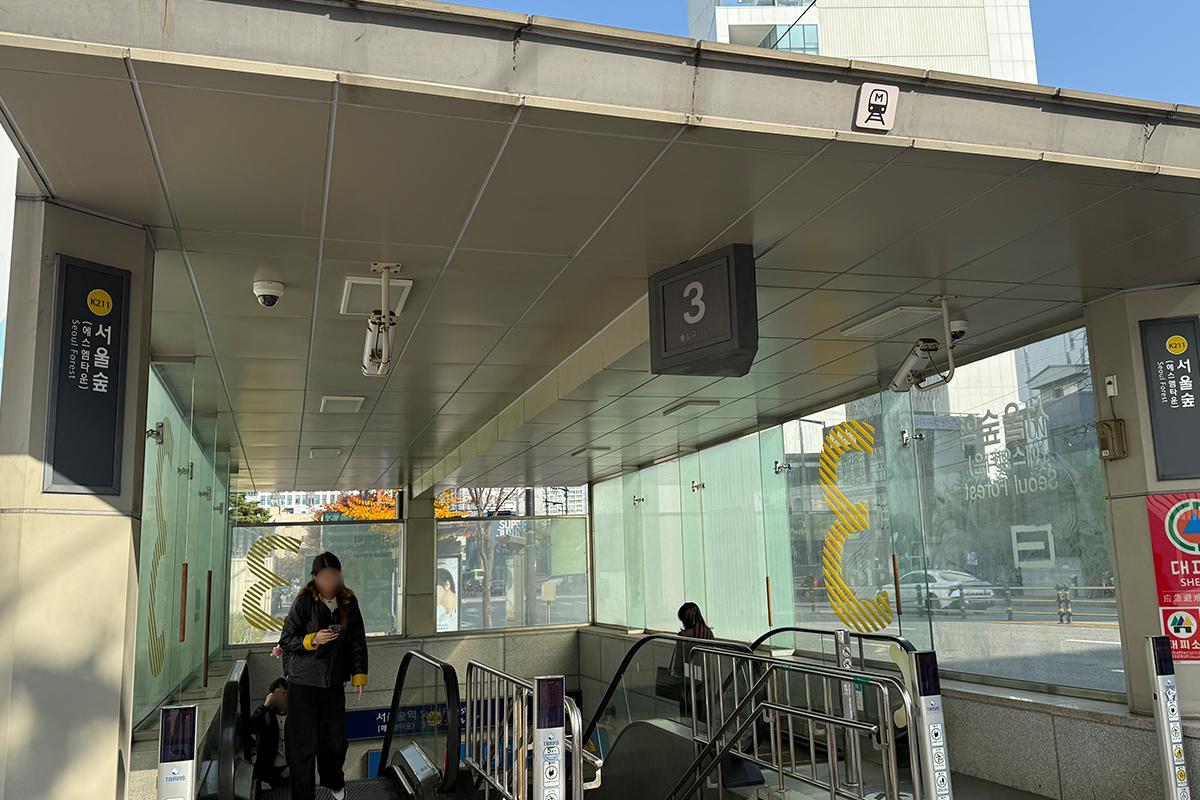
Exit through Seoul Forest Station Exit 3.
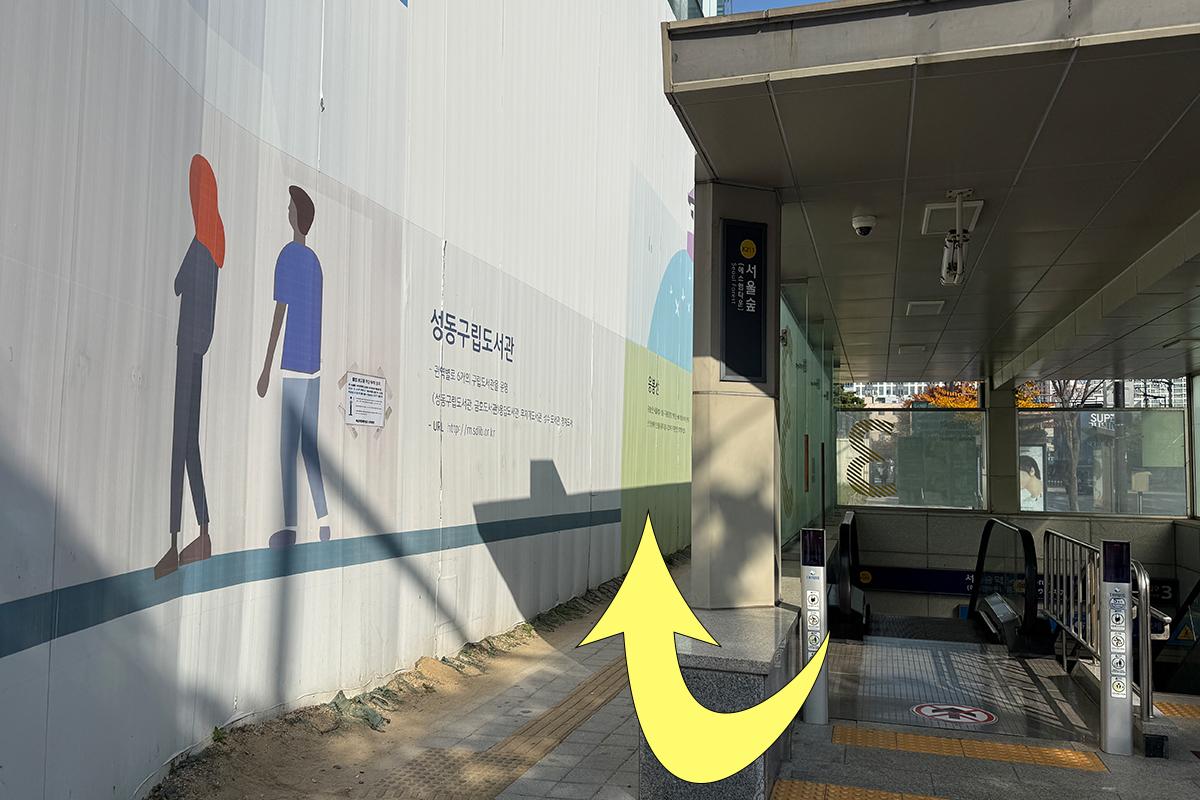
Exit and head towards the back.
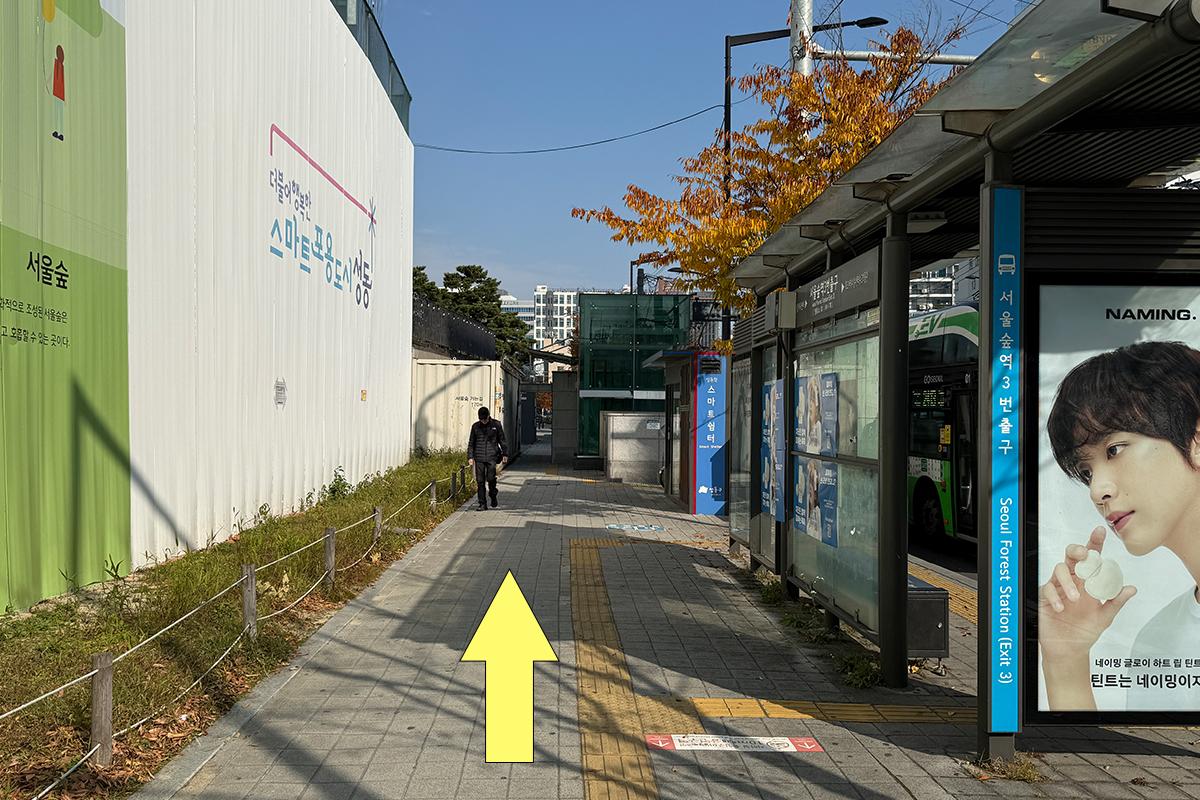
Go straight.
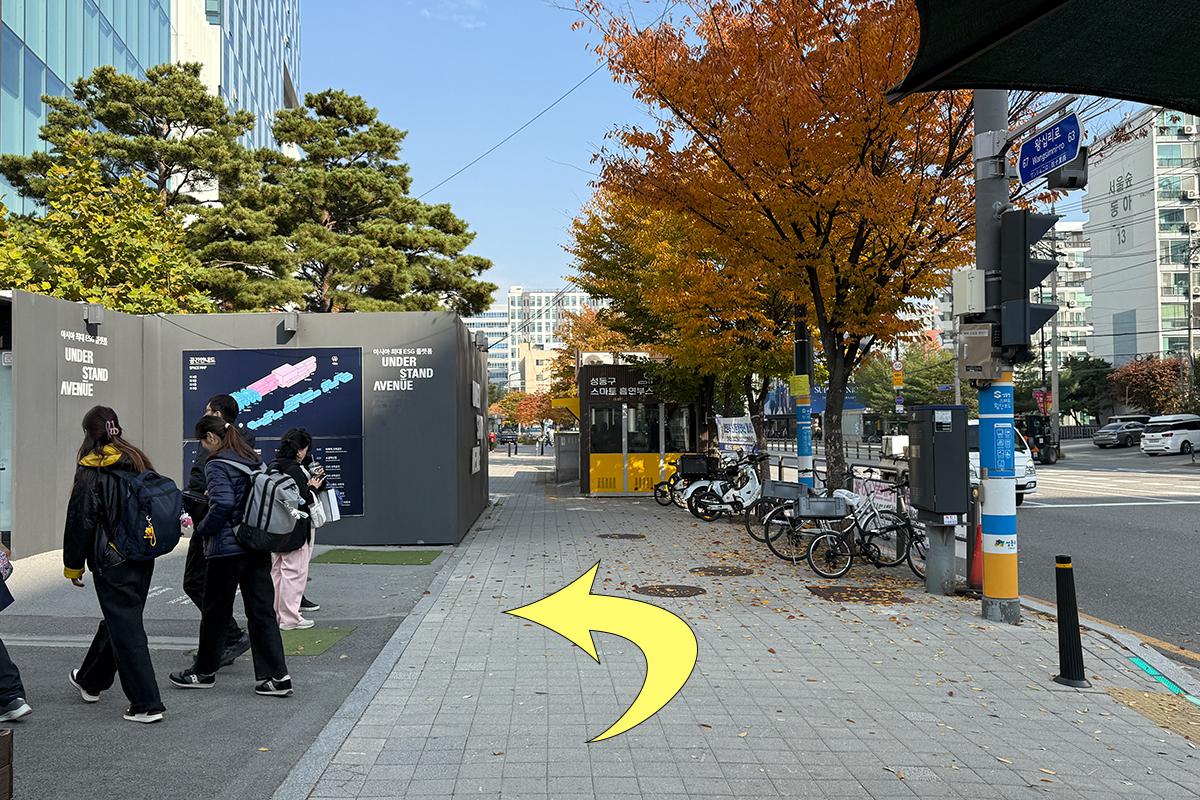
When you see the 'Under Stand Avenue' building, turn left.
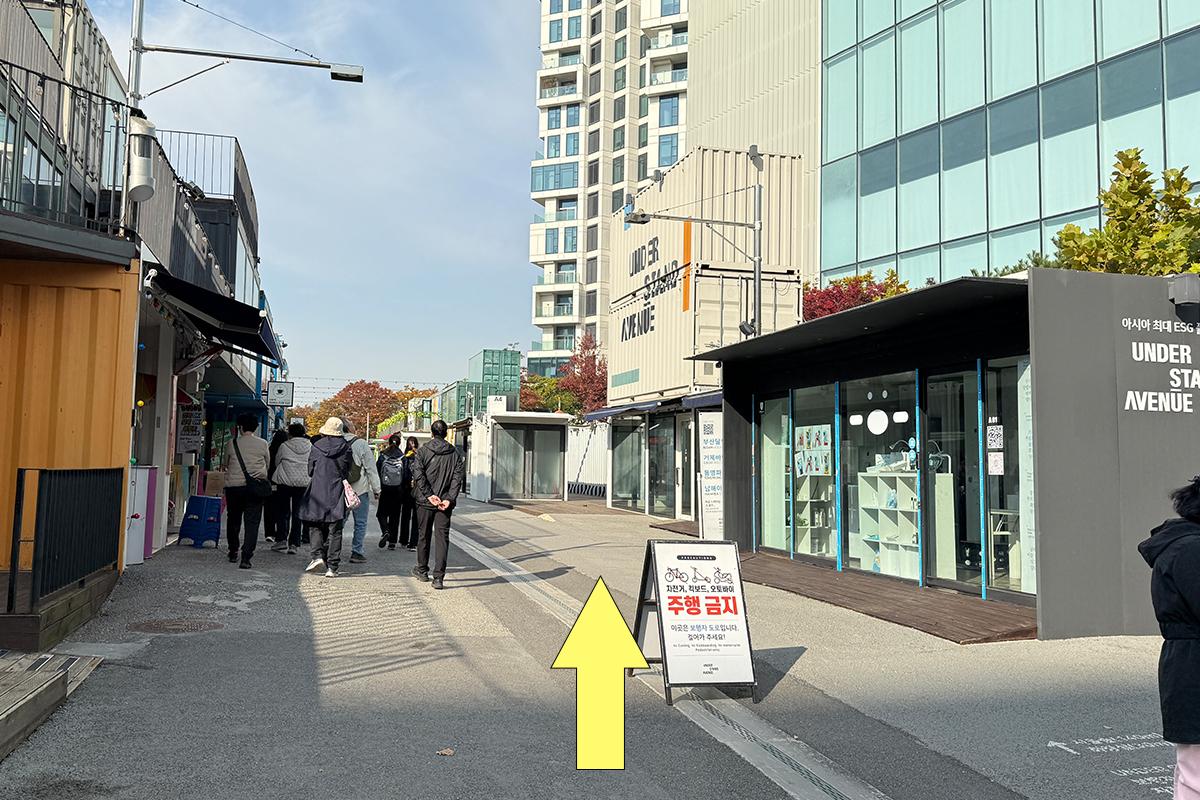
Go straight.
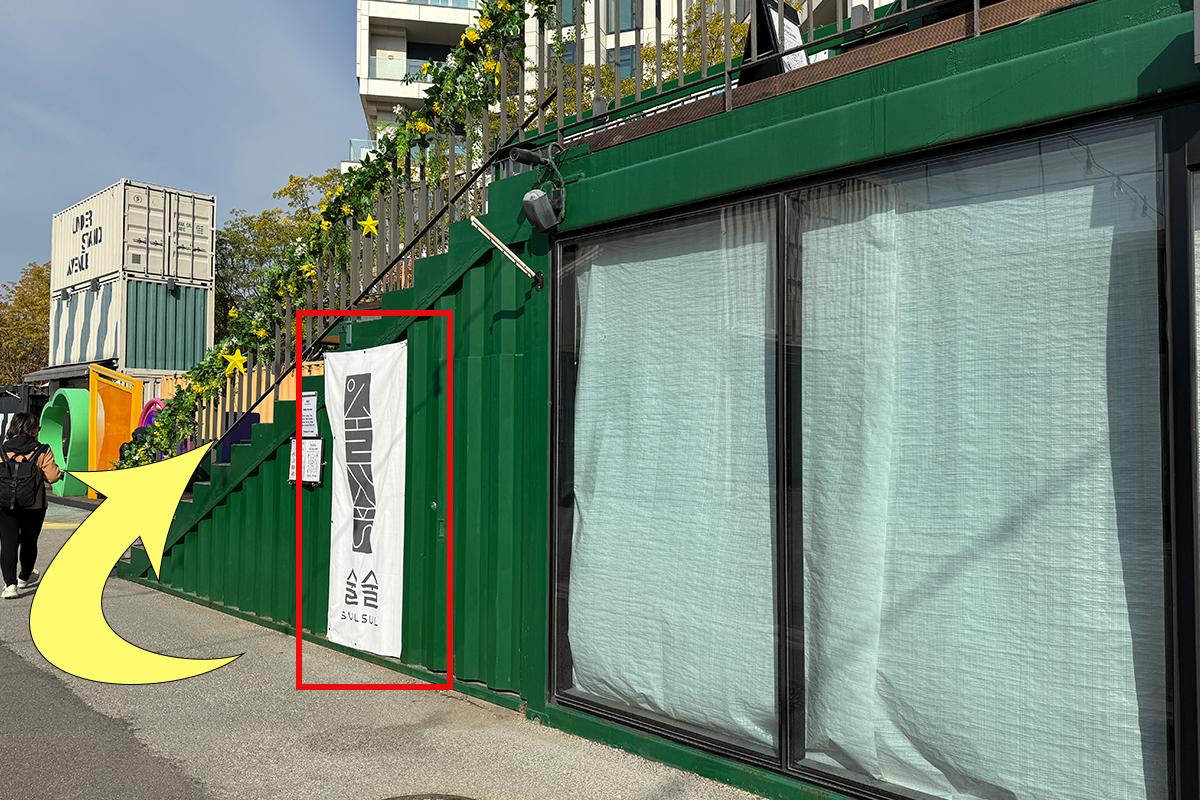
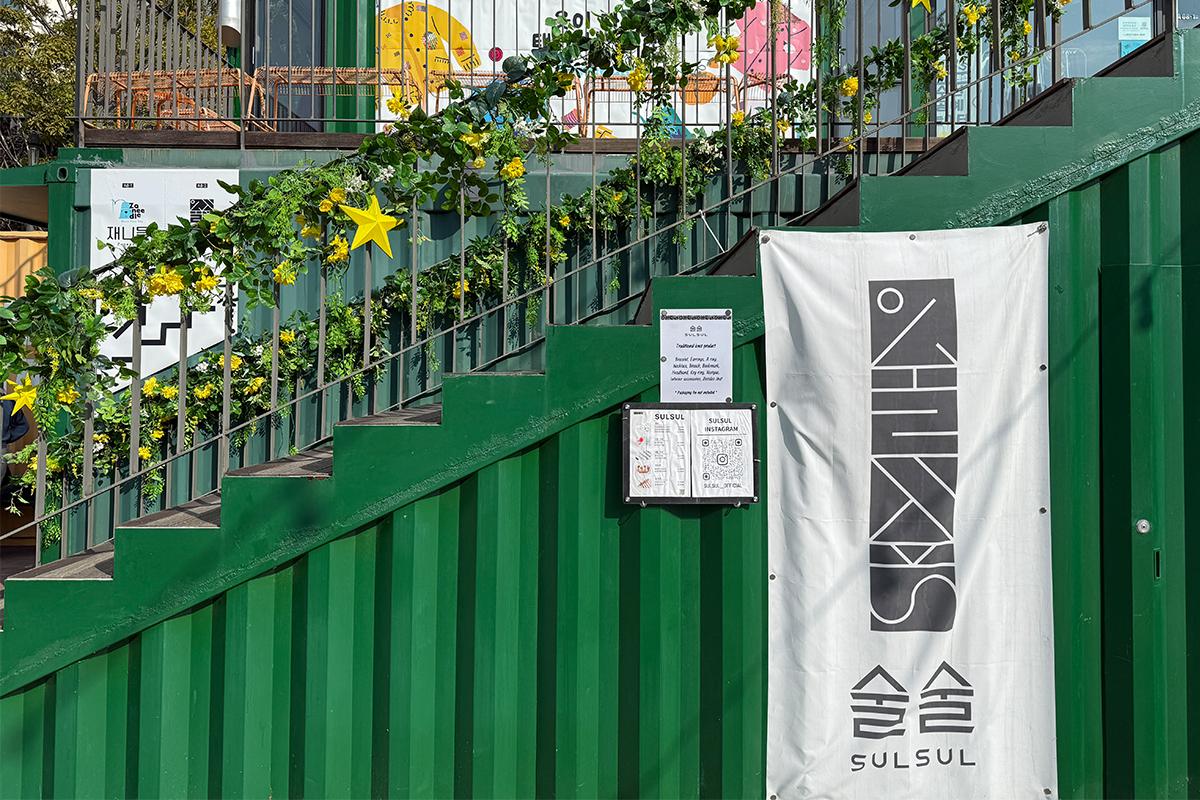
If you see the ‘Sulsul’ sign, go up the green stairs.
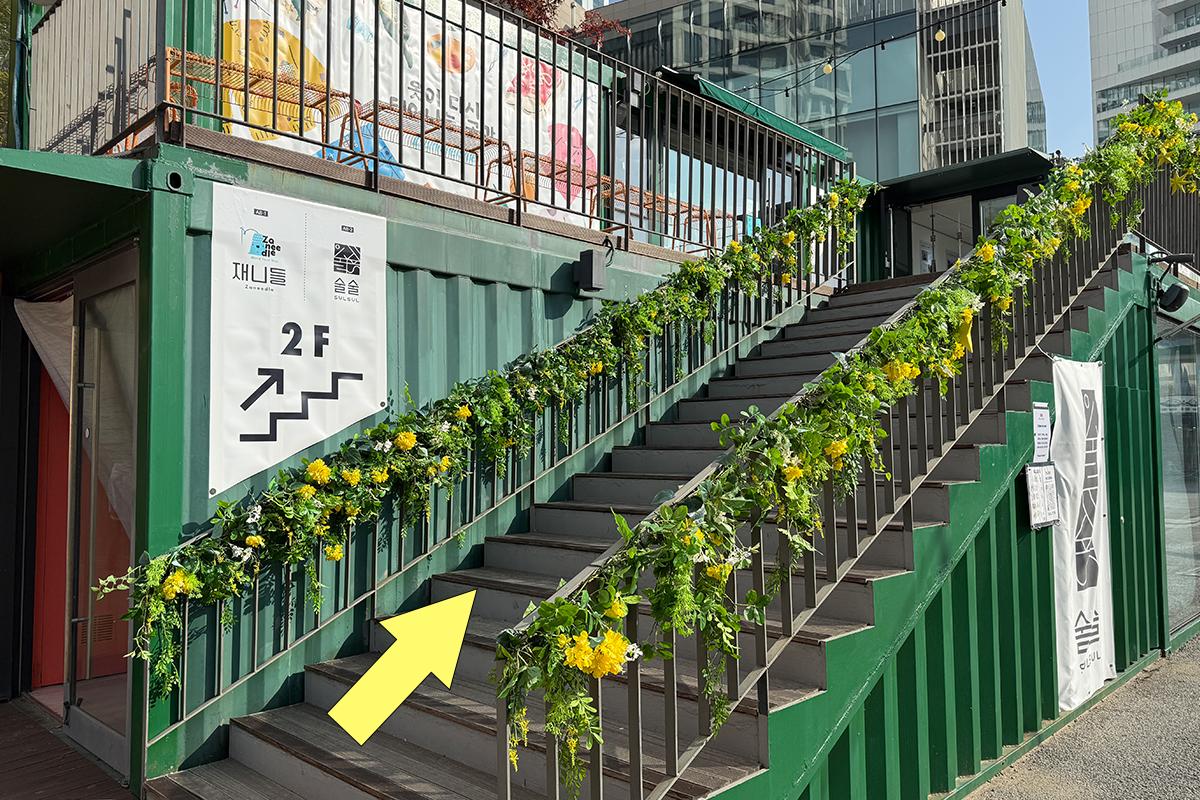
Go up to the 2nd floor.
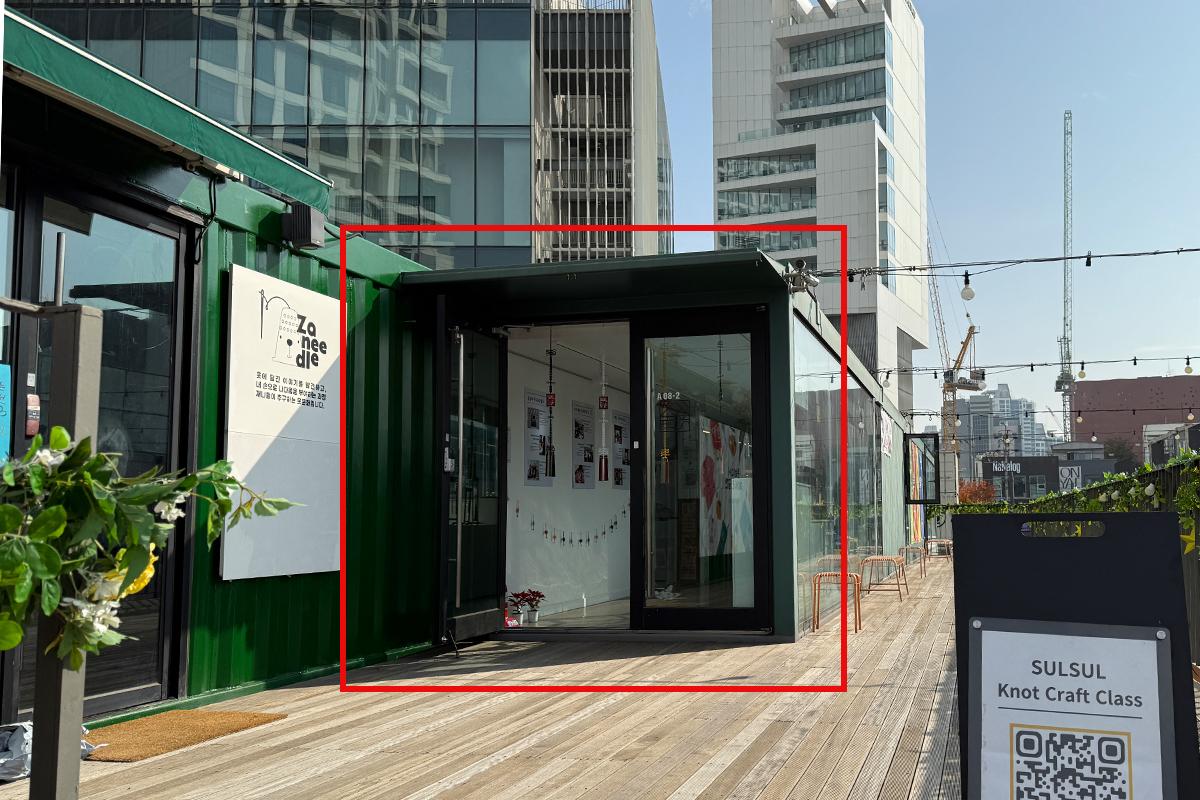
Arrived at the ‘Sulsul’ building!
Book all things trending in Korea on Creatrip! If you have any questions or concerns, please leave a comment below or send us an email at help@creatrip.com! You can follow us on Instagram, TikTok, Threads, and Youtube to stay updated on all things Korea!
Book all things trending in Korea on Creatrip! If you have any questions or concerns, please leave a comment below or send us an email at help@creatrip.com! You can follow us on Instagram, TikTok, Threads, and Youtube to stay updated on all things Korea!