Boneline Clinic | Traditional Korean Medicine Clinic
Acupuncture, Pharmacopuncture, and Chuna Therapy! Discover Traditional Korean Medicine in Seoul at Bonline Korean Medical Clinic Euljiro
When you visit Korea, there’s one experience you shouldn’t miss alongside K-Pop, K-Food, and K-Beauty,
and that’s K-Medicine — in particular, the unique traditional medical system known as the hanuiwon (Korean traditional clinic)!
A hanuiwon is a treatment space that combines Eastern traditional medicine with modern techniques,
offering a variety of methods such as acupuncture, herbal-acupuncture (yakchim), chuna manual therapy, and herbal prescriptions to restore the body’s balance.
Today’s feature is 'Boneline Korean Medical Clinic Euljiro' located in Euljiro, Seoul.
Thanks to the medical team’s motto of “thoroughly, carefully, and kindly,” even foreigners who are new to Haniwon can visit with confidence.
Through this content, we’ll vividly introduce the treatment process at 'Boneline Korean Medical Clinic Euljiro' based on our direct experience, so please pay close attention!
👇 Check details below!👇
[Spot] Bonline Korean Medical Clinic Euljiro
Why We Recommend It
Offers premium Korean medicine treatment for weight loss, pain, posture correction, and more.
All consultations are 1:1 with the head doctor for personalized care.
Uses only high-quality herbal ingredients, with prescriptions carefully prepared by the doctor.
Patients can freely ask questions and receive attentive feedback throughout treatment.
Friendly and detailed treatment approach makes it welcoming even for first-time visitors or foreigners.
Conveniently located in central Seoul, just a 4-minute walk from Jonggak Station.
Procedures
[Pain Treatment] Acupuncture, cupping therapy, physical therapy, electroacupuncture | 78,000 KRW (per session) 78000 |
[Chuna Therapy] Postural diagnosis, spinal correction, stretching, exercise instruction | 78,000 KRW (per session) 78000 |
[Weight Loss Treatment] InBody test, consultation, one month of diet medicine (tablets) | 280,000 KRW (1 month) 280000 |
[Traditional Gongjindan Herbal Medicine (VIP)] Musk (sachang), deer antler (nokyong), cornelian cherry (sansuyu), angelica root (danggui) | 600,000 KRW (10 pills) 600000 |
[Sachang Gongjindan (Regular formula containing 50% musk)] Musk (sachang), deer antler (nokyong), cornelian cherry (sansuyu), angelica root (danggui) | 350,000 KRW (10 pills) 350000 |
[Skin MTS (Micro Needle Therapy System)] PDRN ampoule | 250,000 KRW (per session) 250000 |
[Jeongan Acupuncture] Facial micro-needle acupuncture (minimal pain) | 78,000 KRW 78000 |
[Herbal Medicine (tablets)] Take herbal medicine tablets 3 times a day | 200,000 KRW (1 month) 200000 |
[Diet Treatment] Radiofrequency therapy, electroacupuncture, dry cupping therapy | 78,000 KRW (per session) 78000 |
Our Visit
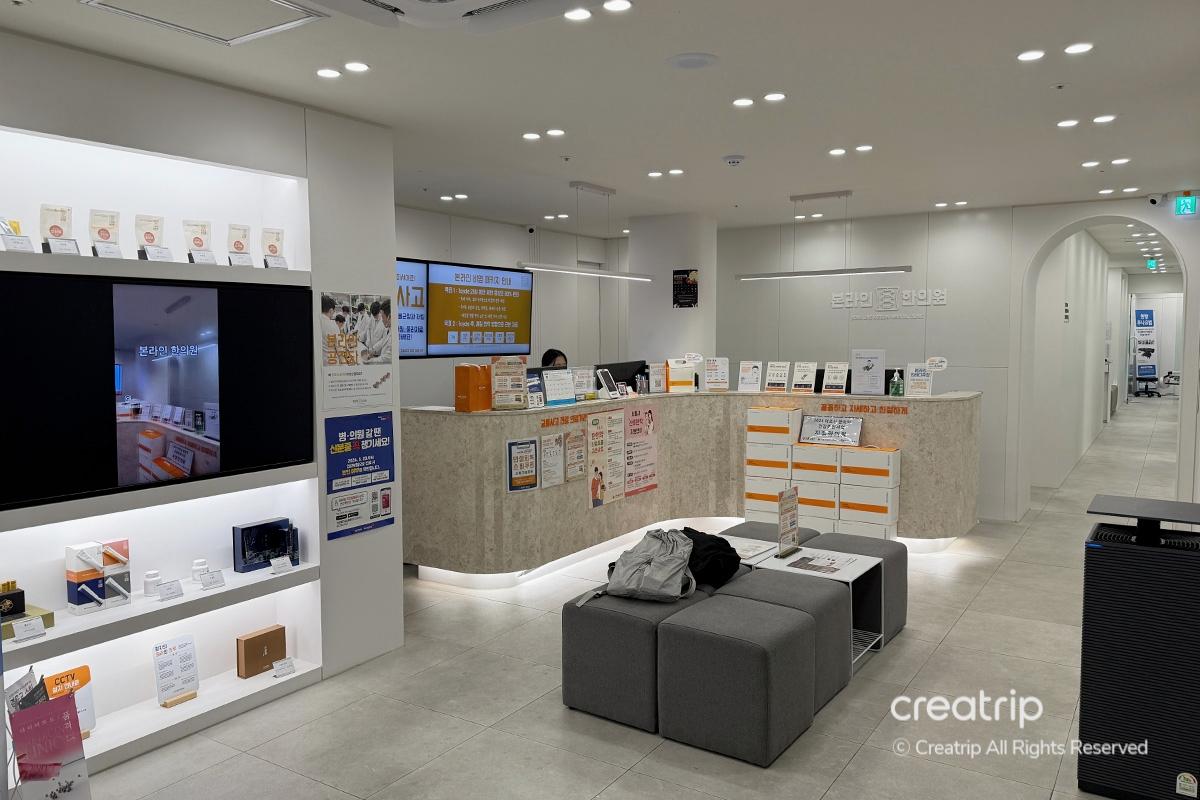
Today I visited Boneline Korean Medical Clinic Euljiro in Seoul for treatment.
This is a comprehensive Korean medicine clinic that restores the body’s balance through various traditional treatments such as acupuncture, herbal injections, chuna manual therapy, and herbal prescriptions.
It’s about a 4-minute walk from Jonggak Station, so it was very easy to access and simple to find.
Take the elevator from the building’s first floor up to the third floor, and you’ll see the clinic right away.
[Image slider] 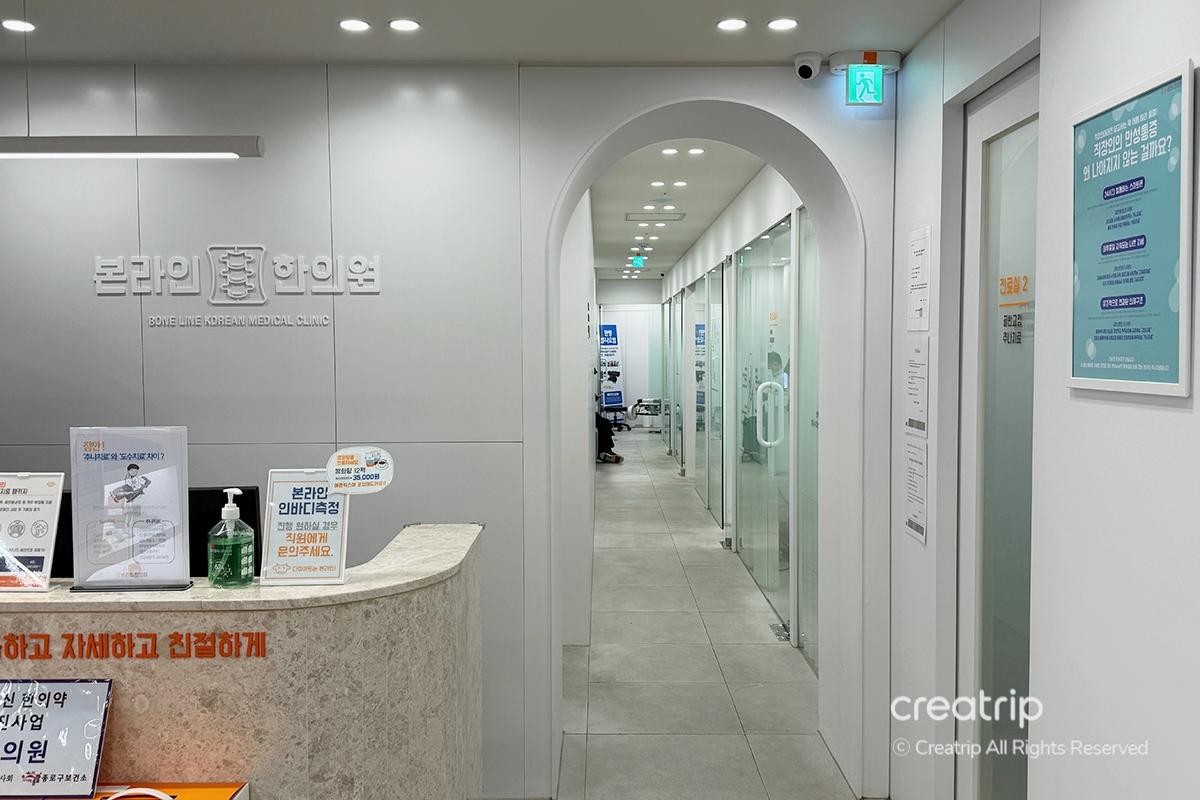
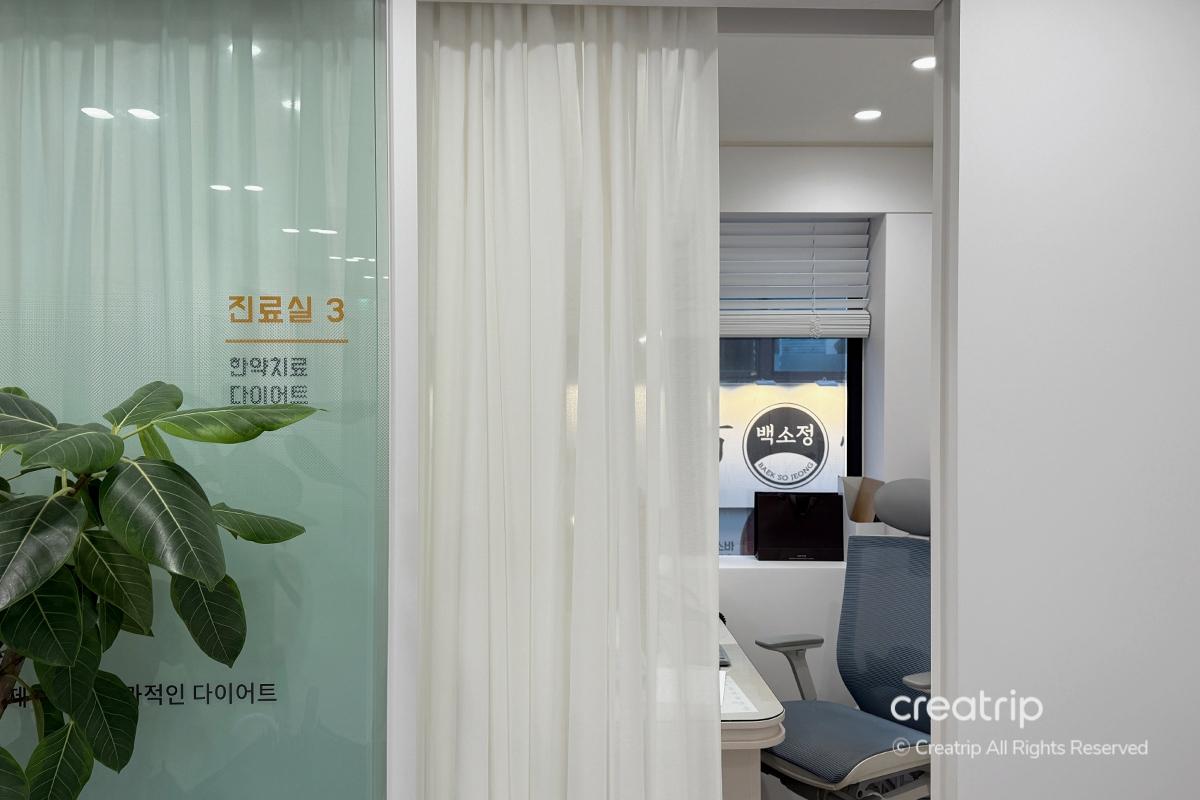
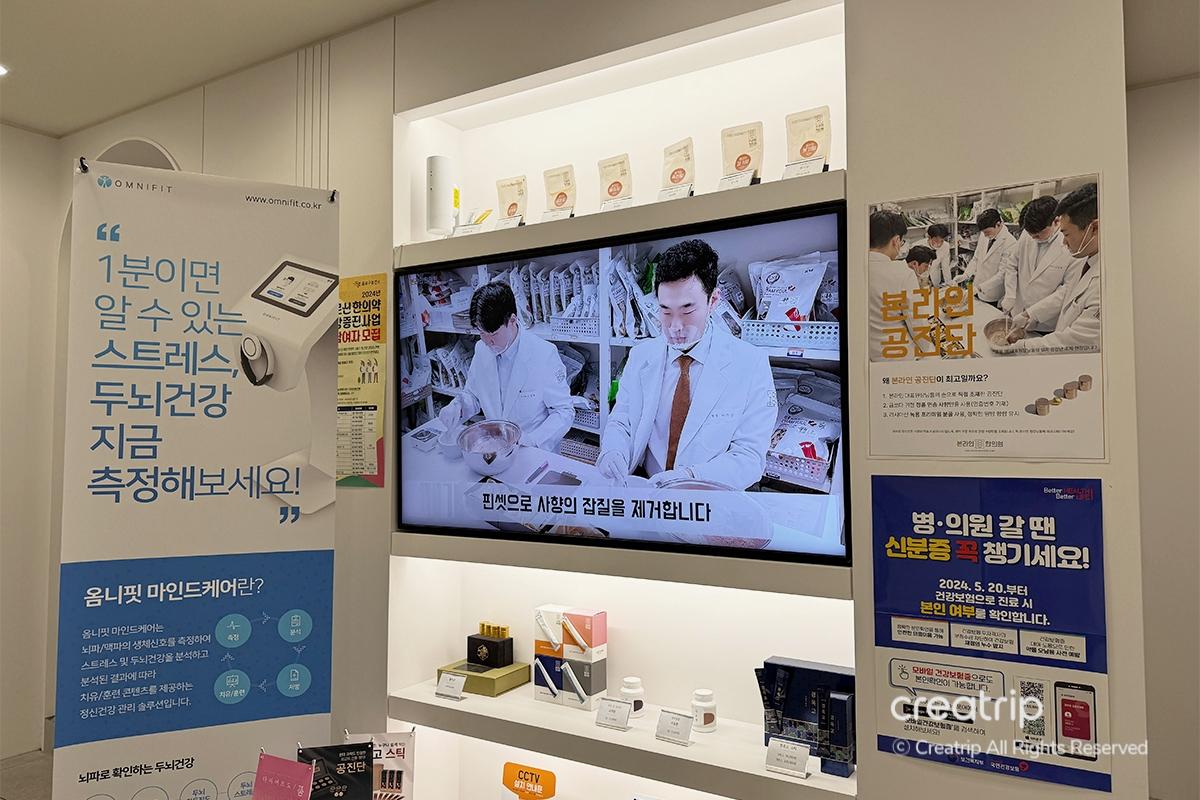
The interior is predominantly white with a clean design that creates a comfortable atmosphere.
The reception, consultation rooms, and various treatment rooms are private and tidy, providing a quiet environment for consultations and treatments.
When you arrive, show your Creatrip reservation details at reception and they will kindly assist you.
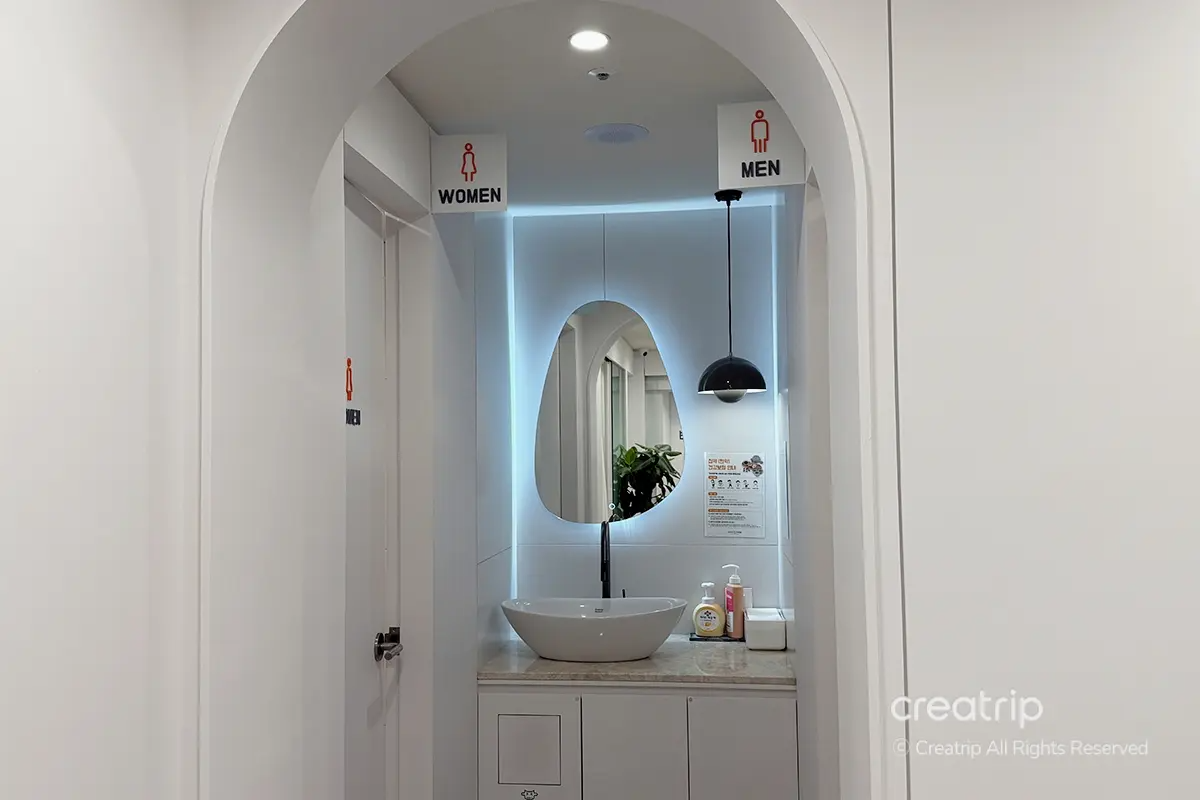
For your reference, there is a restroom inside the clinic for convenient use before or after treatment :)
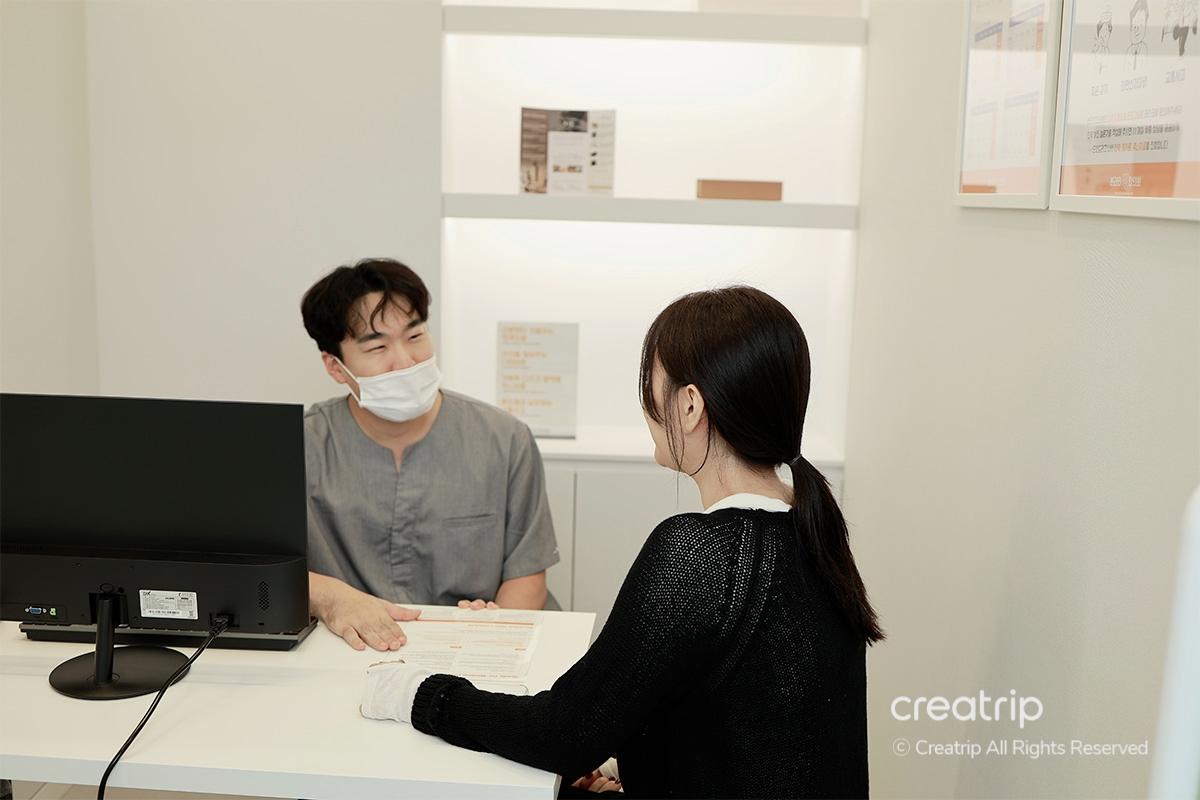
After waiting briefly in the lounge, you’ll be escorted to the consultation room for a one-on-one consultation with the director.
Because the director personally conducts the treatment from start to finish, rather than having consultations handled by a consultation manager,
I felt more trust, and I could comfortably ask any questions, so I was very satisfied.
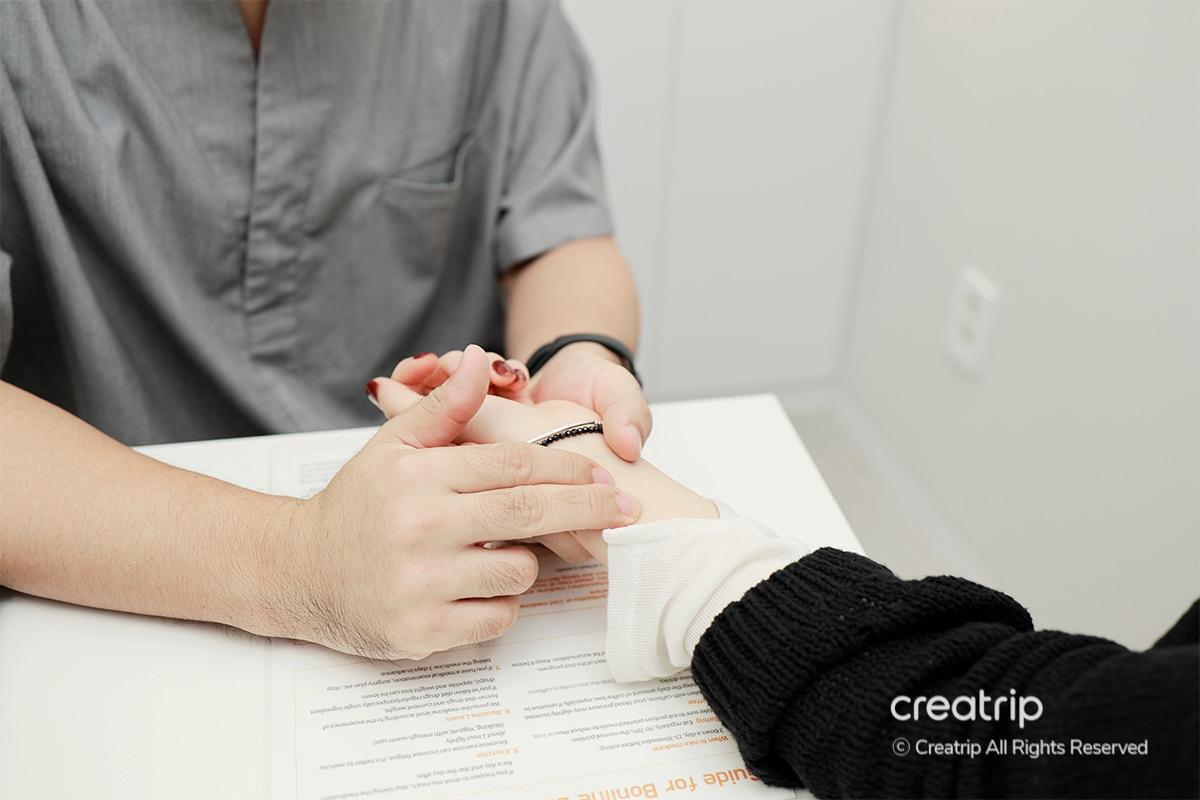
At a Korean medicine clinic, the diagnostic process called "maekjin (脈診)" is used to check the current state of the body, constitution, and organ function.
Maekjin involves the practitioner palpating the pulse on the wrist directly with their fingertips,
and is one of the traditional Korean medicine diagnostic methods used to determine whether the body's qi is flowing well and where abnormalities may exist.
I found the process of carefully assessing the current condition of my body through maekjin very fascinating,
and based on this diagnosis I was able to receive specific guidance about what treatment was needed.
[Image Slider] 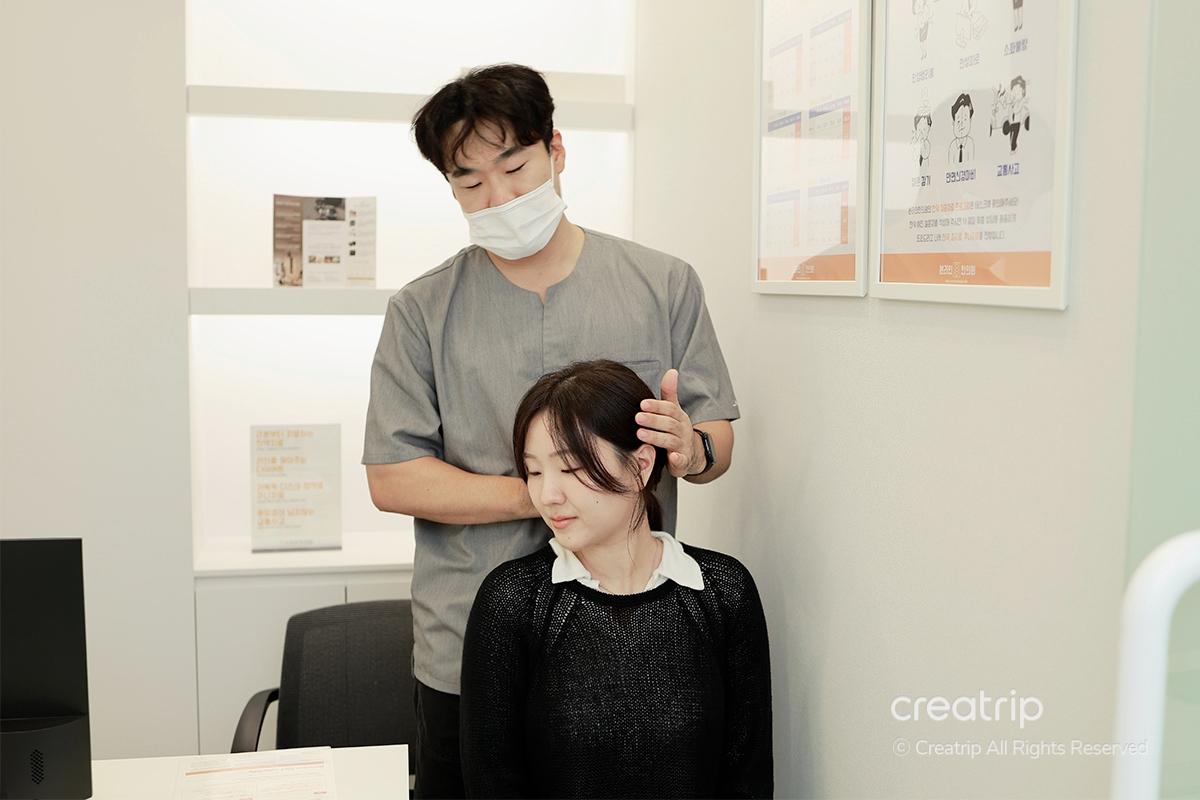
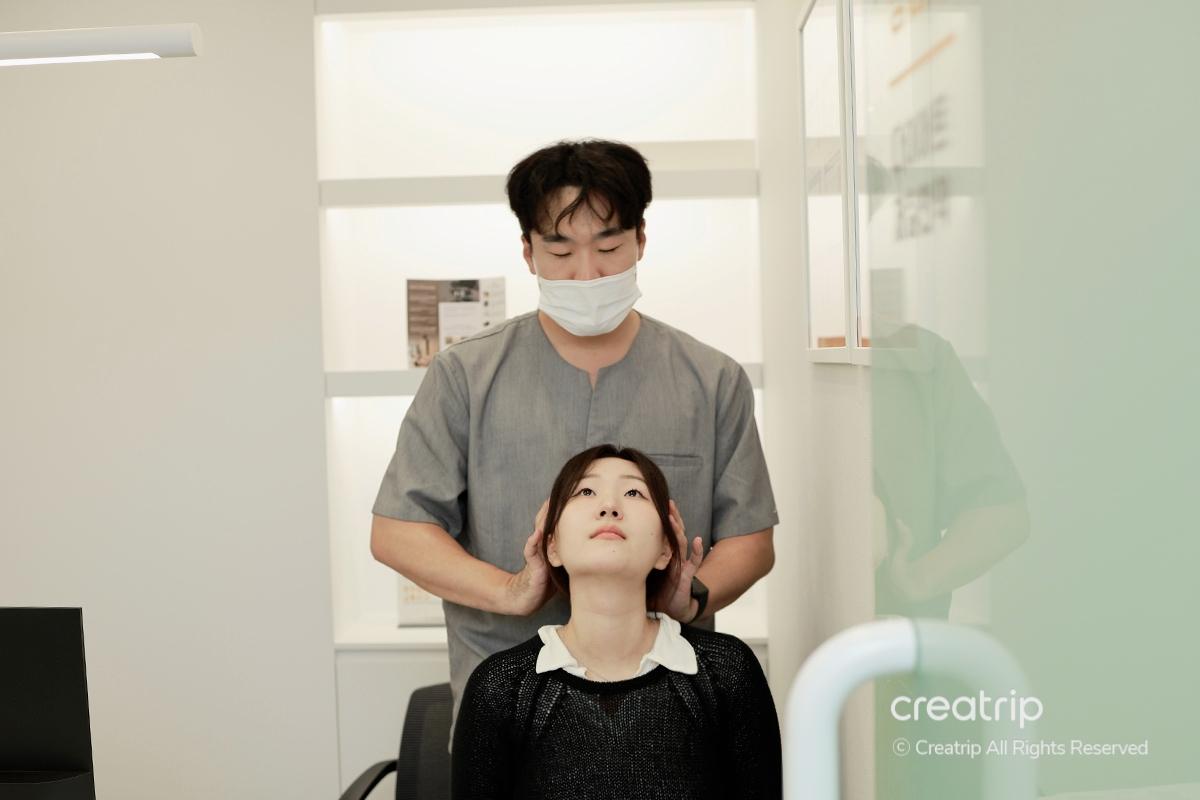
I also received an examination of the shoulder and neck areas where I usually felt pain,
and the practitioner carefully checked each painful area,
thoroughly assessing muscle tightness and imbalances, which revealed issues in my body I hadn’t realized before.
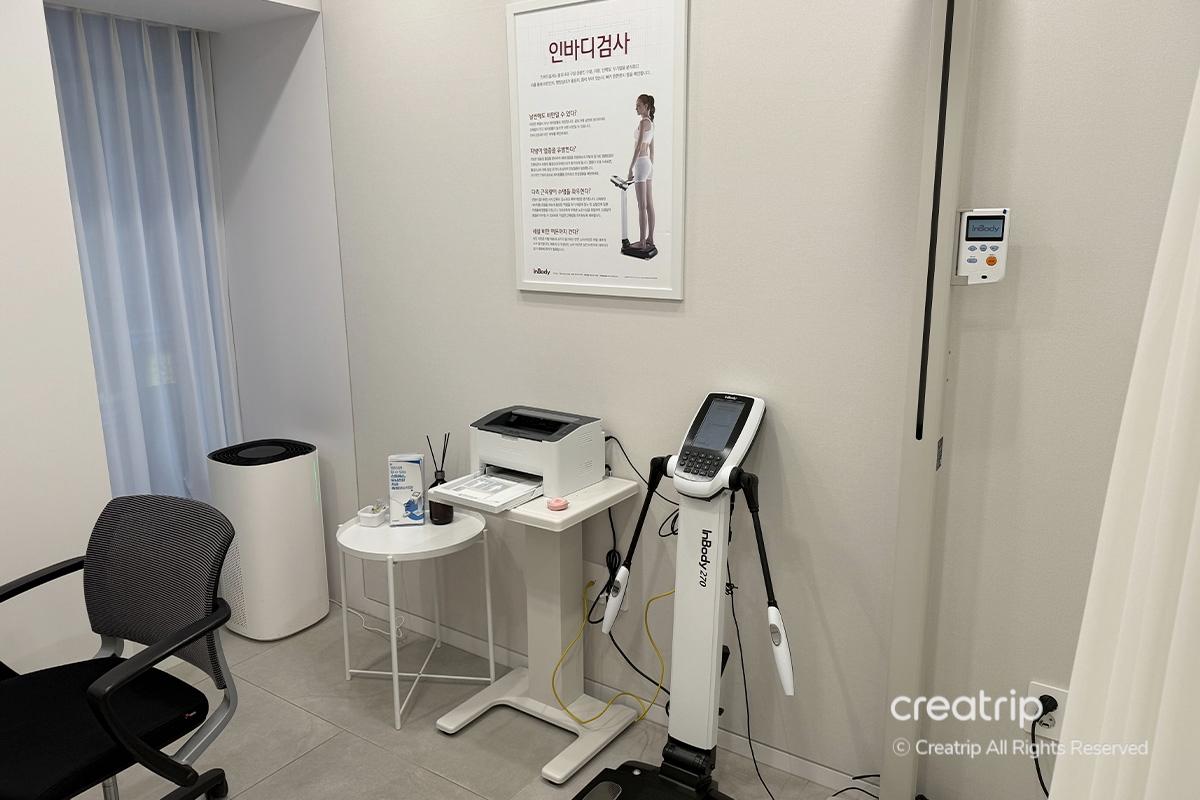
Our editor was scheduled to receive diet treatment today as well, so we moved to an examination room where an InBody test and a stress index test could be performed.
Here you can measure InBody along with height and weight, and check your stress index all at once.
[Image Slider] 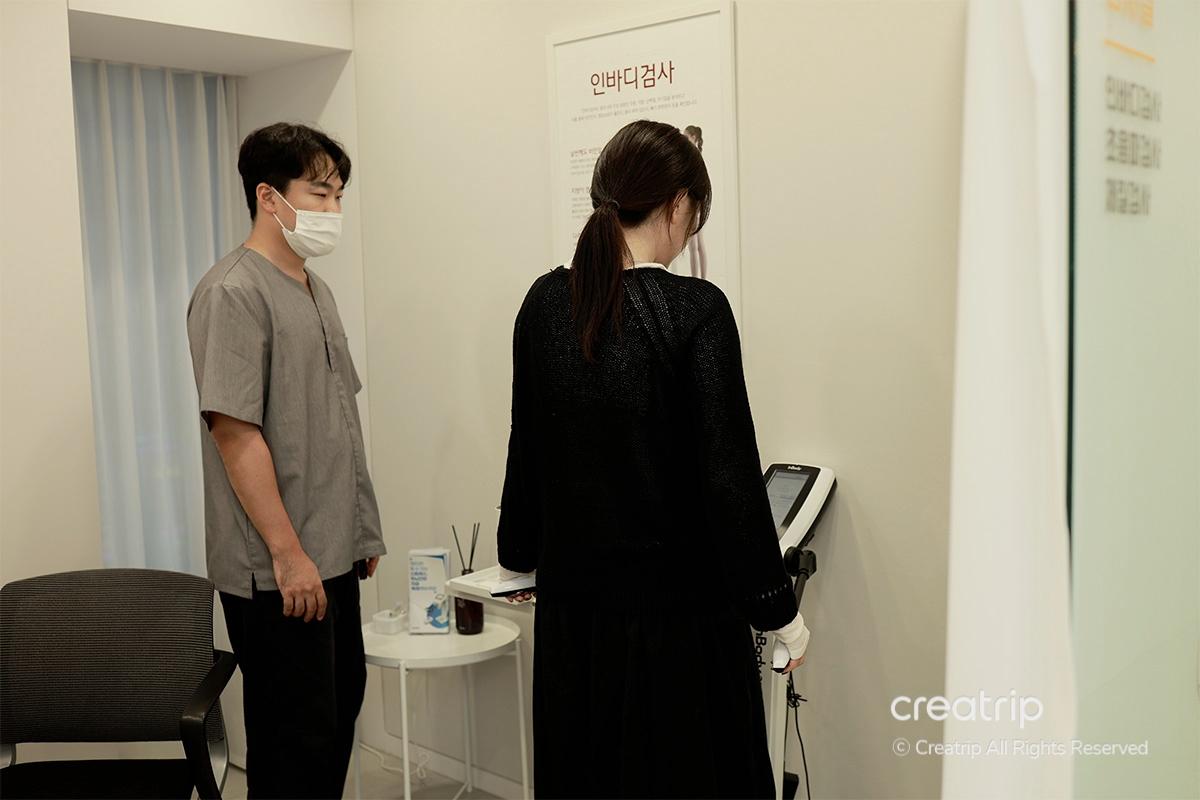
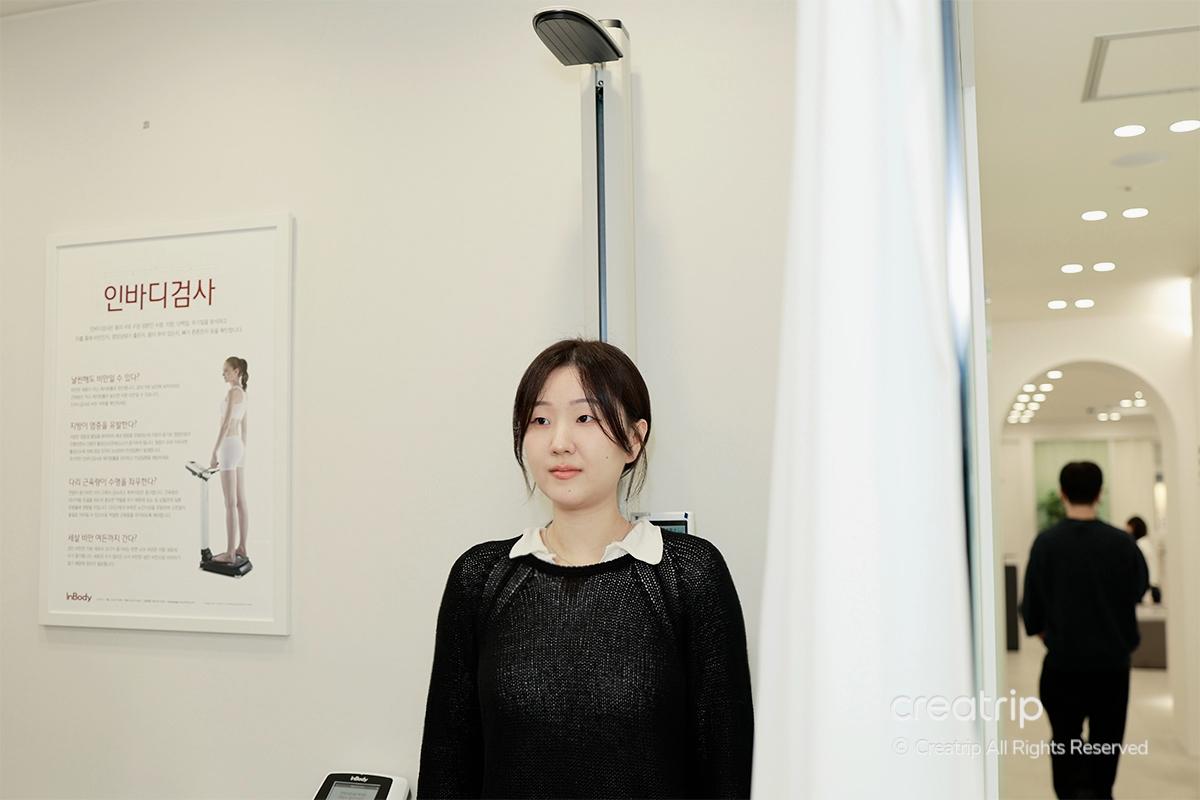
During the tests, the practitioner kindly explained each step, so the InBody measurement and body type assessment were completed easily and without stress.
Based on basic body composition data such as muscle mass, body fat, and body water, they explained where my current imbalances were, and proposed appropriate weight-loss goals and treatment directions,
so it felt like a tailored plan made just for me rather than a vague, generic diet, which increased my trust.
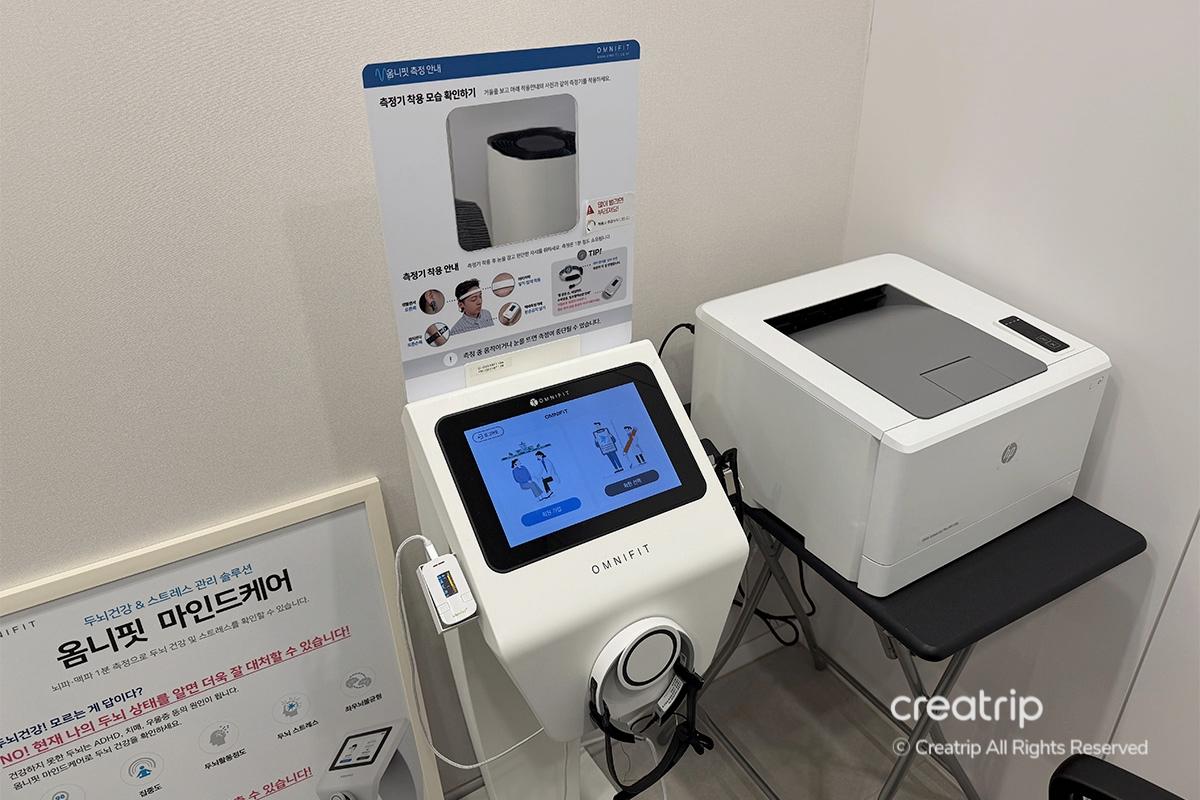
This time we proceeded with the stress index test.
[Image Slider] 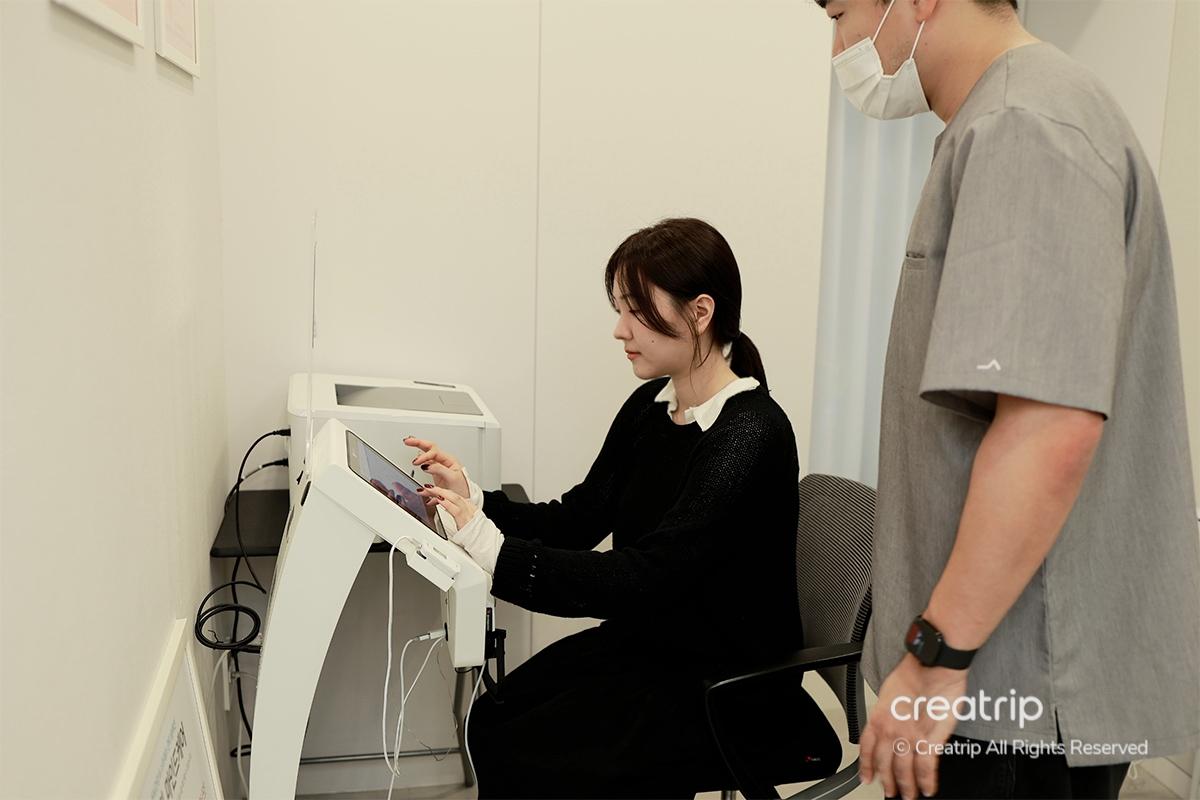
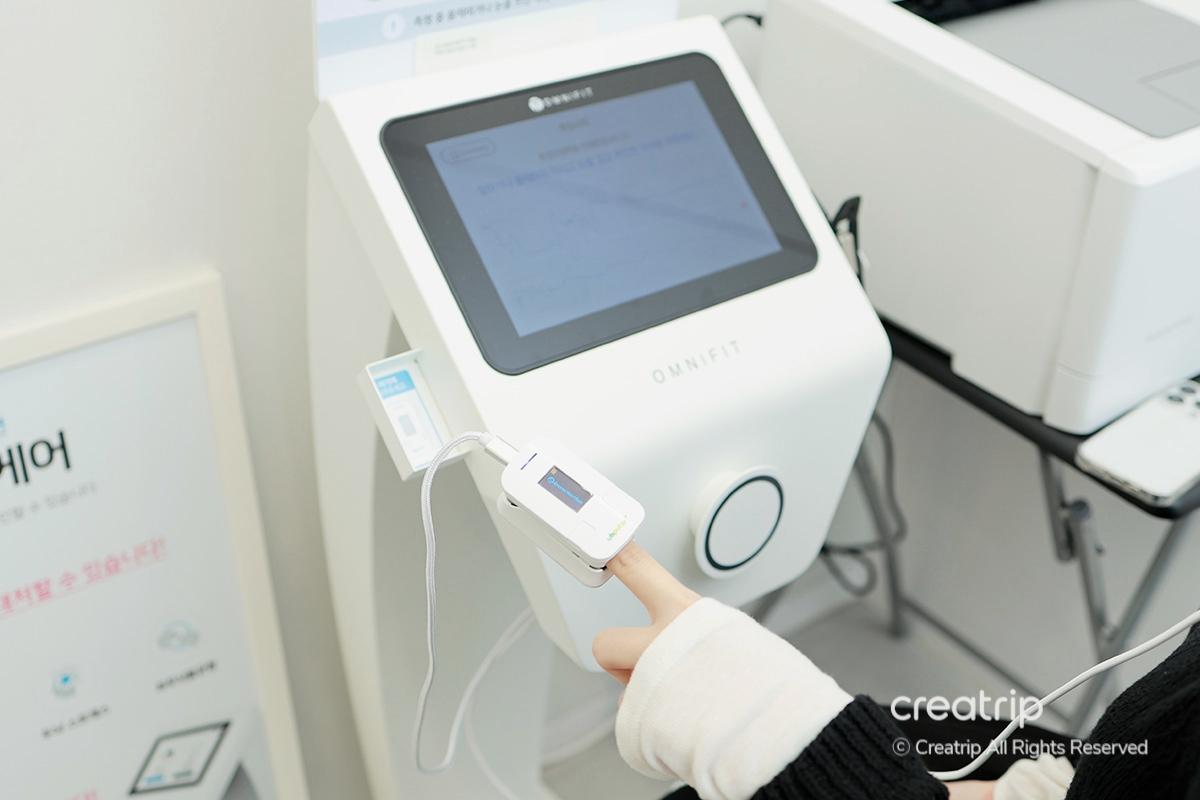
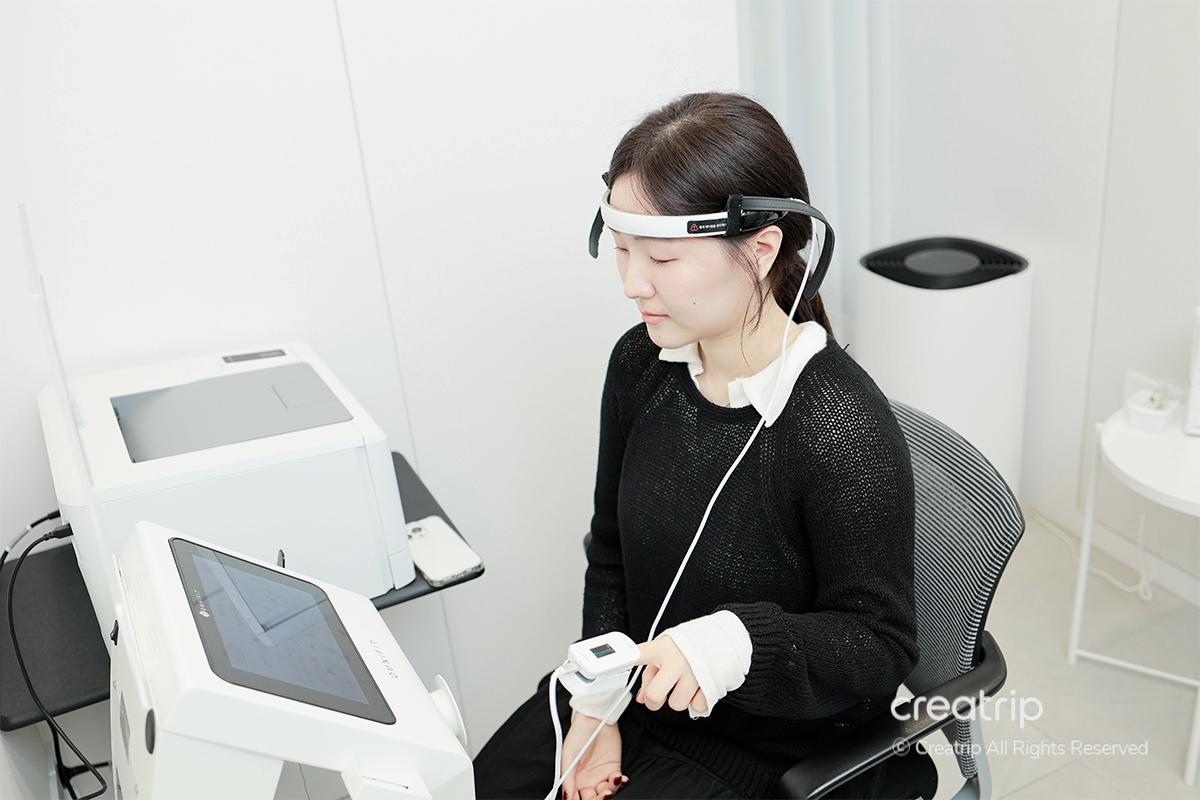
First, we entered basic information briefly, then attached a pulse sensor to a finger and an EEG sensor to the forehead.
After that, you close your eyes, relax your breathing for a short while, and sit quietly as the data is collected automatically.
It was great to be able to objectively check my current psychological and physical stress levels in a short time.
[Image Slider] 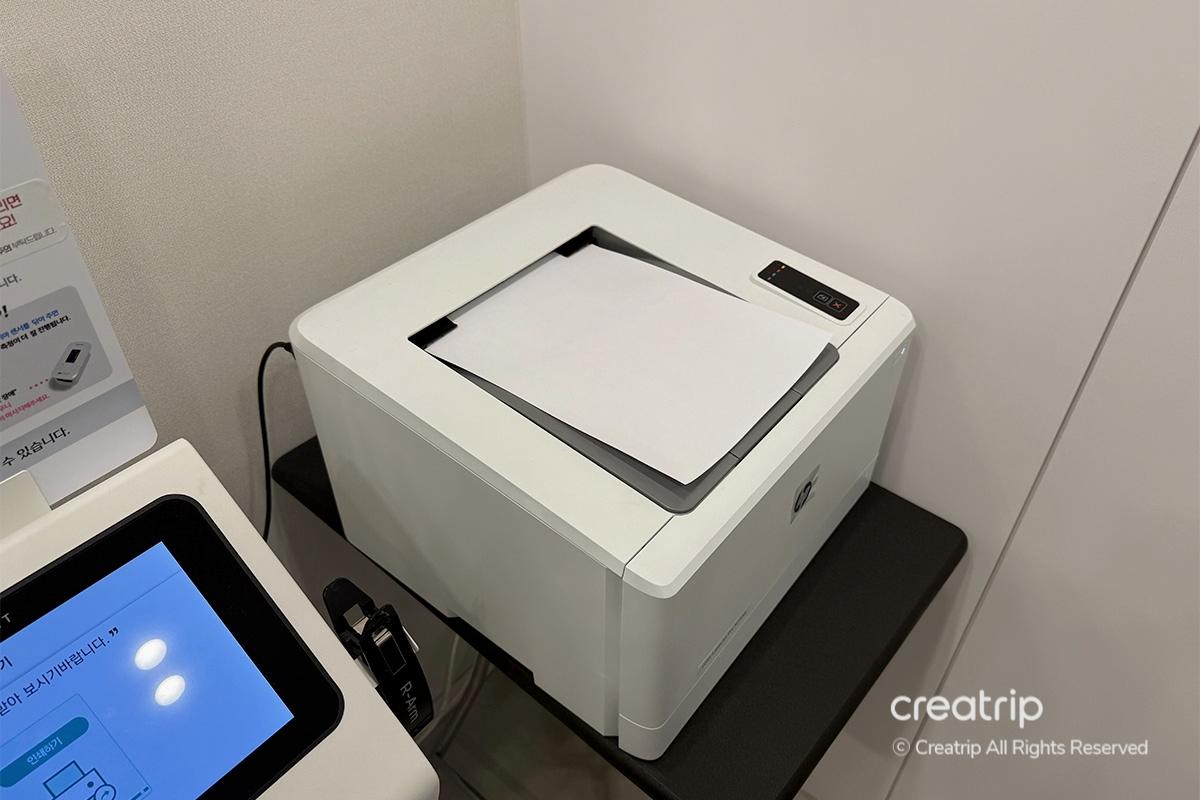
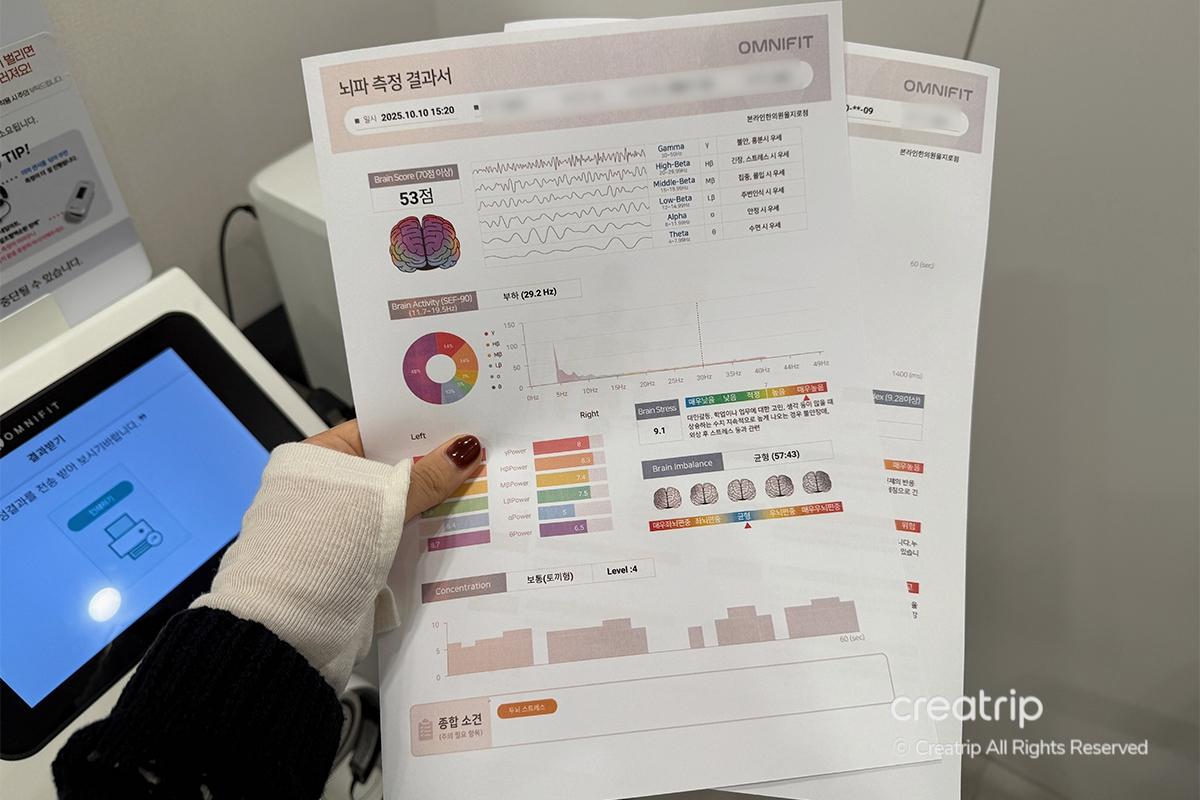
When the test was finished, they printed the results right away so I could review them in person.
I could see the stress index, tension level, and relaxation state at a glance through numbers and graphs,
and afterward we moved to the chuna treatment room to continue consulting with the director while reviewing the test results.
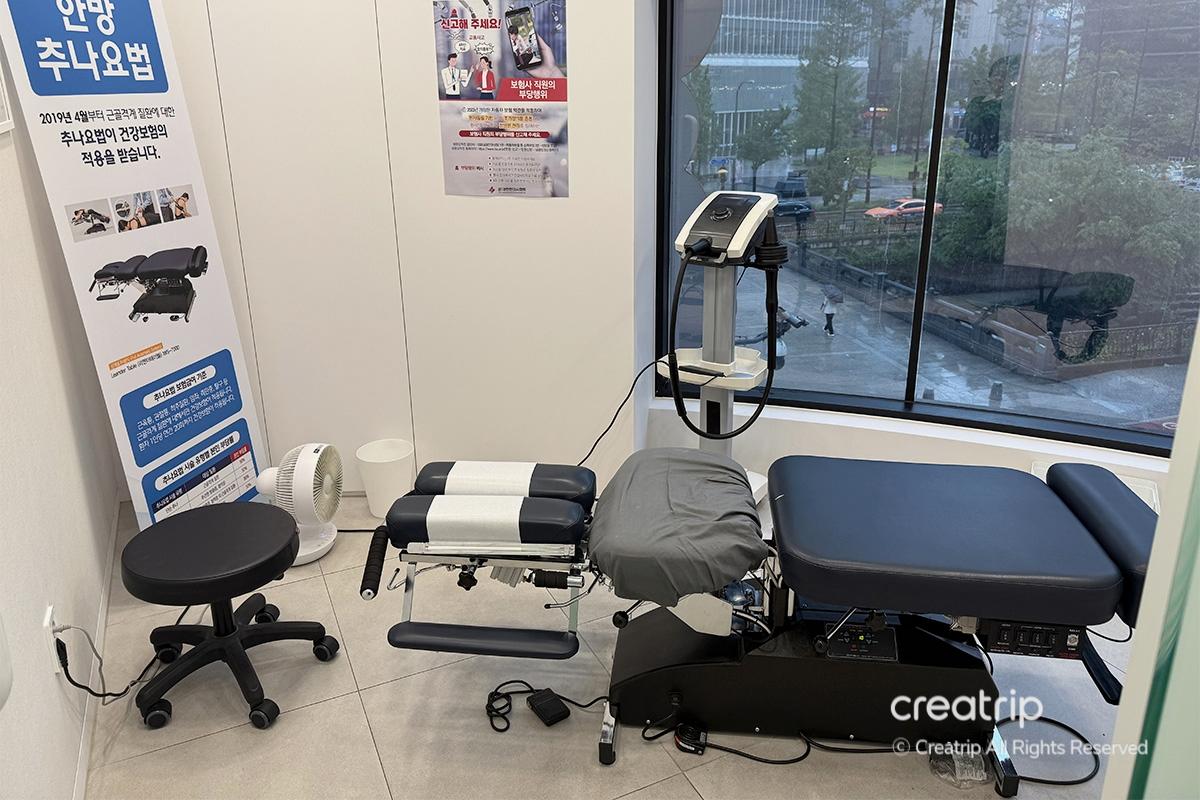
This is the "chuna treatment room."
The private layout and large windows offering an outside view created a much more comfortable and calming atmosphere during the treatment.
Chuna therapy is a manual treatment in which a Korean medicine doctor uses hands or tools to correct misaligned spine or joints,
It’s one of the traditional medicine treatments that helps relax muscle tension and correct postural imbalances.
They say it’s especially effective for those with musculoskeletal pain or who feel their posture is imbalanced!
[Image slider] 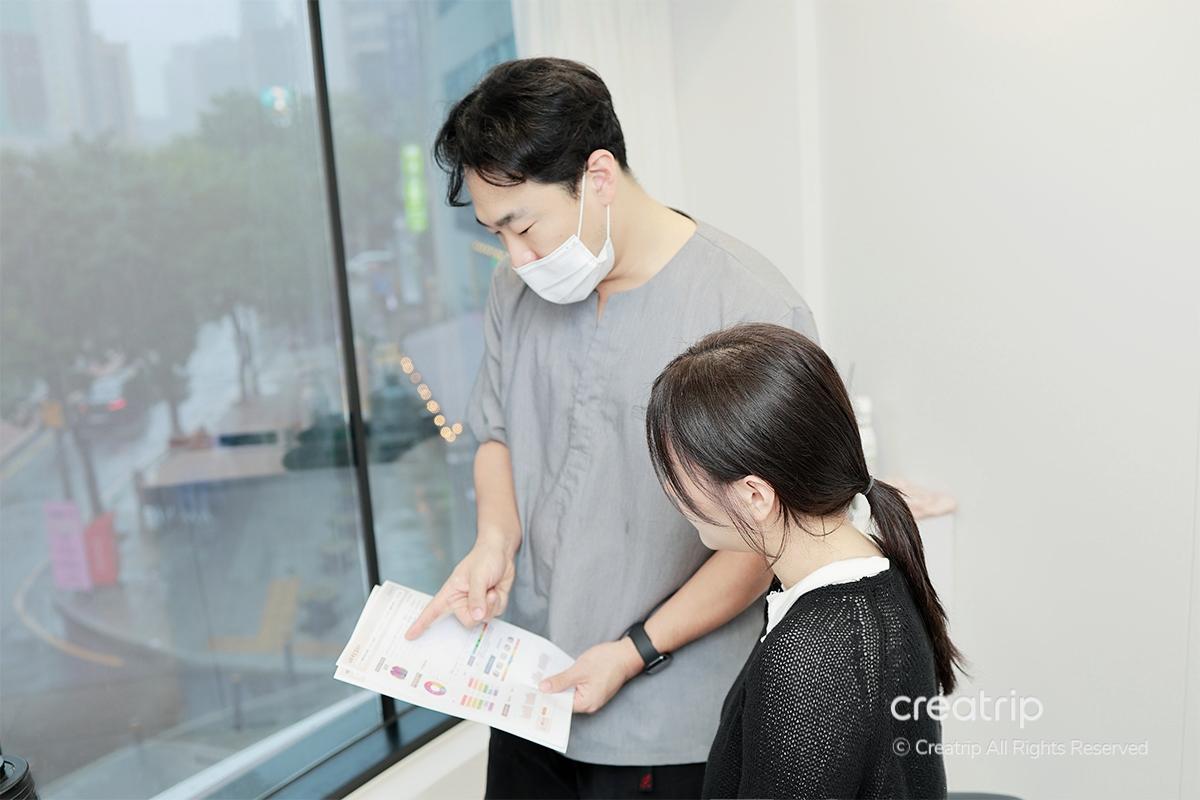
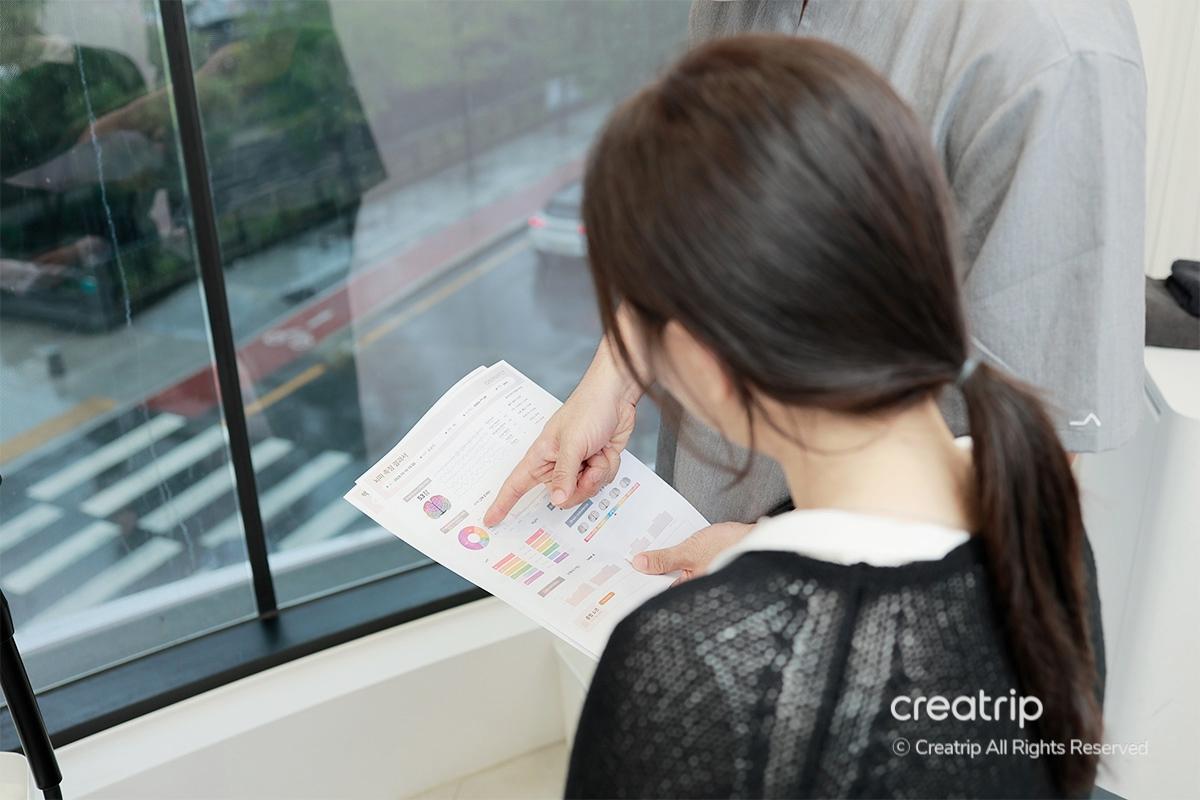
First, they went over the stress test results we had done earlier and consulted with me about them.
They didn’t just show the numbers,but explained specifically which areas needed improvement based on the results,
so it was easy to understand and felt very trustworthy.
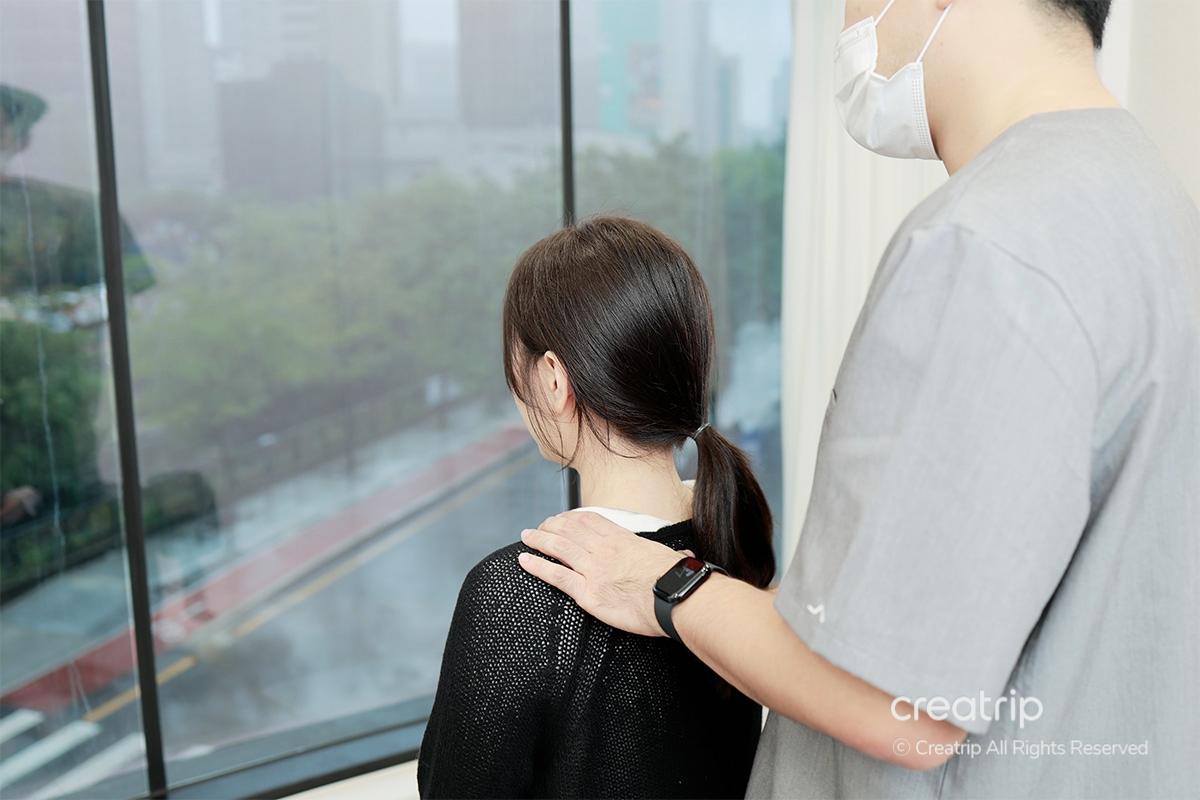
First, they rechecked the painful areas and then began the chuna treatment in earnest.
[Image slider] 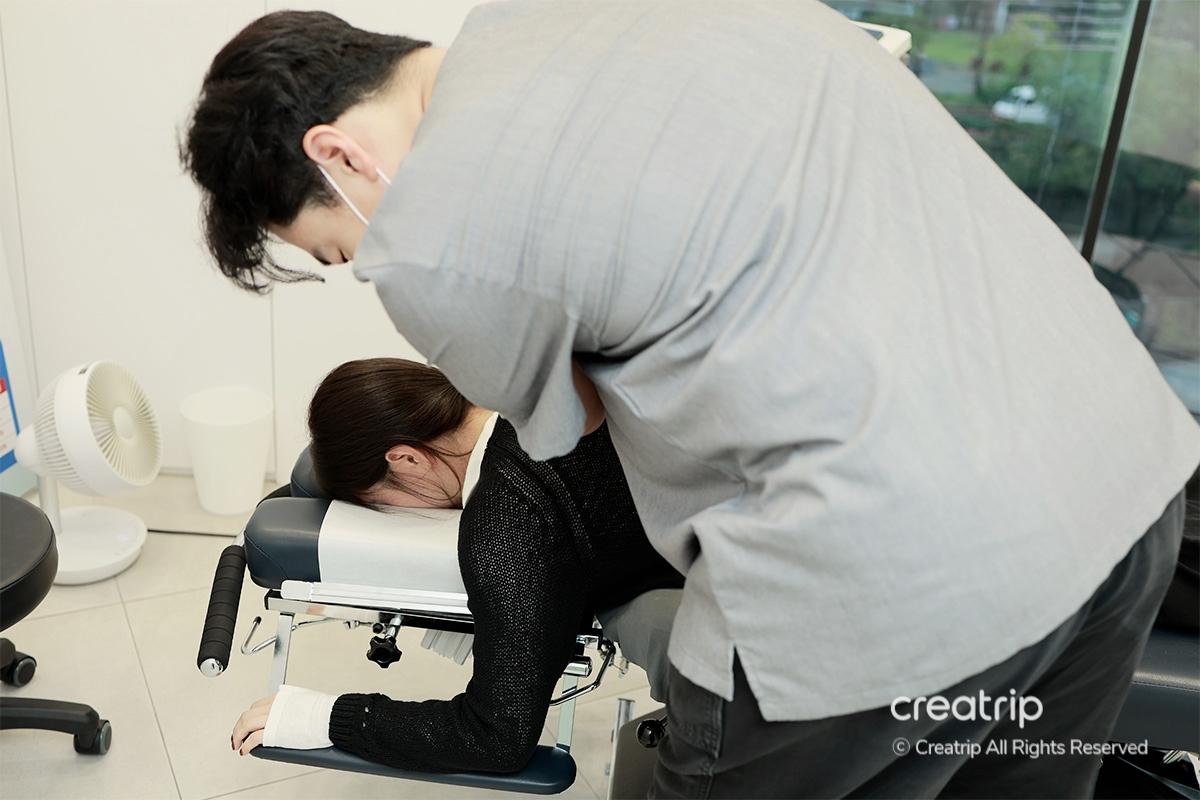
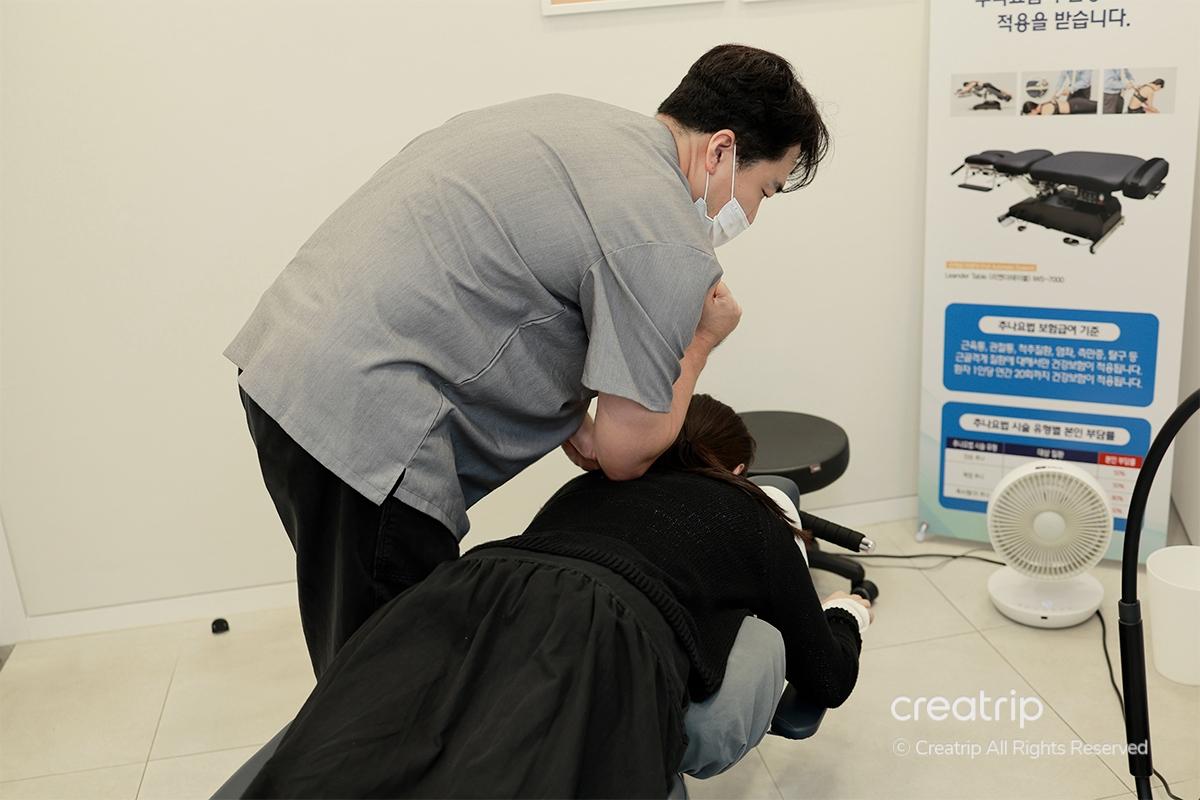
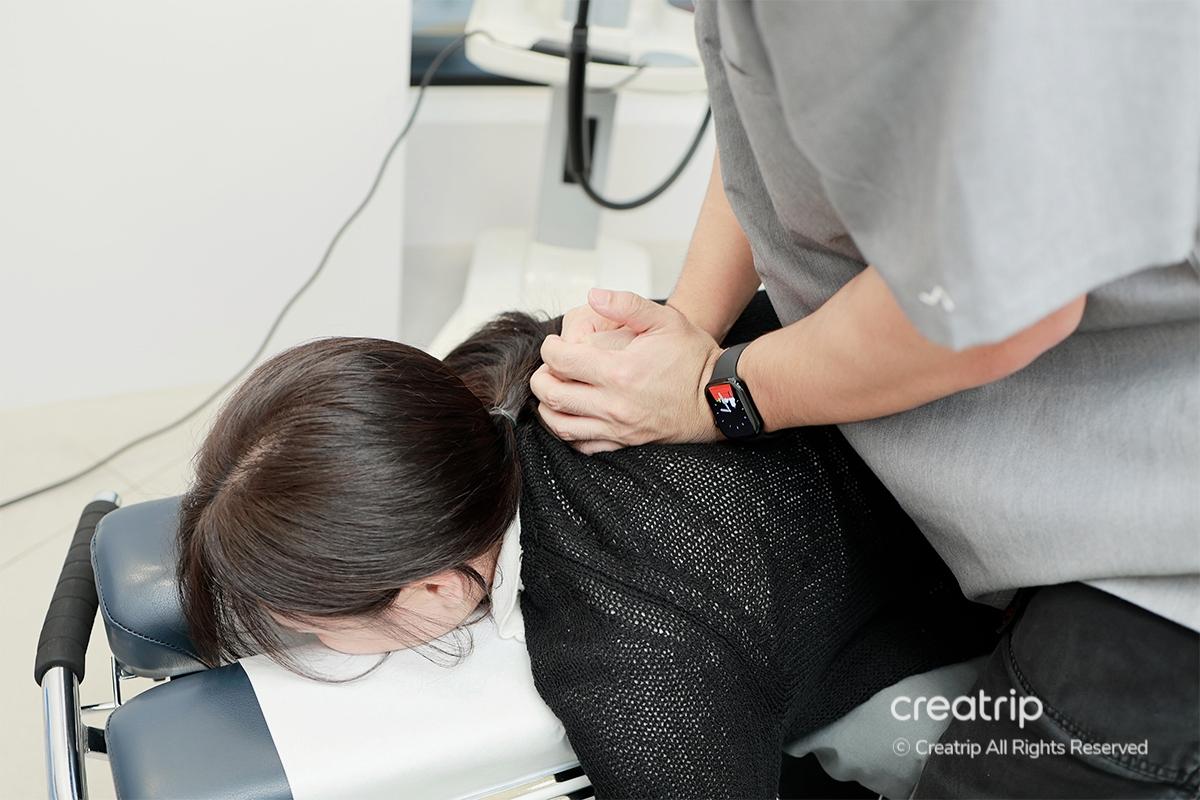
I started by lying face down on the chuna treatment bed.
Our editor’s shoulders are usually rounded forward, so the director explained that it was important to first thoroughly loosen the back.
They pressed and loosened the spine and back muscles by hand, one area at a time, and I could really feel a refreshing stimulus reaching deep into the muscles.
Rather than applying excessive force, they precisely targeted only the necessary spots, so I could receive the treatment comfortably without strain.
[Image slider] 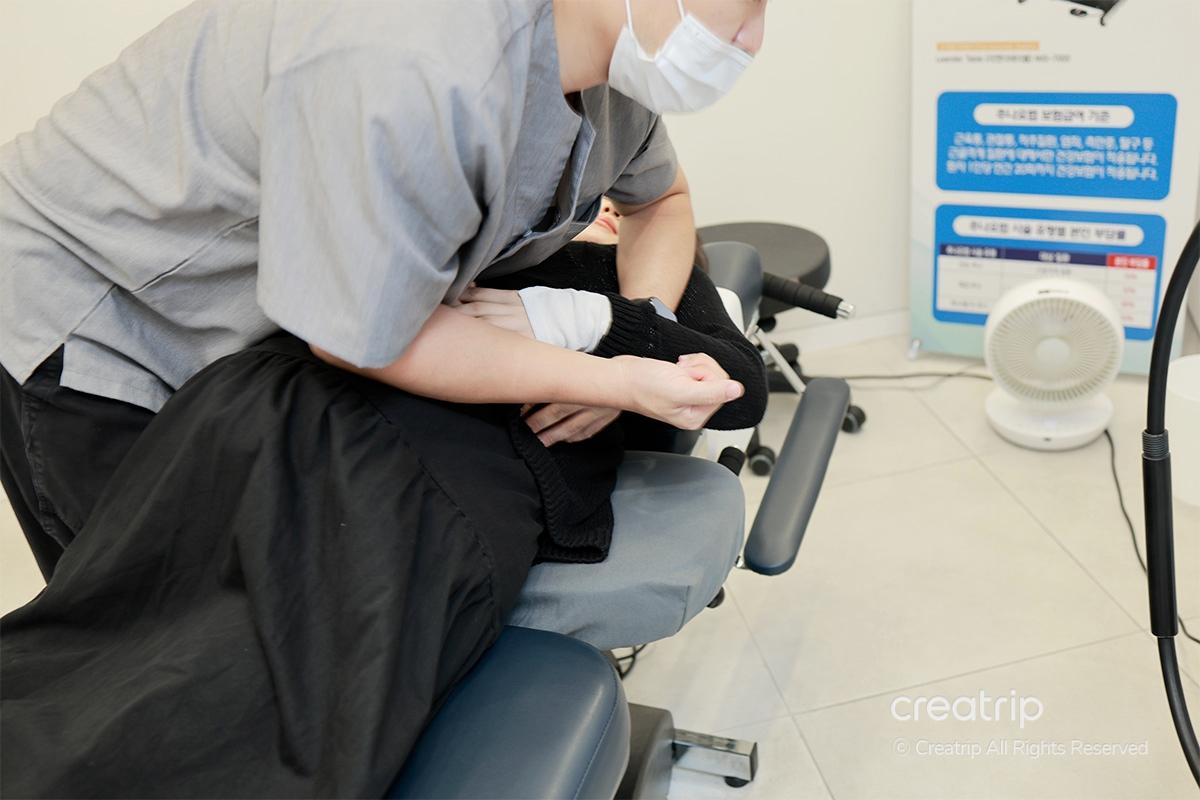
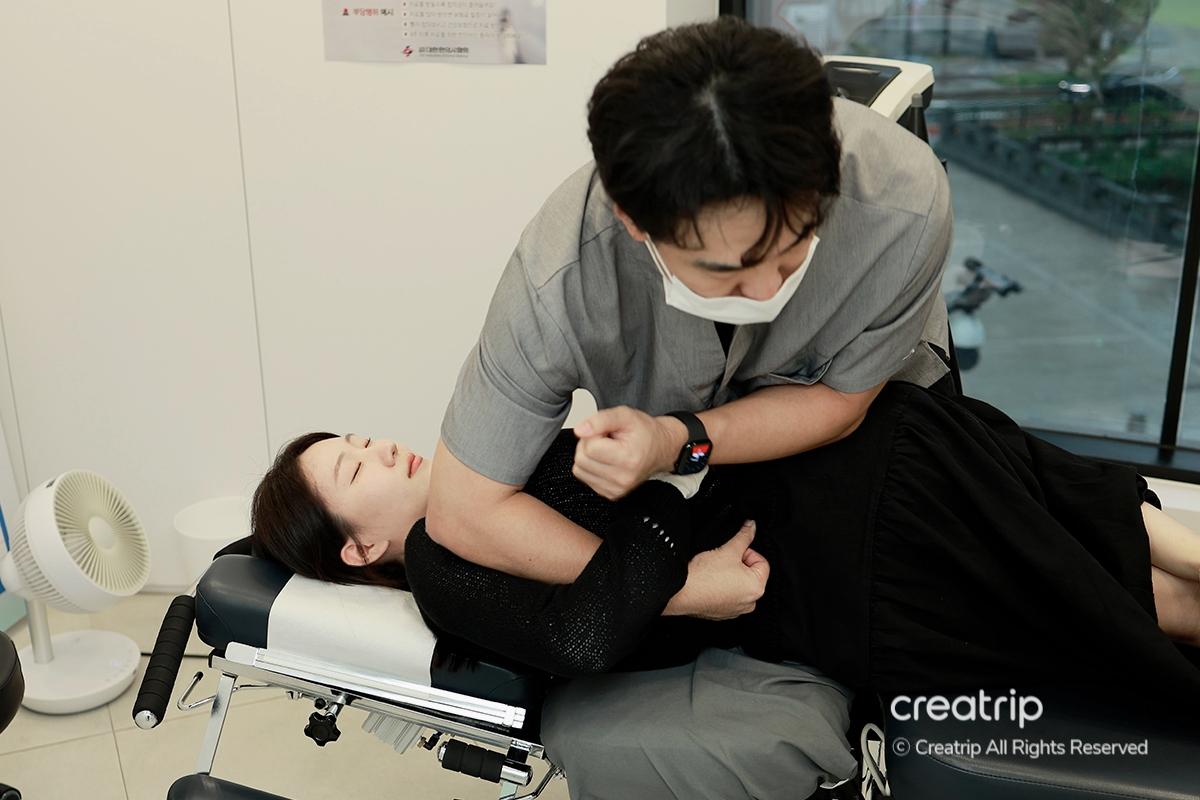
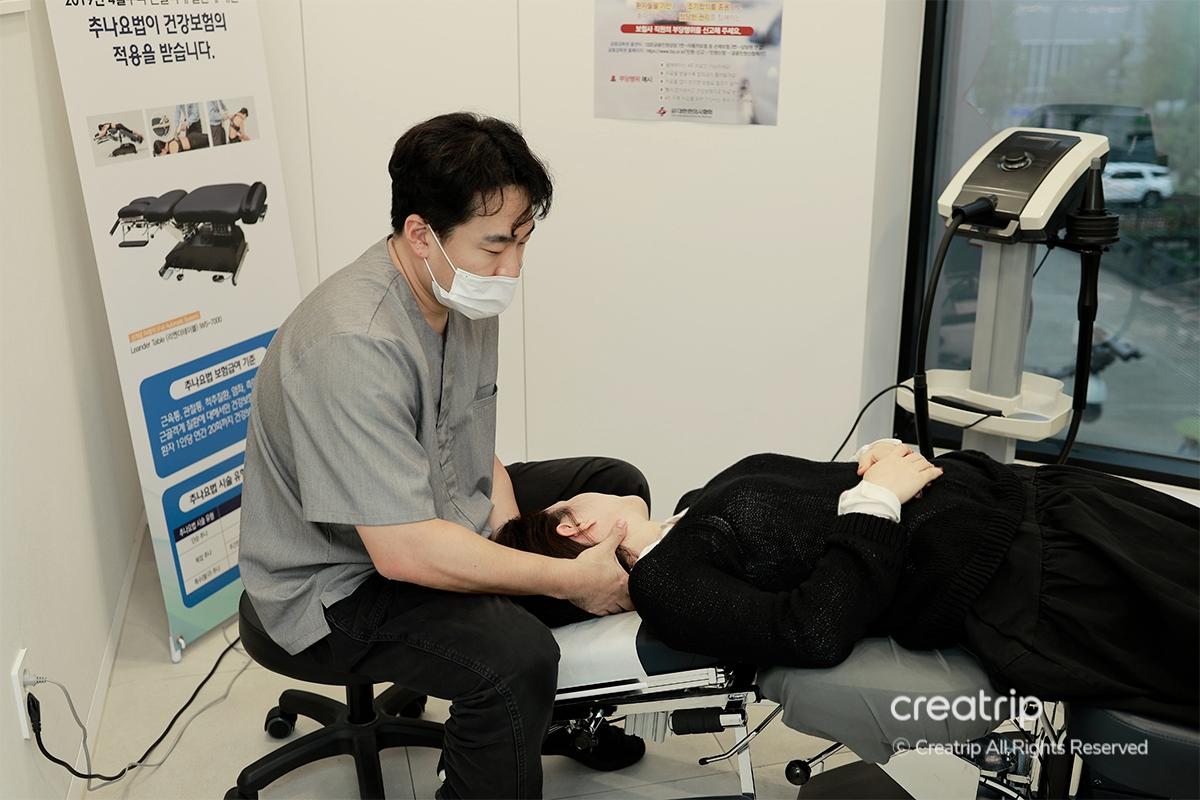
After that, while I was turned to lie on my side, additional chuna treatment was performed on the pelvis, shoulders, neck, and other needed areas.
With a method called “complex chuna,” they made precise adjustments that produced audible “clicks” from the joints.
I was a bit tense at first, but it was amazing how it felt aligned and refreshed without pain!
With the director’s professional manual techniques naturally loosening the spine and joints,
I felt much lighter afterward and my whole body felt refreshed.
[Image slider] 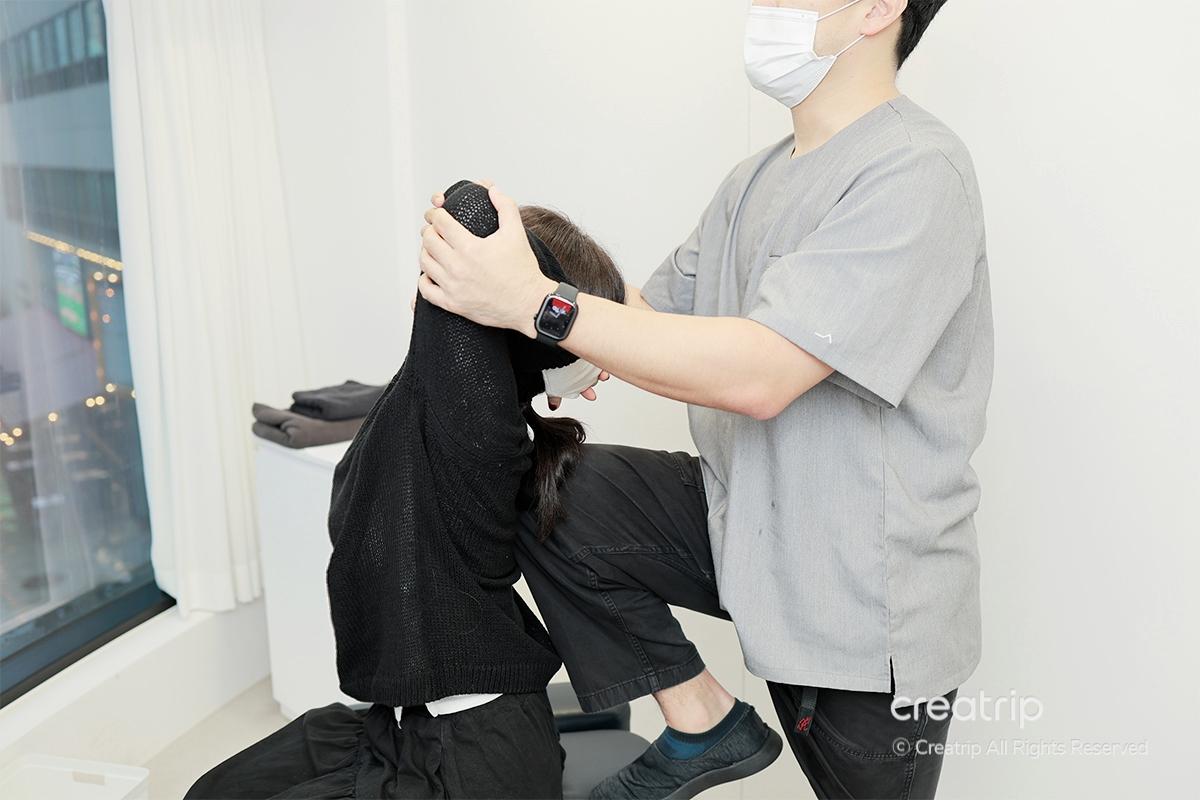
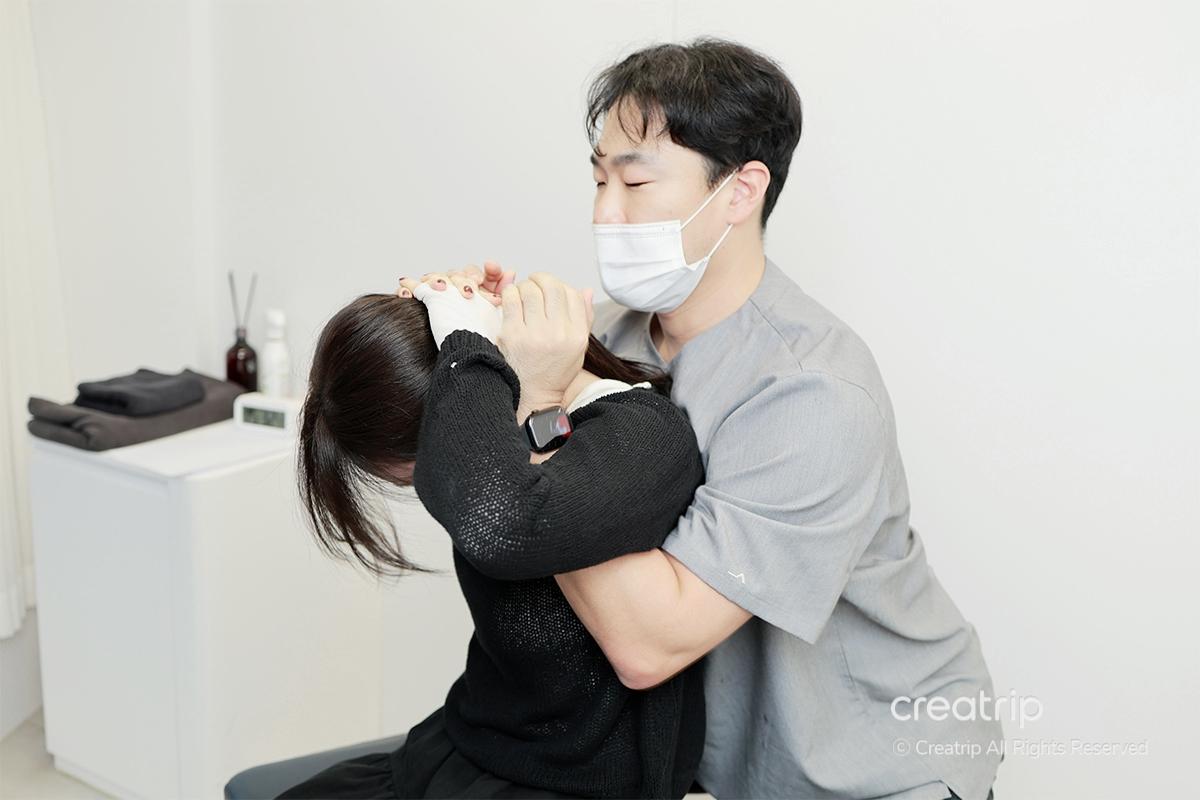
For the final stage of chuna treatment, we did some simple seated stretches together.
With the spine already aligned, gently loosening the muscles felt like a delicate finishing touch, which was impressive.
Chuna treatment varies by person but usually takes 8–10 minutes, or up to about 15 minutes if needed,
and although it was short, I could clearly feel the difference before and after the treatment—my whole body felt much lighter and more flexible.
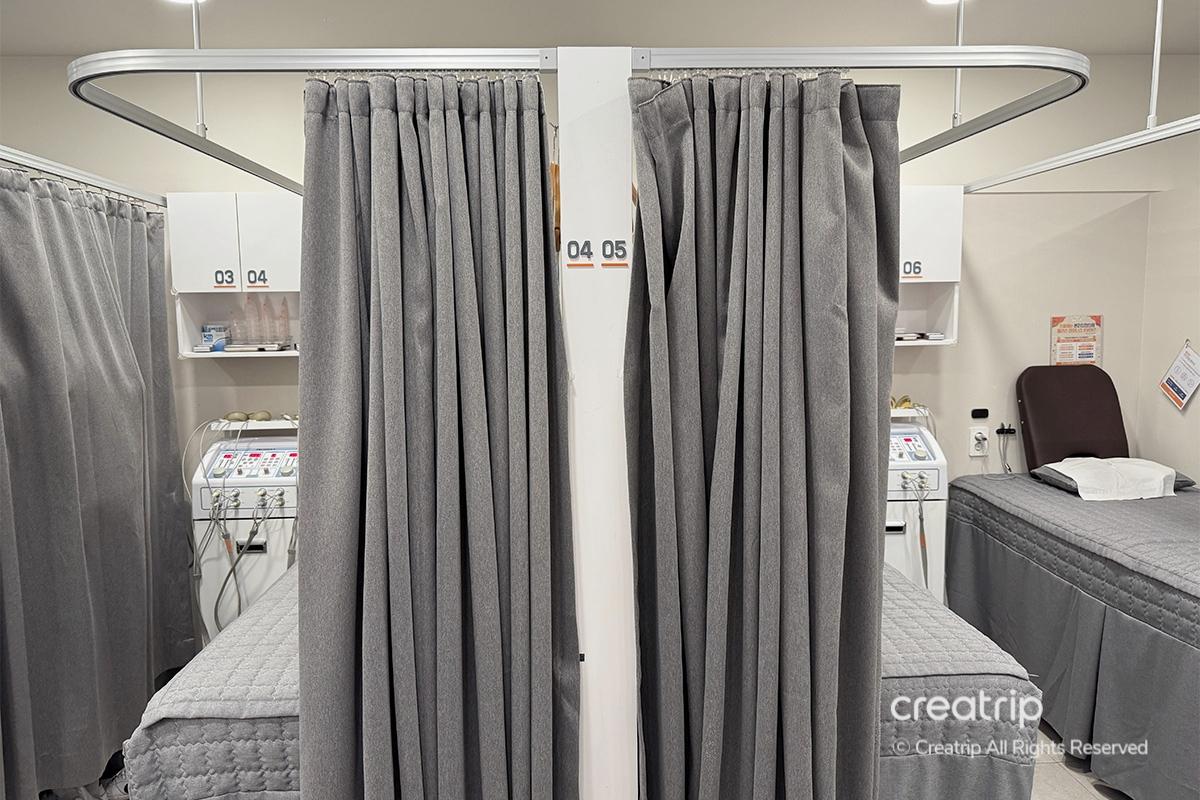
This time, I moved to another treatment room to receive acupuncture and physical therapy.
This space was also clean and private, so I could focus on the treatment comfortably.
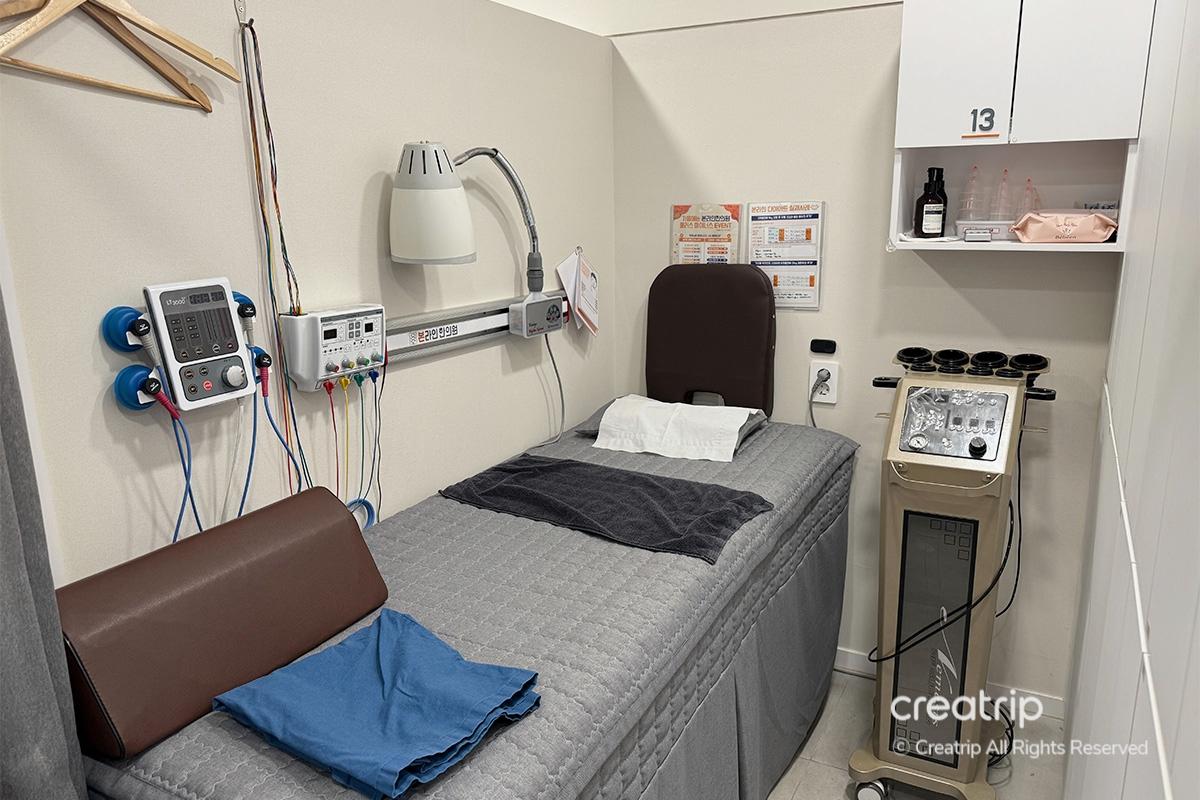
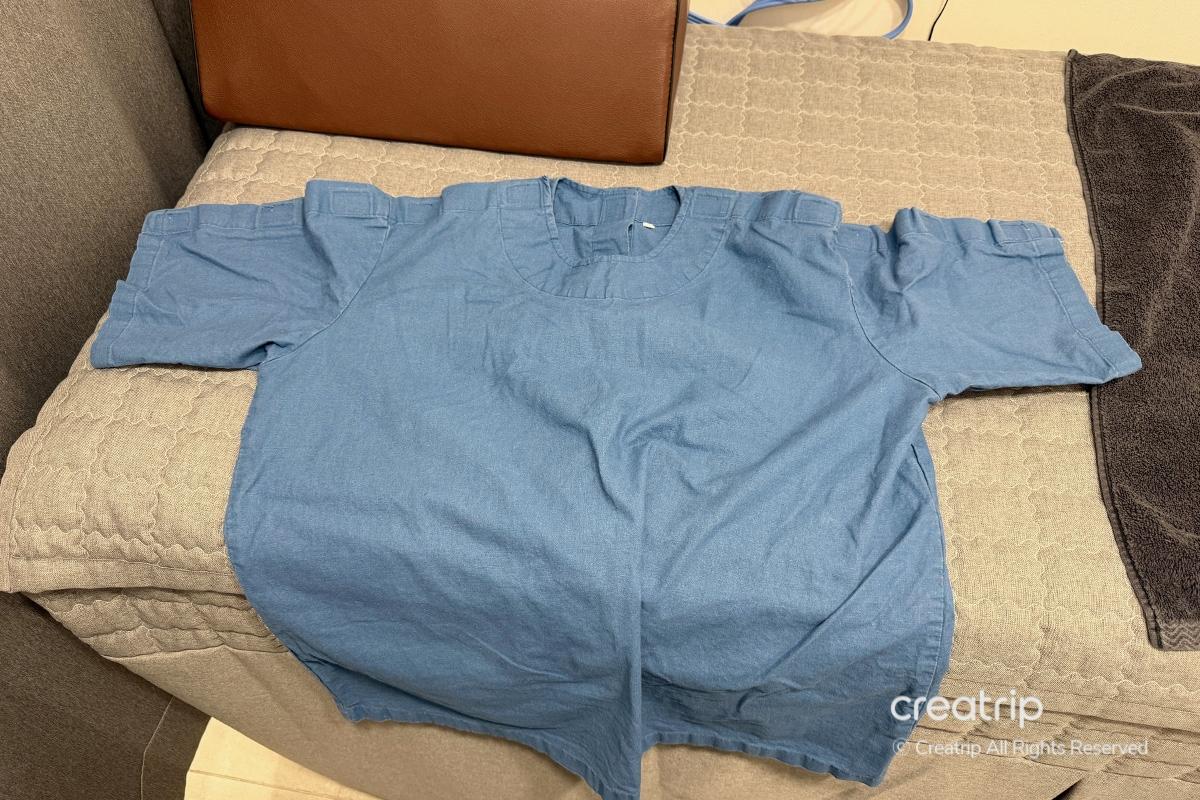
This is the room where I received treatment.
Because I was getting treatment on my neck, shoulders, and arms, I first changed into the hospital-provided treatment clothes and prepared for the session.
[Image slider] 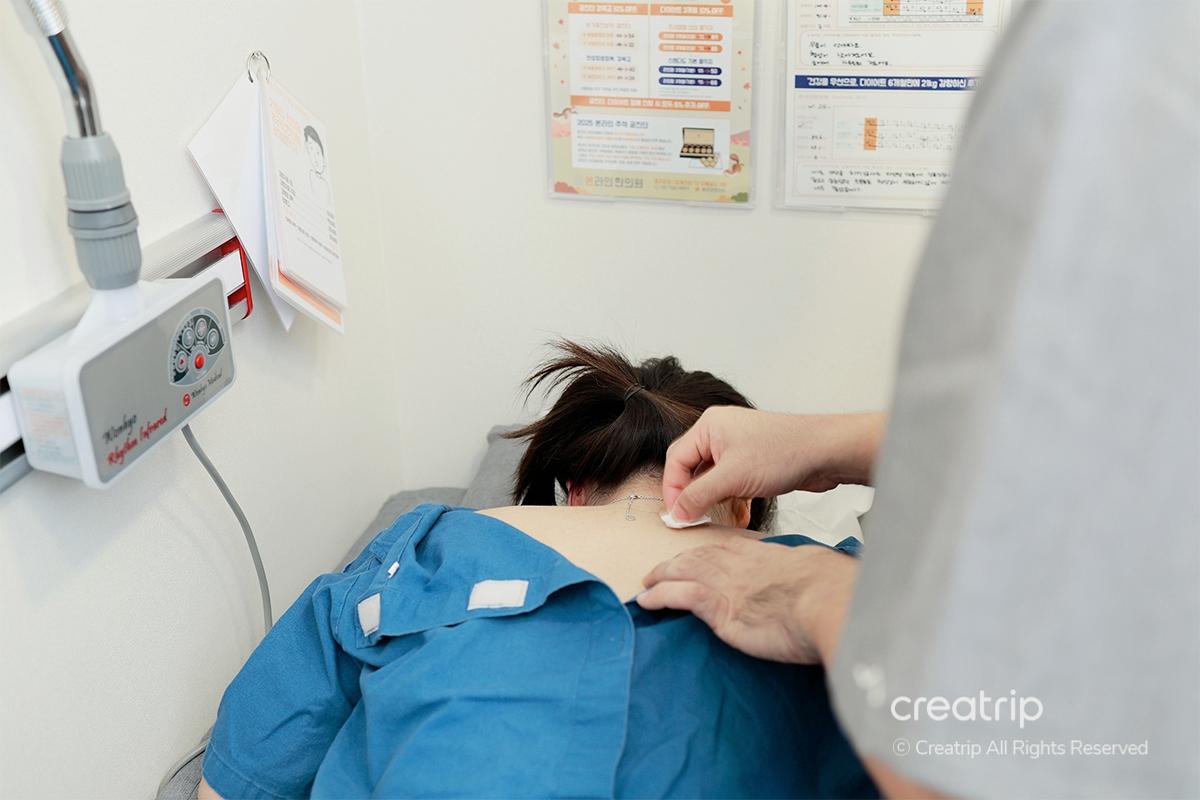
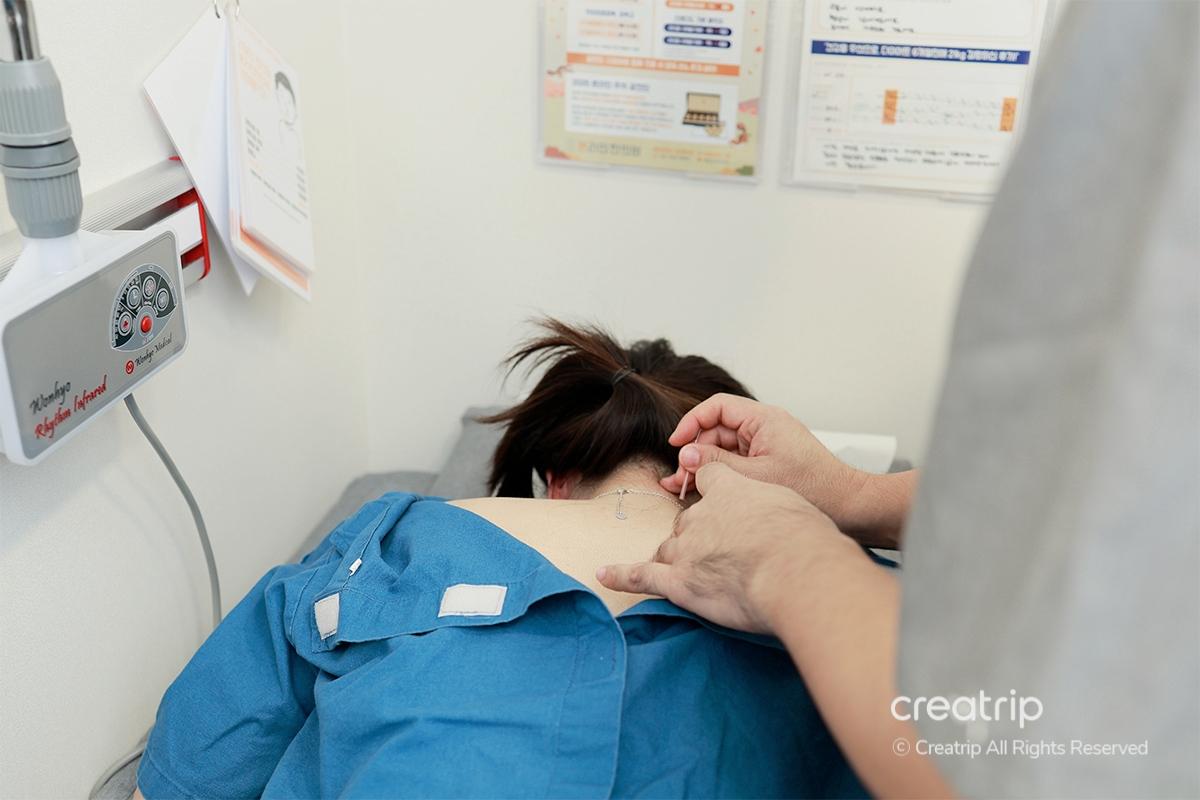
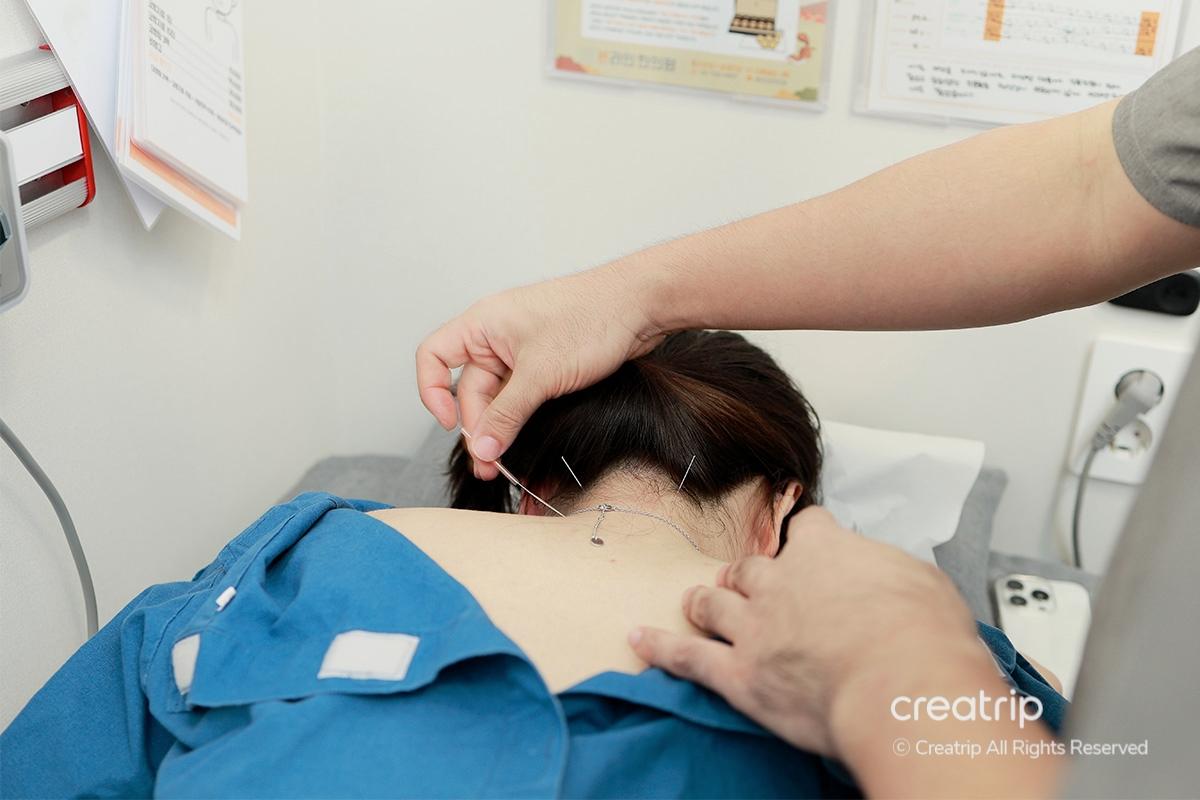
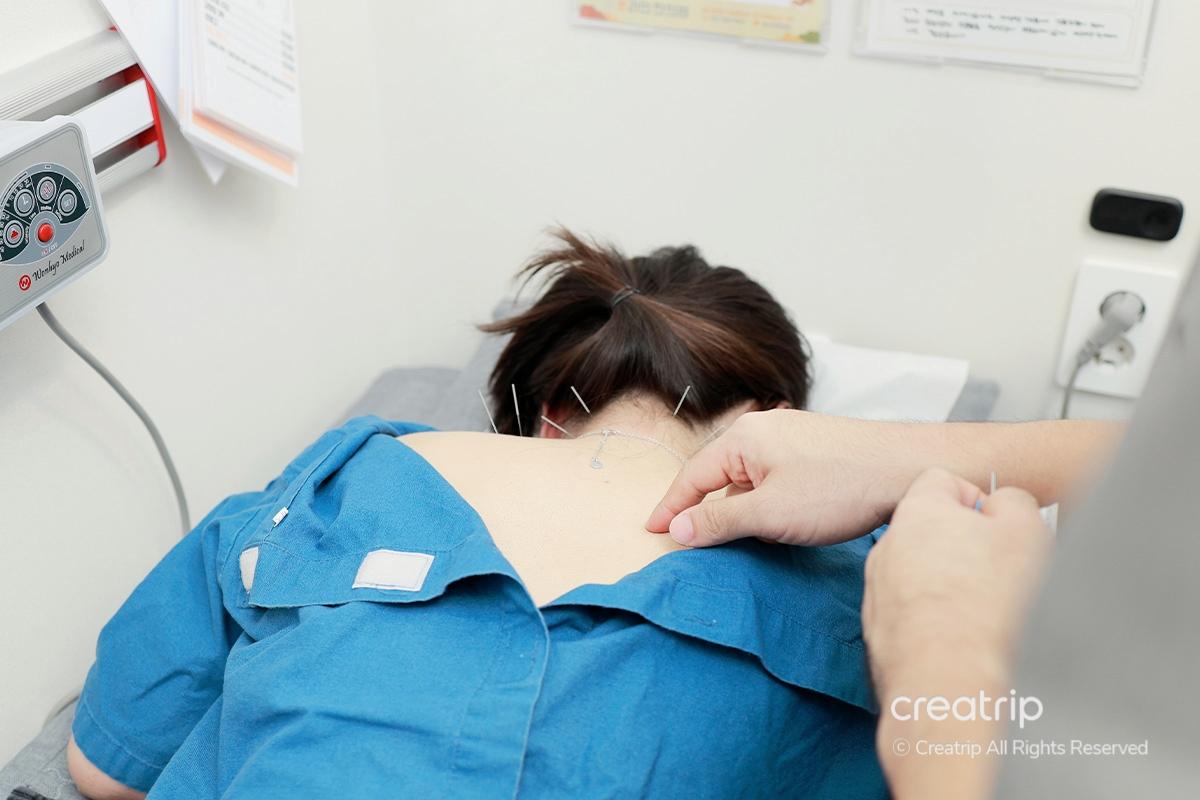
After changing, I lay face down and the practitioner thoroughly disinfected the area before inserting needles into my shoulders and neck.
The sensation of the needles going in was more comfortable and less painful than I expected, so I felt much more relaxed.
Acupuncture not only reduces pain but is also said to help blood circulation and stabilize the nerves.
It also activates the body's natural healing power, helping to relieve stress and boost immunity.
In traditional Korean medicine, it is regarded as an important treatment that helps restore health by smoothing the flow of qi (기).
I think it would be great for first-timers to try it without feeling intimidated!
[이미지 슬라이더] 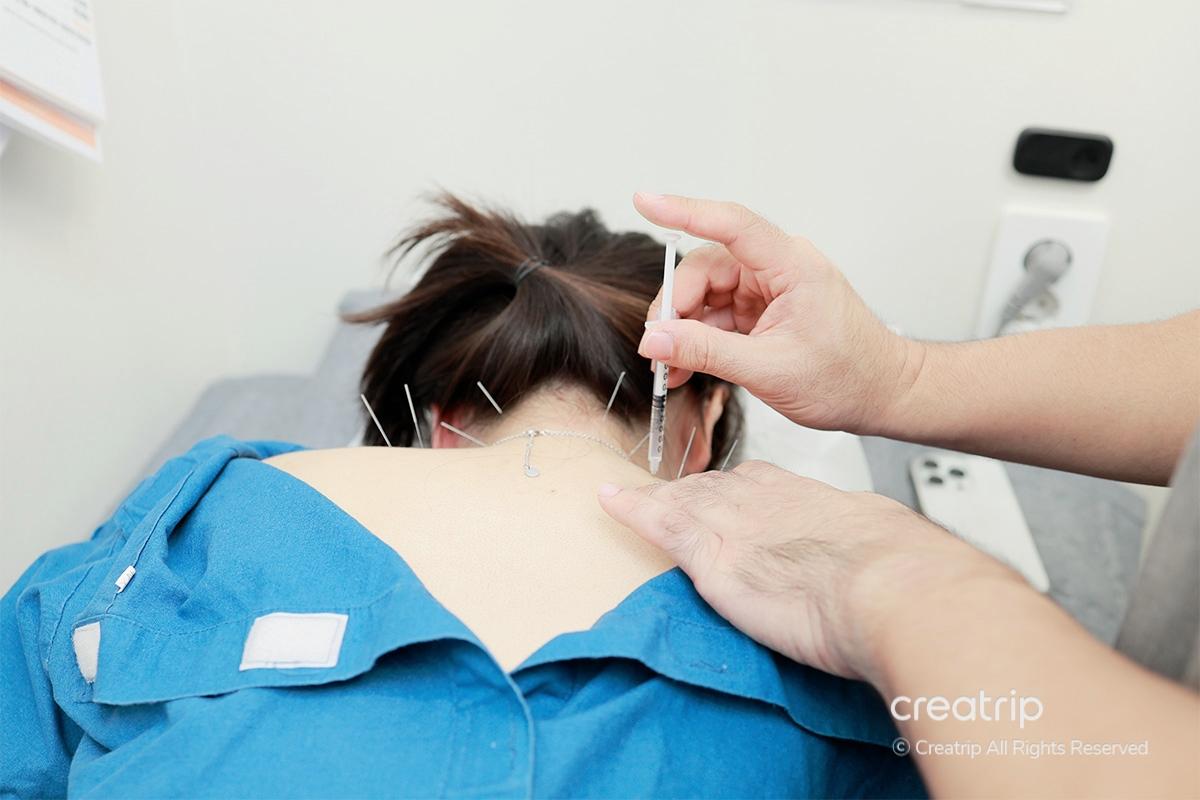
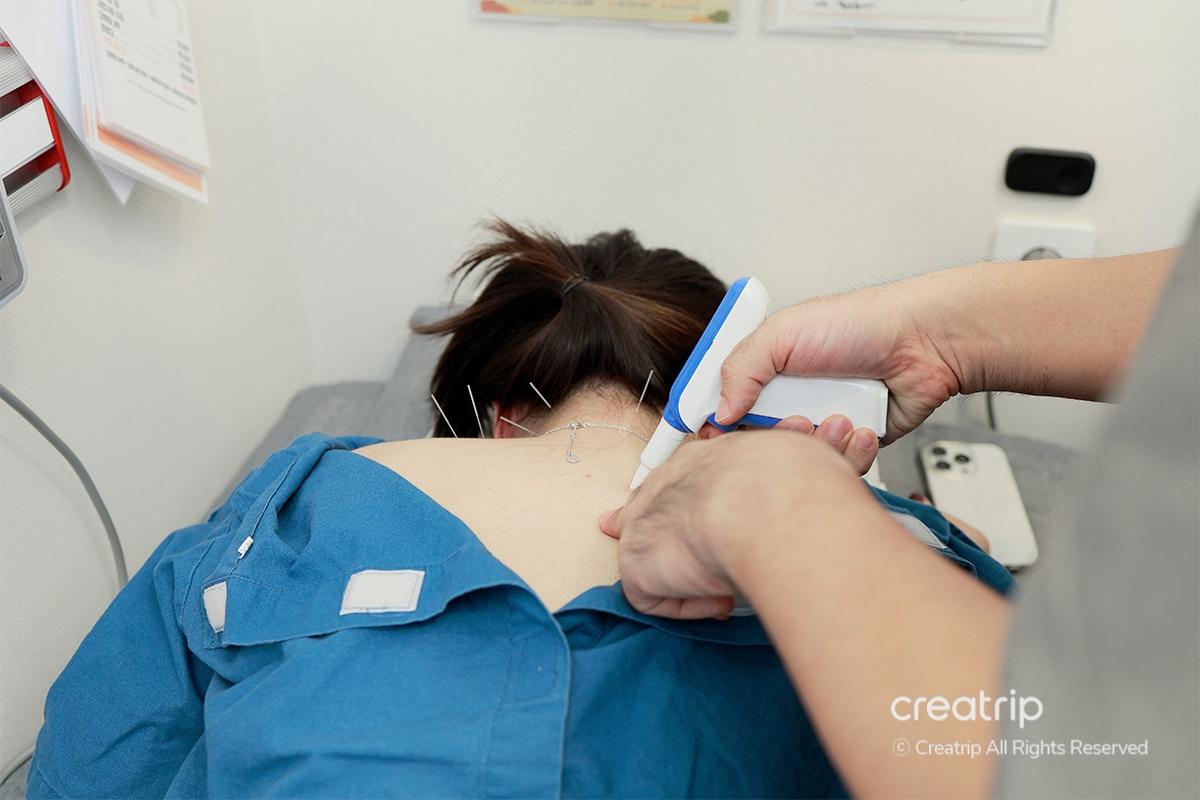
This time I also received pharmacopuncture.
Regular acupuncture does not use medicinal substances; it relies on the stimulation from the needle itself to help the body recover.
Pharmacopuncture is a special method that combines acupuncture with herbal medicine.
A medicinal extract derived from herbal medicine is injected directly into the painful area with a very small syringe to enhance the effect,
so the herbal components act directly in the body to help reduce inflammation, regenerate tissue, and relieve pain.
[이미지 슬라이더] 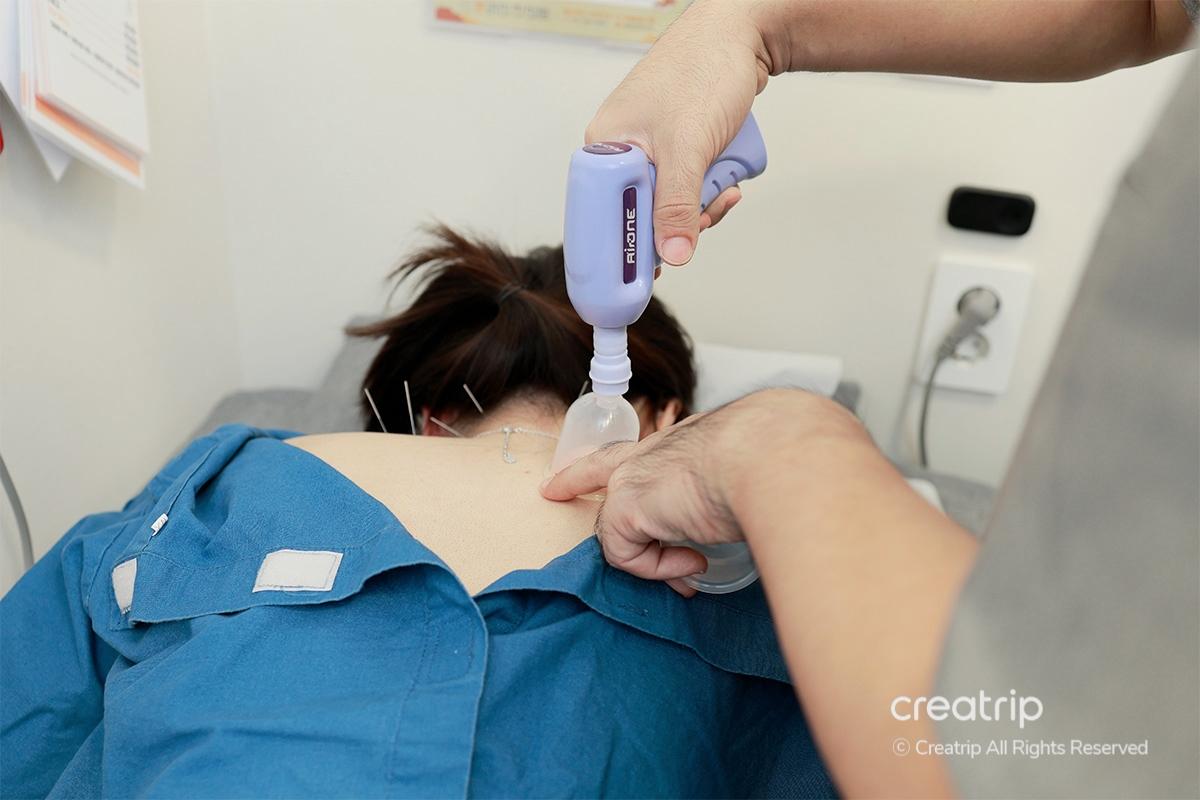
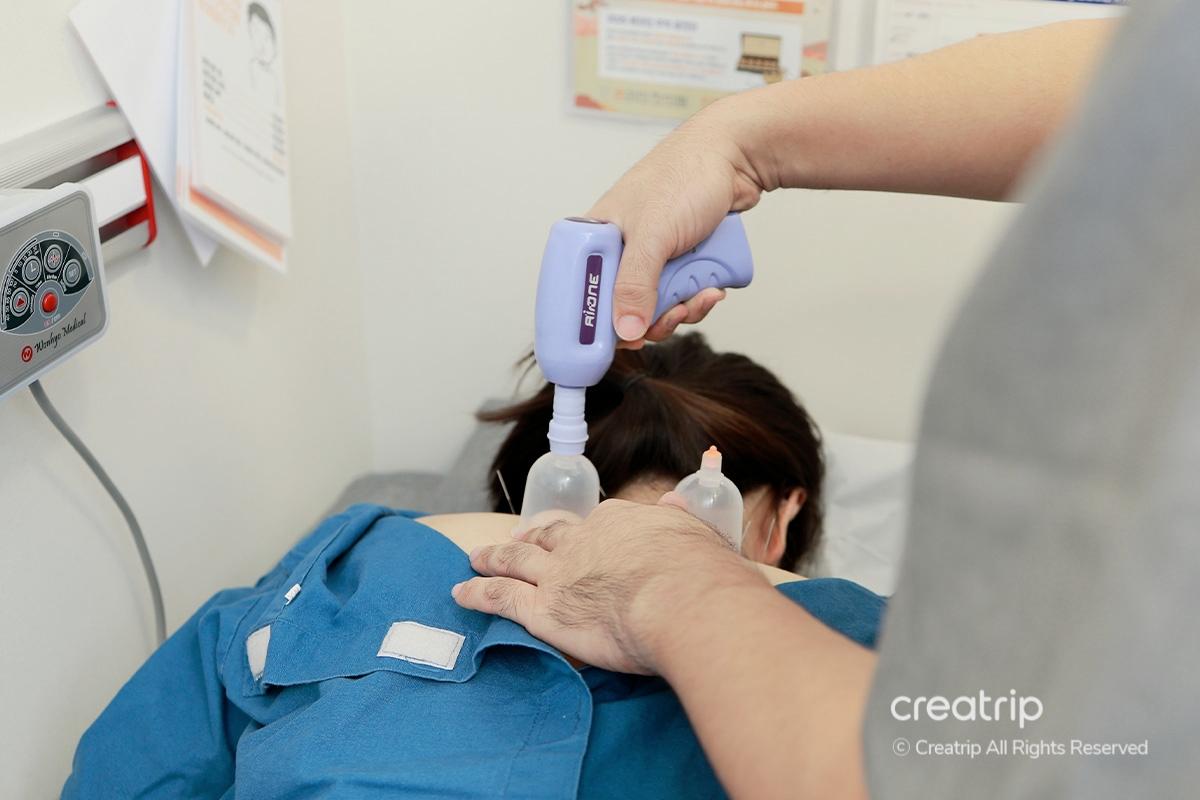
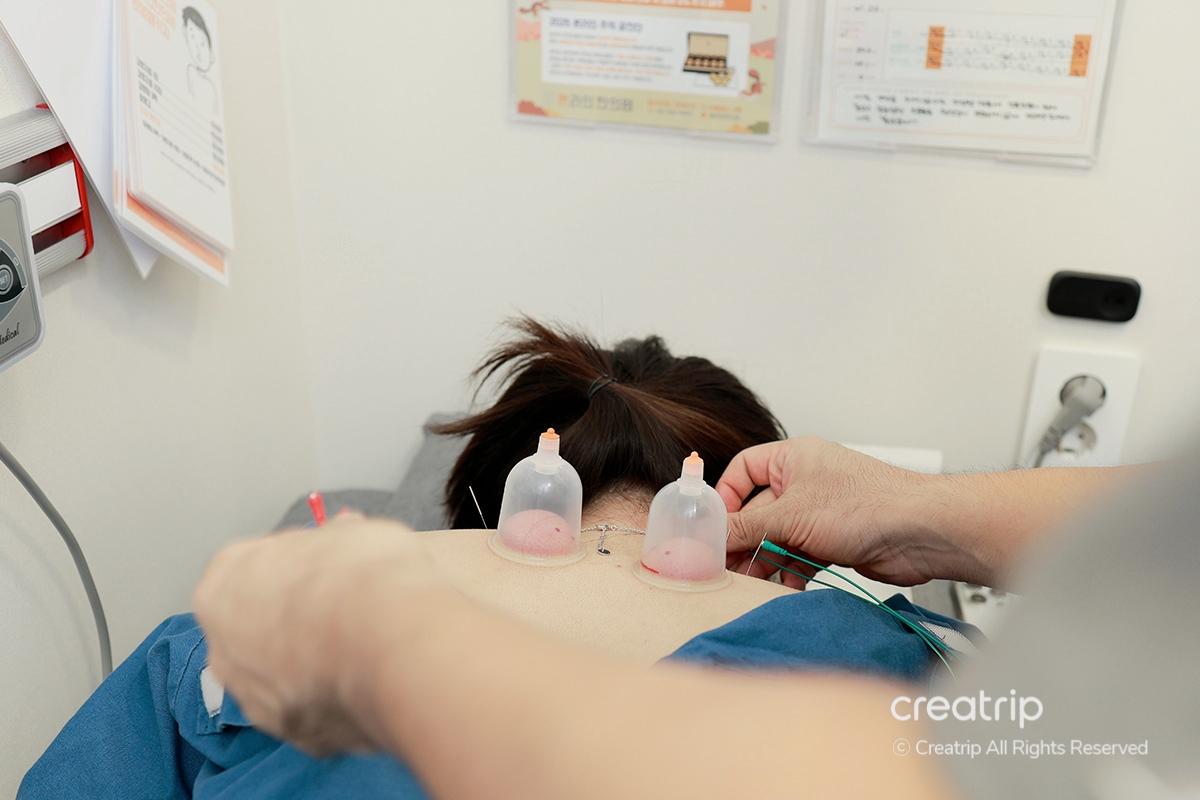
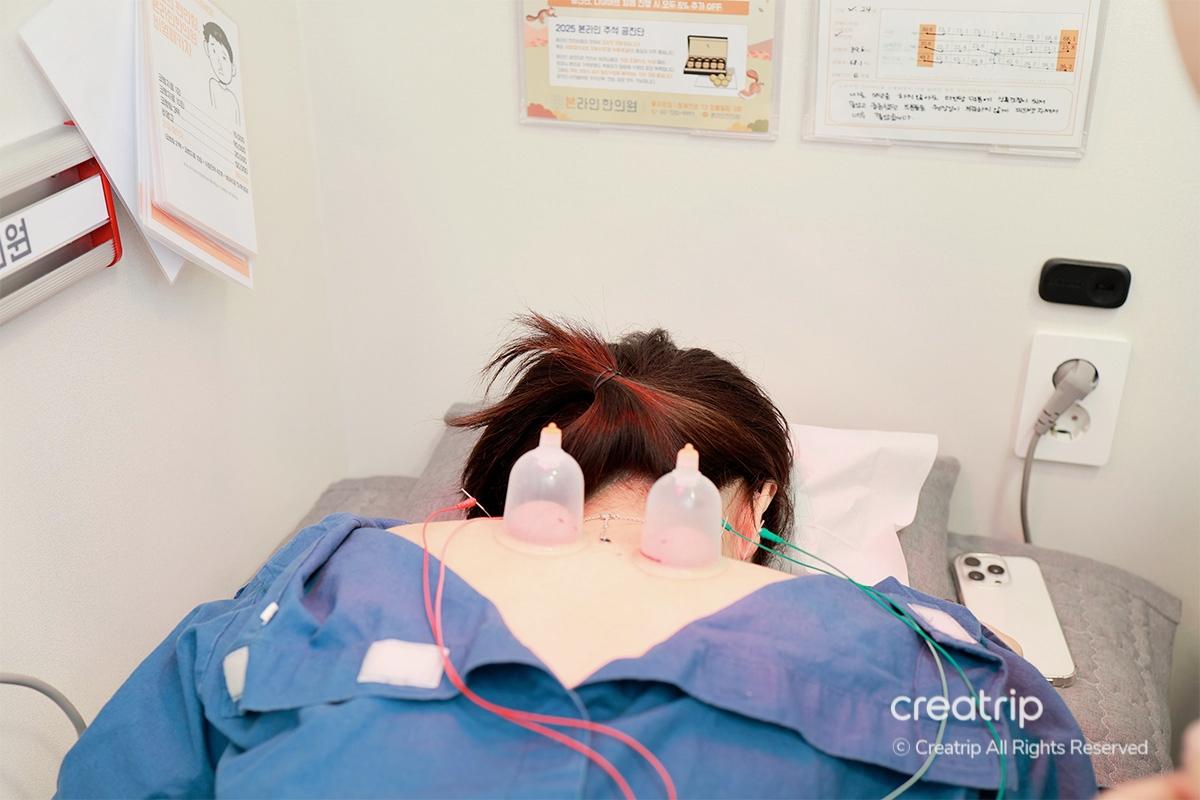
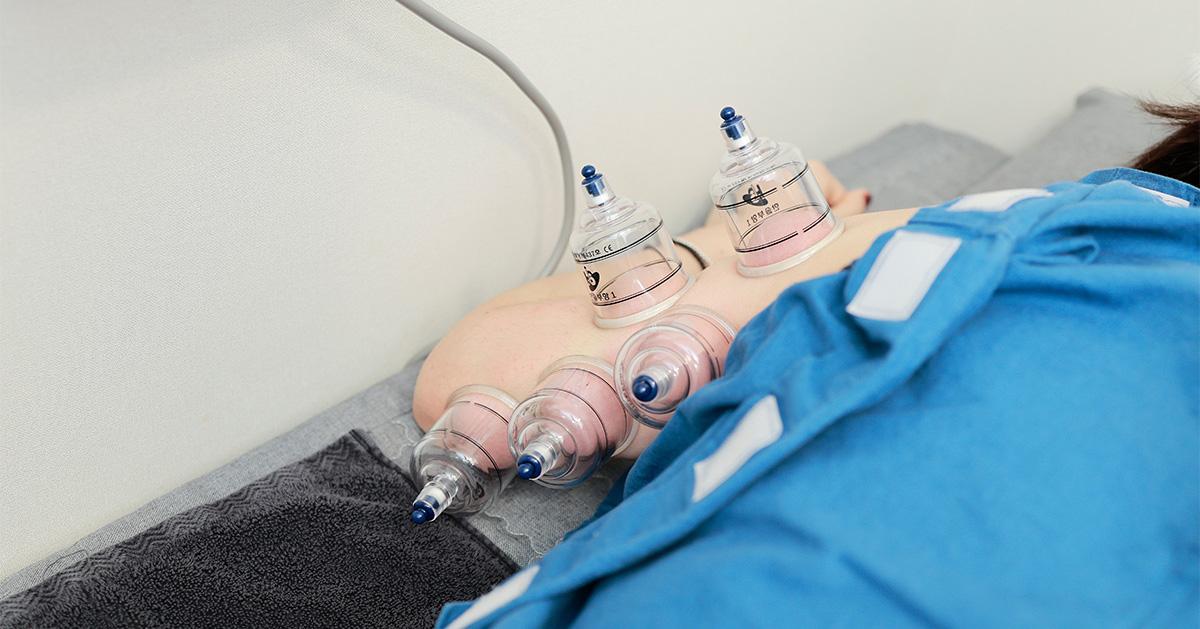
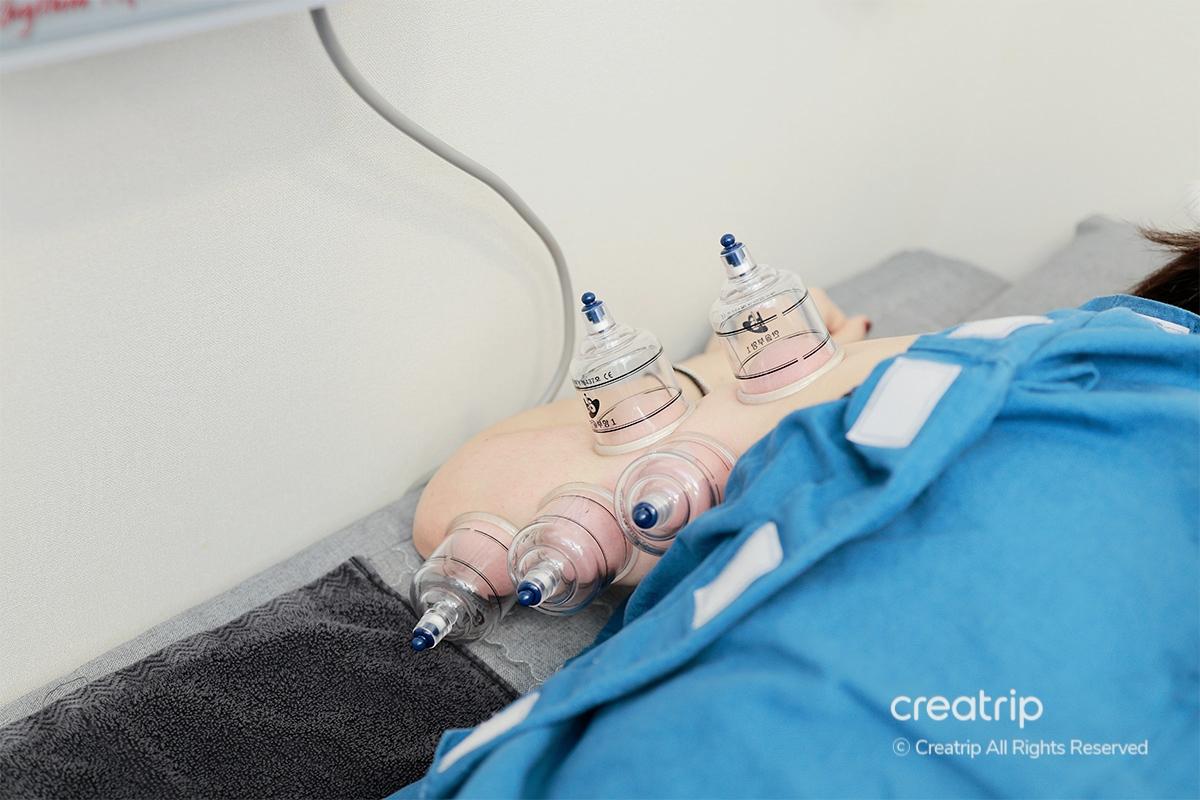
This time I had cupping therapy.
Cupping is a traditional treatment that attaches a cup-shaped device to the skin to create a vacuum, drawing up blood to promote circulation and relax muscles.
They also combined it with low-frequency electrical therapy, applying slight electrical stimulation to the area activated by cupping to provide greater relief from pain and aid muscle recovery.
[이미지 슬라이더] 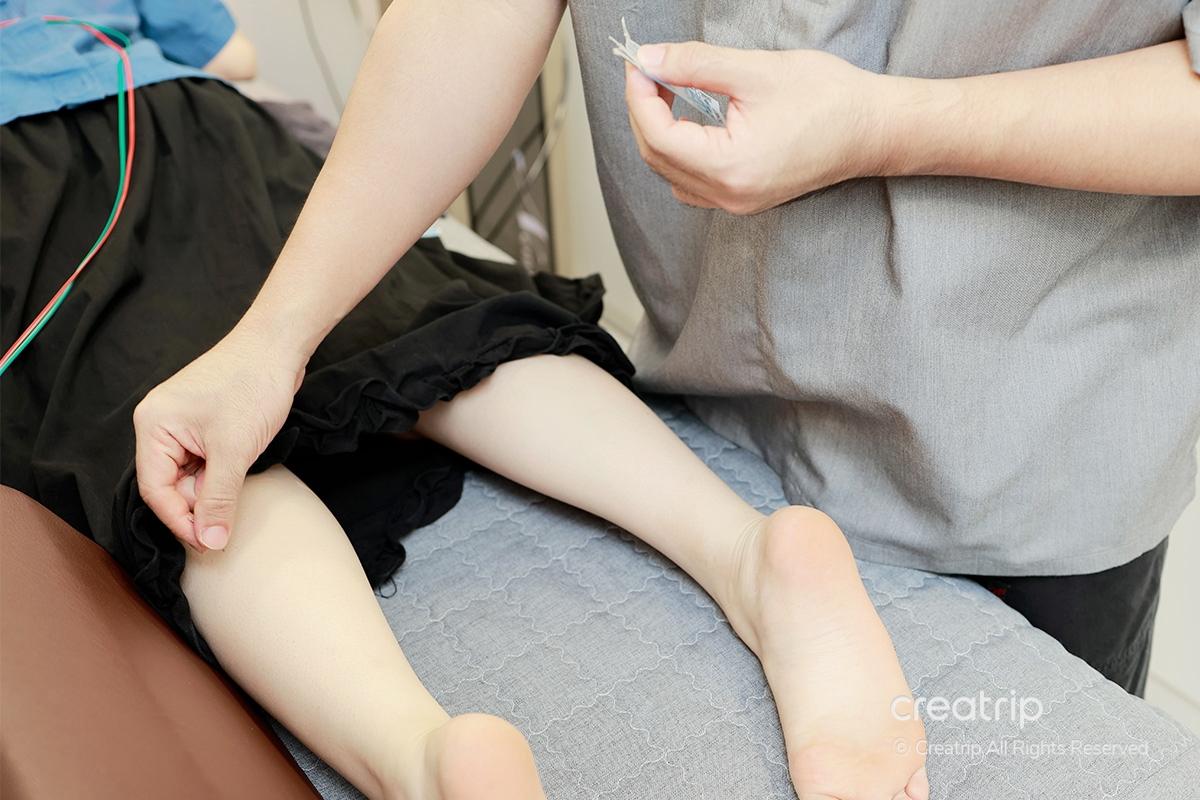
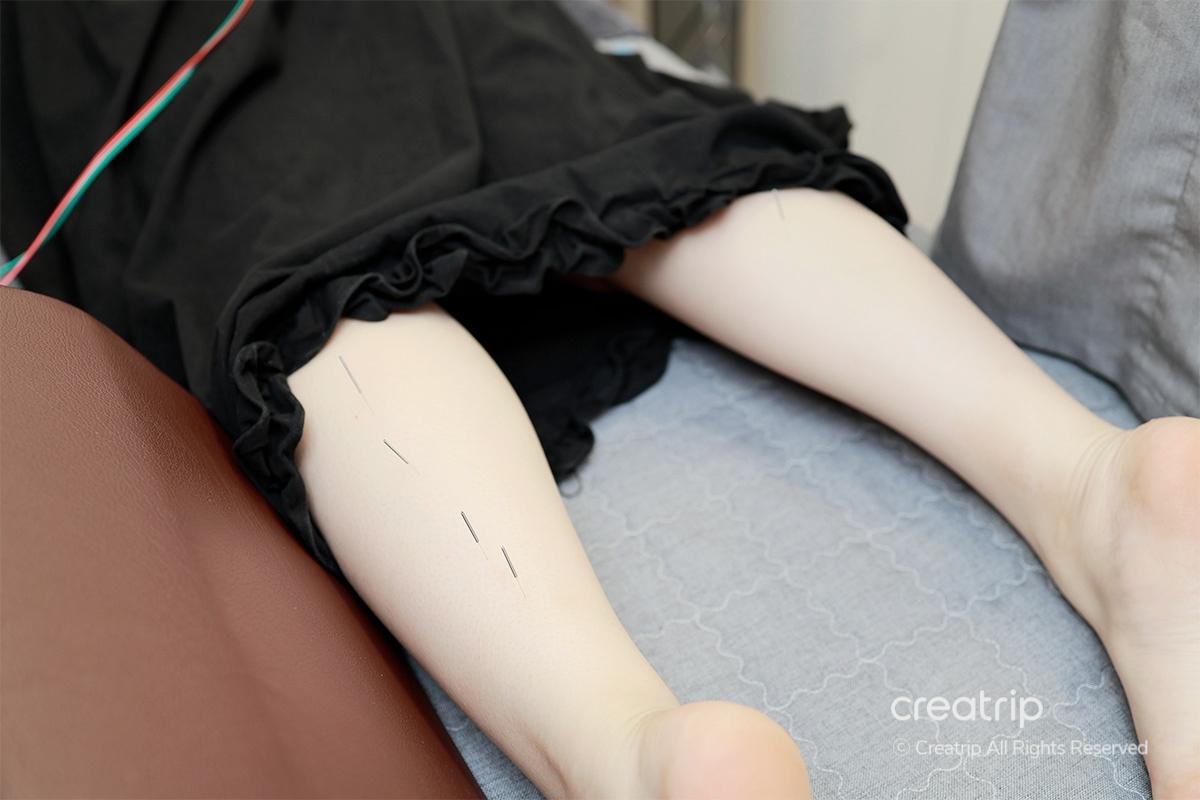
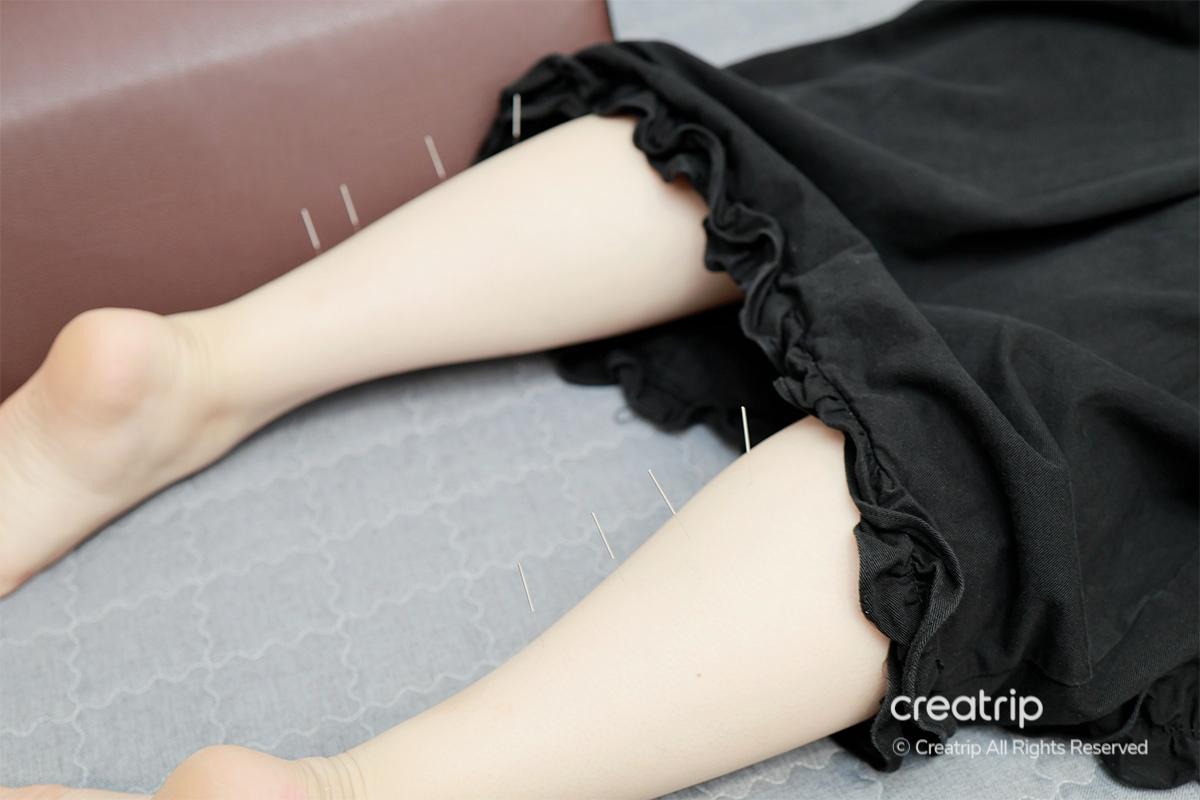
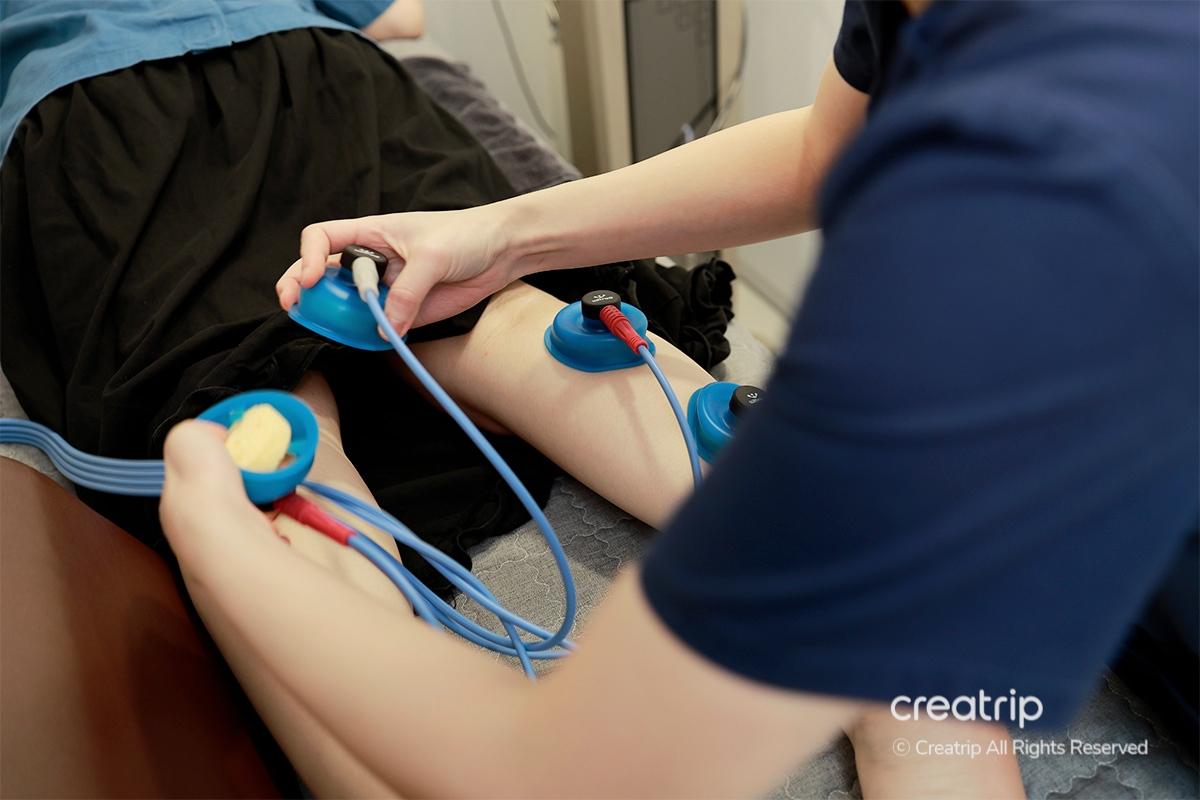
After treating the shoulder area, they also treated my calves.
They said my calves tend to swell easily, so this treatment would be helpful.
Because it reduces swelling in legs tired from travel and improves circulation, I thought this treatment is especially great for travelers.
[이미지 슬라이더] 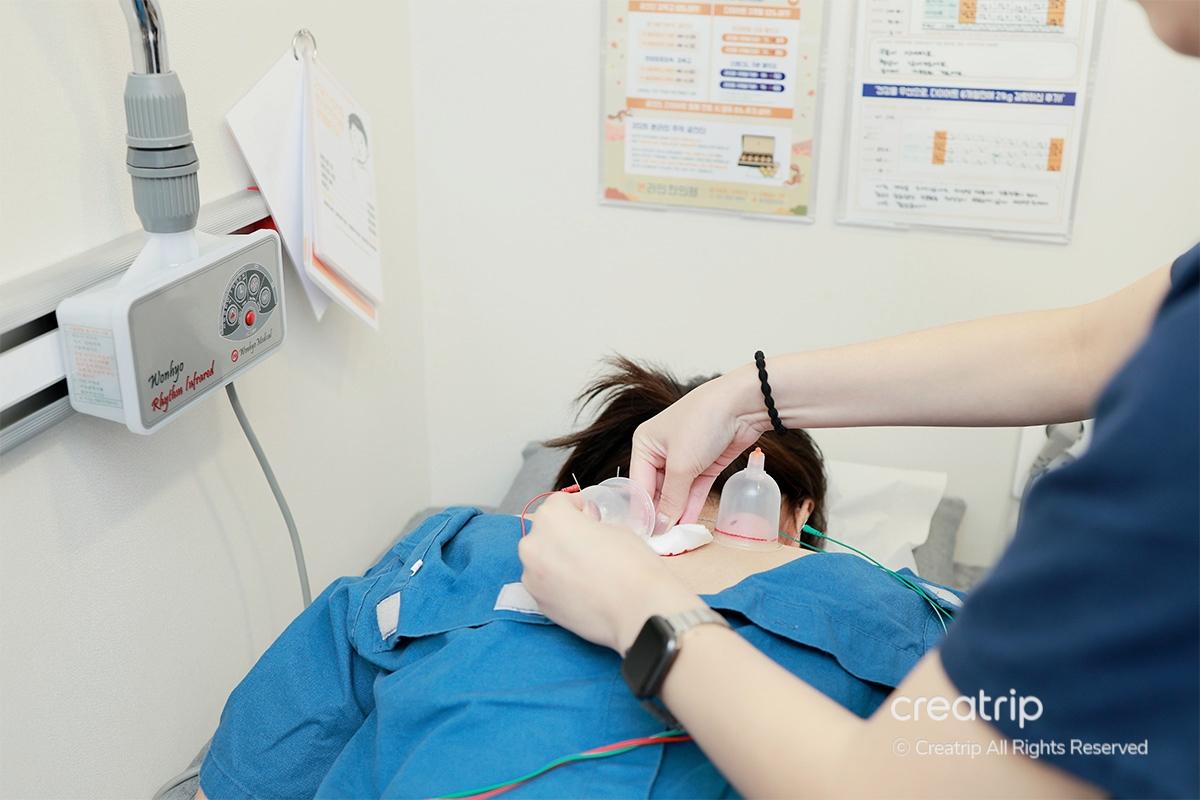
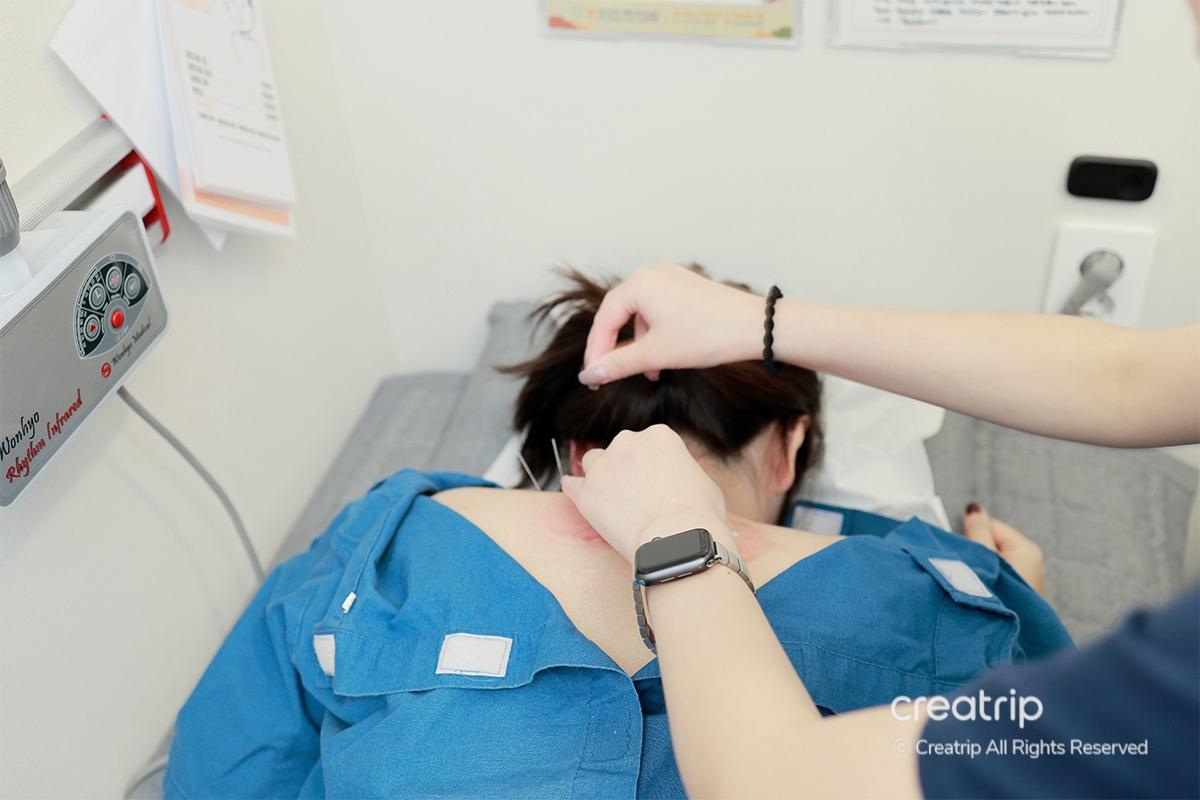
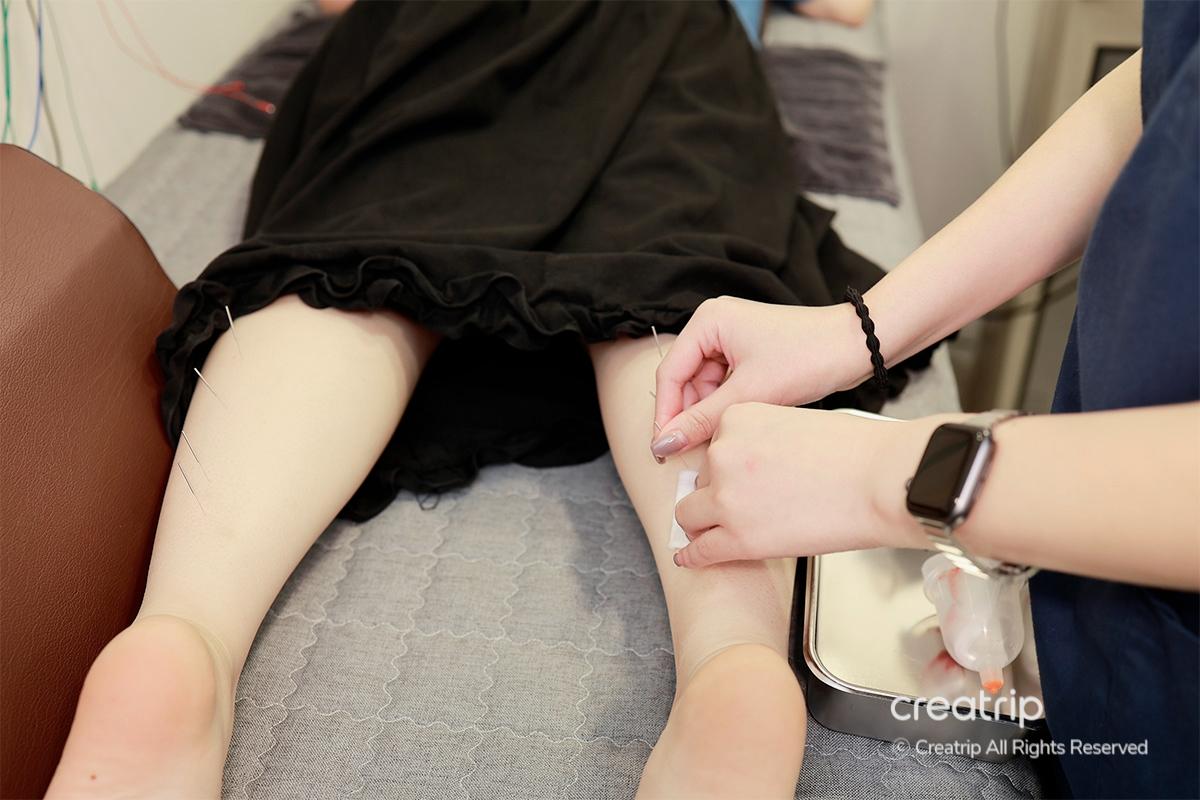
After the needles were inserted and I waited for a short while, they performed the needle-removal step called "balchim" (needle withdrawal).
[이미지 슬라이더] 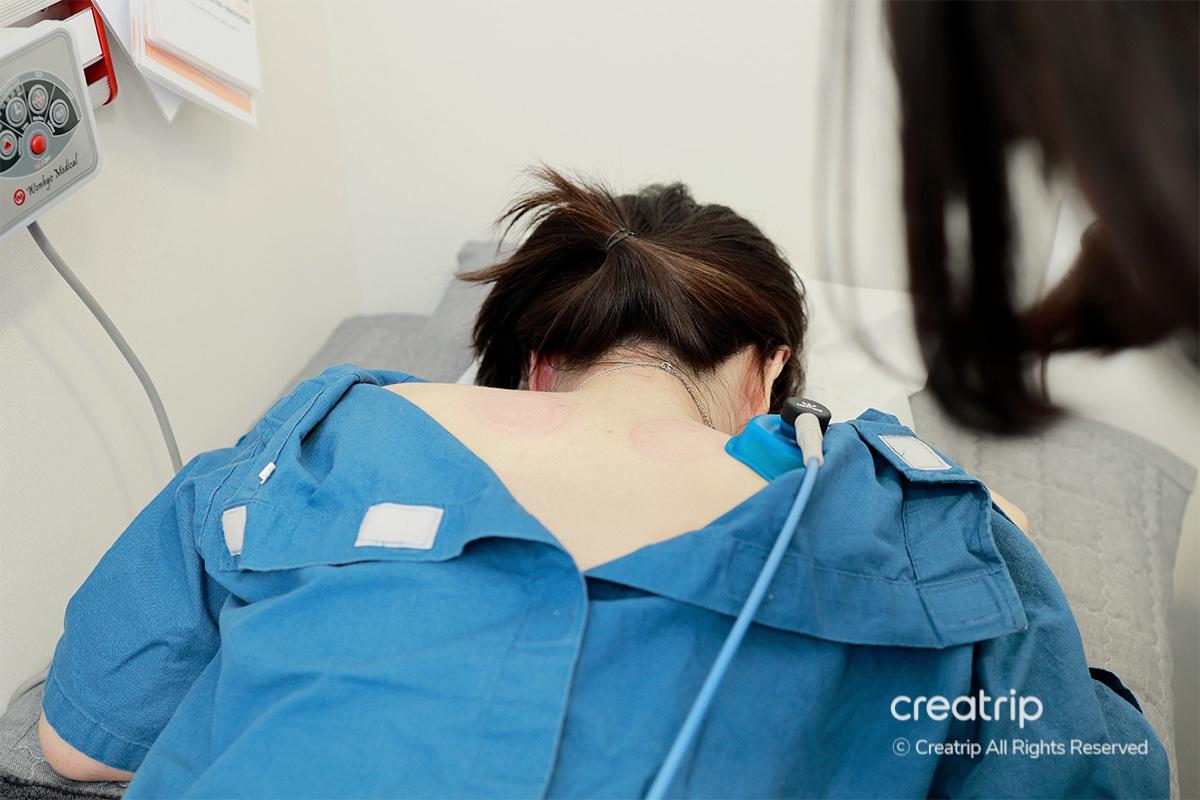
Physical therapy was carried out immediately afterward.
They use physical therapy devices on the painful areas to stimulate blood circulation and relieve muscle tension.
I felt this method would be particularly effective for people suffering from aftereffects of car accidents or chronic pain.
[이미지 슬라이더] 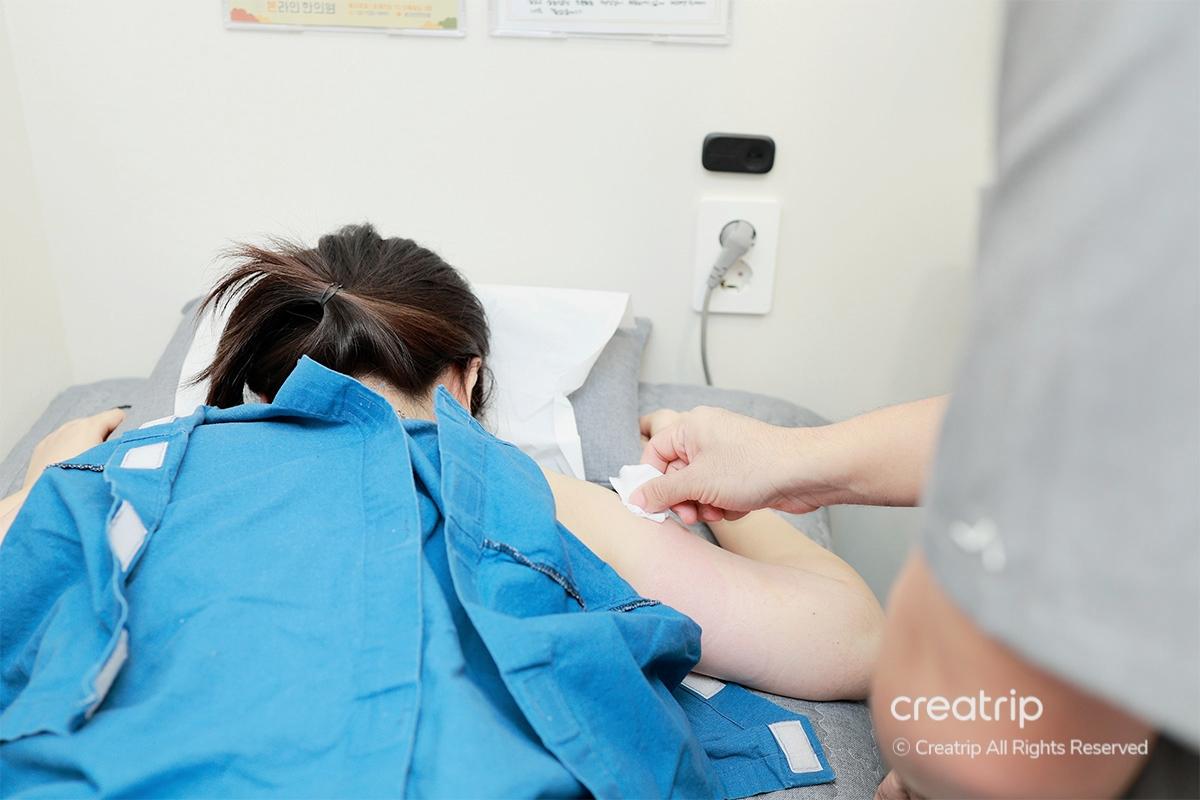
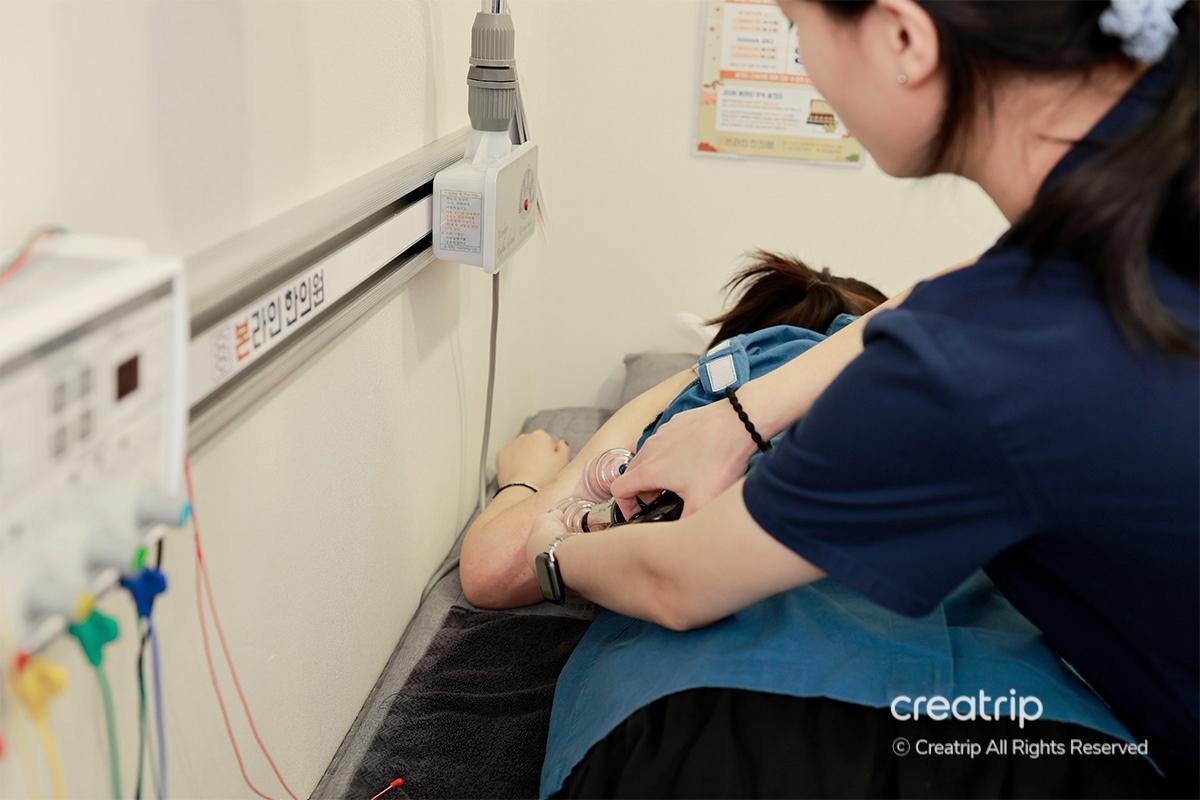
This time I tried a slimming treatment called "line therapy" on the back of my upper arms, which had long been a concern.
After disinfecting the treatment area, they use a mild electrical current to stimulate the subcutaneous fat layer.
This process is said to help break down fat and improve firmness.
[이미지 슬라이더]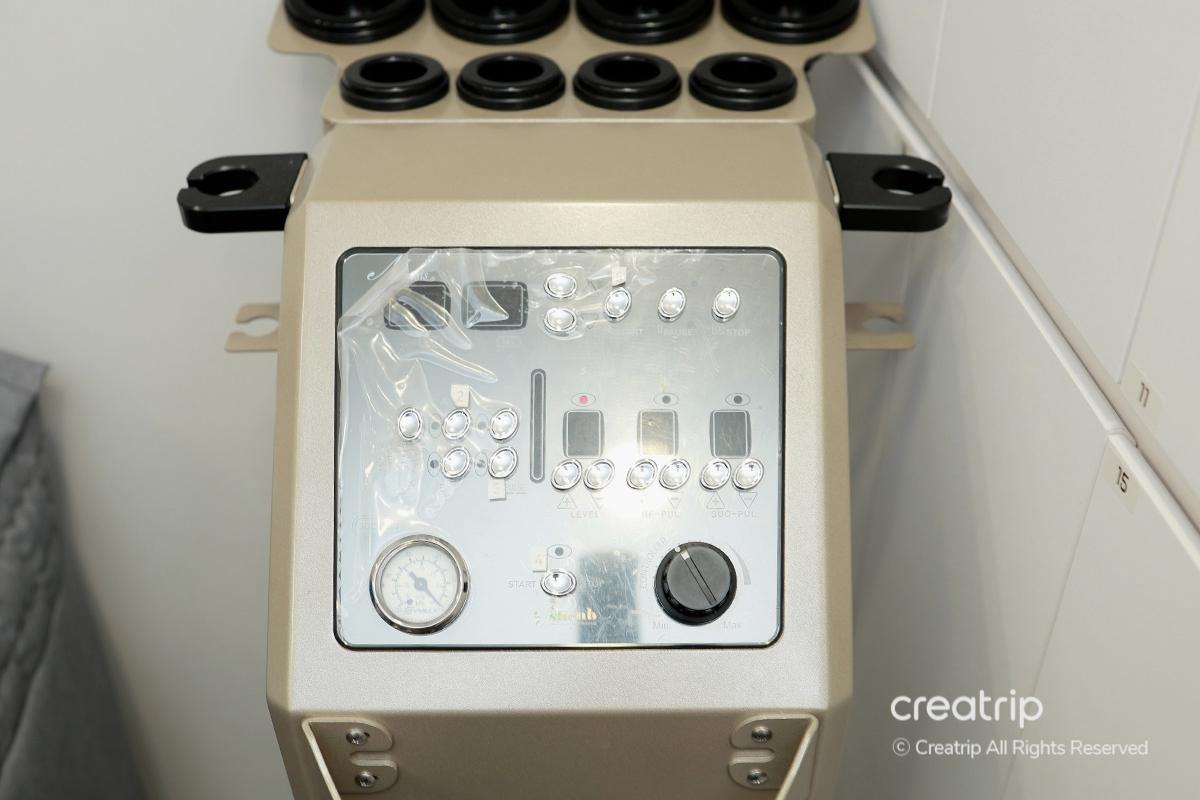
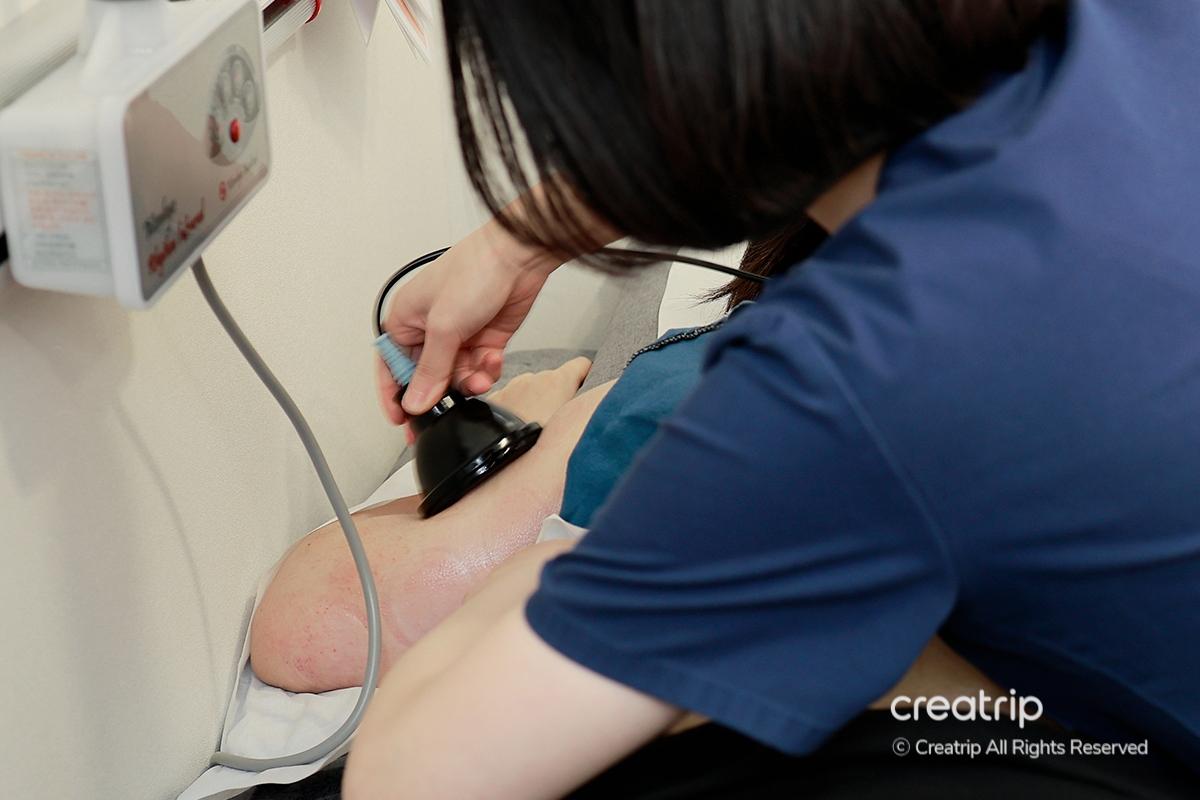
This time, using deep radiofrequency therapy, heat was generated with radiofrequency energy reaching deep into the fat layer,
and a phase to promote blood circulation and waste removal was carried out.
[이미지 슬라이더] 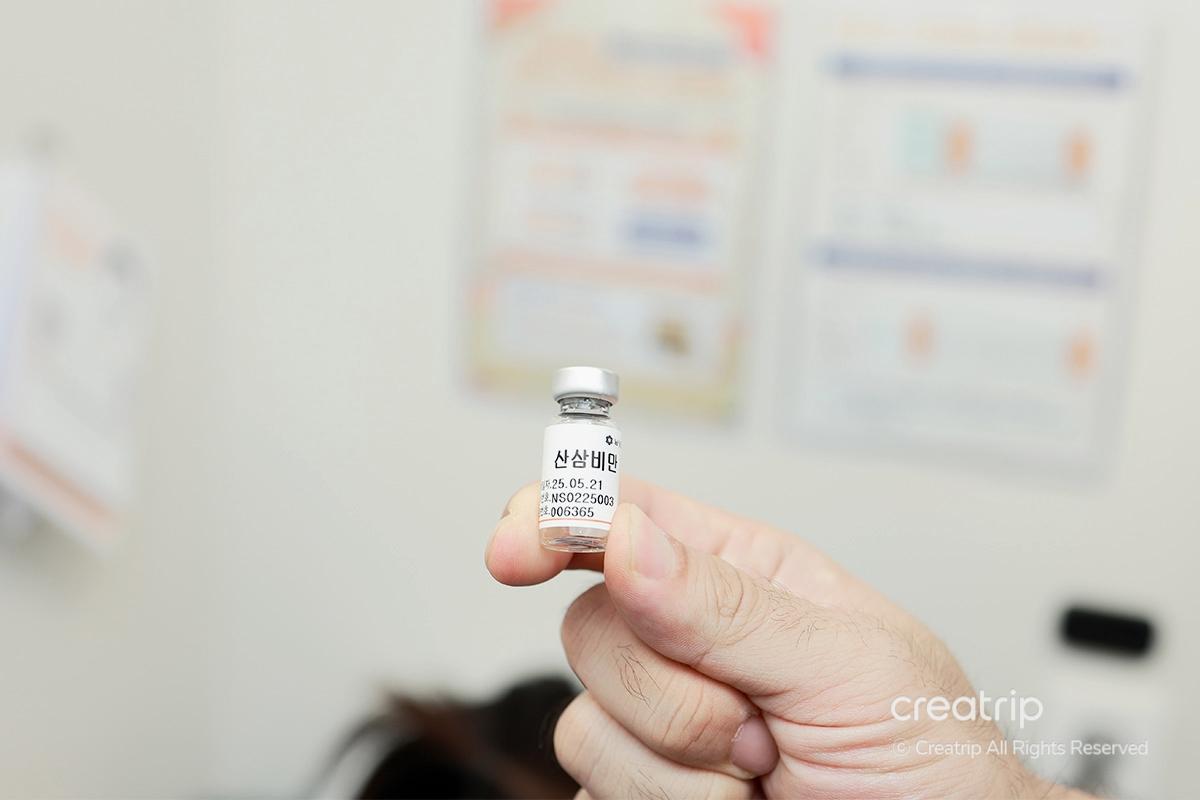
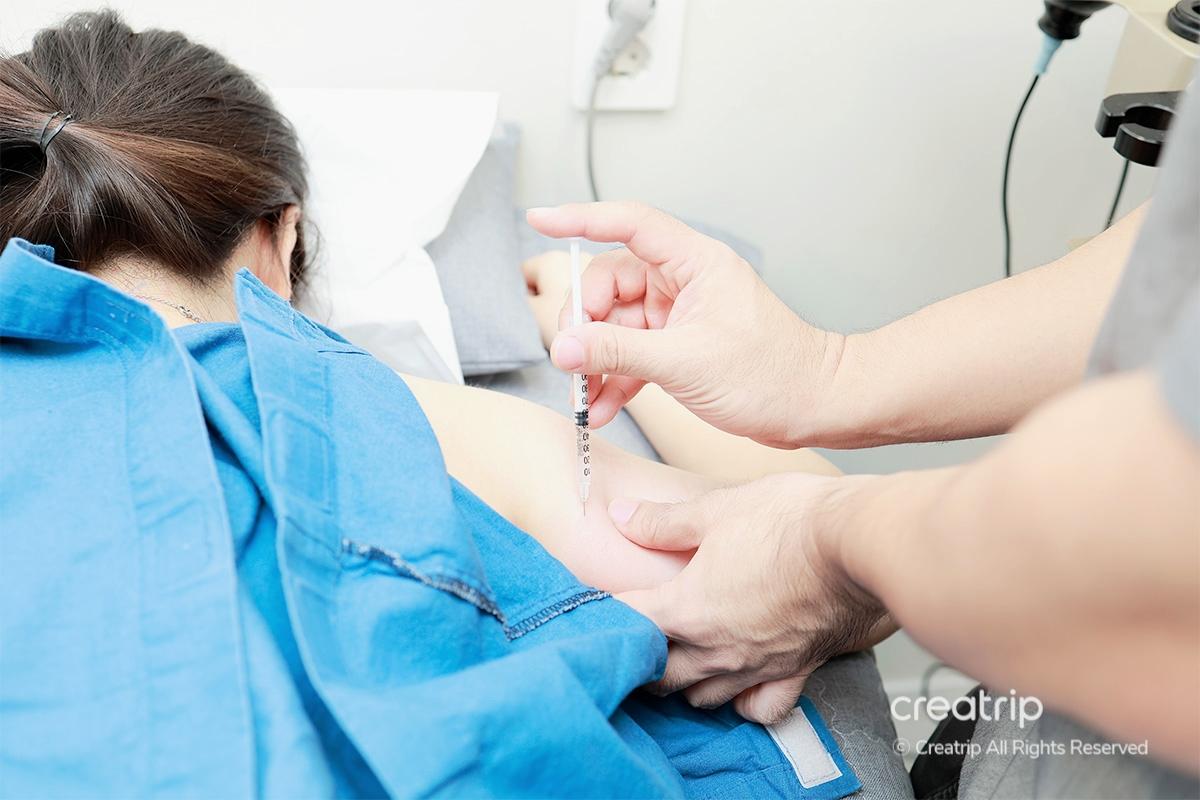
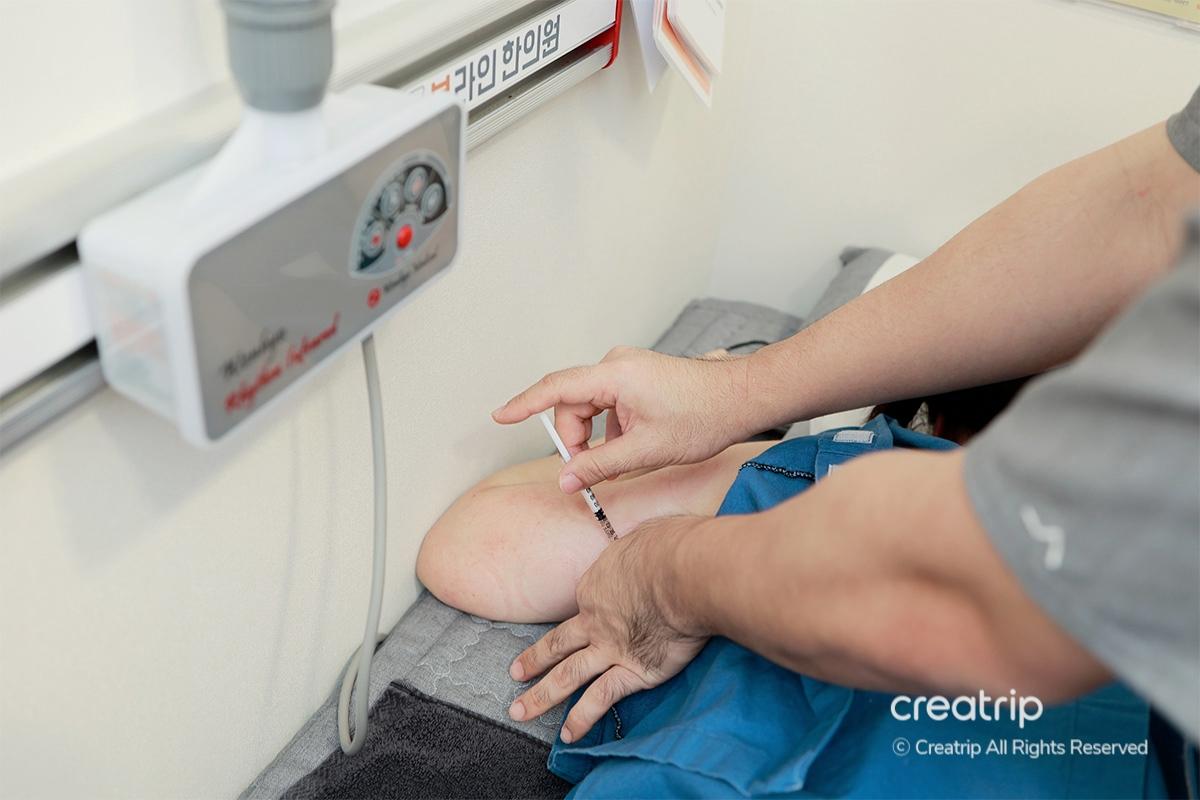
After the radiofrequency treatment, the treated area was disinfected again and this time 'sansom biman yakchim' (wild ginseng anti-obesity pharmacopuncture) was injected.
This pharmacopuncture contains wild ginseng and natural ingredients, and its safety for human use has been demonstrated, making it a reliable treatment method,
and it is known to help reduce body fat.
[이미지 슬라이더] 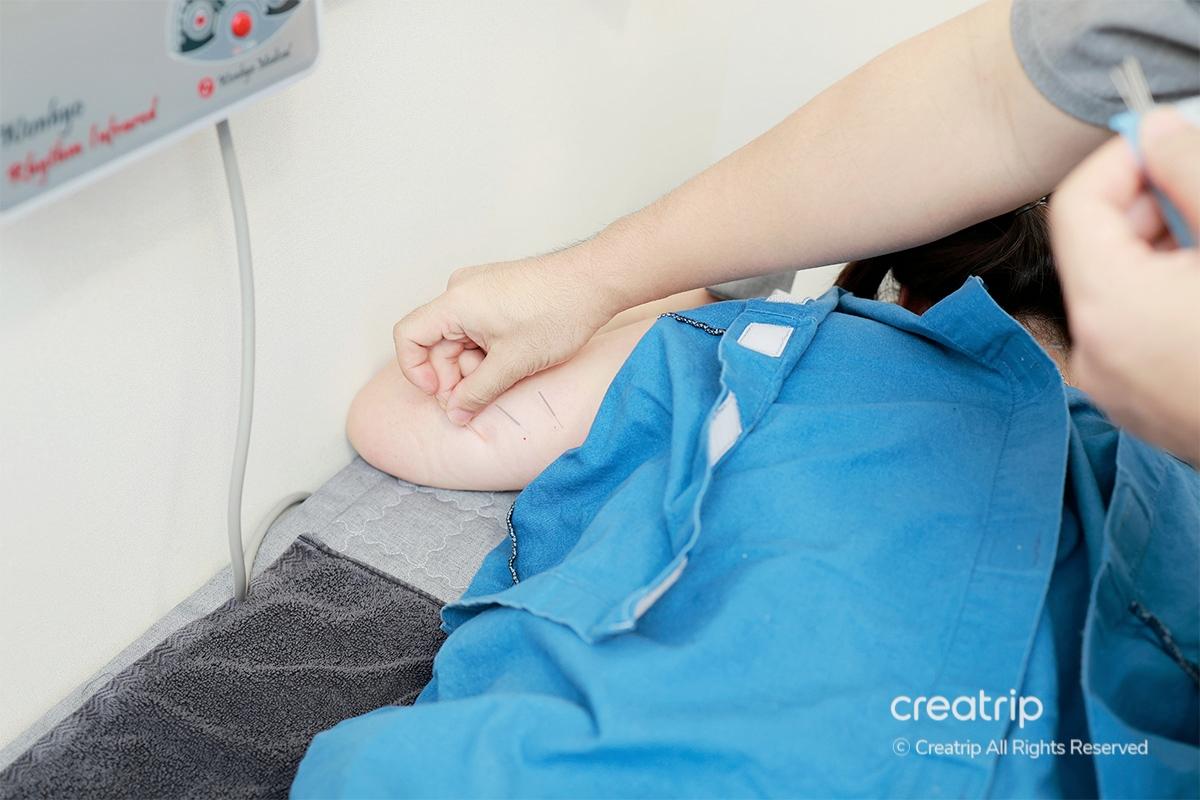
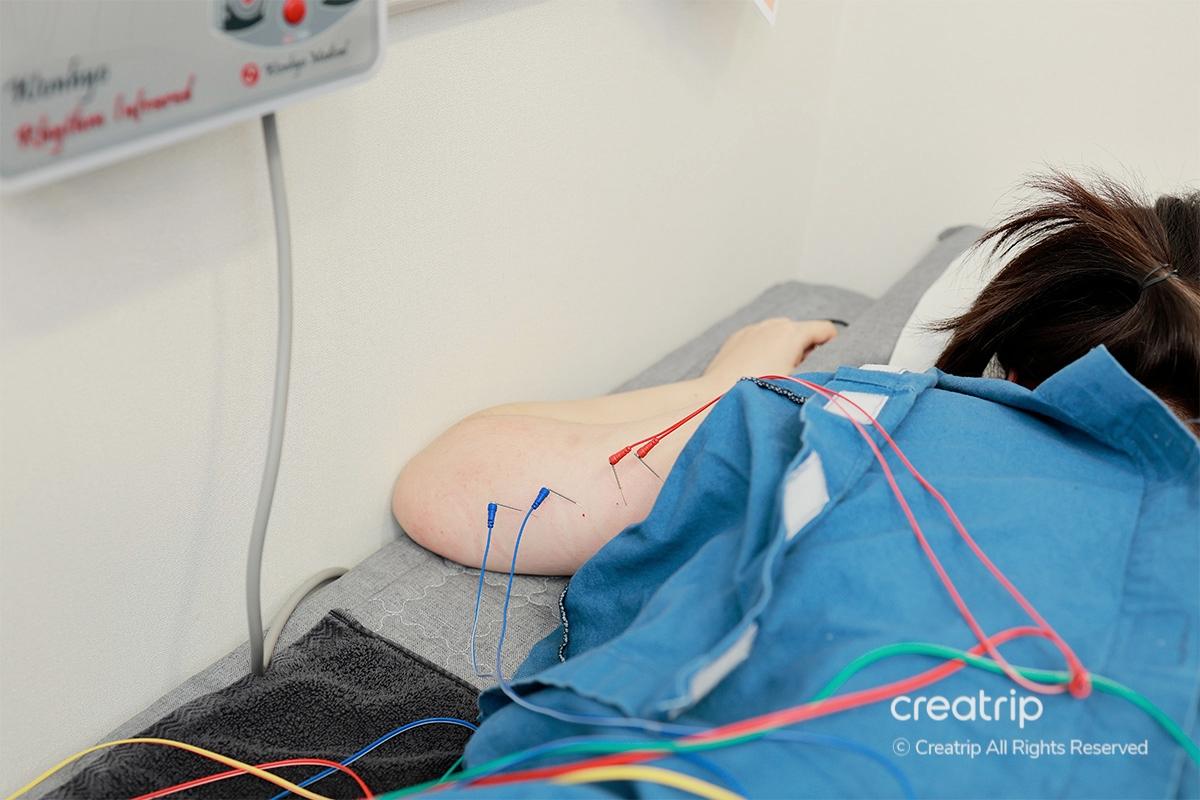
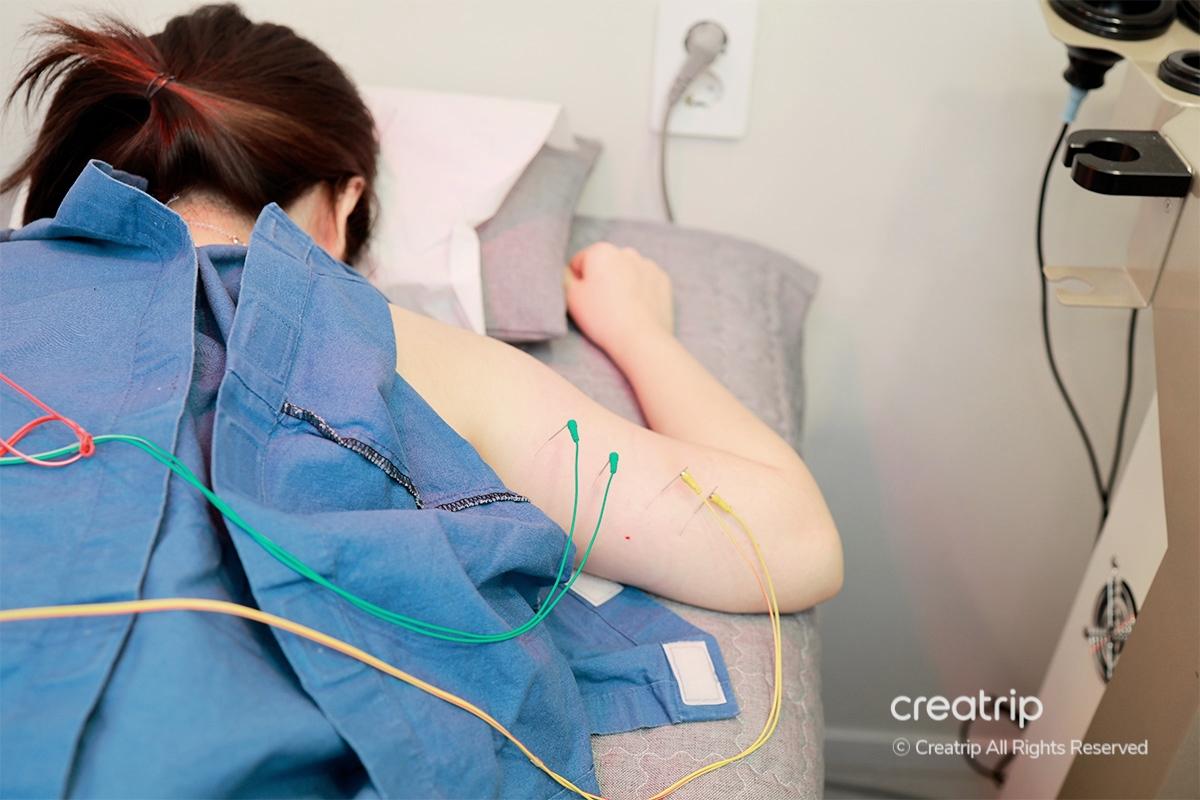
Now, as with the shoulder and calf treatments, acupuncture and electrotherapy were applied to the arms to finish.
Thanks to the meticulous finish, my whole body felt noticeably lighter,
and the medical staff took care of me kindly and comfortably throughout the treatment, so it was a pain-free, healing experience.
[이미지 슬라이더] 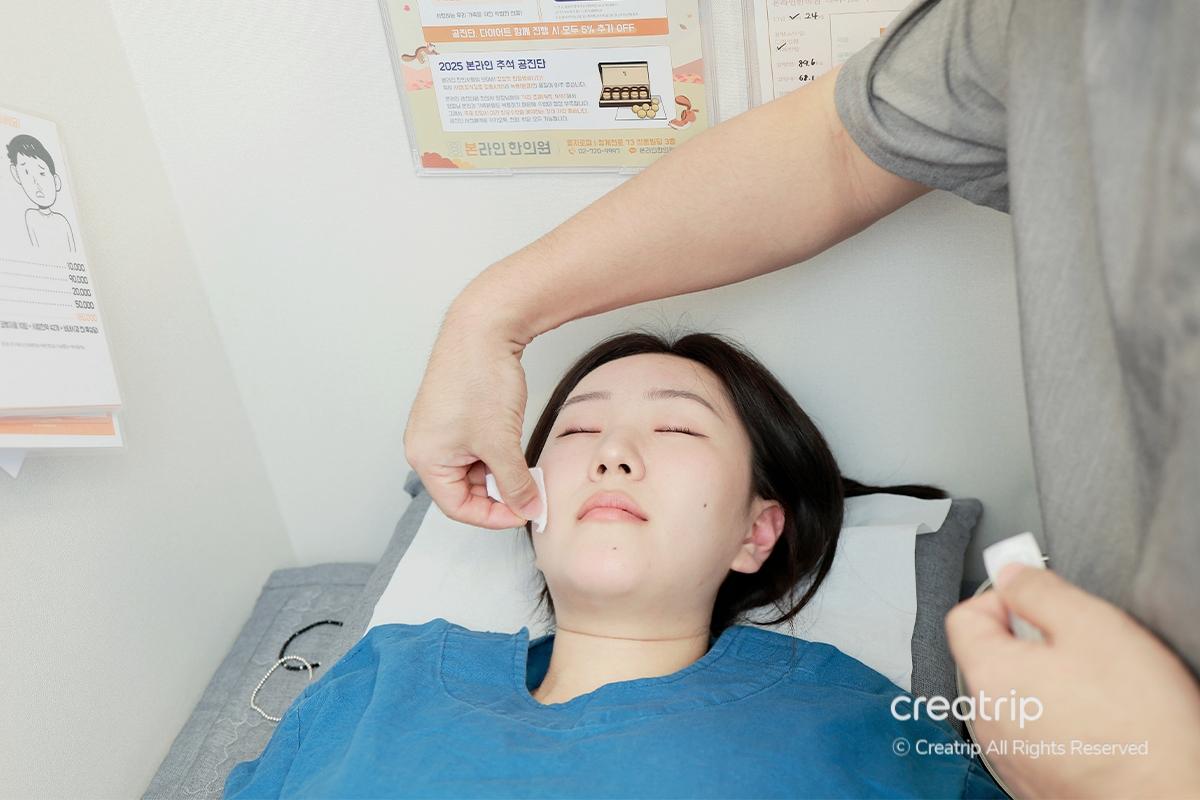
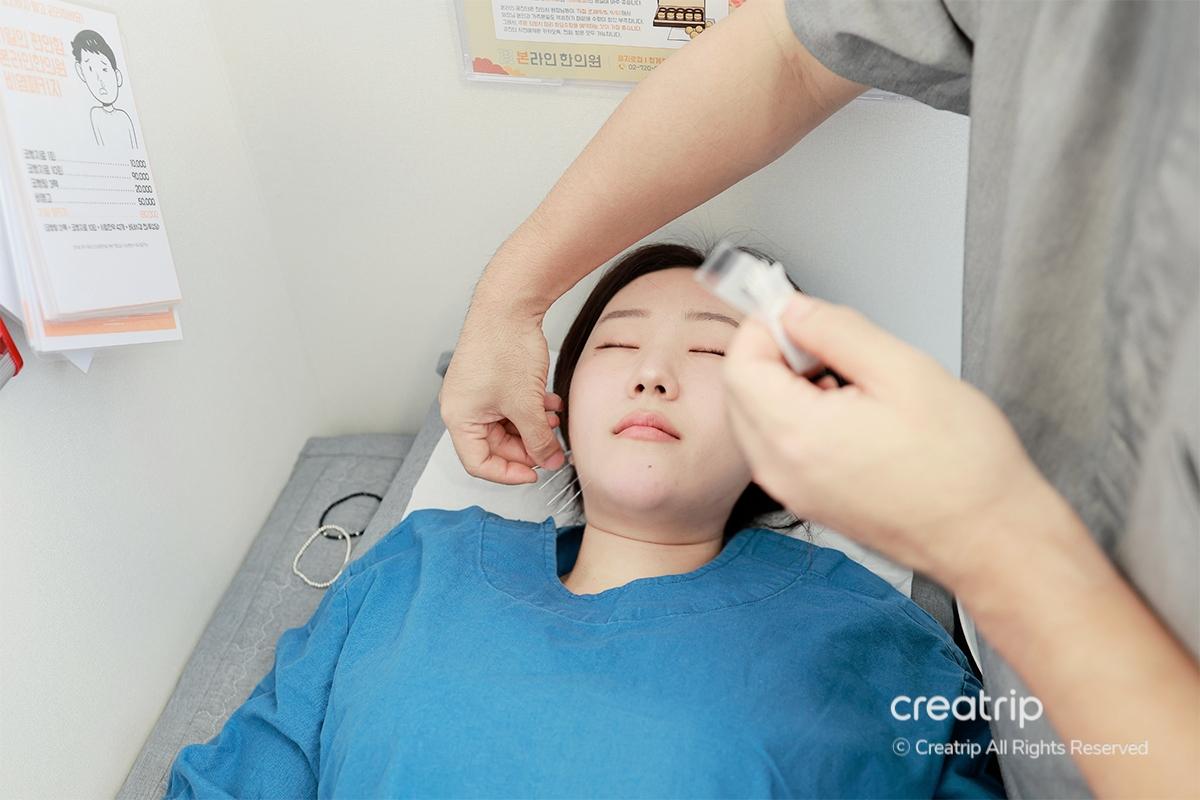
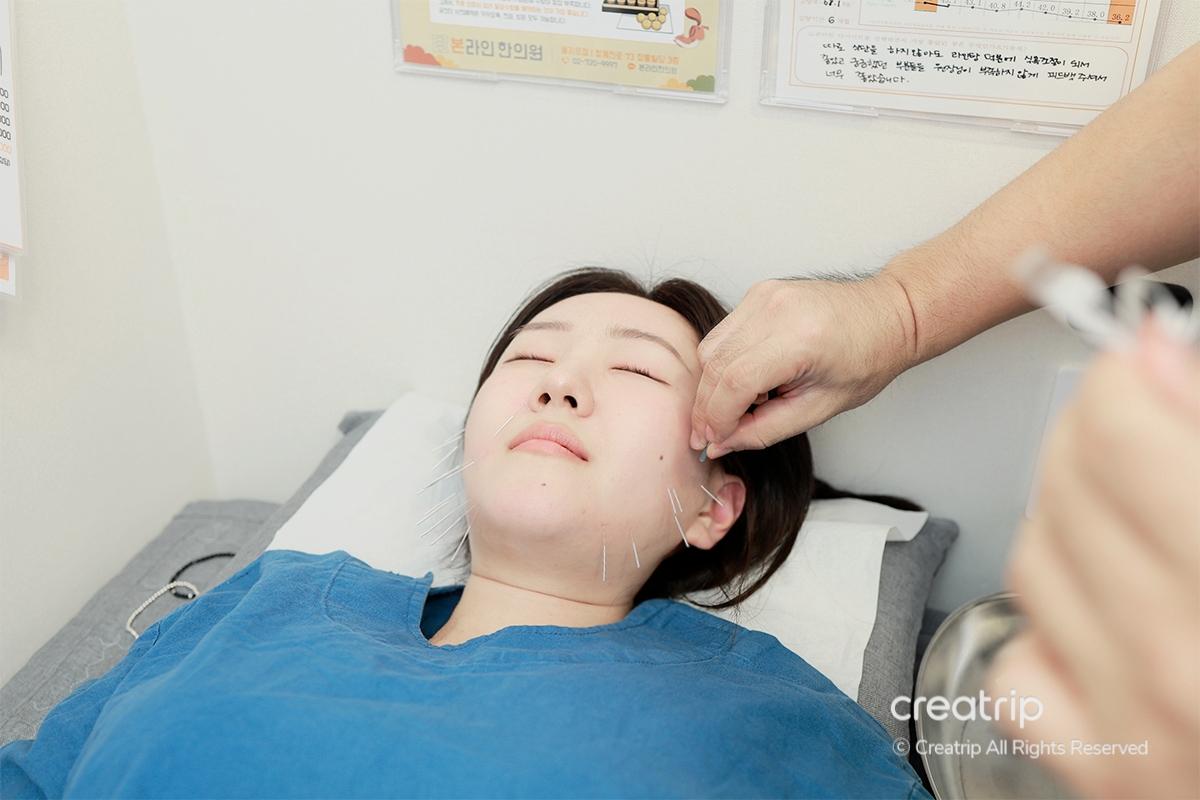
This time I received a facial lifting treatment.
Acupuncture needles are placed on the face to stimulate not only the surface of the skin but also the facial muscles and acupuncture points,
making it a traditional medicine cosmetic treatment that can be expected to reduce facial swelling, improve lax skin elasticity, define the jawline, and improve blood circulation.
Because it’s on the face, there was slightly more pain than in other areas, but it was bearable,
and most importantly, there was no bruising or wounds immediately after the treatment, so I was really satisfied that I could receive it without worry.
Although multiple sessions are said to produce more noticeable results, even after just one session I could feel a lifting effect that people around me noticed, which was amazing!
[이미지 슬라이더] 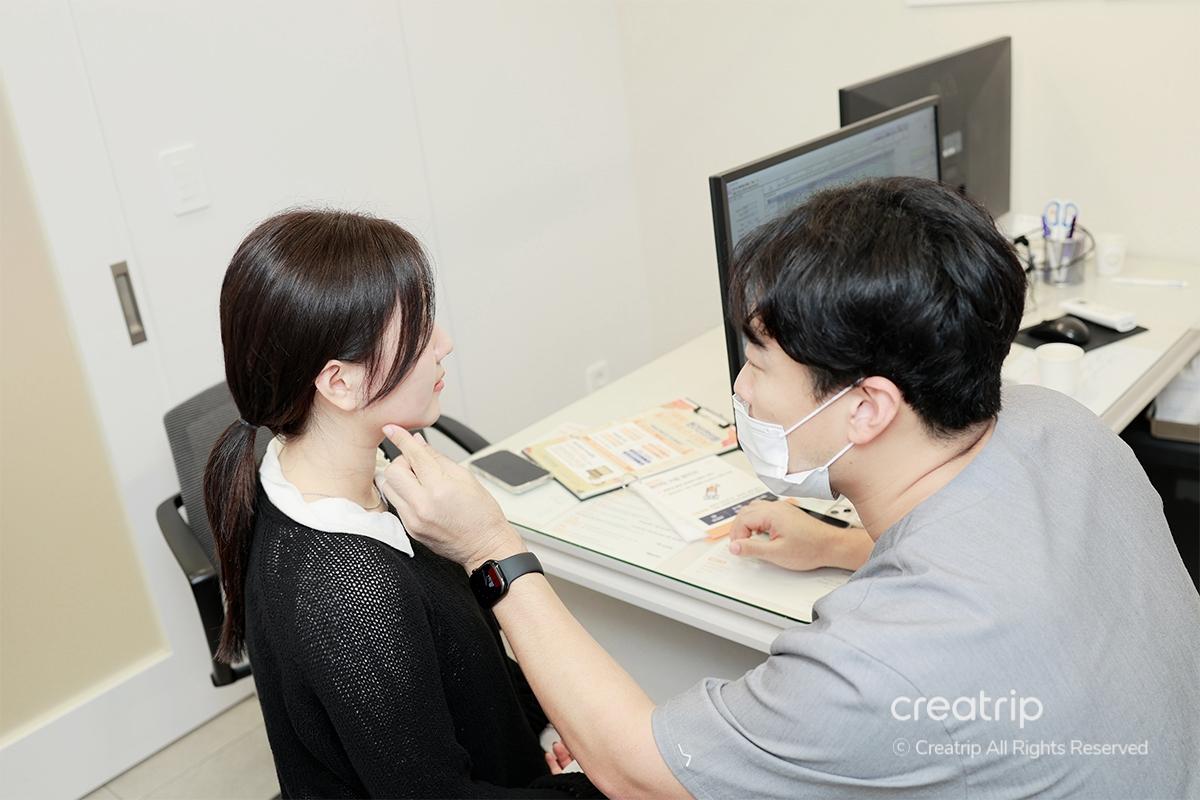
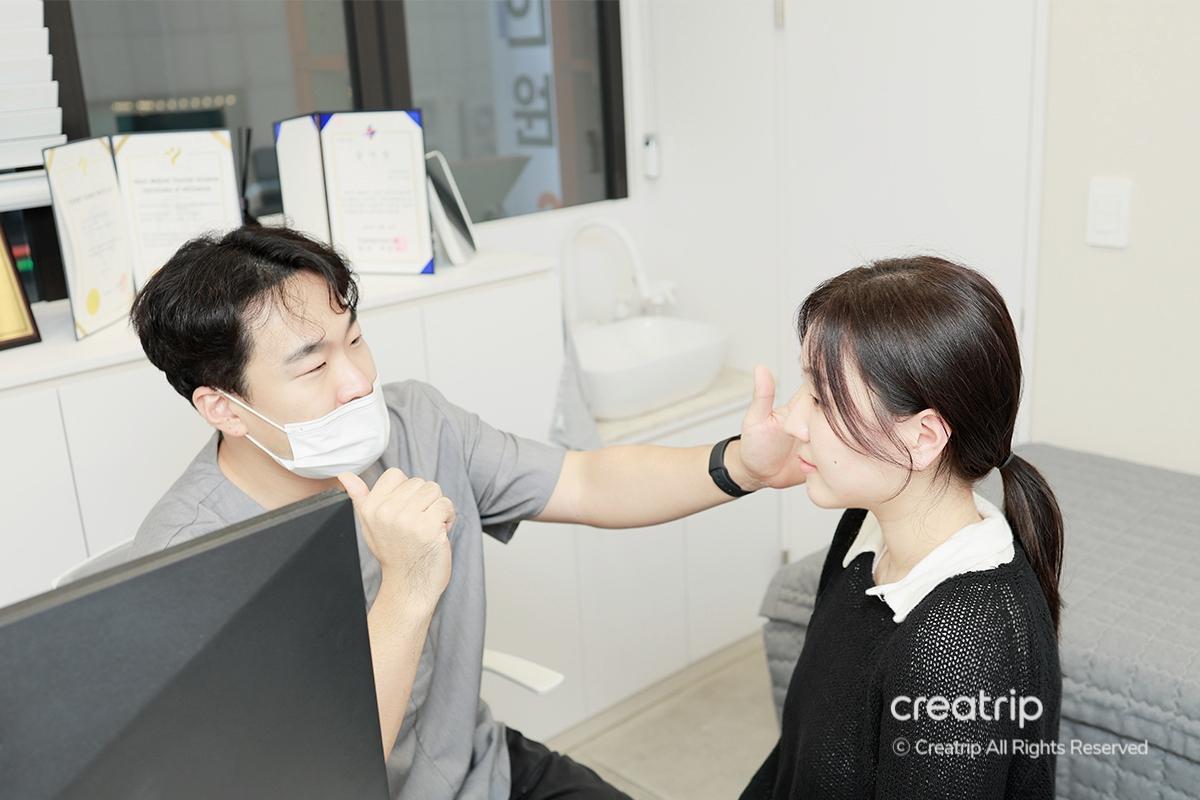
After all the treatments were finished, I had a one-on-one consultation with the director again.
He explained in detail the treatments performed today and how to manage things going forward,
and thanks to his kind and calm explanations, my understanding of the treatments increased,
and it was really helpful to clearly know how to continue care in the future.
[이미지 슬라이더] 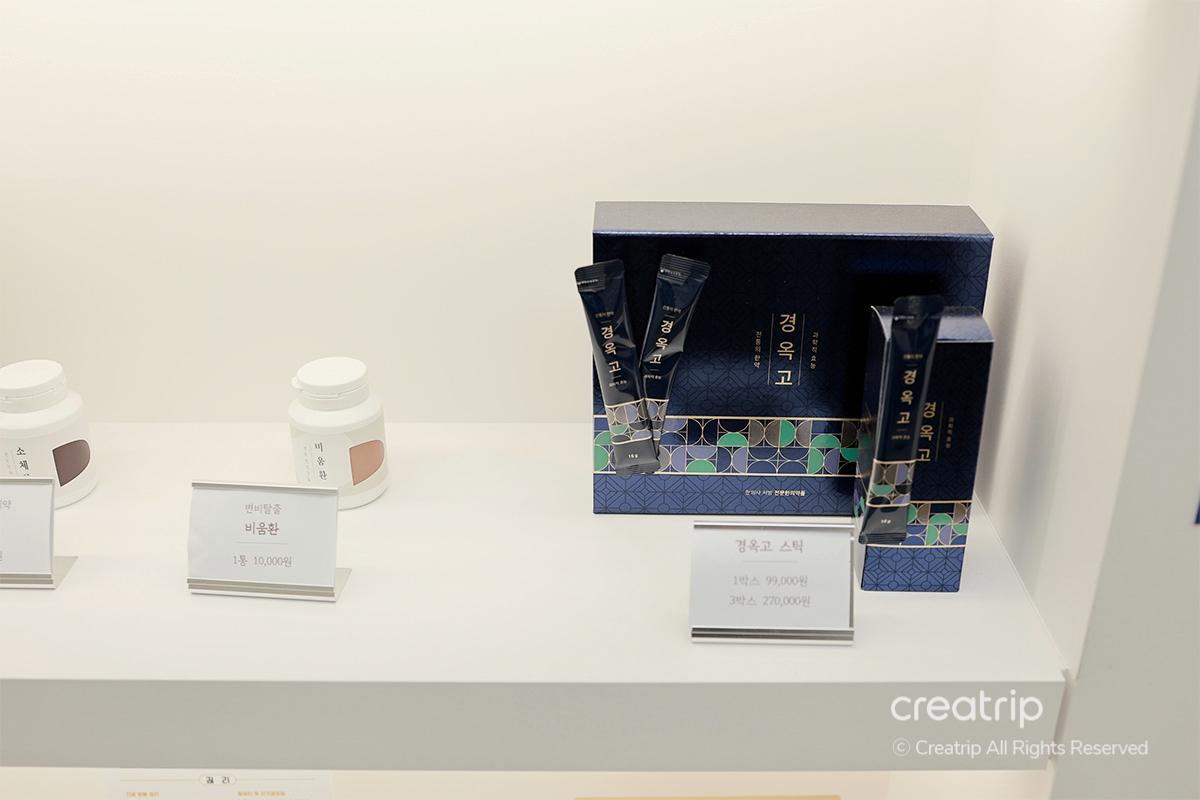
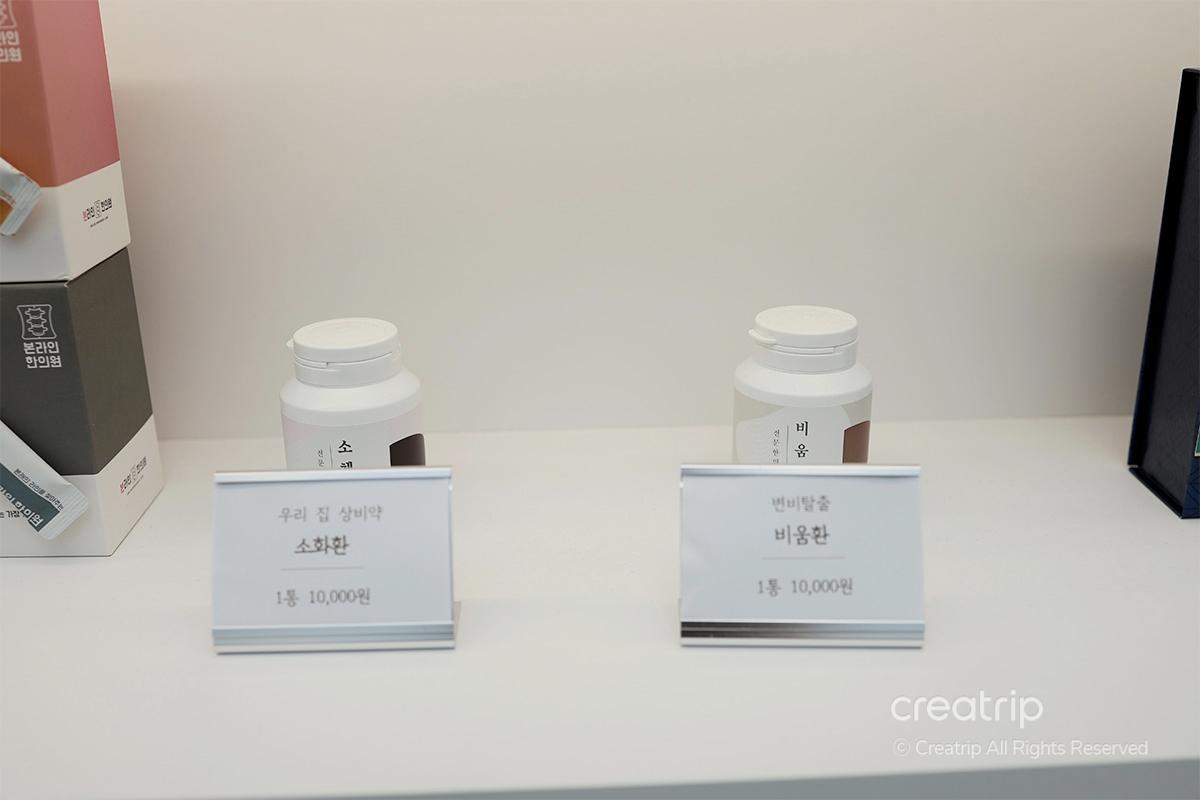
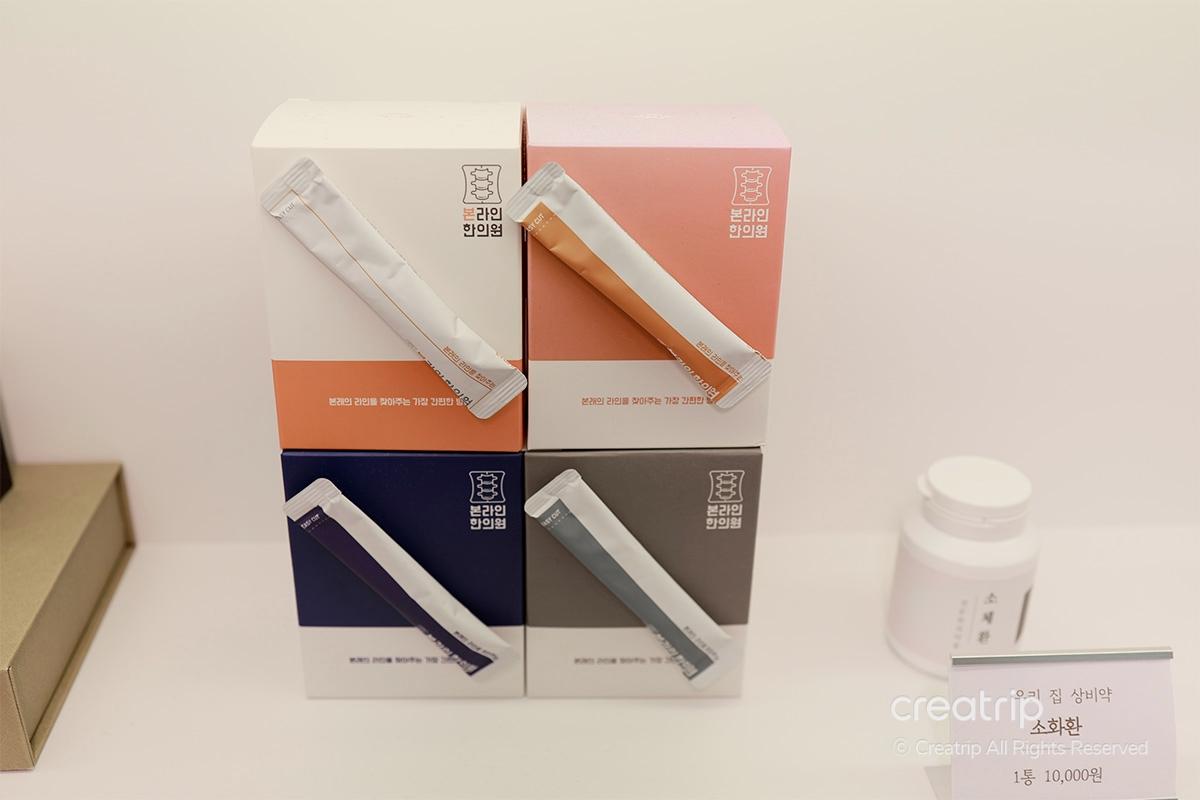
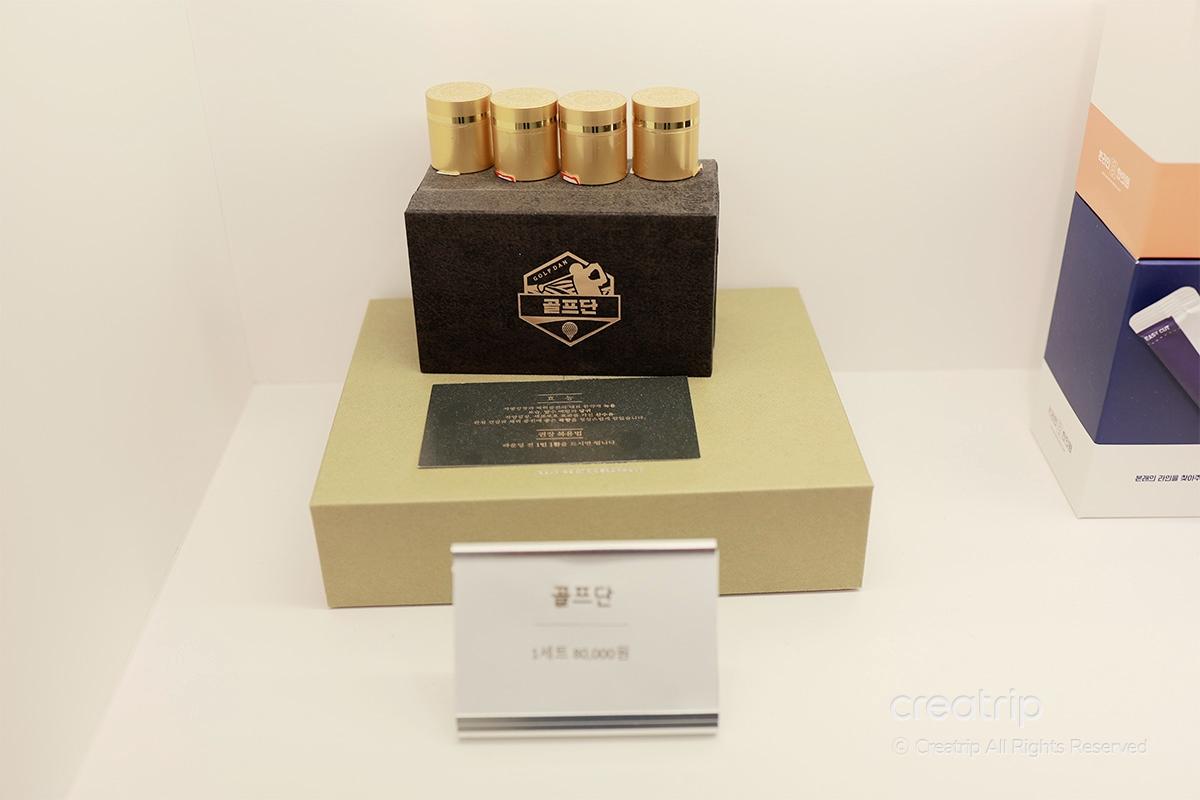
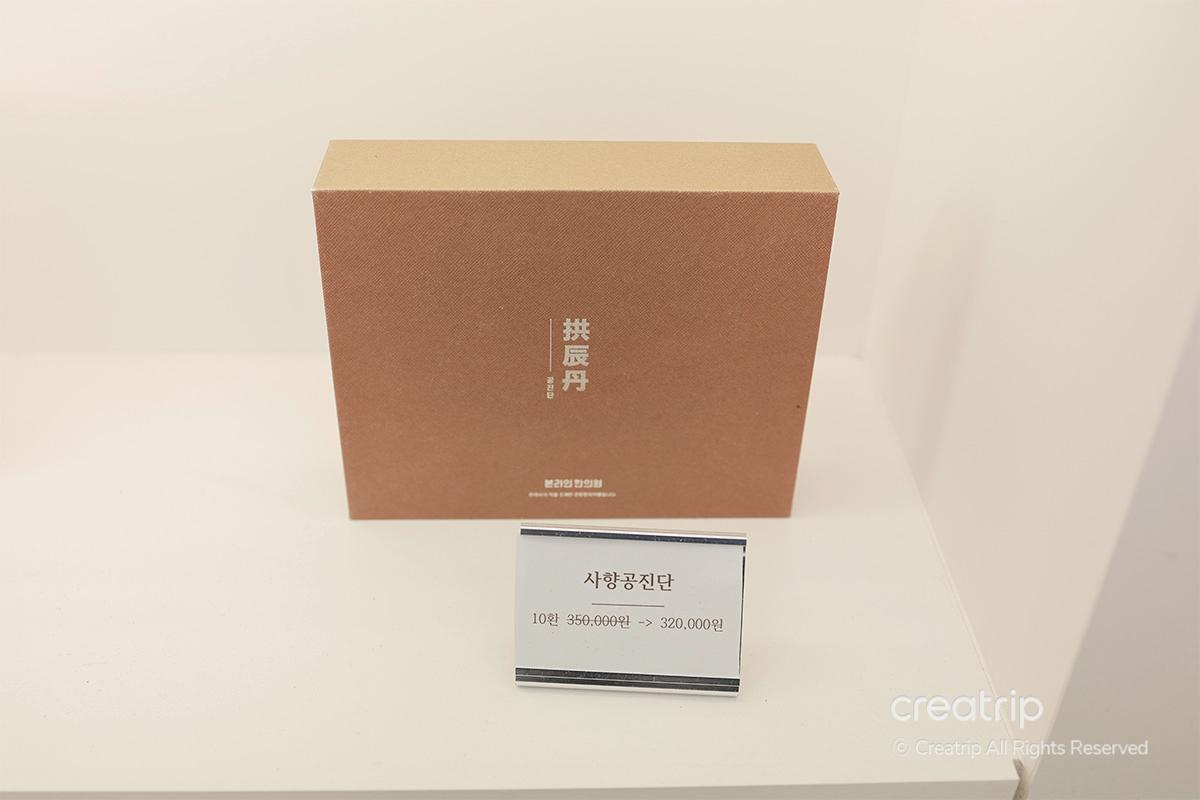
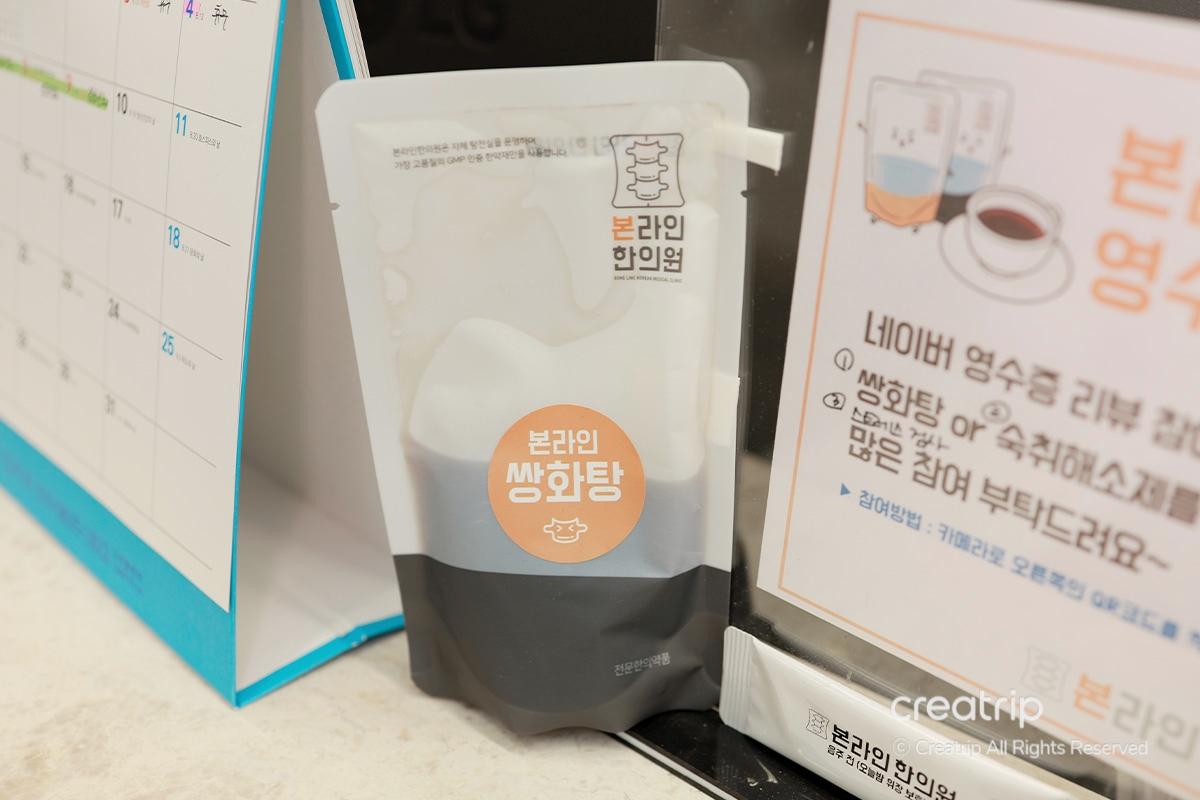
The herbal medicines at Bonline Korean Medical Clinic are all carefully decocted in their in-house dispensing room, directly managed by the directors.
Only the highest-quality ingredients are selected and strictly managed by experts, so you can take them with greater confidence.
If necessary, you can consult with the director to receive a prescription for herbal medicine tailored to your condition and purchase it, so please keep that in mind :)
For those who want to experience traditional Korean medicine and thorough medical care at once, I confidently recommend ‘Boneline Korean Medical Clinic Euljiro’!
How to Get There
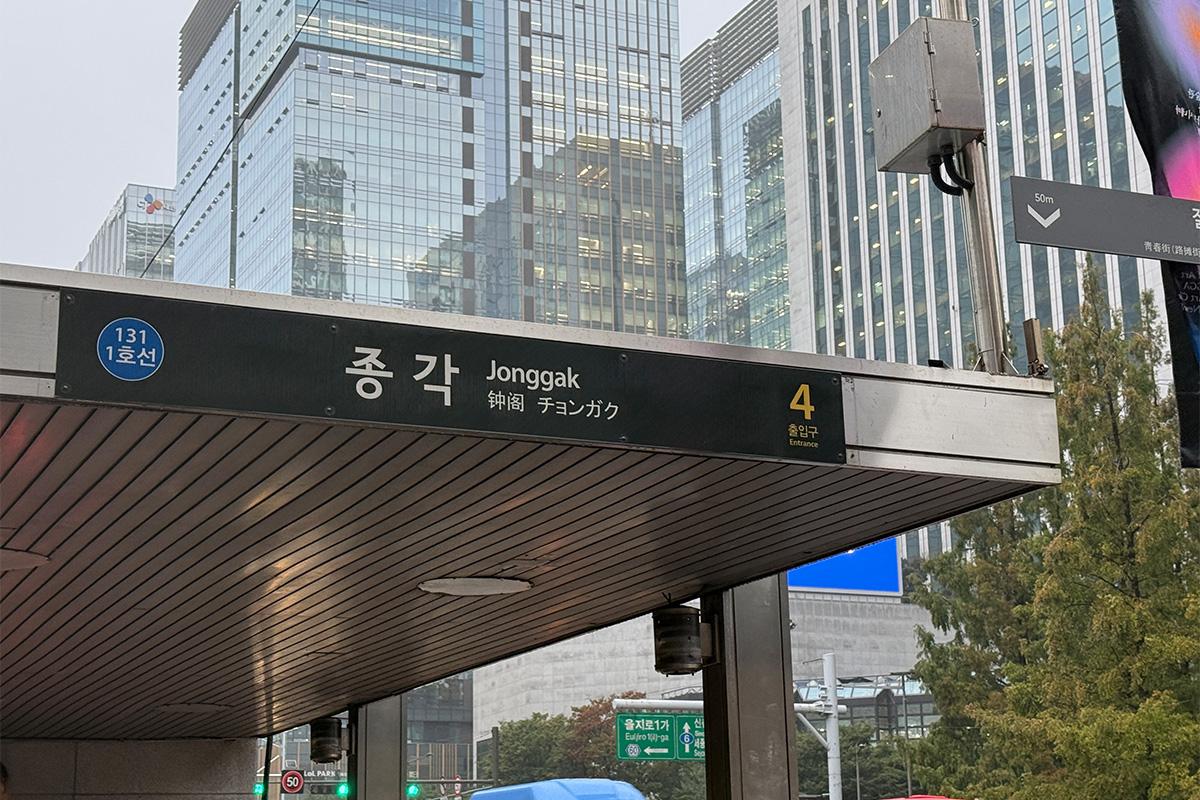
Exit through Jonggak Station Exit 4.
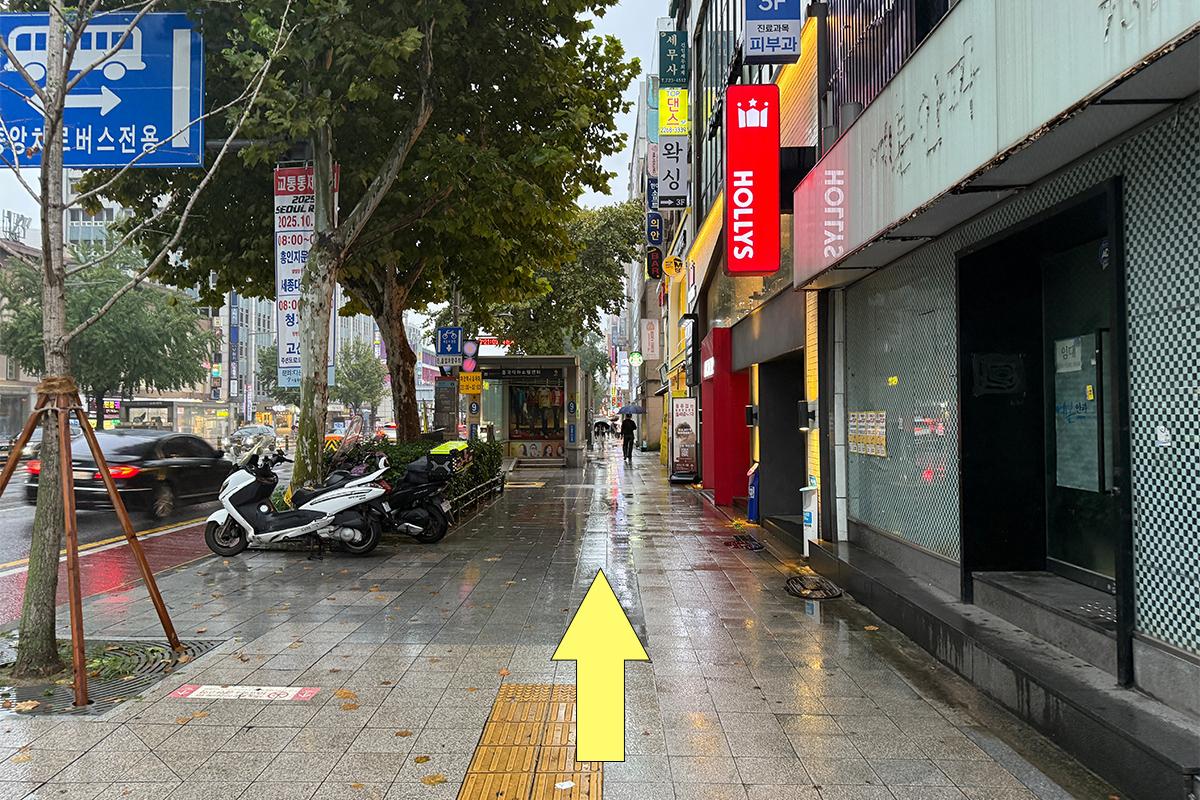
Walk straight in the direction you came out of the exit.
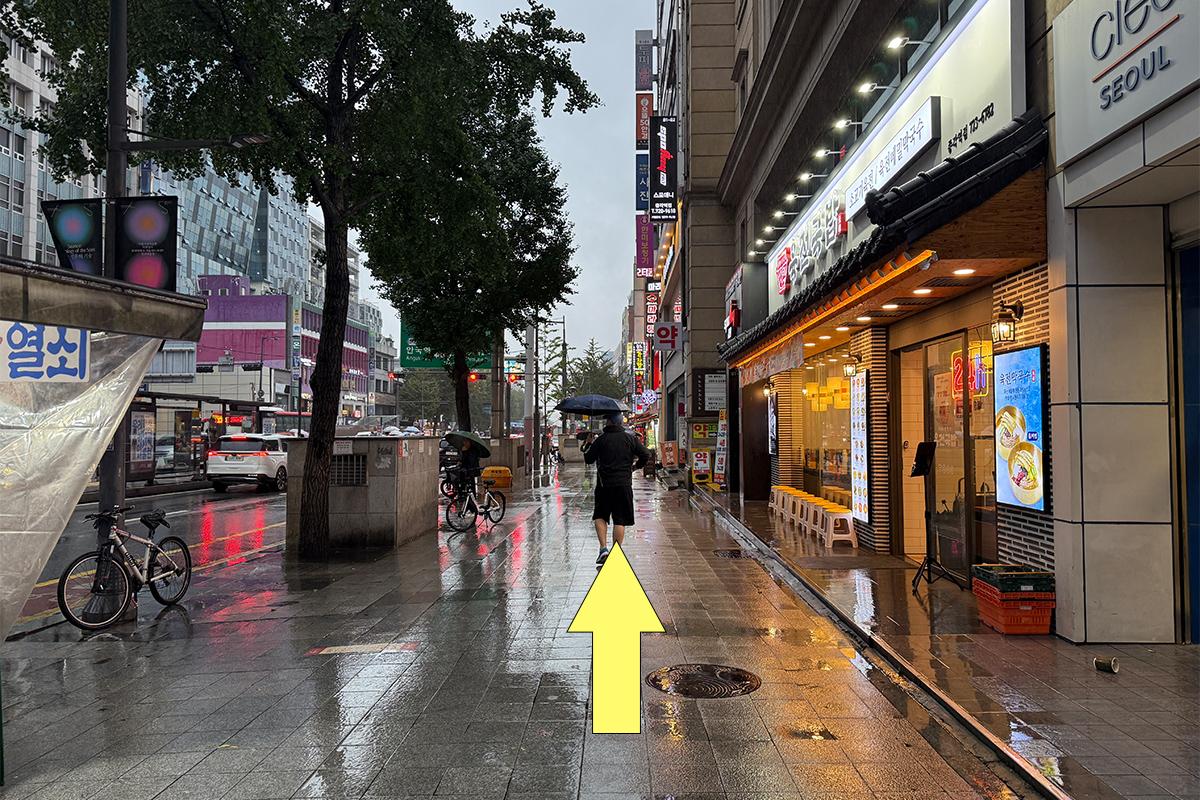
Go straight.
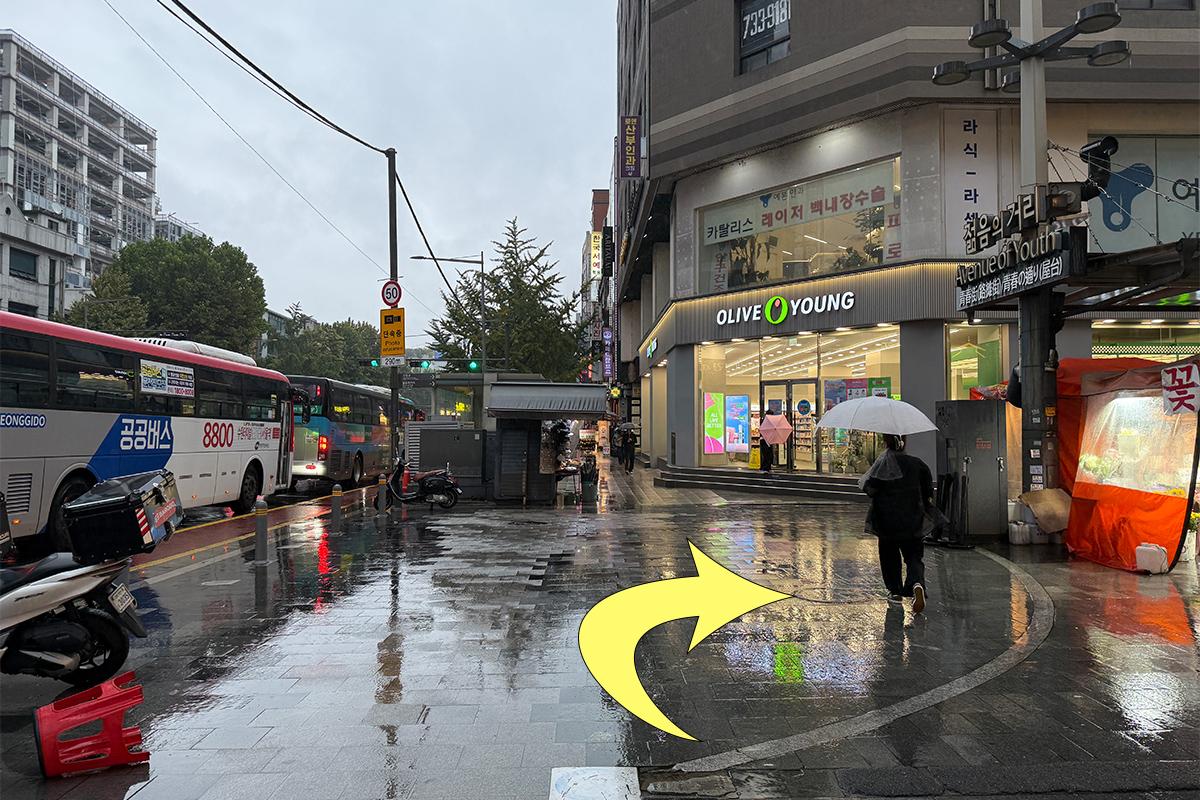
When you see 'OLIVE YOUNG', turn right.
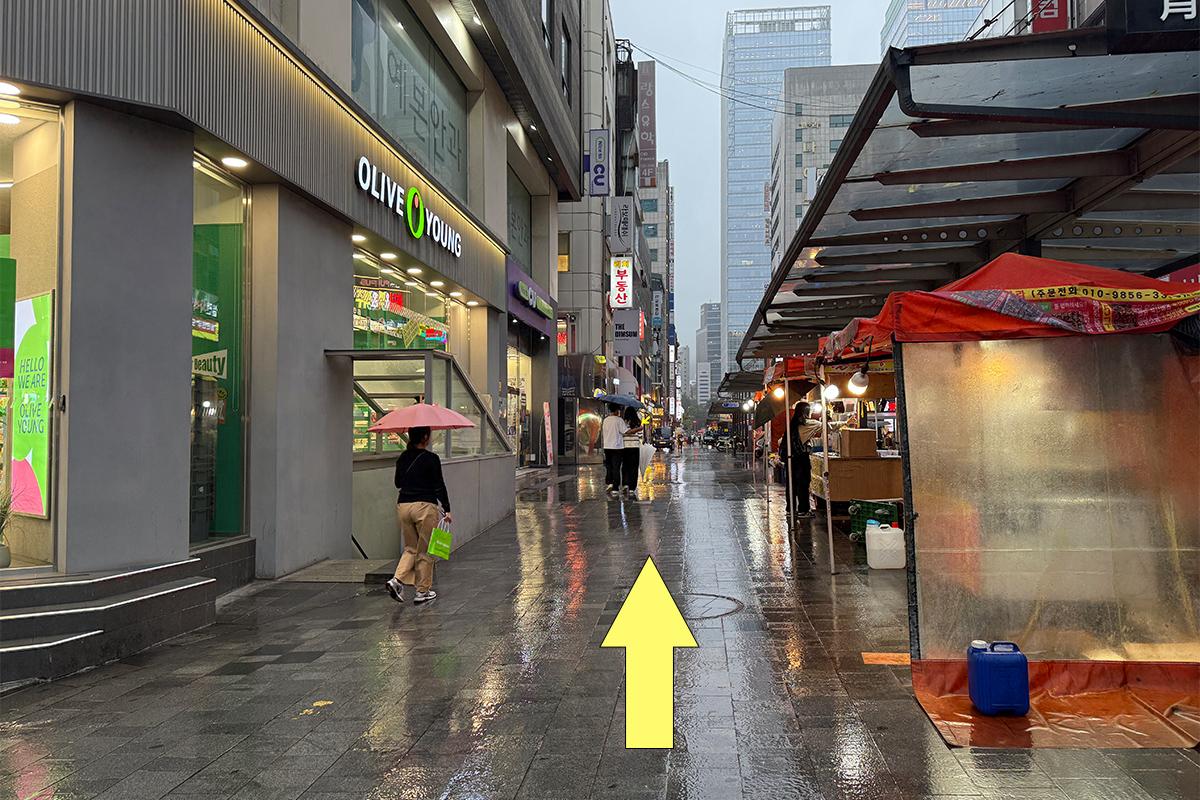
Go straight.
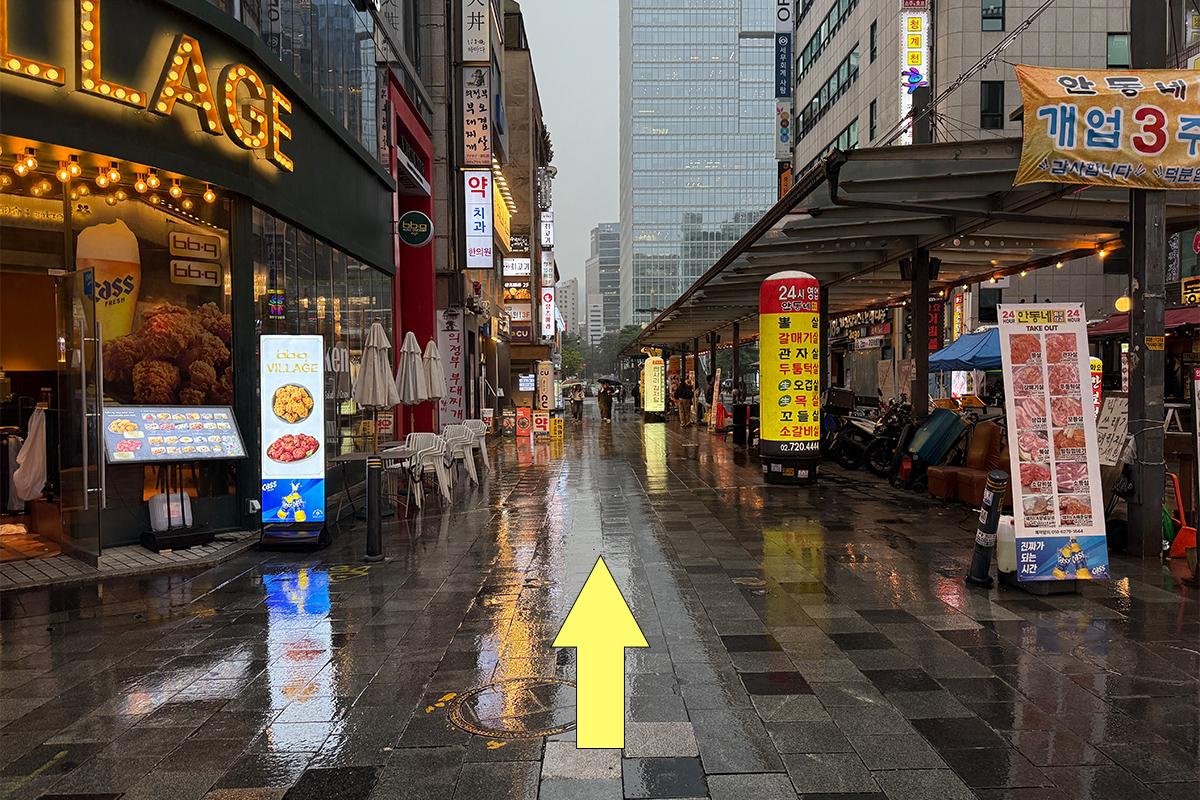
Keep going straight.
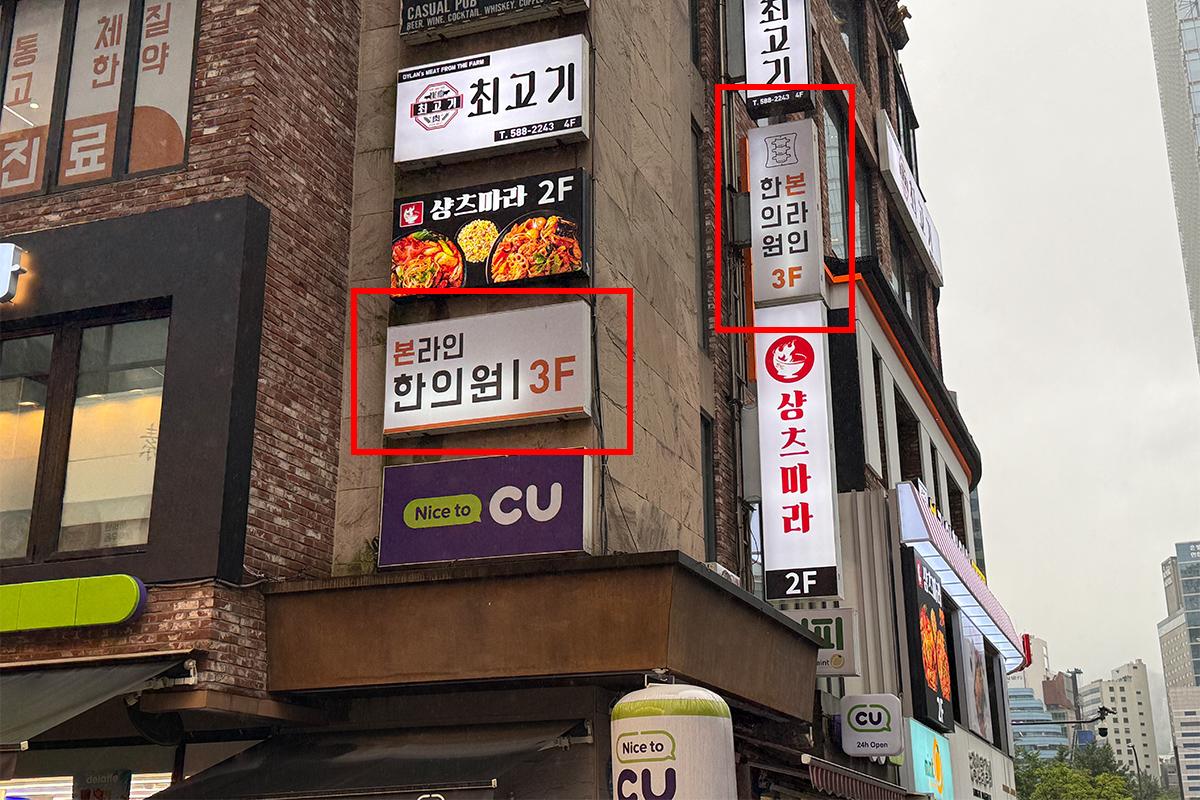
Continue straight until you see the sign for 'Boneline Korean Medical Clinic' above the 'CU' convenience store.
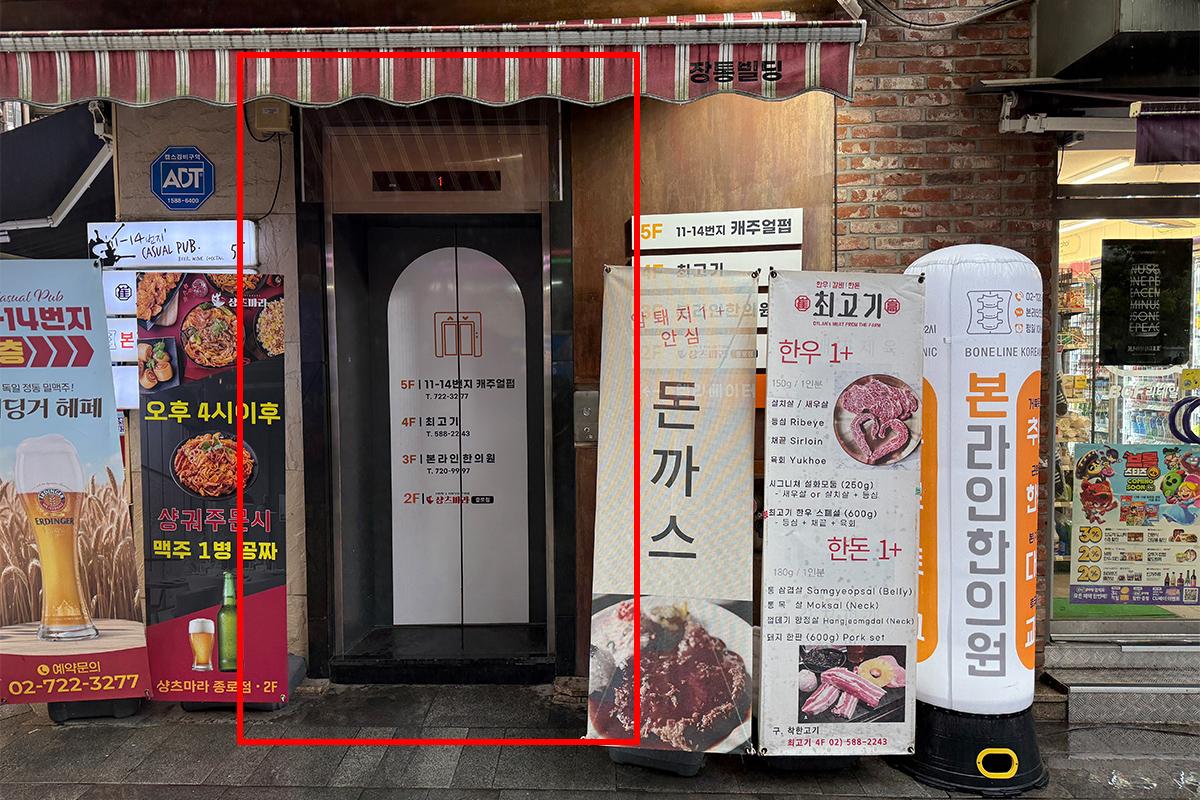
Take the elevator in that building to the 3rd floor to arrive at 'Boneline Korean Medical Clinic Euljiro'.
[스팟] Boneline Clinic | Traditional Korean Medicine Clinic
Book all things trending in Korea on Creatrip! If you have any questions or concerns, please leave a comment below or send us an email at help@creatrip.com! You can follow us on Instagram, TikTok, Threads, and Youtube to stay updated on all things Korea!
Book all things trending in Korea on Creatrip! If you have any questions or concerns, please leave a comment below or send us an email at help@creatrip.com! You can follow us on Instagram, TikTok, Threads, and Youtube to stay updated on all things Korea!