
Teeth Cleaning (Dental Scaling) in Korea | Costs, Procedures and Recommended Clinics
When was your last dental cleaning? Teeth cleaning in Korea is often more affordable than in the US and can include advanced treatments!

- Why You Should Get Regular Dental Cleanings
- U.S. vs. South Korea Dental Scaling Price Comparison3

- FAQ
- Teeth SPA? (aka Premium Dental Cleaning Service)
Why You Should Get Regular Dental Cleanings
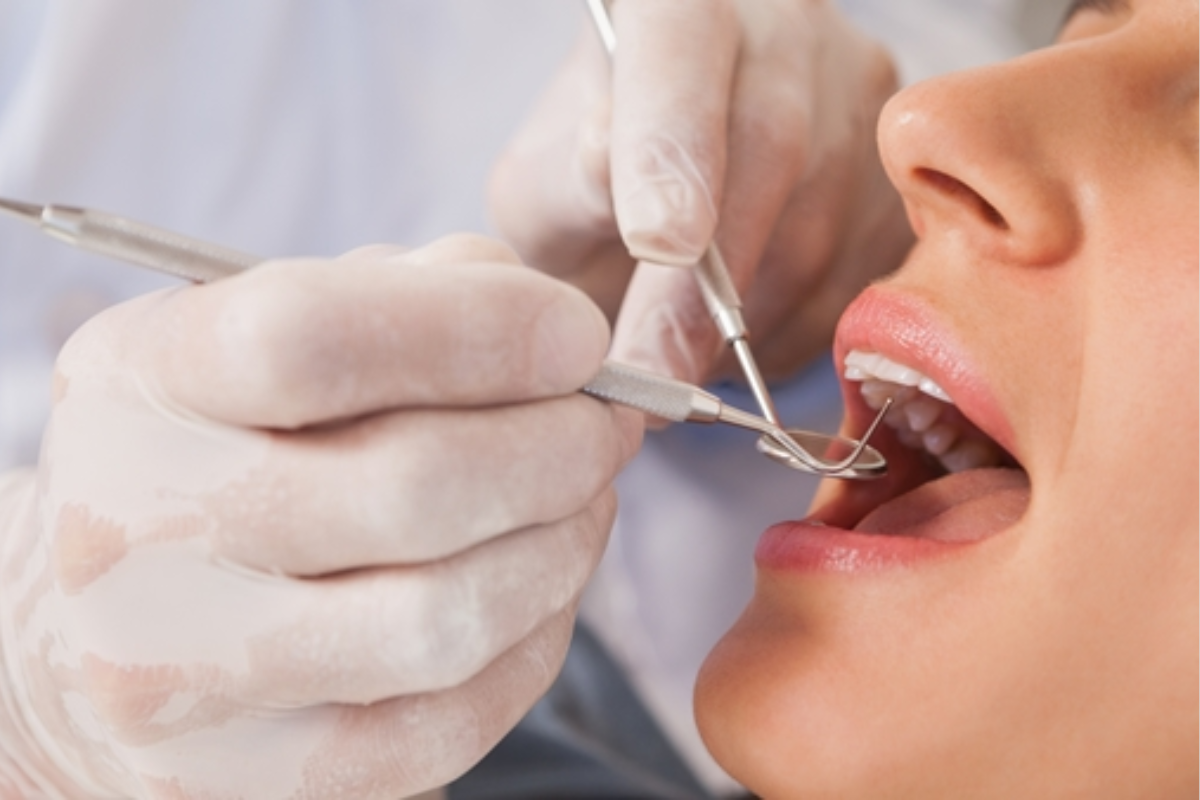
Dentists usually recommend a professional teeth cleaning every six months to a year. But why isn’t brushing at home enough, and why do you still need to visit a dental clinic?
Professional teeth cleaning uses ultrasonic scalers and other specialized tools to remove tartar and plaque both on the surface of your teeth and below the gum line, giving you a truly thorough clean. Think of it like a deep facial or skincare treatment, it removes buildup that everyday care can’t reach, keeping your teeth healthy.
If tartar and plaque continue to accumulate, they can lead to several dental problems:
1. Can Cause Gingivitis and Periodontal Disease
When tartar builds up between your teeth and gums, it can trigger gum inflammation. In the early stages, this is called gingivitis, which makes your gums red and swollen. If left untreated, it can progress to more serious periodontal disease, potentially leading to dental abscesses and gradual shrinkage of the gums and jawbone.
2. Loose Teeth and Tooth Loss
Periodontal disease doesn’t just cause swollen or painful gums, it can also lead to loose teeth or even tooth loss. Without proper oral care, inflammation persists, causing the gums to pull away from the tooth roots. Plaque, tartar, and trapped food continue to accumulate, creating a vicious cycle. Over time, the tooth roots can decay, and teeth may loosen as the gums and jawbone lose their support, eventually falling out.
3. Bad Breath Problems
Even with regular brushing and flossing, tartar and plaque between your teeth and gums can be hard to remove completely. Bacteria in your mouth feed on leftover food, producing unpleasant odors. If gingivitis has developed, the bacterial buildup increases, making bad breath even worse.
4. Affects Overall Health
Bacteria from your mouth can enter the bloodstream and potentially worsen chronic conditions like heart disease and diabetes. Maintaining good oral health isn’t just about your teeth—it’s also a key part of protecting your overall well-being.
U.S. vs. South Korea Dental Scaling Price Comparison
Location / Clinic | Price |
|---|---|
US – Private Dental Clinics (with insurance) | $0–$50 per cleaning |
US – Private Dental Clinics (without insurance) | $150–$300 per cleaning |
Korea – Yonsei Uline Dental (Gangnam) | ₩100,000 (100000) |
Korea – Yonsei GOOD DAY Dental Clinic (Gangnam) | ₩100,000 (100000) |
Korea – MINISH Dental (Gangnam) | ₩100,000 (100000) |
In the U.S., most people go to private dental clinics for routine teeth cleaning, as public or government-run dental services are limited to emergency care. Private clinic prices can be quite high, which is why some people skip regular cleanings. In comparison, teeth cleaning in Korea is often 30–60% more affordable than in the U.S.!
[Spot] Yonsei Uline Dental Clinic (Gangnam Station Branch)
[Spot] Yonsei GOOD DAY Dental Clinic (Gangnam Branch)
[Spot] MINISH Dental Clinic (Gangnam)
FAQ
Q1. How often should I get my teeth cleaned?
A: Most people are advised to have a professional cleaning every 6 to 12 months. If you smoke, tend to build up tartar quickly, or have braces, every 3 to 6 months is recommended. Even if your teeth are healthy, regular cleanings are still important!
Q2. Can foreign tourists get a tax refund for teeth cleaning in Korea?
A: No, teeth cleaning is not eligible for a tax refund in Korea.
Q3. How long does a dental cleaning take?
A: Usually 20–40 minutes. If you have a lot of tartar or gum issues, it may take a bit longer.
Q4. Can pregnant women or people with diabetes get their teeth cleaned?
A: Yes! Pregnant women are more prone to gum problems due to hormonal changes. People with diabetes also benefit from regular cleanings, often needing them more frequently than average. Just be sure to inform your dentist about your condition so they can take any necessary precautions.
Q5. Will teeth cleaning be painful or cause bleeding?
A: Discomfort depends on your gum health and tartar buildup. If there’s a lot of tartar or inflamed gums, you might feel some soreness or minor bleeding, but it’s usually not severe. Local anesthesia can be offered if needed.
Q6. Will my teeth become loose or gaps get bigger after cleaning?
A: No. Cleaning removes tartar that may have been hiding spaces between teeth. Afterward, it might feel like gaps are bigger or gums are swollen, but this is temporary and will settle naturally.
Q7. Will my teeth be more sensitive after cleaning?
A: Some sensitivity is normal because areas previously covered by tartar are now exposed. This usually improves within a few days to a few weeks.
Q8. Will teeth cleaning whiten my teeth?
A: Cleaning can remove surface stains, so your teeth may look slightly brighter, but don’t expect major whitening results.
Also check out everything you need to know about teeth whitening!
[Blog] Korean Teeth Whitening/Comprehensive Analysis of Teeth Whitening Methods
Q9. Will teeth cleaning make my gums worse?
A: Not at all! Teeth cleaning is actually essential for healthy gums. Some people may notice their gums look shorter after a cleaning, but that’s just because tartar has been removed and previously covered areas are now exposed. It doesn’t mean your gums have receded. In fact, skipping cleanings can make your gum health worse over time.
Q10. What should I do after a dental cleaning?
A: Your gums may feel a bit sensitive for a day or two. It’s best to avoid spicy or very hot foods, alcohol, and smoking during this time. Make sure to brush carefully and continue using floss or interdental brushes. Maintaining your regular oral care routine will help keep your teeth and gums healthy.
Teeth SPA? (aka Premium Dental Cleaning Service)
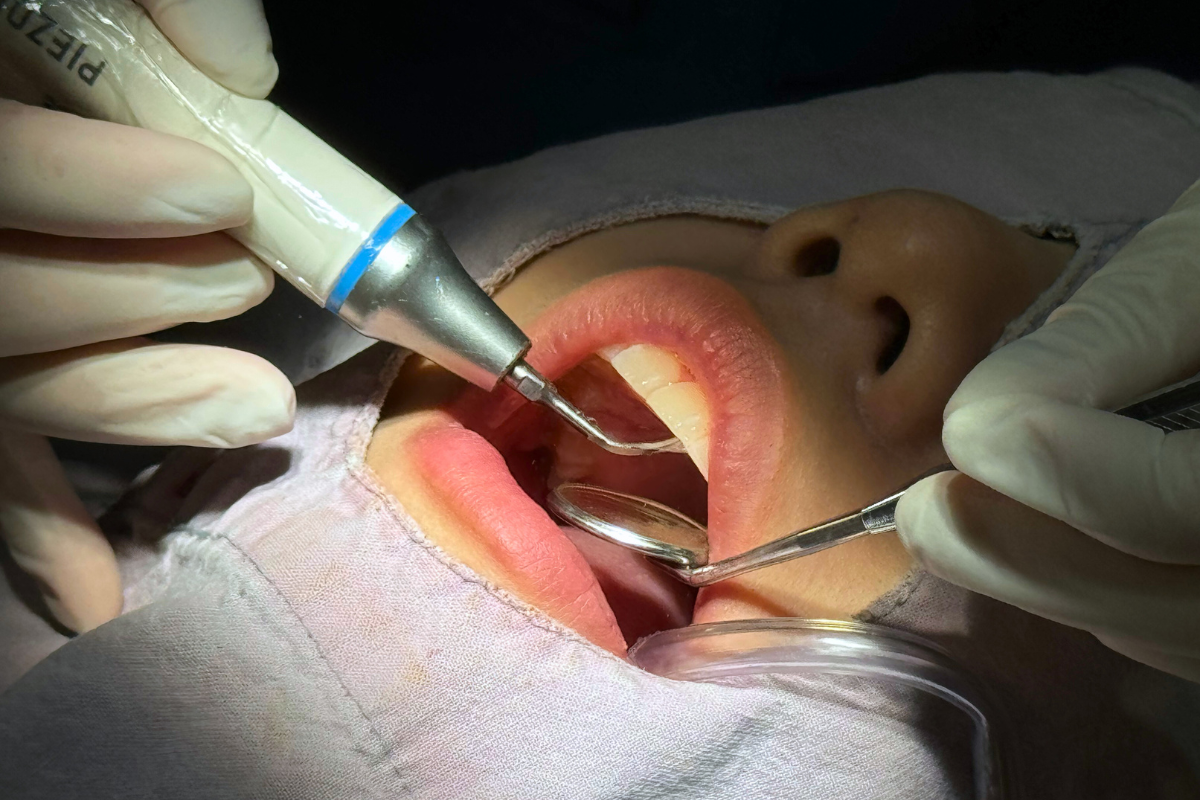
We usually think of SPAs for the body or scalp, but did you know your teeth can get a SPA too? Located in Gangnam, MINISH Dental Clinic offers an “Oral SPA”, a premium dental treatment with up to 19 professional steps. This service helps analyze and prevent cavities, periodontal disease, bad breath, and other oral health issues.
Recommended for
- Anyone nervous about visiting the dentist
- Those who want professional, systematic oral care
- People prone to cavities
- Those looking to improve or treat bad breath
Medical Instruments Used
- Qraycam Pro: Detects cavities and plaque using quantitative optical technology
- Qrayview C: Advanced cavity diagnostic device
- Twin Breasor II: Smart breath analyzer
- Phase-Contrast Microscope: Detects harmful oral bacteria
Visiting Korea for teeth cleaning is not only cost-effective but also a chance to experience advanced dental care, from routine cleanings to premium Oral SPA treatments. Whether you want to maintain healthy gums, prevent cavities, or enjoy a professional and thorough cleaning, Korean dental clinics make it easy, affordable, and even a little luxurious. Give your smile the care it deserves.
Check below to see more!
Book all things trending in Korea on Creatrip! If you have any questions or concerns, please leave a comment below or send us an email at help@creatrip.com! You can follow us on Instagram, TikTok, Threads, and Youtube to stay updated on all things Korea!
Book all things trending in Korea on Creatrip! If you have any questions or concerns, please leave a comment below or send us an email at help@creatrip.com! You can follow us on Instagram, TikTok, Threads, and Youtube to stay updated on all things Korea!