
Korean Proficiency After One Year of Language School in Korea
Curious about Korean proficiency after a year at a language school? Scroll down now!


This might be the most common question among those who are interested in studying abroad in Korea. If you study at a Korean university language institute for a year, how much will your Korean language skills improve? The exact number will vary depending on each individual's study habits and learning ability, but let me give you an average estimate. For those who are currently attending or planning to attend a Korean language institute, please pay attention!
Studying Korean
Before getting into the main topic, let me explain the concept of learning Korean. In fact, there are no shortcuts to learning any language; language proficiency requires skills, not just language certifications. Therefore, it is possible to achieve high scores on language certifications within a short period of time, but practical language abilities do not necessarily improve. When learning a new language, the only way to build a solid foundation is to start with consonants and vowels, gradually working your way up. To properly build this foundation, you need at least a year of study, not only for Korean but also for other languages.

In addition, Korean has very little similarity to other languages such as the alphabet or Chinese characters, making it time-consuming to learn even the consonants and vowels. In terms of grammar, there are difficulties with spacing and honorifics, which must be learned even in the introductory stage. Of course, those who have learned Japanese or whose mother tongue is Japanese may find it easier compared to speakers of other languages. Japanese also has honorifics and many similar aspects in grammar and word order. However, as someone who has also learned Japanese, it is not an easy language to learn, even starting with adverbs and progressing to present and past tense. Therefore, the conclusion is that "you must lay a good foundation." A current Korean language teacher stated that it takes at least three months to understand the concept and grammar of Korean, as well as pronunciation rules. Language institutes offer courses that last approximately two months per semester, so you can think of at least one semester as an introductory period. If the first semester is focused on building a foundation, what level of proficiency can you expect after a year of study?
1 Year of Language School
In fact, the level of Korean language proficiency after one year of study at a language institute can vary greatly depending on whether you have a foundation or not from the first semester. First of all, think of each semester at a language institute as equivalent to one level of the Test of Proficiency in Korean (TOPIK). Since there are four semesters in a year, on average, you can expect to reach a level of around TOPIK 4. However, if you have a foundation and score higher on the placement test before starting at the language institute, you may be placed in a higher level class, which could enable you to achieve a higher level on the TOPIK after a year of study. Of course, the teacher's passion during language institute classes can stimulate students' motivation to study harder, but the level of each student can vary greatly depending on their individual study habits after class. Therefore, some students may only achieve a level of TOPIK 2 after one year of study, while others may achieve the highest level of TOPIK 6.
Communication
The Test of Proficiency in Korean (TOPIK) is designed for specific purposes such as university admission or employment. It is a language certification exam, so it is possible to acquire skills in a short period of time, but it may not necessarily improve practical Korean language ability, especially speaking proficiency. Most people probably think, "I came all the way to Korea, so I need to be able to communicate!" In that case, how can you improve your communication skills?
Conversation Classes
Language school classes usually only last half a day, so you can participate in other classes or activities afterwards. One way to improve your conversation skills is to take conversation classes at the language institute you are attending. The teachers provide tips for speaking and various information, and by speaking throughout the class, you can greatly improve your skills.
School Clubs
If you stay in Korea for a full year, you will likely encounter many Korean students as their school schedules align with yours. In this case, the biggest advantage is joining a club. By joining a Korean club or an international exchange club, you can continue to communicate face-to-face with Korean students, or in other words, with native Koreans. Consistent communication can help improve your listening and speaking skills, making it the fastest way to improve your Korean conversational ability. In conclusion, joining a club is an opportunity for cultural exchange and communication with locals.
Campus and Extracurricular Activities
First of all, regarding campus activities, as mentioned earlier, there are clubs and global programs. The first example is Yonsei University. Yonsei University operates a program called "Exchange Student Korean Language Learning Helper," which allows for exchanges and learning activities between Korean students and international students. Korean students assist in Korean language learning and converse in Korean during learning activities, which can improve speaking proficiency. In addition, information related to international student support programs can be found on the Yonsei University International Office website, so please refer to it for more details.
The second example is Konkuk University. Konkuk University also operates a similar program to Yonsei University, called "International Student Helper." This program allows foreign students to experience what they have learned in the classroom and provides assistance in areas where students may be lacking, enhancing the effectiveness of learning. This program not only provides language assistance to international students but also promotes cultural exchange. Various international exchange programs are available on campus, so if you actively apply, it will be helpful for improving your Korean language skills. As for extracurricular activities, using applications can be a good option.
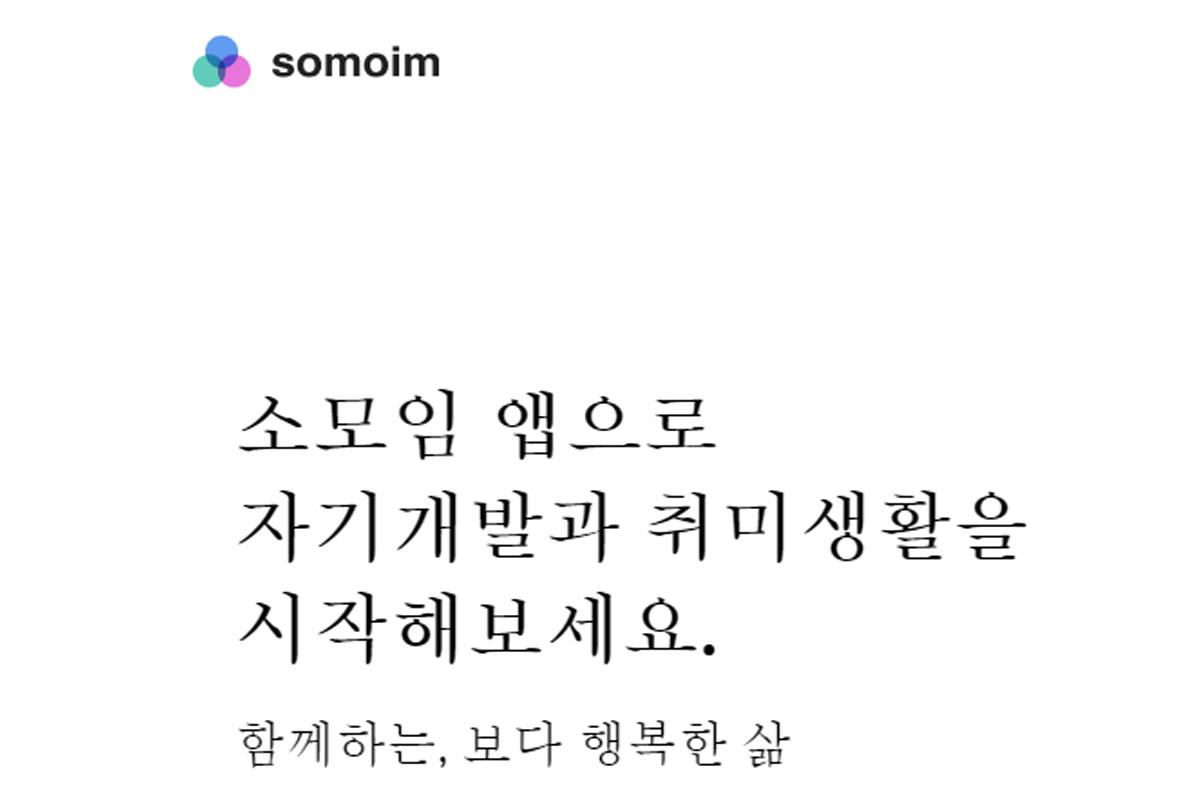
An example of an app that I would like to introduce is a hobby group app called "Somoim." Somoyim is a mobile community platform where you can participate in various offline group activities based on your interests and location. There are various types of offline groups such as hiking groups, book clubs, and language study groups. By joining a group that interests you, you can meet many Koreans. Many working professionals use this type of app, and one advantage is that you can quickly make friends with similar interests. In addition, there are various other apps such as "Frip" and "Udong," so please check out the app store for more options!

Today, we looked at how much Korean language proficiency you can expect to achieve after studying at a language institute for about a year. However, the biggest factors are individual passion and study habits. Using this information as a reference, I hope you can create a study plan and have a fulfilling experience while studying abroad in Korea! If you have any questions or concerns, please leave a comment below or send us an email at support@creatrip.com! You can follow us on Instagram, TikTok, Twitter, and Facebook to stay updated on all things Korea!
Book all things trending in Korea on Creatrip! If you have any questions or concerns, please leave a comment below or send us an email at help@creatrip.com! You can follow us on Instagram, TikTok, Threads, and Youtube to stay updated on all things Korea!