History of Korea-Japan Tour
Why is Korea and Japan always fighting? Come find out why!

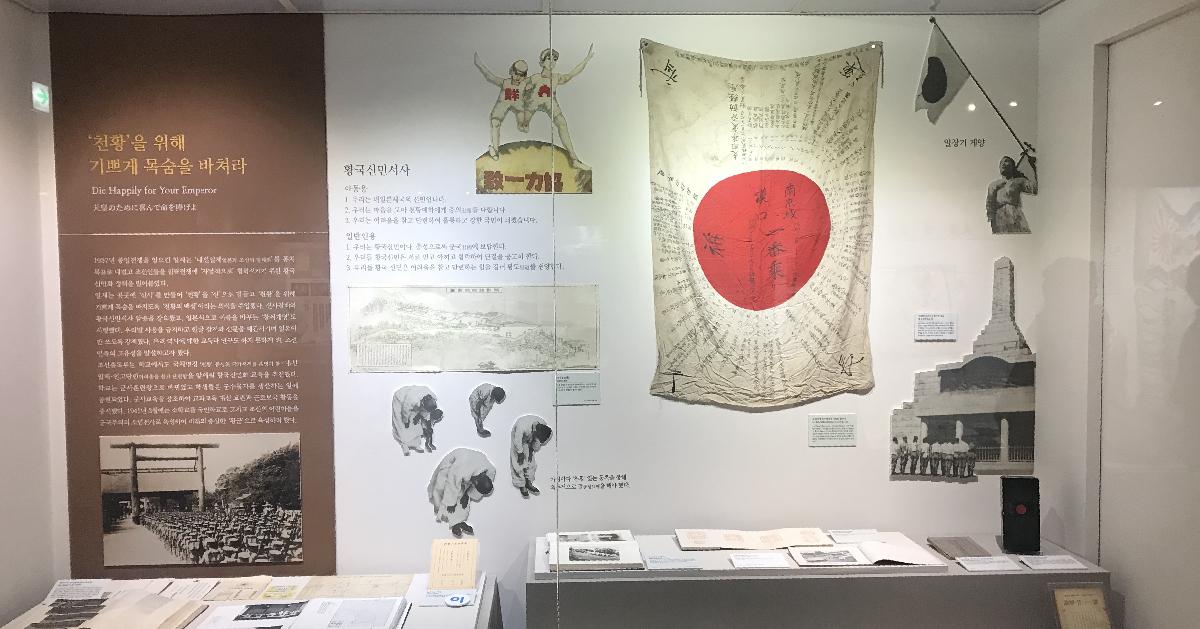
Korea and Japan have a very complicated relationship... Korea was annexed by the Empire of Japan and became a part of Japan for 35 years from 1910 to 1945. The period in which Korea was under Japanese rule is seen as a desolate time as Koreans were stripped of their culture and forced to adapt to the ways of the Japanese. The hurt still remains in some Koreans in modern days which is why Korea-Japan relations are still complicated, even after 77 years since liberation. Don't get me wrong! There are Koreans that appreciate Japan and its culture greatly but this tour will give you an insight into the two countries' complex relationship.
History of Korea-Japan Tour
Information
Tour dates: Tuesday - Sundays (Does not operate on Mondays, public holidays, January 1, Seolnal, Chuseok day)
Why We Recommend It
Find out why Korea and Japan have such a complicated relationship!
Visit museums and memorials to educate yourself on the two countries' history.
Learning the back story of these monuments will make them even more memorable.
Things to Keep In Mind
Make a reservation at least 2 days prior to departure.
Cancellations and refunds before 3 days prior to the reserved date are eligible for 100% refunds. If you cancel 2 days in advance, you will get a 50% refund and if you cancel 1 day or on the reserved date, a refund will not be given.
To make changes to the reservation or if you have any other inquiries, contact help@creatrip.com.
The tour operates with a minimum of 2 tour members.
Hotel pick-ups are available and you will be dropped off at Insa-dong.
Included in the price are transportation, an English/Japanese-speaking guide, all admission fees, and lunch.
Not included in the price are travel insurance and other personal expenses.
Gyeongbokgung Palace is closed on Tuesdays. Tours on Tuesdays will be guided to Changgyeonggung Palace.
If there are fewer than 3 people on the tour, the shuttle will be substituted with a taxi.
This tour is for people who are interested in learning about the modern history of the Korean-Japanese relationship. Arguments and controversial conversations are prohibited and will not be taught.
Seodaemun Prison History Hall and Tapgol Park are the two main attractions focused on the tour.
Additional fees will occur if you wish to extend the tour guide's time.
The duration of the tour is subject to change according to the traffic conditions of the tour day.
Price
Product | Price |
History of Korea-Japan Tour for 1 | 150000 |
Refund Policy
Date of cancellation | Amount refunded |
3 days before the tour date | 100% refund |
2 days before the tour date | 50% refund |
1 day before/on the tour date | No refund |
How to Reserve
Step 1 | Make a reservation on the Creatrip reservation page |
Step 2 | Enter the required information in detail. |
Step 3 | Make the full payment. |
Step 4 | Your reservation will be confirmed within 1-2 business days. |
Step 5 | Changes or cancellations can be made up to 3 days prior to departure. You will be sent an email after your reservation is confirmed. |
Step 6 | Arrive at the agreed meeting location (your hotel) 10 minutes earlier. |
Step 7 | Present your reservation information to the guide on the tour date and board the car. |
Tour Itinerary
Duration of tour: 8 hours | 10:00 ~ | Pick-up at the designated hotel |
Museum of Japanese Colonial History in Korea | ||
Lunch (Bibimbap) | ||
Gyeongbokgung Palace | ||
Seodaemun Prison History Hall | ||
Tapgol Park | ||
18:00 | Drop-off at Insa-dong |
Preview
The Museum of Japanese Colonial History in Korea has records from the end of the Joseon Dynasty to the present day after liberation. There are official records and even goods saved from normal households that lived through the colonial period.
The royal palace of extreme significance was completely demolished during Japanese rule. After liberation, the Gyeongbokgung Palace was rebuilt and brought back to life.
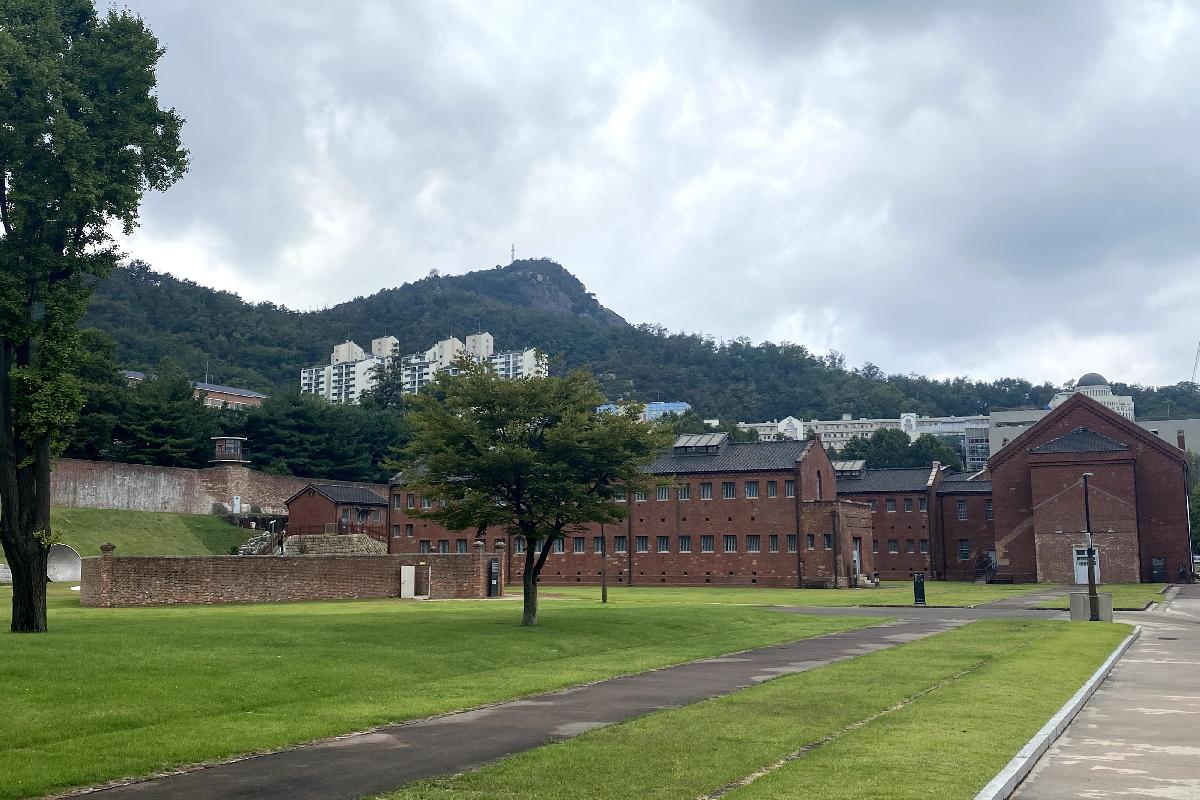
The Seodaemun Prison History Hall was Korea's first prison with modern facilities. It was designed and built in 1907 and opened the following year as Gyeongseong Prison. For the next 80 years, 350,000 people were imprisoned here. Among the prisoners were liberation activists, one of them being Kim Gu, the leader of the Korean independence movement against the Empire of Japan.
Tapgol Park is Seoul's first city park and was where the March 1st movement took place. Citizens and students gathered to fight for Korea's independence at this park in 1919.
Koreans had to fight hard for what they have today. Learn more about how they lived when under colonial rule and how they fought to gain independence.
History of Korea-Japan Tour
We hope that you can enjoy a day learning about Korea and Japan's history! If you have any questions or concerns, please leave a comment below or send us an email at help@creatrip.com! You can follow us on Instagram, TikTok, and Facebook to stay updated on all things Korea!
Book all things trending in Korea on Creatrip! If you have any questions or concerns, please leave a comment below or send us an email at help@creatrip.com! You can follow us on Instagram, TikTok, Threads, and Youtube to stay updated on all things Korea!